Topeka, the capital of Kansas, sits on the Kansas River and is known as much for its place in American history as for its parks and art. It was the site of the landmark Brown v. Board of Education case, home to painter John Steuart Curry’s Statehouse murals, and a hub of Underground Railroad history. Here are the 25 best things to do in Topeka.
Fun Facts About Topeka, Kansas
Topeka was the site of the landmark 1954 Brown v. Board of Education Supreme Court case that ended legal segregation in America’s public schools.
The name “Topeka” comes from a Kansa-Osage word meaning roughly “a good place to dig potatoes.”
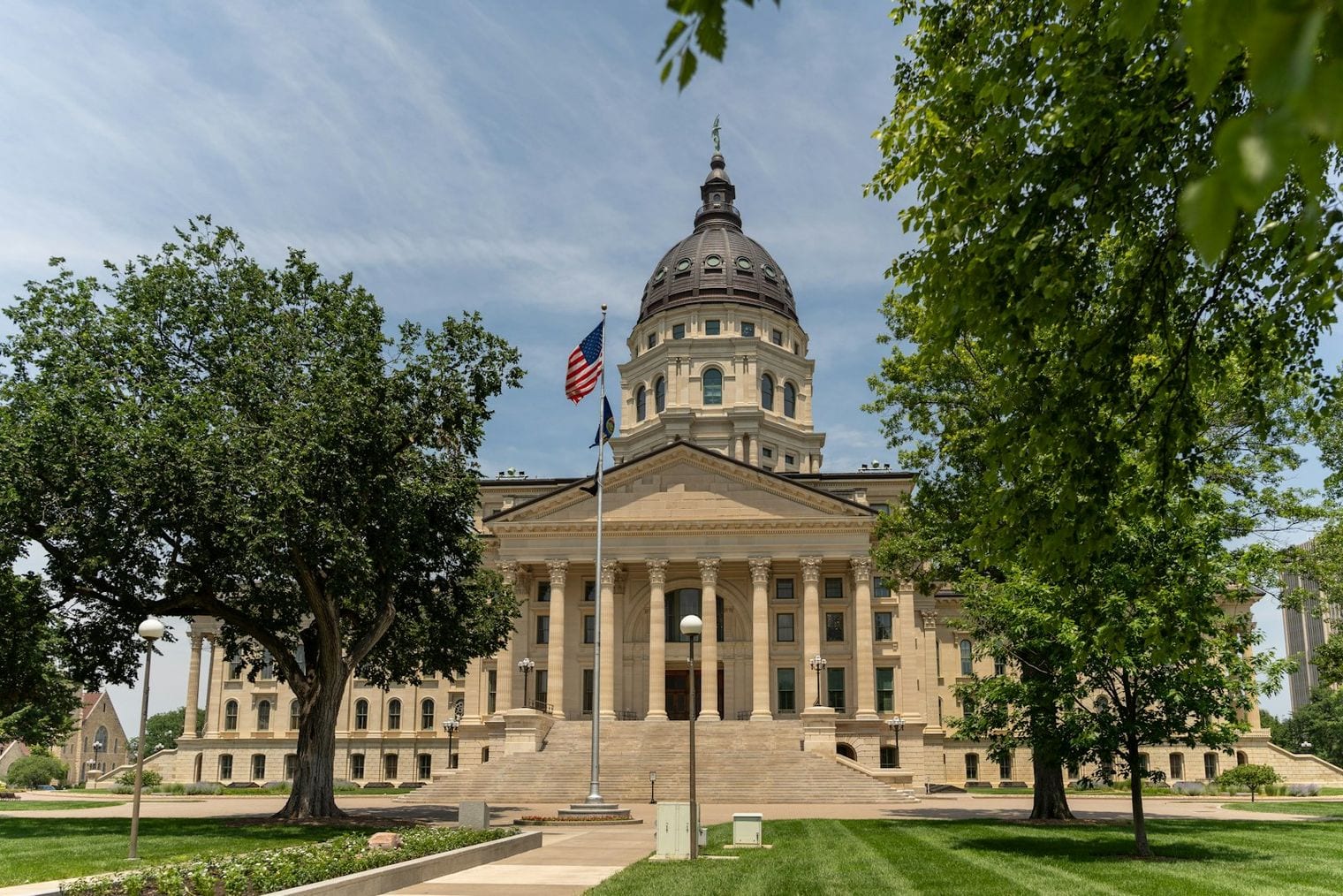
The Kansas State Capitol is one of only a few U.S. statehouses where visitors can climb 296 steps inside the dome to an outdoor observation deck.
Topeka is nicknamed “Top City” (or “T-Town”) and became the Kansas state capital in 1861.
The Statehouse holds John Steuart Curry’s famous “Tragic Prelude” mural of the abolitionist John Brown.
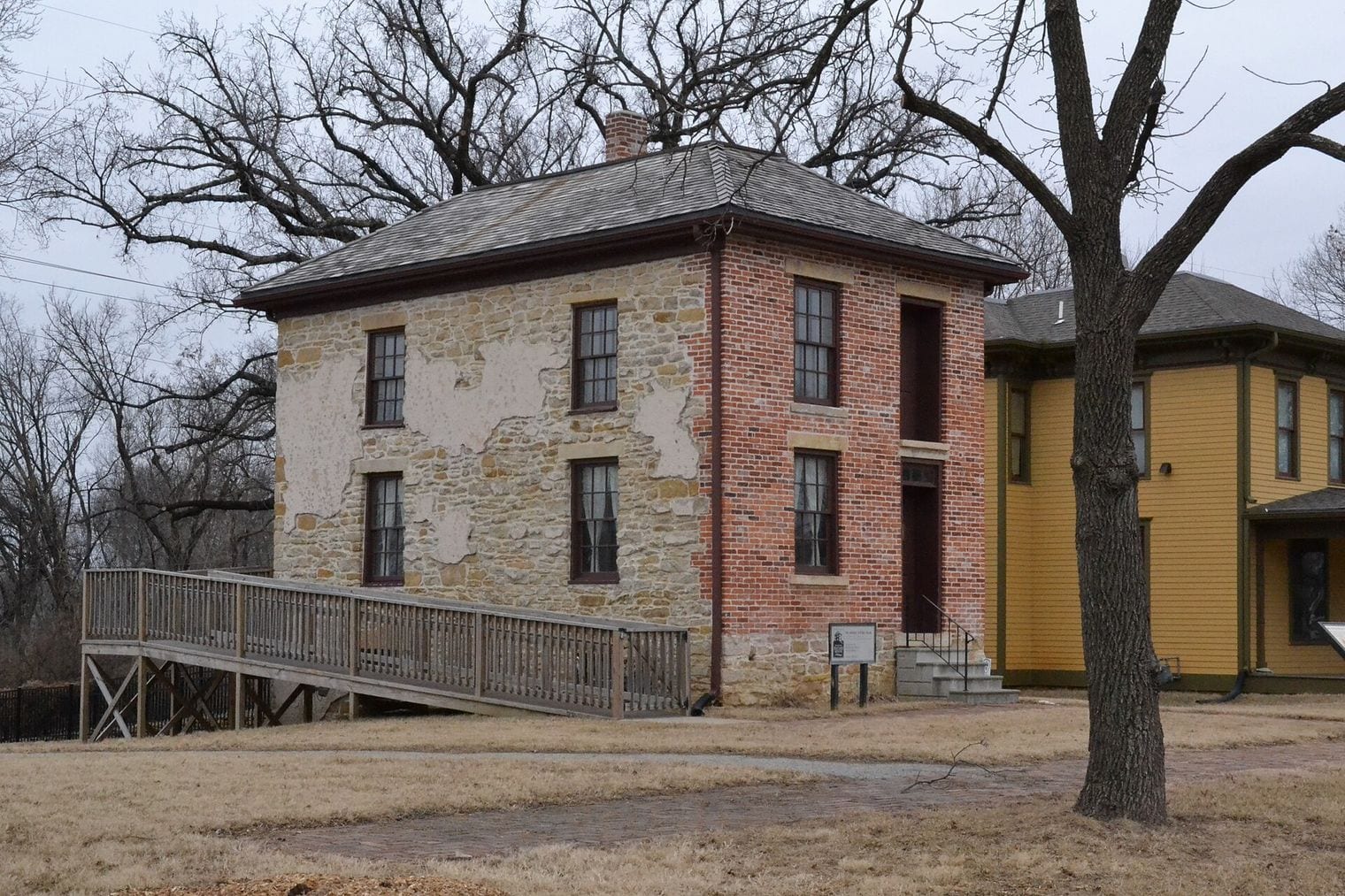
Step into Topeka’s oldest home at the Historic Ritchie House, built in 1856 by abolitionists John and Mary Jane Ritchie. This wasn’t just a residence but a documented Underground Railroad station, sheltering people escaping slavery on their perilous journey toward freedom.
Today the home operates as a house museum, offering free tours of both the residence and its Underground Railroad history. Recognized as a National Park Service Network to Freedom site, it lets you walk the same rooms where courage and conviction quietly shaped a pivotal chapter of American history.
2. Brown vs Board of Education National Historic Site
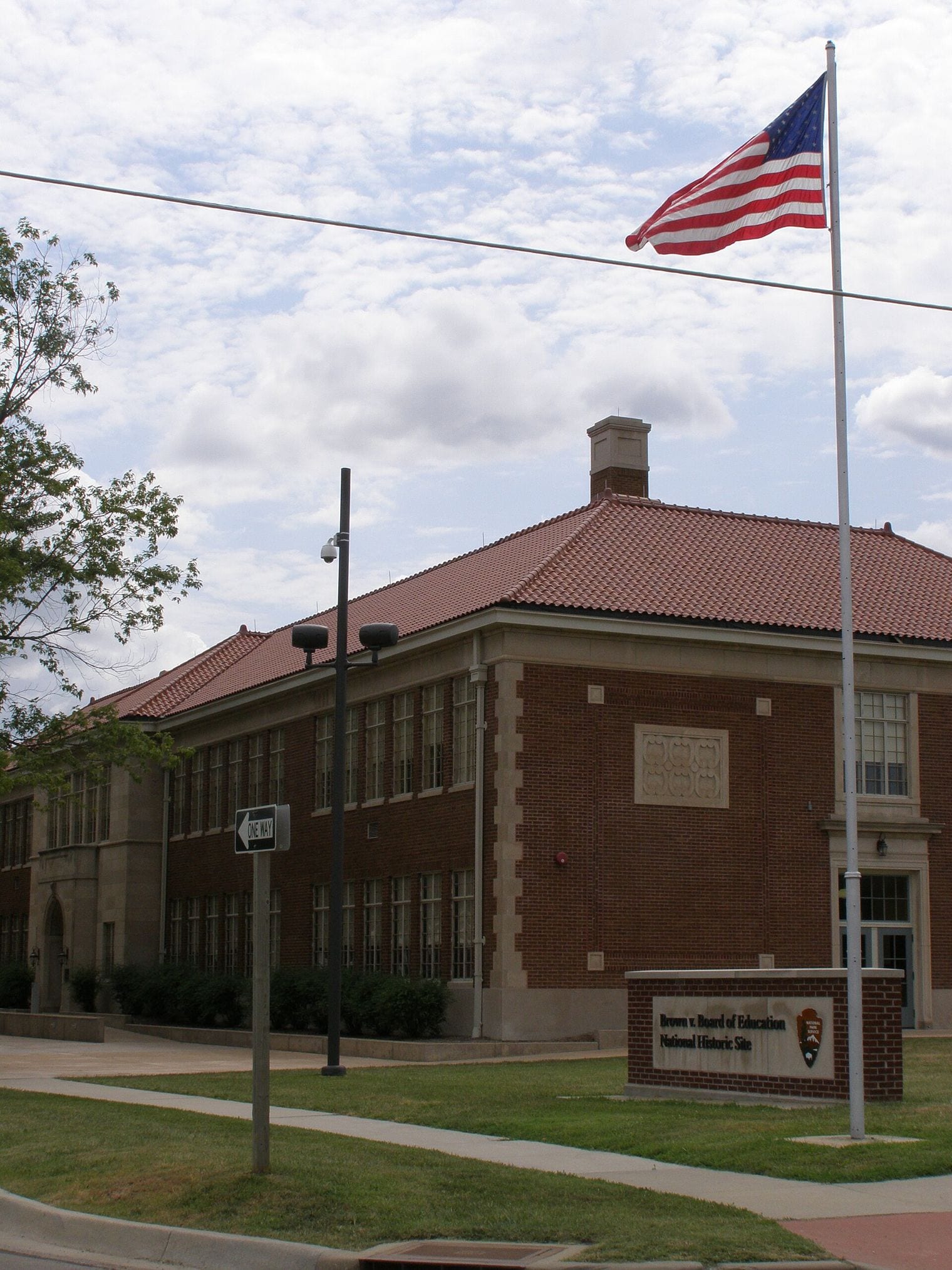
In a country still reckoning with race, few places speak as powerfully as the Brown vs Board of Education National Historic Site. This was the focal point of a movement that reshaped America, and standing here you feel the weight of everyday people who found the courage to challenge injustice and change the course of history.
In 1954, the landmark Brown vs Board of Education decision deemed racial segregation in public schools illegal, a turning point in the nation’s long fight for equality. A vital stop for anyone visiting Topeka, the site resonates with everyone touched by that struggle, honoring the ordinary courage that carried the Civil Rights movement forward.
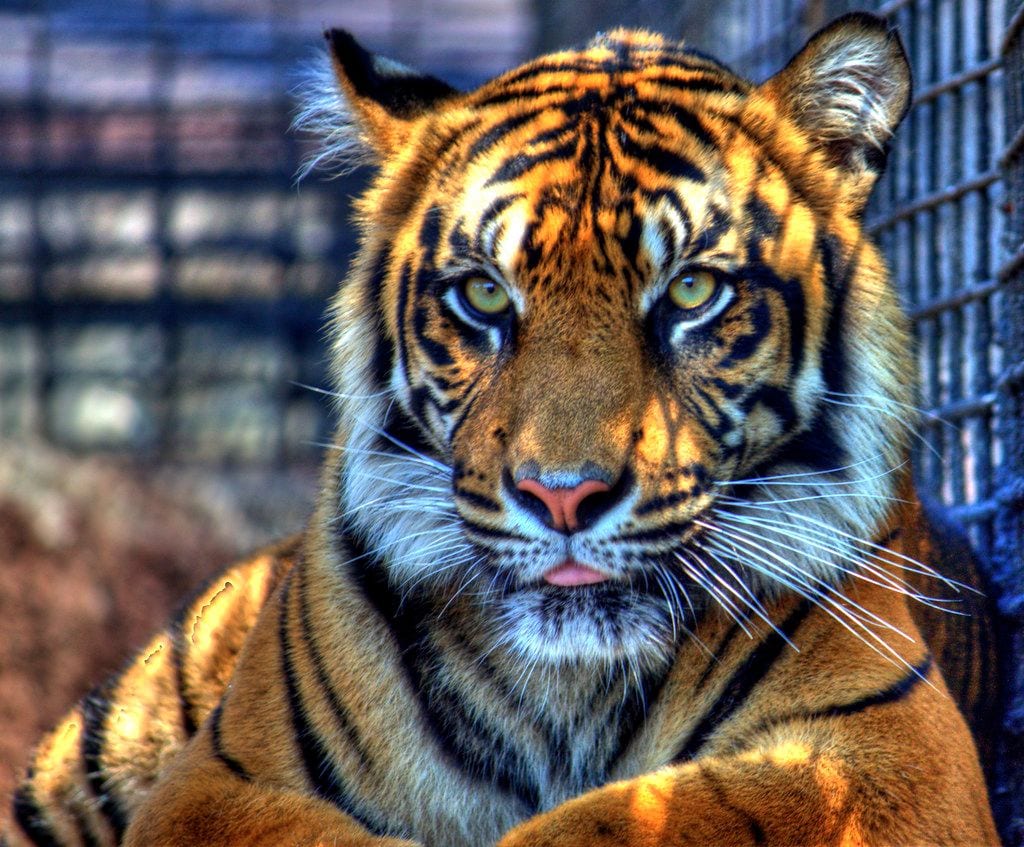
Set within leafy Gage Park, the Topeka Zoo & Conservation Center pairs a fun day out with a genuine wildlife-conservation mission, gathering fauna and flora from every corner of the globe. Its lush indoor Tropical Rainforest exhibit was the first of its kind in the United States where warmth and greenery pull you far from the Kansas plains.
Come face to face with a Hoffman’s two-toed sloth, the Nile River hippopotamus, and the tiny four-toed hedgehog, then wander a run of standout habitats. Hill’s Black Bear Woods, Jungle Cats, Discovering Apes, and Camp Cowabunga each spotlight a different slice of the animal world, while the hands-on Children’s Zoo lets younger visitors get up close and personal.
Spanning 160 acres, Gage Park has drawn Topekans to weddings and celebrations for well over a century. It’s an easy day out, packing the Topeka Zoo, the Kansas Children’s Discovery Centre and the Blaisdell Family Aquatic Centre into one green expanse. Book a shelter and grill area to test your BBQ skills between attractions.
Horticultural lovers should linger over the Reinisch Rose Garden, the Doran Rock Garden and the Von Rohr Victorian Garden. Catch a local performer at the Helen Hocker Theatre or the amphitheatre. Stephen King fans, take note: the park features in his fourth Dark Tower novel, Wizard and Glass, so wander with a story in mind.
Housed within Gage Park, the Kansas Children’s Discovery Centre is a non-profit museum built to spark young minds around engineering, art, science and nature. Its outdoor exhibit invites kids to take healthy risks on a treehouse, zipline, rock climbing area, rope course, obstacle course and music garden, while an indoor space adds an art studio and a construction zone.
Inside, children explore careers and manage pretend finances at Moneyville, learning to spend and save. Recognized as a Certified Nature Explore Classroom, the centre runs dedicated programs for children on the Autism Spectrum and young Medical Warriors. Its KCDC Cares initiative and regular free community nights ensure that cost never stands between a child and their education.
At the Kansas Museum of History, the sweep of the state unfolds from Native peoples and pioneers through the roar of the railroad era to modern times. Thousands of artifacts fill the galleries, among them a full-size locomotive and historic aircraft, tracing how Kansas took shape across generations of change and movement.
Beyond the display cases, interactive exhibits invite you to handle the past rather than just read about it, making the history feel immediate and hands-on. When you’re ready for fresh air, outdoor nature trails wind across the grounds, letting you stretch your legs and round out a visit that pairs storytelling indoors with quiet space outside.
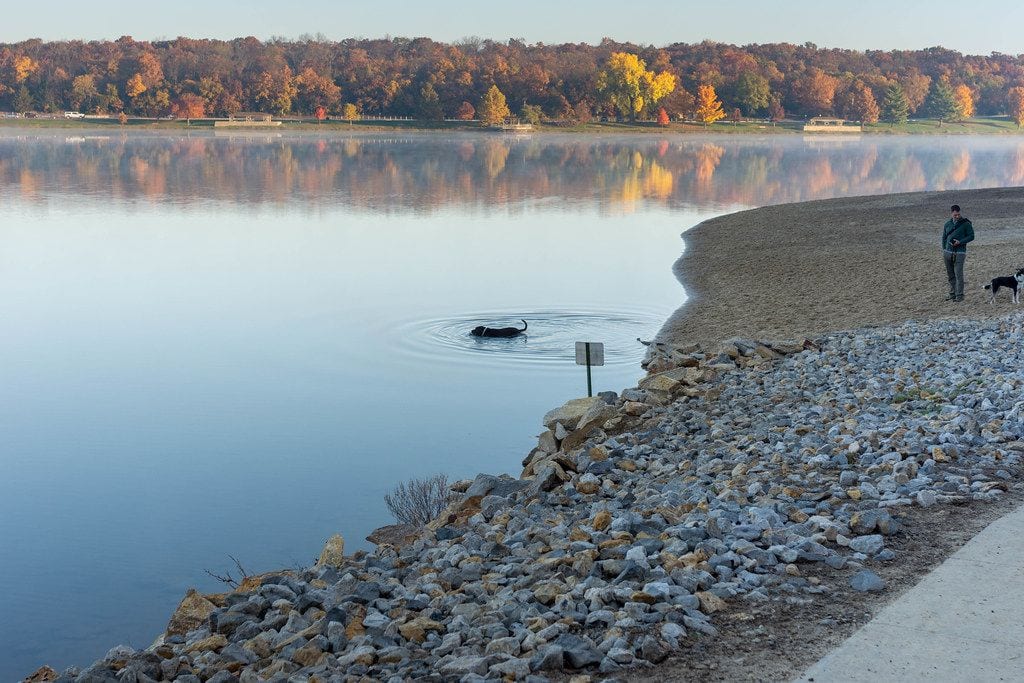
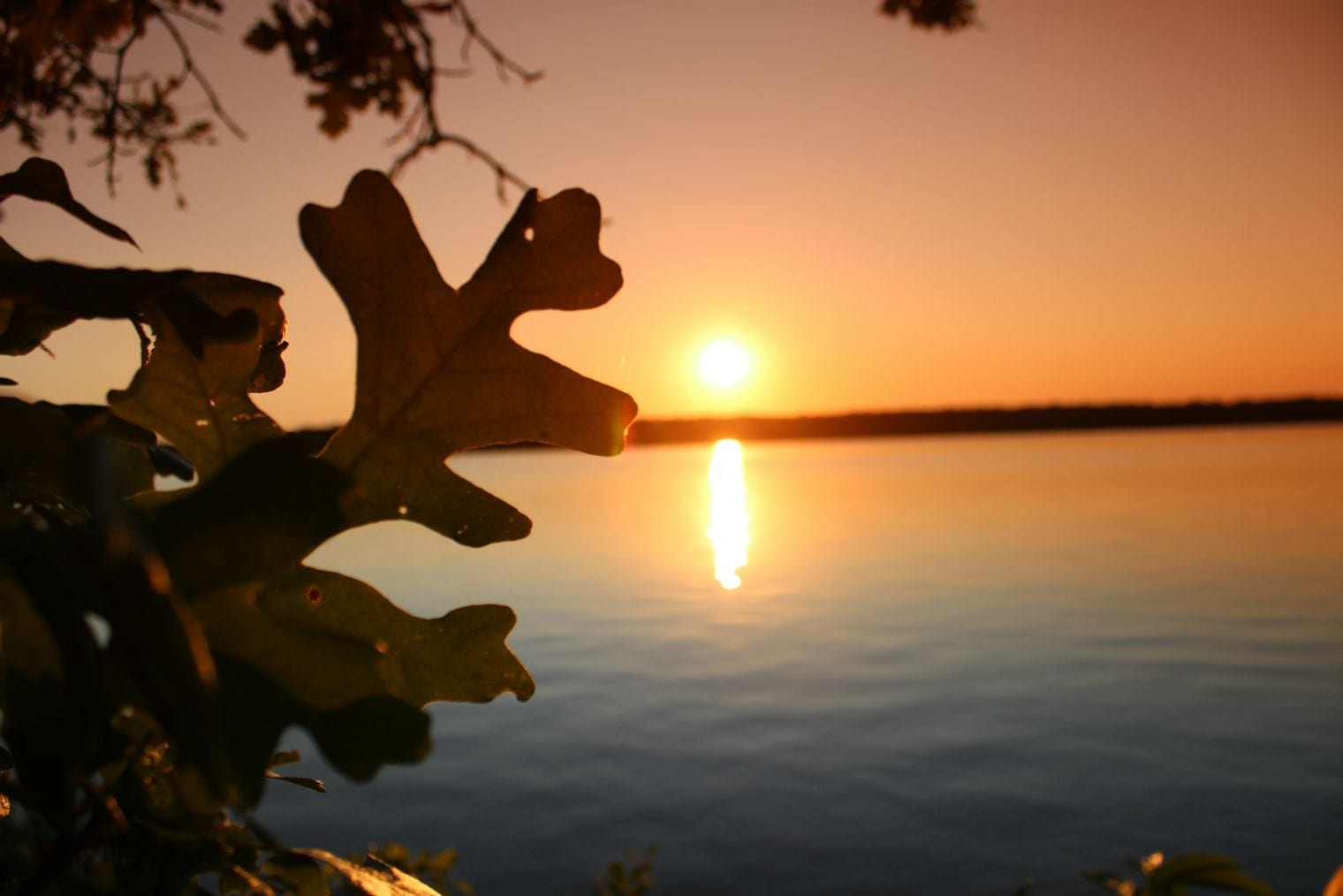
Lake Shawnee is a big man-made lake ringed by parkland, and one of Topeka’s most popular spots for getting on the water. Rent paddle boats, canoes or kayaks at Adventure Cove, cast a line for an afternoon of fishing, or take up sailing, swimming and water skiing when the weather turns warm.
Back on land there’s plenty to fill a day. Foot trails thread the shoreline, and you’ll find a golf course, tennis courts, playgrounds, campgrounds and shelter houses scattered through the grounds. Keep your eyes on the treeline too, since bald eagles are sometimes spotted perched and hunting along the water’s edge.
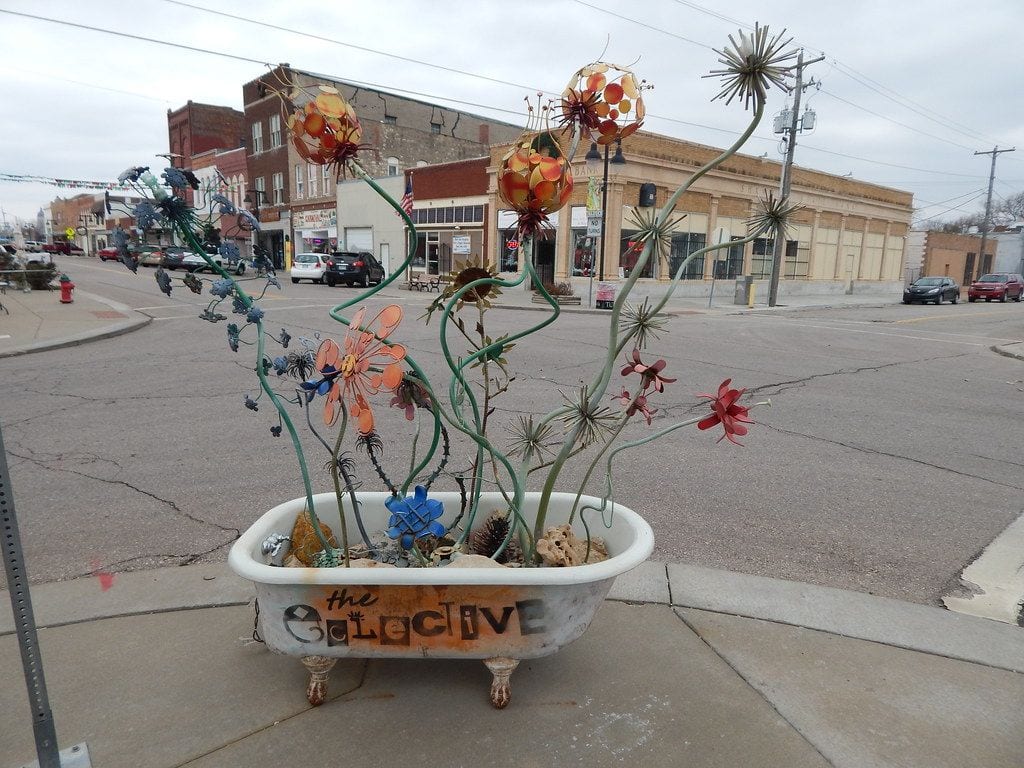
Once a thriving business district, North Topeka fell on hard times after mid-century floods and the relocation of the Kansas Avenue bridge hollowed out its commerce. When a community survey asked Topekans what they most wanted, an arts district topped the list, and the NOTO Arts District was born from that shared vision.
Today the neighborhood hums with creativity, home to dozens of local businesses trading in art, food, drink, studios and services. Come for the monthly First Friday Artwalk, where thousands gather among food trucks, glass blowing and live music, or simply wander the streets year-round to see the capital’s artistic spirit on full display.
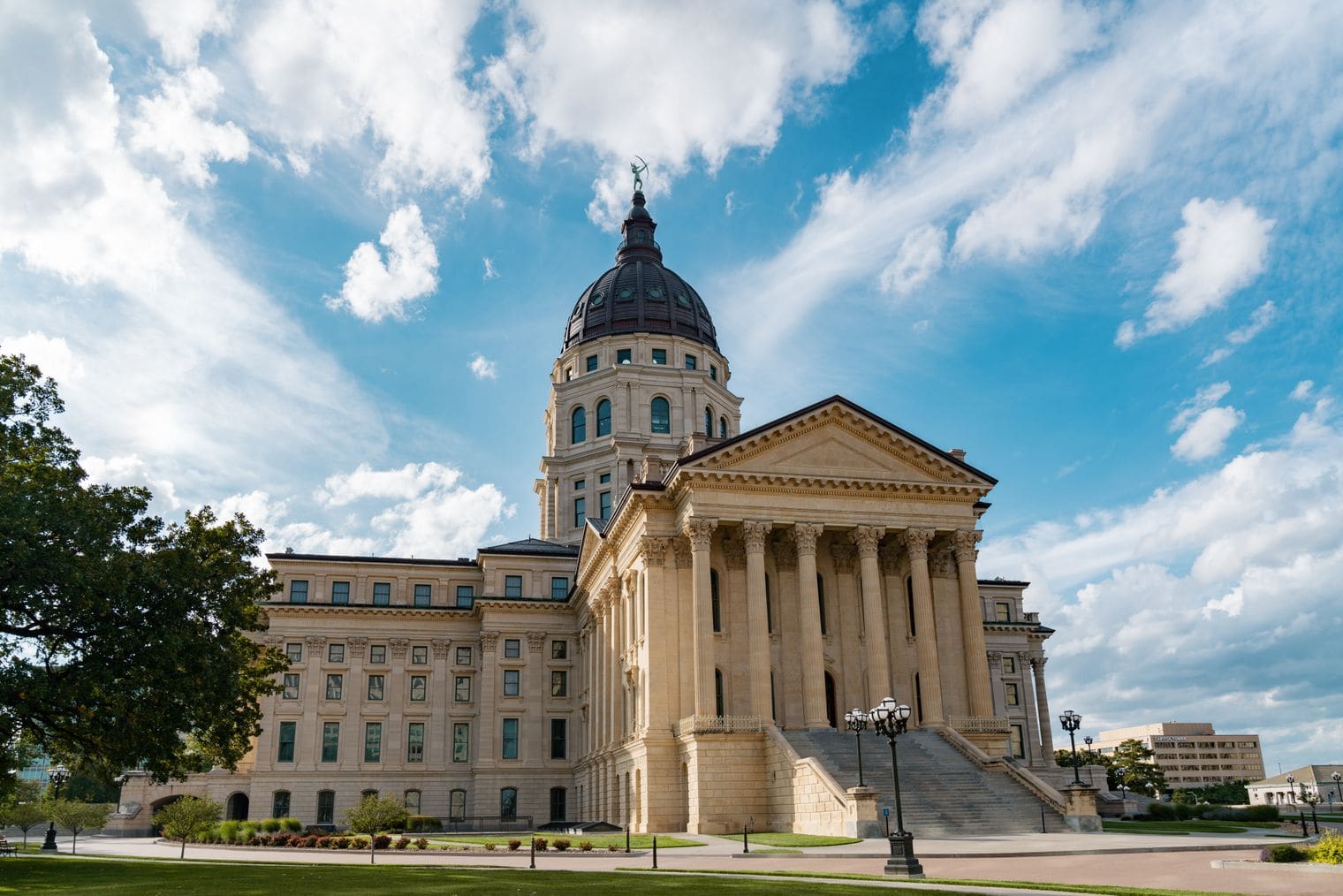
Crown jewel of Topeka since 1903, the Kansas State Capitol houses the executive and legislative branches of state government, and the Kansas State Capitol Visitor Center opens its grandeur to you. Watch a session from the House or Senate public galleries, admire the dome chandelier, and study John Steuart Curry’s celebrated murals.
Lace up your walking shoes: this is one of only two capitols in the country where you can climb inside the dome to an outdoor view, Topeka’s highest point. The 296 steps are uneven, single-file, and elevator-free, so skip it if heights or health are a concern. At the summit stands Richard Bergen’s bronze Kansa warrior, “Ad Astra.”
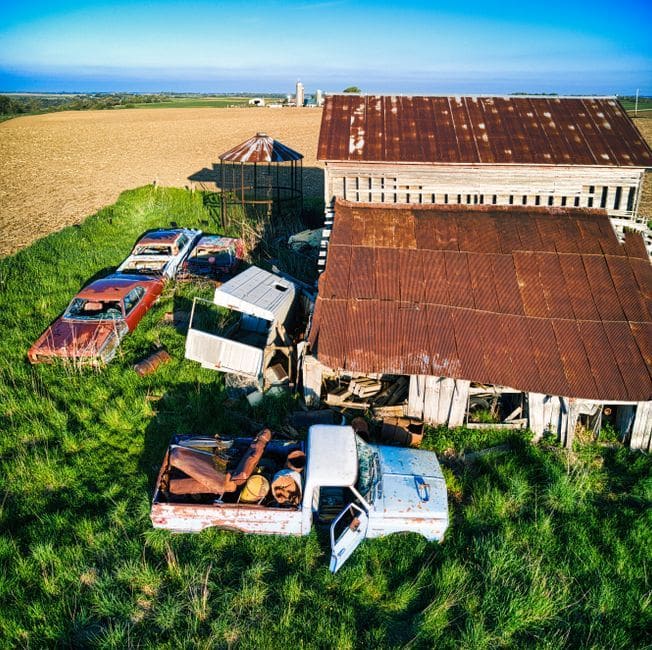
Just outside town, The Lessman Farm & Truckhenge is roadside folk art at its most gleefully unhinged. Owner Ron Lessman planted a fleet of old pickup trucks nose-up in concrete, their beds jutting skyward like a scrapyard Stonehenge. It’s strange, defiant, and unforgettable, a monument to one man’s refusal to let junk stay junk.
The trucks are only the opening act. Wander the grounds and you’ll find a house built from bottles, boats reimagined as sculpture, and recycled materials coaxed into all manner of oddball art. This is a call-ahead, guided-visit kind of place, which suits it perfectly. Ring first, then let Lessman’s homemade universe surprise you.
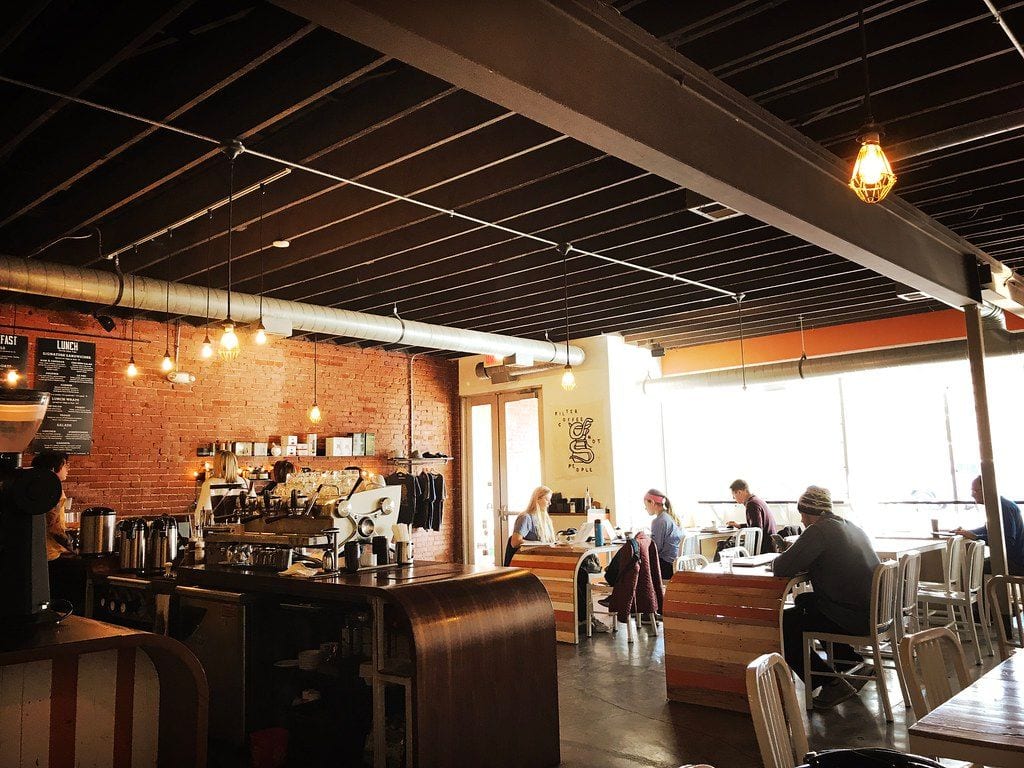
Coffee obsessives, this one’s for you. PT’s Coffee Roasting Facility is an award-winning specialty roaster where beans get their moment in the spotlight, then land in your cup at the attached cafe. House-roasted espresso, meticulously brewed single-origin pour-overs and cold brews make the case that Topeka takes its coffee seriously.
Come for a slow pour-over and watch the craft unfold, or grab a cold brew to fuel more sightseeing. Either way, you’re tasting coffee dialed in by roasters who clearly sweat the details. It’s a genuine destination for anyone who chases flavor, and a rewarding detour even if you thought you were just after caffeine.
Set on the south bank of the Kaw River, Kaw River State Park is the only urban-type state park in Kansas, packing 76 acres of trails into the capital. Its oak and hickory woods began as paths laid out by the psychiatry-pioneering Menninger family, and are now protected as a Kansas state park.
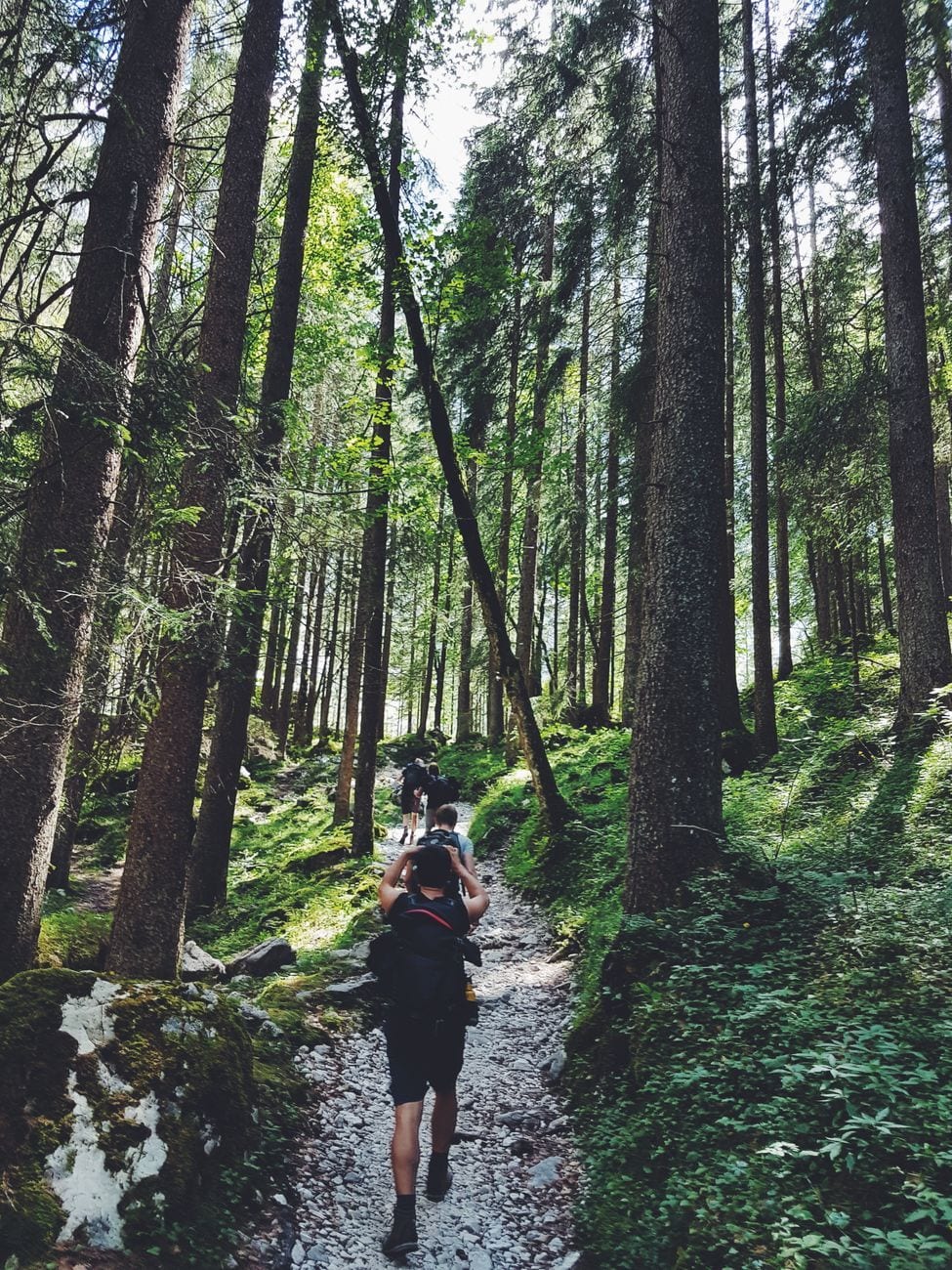
The trails suit hikers and mountain bikers alike, winding through terrain where nature watchers can spot deer, turkey, eagles and waterfowl. When your legs give out, swap the paths for the water: the river invites kayaking, canoeing and paddle boarding, making this a rare spot to trade forest for current without leaving the city behind.
Gearheads and speed junkies, this one’s for you. Heartland Motorsports Park is Topeka’s engine-roaring playground, a sprawling complex built for adrenaline, where a drag strip, an oval track, and a winding road course all share the same fence line. It’s the kind of place where the ground rumbles and the smell of burnt rubber hangs in the air.
Under new ownership and steadily reviving, the park is finding fresh momentum as a magnet for motorsports fans across the region. Whether you’re chasing quarter-mile drag runs, tight oval action, or the sweeping curves of the road course, it delivers pure high-octane spectacle. Come for the noise, the speed, and the unmistakable thrill of racing up close.
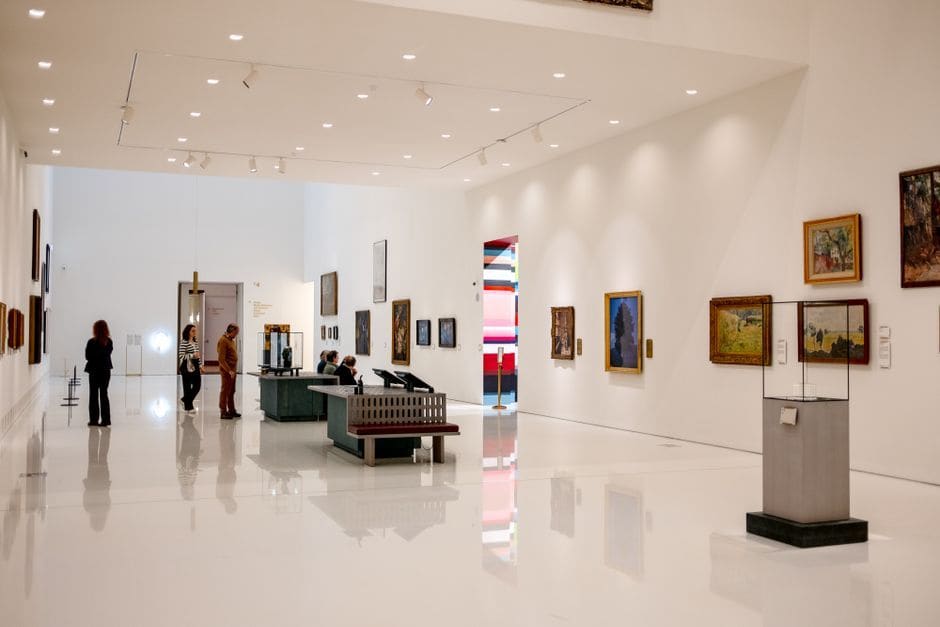
On the Washburn University campus, the Mulvane Art Museum ranks among the oldest art museums in Kansas. Its collection leans into Kansas and Midwestern artists while making room for national and international work, so a single visit swings from familiar regional voices to broader currents in one thoughtful loop.
Rotating exhibitions keep the galleries feeling fresh, giving repeat visitors something new to chew on each time. The hands-on art lab invites you to move beyond looking and start making, a rare touch that turns a quiet gallery afternoon into a more playful, participatory stop worth folding into any Topeka itinerary.
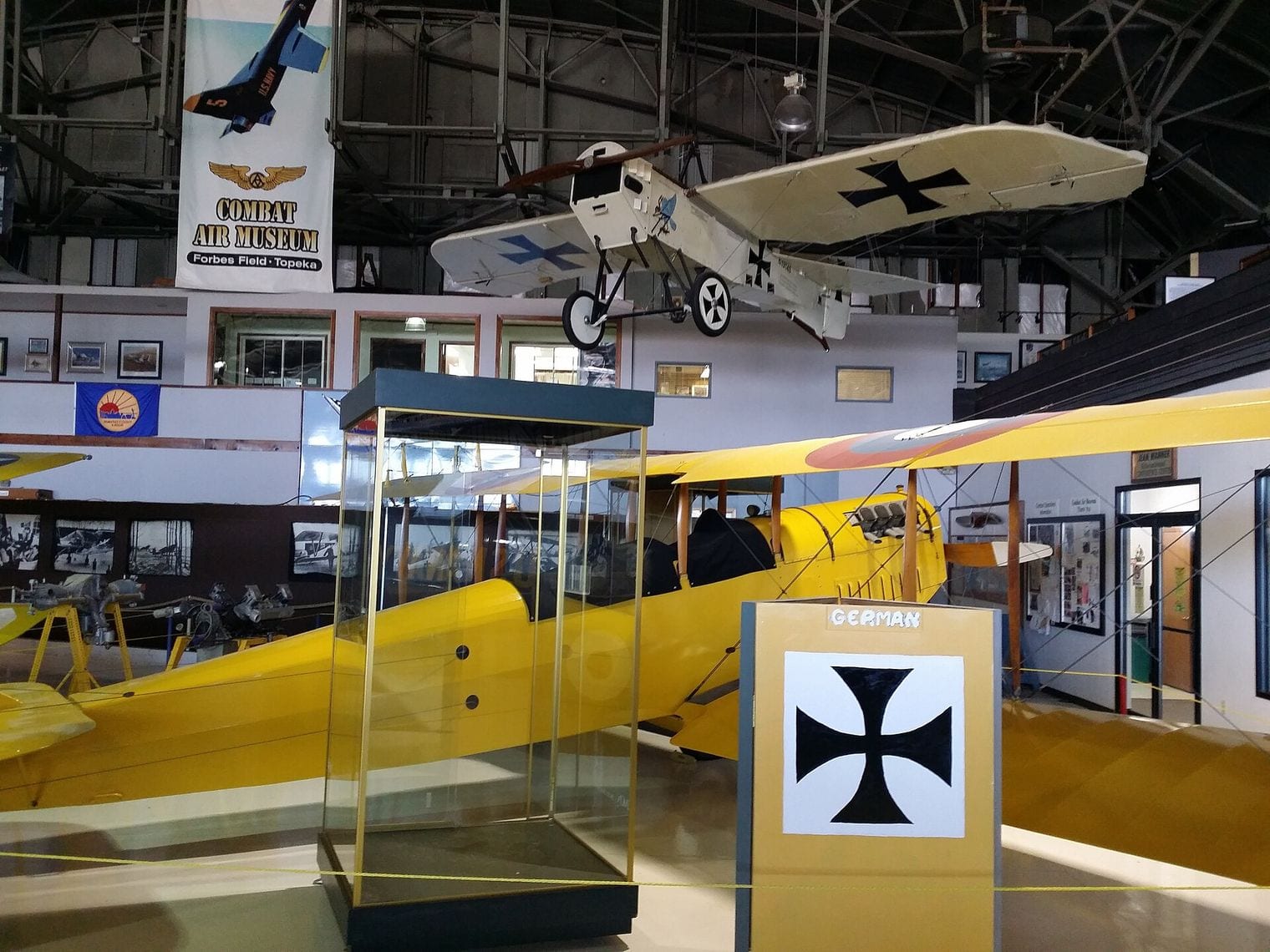
Tucked into the hangars at Forbes Field, the Combat Air Museum puts you nose-to-tail with the machinery of military flight. Vintage warplanes fill the floor, their fuselages and cockpits close enough to study, while engines and memorabilia trace decades of aviation history across the collection.
What sets this stop apart is the freedom to walk right among the aircraft rather than admiring them from behind ropes. Wander the hangars at your own pace, lean in to read the details, and soak up the stories of military flight that these grounded warbirds still carry with them.
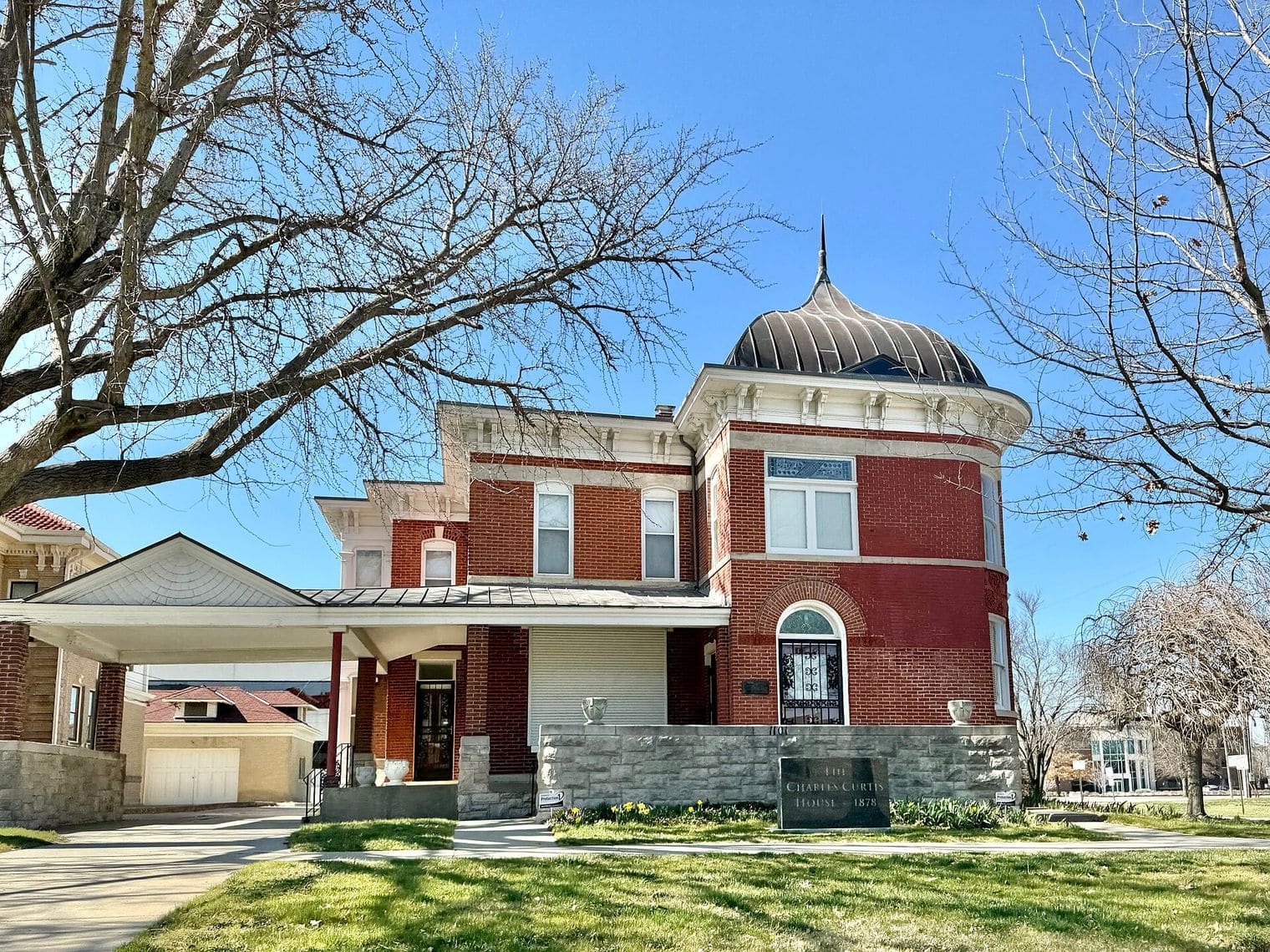
Step inside the Charles Curtis House Museum to meet one of Topeka’s most remarkable figures: Charles Curtis, the first Native American to serve as U.S. Vice President, under Herbert Hoover. His former mansion has been preserved as a window into a singular American life, room by room.
Wander the period rooms and you’ll find exhibits tracing Curtis’s rise and the wider sweep of Kansas history. It’s an unhurried, story-rich stop that rewards the curious, adding real historical texture to any Topeka itinerary and grounding the city in a legacy far bigger than its quiet streets suggest.
17. Old Prairie Town at Ward-Meade Park and Botanical Gardens
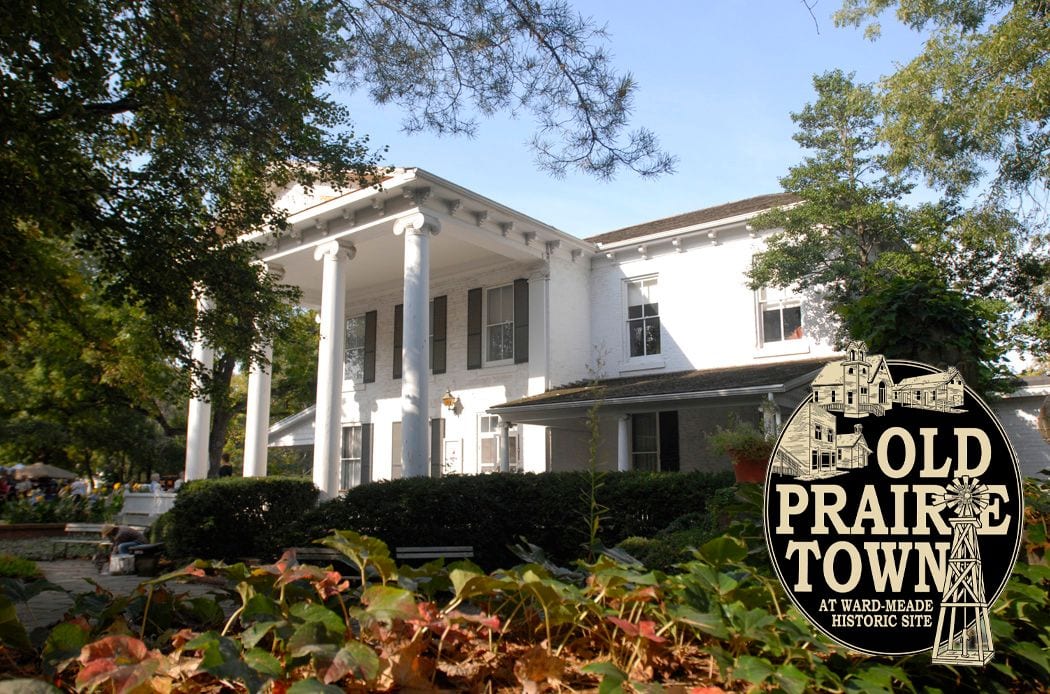
Step back into the 1800s at Old Prairie Town at Ward-Meade Park and Botanical Gardens, a recreated pioneer village built around a beautifully restored Victorian mansion. Wander past weathered historic buildings and duck into the general store, where the frontier feels close enough to touch and every corner tells a story of early prairie settlement.
The grounds pair this living history with a botanical garden, so you can trade dusty pioneer streets for blooming beds in a few steps. Costumed programs and seasonal events bring 19th-century life vividly to the surface, making it an easy, atmospheric stop for families and history lovers exploring Topeka’s roots.
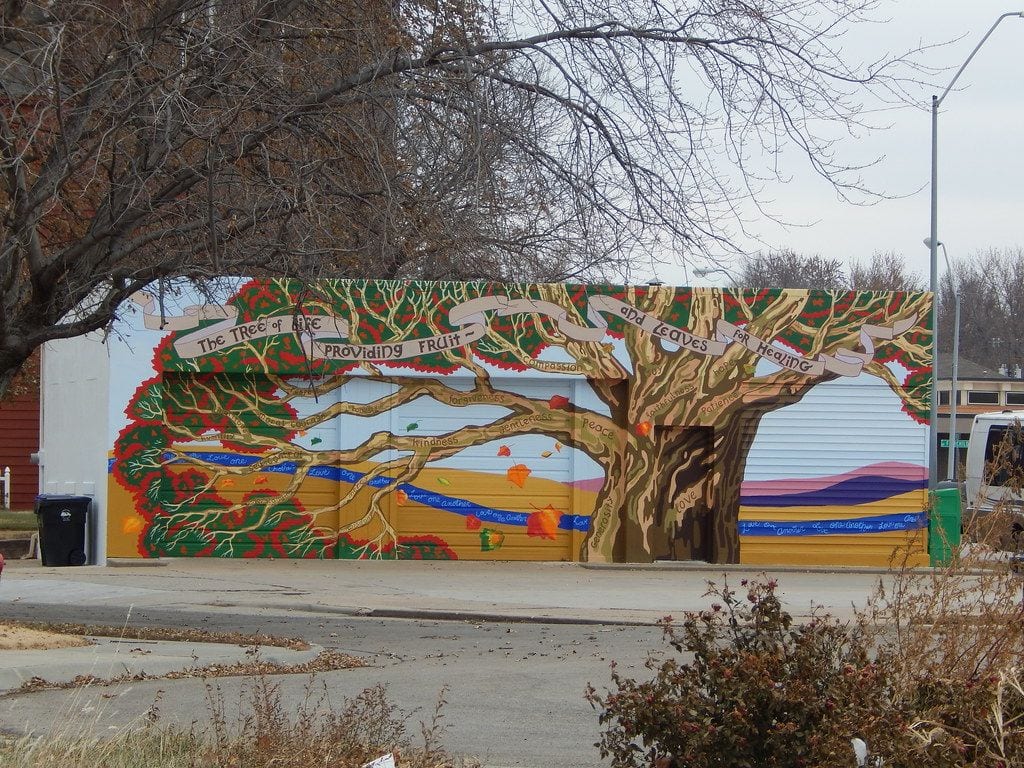
The most striking thing about Topeka is the sheer onslaught of colour, with dozens of public murals scattered across the Kansas capital. The main event is the Great Mural Wall of Topeka in Chesney Park, where muralist muralist Dave Loewenstein paints a complete history of the city, from the Brown v. Board of Education decision to John Brown’s “Tragic Prelude” on the eve of the Civil War.
Beyond the wall, the murals reward a slow wander with an eye on your camera. Look for elephants, beehives, sunflowers, nods to Latin culture, and a cheerful “Greetings from Topeka” postcard splashed across brick. It adds up to one of the most photogenic stops in the Midwest.
Beer lovers should set aside an afternoon to Try out Top City’s Best Brews, hopping between the taprooms that give Topeka’s craft scene its character. Each brewery pours something a little different, so pull up a stool, sample a flight, and let the local brewers walk you through what makes their pints worth lingering over.
Part of the fun is the low-key, welcoming vibe that defines these neighborhood spots, where conversation flows as easily as the beer. Whether you favor a hoppy IPA or something dark and malty, bar-hopping your way across the city is a relaxed, sociable way to taste Topeka and toast a good day out.
Collectors and browsers should make time to Tour the Antique and Vintage hubs of Topeka, where cluttered storefronts and multi-dealer malls promise hours of happy rummaging. Weathered furniture, vinyl records, retro glassware, mid-century oddities and forgotten ephemera fill the aisles, and half the fun is not knowing what treasure the next shelf hides.
Move slowly and chat with the dealers, who often know the story behind every piece and love a curious visitor. Whether you’re furnishing a home, hunting a specific era or simply drifting past the curiosities, these shops reward patient eyes with one-of-a-kind finds and a genuine slice of Topeka character.
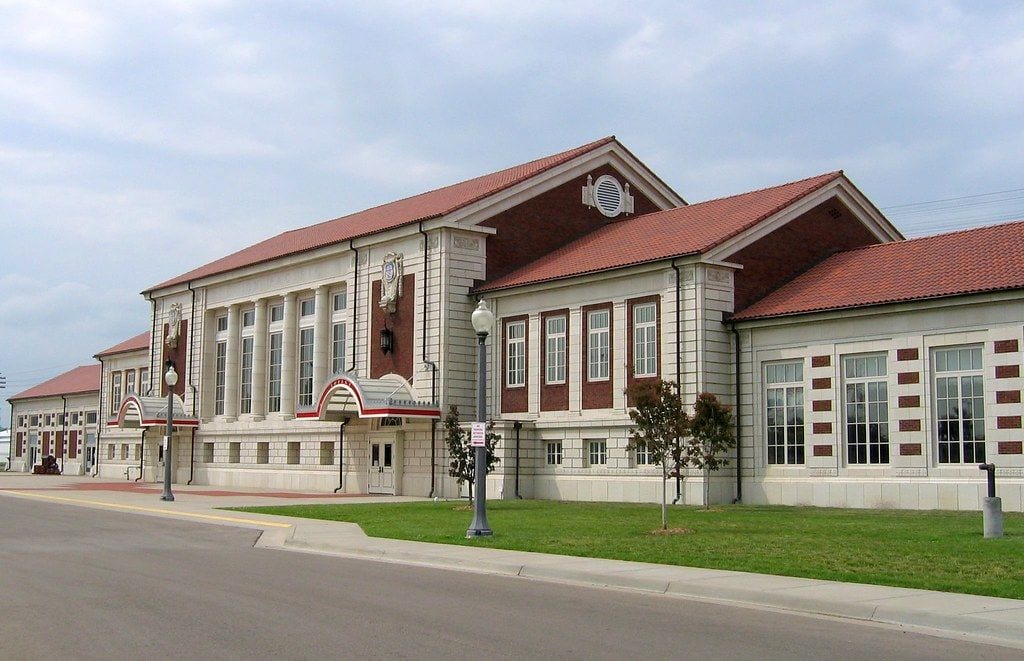
Housed in a lovingly restored former Union Pacific depot, the Great Overland Station puts Topeka’s railroad heritage front and center. Wander exhibits that trace how the rails shaped the city, then take in the museum’s handsome architecture, a reminder of the era when trains carried travelers and freight through the heart of Kansas.
Beyond the galleries, the depot doubles as an event venue, its grand interior lending real character to gatherings. A nearby veterans memorial rounds out a visit, offering a quiet moment of reflection just steps from the tracks. It’s a rewarding stop for history buffs, train lovers, and anyone curious about Topeka’s roots.
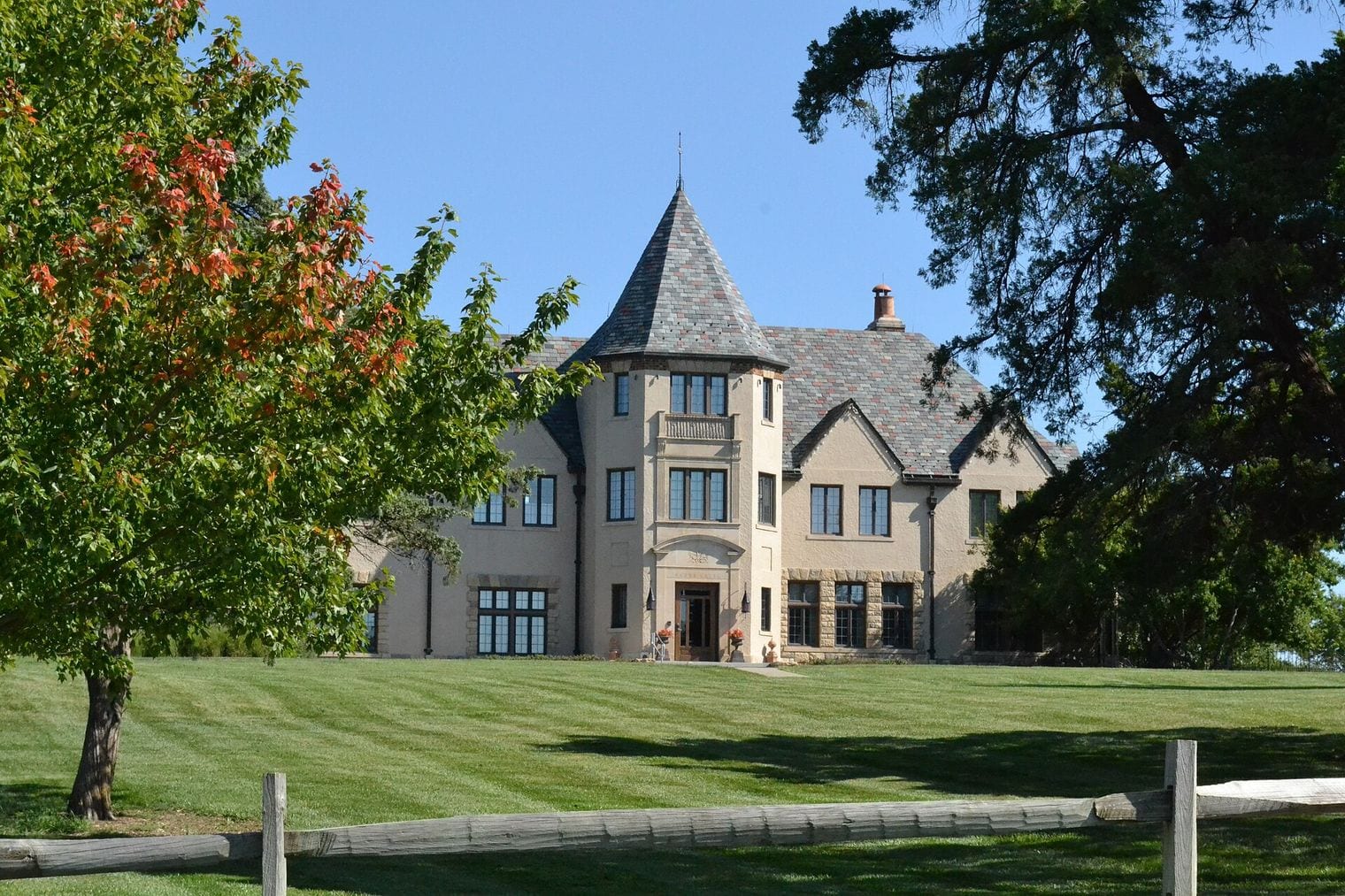
Perched on wooded grounds near the Kansas River, Cedar Crest is the official residence of the Kansas governor and one of Topeka’s more graceful surprises. The Tudor-style mansion cuts a storybook silhouette against the trees, its stone and timber lines lending the whole hilltop setting a quietly stately air.
You can see more than the gates suggest. Portions of the house open to the public on guided tours, while the surrounding grounds and trails invite an unhurried walk beneath the canopy. It’s an easy pairing of history and greenery, and a rare chance to step inside a working governor’s home.
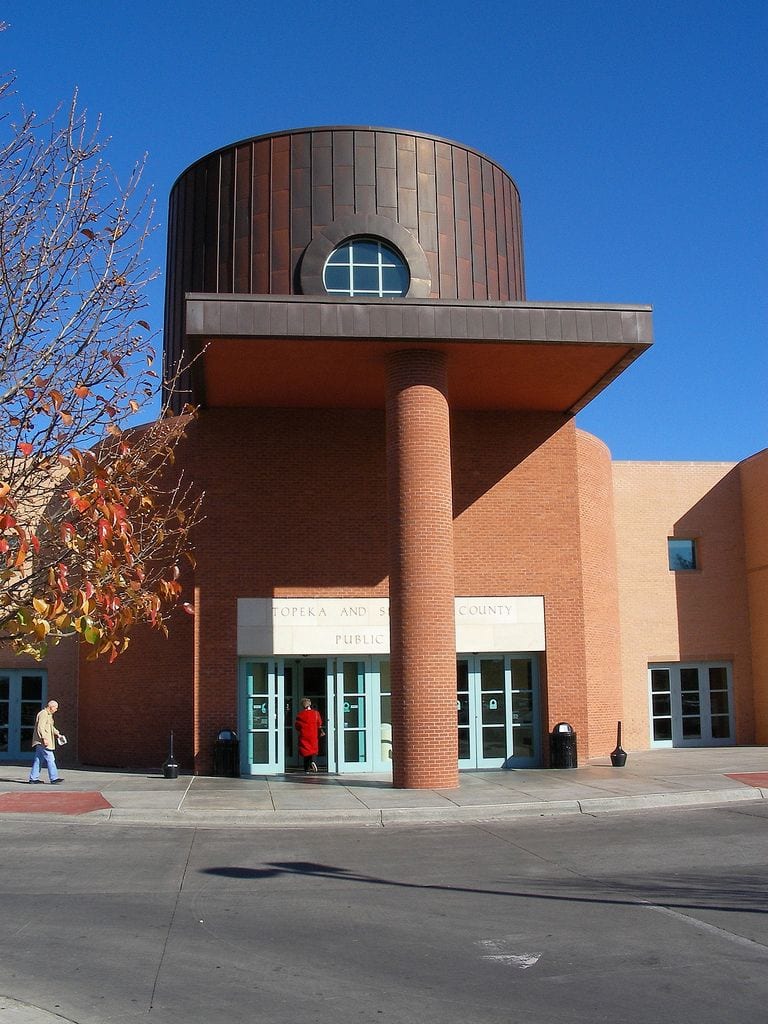
More than a place to check out books, the Topeka and Shawnee County Public Library doubles as a genuine community hub. This large, modern, award-winning building keeps its extensive collections at the center of things, but wander deeper and you’ll find an on-site art gallery, a cafe for pausing between shelves, and maker spaces where visitors tinker and create.
The energy comes from a steady calendar of events and programs that draws locals of every age through the doors. Whether you’re catching a gallery show, joining a workshop, or simply grabbing a coffee and a quiet corner, it’s an easy, welcoming stop that shows off the civic spirit of Topeka far beyond its stacks.
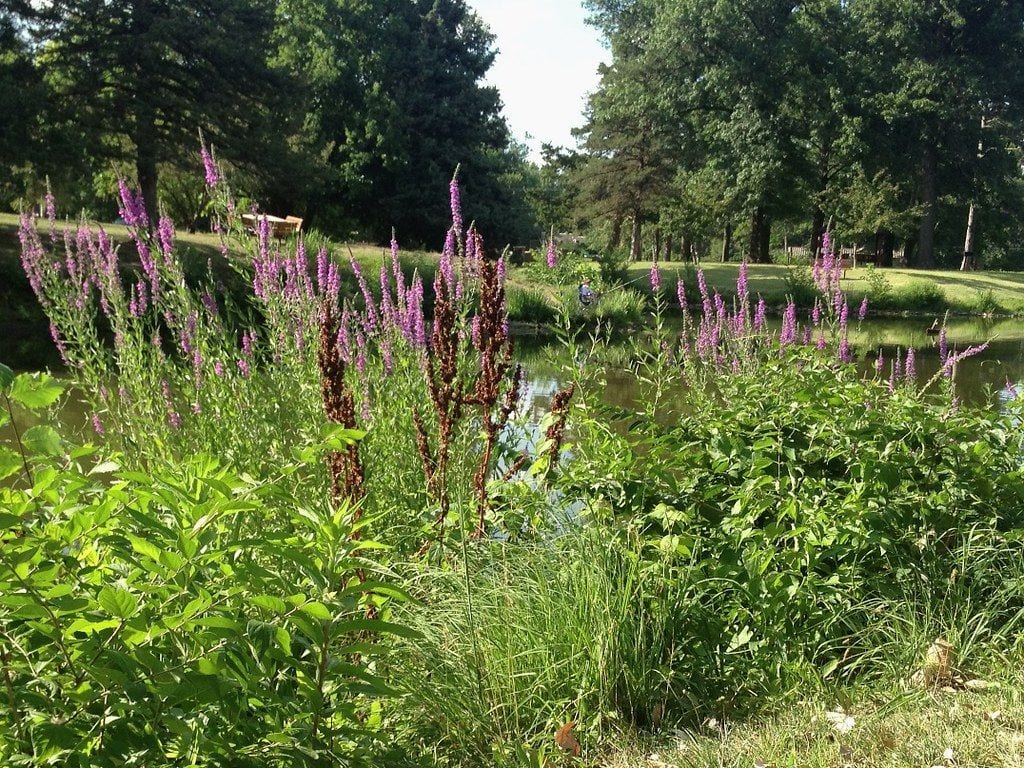
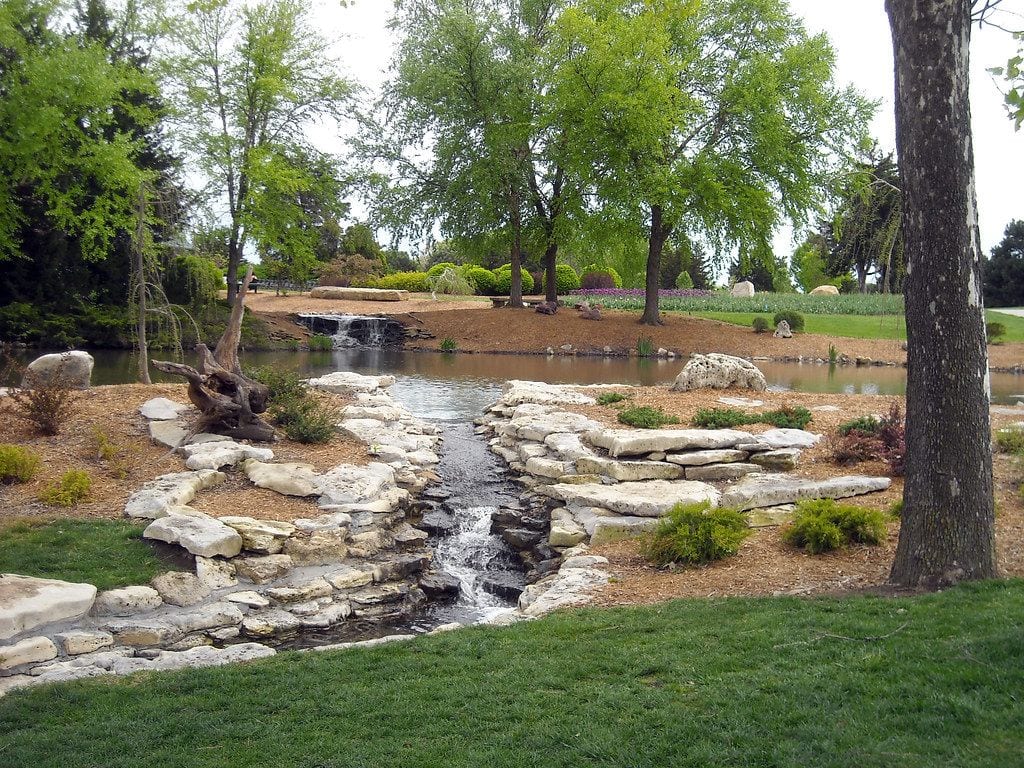
Tucked inside Lake Shawnee park, Ted Ensley Gardens spreads curated garden beds and a quiet arboretum along the water’s edge. Winding paths open onto panoramic lake views, and the whole place turns especially vivid through spring and summer, when the beds hit their color-drenched stride and the scenery feels almost painted.
It’s an easy, low-key stop that rewards a slow pace. Spread a blanket for a picnic, wander the loops on a leisurely stroll, or simply find a bench and take in the lake. The setting is a favorite for weddings, too, so don’t be surprised to catch a photographer chasing the golden light.
Lace up and discover why Hiking Topeka’s World Class Trails belongs on every outdoor-lover’s list. The Shunga Trail threads through the city, linking parks and green corridors along an easy, mostly flat route that’s ideal for walkers, joggers and cyclists looking to stretch their legs.
For a longer wander, the Landon Trail heads out toward quieter countryside, trading urban scenery for prairie stretches and open sky. Add in Topeka’s scattered nature areas, and you’ve got a network suited to casual strollers and serious trekkers alike. Pack water, choose your route, and let the trails set the pace.
Getting to Topeka
Topeka sits at a natural crossroads of the eastern Kansas highway network, which makes arriving by car the simplest option. Interstate 70 runs straight through the city on its east-west line, carrying the Kansas Turnpike on its way toward the Kansas City metro, while Interstate 470 loops around the southern edge of downtown as a bypass and ties into US Highway 75, the main north-south artery. Most visitors reach the city on one of these routes, and the interchanges put the state capitol, the museums, and the parks within a few minutes of the freeway.
The city’s own field no longer handles scheduled passenger flights, so air travelers generally fly into the large international hub northeast of the city near the Kansas City metro and drive in from there, roughly an hour away; a smaller regional airport to the west is also within about an hour and offers limited scheduled service. For those without a car, long-distance passenger rail and intercity bus lines both call at Topeka, connecting it to a wider network of Midwestern cities.
Getting Around Topeka
Downtown Topeka and the government district around the capitol are compact and pleasant to explore on foot, with the statehouse, nearby civic buildings, and the central business streets clustered close together. Beyond that core, though, the city spreads out, and the zoo, the larger parks, and the historical sites sit in different quarters, so a car is the practical way to link them all in one visit. Rideshare and taxis operate in the metro and a local bus network covers the main corridors, but self-driving gives you the most freedom.
Driving here is generally low-stress: the grid of numbered avenues and named streets is easy to follow, and surface lots and street parking around downtown and the attraction districts are usually plentiful and inexpensive. Riverside and park trails give cyclists and walkers dedicated routes, and the flat terrain makes cycling an easy way to cover the green spaces, but for reaching sights on opposite sides of town you will still want wheels.
Where to Stay in Topeka
For first-time visitors, basing yourself in or near the downtown and capitol district keeps you within walking distance of the statehouse and the civic core, and puts the museums and parks a short drive away; this central area suits anyone who wants to be in the thick of things. If you would rather trade walkability for quiet, the leafy residential neighborhoods west and southwest of the center are calmer and still close to the park and zoo district.
Travelers passing through or planning day trips often prefer to stay near the interstate corridors on the city’s edges, where the freeway loop makes for quick in-and-out access and easy parking. The area near the university and college campuses is another reasonable base, with a younger, more casual feel and good connections back toward the center.
Where to Eat in Topeka
Topeka’s dining is spread across a few walkable pockets: the downtown and capitol district has the densest cluster of sit-down spots and cafes, the historically Mexican-American neighborhood on the city’s east side is the heart of its taqueria scene, and the corridors radiating out from the center hold the everyday diners and family kitchens. Eating your way between these districts is the best way to sample the range.
The signature local flavor is smoke-and-fire Kansas barbecue, built on slow-cooked brisket, burnt ends, ribs, and pulled pork served with regional sauces. The city’s deep Mexican-American roots also make handmade tacos, enchiladas, and tamales a genuine local specialty rather than an import. Round it out with heartland comfort staples, chicken-fried steak, and, in the warmer months, sweet corn and other produce from area farm country.
Evening: wander the galleries and eateries of the NOTO Arts District, grab a house-roasted coffee at PT’s Coffee Roasting Facility, and toast the day at one of the capital’s local breweries. With good interstate links in every direction, Topeka also makes a comfortable base for a wider Kansas road trip.
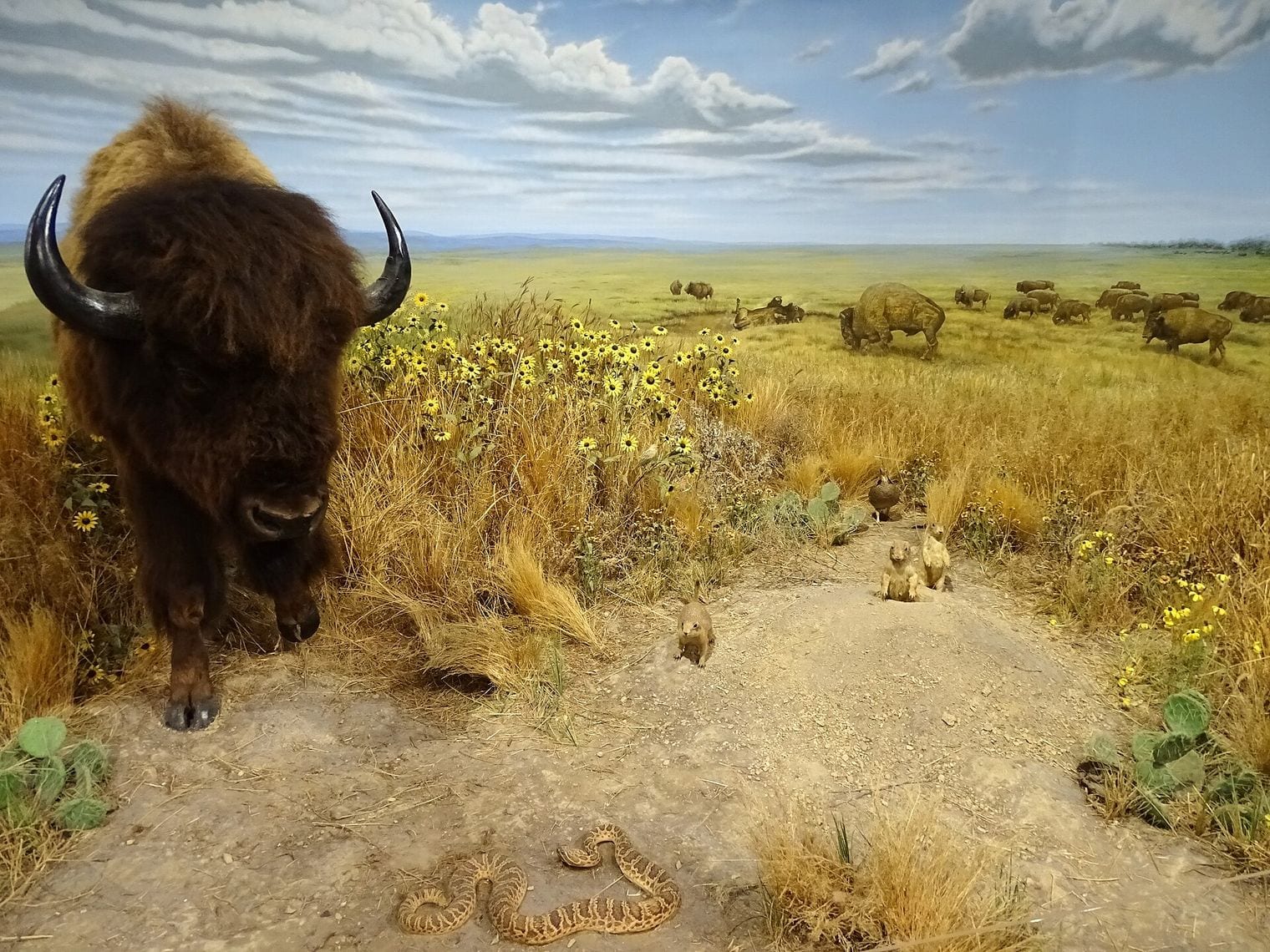
Topeka makes an easy launch point for the wider region. To the southwest, a short drive down the Kansas Turnpike drops you into the Flint Hills, where the Tallgrass Prairie National Preserve protects one of the last great swaths of native prairie and its bison herd, an hour or so away. Continue in that same southwesterly direction and the Turnpike carries you on to Wichita, the state’s largest city, a roughly two-and-a-half-hour run and an easy overnight.
Head north instead and you reach the Nebraska cities within a comfortable day’s range: Omaha lies almost due north, a drive of under three hours, while Lincoln sits to the north and slightly west along the US-75 corridor at a similar distance. Any of these makes a natural pairing with a Topeka base for travelers who want to string together several Midwestern capitals and cities in one trip.
FAQ: Visiting Topeka
What is Topeka, Kansas known for?
Topeka is the capital of Kansas, best known as the site of the Brown v. Board of Education case, for its domed State Capitol and John Steuart Curry murals, and for Underground Railroad history, parks and a growing arts scene.
Is Topeka worth visiting?
Yes. Its blend of civil-rights and abolitionist history, a climbable Capitol dome, family attractions like the zoo and Children’s Discovery Centre, and the NOTO Arts District make it a rewarding capital-city stop.
How many days do you need in Topeka?
One full day covers the Capitol, Brown v. Board and Gage Park. A weekend lets you add museums, Lake Shawnee, the NOTO Arts District and nearby trails.
What is there to do in Topeka with kids?
Families love the Topeka Zoo, the Kansas Children’s Discovery Centre, Gage Park’s carousel and mini-train, and Lake Shawnee’s beaches and boats.
Can you go inside the Kansas State Capitol dome?
Yes — the Kansas State Capitol offers free tours, including a dome climb of 296 steps to an outdoor observation deck, one of the few statehouses in the country where you can do this.
When is the best time to visit Topeka?
Late spring through fall is ideal for the parks, gardens and lake, and for NOTO’s monthly First Friday Artwalk. Gardens are especially colorful in spring and early summer.
How far is Topeka from Kansas City?
Topeka sits about an hour’s drive west of Kansas City along Interstate 70, making it an easy day trip or add-on.