Known as the “Air Capital of the World,” Wichita is the largest city in Kansas and the birthplace of Pizza Hut. It grew up on the Arkansas River as a trading post on the Chisholm Trail in the 1860s, boomed as a cattle-drive town nicknamed “Cowtown,” and later became the heart of American aircraft manufacturing.
Today that mix of frontier history and aviation heritage gives Wichita an unusually deep bench of things to do, from a top-tier zoo and hands-on museums to riverfront landmarks, gardens and a lively Old Town district. Here are 25 of the best.
Fun Facts About Wichita, Kansas
Wichita began as a trading post on the Chisholm Trail in the 1860s and was incorporated as a city in 1870.
It has been called the “Air Capital of the World” since 1929, having produced more aircraft than anywhere else — home to names like Cessna, Beechcraft and Learjet.
Pizza Hut was founded in Wichita in 1958 by two brothers who were Wichita State University students.
Lawman Wyatt Earp served as a Wichita police officer in the mid-1870s before moving on to Dodge City.
During World War II, Wichita became a major B-29 bomber production center, at its peak turning out several bombers a day.
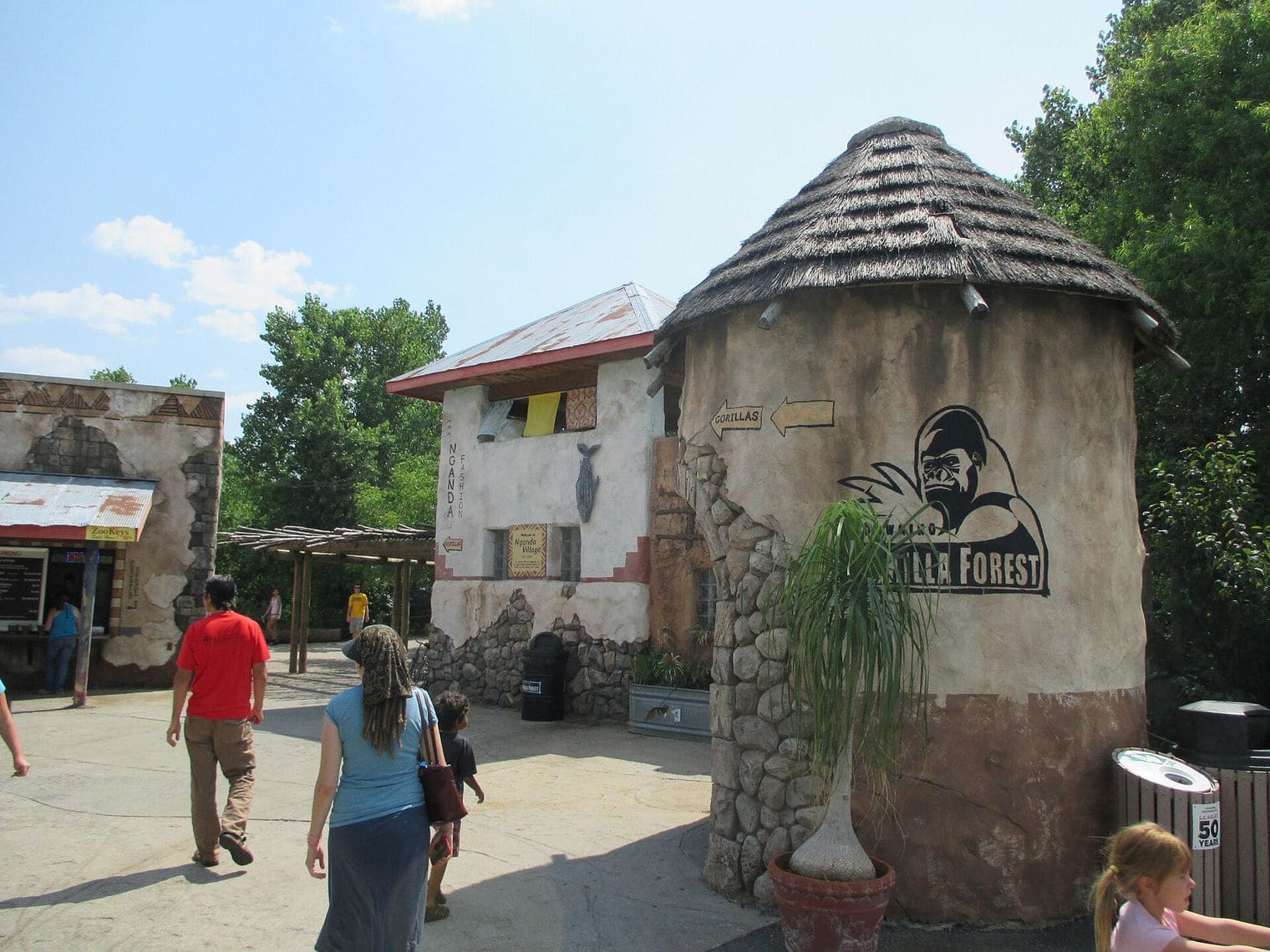
Sedgwick County Zoo is one of the largest zoos in the region, home to roughly 3,000 animals spanning nearly 400 species, thoughtfully organized by continent. Naturalistic, habitat-style exhibits and shaded walking paths carry you across the globe, immersing visitors in landscapes built to mirror each animal's native home.
Hands-on encounters include giraffe feeding, plus boat and train rides that circle the grounds and a playground for younger visitors. Strong educational programs serve all ages, turning a day among the wildlife into a genuine learning experience that rewards curious minds and casual sightseers alike.
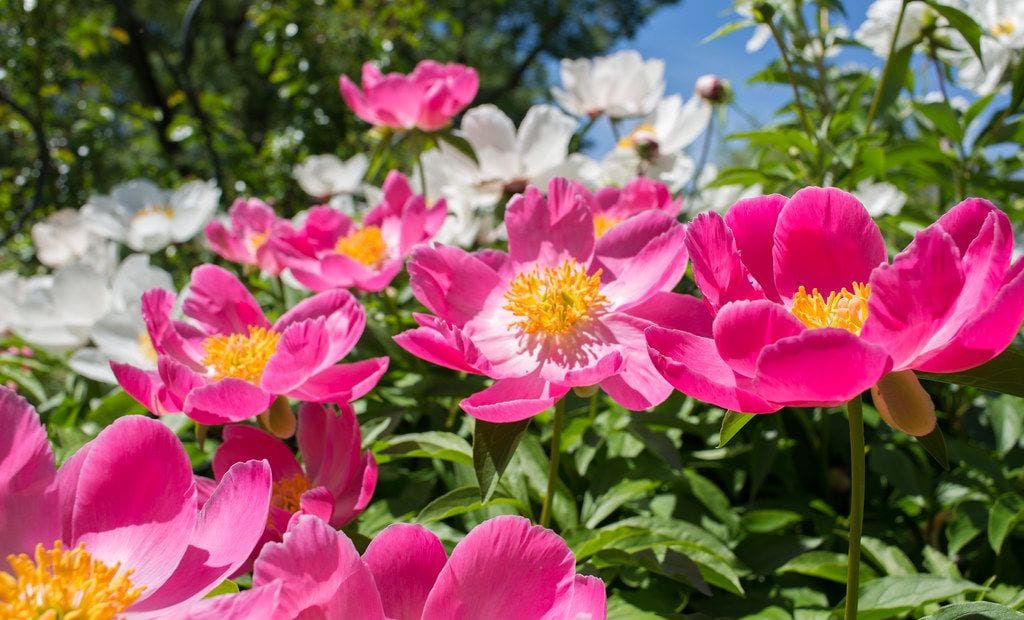
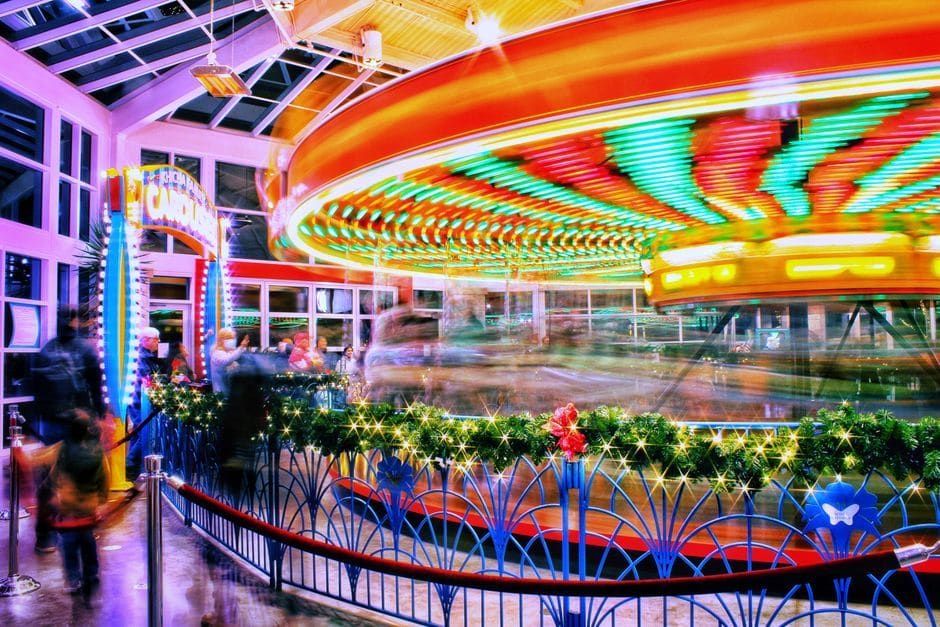
Botanica, The Wichita Gardens spreads themed plantings across a series of garden rooms, threaded with fountains, lily and koi ponds, and a butterfly house alive with wings. A hand-painted carousel spins nearby, and dedicated childrens areas give younger visitors ponds, plants, and play of their own to explore.
The gardens shift with the seasons. Warm evenings bring live music to the terrace, drawing crowds out among the blooms after dark. Come winter, the Illuminations light walk transforms the same paths, wrapping trees, beds, and water features in color for an evening stroll through the glowing grounds.
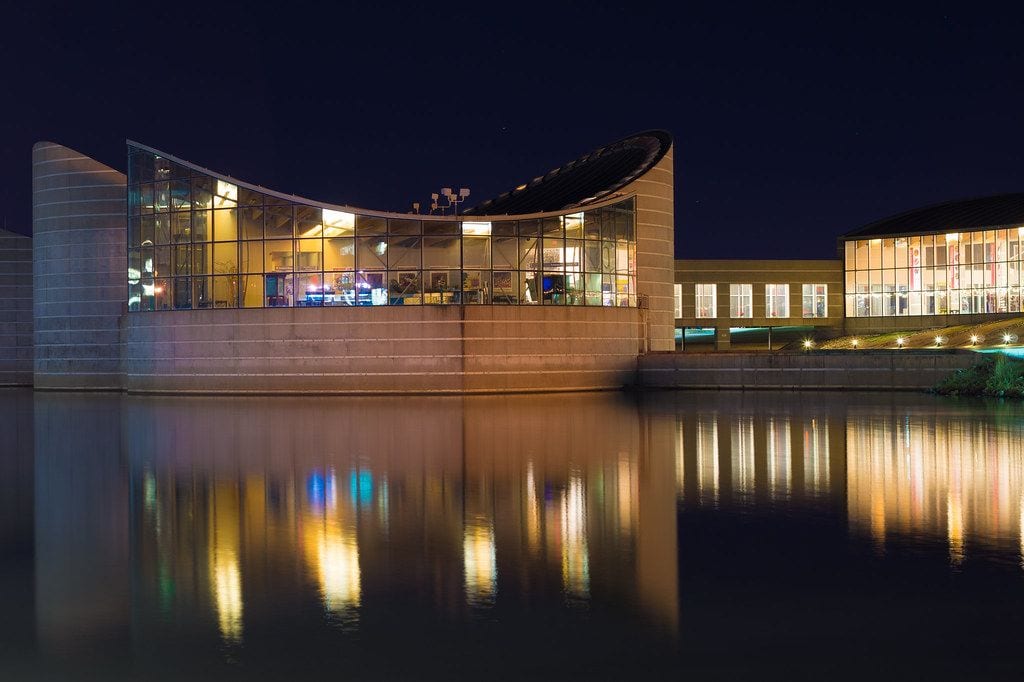
Exploration Place is a Kansas science and discovery center perched on the Arkansas River, packed with hands-on exhibits, films and live shows. Its distinctive modern architecture makes it a landmark in its own right, while the range of things to see and do rewards curious visitors of every age across a single, engaging afternoon.
Highlights inside include an aerospace exhibit, a Ripley's Believe It or Not area and a dome theater that wraps films around you. Younger families get a dedicated play area built for the under-5s, so even the smallest explorers stay busy. When you need a break, an on-site cafe keeps everyone fueled.
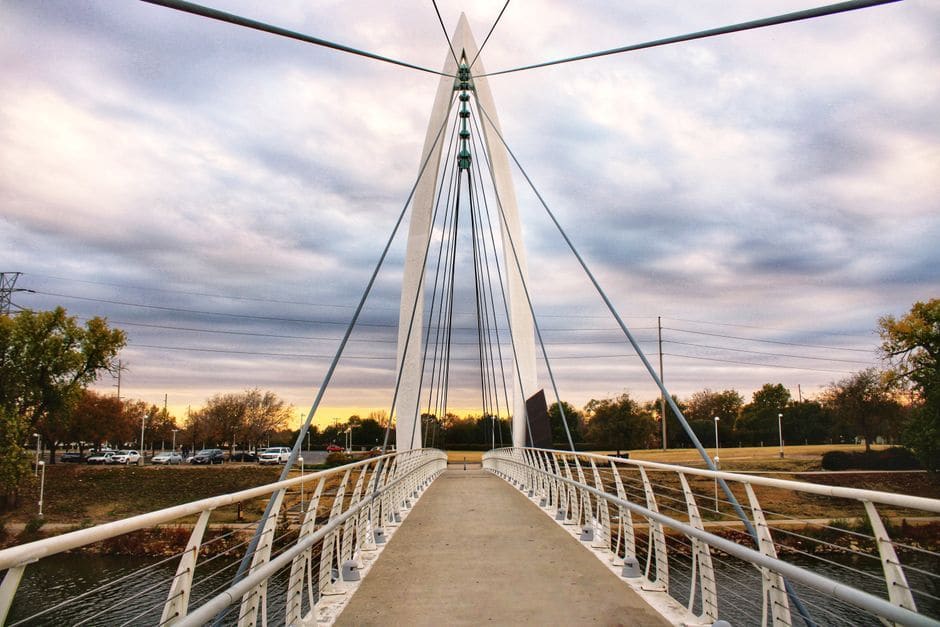
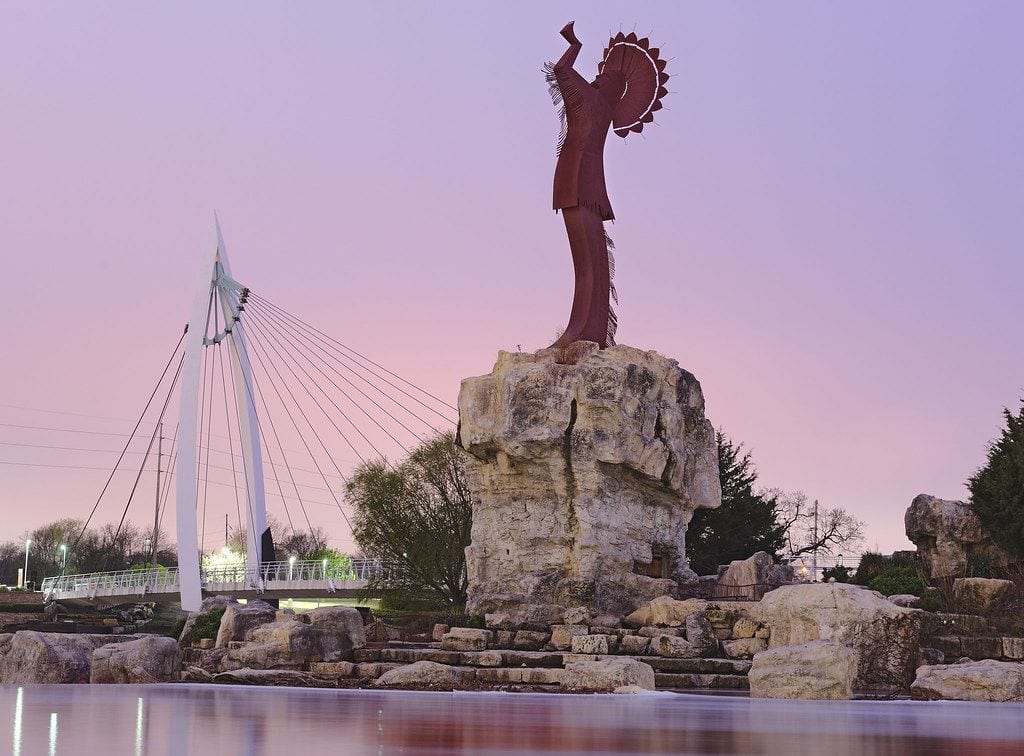
The Keeper of the Plains rises where the Big and Little Arkansas rivers meet, a 44-foot steel sculpture of a Native American figure created by artist Blackbear Bosin. Two footbridges carry you across the water to reach it, framing the towering silhouette against open Kansas sky at the heart of the confluence.
On many evenings a ring of fire is lit near the sculpture's base, throwing light across the riverbanks. Interpretive signs surrounding the site explain the beliefs and daily life of the Plains tribes, giving the monument context and grounding its powerful form in the cultures it honors.
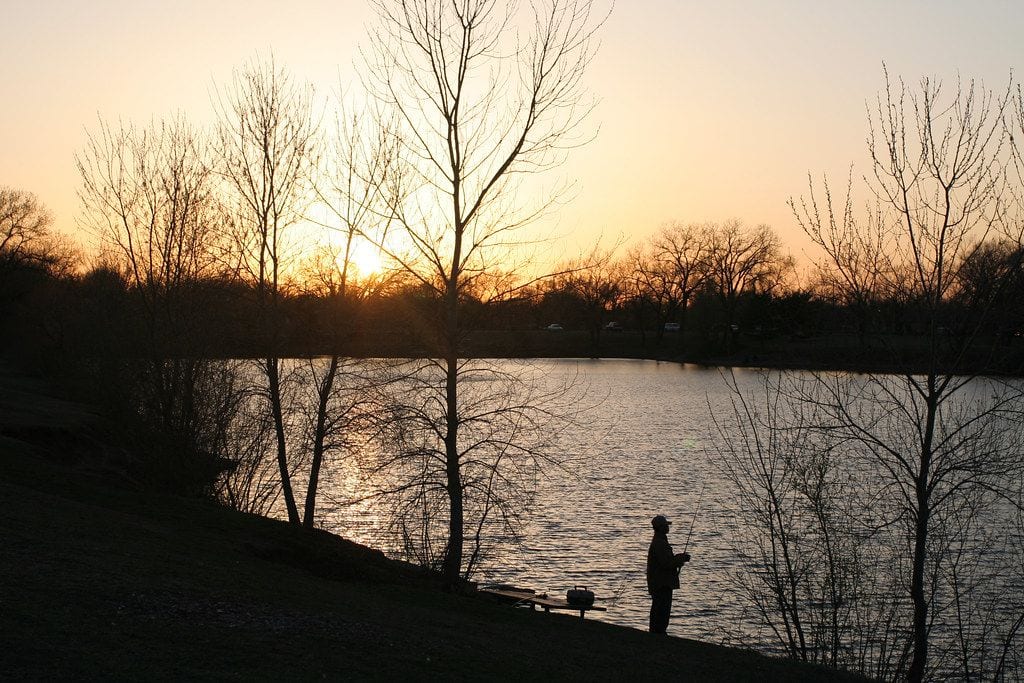
Sedgwick County Park is a large urban green space beside the zoo, built for outdoor recreation and a favorite for family gatherings and exercise. Four lakes offer fishing, while walking and biking paths trace the perimeter and a mulch trail winds through the grounds, giving joggers and cyclists room to spread out across the acreage.
Multiple playgrounds keep younger visitors busy, and rentable shelters make the park a natural home base for reunions, birthdays, and weekend cookouts. Between the water, the trails, and the open lawns, it packs a full day of low-key recreation into one easygoing stop on the west side of Wichita.
Old Cowtown Museum is an open-air living-history museum recreating 1880s Wichita. Wander among period homes and buildings, meet farm animals, and chat with costumed interpreters who bring the era to life. It is one of the region's most immersive windows onto frontier Kansas, trading polished exhibits for a walkable, lived-in town you explore at your own pace.
Special programming deepens the experience, from staged gunfights that spill into the dusty streets to after-dark ghost tours for visitors chasing a spookier angle. There is plenty of ground to cover across the site, so plan on a few hours to see the homes, animals and demonstrations without rushing through the 1880s streetscape.
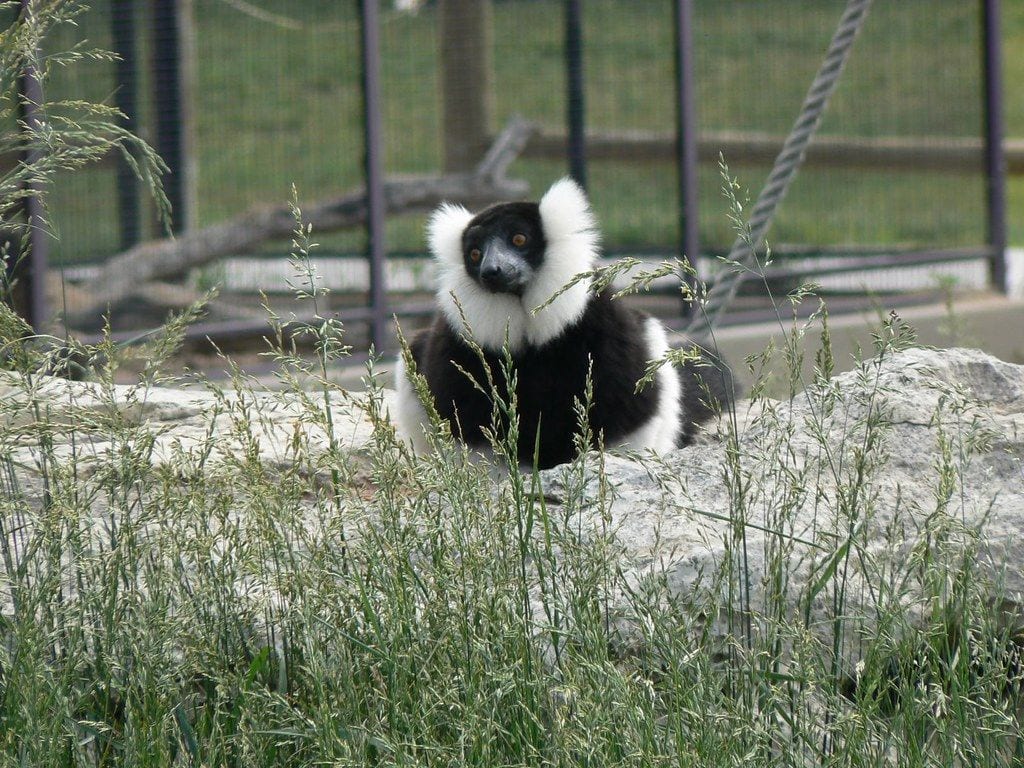
Tanganyika Wildlife Park sits just outside Wichita and puts hands-on animal encounters at its heart. With an unlimited encounter pass you can pet kangaroos, feed lemurs, and get up close to penguins, sloths, and more. The whole family park is built around meeting the animals rather than simply watching them from a distance.
Beyond the encounters, younger visitors get a splash pad for cooling off and dedicated activity hours geared to little ones. The park keeps growing, too, continually adding new attractions, so there is always another creature to feed or exhibit to explore on your next trip out.
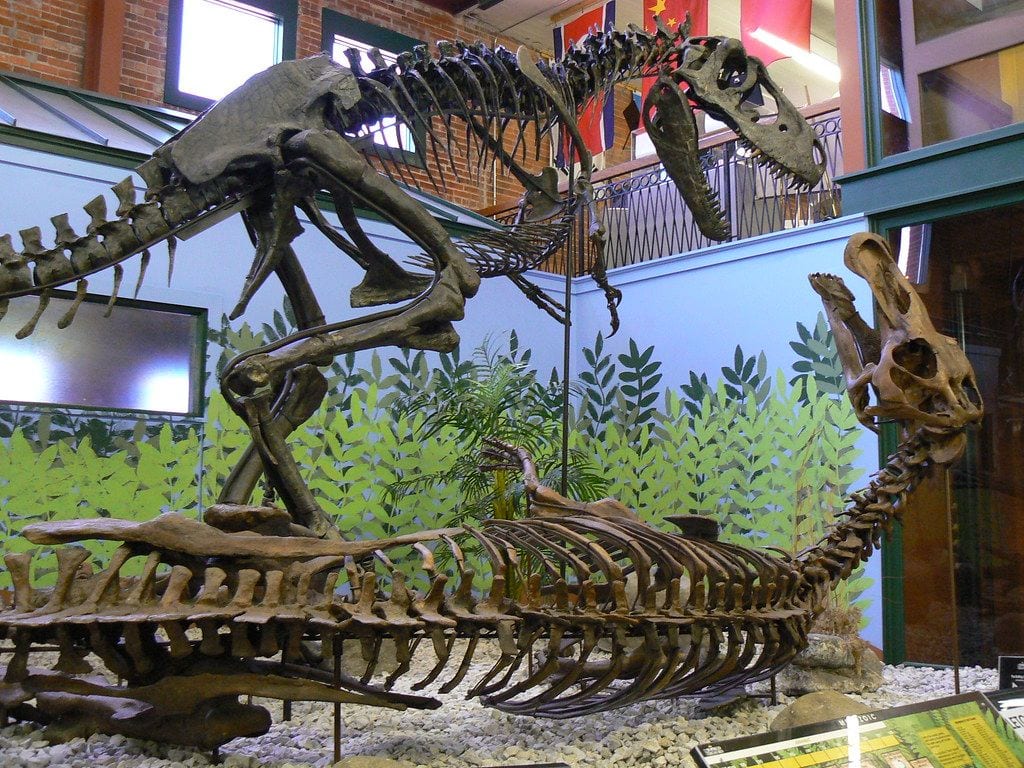
Museum of World Treasures is a history-of-the-world museum in Old Town, spanning civilizations and eras under one roof. Its star is Ivan, one of the most complete T. rex skeletons ever unearthed, joined by other dinosaurs, Egyptian mummies and artifacts, and Asian statuary that trace the natural and ancient world across continents.
Deeper inside, a U.S. presidents section and dedicated WWI and WWII displays carry the story into modern history. A hands-on children's area lets younger visitors touch and explore rather than just look, making this an easy stop for families as well as history buffs working through Wichita.
All Star Sports is an all-ages entertainment park on West 21st Street, packing a whole roster of activities into one West-side spot. Take a swing at the batting cages, race the go-karts, tackle the climbing wall, or square off in laser tag. A mini-golf course and an arcade round out the mix for players of every age.
Golfers can loosen up at the driving range, and warmer months bring bumper boats to the water. When you need a breather between rounds, the snack bar keeps everyone fueled. With so many attractions gathered on one long-term West-side lease, it is an easy afternoon of variety for families, groups and friendly competition.
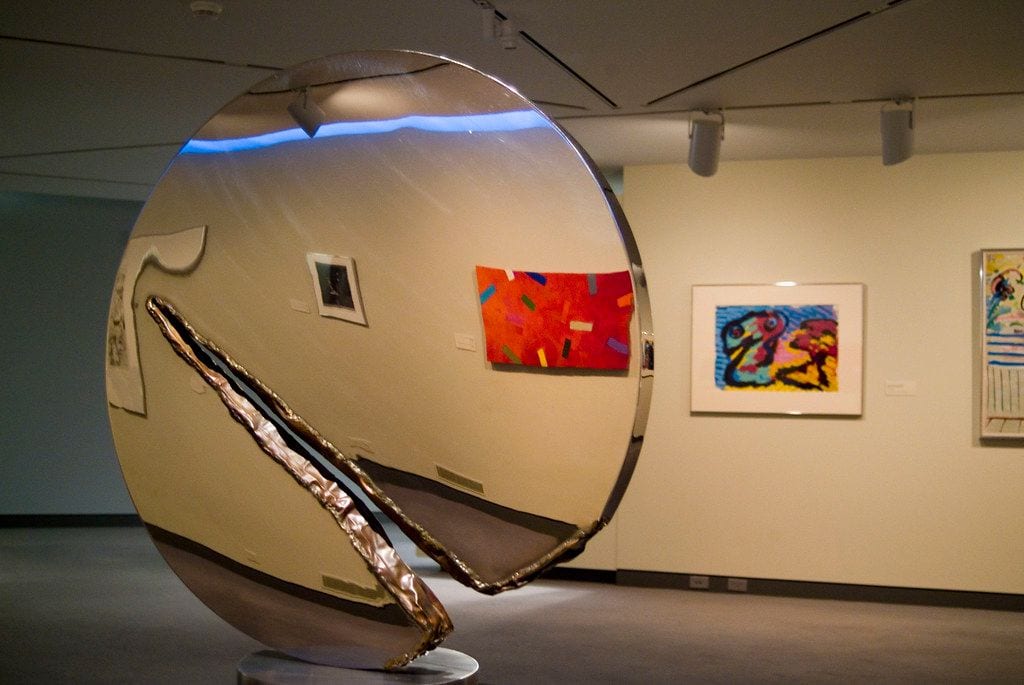
Wichita Art Museum anchors the city's cultural scene with a permanent collection of roughly 7,000 works spanning historical and contemporary American art. Rotating exhibitions keep the galleries fresh, while strong holdings of American art give the museum its enduring reputation and reward repeat visits from newcomers and longtime patrons alike.
Beyond the galleries, a hands-on area invites kids to explore and create, making the museum a natural stop for families. When you need a break, an on-site cafe offers a place to pause, and the gift shop stocks art-inspired finds worth browsing before you head back out.
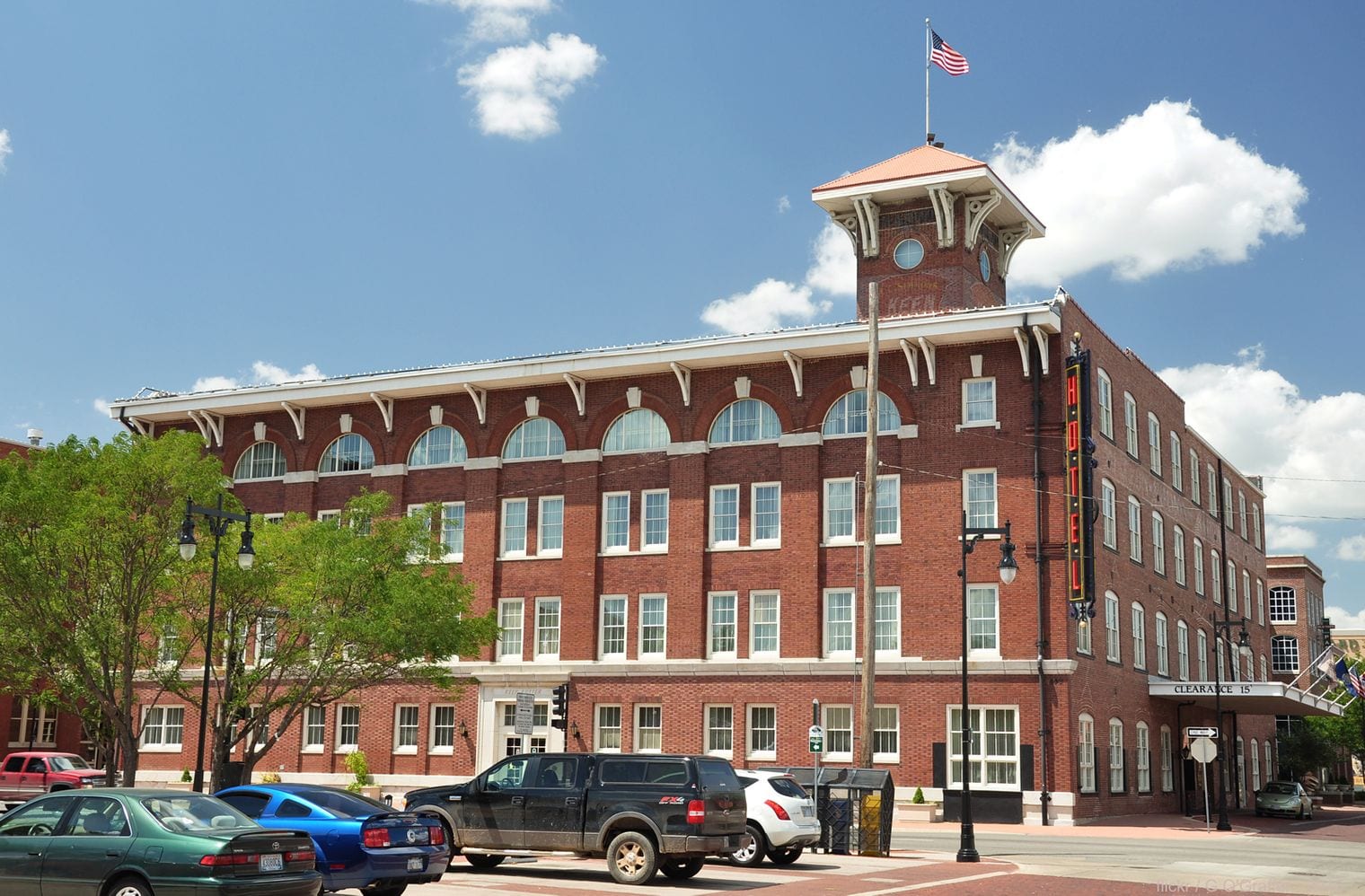
Old Town Wichita is a historic entertainment district just east of downtown, where late-1800s brick warehouses have been converted into a lively hub set along brick-lined streets. More than 100 businesses fill the district, from restaurants and bars to breweries, shops, galleries, theaters and museums, making it a magnet for dining and nightlife.
Beyond the food and drink, the district rewards wandering: browse independent shops and art galleries, catch a show at one of the theaters, or explore its museums between stops. A regular farmers market brings the brick streets to life, and the preserved warehouse architecture gives the whole quarter a distinctive, walkable character.
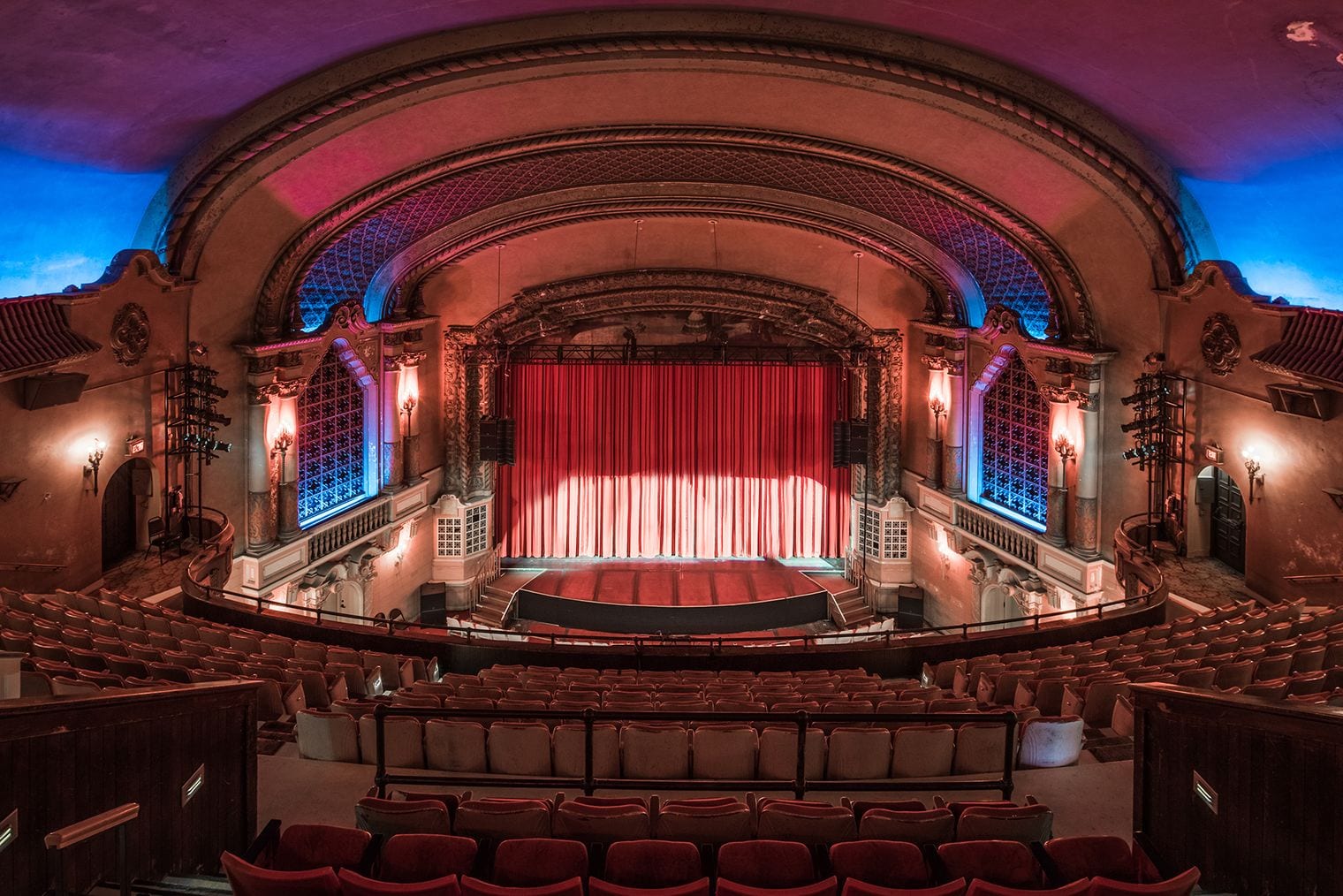
Orpheum Theatre anchors downtown Wichita as a lovingly restored 1922 movie palace, now an intimate venue for concerts, film screenings, comedy and dance. Where grand old cinemas across the country were demolished, this one survived, keeping its early-twentieth-century soul intact for audiences a full century after it first opened.
The draw is atmosphere as much as programming. Ornate original architecture and detailed artwork wrap every seat, giving performances an old-school elegance that modern halls simply cannot replicate. Whether you catch a touring band, a classic film or a stand-up set, the room itself becomes part of the show, a rare survivor worth stepping inside.
Carousel Skate Center is a family-owned roller-skating rink built around a friendly, wholesome environment that keeps every generation moving. Public sessions welcome drop-in skaters, while party rentals turn the venue into an easy spot for birthdays and group celebrations. It is the kind of place where families settle in for an afternoon of laps around the rink.
Beginners are looked after here, with beginner skates and skate aids that help kids find their balance before they hit their stride. When it is time for a break, arcade games and an indoor playground give younger visitors somewhere else to burn off energy, making this a well-rounded stop for parents traveling with children of mixed ages.
Rock River Rapids Aquatic Park is an outdoor water park in Derby, just outside Wichita, run by the Derby Recreation Commission. Cool off in the pool, drift along the lazy river, or ride the water slides, with a dedicated kids' area for younger swimmers and concessions when hunger strikes.
The park also offers swim programs for those looking to build skills in the water. Keep in mind that the larger slides carry a height requirement, so check before your little ones queue up. It is a straightforward, family-friendly stop for a hot day near Wichita.
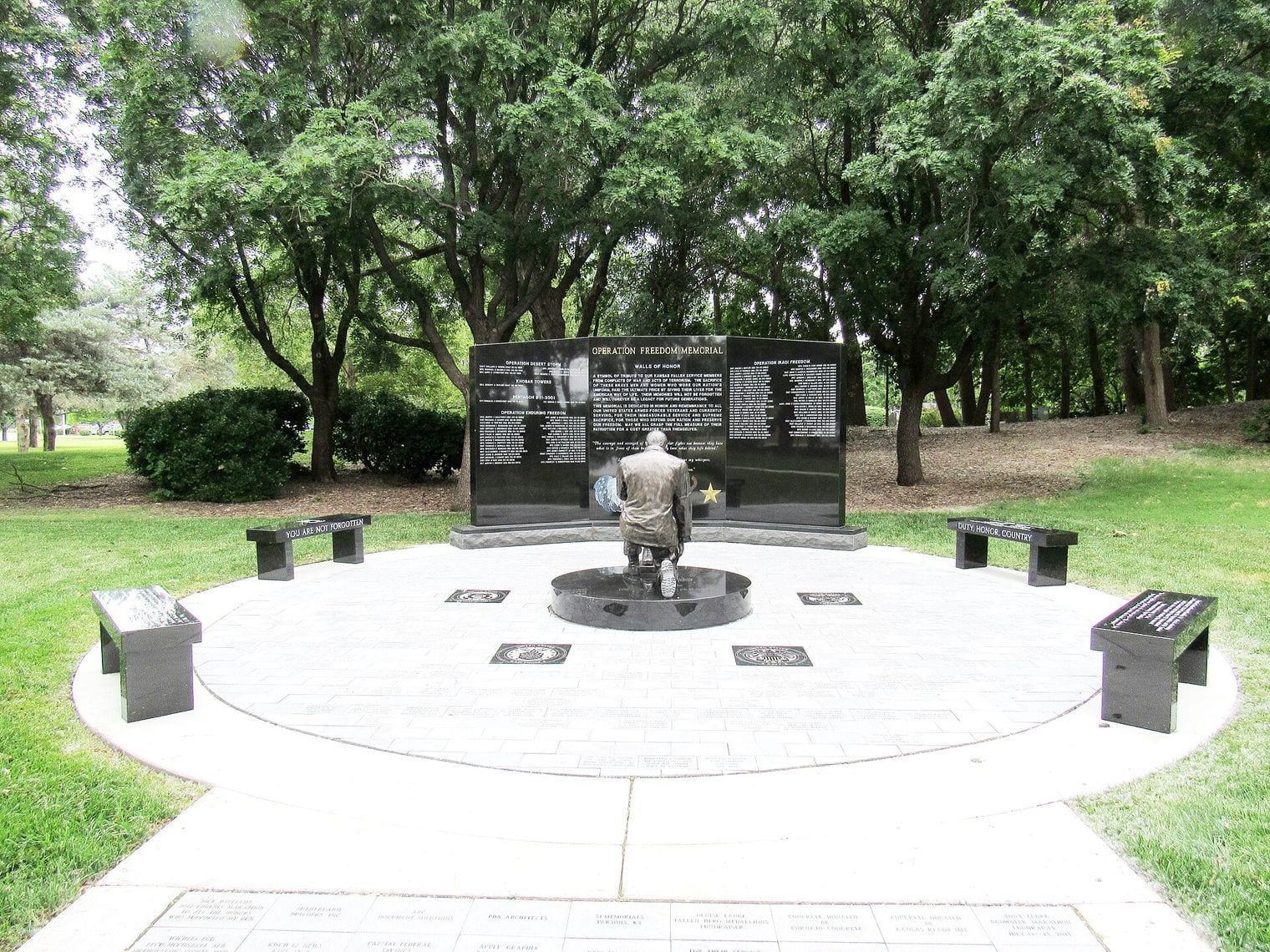
Veterans Memorial Park unfolds as a quiet green space along the Arkansas River, where a cluster of monuments honors U.S. veterans from wars across the nation's history. Gold Star mothers are remembered here too, giving the grounds a reflective weight that rewards an unhurried visit and a moment of pause between the stones.
The grounds are well-kept, with wide, accessible sidewalks linking one memorial to the next in an easy, contemplative loop. It is a walk best taken slowly, letting each monument register on its own before moving to the next, and the riverside setting lends the whole park a calm, open sense of space.
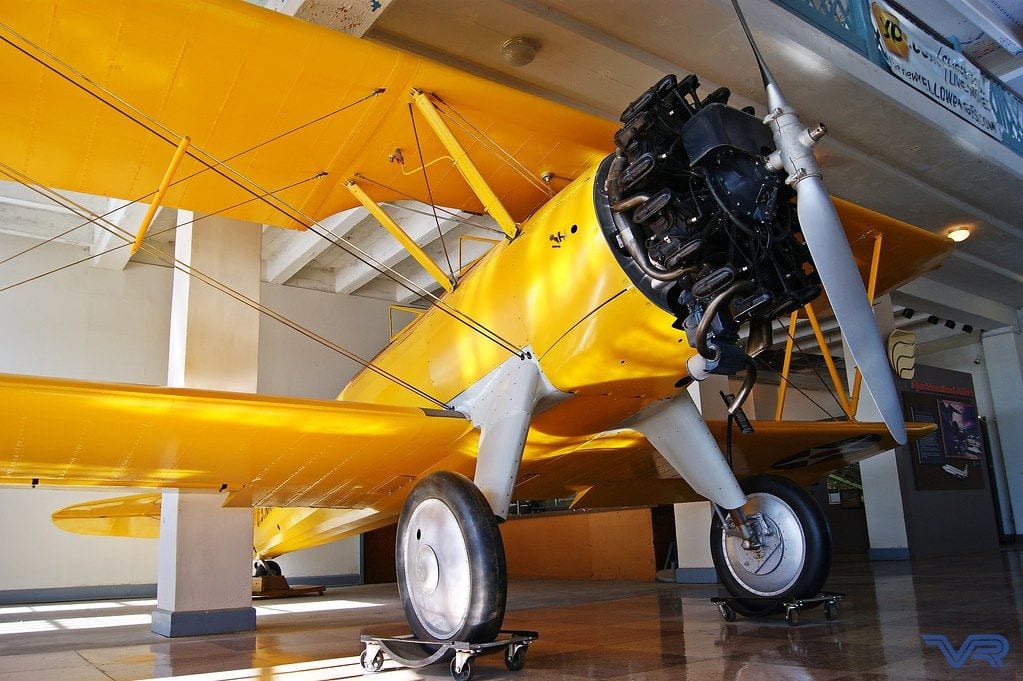
Kansas history takes flight inside a restored Art Deco building that once served as the city's municipal airport terminal. The Kansas Aviation Museum traces Wichita's deep aviation heritage through galleries you explore at your own pace, with guided tours available by reservation for those who want an expert walking them through the story.
Outside, a towering B-52 bomber anchors the collection, while younger visitors gravitate to a hands-on kids' area stocked with flight simulators and a real cockpit to climb into. Beyond its exhibits, the terminal doubles as a distinctive event venue, its period architecture drawing gatherings back to where Wichita's flying story began.
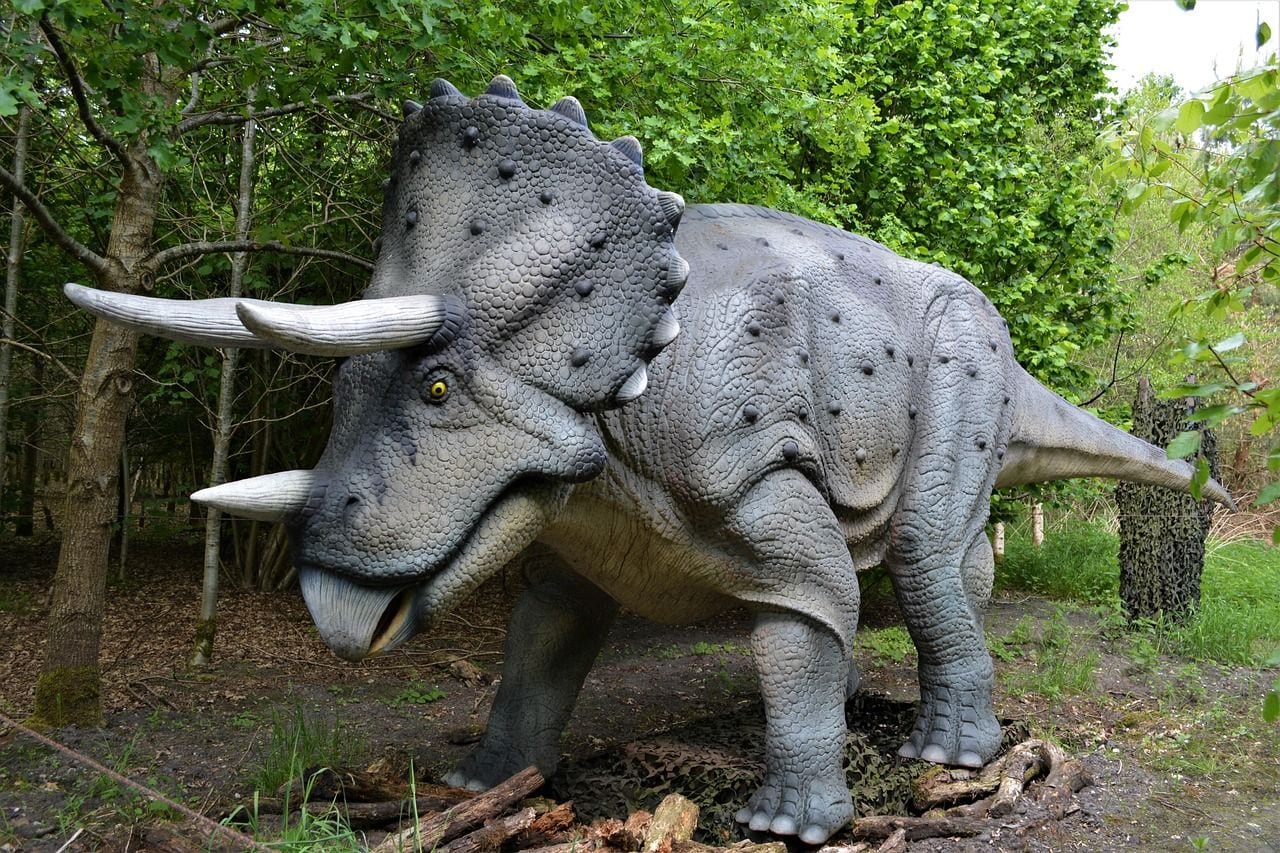
Field Station: Dinosaurs is a seasonal outdoor park in Derby where dozens of life-size, largely animatronic dinosaurs line the walking trails. Built with younger kids in mind, the models tower over the paths, roaring and moving as families wander from one prehistoric giant to the next across the wooded grounds.
Beyond the dinosaurs, the park packs in plenty to keep little ones busy: a round of mini-golf, a climbing structure to scramble over, and an open-air amphitheater staging live shows throughout the day. A private-party area rounds out the grounds, making it a practical spot for birthdays and group outings.
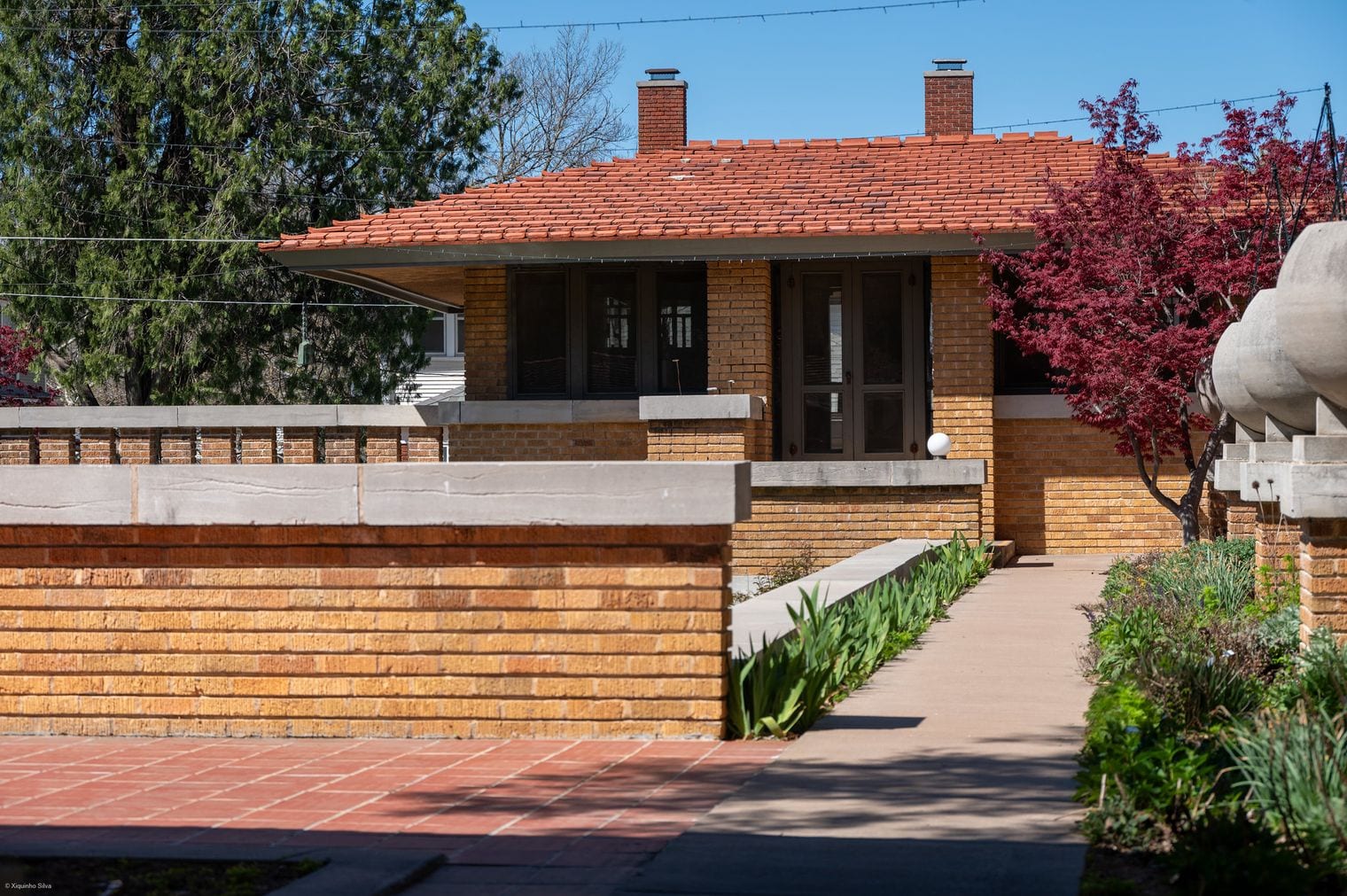
Frank Lloyd Wright’s Allen House is a 1918 Prairie-style residence and one of the architect's finest works, open to visitors by guided tour only. Named for its original owners, Henry and Elsie Allen, the home showcases the horizontal lines and integrated design that define Wright's celebrated Prairie period.
Inside, the house retains its original furnishings and luminous art-glass windows, preserved and donated by the family who cared for it. Beyond the walls, a serene garden and tranquil koi pond complete the setting, offering a rare, intimate glimpse into Wright's total vision for how a home and its grounds should work together.
Great Plains Nature Center pairs indoor exhibits on the region's flora and fauna with outdoor trails winding through Chisholm Creek Park. The building brings the prairie's plants and wildlife into focus before you step outside to see them for yourself, all without an admission fee.
Beyond the doors, interconnected loop trails range from about half a mile to two miles, letting you match the walk to your energy. Along the way, deer, turkeys, turtles, owls and herons are common sights, making even a short stroll feel like a genuine encounter with Kansas wildlife.
O.J. Watson Park is a lakefront family destination in Wichita, where the water anchors much of the fun. You can fish, take a boat out, or glide across the lake in paddle boats. A scenic train ride circles the grounds, while mini-golf and a row of kids' rides keep younger visitors busy from morning on.
Three playgrounds and covered picnic areas give families room to spread out and stay all day, and the whole park keeps entertainment refreshingly affordable. Come autumn, the seasonal Haunted Island event transforms the grounds into a spooky Halloween outing, adding a thrill to a place otherwise built around easygoing outdoor play.
21. Century II Performing Arts & Convention Center
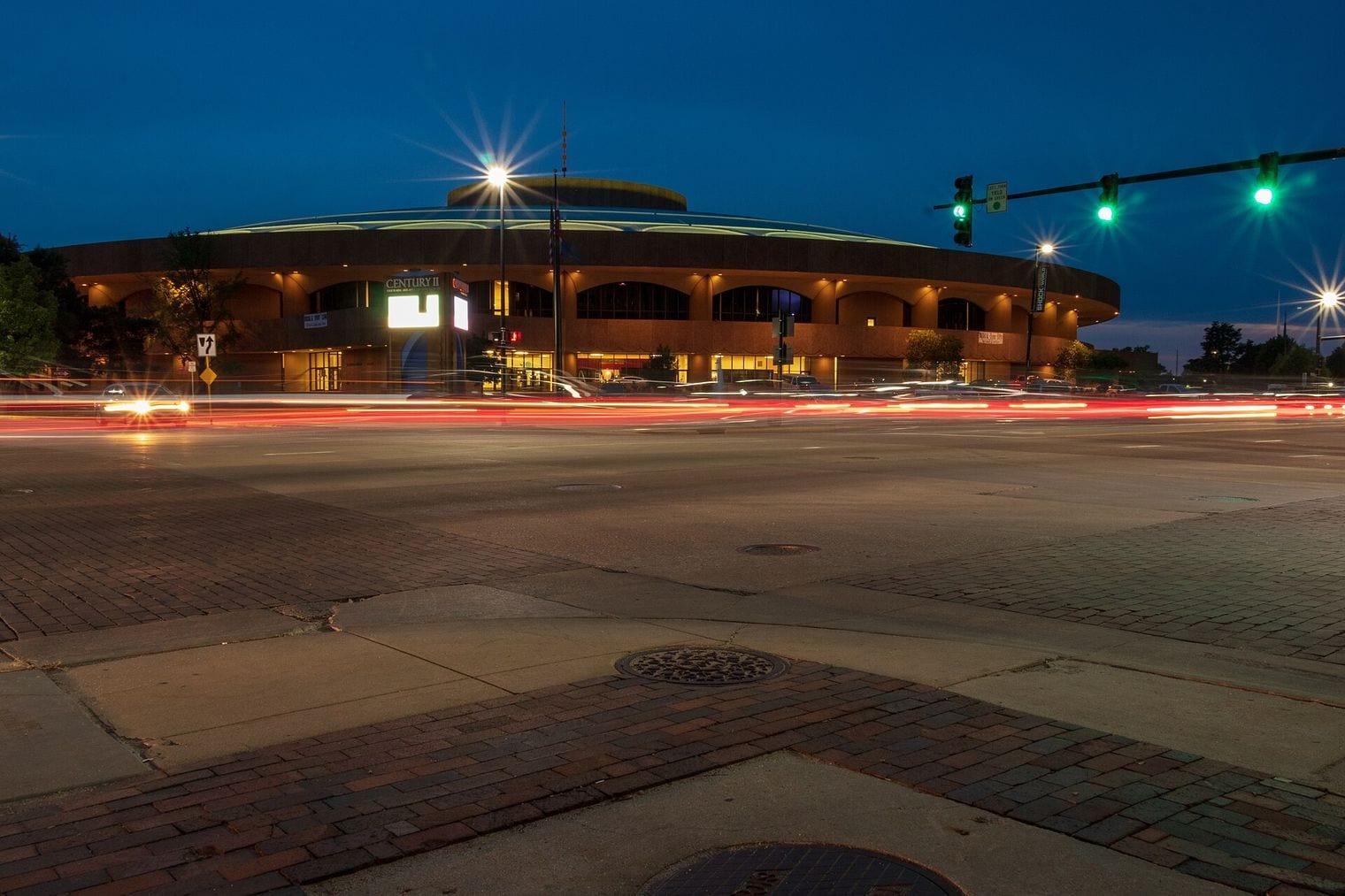
Century II Performing Arts & Convention Center is downtown Wichita's most recognizable building, a round mid-century complex that opened in 1969. Its saucer-like silhouette reads as a local landmark from blocks away. Inside, concert and theater halls sit alongside sprawling exhibition space and convention rooms, making it the city's hub for performances and large-scale gatherings alike.
The calendar here stays deliberately eclectic. One week brings a touring stage production; the next fills the exhibition floor with a comic con, a dog show, a car show or a seasonal fair. Community events round out the mix, so whatever draws you downtown, the round building on the river usually has something worth stepping inside for.
Music Theatre Wichita is a long-running professional musical-theater company based at the Century II complex, bringing full-scale Broadway hits and beloved Disney musicals to the stage each summer. With polished staging and a decades-deep track record, it stands among the city's cornerstone cultural institutions and a highlight of the warm-weather calendar.
Beyond the main stage, the company invests in the future of the art form through dedicated youth and apprentice programs. These train the next generation of performers, giving young talent hands-on experience alongside seasoned professionals and helping sustain a vibrant theater tradition in the heart of Kansas.
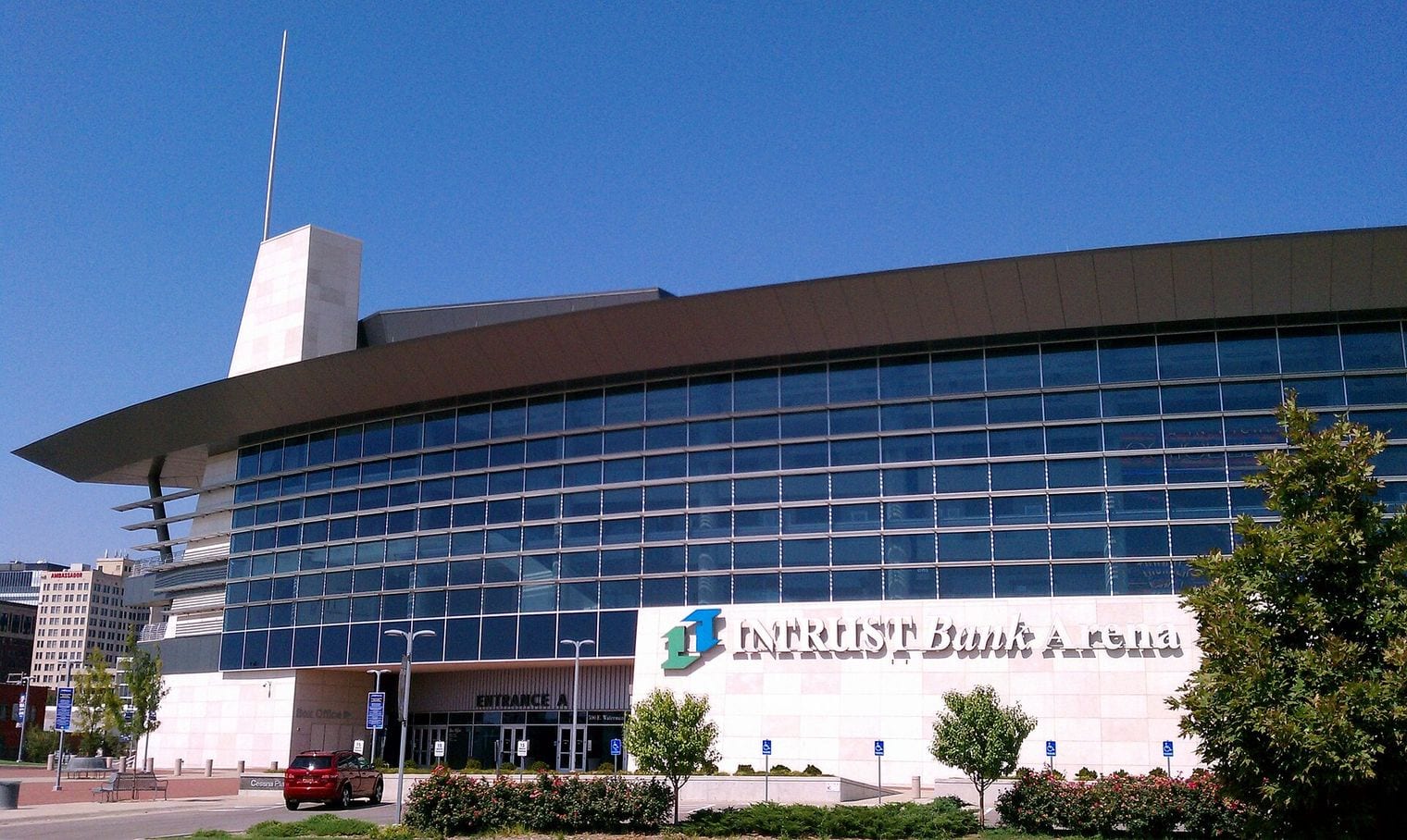
Intrust Bank Arena is a modern downtown venue built for sports, concerts, ice shows and conventions, from Wichita Thunder hockey games to major touring acts. Most seats deliver clean sightlines, and the concourse keeps things easy with ample restrooms and generous concessions that pour local beers alongside the usual game-day fare.
The location does half the work. You are a short walk from downtown restaurants and breweries, so an evening here stretches naturally into dinner or a post-show drink. Between the flexible programming and the surrounding walkable district, it anchors the city center as a genuine hub for entertainment rather than a stadium marooned on its own.
Nifty Nut House has been a Wichita institution since 1937, a candy-and-nut store packed with thousands of items. Browse a huge selection of nuts, from macadamias to pecans and walnuts, alongside flavored nut and snack mixes for anyone who likes to graze while they shop the crowded shelves.
Beyond the nuts, the store leans hard into sweets: nostalgic candy that channels childhood favorites, bins of jellybeans and gummies, and rotating seasonal treats like fall pumpkin caramels. It remains a beloved go-to for locals and visitors stocking up on old-fashioned confections and hard-to-find snacks.
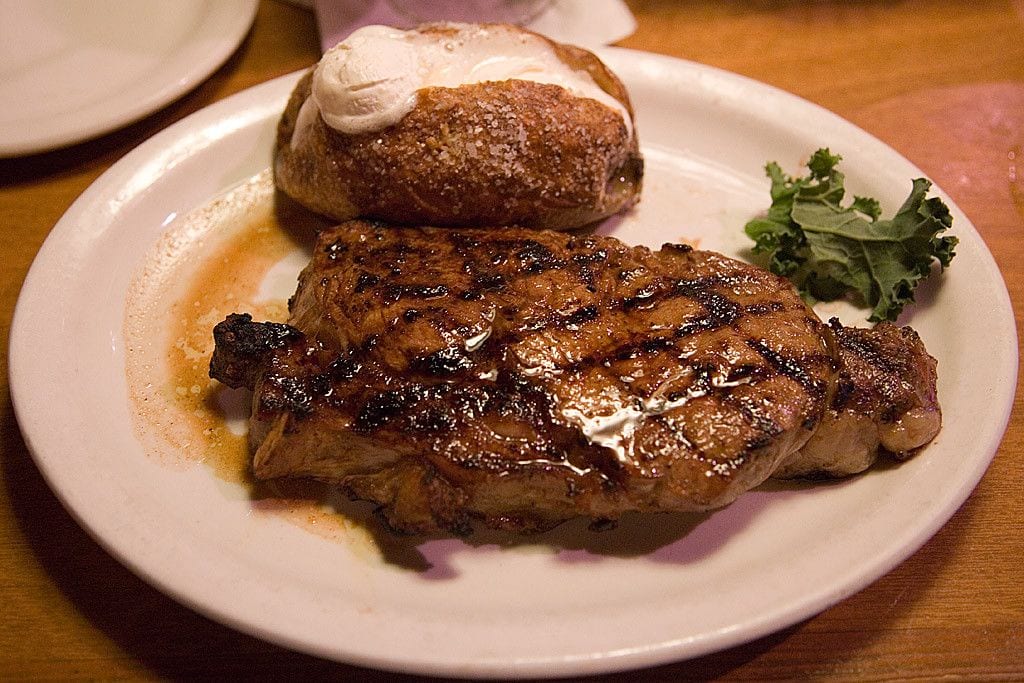
Texas Roadhouse on West Kellogg is a lively chain steakhouse dressed in Texas-themed decor, where the staff break into line-dancing between shifts. The menu runs to American fare with a Southwestern touch, and every table starts with free rolls and cinnamon butter that set the tone for the meal ahead.
Signature plates include the chicken-fried steak and the Portobello mushroom chicken, both hearty takes on familiar comfort food. As a well-known chain, it draws a steady crowd, so expect a wait during peak dinner hours. It is a dependable, family-friendly stop rather than a local original, but the atmosphere delivers.
Getting to Wichita
Wichita sits at the crossroads of south-central Kansas, wrapped by the interstate grid that carries most visitors in. The Kansas Turnpike (Interstate 35) skirts the eastern and southern edges of the metro, linking the city northeast toward the Kansas City area and south toward the Oklahoma line, while Interstate 135 runs north out of town toward Salina and Interstate 70. Interstate 235 loops the west side to tie the two together, and the US-54/US-400 corridor known locally as Kellogg Avenue is the main east-west artery straight across the city. If you are coming by car from almost any direction, one of these routes drops you within a few minutes of downtown.
The city has its own commercial airport on the west side, so most fliers land directly in Wichita rather than driving in. Budget-minded travelers sometimes fly into a larger hub instead and drive the rest: Oklahoma City is roughly two and a half hours south down the interstate, and the Kansas City airports are about three hours northeast. There is no Amtrak train station in Wichita itself; the nearest passenger rail stop is in the small city to the north, about half an hour up the highway, and long-distance and connecting buses use the downtown transit center.
Getting Around Wichita
Wichita is a spread-out, car-friendly city, and for most itineraries a vehicle is the easy default. The historic entertainment district just east of downtown and the riverfront core around the museum campus are pleasant to explore on foot once you have parked, and the adjacent downtown streets connect them with a short walk. Beyond that central cluster, though, the zoo, gardens, and outlying neighbourhoods are far enough apart that you will want to drive between them.
A local bus network covers the main corridors, and rideshare is widely available across the metro, so a short car-free stay based downtown is workable if you plan around the central sights. Flat terrain and riverside paths make cycling comfortable in the warmer months. Parking is rarely a headache: downtown and the riverfront offer garages and surface lots, most attractions have their own free lots, and street parking outside the core is generally plentiful and inexpensive.
Where to Stay in Wichita
For first-time visitors, basing yourself downtown or in the adjacent historic entertainment district puts you within walking distance of the riverfront attractions, the nightlife, and the central dining scene, and keeps most sights a short drive away. This central zone suits travelers who want atmosphere and walkability and don’t mind a livelier, busier setting in the evenings.
If you prefer something quieter or are passing through by car, the districts strung along the interstate loop and the east-west Kellogg corridor offer easy highway access and simple parking, handy for a one-night stop or an early departure. The east-side and college-area neighbourhoods near the university tend to be calmer and more residential, a good fit for longer or family stays, while the west side near the airport is the natural choice if you are flying in late or out early.
Where to Eat in Wichita
Wichita’s most concentrated dining is downtown and in the historic entertainment district just east of the core, where old brick warehouses hold a mix of gastropubs, breweries, and independent kitchens within an easy stroll of each other. Beyond the center, the city’s most distinctive food is spread along its ethnic corridors: a well-established Vietnamese community has made pho and banh mi a genuine local specialty, and there are strong Mexican and broader Asian pockets worth seeking out along the main avenues.
This is cattle-country Kansas, so smoked and grilled meats are a signature: expect slow-smoked barbecue, thick steaks, and burgers done well across the metro. The city also lays claim to the humble original of a now-nationwide fast-food burger chain, and you’ll still find that crumbled-beef, onion-heavy slider style on local menus. Round it out with hearty Midwestern comfort cooking and the grain-belt staples of the region for a fair taste of how Wichita eats.
One Day in Wichita
Wichita rewards a walker who follows the Arkansas River, so build your day around the water and let the city’s museums, gardens, and stages fall into place around it.
Morning: Start outdoors while the light is soft and the crowds are thin. Wander the themed beds and koi ponds at Botanica, The Wichita Gardens, then drift a few minutes away to Old Cowtown Museum, an open-air living-history village of frontier storefronts and costumed interpreters that’s best explored before the afternoon heat settles in. Both sit on the same green stretch just west of downtown, so you can knock them out back-to-back without ever really leaving the riverside.
Afternoon: Cross toward the confluence, where the giant steel The Keeper of the Plains stands guard over the meeting of two rivers — the single most photographed spot in the city. From its base you’re steps from the hands-on science floors of Exploration Place, and a short hop east lands you in Old Town Wichita, a brick-warehouse district where the artifacts of Museum of World Treasures and a browse through the old-fashioned bins at Nifty Nut House fill the gap before dinner.
Evening: Stay in Old Town for a sit-down meal, then take in a show under the restored Spanish-atmospheric ceiling of the Orpheum Theater, or catch whatever’s on the marquee at the Century II Performing Arts & Convention Center a couple of blocks west. If you have a second day, drive out to the Sedgwick County Zoo on the western edge of town, one of the largest zoos in the region and an easy half-day on its own.
Free Things to Do in Wichita
Wichita is friendly to travelers on a budget, with several of its signature sights costing nothing at all. You can put together a full, memorable day without spending much beyond parking and a meal.
Start at The Keeper of the Plains, the city’s iconic riverfront sculpture, and time your visit for the evening ring-of-fire lighting. Stroll the memorials at Veterans Memorial Park along the Arkansas River, wander the trails at the Great Plains Nature Center and Chisholm Creek Park, or spend an afternoon at free green spaces like Sedgwick County Park. Downtown, it costs nothing to admire the round Century II landmark and window-shop the historic brick streets of Old Town.
Day Trips from Wichita
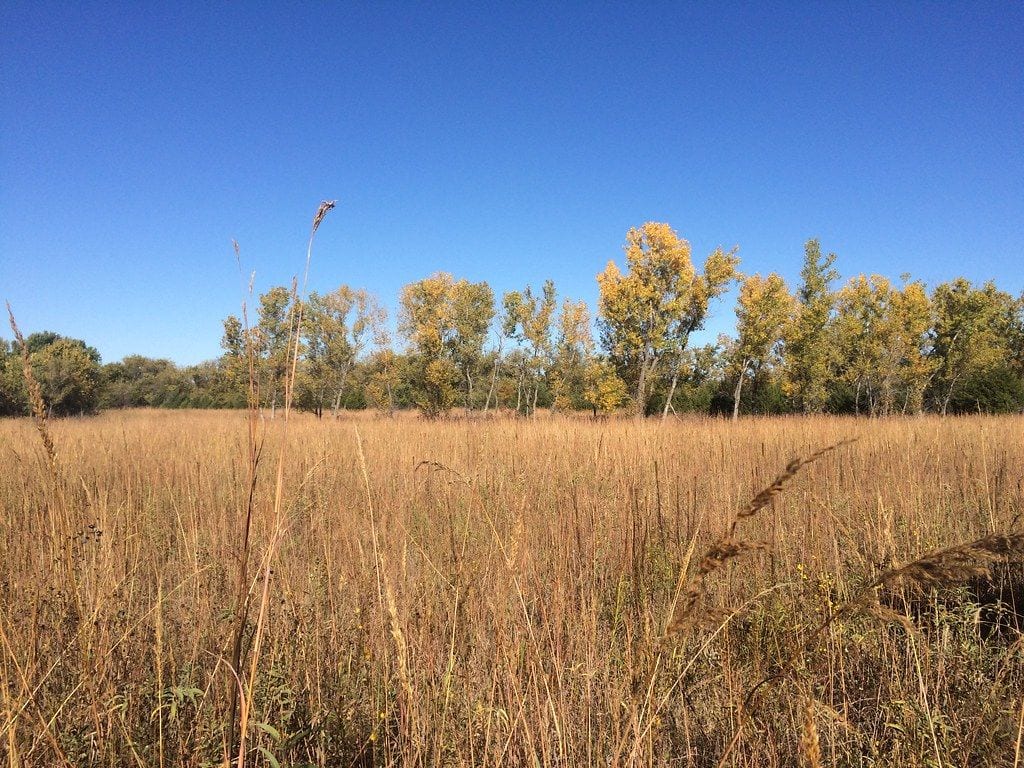
Wichita makes a practical base for exploring the wider region, with several worthwhile destinations a half-day drive away. Head about an hour or so northeast into the rolling Flint Hills to reach the Tallgrass Prairie National Preserve, one of the last large stretches of tallgrass prairie in the country and a striking contrast to the city. Continue northeast on the interstate and in roughly two and a half hours you reach Topeka, the state capital, with its statehouse and civic museums.
For a change of state, Oklahoma City lies about two and a half hours south down the same interstate, a bigger metro with its own museums, gardens, and riverfront district to fill a day or an overnight. All three make comfortable out-and-back trips, and the flat, fast highways in every direction mean you can be back in Wichita by evening.
FAQ: Visiting Wichita
What is Wichita known for?
Wichita is best known as the “Air Capital of the World” for its long history of aircraft manufacturing, and as the birthplace of Pizza Hut. It is also the largest city in Kansas and a former Chisholm Trail cattle town, reflected in attractions like Old Cowtown Museum and the Kansas Aviation Museum.
Is Wichita worth visiting?
Yes. For a mid-sized city, Wichita offers a lot: a top-rated zoo, strong museums, the striking Keeper of the Plains sculpture, botanical gardens, and a walkable Old Town full of restaurants and breweries. It is an easy, affordable stop with plenty for families and history fans.
How many days do you need in Wichita?
A weekend (two days) is enough to hit the highlights — the zoo, a museum or two, the Keeper of the Plains and Old Town. Add a third day if you want to fit in day-trip attractions like Tanganyika Wildlife Park or the aquatic park in nearby Derby.
What is the best time to visit Wichita?
Late spring and early fall bring the most comfortable weather and a full events calendar. Summers are hot but ideal for the zoo, gardens and water parks, while the winter season features Botanica’s popular Illuminations light walk.
Is Wichita good for families?
Very much so. Family favorites include the Sedgwick County Zoo, Exploration Place, Tanganyika Wildlife Park, Field Station: Dinosaurs and Old Cowtown Museum, plus parks, playgrounds and an aquatic park — many of them geared toward kids of all ages.
What is there to do in downtown Wichita?
Downtown and the adjacent Old Town district pack in restaurants, bars, breweries, shops and galleries in restored brick warehouses, along with the Century II complex, Intrust Bank Arena, the Orpheum Theatre and the Museum of World Treasures — all within walking distance of the river.
How far is Wichita from Kansas City?
Wichita sits about 200 miles southwest of Kansas City, roughly a three-hour drive on I-35, making it a common road-trip stop between Kansas City and Oklahoma or the Southwest. For more of Kansas beyond the city, Wichita makes a handy base for a wider state road trip.