Lithuania·
Published July 2, 2026 ·
Updated July 10, 2026 · 25 things to do
· 21 min read
Vilnius, Lithuania
Source: Illustrative image
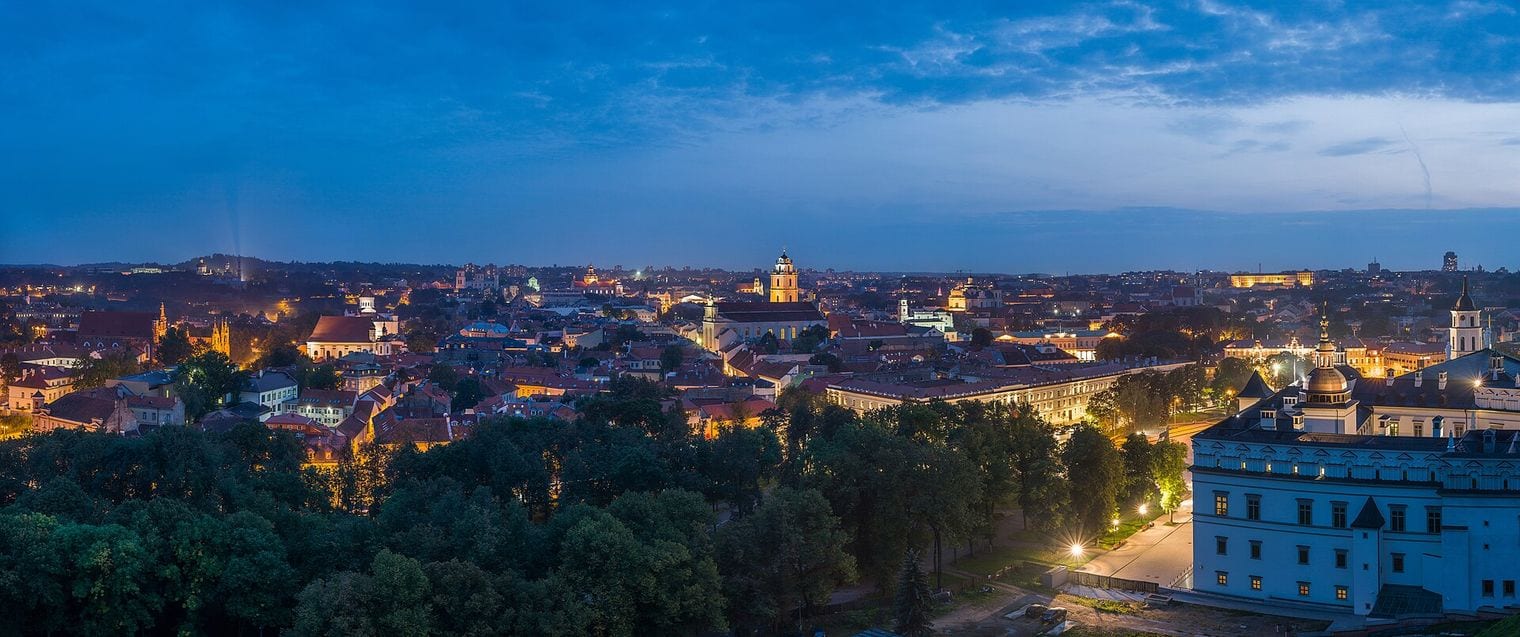
Lithuania's capital is one of Europe's most rewarding cities to explore on foot, a place where baroque churches, medieval courtyards and a self-declared artists' republic sit within a few minutes' walk of one another. Vilnius wears its history openly, from the hilltop castle that has guarded the city for seven centuries to the former KGB headquarters now preserved as a museum, and it balances that weight with a warm, unhurried café culture and some of the greenest riverside parks of any European capital.
This guide gathers the 25 best things to do in Vilnius, ranked and mapped so you can plan a route rather than a scramble. You will find the marquee landmarks of the UNESCO-listed Old Town alongside quieter local favourites, the grand museums beside offbeat corners like the bohemian district of Užupis Republic, and enough green space, food and family fun to fill anything from a long weekend to a full week. Whatever the season, the historic core is compact enough to wander and full of the small discoveries that make Vilnius linger in the memory.
Fun Facts About Vilnius
Its Old Town is one of the largest surviving medieval old towns in Northern Europe, covering roughly 352 hectares, and was inscribed on the UNESCO World Heritage List in 1994.
In 1989 French scientists at the Institut Géographique National calculated that the geographical centre of Europe lies just north of Vilnius, near the village of Purnuškės, where a white granite monument now marks the spot.
The city was first recorded in 1323, in letters written by Grand Duke Gediminas, whose legendary dream of a howling iron wolf is said to have inspired him to found his capital here.
In June 2025 Vilnius overtook Riga to become the largest city in the Baltic states, with its population climbing past 607,000 residents.
Before World War II the city was famed as the "Jerusalem of the North" — a name Napoleon reportedly gave it in 1812 — a Jewish scholarly powerhouse that counted more than 100 synagogues and the influential sage known as the Vilna Gaon.
The heart of the city, Vilnius Old Town is one of the largest surviving medieval old towns in Northern Europe and the reason the city holds UNESCO World Heritage status. Its tangle of cobbled lanes, hidden courtyards and pastel façades spreads out from Cathedral Square and Pilies Street, layering Gothic, Renaissance, baroque and classical architecture across a remarkably intact centre that rewards aimless wandering as much as any planned itinerary.
This is where most visits to Vilnius begin and where many end, with dozens of churches, galleries, cafés and craft shops tucked into its side streets. Spend a morning following the main thoroughfares and an afternoon getting pleasantly lost in the quieter quarters, pausing at a courtyard café or climbing to a viewpoint for the classic panorama of red rooftops and church spires.
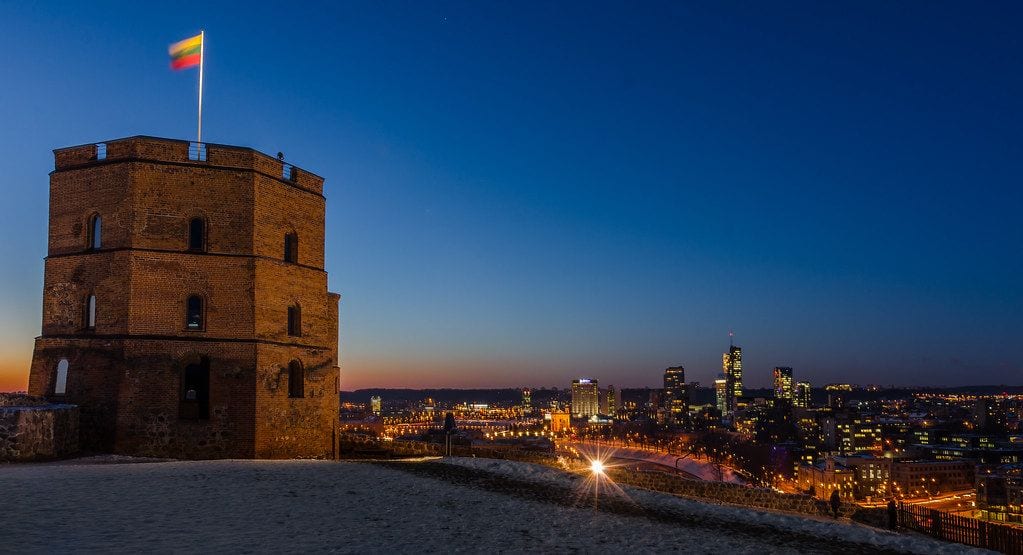
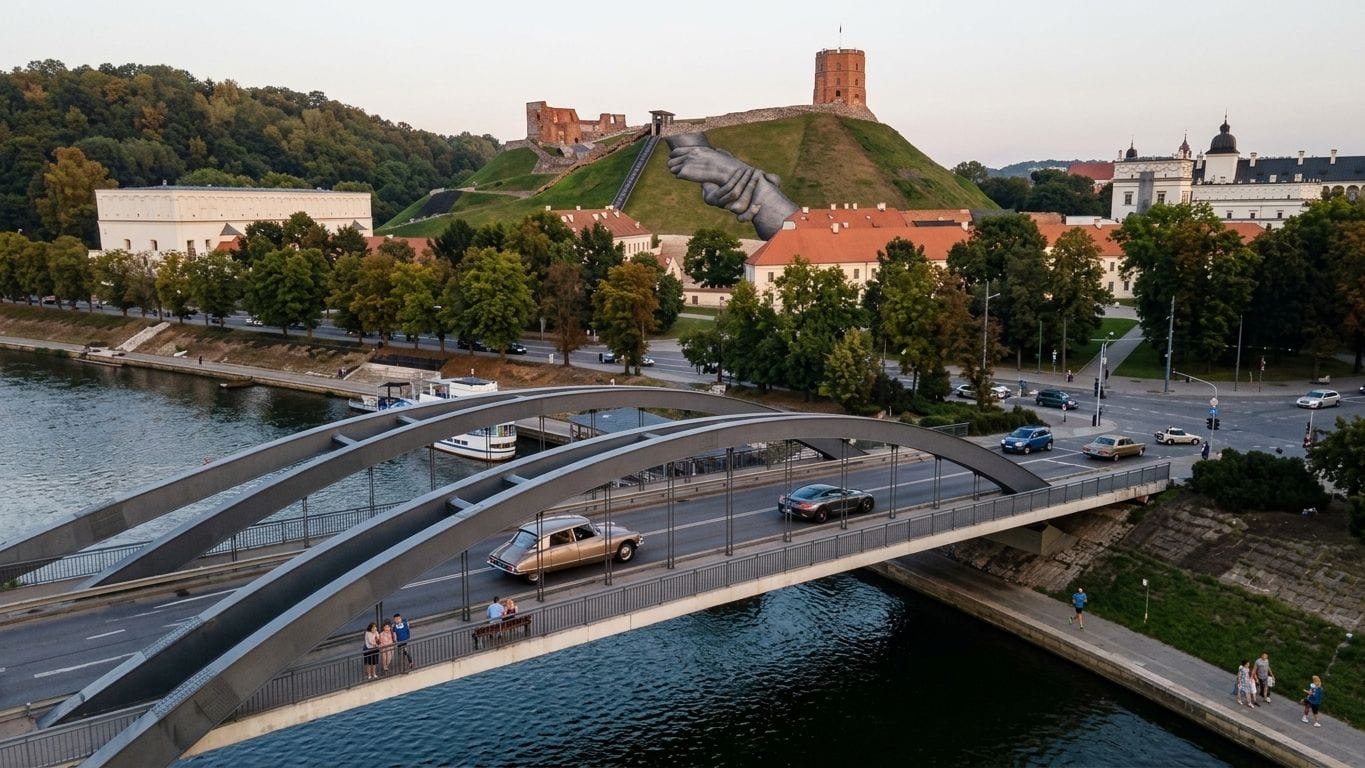
Crowning the hill above the Old Town, Gediminas Castle and its red-brick tower are the enduring symbol of Vilnius and the last surviving remnant of the city's medieval Upper Castle. The stronghold traces its origins to the 14th century and the grand duke whose name it carries, and the tower now houses a small museum on the castle's history along with sections of the original fortifications.
The real draw is the climb, whether on foot up the winding path or by the little funicular from the courtyard of the Palace of the Grand Dukes. From the top you get the finest sweeping view in the city, taking in the Old Town rooftops, the river bends and the modern skyline rising across the water.
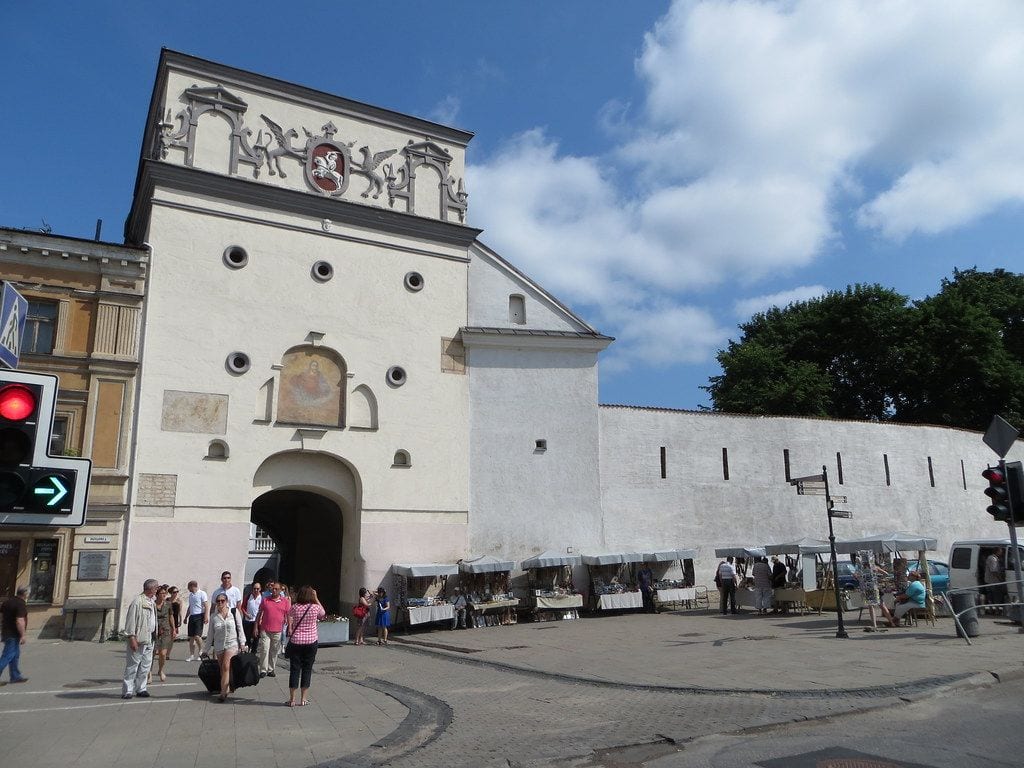
Once one of nine gates in the old city wall, the Gates of Dawn is the only one that still stands, and it has become one of the most important pilgrimage sites in the region. Above the arched passage sits a small chapel housing a revered image of the Madonna, drawing worshippers and visitors from across Lithuania and beyond who climb the stairs to see it up close.
Beyond its religious significance, the gate marks the atmospheric southern entrance to the Old Town, where the street funnels beneath the arch and opens onto a run of churches and shops. It is a moving stop even for the non-devout, and a natural starting point for a walk north through the historic core toward Cathedral Square.
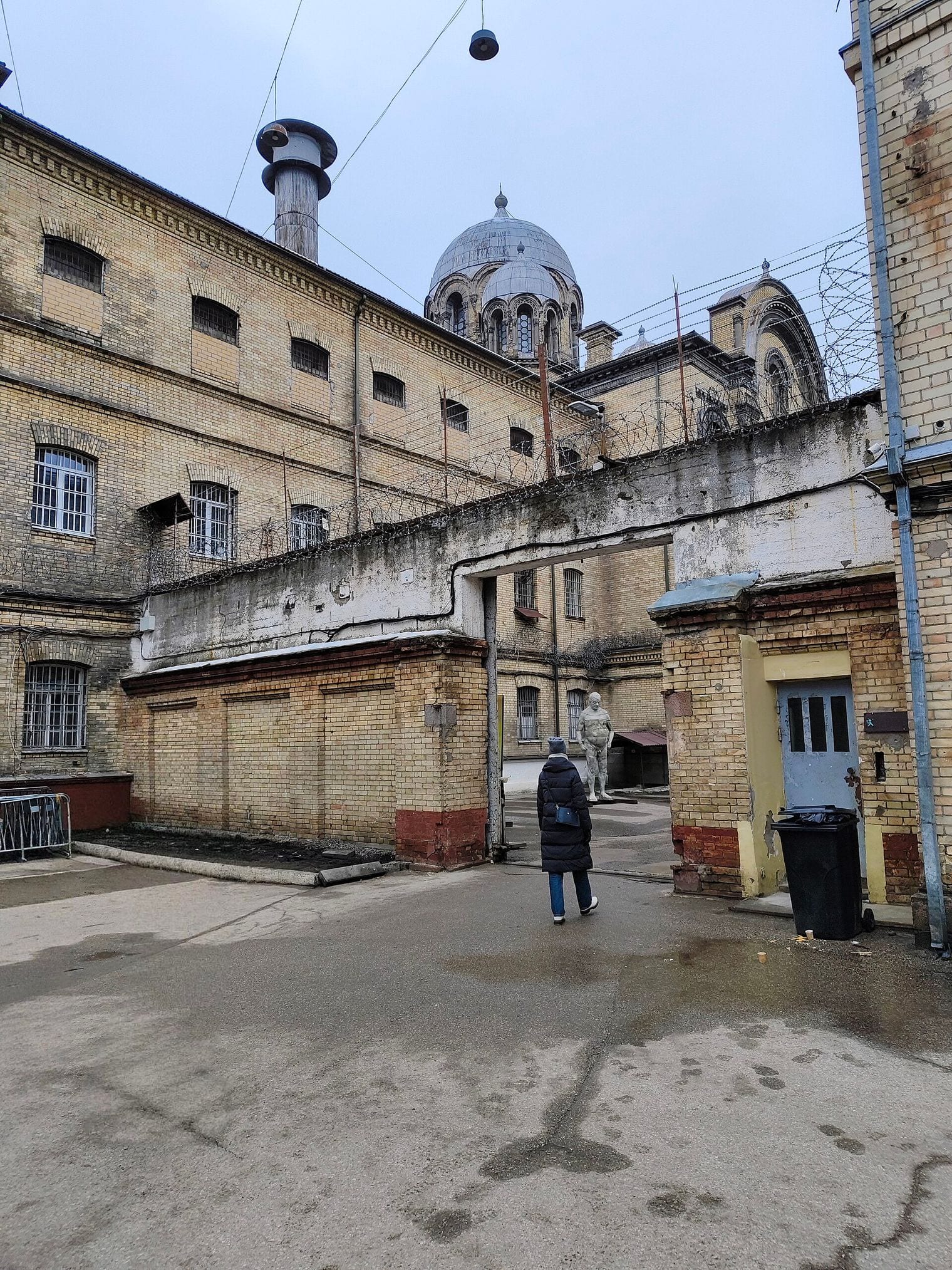
Few attractions capture the reinvention of modern Vilnius as vividly as Lukiškės Prison, a Tsarist-era prison that operated for more than a century before being transformed into a sprawling cultural and creative hub. Its cell blocks and courtyards now host art installations, studios, bars, live events and guided tours, and film crews have used the eerie complex as a location, including for a well-known streaming series.
Wandering the corridors of a former prison is an experience with a real edge, blending genuine history with the energy of the artists and event-goers who now fill the space. Check what is on before you visit, as the programme shifts with the seasons, and allow time simply to absorb the strange atmosphere of a place so completely repurposed.
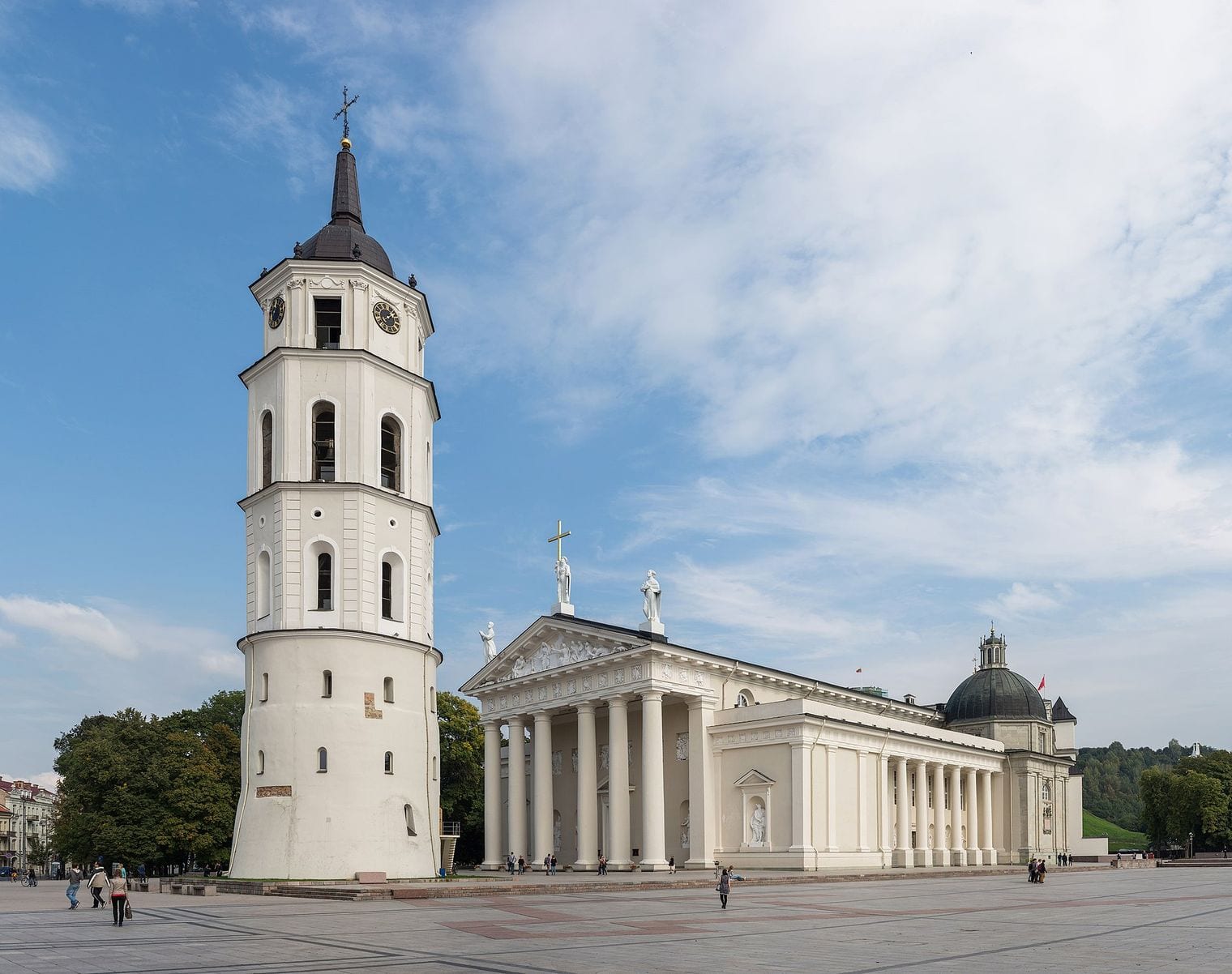
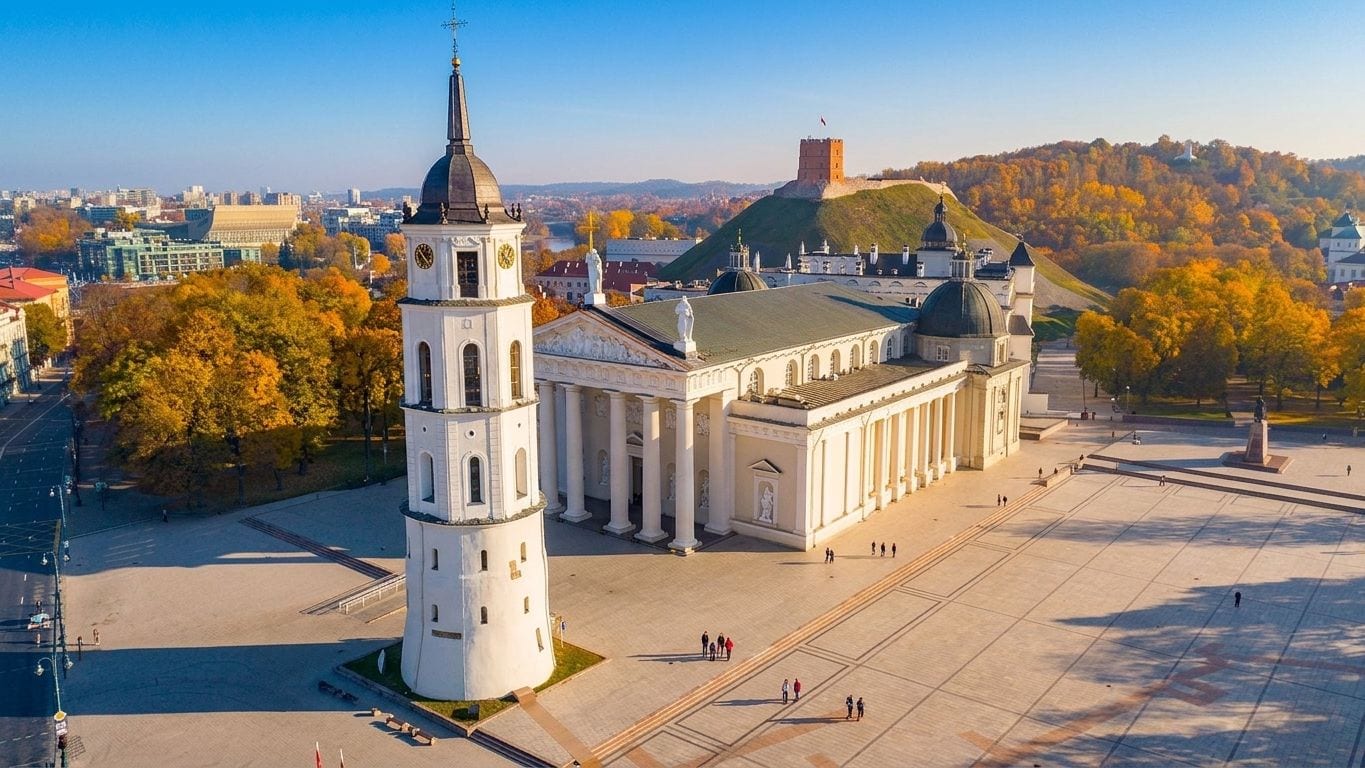
Standing at the centre of the city on its own vast square, Vilnius Cathedral is Lithuania's most recognisable religious landmark, a stately neoclassical temple fronted by tall columns and a row of statues along the roofline. Beneath it lie crypts holding the tombs of grand dukes and bishops, and the adjoining chapel of Saint Casimir is one of the finest baroque interiors in the country.
The cathedral and its free-standing bell tower anchor Cathedral Square, the great open space where the city gathers for festivals, concerts and celebrations. Step inside for the cool, columned calm of the nave, then linger outside to watch the everyday life of Vilnius flow across the square in the shadow of the castle hill above.
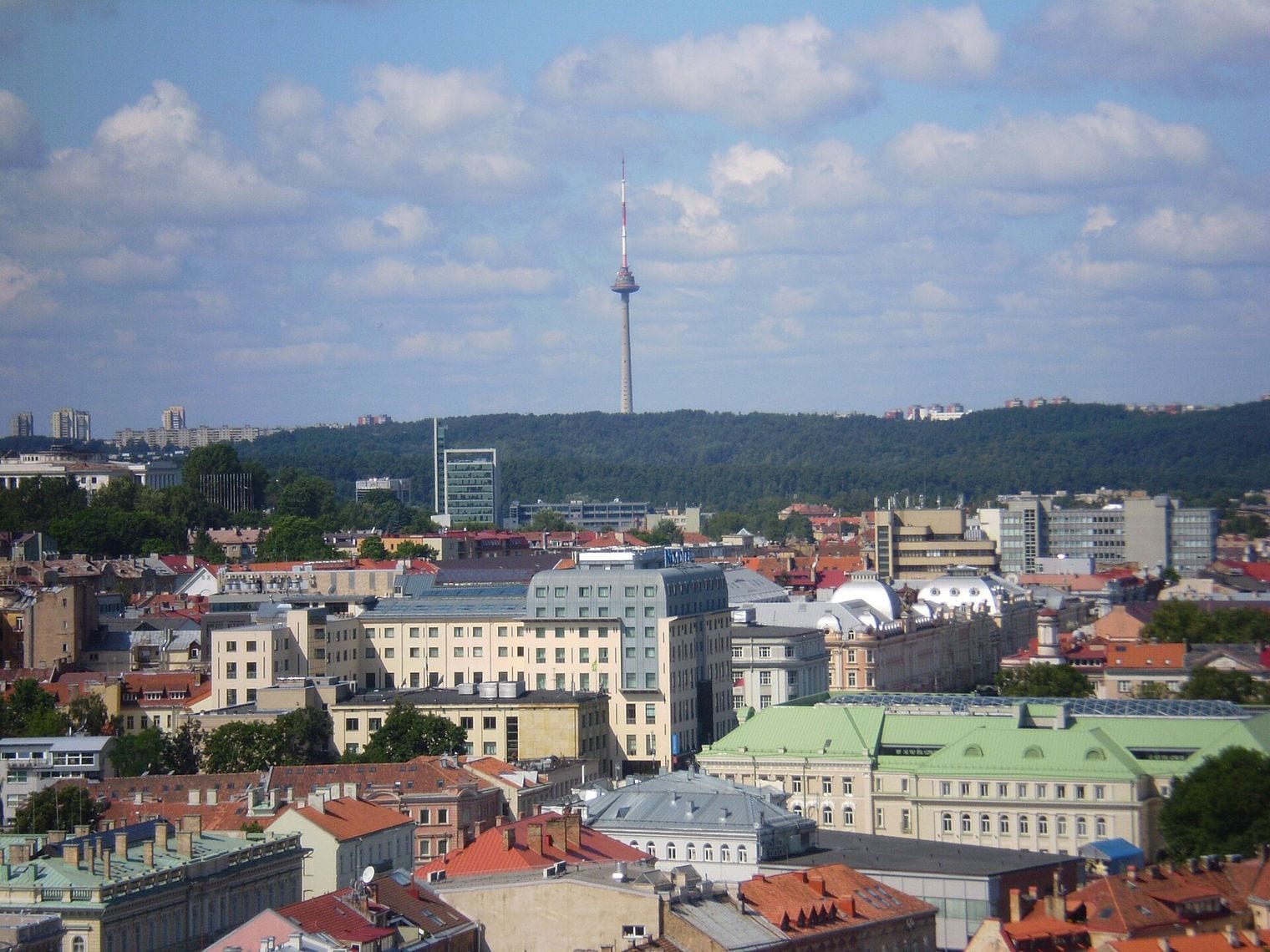
Rising more than 300 metres on the western edge of the city, the Vilnius TV Tower is the tallest structure in Lithuania and a landmark visible from much of the surrounding area. Beyond its role in broadcasting, it holds a solemn place in the national memory as the site where unarmed civilians stood against Soviet tanks during the fight for independence, an event commemorated at the base of the tower.
A high-level observation deck, reached by a swift lift, offers a panoramic view over Vilnius and out toward the forests and lakes beyond the city limits. On a clear day the outlook stretches for tens of kilometres, and the rotating café near the top makes it easy to linger over the changing scene below.
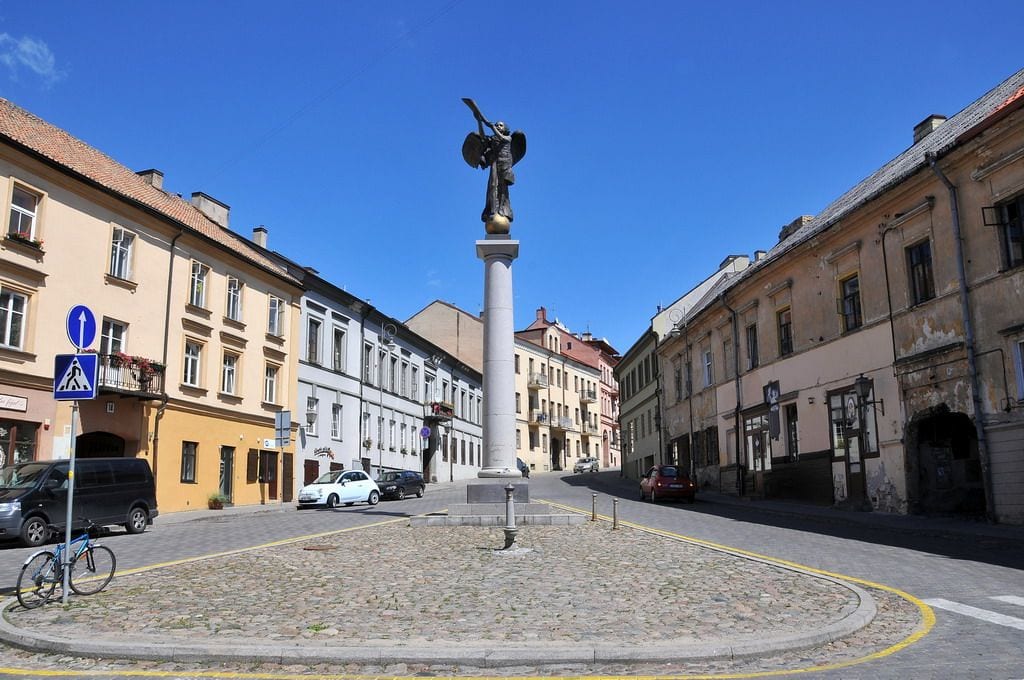
Just across a small river from the Old Town lies Užupis Republic, a formerly run-down district that artists reclaimed and, with a wink, declared an independent republic complete with its own flag, president and tongue-in-cheek constitution posted on a wall in dozens of languages. The neighbourhood's bohemian spirit runs through its galleries, courtyards, quirky sculptures and the bronze Angel that presides over its central square.
Exploring Užupis Republic is less about ticking off sights than soaking up an atmosphere found nowhere else in the city. Follow the riverside path, read the amusing and oddly moving articles of the constitution, browse the small studios and settle in at one of the relaxed cafés or bars that give the district its easy, creative charm.
At the foot of the castle hill stands the Palace of the Grand Dukes of Lithuania, a grand reconstruction of the royal residence that once served as the political and cultural centre of the medieval state. Demolished in the 19th century and painstakingly rebuilt in recent decades, the palace now functions as a national museum tracing the history of the site and the rulers who lived here.
Inside, richly restored halls and archaeological displays reveal foundations of the original buildings alongside tapestries, weaponry and period interiors. It is one of the best places in Vilnius to grasp the scale and ambition of the old Grand Duchy, and it pairs naturally with a climb to the tower directly above.
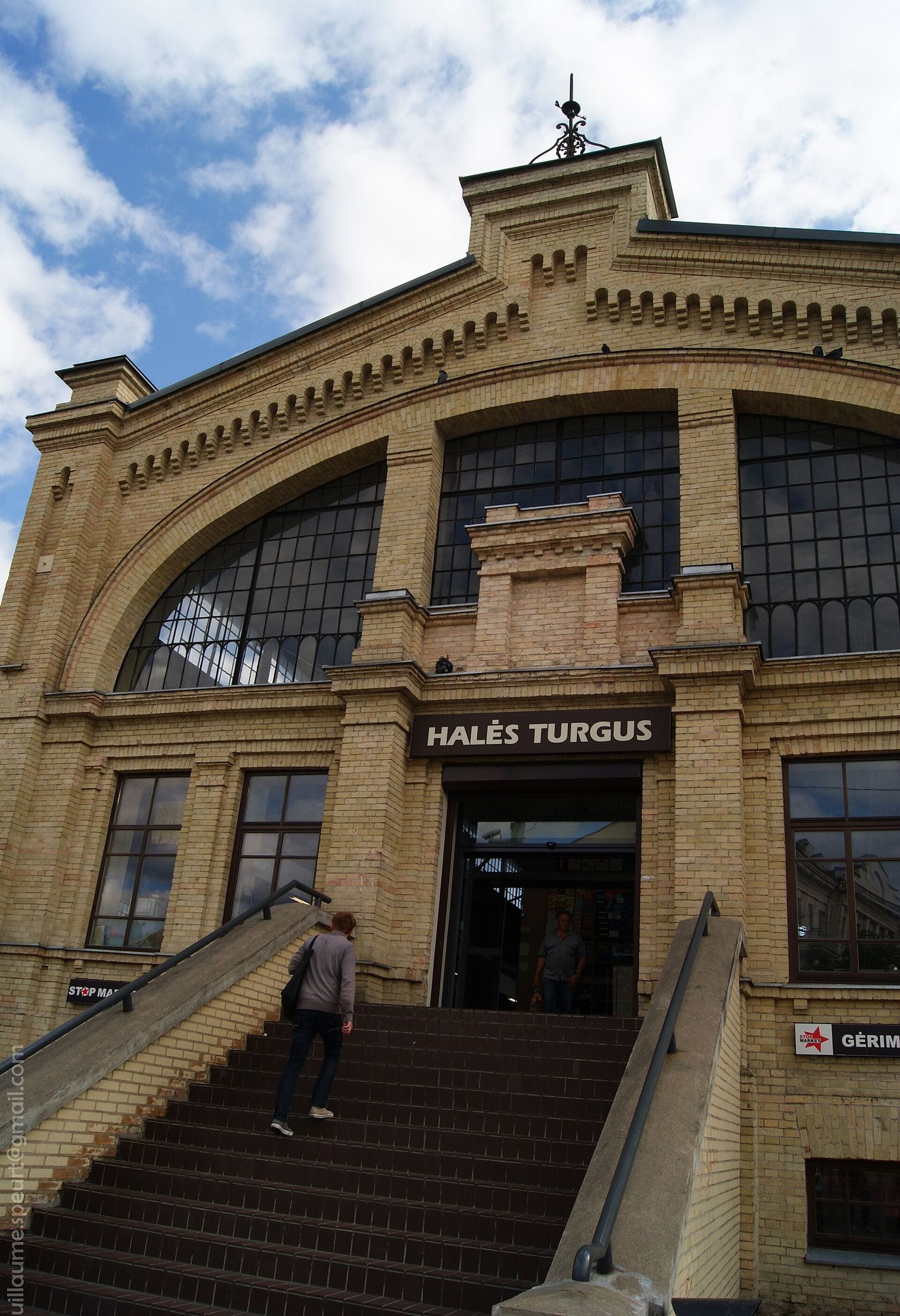
For a taste of everyday Vilnius, few places beat Halės Market, the city's oldest covered market and a fixture of local life for well over a century. Under its iron-and-glass roof, stalls pile high with fresh produce, Lithuanian cheeses, smoked meats, rye breads, honey and seasonal berries, while surrounding units have brought in a newer wave of street food and specialty vendors.
It is a genuinely working market rather than a tourist set piece, which is exactly its appeal. Come hungry, graze your way between the traditional counters and the modern food stalls, and pick up local delicacies to take home; the market also makes a handy, atmospheric lunch stop between sights on the southern edge of the Old Town.
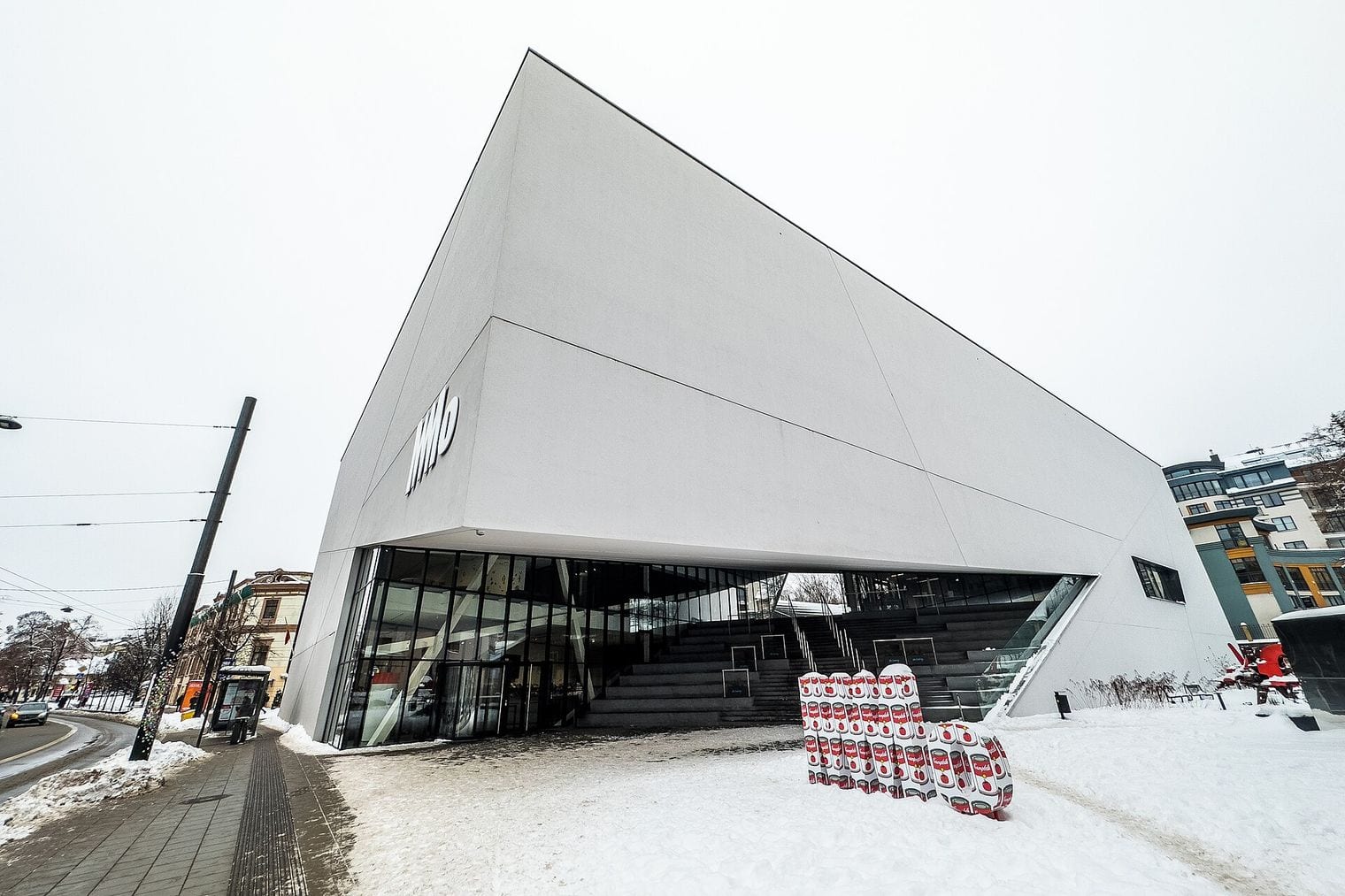
A striking contrast to the city's baroque churches, the MO Museum is Vilnius's flagship museum of modern and contemporary Lithuanian art, housed in a crisp white building designed by an internationally renowned architect. Its collection spans the second half of the 20th century to the present, presented through bold rotating exhibitions rather than a single fixed hang.
Beyond the galleries, the MO Museum has become a cultural gathering place, with a rooftop terrace, a café and a lively events programme that draws a young local crowd. It is an excellent stop for anyone wanting to see a different, forward-looking side of the city, and its accessible curation makes contemporary art approachable even for casual visitors.
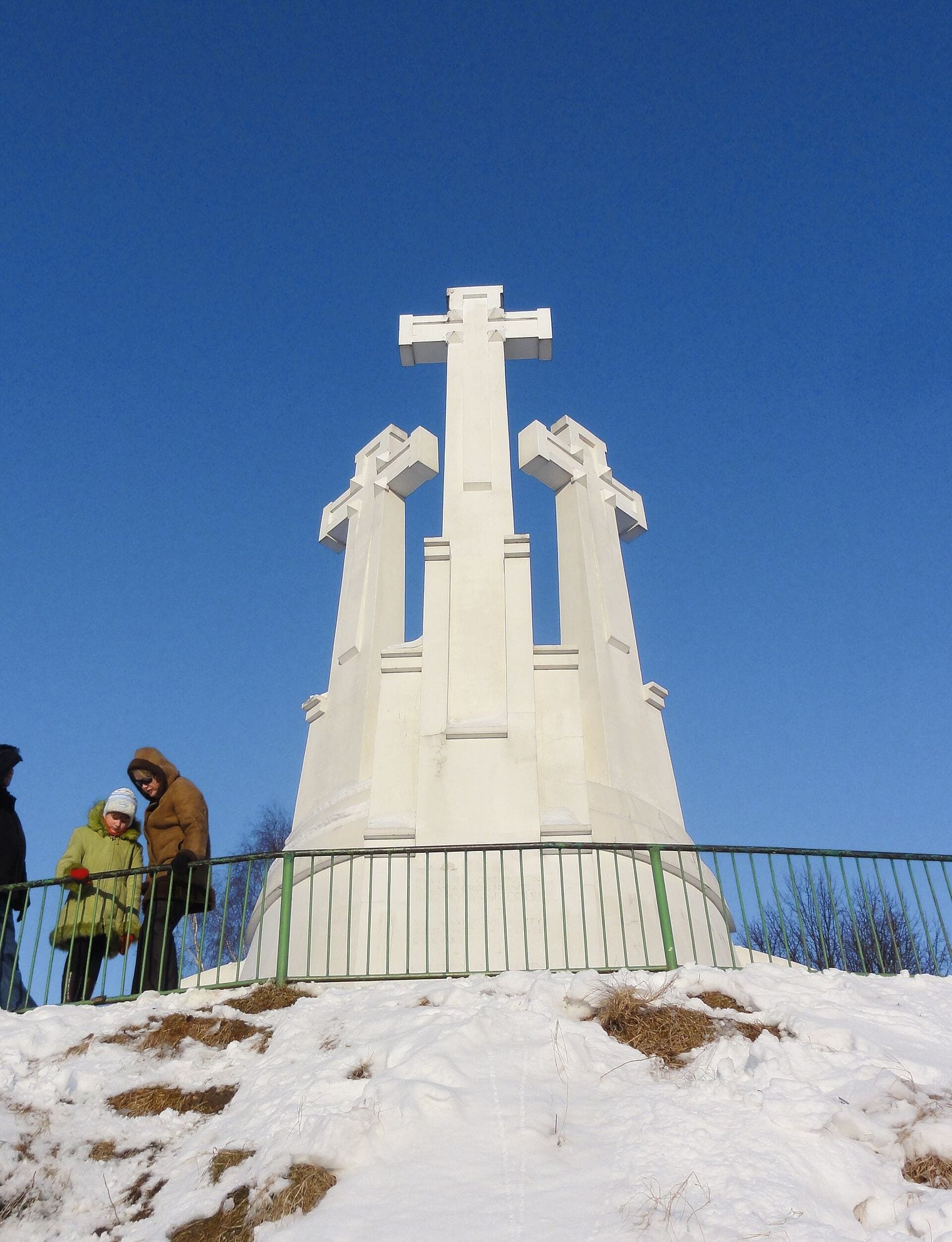
Perched on a green hill overlooking the Old Town, the Three Crosses Monument is one of the most photographed sights in Vilnius, its trio of gleaming white crosses standing out against the sky. The memorial has a long and poignant history, having been destroyed under Soviet rule and rebuilt after independence, giving it a quiet significance beyond its striking silhouette.
The short walk up through the wooded parkland is part of the pleasure, and the summit rewards you with a superb view across the rooftops, spires and castle hill of the historic centre. It is a wonderful spot to catch the light in the late afternoon or early evening, when the Old Town glows beneath you.
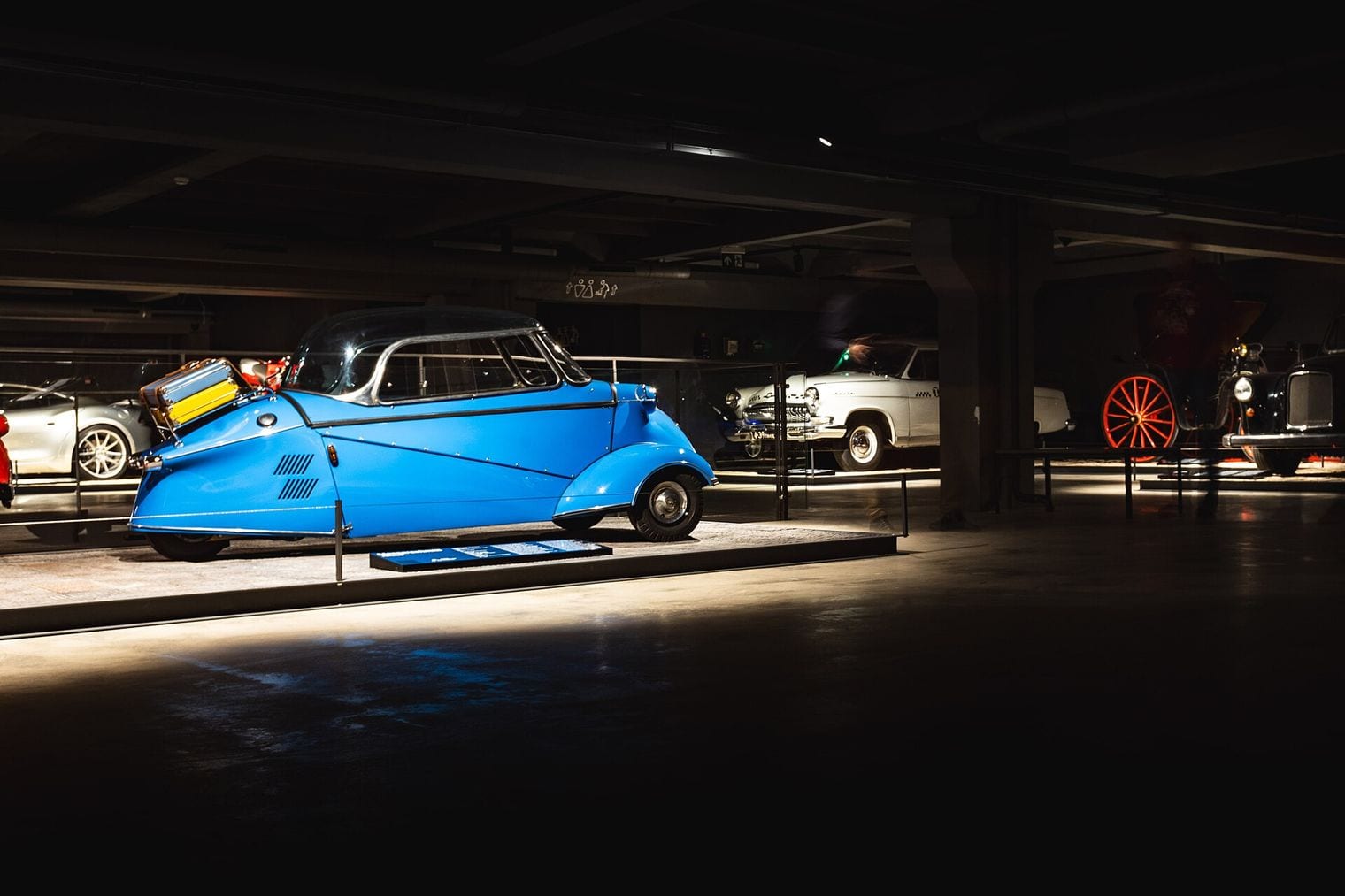
Motoring enthusiasts and curious families alike will enjoy Automuziejus Vilnius, a polished automobile museum that gathers a gleaming collection of classic and vintage cars under one roof. From elegant pre-war saloons to muscular sports models and quirky microcars, the exhibits are beautifully presented with plenty of context on the design and era of each machine.
The museum is thoughtfully laid out and consistently praised for the quality and variety of its collection, making it an easy win on a rainy afternoon or a break from the churches and museums of the centre. Interactive touches and well-kept vehicles make Automuziejus Vilnius engaging even for visitors who would not call themselves car fanatics.
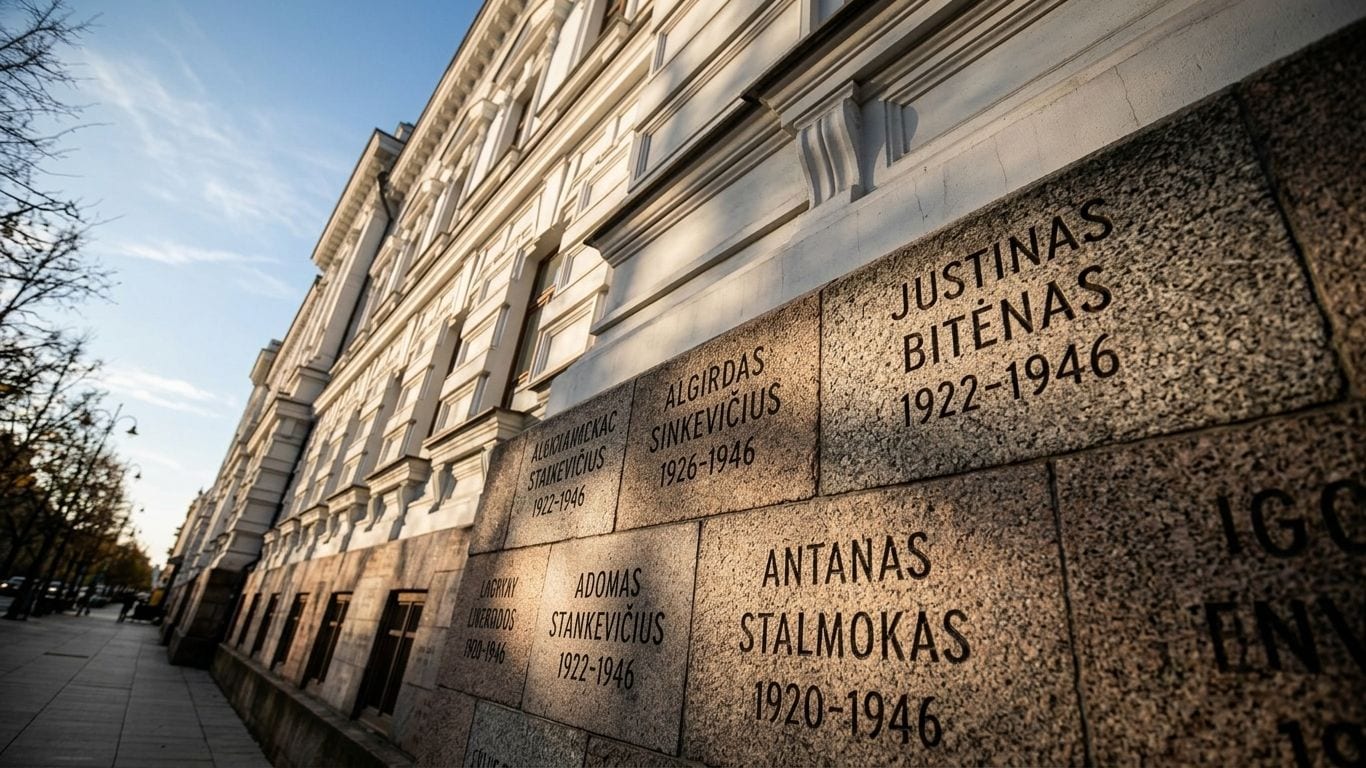
Set in the former headquarters of the Soviet security services, the Museum of Occupations and Freedom Fights confronts the darkest chapters of Lithuania's 20th-century history. The building itself is the exhibit as much as the displays are, with preserved prison cells, interrogation rooms and an execution chamber in the basement telling the story of occupation, resistance and repression in stark, unflinching detail.
A visit here is sobering and deeply moving, and it provides essential context for understanding the fierce pride Lithuanians take in their hard-won independence. Allow enough time and mental space for it; the museum is not a light stop, but it is one of the most important and memorable things you can do in the city.
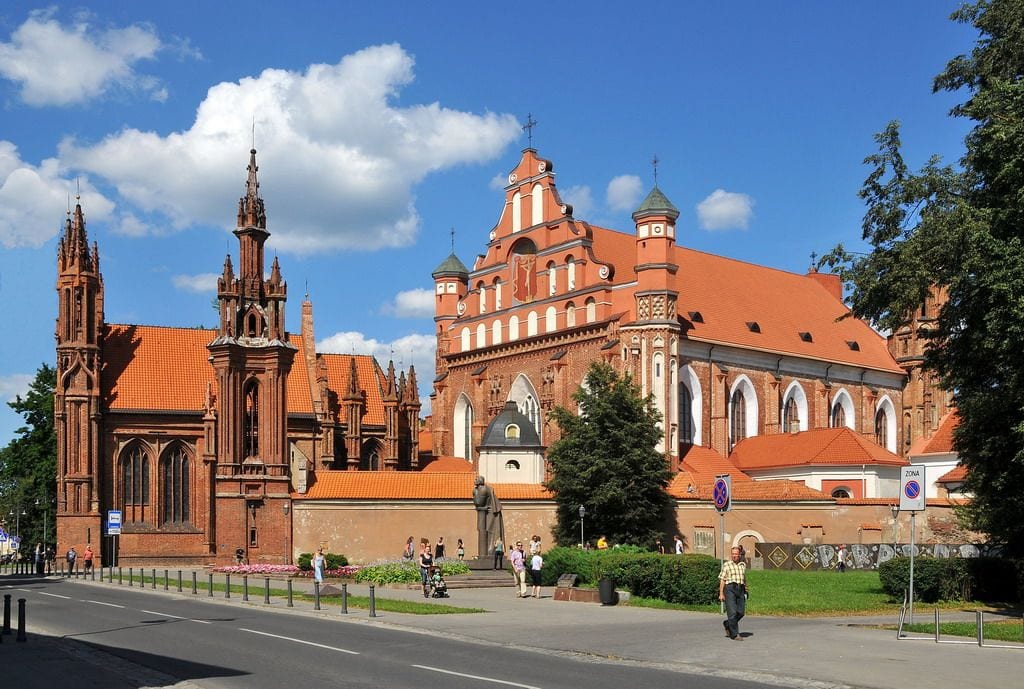
A masterpiece of late Gothic architecture, the Church of St. Anne is among the most beloved buildings in Vilnius, its intricate red-brick façade rising in a flourish of slender towers and pointed arches. Legend has it that a French emperor was so taken with the church that he wished he could carry it back to Paris in the palm of his hand, and the story has stuck to the building ever since.
Standing beside the larger Bernardine Church, its dark brickwork forms one of the most photogenic corners of the Old Town. The interior is modest compared with the exterior, so the real reward is admiring the extraordinary brick craftsmanship up close, ideally when low sun warms the façade to a deep glowing red.
The great open heart of the city, Cathedral Square is where Vilnius comes together, a broad paved expanse framed by the cathedral, its bell tower and the castle hill rising behind. For centuries it has been the setting for markets, parades, protests and celebrations, and it remains the natural gathering point for the city's biggest festivals and its enormous Christmas tree in winter.
Look for the small Stebuklas tile set into the paving, said to mark the spot where you can make a wish, and join locals in the tradition of turning on it for luck. Whether crossing it between sights or simply pausing on a bench, Cathedral Square gives you the pulse of Vilnius in a single sweeping space.
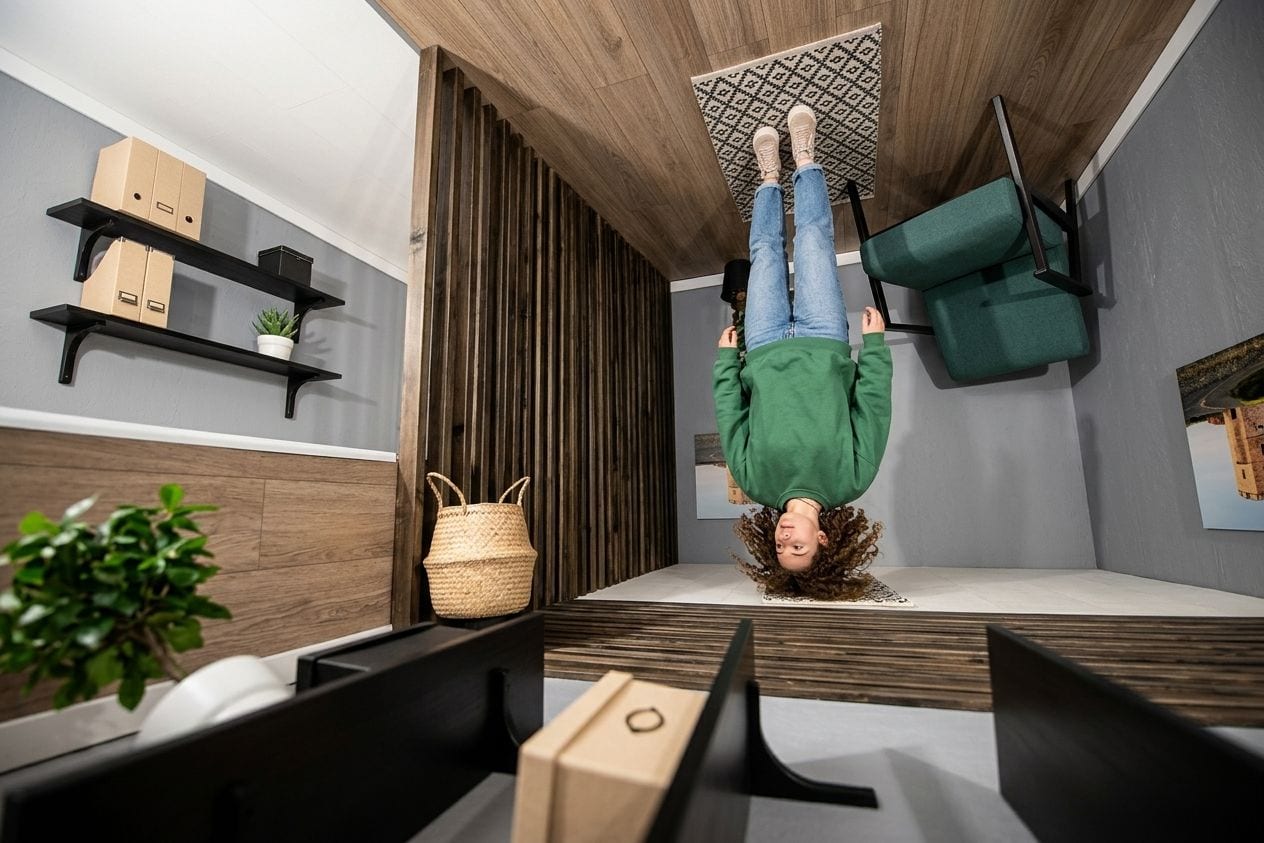
A reliably fun stop for families and groups, the Vilnius Museum of Illusions fills its rooms with optical tricks, mind-bending installations and interactive exhibits designed to fool the eye and delight the camera. Tilted rooms, holograms, infinity mirrors and clever perspective setups turn a visit into a playful hour of experimentation and laughter.
What sets the experience apart from a simple photo stop is the light touch of science behind each illusion, with explanations that make you think about how perception works. It is an easy antidote to museum fatigue and a particular hit with children, making the Vilnius Museum of Illusions a smart choice when you want something lighter between the city's weightier sights.
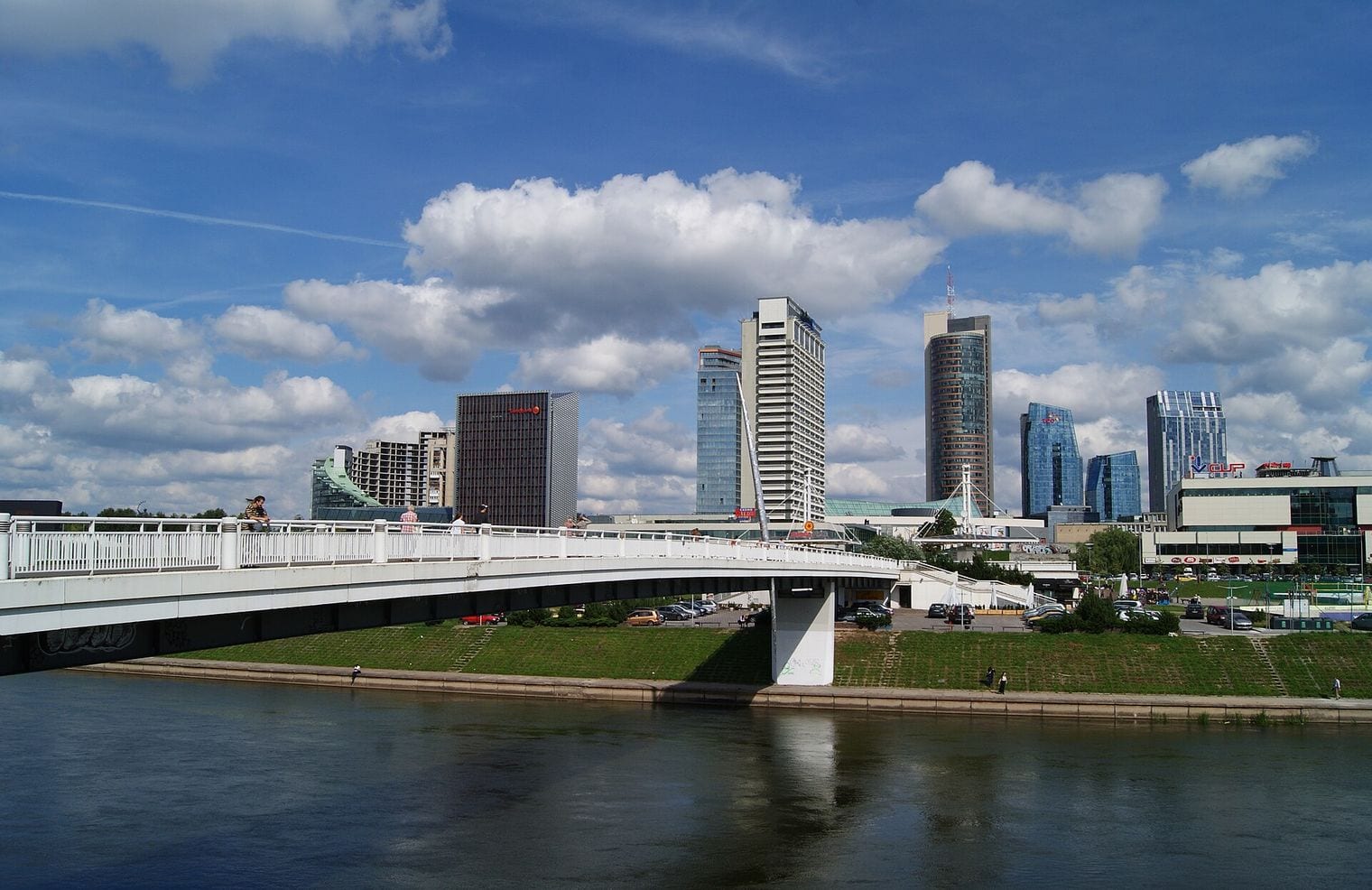
Spanning the Neris River just outside the historic core, the Vilnius White Bridge is a slender pedestrian crossing that has become one of the city's most popular places to relax. Its broad steps and grassy banks draw crowds on warm days, when locals spread out picnic blankets, and it serves as a stage for open-air concerts and events through the summer months.
The bridge offers a lovely open view back toward the Old Town skyline and across to the modern business district, making it a fine spot to watch the sunset. Come for the easygoing riverside atmosphere, join the runners and cyclists on the embankment paths, and enjoy a side of Vilnius that feels distinctly young and outdoors-loving.
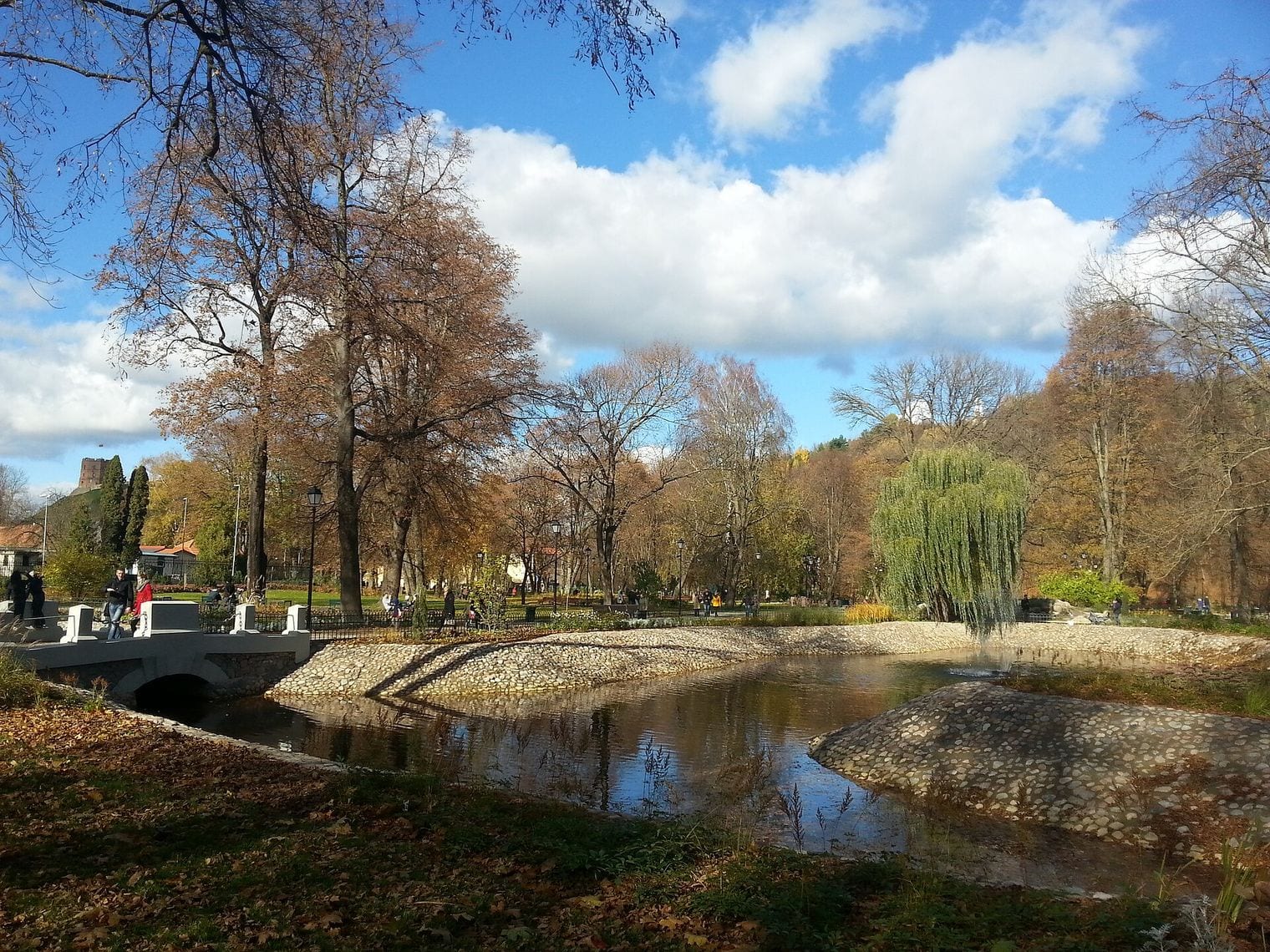
Tucked between the Old Town and the river beneath the castle hill, Bernardine Garden is the oldest and most charming park in the city centre, a tranquil retreat of tree-lined paths, flower beds and a musical fountain. Its origins reach back centuries to the monks who first tended the grounds, and today it offers a green pause just steps from the busiest streets.
Families gravitate to its playgrounds and open lawns, while others come simply to stroll, read or watch the fountain. With the dramatic backdrop of the castle hill and the Gothic churches on its edge, Bernardine Garden is one of the loveliest places in Vilnius to slow down and enjoy the setting.
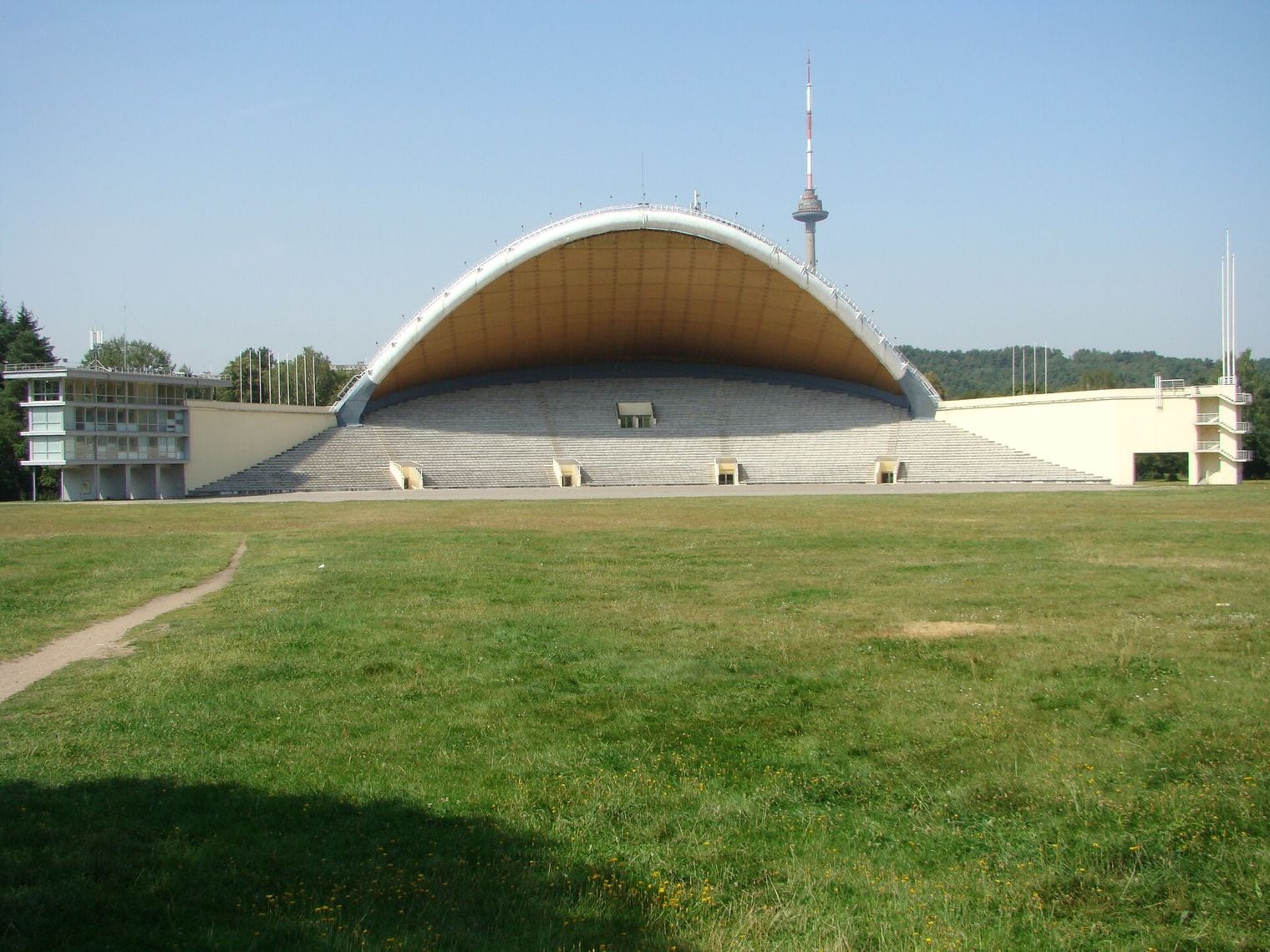
The largest park in the city, Vingis Park sprawls across a broad loop of the Neris River, offering a vast expanse of woodland, meadows and shaded avenues that locals treasure for jogging, cycling and lazy weekend picnics. At its centre stands a grand open-air stage that has hosted enormous song festivals and concerts, a tradition deeply woven into Lithuanian cultural life.
Easily reached from the centre yet feeling worlds away, Vingis Park is the place to see how the people of Vilnius spend their leisure time. Rent a bike or simply walk its riverside trails, watch families and dog-walkers pass, and appreciate the abundance of green space that gives the capital its relaxed, breathable character.
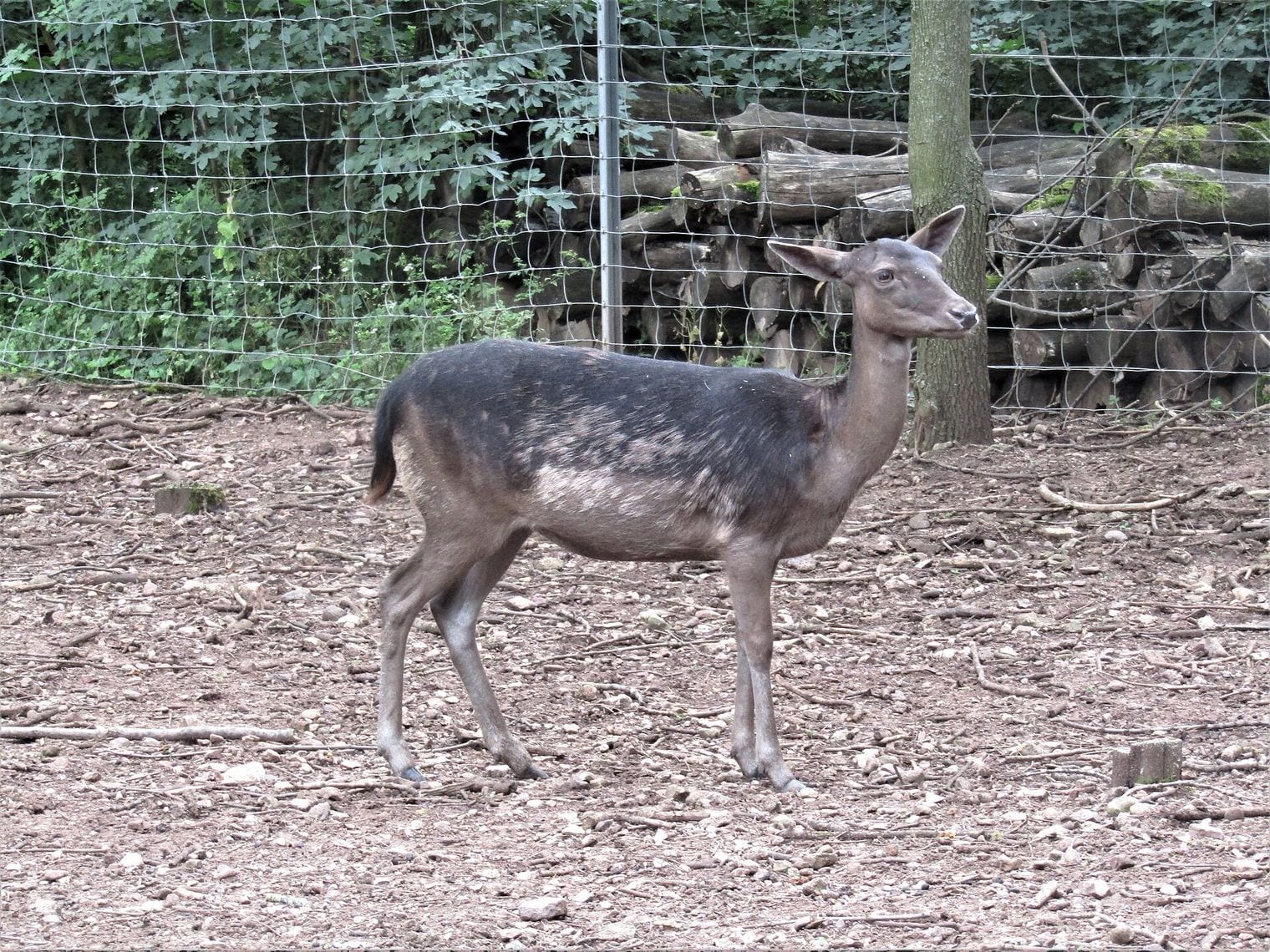
A dependable favourite with younger visitors, Vilnius Zoo, known locally as Zoopark, gathers a varied collection of animals across landscaped enclosures on the northern side of the city. From big cats and primates to reptiles and birds, the zoo is compact enough to see comfortably in a half-day and is a firm fixture on family itineraries.
The grounds are pleasant to wander, with feeding times and interactive areas that keep children engaged, and the setting makes for an easy, low-stress outing away from the bustle of the centre. If you are travelling with kids and need a change of pace from historic sights, Vilnius Zoo makes for a happy afternoon.
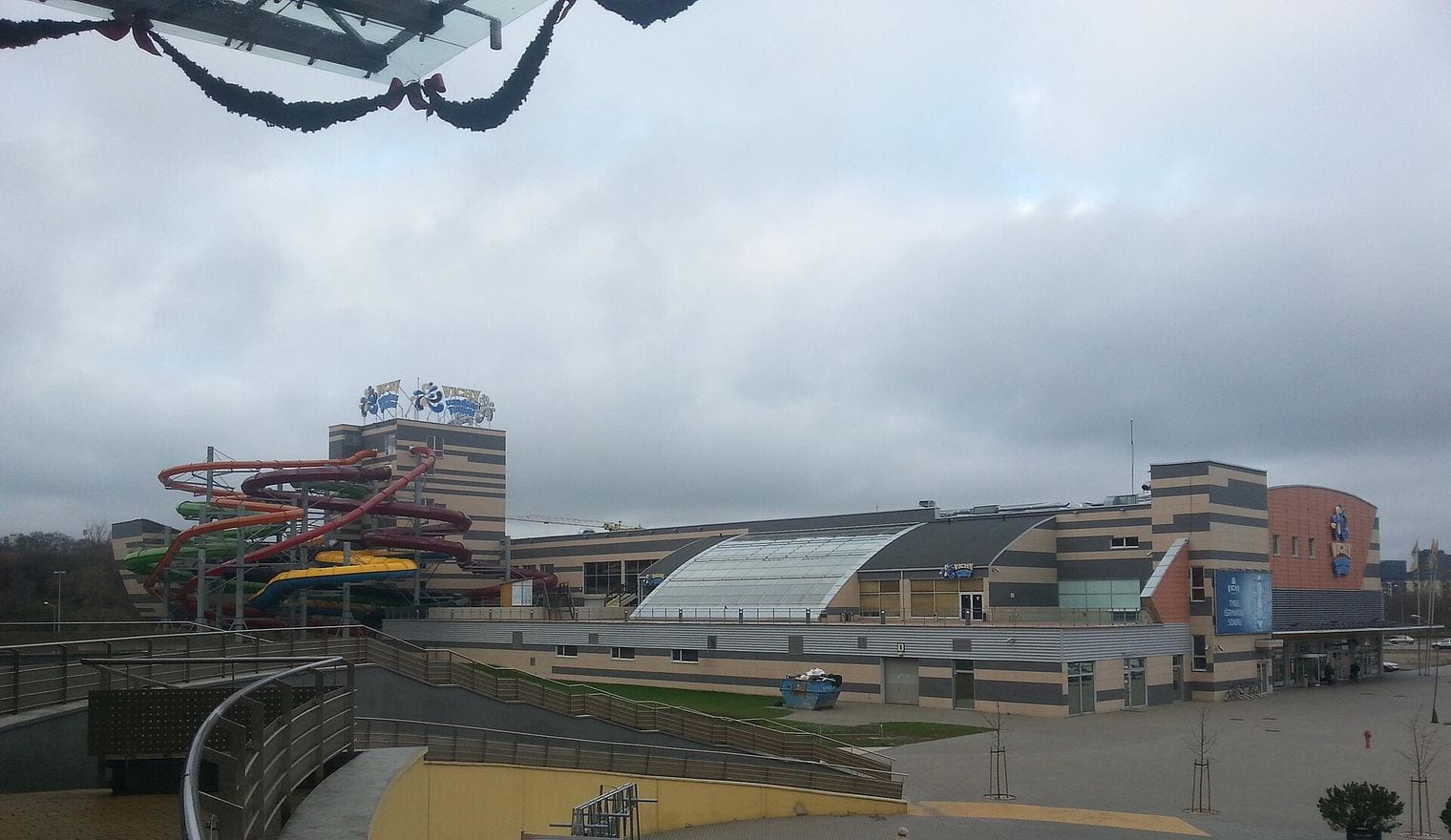
When the weather turns or the family needs a burst of energy, Vichy Water Park delivers with a large indoor complex of pools, slides, wave features and spa areas that stays warm and lively whatever the season. Twisting flumes and splash zones cater to thrill-seekers and toddlers alike, while quieter saunas and relaxation pools give the grown-ups somewhere to unwind.
As one of the biggest water attractions in the region, Vichy Water Park is a genuine day out rather than a quick dip, so plan for a few hours and pack for a full session. It is an especially welcome option in the colder months, when the tropical warmth inside feels a world away from the streets outside.
Named after Lithuania's only crowned king, the King Mindaugas Bridge is a clean, modern crossing over the Neris that links the Old Town with the district beyond the river. Its simple lines and open deck make it a pleasant walking route, and the views along the water toward the cathedral and castle hill are among the best from any of the city's bridges.
More than just a way across, the bridge is a fine vantage point for taking in the meeting of old and new Vilnius, with historic spires on one bank and contemporary architecture on the other. Cross it on an evening stroll to watch the lights come up along the riverbanks, or pause midway to line up a photograph of the skyline.
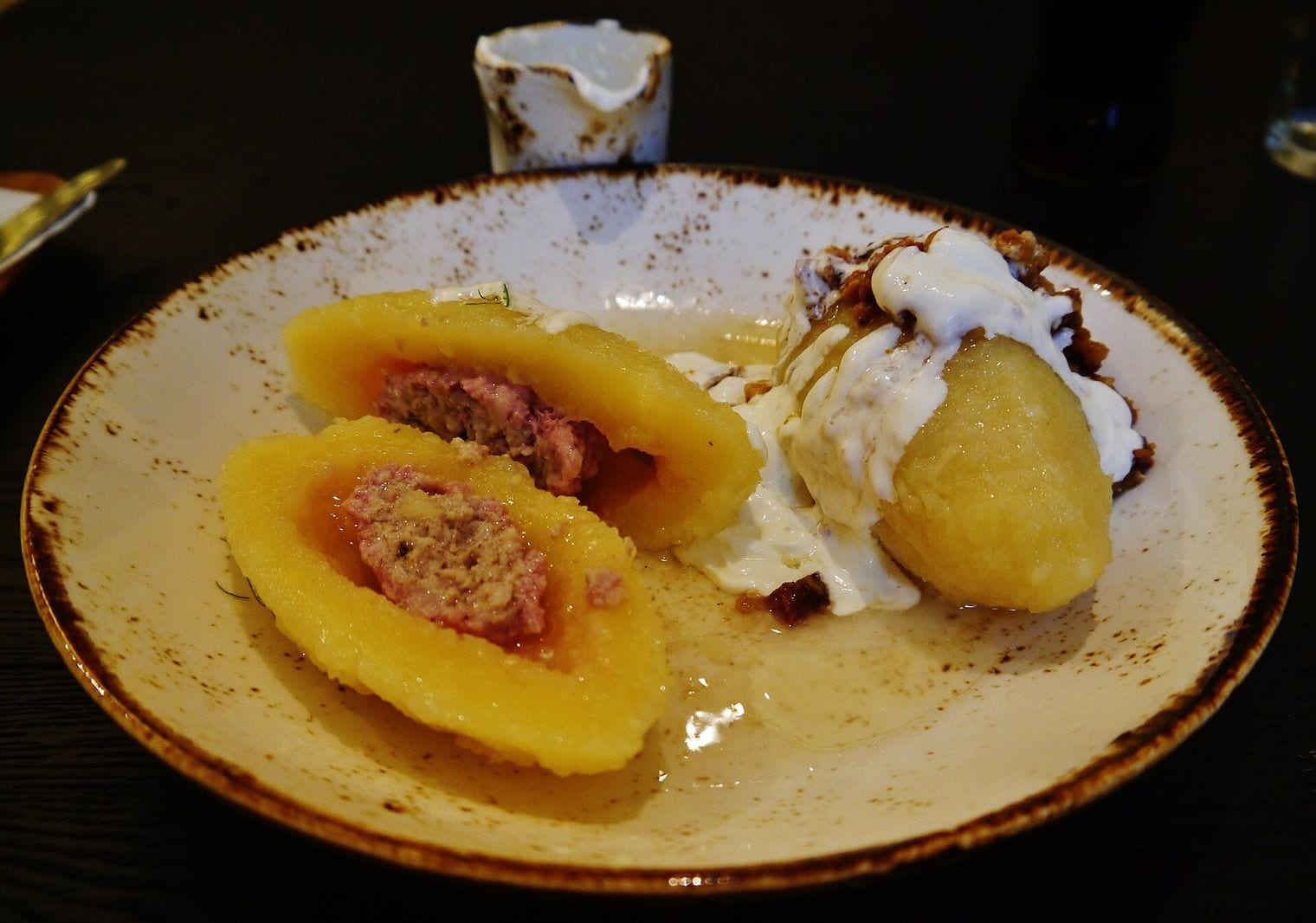
To taste the flavours of the country, Etno Dvaras serves hearty traditional Lithuanian cuisine in a warm, rustic setting decorated in folk style. This is the place to try the national staples, from the pink chill of cold beetroot soup in summer to the famous potato dumplings known as cepelinai, potato pancakes and other filling classics done well.
With several locations around the city, including spots right in the tourist heart of the Old Town, Etno Dvaras is an easy and reliable introduction to Lithuanian food. Portions are generous and the atmosphere convivial, making it a satisfying stop after a morning of sightseeing and a good way to sample the region's comfort cooking in one sitting.
For something more local and low-key, ŠNEKUTIS is a much-loved tavern where Vilnius comes to eat homely Lithuanian dishes and drink craft and farmhouse beers in an unpretentious, wood-lined room. The menu leans into rustic favourites and snacks made for pairing with a cold glass, and the atmosphere is friendly, cosy and refreshingly unpolished.
Regulars prize ŠNEKUTIS for feeling like the real thing rather than a version tidied up for visitors, and its several outlets around the city all keep that same easygoing spirit. Settle in for an evening, order a plate of traditional bar food and a beer you will not find at home, and enjoy a taste of everyday Vilnius nightlife.
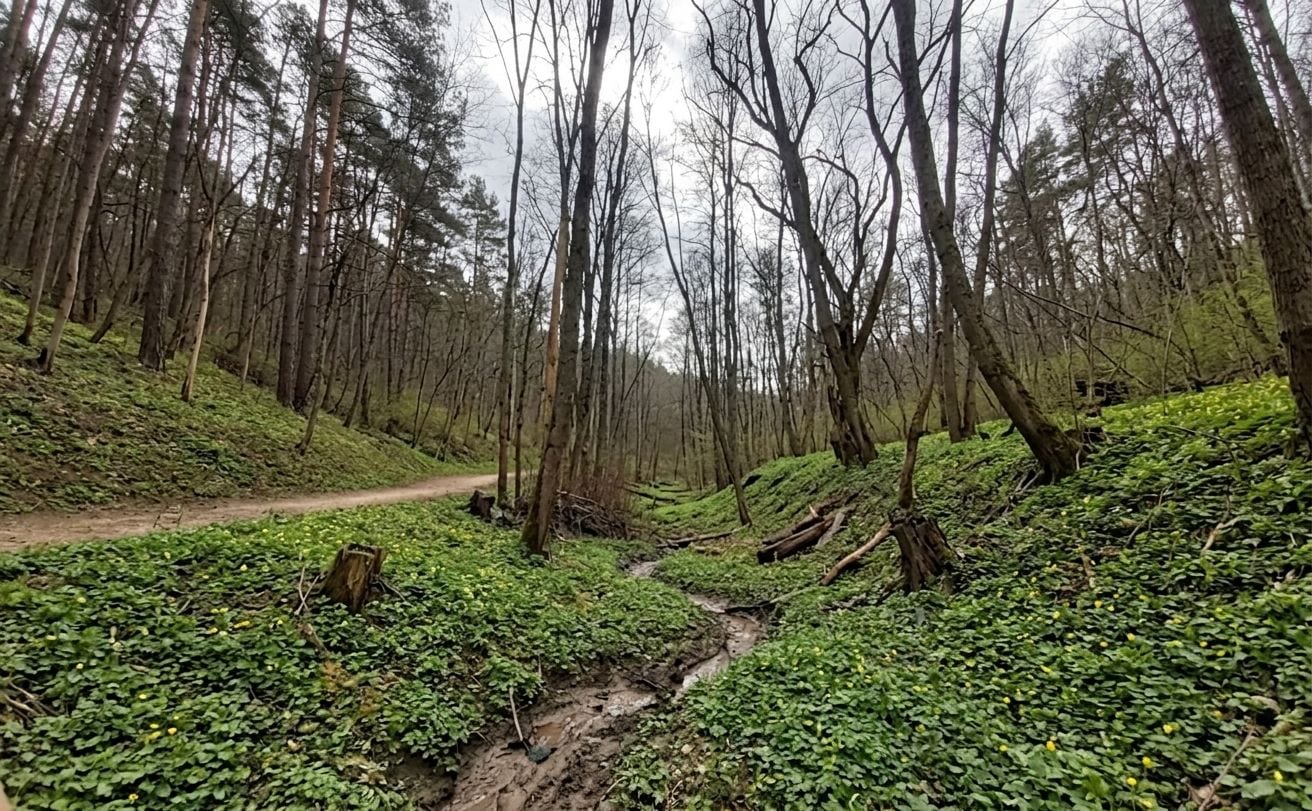
On the western edge of the city beneath the TV Tower, Karoliniškės Landscape Reserve protects a surprising pocket of wild ravines, wooded slopes and steep sandy bluffs carved by streams over thousands of years. Marked trails and viewing points wind through the reserve, offering a genuine taste of the Lithuanian countryside within the city boundary.
It is a favourite with walkers, runners and nature lovers seeking quiet away from the crowds, and the dramatic gullies feel far removed from the nearby urban streets. Bring sturdy shoes and follow the paths to the overlooks; Karoliniškės Landscape Reserve is a reminder that Vilnius is one of the greenest capitals in Europe, with real nature never far from its heart.
Best Time to Visit Vilnius
Late spring and summer, from May to September, are the most rewarding times to visit Vilnius, when the Old Town's cafés spill onto the streets, the parks turn green, and long daylight hours suit wandering. June and July are warmest and liveliest, with festivals filling the squares.
Autumn brings crisp air and golden foliage across the city's many parks, while winter is cold and often snowy but atmospheric, with Christmas markets on Cathedral Square. Spring and autumn shoulder seasons offer thinner crowds and pleasant walking weather for exploring the compact centre.
Getting to Vilnius
Most visitors arrive through Vilnius Airport (VNO), just a few kilometres from the centre and connected to Europe's major hubs. From the airport a train reaches the central station in minutes, and city buses and trolleybuses run to the Old Town, making the transfer quick and cheap.
Vilnius is also well linked by rail and long-distance bus to the other Baltic capitals and to Poland, and the central train and bus stations sit side by side just south of the Old Town. Driving is straightforward, though a car is unnecessary for a city-focused trip.
Getting Around Vilnius
Vilnius is a compact, highly walkable city, and the Old Town's cobbled lanes are best explored on foot — most of the main sights sit within an easy stroll of one another. Comfortable shoes and a relaxed pace are really all you need for the historic core.
For longer hops to parks, the TV Tower or outlying districts, an efficient network of buses and trolleybuses covers the city, with tickets bought via app or at machines. Taxis and rideshare apps are widely available, and cycling is popular along the riverside paths in warmer months.
Where to Stay in Vilnius
Staying in or beside the Old Town puts you within walking distance of nearly every major sight, from the cathedral to the castle, and surrounds you with restaurants and bars. It's the most atmospheric and convenient base for a first visit.
For a more offbeat feel, the artsy Užupis district just across the river offers a bohemian vibe within walking distance of the centre, while the modern areas around the New Town and Naujamiestis provide newer hotels and easy transport links. Neighbourhoods near the train station suit travellers arriving by rail.
Where to Eat in Vilnius
Vilnius rewards hungry visitors with hearty Lithuanian classics — try cepelinai (potato dumplings), cold beetroot soup (šaltibarščiai), and kibinai pastries — alongside a fast-growing modern dining scene. The Old Town and the streets around Vilnius Street and Pilies Street hold the densest cluster of restaurants and cafés.
Halės Market is the place to graze on local produce and street food, while Užupis and the New Town offer craft-beer bars and inventive contemporary kitchens. Lithuanian beer and rye bread are staples worth seeking out, and the city's café culture makes lingering easy.
Evening: Climb to the Three Crosses Monument for sunset over the Old Town, then settle in for hearty Lithuanian cooking at Etno Dvaras or a craft beer at the cosy ŠNEKUTIS.
Free Things to Do in Vilnius
Vilnius is generous for budget travellers. Wandering the UNESCO-listed Old Town, passing through the Gates of Dawn, and exploring the courtyards, churches and squares all cost nothing. Cathedral Square, the riverside paths, and the climb to the Three Crosses Monument for panoramic views are free.
You can also stroll the self-declared republic of Užupis and read its whimsical constitution on the wall, relax in the Bernardine Garden, and explore the greenery of Vingis Park. Many churches are free to enter, and simply soaking up the Old Town's medieval atmosphere is the city's best free experience.
Day Trips from Vilnius
Vilnius makes an easy base for exploring Lithuania. The star day trip is Trakai, whose storybook red-brick castle sits on an island in a lake about half an hour away by bus or train. Kaunas, the country's second city, is a little over an hour by train and rewards a day with its interwar architecture and long pedestrian avenue.
Farther afield, the haunting Hill of Crosses near Šiauliai and the geographic centre of Europe monument just north of the city make memorable excursions. In every direction you'll find lakes, forests and historic towns within a comfortable day's reach of the capital.
FAQ: Visiting Vilnius
What is Vilnius known for?
Vilnius is known for its vast, UNESCO-listed medieval Old Town, its baroque churches and hilltop Gediminas Castle, and the quirky self-declared artists' republic of Užupis. It's the capital of Lithuania and, since 2025, the largest city in the Baltic states.
Is Vilnius worth visiting?
Absolutely. Vilnius offers one of Europe's largest and best-preserved medieval old towns, a rich and layered history, a lively café and craft-beer scene, and plenty of green space — all in a compact, walkable and affordable package that rewards a weekend or longer.
How many days do you need in Vilnius?
Two to three days is ideal — one for the Old Town's core sights, another for Užupis, the museums and viewpoints, and a third for a day trip to Trakai castle or the city of Kaunas. A single full day covers the highlights if you're short on time.
When is the best time to visit Vilnius?
Late spring through early autumn (May–September) offers the best weather and liveliest atmosphere, with warm days and outdoor cafés. December brings festive Christmas markets, while the shoulder seasons mean fewer crowds and pleasant walking weather.
Is Vilnius walkable?
Very much so. The Old Town and most major sights are compact and best explored on foot along cobbled streets. Buses and trolleybuses cover longer distances to outlying attractions, but you'll spend most of your visit walking.
Is Vilnius expensive?
Vilnius is one of the more affordable European capitals. Meals, museums, public transport and accommodation generally cost less than in Western Europe, making it excellent value, though prices in the busiest Old Town spots run higher.
What is the best day trip from Vilnius?
Trakai is the classic choice — a red-brick island castle set in a lake about 30 minutes away by bus or train. Kaunas, Lithuania's second city, and the Hill of Crosses are other rewarding day trips easily reached from the capital.