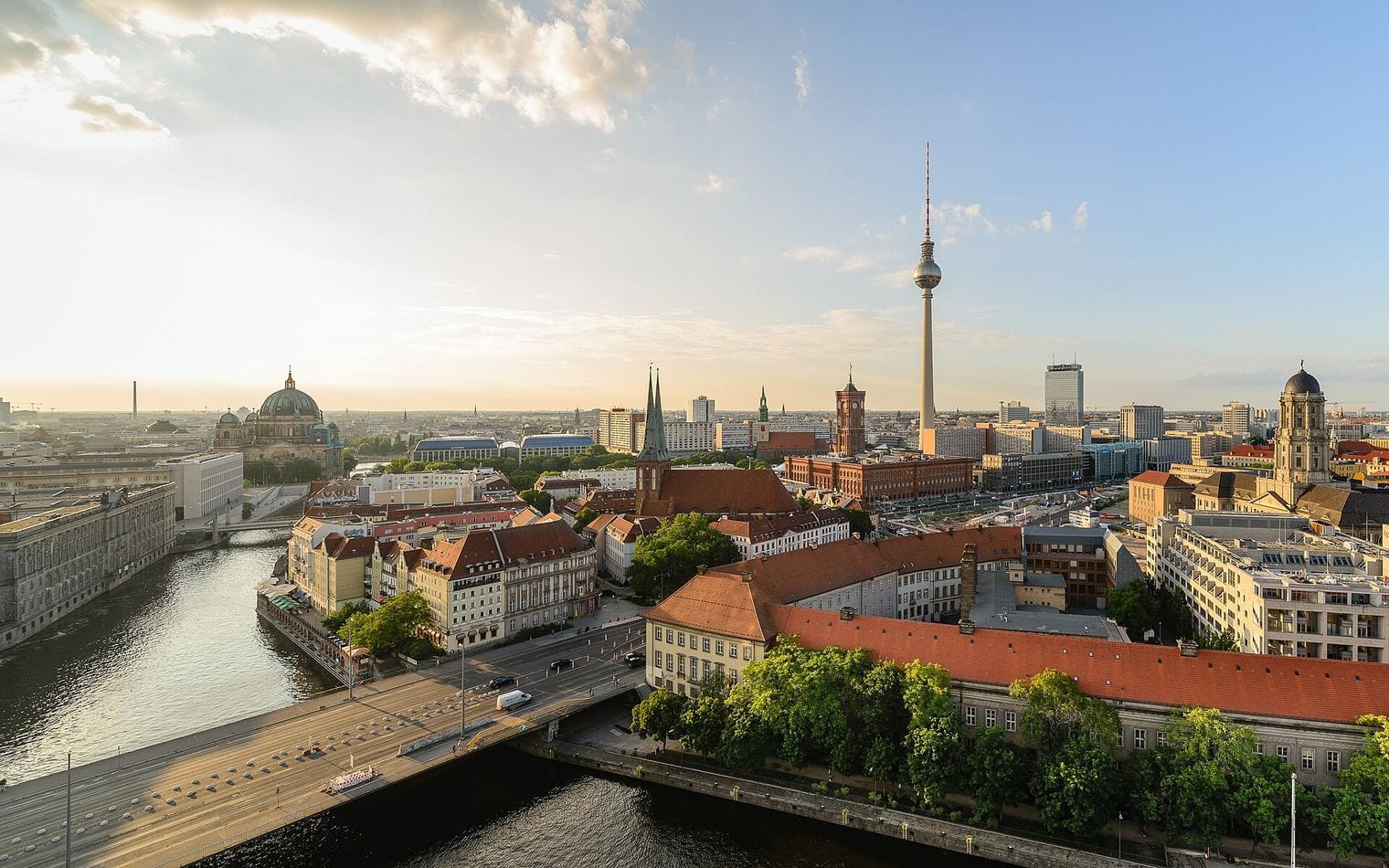
Few cities wear their history as openly as Berlin. Germany's capital is a sprawling, restless place where a bombed church tower stands beside glass towers, where a painted stretch of the Berlin Wall runs along the river, and where world-class museums sit on an island in the middle of town. It is a city that was divided for nearly three decades and has spent the years since reinventing itself into one of Europe's most creative capitals — a place of grand boulevards and scruffy courtyards, sombre memorials and all-night clubs, imperial palaces and reclaimed airfields.
That range is exactly what makes Berlin such a rewarding city to explore. You can trace the Cold War at Checkpoint Charlie and the Berlin Wall Memorial in the morning, stand under the Brandenburg Gate at midday, and lose an afternoon among antiquities on Museum Island — then still have energy for a park picnic or a rooftop view. This guide rounds up the 25 best things to do in Berlin, mixing the unmissable landmarks with the museums, green spaces and neighbourhoods that show you how the city actually lives.
Fun Facts About Berlin
Berlin has more bridges than Venice — around 1,100 of them cross its rivers, canals and waterways, far outnumbering the Italian city famed for its canals.
At roughly 892 square kilometres, Berlin covers about nine times the area of central Paris, which helps explain why its attractions are so spread out.
The Berlin TV Tower is the tallest structure in Germany, rising 368 metres above Alexanderplatz, and its viewing deck is one of the highest publicly accessible points in the country.
The Berlin Wall ran for about 155 kilometres, encircling West Berlin from 1961 until it fell in 1989 — today only a few preserved stretches, like the East Side Gallery, remain.
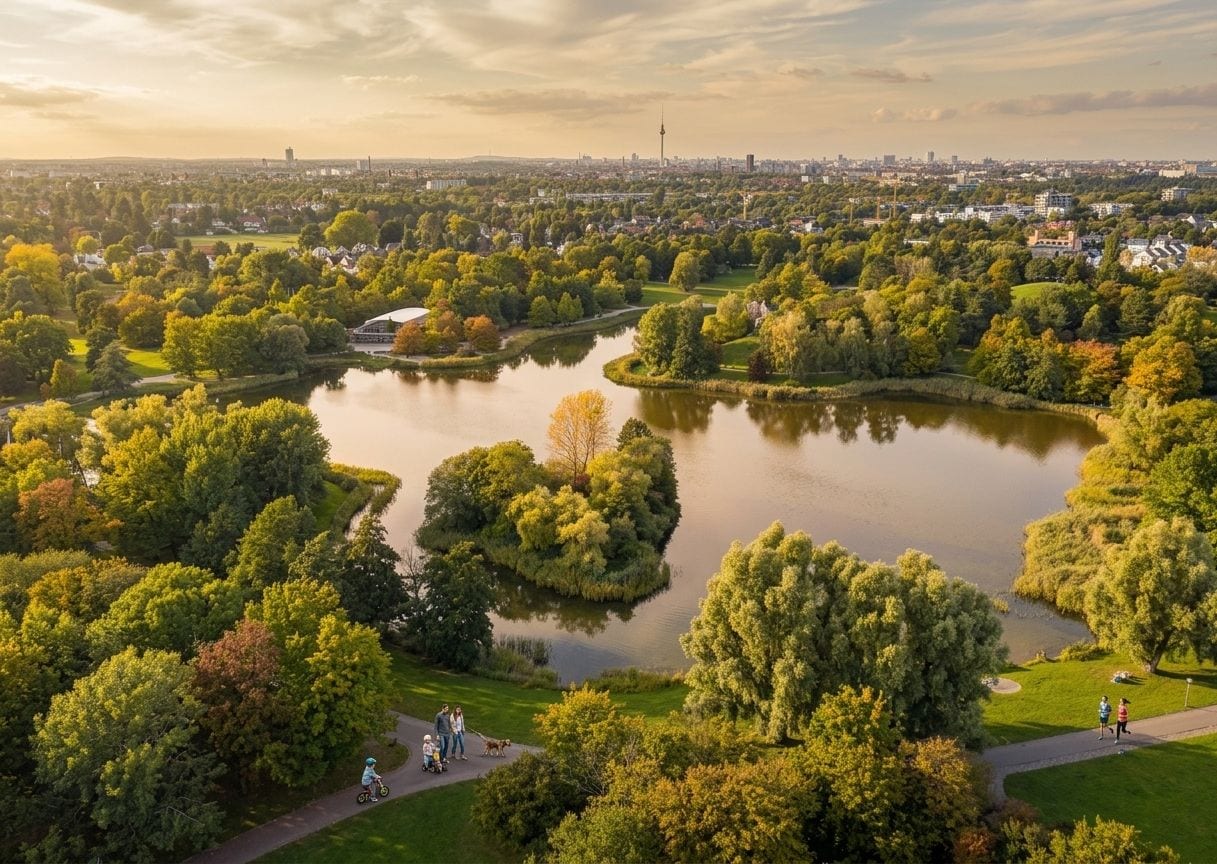
The Tiergarten, the great park beside the Brandenburg Gate, is one of the largest urban parks in Germany, a 210-hectare green lung right in the middle of the city.
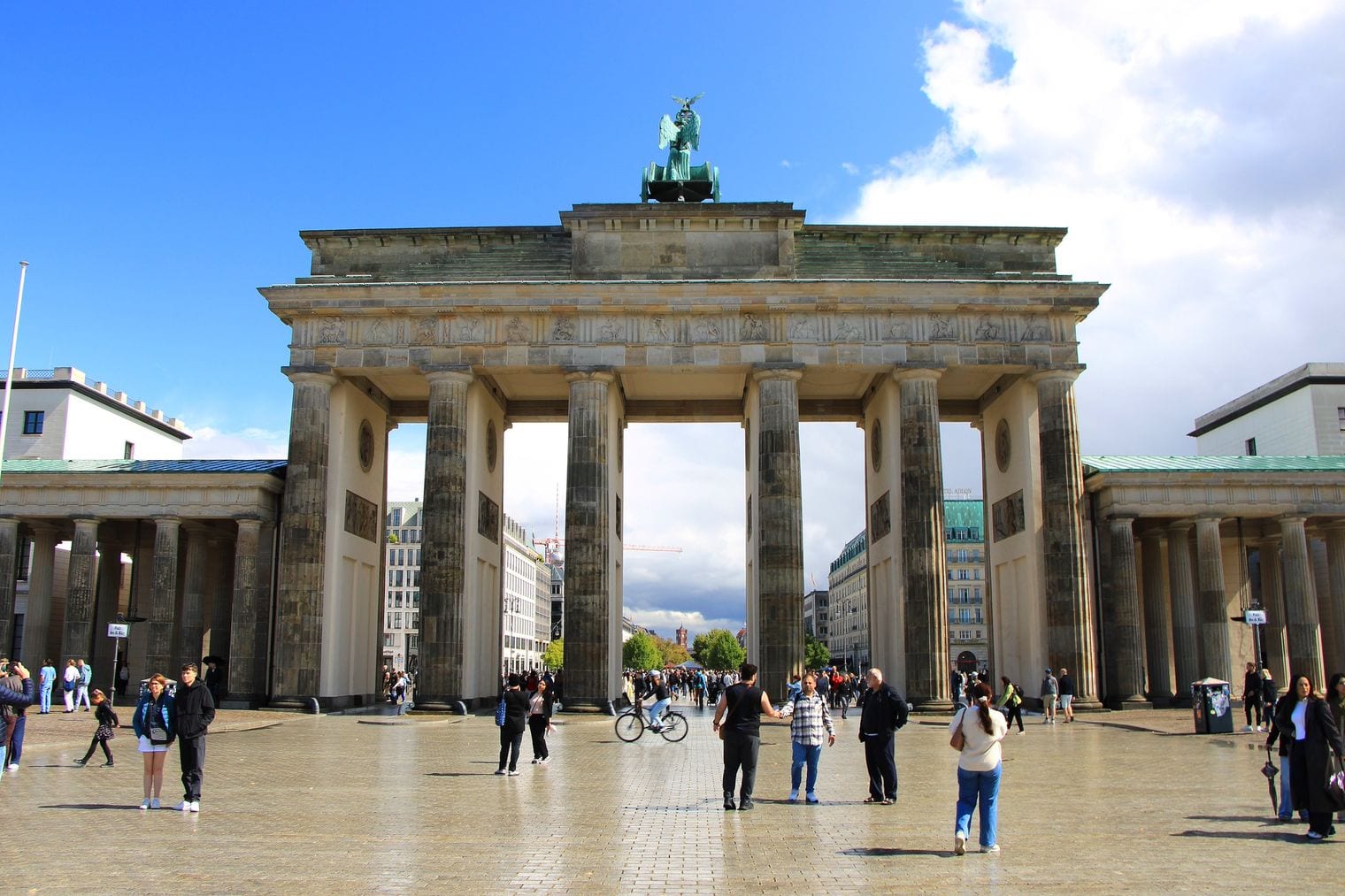
No monument sums up Berlin quite like the Brandenburg Gate. This neoclassical triumphal arch, crowned by a chariot-and-horses sculpture known as the Quadriga, has stood at the head of the grand Unter den Linden boulevard for more than two centuries and has watched over nearly every turning point in the city's history. During the Cold War it sat stranded in the no-man's-land beside the Wall; today it is a symbol of a reunited Germany and the single image most travellers picture when they think of Berlin.
The gate anchors Pariser Platz, a handsome square ringed by embassies and the Academy of Arts, and it is free to walk right up to at any hour. Come early to photograph it without the crowds, or in the evening when it is floodlit and the square quietens down. From here the Reichstag, the Holocaust Memorial and the Tiergarten are all just a short stroll away, making it the natural place to begin a first day in the city.
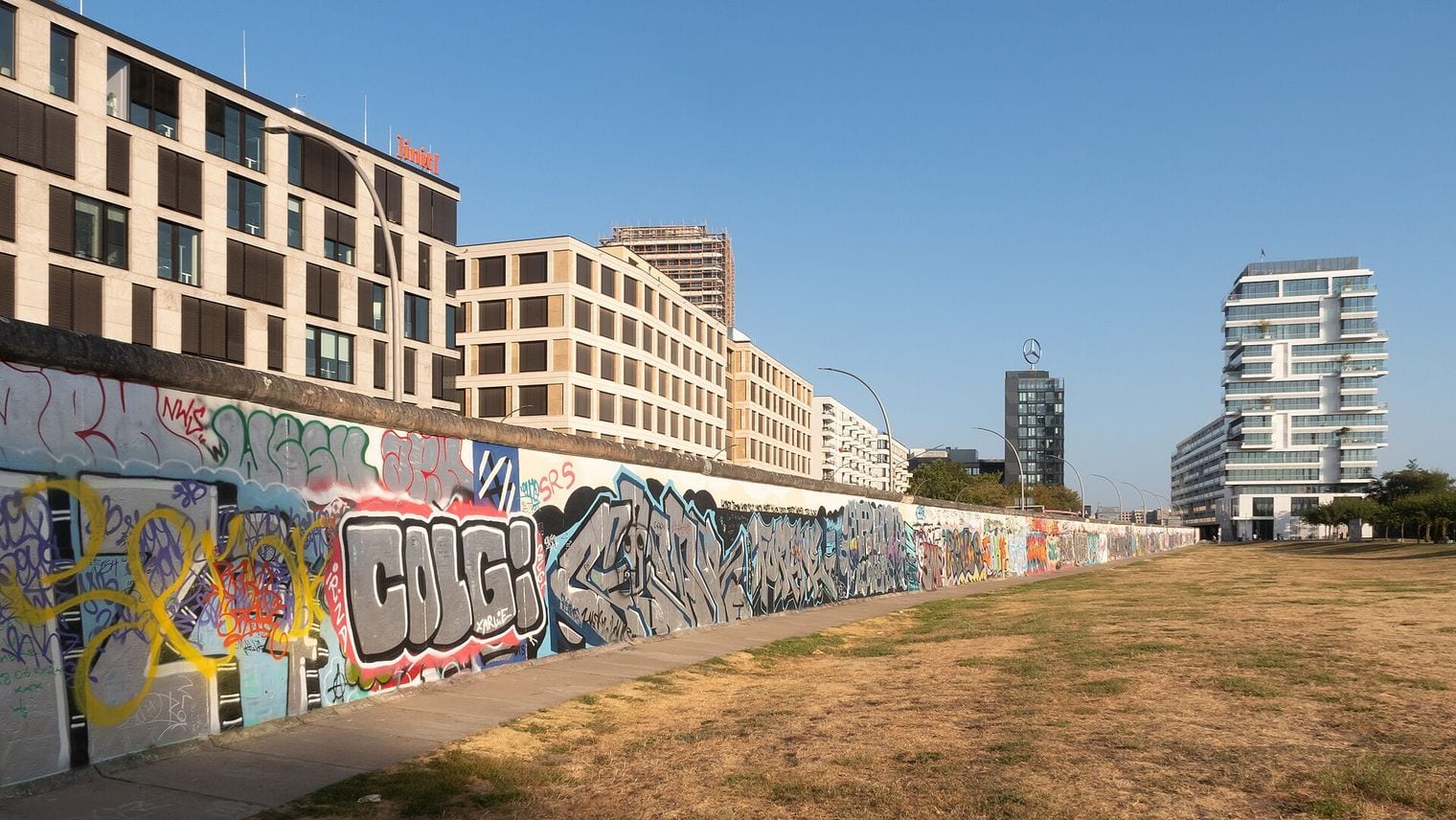
The East Side Gallery is the longest surviving stretch of the Berlin Wall, and one of the most moving things to see in the city. After the Wall fell, artists from around the world were invited to paint the eastern side of this riverside section in Friedrichshain, turning a symbol of division into an open-air gallery of murals about freedom, hope and change. The most famous image — a fraternal kiss between two Cold War leaders — has become one of Berlin's most recognisable pieces of street art.
Walking the full length of the East Side Gallery takes you along the Spree between the Ostbahnhof and the landmark Oberbaum Bridge, with the painted concrete on one side and the river on the other. It is free and open around the clock, though daytime lets you actually read the artworks and their messages. The surrounding district is one of Berlin's liveliest, so it pairs easily with a wander through Friedrichshain's cafés and riverside bars.
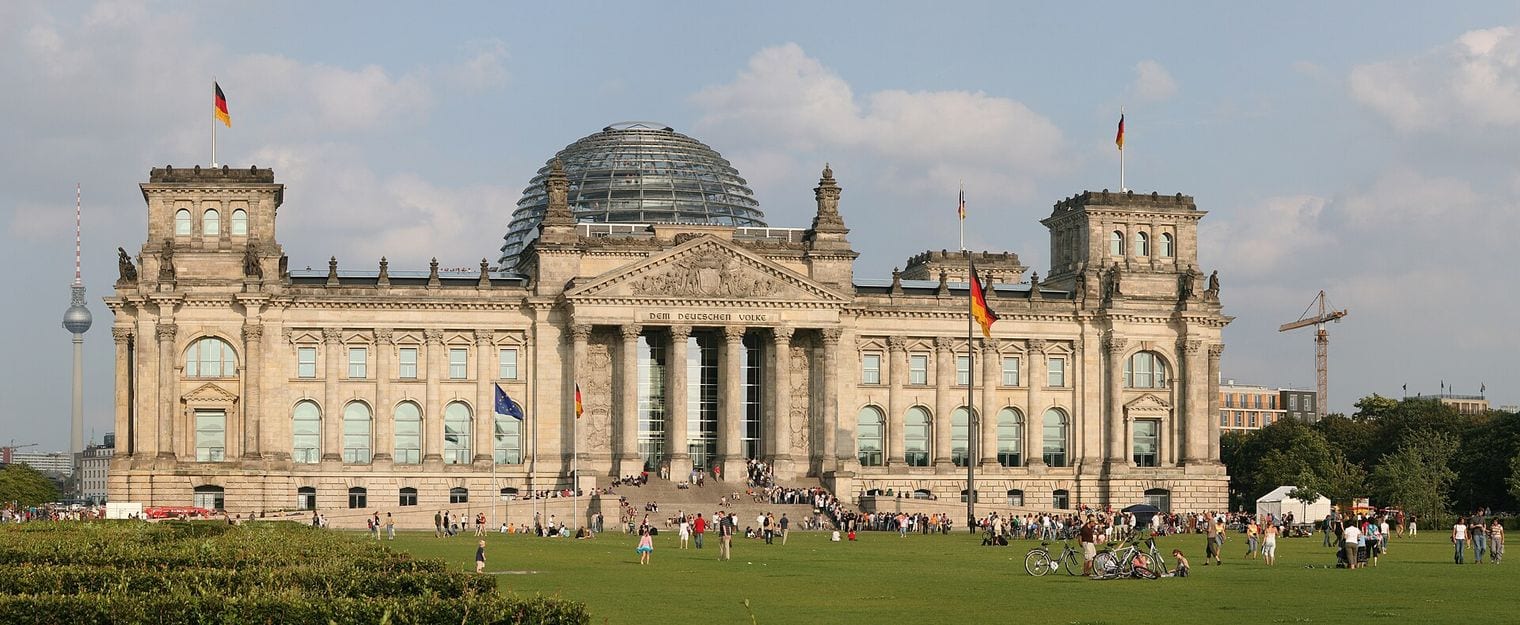
The Reichstag is the historic home of the German parliament, the Bundestag, and one of Berlin's defining landmarks. Its heavy stone façade dates from the imperial era, but the building was gutted by fire, battered in the war and left as a ruin for decades before a dramatic restoration crowned it with a soaring glass dome designed by architect Norman Foster. That dome has become a symbol of open, transparent government — visitors can look straight down into the debating chamber below.
A visit to the Reichstag dome is free, but you must register in advance, as access is controlled for security. A spiral walkway winds up the inside of the glass shell to a rooftop terrace with sweeping views over the government quarter, the Tiergarten and the city skyline. It is one of the best free viewpoints in Berlin, and standing inside the dome — with the reflective central funnel and the parliament visible beneath your feet — is an experience no other capital quite matches.
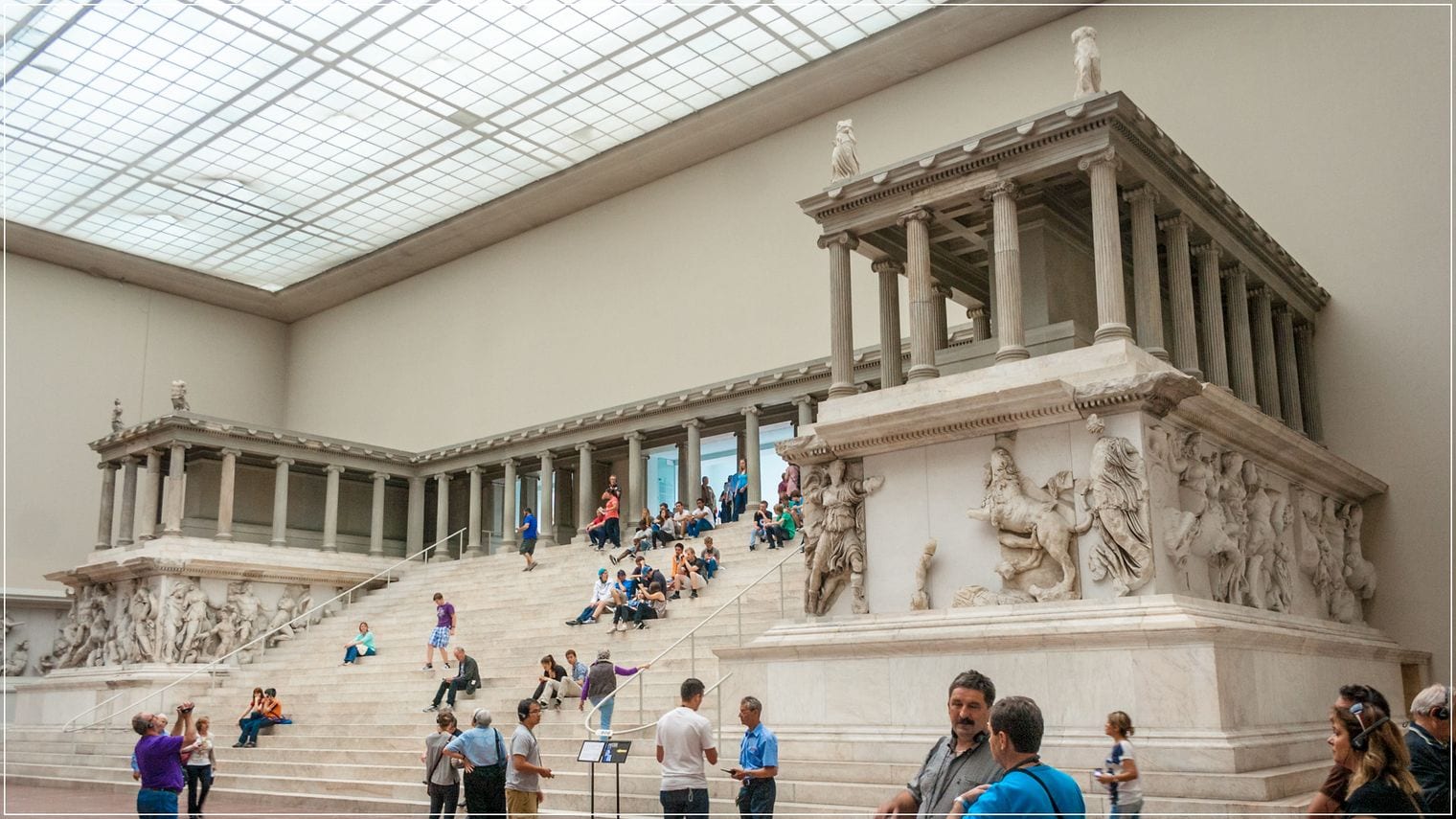
Museum Island is an extraordinary cluster of museums on an island in the River Spree, recognised as a UNESCO World Heritage Site for the sheer concentration of art and antiquity it holds. Five grand institutions sit here side by side — among them the Neues Museum, home to the celebrated bust of Nefertiti, and the Alte Nationalgalerie's collection of nineteenth-century painting — set among colonnades, lawns and the domed Berlin Cathedral nearby.
Each museum can fill hours on its own, so it helps to pick one or two rather than trying to see everything in a day. Note that the famous Pergamon Museum is closed for a long-term renovation, though other parts of the island and a separate panorama exhibition remain open — check ahead for what is currently accessible. Even without going inside, the island is a beautiful place to walk, and its riverside setting in the heart of old Berlin makes it a highlight of any visit.
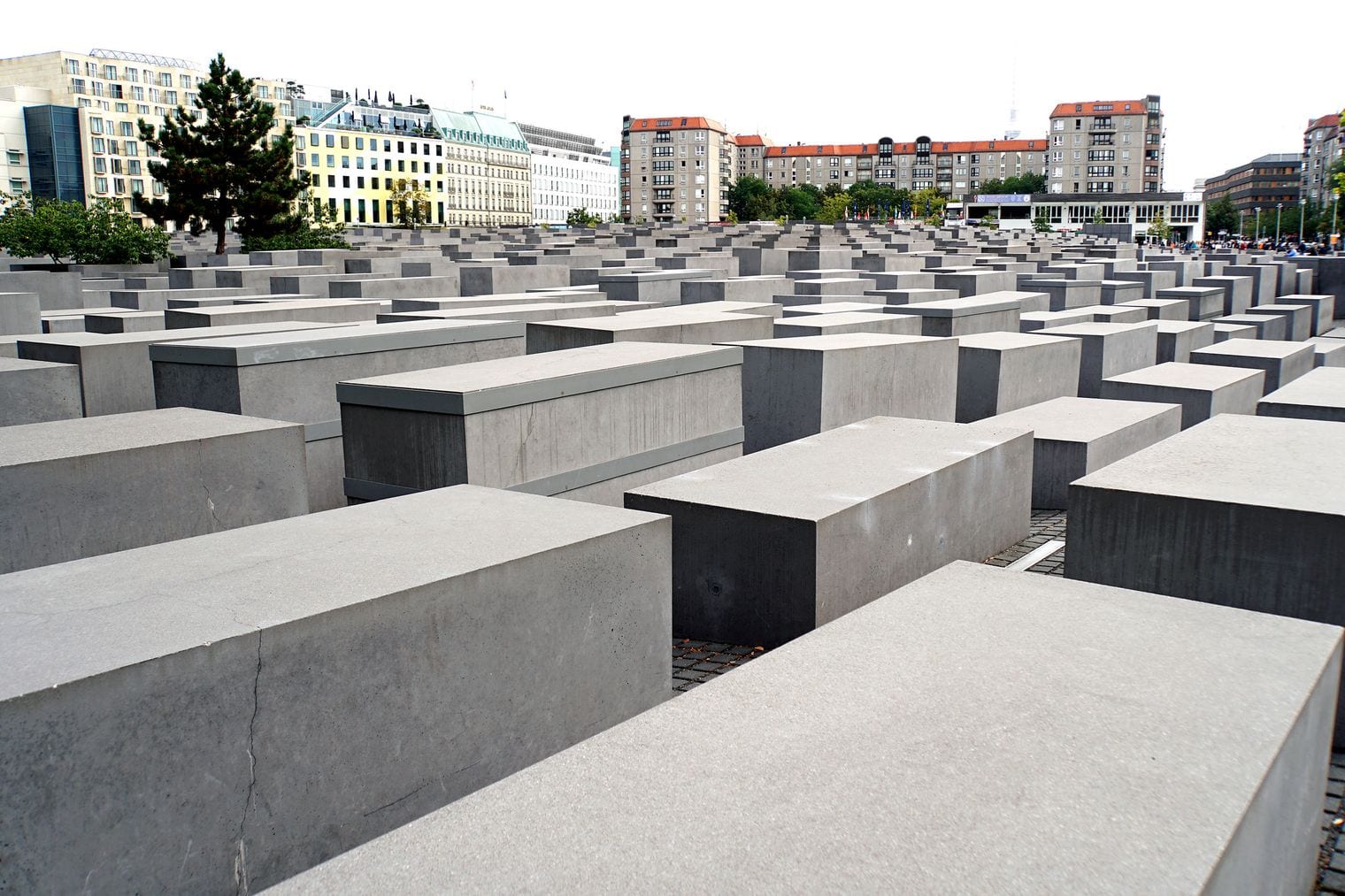
Just south of the Brandenburg Gate lies the Memorial to the Murdered Jews of Europe, one of the most powerful spaces in Berlin. Designed by architect Peter Eisenman, it is a vast field of grey concrete slabs, or stelae, of varying heights, set on undulating ground. There are no names and no obvious symbolism; visitors walk between the pillars as the floor dips and the blocks rise overhead, creating a disorienting, contemplative experience that words struggle to capture.
The memorial is open at all times and free to enter, and beneath it an information centre documents the fate of Jewish families and individuals across Europe during the Holocaust. It sits within easy walking distance of the Brandenburg Gate and the Tiergarten, but it asks for a different frame of mind — a place to slow down and reflect rather than simply tick off a sight. Many travellers find it among the most affecting things they do in the city.
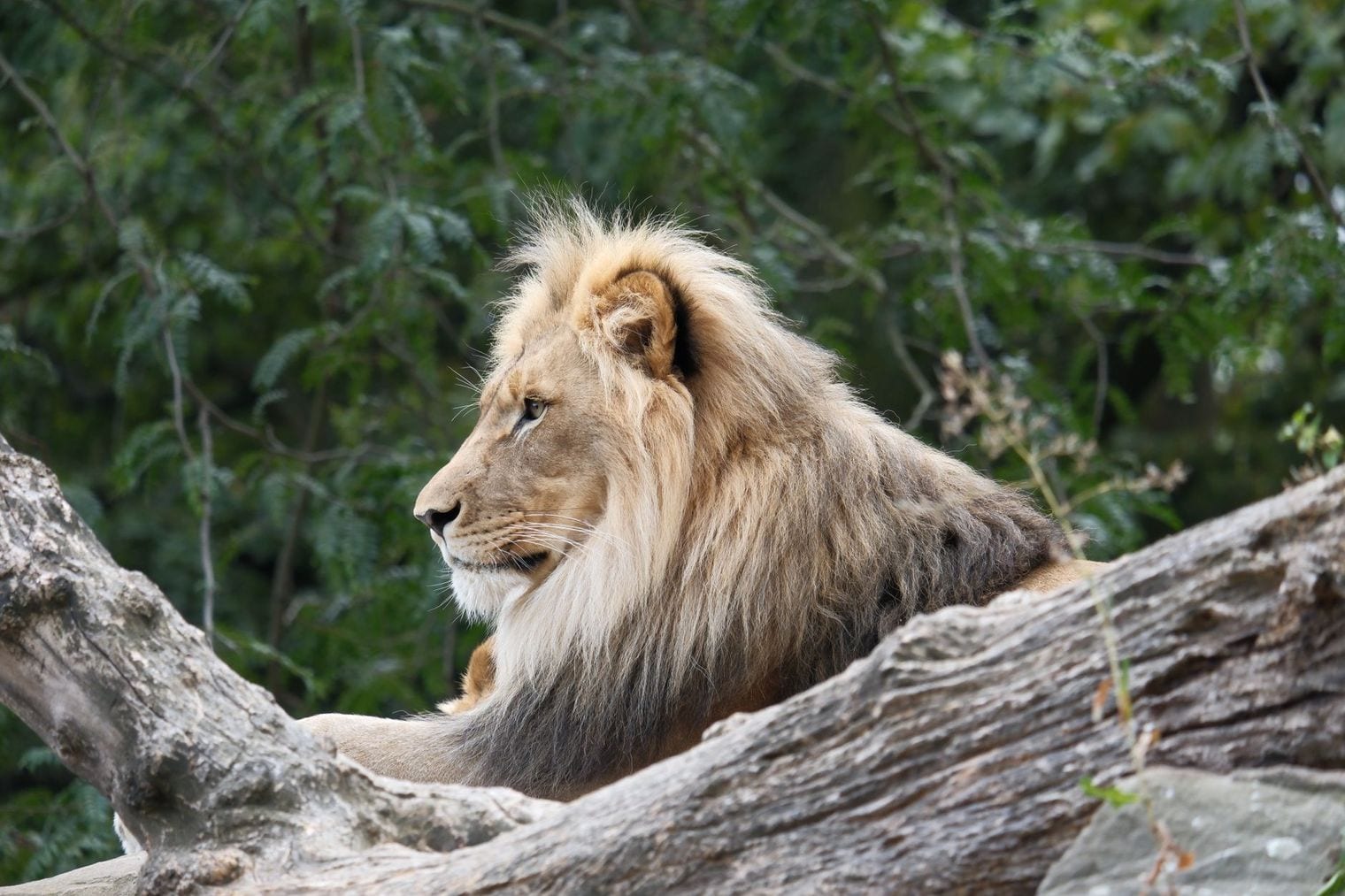
The Berlin Zoological Garden, usually just called Zoo Berlin, is the city's historic central zoo and one of the most beloved family attractions in Germany. Set in the leafy west of the city beside the Tiergarten, it is known as one of the most species-rich zoos in the world, home to a huge variety of animals from big cats and elephants to pandas, apes and countless birds, many housed in ornate historic enclosures like the famous decorated Elephant Gate.
Because it sits right in the city centre near the Kurfürstendamm shopping boulevard and Zoologischer Garten station, the zoo is easy to fold into a day exploring western Berlin. Paths wind past ponds and aviaries under mature trees, and there is an aquarium on the same site. It makes a relaxed contrast to the city's heavier historical sights and is an obvious choice for anyone travelling with children, though its landscaped grounds are just as pleasant for adults.
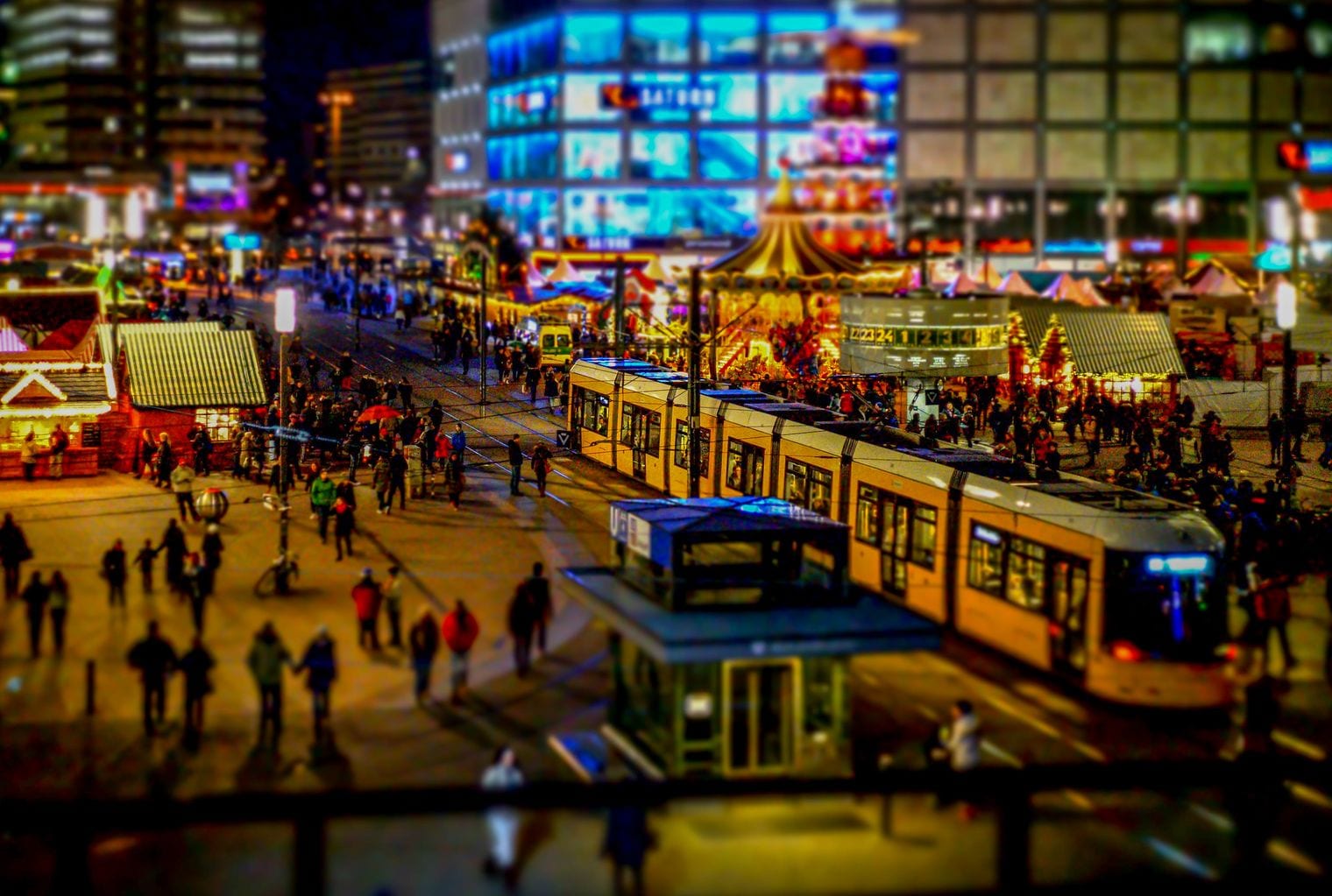
Alexanderplatz is the pulsing heart of eastern Berlin — a huge, busy public square that locals simply call Alex. Once the showpiece civic space of communist East Berlin, it is still ringed by socialist-era architecture, department stores and the distinctive World Time Clock, a beloved meeting point that shows the hour in cities around the globe. Trams, trains and crowds converge here, giving it an energetic, unpolished character that feels a world away from the imperial west of the city.
The square is dominated by the towering TV Tower, and it makes a practical base for exploring the surrounding sights, from the medieval Nikolai Quarter to the shops and the nearby Berlin Cathedral. It is not Berlin's prettiest corner, but it is one of its most authentic, and its central transport links make Alexanderplatz a place almost every visitor passes through at some point.
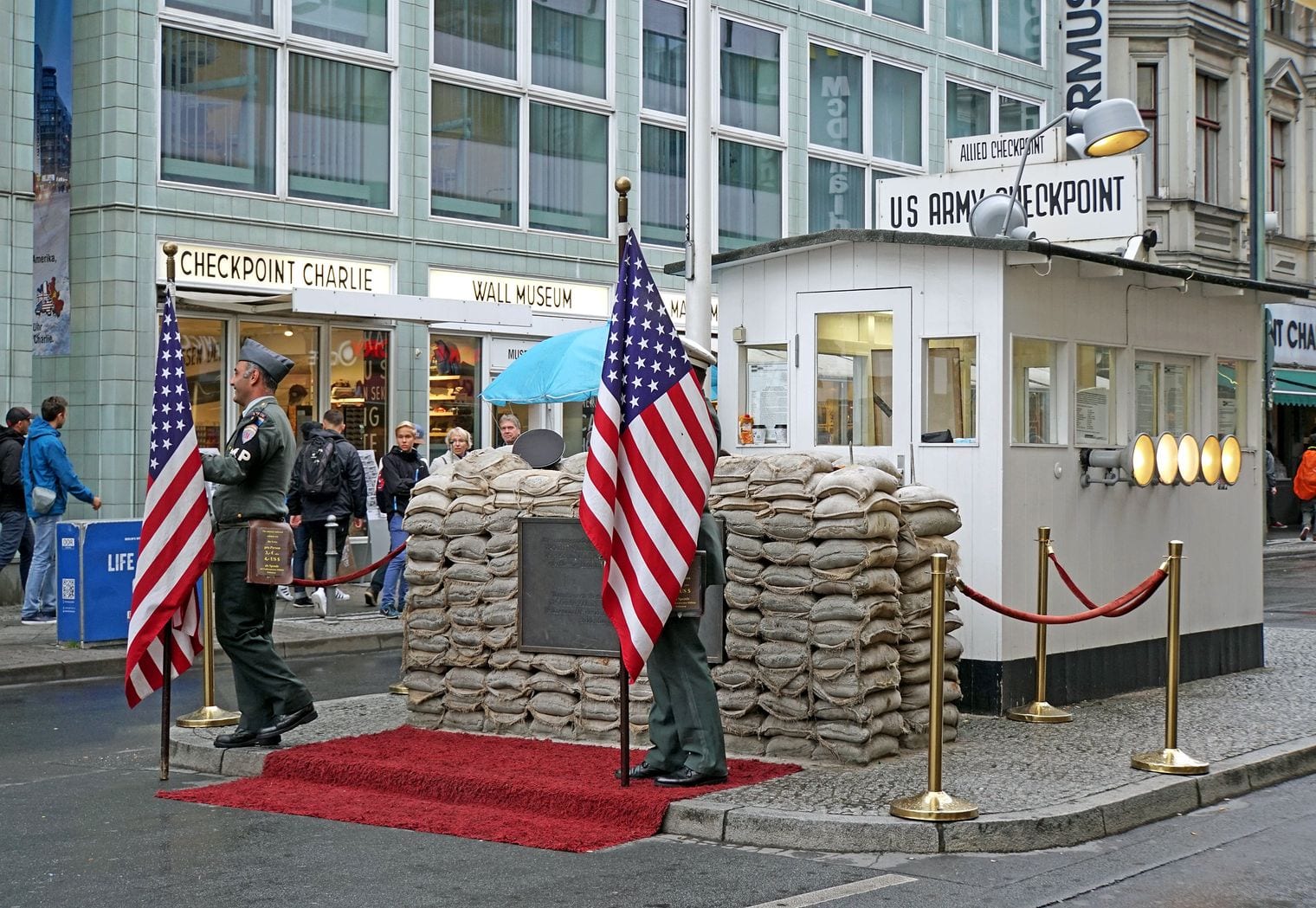
Checkpoint Charlie was the best-known crossing point between East and West Berlin during the Cold War, the place where American and Soviet tanks once faced each other down and where countless dramatic escapes and defections played out. Today a reconstructed guard hut and a famous sign warning that you are leaving the American sector mark the spot on Friedrichstraße, and it remains one of the most-visited symbols of the divided city.
The immediate area is touristy and busy, so it is worth pairing a quick look at the checkpoint itself with a deeper visit to one of the nearby museums that tell the fuller story of the Wall and the people who tried to cross it. Standing on the old borderline — now an ordinary city street with traffic flowing freely across it — is a vivid reminder of how completely Berlin has been transformed since 1989.
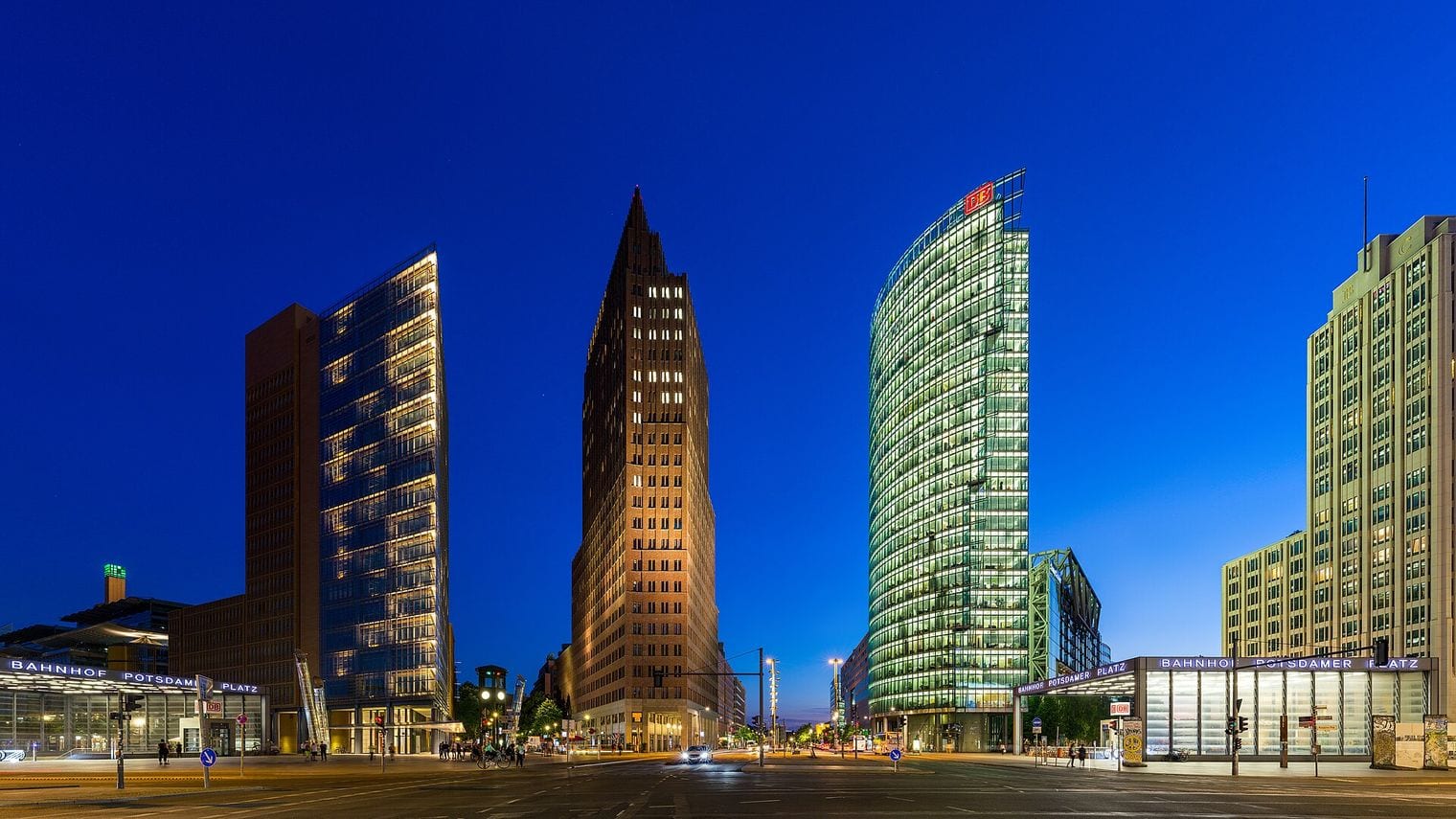
Potsdamer Platz is the story of Berlin's rebirth told in glass and steel. Before the war this was one of the busiest squares in Europe; during the Cold War it became a desolate strip of wasteland split by the Wall. After reunification it was rebuilt from scratch into a gleaming modern quarter of skyscrapers, cinemas and public plazas, and it now stands as a symbol of the reunited city's confidence and ambition.
Today Potsdamer Platz is a hub of entertainment and film — it hosts part of the Berlinale film festival — with soaring towers, a covered forum of shops and restaurants, and preserved segments of the Berlin Wall standing where the border once ran. It is a good place to appreciate contemporary Berlin architecture, and its central location puts the Tiergarten, the Kulturforum museums and the Holocaust Memorial all within a short walk.
10. Topography of Terror
Source: Illustrative image
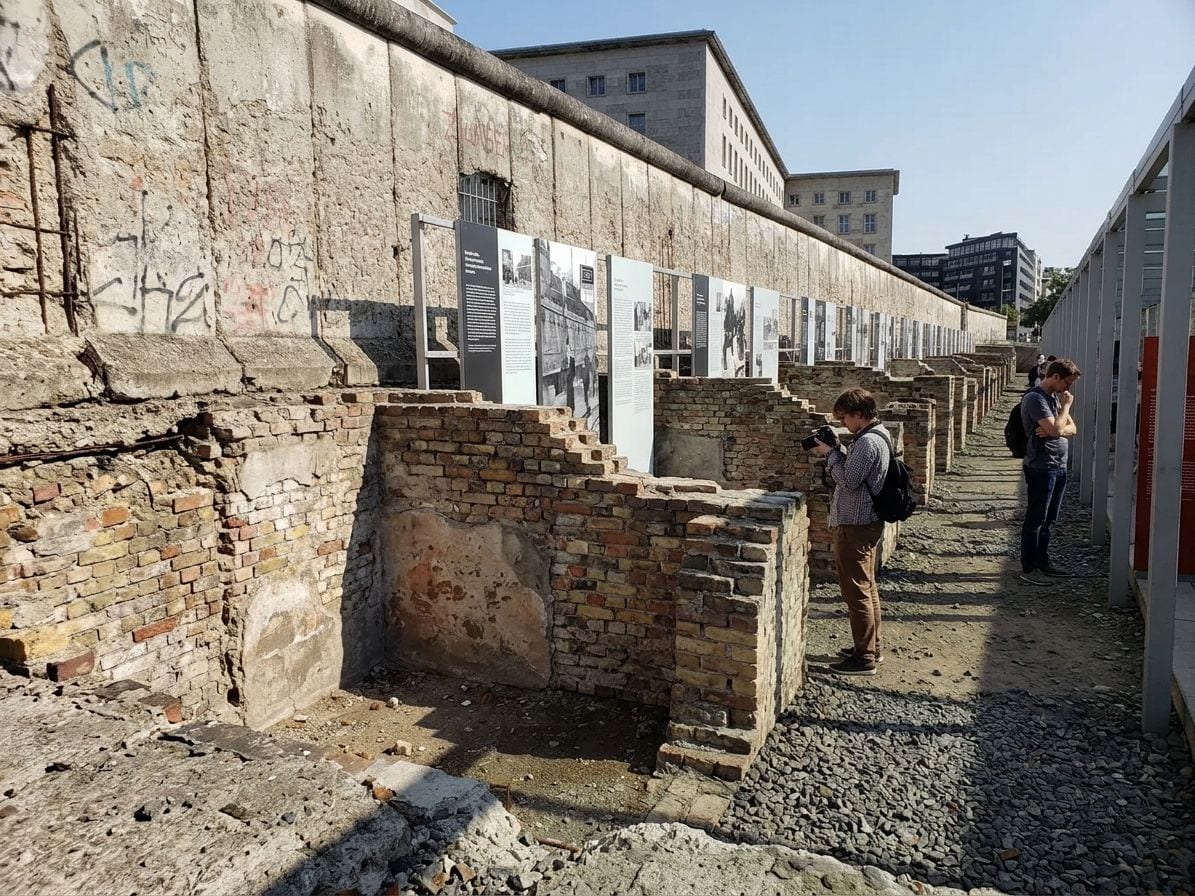
The Topography of Terror is a documentation centre built on the site of the former headquarters of the Gestapo and the SS, the institutions at the centre of Nazi terror. The indoor and outdoor exhibitions trace, in unflinching detail, how the Nazi regime's apparatus of persecution operated, using photographs, documents and personal histories to confront visitors with the machinery of the dictatorship on the very ground where it was directed.
Running alongside the site is one of the longest remaining stretches of the outer Berlin Wall, so a visit ties together two chapters of the city's dark twentieth-century history in a single stop. Admission is free, and while the subject matter is heavy, the centre is widely regarded as one of the most important and thoughtfully presented history museums in Berlin. It sits close to Checkpoint Charlie and Potsdamer Platz, making it easy to include in a day focused on the city's past.
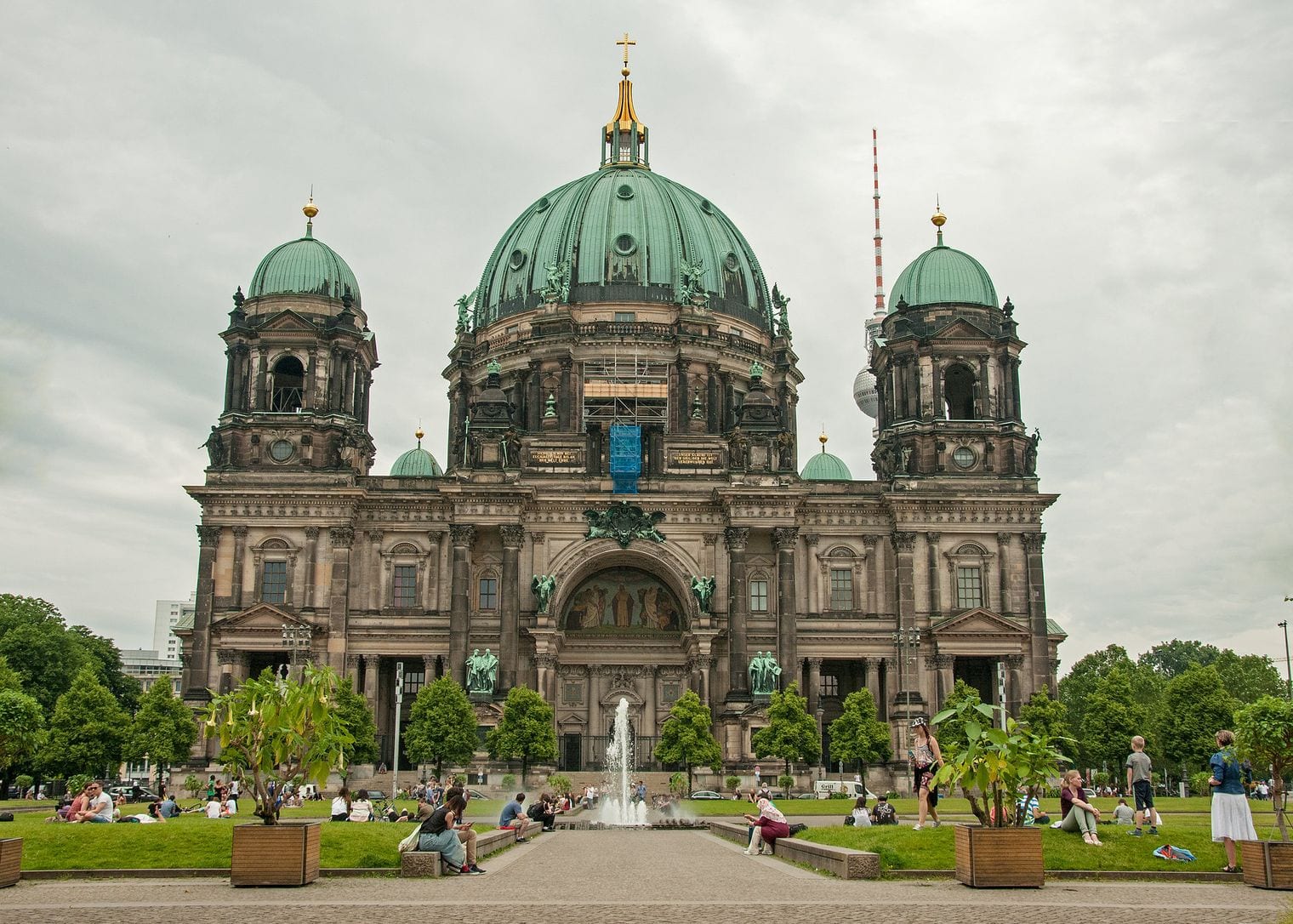
The Berlin Cathedral, or Berliner Dom, is the grand Protestant church that presides over Museum Island. With its great green dome, ornate baroque-revival stonework and richly decorated interior, it is one of the most imposing buildings in the city and a striking landmark on the Spree, reflected in the water beside the Lustgarten park.
Inside, visitors can admire the soaring domed nave and the elaborate organ, and descend to the crypt that holds the tombs of the Hohenzollern royal family. The real reward, though, is climbing the stairs up to the walkway around the base of the dome, where a panorama opens out over Museum Island, the TV Tower and the rooftops of central Berlin. Its position in the very centre of the historic city makes the cathedral an easy and rewarding stop between the island's museums.
12. German Museum of Technology
Source: Illustrative image
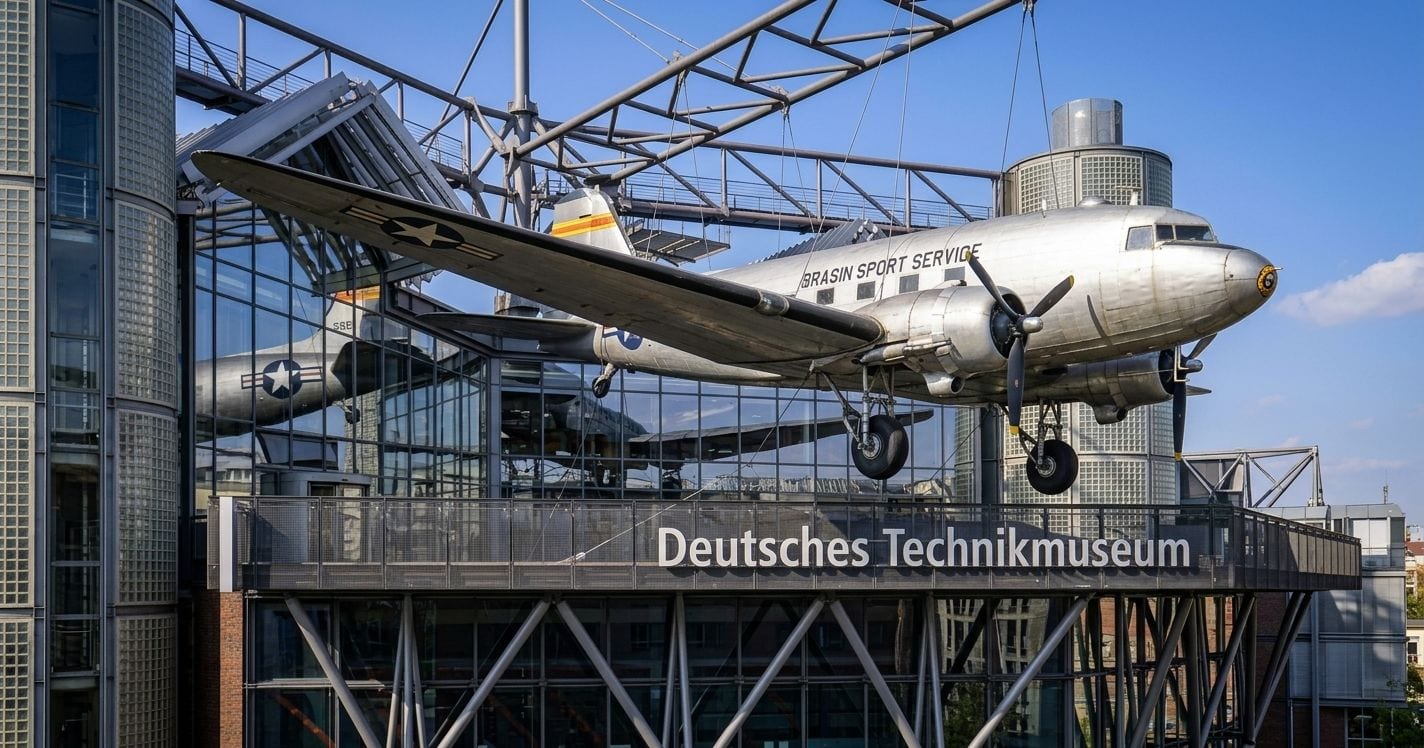
The German Museum of Technology is a sprawling celebration of engineering and invention, and one of the best rainy-day destinations in Berlin. Housed partly in a former railway depot and marked by a vintage aircraft mounted dramatically on the roof, its enormous collection spans locomotives and carriages, aviation and shipping, printing, photography, computing and more, with plenty of hands-on exhibits that make it a hit with children and curious adults alike.
Attached to the museum is the Science Center Spectrum, where hundreds of interactive experiments let visitors play with the principles of physics for themselves. There is far too much to see in a single visit, so it pays to focus on the halls that interest you most — the historic trains are a particular highlight. Set in the Kreuzberg district, the museum is an engaging change of pace from Berlin's political and art-focused sights.
13. Tierpark Berlin
Source: Illustrative image
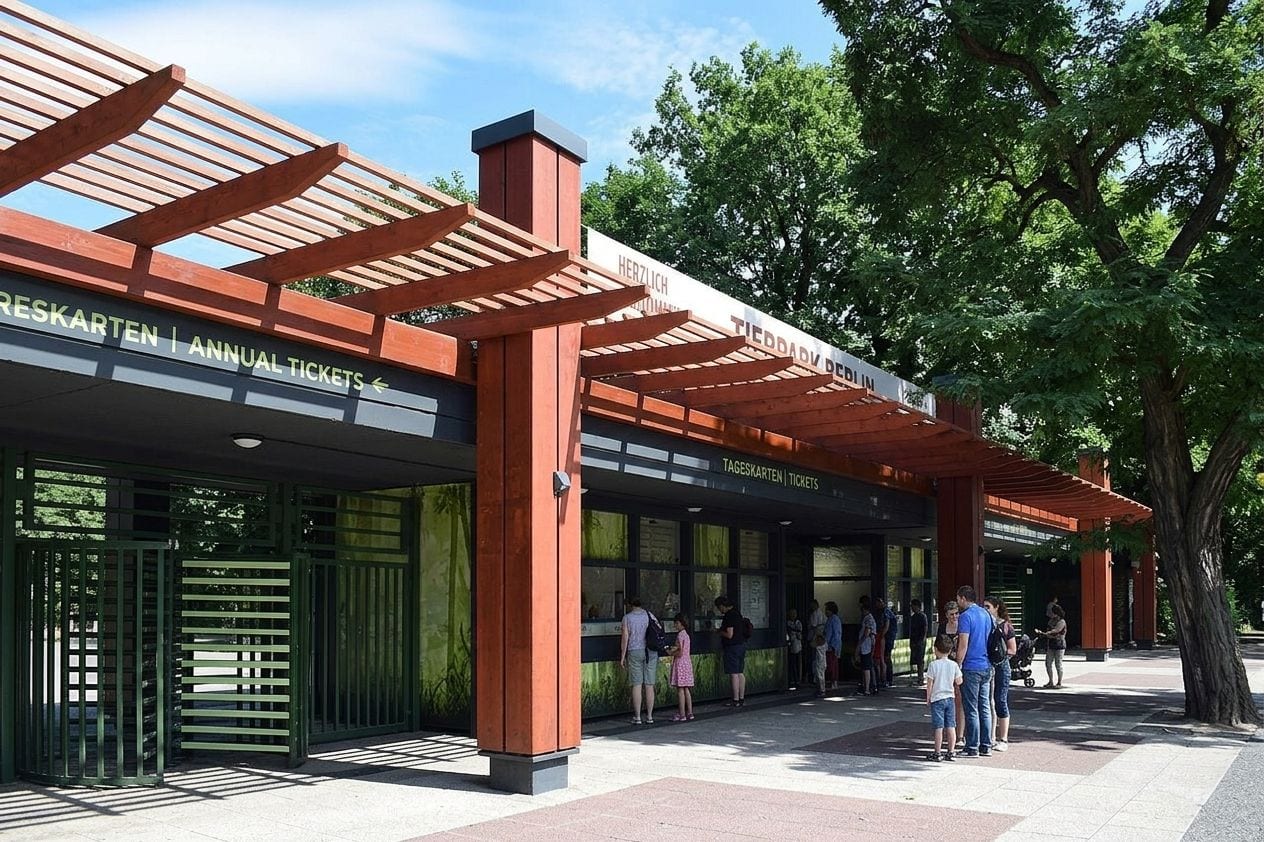
Tierpark Berlin is the city's second great zoo, and it could hardly be more different from its central sibling. Laid out across a vast expanse of parkland on the eastern side of the city, it is one of the largest landscape zoos in Europe, giving its animals generous, naturalistic enclosures spread among gardens, woods and the grounds of a small baroque palace. Elephants, big cats, primates and Arctic species are all part of a wide-ranging collection.
Because of its sheer size, Tierpark rewards a relaxed, unhurried visit — you could easily spend most of a day wandering its shaded avenues, and there is a lot of walking involved. It sees fewer tourists than the downtown zoo, which gives it a calmer, more local feel. For families based in the east of Berlin, or anyone who prefers their wildlife with room to roam, it is a wonderful green escape from the city streets.
14. Friedrichstadt-Palast
Source: Illustrative image
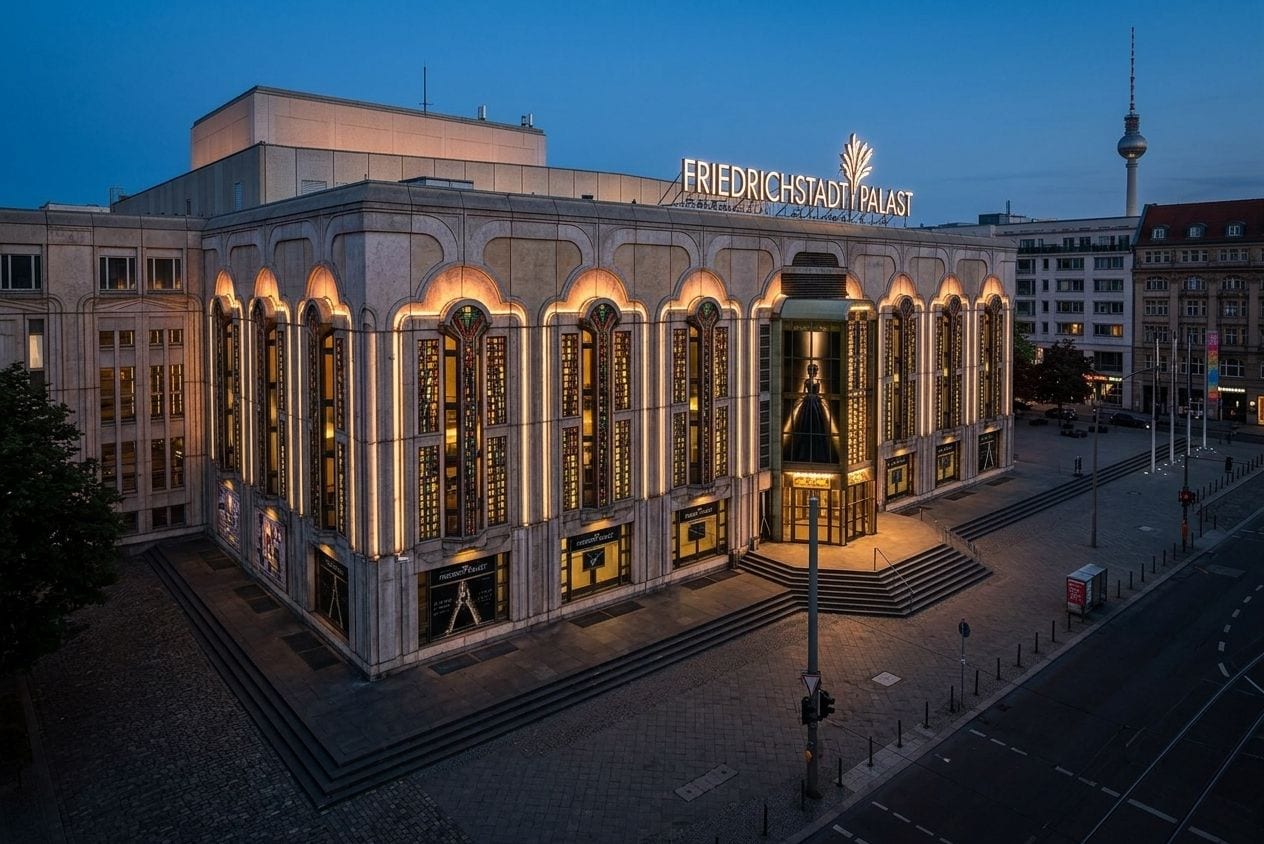
The Friedrichstadt-Palast is Berlin's grand revue theatre, famous across Europe for staging some of the most lavish stage shows on the continent. Behind its striking modern façade lies one of the largest theatre stages in the world, where casts of dancers, acrobats and performers put on dazzling productions of music, spectacle and precision choreography, complete with elaborate sets, costumes and lighting that draw audiences from far beyond the city.
Even if a full evening show is not on your itinerary, the Palast is worth knowing about as a pillar of Berlin's rich entertainment scene, which ranges from world-class opera and classical concerts to cabaret and clubs. Its long tradition of glamorous revue reaches back through the city's storied theatrical history. Located near the Friedrichstraße hub, it is easy to reach and offers a very different, unashamedly glitzy side of a city better known for its serious history.
15. DDR Museum
Source: Illustrative image
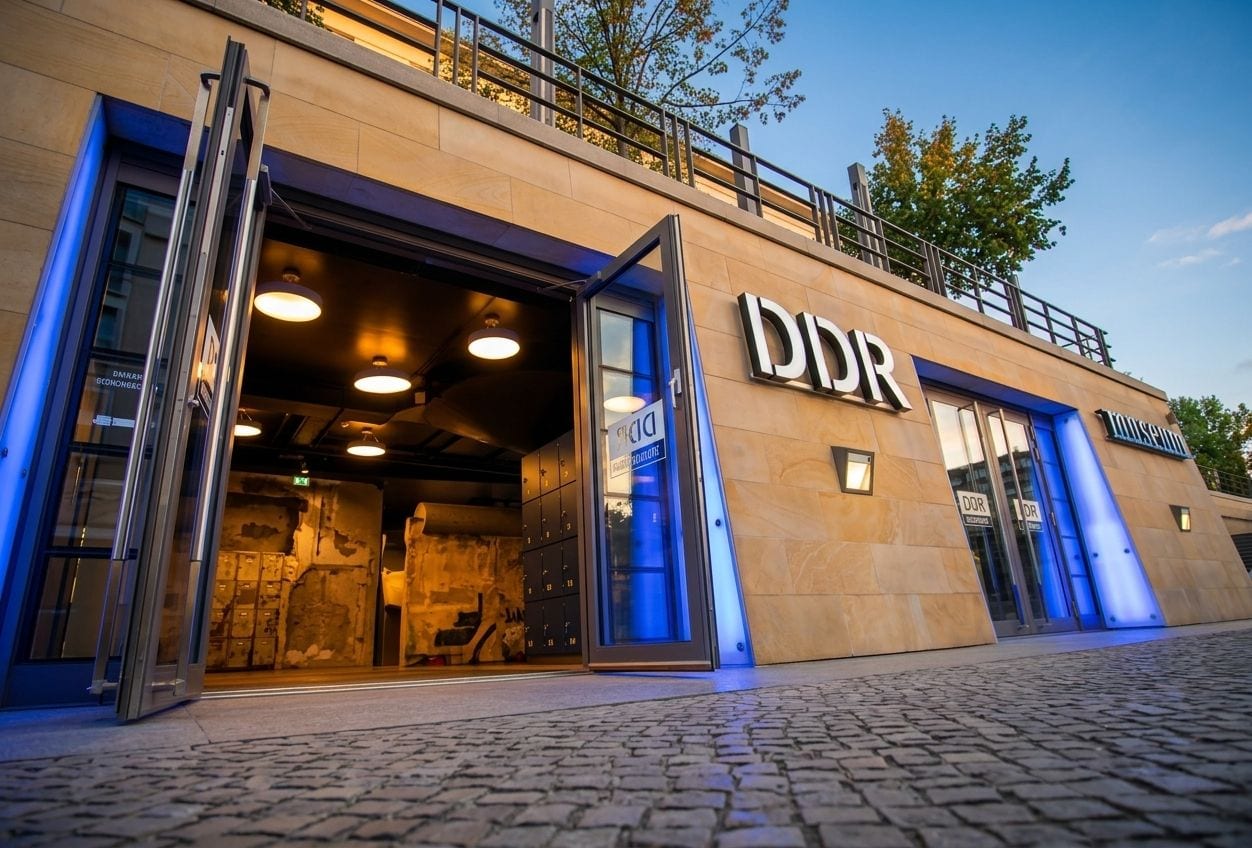
The DDR Museum offers one of the most enjoyable history lessons in Berlin: an interactive, hands-on look at daily life in the former East Germany, the GDR. Rather than displaying artefacts behind glass, it invites you to open drawers and cupboards, sit inside a reconstructed apartment, and even climb into a Trabant — the boxy little car that became a symbol of the socialist East — to get a feel for what everyday life was really like behind the Iron Curtain.
Exhibits cover everything from work, schooling and holidays to surveillance by the Stasi secret police, painting a vivid and often surprising picture of a vanished country. Its riverside location on the Spree, directly across from the Berlin Cathedral and Museum Island, makes it very easy to combine with the neighbouring sights. Compact, engaging and genuinely fun, the DDR Museum is a favourite with families and anyone curious about the divided city's recent past.
16. Madame Tussauds Berlin
Source: Illustrative image
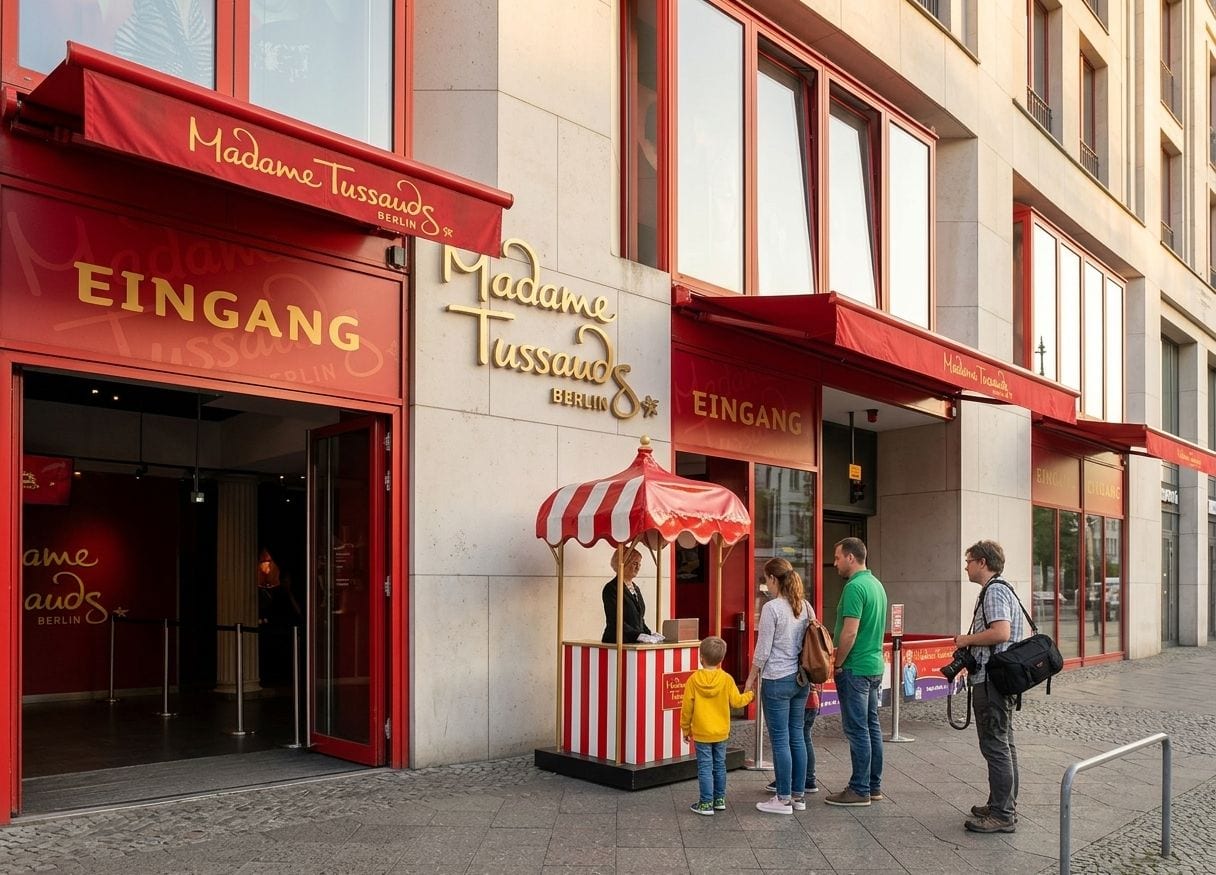
The Berlin branch of Madame Tussauds brings the famous waxwork experience to the heart of the city, on the grand Unter den Linden boulevard between the Brandenburg Gate and Museum Island. Inside you can pose alongside strikingly lifelike figures of world leaders, film stars, musicians, sports icons and historical personalities, with plenty of interactive setups designed for photographs.
The Berlin edition leans into local history alongside the global celebrities, giving figures from German politics, culture and entertainment their due. It is an unashamedly commercial, crowd-pleasing attraction rather than a serious museum, but that is exactly its appeal — it is a light-hearted, family-friendly break from the city's weightier sights, and its prime central location means it slots neatly into a day of sightseeing along Unter den Linden.
17. Berlin Wall Memorial
Source: Illustrative image
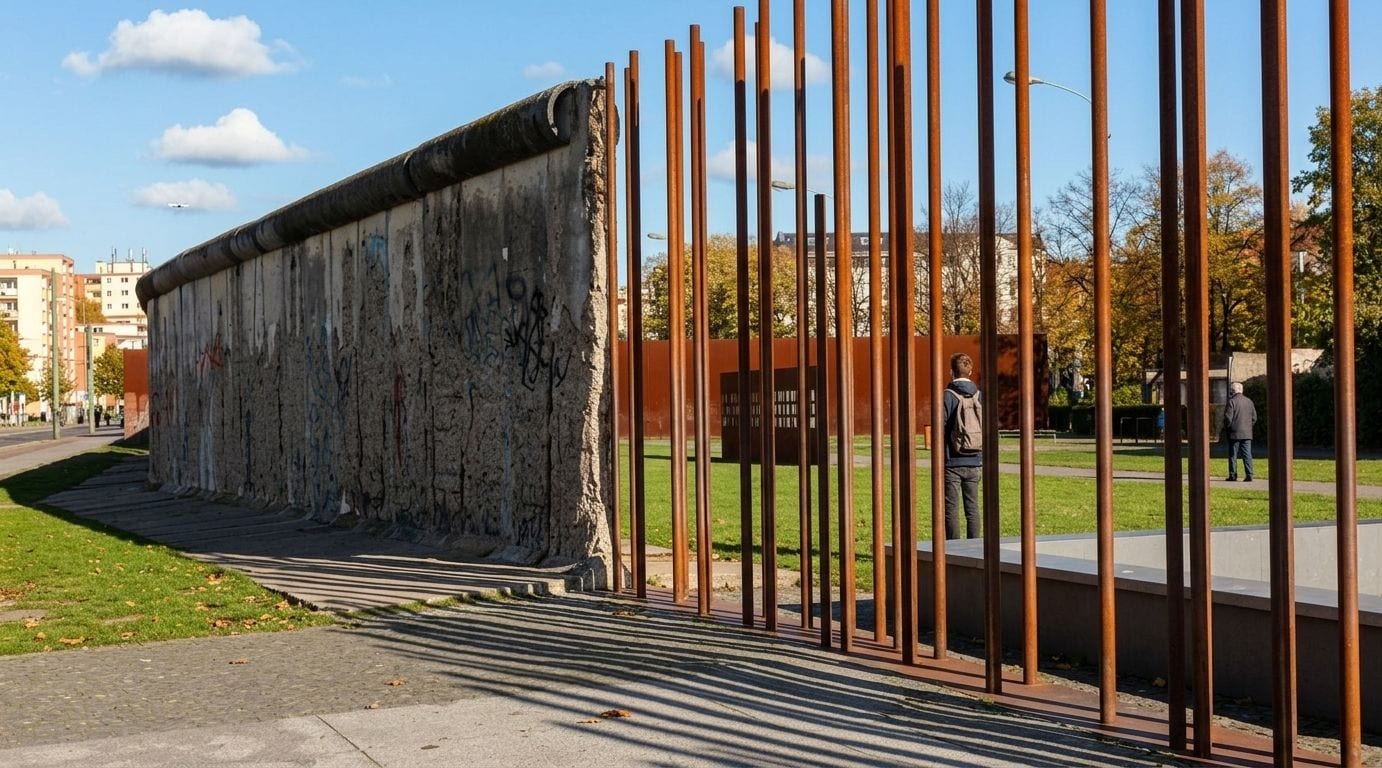
The Berlin Wall Memorial on Bernauer Straße is the central place to understand what the Wall actually was and how it tore through the city and its people. Unlike the painted East Side Gallery, this is a preserved section of the border in its full, grim form — a stretch of Wall with the original death strip, a watchtower and traces of the fortifications, alongside an outdoor exhibition and a documentation centre that tell the human stories of division, escape and loss.
The memorial stretches along the former border, with a viewing platform that lets you look down onto a reconstructed segment of the death strip as it once appeared. Panels along the way mark where houses stood, where people fled, and where lives were lost trying to cross. Free to visit and deeply informative, the Berlin Wall Memorial is arguably the most complete and sobering account of the divided city that Berlin has to offer.
18. Botanical Garden and Botanical Museum
Source: Illustrative image
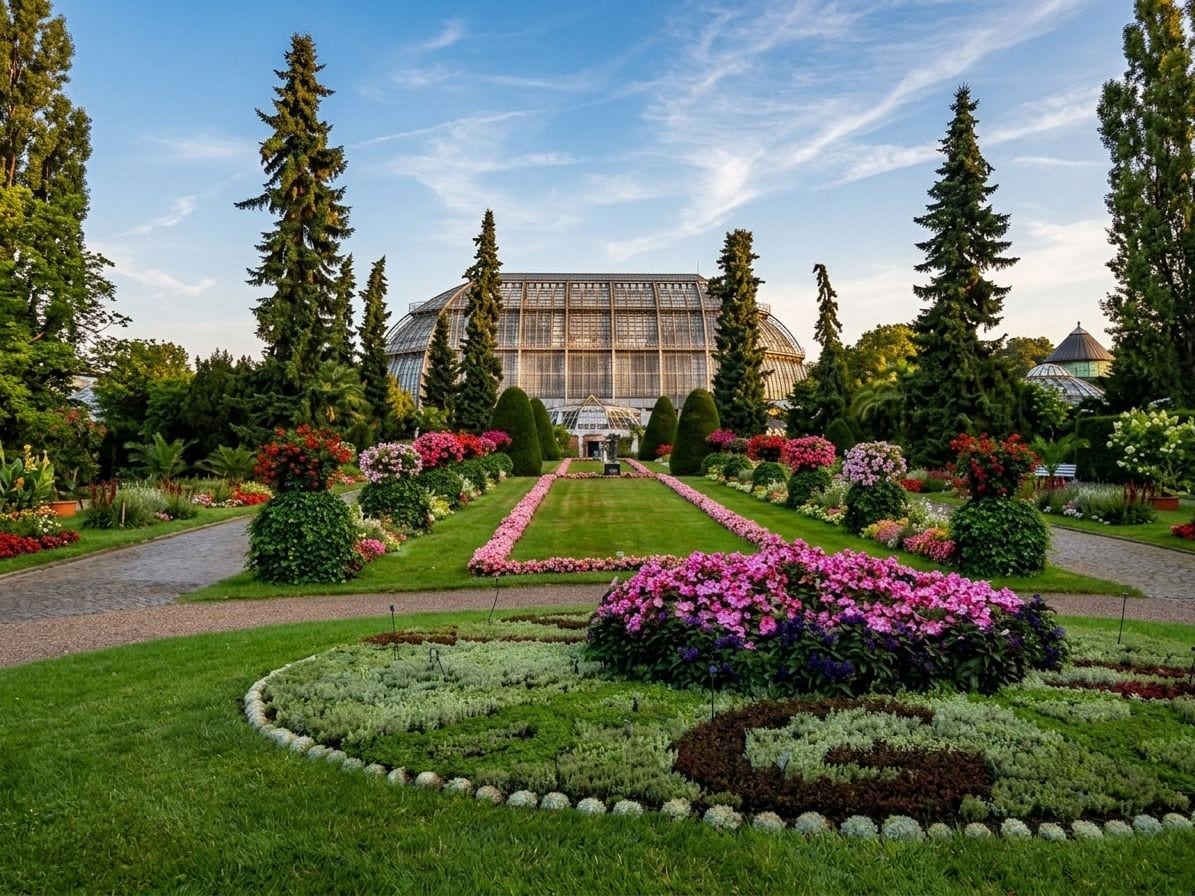
Berlin's Botanical Garden is one of the largest and most important botanical gardens in the world, a green sanctuary in the southwest of the city. Its grounds are laid out as a journey through the world's plant life, from Alpine rockeries and arboretums to themed beds arranged by region, and its historic glasshouses shelter tropical and subtropical species, including a soaring Great Pavilion filled with palms and rainforest plants.
Alongside the living collections, the attached Botanical Museum explores the science and story of plants. It is a place to slow right down — you can easily spend a whole afternoon wandering the paths, greenhouses and quiet lawns, and it feels wonderfully removed from the bustle of central Berlin. For garden lovers, photographers, or anyone in need of a peaceful few hours, it is one of the loveliest escapes in the city.
19. Tempelhofer Feld
Source: Illustrative image
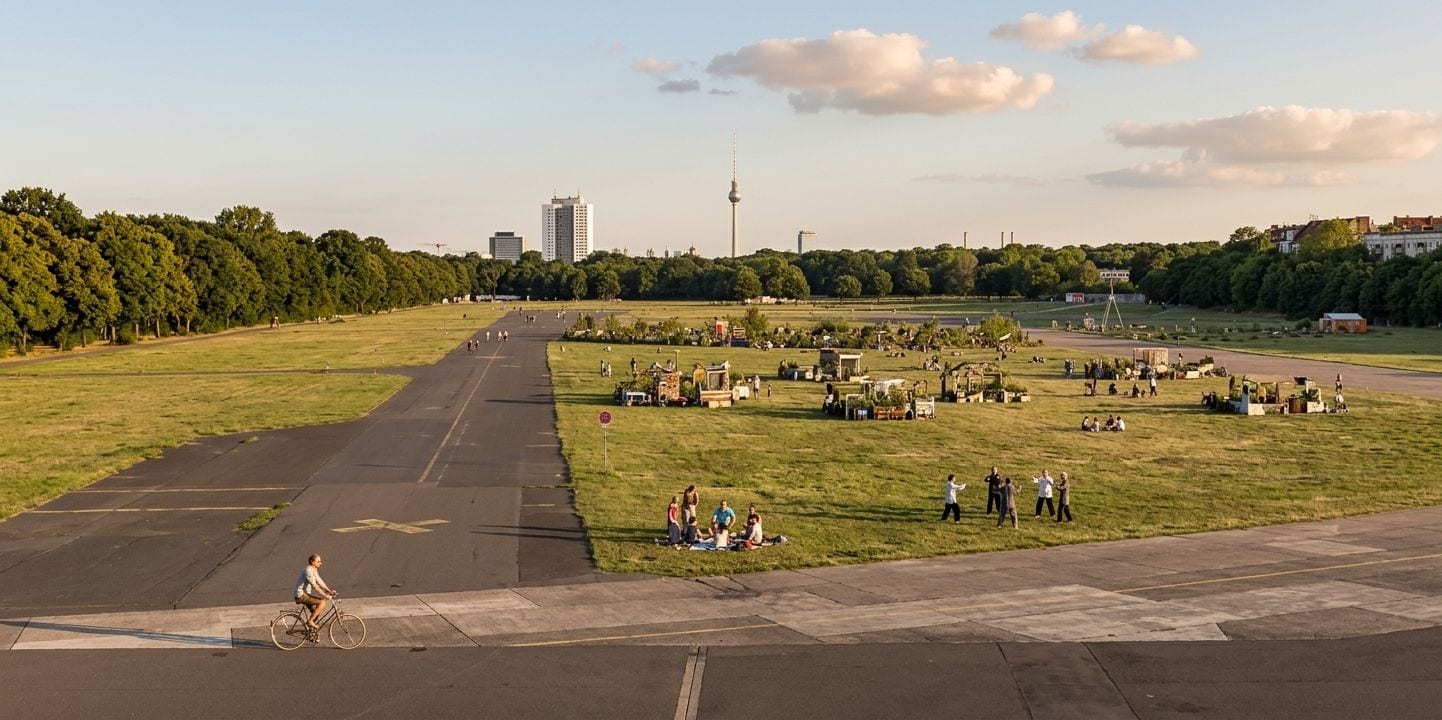
Tempelhofer Feld is one of Berlin's most extraordinary public spaces — a giant park created on the site of a former airport. When Tempelhof Airport closed, the city opened its vast airfield to the public, and the old runways and taxiways are now given over to cyclists, skaters, joggers, kite-flyers and picnickers, with the enormous historic terminal building still standing along one edge.
The sheer openness of the place is the point: after the dense streets of central Berlin, the wide horizons and endless tarmac feel liberating, and locals flock here to barbecue, garden in community plots, or simply watch the sunset over the old landing strips. It is free and open to all, a striking example of how Berlin has repurposed its history for everyday life. Cycling the length of a runway where planes once landed is a quintessentially Berlin thing to do.
20. Britzer Garten
Source: Illustrative image
Britzer Garten is a beautifully landscaped park in the south of Berlin, created for a national garden show and lovingly maintained ever since. It is best known for its spectacular seasonal flower displays — great sweeps of tulips in spring and dahlias in late summer draw crowds of admirers — set among rolling lawns, a large lake, rose gardens and shaded groves that change character through the year.
Beyond the flowers there is plenty to enjoy: winding paths and viewpoints, a small narrow-gauge railway that trundles around the grounds, and play areas that make it popular with families. It is more manicured and self-contained than Berlin's wilder green spaces, which is exactly its charm. A little way out from the centre, Britzer Garten rewards the trip with one of the prettiest and most restful garden experiences in the city.
21. German Spy Museum
Source: Illustrative image
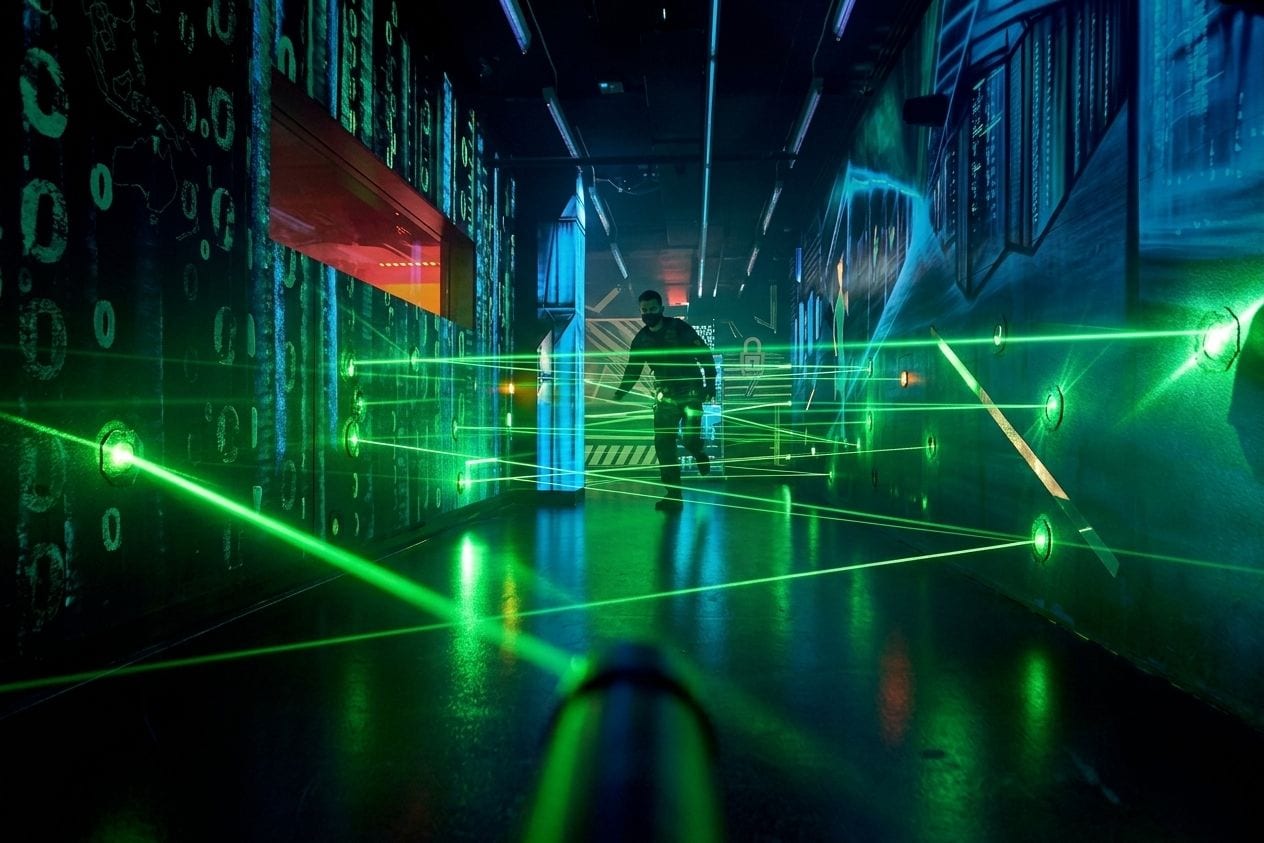
Few cities have a richer espionage history than Berlin, the frontline of the Cold War and long dubbed the capital of spies, and the German Spy Museum makes the most of it. This interactive, high-tech museum near Potsdamer Platz explores the secret world of intelligence from ancient codes to modern cyber-surveillance, with a strong focus on the cloak-and-dagger drama that played out in the divided city, where agents from East and West operated on the same streets.
Exhibits are hands-on and playful: you can try cracking codes, test your skills in a laser maze, and examine gadgets, hidden cameras and disguises from real intelligence operations. It is a genuinely entertaining museum that works well for families and older children while still offering substance for adults interested in the history. Given Berlin's central role in decades of espionage, it is a fitting and fun addition to the city's roster of Cold War attractions.
22. Olympiastadion Berlin
Source: Illustrative image
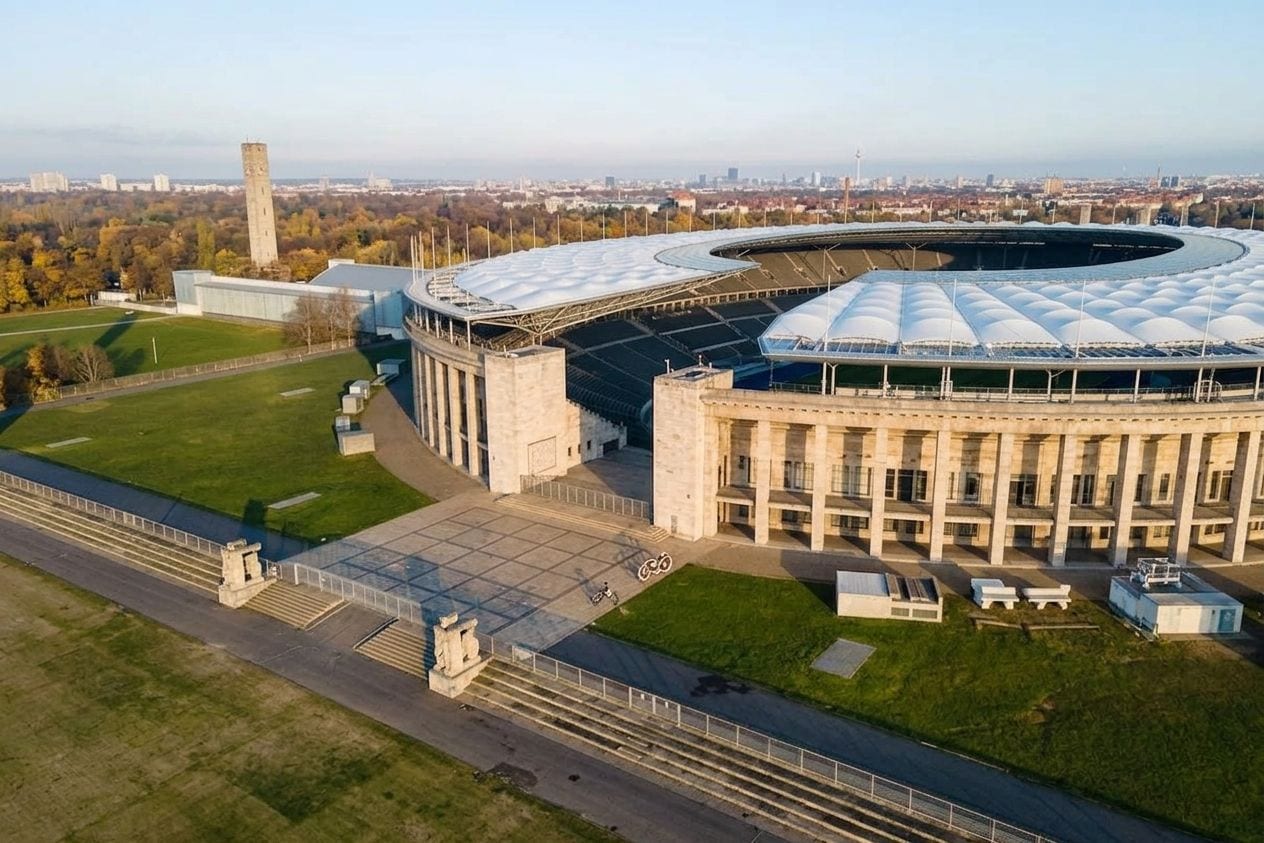
The Olympiastadion is Berlin's monumental Olympic stadium, built for the 1936 Games and still very much in use as a major sporting and concert venue. Its vast stone bowl and colonnaded exterior are a striking and historically loaded piece of architecture, and the stadium has since been modernised to host football matches, cup finals and huge live events, home to one of the city's leading football clubs.
Visitors can tour the stadium outside of event days, walking the stands, the pitch-side areas and the grounds while learning about both its athletic legacy and its complicated history. A nearby bell tower offers views over the site and the surrounding western Berlin. Whether you come for a match-day atmosphere or a quieter guided visit, the Olympiastadion is an impressive stop for anyone interested in sport, architecture or the layered history of the twentieth century.
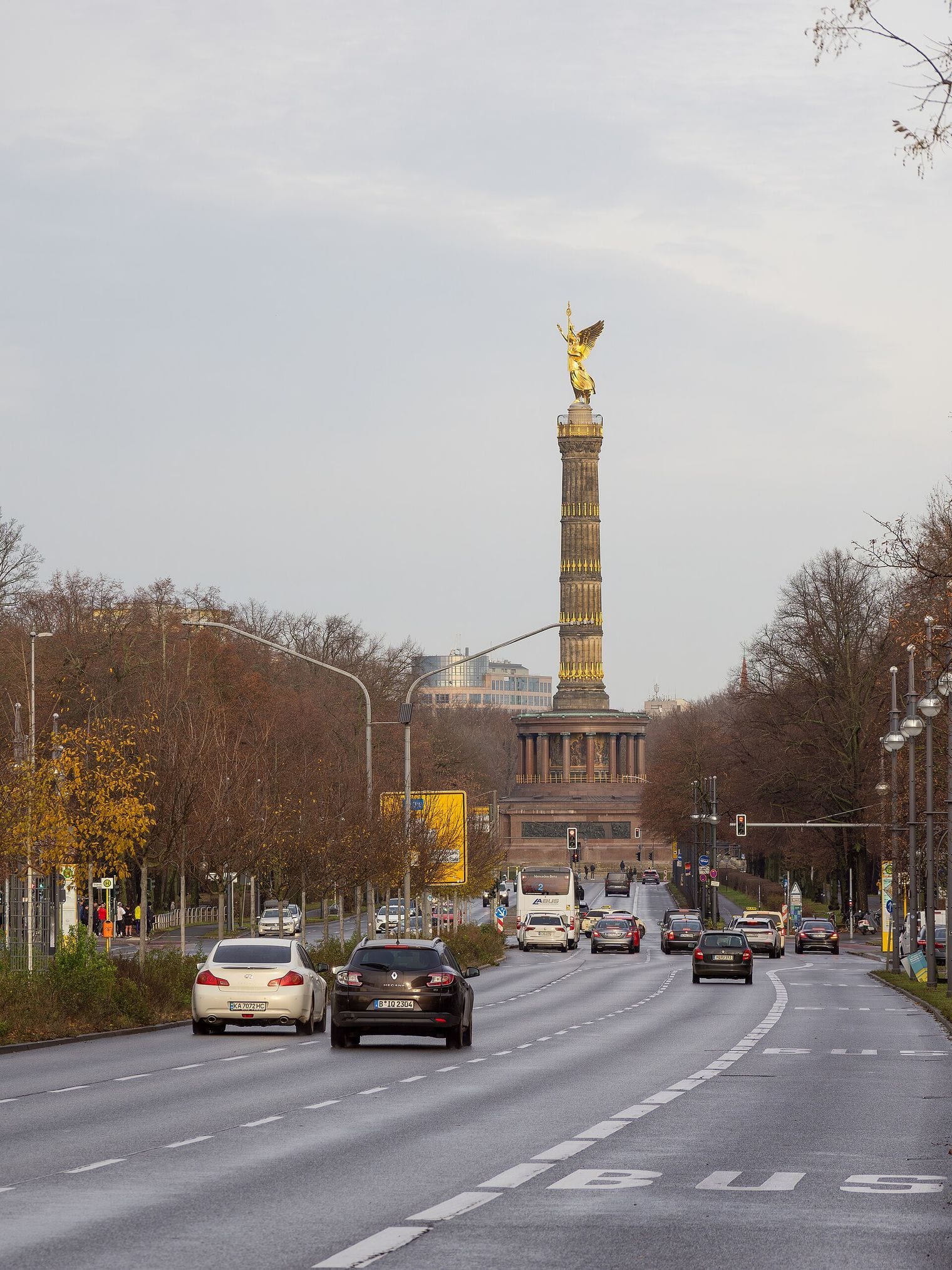
Rising from a roundabout in the middle of the Tiergarten, the Victory Column — the Siegessäule — is one of Berlin's most photographed monuments. The tall column is topped by a gilded statue of the winged goddess of victory, affectionately nicknamed Golden Elsa by locals, who gleams above the treetops and can be seen from the surrounding avenues that radiate out through the park.
Energetic visitors can climb the spiral staircase inside to a viewing platform at the base of the statue, which rewards the effort with a fine panorama straight down the tree-lined boulevards toward the Brandenburg Gate. Set right in the middle of the Tiergarten, Berlin's great central park, the column makes a natural focal point for a walk among the greenery, and it looks especially dramatic when lit up against the evening sky.
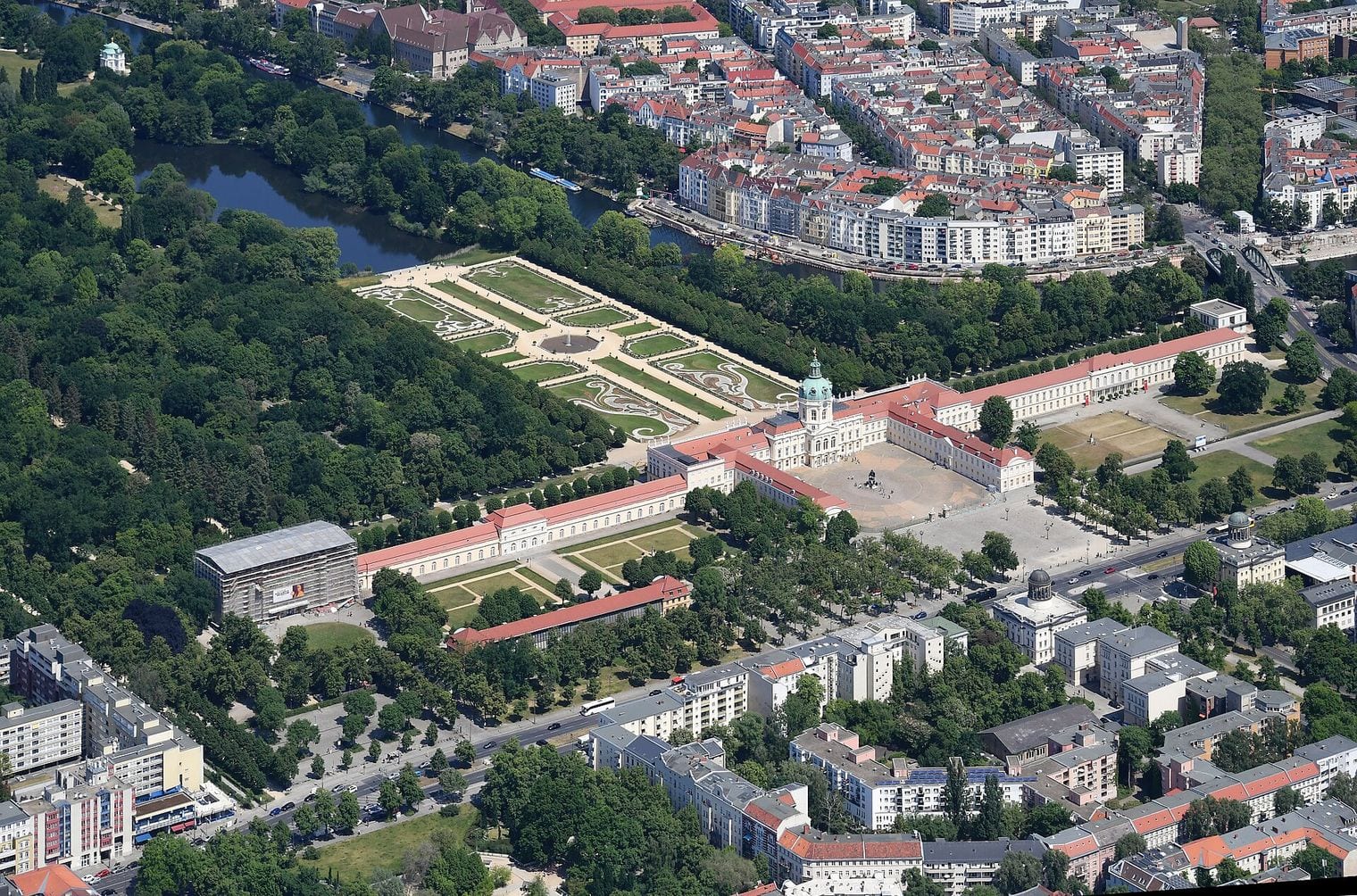
Charlottenburg Palace is the largest and grandest of Berlin's surviving royal residences, a baroque palace built for a Prussian queen and expanded by successive monarchs into a sprawling ensemble of state rooms, galleries and gardens. Its opulent interiors — mirrored halls, gilded decoration, porcelain and painted ceilings — offer a glimpse of imperial Prussian splendour that feels far removed from the modern city outside.
Behind the palace lie extensive formal gardens in the French and English styles, laid out along the water with fountains, tree-lined avenues and smaller pavilions to discover. The grounds are free to wander and make a lovely walk even if you skip the interior tour. Set in the west of the city, Charlottenburg is a rewarding half-day for anyone drawn to palaces, history and landscaped parks, and a graceful counterpoint to Berlin's grittier attractions.
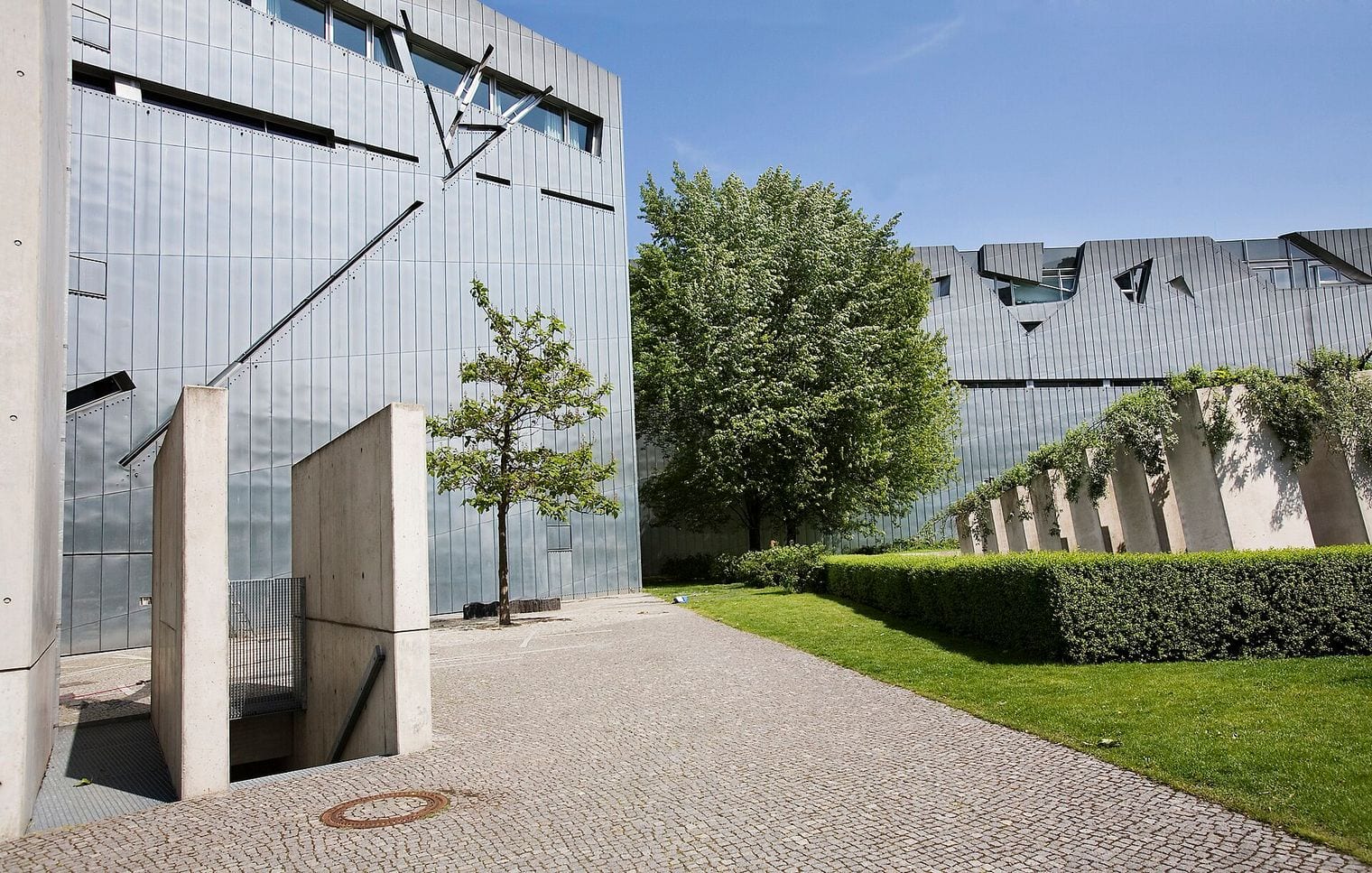
The Jewish Museum Berlin is both a major museum and a work of architecture in its own right. Its landmark building, designed by architect Daniel Libeskind, is a jagged, zinc-clad structure sliced through with sharp angles and empty voids that make the visitor feel the ruptures of Jewish history before a single exhibit is read. The museum tells the long, rich story of Jewish life in Germany, from the Middle Ages to the present, encompassing culture, religion, achievement, persecution and renewal.
The experience is as much spatial as it is informational: disorienting corridors, a stark Holocaust tower and a garden of tilted pillars all carry meaning through the building's design. Thoughtful and deeply affecting, the Jewish Museum ranks among the most significant cultural institutions in the city. Located in Kreuzberg, it rounds out Berlin's essential engagement with its own history and is a powerful, humane place to end a visit.
Best Time to Visit Berlin
Late spring and early autumn are the sweet spots for Berlin. From May into June, and again in September, the weather is mild, the beer gardens and riverside terraces are open, and the parks — the Tiergarten, Tempelhofer Feld, the Botanical Garden — are at their best for walking and picnicking without the peak-summer crowds. These shoulder seasons suit the way Berlin is best explored: on foot and by bike, moving between outdoor landmarks and indoor museums.
High summer is warm and lively but busy, and it is when the city's calendar of open-air festivals and cultural events fills up. Winter is cold and often grey, yet it has its own appeal — atmospheric Christmas markets across the squares, cosy museums to duck into, and far shorter queues at the big sights. Whenever you come, Berlin's world-class indoor attractions mean a wet or chilly day is never wasted.
Getting to Berlin
Most international visitors arrive at Berlin Brandenburg Airport (BER), the city's single major airport, southeast of the centre and linked to the middle of town in around half an hour by fast regional and airport-express trains. Berlin is also one of Europe's great rail hubs: the vast Hauptbahnhof (central station) connects the city to the rest of Germany and to neighbouring countries by high-speed and long-distance trains, making arrival by rail a genuine and comfortable alternative to flying.
By road, Berlin sits at the meeting point of several major autobahns, ringed by the A10 orbital motorway with the A100 looping through the western city. Long-distance coaches serve the central bus station in the west. However you arrive, you will not need a car to enjoy the city — the public transport network takes over from the moment you step off the train or plane.
Getting Around Berlin
Berlin has one of the best public transport systems in Europe, and it is the easiest way to get around this sprawling city. The U-Bahn (underground) and S-Bahn (suburban rail) reach every part of town, backed up by trams in the east and an extensive bus network, all run under a single integrated ticketing zone system — one ticket covers whichever combination of them you use. Central Berlin is very walkable in patches, and the flat terrain and growing network of cycle lanes make it a superb city to explore by bike or e-scooter.
Because the sights are spread out — Charlottenburg in the west, the Cold War landmarks in the centre, the East Side Gallery and Friedrichshain in the east — plan on using the U-Bahn and S-Bahn to hop between clusters, then explore each area on foot. Rideshare and taxis are widely available for late nights, but for most visitors a transit day pass is all you need.
Where to Stay in Berlin
The best base depends on the trip you want. Mitte, the historic centre, puts you within walking distance of Museum Island, the Brandenburg Gate and Unter den Linden — ideal for first-time visitors who want the landmarks on their doorstep. For a livelier, more local feel, Prenzlauer Berg offers leafy streets, cafés and a calmer residential charm just north of the centre, while Friedrichshain and Kreuzberg are the go-to districts for nightlife, street art and a younger, edgier scene.
If you prefer elegant, quieter surroundings, the western districts around Charlottenburg and the Kurfürstendamm shopping boulevard are handsome and well-connected, close to the zoo and the City West. Wherever you choose, Berlin's transport network means you are never far from the action, so pick the neighbourhood whose character suits you and let the U-Bahn handle the distances.
Where to Eat in Berlin
Berlin's food scene is as diverse as the city itself. The classic street food is currywurst — sliced sausage in a spiced tomato-and-curry sauce — and the doner kebab, which was popularised here by the city's large Turkish community; both are essential quick bites. For a sit-down meal, hearty German classics like schnitzel, roast pork knuckle and Berliner pancakes still hold their own, best washed down with a local Pilsner or a Berliner Weisse.
Kreuzberg and Neukölln are the heart of the modern, multicultural food scene, packed with Turkish, Middle Eastern and international kitchens, while the covered market halls — most famously in Kreuzberg — are wonderful for grazing across cuisines under one roof. Prenzlauer Berg and Friedrichshain brim with brunch spots and craft-beer bars. Follow the districts rather than a single address, and you will eat well anywhere in the city.
One Day in Berlin
Morning: Start at the Brandenburg Gate before the crowds build, then walk a few minutes to the Memorial to the Murdered Jews of Europe and on to the Reichstag (book your free dome slot ahead). From here it is a short stroll down Unter den Linden toward the historic core.
Evening: Ride east to the East Side Gallery to walk the painted Wall along the river as the light softens, then finish with dinner and a drink in lively Friedrichshain or neighbouring Kreuzberg, the perfect end to a day that spans imperial, wartime and reunified Berlin.
Berlin makes a superb base for exploring the wider region. The most popular escape is Potsdam, less than an hour southwest by train, where the sprawling Sanssouci palace and its gardens offer a day of rococo splendour and lakeside walks. History-minded travellers often make the sobering journey north to the Sachsenhausen Memorial near Oranienburg, a preserved concentration-camp site reached in under an hour by S-Bahn.
For nature, the Spreewald biosphere reserve southeast of the city is a maze of tranquil waterways best explored by traditional punt, while the lakes and forests on Berlin's own fringes — around the Wannsee and the Grunewald — feel a world away yet are reachable on a regional ticket. Each makes an easy out-and-back trip that adds a different dimension to a Berlin visit.
FAQ: Visiting Berlin
What is Berlin best known for?
Berlin is best known for its layered twentieth-century history — above all the Berlin Wall, seen at the East Side Gallery and the Berlin Wall Memorial. It is equally famous for the Brandenburg Gate, the Reichstag with its glass dome, the world-class museums of Museum Island, and a creative, anything-goes culture of art, music and nightlife.
How many days do you need in Berlin?
Three to four days lets you cover Berlin comfortably. Two days is enough for the essential landmarks and one or two museums, but the city is large and spread out, so a longer stay gives you time for its neighbourhoods, parks and a day trip to Potsdam without rushing between the many sights worth seeing.
Is Berlin worth visiting?
Absolutely. Few cities pack in as much history, culture and character as Berlin, from moving Cold War memorials and grand imperial architecture to cutting-edge art and green open spaces. It is also relatively affordable for a major European capital, with many of its most iconic sights free to visit, making it rewarding for almost any kind of traveller.
What can you do in Berlin for free?
Many of Berlin's highlights are free: the Brandenburg Gate, the East Side Gallery, the Reichstag dome (with advance booking), the Memorial to the Murdered Jews of Europe, the Topography of Terror, and the Berlin Wall Memorial all cost nothing. You can also roam Tempelhofer Feld and the Tiergarten, giving you a full day of sightseeing on any budget.
When is the best time to visit Berlin?
Late spring (May–June) and early autumn (September) are ideal, offering mild weather, open beer gardens and fewer crowds than high summer. Winter is cold but atmospheric, with Christmas markets and quiet museums. Because so many top attractions are indoors, Berlin rewards a visit in any season.