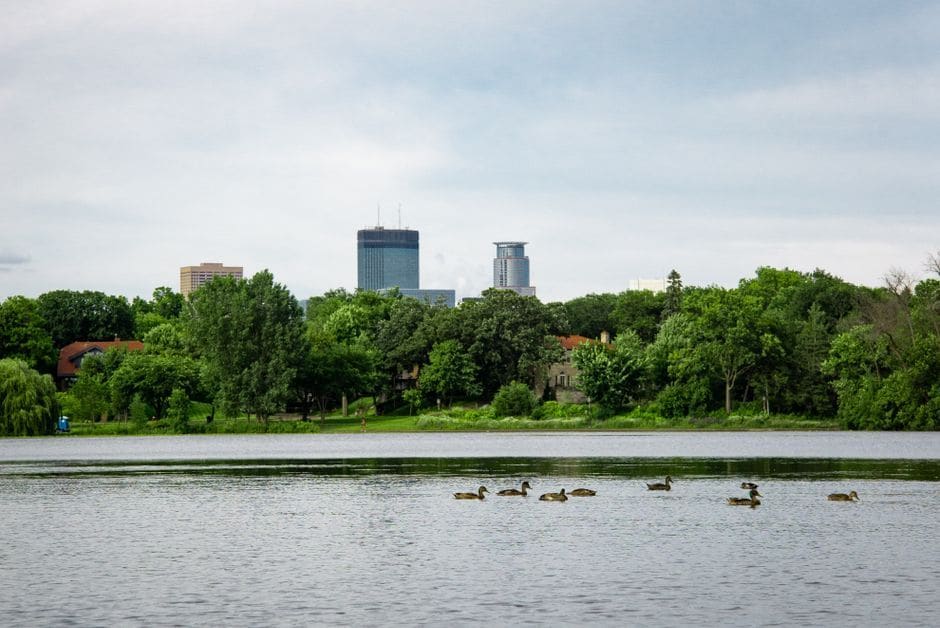
Minneapolis, the largest city in Minnesota and half of the Twin Cities, is a place built on water and grain — laid out around the Mississippi River and dotted with so many lakes that it earned the nickname the City of Lakes. It rewards visitors with riverfront mill ruins, top-tier art museums, sprawling parks, and the vast Mall of America just across the river in Bloomington.
Downtown is famously stitched together by the Skyway, an enclosed, climate-controlled network of walkways linking dozens of buildings — a lifesaver in a Minnesota winter and a curiosity in any season. Whether you come for the culture, the outdoors, or the food, here are the 25 best things to do in Minneapolis.
Fun Facts About Minneapolis, Minnesota
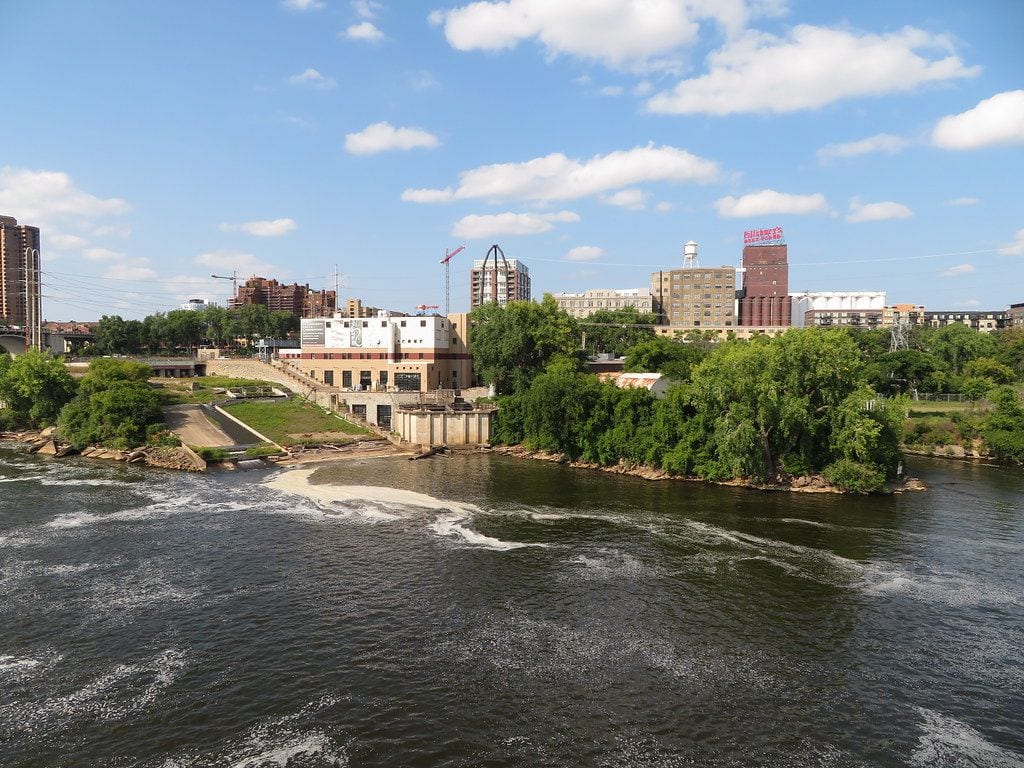
Minneapolis grew up around St. Anthony Falls, the only true waterfall on the Mississippi River, whose water power drove the city's early industry.
By the 1880s it was the flour-milling capital of the world, surpassing Budapest — the heritage behind General Mills and Pillsbury, both rooted in the Twin Cities.
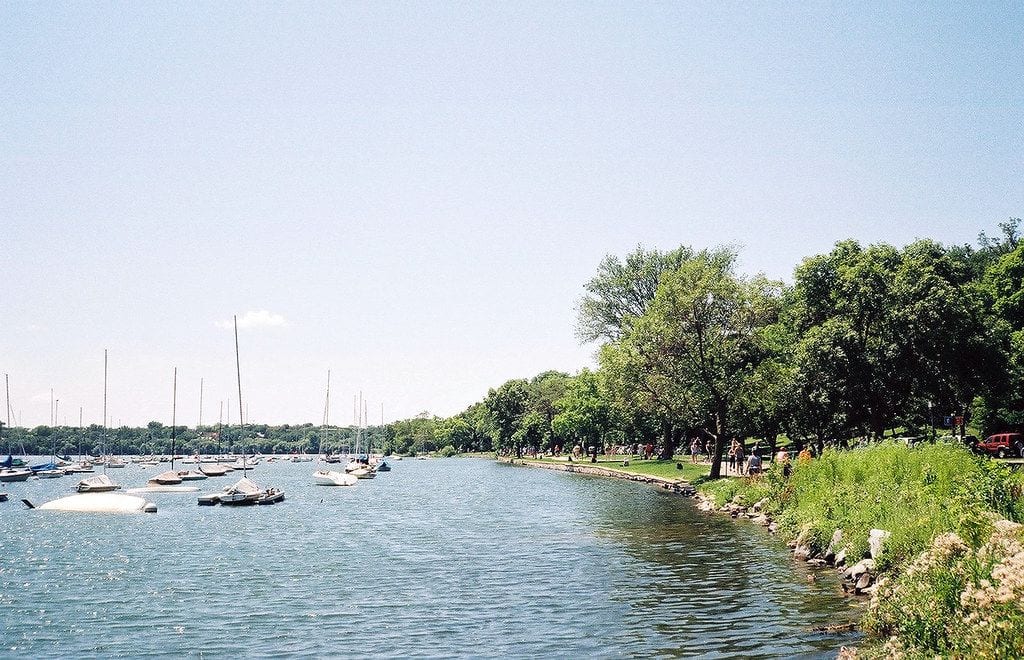
Its nickname, the City of Lakes, comes from the many lakes scattered across the city, ringed by popular walking and biking paths.
Downtown's Skyway system links dozens of buildings through miles of enclosed, climate-controlled walkways — one of the most extensive networks of its kind anywhere.
Minneapolis is the larger half of the Twin Cities, sitting on the Mississippi directly across from the Minnesota state capital, St. Paul.
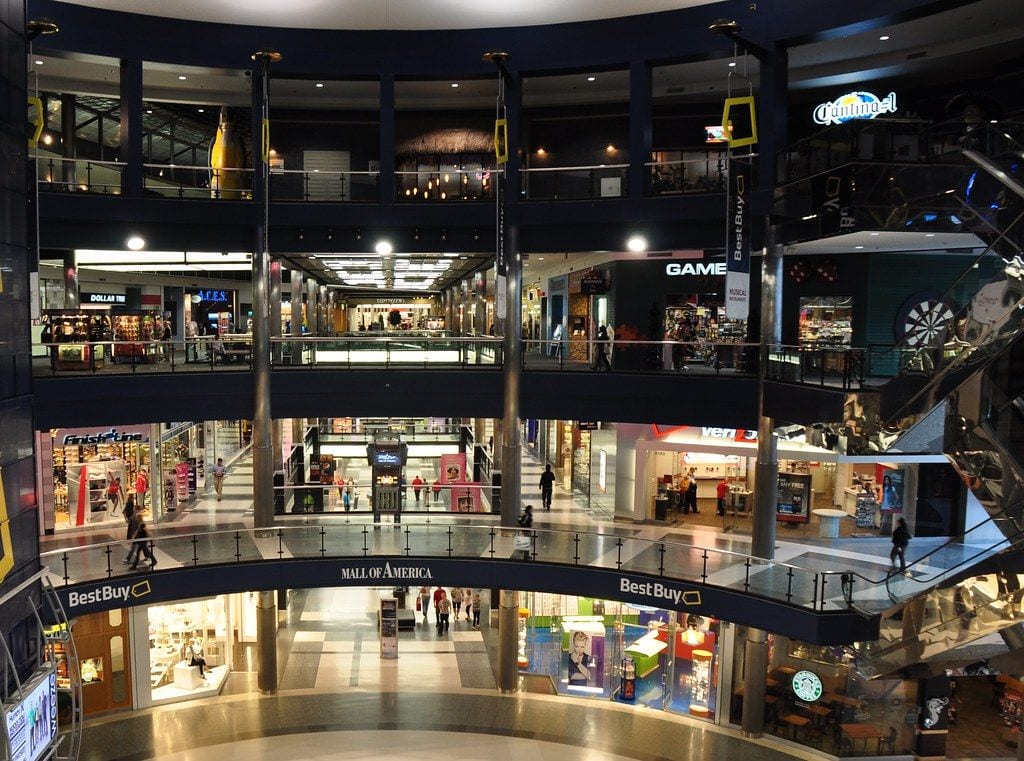
A day of retail therapy and family fun awaits at the Mall of America, a giant four-level shopping-and-entertainment complex out in nearby Bloomington. As the largest mall in the country, it packs in hundreds of stores alongside restaurants, a cinema, an indoor theme park, and an aquarium, making it far more than just a place to shop.
With so much crammed under one roof, a single full day may not be enough to see everything, so pace yourself and pick your priorities. Downloading the free mall map app helps you navigate the sprawling levels and find your way between the rides, tanks of sea life, concessions, and countless storefronts without getting hopelessly turned around.
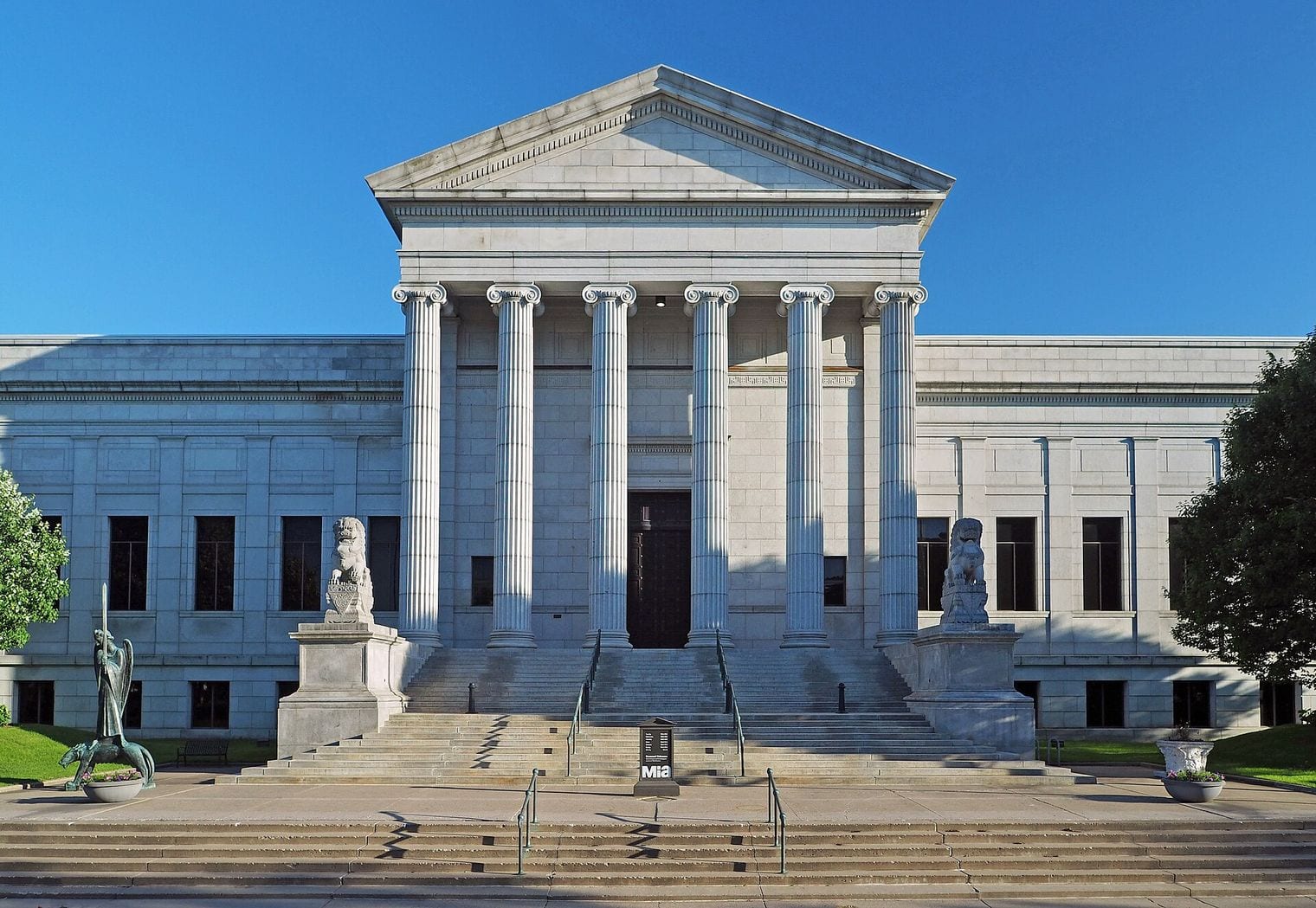
Spanning 5,000 years of human creativity, the Minneapolis Institute of Art holds the largest and most diverse art collection in the city. Wander galleries where an ancient Egyptian mummy shares the building with European masters, and you’ll sense just how much ground this museum covers within its handsome, architecturally notable walls.
Fine and decorative arts fill room after room, with paintings by Rembrandt, Picasso and Matisse anchoring a sweep that runs from antiquity to the modern era. Rotating exhibitions keep return visits fresh, so there’s always something new to discover. Pause at a café between galleries and take your time exploring the collection.
Following the Mississippi through the heart of the city, the Mississippi National River and Recreation Area unfurls a green corridor of riverbank scenery framed by skyline views. Its entrance is shared with the Science Museum, making it an easy stop to pair with a wider day out along the water’s edge, whatever the season brings.
The protected stretch runs some seventy-two miles, threaded with walking and biking trails that trace the river and open onto quiet fishing spots and long stretches of water. A visitor center rounds out the experience, telling the human history of the Mississippi and the people who have long lived, worked, and traveled along its shifting banks.
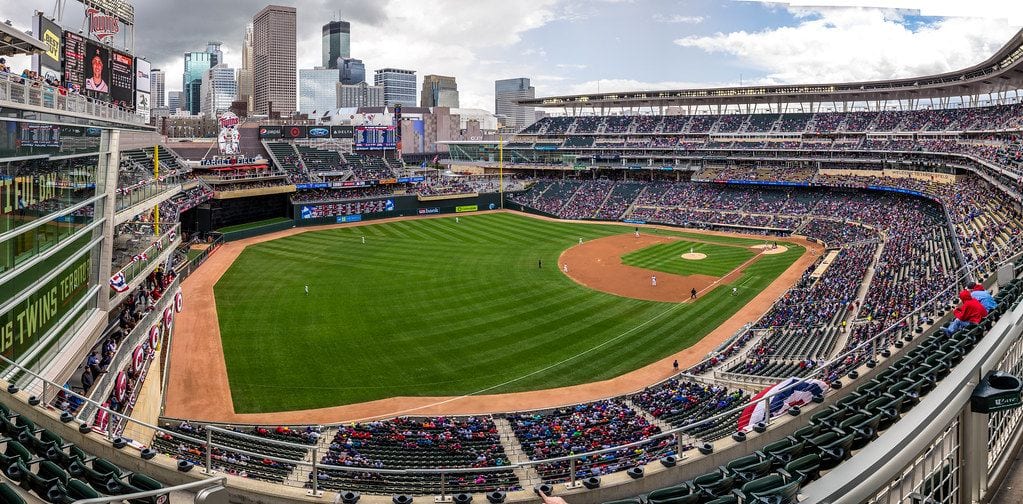
Target Field is the open-air ballpark that Minneapolis baseball fans call home, and it welcomes the Minnesota Twins through a long summer of games. The seating is arranged so that good sightlines reach most seats, letting you follow every pitch and play whether you land close to the action or settle higher up in the stands.
Beyond the game itself, the ballpark opens up for behind-the-scenes group and private tours, giving curious visitors a look at the corners fans rarely see. When hunger strikes, you will find a wide range of concessions alongside local vendors, so grabbing a bite between innings becomes part of the fun of spending an afternoon or evening here.
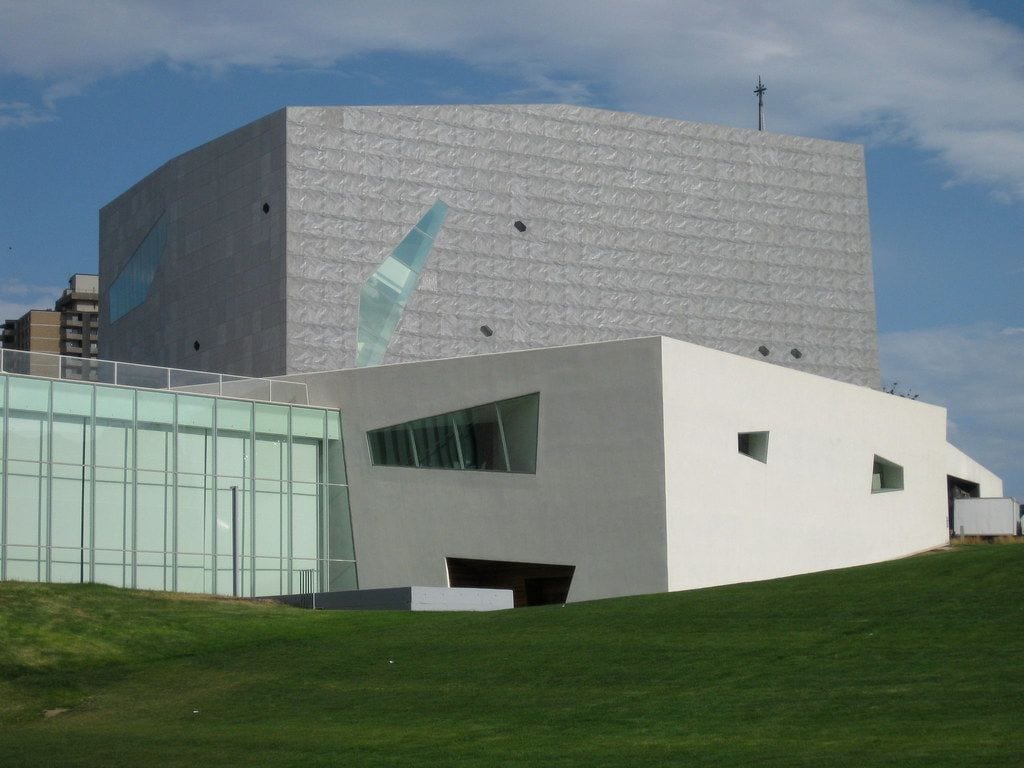
Contemporary art takes center stage at the Walker Art Center, where an expansive permanent collection spans painting, sculpture, film, and other media. Wander galleries that showcase bold, boundary-pushing work, then step outside to the adjacent sculpture garden, where large-scale pieces sit amid open lawns and walking paths made for unhurried afternoons.
When you need a break, the on-site bistro offers a welcome pause, and the rooftop rewards you with sweeping city views that take in the domed Basilica of Saint Mary. Before you leave, browse the well-regarded gift shop, where art books and design-minded finds make it easy to carry a little of the experience home.
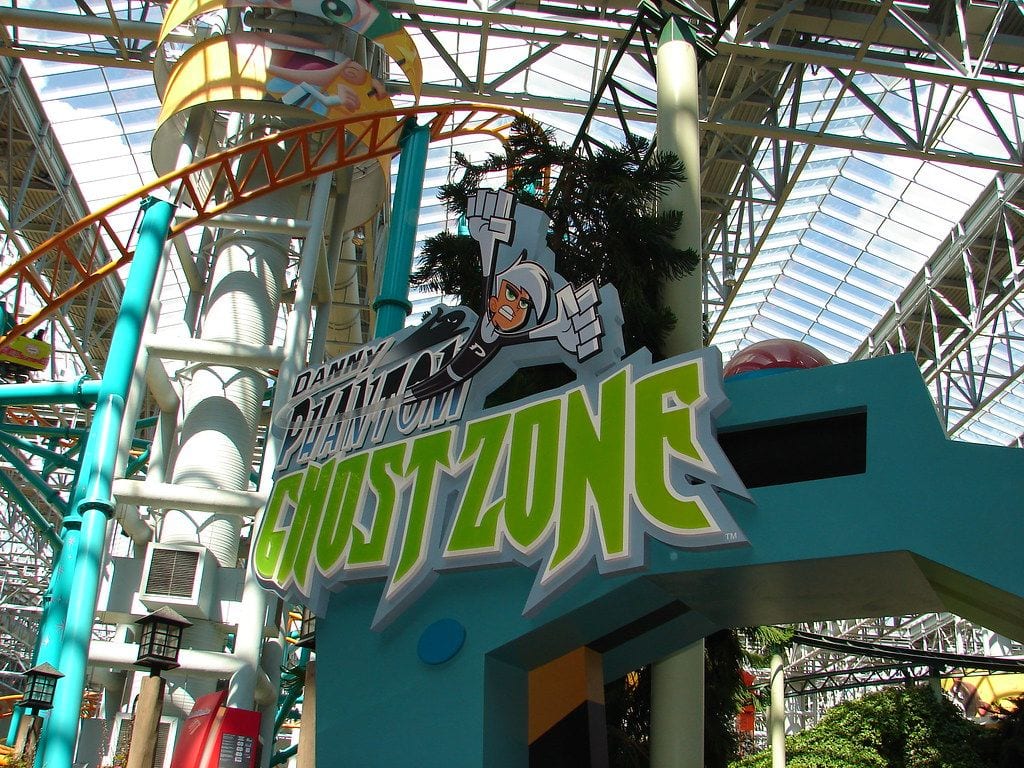
Tucked inside the sprawling Mall of America, Nickelodeon Universe brings the energy of a full amusement park indoors, themed around beloved Nickelodeon TV characters. Roller coasters and gentler rides suit every age, so thrill-seekers and cautious first-timers can share the fun. It’s a weatherproof escape that turns a shopping trip into a genuine day of adventure.
Families with little ones will appreciate that small children can ride alongside an accompanying adult for free, making it easy to include the youngest visitors. Look out for character photo ops scattered throughout, and consider the package deals that bundle admission with other mall attractions. Grab a bite from the concessions nearby and settle in for hours of playful, all-ages entertainment.
Set within the grounds of the Walker Art Center, the Minneapolis Sculpture Garden spreads across 11 landscaped acres and gathers more than 40 modern sculptures for you to wander among. The most famous of them is Spoonbridge and Cherry, a whimsical piece that has become a genuine symbol of the city and a favorite spot to pause for a photo.
Beyond the artwork, the garden pairs a glass conservatory with a leafy arbor, giving you shaded corners and open lawns to explore at an easy pace. Downtown views rise beyond the greenery, and benches invite you to sit outdoors and simply take it all in. It is a relaxed, free-spirited place to spend a slow afternoon.
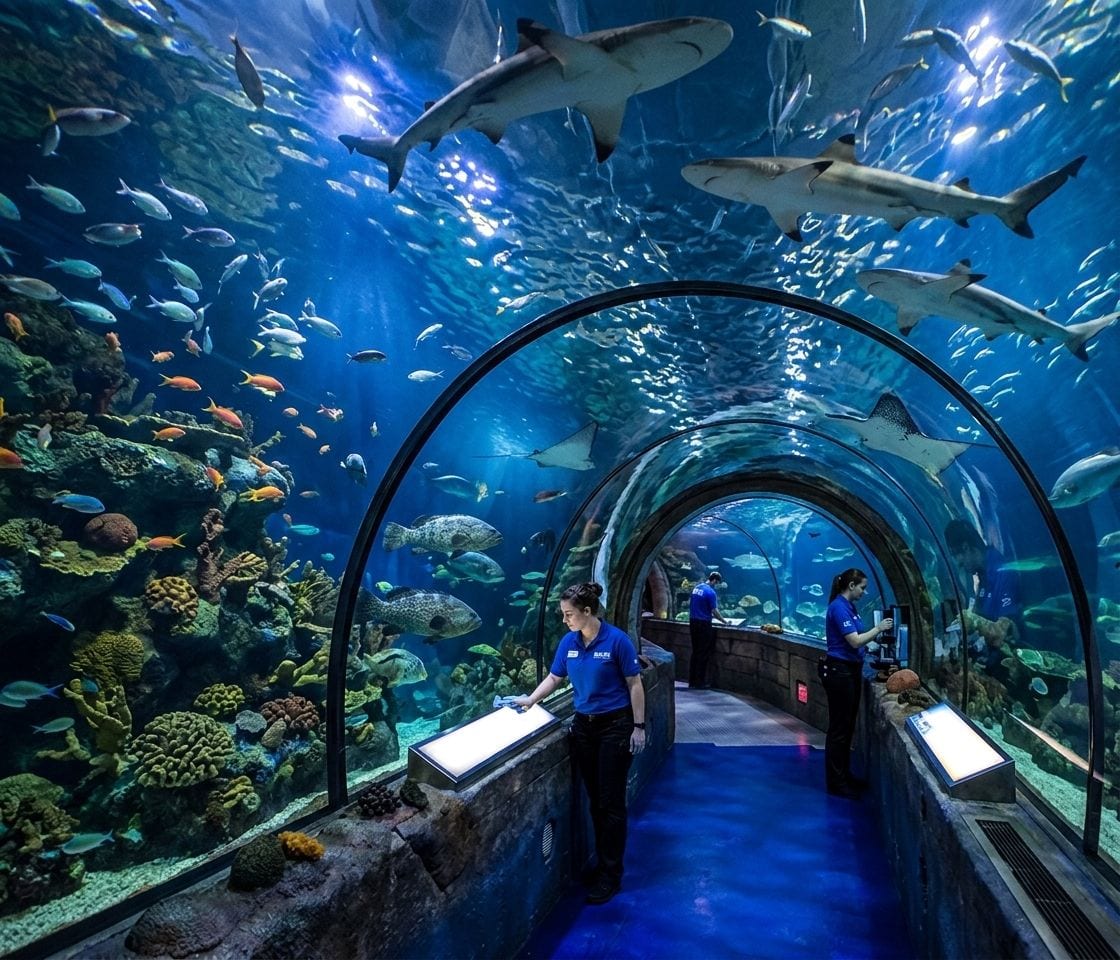
Tucked into the heart of Mall of America, SEA LIFE is a family-friendly aquarium where sharks, sea turtles, stingrays, and freshwater fish glide through carefully designed habitats. The clear highlight is a walk-through tunnel that curves around you, letting animals cruise directly overhead as you stroll through and feel wonderfully surrounded by the underwater world.
Beyond the tunnel, a touch pool invites you to get hands-on with gentle marine creatures, while staff-led exhibits turn every stop into an approachable, educational moment. The aquarium also runs a sea-turtle rescue program, giving visitors a meaningful glimpse into conservation work. It is an easy, engaging stop for curious kids and grown-ups exploring the mall together.
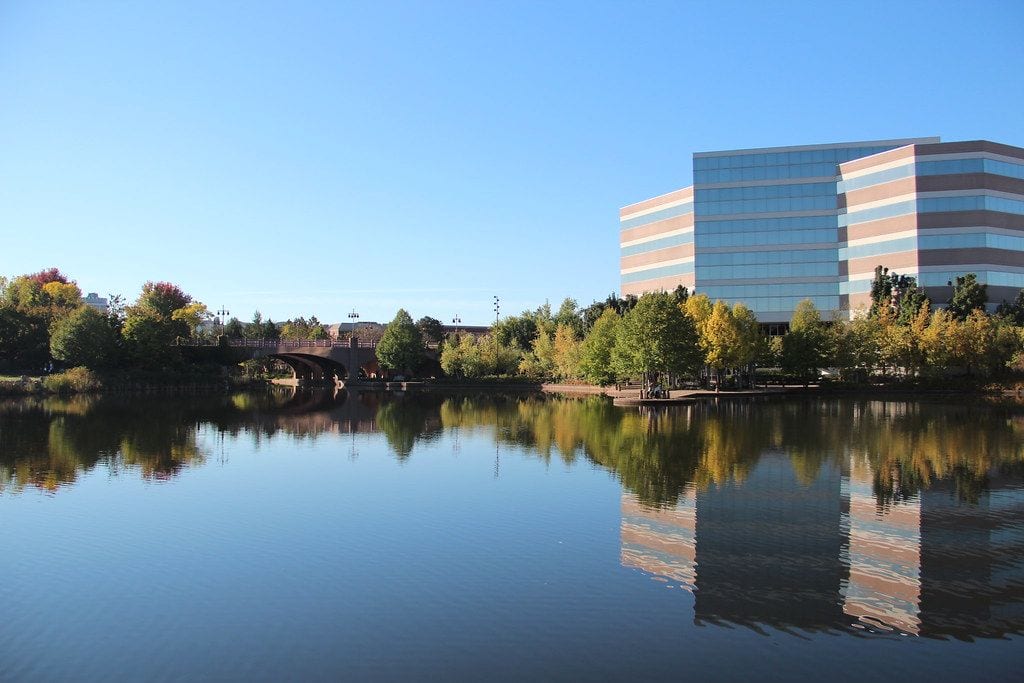
Tucked into Edina, Centennial Lakes Park wraps a large lake in stone walkways, footbridges, and fountains, with plenty of seating for slowing down. Anglers cast from the shore, and boat rentals put you out on the water. A gentle 1.45-mile loop trail circles the lake, making it easy to stroll the whole shoreline at your own pace.
There’s something here through every season. Summer brings outdoor concerts and paddle boats, while winter turns the lake into a place to lace up and go ice skating. Families gravitate toward the kids maze, and concessions keep everyone fueled. Between the fountains, bridges, and steady stream of programming, it’s an easy spot to linger for an afternoon.
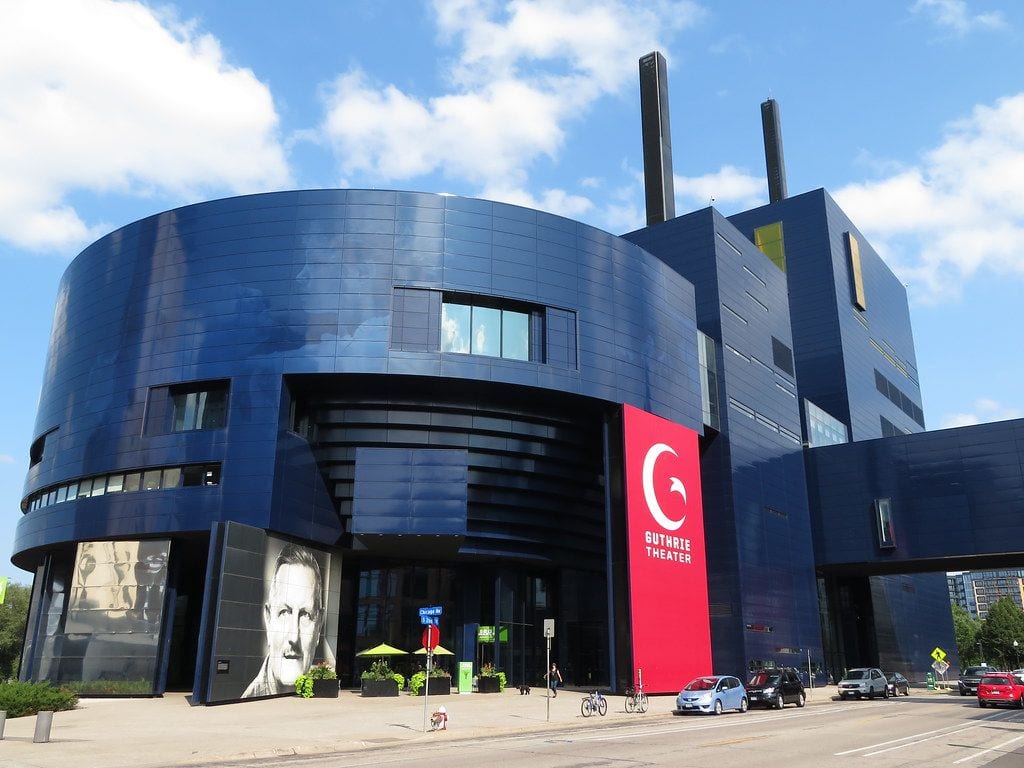
Guthrie Theater anchors the Minneapolis riverfront with three stages, dining, and bars, plus dramatic views of the Mississippi River and St. Anthony Falls. Beyond catching a performance, you can dig into the craft on guided behind-the-scenes tours that wind through the backstage areas, the architecture, and the costume shop, or sign up for one of its hands-on acting classes.
Even without a ticket, the building rewards a visit. Its cantilevered Endless Bridge juts out toward the water and stays open to the public, offering a striking vantage over the river and falls. Ride up to the top-floor lookout for another sweeping perspective, then linger over a drink at one of the bars or grab a bite from the concessions before you go.
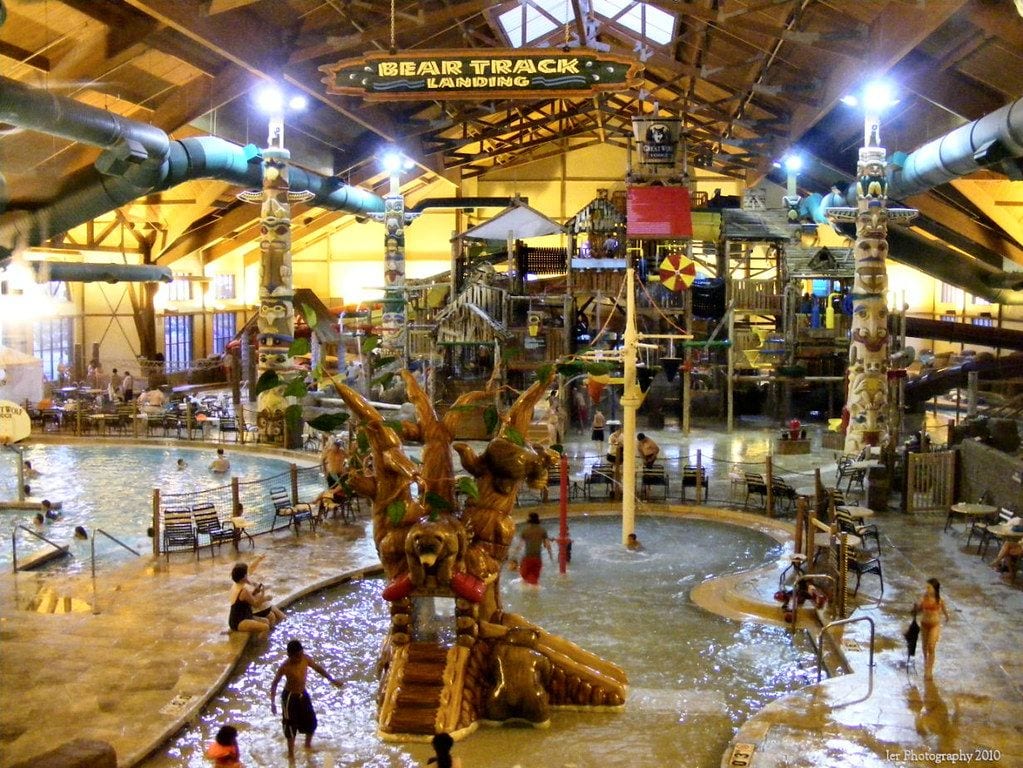
About a mile from Mall of America, Great Wolf Lodge is a family resort built around a large indoor water park, with cabin-themed rooms that lean into a cozy north-woods feel. It is designed as a destination in its own right, the kind of place where a rainy weekend turns into a splash-filled adventure without anyone ever needing to step outside.
The fun reaches well beyond the water slides. There is a climbing wall, an arcade, bowling, and a ropes course to keep every age busy, along with kids programming like a pajama party and character meet-and-greets. It all adds up to an easy, self-contained getaway that families can settle into for a full day or a memorable overnight stay.
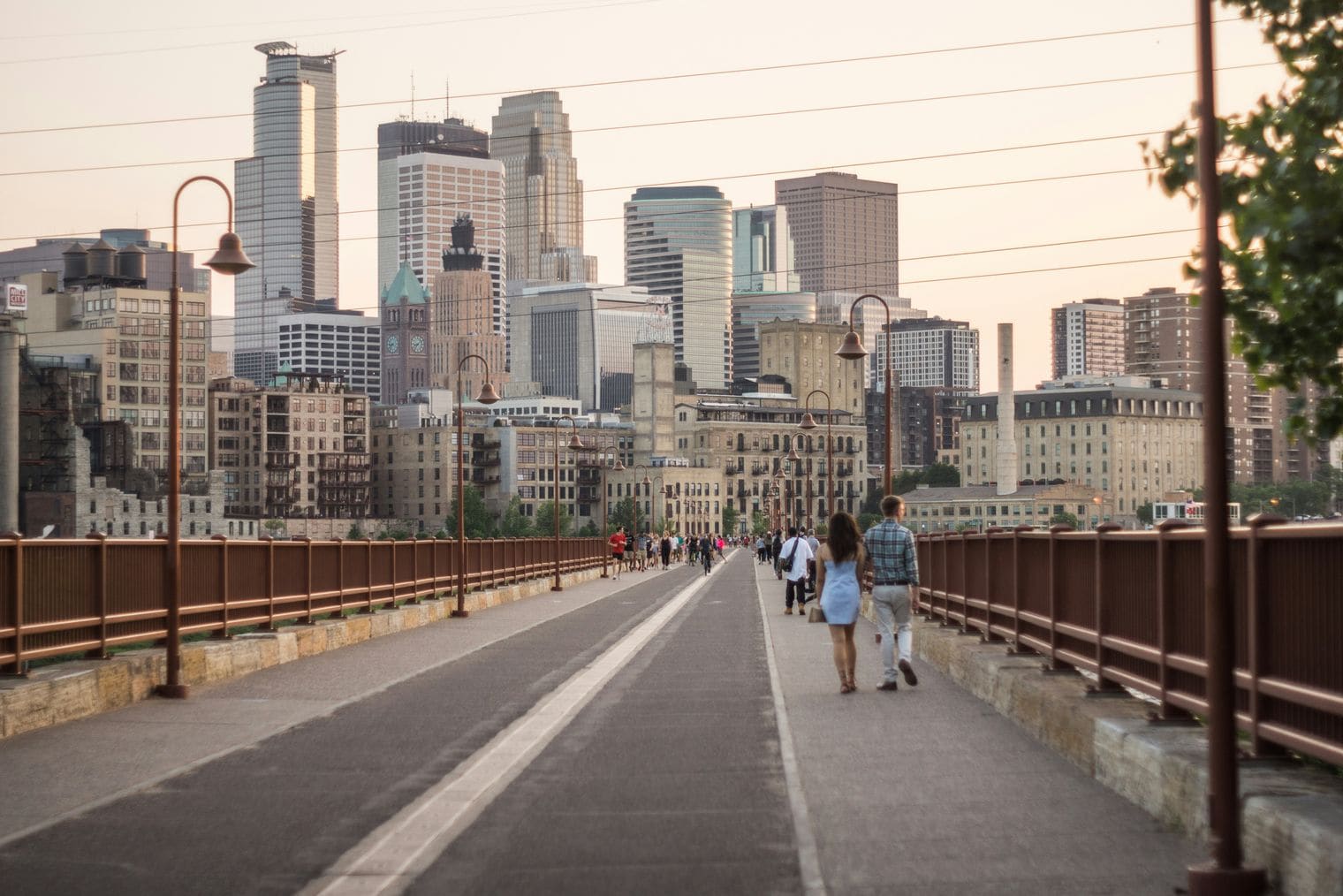
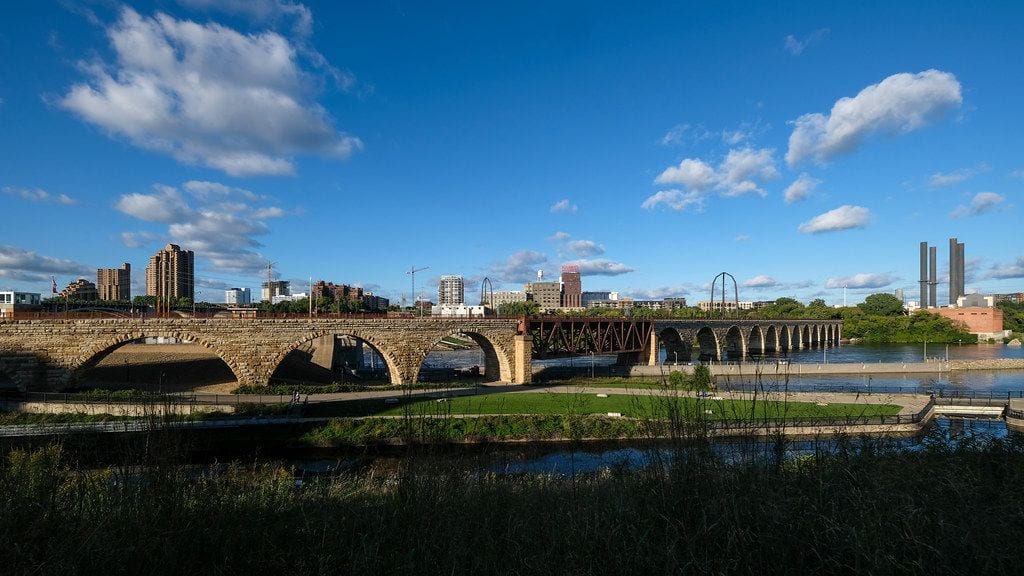
Spanning the Mississippi River on former railroad tracks, the Stone Arch Bridge now carries walkers and cyclists across the water instead of trains. Recognized as a National Historic Civil Engineering Landmark, it has become one of the city’s most beloved places to stroll, taking in the river and the historic industrial surroundings that frame both banks.
From the deck you get sweeping views of St. Anthony Falls, the weathered mill ruins downstream, and the Guthrie standing along the shore. The bridge links Mill Ruins Park with Father Hennepin Bluff Park, making it an easy, scenic connector for anyone exploring the riverfront on foot or by bike at their own pace.
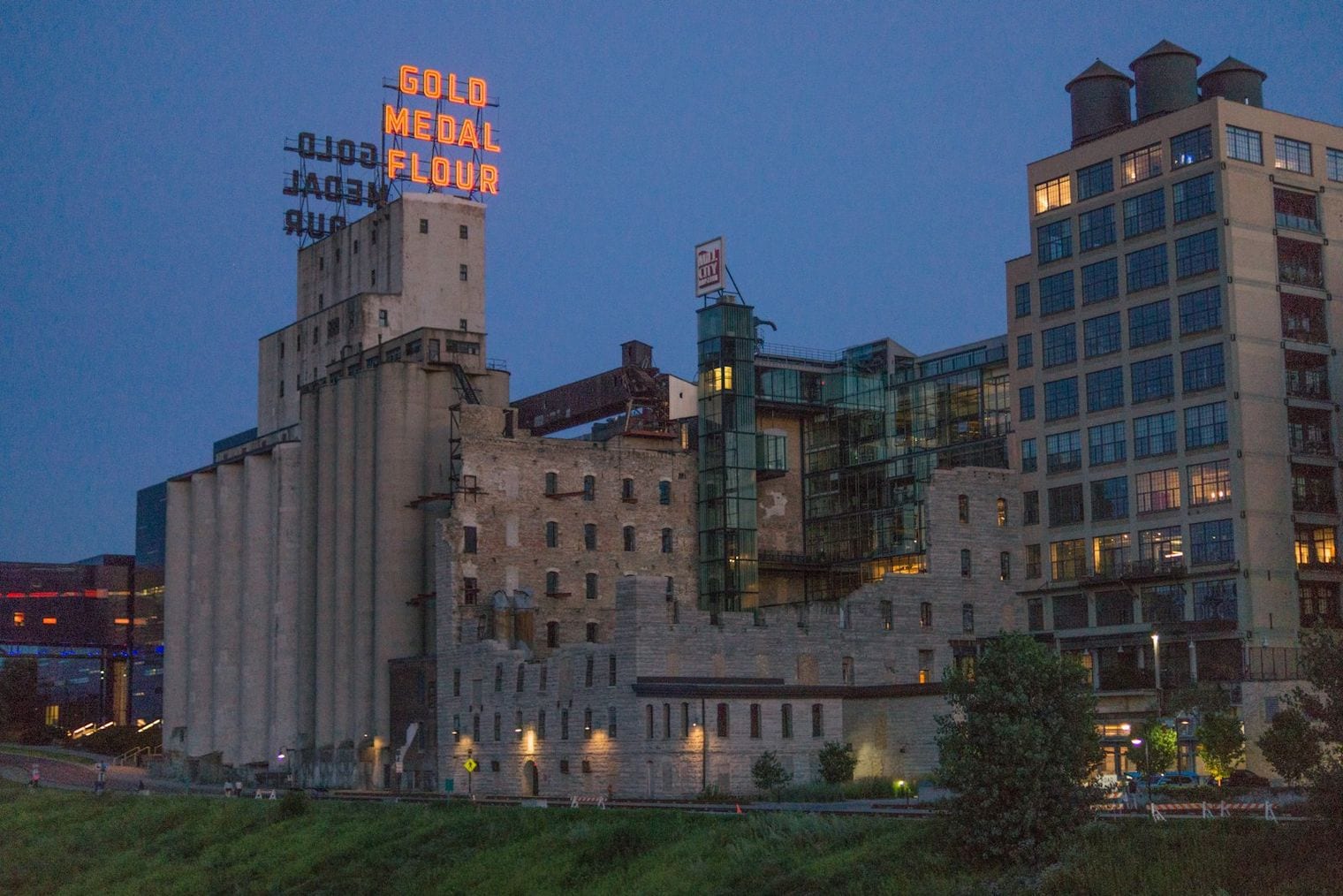
Set within the ruins of the Washburn A Mill, once the most advanced flour mill in the world, the Mill City Museum tells the story of how milling shaped Minneapolis. Interactive exhibits, a water lab, and a baking lab bring the industry to life, while the historic ruins themselves form a dramatic backdrop that anchors the whole experience.
The signature Flour Tower elevator show carries visitors through recreated mill floors, and a rooftop observation deck rewards the climb with sweeping views across the riverfront and skyline. Concessions and a café offer a place to pause between exhibits. Opened in 2003, it turns a working relic of the flour trade into an absorbing, hands-on afternoon.
Sprawling across 759 acres, Theodore Wirth Regional Park is the largest green space in the Minneapolis park system, a place where an urban forest and a serene lake give the city a genuine wilderness escape. Wander the winding trails, including a stretch of the Luce Line Trail, and it’s easy to forget downtown sits just minutes away.
Every season brings something different here, from disc golf and open sports fields in the warmer months to groomed ski trails once the snow settles in. Event spaces like the Wirth Pavilion and Chalet host gatherings year-round, while concessions keep visitors fueled. Whether you come to play, ski, or simply breathe, the park delivers.
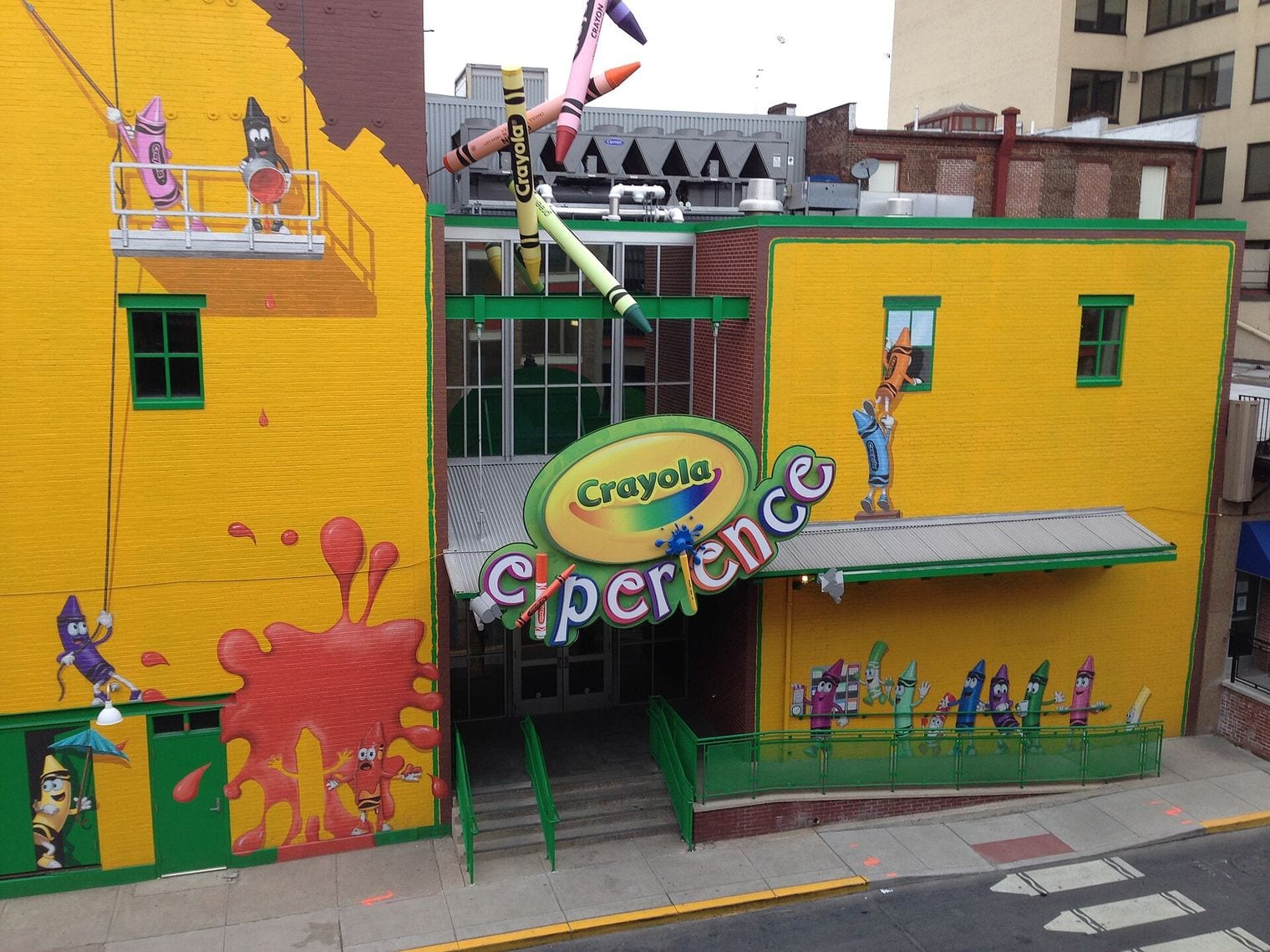
Tucked inside the Mall of America, the Crayola Experience is a burst of color built for hands-on families, with around 25 interactive stations that blend color, chemistry, and technology. Kids can dive into coloring and modeling activities, then gather for a live Crayon Factory show that turns the everyday crayon into a bit of playful science.
Between stations, there’s plenty to keep the day rolling, from a café for a snack break to a store stocked with colorful takeaways. It’s an easy, creative detour whether you’re weathering a gray Minnesota afternoon or simply looking to give younger travelers a spot to make, mix, and imagine something all their own.
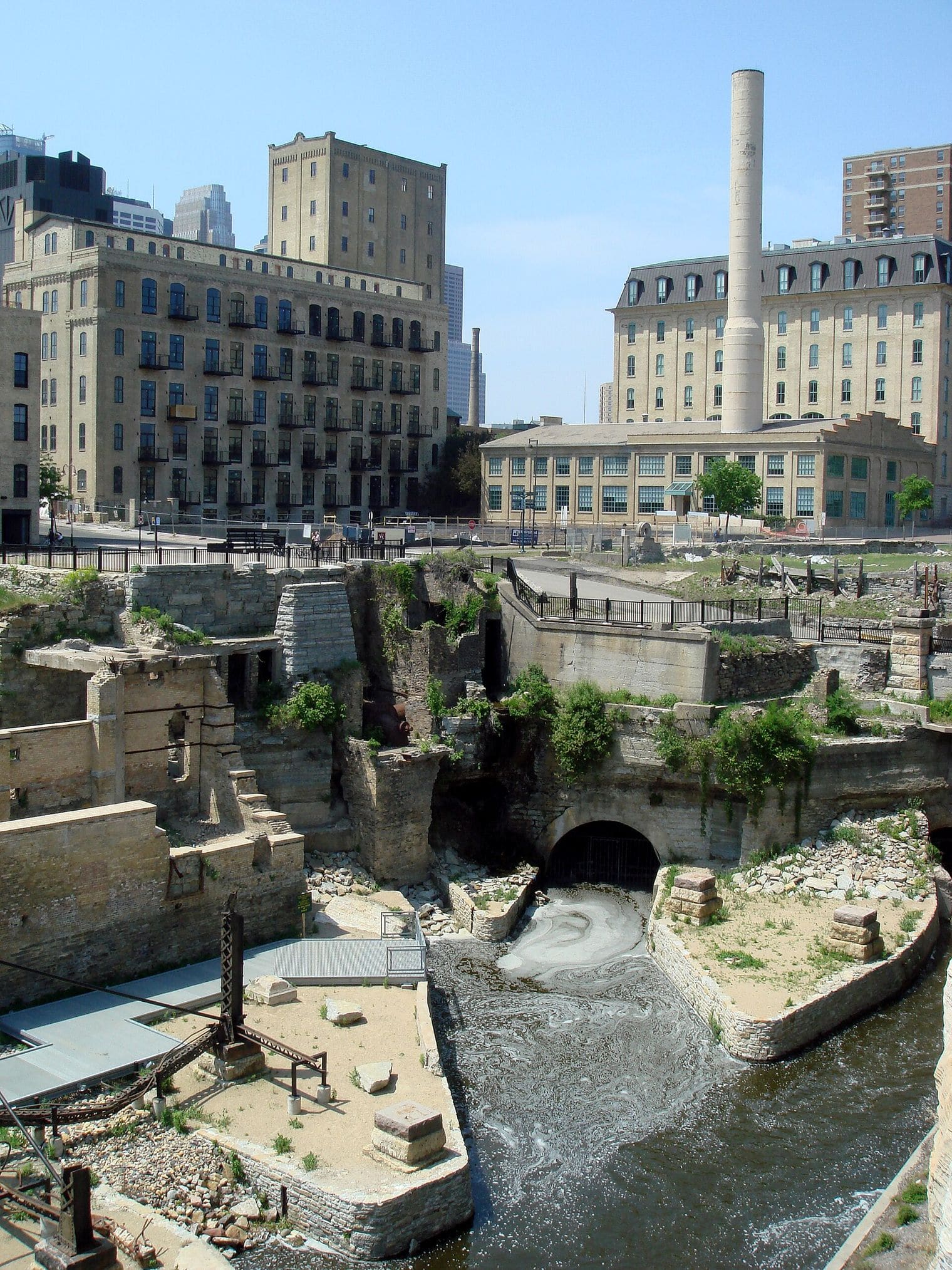
Tucked along the west bank of the Mississippi River, Mill Ruins Park preserves the stone skeletons of the flour mills that once powered Minneapolis. Built around these historic ruins, the park invites you to wander walking and biking paths that thread past weathered walls and a restored tailrace canal, where the river’s force was harnessed generations ago.
In the 19th century, this was the largest water-powered facility in the world, and standing here you can feel that industrial legacy in the surviving stonework. The setting is hard to beat, with the graceful Stone Arch Bridge arcing overhead and the rush of St. Anthony Falls close by. It’s a peaceful, atmospheric spot to pause and take in the history.
Tucked into nearby Edina, Edinborough Park is an indoor park and recreation center that keeps kids of all ages happy no matter the weather. The Great Hall is the heart of it, stocked with scooters and toys, a bounce house, and a climbing wall, so toddlers and older children can burn off energy while grown-ups relax close by.
Adults get their own outlets too, with a swimming pool, a running track, and basketball hoops for a proper workout. Comfortable seating areas are scattered throughout, giving parents a place to rest and watch the fun unfold. A small café rounds out the visit, making it easy to spend a full, unhurried afternoon under one roof.
Ringed by leafy residential streets, Lake Harriet is one of the city’s most beloved spots for an easy escape. A 3-mile path loops the shoreline, welcoming walkers, joggers, and cyclists alike, while the connecting Minnehaha Parkway trail lets you extend the outing all the way to Minnehaha Falls on two wheels or on foot.
The real showpiece is the castle-inspired bandshell overlooking the water, where a full calendar of events keeps the shoreline lively. Summer evenings bring performances beneath the open sky, while weekends invite you to settle in for outdoor movies. Grab a treat from the concessions, spread out a blanket, and enjoy a laid-back afternoon or evening by the lake.
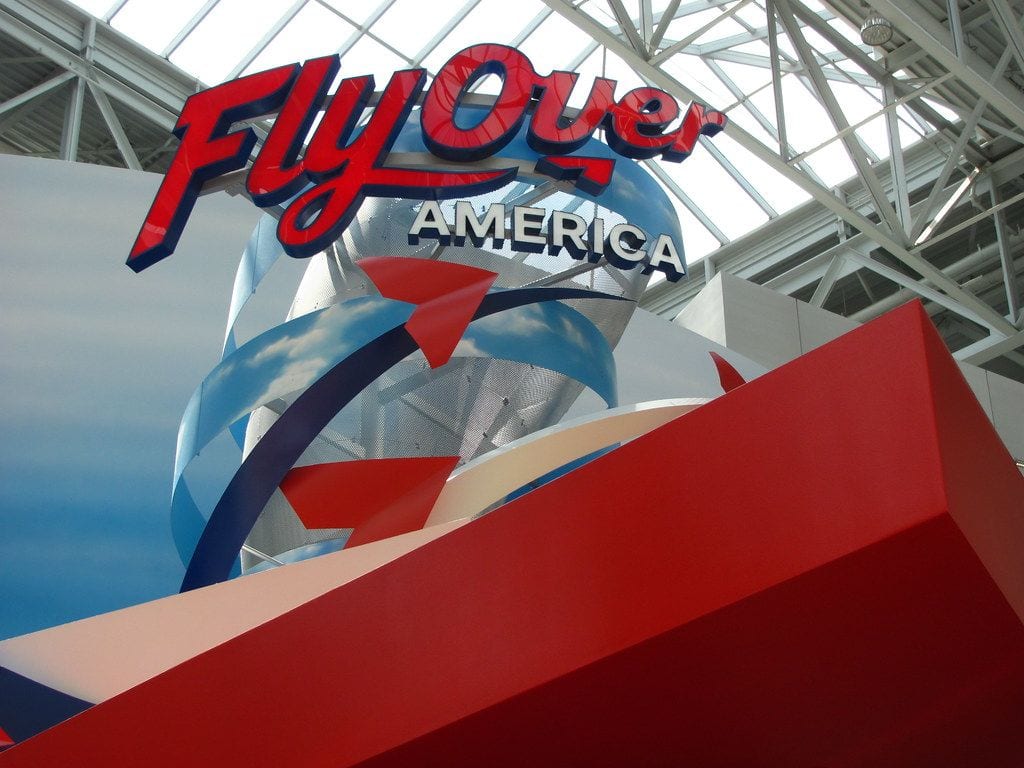
Strap into a motion seat, lift your feet, and let FlyOVER America sweep you across the country at Mall of America. This roughly 10-minute flight-ride glides over famous American landscapes on a wraparound screen, while mist, scents, and a sweeping musical score reach out to convince your senses that you are genuinely soaring.
It is an easy, wonder-filled break from browsing the shops, and a hit with travelers of most ages. Just leave the camera stowed, as photos are not allowed during the ride itself, and simply enjoy the sensation. When you land, the surrounding mall keeps the day going with concessions, a café, and plenty more to explore nearby.
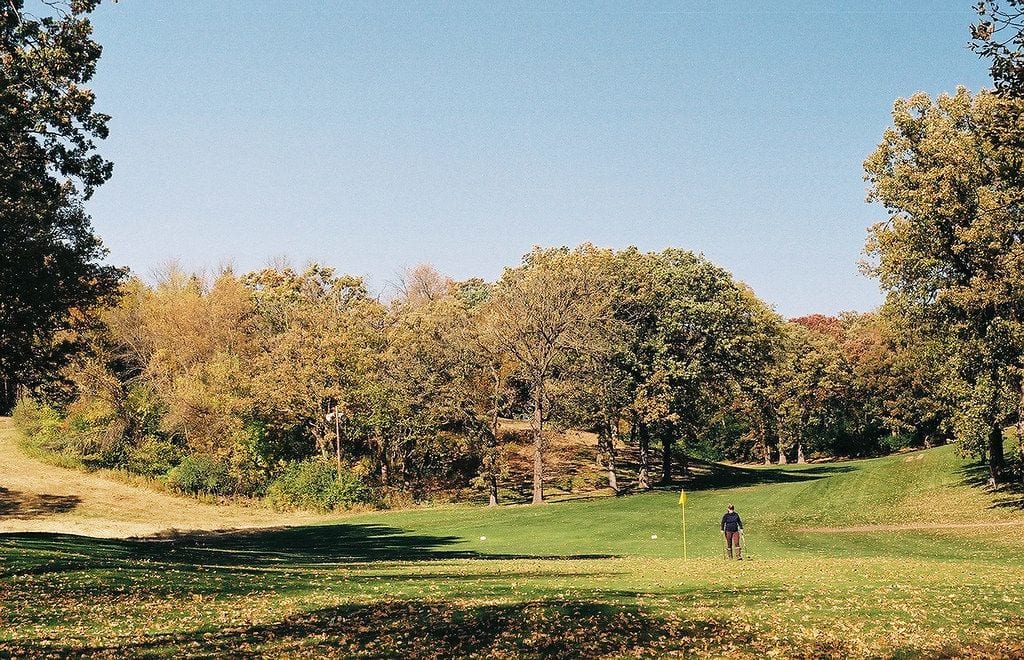
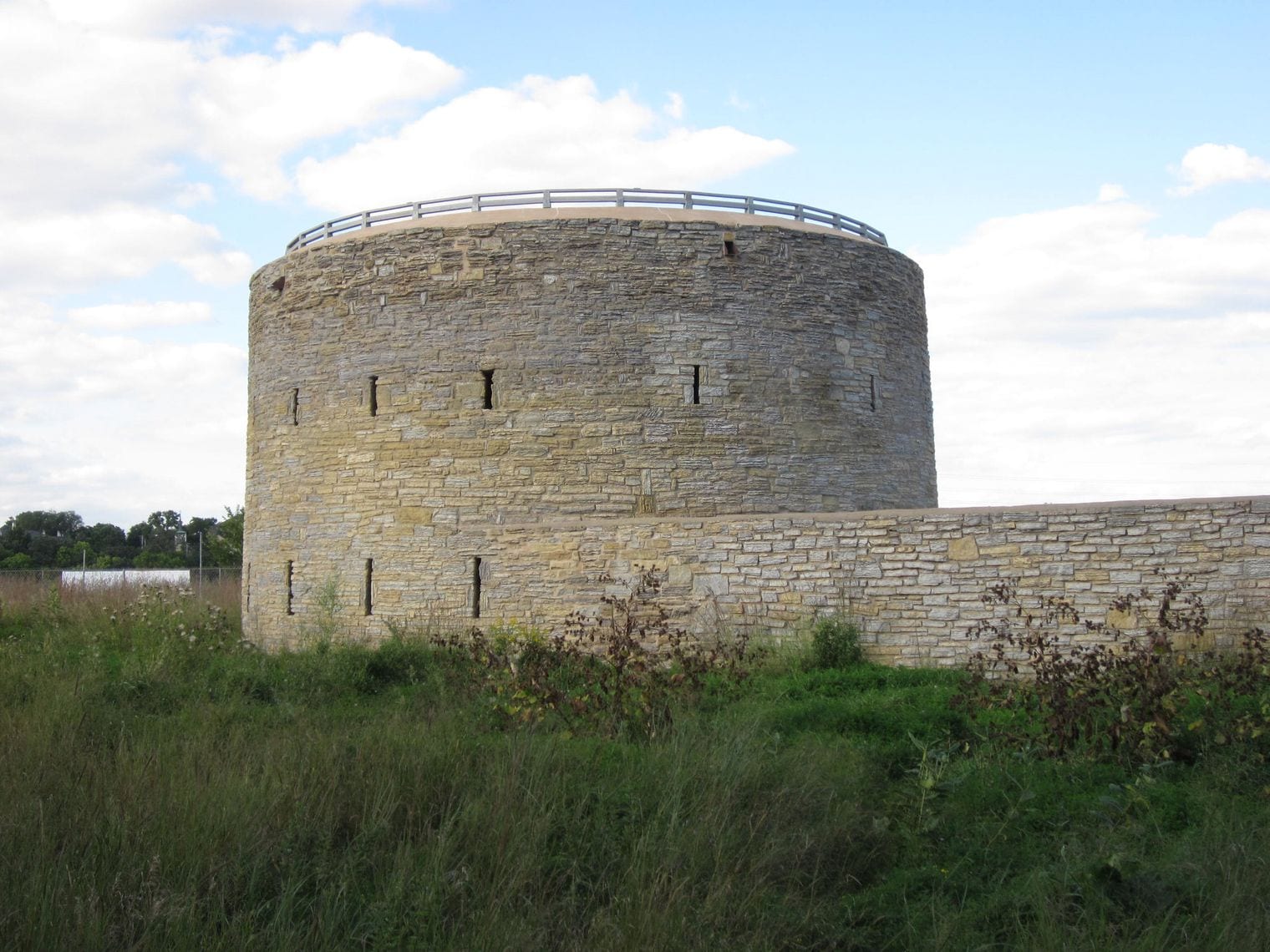
Where the Minnesota and Mississippi rivers meet, Fort Snelling State Park spreads across a lakeside landscape laced with extensive trails for walking and cycling. There is a golf course, a swimming area on warm afternoons, and quiet stretches of water and woodland that make it easy to lose track of the surrounding city.
Cross onto Pike Island to look for native wildlife, then pause to watch jets climb from the nearby Minneapolis/St. Paul airport overhead. A visitor center tells the story of the historic fort itself, including a difficult legacy worth understanding, giving the park a reflective depth that goes well beyond its open-air recreation and scenery.
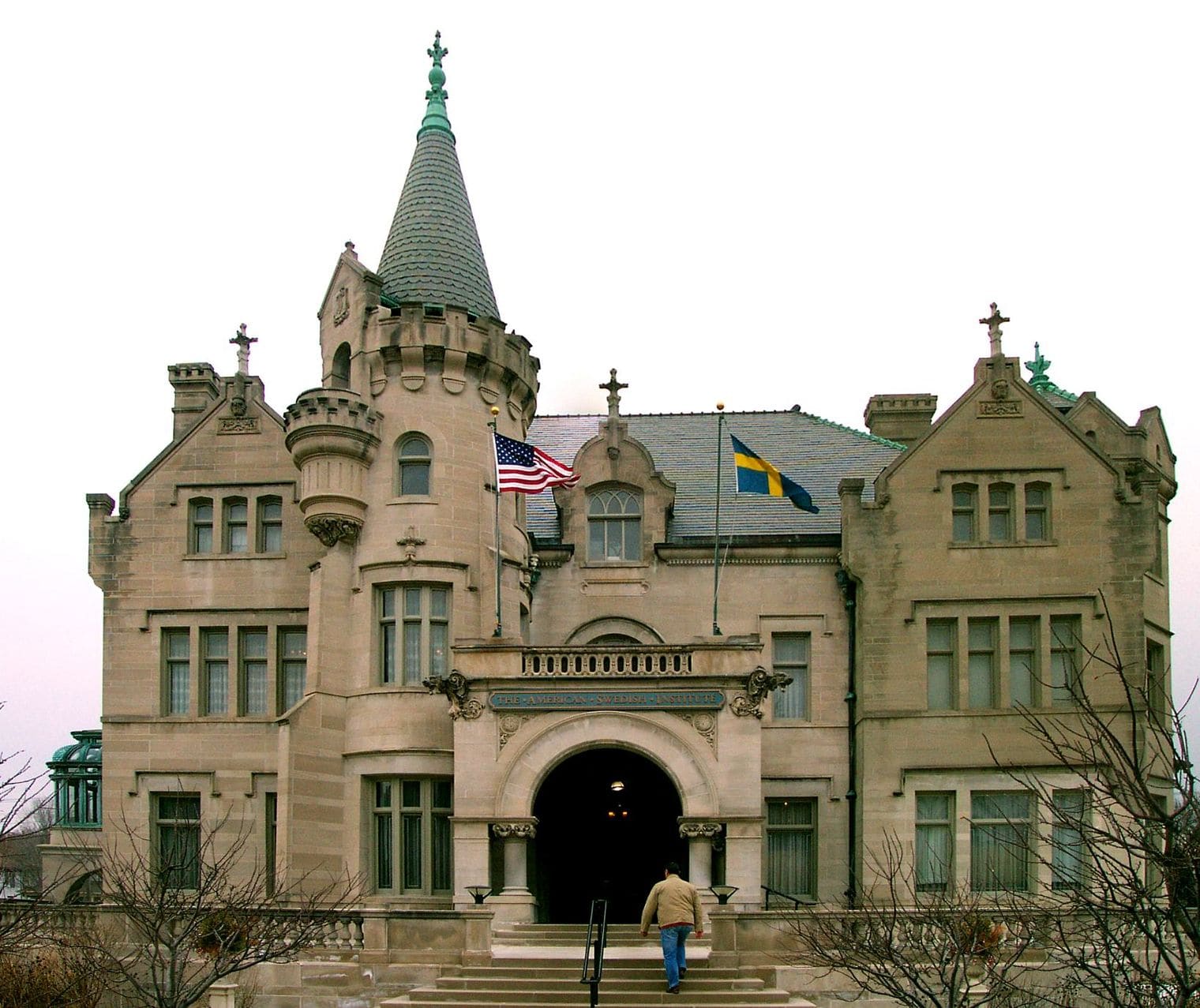
Step into the American Swedish Institute and you enter the historic Turnblad Mansion, a museum and cultural center where ornate woodwork and intricate detailing set an old-world tone. Swedish exhibits explore heritage and tradition, while a strong current of contemporary Scandinavian design keeps the galleries feeling fresh, layered, and thoughtfully curated throughout your visit.
Beyond the exhibits, the institute doubles as a lively creative hub, offering hands-on art classes that connect visitors to Nordic craft. When you need a break, an outdoor patio pairs with a Scandinavian café serving light bites and coffee. Before you leave, browse the well-regarded gift shop, stocked with design-minded finds worth carrying home.
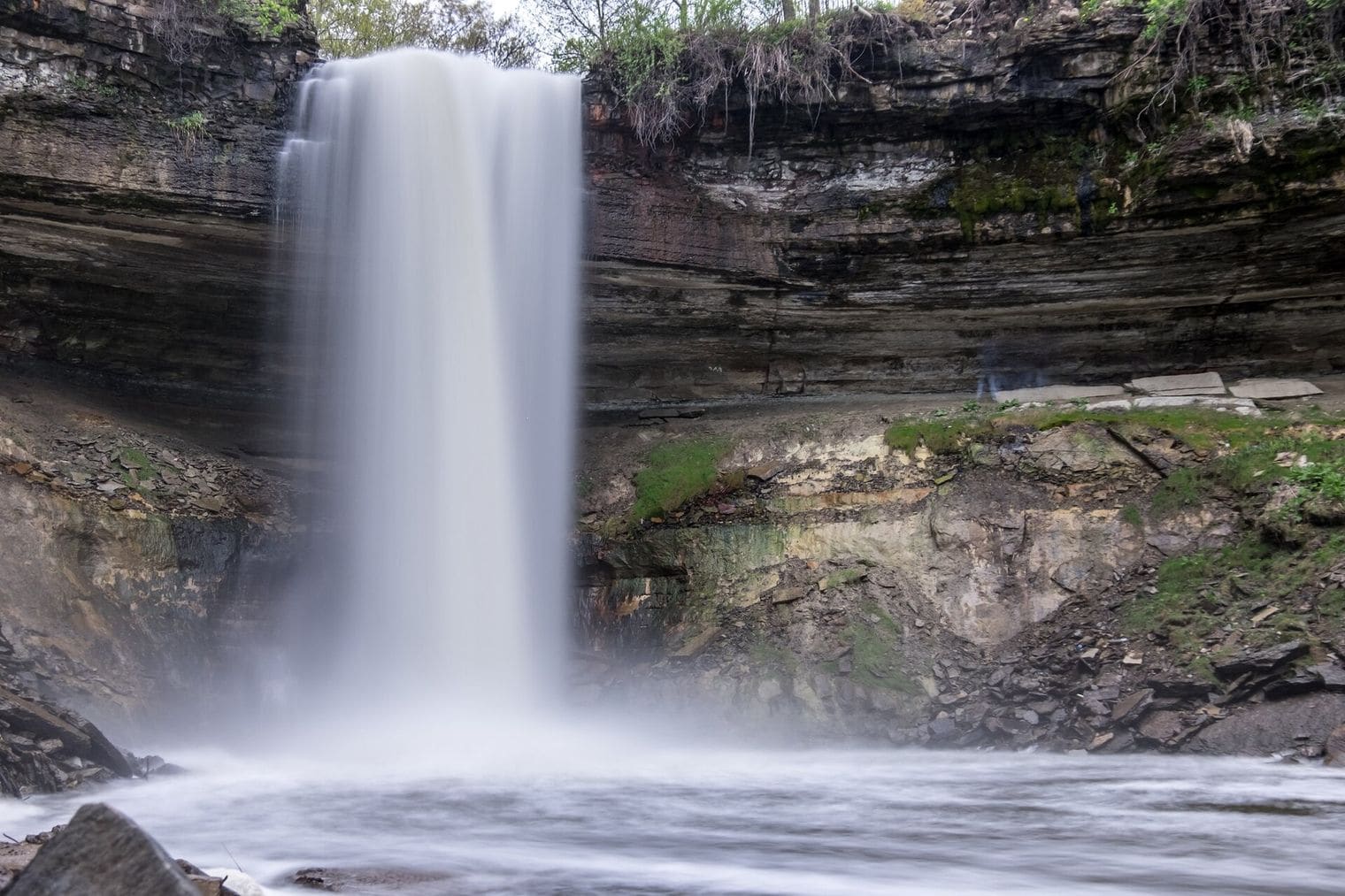
Tucked into Minnehaha Park, Minnehaha Falls is a striking cascade that draws visitors in every season. It’s a genuine year-round spectacle, tumbling freely through the warmer months and freezing into a dramatic sheet of ice in the depths of winter. However you catch it, the falls make an easy and rewarding centerpiece for an afternoon spent exploring the surrounding parkland.
Beyond the water, the park invites you to linger with plenty of room for picnicking, plus walking and running trails that wind through the greenery and down toward river access. A staircase leads to the base for a closer look, though it can turn slippery, so watch your footing. Grab a bite from the concessions and settle in for an unhurried visit.
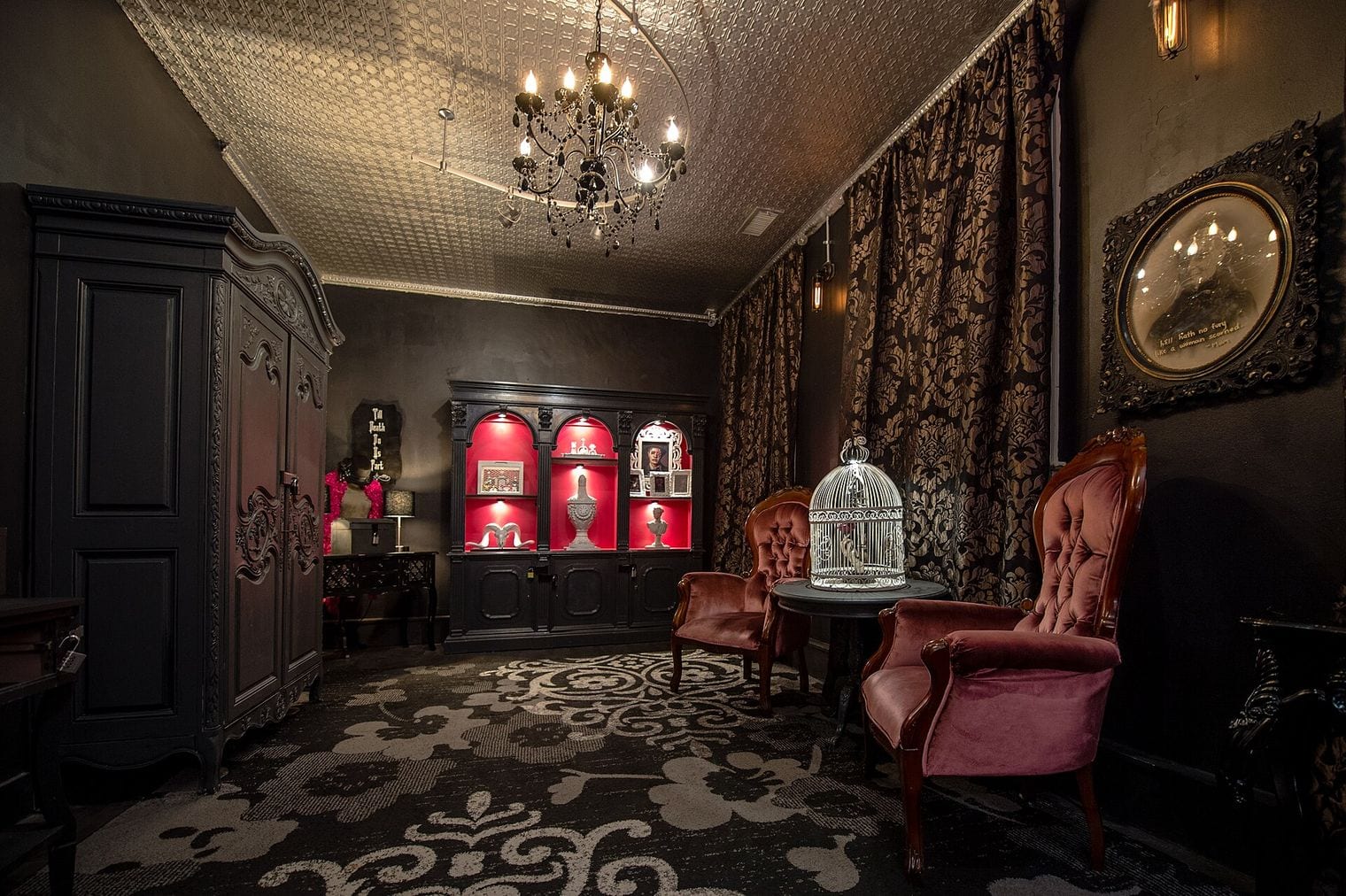
Tucked inside the Mall of America, the Escape Game invites you and your crew into elaborately themed rooms where the clock ticks down and the pressure builds. Each scenario runs about an hour, and the choices span a wide range of adventures, so groups can pick a mission that suits their mood and pace.
Choose from a Mars mission, a Gold Rush hunt, a heist, a prison break, or a special-ops challenge, each dressed in richly detailed sets that pull you into the story. The staff excel at keeping the whole family engaged, offering hints and encouragement so every player stays involved from the first clue to the final reveal.
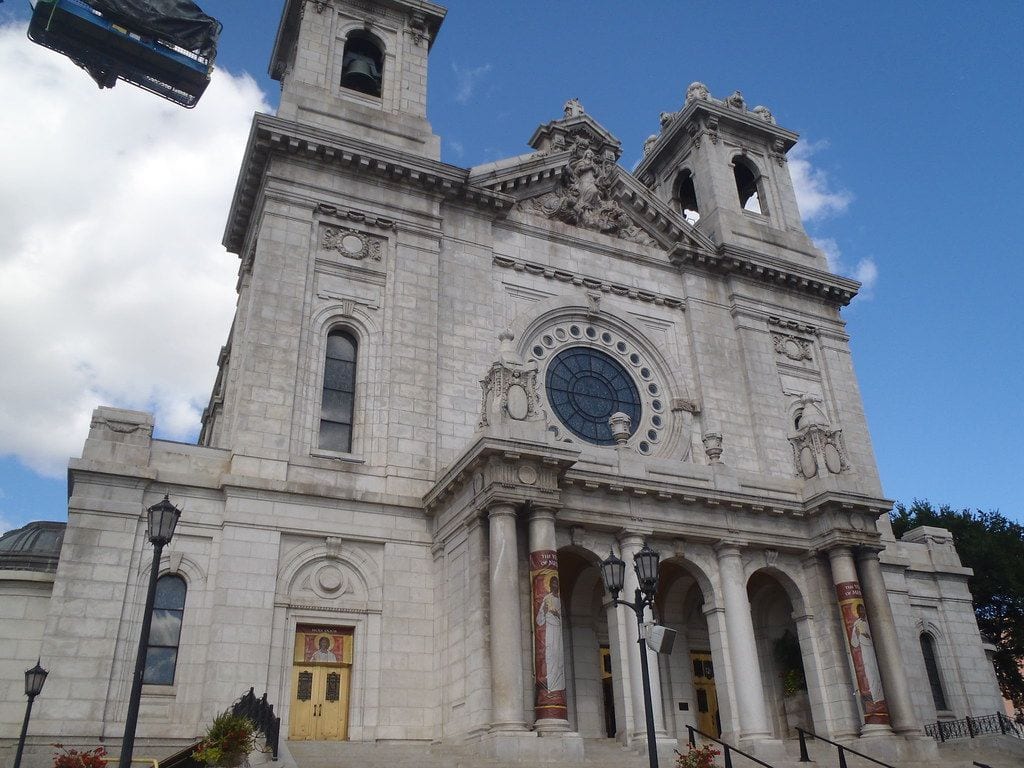
The Basilica of Saint Mary holds a special place in American religious history as the first basilica established in the United States, a distinction it earned in 1926. Step inside and you’ll find luminous stained-glass windows, a striking altar, and a notable organ whose sound fills the vast, quietly reverent space of this landmark church.
Beyond the sanctuary, an art gallery gathers works spanning five centuries, and seasonal nativity scenes draw visitors during the holidays. Because this remains an active basilica, plan your visit respectfully and mind any services in progress. The parish also runs community programs, giving the building a living role well beyond its role as a place of worship.
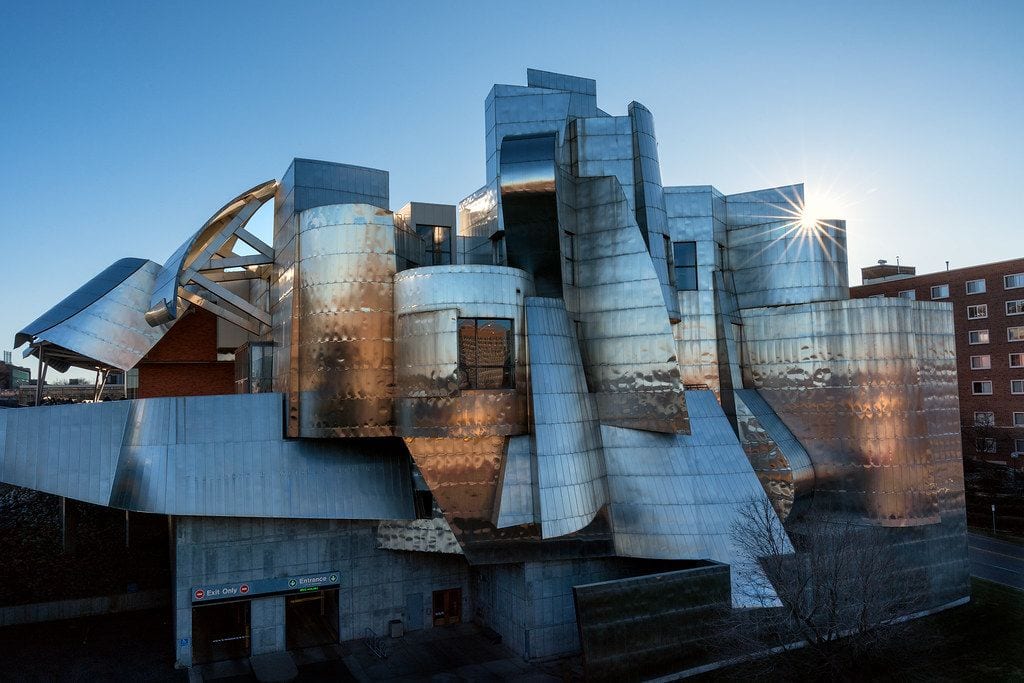
On the University of Minnesota campus, the Weisman Art Museum occupies a striking Frank Gehry-designed building of stainless steel and brick that rises above the Mississippi River. Compact but rewarding, it makes an easy stop whether you’re exploring the riverfront or wandering the campus, and the architecture alone is worth the visit before you even step inside.
Inside, the collection spans American and contemporary art, ceramics, and works on paper, displayed in bright, naturally lit galleries. Interactive pieces invite you to slow down and engage rather than simply pass through. Its small scale is a virtue here, letting you take in the highlights without feeling rushed, making it a thoughtful, low-key counterpoint to the city’s larger cultural stops.
Best Time to Visit Minneapolis
Summer, from June through August, is peak season: warm days around the lakes, patios in full swing, and a packed calendar of outdoor festivals. Early fall — especially September — is a local favourite, with mild temperatures, low humidity, and thinner crowds. Late spring is pleasant too.
Winter is long and genuinely cold, but Minneapolis leans into it with skating, cross-country skiing, and winter festivals, and the downtown Skyway keeps you warm between stops. Come summer for the lakes and festivals, fall for the color and comfort, and winter only if you embrace the season.
Getting to Minneapolis
Minneapolis sits at the crossroads of Interstates 35 and 94, making it an easy drive from much of the Upper Midwest. Interstate 35 splits into 35W and 35E through the Twin Cities, while I-94 runs east–west between Minneapolis and St. Paul.
By air, Minneapolis–St. Paul International Airport (MSP) is a major hub just south of the city, roughly 20 to 30 minutes from downtown. Amtrak and long-distance buses also serve the Twin Cities, giving car-free travellers a way in.
Getting Around Minneapolis
Downtown and neighbourhoods like the North Loop and Uptown are walkable and bikeable, and Minneapolis is one of the more cycling-friendly big cities in the country. Metro Transit's Blue Line light rail is especially handy, connecting downtown and Target Field with the airport and the Mall of America.
A car helps for outlying parks and suburban stops, but the skyway, light rail, buses, and rideshare cover most visitor needs. In winter, the enclosed Skyway lets you move between downtown destinations without stepping outside — worth remembering when planning your day.
Where to Stay in Minneapolis
Downtown is the most central base, close to the riverfront, theatres, and the Skyway, and well connected by light rail. The North Loop (the old Warehouse District) is the trendy pick, walkable and packed with restaurants and nightlife in converted brick warehouses.
Uptown, near the chain of lakes, suits visitors who want a lakeside, neighbourhood feel with easy access to biking paths. Families and Mall of America visitors often base near the airport in Bloomington, a short light-rail ride from downtown. Choose the district that matches your pace rather than any single property.
Where to Eat in Minneapolis
The North Loop is the city's buzziest dining district, its warehouse blocks full of chef-driven restaurants, coffee roasters, and bars. Uptown and the Lyn-Lake area lean more casual and eclectic, while Eat Street along Nicollet Avenue is known for its dense run of international kitchens.
Local flavours worth seeking out include the Minnesota classic Juicy Lucy — a burger with cheese sealed inside the patty — plus Scandinavian baking, wild rice dishes, and a strong craft-beer and coffee scene. Follow the districts and the local specialties rather than a fixed list of names.
One Day in Minneapolis
Morning: Start on the riverfront at the Mill City Museum to trace the city's flour-milling roots, then walk out onto the Stone Arch Bridge for the classic view of St. Anthony Falls and the skyline, looping through the ruins at Mill Ruins Park.
Evening: Catch a show at the Guthrie Theater and step onto its Endless Bridge for a last look at the river, or drive across to the Mall of America if you want to end the day with shopping and rides under one roof.
Day Trips from Minneapolis
Stillwater, about half an hour east on the St. Croix River, is a historic riverfront town of antique shops, cafés, and boat cruises — one of the easiest and prettiest escapes from the city. St. Paul, the state capital just across the river, adds cathedrals, museums, and its own riverfront within minutes.
For a bigger outing, drive north to Duluth on Lake Superior, about two and a half hours away, where the Aerial Lift Bridge, the Lakewalk, and the vast inland sea make a memorable overnight. Nearby state parks and the wider Minnesota lake country are also within reach for a day.
FAQ: Visiting Minneapolis
What is Minneapolis known for?
Minneapolis is known as the City of Lakes and half of the Twin Cities, famous for its lakes and parks, a riverfront milling history that gave rise to General Mills and Pillsbury, a strong arts scene led by the Walker Art Center and the Minneapolis Institute of Art, and the enormous Mall of America nearby in Bloomington.
Is Minneapolis worth visiting?
Yes. Between world-class art museums, the scenic riverfront and St. Anthony Falls, a chain of walkable lakes, the Mall of America, and a lively food and music scene, Minneapolis packs a lot into a compact, easy-to-navigate city — enough to fill a long weekend and then some.
How many days do you need in Minneapolis?
Two to three days is enough to hit the highlights — the riverfront and mill district, the major museums, a lake or two, and the Mall of America. Add another day or two if you want to slow down, explore neighbourhoods like the North Loop and Uptown, or take a day trip to Stillwater or Duluth.
When is the best time to visit Minneapolis?
Summer (June–August) is best for the lakes, patios, and festivals, while September brings mild weather and fewer crowds. Winters are long and cold, but the city embraces the season with skating, skiing, and winter festivals, and the downtown Skyway keeps you comfortable between stops.
Is Minneapolis walkable?
Downtown and neighbourhoods like the North Loop and Uptown are very walkable and bikeable, and the enclosed Skyway system links dozens of downtown buildings — a real advantage in winter. A car is handy for outlying parks and suburbs, but light rail and buses cover most visitor needs.
What free things are there to do in Minneapolis?
Plenty. The Minneapolis Institute of Art and the Minneapolis Sculpture Garden are free to enter, and there's no charge to walk the Stone Arch Bridge, visit Minnehaha Falls, stroll the lakeside paths at Lake Harriet, or explore the riverfront mill ruins along the Mississippi.
How far is Minneapolis from Mall of America?
Mall of America is in Bloomington, just south of Minneapolis, about 20 to 30 minutes by car from downtown. It's also directly connected by the Blue Line light rail, which runs from downtown and Target Field through the airport to the mall — an easy, car-free trip.