Nevada is best known as the home of world-famous Las Vegas, but the Silver State is far more than its neon. Beyond the Strip, this western state unfolds into vivid red-rock deserts, snow-capped Sierra peaks, the crystal water of Lake Tahoe, and ghostly reminders of its Old West mining boom. It is the driest state in the country and a top producer of gold, with wide-open desert scenery that has served as the backdrop for countless Westerns. Here are 25 of the best things to do in Nevada.
Fun Facts About Nevada
Nevada is nicknamed the “Silver State” after the Comstock Lode silver strike of 1859, which sparked a huge mining boom.
It is the driest state in the US, with most areas receiving under 10 inches of rain a year.
Today Nevada is the country’s leading gold producer, and mining remains a major industry.
The state is home to the secretive Area 51 military site and hosts the annual Burning Man festival in the Black Rock Desert.
Lake Tahoe, on the California border, is the largest alpine lake in North America and the second-deepest lake in the US.
Great Basin National Park’s bristlecone pines are among the oldest living organisms on Earth, some over 4,000 years old.
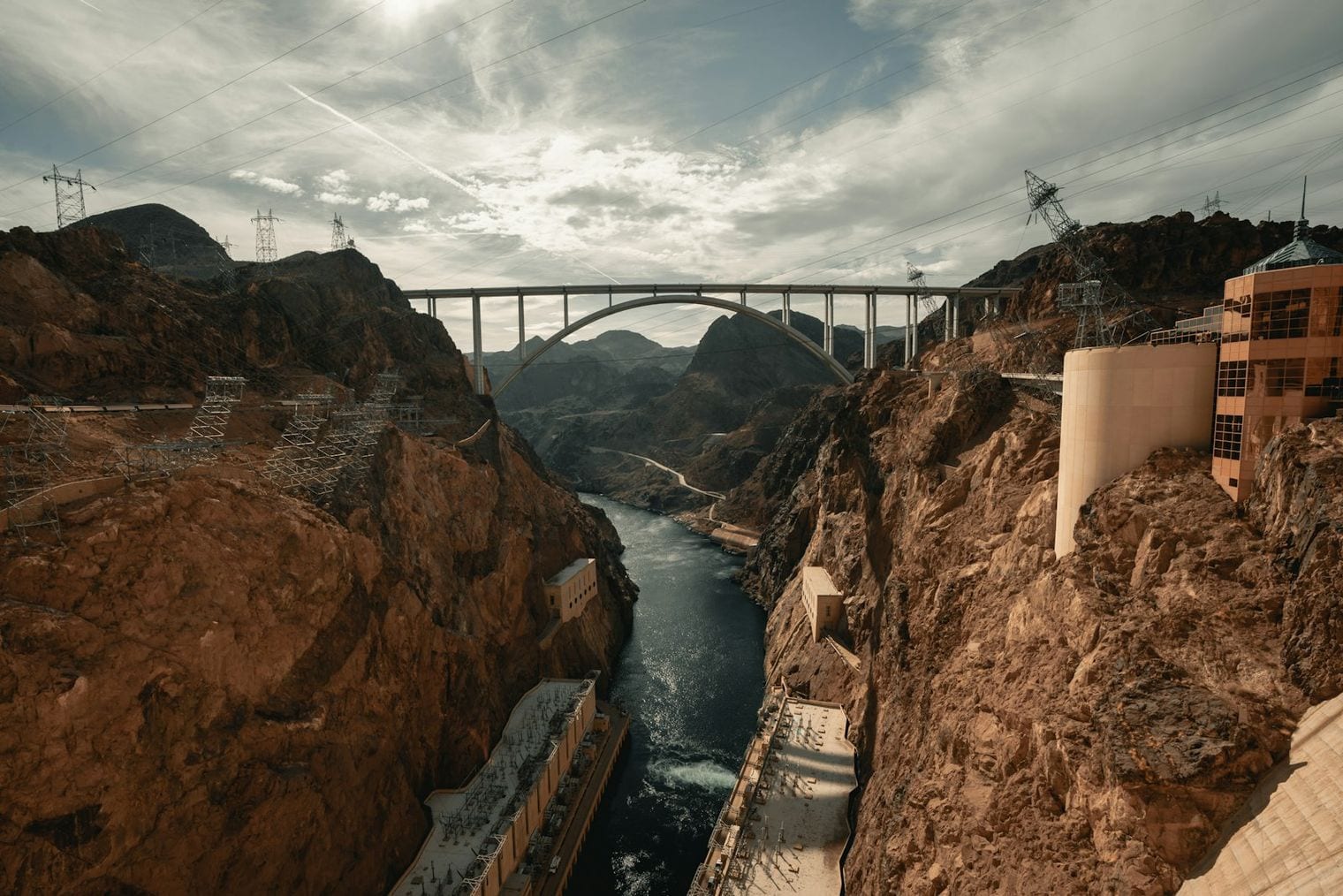
Straddling the Nevada-Arizona border on the Colorado River, Hoover Dam is a concrete arch-gravity dam built during the Great Depression and completed in 1935. It impounds Lake Mead and generates hydroelectric power, an engineering marvel that draws crowds to walk its walkways and take in the scale of the structure below.
A hugely popular day trip from Las Vegas, the dam rewards visitors with guided tours and open walkways spanning the crest. Standing above the wide expanse of Lake Mead, travelers get a firsthand sense of the ambition behind the project and the quiet power of the river it channels toward turbines below.
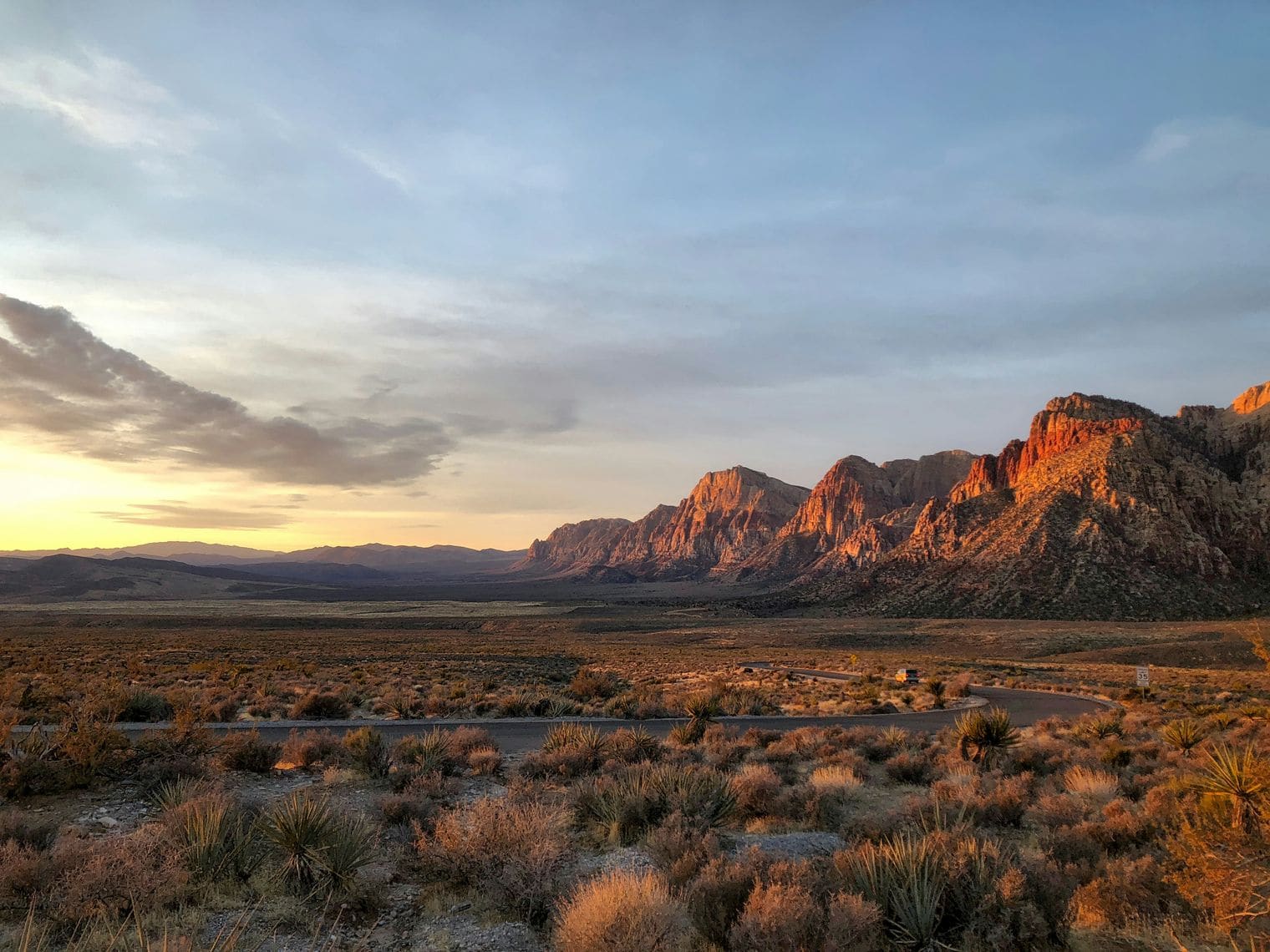
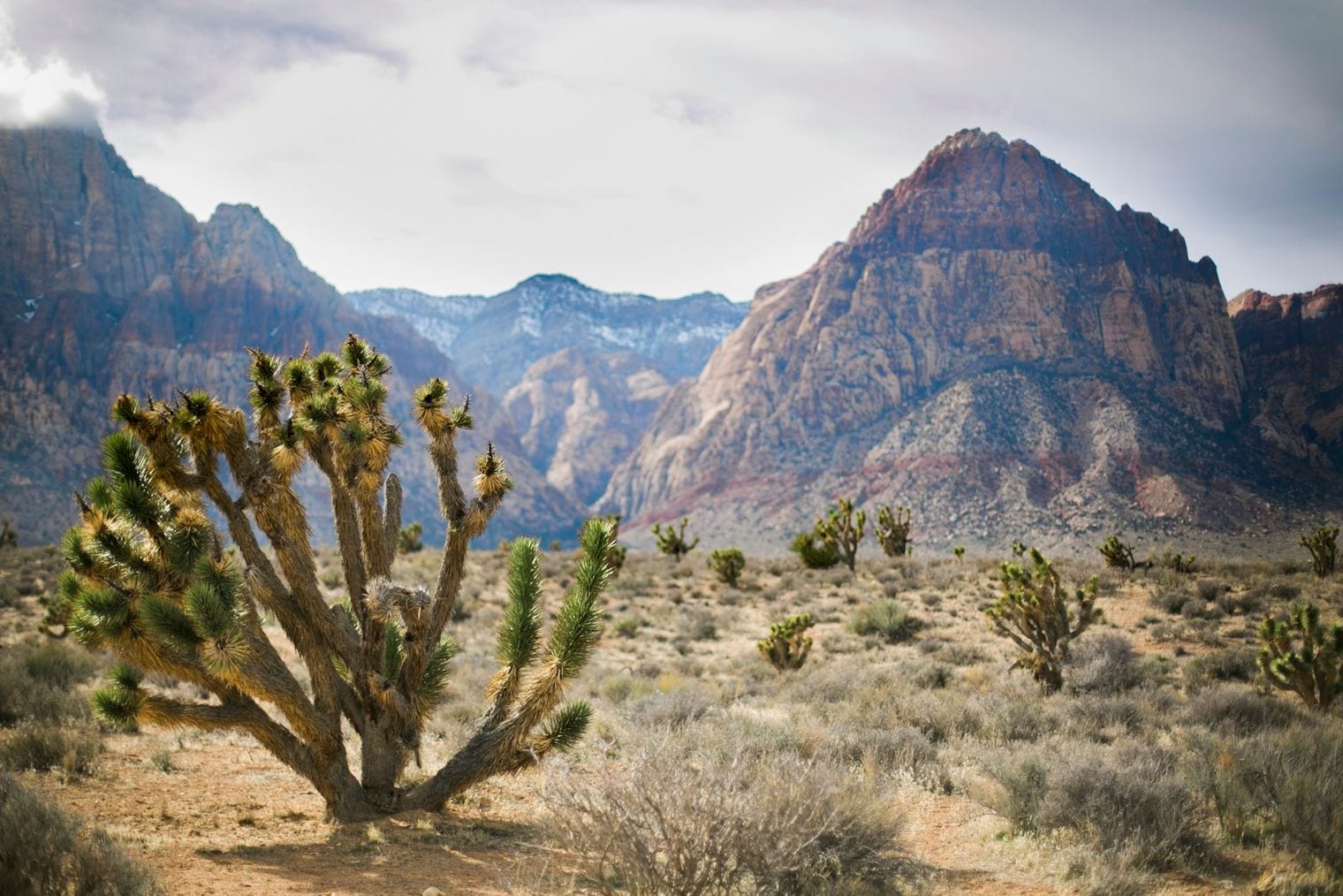
Less than 20 miles west of the Las Vegas Strip, Red Rock Canyon National Conservation Area trades the neon for dramatic red sandstone cliffs and sculpted rock formations. Managed by the Bureau of Land Management, this desert expanse earned distinction as Nevada's first National Conservation Area, designated in 1990, and remains a striking escape from the city's glare.
A scenic drive threads past the most photogenic overlooks, giving casual visitors a taste of the landscape without leaving the car. Those wanting more find miles of hiking trails winding through the cliffs and canyons, while the sheer sandstone walls draw climbers from around the globe for some of the best rock climbing anywhere in the desert Southwest.
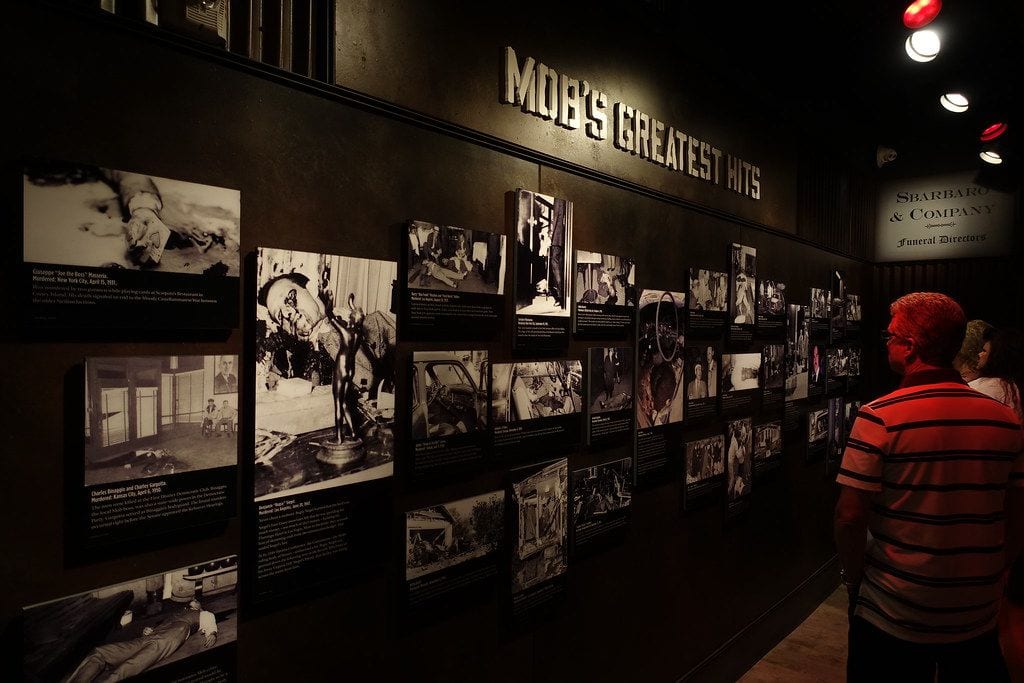
Downtown Las Vegas rewards visitors who look past the neon, and The Mob Museum makes a compelling case. Officially the National Museum of Organized Crime and Law Enforcement, it fills a former federal courthouse, letting its historic setting frame a story that shaped the city itself.
Interactive exhibits trace the rise of the Mob and the law enforcement that fought back, a chapter woven deep into Las Vegas history. It ranks among the best-reviewed attractions downtown, drawing travelers who want the grittier, more human story behind the glittering resort city they thought they knew.
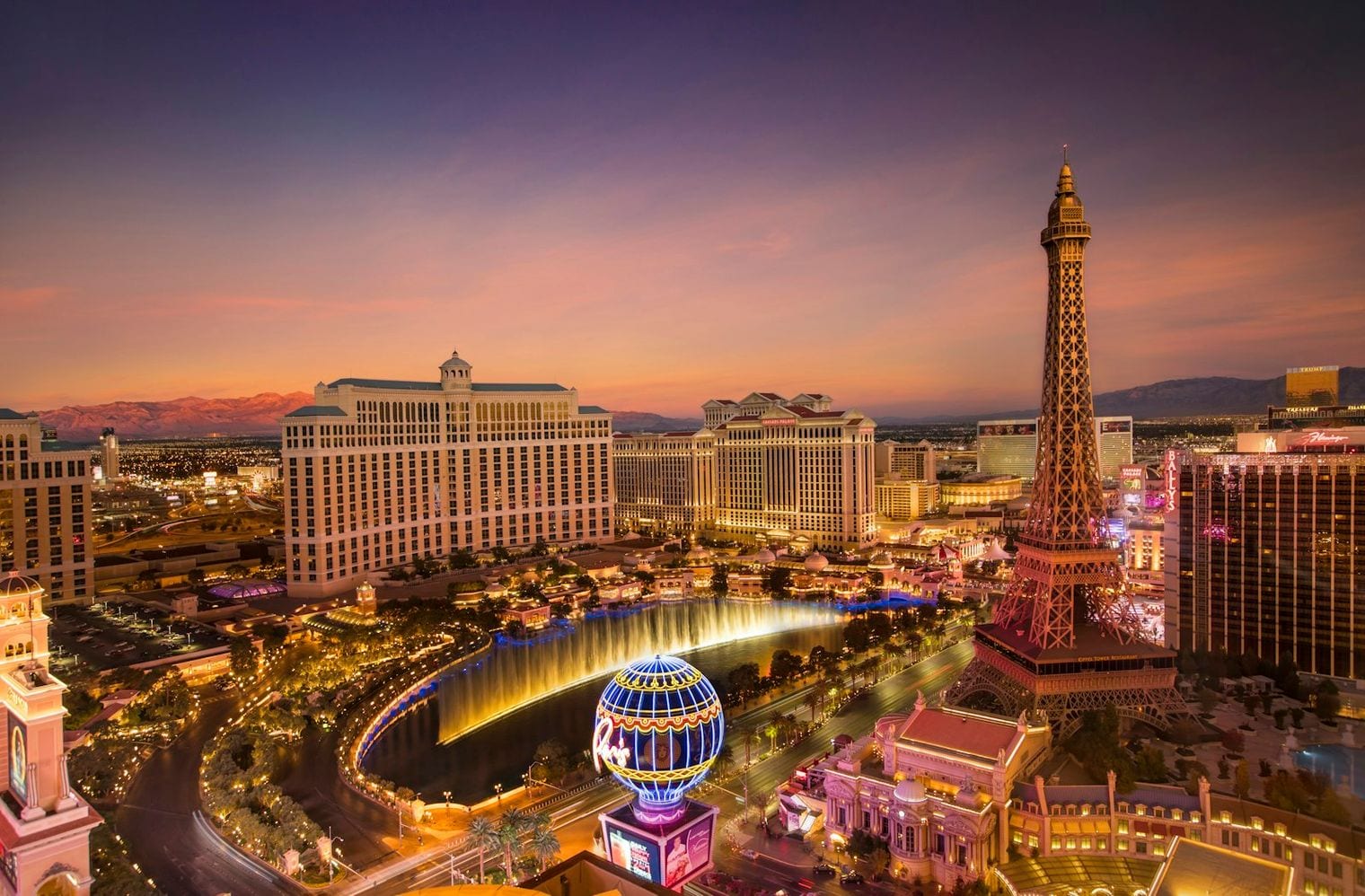
The Las Vegas Strip is the world-famous stretch of Las Vegas Boulevard lined with mega-resorts, casinos and themed hotels. It sits at the heart of the Las Vegas experience, gathering most of the city's iconic hotels and attractions along a single dazzling corridor. Neon glows overhead, shows fill the theaters, and the crowds move from one landmark to the next.
Walkable and best seen after dark, the boulevard turns electric once the lights come on and the resorts light up their facades. Visitors drift between casinos, catch a show, and take in the spectacle without ever needing a car. It remains the definitive Vegas outing, packing the city's biggest names into one glittering, endlessly entertaining stroll.
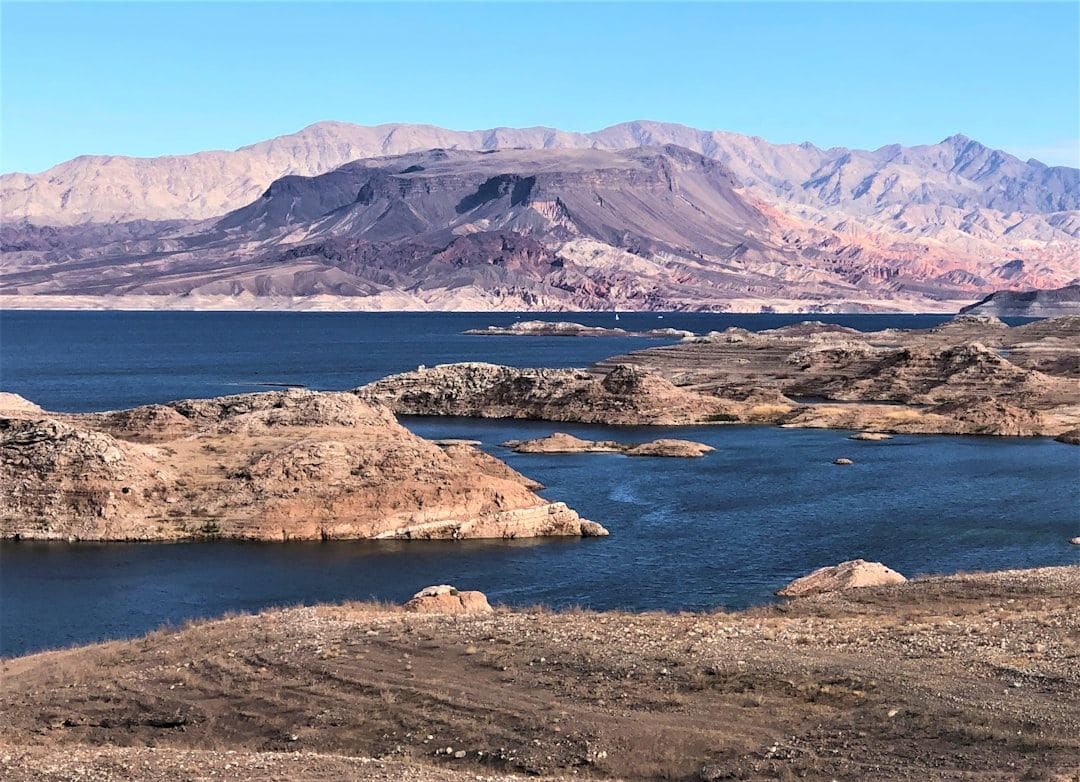
Just a short drive from the neon of Las Vegas, Lake Mead National Recreation Area wraps a sprawling stretch of desert around the reservoir that Hoover Dam holds back on the Colorado River. Measured by water capacity, Lake Mead ranks as the largest reservoir in the country, a startling expanse of blue set against sun-baked stone.
The water invites boating, fishing and swimming, while the shoreline unfolds into wide-open desert scenery in every direction. It makes an easy escape from the city, trading crowded casinos for quiet coves and long horizons. Drought has drawn levels down in recent years, yet the sheer scale of the place still leaves most first-time visitors genuinely surprised.
On the Las Vegas Strip, Madame Tussauds Las Vegas brings the famous wax museum chain to Nevada with lifelike figures of celebrities, athletes and pop-culture icons. Visitors move from one uncannily detailed likeness to the next, striking poses and snapping photos alongside the stars, sports legends and screen personalities rendered in wax.
Beyond the standing figures, interactive displays invite guests to step into the scenes rather than simply admire them from a distance, making the visit hands-on and playful. Fully indoors and easy to fold into a day on the Strip, it stays comfortable whatever the desert weather, offering a fun, family-friendly stop that keeps every age entertained.
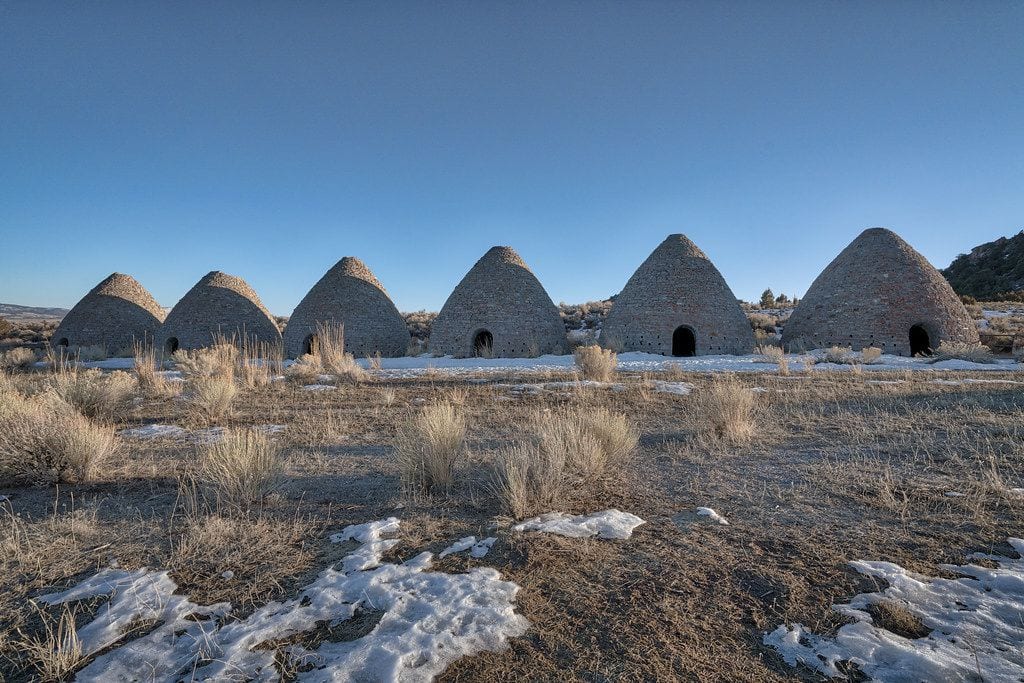
In the high desert of eastern Nevada near Ely, Ward Charcoal Ovens State Historic Park preserves six large beehive-shaped stone ovens built in the 1870s. They were used to turn wood into charcoal for processing local silver ore, and today they stand as one of the region's most striking relics of Nevada's mining boom.
Set against a quiet, open landscape, the ovens remain remarkably well preserved, their curved stone walls rising from the sagebrush like something from another century. It is a remote, uncrowded stop that rewards the drive, giving visitors a tangible sense of the industry that once fueled the silver rush across this corner of the state.
Modeled on the shores of Italy's Lake Como, the Bellagio Hotel & Casino stands as an icon of upscale Las Vegas on the famous Strip. This luxury resort-casino wraps its gaming floor and grand interiors in refined Old-World elegance, drawing visitors who come as much for the atmosphere and setting as for the games themselves.
Beyond the casino, the property rewards wanderers with its celebrated fountains, a lush seasonal conservatory, and a fine-art gallery that has exhibited works by acknowledged masters. Together these attractions make the resort a destination in its own right, blending Italian-inspired romance with the polish and spectacle that define this corner of the Las Vegas Strip.
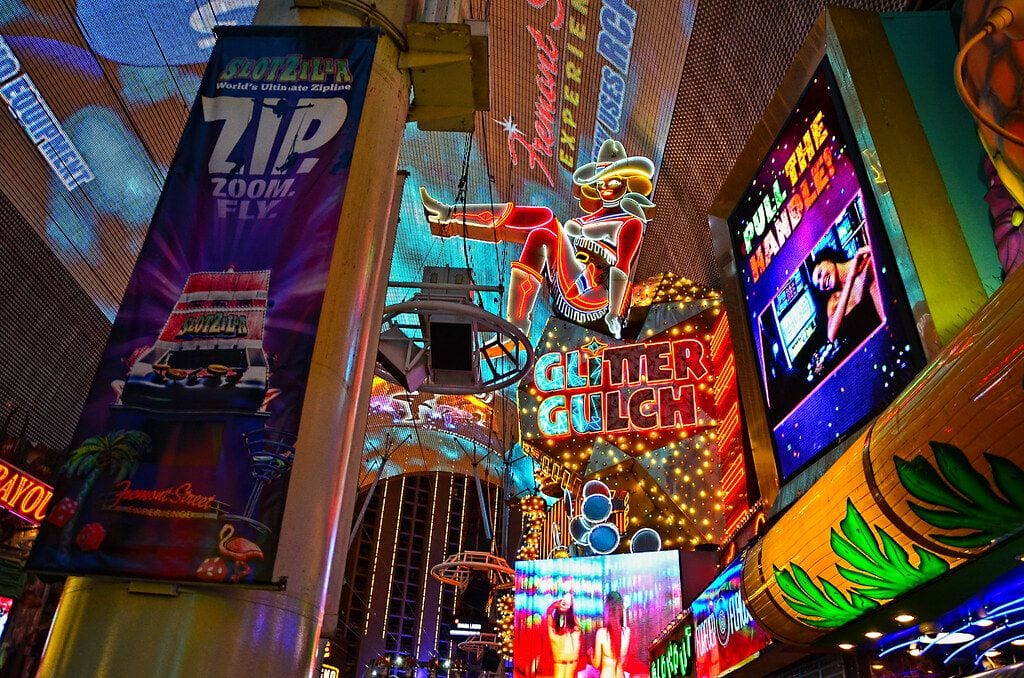
Downtown Las Vegas hums along Fremont Street, the pedestrian entertainment district known as 'Old Vegas.' This is the oldest part of the city, dating to its 1905 founding and predating the Strip entirely. Classic casinos line the walkable corridor beneath a soaring overhead canopy, where the crowds, neon, and old-school swagger feel worlds away from the modern resorts nearby.
A 24-hour LED light show washes across that giant canopy overhead, turning the whole street into a pulsing ceiling of color after dark. Thrill-seekers zip the length of the district on a zipline strung high above the crowds. Between the classic casinos, the historic atmosphere, and the spectacle overhead, this pocket of downtown packs an unmistakable energy.
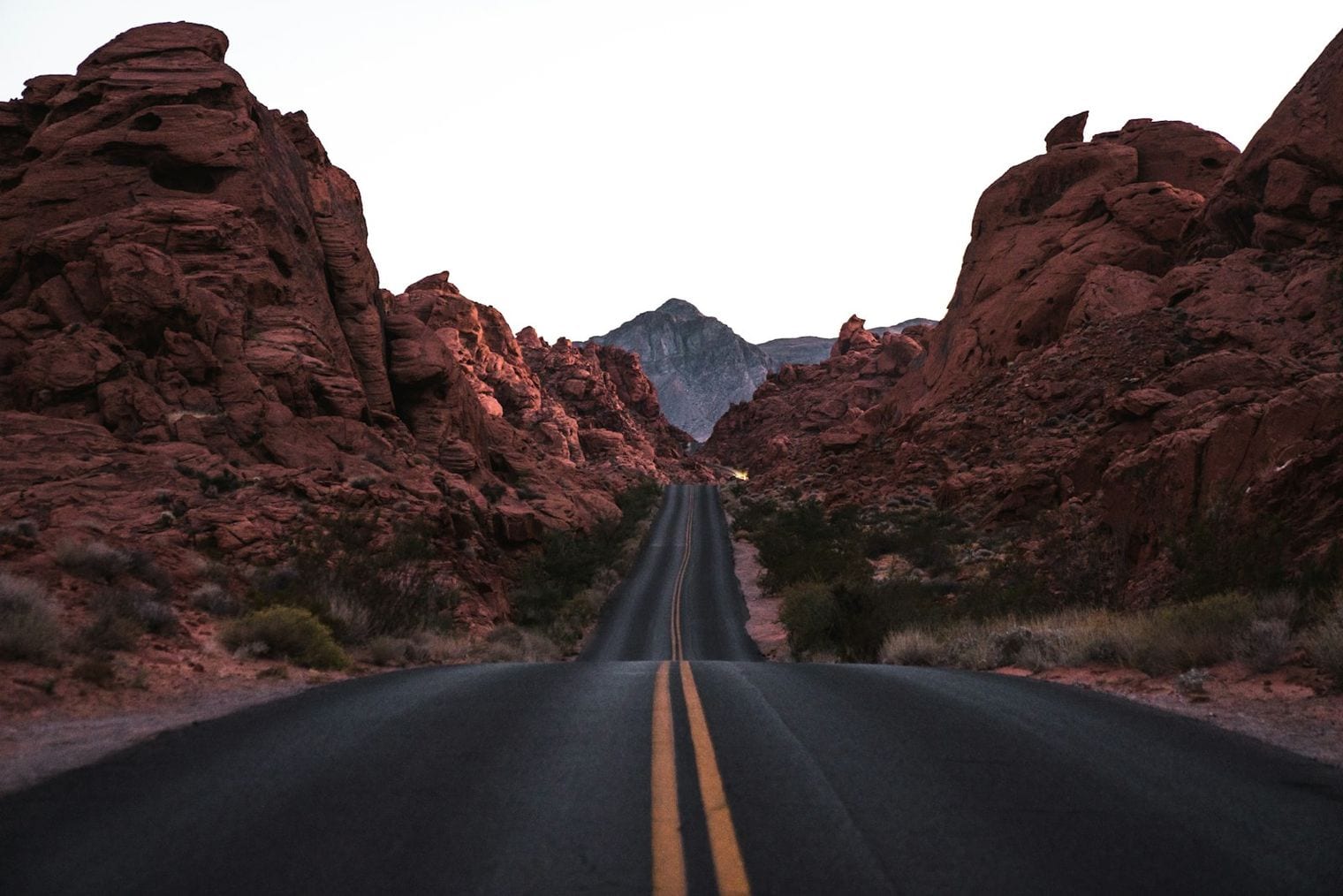
Northeast of Las Vegas, Valley of Fire State Park is Nevada's oldest state park, named for the brilliant red Aztec sandstone formations that seem to catch light and glow at sunrise and sunset. The landscape reads as something otherworldly, a stretch of desert where the rock itself becomes the main attraction.
Ancient petroglyphs etched into the stone hint at the people who passed through long before it drew visitors. Scenic drives thread among the formations, while hiking trails lead deeper into the desert terrain. Together they make the park a place to slow down and take in colors and shapes found almost nowhere else.
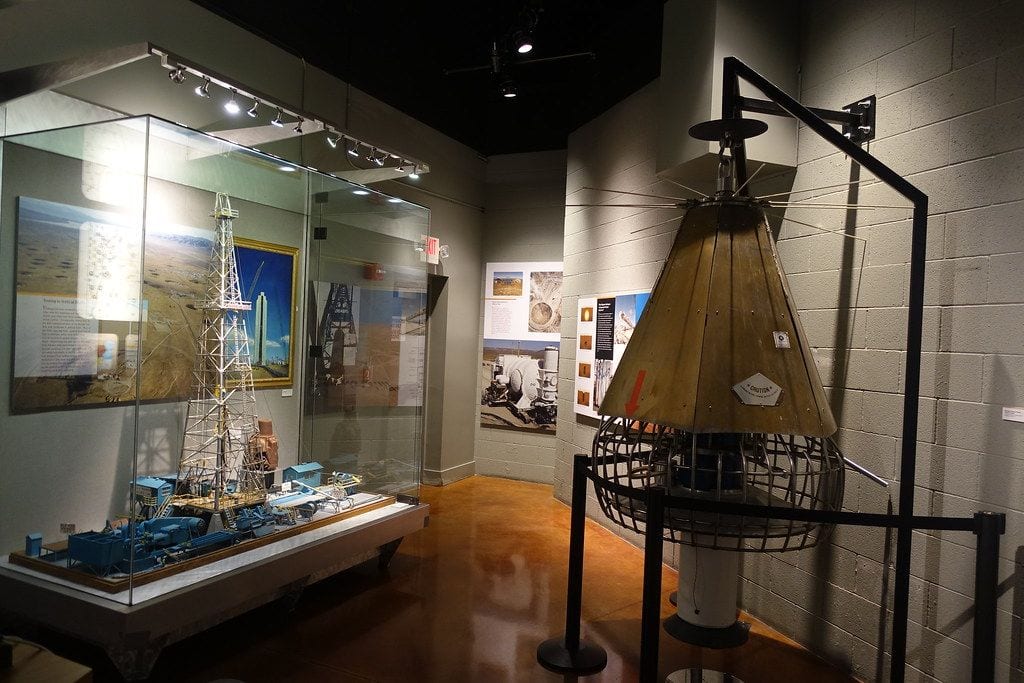
History turns unnervingly close at the National Atomic Testing Museum in Las Vegas, a Smithsonian-affiliated institution that documents nuclear testing at the nearby Nevada Test Site through the Cold War. Its artifacts and exhibits trace an era when the desert north of the city trembled with detonations, making the abstract dread of the atomic age feel startlingly concrete and human.
Beyond the mushroom-cloud footage and declassified relics, the museum devotes a gallery to Area 51, leaning into the secrecy and speculation that still surround Nevada's guarded stretches of desert. The result is a uniquely Nevada experience, blending sober scientific record with the state's enduring mystique, and rewarding curious travelers who want more than neon from their visit.
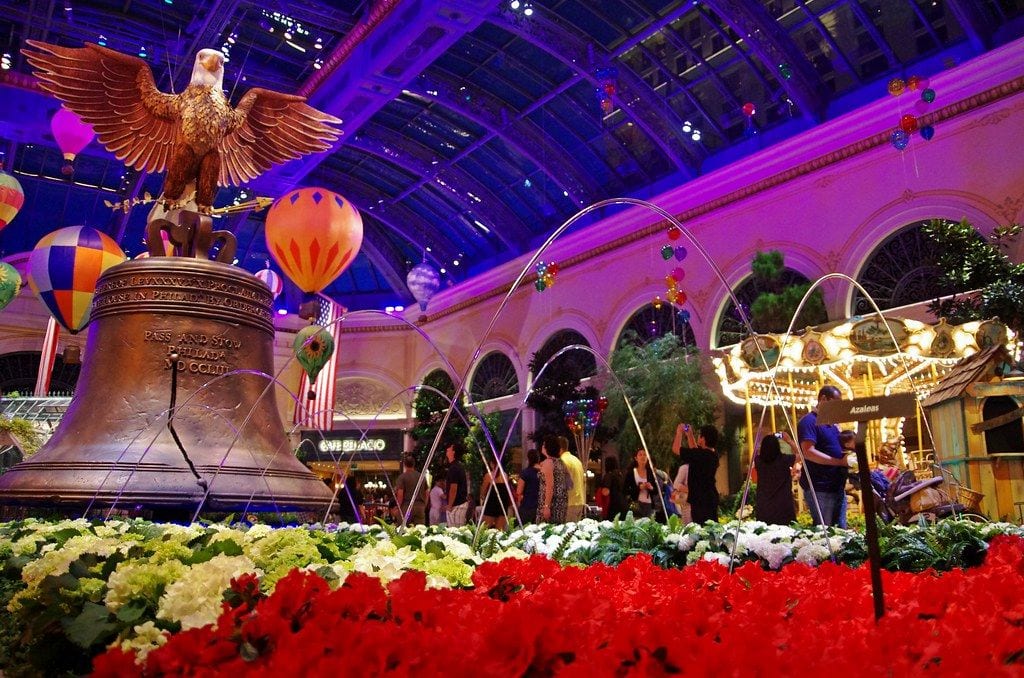
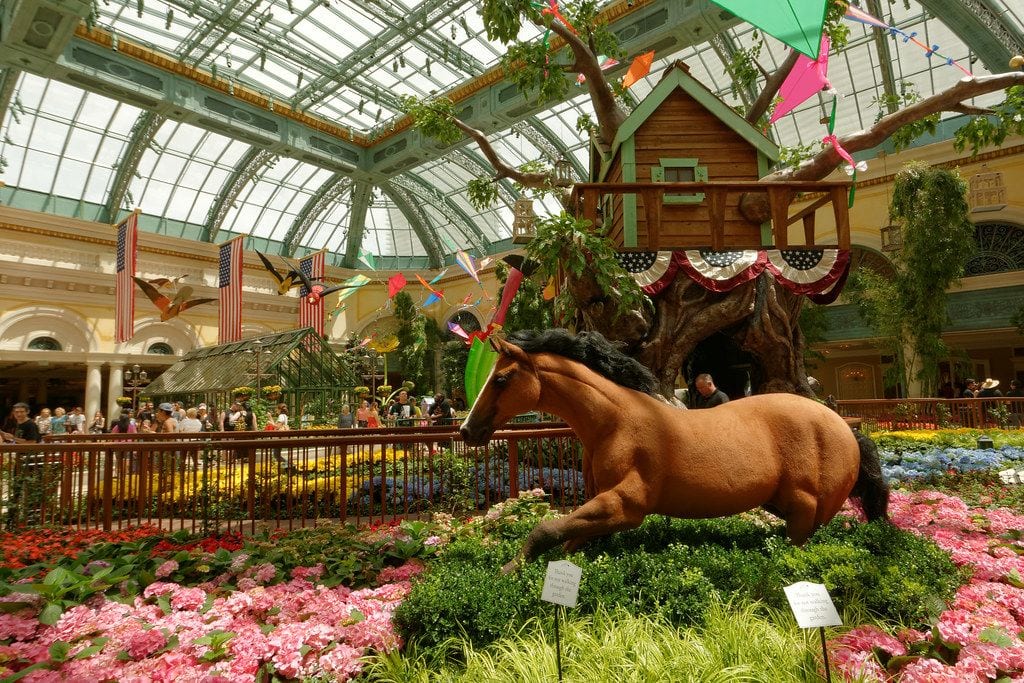
Tucked inside the Bellagio on the Las Vegas Strip, the Bellagio Conservatory & Botanical Gardens is an elaborate indoor garden that trades slot machines for greenery. Seasonally-changing floral displays fill the space, woven together with sculptures and living art that shift the whole scene as the calendar turns, so no two visits look quite the same.
Beautifully themed and endlessly photogenic, it offers a tranquil pause amid the casino bustle, and it is free to wander at your own pace. Visitors drift through the arrangements, camera in hand, soaking up the colors and craftsmanship before stepping back into the neon energy of the Strip just outside its doors.
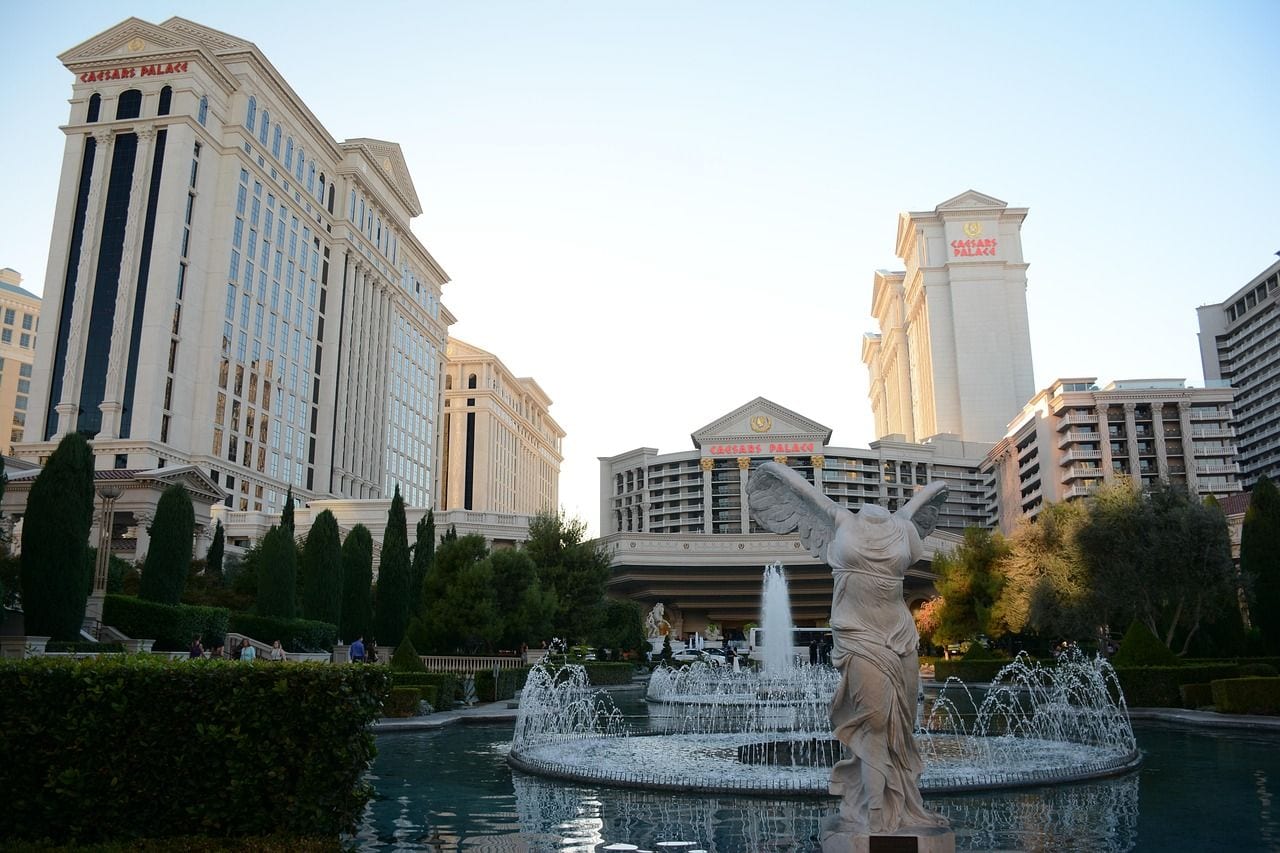
On the Las Vegas Strip, Caesars Palace channels ancient Rome into a luxury resort-casino that has anchored the city's imagination since it opened in 1966. Marble statues and splashing fountains set the theatrical tone, and the grand Roman-themed architecture makes the whole property feel like a stage rather than merely a place to gamble.
Beyond the gaming floor, the resort holds two big draws: the Colosseum, a marquee entertainment venue built for headline performances, and the Forum Shops, a sprawling retail promenade dressed in the same classical style. Woven into Las Vegas history as one of the city's most iconic hotels, it rewards a wander even without a room key.
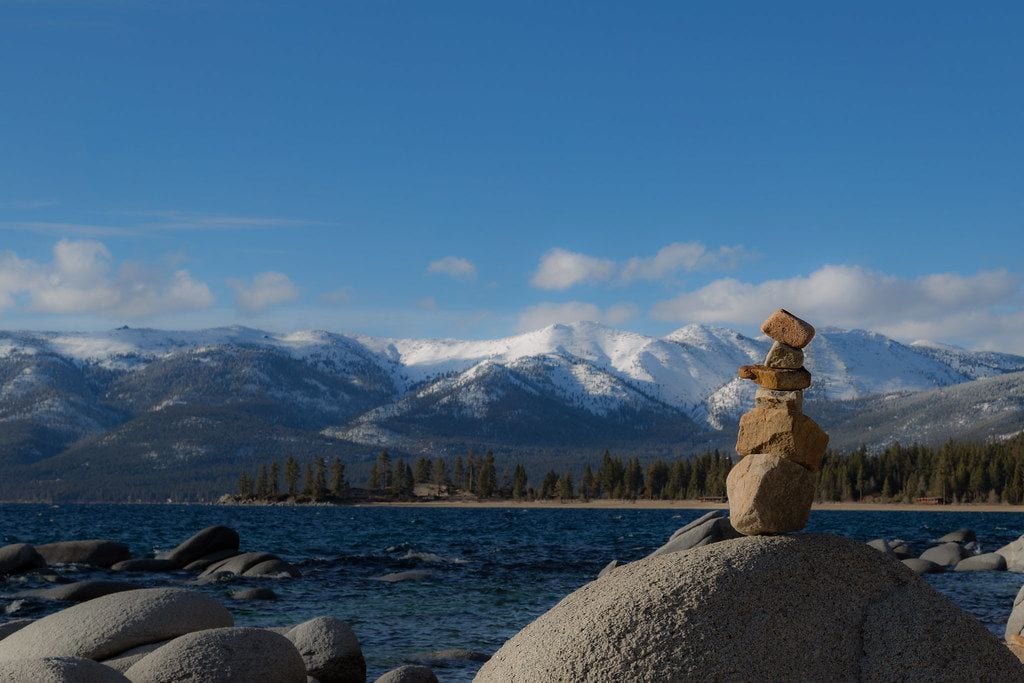
Straddling the California-Nevada border high in the Sierra Nevada, Lake Tahoe is a strikingly clear freshwater lake that ranks as the largest alpine lake in North America. It is also the second-deepest lake in the United States, trailing only Crater Lake. Its scale and clarity make it the unmistakable centerpiece of any Nevada trip.
The setting rewards visitors in every season. Summer draws swimmers and boaters to its beaches, where the transparent water invites long, lazy afternoons on the shore. When snow blankets the surrounding peaks, the same slopes turn to skiing. This year-round playground pairs mountain grandeur with clear water, giving travelers a genuine reason to return again and again.
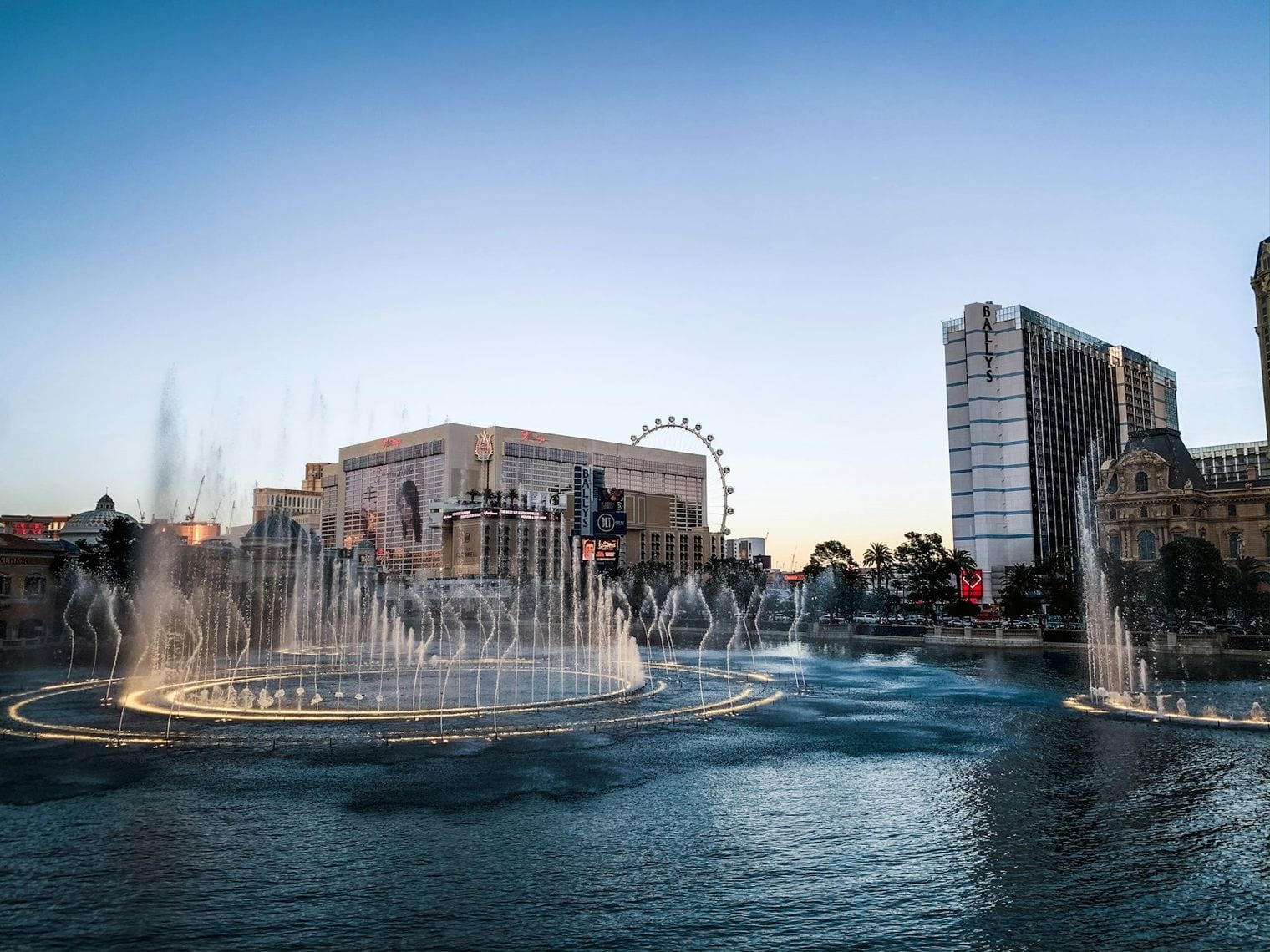
On the lake fronting the Bellagio on the Las Vegas Strip, the Fountains of Bellagio send jets of water dancing to music and light in a choreographed show. It's free to watch, drawing crowds who gather along the rail to catch each performance unfolding across the water.
The spectacle runs throughout the day and into the evening, so travelers can time a stop around dinner, a stroll, or a break between casinos. As one of the most beloved free attractions in Las Vegas, it rewards anyone who simply wanders over and waits a few minutes for the next show.
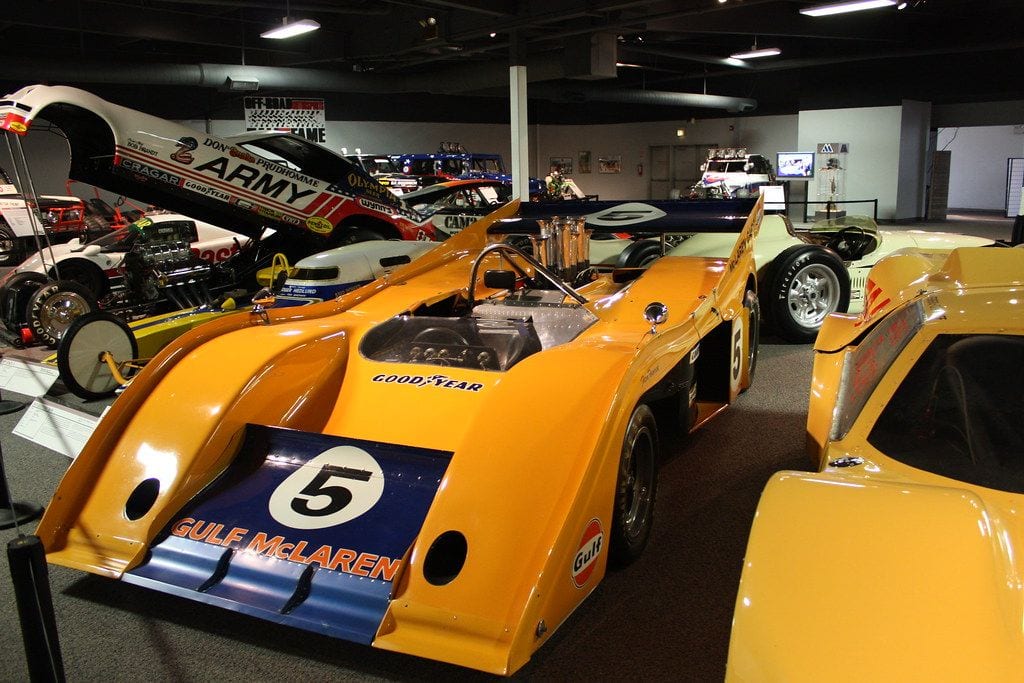
In Reno, the National Automobile Museum grew out of the world-famous car collection of gaming pioneer Bill Harrah, who remains its largest single contributor. Established in 1989 and long known as The Harrah Collection, it earns its reputation as one of the finest automobile museums in the United States, a shrine to a century of American motoring.
Rather than parking cars in rows, the museum stages them within themed street-scene galleries that recreate the eras their vehicles once rolled through, from lamplit avenues to mid-century boulevards. Wandering these period settings, visitors trace how design and craftsmanship evolved decade by decade, making the classic automobiles feel like living pieces of the world they helped create.
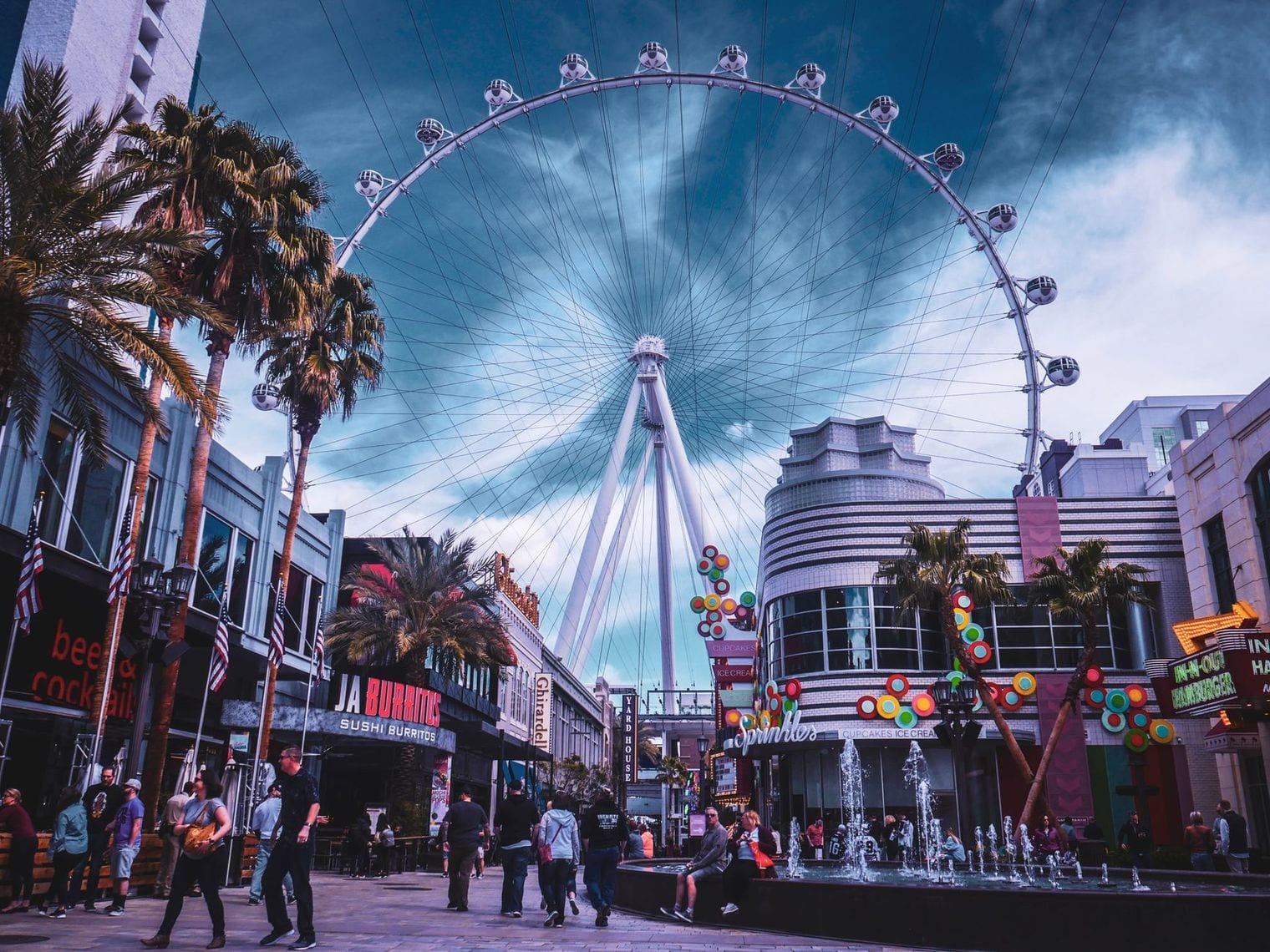
The Linq Promenade sits at the center of the Las Vegas Strip, an open-air stretch of restaurants, bars and shops threading between the resorts. Anchored by the High Roller observation wheel, it draws crowds looking to eat, drink, browse and simply wander through the heart of the action on foot.
Walkable day and night, the promenade shifts easily from casual afternoon strolling to a buzzing after-dark scene. Diners spill onto patios, music carries between the bars, and the shops keep foot traffic moving. It offers a lively, pedestrian-friendly counterpoint to the casino floors, letting visitors soak up the Strip's energy in the open air.
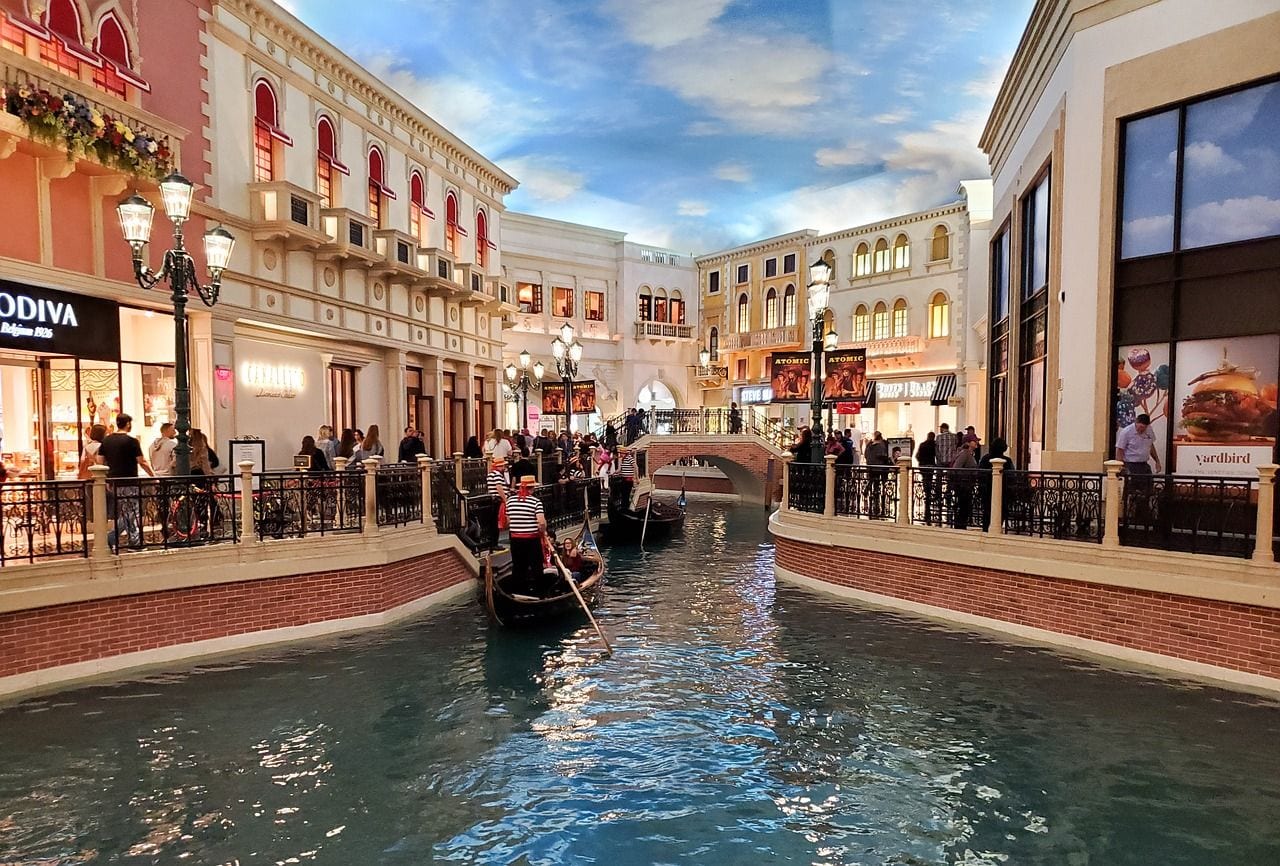
On the Las Vegas Strip, The Venetian Las Vegas recreates the romance of Venice as a luxury resort-casino, complete with replica Venetian landmarks and indoor canals threading through its halls. Gondoliers pole visitors along the water, and the vast suites give the whole property a scale that matches its theatrical Old-World ambitions.
Paired with its neighboring Palazzo tower, the resort forms one of the largest hotel complexes in the world, an immersive stretch of Italian fantasy in the middle of the desert. Between the gondola rides, the ornate architecture, and endless room to wander, it captures the maximalist spirit that defines the Strip itself.
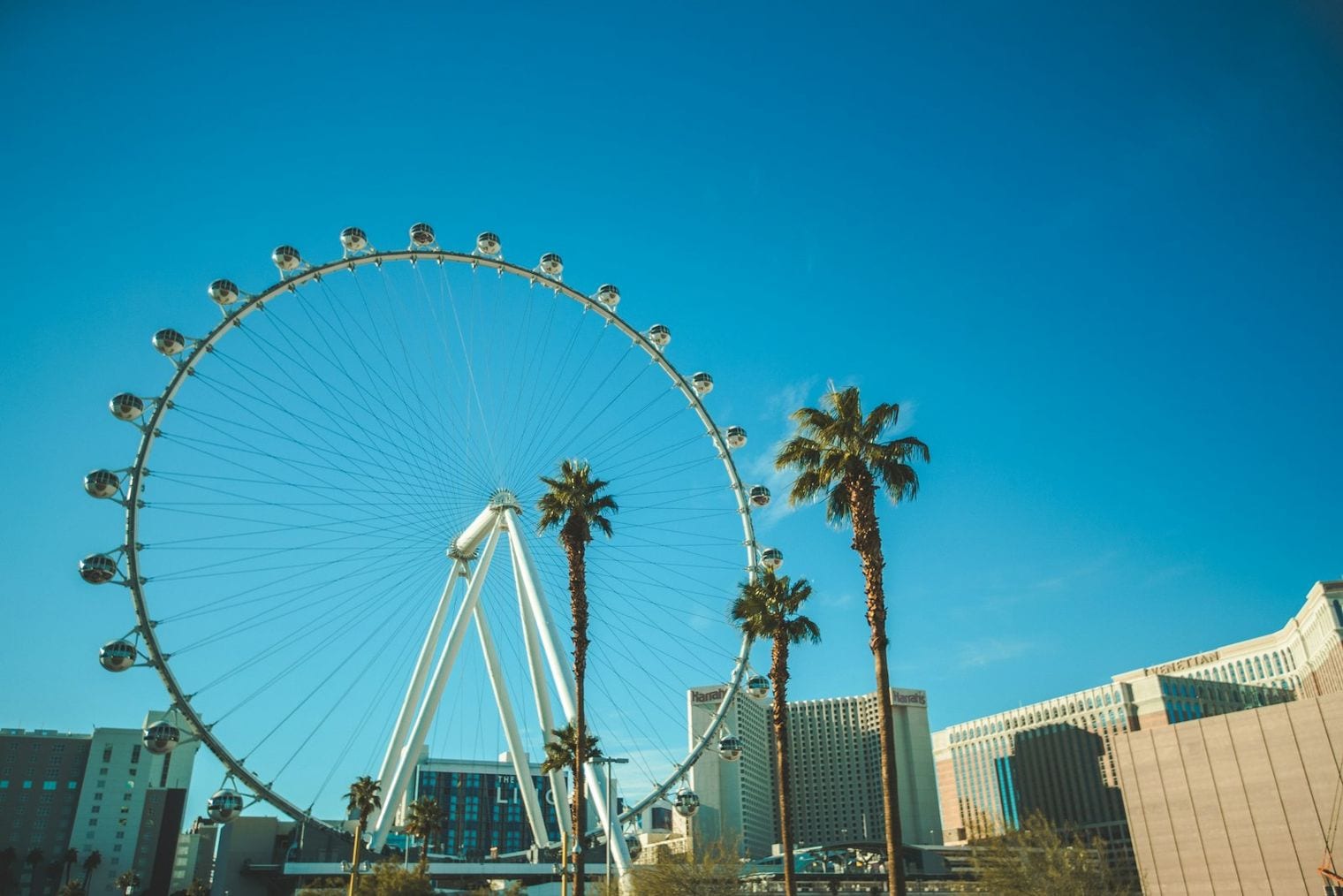
Rising 550 feet above the Las Vegas Strip, the High Roller crowns The Linq with a slow, sweeping turn that no rooftop view can match. Its enclosed cabins carry riders in comfort, framing the neon sprawl below and the raw desert stretching to the horizon. When it opened in 2014, it stood as the tallest observation wheel in the world.
The climb rewards patience. As the cabin lifts, the Strip's dense glitter gives way to mountains and open sky, a reminder of the wilderness ringing the city. Panoramic glass turns every angle into a photograph, whether the desert glows at dusk or the casinos blaze after dark. It remains one of Nevada's most memorable ways to see Las Vegas whole.
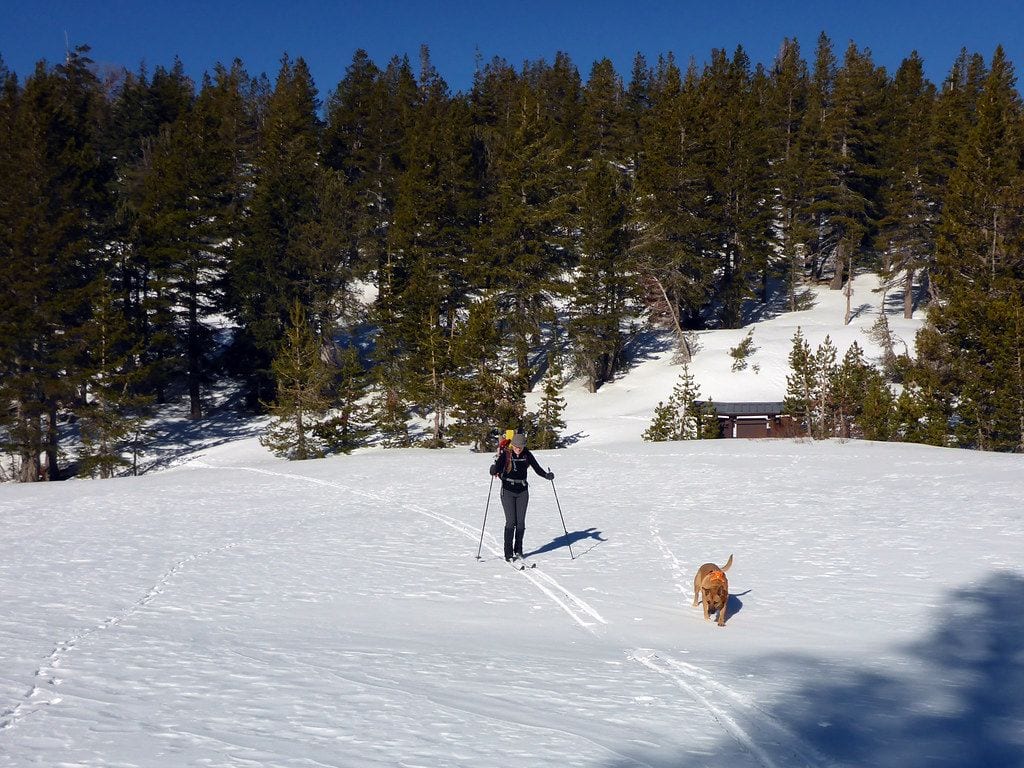
High in the mountains between Reno and Lake Tahoe, Mt. Rose Ski Tahoe rewards skiers and snowboarders with quick access straight from Reno. Its lofty base elevation ranks among the highest in the Tahoe area, an edge that helps the resort hold snow through the season when lower slopes elsewhere start to thin.
The mountain spreads out a range of runs that suit every ability, so beginners finding their feet and seasoned riders chasing steeper lines share the same lifts. With its easy proximity to the city and dependable snow, it stands out as a genuine winter highlight of northern Nevada and a natural day out for anyone based nearby.
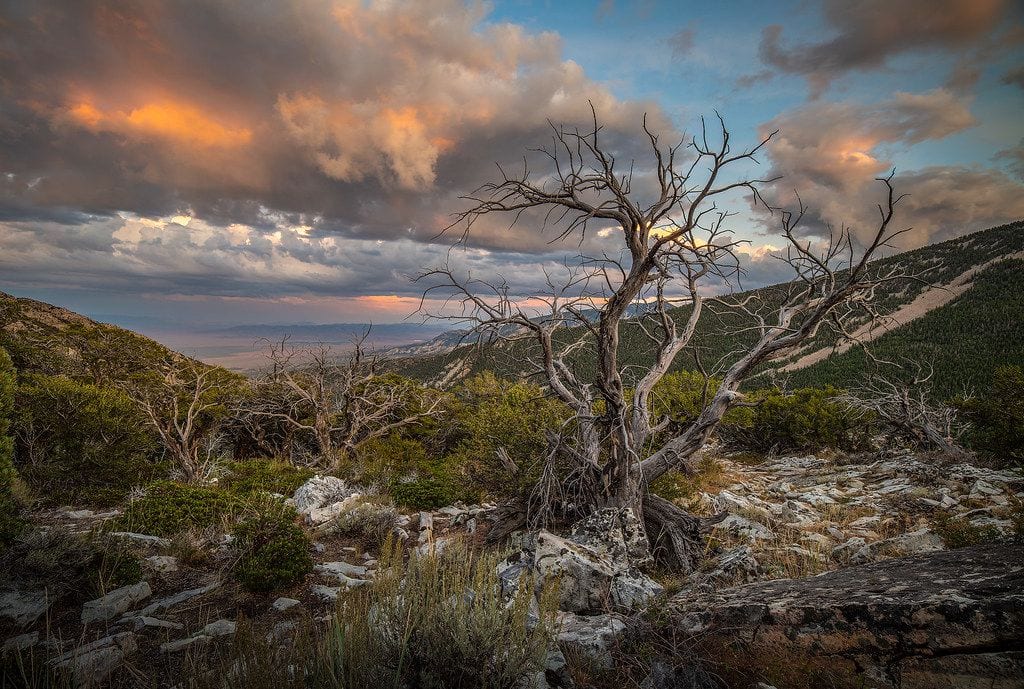
Tucked into remote eastern Nevada, Great Basin National Park rewards the long drive with a rare kind of solitude. Rising at its heart is 13,000-foot Wheeler Peak, its slopes sheltering groves of ancient Great Basin bristlecone pines. Twisted and weathered, some of these trees are over 4,000 years old, ranking among the oldest living organisms found anywhere on Earth.
Below the surface, the Lehman Caves unfold in a maze of chambers and delicate stone formations, a cool contrast to the alpine terrain above. When night falls, the park earns its greatest fame: skies so exceptionally dark that stars crowd the horizon. Few places in the country pair towering peaks, ancient forests, and a hidden underworld quite so completely.
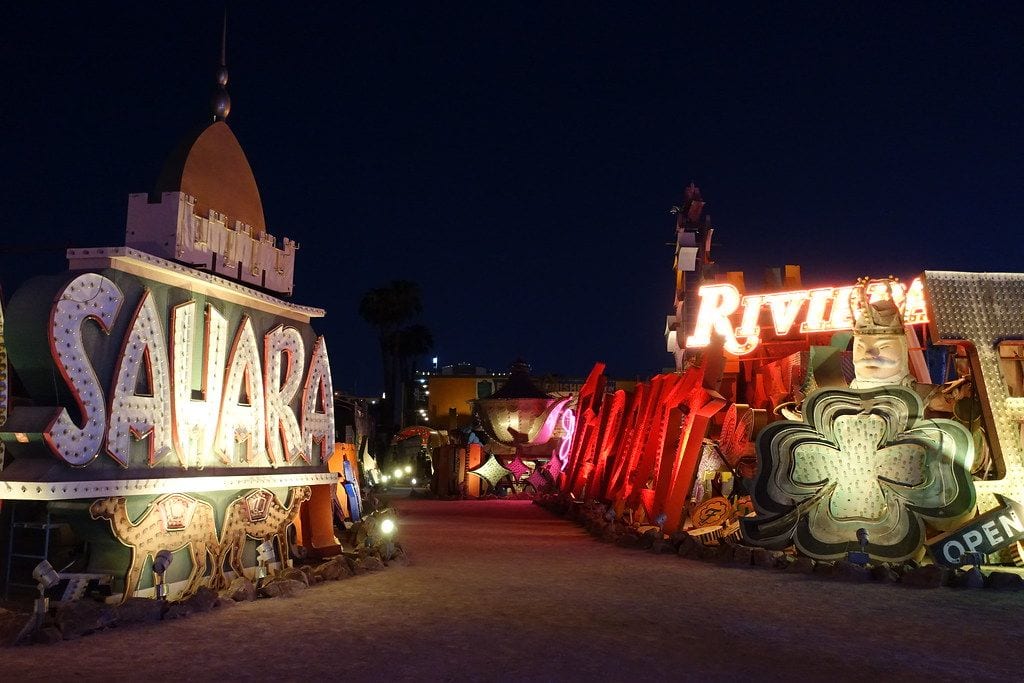
Tucked into Las Vegas, The Neon Museum is an outdoor collection often called the Neon Boneyard, where the retired signs of shuttered casinos and businesses find a second life. Wander among towering marquees and glowing letterforms that once beckoned crowds along the Strip, each a salvaged relic of the city's restless reinvention and its love affair with light.
Guided and self-guided tours trace the story of Las Vegas through its dazzling signage, connecting the fonts and flourishes to the eras and enterprises that raised them. The boneyard grows especially striking after dark, when illuminated pieces flicker back toward their old brilliance and the whole yard reads like a walk through the city's neon-lit memory.
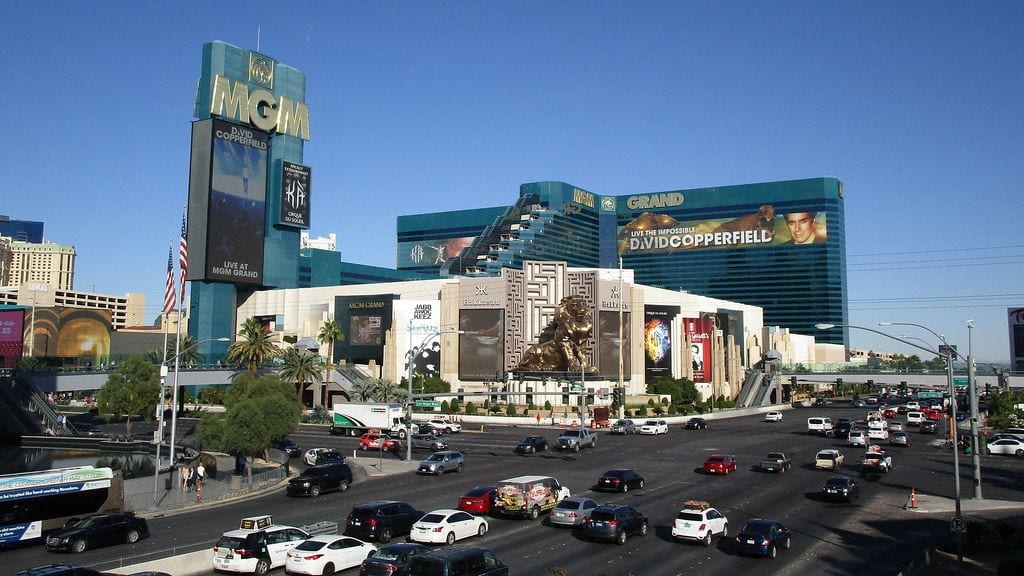
Anchoring the Las Vegas Strip, the MGM Grand is a sprawling resort-casino with roughly 5,000 rooms, making it the largest single-building hotel in the United States. Beyond the gaming floor, guests find a dense cluster of restaurants, nightclubs and entertainment venues, plus a full-scale arena that draws marquee events and keeps the property humming around the clock.
Scale is the point here. One of the largest hotels in Las Vegas, the resort functions almost like a self-contained city, where visitors can eat, gamble, catch a show and never step outside. That sheer breadth makes it a natural base for exploring the Strip, and simply wandering its cavernous public spaces becomes an attraction in itself.
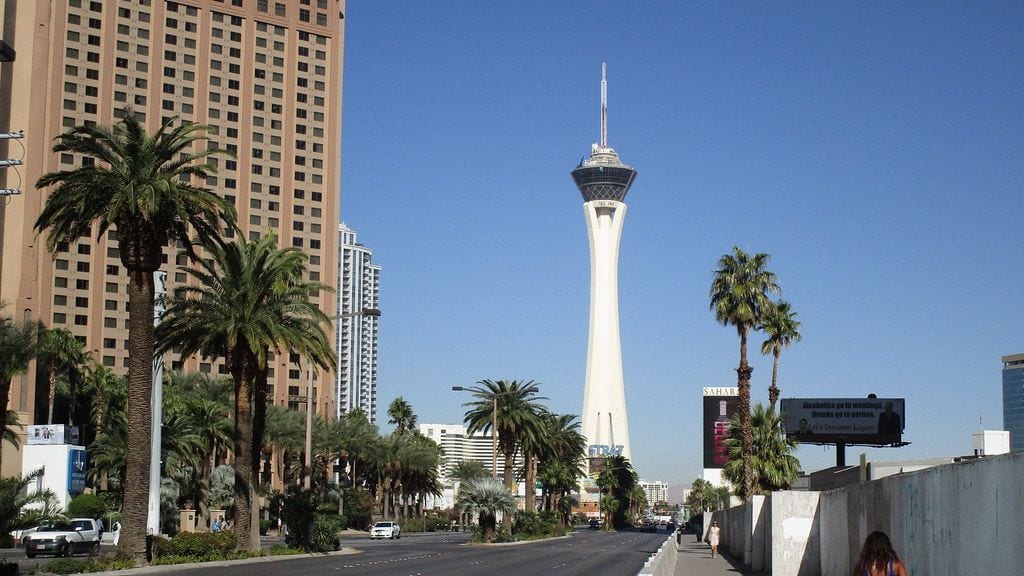
Rising at the north end of the Las Vegas Strip, The STRAT Hotel, Casino & SkyPod crowns its resort with an observation tower that climbs roughly 1,150 feet, making it the tallest tower and structure in Las Vegas. Ride to the top for observation decks that unfurl the valley and Strip below, plus a restaurant sharing those far-reaching views.
The summit doubles as a thrill park, mounting rides at a height few venues can match and rewarding nerve over comfort. The boldest visitors take the SkyJump, a controlled guide-wire descent from the tower that holds a Guinness record as the highest commercial decelerator descent. Below, the casino floor and resort keep the energy running long after the daredevils land.
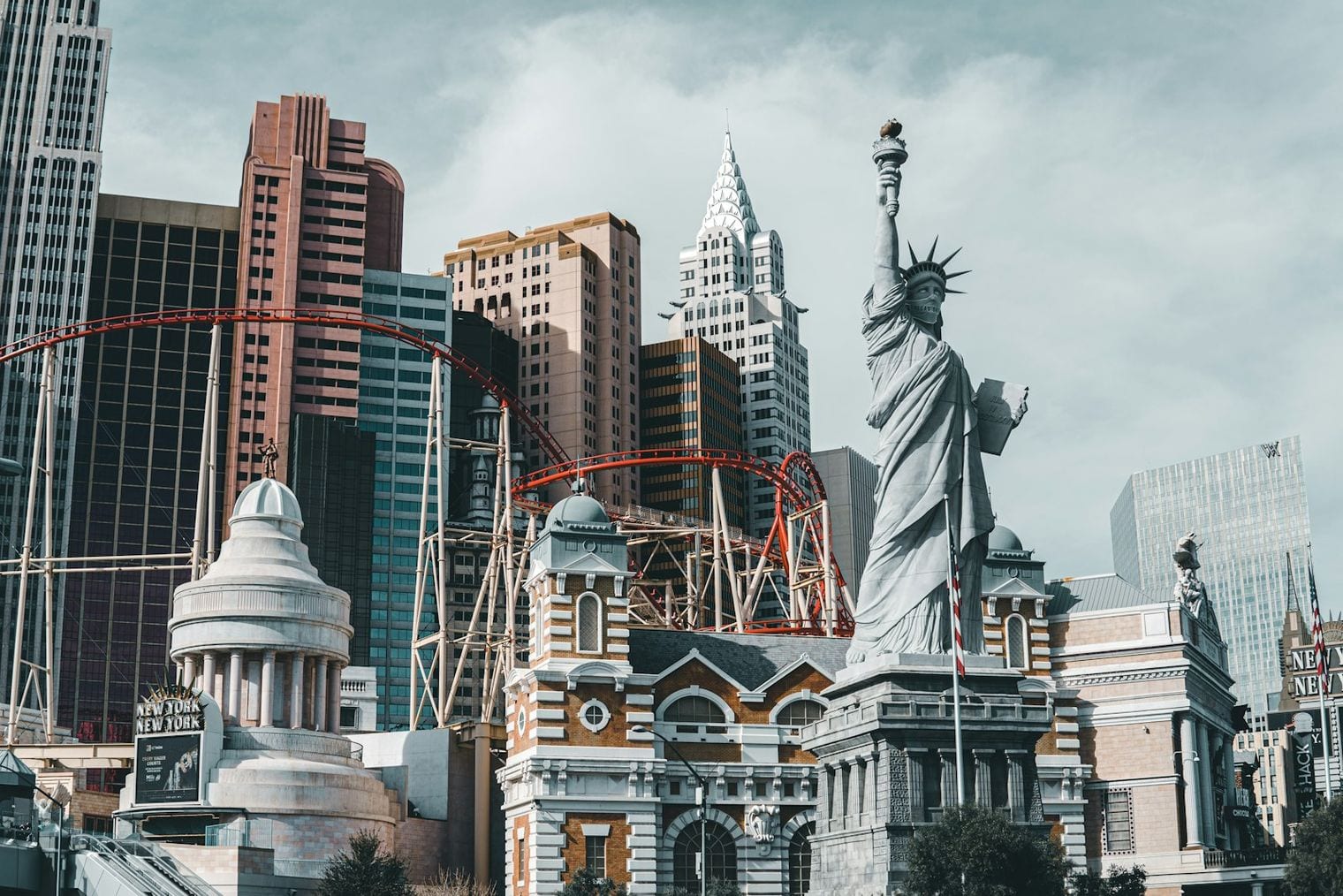
On the Las Vegas Strip, the New York-New York Hotel & Casino recreates the Big Apple in miniature. Its facade stacks a mini Manhattan skyline into a single instantly recognizable silhouette, complete with a replica Statue of Liberty out front. It's one of the most photogenic landmarks on the Strip, and unmistakable even from a distance.
The New York City theme carries through this resort-casino inside and out, but the biggest draw wraps right around the building: a roller coaster that loops through the property and past that faux skyline. Whether you ride it or simply admire the whole playful spectacle from the sidewalk, it makes for a fun, memorable Vegas stop.
FAQ: Visiting Nevada
What is Nevada known for?
Nevada is best known for Las Vegas and its casinos and entertainment, but the Silver State is also famous for its dramatic desert landscapes, Hoover Dam and Lake Mead, Lake Tahoe, gold and silver mining history, Area 51, and the annual Burning Man festival in the Black Rock Desert.
What is the best time to visit Nevada?
Spring (March to May) and fall (September to October) are generally the best times, with comfortable temperatures for both the deserts and the mountains. Summers are very hot in the low desert around Las Vegas, while winter is ski season around Lake Tahoe.
How many days do you need in Nevada?
It depends on your focus. A few days is enough for Las Vegas and nearby sights like Hoover Dam, Red Rock Canyon and Valley of Fire. To add Lake Tahoe, Reno, the state capital of Carson City and the remote parks of eastern Nevada, give yourself a week or more and plan on a road trip.
Is there more to Nevada than Las Vegas?
Absolutely. Beyond the Strip, Nevada offers Lake Tahoe’s alpine scenery, the red sandstone of Valley of Fire and Red Rock Canyon, the ancient bristlecone pines and dark skies of Great Basin National Park, Old West mining relics, and the reservoirs and recreation of Lake Mead.
Do you need a car to explore Nevada?
For the Las Vegas Strip alone you can get by on foot and rideshares, but to see the rest of the state — the parks, Lake Tahoe, Reno and the mining towns — a car is essential. Nevada is large and many of its best sights are spread across long desert drives.
What are the best national and state parks in Nevada?
Great Basin National Park in the east is the state’s only national park, famous for Wheeler Peak, Lehman Caves and ancient bristlecone pines. Standout state parks include Valley of Fire, known for its glowing red rock, and there are major recreation areas at Lake Mead and Lake Tahoe.
Is Nevada expensive to visit?
Costs vary widely. Las Vegas can be done cheaply or extravagantly, with many free attractions like the Bellagio fountains and Fremont Street light show. Away from the Strip, the state parks, small towns and outdoor areas are generally very affordable, especially on a road trip.