Arizona·
Published July 2, 2026 ·
Updated July 11, 2026 · 25 things to do
· 22 min read
Phoenix, Arizona
Source: Illustrative image
Sprawled across the Valley of the Sun, Phoenix is a city that lives outdoors. Arizona's capital rises from the Sonoran Desert, ringed by rugged mountain preserves and saguaro-studded foothills, and blessed with the year-round sunshine that pulls people onto trails and patios month after month. Yet for all its desert character, this is a genuine metropolis, home to world-class museums like the Musical Instrument Museum and the Heard Museum, a walkable downtown thick with restaurants and galleries, and cultural roots that run deep through Native, Mexican, and pioneer history.
The real magic is how easily the desert and the city trade places. You can summit Camelback Mountain or wander the trails of South Mountain at sunrise, cool off among the cactus at the Desert Botanical Garden by midday, then spend the evening catching a game or gallery-hopping through the arts district. Whether you are chasing big-name attractions or the low-key spots that give the Valley its warmth, this guide rounds up 25 of the best things to do in Phoenix. It also makes a natural base for exploring the rest of Arizona, from the red rocks up north to the wider desert Southwest.
Fun Facts About Phoenix, Arizona
Phoenix is the largest state capital in the United States and the only one with more than a million residents (about 1.6 million), making it the nation's fifth-most populous city overall.
The city takes its name from the mythical firebird because it was built atop the ruins of Hohokam settlements, whose 1,500-year-old canals early settlers re-dug to bring the desert back to life.
Phoenix is the hottest large city in America, with an all-time high of 122°F (50°C) set on June 26, 1990 and summers that routinely log dozens of days above 110°F.
South Mountain Park and Preserve, at roughly 16,000 acres, is the largest municipal park in the United States and one of the biggest urban parks in the world.
The Desert Botanical Garden spreads more than 50,000 plants across 140 acres and holds the world's most complete collection of the prickly-pear and cholla subfamily (Opuntioideae), displaying 208 of the 261 recognized species and varieties.
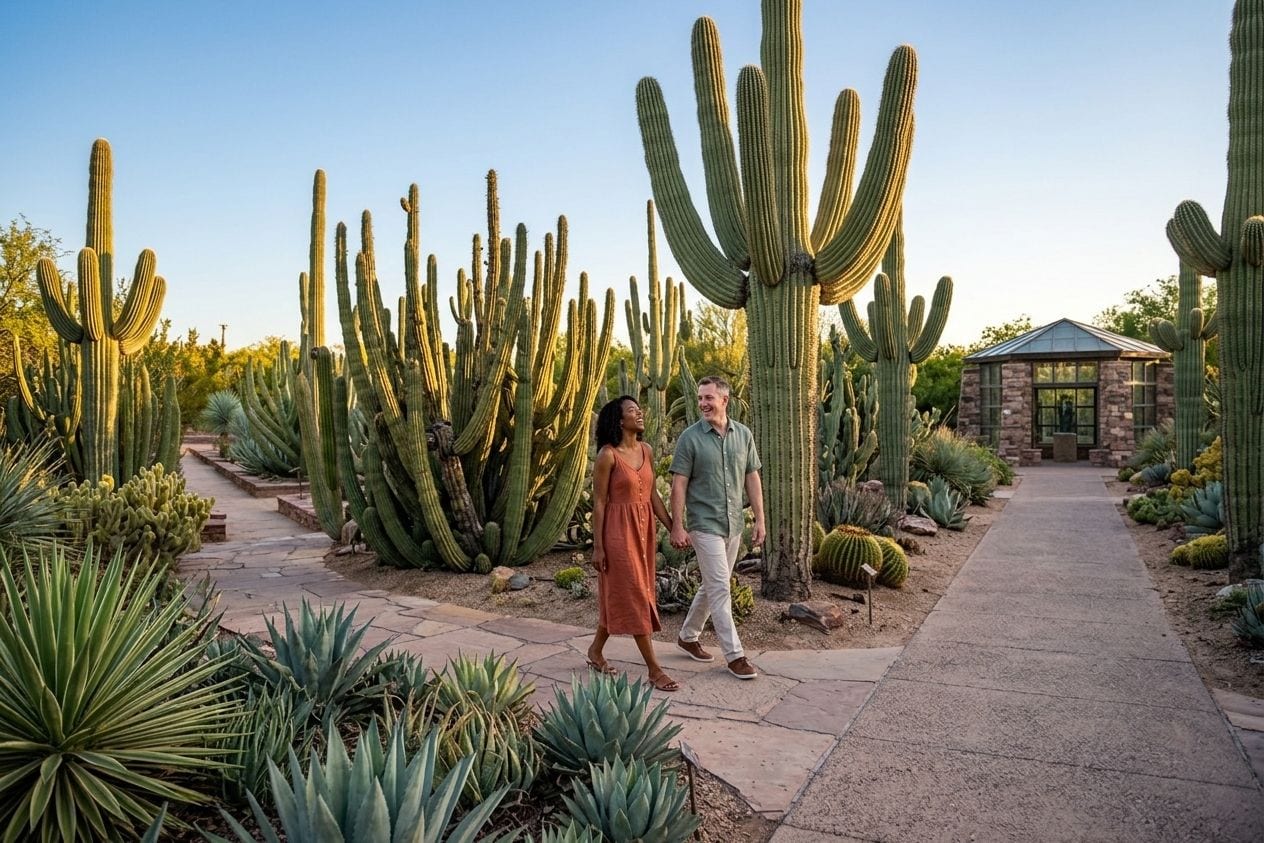
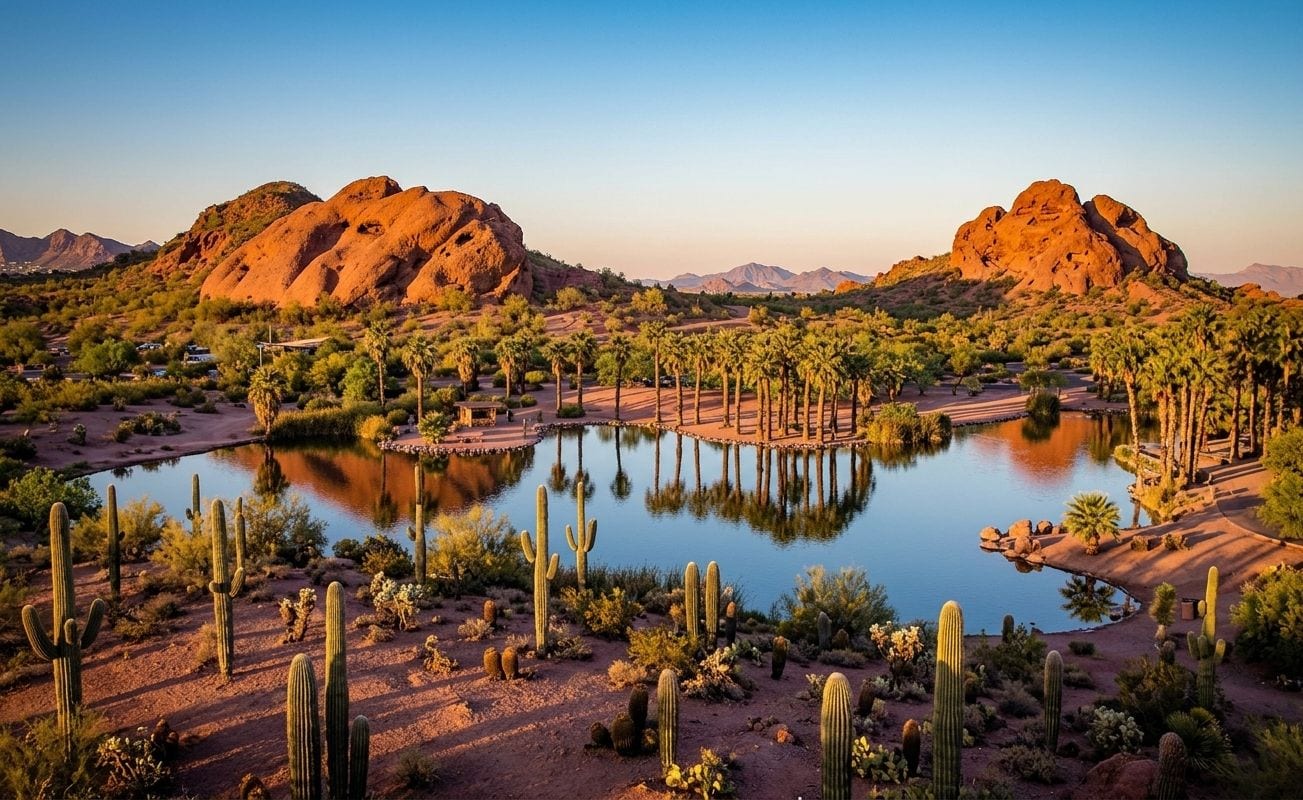
Desert Botanical Garden sits on the red-rock landscape of Papago Park, on the edge of Phoenix near Tempe and Scottsdale, gathering one of the world's most significant collections of desert plants in a single walkable place. Here the Sonoran Desert becomes something you understand up close, from towering saguaros to the strange geometry of agaves and aloes.
Looping trails pass thousands of cacti and succulents from arid regions worldwide, with themed paths explaining how desert people and wildlife long depended on them. Come at dawn or golden hour, when low sun sets the spines glowing and the heat eases. Wear a hat, carry water, linger at shaded ramadas, and time spring wildflower season for the fullest color.
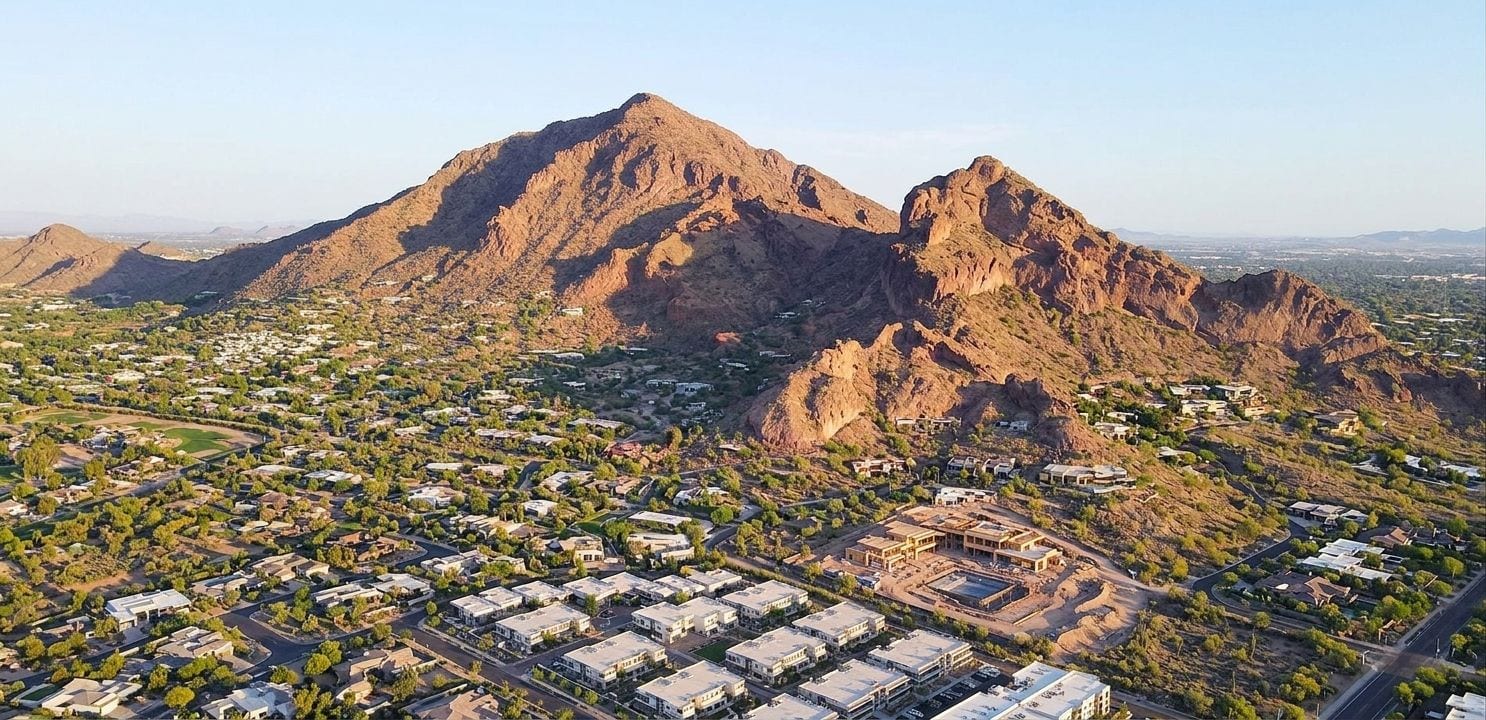
Camelback Mountain rises above the desert just east of downtown, straddling the line between Phoenix and neighbouring Scottsdale. Named for its humped silhouette, it's the most recognizable natural landmark in the Valley of the Sun and gives the metro its dramatic backdrop, drawing hikers who want a genuine desert summit minutes from the city.
Two steep trails, Echo Canyon and Cholla, scramble to the roughly 2,700-foot peak, rewarding you with sweeping views across the metro and surrounding ranges. Expect handrails, boulders, and hands-on stretches, so wear proper shoes and carry plenty of water. Start at first light to beat the heat; the lower saguaro-studded slopes still deliver striking scenery.
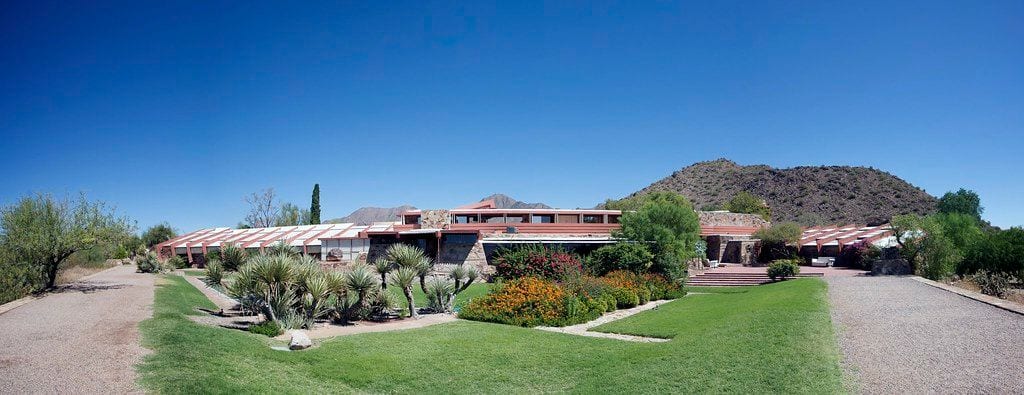
Taliesin West rises from the McDowell foothills near Scottsdale, the winter home and desert studio Frank Lloyd Wright built by hand from the 1930s as a living laboratory for organic architecture. Now a UNESCO World Heritage Site, it's one of the most revealing places anywhere to understand how Wright thought and worked.
The low, angular buildings hug the terrain, framing the desert with canted walls of local "desert masonry," dramatic drafting rooms, and terraces opening onto mountain views. Guided tours cover the living quarters, garden room, and theaters. Come in the cooler hours, wear sturdy shoes for uneven stone paths, and linger at golden hour.
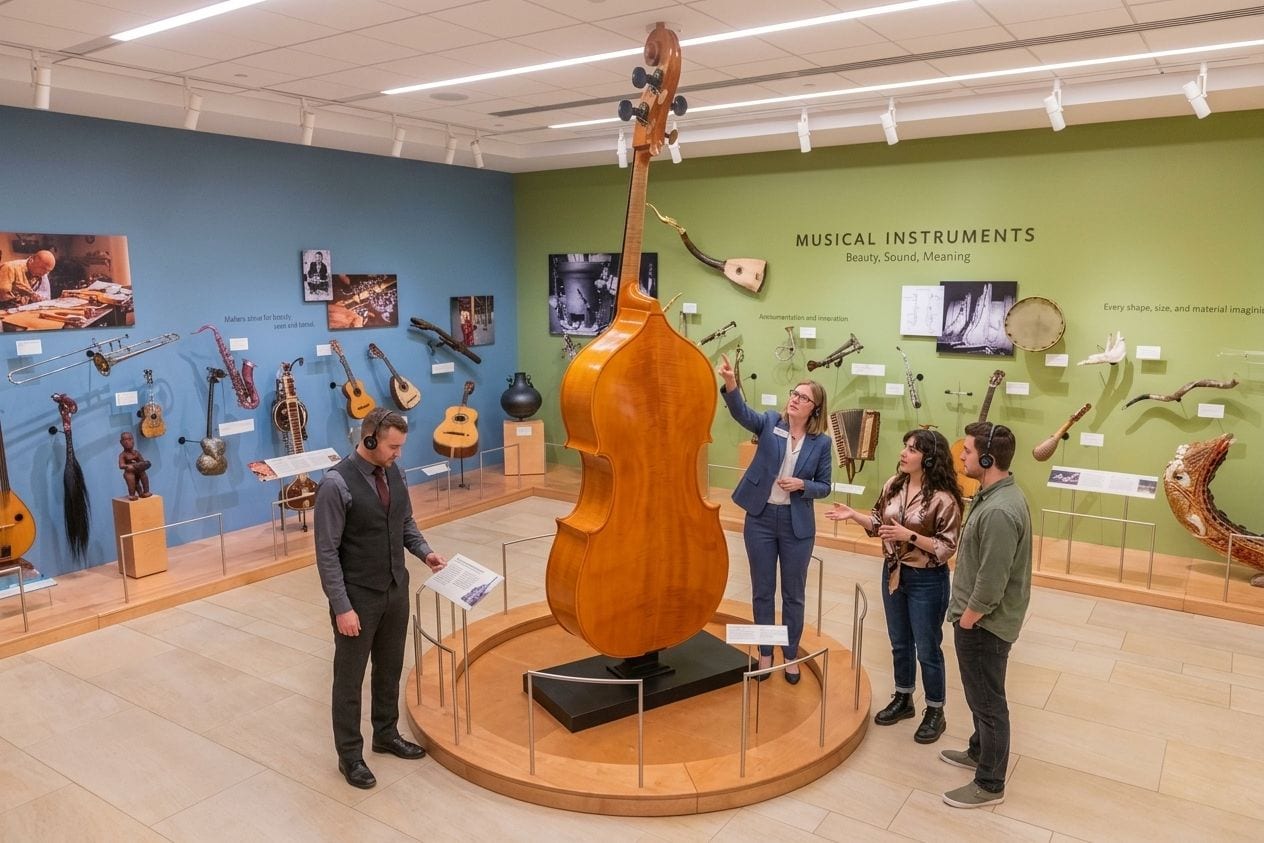
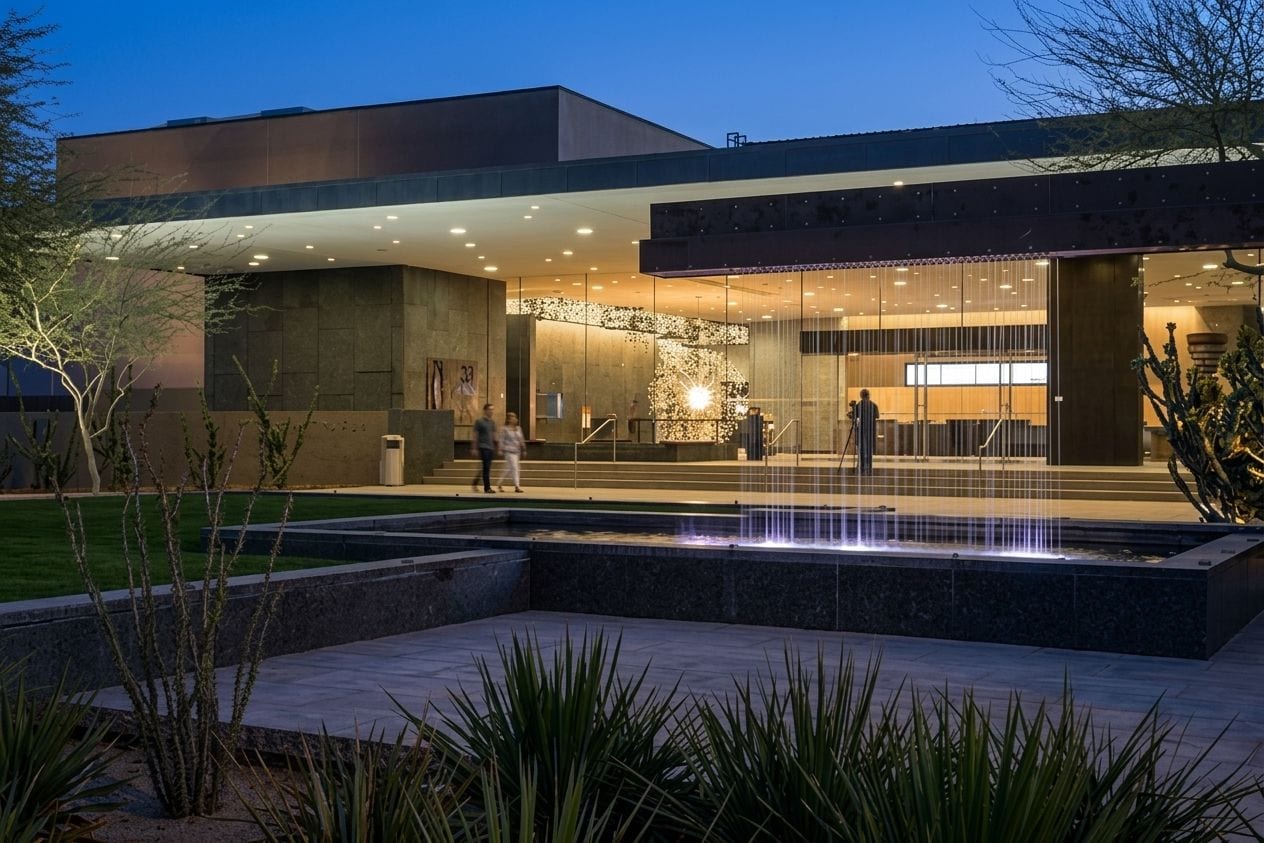
Just north of central Phoenix, the Musical Instrument Museum is a one-of-a-kind institution devoted to instruments from every corner of the globe. Even if you can't read a note, its breadth astonishes: thousands of pieces spanning roughly 200 countries and territories make it one of the city's most surprising cultural highlights.
Move continent by continent through the geography galleries, where wireless headphones automatically play the music of whatever display you approach, bringing a Balinese gamelan or Congolese thumb piano alive. Don't miss the artist gallery of world-famous performers' instruments, or the hands-on room. Allow at least half a day; it's bigger than expected, with an on-site cafe for a midway pause.
Heard Museum is a Native American art and culture museum in central Phoenix, widely regarded as one of the finest of its kind. Founded to share the artistry and living traditions of the Southwest's Indigenous peoples, it pairs a world-class permanent collection with rotating exhibitions many travelers call their trip's highlight.
Wander galleries of pottery, katsina dolls, jewelry, and contemporary Native work, then reach the moving exhibition on the Indian boarding-school era, which lingers long after. Leafy courtyards, a strong shop, and a cafe make a slow half-day easy. Come earlier for quieter rooms, and don't rush the temporary shows.
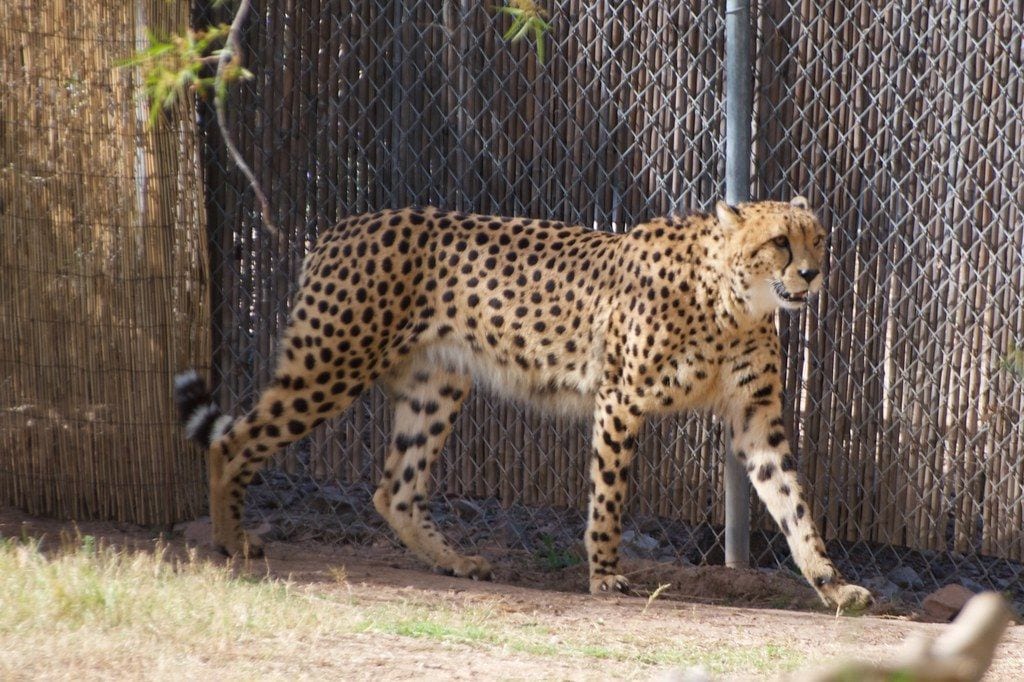
The Phoenix Zoo anchors Papago Park east of downtown and ranks among the country's largest privately owned, non-profit zoos. Some 3,000 animals span four themed trails, making an easy half-day for families and animal lovers. Meet Sumatran tigers, Asian elephants, and a walk-through Monkey Village where squirrel monkeys roam overhead.
Hand-feed a leaf at the giraffe deck, then follow the Arizona Trail past Mexican gray wolves and thick-billed parrots; a stingray touch pool and carousel entertain younger visitors. Go early to beat the desert heat, wear sun protection, and save time for the lagoon's pedal boats. Cooler months are most comfortable, framed by red buttes.
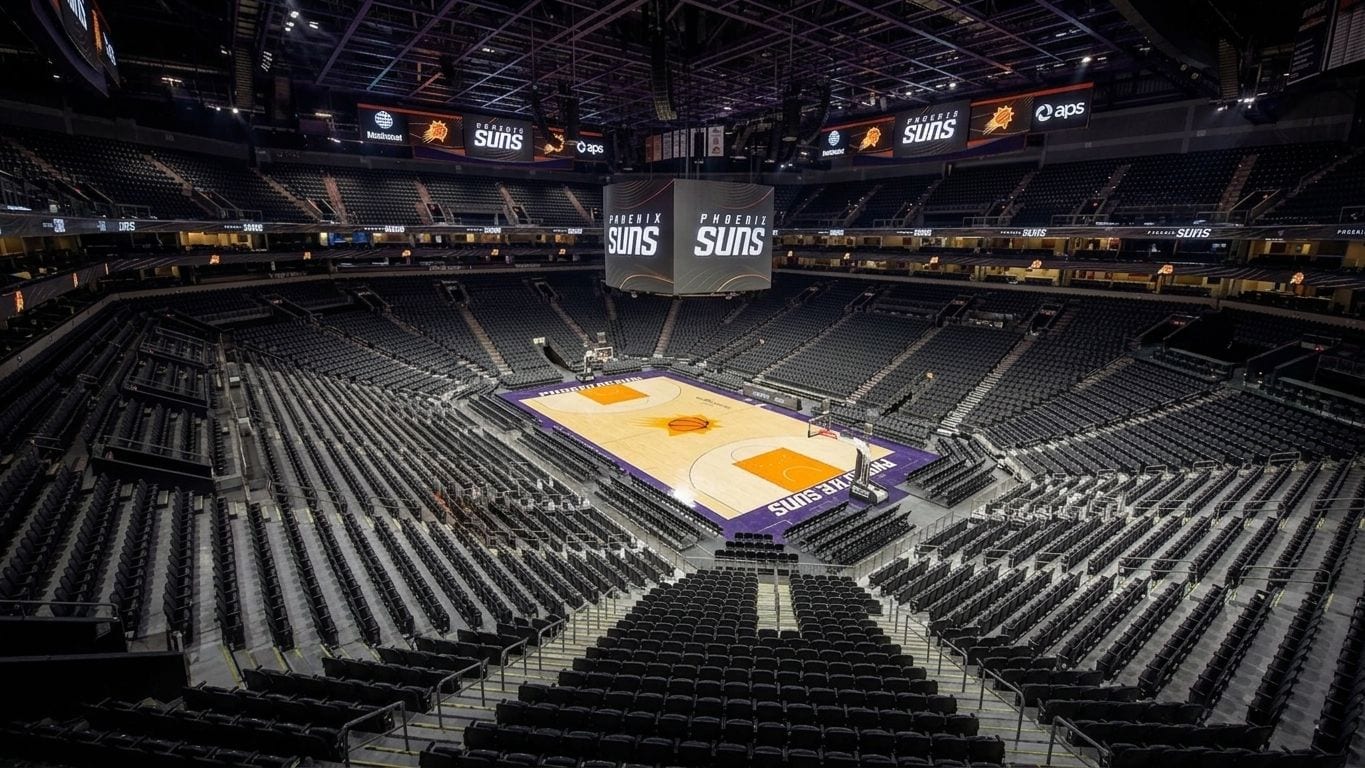
Footprint Center is the downtown Phoenix arena best known as home to the Phoenix Suns and Mercury, though it currently carries the naming-rights title Mortgage Matchup Center. It anchors a lively stretch of downtown and pulls in some of the biggest touring concerts and events passing through Arizona, an easy addition to a city itinerary.
Catch a basketball night and feel the roar of a purple-clad crowd, but the building stays busy year-round with concerts, family shows, and live entertainment. It sits within walking distance of Roosevelt Row and Warehouse district restaurants and bars, so arrive early. Check the schedule for a specific act or team, and consider the nearby light rail over downtown parking.
Castles N' Coasters is Phoenix's homegrown amusement park, near Metrocenter on the northwest side and a rite of passage for local kids and road-tripping families for decades. It packs rollercoasters, spinning rides, a big arcade, and four full-length miniature golf courses into one compact, walkable footprint, an easy afternoon of thrills without the theme-park sprawl.
The golf courses bring waterfalls, castles, and lava-rock holes, while the rides run from gentle kiddie loops up to the Desert Storm coaster and the drop tower. Duck into the air-conditioned arcade when the desert heat peaks. Wear closed-toe shoes for the go-karts, and aim for an evening visit when temperatures ease and the lights come on.
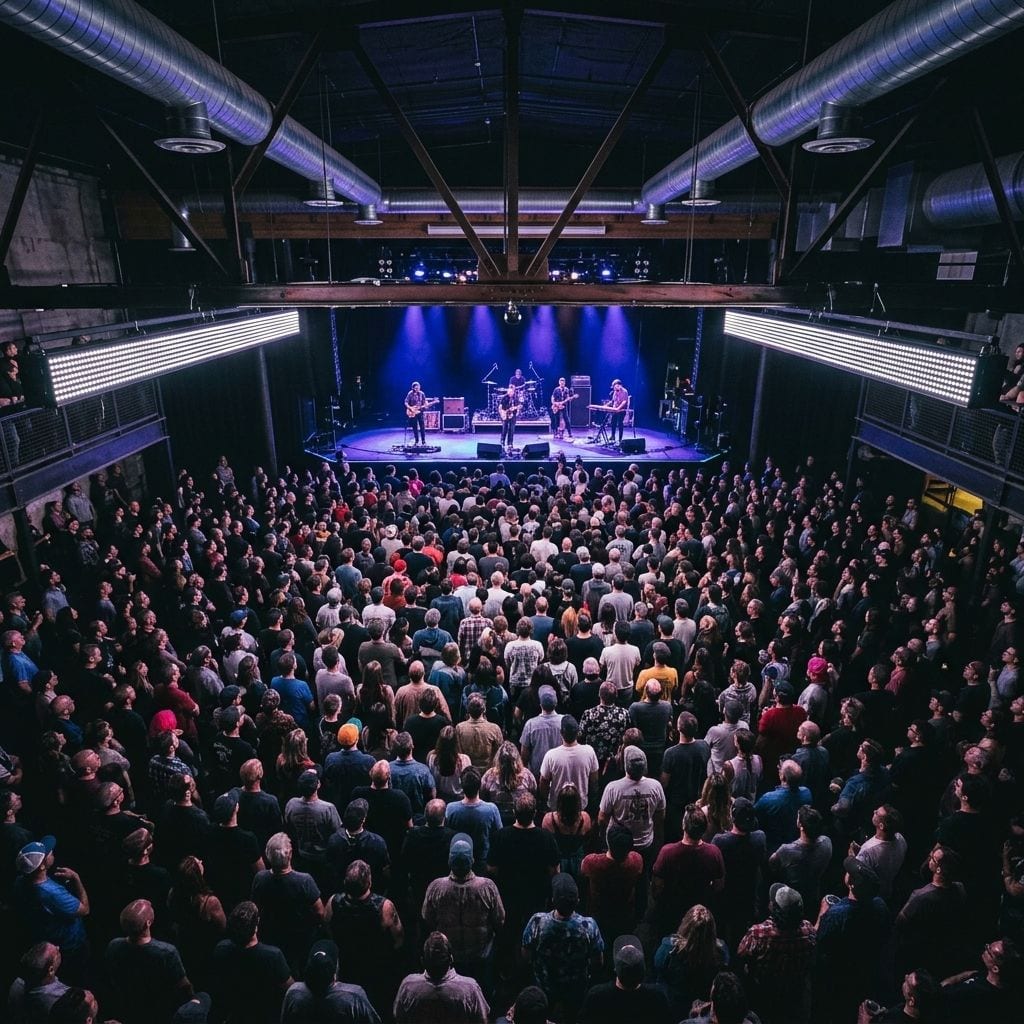
The Van Buren fills a lovingly restored 1940s building in downtown Phoenix, its Art Deco bones now humming with amplifiers instead of the automobiles it once showcased. One of the city's most beloved rooms for touring bands, it draws indie darlings and established headliners into an intimate, general-admission space that never lets you feel far from the stage.
Inside you'll find soaring ceilings, warm brick, and an outdoor patio for catching your breath between sets. Sound quality is a point of pride, and the mid-size scale keeps even a packed night personable. Arrive early to snag a spot near the rail, then pair the show with dinner in the surrounding downtown neighborhood for an easy night out.
Children's Museum of Phoenix fills a restored 1913 schoolhouse downtown with three floors of hands-on play built for kids, not passive display cases. It's one of the country's best children's museums, and nearly every exhibit invites climbing, building, splashing, or making. Imagination is the whole point here.
Turn the little ones loose on the Schuff-Perini Climber, a tangle of tunnels and slides anchoring the main hall, then explore the art studio, pretend grocery store, and noodle forest. Water tables, a racetrack, and a toddler nook engage every age. Come early on weekends and dress kids for mess.
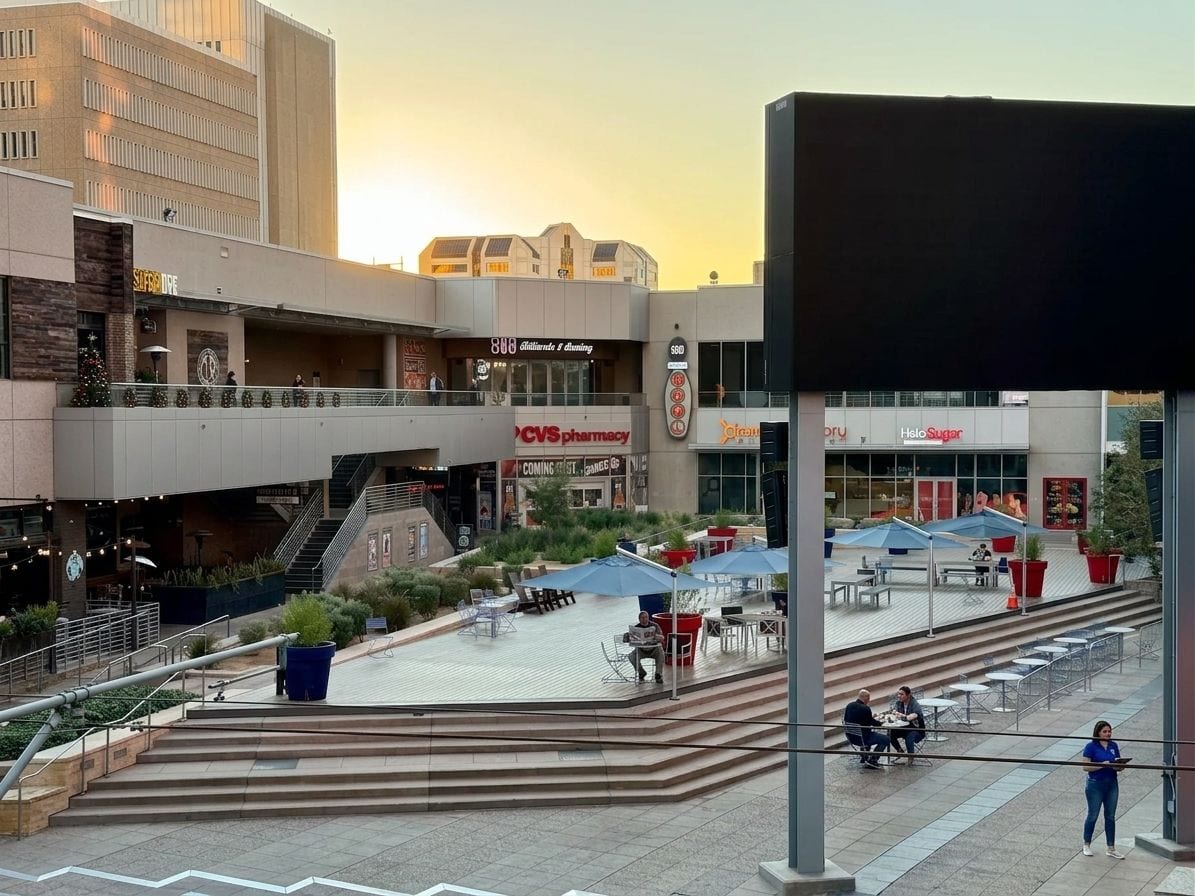
CityScape is downtown Phoenix's open-air block where dining, shopping, and nightlife converge under the desert sky, a short walk from the Convention Center and light rail. It's a walkable slice of the urban core where locals and visitors gather to eat, drink, and people-watch, with restaurants and bars spilling onto the sidewalks.
Boutiques and everyday shops tuck between them, and a hotel anchors one end. Come evening, the patios fill and the block hums well into the night. Arrive on foot or by light rail, since parking fills fast, and time it for happy hour or after a Chase Field game. Grab a rooftop table for skyline views.
Phoenix Art Museum is the largest art museum in the American Southwest, a light-filled downtown institution and an air-conditioned refuge from the sun. Its galleries span Asian, European, Latin American, Western American, and modern and contemporary art, offering a world-class window into the desert region's cultural depth.
Don't miss Yayoi Kusama's Firefly Infinity Mirror Room, where mirrored walls and hanging lights dissolve into an endless galaxy. Seek out the standout costume and dress collection, and the interactive PhxArt Kids space for families. Leave time for rotating exhibitions, then pair your visit with the neighboring Heard Museum along Central Avenue.
LEGOLAND Discovery Center Arizona packs a brick-built world into an indoor space in Tempe, a short hop east of downtown Phoenix, making it a reliable rainy-day or triple-digit-summer win for families with young kids. Geared toward the elementary-and-under crowd, it trades big coasters for hands-on building, gentle rides, and imaginative play.
At its heart is Miniland, where Arizona landmarks rise from millions of bricks, alongside the laser-blasting Kingdom Quest ride and pedal-powered Merlin's Apprentice spin. Kids race cars down test ramps, catch a 4D movie, and loose themselves in soft-play zones, plus a factory tour. Come weekday mornings for shorter lines; it's best for smaller children.
Legacy Golf Resort brings classic Arizona golf to the heart of the Phoenix valley, wrapping an established 18-hole course around a low-slung, palm-shaded resort just off the Interstate 10 corridor. Mature landscaping and long-established fairways give it a settled, grown-in feel that newer desert courses can't match.
Its central location makes it an easy base for a round without a long drive out to the metro fringe. The layout rewards a thoughtful short game over raw power, with water features, desert plantings, and mountain views across the back nine. Non-golfers can use the pool and patio; book an early tee time for soft desert light before the heat settles.
The Rush Fun Park sits in Chandler, southeast of Phoenix, and packs an afternoon of high-energy play under one roof. It's a reliable escape from a scorching desert day, giving kids and restless teens room to burn off steam while parents relax nearby. Families count it among the Valley's most dependable too-hot-day retreats.
Wall-to-wall trampolines anchor the floor, but the real draw is the variety: foam pits, a ninja-style obstacle course, dodgeball courts, and slam-dunk lanes. Little ones get a gentler zone away from bigger jumpers. Wear the required grip socks, arrive early on weekends, and pack a change of clothes, because everyone leaves sweaty and happily worn out.
TPC Scottsdale PGA is one of American golf's most storied courses, a Tom Weiskopf and Jay Morrish stadium layout set in the Sonoran Desert just northeast of Phoenix in neighbouring Scottsdale. Every winter it hosts the WM Phoenix Open, famous for drawing the rowdiest, largest crowds in professional golf.
Play the championship Stadium Course against the same holes the pros face, above all the par-3 16th, a natural amphitheatre ringed by grandstands amid saguaro cactus and the McDowell Mountains. Book a tee time well ahead, especially in mild winter; if it exceeds your handicap or budget, the adjacent Champions Course is friendlier and equally handsome.
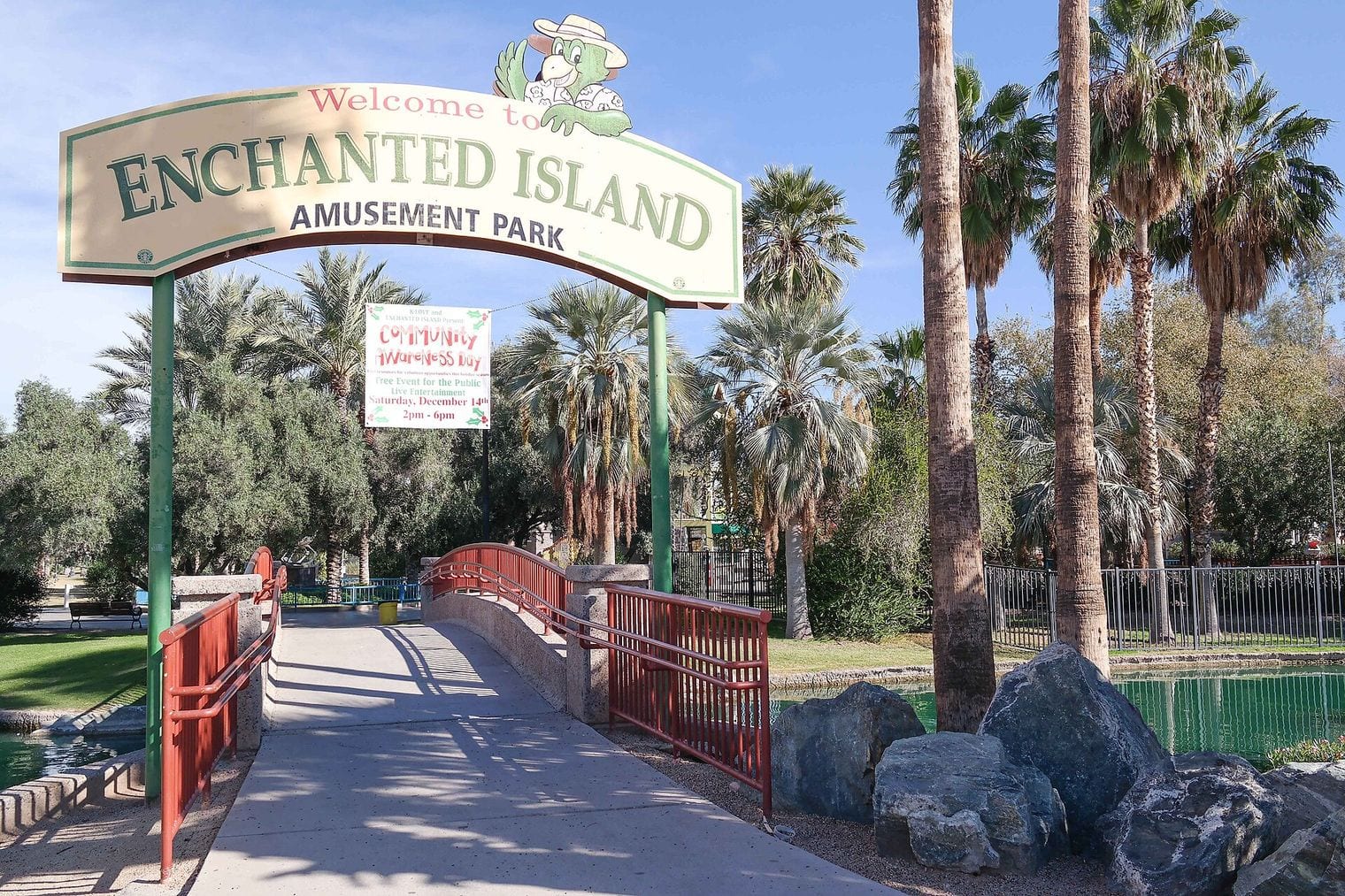
Enchanted Island Amusement Park sits at the heart of Encanto Park, one of Phoenix's oldest and leafiest green spaces, and remains the city's go-to for old-fashioned family fun. Compact and unhurried, it's pitched at younger children rather than thrill-seekers, a relaxed alternative to the big regional theme parks in a shaded lagoon setting.
Ride the vintage 1948 Allan Herschell carousel, spin on the Ferris wheel, or wind through the grounds on the miniature train. There are bumper boats, a kid-scaled roller coaster, and pedal boats on Encanto's lagoon nearby. Wristbands beat individual tickets or books if you'll stay a while. Come early to beat the desert heat, and pack water.
Lucky Strike Christown brings polished, upscale bowling to the Christown Spectrum area on Phoenix's west side, a reliable pick when you want indoor fun beyond the reach of the desert heat. Part bowling alley, part lounge, part arcade, it's built for groups who want to graze, play, and hang out rather than chase high scores.
Lane-side seating and comfy booths make it easy to settle in, while the arcade and billiards keep kids and grown-ups busy between turns. Expect shareable food and cocktails, plus a glow-in-the-dark lounge vibe after dark. Come earlier with younger bowlers, since the mood skews adult later, or use it as a triple-digit-afternoon fallback.
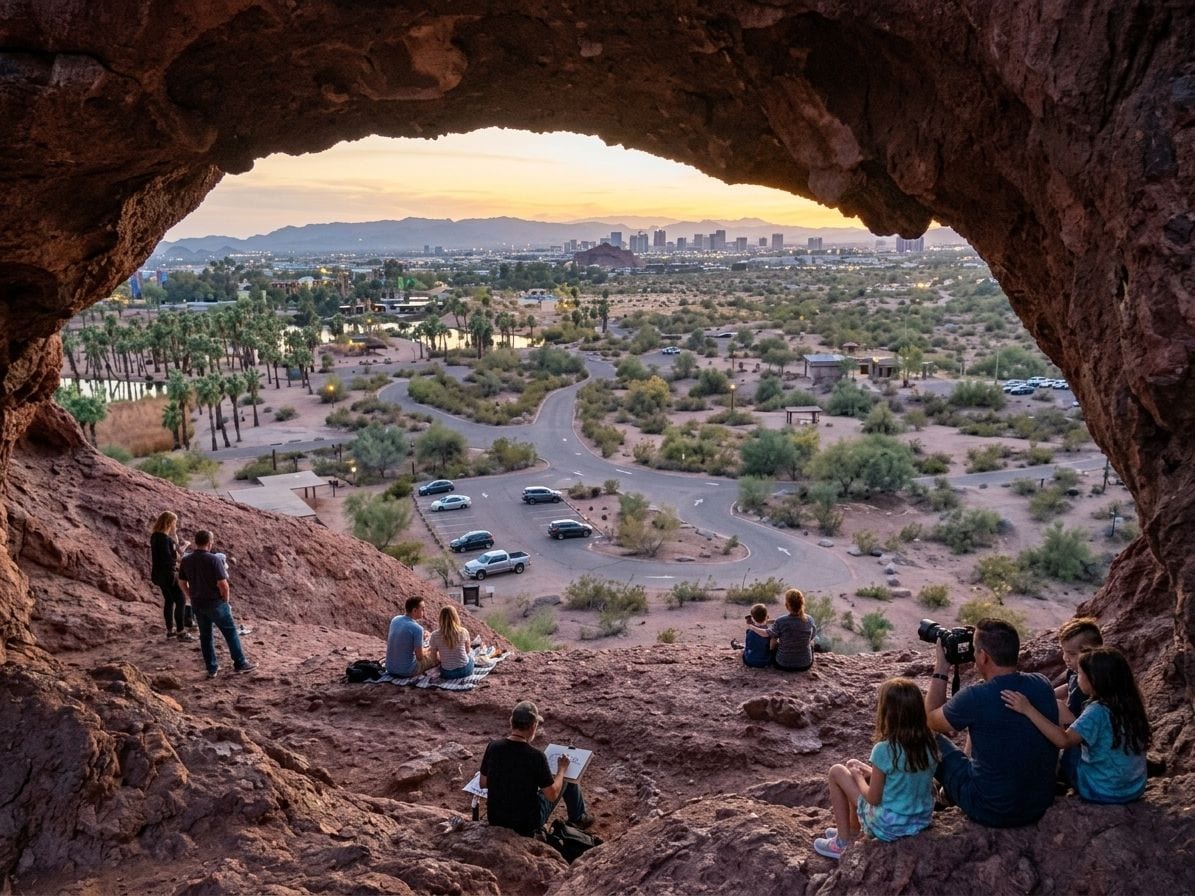
Papago Park straddles the boundary between Phoenix and neighbouring Tempe, a rugged pocket of Sonoran Desert where russet sandstone buttes rise from the flats. It's one of the Valley's most accessible spots to feel like you've stepped into the wider desert without leaving the city, its silhouette punctured by the landmark Hole-in-the-Rock formation.
Wind up the short trail to Hole-in-the-Rock for a natural stone window framing the skyline and, well-timed, a memorable sunset. The park also cradles the Desert Botanical Garden and Phoenix Zoo, plus hiking and mountain-biking paths and fishing lagoons. Go early to beat the heat, carry plenty of water, and wear real shoes for the scramble.
South Mountain Park and Preserve sprawls across the desert on the city's southern edge, one of the largest municipal parks in the country and a wild, cactus-studded counterweight to the surrounding sprawl. Here you feel the scale of the Sonoran landscape Phoenix was built around: ridgelines, canyons, and saguaro forests stretching farther than you can walk in a day.
Trails range from gentle desert strolls to the calf-burning National Trail across the range's spine. Drive or bike up to Dobbins Lookout, the highest point reachable by road, where the valley unfurls and sunsets turn the mountains deep rose. Watch for ancient Hohokam petroglyphs, visit early or late for the best light, and bring far more water than you think you'll need.
Hole in the Rock is exactly what its name promises: a wind- and water-carved opening through a red sandstone butte in Papago Park, on Phoenix's eastern edge near the Tempe and Scottsdale lines. The short scramble up is one of the city's most accessible little hikes, a big desert payoff for very little effort that families and first-time visitors love.
Follow the marked path from the parking area and you reach the main chamber in minutes, where the rock frames the park's lagoons, the downtown skyline, and distant mountains. The ancient Hohokam are thought to have used the openings to track the sun, and the angled cavities still catch light beautifully. Come near sunset, and bring water since there is no shade.
The Arizona Capitol Museum occupies the original 1900 statehouse, its copper dome and winged Victory weathervane crowning downtown Phoenix. When statehood outgrew the building, lawmakers moved next door and the old chambers became a free museum tracing Arizona's journey from territory to state, an easy air-conditioned stop.
Wander the restored House and Senate chambers, then climb toward the rotunda, where rotating exhibits, historic photographs, and relics like the USS Arizona's silver service tell the story. Docents lead tours, and the fourth floor looks up into the dome. Come on a quiet weekday and stroll Wesley Bolin Plaza's memorials before the heat peaks.
Game Show Battle Rooms - Phoenix (Chandler) turns your favorite TV game shows into a live, team-versus-team event you actually get to play, tucked southeast of the city in Chandler. It is a smart pick for groups wanting something more animated than dinner and more social than a movie, whether a birthday crew, family reunion, or coworkers on a team outing.
A host runs you and a rival team through rounds of trivia, "guess the price," physical challenges, and buzzer-slamming lightning questions, with points tallied toward a final showdown. The energy stays high and the competition friendly, so even reluctant players get loud. Bring a full squad, since it is built for two teams, and wear something you can move in.
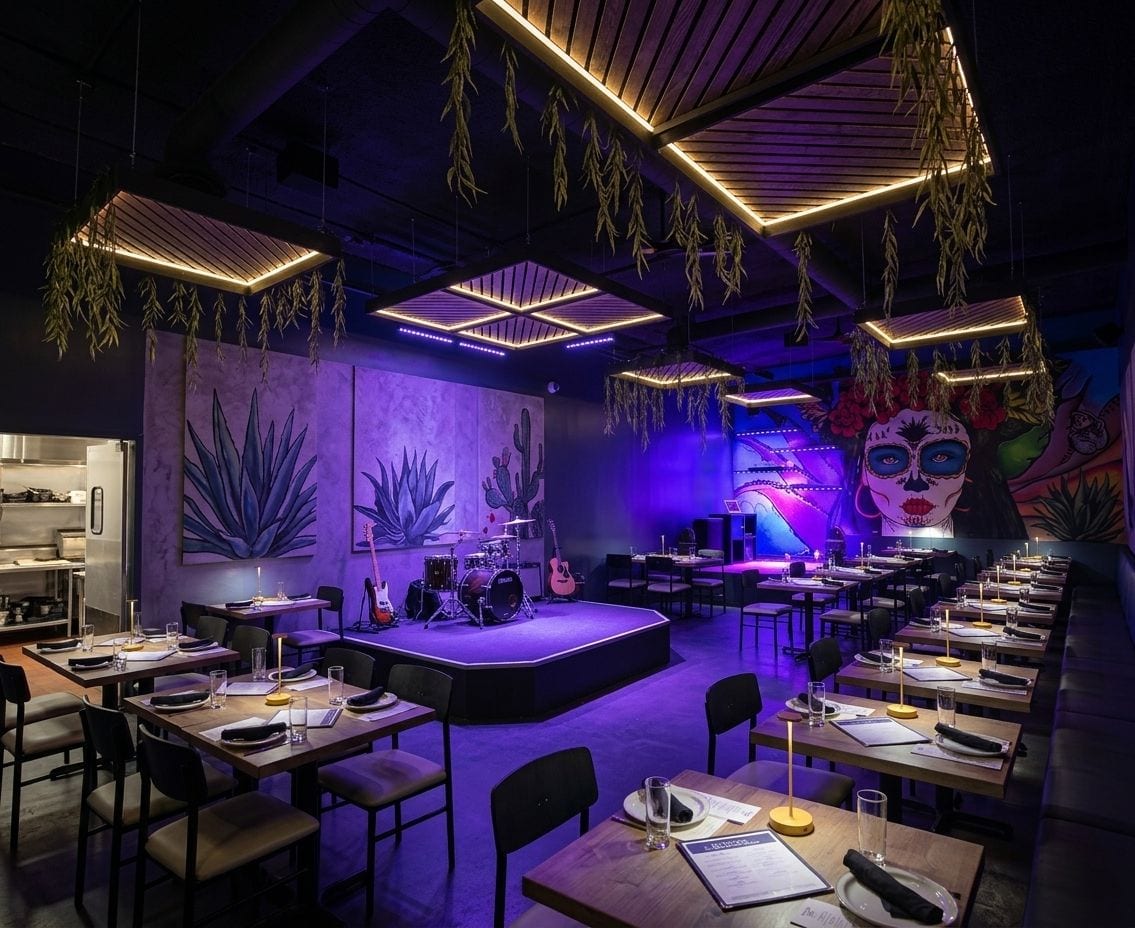
Miel De Agave Phoenix brings interior Mexico to the Valley, pairing a scratch kitchen with a deep agave-spirits bar. Come for regional dishes built on house salsas, slow-cooked meats, and handmade tortillas, then work through a lineup of small-batch mezcals poured neat so you can taste the smoke and terroir.
New to agave spirits? Order a flight and let the staff explain the difference between espadin and wilder wild-harvested varieties. Come hungry, ask what is being poured that day, and finish with a smoky cocktail on the patio as the desert evening cools down.
Main Event Tempe is a big, high-energy family entertainment center just east of Phoenix in neighbouring Tempe, an all-under-one-roof spot that rescues a scorching afternoon or restless evening. It bundles bowling, laser tag, and a wall-to-wall arcade into one loud, happy space, an easy win for mixed groups where both the ten-year-old and the grandparents need something to do.
Roll a few frames on the lanes, trade arcade tickets for prizes, or suit up for laser tag in the blacklit maze. Go with a plan to split into teams, and aim for a weekday visit if you can, since weekends draw local families and the wait for lanes climbs fast.
Best Time to Visit Phoenix
Phoenix sits in the Sonoran Desert, so the shoulder seasons are the sweet spot for anyone who wants to be outdoors on foot. Autumn and early spring bring warm, dry, sun-drenched days that are ideal for climbing Camelback Mountain, wandering the Desert Botanical Garden, or looping the trails of South Mountain Park and Preserve without the extreme heat. Winter is mild and bright, the classic snowbird season when the city fills with visitors escaping colder climates, and it pairs naturally with football autumn and the desert’s clearest, coolest hiking mornings.
Summer is the season to respect rather than fear: daytime heat is intense, so locals shift the pace to early mornings, shaded courtyards, and air-conditioned museums like the Musical Instrument Museum, the Heard Museum, and the Phoenix Art Museum, then re-emerge for warm desert evenings. Late summer also brings the monsoon, when afternoon storms roll in with dramatic skies and brief, welcome rain. If your plans revolve around long walks and mountain trails, aim for the cooler shoulder months; if you want indoor culture and resort afternoons, summer rewards you with quiet and space.
Getting to Phoenix
Phoenix is one of the easiest major cities in the Southwest to reach by air, because it has its own large international airport just a few miles east of downtown, close enough that you can be checking in to your lodging within minutes of landing. A second, smaller regional airport in the southeast metro handles additional flights and can be a handy alternative depending on where you are based in the valley.
By road, three major routes converge here: an east-west interstate crosses the city and links it to Southern California in one direction and Tucson and points east in the other; a north-south interstate climbs out of the valley toward the high country and Flagstaff; and a US highway peels off as the main freeway into the East Valley suburbs. Long-distance passenger rail no longer runs into central Phoenix directly, but the nearest station lies about thirty miles south, with a connecting bus that ties the city into the national network; intercity coaches also serve the metro.
Getting Around Phoenix
Phoenix is a sprawling, car-oriented city, and for most trips a vehicle is the practical choice; distances between the downtown core, the resort districts, and outlying attractions like Taliesin West are simply too great to cover on foot. That said, pockets of the city reward walking: the downtown and midtown corridors, the arts and warehouse districts, and the university-anchored neighbourhoods just across the valley are compact enough to explore on foot once you have parked.
A light-rail line strings together downtown, midtown, the airport area, and the college towns to the east, which makes a car-free day trip through the central spine genuinely workable, and rideshare is plentiful across the metro. The desert stays warm enough for cycling much of the year, and there are dedicated bike routes and canal-side paths, though summer heat limits daytime riding. Parking is generally easy and inexpensive by big-city standards, with garages and surface lots downtown and free lots at most outlying attractions and trailheads.
Where to Stay in Phoenix
Where you base yourself depends on the trip you want. The downtown and midtown core is the most central and walkable choice, close to the art and cultural museums, the light-rail spine, and the sports and dining scene, and it is the natural pick if you would rather not rely on a car for everything. For a quieter, more scenic stay, the neighbourhoods tucked against the mountains and the northeast resort districts trade walkability for calm, desert views, and easy access to trailheads and the botanical garden.
If you are arriving late or moving on quickly, the districts near the airport and along the main interstates put you minutes from arrivals and departures. And if your visit centres on the college town and its nightlife across the valley, basing near the university keeps you in a young, energetic, transit-connected neighbourhood within easy reach of both downtown and the East Valley.
Where to Eat in Phoenix
Phoenix eats like the borderland city it is, and the signature flavours here are Sonoran. The regional star is the Sonoran hot dog, wrapped in bacon and piled with beans, salsa, and a soft roll, and you will find Sonoran-style tacos, carne asada, chiles rellenos, and flour tortillas rolled around mesquite-grilled meats throughout the city. Beyond the Mexican and Southwestern core, the metro’s diversity shows up in Navajo fry bread, chile-forward New Mexican plates, and a strong showing of Southeast Asian and Ethiopian cooking in its immigrant neighbourhoods.
For where to graze, the downtown and midtown corridors and the nearby arts and warehouse districts hold the densest concentration of restaurants, breweries, and coffee houses, while the university district across the valley leans casual and student-friendly. The resort and uptown neighbourhoods skew toward polished patio dining, and the older ethnic enclaves along the main avenues are where you go for the most authentic Sonoran and immigrant kitchens. Pair any of it with a prickly-pear margarita for the full desert-city flavour.
One Day in Phoenix
Morning: Beat the desert heat with a sunrise scramble up Camelback Mountain, then cool off among the cactus at the Desert Botanical Garden on the edge of Papago Park while the light is still soft.
Afternoon: Duck into the air-conditioned galleries of the Heard Museum for Native American art, then wander the red sandstone of Papago Park and climb the short trail to Hole in the Rock for a wide view over the valley.
Evening: Head downtown to the open-air block of CityScape for people-watching and a rooftop table, then settle in for mezcal and interior-Mexican cooking at Miel De Agave Phoenix as the desert evening cools.
Free Things to Do in Phoenix
Some of Phoenix's best experiences cost nothing but effort and an early start. Lace up for the trails of South Mountain Park and Preserve, one of the largest municipal parks in the country, or take on the summit push up Camelback Mountain for sweeping views across the Valley of the Sun.
Over in Papago Park, the short scramble to Hole in the Rock frames the downtown skyline for free, and the Arizona Capitol Museum opens its restored chambers at no charge. Strolling the downtown arts and dining districts is free too, making the city rewarding even on a tight budget.
Day Trips from Phoenix
Phoenix is a superb base for desert and high-country day trips. Head about forty minutes east and the jagged Superstition Mountains rise out of the desert, with a state park at their base offering some of the most dramatic hiking near the city. Drive roughly an hour and three-quarters northwest and you reach Prescott, a mile-high former territorial capital of pine forests, granite boulders, and a historic town square that feels a world away from the valley floor.
For a bigger change of scenery, continue north on the interstate about two hours to Flagstaff, a cool, forested mountain town at over 2,000 metres that anchors the ponderosa pine country and serves as the gateway to the wider Colorado Plateau. Between the desert parks close to town and the pine-clad towns to the north, Phoenix lets you swap saguaros for snow in a single day’s drive.
FAQ: Visiting Phoenix
What is Phoenix known for?
Phoenix is known for its year-round sunshine and Sonoran Desert setting, framed by rugged peaks like Camelback Mountain and huge preserves such as South Mountain Park and Preserve. It is also celebrated for desert culture and gardens, seen at the Desert Botanical Garden, and for standout museums including the Heard Museum and the Musical Instrument Museum.
Is Phoenix worth visiting?
Phoenix is well worth visiting, especially in the cooler months, offering a rare mix of desert hiking, world-class museums, and resort comfort. You can summit Camelback Mountain in the morning, explore the Desert Botanical Garden or Taliesin West by afternoon, and use the city as a base for day trips to Arizona’s red rocks and high country.
How many days do you need in Phoenix?
Three to four days is ideal for Phoenix, giving you time to hike a desert peak, explore Papago Park and the Desert Botanical Garden, and dig into the Heard Museum and Musical Instrument Museum. Add extra days if you want to fold in day trips north to Sedona, Flagstaff, or the Grand Canyon, or to relax at a desert resort.
What is the best time to visit Phoenix?
The best time to visit Phoenix is from late autumn through early spring, when warm, sunny days and cool evenings make outdoor exploring comfortable. This is the ideal window for hiking Camelback Mountain or South Mountain Park and Preserve and enjoying the Desert Botanical Garden. Summer brings intense desert heat, so plan strenuous activity for early mornings.
What is there to do in Phoenix for free?
Several of Phoenix’s best experiences cost nothing beyond your effort: hiking the trails at South Mountain Park and Preserve or up Camelback Mountain, and wandering the desert paths of Papago Park with its distinctive Hole-in-the-Rock formation. Strolling the downtown arts and dining districts is also free, making the city rewarding even on a tight budget.
Is Phoenix family-friendly?
Phoenix is very family-friendly, with attractions built for all ages. The Phoenix Zoo and the Desert Botanical Garden make for easy outings with children, while Papago Park offers gentle trails and open space. The interactive galleries of the Musical Instrument Museum and the wildlife encounters at the zoo keep younger visitors engaged throughout a visit.
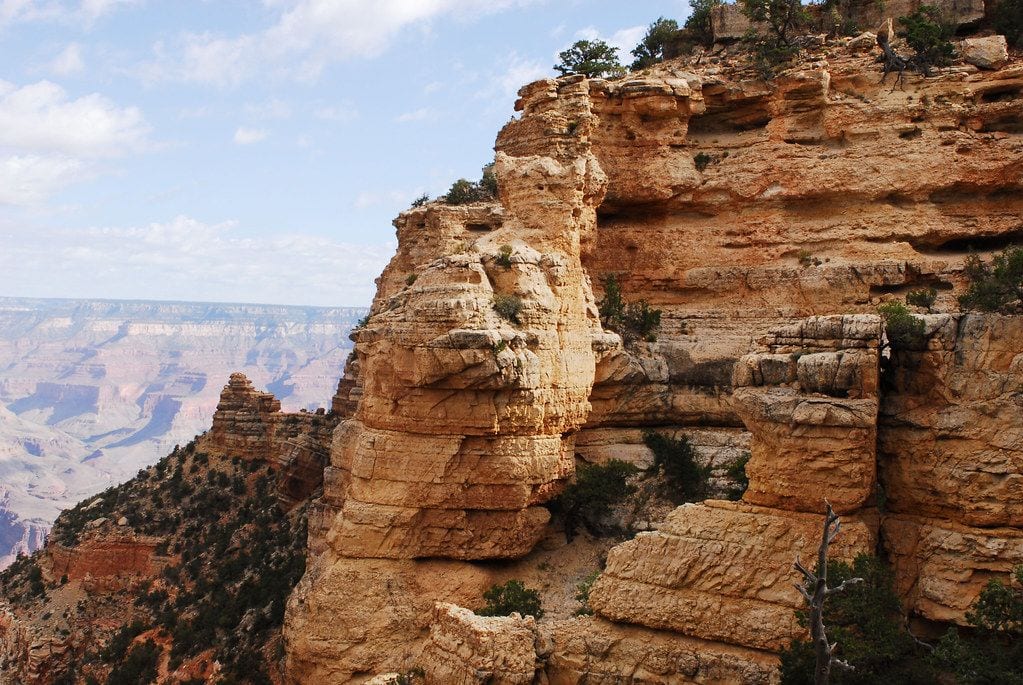
How far is Phoenix from the Grand Canyon?
The Grand Canyon’s South Rim is roughly three and a half to four hours’ drive north of Phoenix, reached by heading up Interstate 17 toward Flagstaff and then continuing north. It makes a long but very doable day trip, and many visitors break the journey in the red-rock country near Sedona along the way.