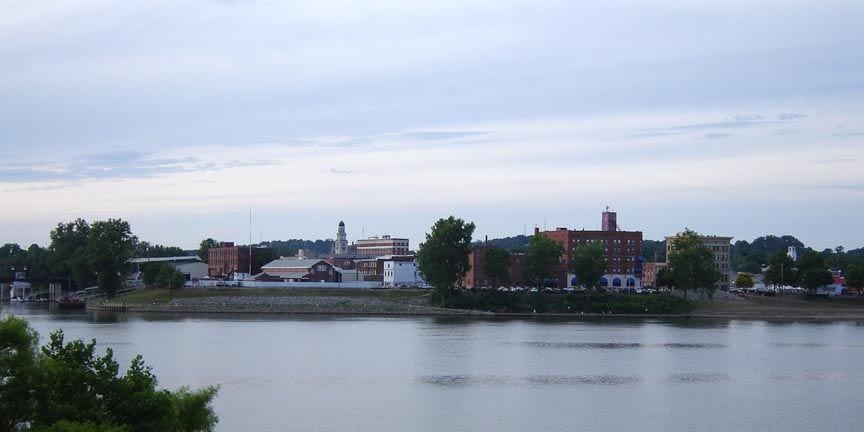
Marietta sits at the confluence of the Muskingum and Ohio Rivers in southeastern Ohio, and it wears its history openly: this was the first permanent American settlement in the Northwest Territory, and its brick-street downtown, riverboat landings, and 19th-century architecture still tell that story. Compact, walkable, and easygoing, it rewards a weekend of museums, river cruises, and back-road day trips, with Columbus and the wider Ohio River valley an easy drive away. Here are the 25 best things to do in Marietta.
Fun Facts About Marietta, Ohio
Marietta was the first permanent settlement in the Northwest Territory, founded on April 7, 1788 by the Ohio Company of Associates under General Rufus Putnam.
The town was named after Queen Marie Antoinette of France, honoring French support during the American Revolution; its original name was Adelphia.
It sits where the Muskingum River meets the Ohio and serves as the county seat of Washington County, with a population of about 13,400.
Mound Cemetery holds the most Revolutionary War officer burials of any cemetery in the country, laid out around a prehistoric Adena earthwork known as the Conus.
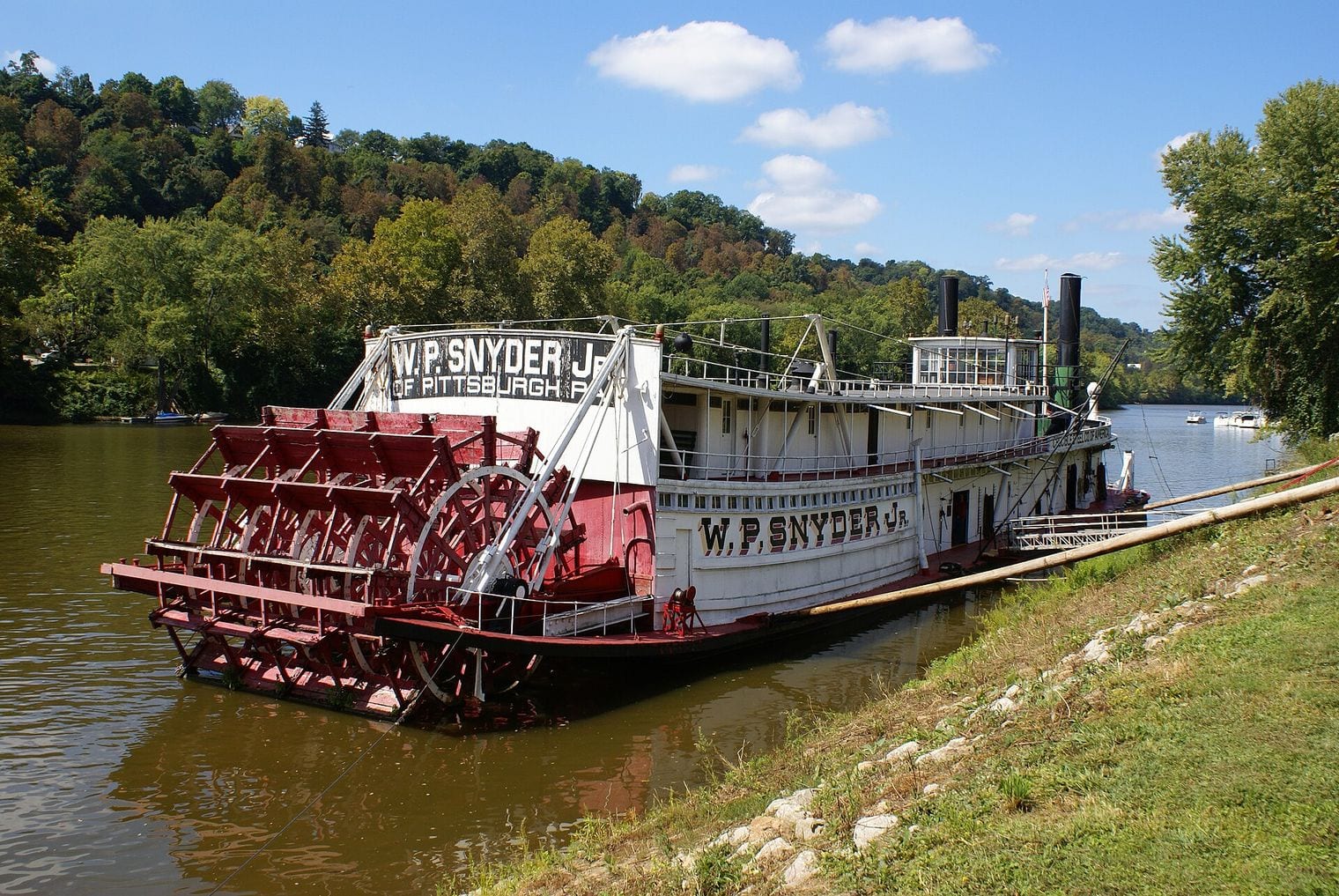
Marietta is home to the W.P. Snyder Jr., the only intact steam-powered sternwheel towboat surviving on the nation’s inland rivers, a National Historic Landmark.
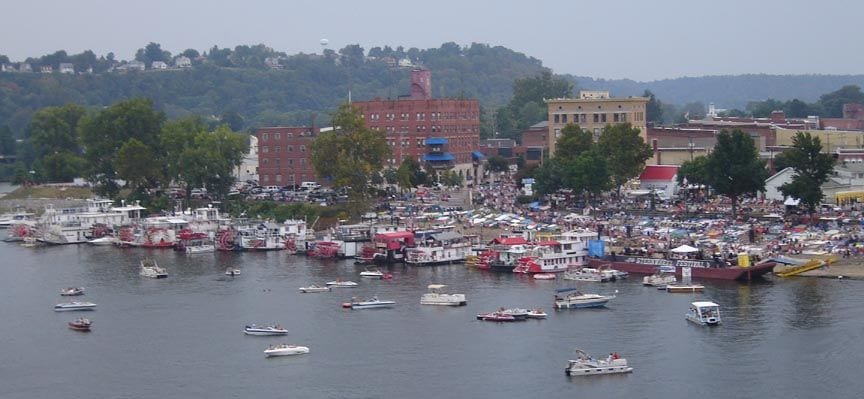
The city celebrates its river heritage the weekend after Labor Day at the Ohio River Sternwheel Festival, when dozens of paddlewheel boats line the downtown levee.
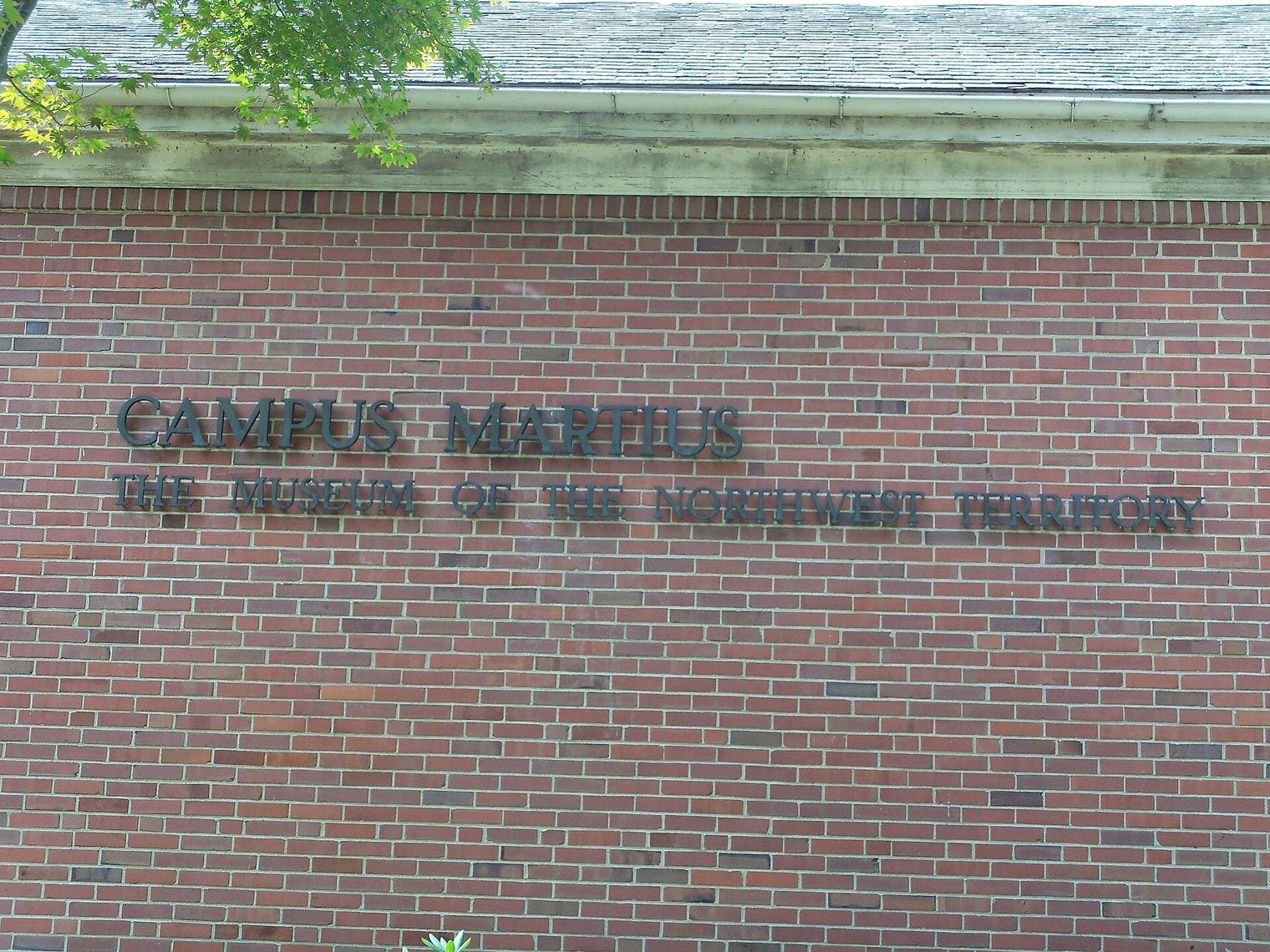
The Campus Martius Museum in Marietta tells the story of the Northwest Territory and the pioneers who settled the American frontier. It stands beside Muskingum Park, overlooking the point where the Ohio and Muskingum Rivers meet. Inside, visitors find artifacts of early frontier life alongside interactive exhibits that trace how the first settlers built their new communities.
The setting carries real historical weight, as Marietta was the first permanent settlement in the Northwest Territory, founded in 1788. That foundational chapter gives the collection its focus, grounding the displays in the everyday realities of the people who arrived here. The riverfront location adds context, connecting the exhibits inside to the waterways that shaped the region's early growth.
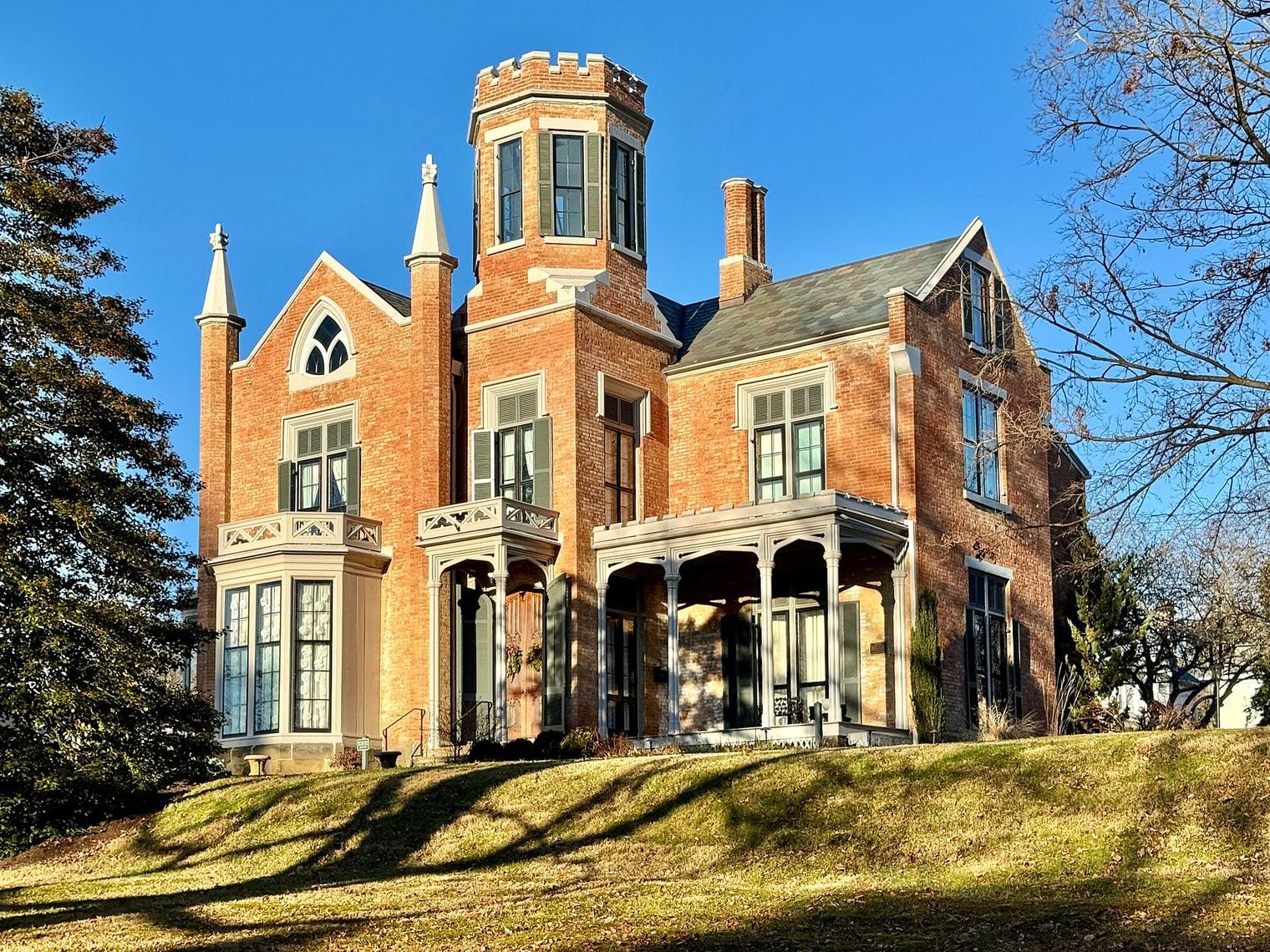
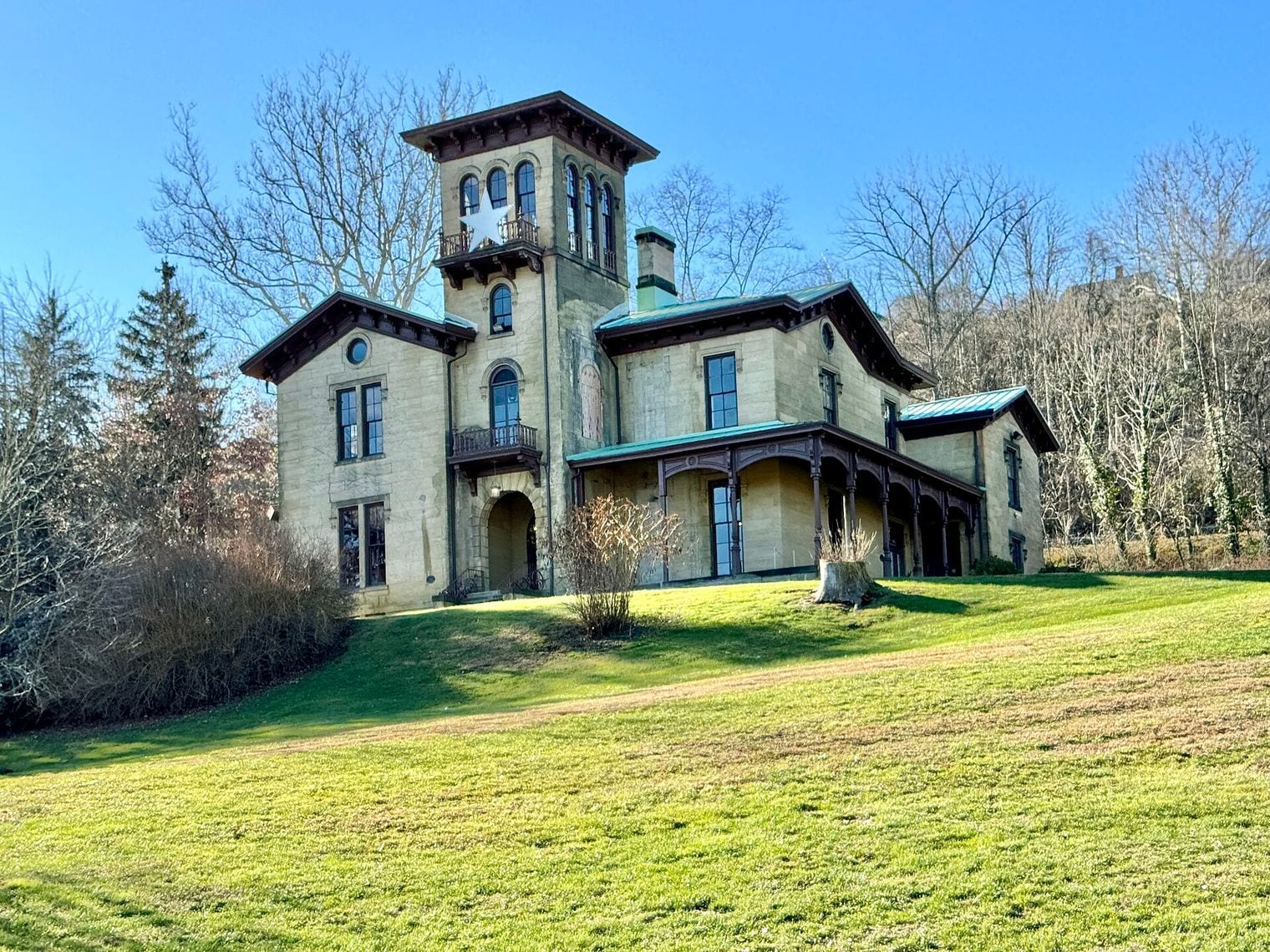
The Castle Historic House Museum occupies a Gothic Revival home built in 1855 by Melvin Clarke, an abolitionist attorney. Its distinctive tower rises above downtown, making the house one of Marietta's most recognizable landmarks. Guided tours lead visitors through rooms furnished with period pieces that reflect the era in which the family lived.
Beyond the furnishings, the museum devotes space to interactive exhibits exploring 19th-century Ohio life, giving context to the household and the wider community around it. The Gothic Revival architecture, from the tower to the interior detailing, offers a close look at how a prosperous mid-1800s family built and lived within their home.
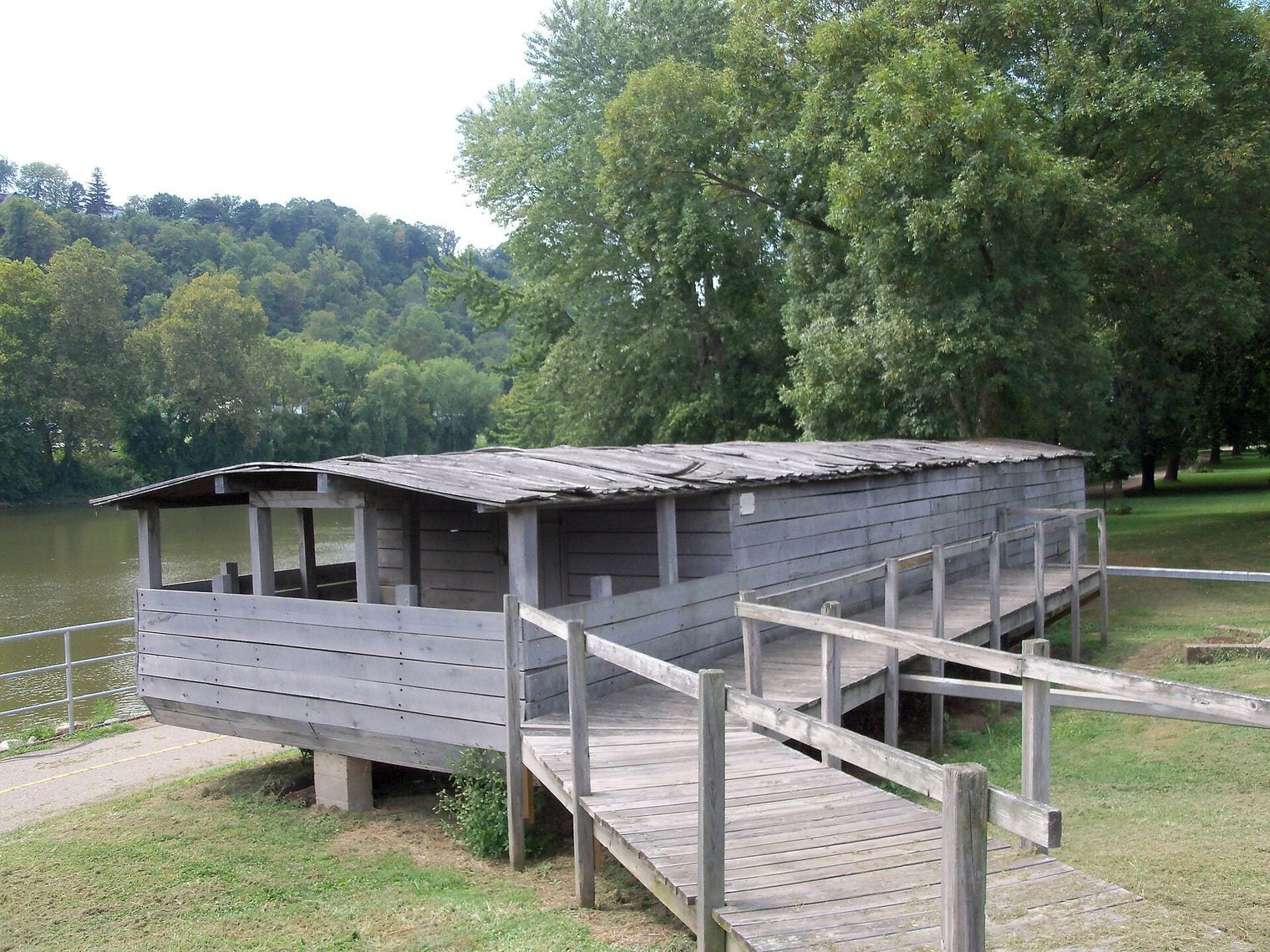
The Ohio River Museum traces the story of the waterway that shaped Marietta and the wider region, gathering artifacts and displays that bring river and steamboat life into focus. Sitting in a town with a deep boatbuilding heritage, it connects the mechanics of river travel to the communities and commerce that grew up along the banks.
The exhibits reach back to the dawn of steam power on these waters. Steamboats first operated on the Ohio in 1811, when the New Orleans, the first steamboat on western waters, passed downriver that year. Through models, tools, and archival material, the museum shows how these vessels transformed movement and trade across the frontier interior.
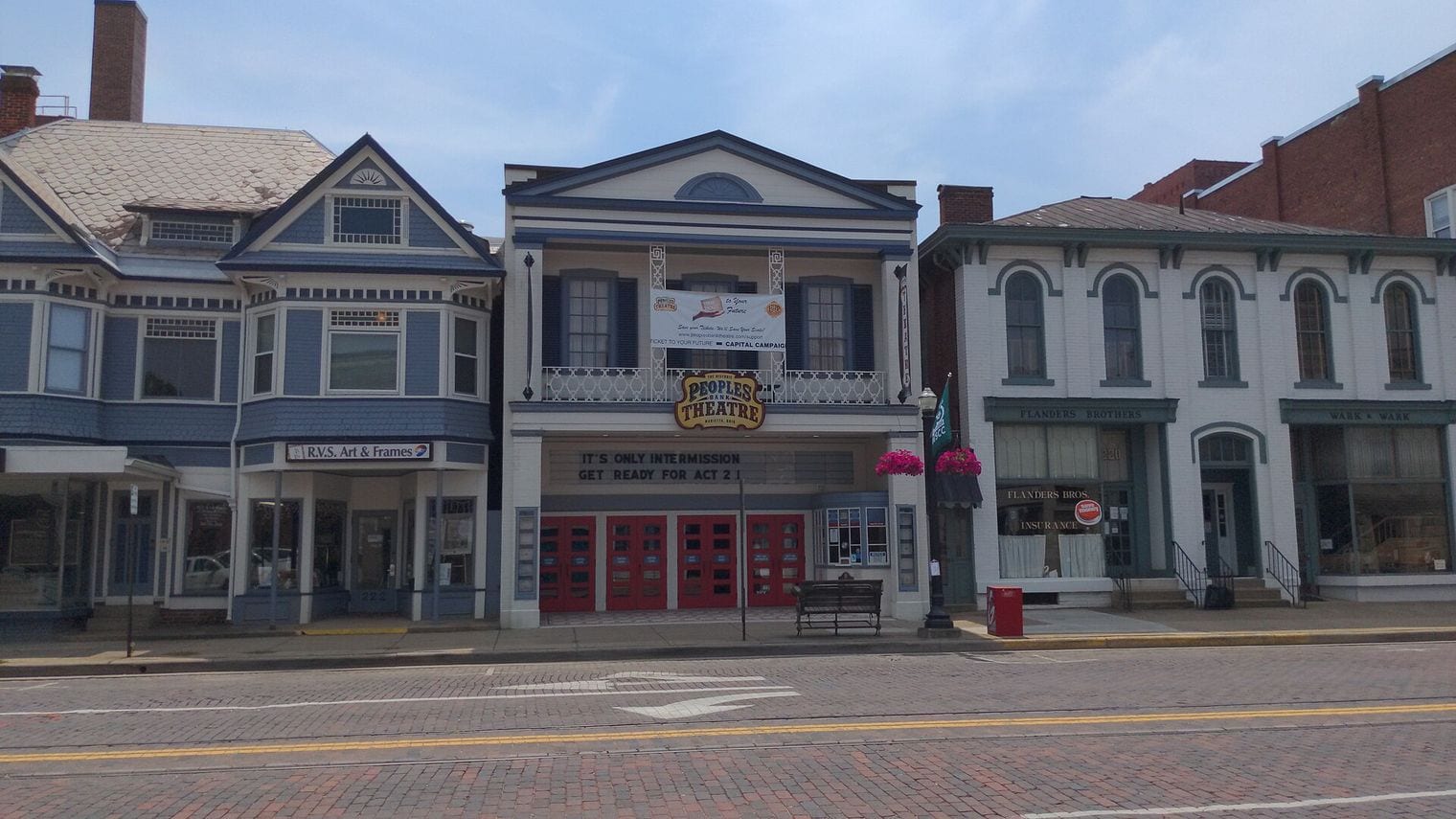
Anchoring the corner of Putnam and Third streets, Peoples Bank Theatre is a restored landmark seating roughly 940. It opened in 1919 as The Hippodrome, then was renovated and renamed The Colony Theatre in 1949 before a later restoration brought it back to life under its present name, a fixture of downtown Marietta's cultural fabric.
Today the theatre serves as a cornerstone of Mid-Ohio Valley cultural life, hosting touring music acts and film on its stage. It operates as a nonprofit, leaning on community donations to keep the historic house running. Its long arc from vaudeville hall to modern venue makes it a worthwhile stop for anyone tracing Marietta's arts scene.
Black Diamond Brewery & Distillery pours handcrafted brews from a spot in Historic Downtown Marietta, at 167 Front Street near where the Ohio and Muskingum Rivers meet. The building has deep roots in local brewing, having previously housed the Marietta Brewing Company before Black Diamond stepped in.
The distillery acquired and reopened the space under its own name in 2025, preserving the original murals and the downtown character that give the room its atmosphere. Along with a rotation of house beers, it carries the added draw of distilled spirits, all served in one of Marietta's most walkable riverside stretches.
The Valley Gem Sternwheeler is a genuine paddlewheel riverboat that has cruised the Ohio and Muskingum Rivers from the Front Street levee since the 1970s. Its narrated sightseeing cruise runs about ninety minutes, gliding past the confluence of the two rivers where Marietta, the first permanent settlement in the Northwest Territory, took root.
Beyond the standard sightseeing run, the boat hosts dinner cruises, live-music evenings, fall foliage runs, and lock-and-dam excursions in season, with the Major Riviera recently joining the fleet. The trips reflect Marietta's deep sternwheel heritage, a tradition the town honors each Labor Day weekend, making a river cruise a fitting way to understand this historic Ohio port.
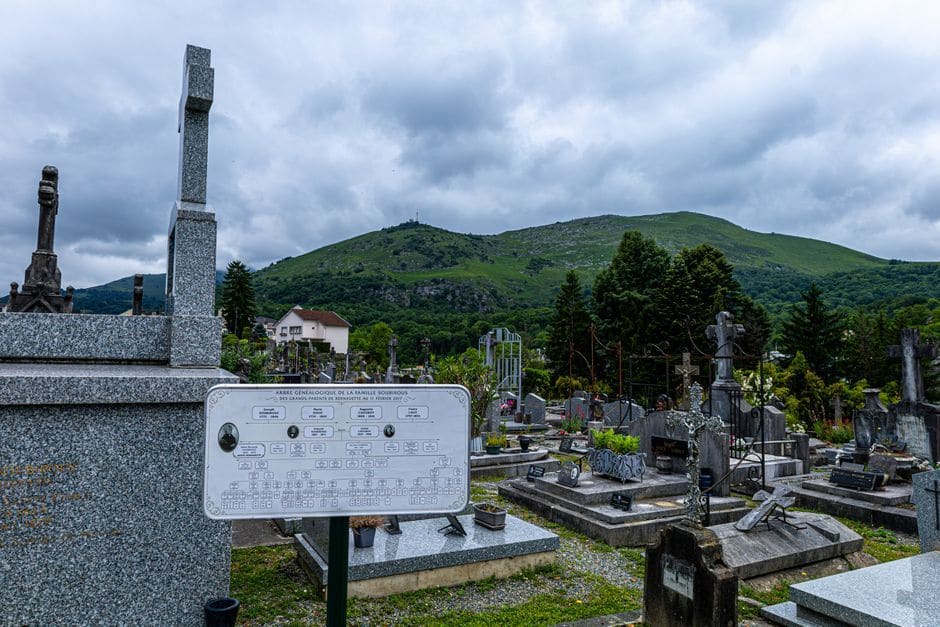
Established in 1801, Mound Cemetery was built around the prehistoric Adena earthwork known as the Conus, a Great Mound raised centuries before European settlers arrived. This unusual pairing of ancient monument and early American burial ground makes the site one of Marietta's most historically layered places, quietly holding thousands of years of human presence within a single wooded plot.
The grounds hold the highest number of Revolutionary War officer burials in the country, among them Rufus Putnam, one of the region's founders. Red oaks and sugar maples shade weathered monuments and a war memorial, giving the cemetery a calm, contemplative character. It remains open and free to visit, welcoming those drawn to its rare mix of antiquity and early republic history.
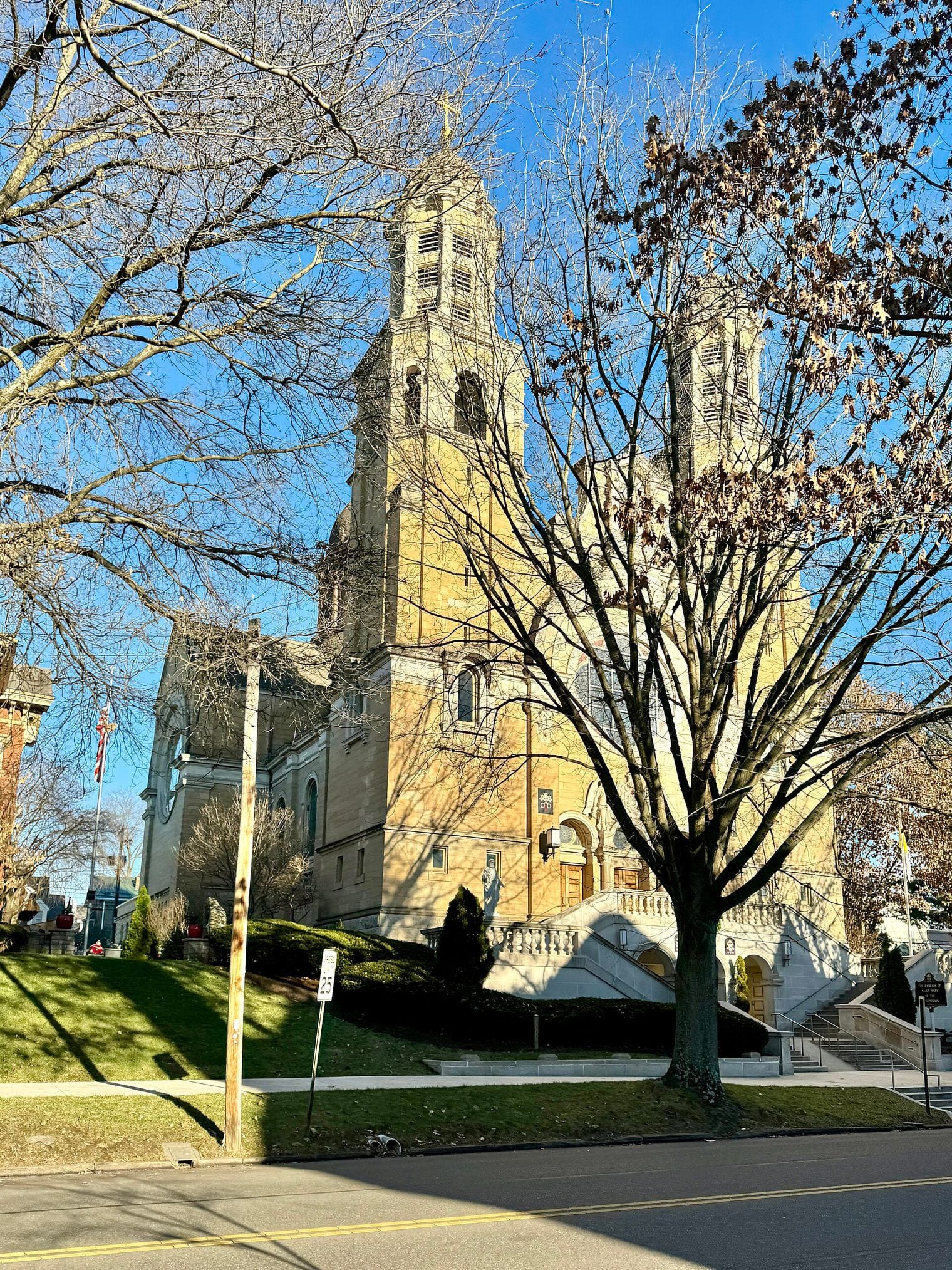
The Basilica of St. Mary of the Assumption was dedicated in 1909 and remains a working place of worship. Built in a Spanish Colonial and Renaissance Revival style, it makes a striking impression, with twin towers rising more than 100 feet and a copper dome crowning the roofline above the surrounding streets.
Inside, the interior rewards a closer look. Stained-glass windows depict scenes from the Old Testament, casting colored light across the pews, while painted ceilings draw the eye upward. Together the architecture and artwork give the space a quiet grandeur, and visitors mindful that services continue here are welcome to step in and admire the craftsmanship.
The Children's Toy & Doll Museum gathers antique and vintage playthings that trace the long history of childhood amusement. Its collection ranges from antique teddy bears and delicate German bisque dolls to vintage Barbie sets, with pieces dating all the way back to the Victorian era. The result is a nostalgic look at how children once played.
Rather than displaying everything behind glass, the museum keeps a few interactive exhibits that invite closer engagement with the toys and dolls. Whether visitors arrive for the craftsmanship of the older figures or simple childhood nostalgia, the assembled bears, dolls, and Barbies offer a warm, unhurried window into generations of play across many decades.
Hidden Marietta is a tour company that brings the city's history to life through interactive walking tours of its historic sites. Visitors can choose self-guided routes or join guided outings, with itineraries covering the city's founders and stops along the Underground Railroad, revealing the layered stories behind Marietta's oldest streets and landmarks.
The experience leans into playful engagement, folding in scavenger hunts and trivia that turn a stroll into a hands-on exploration. For those drawn to darker corners of the past, the company also runs ghost and history tours, making it a flexible option for travelers who want to pair sightseeing with a bit of storytelling and a sense of discovery.
Open since 2010, Adelphia Music Hall has grown into the Mid-Ohio Valley's go-to concert destination. This Marietta venue books an eclectic mix of national touring acts and local talent, spanning rock, pop, hip-hop and beyond. Its all-ages policy means the calendar draws a genuinely wide crowd rather than a single scene.
The genre-crossing lineup is part of the appeal, giving the room a different character from one night to the next. For anyone in the region hoping to catch live music, it remains a reliable first stop, and its longevity speaks to a steady place in Marietta's cultural life over more than a decade.
Golfers looking to sharpen their game will find plenty to work with at Pioneer Family Golf Center in Marietta. Alongside its course, the facility offers dedicated practice areas where players can drill their swing, work on short-game shots, and build consistency before heading out for a casual round or a more focused session.
The center also brings in PGA professionals for lessons, making it a useful stop for beginners learning the fundamentals and experienced players fine-tuning their technique. Club-fitting services round out what is on offer, helping golfers match their equipment to their own swing. It suits both relaxed rounds and steady, purposeful practice.
Among Marietta's more unusual attractions, the Cawley & Peoples Mortuary Museum takes visitors inside the history of funeral and death care. Established in 1878, this specialized museum arranges its collection across several galleries, offering a candid look at how communities have handled mourning, embalming, and remembrance over generations.
The galleries display embalming tools and vintage hearses alongside other artifacts that trace the evolution of the funeral trade. It is a niche stop, appealing to curious travelers drawn to the quieter, more solemn corners of American history. The subject matter is handled with care, making the museum a thoughtful and genuinely distinctive detour.
The Rinky Dink Flea Market spreads across roughly two acres of indoor space in the Marietta area, giving bargain-hunters and collectors plenty of room to browse. Many vendors fill the aisles, and the mix leans toward antiques, handmade crafts, and vintage clothing, making it an easy destination for anyone who enjoys the hunt for something unexpected.
The indoor setting means the shopping continues regardless of the weather outside, and the sheer variety keeps each visit feeling a little different. Antiques sit beside secondhand finds and locally made goods, so both serious collectors and casual browsers tend to leave with something. It remains one of the more rewarding stops for those who like poking through vendor stalls.
Open since 1996, the Antique Mall of Marietta gathers a wide, ever-changing selection of vintage furniture, jewelry, and collectibles under one roof. Many independent dealer booths fill the space, each stocked and arranged differently, so the mix of eras, styles, and price points shifts from one aisle to the next.
Because the inventory turns over as booths restock and rotate, no two visits feel quite alike, which rewards browsers who like to dig for something unexpected. It suits collectors hunting a specific piece as much as casual shoppers wandering the rows in search of a small, characterful souvenir of Marietta.
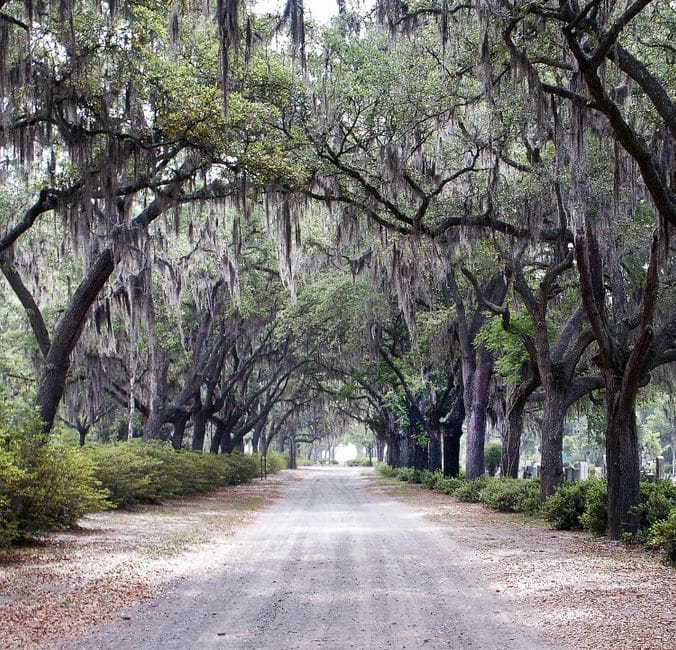
Oak Grove Cemetery is a historic, city-owned burial ground of about 33 acres on land the city acquired in 1861, with the first interments following in 1864. In use since the 1860s, it holds thousands of graves across gently landscaped grounds, a peaceful setting shaded by mature trees and dotted with weathered monuments.
Among the markers stand a graceful angel statue and a mausoleum adorned with sculptures, drawing visitors interested in memorial art and local history. The quiet paths make an easy, contemplative walk, and the aged stones and monuments offer a tangible link to Marietta's earlier generations and the families who shaped the surrounding community over the decades.
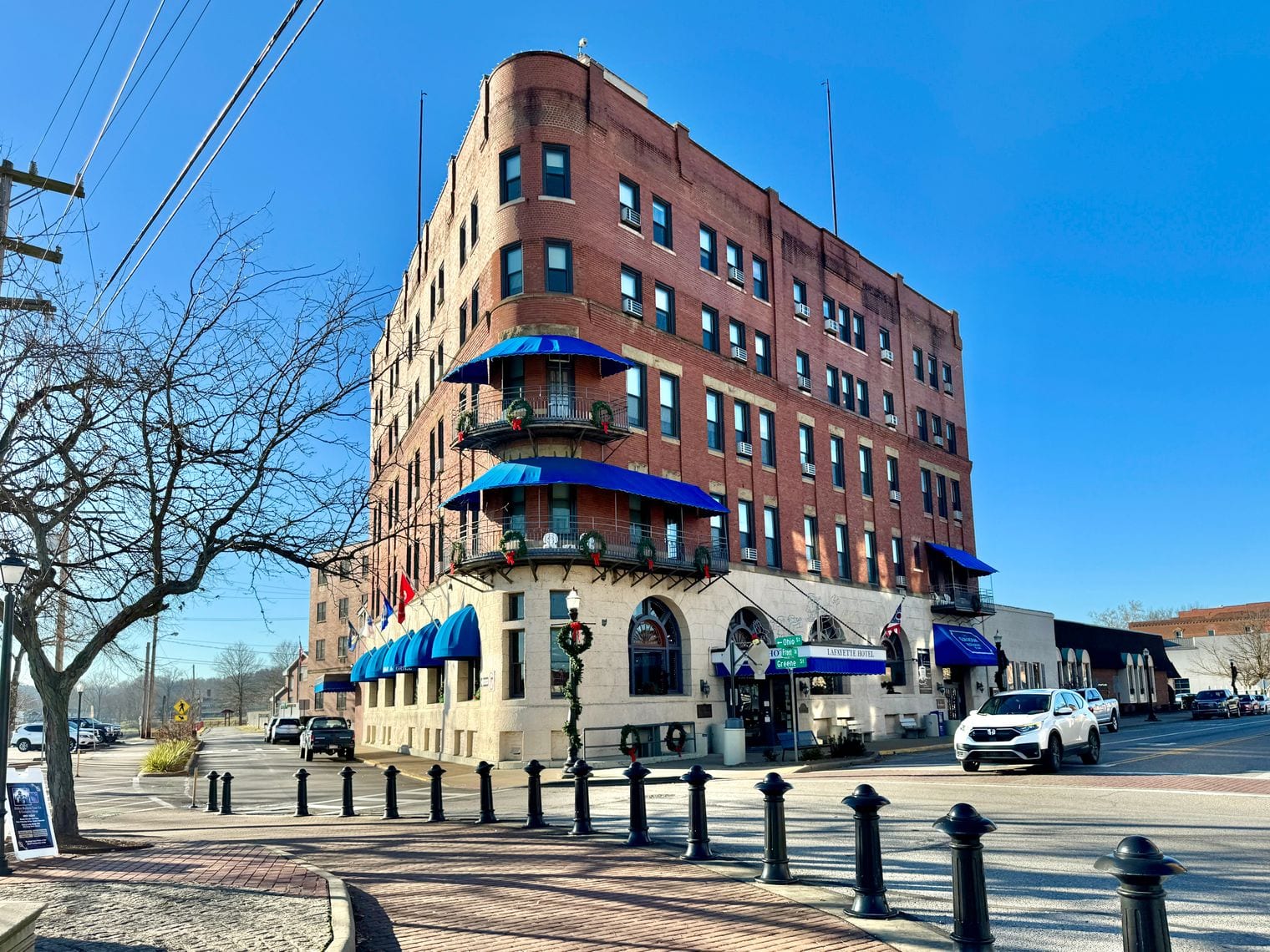
Standing where the Muskingum meets the Ohio, the Lafayette Hotel opened in 1918 and takes its name from the Marquis de Lafayette, who visited Marietta in 1825. A grand survivor of the riverboat era, it anchors the town's historic downtown and remains one of Marietta's most recognizable riverfront landmarks, its facade framed by sweeping views of the water.
Inside, the lobby doubles as a museum of the steamboat age, lined with river memorabilia and salvaged pilot wheels rescued from vessels that once worked these waters. The wood-panelled Gun Room restaurant carries the same era's atmosphere, warm and quietly formal. Together they make the hotel a fitting centrepiece for a river town shaped by the traffic that passed its doors.
Marietta Roller Rink brings skaters of all ages onto smooth wooden floors, where music and an upbeat atmosphere set the pace for a classic afternoon or evening on wheels. Beginners lace up alongside seasoned skaters, gliding through laps at their own speed while the sound system keeps the energy rolling around the polished surface.
Beyond ordinary open-skate sessions, the rink hosts special events that add variety to the calendar, including themed skate nights that give the floor a fresh feel. It remains a straightforward, welcoming stop for families, friends, and anyone looking to trade sightseeing for a few active hours indoors, whatever the weather happens to be doing outside.
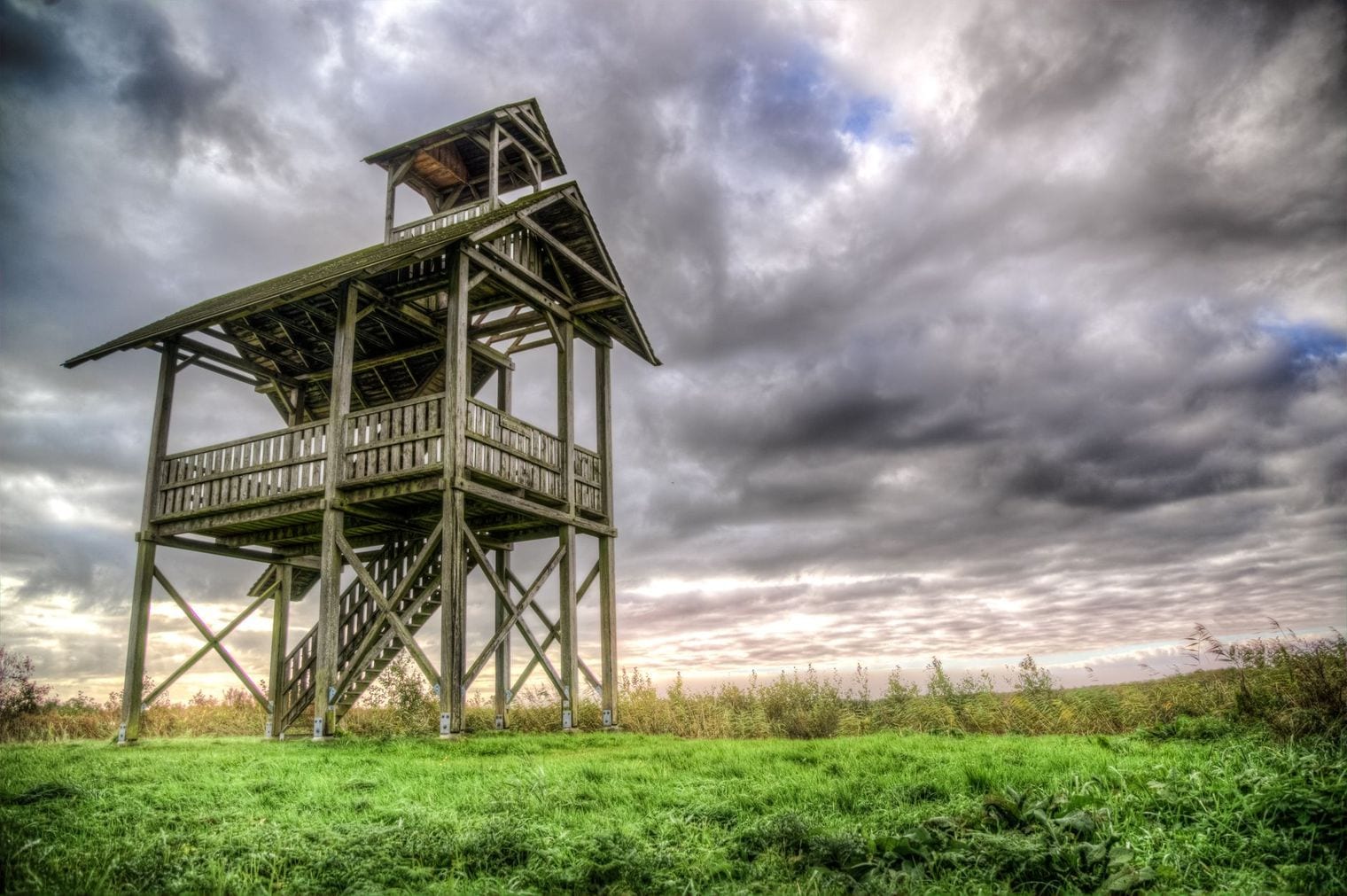
Perched on Harmar Hill above the town, Lookout Point is a public scenic overlook that gazes out over the confluence of the Muskingum and Ohio Rivers. From this open-air vantage, the two waterways meet below alongside the streets and rooftops of Marietta, laying the whole river valley out in one wide, unhurried view.
The spot is free and open to the public, drawing early risers for sunrise and others who linger for the sunset colors over the water. There is little to do here beyond take in the vista, which is rather the point, and the elevated setting makes it a quiet, rewarding pause between busier stops around the historic riverside town.
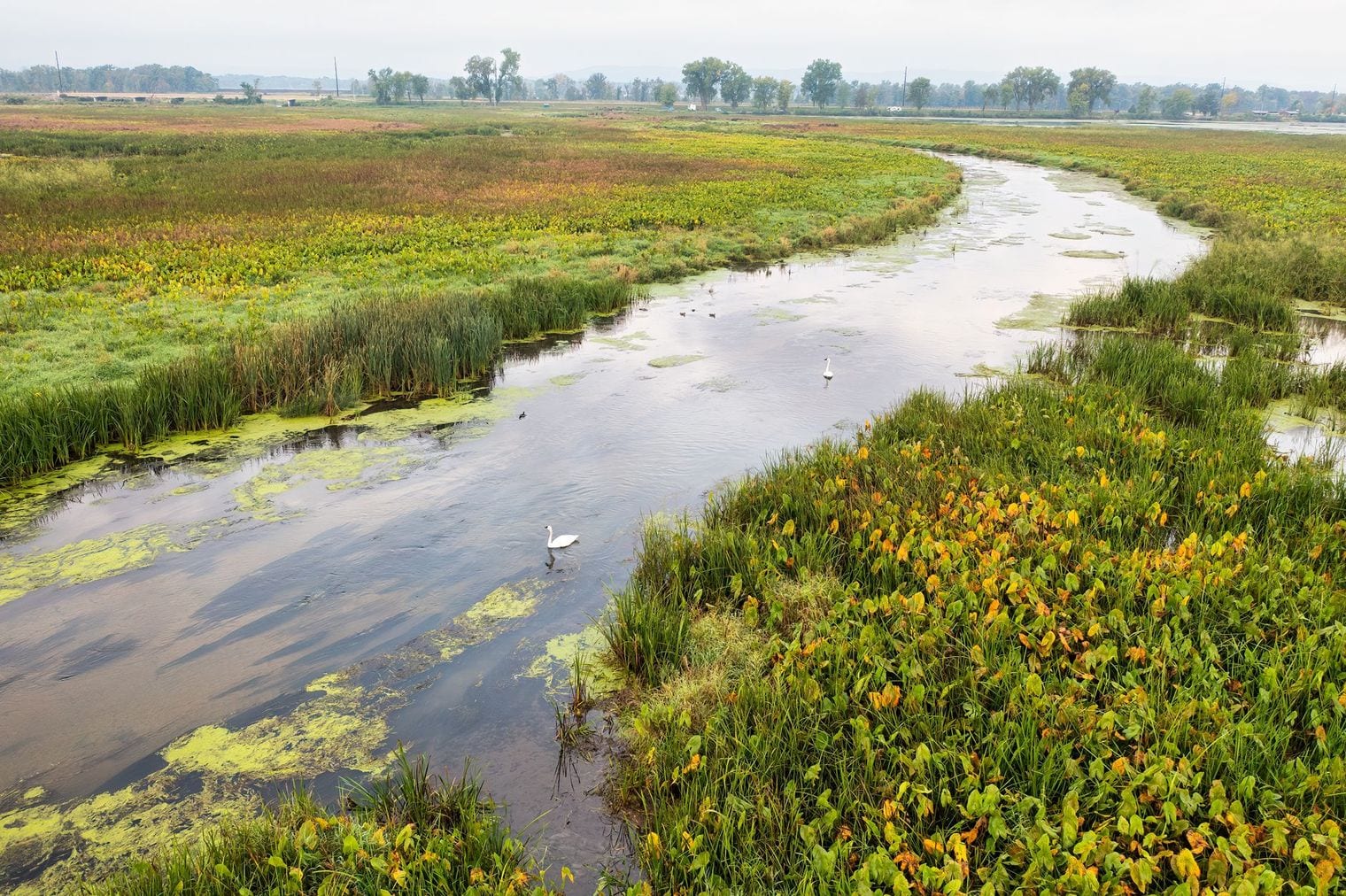
Kroger Wetlands is a tranquil nature preserve of roughly twenty acres, where a mosaic of wetland habitats supports diverse wildlife. Plants, birds, mammals, reptiles and amphibians all find a home here, and trails wind through the marshy ground toward open views of the Muskingum River. It rewards a slow, quiet visit above a hurried one.
Birdwatchers do especially well, as the wetlands draw nesting waterfowl and songbirds throughout the seasons. Mallards, geese and wood ducks paddle the shallows while warblers flit among the trees, giving patient observers plenty to spot. The mix of water, marsh and woodland edge concentrates wildlife within a small, walkable area close to the river.
The Marietta Aquatic Center is a city-run pool complex built for a family day in the water. Beyond the main pool, it packs in water features like slides and spray jets, a lazy river for drifting, and two dedicated water slides for those chasing a bit more speed and splash.
Younger visitors gravitate to the splash playground and the Adventure Galley, a pirate-ship feature that turns a swim into an imaginative adventure. Swim lessons are offered for those working on their skills, making the center as practical as it is playful. It remains a reliable summer destination for families across the Marietta area.
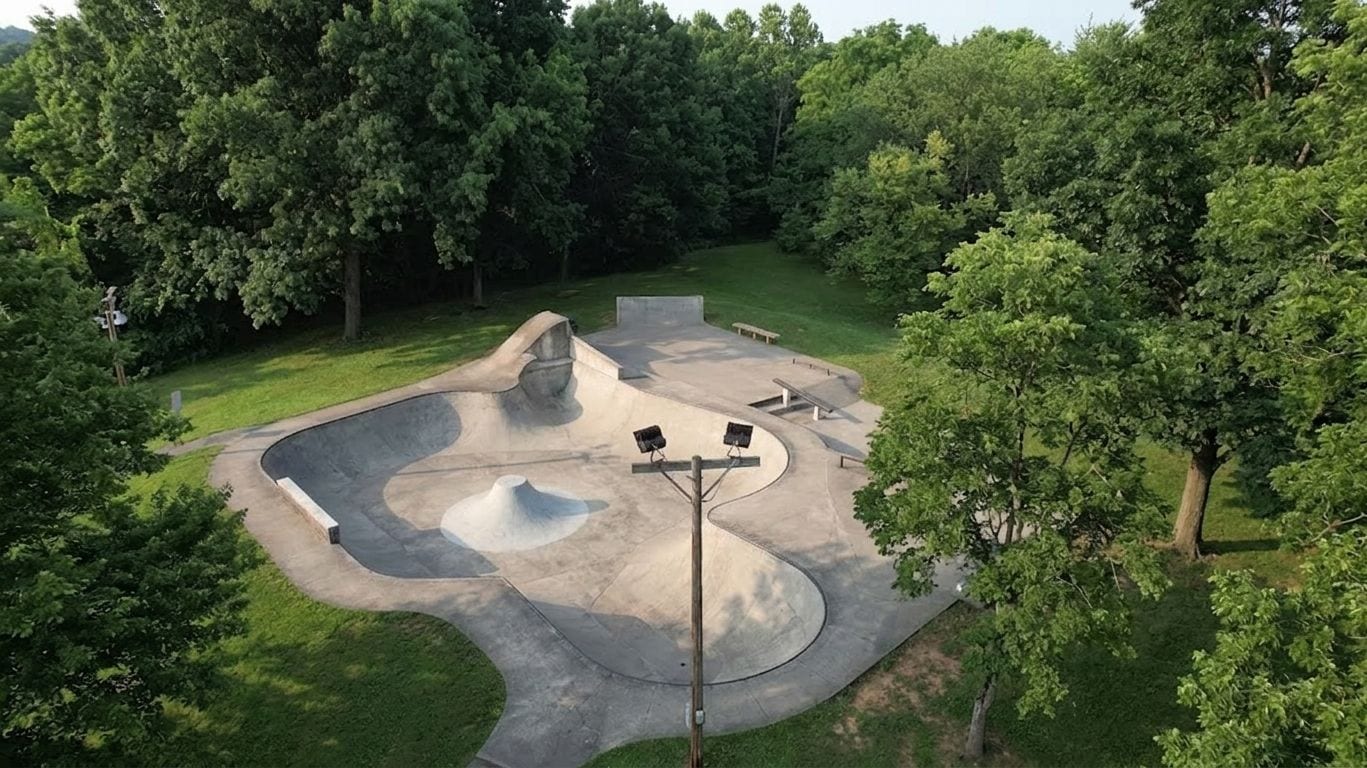
Set on more than 10 acres beside the Muskingum River, Indian Acres Park gathers a stretch of Marietta's riverfront recreation into one green space. A boat ramp gives paddlers and anglers direct access to the water, while ball fields and a winding bike path spread across the grounds, making it an easy stop for a range of outdoor pursuits.
The park's skateboard area is a draw of its own, laid out with a bowl, a cradle, and a run of street features that suit skaters of every level. Whether visitors arrive to ride the concrete, launch a boat, or simply follow the path along the river, the space rewards an unhurried afternoon spent close to the Muskingum.
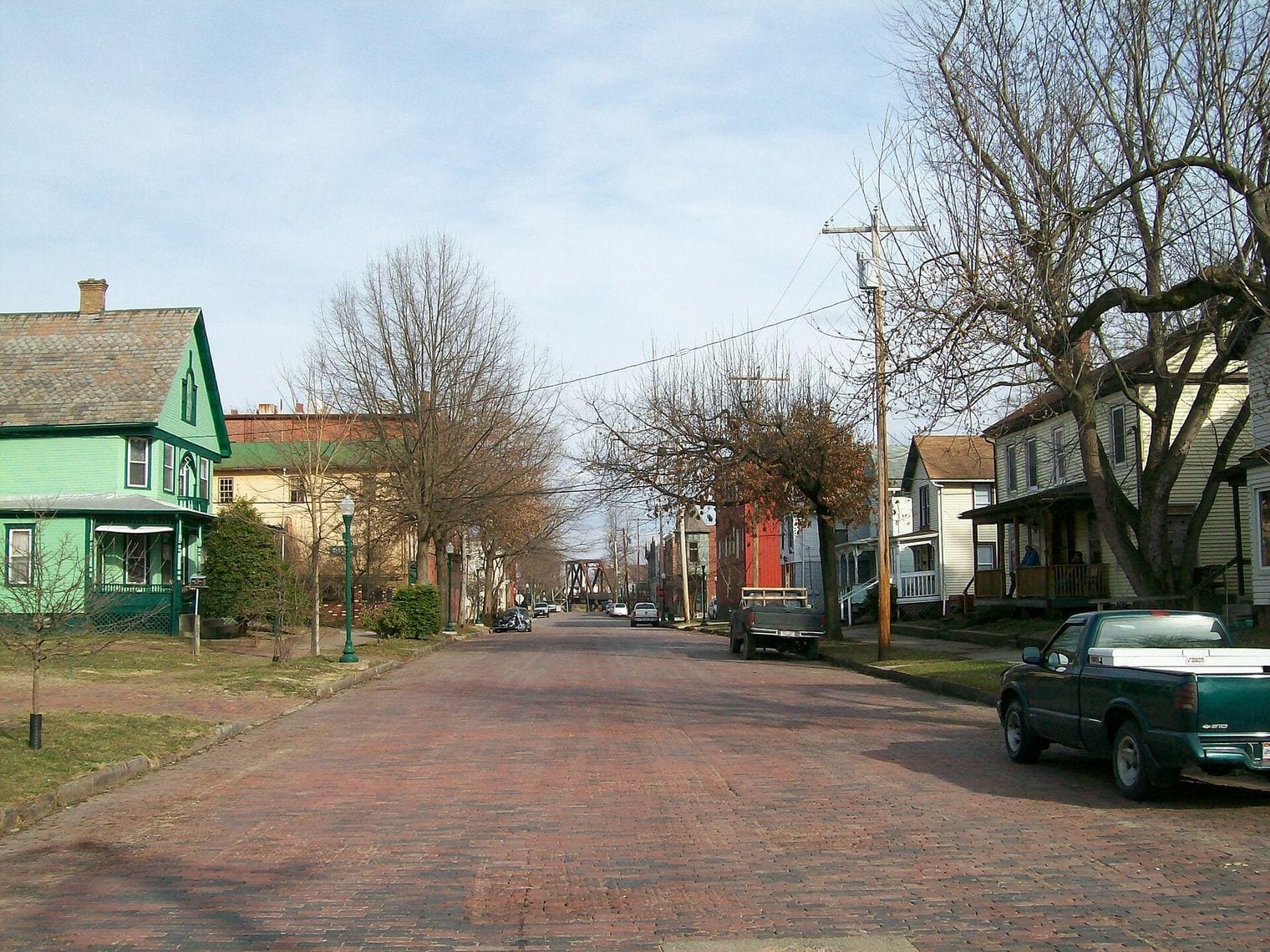
Across the Muskingum River from downtown Marietta, the Harmar Historic District rewards a stroll over the pedestrian bridge that connects the two sides. This walkable neighborhood preserves 19th-century homes, small shops, dining spots and modest museums, and more than 200 of its buildings appear on the National Register of Historic Places.
Landmarks anchor the district's early history, including the 1806 home of Rufus Putnam and the Washington County Courthouse, built in 1809. The compact scale makes it easy to wander on foot, taking in the architecture and the quieter character of this side of the river before crossing back toward the town center.
Moored at the Ohio River Museum, the W.P. Snyder Jr. is the only intact steam-powered, sternwheel towboat still surviving on the nation's inland rivers. A National Historic Landmark, it was built in 1918 by James Rees & Sons of Pittsburgh and originally christened the W.H. Clingerman, pushing coal barges along the Monongahela River in its working years.
Renamed in 1945, the roughly 175-foot towboat was given to the Ohio Historical Society in 1955 and brought to Marietta, where it now serves as a floating window into a vanished era of river commerce. Visitors can board the vessel to explore the engine room, the pilothouse, and the crew quarters, tracing how life and labor once unfolded aboard a working steamboat.
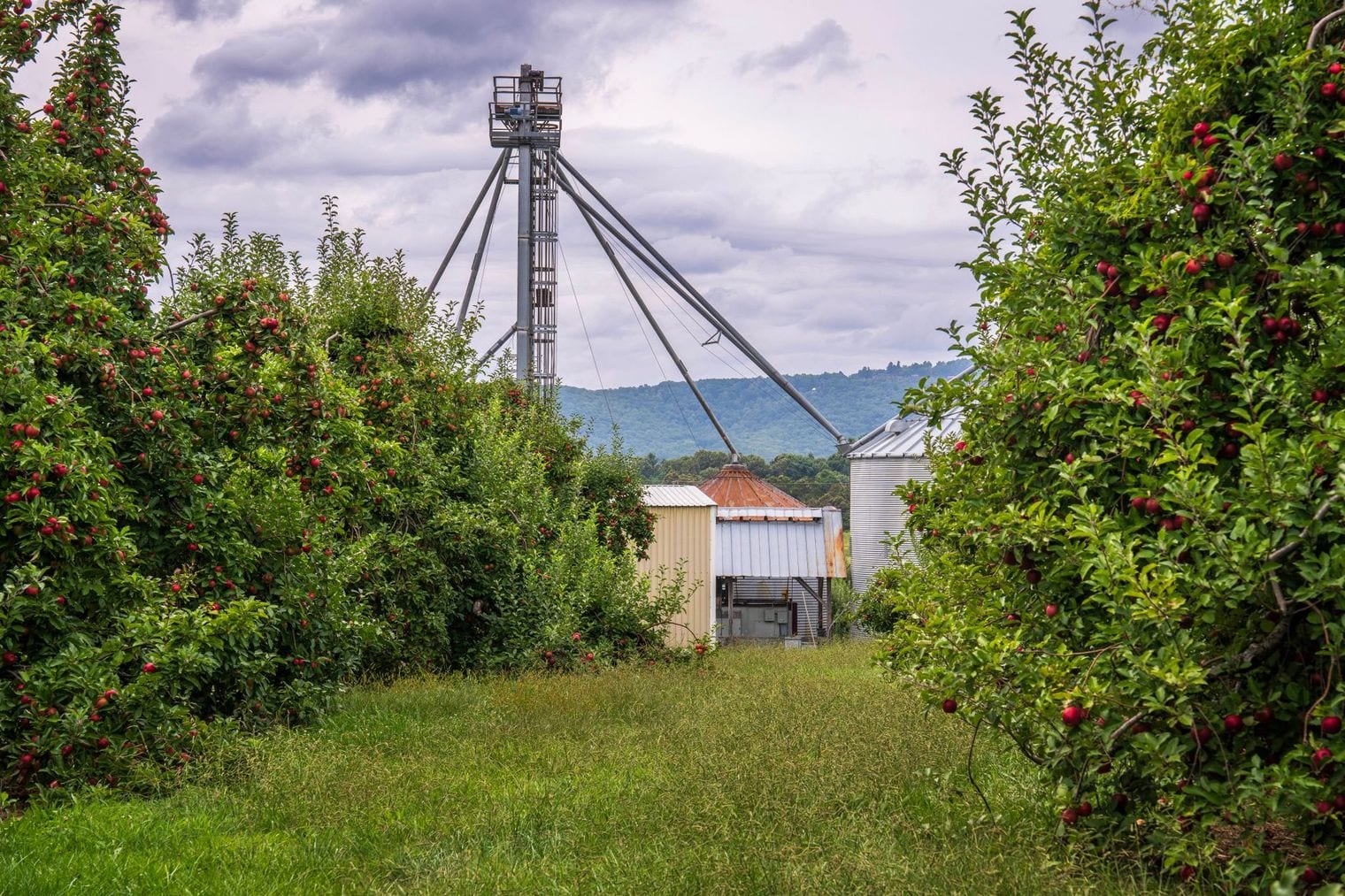
Set among rolling hills outside Marietta, Hidden Hills Orchard is a family-run u-pick farm where visitors can wander the rows and gather their own fruit. The trees yield apples, pears, cherries and more, each ripening in its own season, giving the orchard a shifting harvest that rewards return trips throughout the growing year.
Beyond picking, the orchard leans into the traditions of the harvest season. Hayrides carry guests out among the trees, and apple-cider tastings round out an afternoon in the countryside. It makes for an easy, unhurried outing just beyond town, well suited to families and anyone drawn to the simple pleasures of a working fruit farm.
Best Time to Visit Marietta
The most comfortable stretches for exploring Marietta on foot are the shoulder seasons of late spring and early autumn, when mild days make it easy to wander the brick streets of the Harmar Historic District, follow the riverfront, and visit landmarks like Campus Martius Museum, the Ohio River Museum, and Mound Cemetery without either summer humidity or winter chill. Autumn is especially rewarding: the wooded hills of the Ohio River valley turn gold and rust, riverboat cruises aboard the sternwheeler run against a backdrop of colour, and the season carries a college-town, football-and-harvest energy that fills the downtown squares.
Summer is the liveliest season, warm and sometimes humid, and the natural time for river outings and a cool-off at the Marietta Aquatic Center, with long evenings that suit strolling to the historic theatre or catching a service at the basilica. Winters are cold and occasionally snowy, and the pace is quieter, but that is when the town leans hardest into its history-and-heritage character, with indoor museums, holiday lights along the old streets, and a candlelit, small-town glow that rewards visitors who don’t mind bundling up.
Getting to Marietta
Marietta sits where the Muskingum River meets the Ohio River, and its main artery is Interstate 77, which runs north-south through the edge of town and crosses the river into West Virginia; the older State Route 7 traces the Ohio River bank and links the string of valley towns. The interstate makes the city an easy drive from the larger cities of the region, and long-distance bus service stops in town, though there is no passenger rail here.
For flying in, a small regional airport lies just across the river a short drive away, but most visitors arrive through one of the larger hub airports and drive the rest. The state capital’s international airport is roughly two hours to the northwest, another major hub sits about two and three-quarter hours to the northeast, and a mid-size airport to the south is a little over an hour away, so renting a car on arrival is the usual plan.
Getting Around Marietta
Marietta’s compact historic core is genuinely walkable: the downtown grid around the courthouse, the riverfront, and the Harmar Historic District across the Muskingum are best linked on foot, and a footbridge ties the two riverbanks together for an easy stroll between them. Within that core you can reach the theatre, the museums, the basilica, and the sternwheeler landing without ever getting back in a car.
Beyond the historic centre, though, a car is the practical way to get around, since attractions and the surrounding valley spread out and public transit is limited. Downtown parking is easy, with street spaces and lots close to the main sights, and rideshare is available for short hops. The flat riverfront streets are pleasant for cycling, but for day trips into the hills or across the river you will want your own vehicle.
Where to Stay in Marietta
For a first visit, base yourself in or right beside the downtown historic district: staying central puts you within walking distance of the courthouse squares, the riverfront, the historic theatre, and most of the museums, and it captures the brick-street, small-town atmosphere that draws people here. The adjoining Harmar Historic District, just across the Muskingum, is the quieter, more residential alternative and still an easy walk over the footbridge to the action.
If you’re driving through or want quick highway access, the areas out near the Interstate 77 interchange on the edge of town trade walkability for convenience and are the simplest for road-trippers. Travellers in town for the college will find the streets around the campus, close to the centre, handy and lively, while the calmer residential neighbourhoods up on the hillsides above the river suit those who prefer a peaceful, leafy base within a short drive of downtown.
Where to Eat in Marietta
The densest cluster of places to eat is the downtown historic district, where cafés, taverns, and casual spots line the brick streets around the courthouse and spill toward the riverfront; the Harmar Historic District across the river adds a smaller, characterful pocket of its own. This is a river-valley town with Appalachian and Midwestern roots, so the local table leans hearty: comfort cooking, smokehouse barbecue, home-style diner breakfasts, and river-town fried fish.
Look for the regional staples the wider Ohio Valley is known for, from pepperoni rolls and sausage-and-gravy breakfasts to buckeye candies, kettle corn, and farm-stand apples and sweet corn in season. Between the coffee houses, bakeries, and craft breweries and taprooms of the downtown core, most cuisines and a good pint are within an easy walk of one another.
One Day in Marietta
Ohio’s oldest permanent settlement rewards a slow, walkable day that starts down on the water and works its way up into the brick-and-cast-iron downtown — here’s how to string the best of it together from dawn to dusk.
Morning: Begin where the town began, at the confluence, giving the cool early hours to the riverfront cluster. Start at the Ohio River Museum to get your bearings on the steamboat era, then step outside to board the moored W.P. Snyder Jr., the last intact steam-powered sternwheel towboat of its kind — a genuinely rare thing to walk the decks of. If you’d rather see the river than read about it, time your visit to the Valley Gem Sternwheeler a short stroll along the bank and let the paddlewheel do the sightseeing for you.
Afternoon: Head a few blocks inland into the historic core, which is compact enough to do on foot. Duck into the Campus Martius Museum for the pioneer story of the Northwest Territory, then walk to Mound Cemetery — built around a prehistoric earthwork and holding more Revolutionary War officers than almost any burial ground in the country. Cap the daylight at the The Castle Historic House Museum, a Gothic Revival landmark whose tower you’ll have already spotted from the sidewalks below.
Evening: Circle back to the theater district for dinner and a show. Grab a table and a house pour at Black Diamond Brewery & Distillery, then walk over to the restored Peoples Bank Theatre, a jewel-box 1919 house that anchors Marietta’s nightlife with touring music and film. If you can spare a second day, drive east out of town to Hidden Hills Orchard for a leisurely morning among the rows — a proper country counterpoint to all that river-town history.
Free Things to Do in Marietta
You can soak up much of Marietta’s charm without spending a cent. Wander the brick streets and riverfront of the historic downtown, cross the pedestrian bridge into the Harmar Historic District, and follow the levee paths where the Muskingum meets the Ohio. The 19th-century architecture, the old storefronts, and the river views are all free to enjoy on foot.
History costs nothing here, either. Pay your respects at Mound Cemetery, built around a prehistoric Adena earthwork and holding more Revolutionary War officers than any burial ground in the country, or stroll the landscaped grounds of Oak Grove Cemetery. Climb to Lookout Point on Harmar Hill for a sweeping view over the confluence, wander the trails of Kroger Wetlands for birdwatching, and step inside the Basilica of St. Mary of the Assumption to admire its stained glass.
Day Trips from Marietta
Marietta makes a natural base for exploring the Ohio River valley, and Interstate 77 does most of the work. Head north on the interstate about two hours and you reach Canton, home of the sport’s landmark football hall; drive roughly two hours west or northwest and you’re in Columbus, the state capital, with its museums, university district, and big-city dining. Following the river valley southwest for about two hours brings you to Huntington, near where Ohio, West Virginia, and Kentucky meet.
Closer to home, the surrounding hills reward a shorter outing: the forested ridges and back roads of the Wayne National Forest lie just outside town for hiking, paddling, and autumn colour, and the string of historic Ohio River towns up and down State Route 7 makes for an easy afternoon of small-town wandering between the bigger city trips.
FAQ: Visiting Marietta
What is Marietta, Ohio known for?
Marietta is known as the first permanent settlement in the Northwest Territory, founded in 1788 at the confluence of the Muskingum and Ohio Rivers. It is celebrated for its riverboat heritage and well-preserved history, seen at Campus Martius Museum, the Ohio River Museum, the Valley Gem Sternwheeler, and its brick-street historic downtown.
Is Marietta, Ohio worth visiting?
Yes, especially if you enjoy history, architecture, and river scenery. This walkable river town packs restored 19th-century streets, the pioneer-era Campus Martius Museum, The Castle Historic House Museum, a working sternwheeler, and the restored Peoples Bank Theatre into a compact, easygoing weekend that rewards visitors who like heritage over hustle.
How many days do you need in Marietta, Ohio?
One to two days is plenty to see the highlights. A full day covers the historic downtown, Campus Martius Museum, the Ohio River Museum, and Mound Cemetery, with time for a Valley Gem Sternwheeler cruise. A second day lets you explore The Castle, the Harmar Historic District, and the surrounding river country at a relaxed pace.
What is the best time of year to visit Marietta, Ohio?
Late spring through early autumn is ideal, with mild weather for the riverfront, walking the historic streets, and taking a sternwheeler cruise, plus a lively festival season. Autumn is especially scenic as the Appalachian foothills around the river valley turn color, while the town’s indoor museums make it a worthwhile stop year-round.
Is Marietta, Ohio walkable and family-friendly?
Very much so. The historic downtown, riverfront, museums, and Peoples Bank Theatre cluster within an easy stroll, and a pedestrian bridge links to the Harmar Historic District. Families enjoy the hands-on history at Campus Martius Museum and the Ohio River Museum, plus the paddlewheel Valley Gem Sternwheeler, all within a compact, low-key core.
What is there to do in Marietta, Ohio for free?
You can wander the brick-street historic downtown and riverfront for free, cross the pedestrian bridge into the Harmar Historic District, and visit Mound Cemetery with its ancient Native American earthwork and pioneer graves. Strolling the levee paths, admiring the 19th-century architecture, and window-shopping cost nothing at all.
How far is Marietta, Ohio from Columbus?
Marietta lies roughly two hours to the southeast of Columbus, about 125 miles by road, reached via the interstate that runs northwest out of the river valley. This makes the state capital an easy day trip, and Canton is a comparable drive of under two hours straight north up the Interstate 77 corridor.