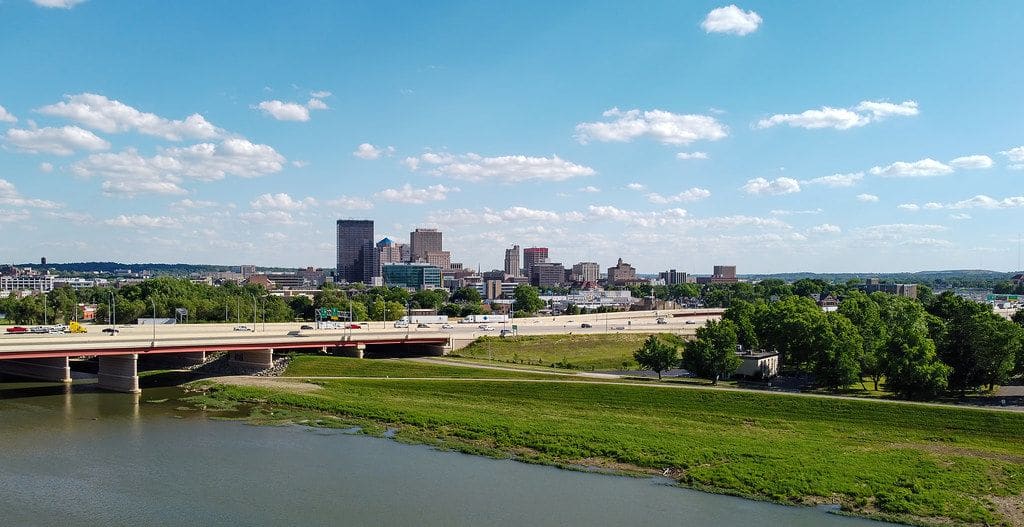
Known locally as "The Gem City," Dayton anchors the fourth-largest metro area in Ohio and, above all, the birthplace of aviation. Home of the Wright brothers, it once led the nation in patents per capita and gave the world the airplane, the cash register and the electric self-starter, a legacy you feel across its museums and historic sites.
That inventive spirit runs through everything here, from the world's largest military aviation museum to riverfront parks, historic homesteads and a lively downtown arts and food scene. Read on for the 25 best things to do in Dayton.
Fun Facts About Dayton, Ohio
Dayton was founded on April 1, 1796, by a group of settlers who travelled up the Great Miami River from Cincinnati.
The city is named after Jonathan Dayton, a Founding Father and the youngest man to sign the U.S. Constitution, who owned land in the area.
Dayton is celebrated as the "Birthplace of Aviation," the hometown of Orville and Wilbur Wright, who built the world's first practical airplane.
In 1890 Dayton granted more patents per capita than any other U.S. city, earning a reputation as a hotbed of invention.
Dayton inventors gave the world the cash register, the electric self-starter and the pop-top can, among many other everyday innovations.
Its nickname, "The Gem City," dates to the mid-1800s, when a newspaper called Dayton "the gem of all our interior towns."
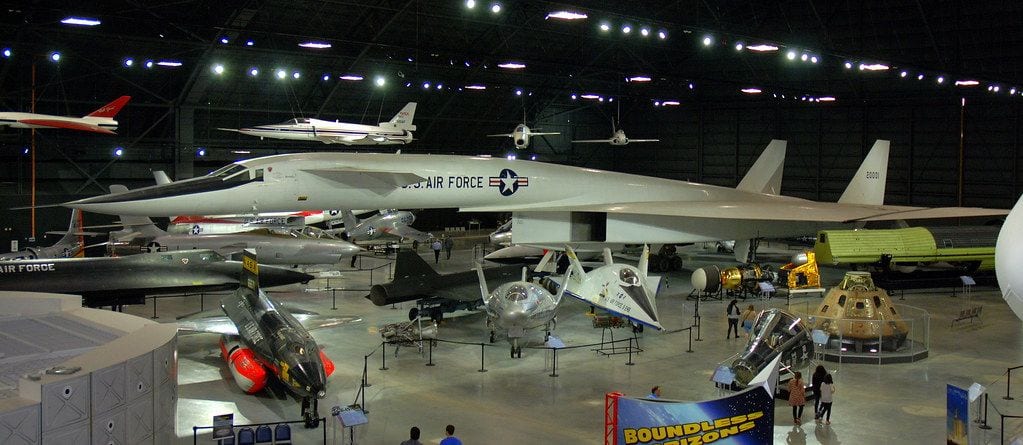
Drawing over a million visitors a year, the National Museum of the US Air Force at Wright-Patterson Air Force Base is the oldest and largest military aviation museum in the world, and admission is free. Its vast hangars hold hundreds of aircraft and missiles spanning the whole history of flight.
Highlights include a replica of the 1909 Wright Military Flyer, the B-17 Memphis Belle, and Bockscar, the B-29 that ended WWII in the Pacific. You can also see the Apollo 15 command module and several presidential aircraft, among them the Boeing 707 that carried President Kennedy. Plan for at least half a day here.
Given Dayton's reputation for invention, it is fitting that Carillon Historical Park is one of the city's most popular sites. Founded by Colonel Edward Deeds and his wife Edith in 1940, the 65-acre open-air campus was created to celebrate the technological and transportation breakthroughs that put Dayton on the map.
With buildings and artifacts spanning more than two centuries, the star exhibit is the original 1905 Wright Flyer III, the world's first practical airplane, shown in a purpose-built sunken hall. Other must-sees include an early steam locomotive, a vintage Frigidaire and a 1912 Cadillac fitted with Dayton's own Delco electric starter.
Tracing its roots to 1893, the Boonshoft Museum of Discovery has grown into Dayton's premier hands-on science and natural-history museum. It combines a science center, a natural-history museum, a children's museum and a small zoo of animals native to Ohio, along with a planetarium and observatory.
Standout exhibits include "Science on a Sphere," which projects vivid visualisations of Earth's atmosphere and oceans, and interactive zones where kids can climb, experiment and role-play careers from veterinarian to pizza chef. Regular summer camps, astronomy programs and zoo tours make it an easy, full afternoon out for families.
4. Dayton Aviation Heritage National Historical Park
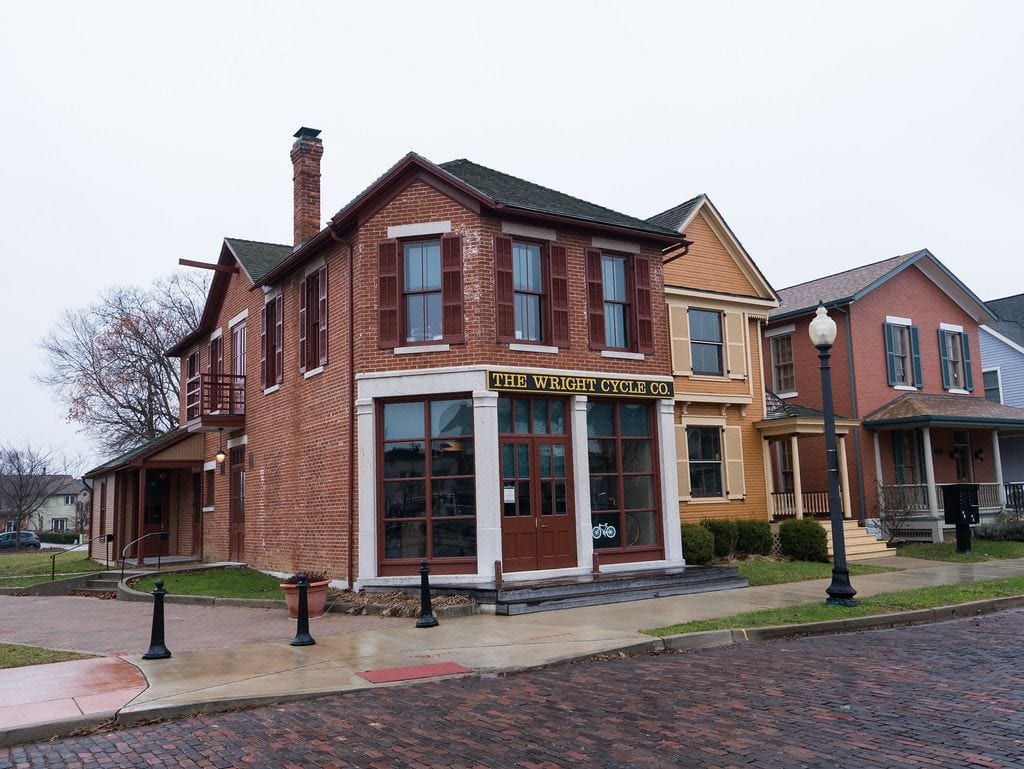
Opened in 1992 to preserve the places that shaped Dayton's aviation history, the Dayton Aviation Heritage National Historical Park brings together several nationally significant sites, including the Wright Cycle Company building, Huffman Prairie Flying Field, Hawthorn Hill and the Paul Laurence Dunbar House.
Start at the Wright-Dunbar Interpretive Center, where exhibits and a short film introduce the Wright brothers and poet Paul Laurence Dunbar. The center also houses the Aviation Trail Parachute Museum, which celebrates another Dayton first, the free-fall parachute, developed nearby at McCook Field just after WWI.
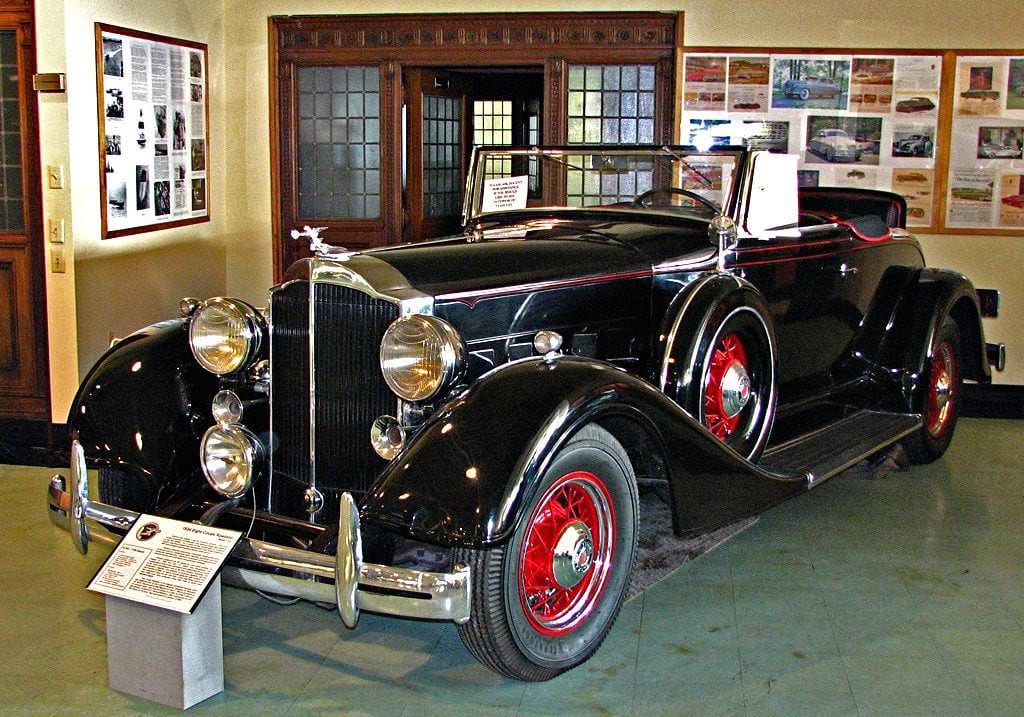
Founded in 1992 by car collector Robert Signom II, America's Packard Museum celebrates one of the nation's most revered luxury marques. It is set inside a beautifully restored art-deco former Packard dealership, and it holds the largest public collection of Packard automobiles and memorabilia anywhere.
The collection ranges from 1903 to the early 1950s and includes standout cars such as a 1930 Town Cabriolet, a 1928 speedster prototype, and a 1942 Clipper once driven by General Douglas MacArthur. For classic-car and design enthusiasts, it is an unmissable stop in downtown Dayton.
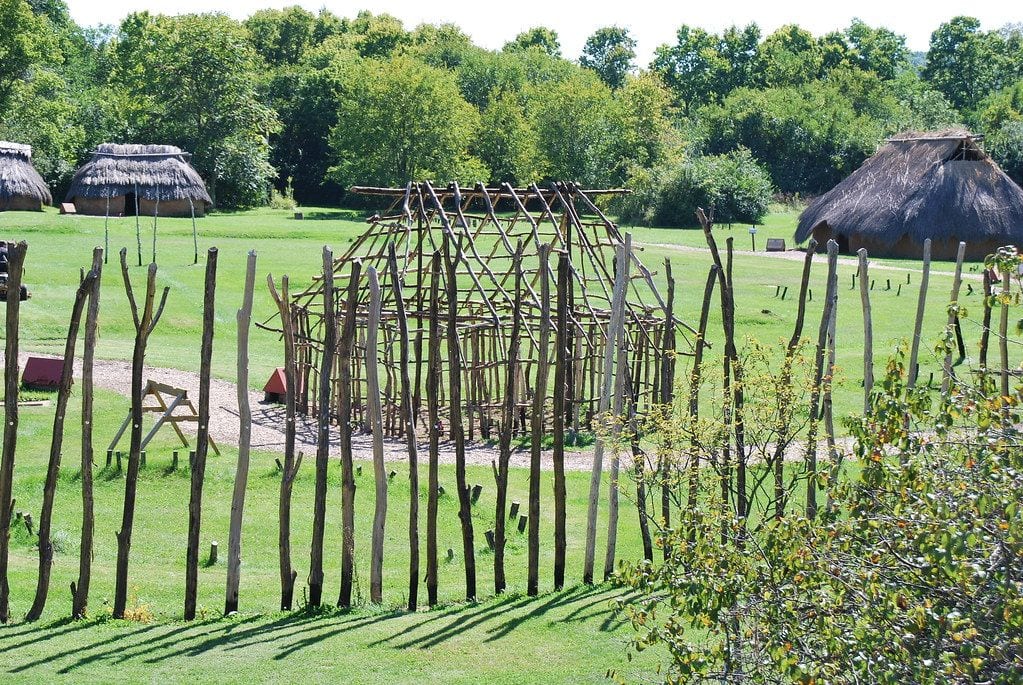
Operated by the Boonshoft Museum, SunWatch Indian Village is an open-air museum built around a reconstructed Fort Ancient culture village. Discovered by amateur archaeologists in the 1960s, the site was excavated over many years before opening to the public in 1988.
A National Historic Landmark, the roughly 800-year-old village revealed remarkable detail about the dwellings, diet and social life of the region's indigenous people, with a central post pattern that doubled as a solar calendar. Indoor exhibits, walking tours and demonstrations such as flint-knapping and pottery bring the culture to life.
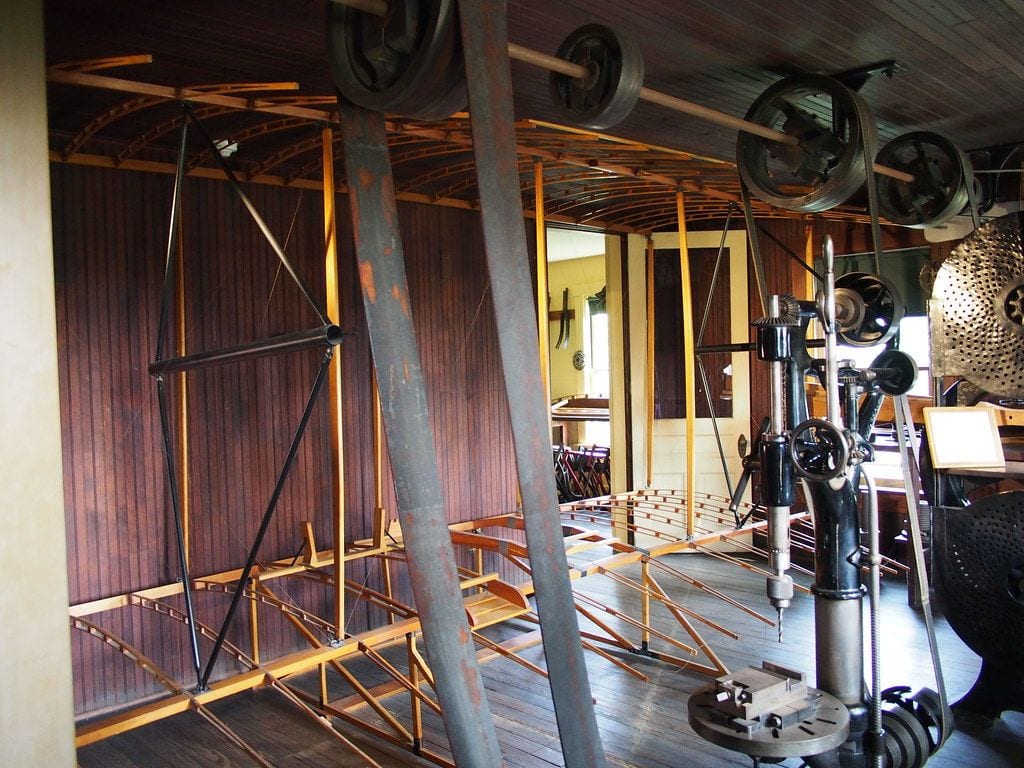
Before they made history in the air, the Wright brothers were successful bicycle makers, running several shops across Dayton. The Wright Cycle Company Shop preserves the building where they built and sold bicycles, using the profits, alongside those from their print shop, to fund their experiments in flight.
It was here that their mechanical genius took shape: the brothers built a small wind tunnel to test hundreds of miniature wing shapes, work that led directly to their warped-wing control system. Filled with period tools and displays, the shop is a key stop on the Dayton Aviation Heritage trail.
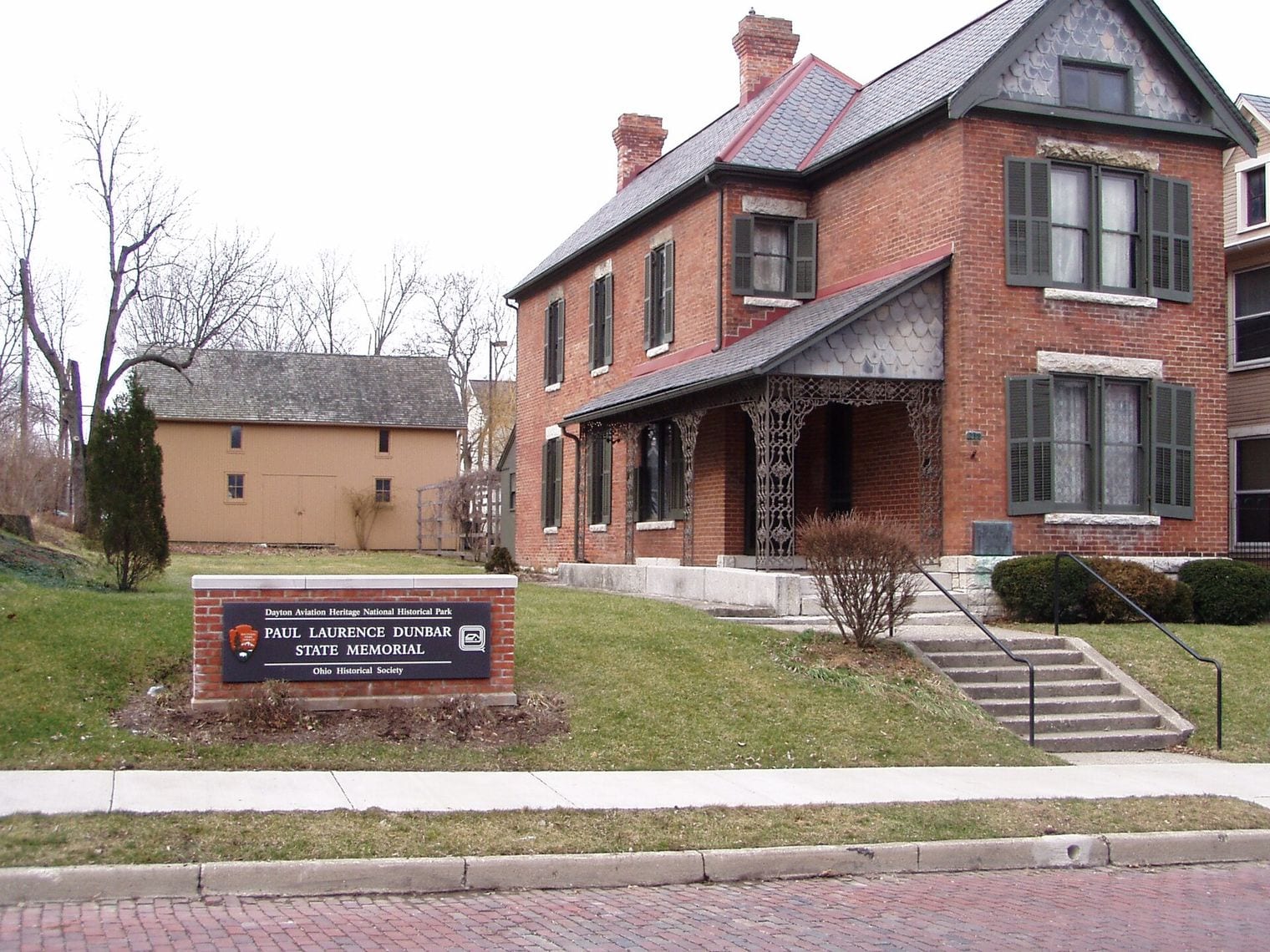
His famous line "I know why the caged bird sings" captures the influence of Paul Laurence Dunbar, the first African American poet to gain national distinction and one of the first Black writers to earn an international reputation as a poet and novelist. Second only to the Wright brothers among Dayton's famous sons, Dunbar bought this home in 1904 and lived here until his death in 1906.
The preserved house displays the desk where he wrote much of his work, a bicycle given to him by the Wright brothers, and a ceremonial sword presented by President Theodore Roosevelt. In state ownership since 1934, it was the first memorial in Ohio dedicated to an African American and is a National Historic Landmark.
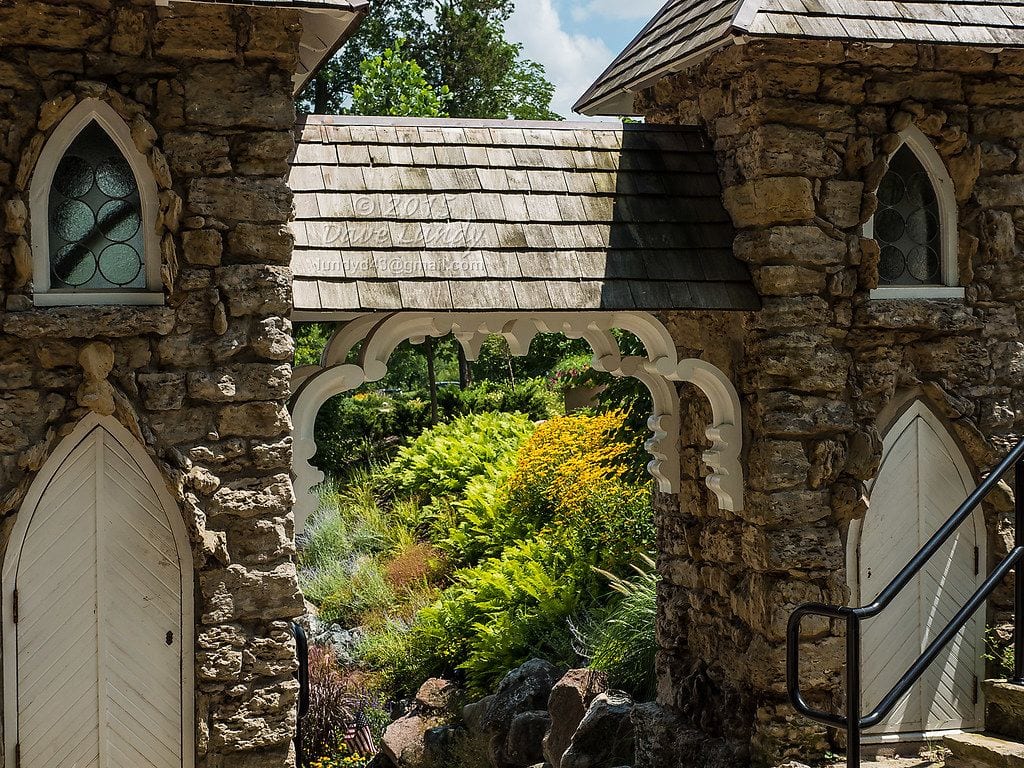
Hard to believe today, but the Dayton Grotto Gardens were once among the nation's leading tourist attractions. They grew out of a home for Civil War veterans established in the 1860s, where thousands of former soldiers lived and tended the grounds they fondly called the "Mother Home."
At their peak, the gardens drew hundreds of thousands of visitors a year, shaped by decades of careful landscaping. Set within the grounds of the Dayton VA Medical Center and restored in recent years, they are again a lovely spot for a stroll, a picnic or a quiet look through the limestone grottos.
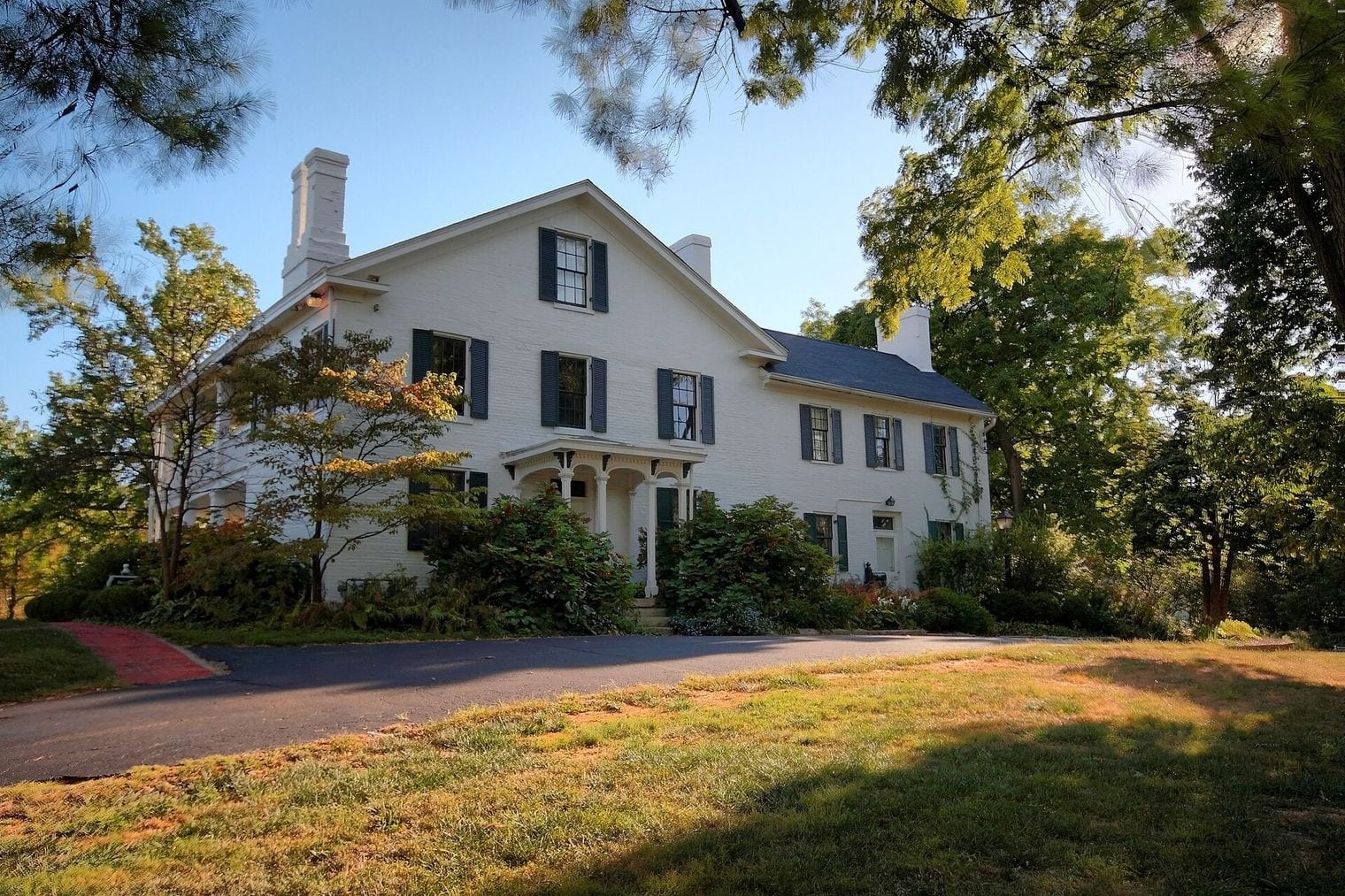
Set on the historic Rubicon Farm, Patterson Homestead is a Federal-style house built in 1816 by Colonel Robert Patterson, a Revolutionary War veteran who helped found both Lexington, Kentucky and Cincinnati. He raised his large family and worked the surrounding farmland after settling in Dayton in the early 1800s.
Visitors can tour the restored rooms, which display Patterson family heirlooms and early-19th-century artifacts, often guided by volunteers in period dress. A National Register site, the homestead hosts frequent events and Victorian-style afternoon teas, and younger visitors enjoy the seasonal miniature train rides.
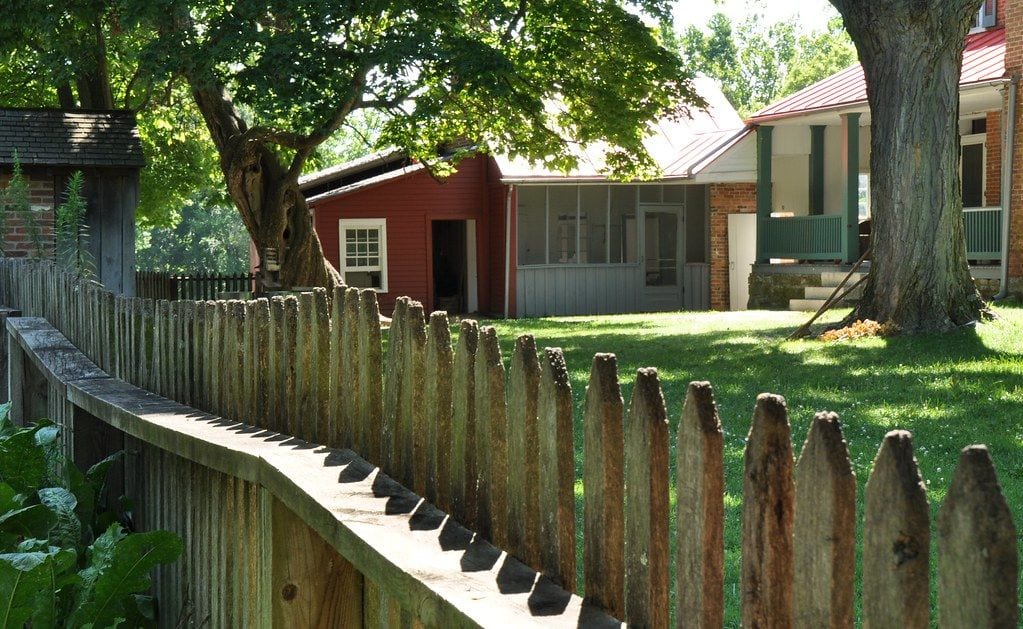
Celebrating the Miami Valley's agricultural past, Carriage Hill MetroPark centres on a working historical farm recreated to reflect life in the 1880s, complete with period costumes, machinery and methods. Volunteers demonstrate traditional skills such as blacksmithing, quilting, woodworking and canning.
Families love the farm animals, from draft horses to cattle and pigs, while the wider park offers hiking, bridle trails and a lake stocked for fishing. The surrounding prairie fields and trails make it a favourite for a relaxed day outdoors, and it is a popular backdrop for photographers.
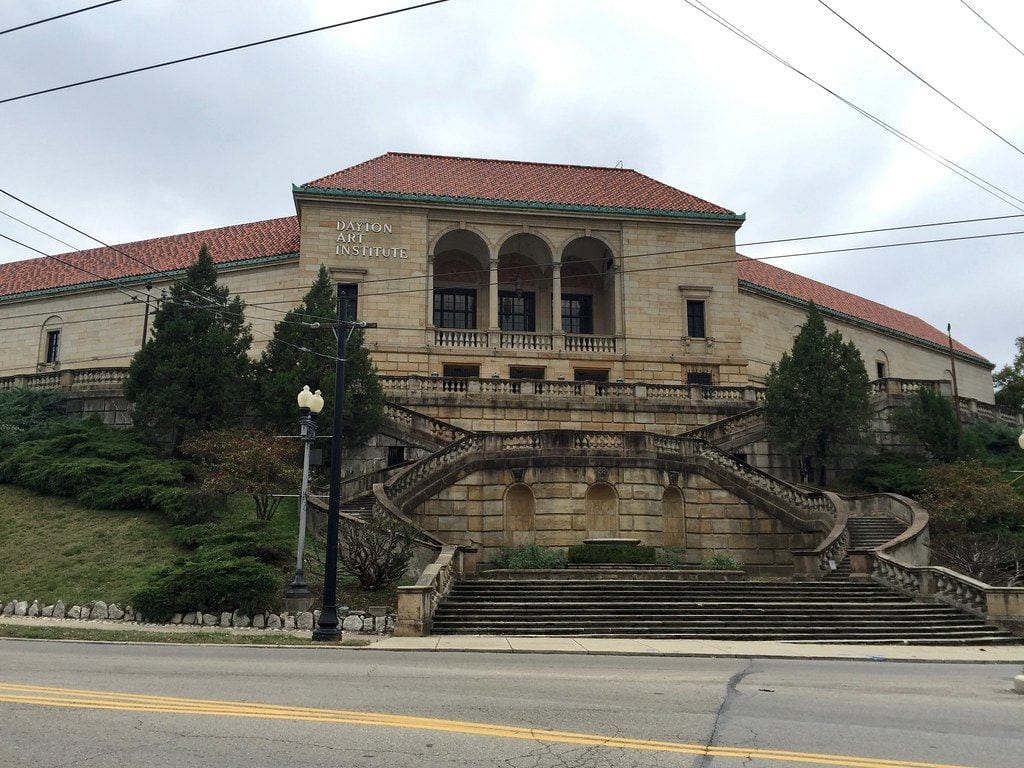
The Dayton Art Institute holds a remarkable collection of tens of thousands of works spanning some 5,000 years of art history. Founded in 1919 and housed in its landmark Italian Renaissance-style building since 1930, it has long been a cornerstone of the city's cultural life.
Its wide-ranging galleries cover Asian, Native American, African and Oceanic art, along with dedicated collections of glass, photography and outdoor sculpture. With pieces by Monet, Rubens, Rothko, Warhol and glass artists such as Chihuly, it is easy to see why the institute is one of Dayton's most-loved attractions.
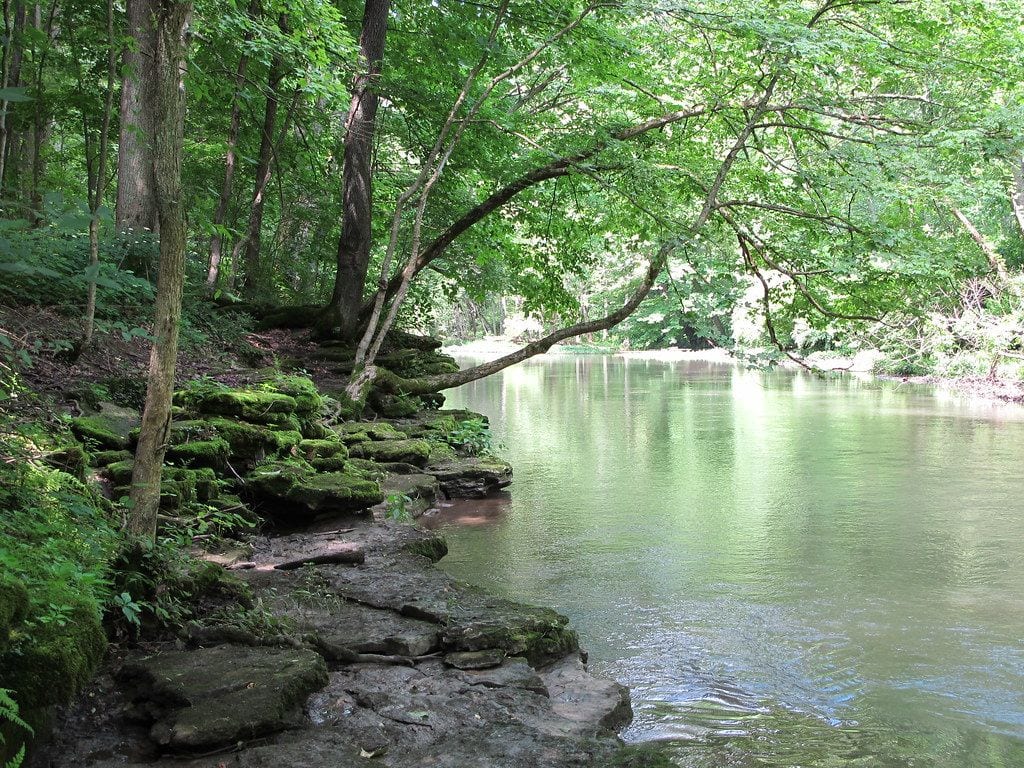
A short drive from the city near Yellow Springs, John Bryan State Park is one of the most scenic spots in the region. The sprawling park protects a stretch of the Little Miami River and offers hiking trails for all abilities, from gentle strolls to more demanding routes.
Its crown jewel is the limestone Clifton Gorge, a dramatic chasm carved by the river and recognised as a National Natural Landmark. Alongside the trails, the park offers camping, rock climbing, mountain biking and disc golf, making it a favourite for a day in nature close to Dayton.
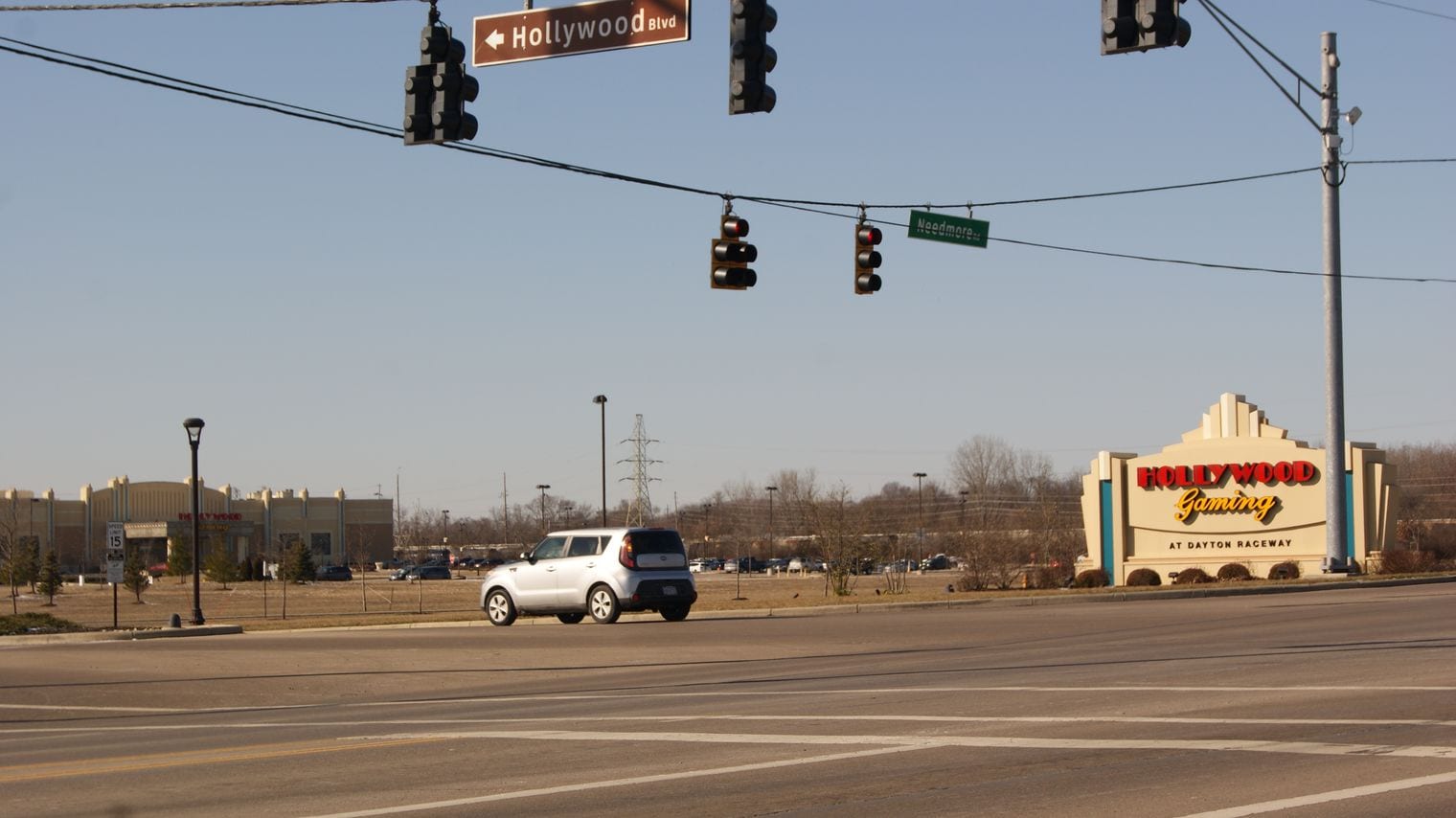
Opened in 2014, Hollywood Gaming at Dayton Raceway bills itself as a "racino," blending a casino with a harness-racing track. Its sizeable gaming floor lets visitors watch live harness racing and simulcast races, or try their luck on a large bank of video lottery terminals.
Beyond the gaming floor, the venue offers a range of popular slot titles and casual dining, including the Skybox Sports Bar. Whether you come for the racing, the games or simply a night out, it is one of the area's liveliest entertainment options.
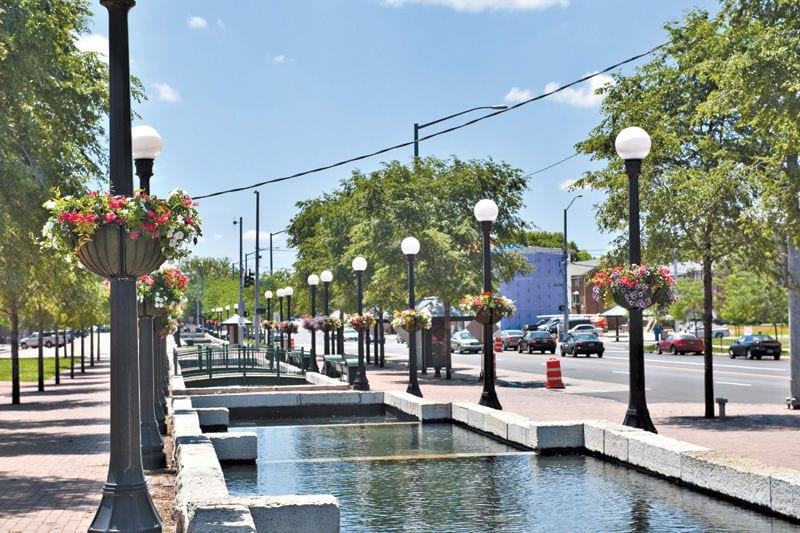
Established in 2001 along the Great Miami River, RiverScape MetroPark has quickly become Dayton's favourite gathering place for festivals and family outings. Its centrepiece is the Five Rivers Fountain of Lights, one of the largest fountains in the world, spraying water high across the riverfront.
The park hosts summer concerts and a winter ice-skating rink, with food trucks and events throughout the year. There are bike-hire facilities, a splash park and areas for kayaking, plus the Dayton Inventors River Walk, lined with oversized sculptures honouring the city's most famous innovators.
16. The Secret Chamber House of Oddities and Artwork
Part shop, part curiosity cabinet, the Secret Chamber House of Oddities and Artwork is unlike anything else in the area. Opened in 2017 by horror enthusiast Cherish Harrell Brooks, it has made a name for itself with an eclectic collection of curios, oddities and artwork in nearby Fairborn.
Inside you'll find wet specimens, bones, taxidermy, entomology shadow boxes and all manner of strange and gothic treasures. The shop also showcases work by local artists, so even a small budget can win you a genuinely unique, conversation-starting souvenir. Admission is free.
Established in 2011, Ghostlight Coffee has become one of Dayton's best-loved independent coffee spots, repeatedly voted a local favourite. Alongside a well-made cup, it offers plant-based milk options and baked goods, and takes pride in a strong zero-waste ethos.
What sets Ghostlight apart are its inventive collaborations, which yield seasonal specials well worth trying, and its support for local makers, including handmade ceramic mugs for sale. Whether you grab a coffee to go or settle in, it is a welcoming, characterful stop on any Dayton visit.
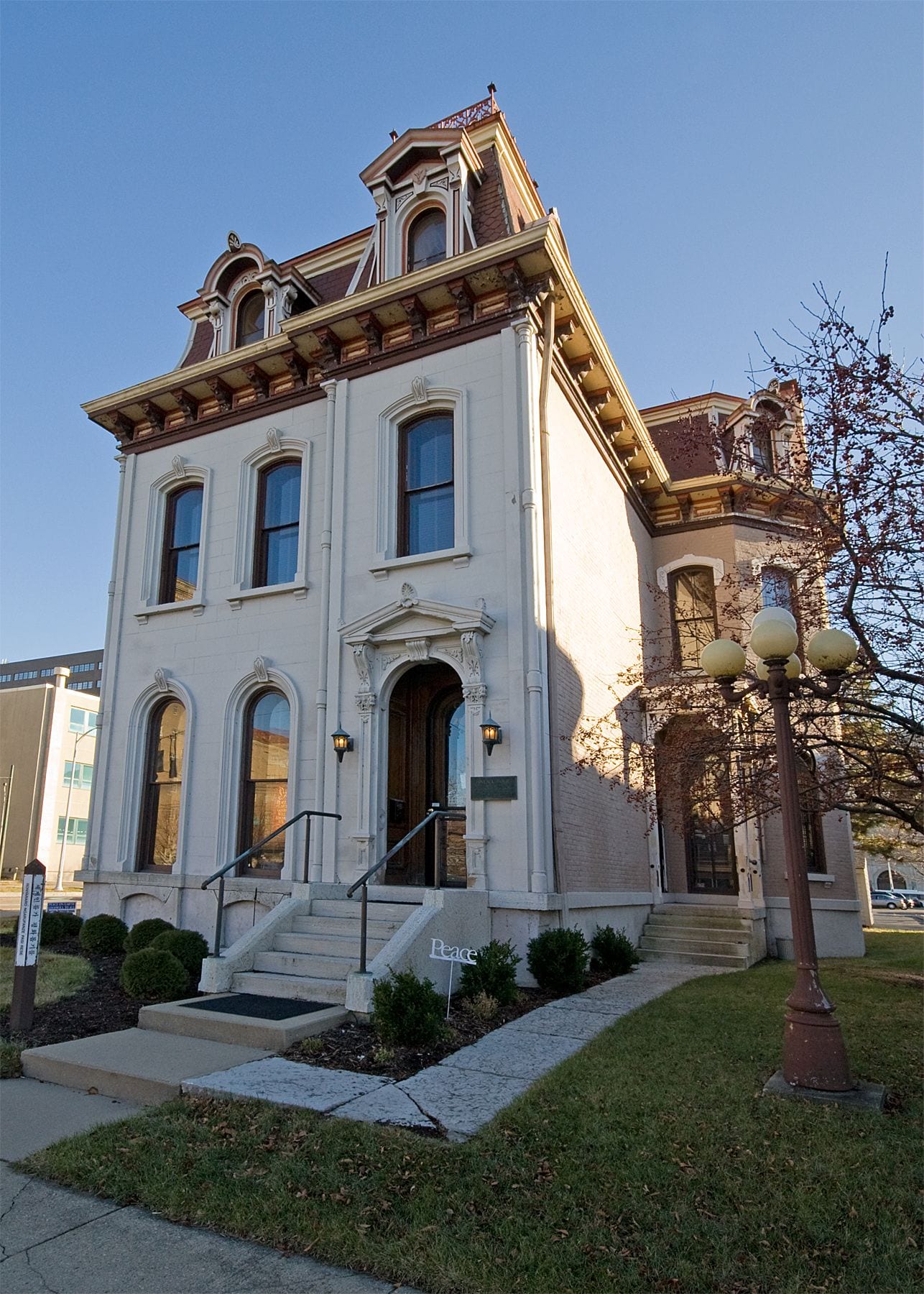
Honouring the 1995 Dayton Peace Agreement that ended the Bosnian war, the Dayton International Peace Museum promotes non-violent approaches to conflict and celebrates figures who champion peace. It occupied the historic Isaac Pollack House for years before relocating in 2022 to the Courthouse Plaza building on Courthouse Square in downtown Dayton.
Founded in 2004, it was one of the first peace museums in the country. Inside you'll find a library, a children's room and a gathering space used for talks and events, while its outreach programs, from diversity picnics to the Peace Heroes Walk, extend its message across the wider community.
Established in 1841, Woodland Cemetery and Arboretum is among the oldest garden cemeteries in the United States and a beautiful part of Dayton's history. Its 200 acres hold the resting places of famous Daytonians including Orville and Wilbur Wright, Paul Laurence Dunbar, Erma Bombeck and inventor Charles Kettering.
Beyond its history, the grounds are a genuine arboretum, home to thousands of trees and hundreds of native species. Set on the highest point in the city, it offers sweeping views over downtown and the Miami River, and its Romanesque gateway and Tiffany-glass chapel add to the sense of calm.
Set in a former foundry, Warped Wing Brewery takes its name from a key Wright brothers invention, the warped-wing system that gave early aircraft roll control. Located in the heart of downtown, it sits within easy walking distance of the convention center and the Schuster Performing Arts Center.
It is a favourite stop on a Dayton night out, pairing shareable pub food with a rotating line-up of house beers from crisp lagers to rich stouts. Fans of the brewery can also visit its barrel room and smokery in nearby Springboro, a short drive from the city.
Spanning the American Revolution to recent conflicts, the Miami Valley Military History Museum works to preserve the memory and stories of the armed forces. Its collection numbers thousands of artifacts, many donated by veterans' families, with only a portion on display at any one time.
Highlights include a piece of the battleship USS Arizona, sunk at Pearl Harbor, and a section of steel from the World Trade Center. Some of the most moving items come from lesser-known moments of service, and hands-on exhibits even let visitors feel the weight of a flak jacket and helmet.
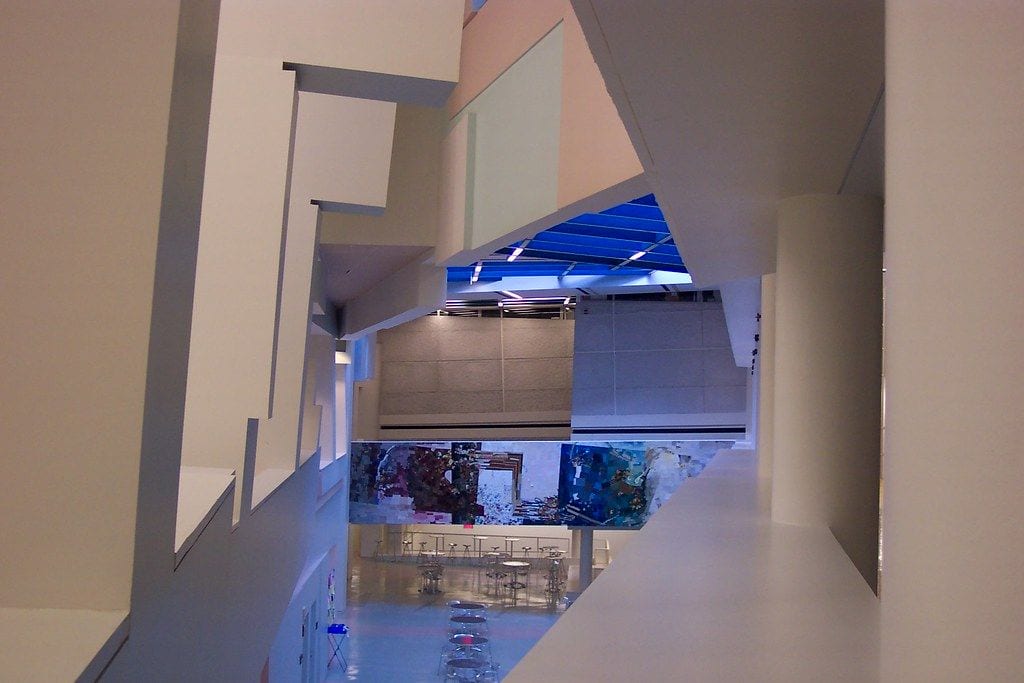
Founded in 1991 by local artists, The Contemporary, affectionately nicknamed "The Con," was created to build connections between the region's public and its artists. The downtown venue presents exhibitions and gallery talks alongside workshops for anyone wanting to explore their own creativity.
Hosting a busy calendar of rotating exhibits each year, it is best known for two events: its annual art auction, which benefits local charities, and its holiday gift gallery, where visitors can buy affordable work directly supporting Ohio artists. It is a welcoming hub of Dayton's creative scene.
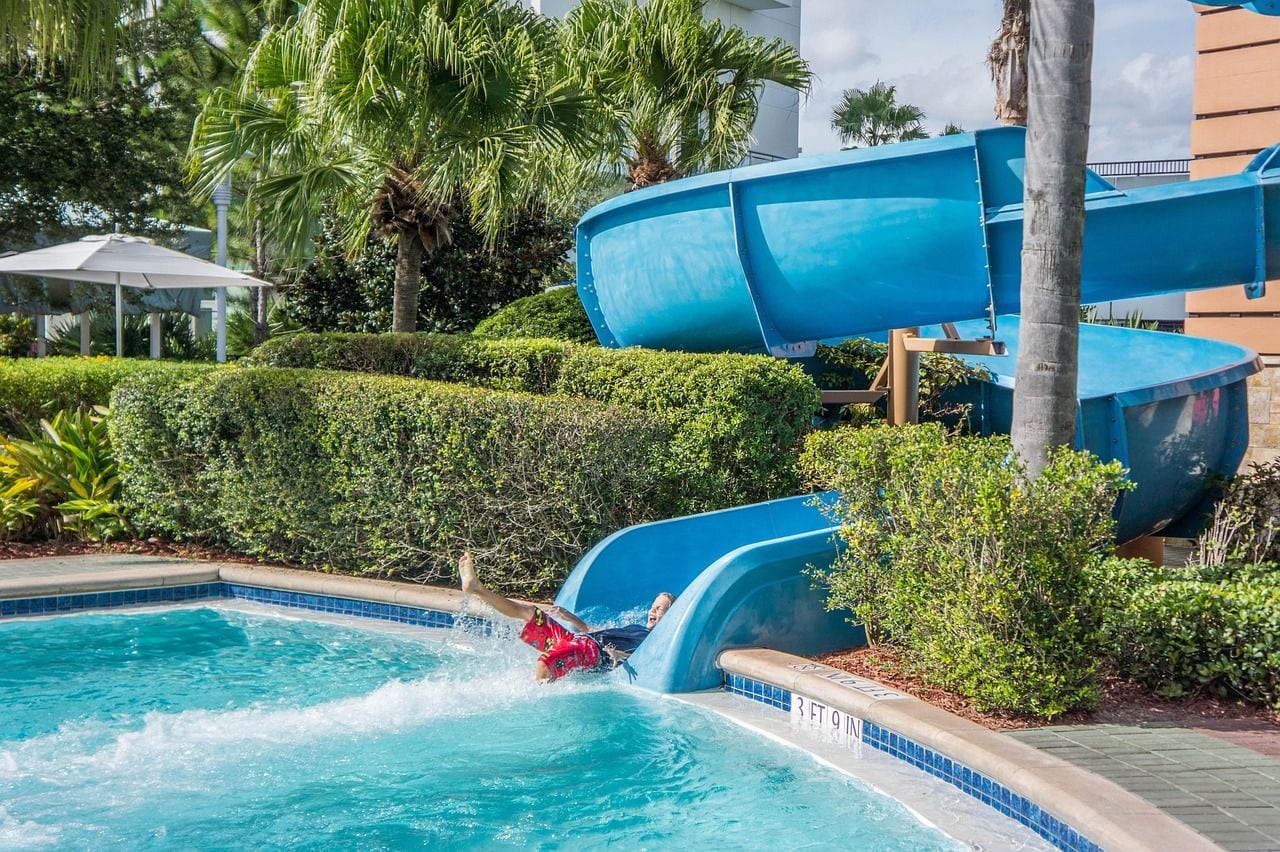
About half an hour from Dayton in nearby Middletown, the Land of Illusions Adventure Park has been an Ohio family favourite for years. It runs as a water park by day and a haunted "scream park" by night, so there is something for thrill-seekers and families alike.
After dark, its haunted attractions and trails draw fans of the spooky, while the daytime highlight is a huge inflatable water obstacle course. The park also hosts seasonal events, from a Christmas light show to live music at its outdoor pavilion, so it is worth checking the calendar before you go.
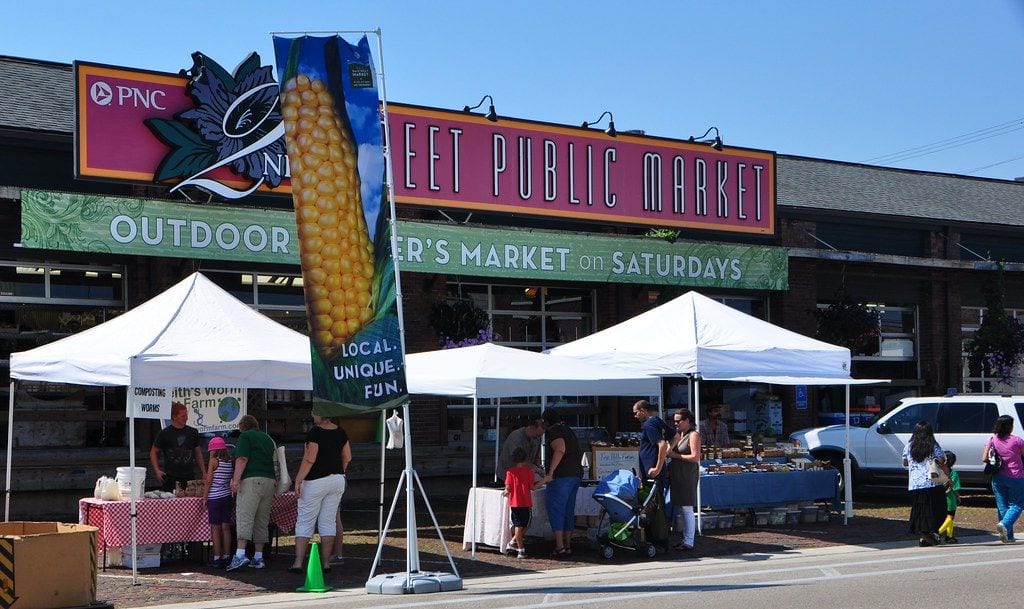
Housed in a former freight building, the 2nd Street Market is the best place to sample Dayton's small-business and food scene under one roof. Conveniently set downtown, it brings together dozens of vendors selling fresh produce, pantry staples and prepared foods.
It is a great spot for shopping from makers who pride themselves on ethically sourced, locally made goods. From cooked-on-site specialties to handmade jewellery and artisan soaps, the market is full of distinctive souvenirs that beat any generic gift shop.
In the lively Oregon District, Wheat Penny Oven and Bar has been a standout on Dayton's dining scene since 2013, especially for its California-style pizza. Owner Elizabeth Wiley draws on formal pizza training and a love of Italian cooking to craft a menu that has become a local favourite.
The kitchen turns out inventive small plates, salads and hearty mains alongside its signature chewy-crisp pizzas, with a good cocktail list to match. Relaxed but polished, it is an easy choice for a memorable meal to round off a day of sightseeing.
Best Time to Visit Dayton
The shoulder seasons of late spring and early autumn are the sweet spot for a Dayton visit, when mild, dry days make it easy to walk the riverfront paths, wander the aviation-heritage sites, and roam the grounds at Carillon Historical Park without fighting heat or cold. Spring brings green parks and blossoming trees, while autumn layers the Miami Valley in warm color and pairs naturally with a football-and-cider Saturday atmosphere across the region’s college and high-school gridirons.
Summers run warm and humid with the occasional thunderstorm, but they are the liveliest stretch for outdoor festivals, riverfront concerts, and long museum-hopping days, so pack for heat and plan indoor stops like the National Museum of the US Air Force or the Boonshoft Museum of Discovery for the hottest afternoons. Winters are cold and gray with periodic snow; crowds thin out and rates ease, which makes it a fine time for the big indoor collections and a quiet, contemplative look at the city’s Wright-brothers history.
Getting to Dayton
Dayton sits at one of the Midwest’s great crossroads, where the north-south Interstate 75 meets the east-west Interstate 70 just north of the city; a beltway-style bypass loops around the east side, so you can reach almost any neighborhood without threading the core. If you are driving in from the wider region, those two interstates put much of Ohio, Indiana, and Kentucky within a half-day’s reach.
The city has its own commercial airport on the north side, close to the interstate junction, with a useful spread of domestic connections. For a wider choice of nonstop routes, many travelers fly into the larger hub airport to the southwest and drive up in about an hour along the interstate. There is no direct passenger-train service, but intercity buses serve the metro from a station on the northwest side, including a connecting coach that links to the national rail network.
Getting Around Dayton
Downtown Dayton and the adjacent riverfront and historic districts are compact and pleasant on foot, with walkable blocks of shops, galleries, and eateries linked by riverside trails and bike paths that make short hops easy without a car. For everything beyond the core, though, a car is the practical way to get around: the museums, aviation-heritage sites, and neighborhoods are spread across the metro and the suburbs, and the region is built around its interstates.
A public bus network covers the city and inner suburbs, and rideshare is easy to find downtown and near the airport, but neither replaces the freedom of your own vehicle for a museum-heavy itinerary. Parking is generally cheap and plentiful outside the immediate downtown grid, with surface lots and garages near the major attractions; the bike-path network along the rivers is a genuine option for getting between close-in districts on a nice day.
Where to Stay in Dayton
For a first visit, base yourself downtown or along the riverfront if you want to walk to restaurants, the arts district, and evening entertainment, with the trails and central sights on your doorstep. Travelers who prefer a quieter night, or who are chasing the aviation collections and driving between sites, often do better in the northern suburbs near the interstate junction, where it is a short hop to the airport and an easy on-ramp in any direction.
The historic neighborhoods just outside the core trade nightlife for leafy streets and local character, a good match if you like a residential feel within a quick drive of downtown. Staying near the university district puts you close to campus-side cafes and a younger, budget-friendly scene, while lodging clustered by the beltway on the east side is the most convenient jumping-off point for day trips out of town.
Where to Eat in Dayton
Dayton’s dining clusters in a few walkable pockets: the downtown core and its arts district for a mix of upscale and casual tables, the riverfront and historic neighborhoods just outside the center for craft breweries and gastropubs, and the university district for cheap, cheerful student eats. A restored public market hall near downtown is the classic one-stop for grazing across cuisines and picking up regional specialties under one roof.
On the plate, this is southwest-Ohio comfort country: look for Cincinnati-style chili ladled over spaghetti or hot dogs, hearty German-influenced sausages and pretzels reflecting the valley’s heritage, and Midwestern staples like goetta, pork tenderloin sandwiches, and buckeye candies for dessert. A strong local craft-beer scene rounds it out, and the immigrant communities around the city have added Vietnamese, Turkish, and other global flavors to the mix.
One Day in Dayton
Dayton rewards a plan built around its aviation legacy, so this route runs from the birthplace of powered flight in the morning to a downtown dinner and a pint by nightfall, with only light driving in between.
Morning: Start big at the National Museum of the US Air Force, the anchor of any Dayton visit and easily a half-day on its own — arrive early, because the hangars of restored aircraft swallow hours faster than you’d expect. When you’ve had your fill, drive west to the compact cluster of the Dayton Aviation Heritage National Historical Park, where you can walk the modest storefront of the Wright Cycle Company Shop that two bicycle mechanics turned into a launchpad, then step next door in spirit to the Paul Laurence Dunbar House, the preserved home of the celebrated poet who grew up alongside the Wrights.
Afternoon: Swing south to Carillon Historical Park, an open-air campus of relocated buildings, an original Wright Flyer III, and a landmark bell tower — the kind of place you wander rather than rush. Then aim back toward the river for lunch and browsing at the 2nd Street Market, a converted freight house packed with local vendors, before stretching your legs along the paths and fountains of RiverScape MetroPark. If the weather turns, the neoclassical galleries of The Dayton Art Institute sit just up the hill and make a graceful indoor pivot.
Evening: End in the Oregon District at Wheat Penny Oven and Bar, a wood-fired spot that’s an easy, unhurried dinner, then cap the night over a flight of house beers at Warped Wing Brewery, whose name nods, fittingly, right back to where your day began. If you have a second day, point the car east toward John Bryan State Park and its limestone gorge for a morning of trails well outside the city. From here the rest of Ohio is within easy reach, making Dayton a comfortable base for a wider road trip across the state.
Free Things to Do in Dayton
Dayton is a genuinely budget-friendly destination. The headline attraction, the National Museum of the US Air Force, is completely free, as are the sites of the Dayton Aviation Heritage National Historical Park, including the Wright-Dunbar Interpretive Center. Wandering the trails and fountains of RiverScape MetroPark along the Great Miami River costs nothing.
You can also explore the arboretum and hilltop views at Woodland Cemetery, browse the eclectic displays at the free-to-enter Secret Chamber, and stroll the historical farm at Carriage Hill MetroPark. The region's more than 340 miles of paved recreational trails are open to all, making walking and cycling one of the best free ways to see the city.
Day Trips from Dayton
Several worthwhile trips sit within an easy drive. Head south about forty minutes to Mason for family attractions and amusement-park thrills, or roughly half an hour east to reach a scenic limestone gorge cut by the Little Miami River, a national natural landmark ringed by state-park and nature-preserve trails, waterfalls, and rock formations that make a fine half-day of hiking.
For a bigger city break, Columbus is about an hour and ten minutes east-southeast, with museums, a lively food scene, and the state capitol. Drive north up the interstate for roughly two hours and you reach Findlay, a relaxed small-city stop good for antiquing and a change of pace. Any of these pairs neatly with Dayton’s own aviation-heritage sights for a longer regional loop.
FAQ: Visiting Dayton
What is Dayton known for?
Dayton is best known as the "Birthplace of Aviation," the hometown of the Wright brothers, and is home to the world's largest military aviation museum. It also has a proud history of invention, once leading the nation in patents per capita, and is nicknamed "The Gem City."
How many days do you need in Dayton?
Two to three days is ideal for most visitors. That gives you time for the National Museum of the US Air Force, the aviation heritage sites and Carillon Historical Park, plus the downtown museums, riverfront parks and a meal in the Oregon District. Add a day or two if you want to explore John Bryan State Park or the wider Miami Valley.
Is Dayton worth visiting?
Yes. Dayton punches well above its size, with world-class aviation history, strong art and science museums, scenic parks and a walkable, creative downtown. Its mix of free and paid attractions makes it a rewarding and affordable Midwest getaway for families, history buffs and outdoor lovers alike.
What is the best time of year to visit Dayton?
Late spring through early autumn offers the most comfortable weather and the fullest events calendar. Late April to mid-June is popular and lines up with the Dayton Air Show, while September and early October bring pleasant temperatures and colourful foliage at parks such as John Bryan.
Is Dayton a good place for families?
Very much so. The Boonshoft Museum of Discovery, the free Air Force museum, RiverScape MetroPark and Carriage Hill's historical farm all cater brilliantly to children, and many of the best attractions cost nothing to visit.
Why is Dayton called the Birthplace of Aviation?
Dayton was the home of Orville and Wilbur Wright, who designed, built and tested their pioneering aircraft here, including their flights at nearby Huffman Prairie. Their bicycle shop and family home are preserved as part of the Dayton Aviation Heritage National Historical Park.
Do you need a car to get around Dayton?
A car is the most practical way to reach attractions spread across the metro area, such as the Air Force museum, SunWatch and John Bryan State Park. That said, many downtown sights, parks and the Oregon District are close together and easily explored on foot or by bike using the city's extensive trail network.