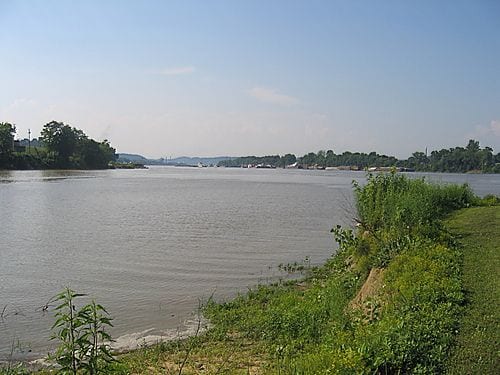
Huntington sits in the far west of West Virginia, right where the state meets Ohio and Kentucky along the Ohio River. Once built on steel and shipping, this friendly Appalachian city is now anchored by Marshall University, and it remains a major river port at the heart of the Tri-State region.
For visitors, Huntington offers a walkable downtown, historic theaters, riverfront parks, a beloved rose garden and a vintage amusement park, along with poignant reminders of the 1970 Marshall football plane crash memorialized in the film "We Are Marshall." From Pullman Square to Ritter Park, here are the 25 best things to do in Huntington.
Fun Facts About Huntington, West Virginia
Huntington is home to Marshall University, founded in 1837 and named for John Marshall, the fourth Chief Justice of the United States.
The Port of Huntington Tri-State is one of the largest inland ports in the country by cargo tonnage, thanks to its location on the Ohio River.
The city sits at the meeting point of three states — West Virginia, Ohio and Kentucky — the heart of the Tri-State region.
Huntington's 1970 Marshall plane crash, which claimed 75 lives, was later dramatized in the Hollywood film "We Are Marshall."
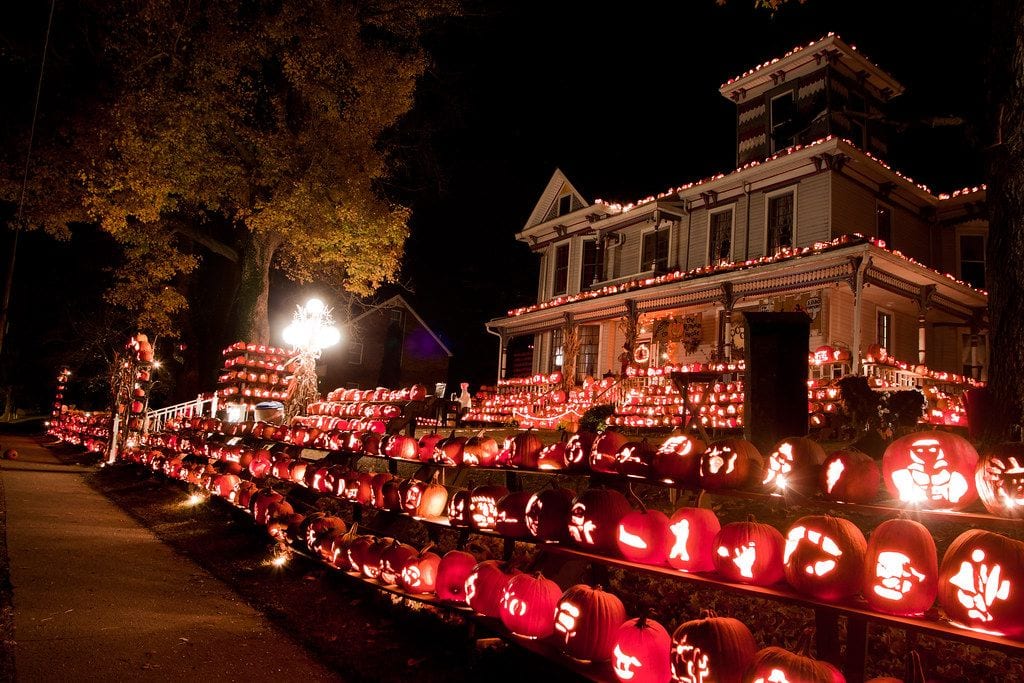
Nearby Kenova's Pumpkin House lights up each October with roughly 3,000 hand-carved jack-o'-lanterns.
Historic Ritter Park was named one of the American Planning Association's "10 Great Public Spaces" in 2012.
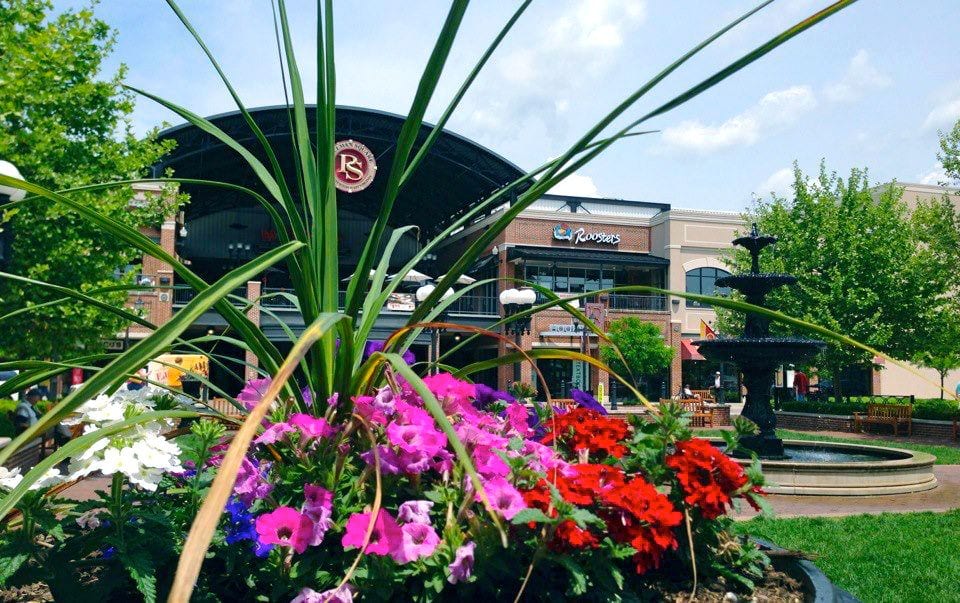
The lively heart of downtown, Pullman Square is an open-air plaza lined with shops, restaurants and things to do. Grab wings at a local spot, pick up a coffee, and browse the boutiques, or settle in for a movie at the multiplex cinema right on the square.
There's plenty here to fill an afternoon or evening, from an arcade to seasonal events that draw crowds downtown. Easy to walk and centrally located, Pullman Square makes a natural starting point for exploring Huntington on foot, with dining and entertainment all within a few steps.
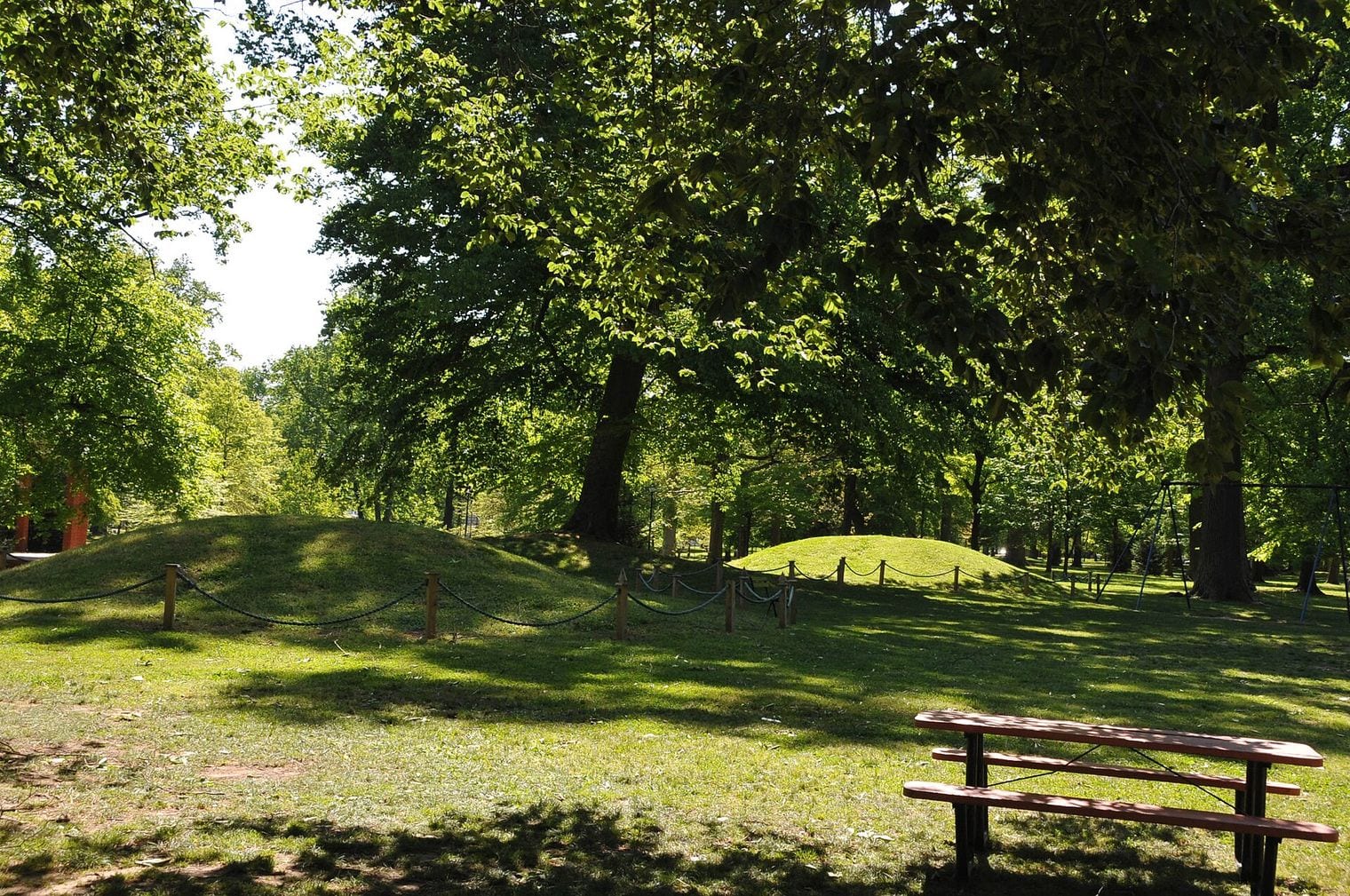
Just across the river in Ashland, Kentucky, Central Park is a beloved community green space shaded by mature trees, with a dog park, ball fields and exercise paths. Part of the tri-state area's fabric, it reportedly sits atop a former Native American burial ground and carries a real sense of local history.
It's an easy, pleasant place to slow down — watch kids enjoy the playground from a shady bench, stroll or cycle the paths, or sit by the pond where fish rise to the surface. Popular with walkers and families, it's a relaxing stop when exploring the wider Huntington–Ashland region.
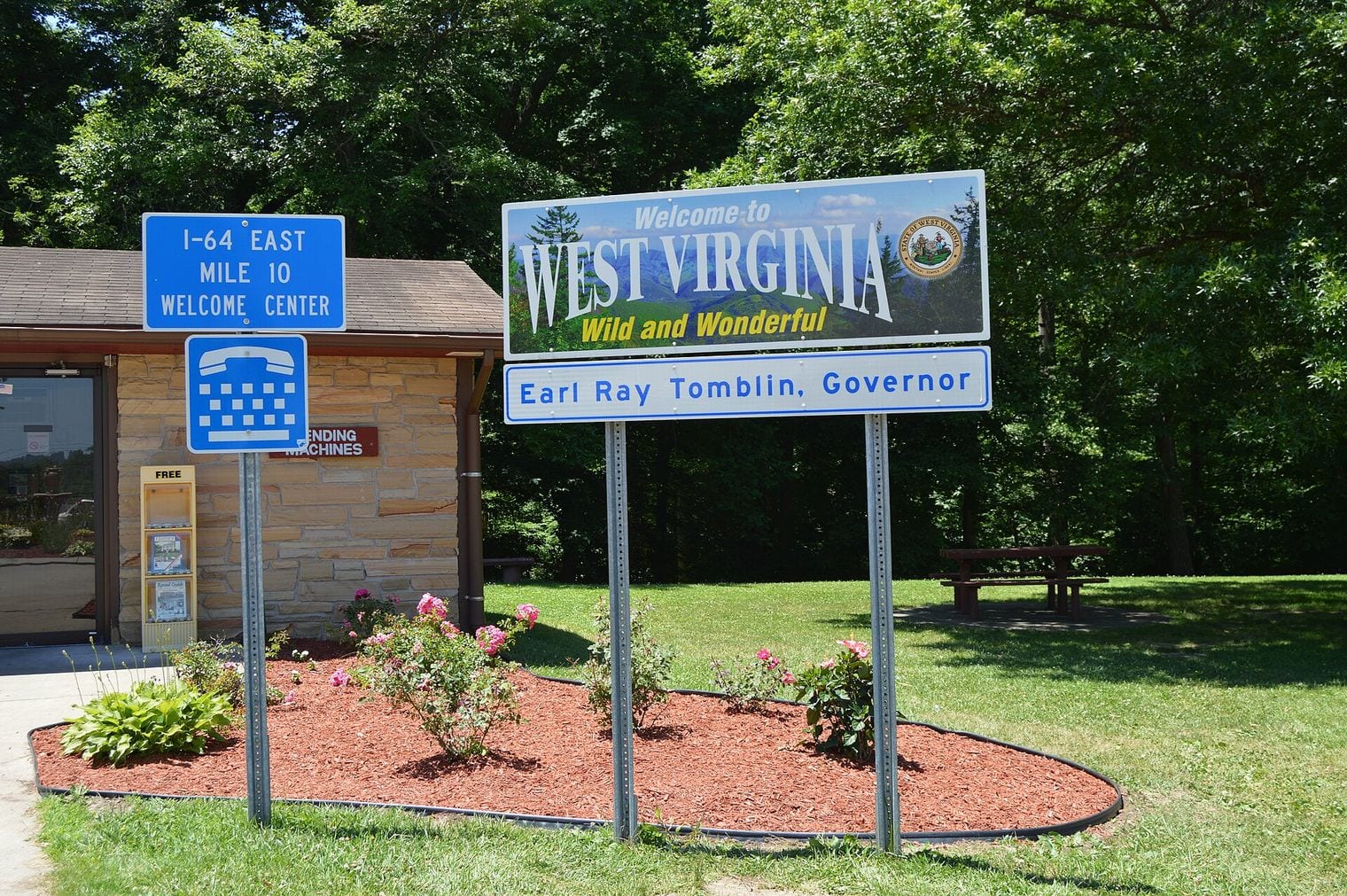
An unusual but genuinely worthwhile stop, the I-64 Eastbound West Virginia Welcome Center greets travelers entering the state with restrooms, vending, tourist information and friendly staff. It's a handy place to stretch your legs and pick up ideas for the rest of your trip.
The setting is nicer than a typical rest area, with pleasant surrounding views and a photogenic Welcome sign that's a favorite for road-trip snapshots. Be sure to look for the Airborne Monument here, dedicated to West Virginians who served in elite units of the U.S. military — a quiet, meaningful detail.
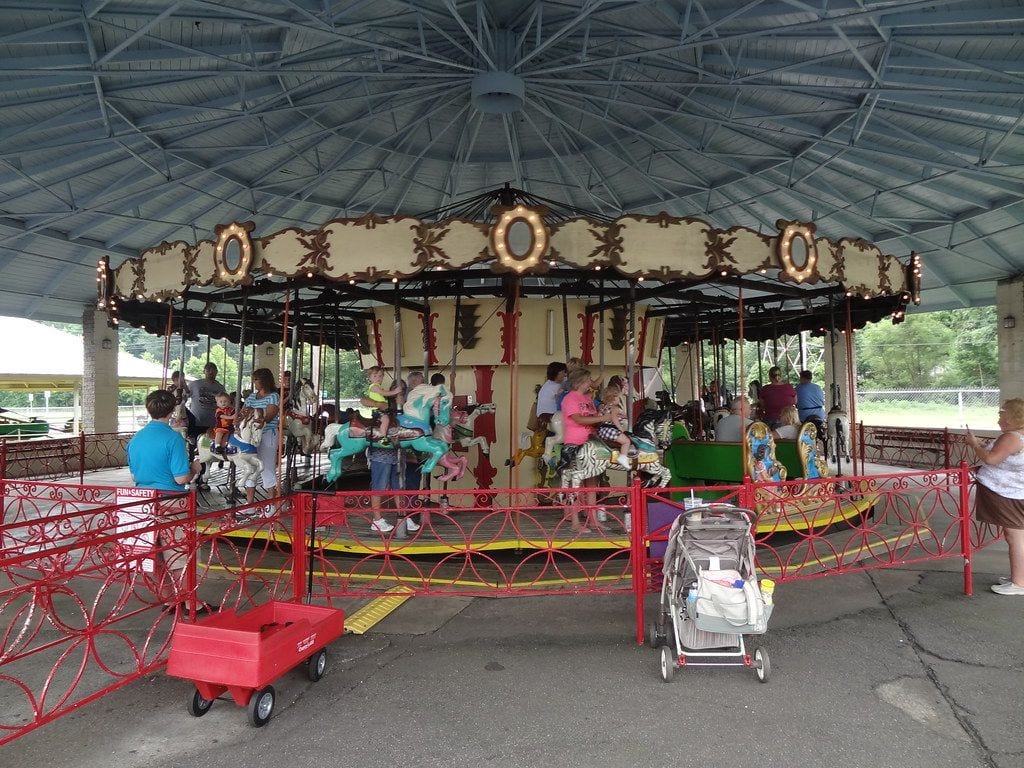
A charming throwback, Camden Park is a small amusement park that has delighted families for generations. Founded in 1903 as a picnic grounds and turned into an amusement park by the mid-20th century, it retains an old-fashioned charm untouched by modern flash.
Think classic rides, a carousel, a haunted house, midway games and slushies on a hot day — much like a year-round county fair. It's an easy, nostalgic outing for kids and grown-ups alike, and buying tickets online ahead of time helps you skip the queues and make the most of the day.
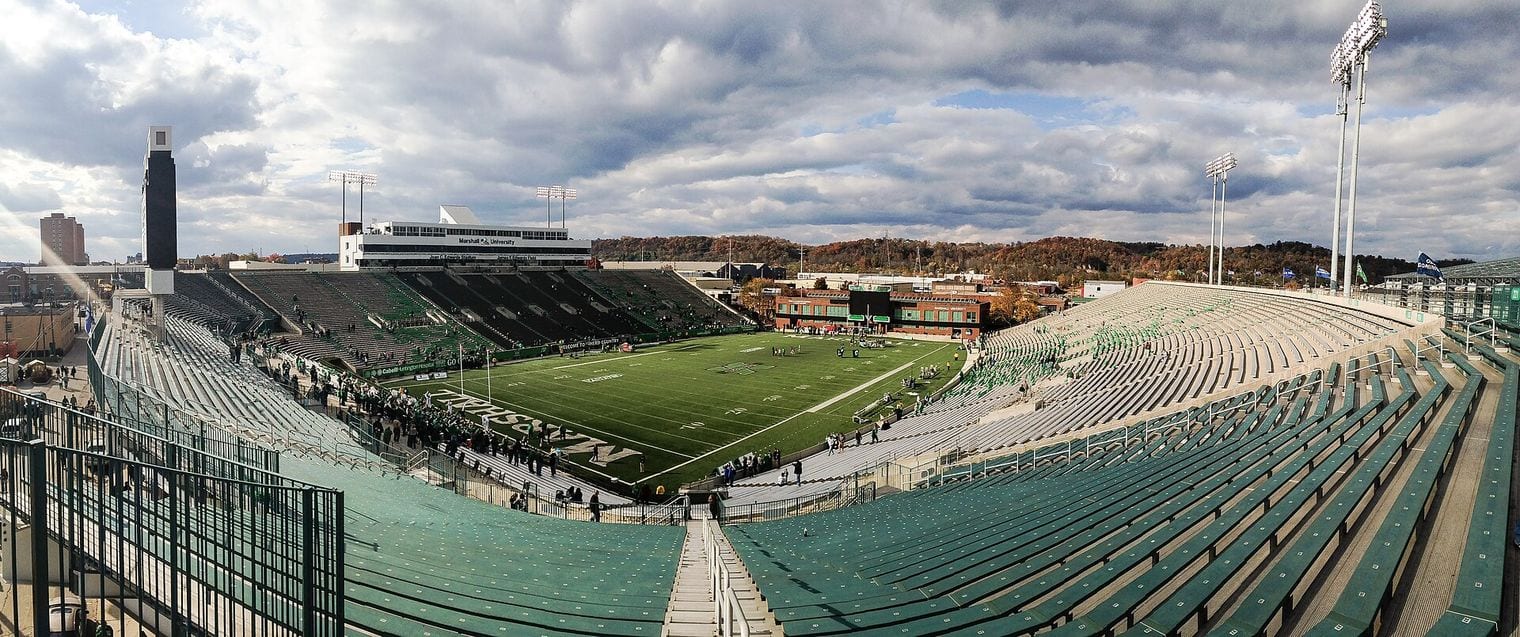
Home of the Marshall Thundering Herd, Joan C. Edwards Stadium delivers a big-time college football atmosphere with a loud, passionate crowd. Whether you're a devoted Herd fan or simply admire how the program rebuilt itself after the tragic 1970 plane crash, game day here is an energizing experience.
The pregame scene in the west lot is a highlight, with concerts, tailgating and the Thunder Walk, where fans greet the players heading into the stadium. Inside, there's a good view from just about every seat, and the scoreboard keeps the replays coming so you never miss a play.
The city's beloved green oasis, Ritter Park offers wooded trails, wide lawns, a dog park, tennis courts and an award-winning playground with a zipline. One scenic path follows a stream past a row of handsome homes, shaded by trees for much of the walk — a favorite for families and joggers alike.
The park is best known for its celebrated rose garden and a peaceful creek you can stroll beside, listening to the water. Set on Huntington's Southside, Ritter Park is an easy, free place to spend a relaxed few hours outdoors close to the heart of the city.
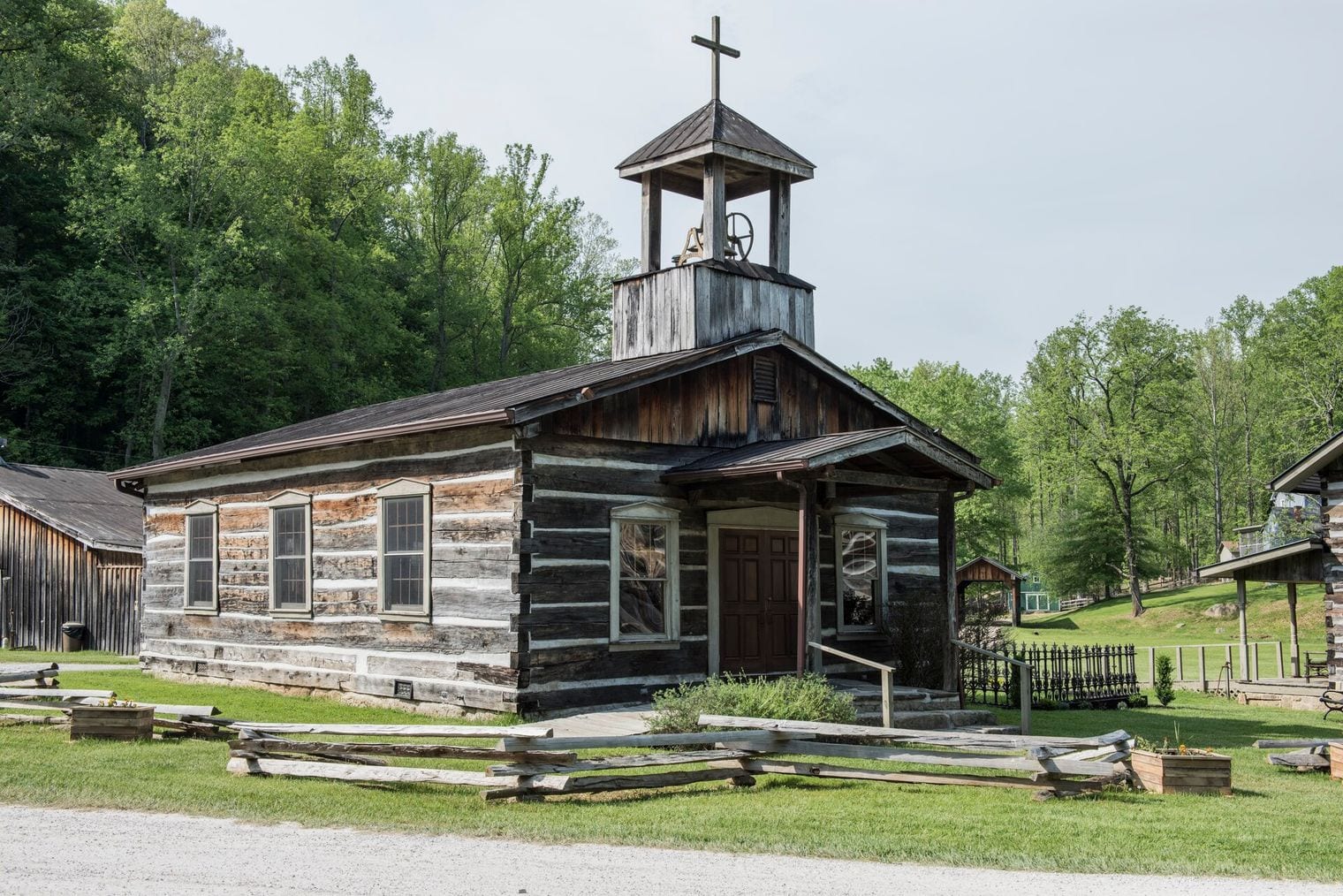
Sprawling across a re-created Appalachian village, Heritage Farm Museum & Village is home to seven award-winning museums that bring rural mountain life vividly to the present. Tour a period school, mercantile and other historic buildings, then browse the welcome center, gift shop and on-site restaurant.
There's endless fun for kids, from the hands-on Maker Space building devoted to arts and crafts to a couple of playgrounds, a petting zoo, and transportation and doll museums. Informative and genuinely engaging, it's one of Huntington's best family outings and a rich look at early Appalachian heritage.
About 20 minutes from Huntington, Barboursville Park pairs scenic mountain backdrops with Lake William and a wealth of recreation. Sports facilities abound, with soccer and baseball fields plus tennis, basketball and volleyball courts spread across the grounds.
The lake offers year-round fishing, ringed by a pebble walkway with covered picnic areas, benches and porch swings for a leisurely afternoon. The park even features a horse show ring, and you can take a ride along one of its trails — a well-rounded outdoor escape just outside the city.
A seasonal spectacle that draws crowds each October, Kenova's Pumpkin House glows with roughly 3,000 hand-carved jack-o'-lanterns and a musical light show. This small West Virginia town fills up as visitors come to admire the intricately carved pumpkins covering the historic house.
The display goes up right before Halloween and lasts about a week, for as long as the pumpkins hold. It's a walk-up, view-at-your-own-pace attraction, and food trucks on hand make the visit feel like a festive fall event — a beloved regional tradition worth timing a trip around.
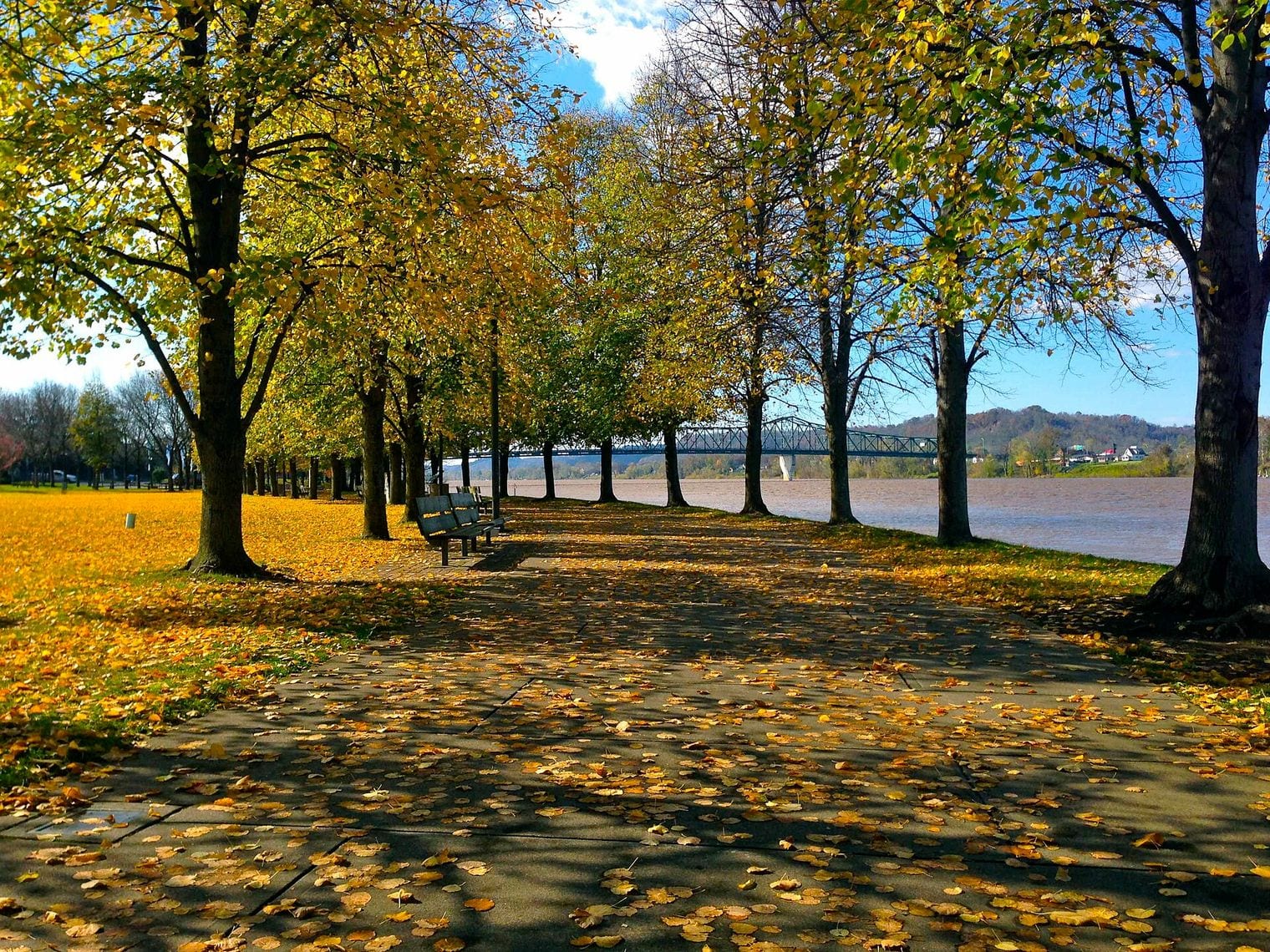
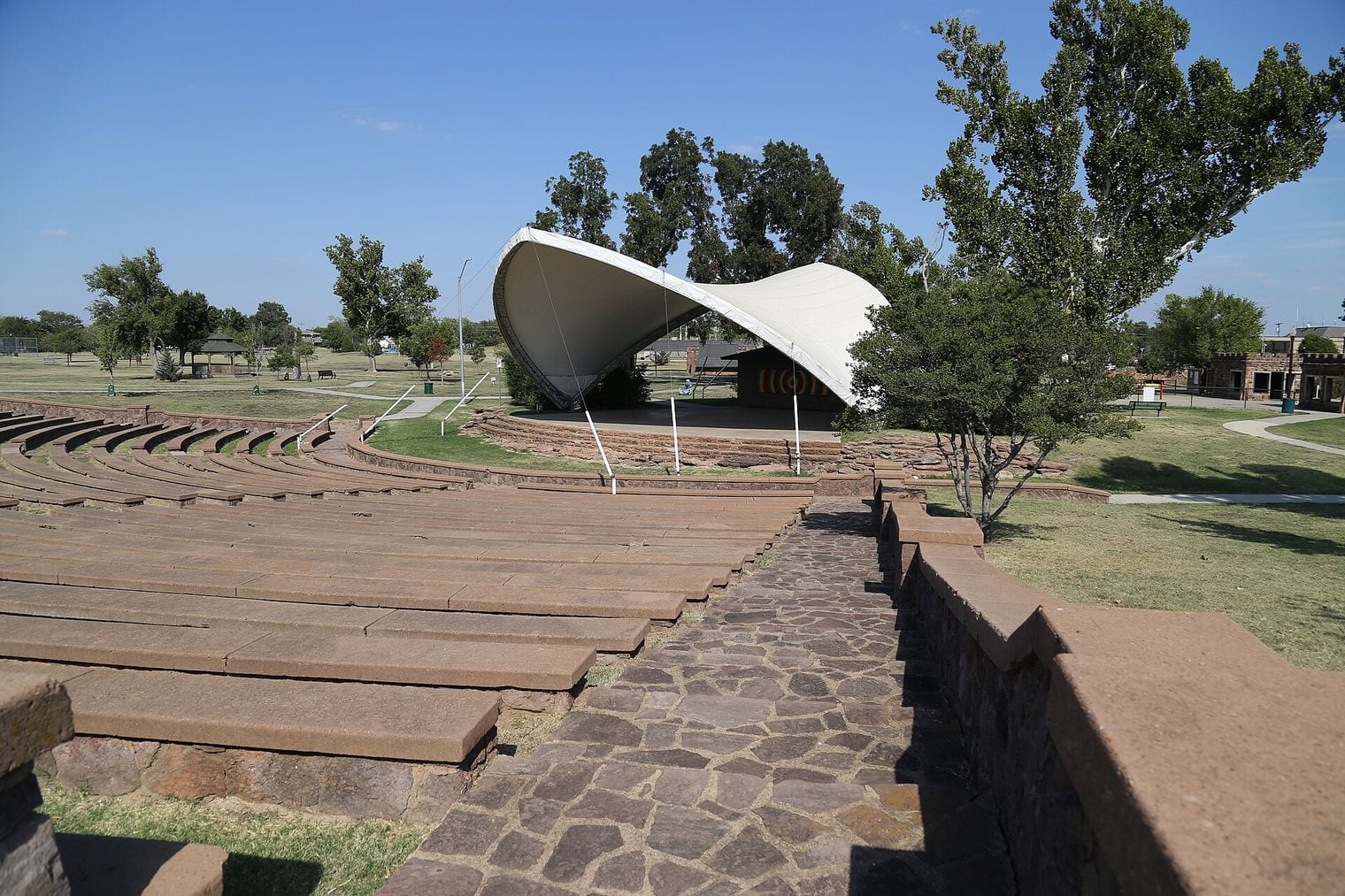
Just across from Pullman Square, Harris Riverfront Park is a downtown green space on the Ohio River with a skate park, playground, picnic tables, exercise equipment and an amphitheater that hosts concerts and events through the year. It's an easy add-on to a day spent downtown.
From here you can pick up the Paul Ambrose Trail for Health and the Chuck Ripper Trail, which weaves art and information along the river. Little water towers recount the region's history, and the decorated tugboats moored nearby make for a memorable riverside stroll at sunset.
One of the region's floral treasures, the Ritter Park Rose Garden showcases more than 3,300 roses, including many historic All-America Rose Selections winners. Free and open during park hours, it's a popular spot for weddings and a lovely place to wander the fragrant rows beside a gently flowing stream.
The American Planning Association named Ritter Park one of its 10 Great Public Spaces in 2012, and the rose garden is a big reason why. Time your visit for peak bloom in late spring and early summer; come in fall and you'll trade the roses for brilliant autumn foliage instead.
Tucked among the pines of Ritter Park, the Ritter Park Amphitheater is a scenic outdoor venue and home to the Huntington Area Regional Theater. Its tiered seating follows the natural contours of the hillside, holding around a thousand people for a wide range of shows and concerts.
The calendar stays busy through the warm months with outdoor community theater in June and July, the Ritter Live free concert series, and the Huntington Music & Art Festival. Set in one of the city's prettiest parks, it's a delightful place to catch a performance under the trees.
A year-round nonprofit market, The Wild Ramp champions local growers and makers, with shelves that change constantly through the seasons. You'll find fresh produce, meat, plants, prepared foods, art and crafts — much of it seasonal, but always with something worth taking home.
Shopping here means supporting local farmers and the wider community, and you can count on genuinely fresh, fairly priced produce, especially in the summer months. It's a great place to taste the flavors of the region and connect with the people who grow and make them.
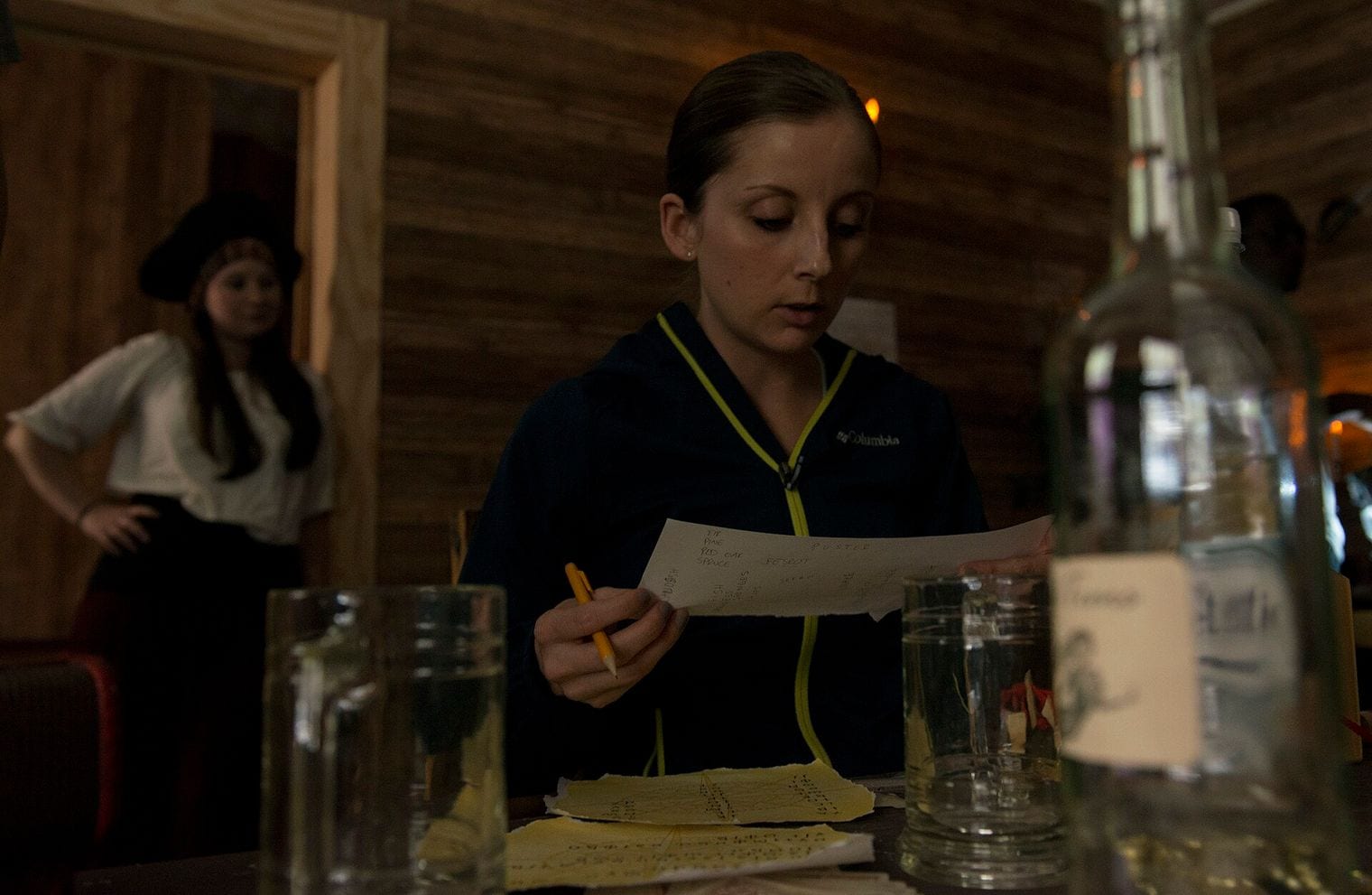
For a fun group challenge, The Lost Escape Room locks small teams into an immersive space where you race the clock to solve puzzles and escape. Working together, you'll hunt for clues, piece together the story and unravel the mystery before time runs out.
Choose from themed rooms with well-written storylines and realistic, detailed sets. The staff explain everything clearly beforehand and keep everyone involved in the problem-solving, and the puzzles strike a satisfying balance — challenging enough to be exciting, but never impossible. It's an easy, engaging outing for friends and families.
A genuine hidden gem, St. Cloud's All-Inclusive Playground is a clean, colorful and thoughtfully built play space designed so every child can join in. A large accessible section welcomes kids with disabilities, letting everyone play side by side in a shady, welcoming setting.
A soft, foam-like surface helps cushion tumbles, making it especially good for younger children. Located within the St. Cloud Commons, the site also offers walking trails and ball fields, so families can easily turn a playground visit into a longer, active afternoon outdoors.
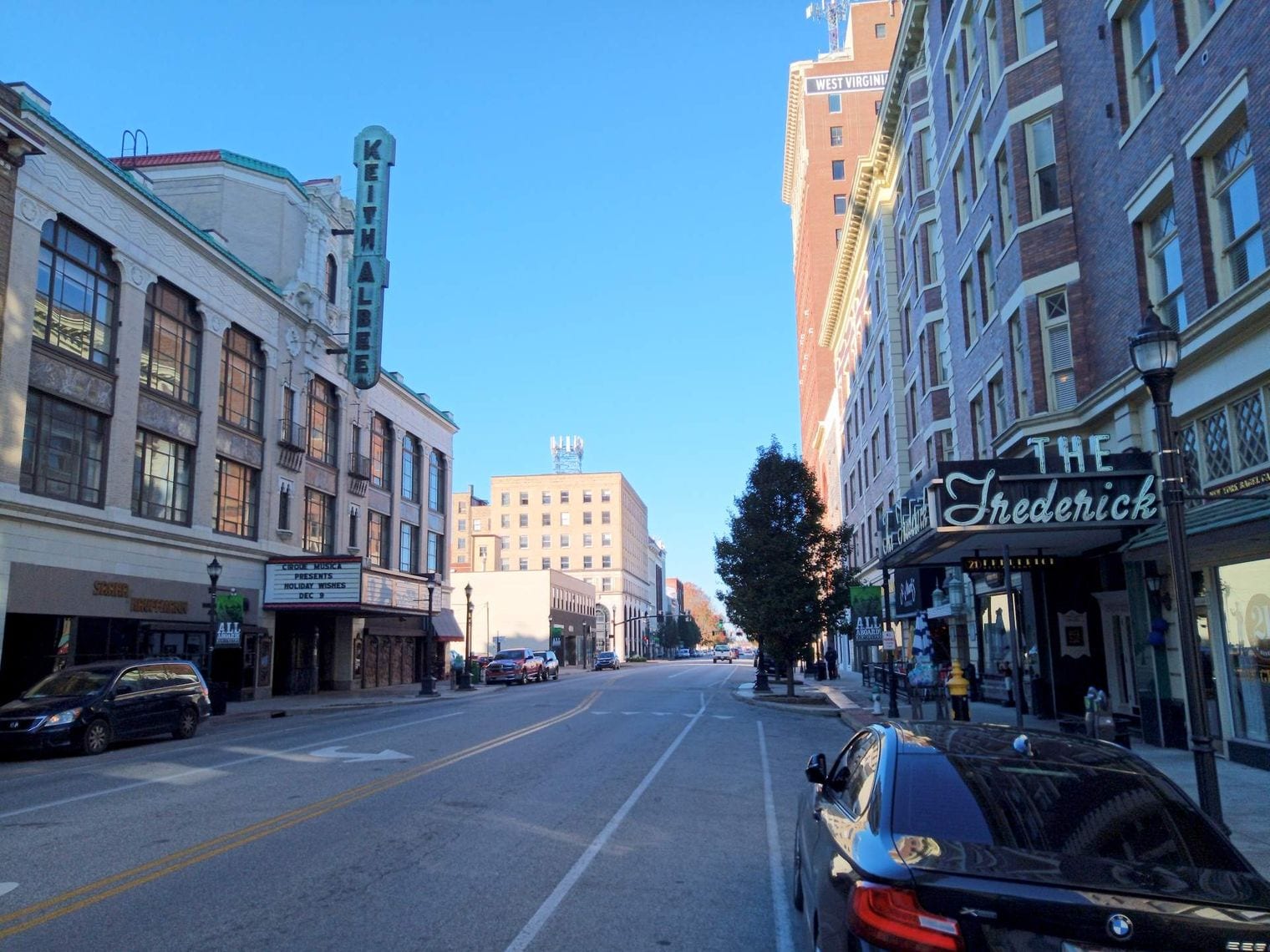
An architectural jewel of downtown, the Keith Albee Performing Arts Center is one of the finest surviving 1920s movie palaces anywhere. Step inside and the ceiling becomes an evening sky of drifting clouds and twinkling stars, framed by opulent, Venetian-style décor and a beautifully preserved original lobby.
Lovingly maintained, this cozy historic theater has hardly a bad seat in the house for a show. And if you find yourself inside after dark, don't be startled — the Keith Albee comes with plenty of colorful ghost stories woven into its long and storied history.
Set where the Ohio and Big Sandy rivers meet, Virginia Point Park marks the tri-state corner where Kentucky, Ohio and West Virginia come together. Within a few hundred yards you can take in three states at once and learn the area's history through interpretive signs and the occasional guided tour.
With easy parking and access, it makes a quick, rewarding stop that helps you get your bearings in the region. The park itself has memorials detailing the location's history, along with a few swings for kids and spots for boating and fishing along the water.
Billed as the tri-state's premier indoor inflatable center, Pump Up The Fun is packed with slides, bounce houses, a jungle gym and an obstacle course, plus a section sized for the littlest kids. It's a fantastic place for children to burn off energy, whatever the weather outside.
The venue also hosts birthday parties, lock-ins and even overnight rentals for special occasions. A newer water-play feature adds another dimension of fun and makes for cheerful, sun-filled photos, rounding out an active indoor outing the whole family can enjoy together.
Compact but packed with variety, The Highlands Museum & Discovery Center blends heritage exhibits with hands-on, kid-friendly science activities. You can explore displays on country music, World War II, Native American culture and more, all under one roof.
The entire lower floor is a playground of interactive exhibits where children can explore, experiment and learn while burning off energy — a relief for parents. There's plenty to hold adults' interest too, making it an easy, worthwhile stop for families visiting the Huntington–Ashland area.
A peaceful stretch of wetland along the Ohio River, the Green Bottom Wildlife Management Area protects more than a thousand acres of swamp, forest and open water north of Huntington. Home to dozens of mammal species and well over a hundred kinds of birds, it's a rewarding spot for wildlife watching, with gray and red foxes among the residents.
A boat ramp offers access to the water, and quiet trails wind through the bottomland hardwoods. Note that there's no ranger station or patrol here, so it's wise to stick to the main paths or bring a companion when you explore this wild riverside preserve.
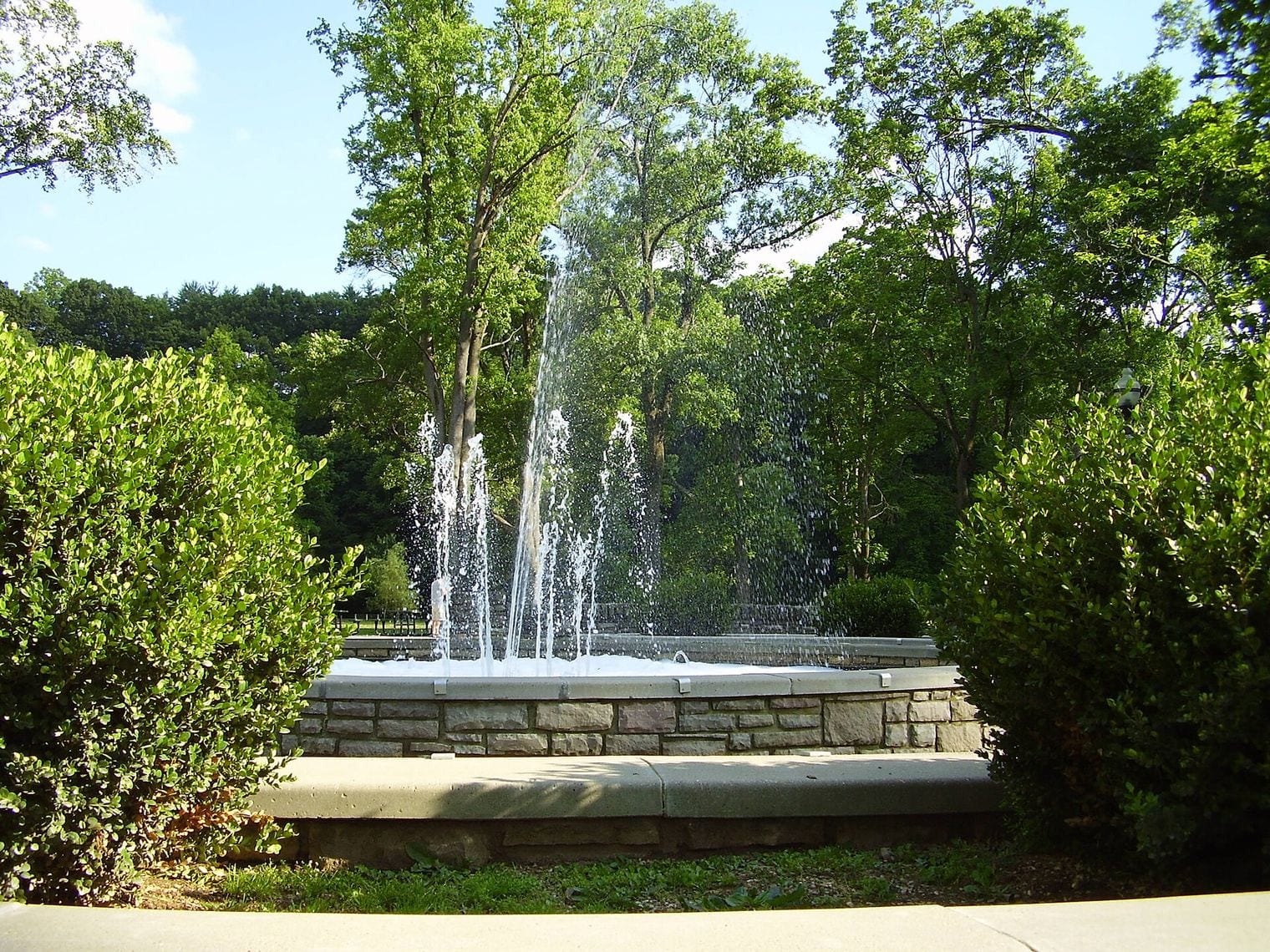
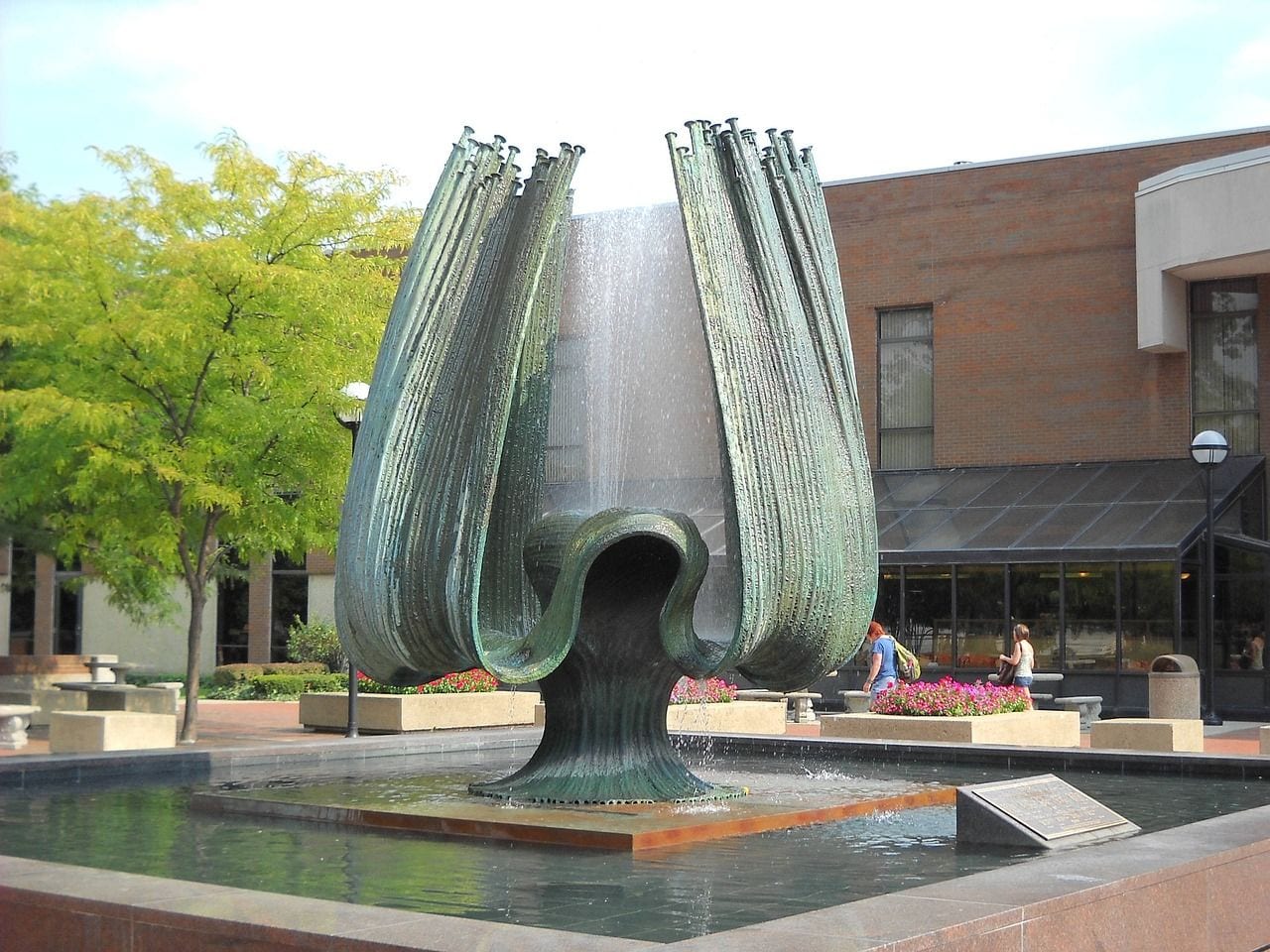
A moving place of remembrance on the Marshall University campus, the Memorial Fountain honors the football players, coaches, staff and fans lost in the November 1970 plane crash as the team returned to Huntington. It stands as the emotional heart of a tragedy that shaped the city.
Visiting the fountain is a humbling, reflective experience, and the story of how Marshall and Huntington rebuilt in the years that followed is genuinely inspiring. Each year the fountain is ceremonially turned off on the anniversary of the crash, a poignant tradition that draws the community together.
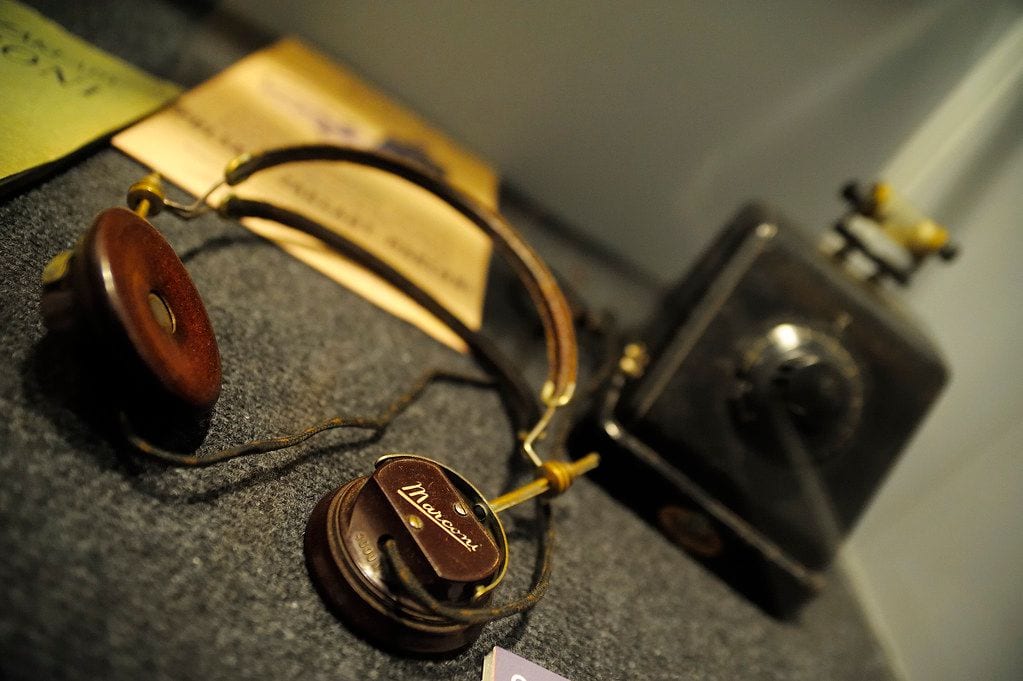
A hands-on delight for the curious, the Museum of Radio & Technology displays a vast collection of historic radios, televisions, early computers and electronic gear. Guided tours can be tailored to your interests, bringing the stories behind these machines to vivid life.
It's far more than a static display: most everything still works and can be demonstrated, from Edison cylinder players to vintage radios and TVs. Whether you're revisiting the gadgets of your childhood or discovering them for the first time, it's an outstanding, offbeat museum for the history of electronics.
A family favorite on Huntington's east end, Altizer Park features a ball field, basketball court, walking trail and a fun outer-space-themed playground. Kids can bounce on a sunken trampoline, climb a play-airplane and swing their way across a make-believe galaxy.
The walking loop is dotted with outdoor exercise equipment, and shaded shelters with picnic tables make it easy to settle in for the afternoon. For a special treat, catch a movie at the park's drive-in — a charming, community-minded touch that sets Altizer Park apart.
Formerly the Huntington Galleries, the Huntington Museum of Art is the region's premier art institution, pairing a wide-ranging collection with hiking trails and a plant conservatory. Its holdings span ceramics, glass, folk art, Near Eastern pieces and a surprisingly large collection of oil and watercolor paintings.
Well-kept and welcoming, the museum also displays a history of firearms and candid photographs of jazz-age performers, giving it real breadth. Don't miss the conservatory, filled with a wonderful variety of plants and even a few poison-dart frogs — an unexpected, delightful finish to a visit.
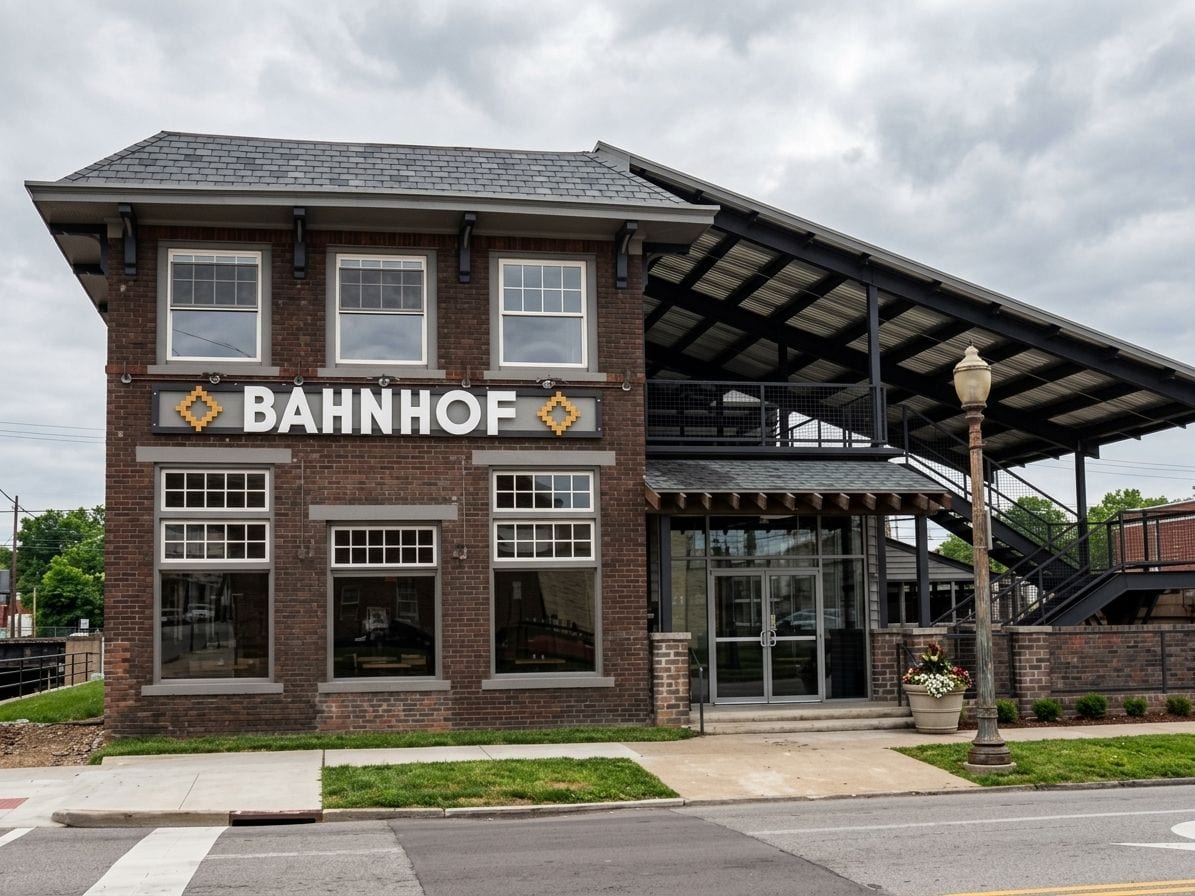
A lively taste of Germany in Huntington, Bahnhof WVrsthaus & Biergarten pours dozens of beers on tap and turns out house-made sausages by the mile. The menu runs to sausages, schnitzels, pretzels and other classic German fare, served at a full bar both indoors and out.
Share the sausage sampler alongside a craft beer, and don't leave without trying the beloved beer cheese. With hearty plates like the Reuben and a warm, characterful setting, the biergarten's welcoming atmosphere and distinctive décor make it a favorite spot to eat and drink downtown.
Best Time to Visit Huntington
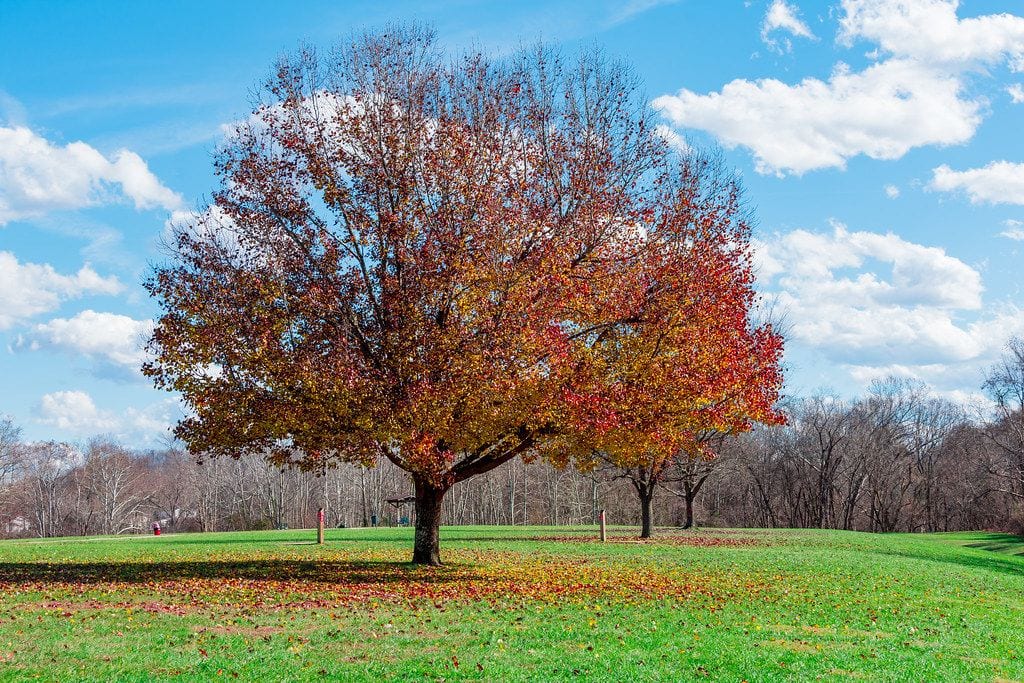
Late spring through fall is the sweet spot for a Huntington visit. Spring and early summer bring the Ritter Park Rose Garden into full, fragrant bloom, while summer fills the calendar with riverfront concerts and outdoor events. Autumn is arguably the most festive season, with cooler weather, colorful foliage and a run of tri-state festivals.
October is special for two reasons: Marshall football Saturdays energize the whole town, and nearby Kenova's Pumpkin House glows with thousands of carved jack-o'-lanterns. Winters are cool and quieter, though the historic theaters and museums make good cold-weather stops year-round.
Getting to Huntington
Huntington sits along Interstate 64, with US routes 60 and 52 also serving the area, making it an easy drive from across the region. The city has its own Tri-State Airport (HTS), located just off I-64 near Kenova, offering regional connections; larger airports in Charleston, West Virginia and beyond widen the options.
Many visitors arrive by car as part of a wider Appalachian or Ohio River road trip. Once in town, a vehicle is the most practical way to reach the parks, museums and attractions spread across the Tri-State area, though downtown itself is easy to explore on foot.
Getting Around Huntington
Downtown Huntington is compact and walkable, with Pullman Square, the riverfront and the Keith Albee theater all close together, and the Marshall University campus a short distance away. The Tri-State Transit Authority runs local buses around the city for a car-free option in the core.
To reach outlying spots like Camden Park, Barboursville Park, Heritage Farm and the Green Bottom preserve, a car is the easiest choice. Parking downtown is generally straightforward outside of major Marshall game days and downtown events.
Where to Stay in Huntington
The most convenient base is downtown Huntington, close to Pullman Square, the riverfront and the historic theaters, and within reach of Marshall University. Visitors in town for the university often prefer areas near the Marshall campus, lively with student energy.
Travelers passing through, or those wanting easy highway access, tend toward the Interstate 64 corridor and the Barboursville area to the east, where chain hotels and shopping cluster with simple parking. Book ahead for Marshall football weekends, when rooms fill quickly.
Where to Eat in Huntington
Huntington's dining centers on downtown and Pullman Square, with more options near the Marshall University campus and along the Barboursville corridor. Expect a friendly mix of Appalachian comfort food, casual college-town eateries and a growing craft-beer and coffee scene.
Look for regional staples like pepperoni rolls — a West Virginia signature — alongside hearty diner fare, barbecue and the German plates that give the city's biergarten scene its character.
Many of Huntington's highlights cost nothing. Wander the shops and plazas of Pullman Square, stroll the riverfront at Harris Riverfront Park, and spend a relaxed afternoon in Ritter Park and its free, award-winning rose garden. The reflective Memorial Fountain on the Marshall campus is open to all.
Outdoors, you can hike the trails at Barboursville Park, watch wildlife at the Green Bottom preserve, and, in October, admire the free display at Kenova's Pumpkin House — a beloved seasonal tradition that draws visitors from across the region.
Day Trips from Huntington
Huntington's tri-state setting puts several destinations within easy reach. Just across the rivers lie Kentucky's Ashland and Ohio's Ironton, both minutes away and worth a wander. History and nature lovers can follow the Ohio River to the Green Bottom preserve or drive east into the West Virginia hills.
For a bigger day out, the state capital of Charleston is about an hour east along Interstate 64, with museums, riverfront dining and the gold-domed State Capitol. Any of these makes an easy half- or full-day outing from Huntington.
FAQ: Visiting Huntington
What is Huntington, WV known for?
Huntington is best known as the home of Marshall University and for the 1970 football team plane crash memorialized in the film "We Are Marshall." It's also known as a major Ohio River port and for attractions like Ritter Park, the historic Keith Albee theater and Camden Park.
Is Huntington, WV worth visiting?
Yes. Huntington offers a walkable downtown, historic theaters, riverfront parks, a celebrated rose garden, a vintage amusement park and rich Appalachian heritage, all in a friendly tri-state setting — a rewarding and affordable stop in West Virginia.
How many days do you need in Huntington?
One to two days is plenty. A single day covers downtown, Ritter Park and a museum or two; a second day lets you add Camden Park, Heritage Farm, the riverfront trails and a nearby day trip at a relaxed pace.
When is the best time to visit Huntington?
Late spring through fall is ideal, with the rose garden blooming in spring and early summer and festivals filling the fall calendar. October is especially lively, with Marshall football and Kenova's famous Pumpkin House.
Is Huntington walkable?
Downtown Huntington is compact and walkable, with Pullman Square, the riverfront and the Keith Albee theater close together and Marshall University nearby. A car is handy for the outlying parks and attractions across the Tri-State area.
What free things can you do in Huntington?
Plenty: explore Pullman Square, walk the Harris Riverfront Park trails, enjoy Ritter Park and its free rose garden, visit the Memorial Fountain, and, in October, see the free Pumpkin House display in nearby Kenova.
What is the story behind the We Are Marshall movie?
In November 1970, a plane carrying Marshall University's football team, coaches, staff and supporters crashed near Huntington, killing all 75 aboard. The city and university's rebuilding of the program inspired the 2006 film "We Are Marshall," and the campus Memorial Fountain honors those lost.