Nebraska rewards travelers who trade Interstate 80 for the long way around. Between the Missouri River bluffs in the east and the badlands of the panhandle, the state holds the Oregon Trail landmarks of Chimney Rock and Scotts Bluff, a 12-million-year-old rhino dig at Ashfall Fossil Beds, and Omaha's Henry Doorly Zoo with the largest indoor desert on earth.
This guide gathers 25 of the best things to do in Nebraska, spread across every region so a single road trip can string them together. Expect marquee attractions in Omaha and Lincoln, roadside oddities like Carhenge, and spring-fed Sandhills rivers where the loudest sound is your own paddle.
Fun Facts About Nebraska
Nebraska has the only unicameral legislature in the United States — a single 49-member house adopted in 1937, unique among all 50 states.
Kool-Aid was invented in Hastings in 1927 by Edwin Perkins, and it is now the official state soft drink.
Arbor Day was founded in Nebraska City in 1872 by J. Sterling Morton, and the tree-planting holiday spread from there to all 50 states.
Chimney Rock was mentioned in more emigrant diaries than any other landmark on the Oregon Trail, making it the most famous waypoint of the westward migration.
Ashfall Fossil Beds preserves a 12-million-year-old watering hole where rhinos and other animals were entombed together by volcanic ash.
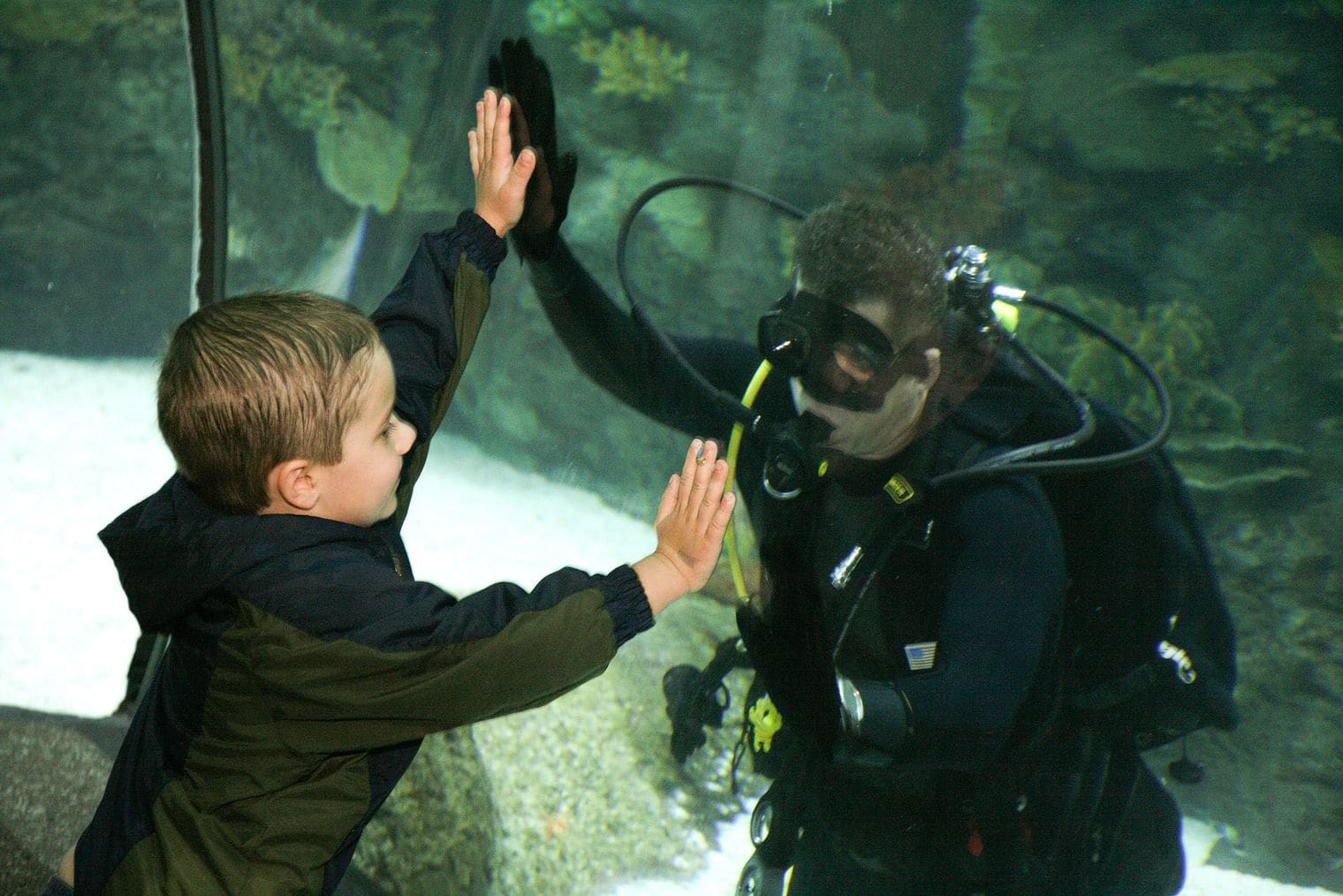
Routinely ranked among the finest zoos in the country, Omaha's Henry Doorly Zoo & Aquarium spreads more than 130 acres of immersive habitats along the city's southern edge. Its signature exhibits are feats of engineering: the Desert Dome is the largest indoor desert in the world, the Lied Jungle recreates a multi-story rainforest, and the Suzanne and Walter Scott Aquarium walks you through a glass tunnel beneath sharks and rays.
Plan on a full day, because the grounds are genuinely vast and the indoor biomes mean weather is never an excuse. Families gravitate to the Skyfari gondola and the Madagascar and Asian Highlands areas, while photographers chase the orangutans in the Hubbard Orangutan Forest.
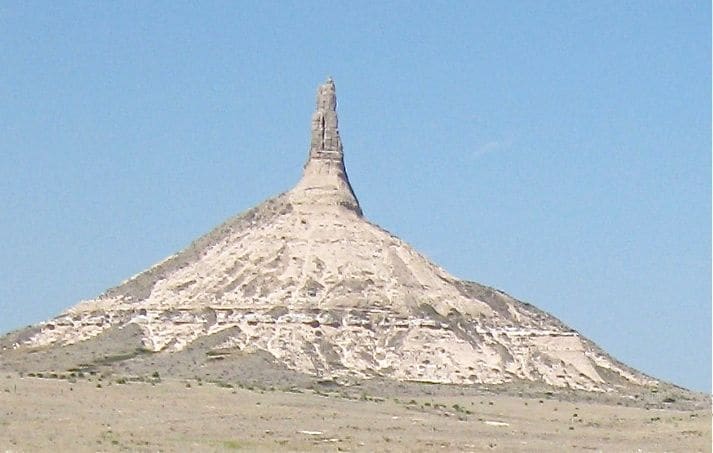
Rising some 300 feet above the North Platte Valley, Chimney Rock National Historic Site is the most famous landmark on the entire Oregon, California and Mormon trails. Nineteenth-century emigrants mentioned this slender spire in their diaries more than any other feature, treating its appearance on the horizon as proof they were making progress west.
Today the Ethel S. and Christopher J. Abbott Visitor Center interprets that migration with exhibits and trail-rut history, and the rock itself is best photographed in the long light of early morning or sunset. It sits near the town of Bayard in the Nebraska panhandle, an easy pairing with Scotts Bluff just down the valley.
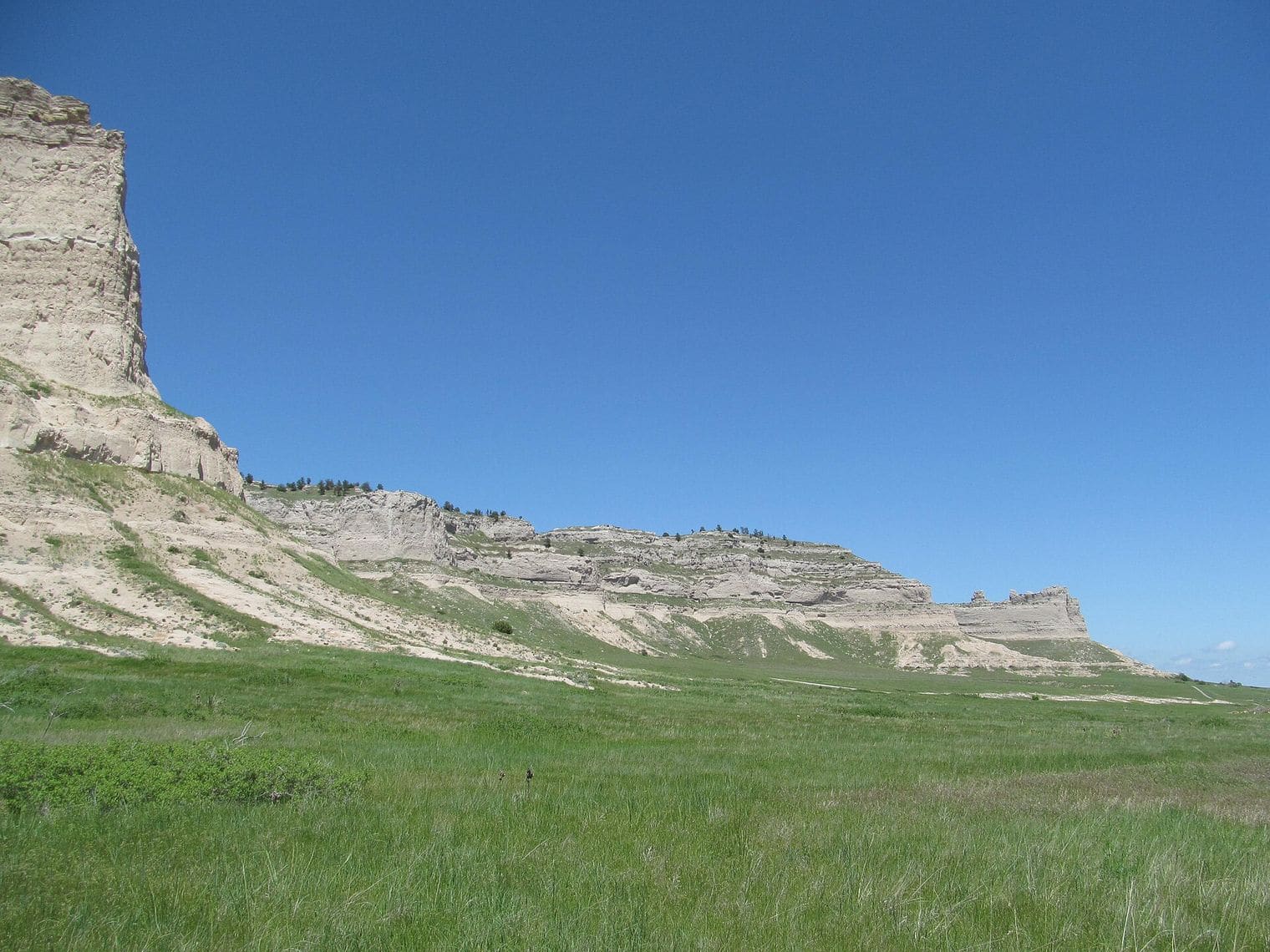
A dramatic 800-foot promontory looming over the plains, Scotts Bluff National Monument was another vital signpost for westward pioneers and remains one of Nebraska's great viewpoints. A paved summit road climbs 1.6 miles to overlooks that take in the Platte Valley, the city of Gering and, on clear days, distant Wyoming.
Down at the base, the Oregon Trail Pathway lets you walk beside genuine wagon ruts, and the visitor center houses an excellent collection of paintings by trail artist William Henry Jackson. Hikers can swap the road for the Saddle Rock Trail, which switchbacks to the top through a tunnel cut into the rock.
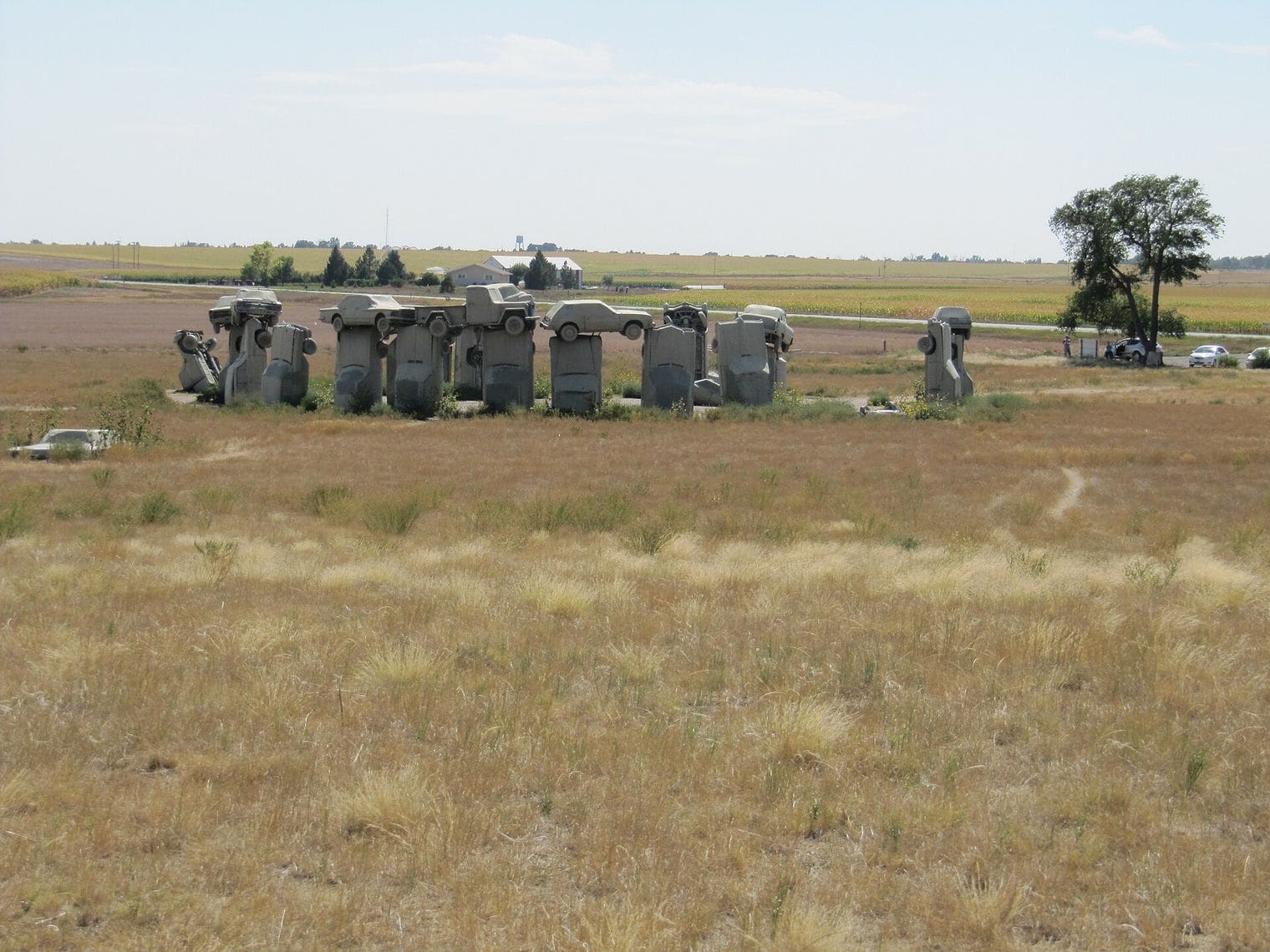
Equal parts art installation and roadside fever dream, Carhenge replicates England's Stonehenge using 39 vintage American automobiles spray-painted a uniform gray. Local artist Jim Reinders built it in 1987 as a memorial to his father, arranging the cars to match the proportions and astronomical alignments of the original.
Found just north of Alliance in the western Sandhills, it has grown into a beloved pilgrimage for road-trippers, with an adjacent Car Art Reserve of additional sculptures. Admission is free, and the surrounding emptiness of the plains only sharpens the surreal effect.
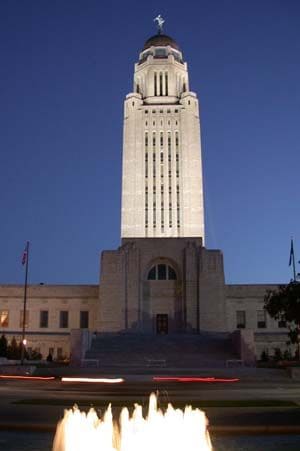
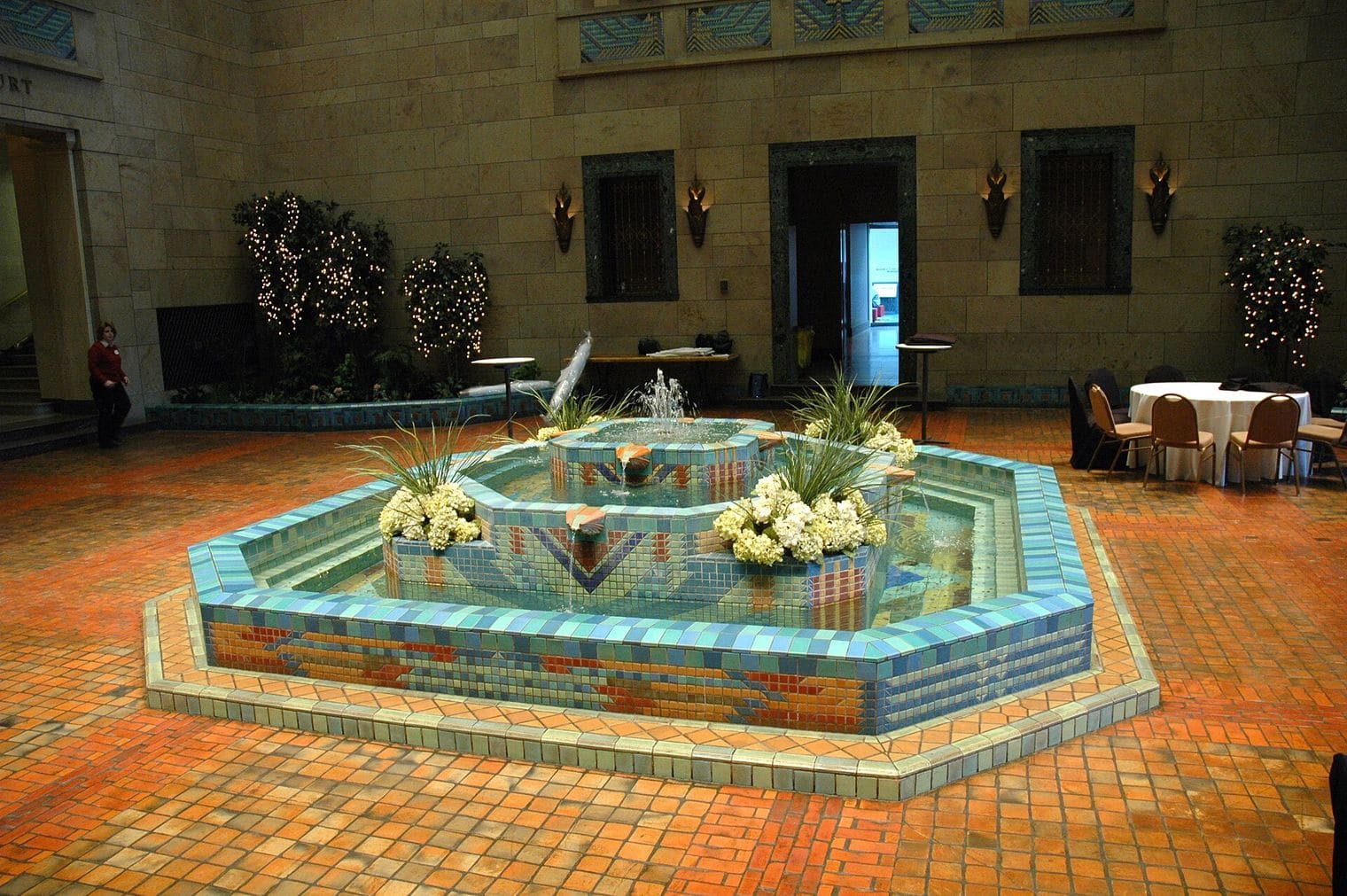
The Nebraska State Capitol is unlike any other statehouse in America, trading the usual dome for a soaring 400-foot Art Deco tower that dominates the Lincoln skyline. Completed in 1932, its interior is a cathedral of mosaics, murals and inlaid marble celebrating the state's history and the prairie itself.
Guided tours of the building are free, and an elevator rises to the 14th-floor observation deck for sweeping views over the city. Look for the bronze Sower statue crowning the tower and the symbolic tile work underfoot, widely considered among the country's finest public-building artistry.
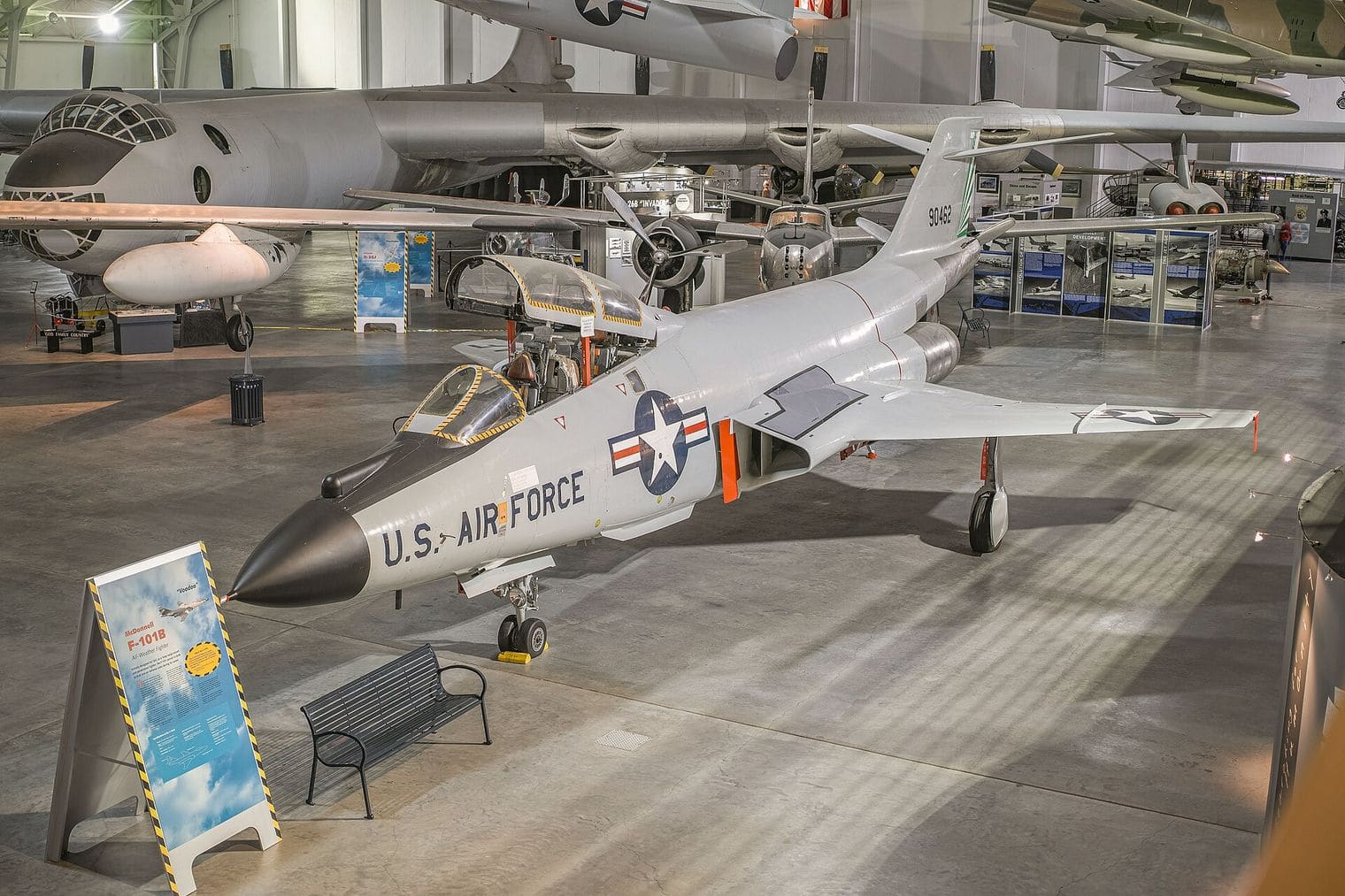
Spanning more than 300,000 square feet near Ashland, the Strategic Air Command & Aerospace Museum preserves the aircraft and stories of the Cold War-era Air Force. Its glass atrium frames an SR-71 Blackbird, and the hangars hold bombers, missiles and reconnaissance planes you can walk right up to.
Interactive exhibits and a restoration gallery make it a favorite with aviation buffs and families alike, conveniently positioned between Omaha and Lincoln off Interstate 80. Allow a couple of hours to take in the full collection, which ranges from biplanes to nuclear-age hardware.
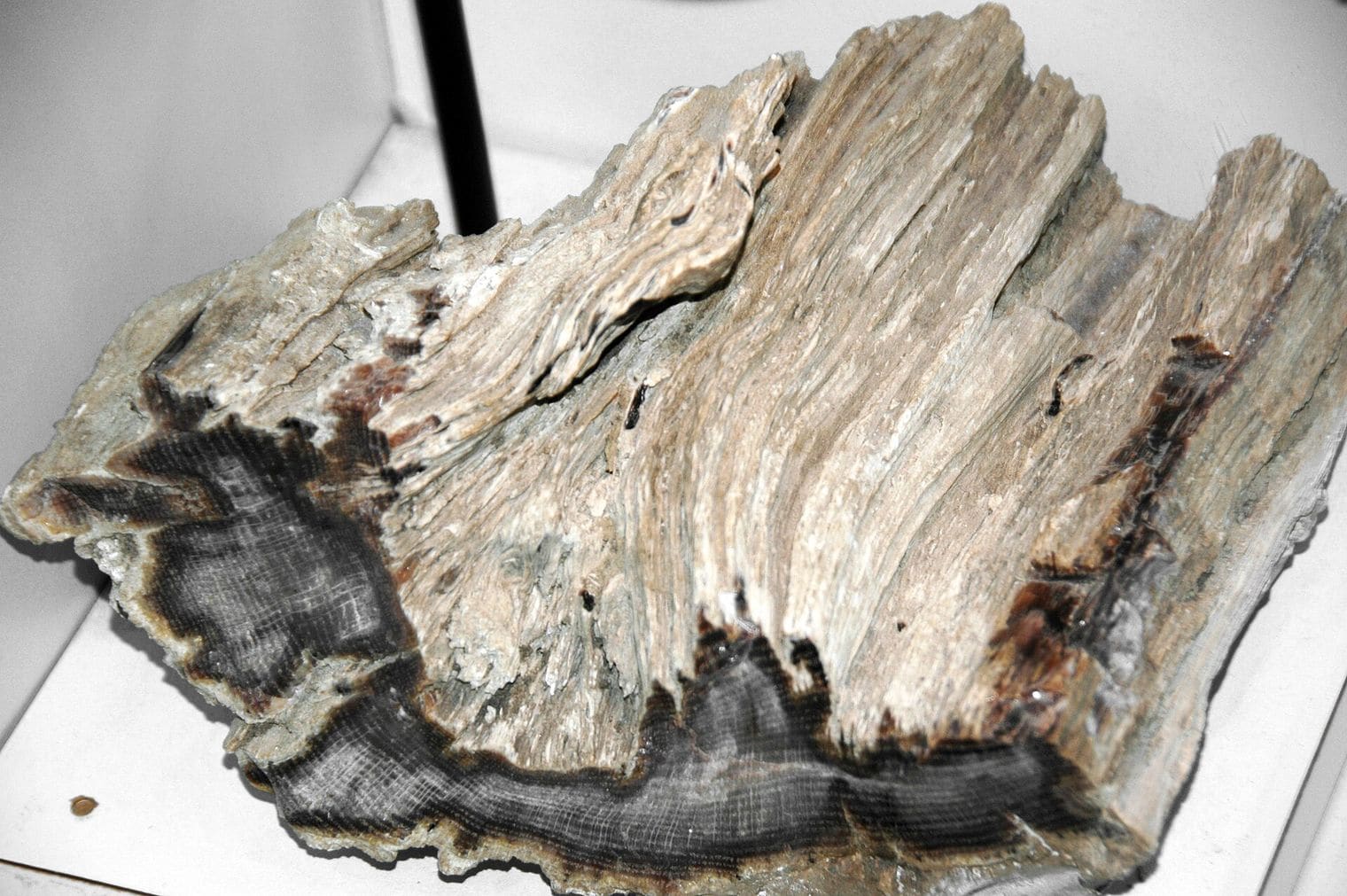
One of the most remarkable paleontology sites in the world, Ashfall Fossil Beds State Historical Park preserves a 12-million-year-old watering hole where hundreds of animals were entombed by volcanic ash. The eruption drifted in from what is now the Idaho-Nevada border, and the bones have lain undisturbed ever since.
The park's Hubbard Rhino Barn shelters the dig in place, so visitors watch paleontologists brush away ash from complete rhino, camel and horse skeletons exactly where they fell. Located near Royal in northeastern Nebraska, it is a working excavation as much as a museum.
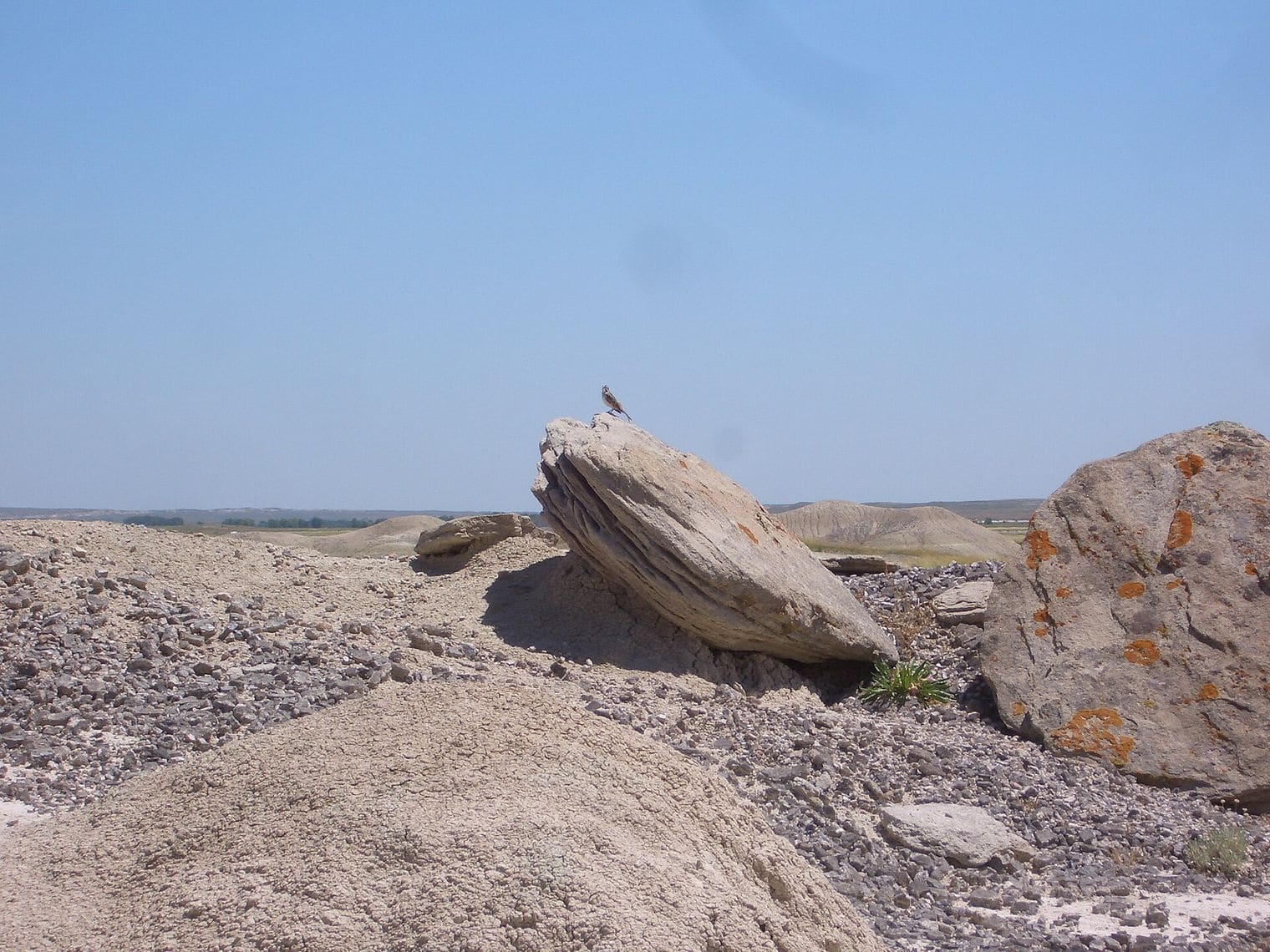
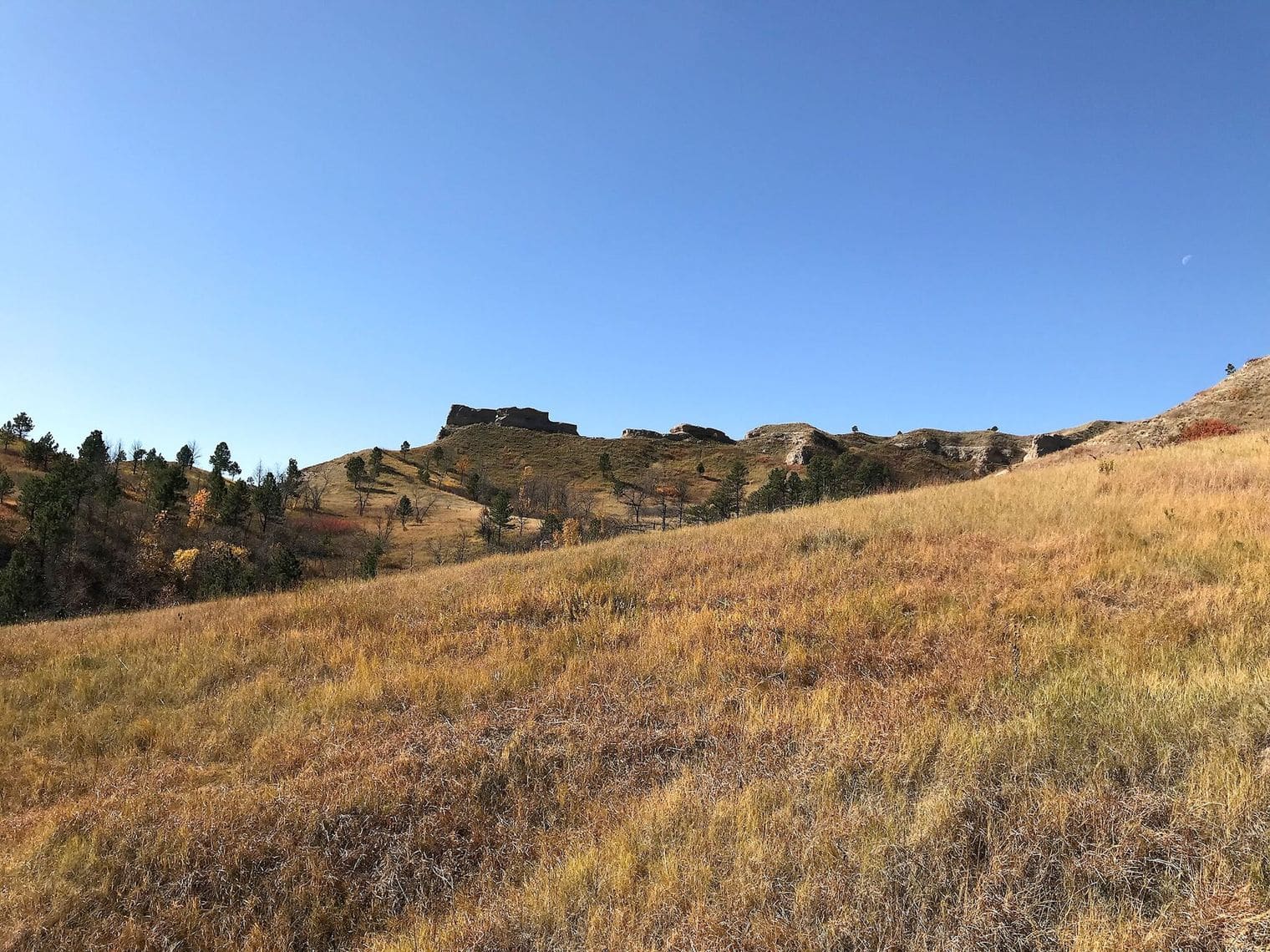
Often described as Nebraska's badlands, Toadstool Geologic Park is a stark, Mars-like expanse of eroded clay and sandstone in the remote northwest corner of the state. The name comes from the balanced rock formations, where harder caprock perches atop softer pedestals like stone mushrooms.
A short interpretive loop trail winds among the formations and past fossilized tracks left by mammals 30 million years ago. Managed within the Oglala National Grassland near Crawford, its isolation makes for exceptional stargazing once the sun drops below the buttes.
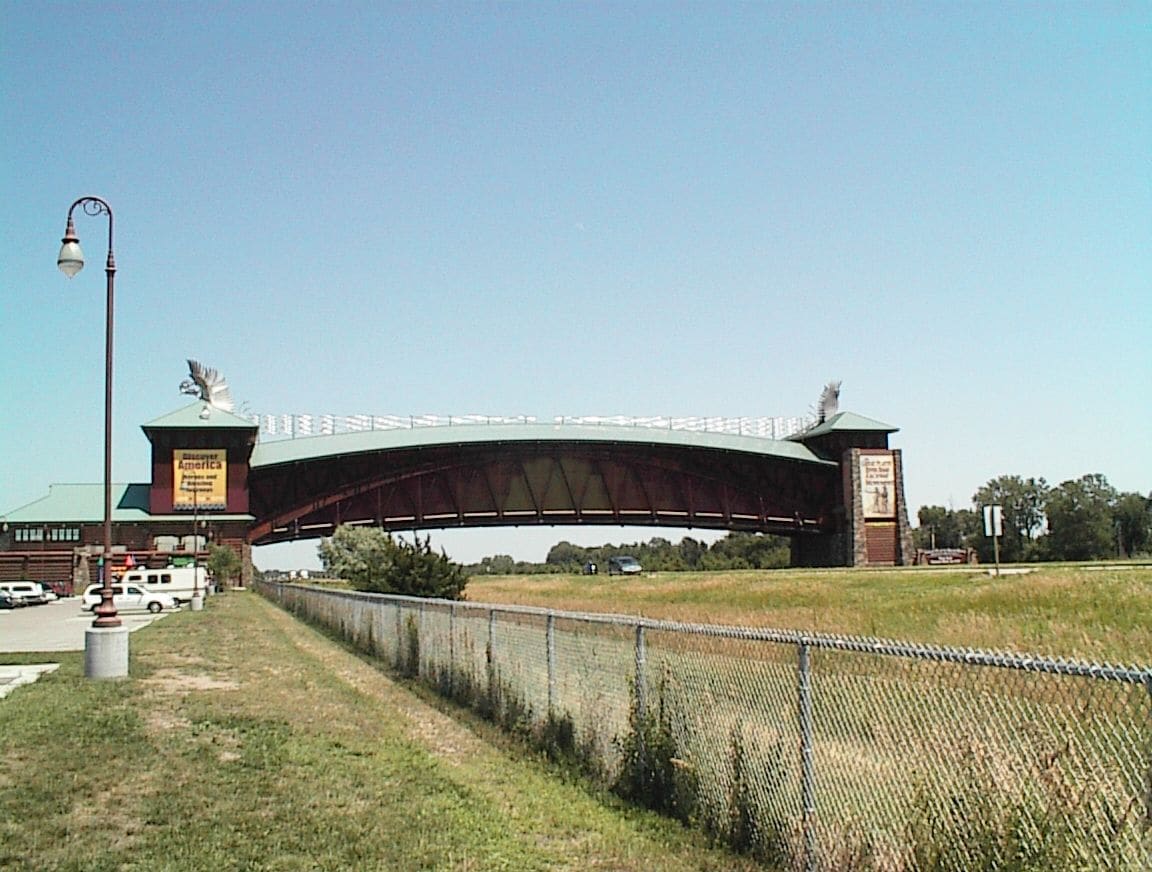
Straddling Interstate 80 outside Kearney, The Archway is a monument and museum telling the story of the Great Platte River Road, the corridor that carried the Oregon Trail, Pony Express and transcontinental railroad. You ascend into the arch itself, where immersive exhibits trace 170 years of westward travel.
Its unmistakable silhouette over the highway has made it a central Nebraska landmark, and the surrounding grounds include walking trails and a lake. It's a natural stop when crossing the state, breaking up the long I-80 drive with a genuine sense of history.
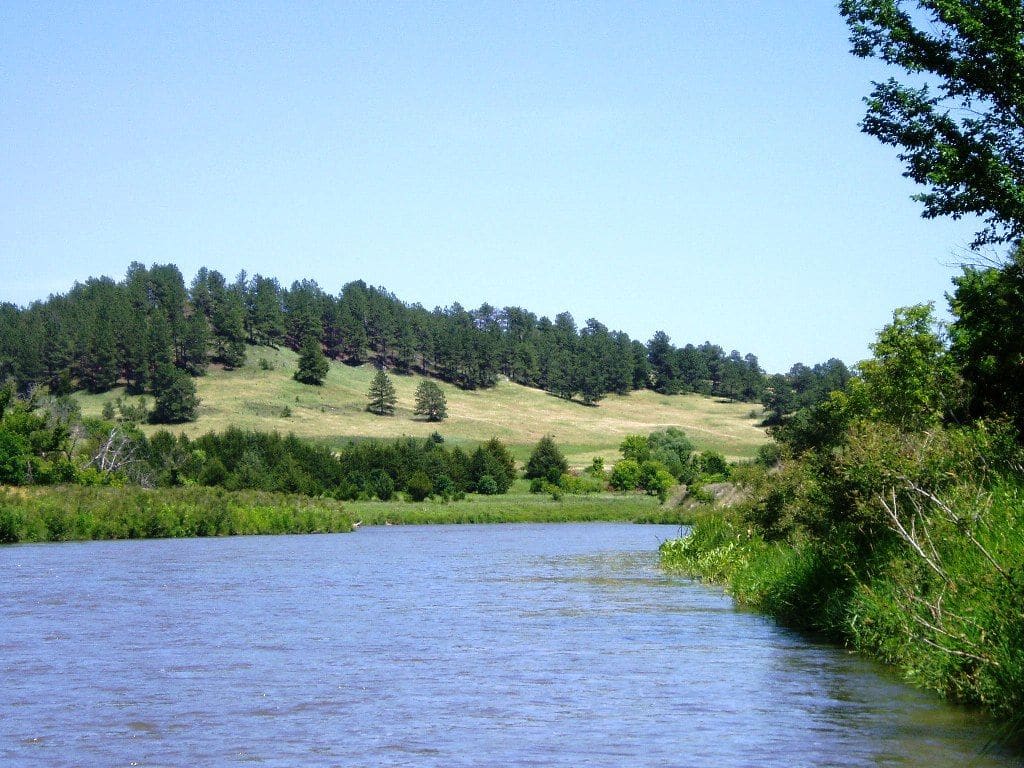
Frequently named one of America's best canoeing rivers, the Niobrara National Scenic River carves a spring-fed ribbon through the northern Sandhills near Valentine. Outfitters rent canoes, kayaks and tubes for lazy floats past more than 200 waterfalls, sandstone cliffs and a rare meeting of six distinct ecosystems.
Wildlife viewing is superb, with bison, elk and bald eagles among the residents of the surrounding refuges. The most popular put-ins lie east of Valentine, and a single day on the water is one of the most relaxing things to do anywhere in Nebraska.
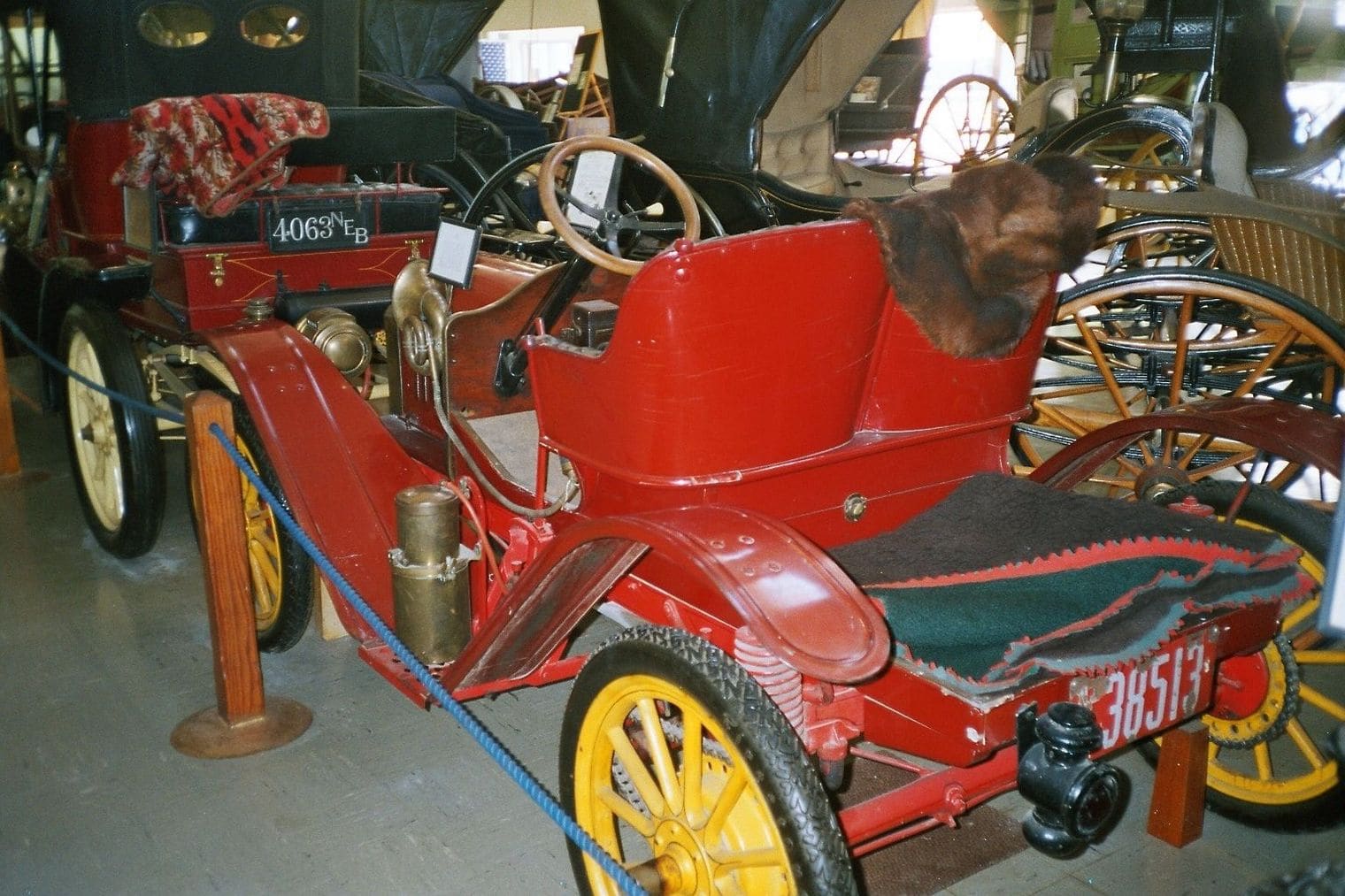
Harold Warp's Pioneer Village in Minden is a sprawling open-air museum chronicling American progress from 1830 onward through some 50,000 artifacts. Warp gathered 28 buildings onto the 20-acre grounds, from a sod house and frontier church to a working steam carousel, to show how everyday life and technology evolved.
The collections of antique cars, tractors, aircraft and household gadgets are encyclopedic, and the whole site has a charmingly unpolished, of-another-era feel. It rewards curious visitors who enjoy poking through history at their own pace in south-central Nebraska.
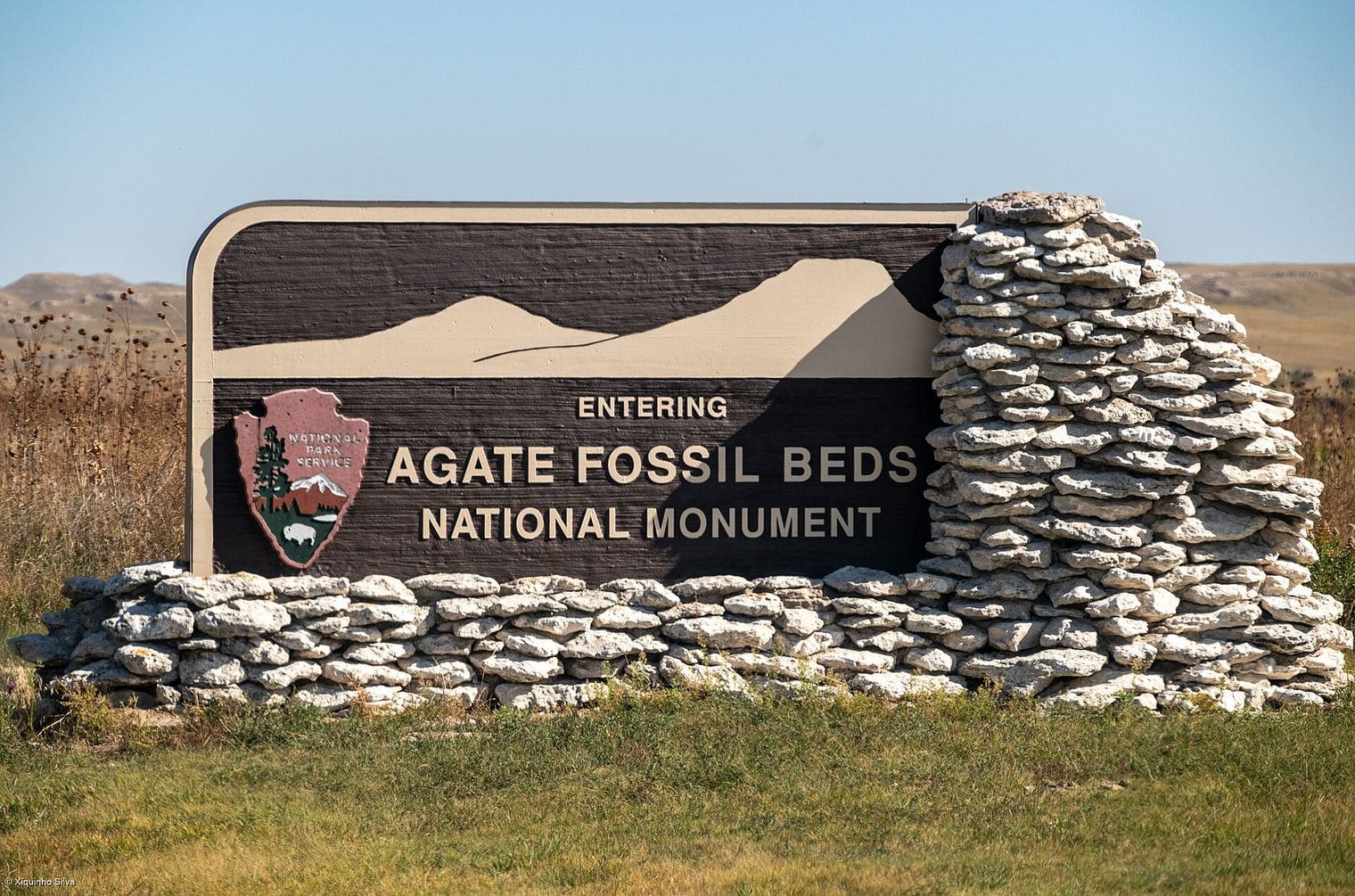
Set amid the rolling grasslands near Harrison, Agate Fossil Beds National Monument protects one of the richest concentrations of Miocene mammal fossils in North America. Roughly 20 million years ago this was a watering hole for prehistoric rhinos, horses and the bizarre, claw-footed Moropus.
A visitor center displays excavated skeletons alongside the renowned James H. Cook collection of Lakota artifacts, gifts from his friendship with Chief Red Cloud. Two easy trails lead out to the fossil hills and the river, deep in the quiet of the panhandle.
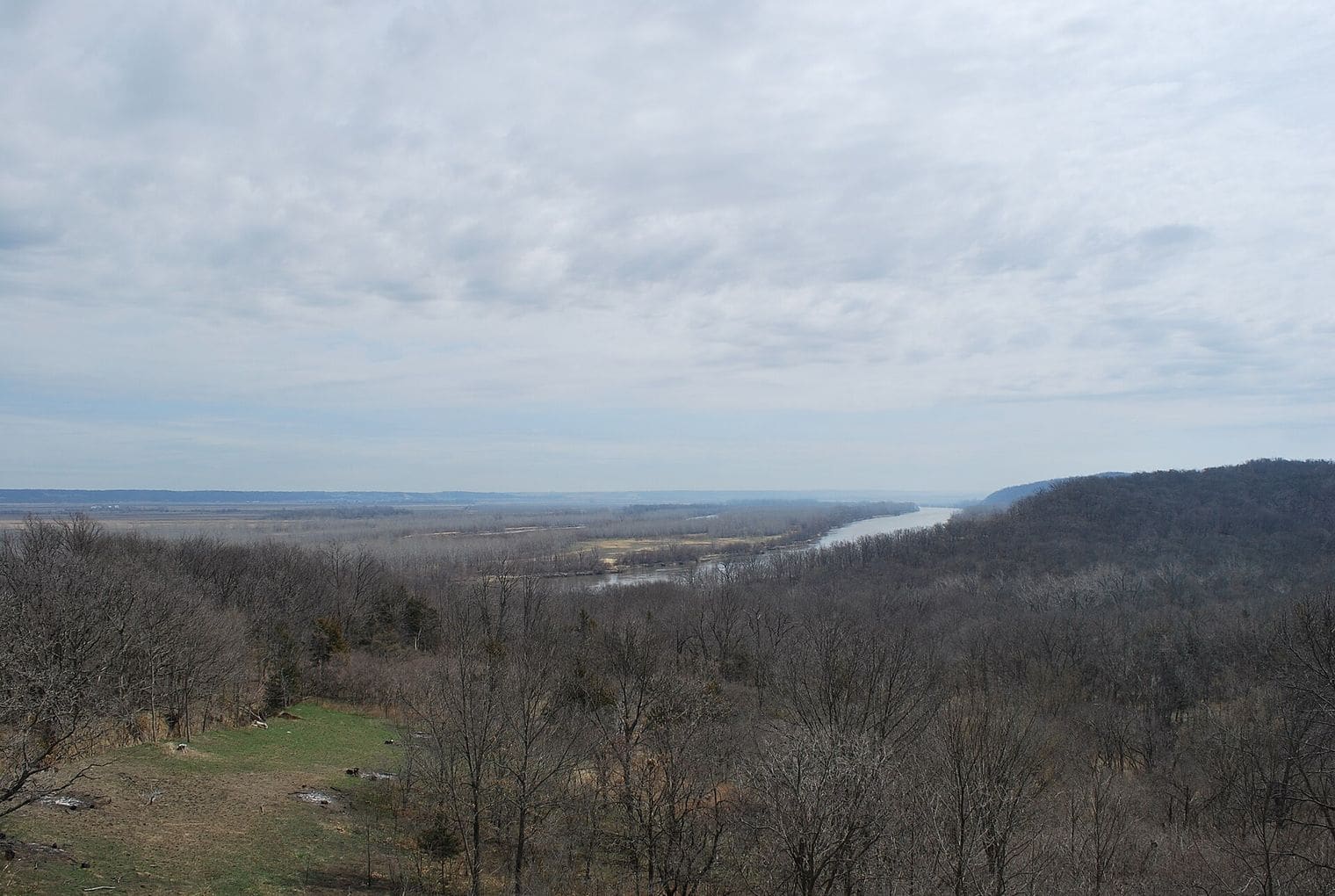
Tucked along the Missouri River bluffs in the state's southeastern tip, Indian Cave State Park is named for a sandstone cave bearing prehistoric petroglyphs. More than 20 miles of trails climb through dense hardwood forest, exceptional in autumn when the bluffs blaze with color.
The restored ghost town of St. Deroin and living-history demonstrations add a frontier dimension, while backcountry campsites and horseback trails draw weekenders. Its riverside setting near Shubert feels worlds away from the open plains most people associate with Nebraska.
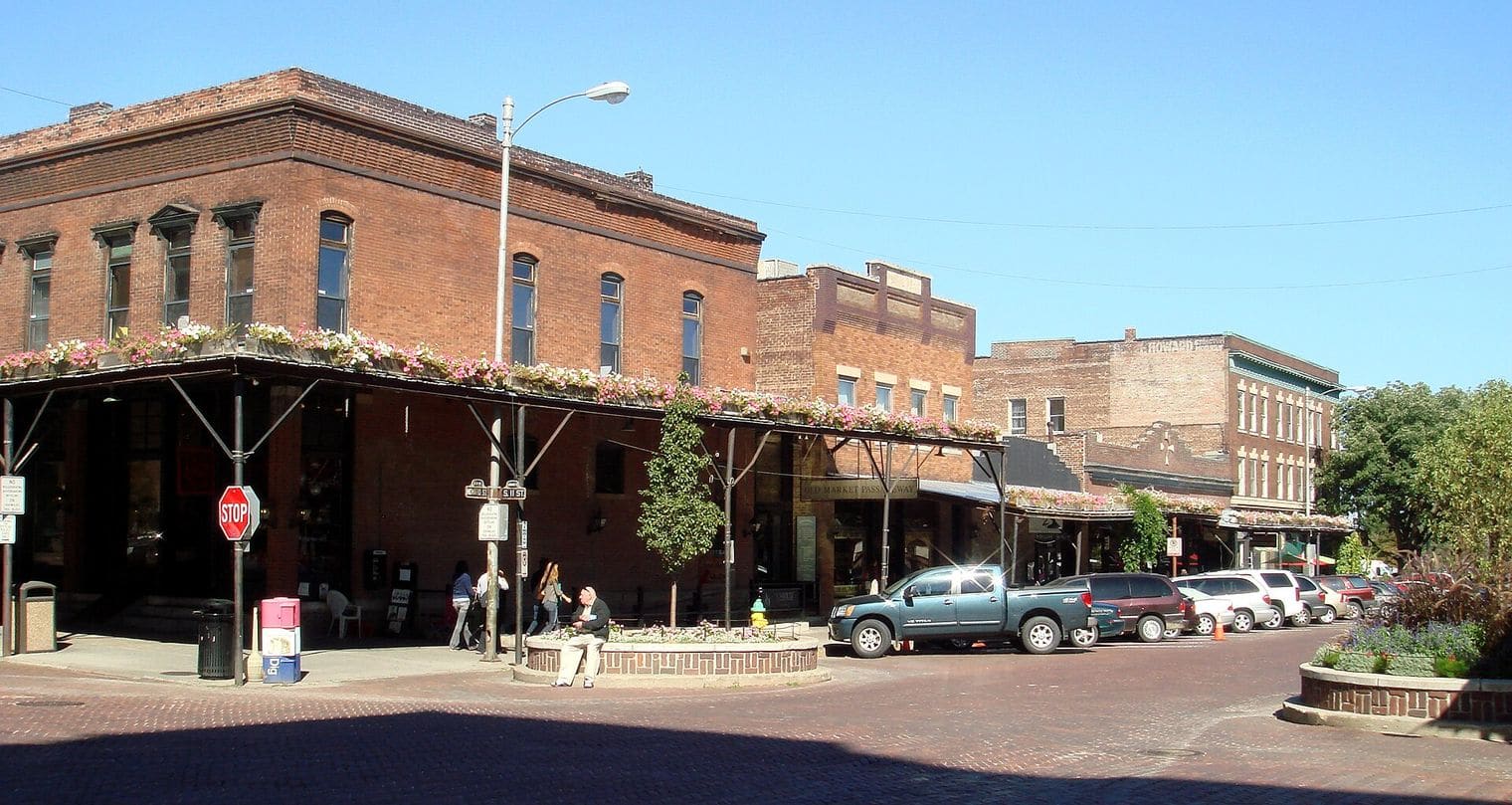
Omaha's Old Market is the cobblestoned heart of the city's social life, a district of restored 19th-century warehouses now filled with restaurants, galleries, breweries and independent shops. Horse-drawn carriages still clatter over the brick streets past the leafy Passageway courtyard.
It's the natural place to eat and wander after a day at the zoo or museums, with everything from steakhouses to coffee roasters within a few walkable blocks. Nearby, the riverfront parks and pedestrian Bob Kerrey Bridge extend the stroll right to the Missouri River.
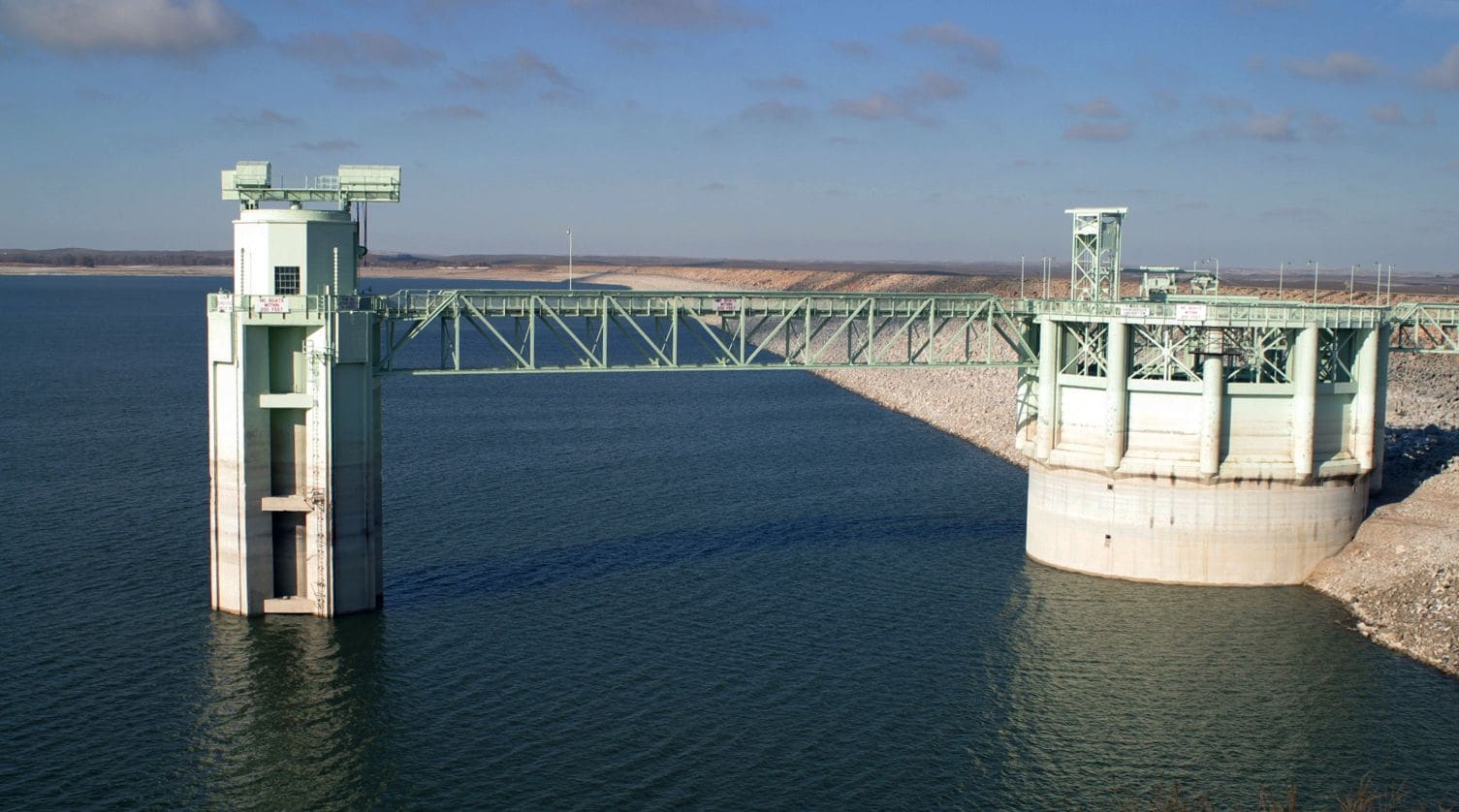
Nebraska's largest reservoir, Lake McConaughy stretches 22 miles behind Kingsley Dam near Ogallala, its white-sand beaches earning it the nickname 'Big Mac.' The shoreline draws boaters, anglers and campers all summer, with water clear enough for the occasional scuba diver.
Walleye and trout fishing are legendary, and the quieter coves are popular for windsurfing and stargazing. As the centerpiece of western Nebraska's lake country, it's a sun-and-sand counterpoint to the state's prairie and badlands scenery.
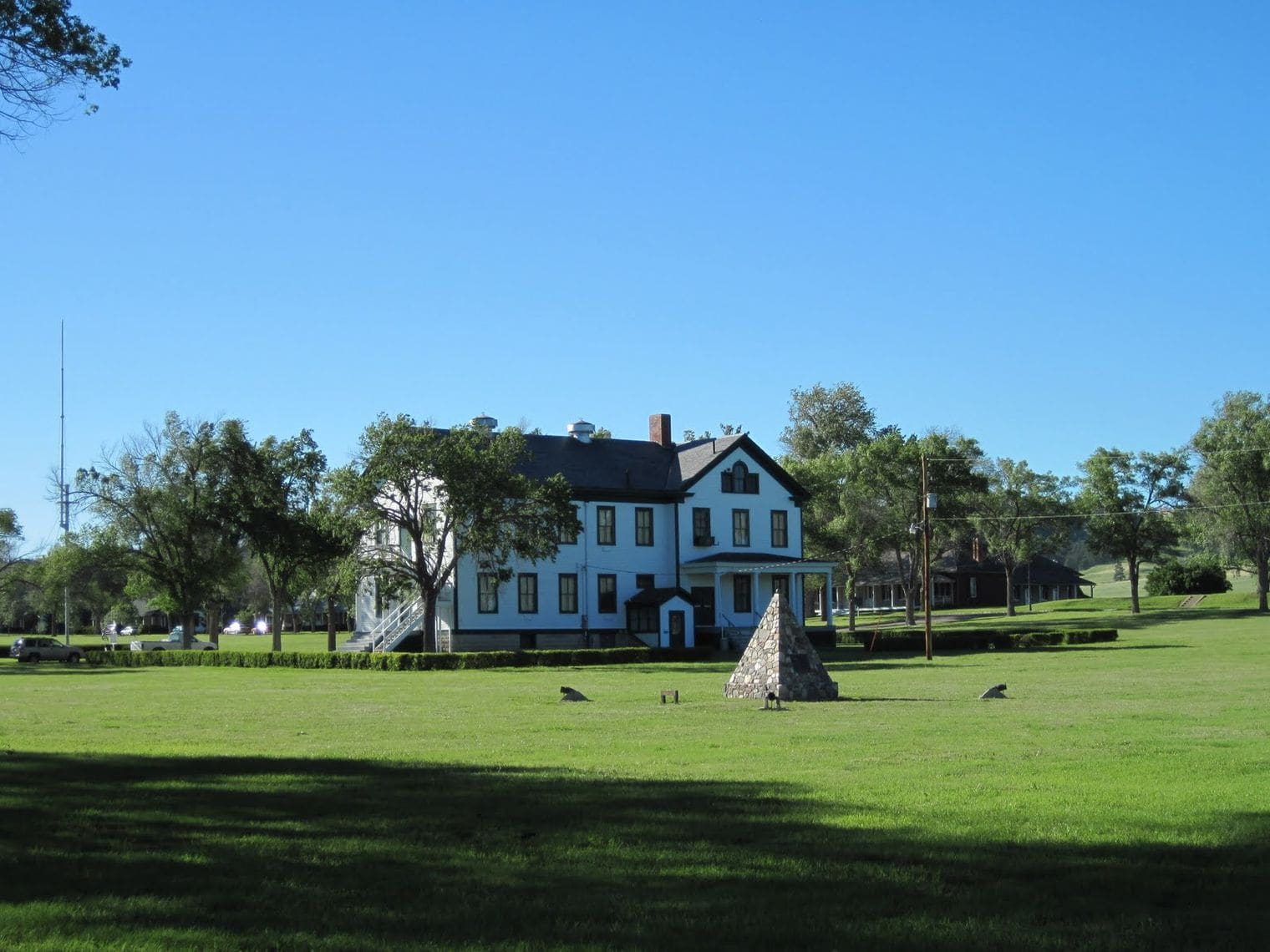
Sprawling across more than 22,000 acres in the Pine Ridge country, Fort Robinson State Park combines dramatic butte scenery with one of the most storied frontier-army posts in the West. It was here that Crazy Horse was killed in 1877, a history the on-site museums interpret with care.
Visitors can ride horseback through the buttes, take a Jeep or stagecoach tour, hunt for fossils, or lodge in the historic officers' quarters. Near Crawford in the far northwest, the park's blend of recreation and history makes it a destination in its own right.
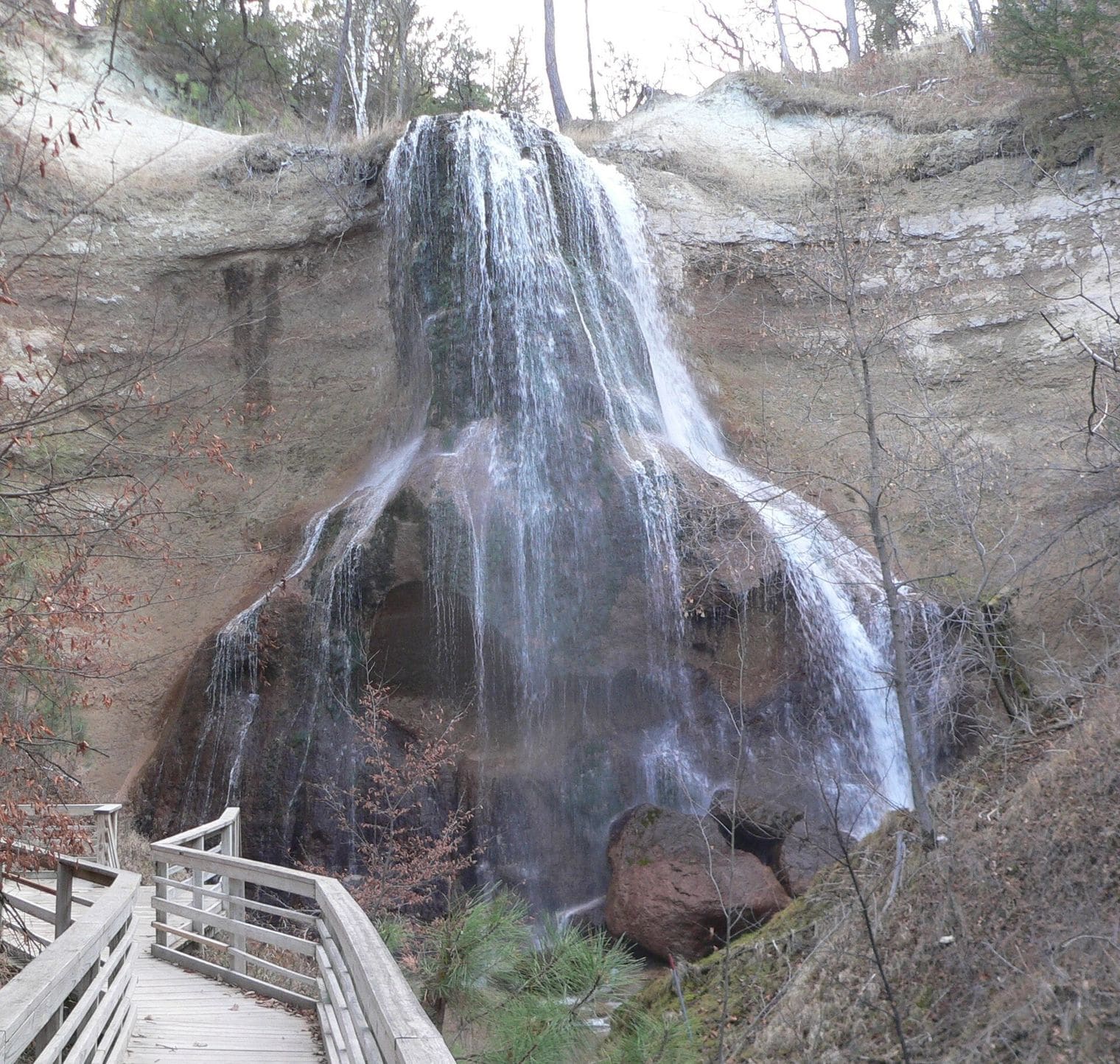
Home to the tallest waterfall in Nebraska, Smith Falls State Park sits along the Niobrara River near Valentine, where spring water tumbles more than 60 feet over a mossy face. A boardwalk and short trail lead from the parking area across a swinging bridge to the base of the falls.
Many visitors arrive by canoe as part of a Niobrara float, making the falls a scenic midpoint stop. The surrounding canyon shelters rare ferns and a striking mix of eastern and western plant life, a quiet highlight of the Sandhills.
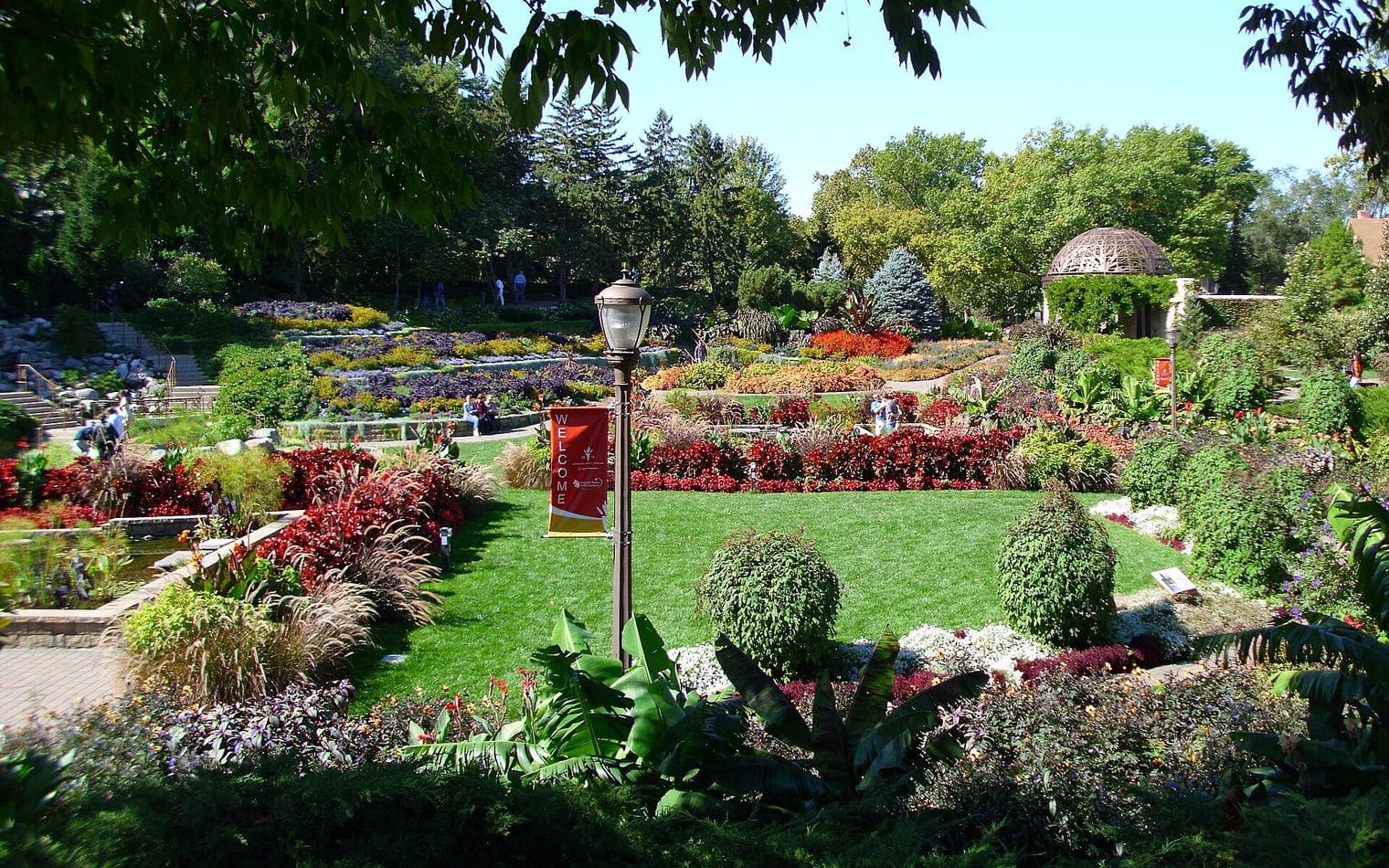
A Lincoln landmark since the 1930s, the Sunken Gardens transform a former neighborhood dump into a terraced oasis of seasonal color. Thousands of annuals are replanted each year around reflecting pools, a healing garden and a perennial garden, climbing the slopes in deliberate waves of bloom.
It has been named one of the country's most beautiful public gardens, and admission is free. Tucked into a residential street, it's an easy, restful stop that pairs naturally with a visit to the nearby Capitol or the university museums.
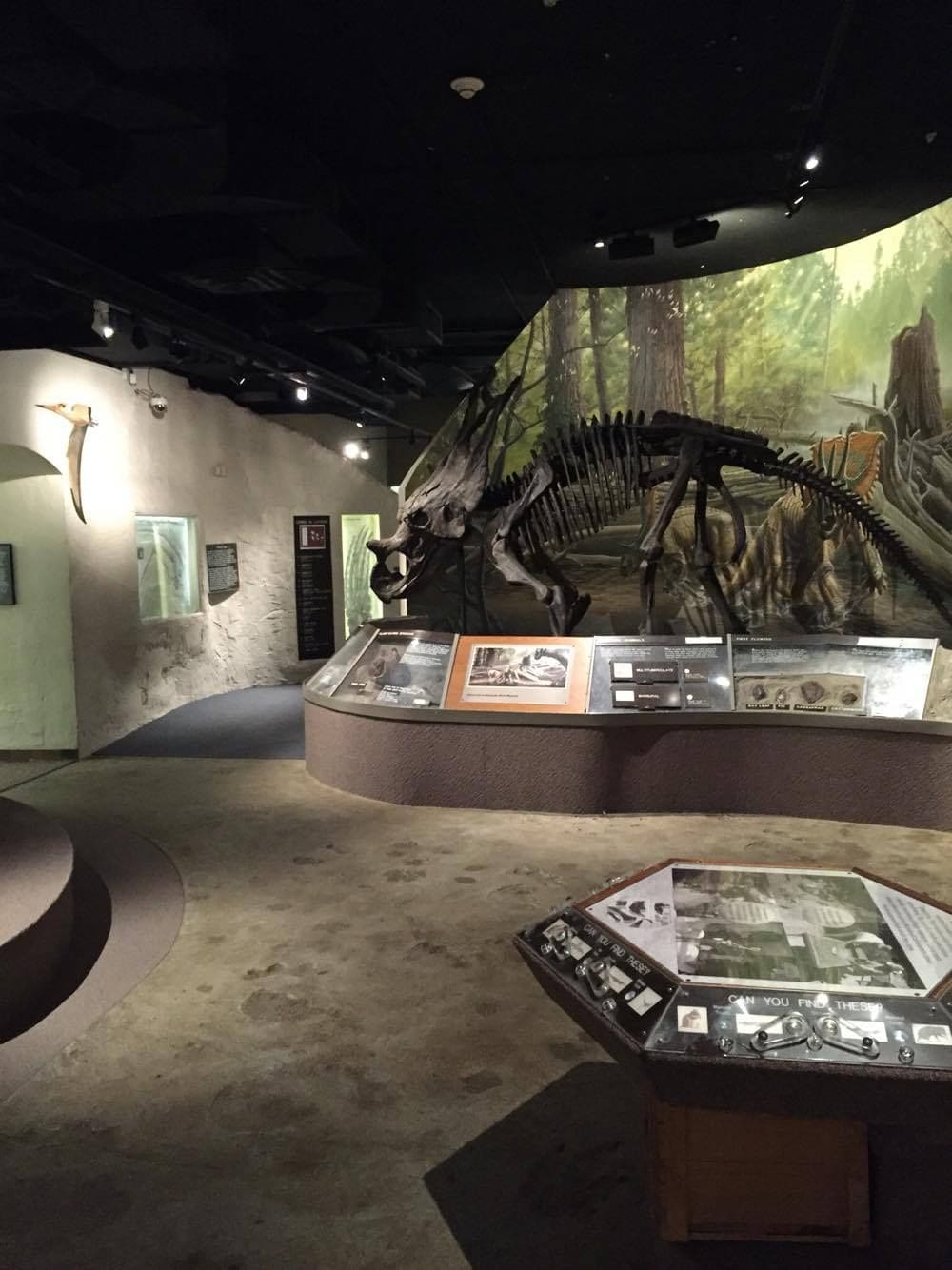
Housed in Morrill Hall on the Lincoln campus, the University of Nebraska State Museum is best known for 'Archie,' the largest mounted mammoth skeleton on display anywhere. Nebraska's fossil record is extraordinary, and the Elephant Hall gathers a herd of prehistoric proboscideans found across the state.
Beyond the mammoths, exhibits span dinosaurs, rocks and minerals, and a hands-on Discovery Center for younger visitors. The planetarium adds a sky show, making it one of the state's best rainy-day stops.
Omaha's Joslyn Art Museum is the state's premier fine-art institution, set in a striking pink-marble Art Deco building with a modern glass addition. Its collection ranges from European masters to a celebrated holding of art of the American West, including works documenting the very trails that cross Nebraska.
The museum's free general admission has long made it a cultural anchor for the region. Light-filled galleries, a sculpture garden and rotating exhibitions reward repeat visits, just a short hop from the Old Market downtown.
Nebraska's oldest state park, Chadron State Park nestles in the ponderosa-pine ridges of the northwest, a green, hilly contrast to the surrounding plains. Established in 1921, it offers cabins, a swimming pool, and trails that climb to overlooks across the Pine Ridge.
Horseback rides, mountain biking and a jeep road into the buttes give it a genuine outdoors feel, and the cooler elevation makes summer camping pleasant. It pairs well with nearby Fort Robinson and Toadstool for a loop through Nebraska's most underrated corner.
Overlooking one of the last free-flowing stretches of the Missouri River, Ponca State Park near the town of Ponca is a forested bluff-country retreat in the northeast. Its overlooks take in three states at once, and the Missouri National Recreational River flows wild and unchanneled below.
Miles of wooded trails, a resort-style aquatic center, cabins and a Missouri River education center make it a four-season favorite. Fall color along the bluffs is particularly fine, drawing hikers and photographers when the hardwoods turn.
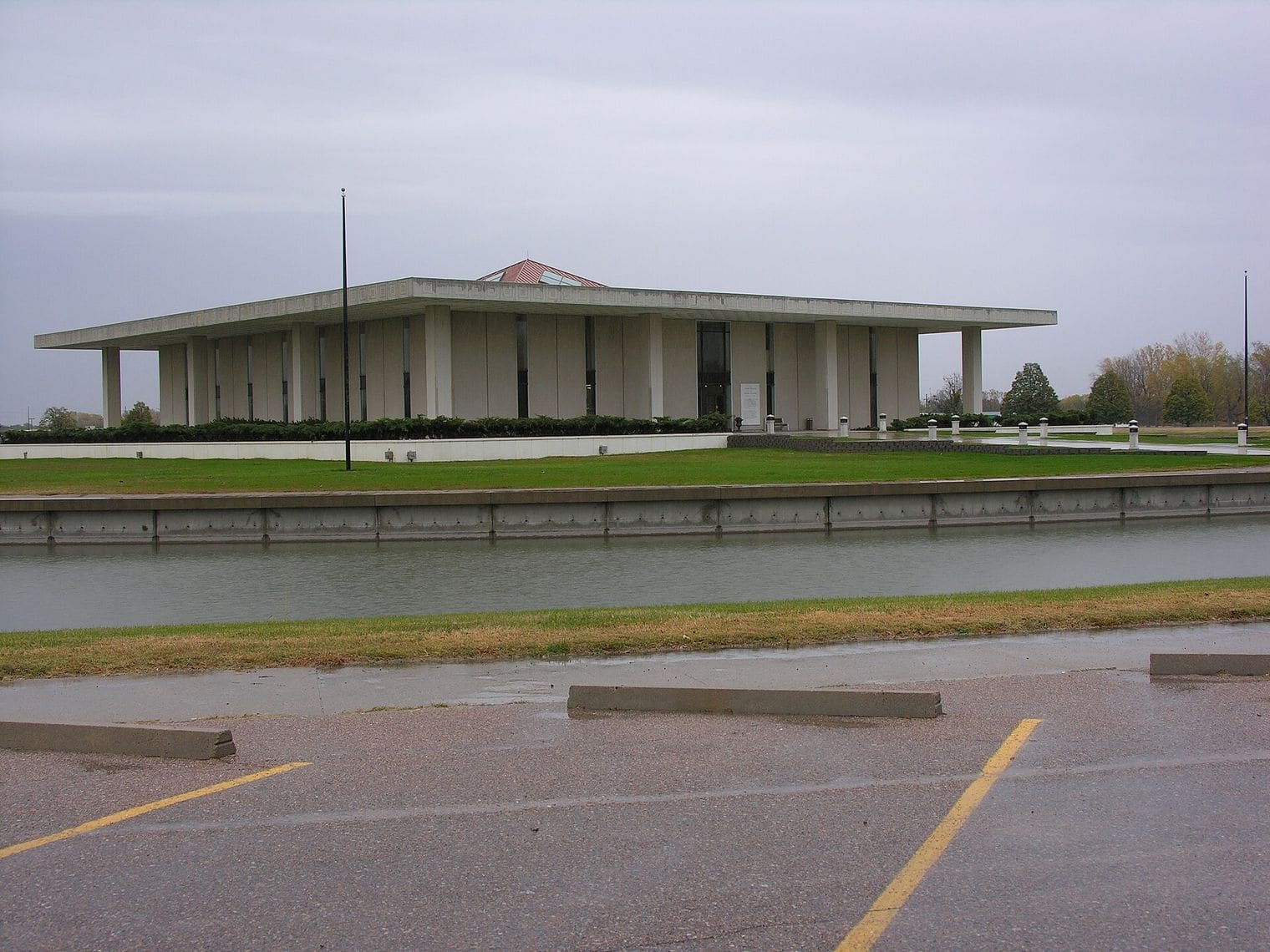
On the edge of Grand Island, the Stuhr Museum of the Prairie Pioneer recreates an 1890s railroad town complete with costumed interpreters, livestock and working trades. The main building, designed by architect Edward Durell Stone, sits on its own island in a reflecting lagoon.
Living-history programs bring the homes, shops and depot to life across the seasons, and indoor galleries cover Native American and pioneer artifacts. It's among the most immersive history attractions in central Nebraska, especially during its seasonal festivals.
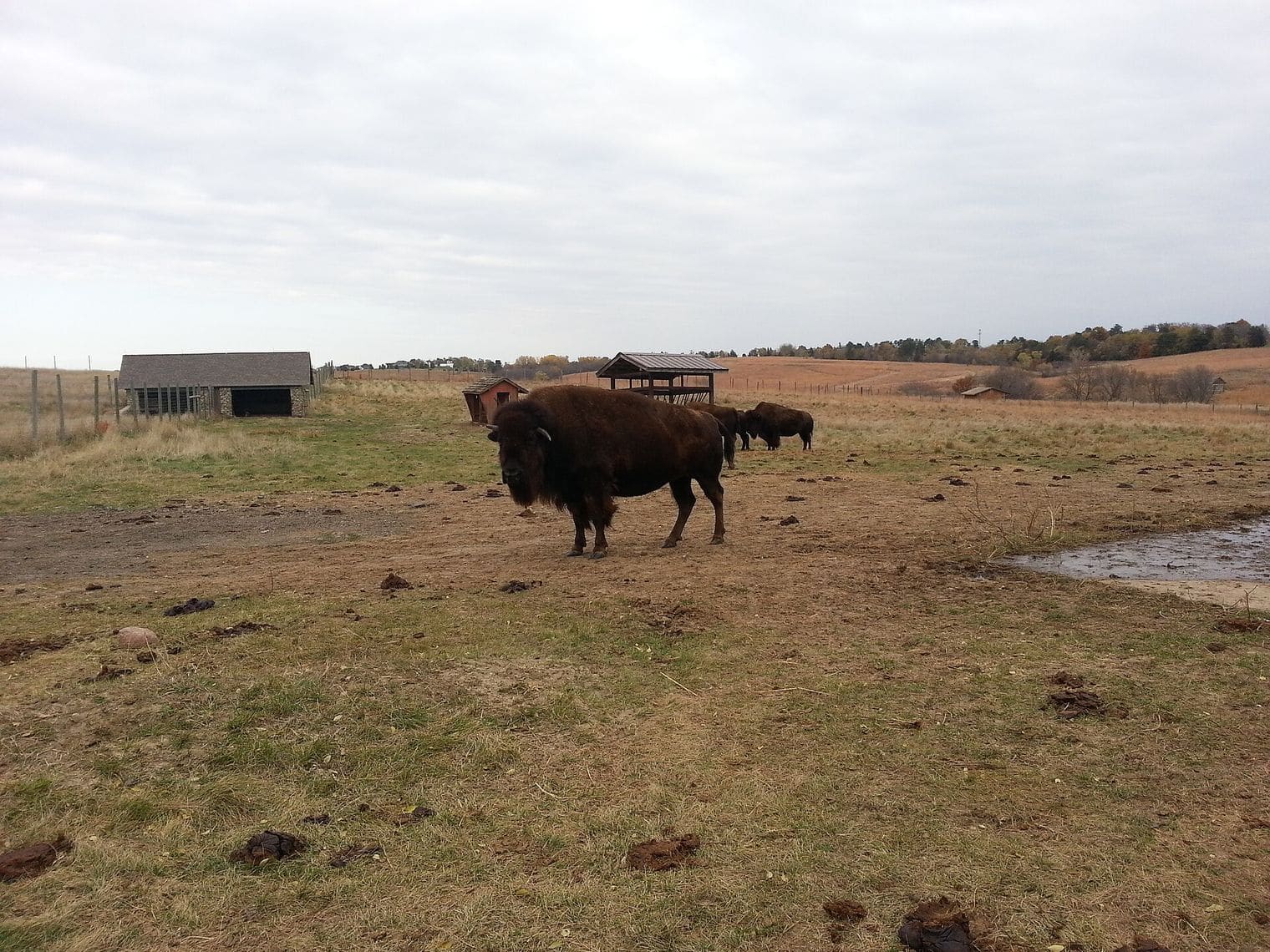
On Lincoln's western edge, the Pioneers Park Nature Center wraps nearly 700 acres of restored prairie, woodland and wetland in an accessible network of trails. Bison, elk and white-tailed deer graze in enclosures, and the hands-on exhibit buildings make it a gentle introduction to Great Plains ecology.
Admission is free and the trails stay open year-round, popular with birders, families and runners alike. It's a green breather within the city, easily combined with the adjoining Pioneers Park and its picnic grounds.
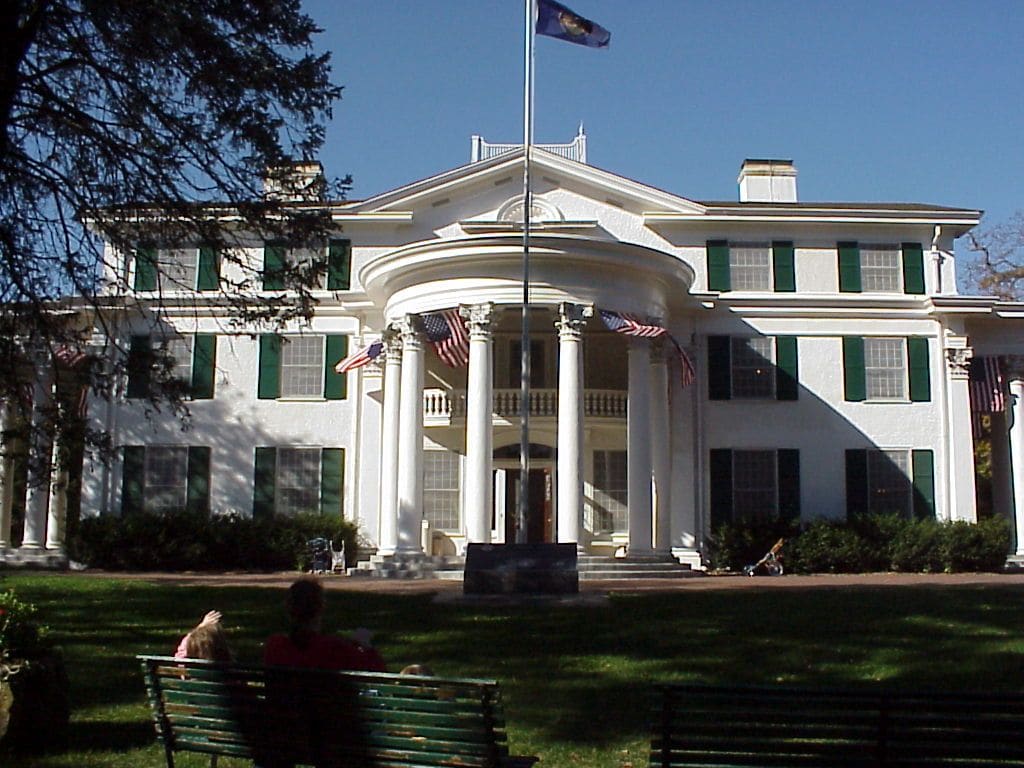
In Nebraska City, Arbor Lodge State Historical Park preserves the grand mansion of J. Sterling Morton, the founder of Arbor Day. The 52-room neocolonial home is surrounded by an arboretum of towering trees planted to embody Morton's tree-planting legacy.
Guided tours of the lodge, a carriage house of antique vehicles, and a terraced garden fill an easy afternoon, with the trees at their best in autumn. It pairs naturally with the nearby Arbor Day Farm orchard, making Nebraska City a leafy detour in the state's southeast.
Nebraska is best known for the Oregon Trail landmarks of Chimney Rock and Scotts Bluff, the Henry Doorly Zoo & Aquarium in Omaha, and roadside icons like Carhenge. Its fossil sites are world class too: Ashfall Fossil Beds preserves complete rhino skeletons buried by volcanic ash twelve million years ago.
Is Nebraska worth visiting?
Yes — Nebraska packs far more variety than its flat reputation suggests. You can float the Niobrara National Scenic River past waterfalls, hike badlands formations at Toadstool Geologic Park, ride horseback at Fort Robinson State Park, and finish among the restored warehouses of Omaha's Old Market, all in one trip.
How many days do you need in Nebraska?
Plan on five to seven days to see the whole state. Omaha and Lincoln fill two days with the Henry Doorly Zoo, Joslyn Art Museum and Nebraska State Capitol; the drive west to Chimney Rock, Scotts Bluff, Carhenge and Fort Robinson deserves three more, plus a day on the Niobrara.
What can you do in Nebraska for free?
Plenty of the best stops cost nothing. Carhenge, the Nebraska State Capitol and Lincoln's Sunken Gardens are free to visit, the Joslyn Art Museum offers free general admission, and Scotts Bluff National Monument charges no entrance fee. Omaha's Old Market and the Pioneers Park Nature Center round out a no-cost itinerary.
When is the best time to visit Nebraska?
Late spring through early fall is the easiest season, when Niobrara River outfitters run and Lake McConaughy's beaches are at their best. In March, hundreds of thousands of sandhill cranes gather on the Platte River between Grand Island and Kearney, one of the world's great wildlife migrations. October brings fall color to Indian Cave and Ponca state parks.