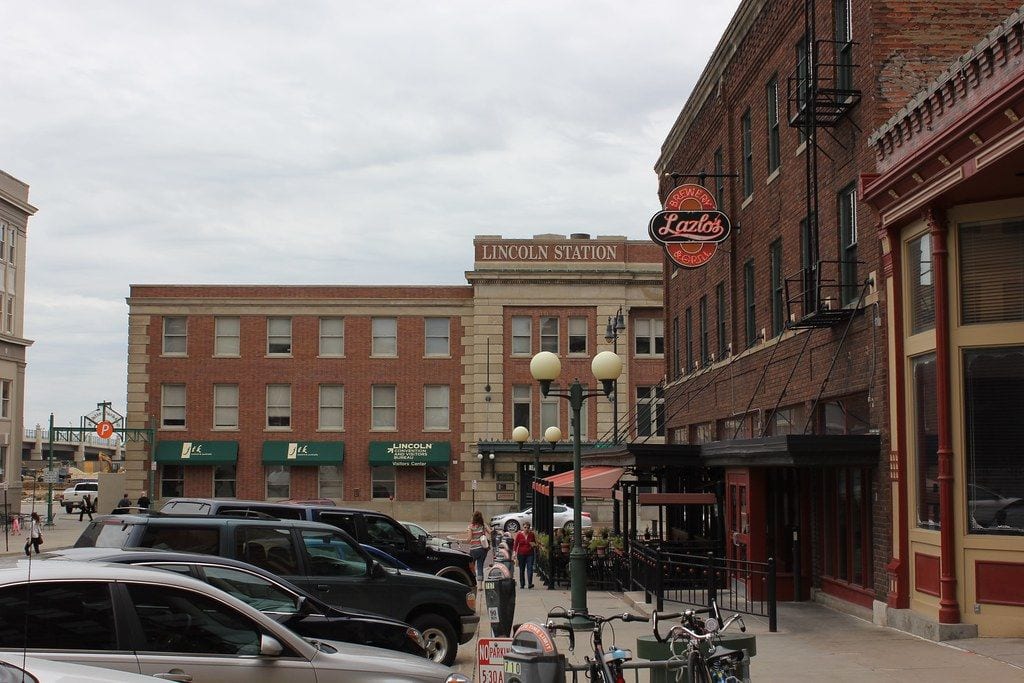
Set amid the rolling prairies of southeastern Nebraska, Lincoln is the state capital and home to the University of Nebraska. Its walkable downtown pairs century-old brick warehouses — now galleries, restaurants and live-music clubs — with one of the most striking capitol buildings in the country.
Beyond the Historic Haymarket and the 400-foot Capitol tower, Lincoln offers a children’s zoo, standout museums, leafy parks and lakeside trails, all easy to reach. Central and easy to reach off Interstate 80, it also makes a natural base for a wider Nebraska road trip. Here are 25 of the best things to do in and around the city.
Fun Facts About Lincoln, Nebraska
Lincoln was originally called Lancaster when it was founded in 1856, and early settlers were drawn to the area by the nearby salt flats and marshes.
The town was renamed after President Abraham Lincoln and became Nebraska’s state capital in 1869.
The University of Nebraska was established in Lincoln in 1869, and the city has been a college town ever since.
The Nebraska State Capitol, completed in 1932, is topped by a 400-foot tower and is the second-tallest state capitol in the United States.
Lincoln is Nebraska’s second-largest city after Omaha, with a metro population of around 300,000.
The city is nicknamed the “Star City,” and Memorial Stadium becomes the state’s third-largest “city” on Nebraska football game days.
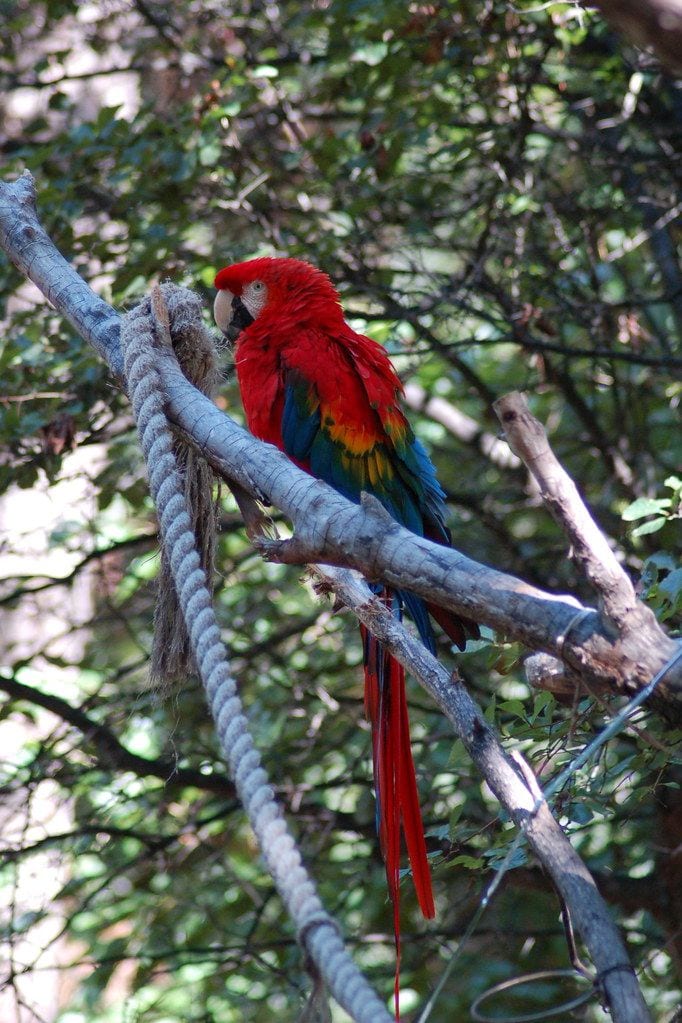
Lincoln Children's Zoo is a hands-on, family favorite home to more than 400 animals, including 40 endangered species. Kids can come face to face with a Sumatran tiger, a Humboldt penguin, a snow leopard, and a Matschie's tree kangaroo, all housed in interactive exhibits built to reward curiosity and up-close encounters rather than distant viewing.
Beyond the enclosures, the experience leans playful: pony rides, giraffe feeding, and a train that loops the grounds give younger visitors plenty to do between animal stops. That mix of wildlife and gentle activity makes it easy to fill an unhurried morning or afternoon, with the endangered-species roster giving grown-ups something memorable too.
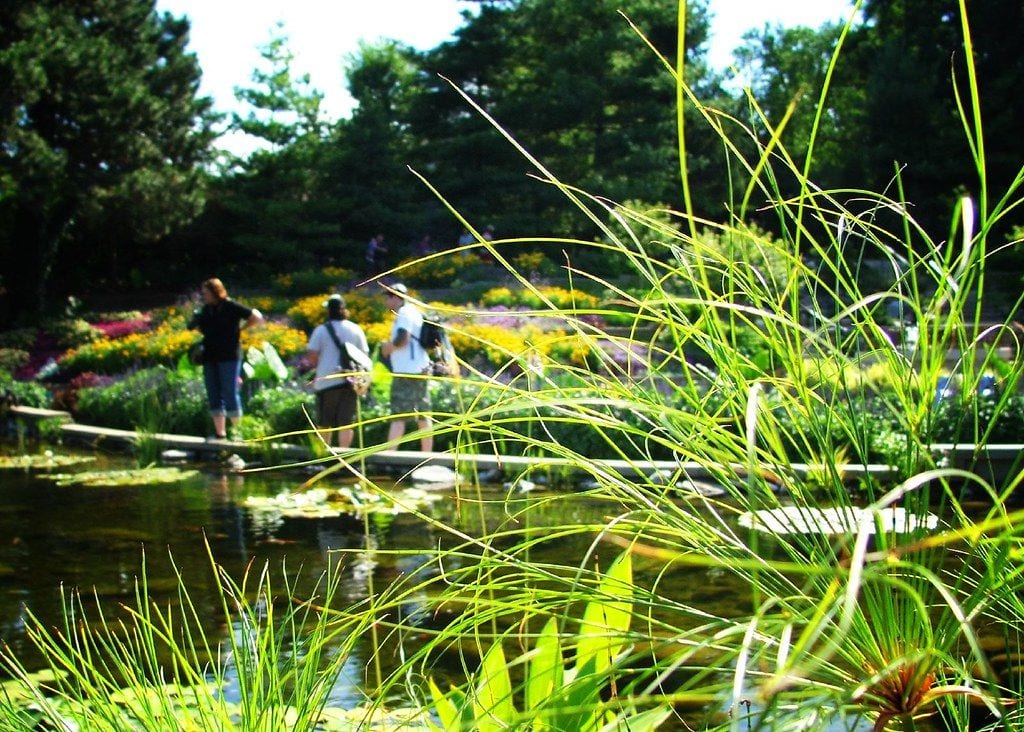
Sunken Gardens is a terraced public garden in Lincoln, built in 1930 on what was once a neighborhood dumpsite. Today it's a lush retreat of lily ponds, small waterfalls and winding paths, threaded with sculptures and framed by manicured lawns and dense landscaping. The layered, sunken design is the main draw, giving every turn a fresh view.
The gardens look their best from spring through fall, when the plantings fill in and the ponds catch the light. It's an easy, unhurried stroll rather than a destination for a set itinerary, and the winding paths reward slow wandering. Art displays sometimes appear among the greenery, adding another reason to linger.
Pioneers Park Nature Center is a 668-acre expanse of prairie, forest and wetlands on Lincoln's edge, dedicated to environmental education. The main draw is the resident bison, viewable from a network of paved and unpaved trails that wind through native wildflowers. It's a free, easy way to trade city streets for open Nebraska landscape.
A visit works for all ages: little ones burn energy at the playground while everyone spreads out at the picnic tables. Choose paved paths for strollers or unpaved routes for a rougher walk. Look, too, for the historic pillars, originally from Washington DC, an unexpected relic anchoring this quiet stretch of restored habitat.
Lincoln Children's Museum is a three-level, hands-on museum built for curious kids, packed with interactive exhibits, educational activities and seasonal day camps. Themed play areas let little ones run a pretend supermarket, staff a doctor's office or explore aerospace, while standout features like the Cuckoo Clock and the Water Room keep young imaginations busy across every floor.
Plan on plenty of open-ended play as children move from one themed zone to the next at their own pace. A handy practical touch: you're welcome to bring your own food, and there's both indoor and outdoor seating to spread out, making it easy to break for a snack and let energy levels recharge before the next round.
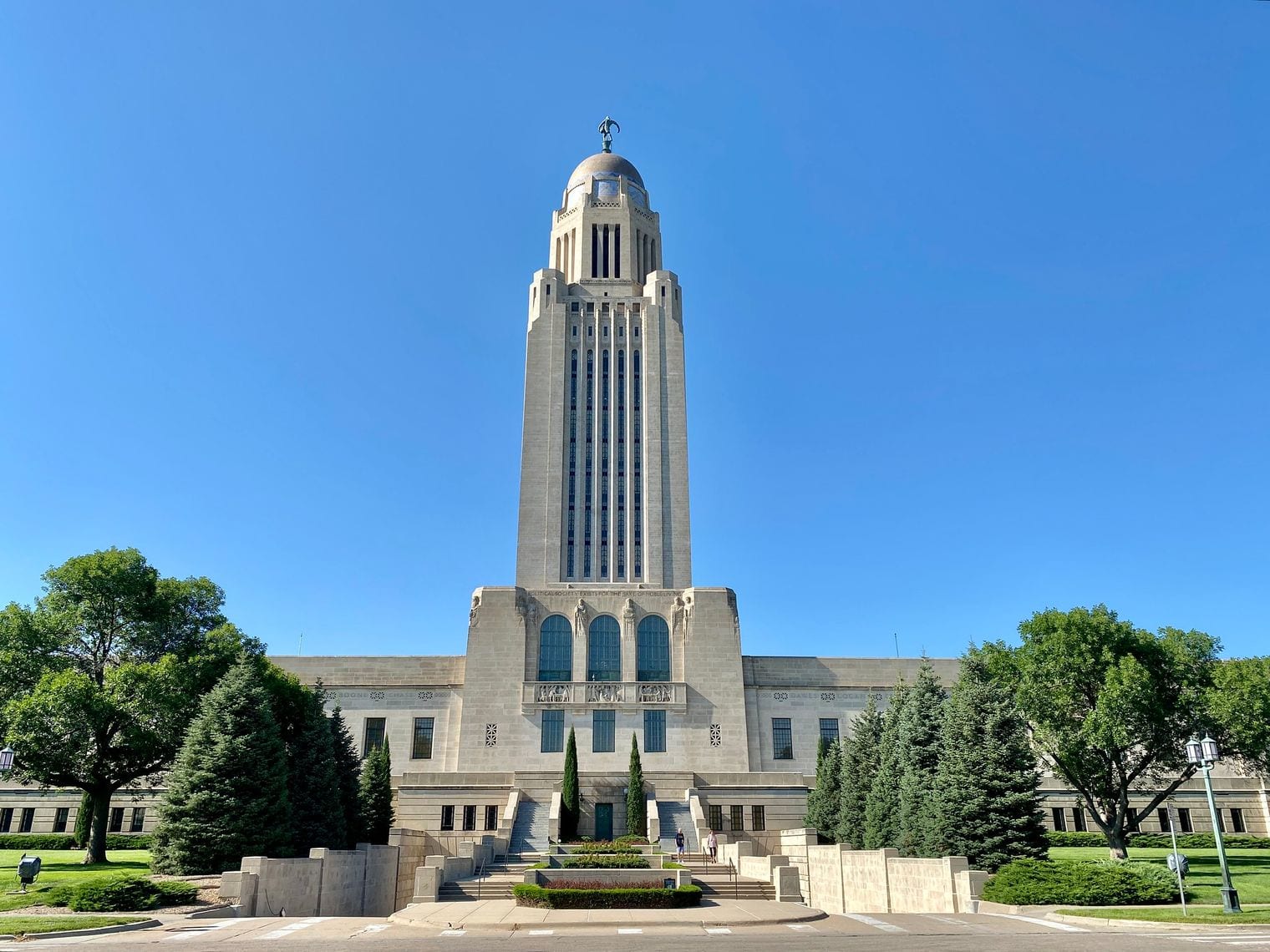
The Nebraska State Capitol anchors downtown Lincoln with its distinctive 400-foot domed limestone tower, one of the most recognizable buildings in the state. Completed in 1932, it draws visitors for its striking architecture, quiet courtyards, and the detailed artwork and engravings woven throughout the interior. Guided tours are free year-round.
Beyond the design, a visitor center and museum help make sense of what you are seeing, while an observation level near the top rewards the climb with sweeping views over Lincoln. It works well as a first stop, giving you both an introduction to the city and a memorable vantage point in a single visit.
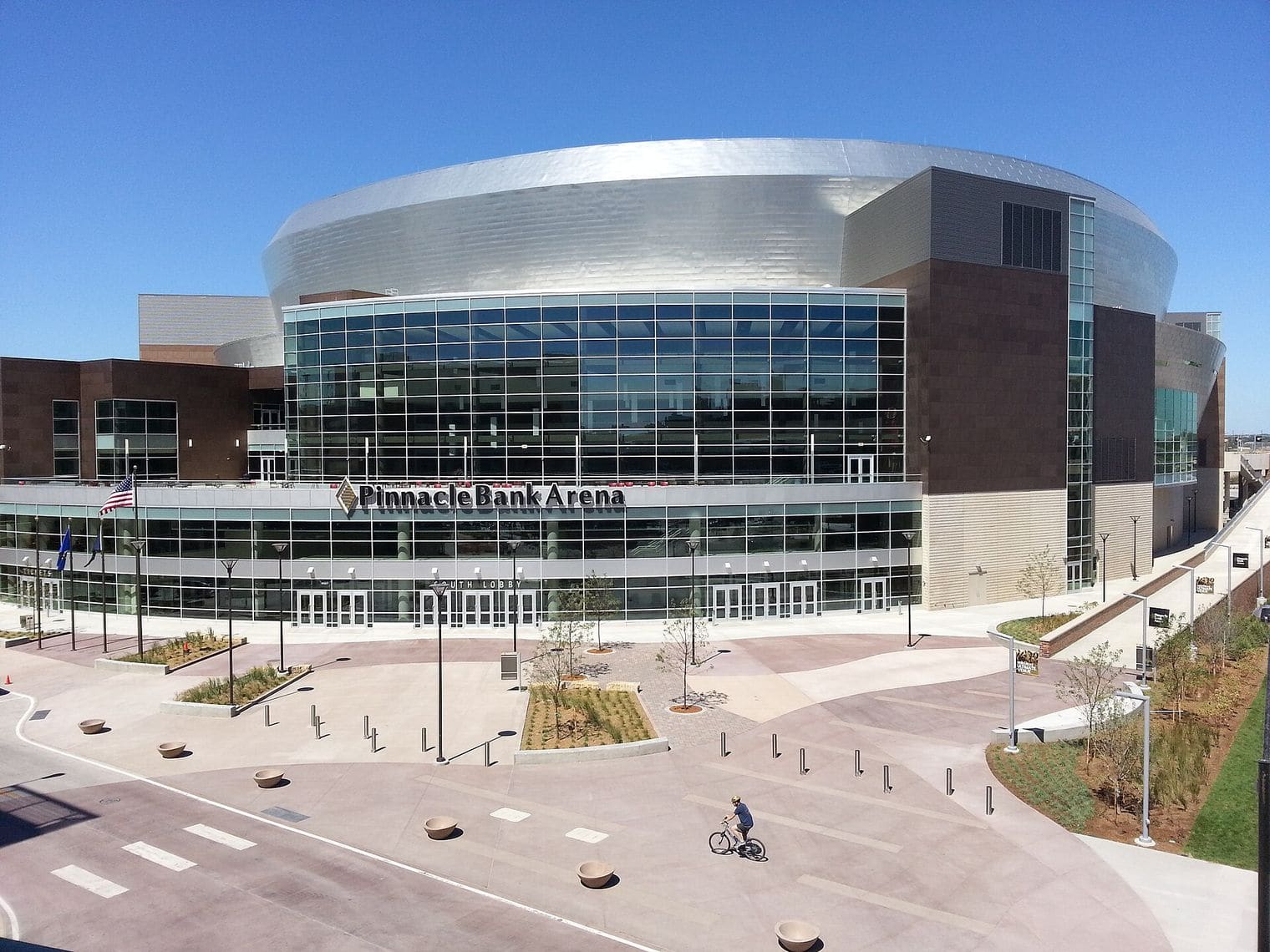
Pinnacle Bank Arena anchors downtown Lincoln as a multi-purpose venue built for year-round entertainment. Concerts, touring acts, family shows and sporting events keep its calendar full, making it the city's go-to stage for big nights out. Its modern concrete-and-glass architecture signals that something is always happening at the heart of the city.
Beyond the show itself, the arena rewards a look around. An open-air roof deck opens up views toward the State Capitol, giving your visit a distinctly local backdrop. Whether you come for a headline concert or a sporting event, it's an easy, central place to spend an evening in Lincoln.
7. University of Nebraska State Museum – Morrill Hall
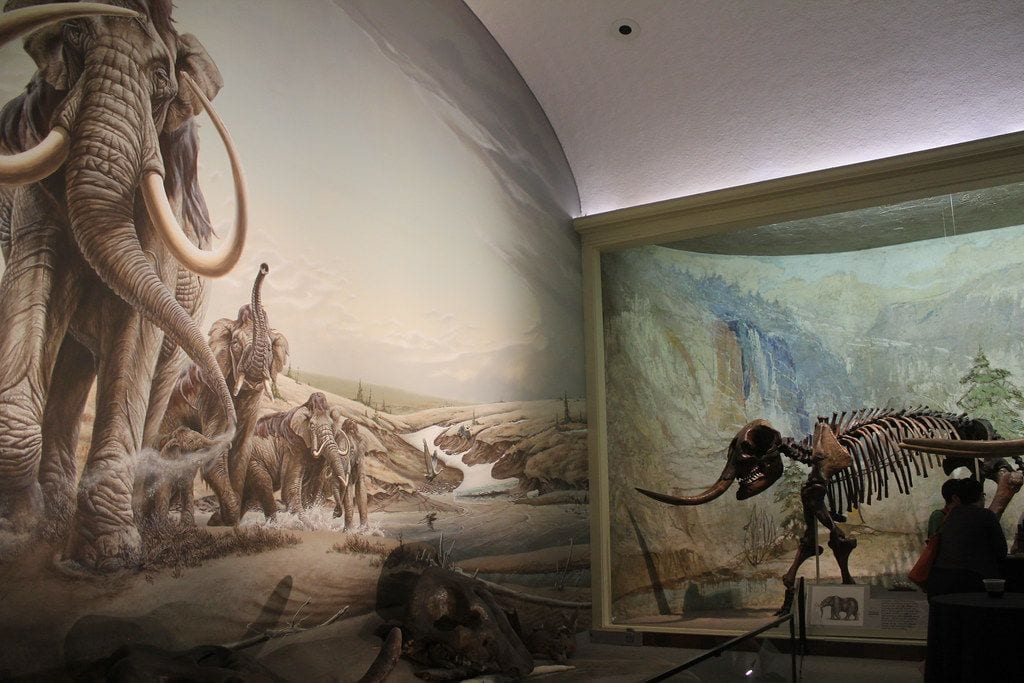
The University of Nebraska State Museum – Morrill Hall is a natural history museum founded in 1871 that explores the state's biodiversity and culture through collections of fossils, minerals and more. Its standout draw is Elephant Hall, where life-sized mammoth and elephant skeletons tower overhead, making a stop here a highlight of any Lincoln visit.
Beyond the towering skeletons, the museum pairs its deep-time fossils with mineral displays and exhibits rooted in Nebraska's landscape and heritage. A planetarium adds a look skyward, rounding out a visit that spans prehistory to the cosmos. It's an easy, engaging outing for curious travelers and families alike.
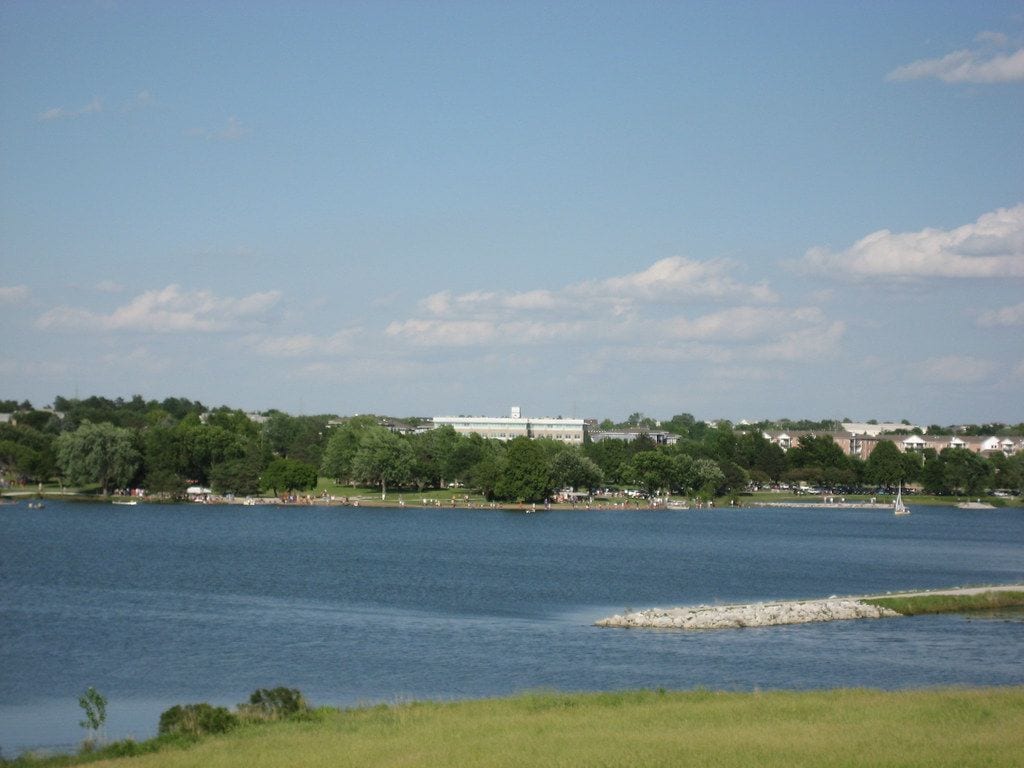
Holmes Lake Park was built for flood control around Holmes Lake, and today it draws people to the water for kayaking, paddleboarding and fishing. An elevated walking trail wraps the shoreline with wide city views, and a public golf course rounds out the mix. Swimming is reserved for special events, so the lake stays geared toward paddling and casting a line.
Beyond the water, the park rewards patient visitors. An observatory sits within the grounds, and the surrounding habitat supports wildlife including river otters along the banks. Walk the elevated trail for the best vantage over the lake and skyline, then linger for the golf course or a quiet stretch of shoreline. It works equally well for an active morning or an unhurried afternoon.
Housed in a renovated 1930s movie theater, the Bourbon Theatre is one of Lincoln's premier live-music venues, drawing a wide variety of touring artists to its stage. An excellent sound system and multiple bars serving craft cocktails round out a room built for hearing music the way it was meant to be heard.
The real appeal is intimacy: the layout keeps you close to the stage, so even a big touring act feels within arm's reach. With its vintage bones, quality acoustics, and easy access to a drink, it's a dependable pick for catching a show without getting lost in a crowd.
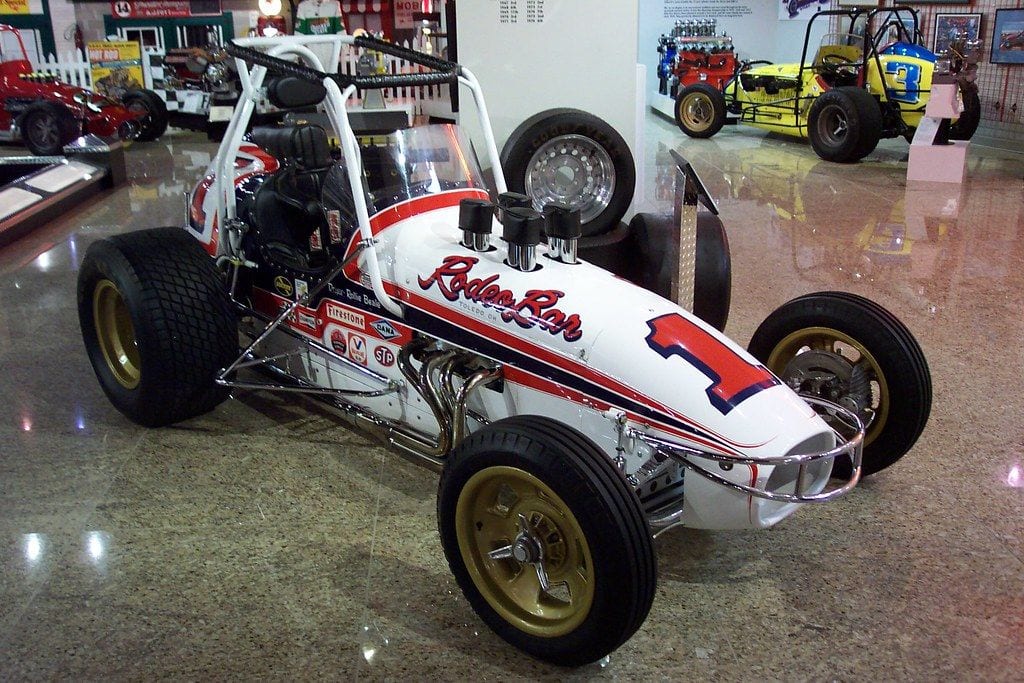
The Museum of American Speed is a sprawling tribute to racing and automotive history, and its scale is the main event. Two floors hold over 600 historically significant engines and more than 150 rotating vehicles, so the lineup shifts between visits. A third floor rounds things out with racing memorabilia, giving gearheads and casual visitors plenty to pore over.
Plan to take your time here, because the collection rewards slow, curious wandering across all three floors. The rotating vehicle roster means repeat trips rarely feel repetitive. It also embraces the quirky: alongside the engines and cars you'll find offbeat displays like a large antique lunchbox collection, an unexpected detour that keeps the whole place surprising.
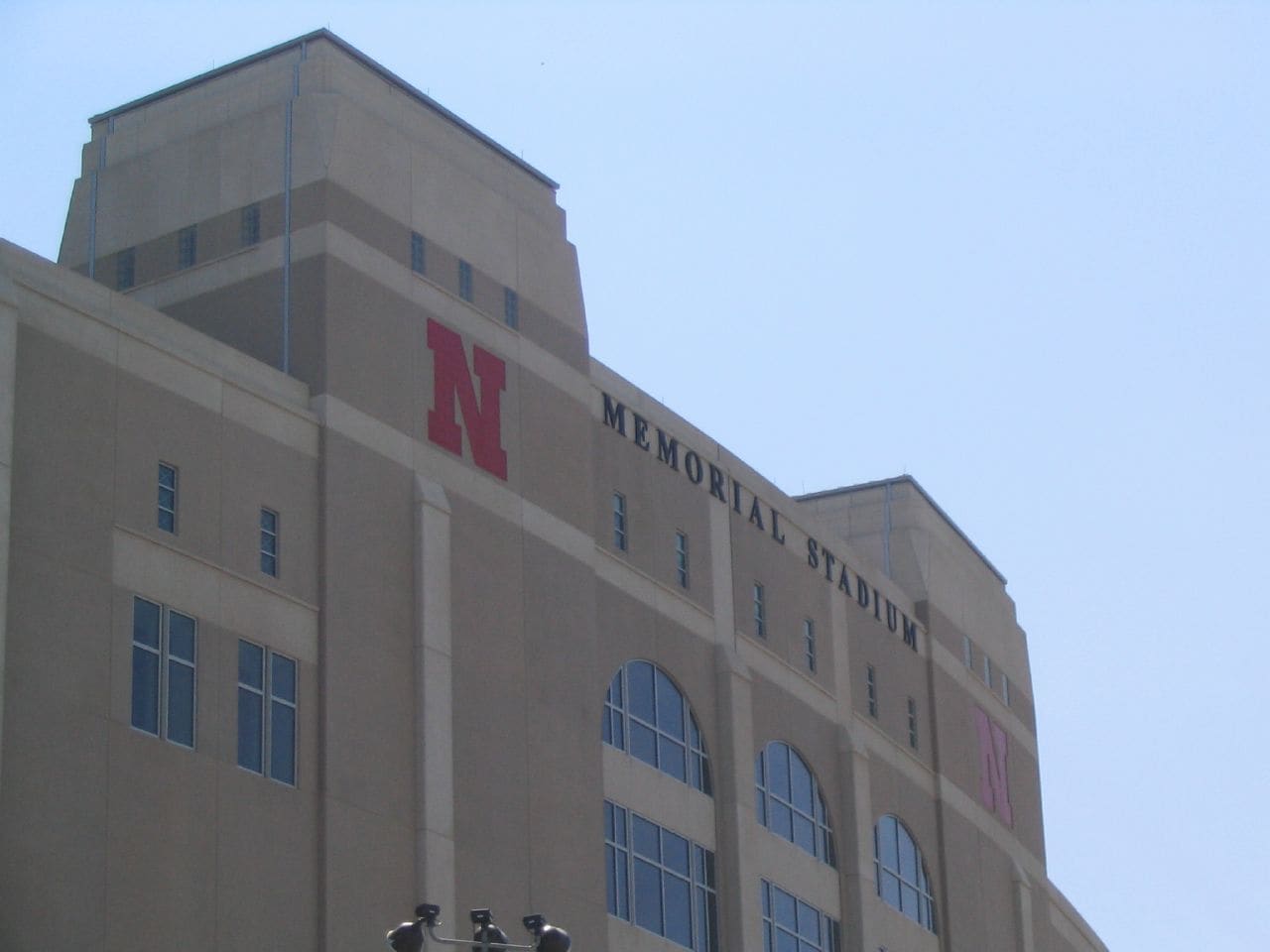
Memorial Stadium has been home to the Nebraska Cornhuskers since 1922, and it stands as one of college football's true "Cathedrals." Holding more than 85,000 fans, it draws visitors for its electric game-day atmosphere and the roar of a sea of red every autumn Saturday.
The venue is famous for a remarkably long sellout streak, a testament to the loyalty that fills every seat. Modern touches make it a high-tech stadium, yet it holds onto its traditional charm. On game day, the energy is unmistakable, turning a simple visit into a genuine Nebraska experience.
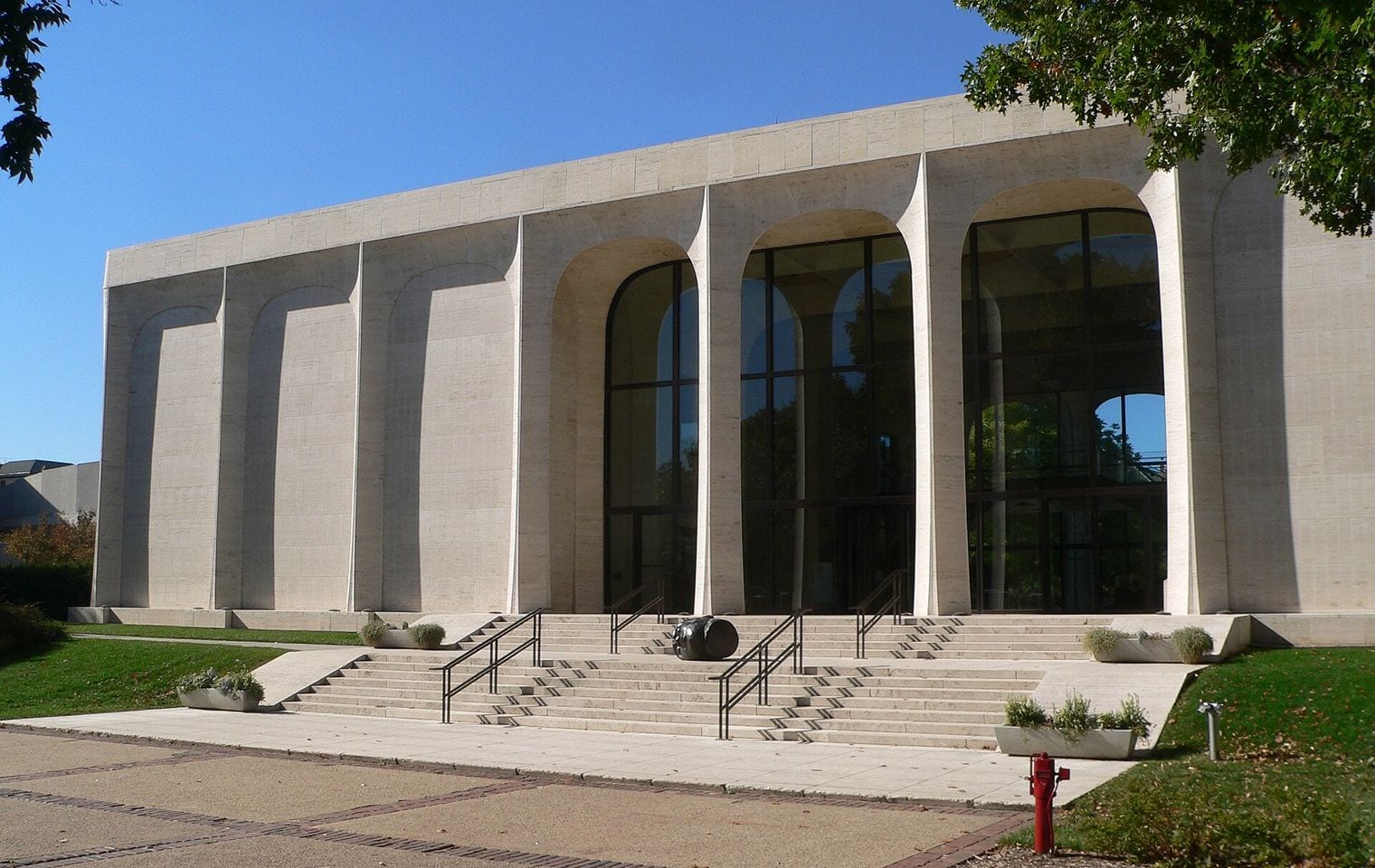
The Sheldon Museum of Art anchors the University of Nebraska campus in a striking travertine marble building designed by Philip Johnson, built in Italy and reassembled here in 1963. Its collection of over 12,000 works centers on American art, with headliners like Edward Hopper's "Bedroom in New York" and Georgia O'Keeffe's "New York, Night."
Inside, gold-leaf ceiling details lend the galleries a quiet grandeur, while rotating exhibitions keep return visits fresh. Step outside to the sculpture garden, where large-scale works sit among the grounds. It's a compact but serious stop that pairs well with a wider stroll around the university's central campus.
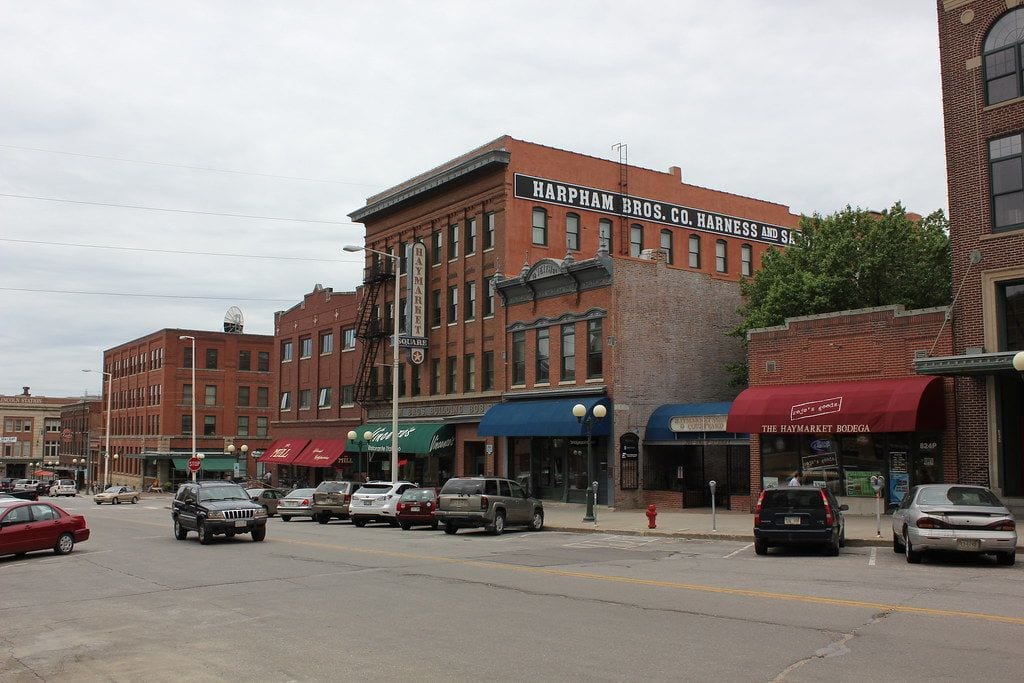
The Historic Haymarket is Lincoln's artsy downtown district, where restored brick buildings house restaurants, bars and independent shops. Its warehouse-era character draws crowds looking to browse, dine and wander, and on Saturday mornings a farmers market brings local growers and makers into the streets, turning the whole quarter into an open-air gathering place.
It's an easy district to explore on foot, with the Lincoln Visitor Center on hand for maps and orientation. The energy peaks during football season, when it becomes a favorite pre-game gathering spot and the sidewalks fill with fans. Come early for the market, or later to settle into one of the neighborhood's bars.
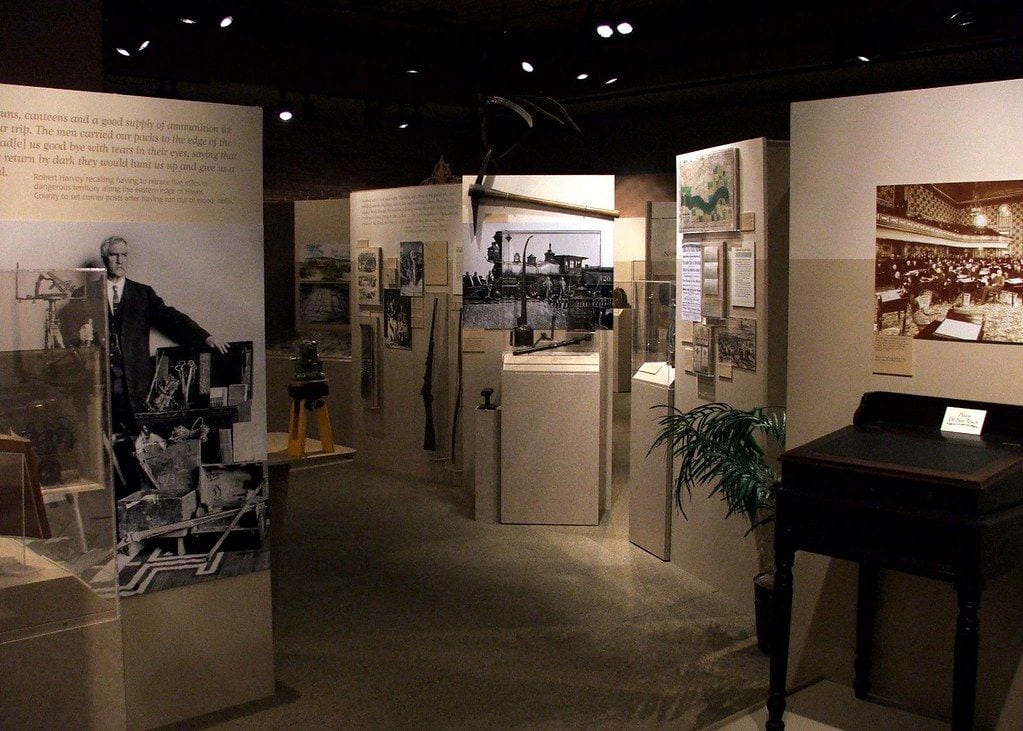
The Nebraska History Museum is the state's storytelling hub, tracing Nebraska's past across 12,000 years through a collection of more than 125,000 objects. Its galleries hold cultural artifacts and rotating exhibits that trace how the region and its people took shape, making it a natural first stop for anyone curious about the land beyond the city.
Beyond the exhibits, the museum leans into hands-on discovery, with a dedicated learning room where younger visitors can explore rather than just look. Guided tours add context to what's on display, and educational programs run for both children and adults, so a visit rewards families and history-minded travelers in equal measure.
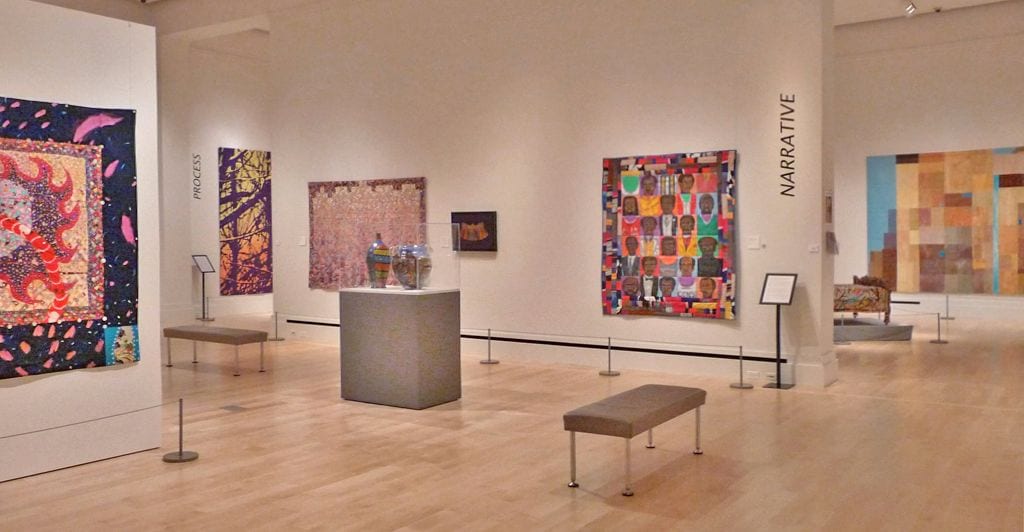
The International Quilt Museum holds a wide-ranging collection of traditional and contemporary quilts gathered from around the world. Established in 1997, it presents textile artistry as both craft and cultural record, with galleries arranged by region so you can trace how quilting traditions differ across continents while standing under one handsome, spacious roof.
Wander from the Indian gallery to the Japanese and Russian rooms and the through-line becomes clear: pattern, color, and technique shift from place to place. The building is accessible and easy to move through, making it a comfortable stop whether you sew yourself or simply appreciate the quiet skill on display.
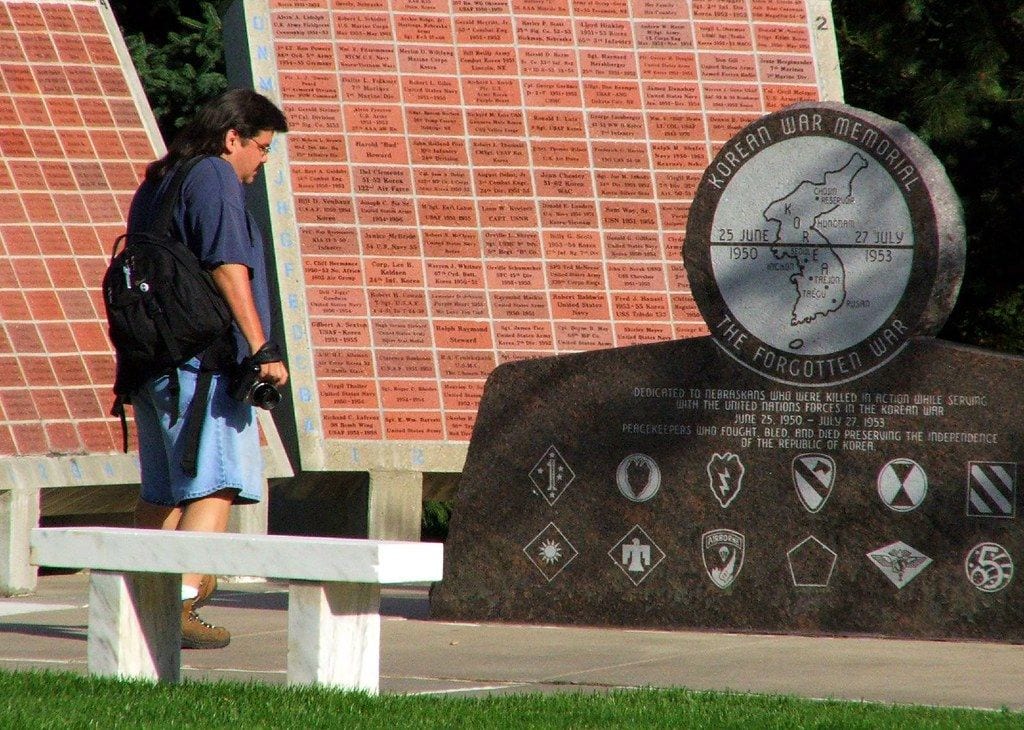
Tucked inside Antelope Park near the Lincoln Children's Zoo and a playground, The Veterans Memorial Garden honors the fallen with a separate monument for each war and conflict, every one inscribed with the names of those who served and never came home. A poignant War Dogs memorial rounds out this quiet, moving tribute.
The mood here is contemplative rather than showy: winding beds of flowers frame the stone monuments, and benches invite you to slow down and reflect. It's an easy add-on to a zoo or playground visit, and one of the more meaningful stops in the park for anyone drawn to remembrance and living history.
The National Museum of Roller Skating is Lincoln's tribute to a beloved pastime, holding the world's largest collection of roller-skating artifacts and materials. Established in 1980, it traces the sport across inline, artistic, roller hockey, speed skating and roller derby, with exhibits spanning costumes, competition memorabilia and the equipment that shaped generations of skaters.
A visit here is a nimble, focused stop rather than a sprawling one, easy to pair with a wider day in Lincoln. Guided tours draw out the stories behind the cases, connecting rink culture to its competitive roots. It's a genuinely distinctive niche museum, and a rewarding detour for anyone curious about how skating evolved into so many different disciplines.
Mahoney Park is a 77-acre green space on the edge of Lincoln, prized for being quiet and traffic-free. It packs a lot into one spot: a golf course, sports courts and fields, a playground, and hiking trails that wind through the grounds. Reservable picnic shelters make it an easy pick for family gatherings or a relaxed afternoon outdoors.
Dog owners have a particular soft spot for the park, thanks to a dedicated off-leash area and dog water fountains that keep four-legged visitors happy. Its edge-of-city calm means you can walk the trails without the noise of traffic, and the shelters are worth booking ahead if you have a group in mind.
Homestead National Historical Park, near Beatrice, commemorates the Homestead Act of 1862, which opened millions of acres of public land to settlers who could claim it. Its Heritage Center museum tells the homesteaders' story, and around 100 acres of restored tallgrass prairie surround the site, offering a vivid sense of the landscape early claimants worked to tame.
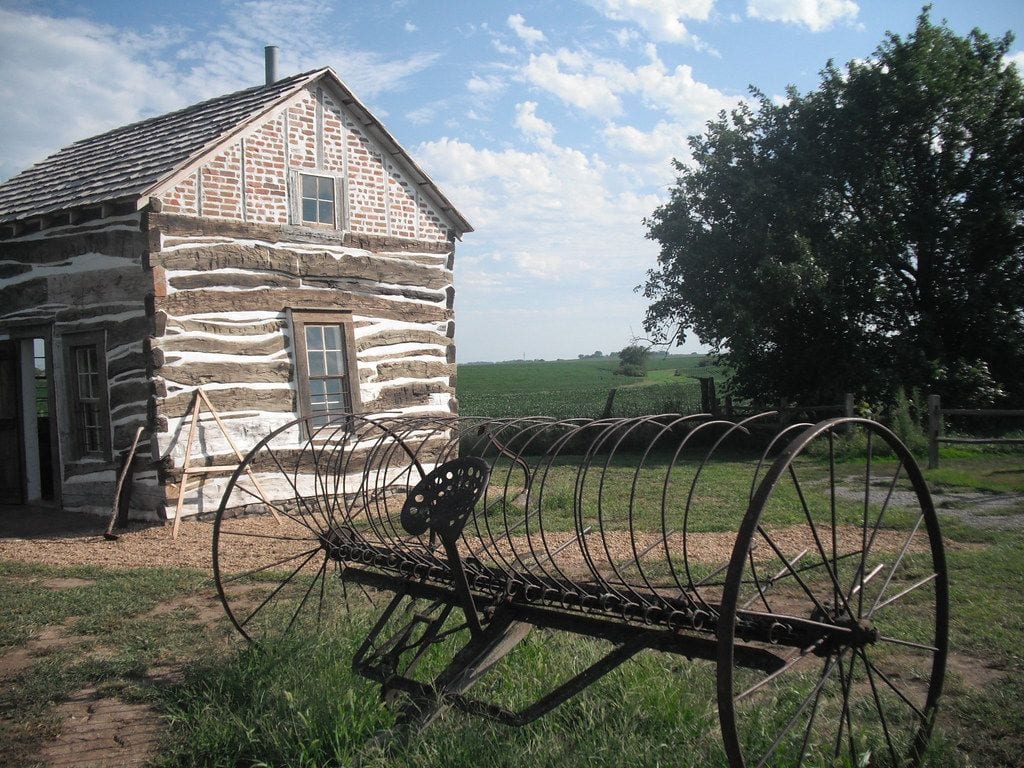
Beyond the museum, the grounds bring the era to life with a period homesteader cabin, vintage farm equipment, and a one-room schoolhouse scattered across the prairie. Formerly the Homestead National Monument of America, the site was redesignated a national historical park in 2021, and the restored grassland makes an unhurried, walkable counterpoint to the exhibits indoors.
Star City Shores is Lincoln's outdoor aquatic center and water park, built for a full day in the sun. The main draw is variety: kiddie and adult slides, splashing fountains, and a dedicated splash-park area, all watched over by lifeguards. Cool off in the zero-depth entry or test the deep end.
Families with young children have it especially easy here. A large play structure sits in the shallows, and a shaded wading area gives little ones a gentler spot to paddle away from the bigger slides. With something for every age and skill level, it works equally well for confident swimmers and cautious first-timers.
Hollywood Bowl is a no-frills, family-friendly bowling alley in Lincoln with well-kept lanes and an easygoing, welcoming feel. The main draw is straightforward, affordable fun: rent a lane by the hour, grab a family fun pack, and take advantage of the shoe-rental deals that make an impromptu round with the kids simple to pull together.
There's more here than casual roll-a-few. Weekly Rock and Bowl and Glo Zone nights bring music and blacklight energy to the lanes, while leagues welcome all ages and skill levels for anyone wanting to play regularly. Serious about your game? Its sister alley, Parkway Lanes, is also in Lincoln, giving you a second local spot to explore.
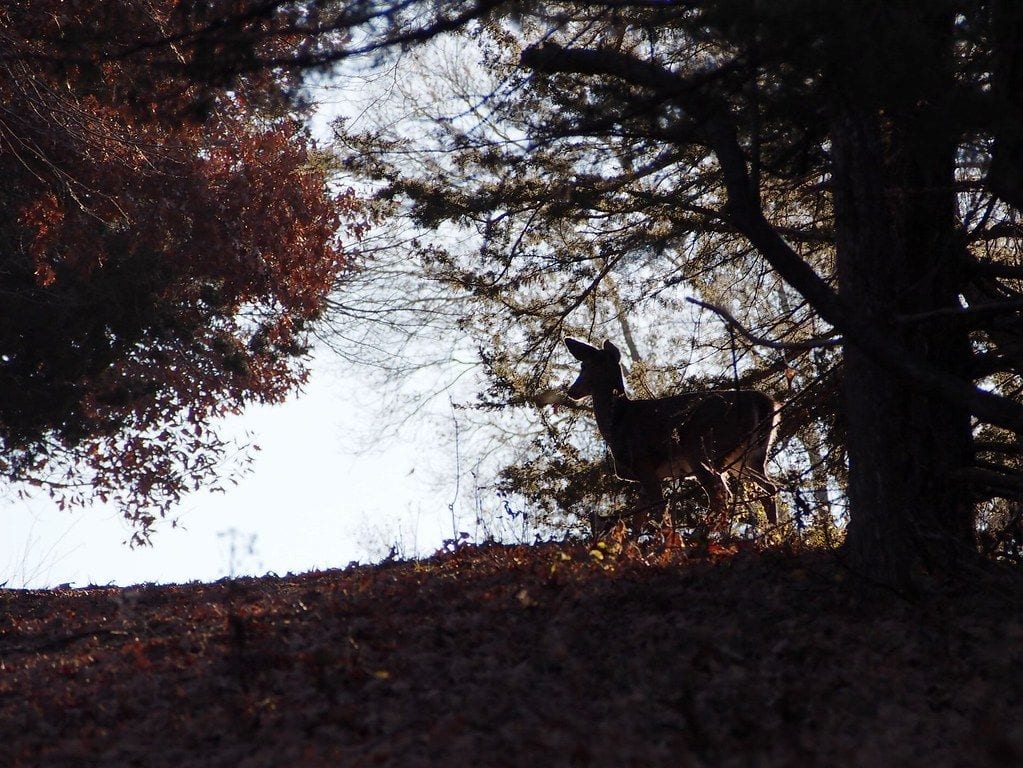
Tierra Briarhurst Park is a 123-acre green space where wildlife like deer, foxes and squirrels share the grounds with visitors. Its main draw is the mix of active and easygoing options: tennis courts, playgrounds, picnic shelters and a beginner-friendly skate park, plus a 9-hole disc golf course that keeps the whole family moving.
Lace up for the walking and jogging trails, including a 2.25-mile path dotted with exercise stations for an outdoor workout. Some routes wind toward the river and wooded areas, so it is worth wearing sturdy shoes. The blend of open recreation and quieter natural corners makes it easy to spend an unhurried afternoon here.
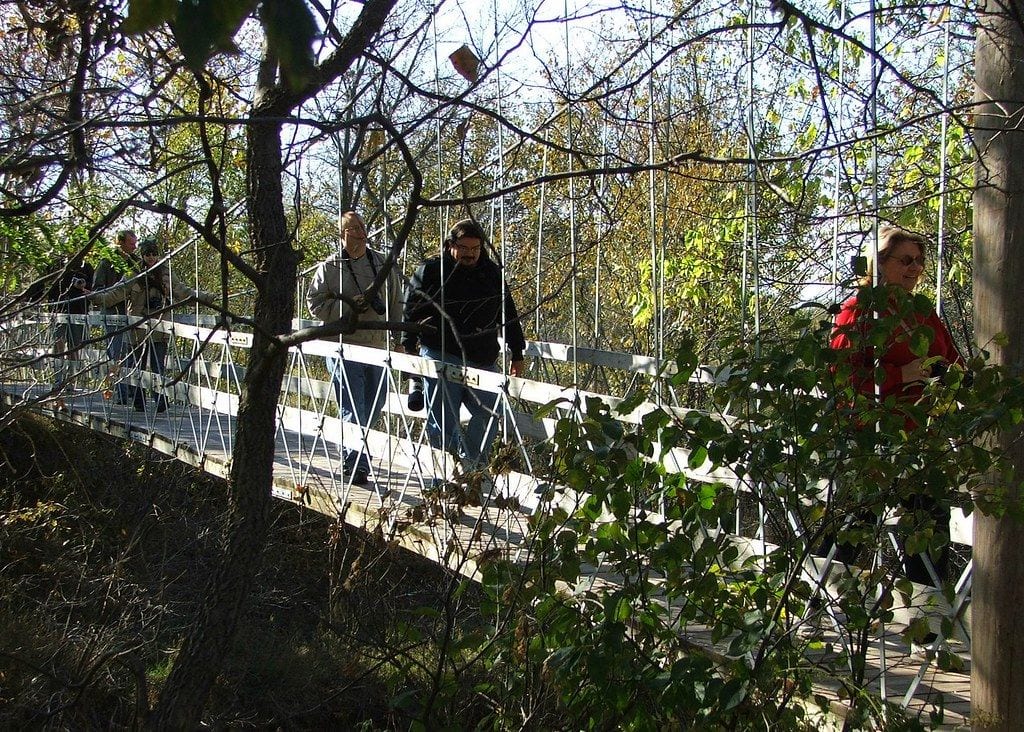
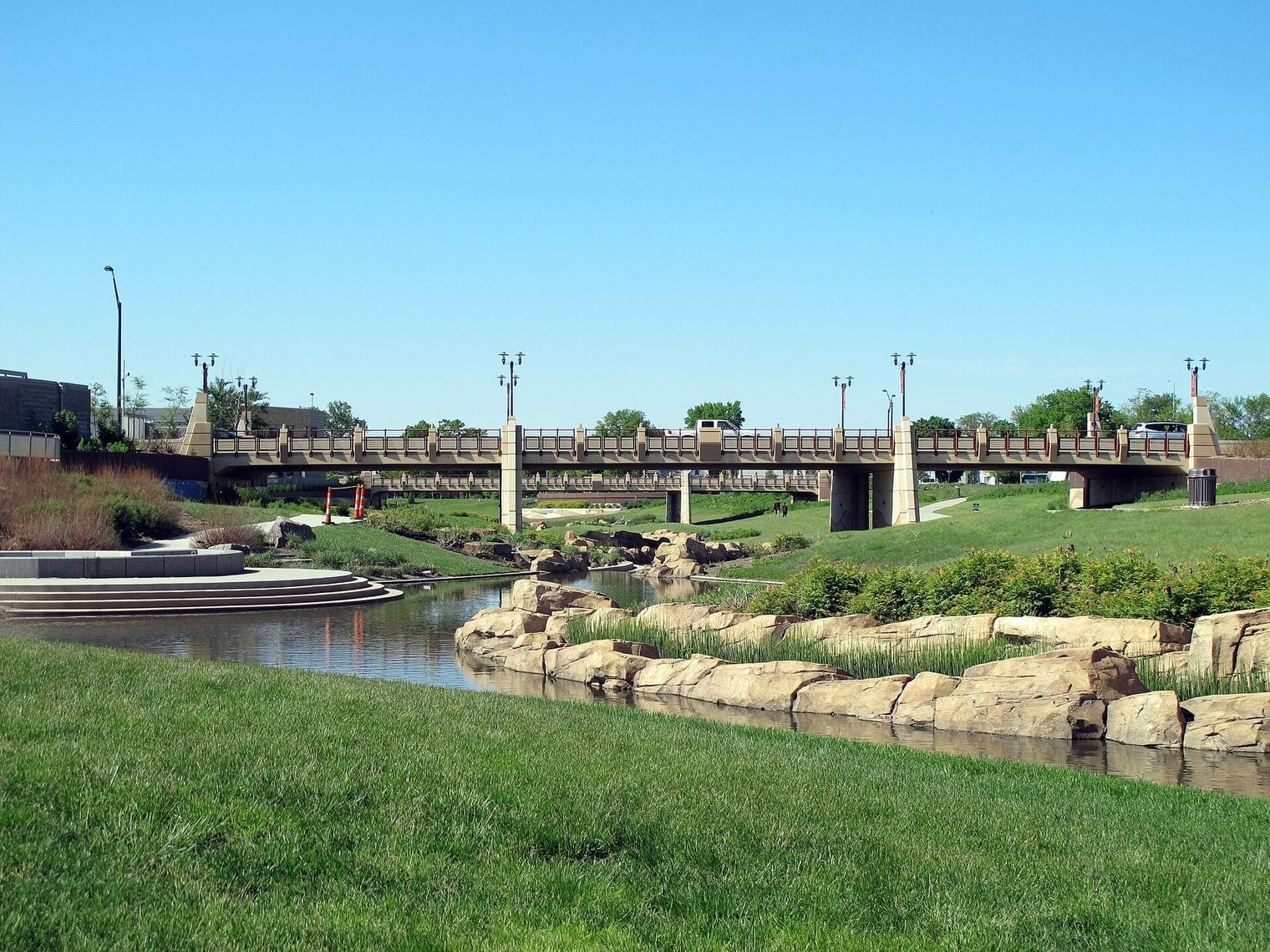
The Jayne Snyder Trails Center anchors the west side of Union Plaza along the Billy Wolff and Antelope Valley Trail, making it a natural launching point for walkers and cyclists. Wide, well-maintained paths fan out from the hub, while a playground and splashing fountains give younger visitors plenty to do while everyone else laces up.
Beyond the trails, the center doubles as a gathering spot, with the on-site Hub Cafe and rotating local visual art giving the space a distinctly community feel. Whether you're pausing mid-ride or wandering over on foot, it's an easy, low-key stop that rewards a slower look before you head back out along the greenway.
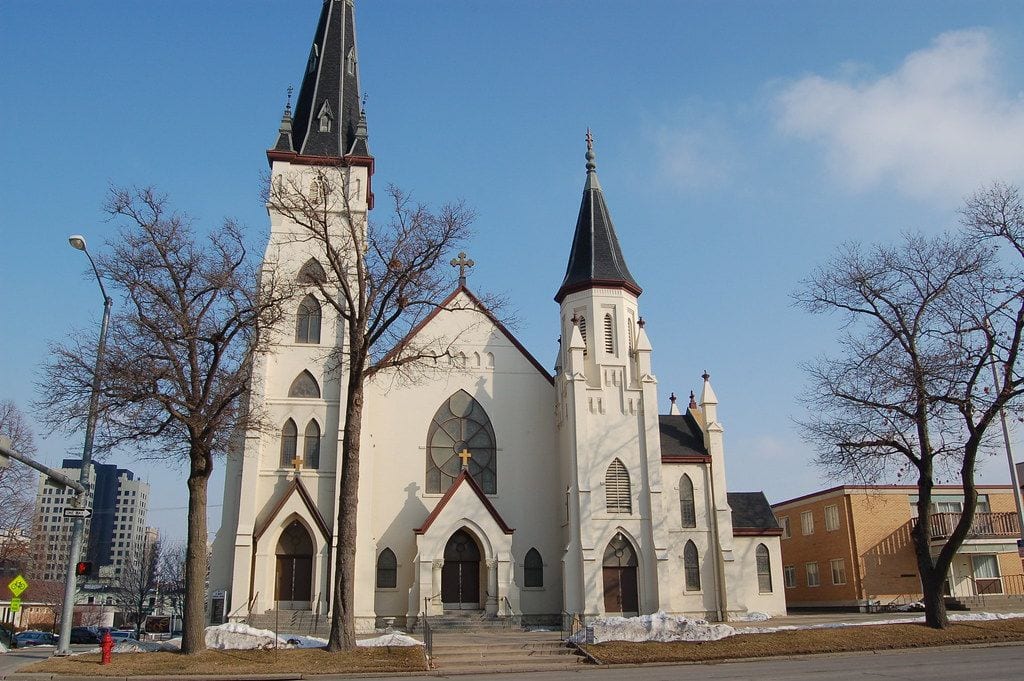
St Mary's Catholic Church is a Catholic parish standing directly across from the Nebraska State Capitol, and its main draw is a sanctuary that's genuinely beautiful inside and out. Whether you come to admire the architecture or to join a service, it makes a natural stop for anyone exploring downtown Lincoln.
The church welcomes visitors of all ages, and its services are open to anyone who worships as a Christian. Because the celebrant changes from one service to the next, it's worth checking the parish bulletin or website for the current schedule before you plan your visit, so you arrive when it suits you.
Opened in 1991 as Nebraska's first brewpub, Lazlo's Brewery & Grill – Haymarket pairs seasonal house-brewed beers with American comfort food set in the historic Haymarket district. The draw is straightforward: hearty grill fare cooked over hickory wood, from a signature prime rib to the much-loved beer cheese soup, all served in a warm, wood-clad dining room.
Settle into the wood-lined room and you can glimpse the working brewery from part of it, a reminder that the beer poured beside your plate was made on site. Round out a meal with the peanut butter pie, and you get a taste of Lincoln's original brewpub in the neighborhood where its story began.
Best Time to Visit Lincoln
Late spring and early fall are the sweet spots. From April into June the Sunken Gardens hit their stride and the days are warm without the deep summer heat, while September and October pair mild, clear weather with the electric atmosphere of Cornhuskers home games at Memorial Stadium. Either shoulder season is ideal for exploring the Haymarket and the city's parks on foot.
Summer is warm, green, and lively, with lake days at Holmes Lake and full hours at the zoo and outdoor attractions, though afternoons can get hot and humid. Winters are genuinely cold and better suited to the indoor museums, from the International Quilt Museum to the Sheldon Museum of Art. Whenever you come, a football Saturday in autumn is the single most memorable time to be in town.
Getting to Lincoln
Lincoln sits right on Interstate 80, the main east–west route across Nebraska, which makes arriving by car straightforward from almost any direction; Highway 77 and US 34 bring in traffic from the north and south. The city is an easy drive from neighbouring states and a common stop for road-trippers crossing the Great Plains.
Lincoln Airport handles regional flights and connects through major hubs, while many visitors fly into the larger airport in nearby Omaha and drive the roughly one-hour stretch down the interstate. Long-distance buses and Amtrak's cross-country line also serve the city, with the station a short walk from the Historic Haymarket.
Getting Around Lincoln
Downtown Lincoln and the adjoining Historic Haymarket are compact and genuinely walkable, so you can cover the Capitol, the museums, and the district's restaurants and shops on foot once you're parked. The University of Nebraska campus sits right beside downtown, and a growing network of paved trails links parks, lakes, and neighbourhoods for cyclists and walkers.
To reach the outlying attractions — the zoo, the lake parks, Pioneers Park Nature Center, or the speedway museum — a car is the simplest option, and parking around the city is easy and plentiful. A local bus system covers the main corridors, and rideshare fills the gaps, but self-driving remains the most flexible way to string together sights across town.
Where to Stay in Lincoln
For first-time visitors, the Downtown and Historic Haymarket area is the best base: you're within walking distance of the restaurants, breweries, and nightlife, steps from the arena and the Amtrak station, and a short hop from the Capitol and the university. It's the liveliest, most central place to stay and ideal if you're in town for a game or an event.
Quieter, more budget-friendly lodging clusters near the Interstate 80 interchanges and along the commercial corridors on the city's edges, which suit road-trippers and anyone driving between attractions. Areas near the university are convenient during campus events, while the south and east sides put you closer to the lake parks and green space if a calmer stay is the goal.
Where to Eat in Lincoln
The Historic Haymarket is the heart of Lincoln's dining and nightlife, its brick warehouses now filled with restaurants, coffee roasters, and a strong local brewery scene; the Saturday farmers market here is the place to graze on Nebraska produce and baked goods. Downtown and the areas around the university add casual college-town spots, from burger joints to late-night bites.
Being in the heart of beef country, Lincoln does steaks and Midwestern comfort food especially well, and the city's Runza — a Nebraska original of seasoned beef and cabbage baked in bread — is a regional specialty worth trying at least once. You'll also find a solid range of international kitchens across town, reflecting the university's diverse community.
One Day in Lincoln
Morning: start at the soaring Nebraska State Capitol for the free tower view, then stroll the nearby blooms of the Sunken Gardens before the day heats up.
A surprising number of Lincoln’s best sights cost nothing. Touring the Nebraska State Capitol is free, including the ride up to its observation deck for the finest view in the city, and the Sunken Gardens are free to wander from spring through fall. The Sheldon Museum of Art offers free admission to its collection of American works, and strolling the brick streets of the Historic Haymarket — with its Saturday farmers market — costs nothing at all.
Outdoors, Lincoln’s parks and trails are all free to enjoy. Walk the elevated loop at Holmes Lake, spot bison at Pioneers Park Nature Center, reflect at the Veterans Memorial Garden in Antelope Park, or follow the Billy Wolff and Antelope Valley trails from the Jayne Snyder Trails Center. Even peeking at OstrichLand-style wildlife around the lakes and gardens costs nothing but your time.
Day Trips from Lincoln
Lincoln's location on Interstate 80 makes it an easy launch point for a day out. Omaha is roughly an hour east and rewards the drive with the acclaimed Henry Doorly Zoo, the Old Market district, and riverfront museums — comfortably a full day of its own. Closer to home, Homestead National Historical Park near Beatrice tells the story of the 1862 Homestead Act on the tallgrass prairie.
West along the interstate, Grand Island offers the Stuhr Museum of the Prairie Pioneer and, in spring, the world-famous sandhill crane migration along the Platte River. To the south across the Kansas line, the state capital of Topeka makes another straightforward highway day trip for travellers wanting to add a second capitol to the itinerary.
FAQ: Visiting Lincoln
Is Lincoln, Nebraska worth visiting?
Yes. Lincoln blends a lively college-town energy with a walkable downtown, standout museums, a striking state capitol and plenty of green space. Between the Historic Haymarket, the Sunken Gardens and a nationally known football culture, it packs a lot of variety into an easy, friendly, and affordable Midwestern city.
What is Lincoln, Nebraska known for?
Lincoln is known as Nebraska’s capital and the home of the University of Nebraska Cornhuskers, whose game days at Memorial Stadium are among college football’s best. It’s also famous for its art-deco State Capitol, the world’s largest quilt museum, the Sheldon Museum of Art and the colorful Sunken Gardens.
How many days do you need in Lincoln?
Two to three days is plenty to see Lincoln’s main attractions. A single day covers the Capitol, the Haymarket and a museum or two, while a longer weekend lets you add the zoo, several parks and a lake without rushing.
What is the best time to visit Lincoln?
Late spring and early fall — roughly April through June and September into October — bring the most pleasant weather for exploring on foot. Autumn also means Cornhuskers football, when the city is at its liveliest; summer is warm and busy, and winters are cold.
Is Lincoln good for families?
Very. The Lincoln Children’s Zoo and Lincoln Children’s Museum are built for kids, and Star City Shores, Sunny-style playgrounds and the many parks give younger visitors room to roam. Add hands-on museums and easy trails and it’s a comfortable family destination.
What are some free things to do in Lincoln?
Touring the State Capitol, wandering the Sunken Gardens, visiting the Sheldon Museum of Art and exploring the Historic Haymarket are all free. So are Lincoln’s parks and trails, including Holmes Lake, Pioneers Park Nature Center and the Veterans Memorial Garden.
Is downtown Lincoln walkable?
Yes. Downtown Lincoln and the adjacent Historic Haymarket are compact and pedestrian-friendly, with restaurants, bars, shops and the Capitol all within an easy walk. A car is handy for the outlying parks, lakes and museums, but the core is best seen on foot.