Known as the "Gateway to the West," Omaha is the largest city in Nebraska and sits right on the Missouri River. Founded in 1854 as a river crossing, it grew into the eastern anchor of the first transcontinental railroad and today mixes big-city museums and a zoo of world renown with a walkable, cobblestone downtown core.
Sightseeing is easy here: the Old Market, the riverfront parks, the Bob Kerrey Pedestrian Bridge and several major museums cluster within a compact, foot-friendly downtown, while a short drive reaches gardens, forests and lakes. Omaha also makes a natural base for exploring the wider state of Nebraska, from the Sandhills to the Platte River valley. Read on for the 25 best things to do in Omaha.
Fun Facts About Omaha, Nebraska
Omaha was founded on the Fourth of July, 1854, by speculators from Council Bluffs who picnicked on Capitol Hill to launch the new town across the Missouri River.
The city's name comes from an Omaha tribe word meaning "upstream" or "against the current" people, a nod to its place on the Missouri.
Its nickname, the "Gateway to the West," dates to the Lone Tree Ferry crossing and the city's role launching the first transcontinental railroad westward in 1866.
Omaha is the largest city in Nebraska, with a population of roughly 490,000, ranking among the 45 most populous cities in the United States.
It is home to the headquarters of four Fortune 500 companies — Berkshire Hathaway, Union Pacific, Kiewit and Mutual of Omaha — including Warren Buffett's famous holding company.
Omaha has hosted the Men's College World Series every year since 1950 and is the birthplace of the Reuben sandwich.
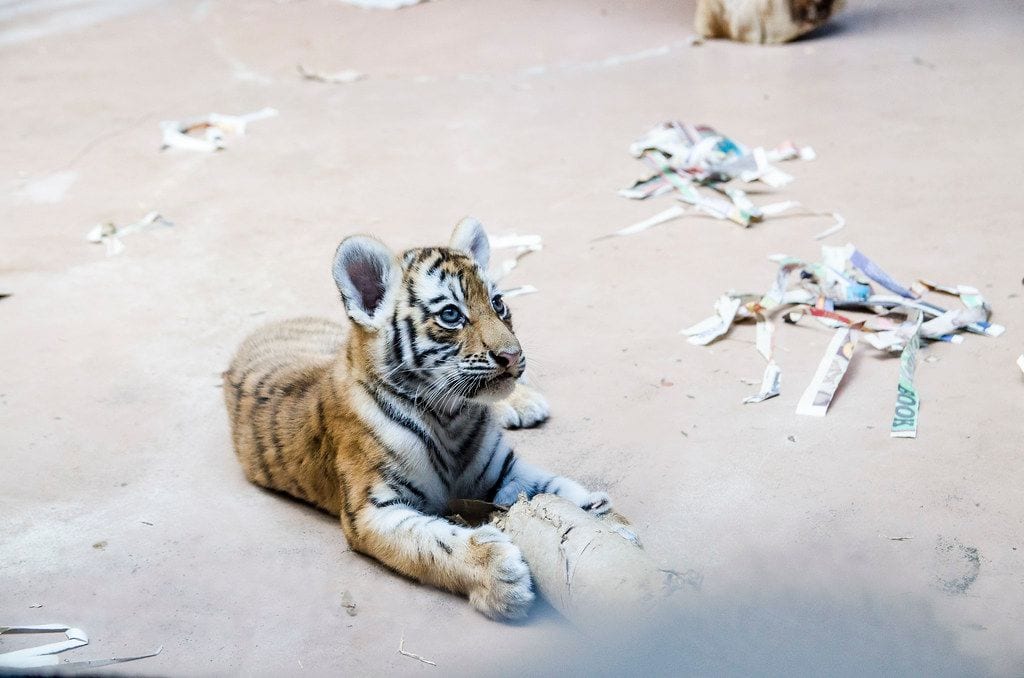
Spanning around 160 acres, Omaha's Henry Doorly Zoo and Aquarium is regularly ranked among the finest zoos anywhere and is the city's single most popular attraction. It opened in 1894 and is home to thousands of animals across habitats designed to immerse you in each species' world.
Highlights include the Desert Dome, one of the world's largest indoor deserts beneath a vast glazed geodesic dome, the Lied Jungle indoor rainforest, and the Kingdoms of the Night nocturnal exhibit. Exhibits are grouped by region, making it easy to plan a route and find your favourite animals across a full day of exploring.
Set in downtown Omaha, the Durham Museum occupies the former Union Station, one of the busiest train stations in the region in the 1930s. A national historic landmark, the building is a showcase of art-deco architecture, and its restored grand hall is worth the visit on its own.
Inside you'll find engaging, hands-on exhibits suited to all ages, including restored train cars, model railroads and artifacts tracing the region's history. The treasured Byron Reed Collection displays some of the world's rarest coins and documents, and rotating travelling exhibitions arrive through the museum's Smithsonian affiliation.
Established in 1982 and expanded steadily since, Lauritzen Gardens is a 100-acre botanical center perched on the Missouri River bluffs and among the prettiest places in the city. What began as rose, hosta and herb gardens has grown into a sweep of themed plantings, from wildflowers and prairie to formal beds.
A model railroad garden, a glass conservatory and an education center round out the grounds, and there is a café and gift shop on site. Three major floral shows anchor the year, so there is colour to see in every season, whether you visit for the spring bulbs, the autumn chrysanthemums or the holiday poinsettias.
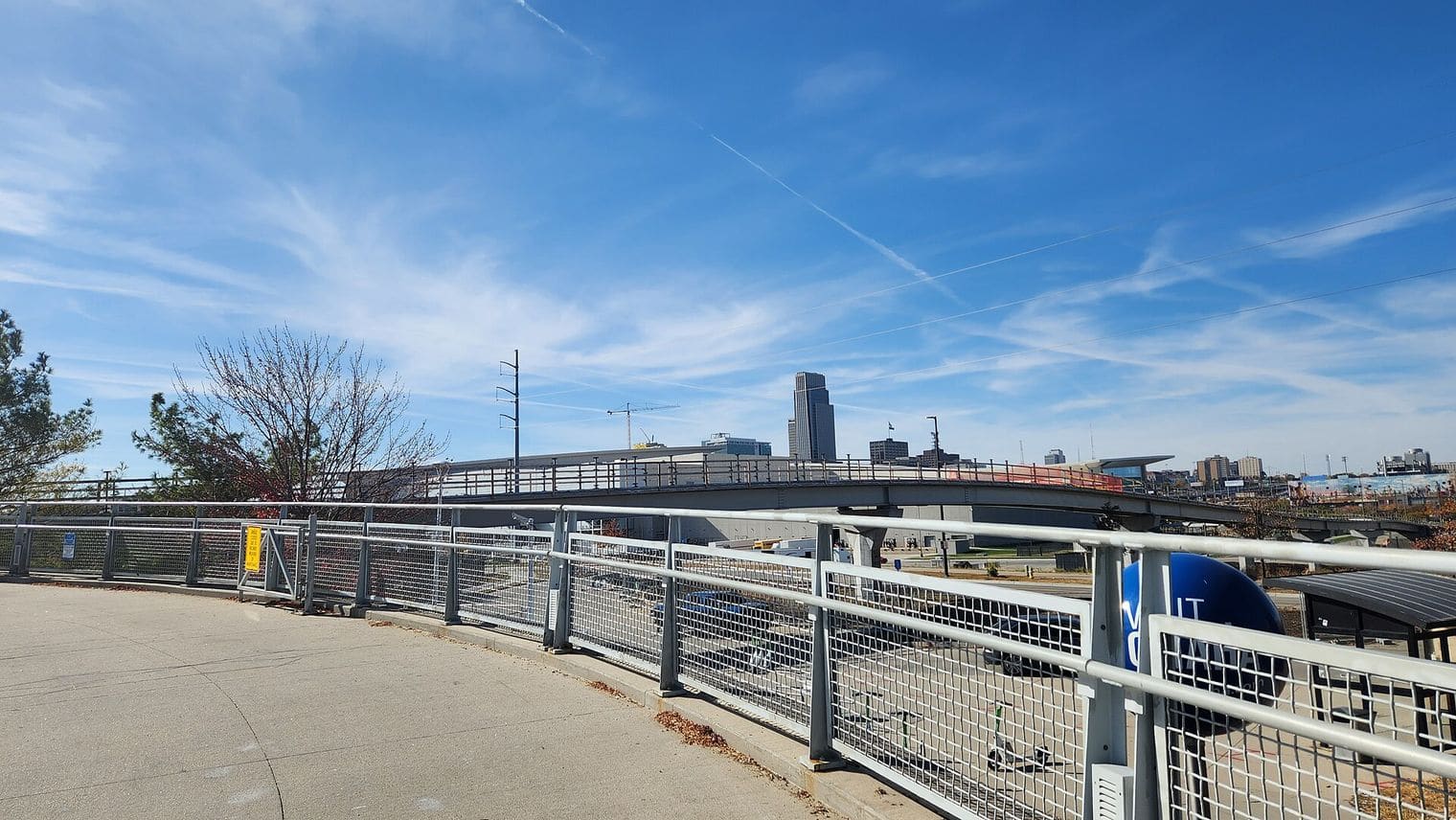
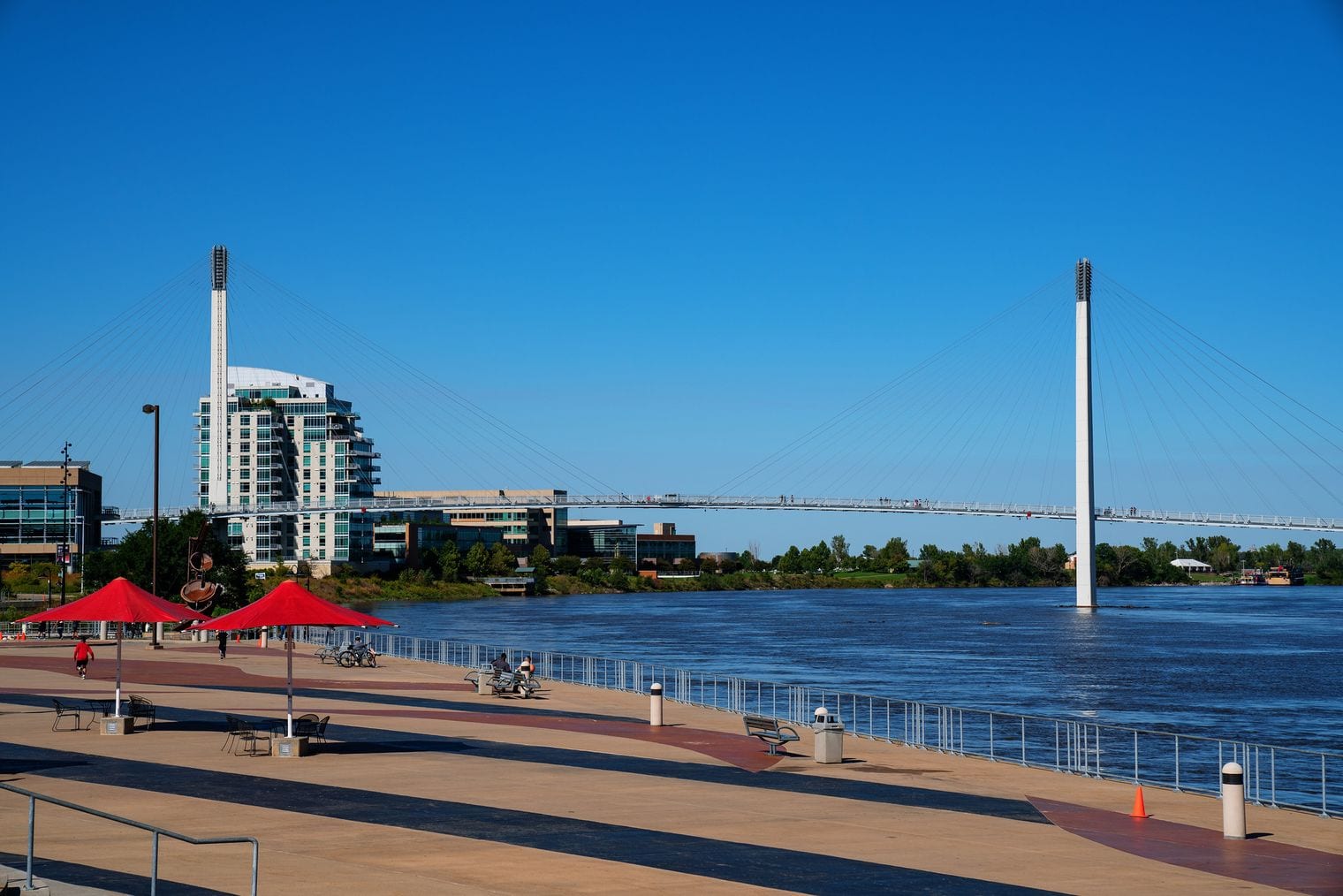
Named for Nebraska senator Bob Kerrey, the Bob Kerrey Pedestrian Bridge is a rare footbridge that links two states, and it is one of Omaha's most photographed landmarks. The graceful, S-curved cable-stayed span runs 3,000 feet across the Missouri River, beginning in Omaha and ending in Council Bluffs, Iowa.
A plaque marks the exact point where the two states meet, a favourite photo stop, and separate lanes let walkers and cyclists share the crossing comfortably. Special lighting installed after the bridge opened in 2008 gives it a striking glow after dark, making an evening stroll especially memorable.
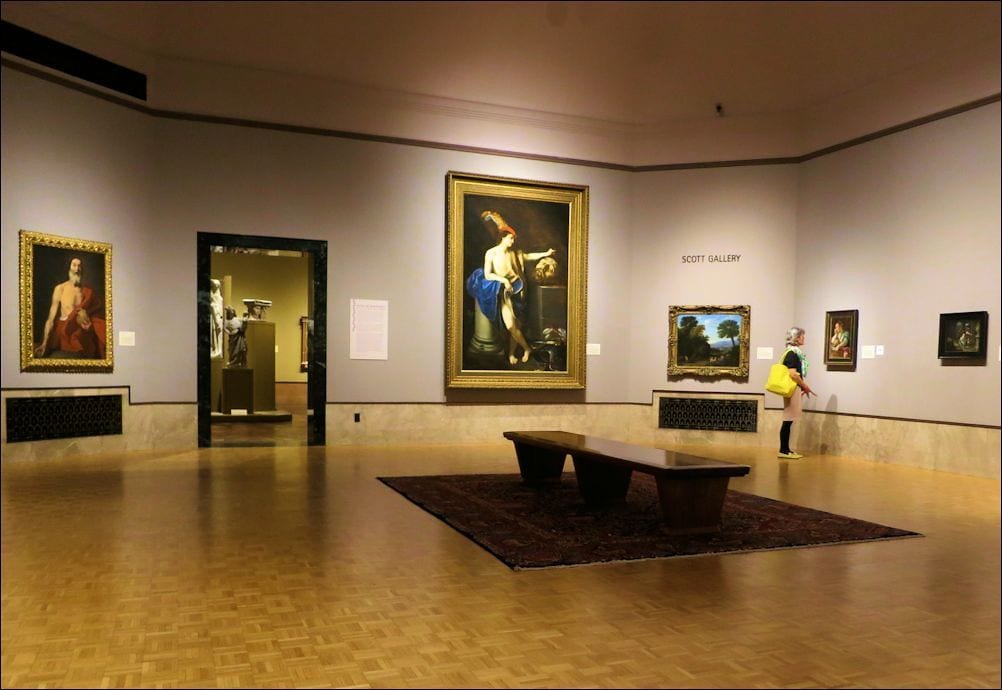
Gifted to the people of Omaha by Sarah Joslyn in memory of her husband George, the Joslyn Art Museum opened in 1931 and is Nebraska's premier art museum. Housed in a landmark pink-marble building, it reopened after a major expansion and offers free general admission.
The collection spans European and American works, with pieces by artists such as Renoir and Bouguereau, alongside strong Western and contemporary holdings. A sculpture garden adds to the experience, and the building itself is a draw, with decorative panels drawn from dozens of different marbles gathered from around the world.
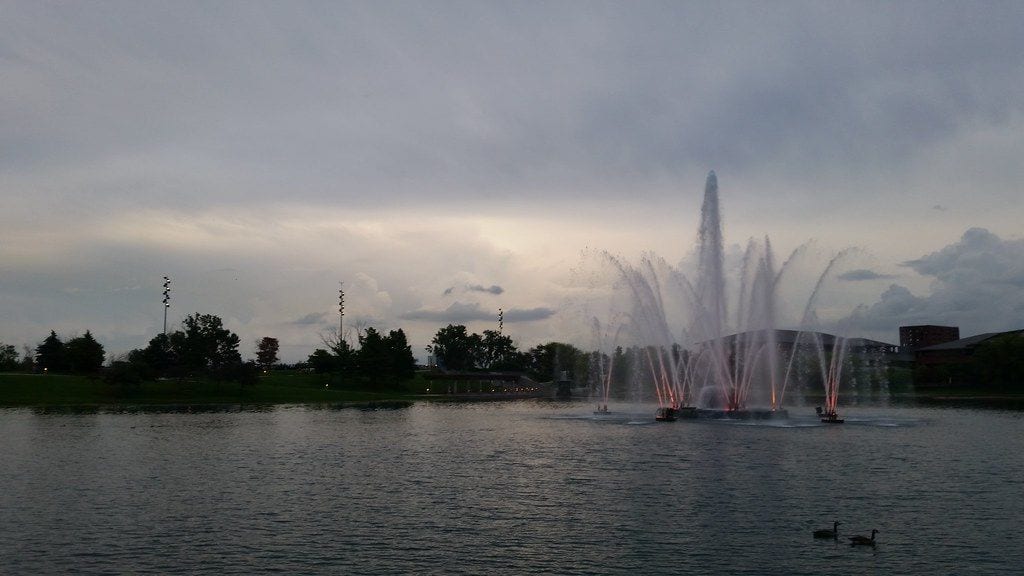
Just downtown, next to the Gene Leahy Mall and the Old Market, Heartland of America Park is a public park with more going on than you might expect. Its centrepiece is a lake with a high-tech fountain that launches water skyward and puts on a light show after dark.
A walking trail loops the water, and seasonal boat tours offer a relaxed way to take in the setting from the lake itself. The park also hosts community events through the year, making it an easy and scenic addition to any downtown wander.
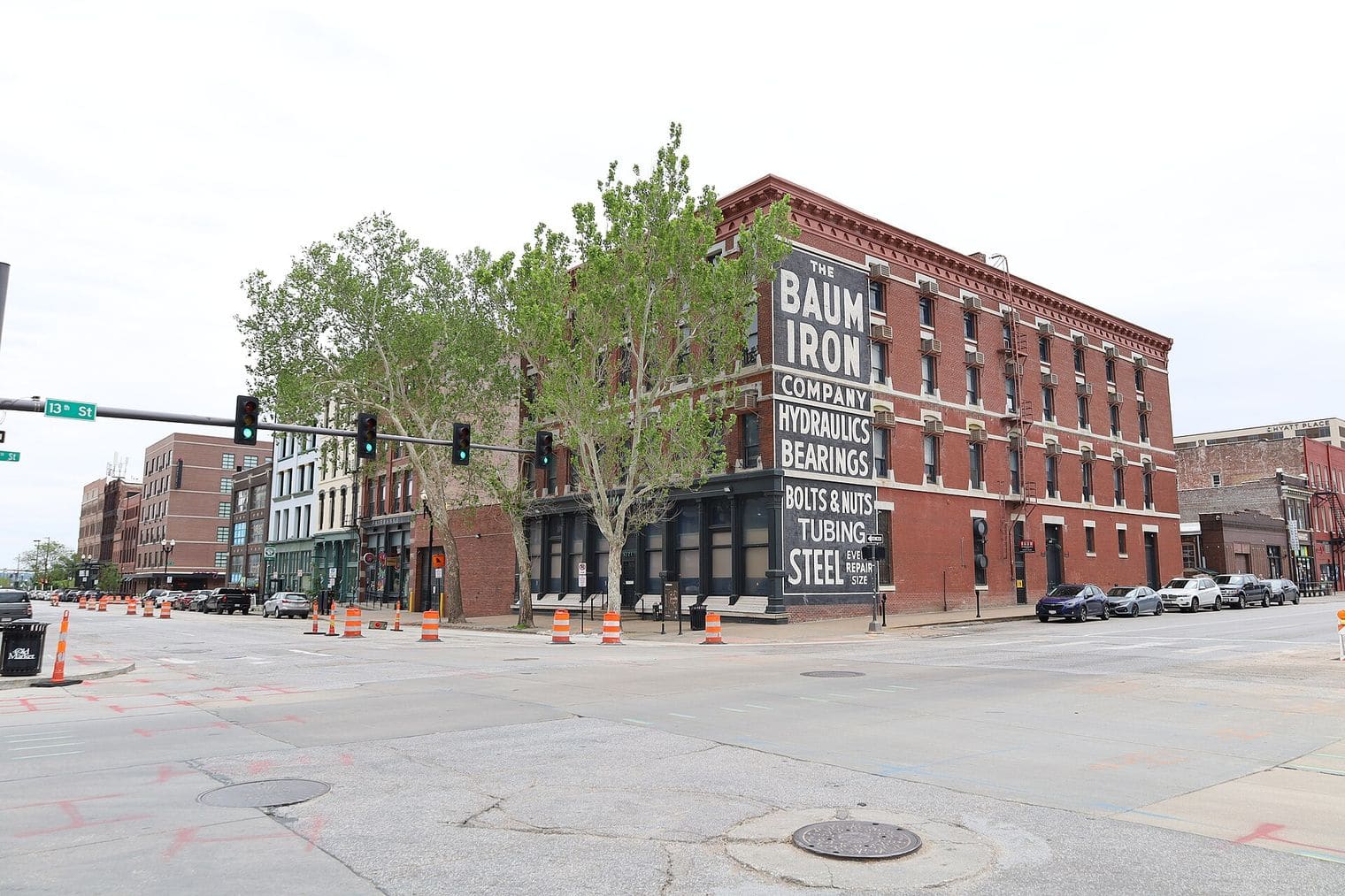
Added to the National Register of Historic Places in 1979 and named an Omaha landmark in 1985, the Old Market is a historic district full of turn-of-the-century architecture. Cobblestone streets, converted warehouses and a cluster of hotels give the area its distinctive, atmospheric character.
It is a wonderful place to stroll, packed with Omaha's history and culture and home to some of the city's most characterful cafés, restaurants and shops, so plan to linger over a meal. Street performers and artists are a regular sight, adding to the lively, creative feel of the neighbourhood.
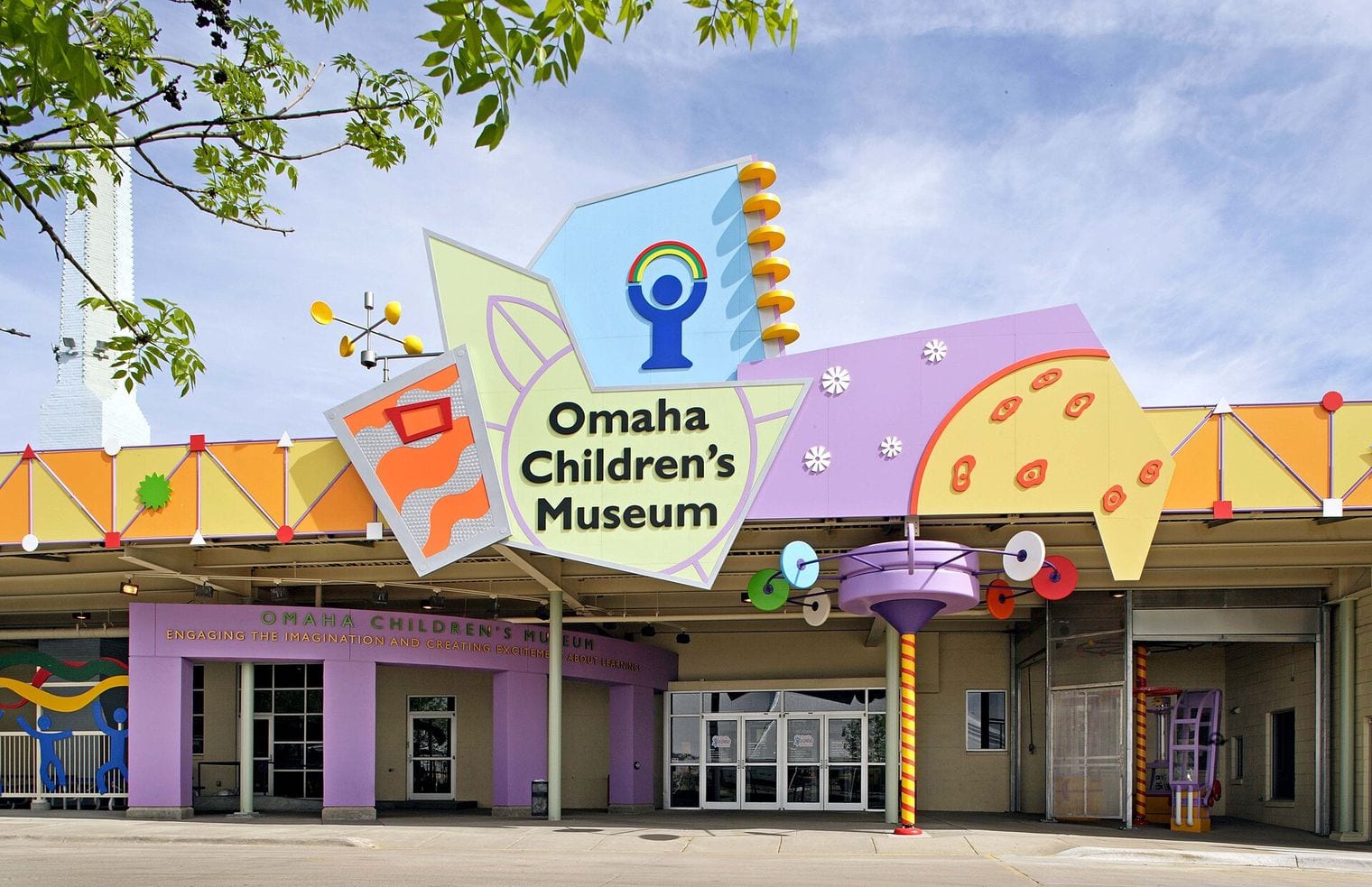
A hit with families, the Omaha Children's Museum is a hands-on learning space built to spark young imaginations. Indoor and outdoor exhibits invite kids to play and explore, with themes spanning the arts, science, zoology and more across bright, interactive galleries.
Sandy's Splish Splash Garden is an interactive fountain area that is perfect for cooling off in summer, and the Imagination Playground is designed to draw out creativity in the youngest visitors. It is an easy downtown stop and one of the city's best rainy-day options for children.
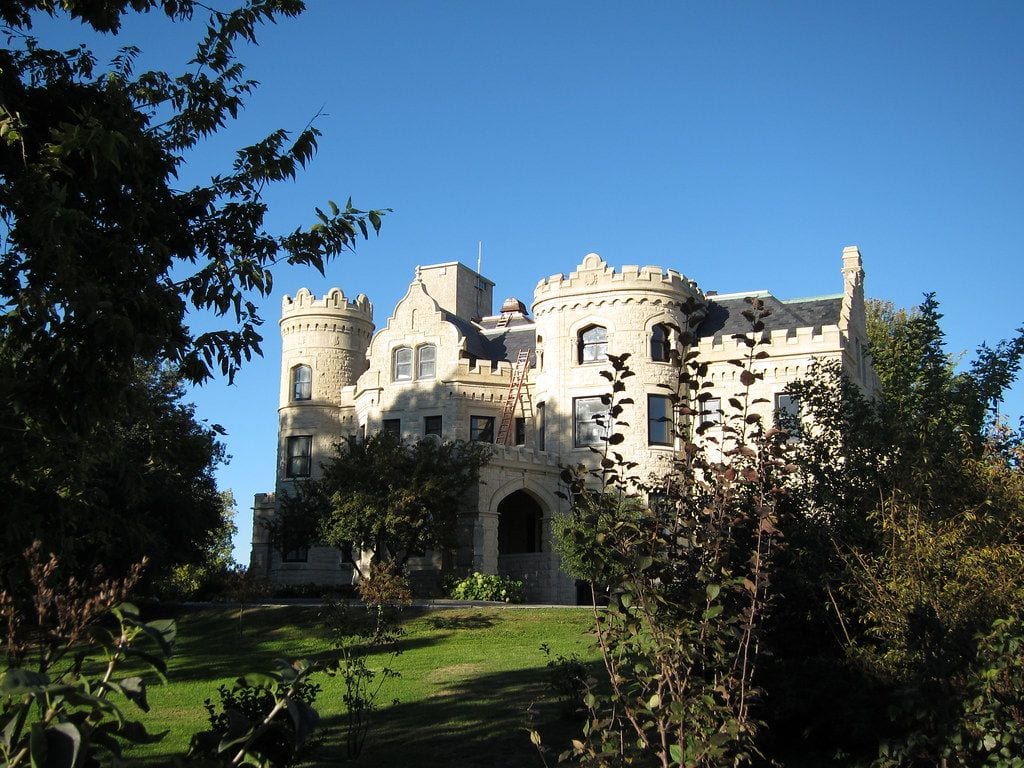
The George and Sarah Joslyn Home, better known as Joslyn Castle, is a 35-room Scottish Baronial mansion set over four floors with a carriage-house tower. Added to the National Register of Historic Places in 1972 and named an Omaha landmark, it stands as a physical reminder of the Joslyns' legacy in the city.
The castle hosts a full calendar of art, history, theatre and music events throughout the year, drawing locals and visitors alike. Regular public tours take you deeper into the home's history and architecture, and the surrounding grounds are pleasant to explore on their own.
A short stroll from the Bob Kerrey Pedestrian Bridge, Lewis & Clark Landing is a public park stretched along the Missouri River. You can catch one of the festivals that regularly fill the space or simply settle into a riverfront seat and watch the water go by.
The park is home to Omaha's Firefighters Memorial and a set of Lewis and Clark interpretive exhibits recounting their expedition. In summer, jumping fountains make it a fun, free stop for younger visitors, and its riverfront setting connects neatly with the surrounding downtown parks.
11. Mormon Trail Center at Historic Winter Quarters
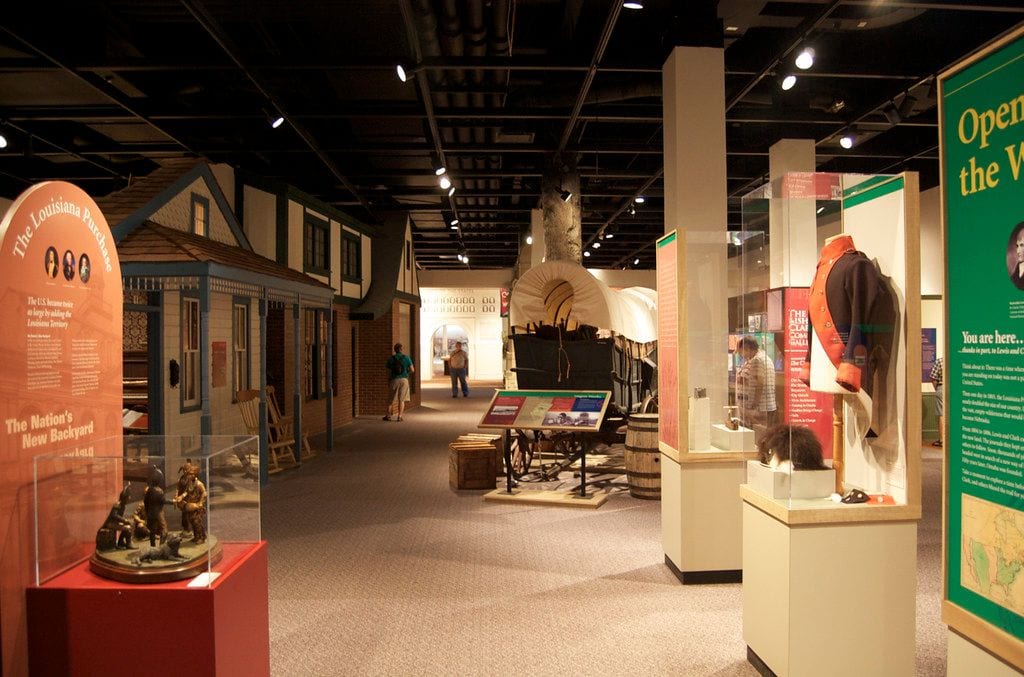
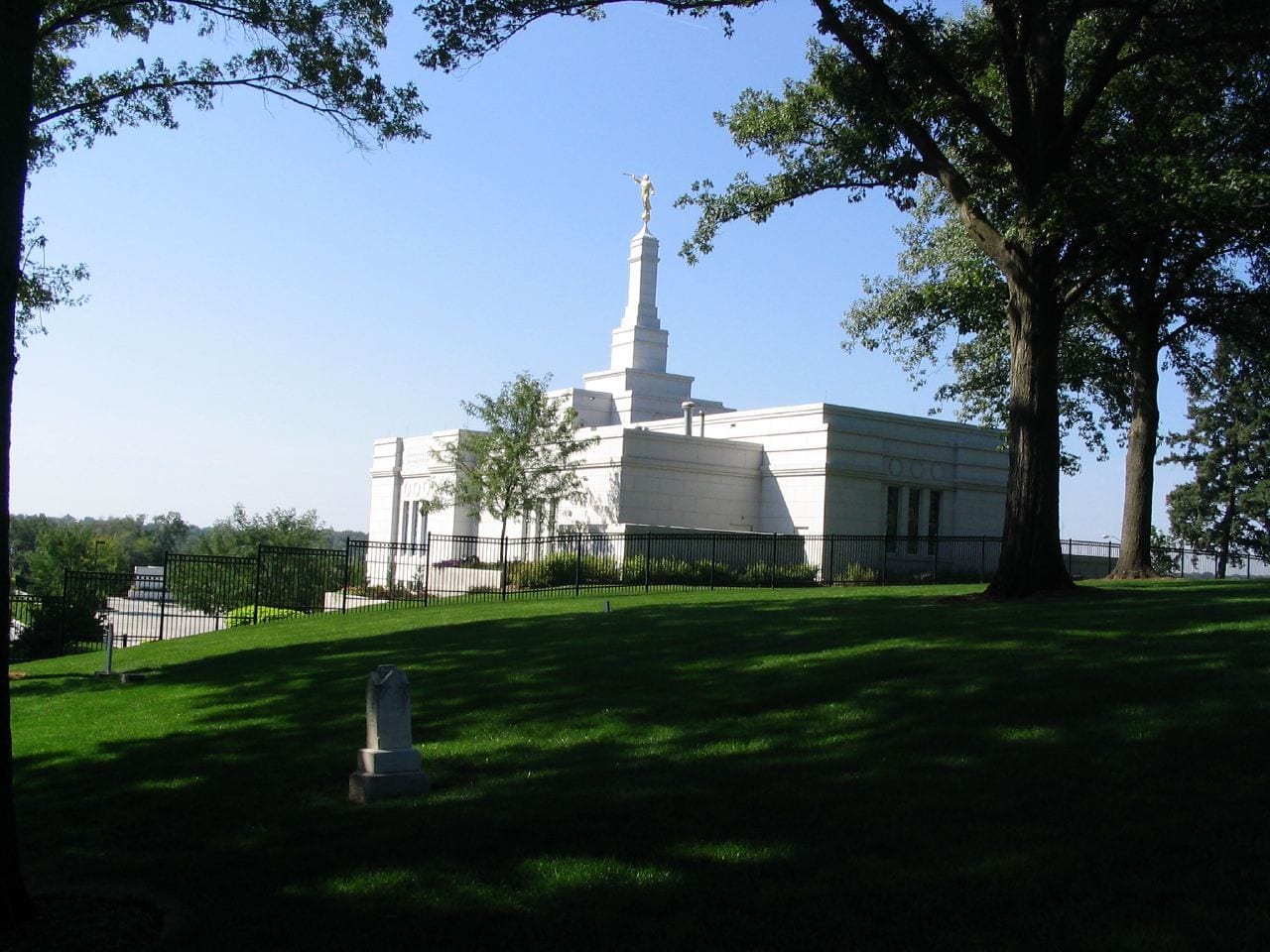
Run by the Church of Jesus Christ of Latter-day Saints, the Mormon Trail Center at Historic Winter Quarters is a free museum and visitor center in north Omaha. Its exhibits tell the story of the Mormon Trail, the long overland route pioneers followed westward toward Utah by wagon, handcart and rail.
The center interprets the history of Winter Quarters, a temporary settlement that stood here in the 1840s, using a full-size covered wagon, a log cabin and interactive displays. A striking handcart-family monument marks the entrance, and the adjacent pioneer cemetery adds context for anyone interested in this chapter of frontier history.
If you are after a relaxed day outdoors, Benson Park spreads fun-filled options across roughly 217 acres. There are scenic picnic areas, a lake and a rentable pavilion, plus a nine-hole golf course for enthusiasts and a seasonal rink for skaters.
For a quieter visit, the park's lagoon is a pleasant spot for fishing and sightseeing, and its position in a wide valley opens up views of the surrounding hills. Walking paths and open green space make it a low-key escape a little way from the downtown bustle.
Home to one of the last oxbow wetlands of the Big Papillion Creek, Heron Haven Nature Center is a spring-fed wetland sanctuary in northwest Omaha. Despite its city surroundings, it offers a genuine pocket of calm where visitors can study, observe or simply take a quiet walk through nature.
The education center includes a small museum with plenty of information about the local ecosystem, and the grounds are excellent for bird watching and nature photography. Seasonal prairie-grass displays and a butterfly garden add extra colour to a short, restorative stroll.
14. First National's Spirit of Nebraska's Wilderness and Pioneer Courage Park
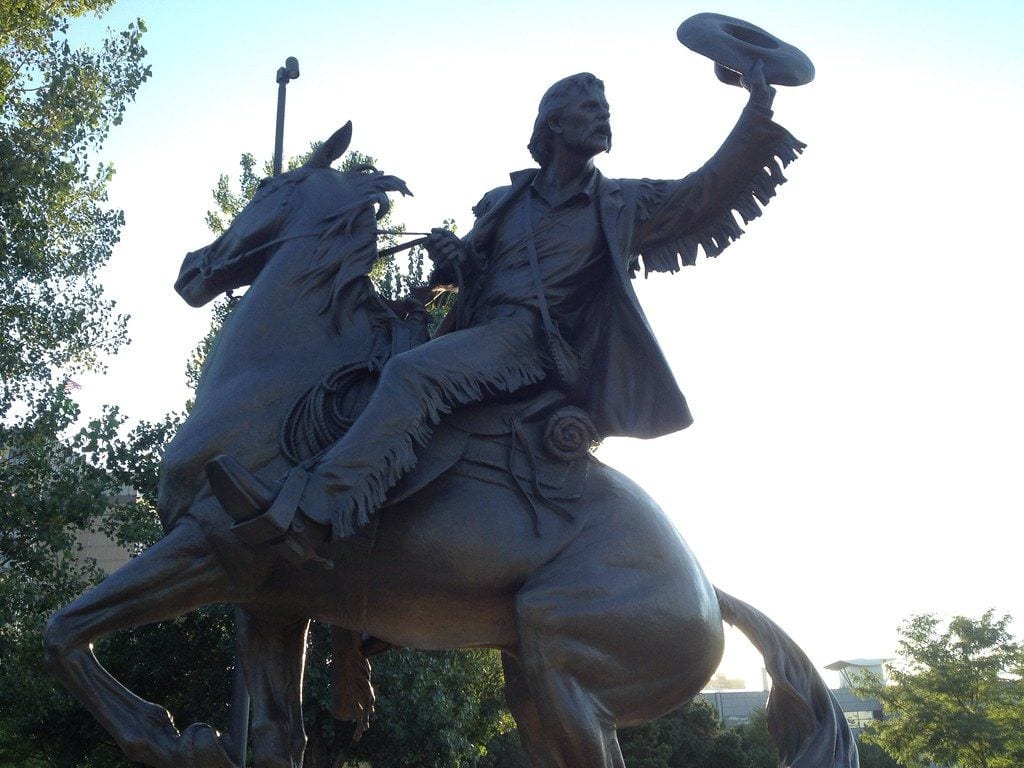
Downtown, the First National's Spirit of Nebraska's Wilderness Park and Pioneer Courage Park are two connected sculpture parks that together form one of the world's largest such installations. The Spirit of Nebraska's Wilderness features dozens of stainless-steel and bronze works, including bison, cattle and geese.
Pioneer Courage Park depicts pioneer families with their horses and wagons setting out westward, each group rendered in life-size detail. The sculptures are arranged block by block so they seem to move through the streetscape, engaging you as you walk among them, and it is entirely free to visit.
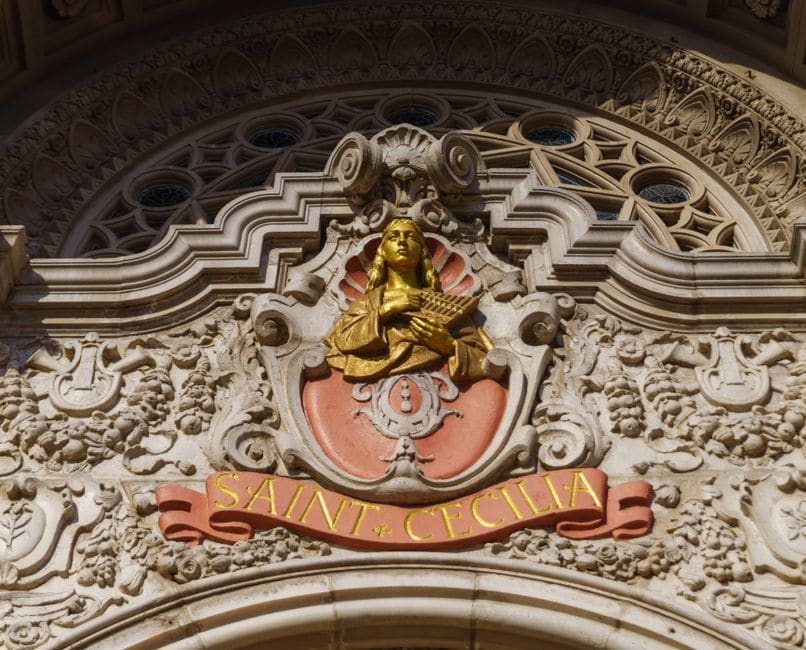
Ranked among the ten largest cathedrals in the United States when it was completed in 1959, Saint Cecilia Cathedral sits atop a hill and offers scenic views over Omaha. Built with millions of bricks, this Spanish Renaissance church is an architectural masterpiece, with stained glass whose designs draw on centuries-old traditions.
Look closely and you'll spot unusual details, such as a depiction of the Virgin Mary holding an ear of corn, a nod to the region. The exterior alone is arresting, but it is well worth stepping inside to take in the soaring interior and its refined décor.
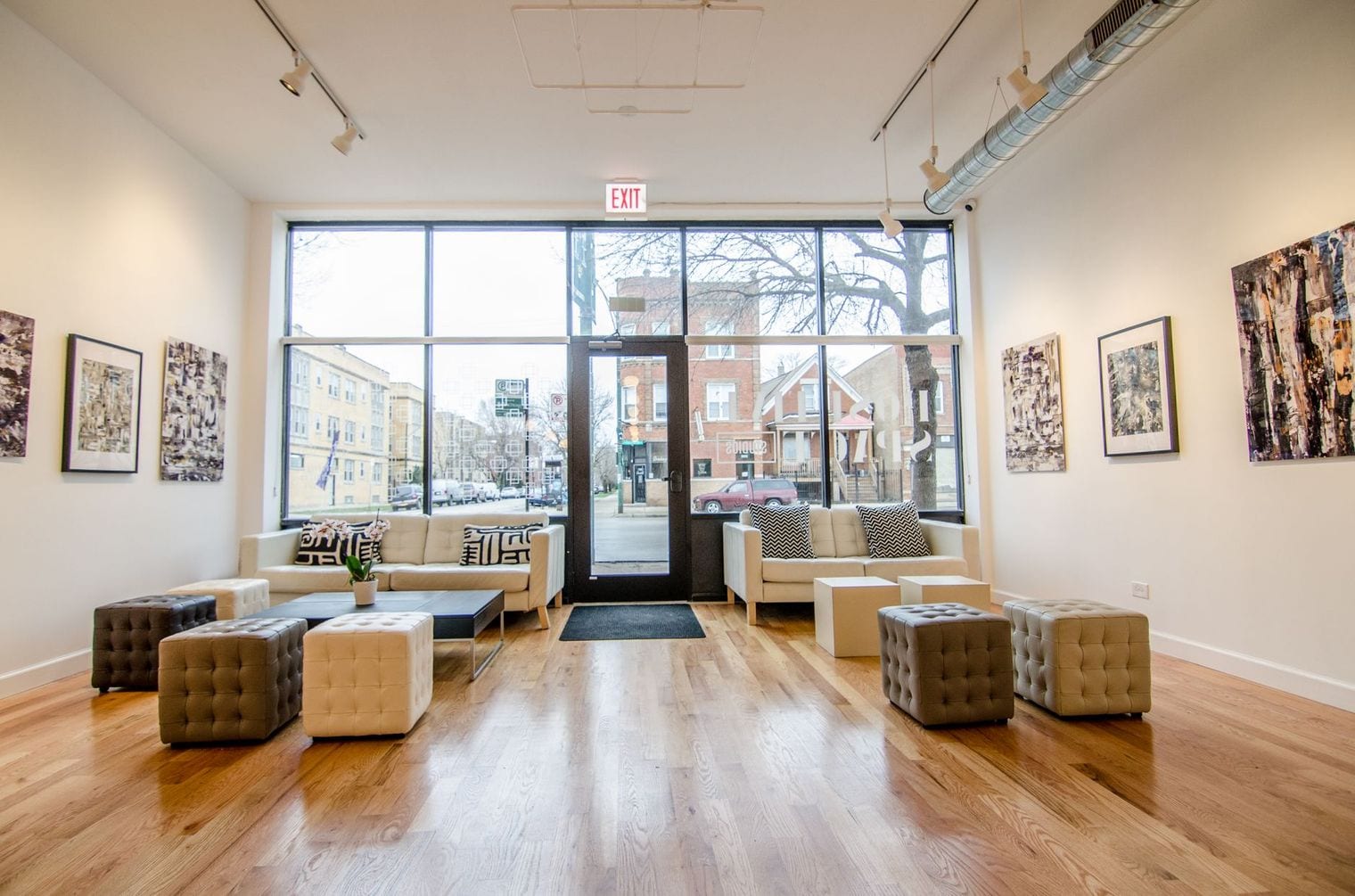
On historic North 24th Street, The Union for Contemporary Art is a lively community arts center dedicated to supporting local artists and widening access to the arts. Founded in 2011, it fills a bright, purpose-renovated space with gallery exhibitions, performances and working studios.
The center's Wanda D. Ewing Gallery hosts rotating contemporary shows, while resident-artist studios and shared facilities for screen printing, ceramics and fibre arts keep the building buzzing with creativity. Free exhibitions and an active calendar of community programs make it a rewarding, welcoming stop in the neighbourhood.
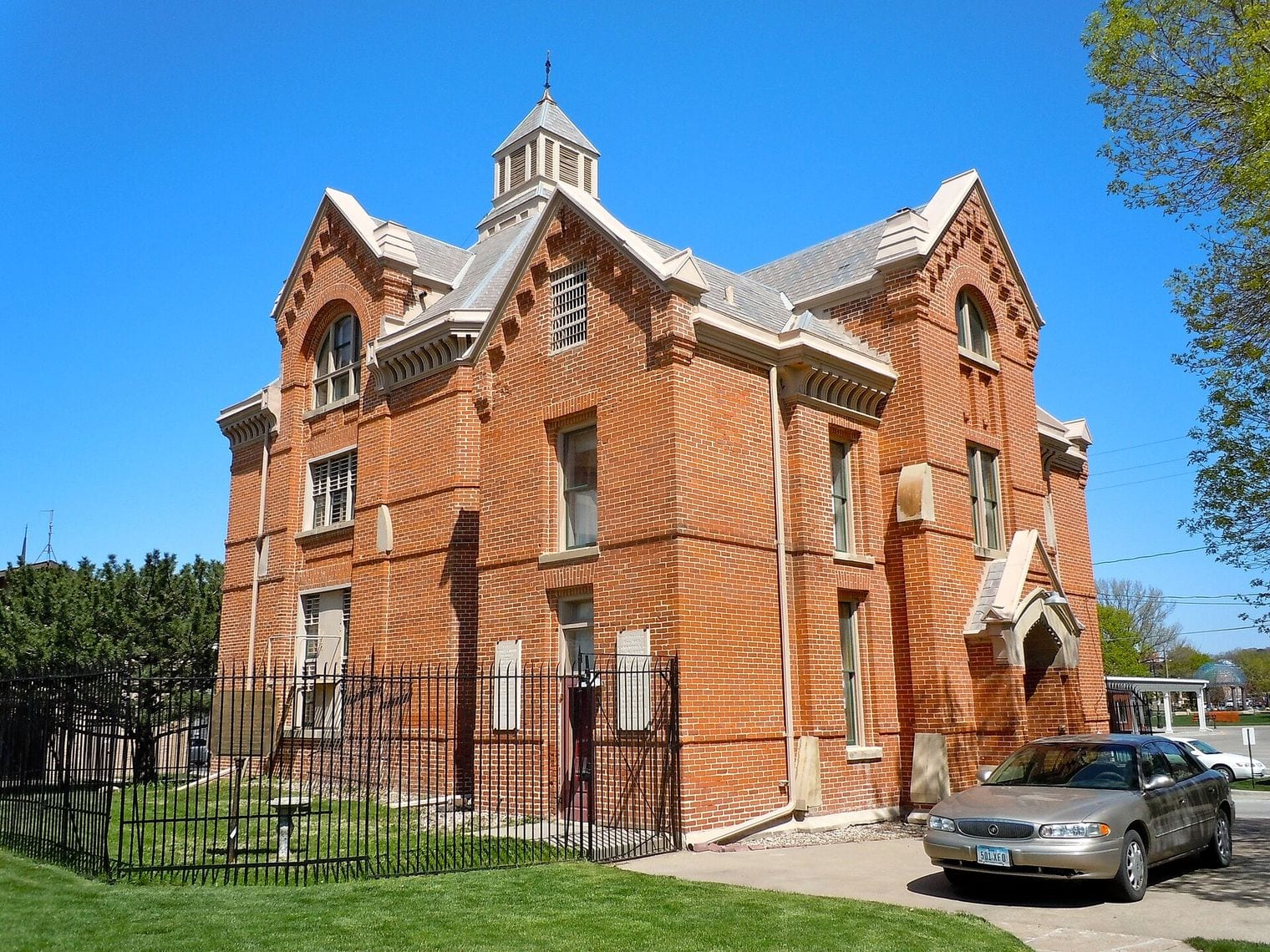
Once the Pottawattamie County Jail, the Squirrel Cage Jail is billed as one of the most haunted attractions in nearby Council Bluffs, Iowa. It sits just across the river and is easily reached via the Bob Kerrey Pedestrian Bridge, putting it only minutes from Omaha.
Built in 1885, it was the largest of the rare "human squirrel cage" jails, with three tiers of cells that rotated around a central axis so a single jailer could control the whole block. Converted to a museum in 1977, it offers a fascinating and slightly eerie look at one of the odder innovations in incarceration.
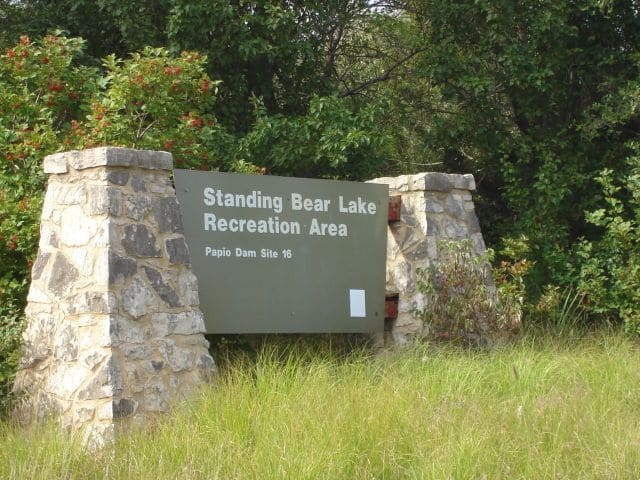
Named for the Ponca leader Chief Standing Bear, Standing Bear Lake opened in 1977 in northwest Omaha. Originally built as a flood-control dam on Papillion Creek, it was later reshaped into a recreational city lake within a large surrounding park.
The lake area offers activities for all ages, from a model-airplane flying field and no-wake boating in summer to a seasonal rink and picnic spots. A multi-mile hiking and biking trail circles the water, making it a favourite for anyone looking to get outdoors and stretch their legs.
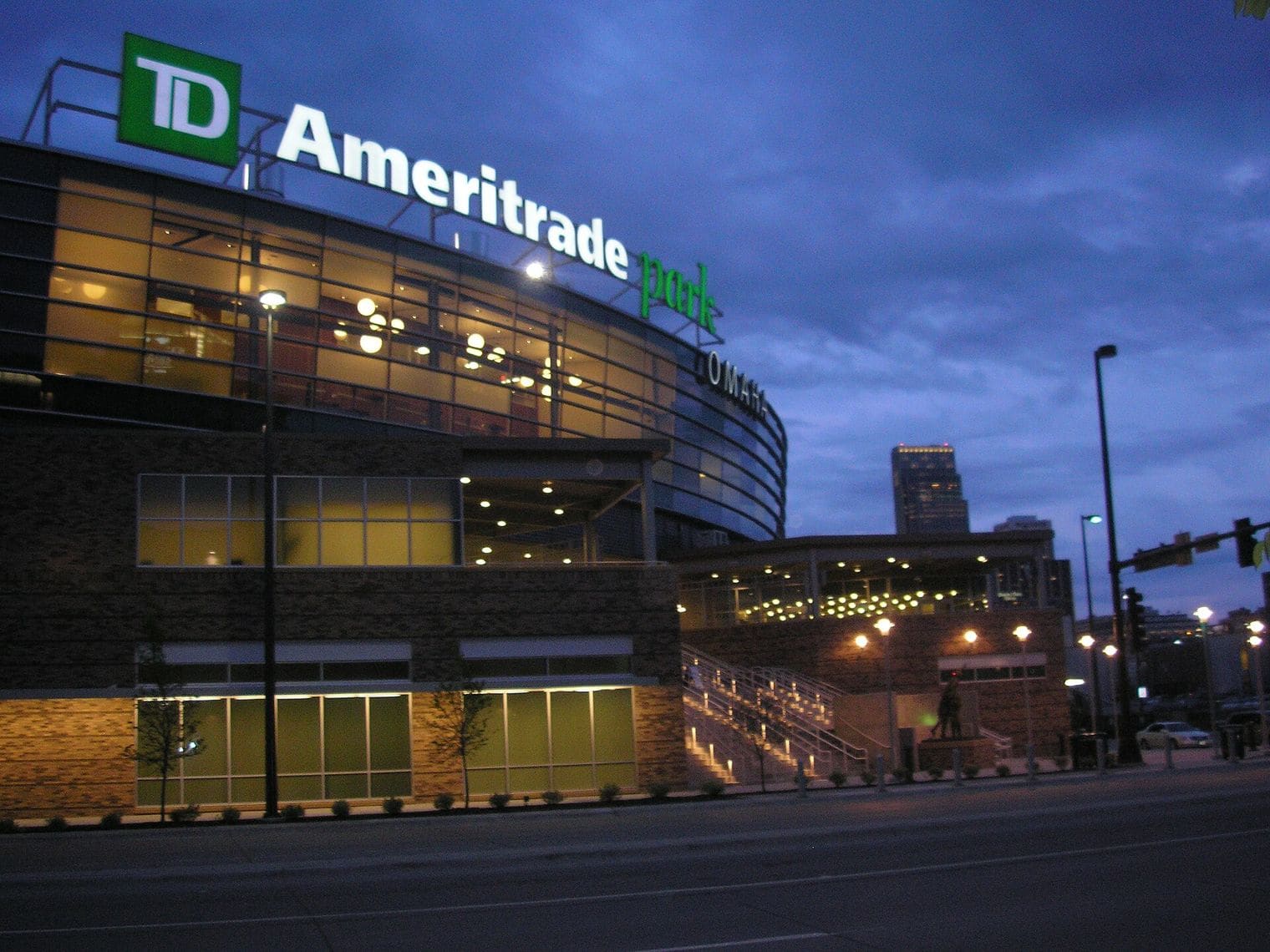
Baseball fans should not miss Charles Schwab Field Omaha, the downtown ballpark formerly known as TD Ameritrade Park. Opened in 2011, it is one of the largest stadiums in Nebraska, with a capacity of around 24,000 that can expand well beyond that for major events.
The stadium is the home field of the Creighton University Bluejays and, above all, the host of the Men's College World Series, which has been held in Omaha since 1950. Catching a game here, especially during the College World Series, is one of the city's signature summer experiences.
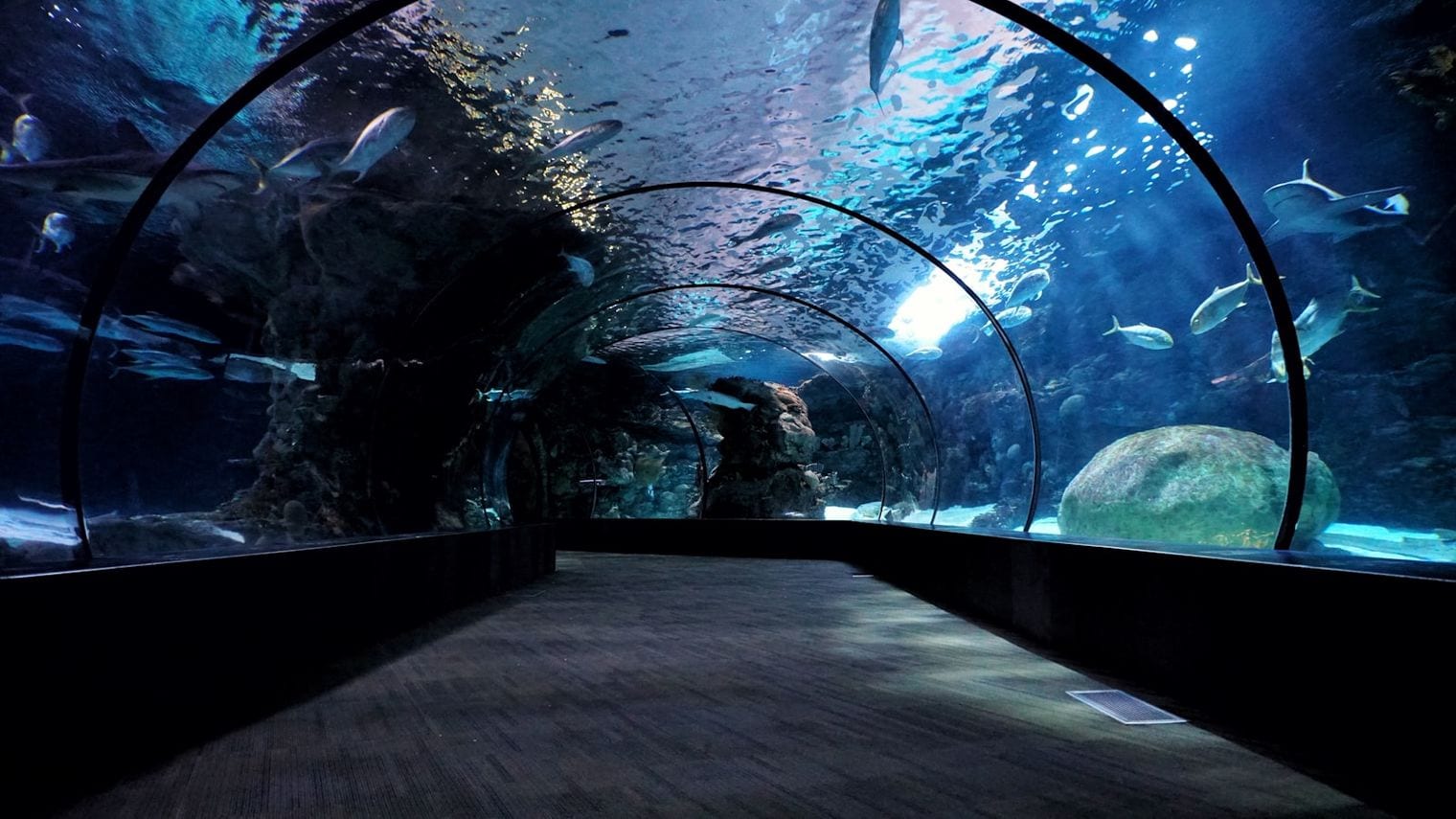
Located inside the Henry Doorly Zoo, the Suzanne and Walter Scott Aquarium is one of Omaha's most mesmerising attractions. Its centrepiece is a long walk-through shark tunnel that surrounds you with sea life, from sharks and sea turtles to gliding stingrays.
As you move through the aquarium you'll pass habitats representing the Amazon, the polar regions, coral reefs and temperate oceans. Time your visit well and you might catch a penguin feeding, and a gift shop at the end lets you pick up a souvenir of the experience.
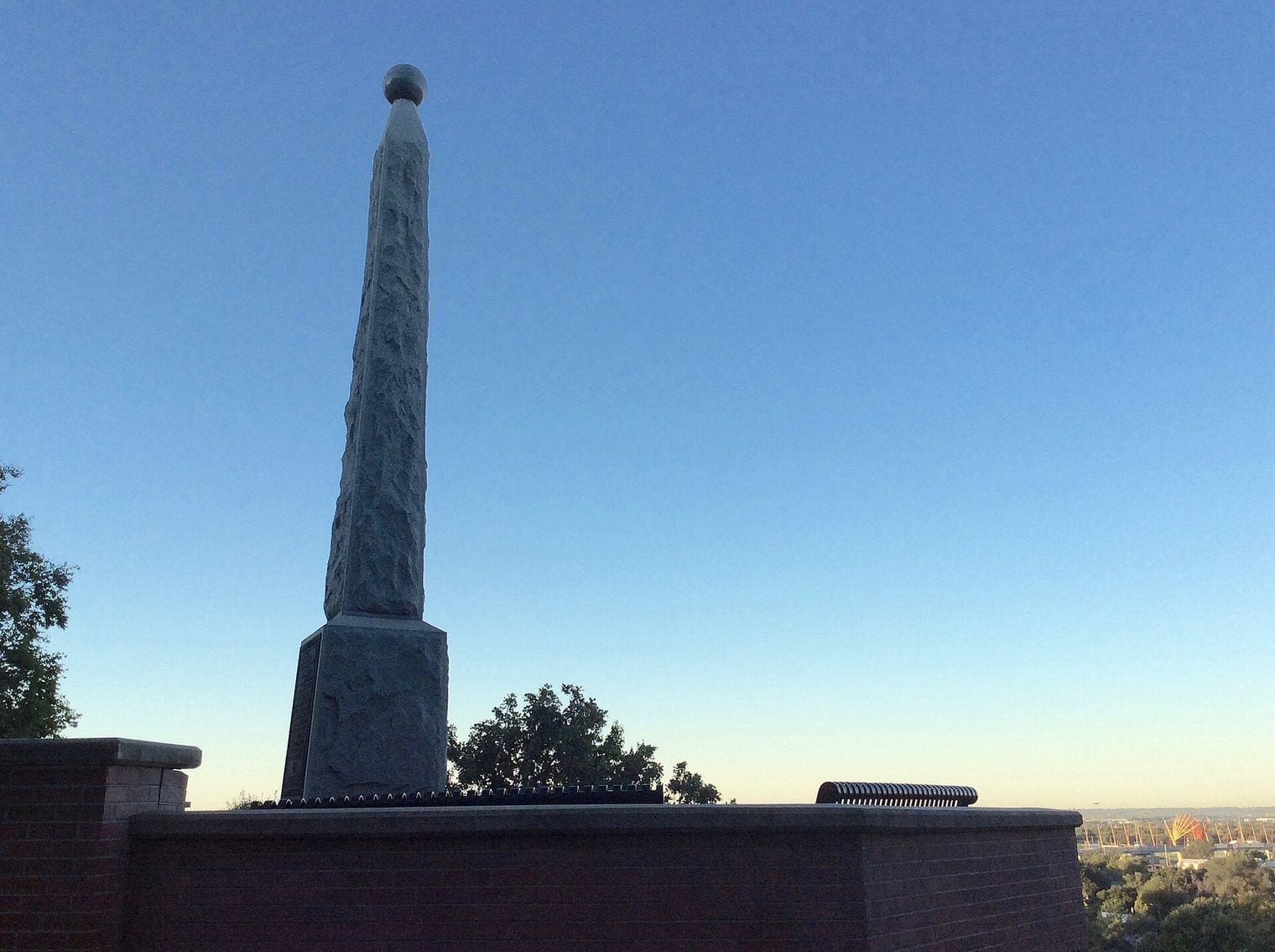
A short drive from Omaha, the Lincoln Monument stands atop a hill in Council Bluffs with scenic views over the city and river valley. This obelisk was erected in 1911 to commemorate Abraham Lincoln's 1859 visit, made shortly before he was elected president.
The monument honours Lincoln's role in connecting the coasts: from this very spot he is said to have chosen the eastern terminus of the first transcontinental railroad in the United States. A small park surrounds the obelisk and links into the local trail system, making it an easy, free detour.
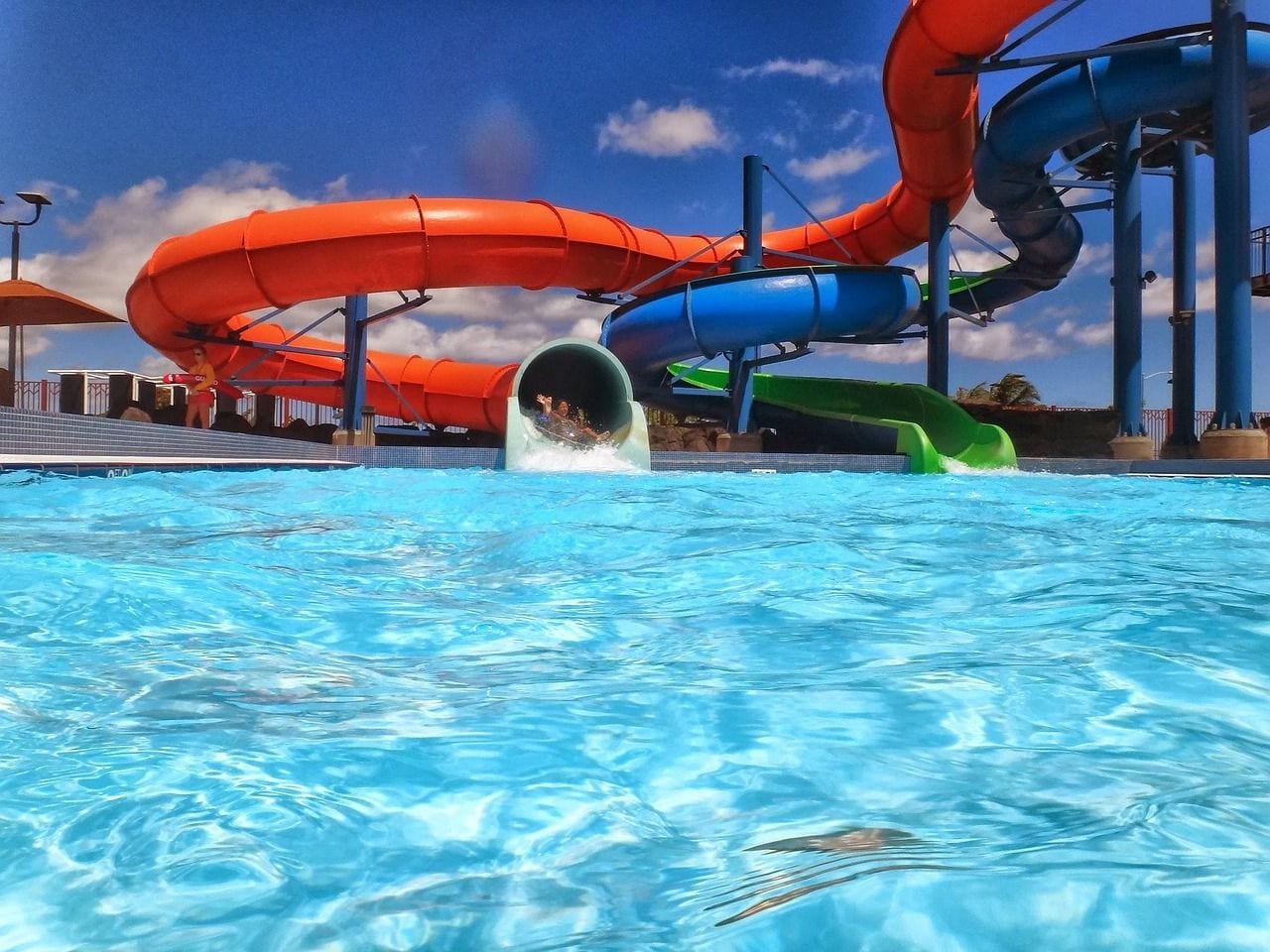
When you are ready to trade sightseeing for pure play, Fun-Plex Waterpark and Rides is Nebraska's largest amusement park. It pairs a big wave pool and a relaxing lazy river with thrill rides, so there is something for both adrenaline seekers and those after a gentler day.
Cabanas can be rented for a more comfortable base, making it an easy outing with family or friends. Several on-site eateries mean you can grab a meal between rides and keep your energy up, and the mix of water and dry attractions makes it a summer favourite.
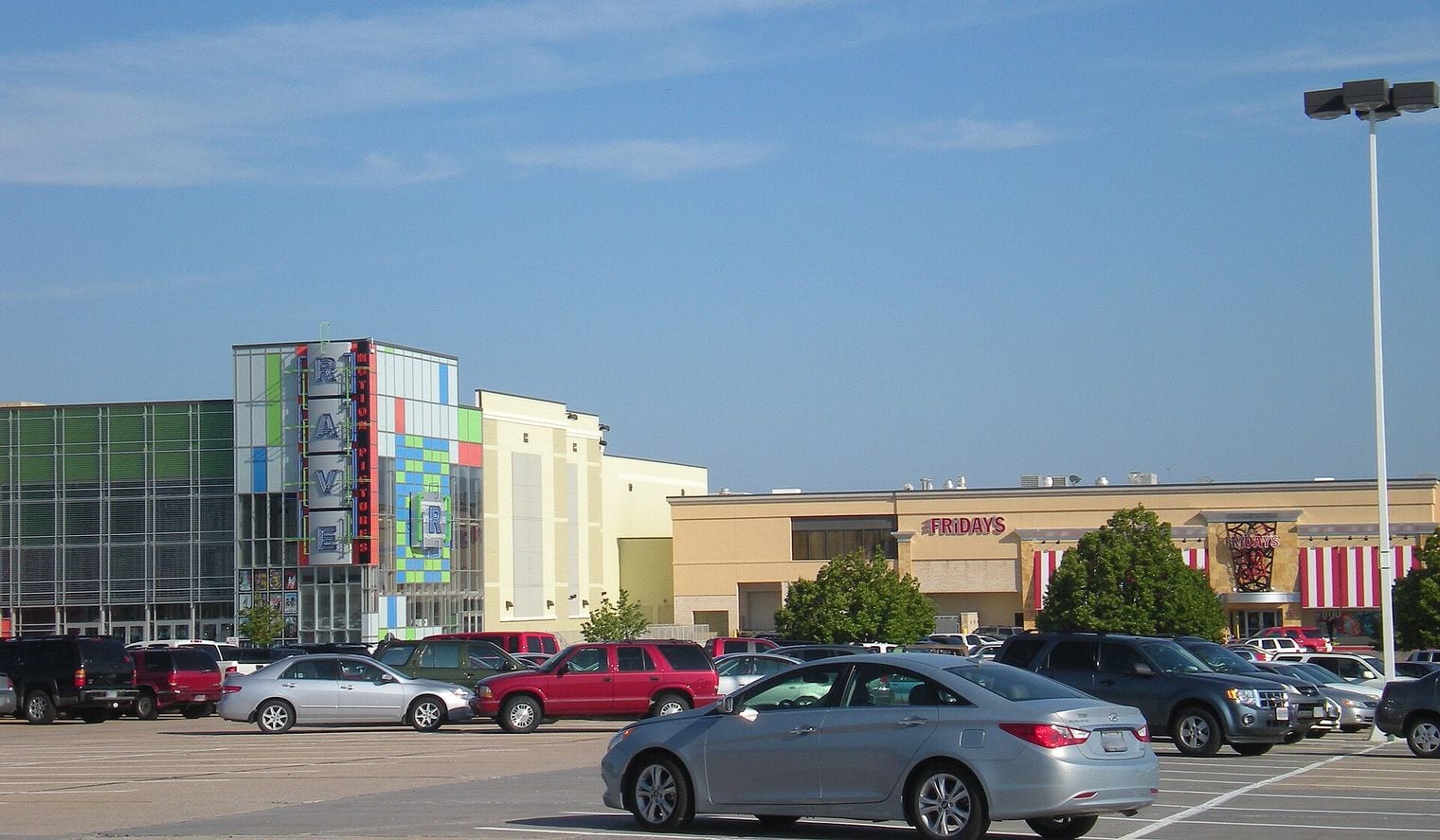
With well over a hundred stores and services, Westroads Mall is one of the largest enclosed shopping centers in Nebraska. Anchored by names such as Dick's Sporting Goods, JCPenney and an AMC cinema, it is an easy, all-weather stop on the west side of the city.
The multi-screen cinema can handle a big crowd, and a range of sit-down and grab-and-go dining options round out a visit. It is a handy place to pick up gifts and last-minute bits toward the end of a trip, all under one roof.
A short drive from Omaha leads to Fontenelle Forest in Bellevue, both a National Natural Landmark and a National Historic District. Covering roughly 1,400 acres, this woodland is a nature lover's paradise and a welcome escape from the pace of the city.
Miles of hiking trails of varying difficulty wind through the forest, complemented by a nature center, a boardwalk and plenty of picnic spots. Hundreds of bird species have been recorded here, including many warblers, making it one of the best places in the state to go birding.
For a memorable meal, Spezia Omaha is one of the city's favourite upscale-casual restaurants. Popular with locals and visitors alike, it has a patio and comfortable dining rooms that suit everything from a family gathering to a relaxed dinner out.
The kitchen is known for Italian entrées alongside Angus steaks and wood-grilled dishes, so there is something for most tastes. Signature plates such as the cioppino and chicken parmigiana are longtime favourites and a good place to start.
Best Time to Visit Omaha
The mild shoulder seasons are the sweetest windows for exploring Omaha on foot. Late spring brings blooming gardens and comfortable temperatures, ideal for wandering the brick streets of the Old Market District, crossing the Bob Kerrey Pedestrian Bridge, or lingering in the paths at Lauritzen Gardens. Early autumn is arguably the finest stretch of all, with crisp, sunny days, thinning summer crowds, and the whole city leaning into a football autumn as college and prep games fill the weekends and tailgates spill across the region. These months keep the walking cool and the light golden.
Summer runs warm and often humid, with occasional thunderstorms rolling across the plains, but it is the season of riverfront festivals, farmers’ markets, outdoor patios, and long evenings at the zoo and along the Missouri. Winter, by contrast, is genuinely cold and can be snowy, so it favors indoor treasures such as Joslyn Art Museum, The Durham Museum, and the aquarium wing of the zoo, with the payoff of holiday-season lights and smaller crowds at the marquee sights.
Getting to Omaha
Omaha sits at a natural crossroads of the plains. Interstate 80 is the main artery, running east-west through the metro and connecting the city to the rest of Nebraska and, eastward, across the Missouri River into Iowa. Just across that river, Interstate 29 carries north-south traffic through neighboring Council Bluffs, while two loop routes, Interstate 680 and Interstate 480, ring the metro and ease cross-town driving. Several US highways feed in alongside the interstates, so arriving by car from any direction is straightforward.
The city has its own commercial airport a few minutes north of downtown, with direct service to a broad range of destinations, so most fly-in visitors land right in Omaha rather than driving from a distant hub. For those traveling overland without a car, Omaha is a stop on a long-distance transcontinental rail line, with a downtown station, and intercity buses serve a terminal downtown as well, linking the city to a wide network of regional and cross-country routes.
Getting Around Omaha
Omaha’s most rewarding neighborhoods are compact and walkable once you are in them. The Old Market District, with its cobbled streets, galleries, and eateries, is best explored entirely on foot, and the riverfront, the pedestrian bridge, and the downtown museums cluster close enough to string together in a single stroll. Beyond these central pockets, though, the city spreads out, so a car is the most practical way to reach the zoo, the gardens, and the western suburbs.
A public bus network covers the core and the neighboring Iowa side, and rideshare and taxis are easy to summon downtown, which suits car-free visitors sticking to the central sights. Cyclists will find riverfront trails and the pedestrian bridge welcoming for recreational riding. Parking is generally plentiful and inexpensive by big-city standards, with garages and lots throughout downtown and free or metered street parking common in the outer districts, so driving in rarely means circling for a spot.
Where to Stay in Omaha
For first-time visitors who want to walk to the most sights, the downtown core and the Old Market District are the natural base, putting you steps from the riverfront, the pedestrian bridge, the historic streets, and the downtown museums, with dining and nightlife right outside the door. Just west, the Midtown neighborhoods offer a quieter, leafier, more residential feel while staying close to the art museum and an easy drive from the zoo and gardens, a good compromise for travelers who want calm evenings without giving up central access.
Those prioritizing convenience for a road trip or a quick overnight often base near the interstate corridors and the airport on the north side, where getting in and out of the city is fastest. Areas near the university campus draw a younger, budget-minded crowd and put you close to student-district cafes and bars. Across the river in the neighboring Iowa city, lodging districts sit within easy reach of the bridge and the same attractions, sometimes at a gentler pace.
Where to Eat in Omaha
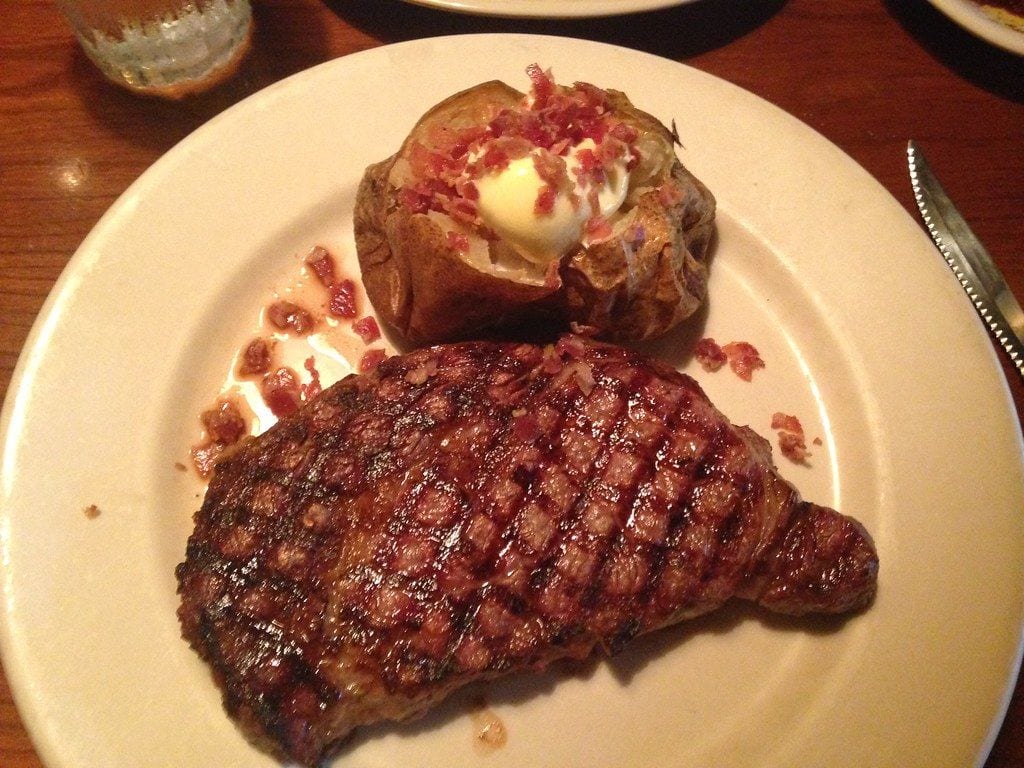
Omaha is steak country, and the city’s signature indulgence is a thick, corn-fed Midwestern beefsteak, a legacy of its stockyard and meatpacking past. That heritage also gave rise to the Reuben sandwich, widely claimed as an Omaha invention, and to a deep bench of butcher-shop and chophouse cooking. The city’s immigrant history shows up on the plate too, most distinctively in the runza, a baked bread pocket stuffed with seasoned beef and cabbage that traces to the region’s German-from-Russia settlers, alongside hearty Czech, German, and Italian home cooking.
The Old Market District is the densest dining ground, its brick warehouses packed with everything from steakhouses to farm-to-table kitchens, cafes, and cocktail rooms. South Omaha is the place to seek out authentic Mexican fare and a lively taqueria scene, a reflection of the area’s Latino community, while Midtown and the Blackstone District have become magnets for craft breweries, gastropubs, and inventive new restaurants. Wherever you land, expect generous portions and a strong local food-and-drink culture.
One Day in Omaha
Omaha rewards a day that starts wild and ends in the glow of the Old Market, and the good news is that the city’s best is stitched together by the Missouri River and a compact, walkable core.
Morning: Beat the crowds at Omaha's Henry Doorly Zoo and Aquarium, one of the most celebrated zoos in the country and the kind of place that swallows a morning whole — give yourself time for the domed rainforest and the desert biome before ducking into the Suzanne and Walter Scott Aquarium housed on the same grounds, where a walk-through tunnel puts sharks and rays overhead. When you’ve had your fill of animals, drive a few minutes north to Lauritzen Gardens Omaha's Botanical Center, whose terraced grounds and conservatory make an easy, unhurried transition from morning menagerie to afternoon in the city.
Afternoon: Head into the heart of downtown and the brick-paved Old Market District, where cobbled streets, galleries & cafes reward slow wandering. Anchor the neighborhood with the grand Art Deco halls of The Durham Museum, set in a restored 1930s train station, then swing up to the Joslyn Art Museum for a marble-lined collection that spans centuries. Walk it off along the riverfront: the striking whitewashed span of the Bob Kerrey Pedestrian Bridge lets you stroll clear across the Missouri into Iowa, with the green lawns of Heartland of America Park waiting on the Omaha side.
Evening: Circle back to the Old Market District as the light drops — this is where Omaha’s evenings live, with restaurants, live music, and lamplit streets that turn the old warehouses golden. If you’d rather eat away from the crowds, the well-loved Italian kitchen at Spezia Omaha makes a warm, sit-down finish to the day. Should you have a second morning, trade the pavement for the bluff-top trails and boardwalks of Fontenelle Forest, a sprawling preserve just south of the city that’s worth a leisurely half-day all its own.
Free Things to Do in Omaha
Omaha rewards budget travellers with plenty to see at no cost. The Joslyn Art Museum offers free general admission to its landmark galleries, and walking the Bob Kerrey Pedestrian Bridge between Nebraska and Iowa is completely free, as is exploring the downtown sculpture parks at Pioneer Courage and Spirit of Nebraska's Wilderness.
You can also wander the cobblestone streets of the Old Market, relax by the fountains at Heartland of America Park and Lewis & Clark Landing along the riverfront, and take in the exhibits at the free Mormon Trail Center. The city's parks, from Standing Bear Lake to Benson Park, are open to all and make for easy, no-cost days outdoors.
Day Trips from Omaha
The easiest excursion barely counts as leaving town: cross the Bob Kerrey Pedestrian Bridge on foot to reach Council Bluffs, Iowa, directly across the Missouri River, with its own railroad heritage sites. For a scenic half-day drive, head just north into the rare, wind-sculpted landscape of the Loess Hills, a national scenic byway of rolling bluffs, prairie, and river overlooks reached in well under an hour via the interstates on the Iowa side.
Nebraska’s capital, Lincoln, lies about an hour southwest on Interstate 80, an easy day trip with its university atmosphere, museums, and capitol dome. Push farther west along the same highway, roughly two to two and a half hours out, and you reach Grand Island, a gateway to central-plains attractions and the wide Platte River valley, famous as a spring stopover for migrating cranes. Together they make Omaha a natural launch point for exploring the breadth of Nebraska.
FAQ: Visiting Omaha
What is Omaha known for?
Omaha is best known for its world-class Henry Doorly Zoo, for hosting the Men's College World Series every year since 1950, and as the home of Warren Buffett's Berkshire Hathaway. It is also famous for its beef and steakhouse heritage and as the birthplace of the Reuben sandwich.
How many days do you need in Omaha?
Two full days suit most visitors. One day covers the walkable downtown core — the Old Market, Durham Museum, riverfront parks and the Bob Kerrey Pedestrian Bridge — while a second day handles the bigger attractions such as the Henry Doorly Zoo or the Joslyn Art Museum and Castle. Add a third day if you want to explore Council Bluffs or take a trip to Lincoln.
Is Omaha worth visiting?
Yes. Omaha punches above its size with a top-ranked zoo, strong art and history museums, a lively historic district and an easy, foot-friendly downtown. Its walkable core and mix of free and paid attractions make it a rewarding stop for families, culture lovers and sports fans alike.
What is the best time of year to visit Omaha?
Late spring through early autumn is the most comfortable window, with warm weather ideal for the zoo, gardens and riverfront. June is a highlight thanks to the College World Series, while autumn brings pleasant temperatures and colourful foliage at Fontenelle Forest and Lauritzen Gardens.
Is Omaha a walkable city?
The downtown and Old Market areas are very walkable, with many of the top attractions clustered within an easy stroll of one another. For sights farther out, such as Fontenelle Forest, Standing Bear Lake or Fun-Plex, a car is the most practical way to get around.
Is Omaha good for families?
Very much so. The Henry Doorly Zoo and Aquarium, the Omaha Children's Museum, Fun-Plex Waterpark and the many parks and fountains give families a full slate of options, and several of the best attractions — including riverfront parks and the pedestrian bridge — are free.
How far is Omaha from Council Bluffs, Iowa?
Council Bluffs sits directly across the Missouri River and is only minutes from downtown Omaha. You can even walk between the two states on the Bob Kerrey Pedestrian Bridge, and attractions like the Squirrel Cage Jail and the Lincoln Monument are just a short drive away on the Iowa side.