New Mexico calls itself the Land of Enchantment, and the geography backs the boast: elevations run from Chihuahuan Desert lowlands around Carlsbad and Las Cruces to the 13,161-foot summit of Wheeler Peak, with the Rio Grande cutting the state nearly in half on its way south. The human record runs just as deep — Santa Fe, founded around 1610, is the oldest capital city in the United States, and Pueblo communities here have been continuously inhabited since long before that.
The 25 places below lean on that range. They include the largest gypsum dunefield on Earth, North America’s biggest cave chamber, cliff villages raised in the 1270s, a bridge hanging 600 feet over a river gorge, and an immersive art house bankrolled by a fantasy novelist. Each one is mapped and linked, with the dates, distances, and trail names that turn a wish list into a workable New Mexico itinerary.
Fun Facts About New Mexico
New Mexico joined the Union on January 6, 1912, as the 47th state, after more than 60 years as a U.S. territory.
Its capital, Santa Fe, was founded in 1610 — the oldest state capital in the country and, at about 7,000 feet, the highest.
The state’s official question is “Red or Green?”, asking which chile sauce you want (order both and it’s “Christmas”).
Nicknamed the Land of Enchantment, New Mexico blends Native American, Hispanic, and Anglo cultures across high desert, mesa, and mountain country.
Wheeler Peak rises to 13,161 feet in the Sangre de Cristo Mountains, the highest point in the state.
The Gila Wilderness became the world’s first designated wilderness area in 1924, set aside at the urging of conservationist Aldo Leopold.
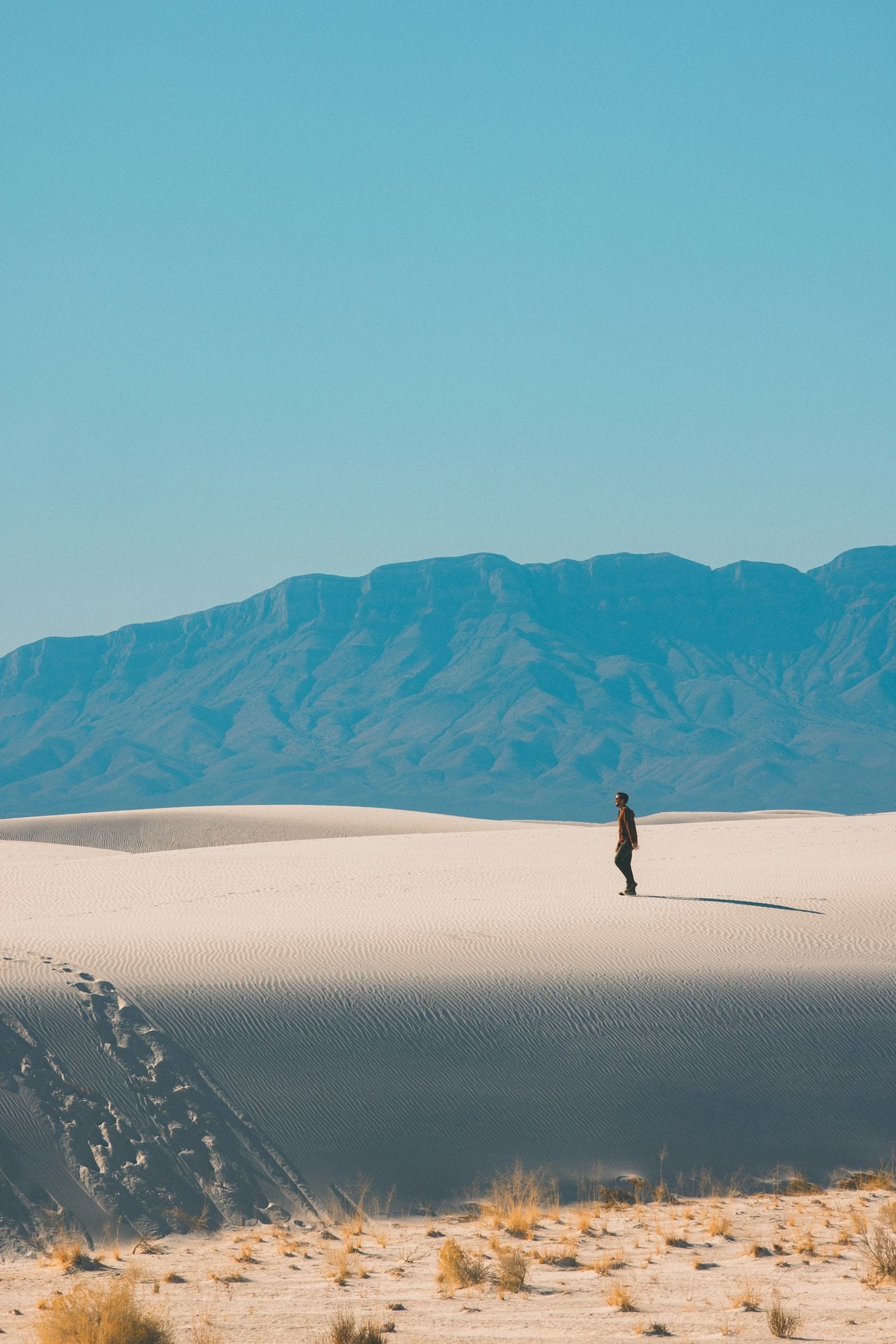
White Sands National Park protects the largest gypsum dunefield on Earth — roughly 275 square miles of white dunes in the Tularosa Basin. Because the basin has no outlet, mineral-laden water dries into selenite crystals that the wind grinds into sand. First proclaimed a national monument in 1933, it became a national park in 2019.
Dunes Drive runs eight miles into the heart of the dunefield, and sledding the steep back slopes on a waxed plastic saucer is the park’s signature activity. Hikers can follow the five-mile Alkali Flat Trail over the tallest dunes, and because the sand is gypsum rather than quartz, it stays cool underfoot even in high summer.
Carlsbad Caverns National Park hides more than 119 known caves beneath the Guadalupe Mountains, all dissolved out of a fossil reef laid down by an inland sea some 250 million years ago. Its centerpiece is the Big Room, the largest single cave chamber by volume in North America — roughly 4,000 feet long and 255 feet high at its tallest. UNESCO named the park a World Heritage Site in 1995.
You can walk in down the Natural Entrance switchbacks or ride the elevator straight into the chambers. From spring through fall, hundreds of thousands of Brazilian free-tailed bats spiral out of the cave mouth at dusk while visitors watch from a stone amphitheater. The park sits about 20 miles from the town of Carlsbad; for the riverwalk and everything else in the city, see our guide to the best things to do in Carlsbad, New Mexico.
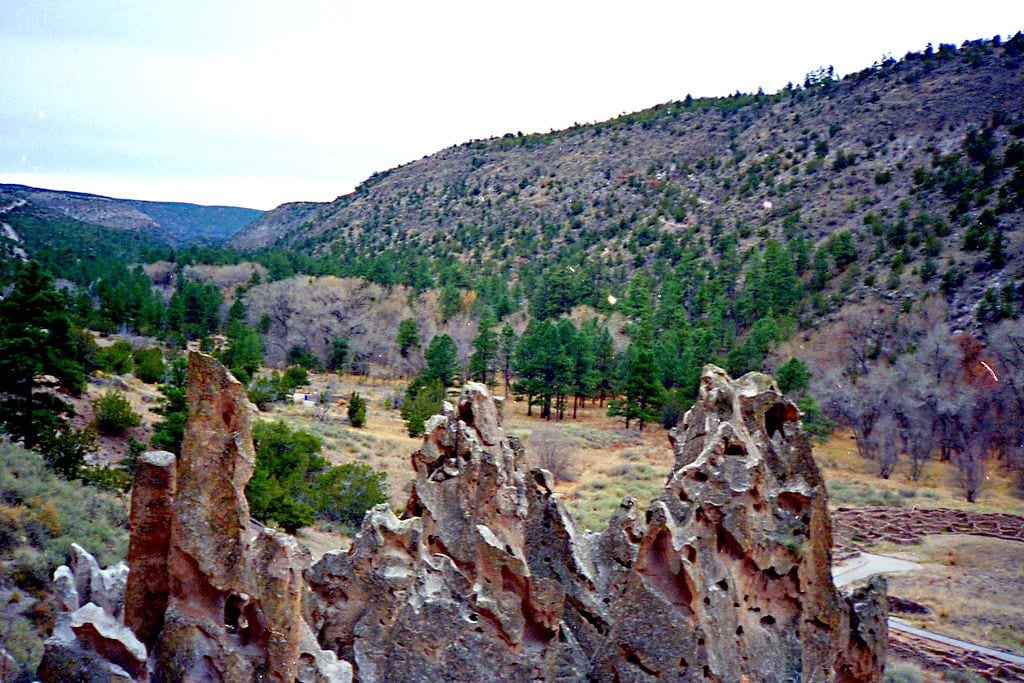
Woodrow Wilson set aside Bandelier National Monument in 1916, naming it for Adolph Bandelier, the Swiss-American anthropologist who documented the area’s ruins in the 1880s. Its more than 33,000 acres of canyon and mesa country on the Pajarito Plateau center on Frijoles Canyon, where Ancestral Pueblo people farmed the canyon floor and carved rooms — called cavates — directly into the soft volcanic tuff of the cliffs between roughly 1150 and 1550.
The Main Loop Trail passes the circular foundations of Tyuonyi pueblo and a row of cliffside dwellings you can climb into on wooden ladders. The monument’s most memorable scramble is Alcove House, a ceremonial site perched 140 feet above the canyon floor and reached by four ladders bolted to the rock face.
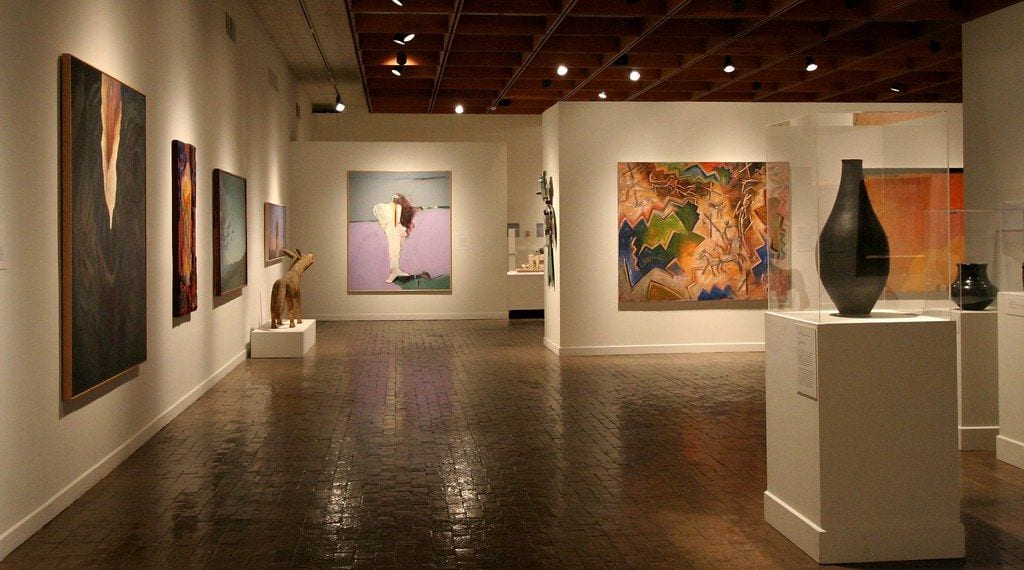
The Albuquerque Museum — long known as the Albuquerque Museum of Art and History — has anchored Mountain Road at the edge of Old Town since it was founded in 1967. Its history galleries trace four centuries of life in the middle Rio Grande Valley, from Spanish colonial armor and maps through the railroad and Route 66 eras, while the art wing concentrates on painters, printmakers, and sculptors of the American Southwest.
Outside, a sculpture garden scatters dozens of bronzes and large-scale works across the grounds, an easy add-on to a walk through Old Town’s adobe lanes. The Albuquerque Museum also operates Casa San Ysidro in nearby Corrales, a preserved rancho furnished with New Mexican woodwork, weavings, and devotional art from the 1800s.
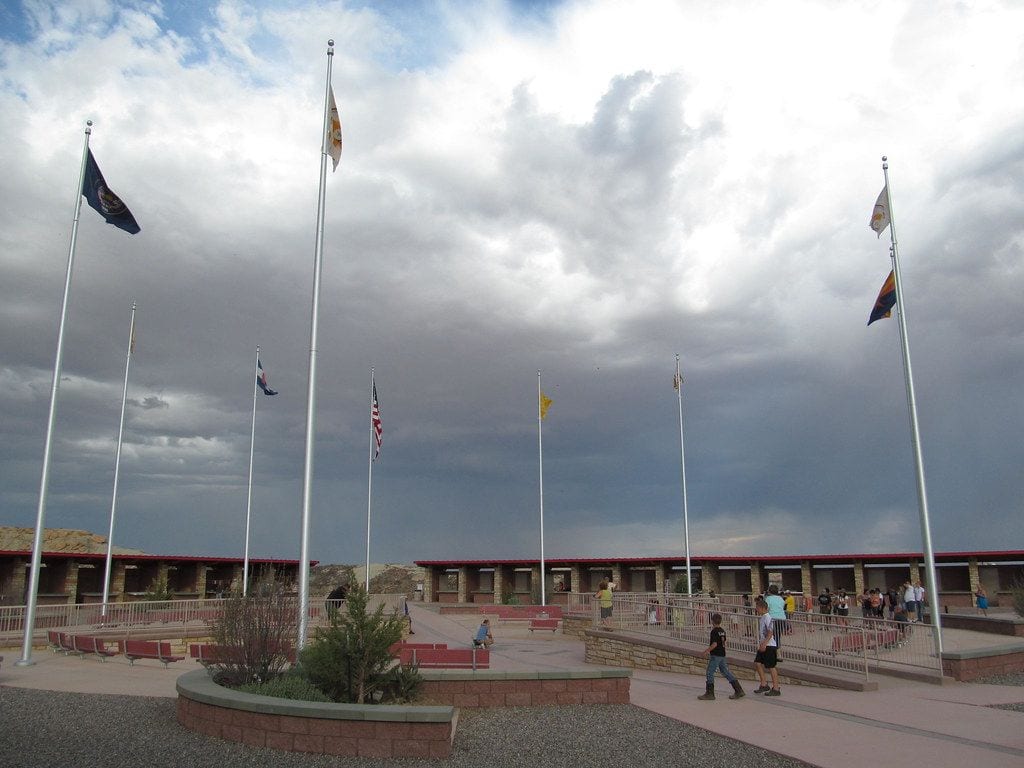
Four Corners Monument marks the only spot in the United States where four states touch: New Mexico, Arizona, Colorado, and Utah meet at a single surveyed point on the Colorado Plateau. Government surveyors first fixed the spot with a permanent marker in 1912; today a granite-and-bronze disk lets visitors plant a hand or foot in each state for the obligatory photograph.
The site sits on tribal land and is run by Navajo Nation Parks & Recreation, with vendor booths where Navajo and Ute artisans sell silverwork, pottery, and fry bread. This is genuinely remote high desert — Farmington is the nearest sizable city — and the Four Corners Monument makes a natural waypoint on a loop that also takes in Chaco-era country, Monument Valley, or Mesa Verde just over the Colorado line.
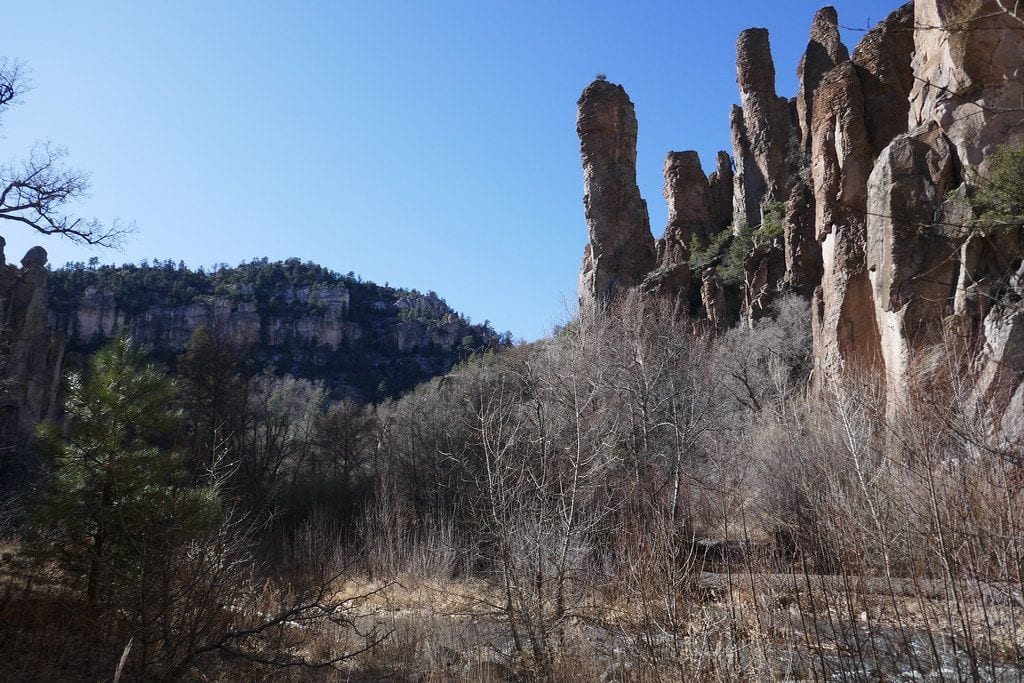
Theodore Roosevelt proclaimed Gila Cliff Dwellings National Monument in 1907 to protect stone villages that Mogollon people built inside a row of natural caves above Cliff Dweller Canyon, north of Silver City. Tree-ring dates from the roof timbers show the rooms went up in the 1270s and 1280s — and were abandoned within a single generation, for reasons still unsettled.
A one-mile loop trail climbs about 180 feet from the canyon bottom to the caves, where you can walk among more than 40 masonry rooms and look out the same openings the builders did. The 533-acre monument sits at the edge of the Gila Wilderness, the first designated wilderness area in the world, set aside in 1924 at the urging of Aldo Leopold.
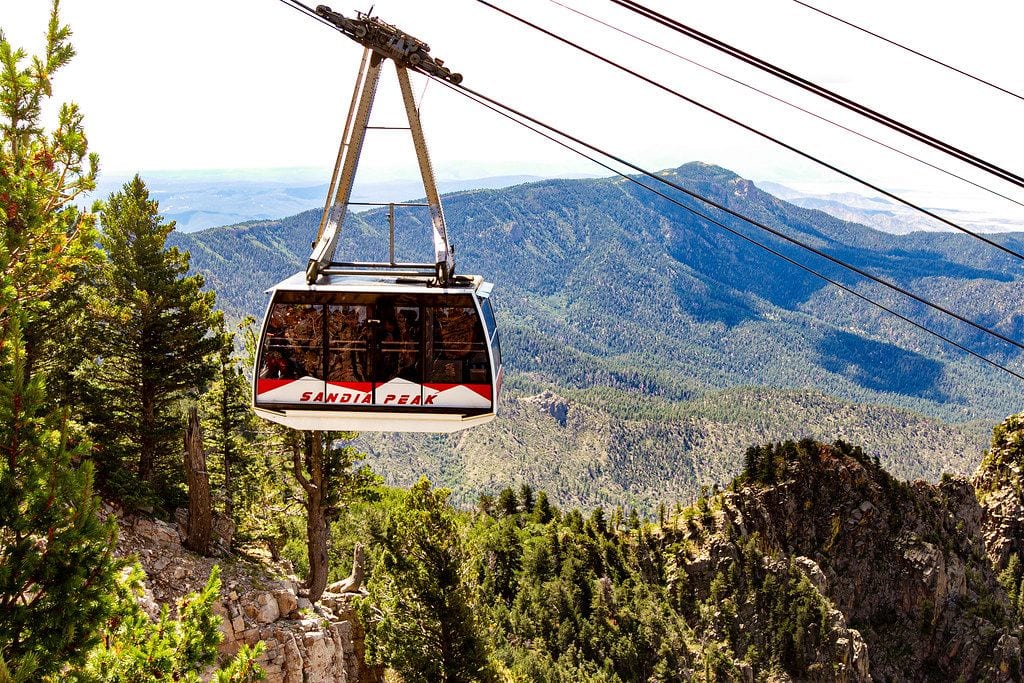
The Sandia Peak Tramway has hauled passengers up the west face of the Sandia Mountains since 1966, and its 2.7-mile span still ranks among the longest aerial tramways in the world. Cars leave the desert floor on Albuquerque’s northeast edge and climb nearly 4,000 vertical feet in about 15 minutes, topping out at a 10,378-foot terminal on the crest.
Riders float over granite spires and canyons with the Rio Grande Valley unrolling below. From the top terminal, trails strike out along the ridge of the Cibola National Forest — the La Luz Trail and the Crest Trail both pass close by — and in winter the tram doubles as a lift toward the ski runs on the mountain’s gentler back side.
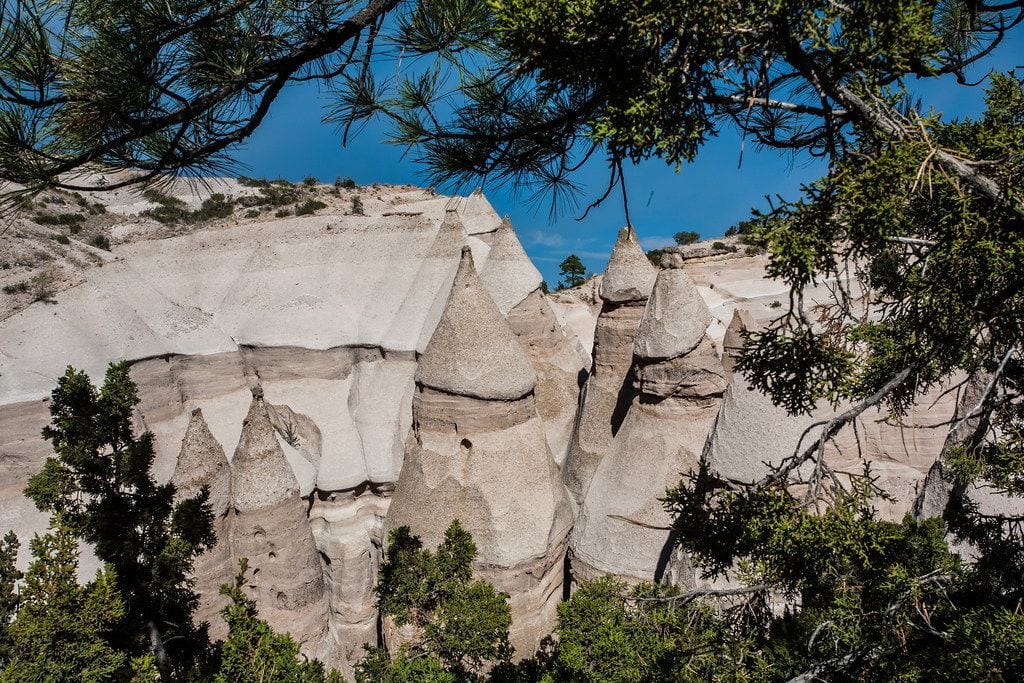
Kasha-Katuwe Tent Rocks National Monument takes its name from the Keresan language of neighboring Cochiti Pueblo — it means “white cliffs.” The cone-shaped hoodoos here, some of them 90 feet tall, were sculpted from layers of pumice, ash, and tuff dumped by eruptions of the Jemez volcanic field six to seven million years ago, about 40 miles southwest of Santa Fe.
The Slot Canyon Trail squeezes through a winding passage barely shoulder-wide before climbing roughly 630 feet to a mesa top with views across the Sangre de Cristo and Jemez ranges, while the gentler Cave Loop circles the base of the tent rocks. The Bureau of Land Management runs Kasha-Katuwe jointly with Cochiti Pueblo, and entry operates on an advance-reservation system.
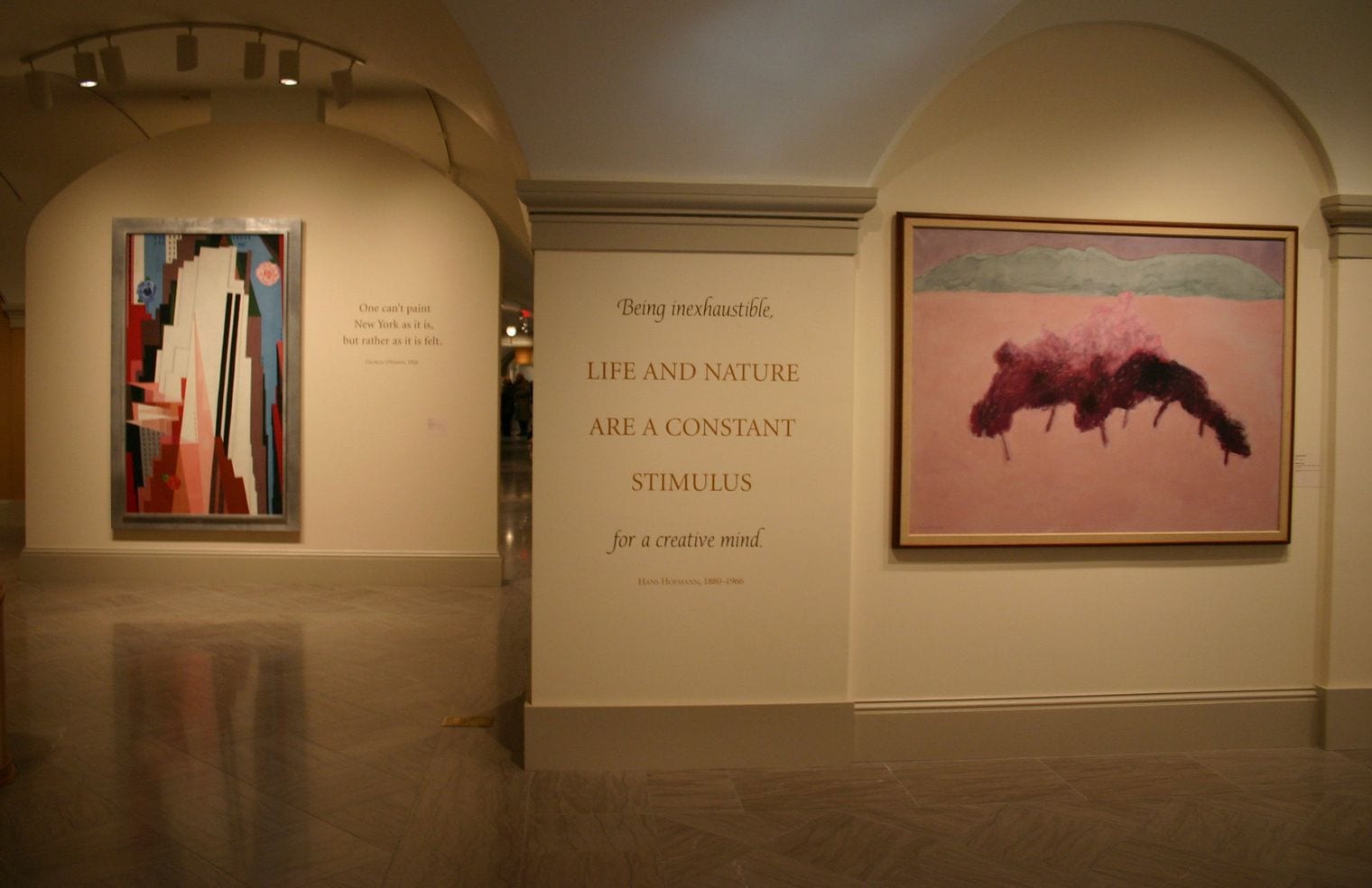
The Georgia O’Keeffe Museum opened in Santa Fe in 1997 and holds the largest collection of O’Keeffe’s work in the world — oil paintings, watercolors, charcoals, and sketchbooks spanning her enormous flowers, her New York cityscapes, and the bleached skulls and red hills she found in northern New Mexico.
The galleries sit a few blocks west of Santa Fe Plaza, and the museum also stewards the places where much of the work was made: O’Keeffe’s adobe home and studio at Abiquiú, open for guided tours, and her house at Ghost Ranch beneath Cerro Pedernal, the flat-topped mesa she painted again and again.
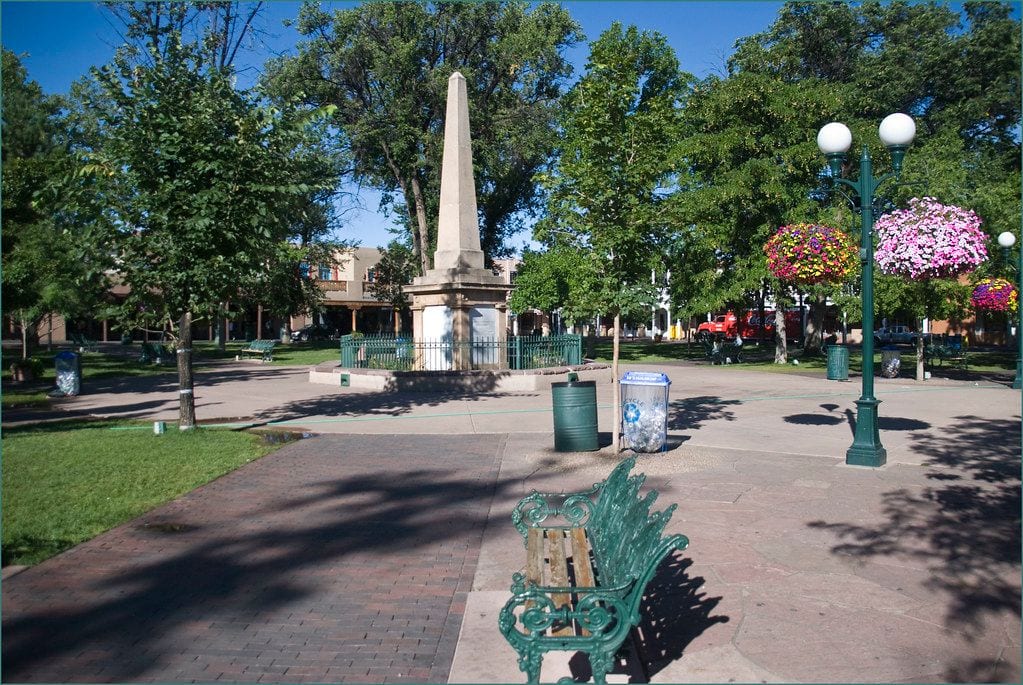
Santa Fe Plaza has been the center of the city since Spanish colonists laid it out around 1610, which makes it the heart of the oldest capital city in the United States. The square marked the end of the Santa Fe Trail, and along its north side runs the Palace of the Governors, an adobe seat of government since the early 1600s, where Native American artisans spread handmade jewelry beneath the portal.
The blocks around Santa Fe Plaza carry the city’s signature Pueblo Revival and Territorial architecture, with the New Mexico Museum of Art and the Cathedral Basilica each about a block away. The square fills for the Santa Fe Indian Market in August — held since 1922 — and for the Fiestas de Santa Fe every September.
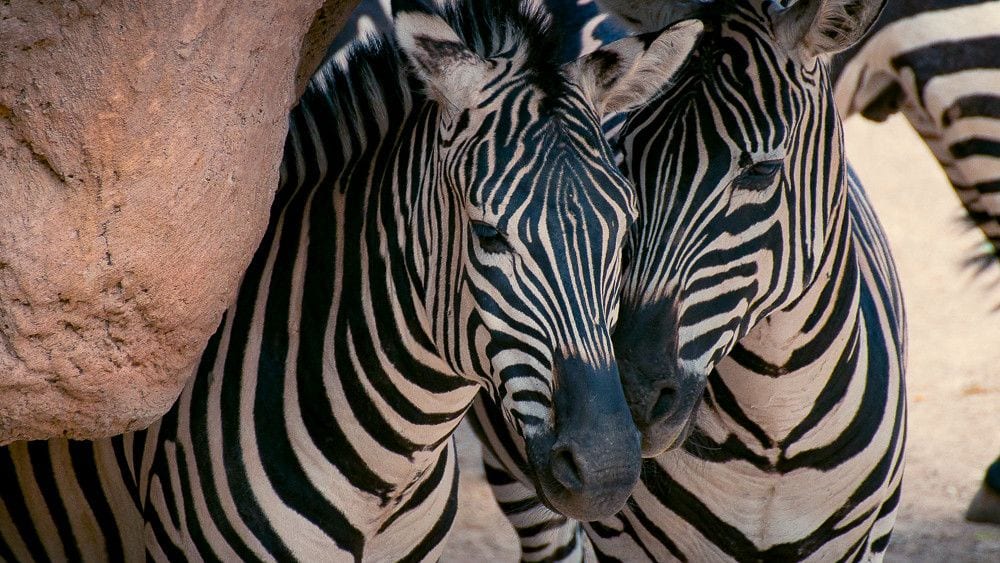
The Albuquerque Biological Park — the ABQ BioPark — is really four attractions strung along the Rio Grande’s cottonwood bosque: the 64-acre Rio Grande Zoo, an aquarium, a botanic garden, and the stocked fishing ponds of Tingley Beach.
The aquarium builds toward a shark tank patrolled by sand tiger sharks and stingrays, while the botanic garden ranges from a formal Japanese garden to a working heritage farm. A narrow-gauge train, the Rio Line, links the zoo with the aquarium and garden, and seeing all four corners of the BioPark comfortably fills a full day.
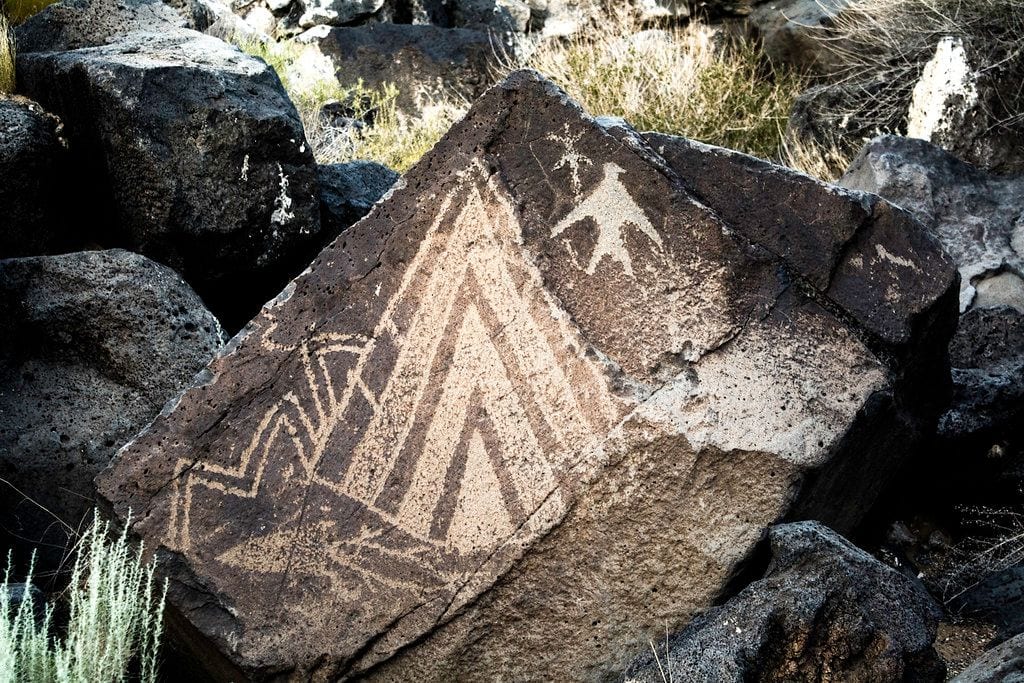
Petroglyph National Monument follows a 17-mile volcanic escarpment along Albuquerque’s West Mesa, where lava flows from the Albuquerque volcanoes left ridges of black basalt boulders. Into that rock, Ancestral Puebloans — and later Spanish colonists — pecked an estimated 24,000 images: masks, birds, serpents, crosses, and figures whose meanings are still debated, most made between the 1300s and 1600s.
Three canyon trailheads — Boca Negra, Rinconada, and Piedras Marcadas — put the densest concentrations of carvings within a short walk, and a separate section of Petroglyph National Monument takes in the volcano cones on the horizon. The 7,236-acre site is managed jointly by the National Park Service and the City of Albuquerque.
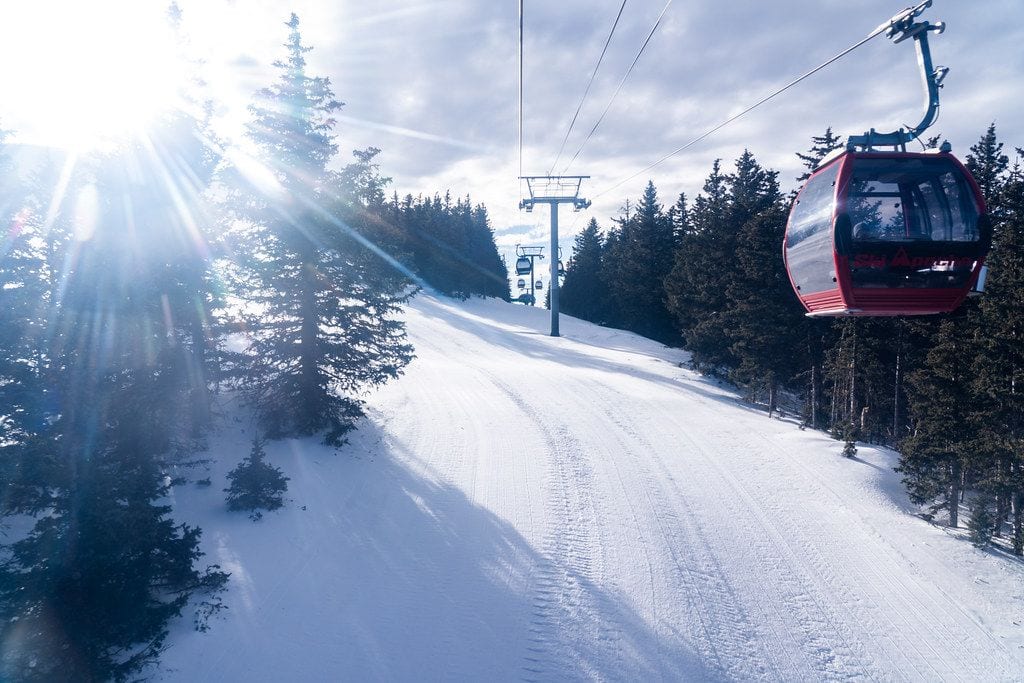
Ski Apache has been owned and run by the Mescalero Apache Tribe since 1963, spread across the slopes below Sierra Blanca in the Sacramento Mountains outside Ruidoso. Its 55 trails and 11 lifts make it the largest ski area in southern New Mexico, and its latitude makes it one of the southernmost lift-served mountains in the United States.
The resort runs the only passenger gondola in New Mexico, rising above 11,000 feet to a summit ridge with enormous views over the Tularosa Basin — on a clear day the white streak of the gypsum dunes is visible far below. Terrain at Ski Apache spans wide beginner greens to steep tree runs off the top of the mountain.
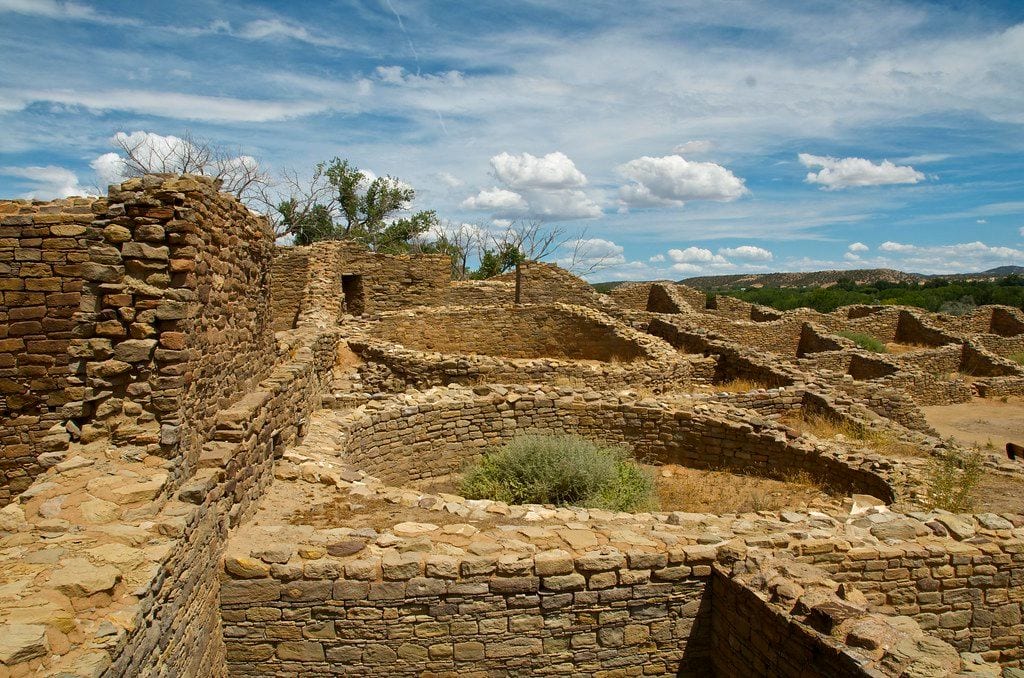
Aztec Ruins National Monument preserves a 900-year-old Ancestral Puebloan complex on the Animas River — the “Aztec” name is a misnomer pinned on it by 19th-century settlers. The West Ruin alone contains some 400 masonry rooms, a number of them still roofed with their original wooden ceilings, and the site’s importance as an outlier of Chaco culture earned it UNESCO World Heritage status in 1987.
The centerpiece of Aztec Ruins is the Great Kiva, a vast circular ceremonial chamber rebuilt in 1934 under archaeologist Earl Morris — the only fully reconstructed great kiva anywhere. Standing inside it is as close as a visitor can get to Chacoan ceremonial space, and a half-mile trail threads the rest of the ruins, ducking through original doorways along the way.
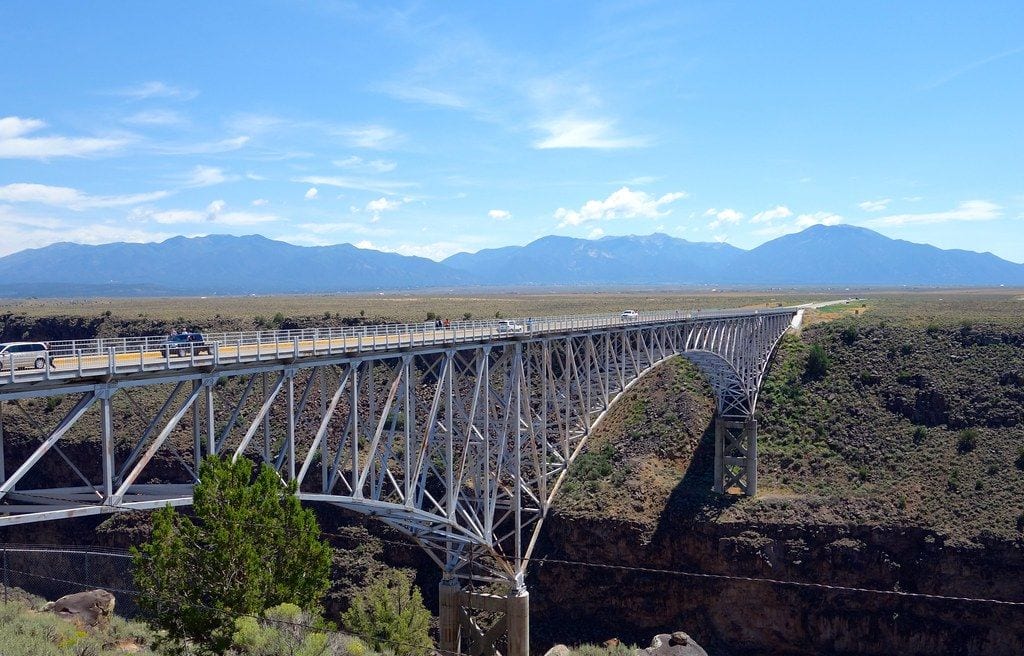
The Rio Grande Gorge Bridge carries US 64 across the gorge about ten miles northwest of Taos, a steel deck-arch span completed in 1965. The numbers explain the vertigo: 1,280 feet of bridge hanging roughly 600 feet above the Rio Grande, which places it among the highest highway bridges in the United States.
The year after it opened, the American Institute of Steel Construction named it the country’s “Most Beautiful Steel Bridge” in the long-span class. Sidewalks run along both sides with viewing platforms jutting over the drop, and the West Rim Trail follows the canyon edge from the rest area — the gorge is a crack in an otherwise flat sagebrush plateau that hides the river completely until you stand on the rim.
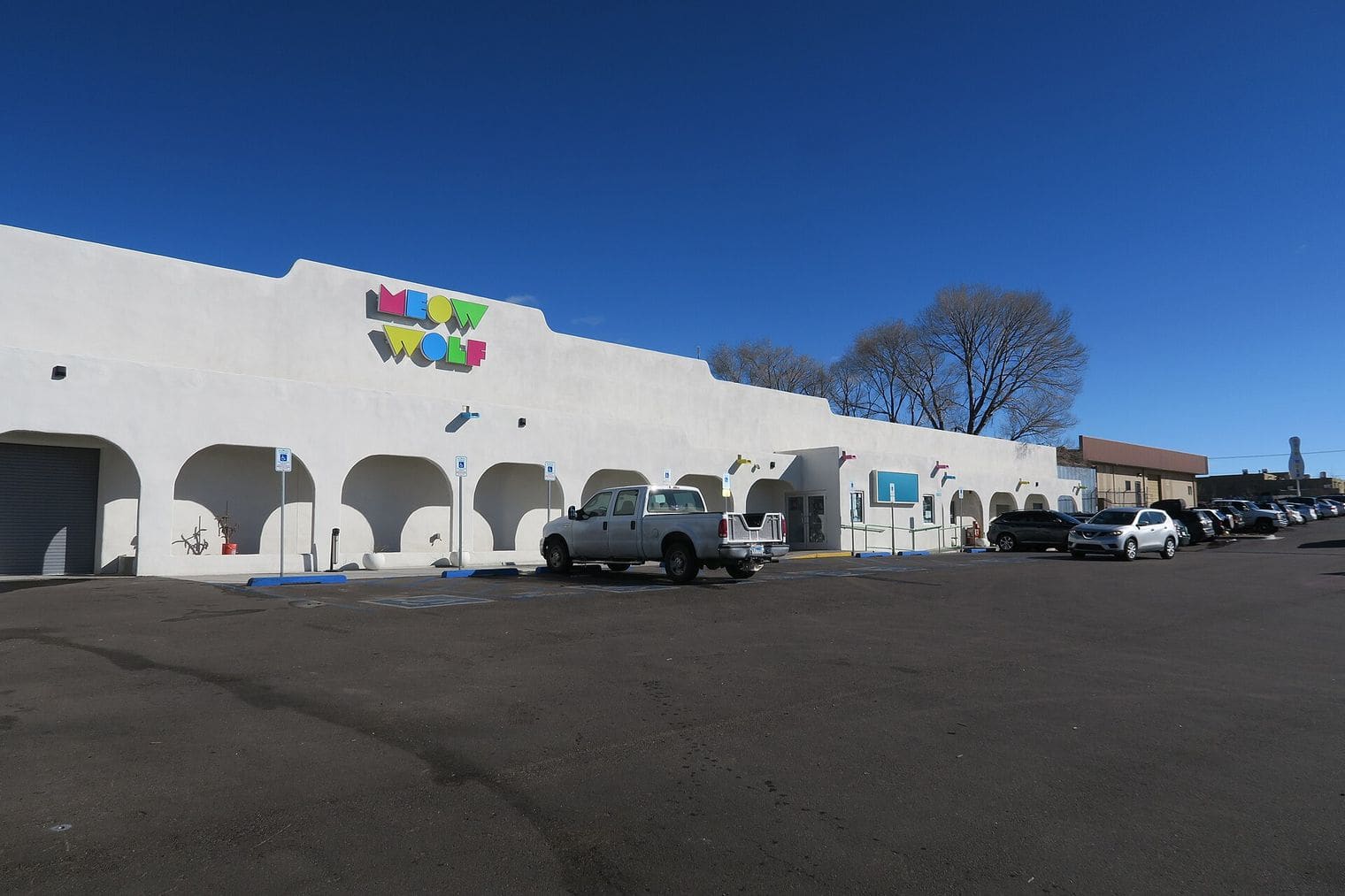
Meow Wolf began as a Santa Fe art collective in 2008 and opened its first permanent installation, the House of Eternal Return, in 2016 inside a former bowling alley bought for the project by author George R.R. Martin. The premise: a Victorian house whose inhabitants, the Selig family, have vanished into interdimensional rifts — and every fireplace, refrigerator, and closet might be a portal.
More than 70 rooms connect through those hidden passages, from a glowing forest to a black-and-white cartoon kitchen, all built by hundreds of artists. You can treat Meow Wolf as a detective story, piecing together the Seligs’ fate from journals and computer screens scattered through the house, or ignore the plot entirely and simply climb through the dryer.
17. New Mexico Museum of Natural History and Science
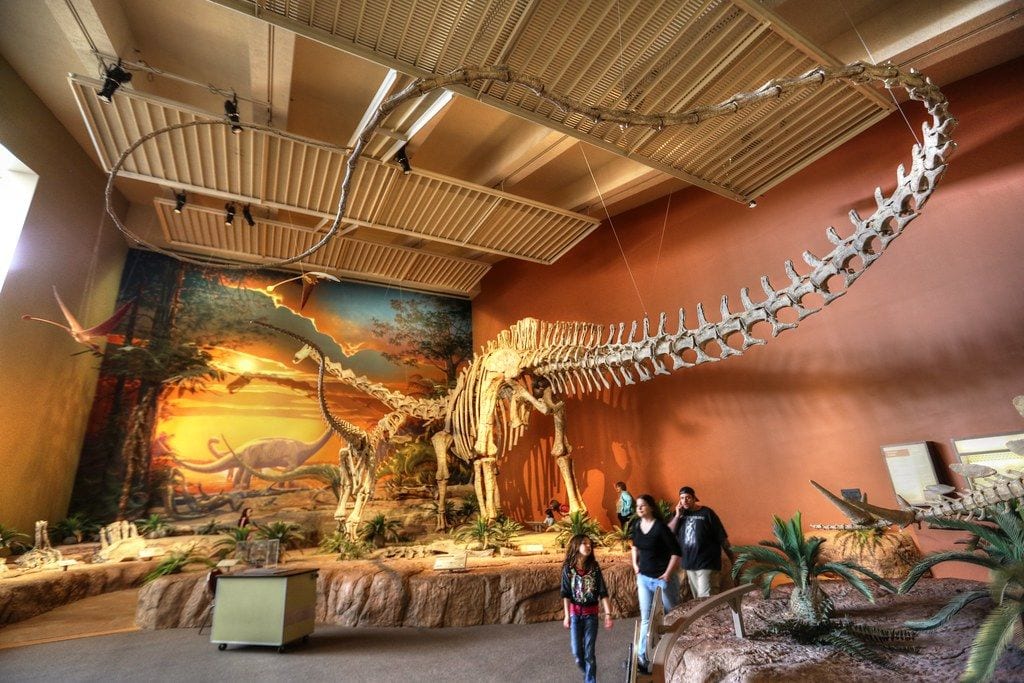
The New Mexico Museum of Natural History and Science opened in Albuquerque in 1986 and reads the state’s deep past in order, from the shallow seas that once covered it to the volcanoes and ice ages that shaped its mesas. The dinosaur halls lean on homegrown fossils, including Seismosaurus — the immensely long sauropod excavated in New Mexico — and the horned Pentaceratops from the San Juan Basin.
A giant-screen DynaTheater and a planetarium round out the indoor exhibits, and a computer-history display nods to Albuquerque’s claim on the digital age — Microsoft was founded in the city in 1975. Outside, the Kiwanis Learning Garden serves as an open-air classroom on soils, pollinators, and native plants.
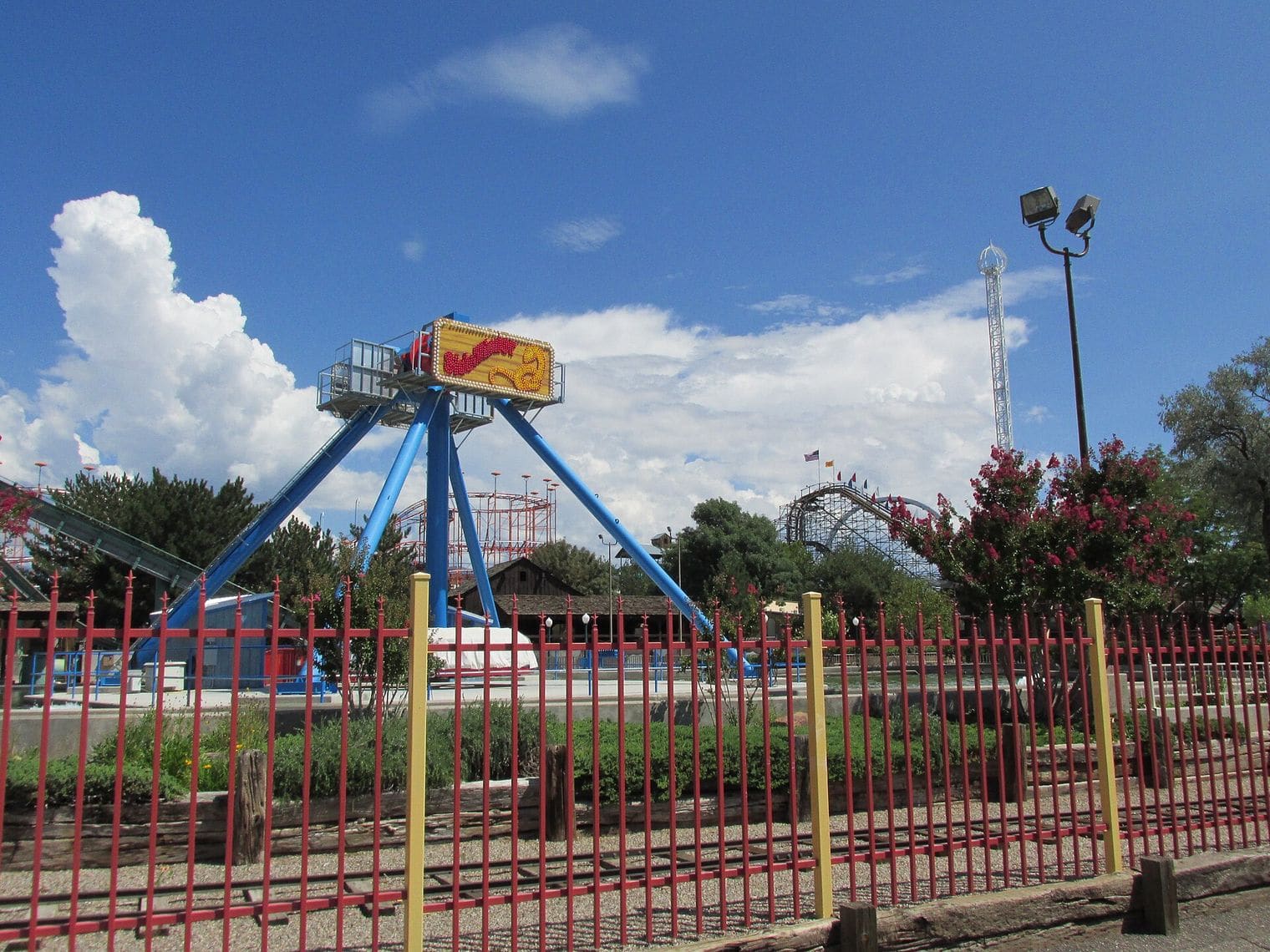
Cliff’s Amusement Park has been family-run since Cliff and Zella Hammond opened it as “Uncle Cliff’s Kiddieland” in 1959, growing from a kiddie park into a full midway in Albuquerque’s northeast heights. The headliner is the New Mexico Rattler, the state’s only wooden roller coaster and the last ride designed by the storied firm Custom Coasters International.
Beyond the Rattler, Cliff’s packs in a Larson drop tower, spinning flat rides, a kiddie section, and rows of carnival games, plus the WaterMania splash zone that runs through the summer season. It is a compact park, easy to cover in an afternoon as a break from the road on any Albuquerque stop.
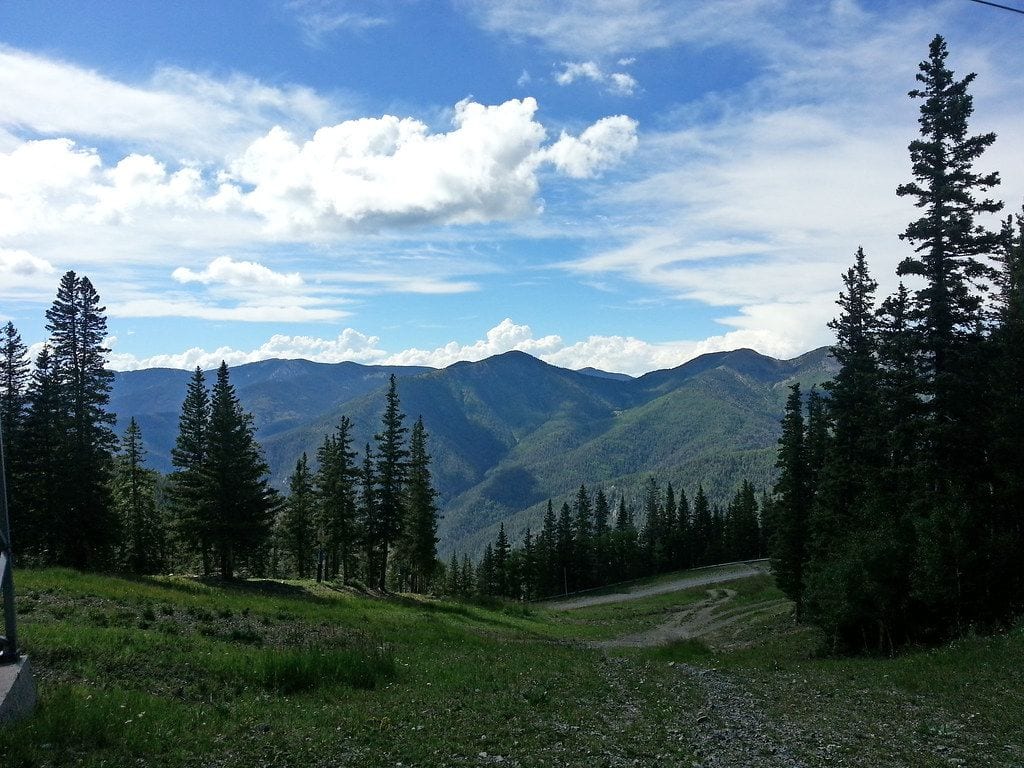
At 13,161 feet, Wheeler Peak is the highest point in New Mexico, rising from the Sangre de Cristo Mountains — the southern tail of the Rockies — just southeast of Taos Ski Valley. It was named for George Wheeler, the Army surveyor who mapped much of the Southwest in the 1870s, and it crowns the Wheeler Peak Wilderness of Carson National Forest.
Most hikers take the Williams Lake route from Taos Ski Valley: roughly eight miles round trip with about 3,000 feet of climbing, past a treeline lake and up switchbacks where bighorn sheep and marmots are regular company. Summer ascents of Wheeler Peak are best started at dawn, since monsoon-season lightning builds over the ridgeline on many July and August afternoons.
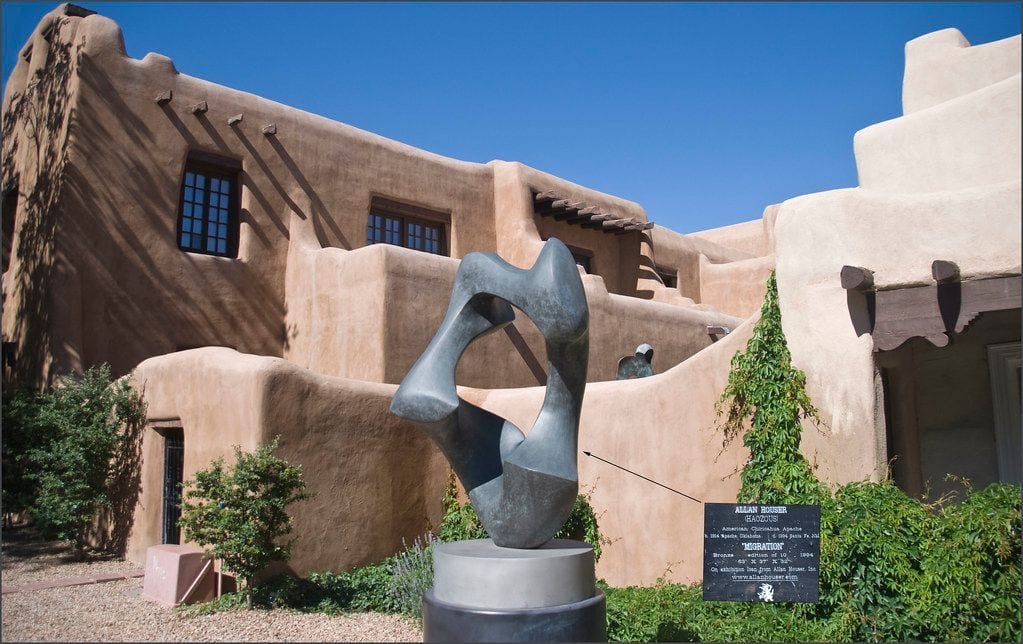
The New Mexico Museum of Art has stood a block off Santa Fe Plaza since 1917, when architect Isaac Rapp modeled it on his New Mexico building from the 1915 Panama-California Exposition. The building did as much as any canvas inside to define the Pueblo Revival style that Santa Fe later adopted as its official look.
Its collection of more than 20,000 works centers on art made in and about the Southwest — the Taos Society of Artists, the Santa Fe art colony, and photographers from Ansel Adams onward. The New Mexico Museum of Art’s St. Francis Auditorium, frescoed with murals of the saint’s life, doubles as one of the city’s most atmospheric concert rooms.
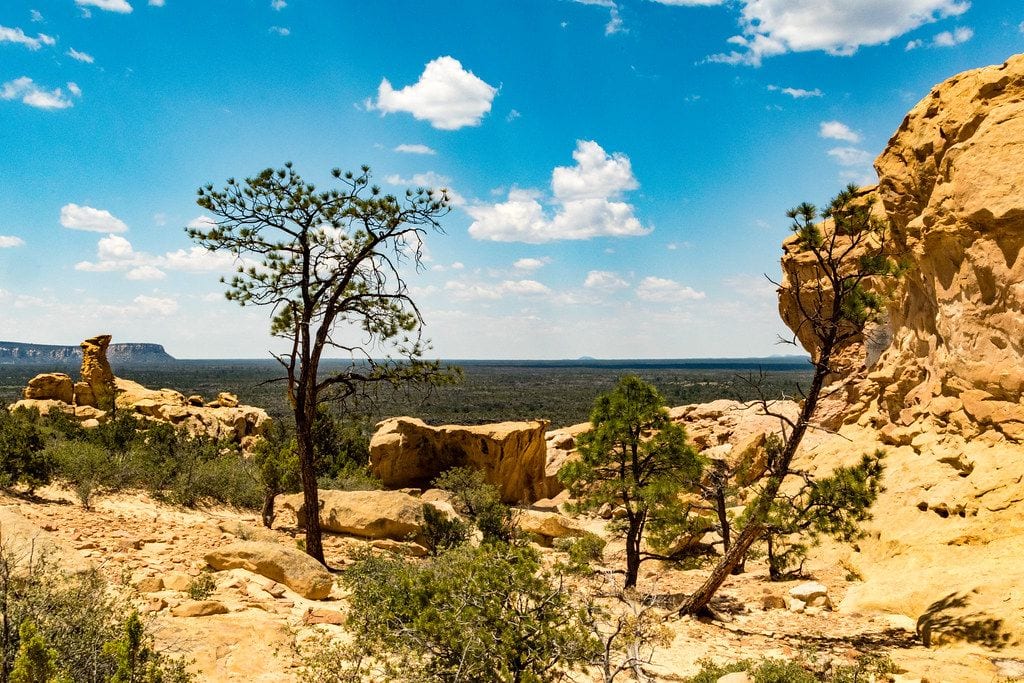
El Malpais National Monument — Spanish for “the badlands” — preserves a vast black spill of lava south of Grants, poured out by the Zuni-Bandera volcanic field. The youngest flow, the McCartys, hardened only about 3,900 years ago, recent enough that Acoma and Zuni oral traditions describe the “fire rock” arriving. Beneath the surface, draining lava left miles of tube caves.
The Zuni-Acoma Trail crosses the flows for about 7.5 miles along an ancient Puebloan trade route, cairn to cairn over raw basalt, while Sandstone Bluffs Overlook gives the easy version: a rim-top panorama of the entire lava plain. On the monument’s eastern flank, La Ventana Natural Arch — one of the largest in New Mexico — opens through a sandstone cliff, and El Malpais National Monument’s lava tubes are open to cavers by permit.
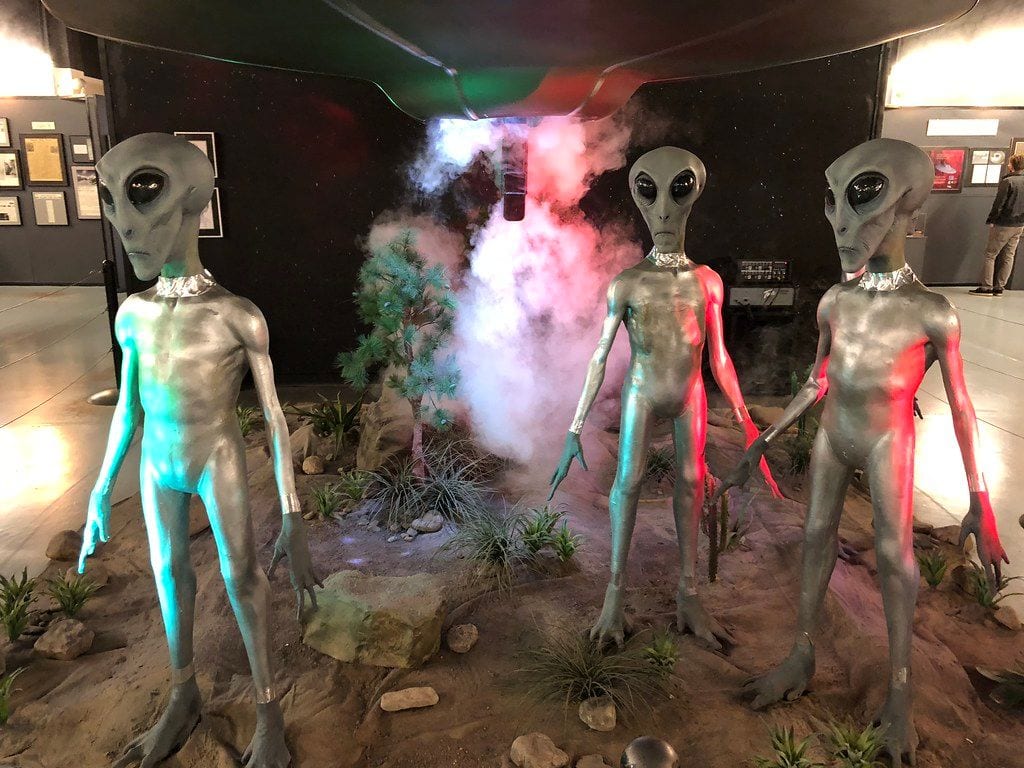
The International UFO Museum and Research Center occupies a former movie house — the old Plains Theater — on Main Street in downtown Roswell. It was founded in 1991 by Glenn Dennis and Walter Haut, two men bound up in the original story: Haut was the Army public information officer who issued the notorious 1947 press release announcing a recovered “flying disc.”
Exhibits walk through the Roswell Incident hour by hour — the debris field, the shifting military explanations, the witness affidavits and newspaper front pages — before widening out to crop circles, Area 51, abduction accounts, and ancient-astronaut theories, with life-size gray alien dioramas presiding. A research library of UFO case files keeps the “Research Center” half of the name honest.
23. The Cathedral Basilica of St. Francis of Assisi
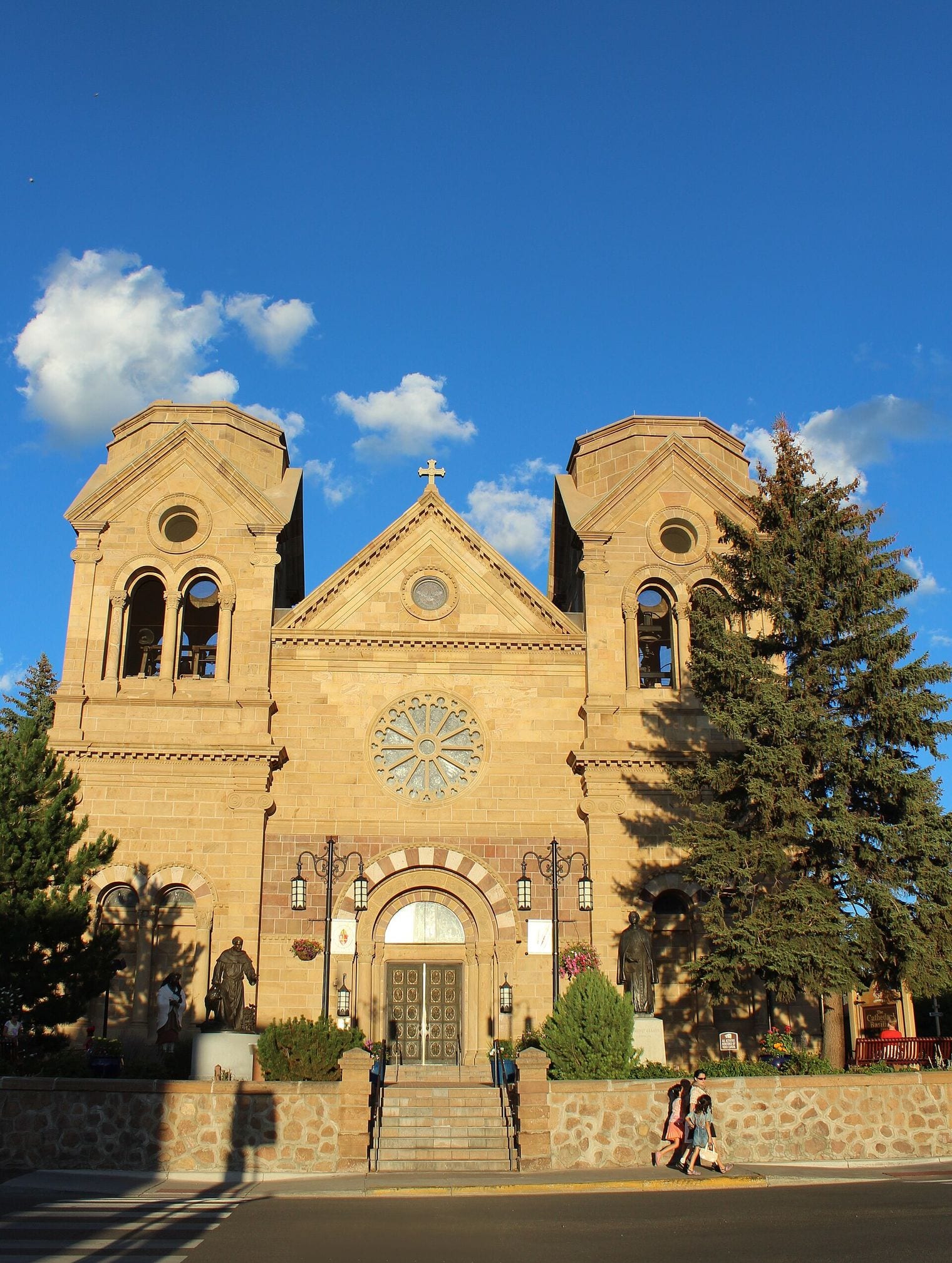
The Cathedral Basilica of St. Francis of Assisi rose between 1869 and 1886, a block east of Santa Fe Plaza, at the direction of Archbishop Jean-Baptiste Lamy — the French churchman Willa Cather fictionalized in Death Comes for the Archbishop. Its Romanesque Revival stonework and a rose window imported from Clermont-Ferrand deliberately set a piece of France down in a city of adobe.
Inside, a side chapel shelters La Conquistadora, a small wooden Madonna carried to Santa Fe in the 1620s and often called the oldest such statue in the United States; Pope Benedict XVI raised the church to basilica rank in 2005. Outside stand statues of Lamy and of Saint Kateri Tekakwitha, the first Native American saint, and a prayer garden traces the fourteen Stations of the Cross.
Five National forests blanket New Mexico’s high country: Carson in the north, Santa Fe along the Sangre de Cristo and Jemez ranges, Cibola scattered across the state’s midsection, and Gila and Lincoln in the south. The Gila is the giant — some 3.3 million acres — and contains the Gila Wilderness, which became the world’s first designated wilderness area in 1924 at Aldo Leopold’s urging.
Each forest has a signature: Carson’s 1.5 million acres take in Wheeler Peak, the Santa Fe’s 1.6 million acres hold the aspen basins above the capital, Cibola’s Sandia district looms directly over Albuquerque, and the Lincoln is where a badly burned cub rescued from the 1950 Capitan Gap fire became the living Smokey Bear. Between them, these national forests carry thousands of miles of trail, plus campgrounds and cold trout streams.
High Noon Restaurant serves steaks, wild game, and New Mexican standards out of an adobe on San Felipe Street that was built around 1785, when Old Town Albuquerque was still a Spanish colonial plaza village. The restaurant itself dates to 1974, but the building’s low ceilings, thick mud-brick walls, and santos tucked into wall niches are the genuine article.
High Noon earns its place on a statewide list as much for setting as for cooking: dinner here means green-chile-smothered plates in one of the older surviving rooms in the city, a short stroll from San Felipe de Neri Church and the shops of Old Town Plaza. The saloon side pours margaritas and local beer beneath hand-hewn beams.
New Mexico is best known for the white gypsum dunes of White Sands National Park, the underground Big Room at Carlsbad Caverns, and an unbroken Pueblo heritage visible at Bandelier and Aztec Ruins. Santa Fe adds its own draw with the Georgia O’Keeffe Museum, Meow Wolf, and the adobe architecture around its Plaza.
Is New Mexico worth visiting?
Few states pair two marquee national parks with living Native culture the way New Mexico does. In a single trip you can sled the dunes at White Sands, descend 750 feet into Carlsbad Caverns, ride the Sandia Peak Tramway above Albuquerque, and stand 600 feet over the river on the Rio Grande Gorge Bridge.
How many days do you need in New Mexico?
Plan on about a week to cover the state properly. Three days handle a northern circuit of Santa Fe Plaza, Bandelier National Monument, Meow Wolf, and Taos for Wheeler Peak and the Gorge Bridge, while the southern loop through Las Cruces, White Sands, Carlsbad Caverns, and Roswell’s UFO museum needs another three or four.
What can you do in New Mexico for free?
Several of the best stops cost nothing. Santa Fe Plaza and the Cathedral Basilica of St. Francis of Assisi are free to wander, Petroglyph National Monument and El Malpais charge no entrance fee, walking the Rio Grande Gorge Bridge costs only the stop, and hiking Wheeler Peak requires no permit at all.
When is the best time to visit New Mexico?
It depends on elevation. Spring and fall suit the desert parks, since White Sands and Carlsbad sit in country that tops 100 degrees in midsummer, while July and August are prime on 13,161-foot Wheeler Peak. Winter brings skiing at Ski Apache, and early October fills Albuquerque’s sky for Balloon Fiesta week.