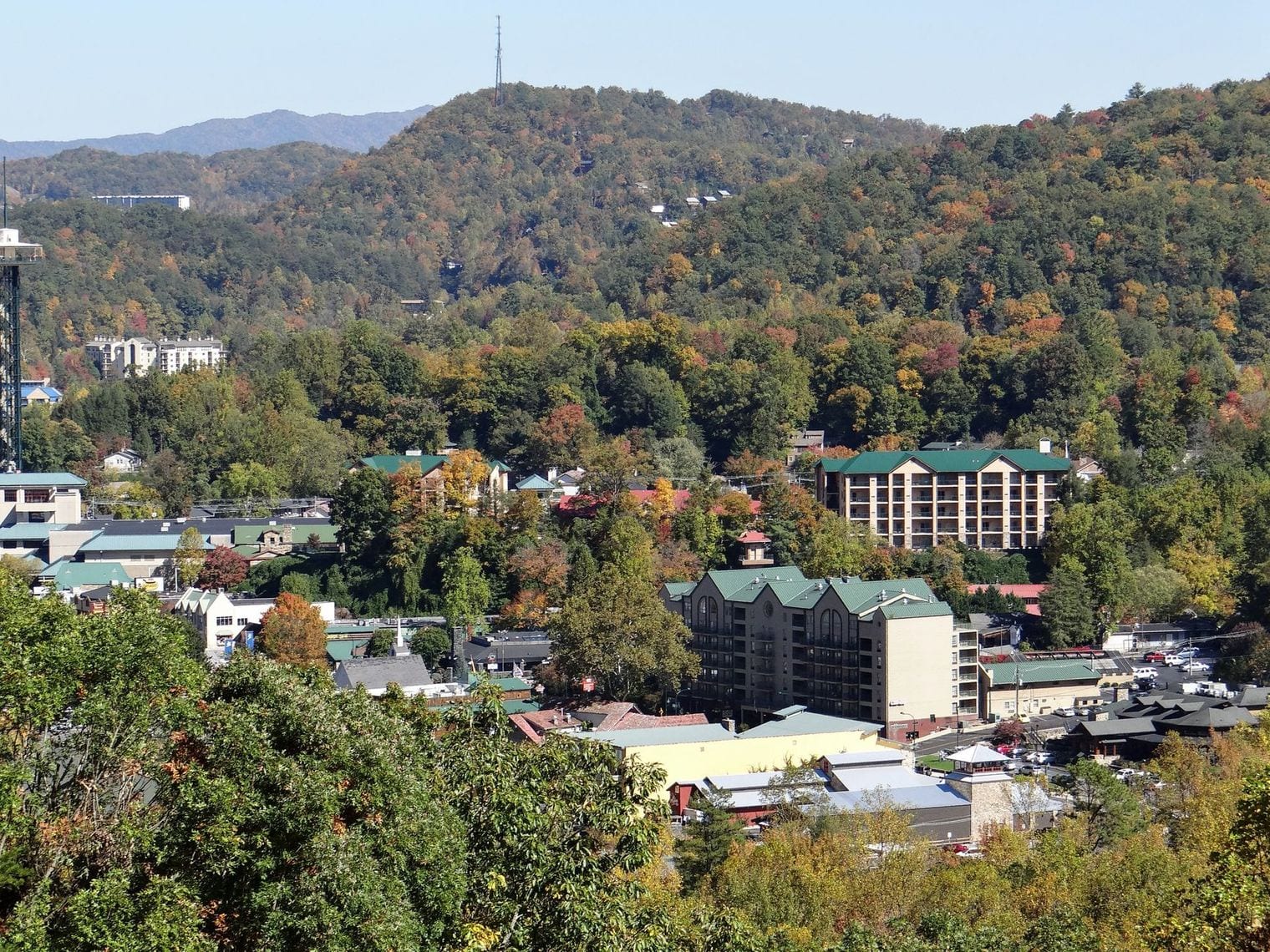
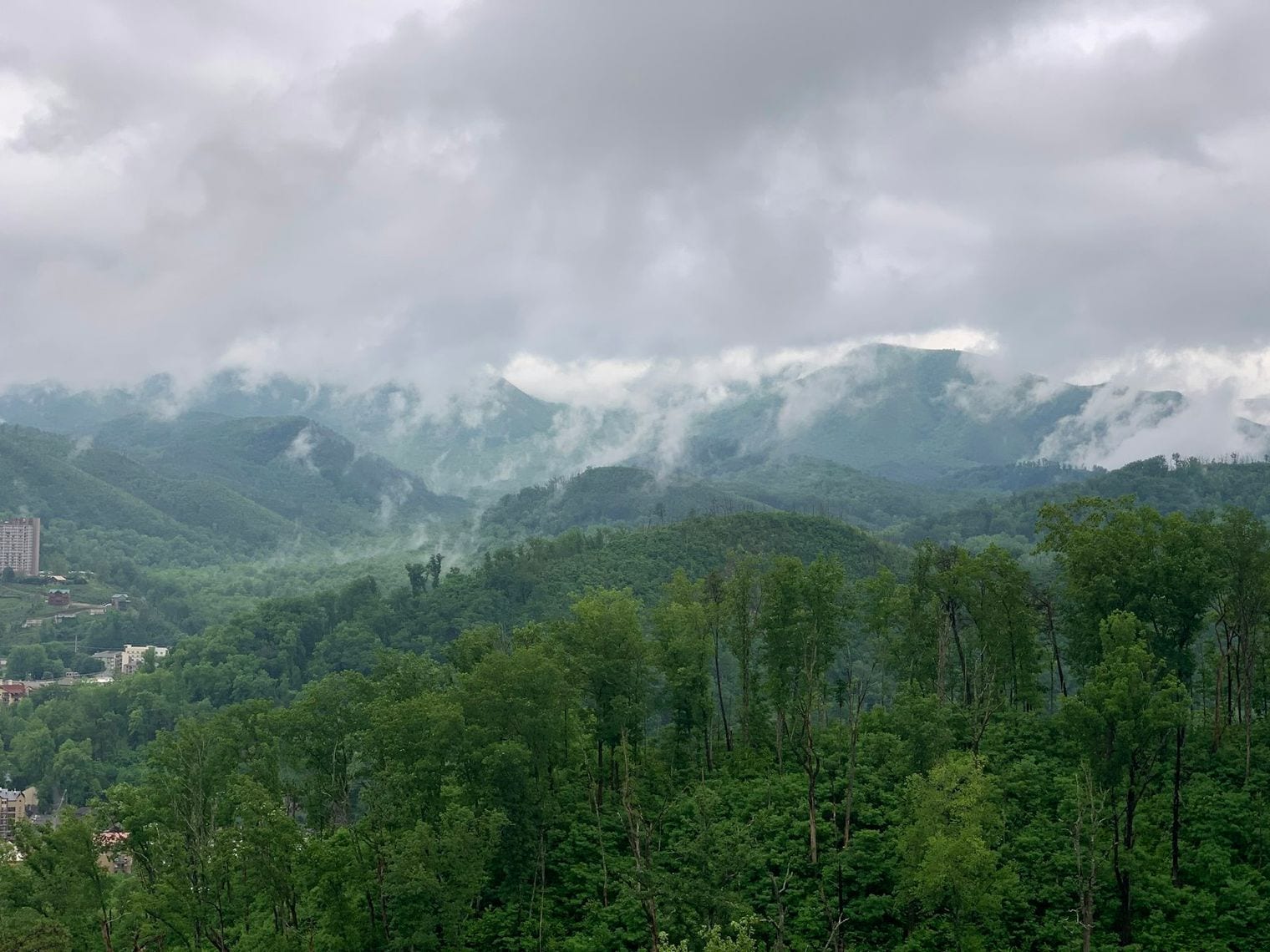
Gatlinburg is a compact, walkable mountain resort town in eastern Tennessee, sitting at the main entrance to Great Smoky Mountains National Park, the most-visited national park in the country. Its downtown Parkway brims with shops, candy makers and family attractions, while the forested Smokies rise just beyond. From waterfall hikes, a chairlift and the SkyBridge to Anakeesta, Ober, Ripley's Aquarium, moonshine tastings and the high peak of Kuwohi, there's plenty to explore. It sits just up the Parkway from Pigeon Forge and Sevierville, making the three towns easy to combine on one Smoky Mountains trip.
Fun Facts About Gatlinburg, Tennessee
It was originally called "White Oak Flats" for the native white oak trees blanketing the valley. The name changed to Gatlinburg in 1856, when a post office was set up in the general store of Radford Gatlin, a cantankerous newcomer who feuded so bitterly with his neighbors that he was run out of town just a few years later, long after the name had stuck.
Downtown sits at roughly 1,289 feet above sea level on a walkable valley floor where the Parkway's shops and attractions cluster, right before the land rises sharply into the Great Smoky Mountains. That gentle valley grade is why the town center is so easy to stroll, while the peaks just beyond it climb thousands of feet higher.
The town has only about 3,500 permanent residents (the 2020 census counted 3,577), yet as the main gateway to Great Smoky Mountains National Park it hosts millions of visitors a year, so its daytime population dwarfs the number of people who actually live there.
It's the doorstep of the most-visited national park in the United States Great Smoky Mountains National Park, which draws over 11 million visitors annually, more than any other U.S. national park, and Gatlinburg sits right on its border along U.S. Route 441.
The neighboring national park is a UNESCO World Heritage Site designated in 1983 as one of the first, and an International Biosphere Reserve since 1988, honors earned for its extraordinary biological diversity and its sweeping temperate deciduous forest.
Each early summer the park stages a rare synchronous firefly show when Photinus carolinus fireflies flash their lights in near-perfect unison during mating season, a natural spectacle found in only a handful of places on Earth and one of the few synchronizing firefly species in the Americas.
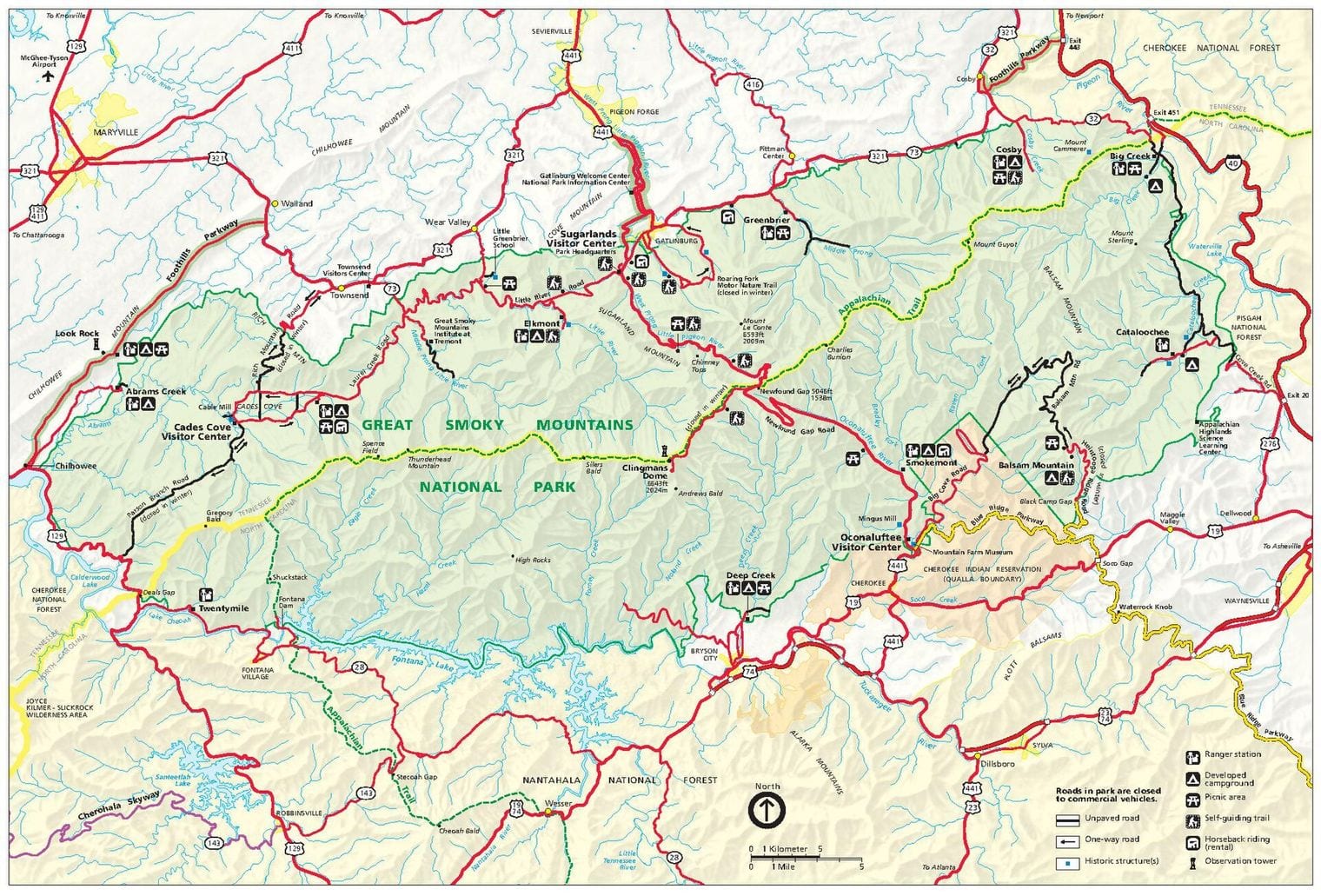
Gatlinburg sits at the northern gateway to Great Smoky Mountains National Park, the most-visited national park in the United States. Straddling the Tennessee-North Carolina border, it is famous for its misty ridgelines, old-growth forest, and exceptional biodiversity, and it remains the single biggest reason most visitors make the trip to Gatlinburg.
The park's proximity is a genuine advantage: from the edge of town you can quickly reach trailheads, the Sugarlands Visitor Center, and the road climbing to Newfound Gap. That easy access lets you swap Gatlinburg's busy streets for quiet forest paths and long mountain views in a matter of minutes.
Riding an open chairlift up the flank of Crockett Mountain, the Gatlinburg SkyLift carries you above the rooftops to a hilltop perch where the town falls away and the surrounding Smokies roll toward the horizon. At the summit, Gatlinburg SkyLift Park spreads out with overlooks, gardens, and easy places to linger over the view.
The park's centerpiece is the SkyBridge, one of the longest pedestrian suspension bridges in North America, strung high across a mountain gap. It sways gently underfoot as you cross, and midway along its span a section of glass-floor panels drops the scenery straight beneath your feet, a genuine test of nerve for anyone bold enough to look down.
Reached by an aerial tramway that climbs straight from downtown, Ober Mountain is a year-round amusement park and ski area perched on the slopes above Gatlinburg. As Tennessee's only ski resort, it draws winter crowds for skiing, snowboarding, and snow tubing on the mountain's groomed runs.
The fun continues once the snow melts. Warmer months bring the alpine slide, an ice-skating rink, a scenic chairlift, and a wildlife area, all set high above the valley. Whatever the season, the panoramic mountain views over the Smokies are reason enough to ride the tram up.
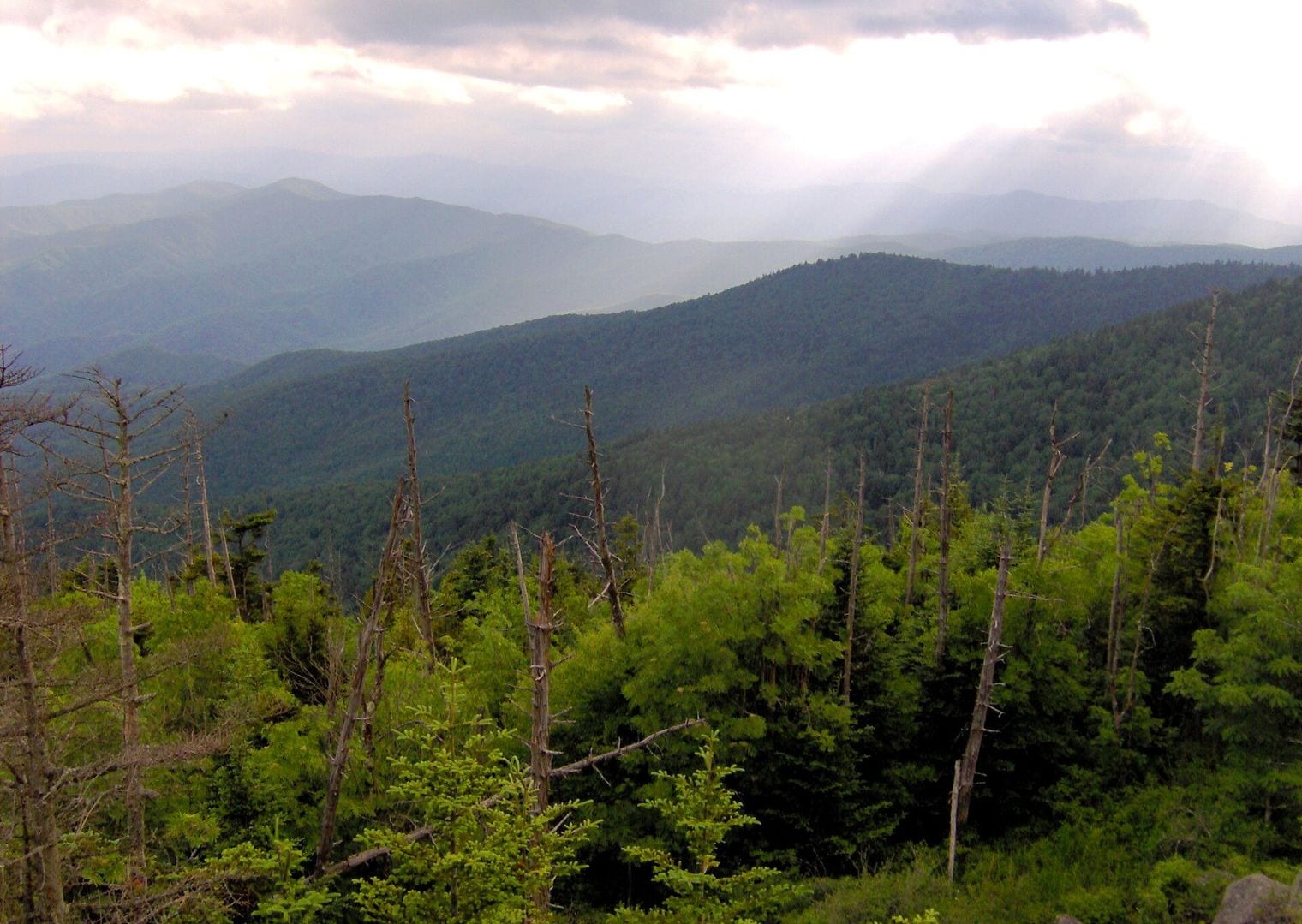
Kuwohi, long known as Clingmans Dome, is the highest point in the Great Smoky Mountains and in Tennessee, rising to 6,643 feet. Officially renamed by the U.S. Board on Geographic Names in September 2024, the peak carries a Cherokee name meaning "mulberry place," reflecting its deep significance to the region's earliest people.
A steep paved half-mile path climbs from the parking area to a futuristic observation tower crowning the summit, where a 360-degree panorama unfolds. On clear days the view stretches across multiple states, and the lofty elevation keeps the air noticeably cooler than the valley floor below, so packing an extra layer is wise even during the height of summer.
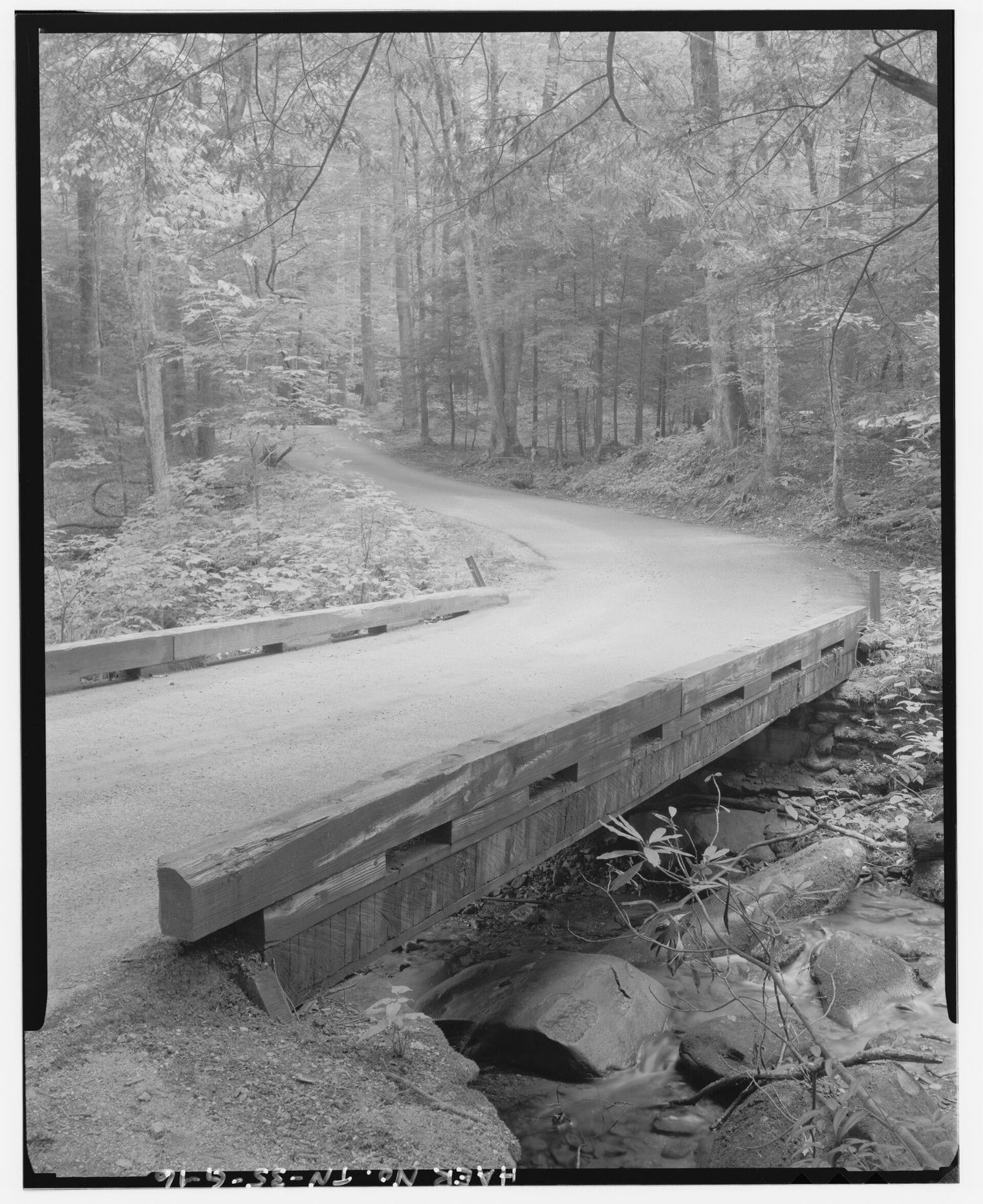
Just minutes from downtown and the Parkway, the Roaring Fork Motor Nature Trail is a narrow one-way loop road that winds through dense forest, past rushing streams and historic log cabins. Trailheads and pullouts line the route, offering a quiet, scenic drive that feels far removed from the crowds along the main strip.
Several pullouts access short hikes to waterfalls, including Grotto Falls, while the preserved mountain homesteads give a glimpse of life here before the national park was established. The combination of streams, forest, and old cabins makes the loop rewarding whether you stop often or simply drive it. Note that the road is closed in winter.
Anakeesta is a mountaintop adventure park reached by a scenic chondola ride from the heart of downtown Gatlinburg. Once at the summit, the park opens onto treetop canopy walks, dual mountain coasters, ziplines, and cultivated gardens, all woven through the ridgeline with sweeping views out over the surrounding valley.
Built with families in mind, the park pairs its outdoor attractions with mountaintop dining that overlooks the valley below and a tower overlook for taking in the wider landscape. Gardens illuminated after sunset give the ridge a different character in the evening, keeping the summit a draw well after the daytime crowds thin out.
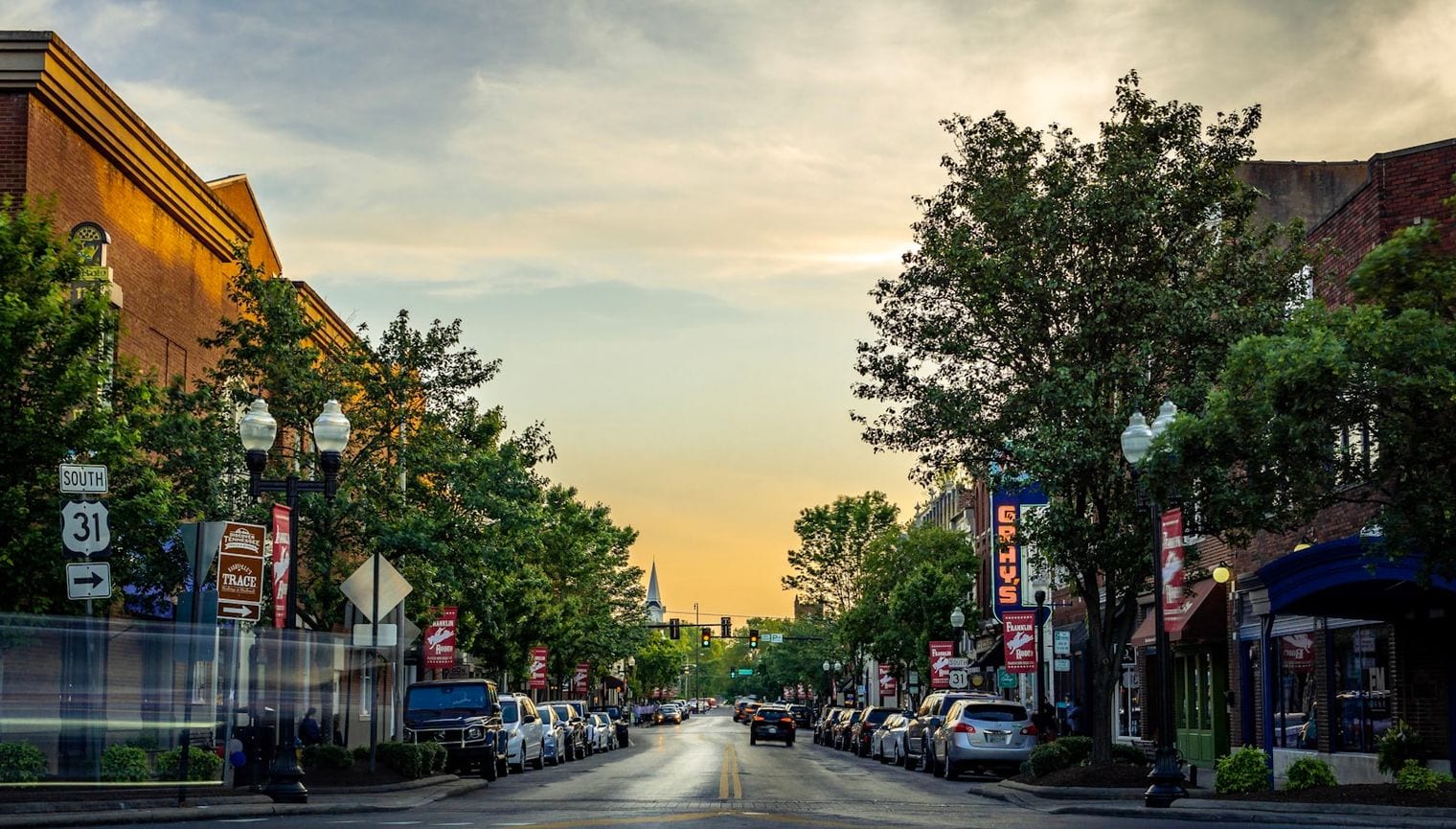
The heart of Gatlinburg is its walkable Parkway, a lively strip lined with taffy and fudge shops, mini-golf courses, arcades, and a cluster of quirky museums. Here the strolling and people-watching are half the fun, and the attractions sit close enough together that you can drift from one doorway to the next on foot.
Many visitors spend an entire evening simply wandering the strip, sampling moonshine or stacks of pancakes and ducking into whatever catches their eye along the main drag. It is the sort of downtown that rewards an unhurried pace, letting you soak up the mountain-town atmosphere without any fixed plan or itinerary.
A short drive from downtown Gatlinburg, the Great Smoky Arts and Crafts Community follows an 8-mile loop that is home to one of the largest groups of independent artisans in the country, with more than 100 shops and studios tucked along its winding backroads. It rewards travelers who like to wander with purpose.
Craftspeople here make pottery, leather goods, brooms, jewelry, and much more, and the self-guided driving trail lets you watch them work and buy directly from the makers. It's a calmer, more local alternative to the Parkway's bustle, where you can browse at your own pace and meet the hands behind each piece.
One of the most popular hikes in the Smokies, the Laurel Falls Trail is a paved 2.6-mile round trip that leads to an 80-foot waterfall dropping in two tiers. Its relatively gentle grade makes the route accessible to many visitors, and the shaded forest setting rewards the effort with a memorable payoff at the end.
That said, the paved surface is uneven in places, so sturdy shoes and a watchful step help. Because the trail draws steady crowds, an early start is your best strategy, easing both the congestion on the path and the parking headaches that build quickly at the small trailhead lot as the day goes on.
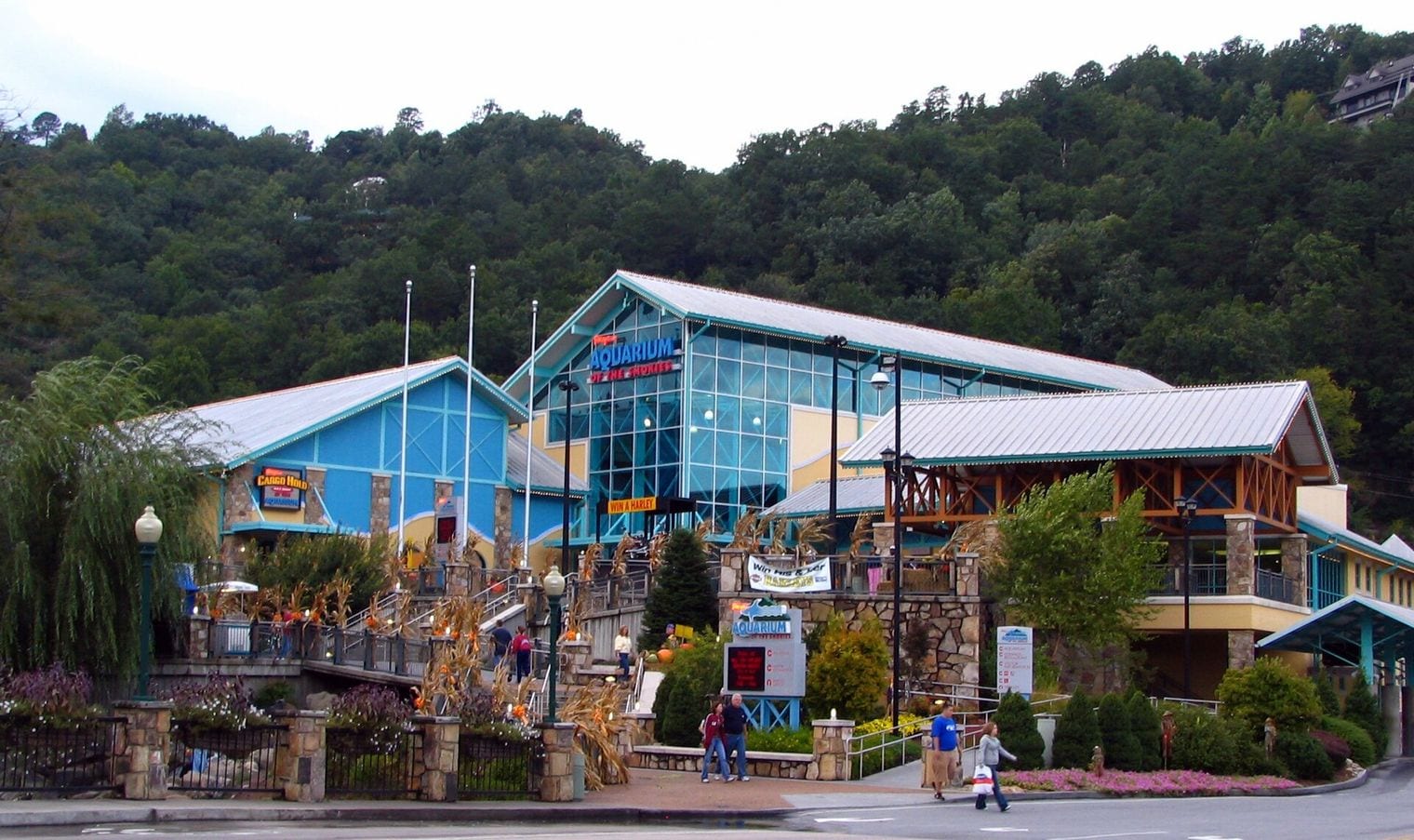
Ripley's Aquarium of the Smokies anchors downtown Gatlinburg as one of the town's marquee indoor attractions. Its centerpiece is a 340-foot underwater tunnel with a moving walkway that carries you slowly beneath the water while sharks and rays glide overhead, an unhurried, face-to-face vantage on creatures most visitors only ever read about.
Beyond the tunnel, a penguin habitat, hands-on touch tanks, and a large collection of aquatic species round out a walk that easily fills part of an afternoon. Because everything sits comfortably indoors, it stays a dependable rainy-day or hot-afternoon option for families looking to break up time spent exploring the surrounding mountain town.
Newfound Gap is the lowest drivable pass through the Smokies, sitting on the Tennessee–North Carolina state line at roughly 5,046 feet. Straddling two states at once, the pass rewards the winding mountain drive with an overlook that opens onto expansive views spilling across both sides of the boundary.
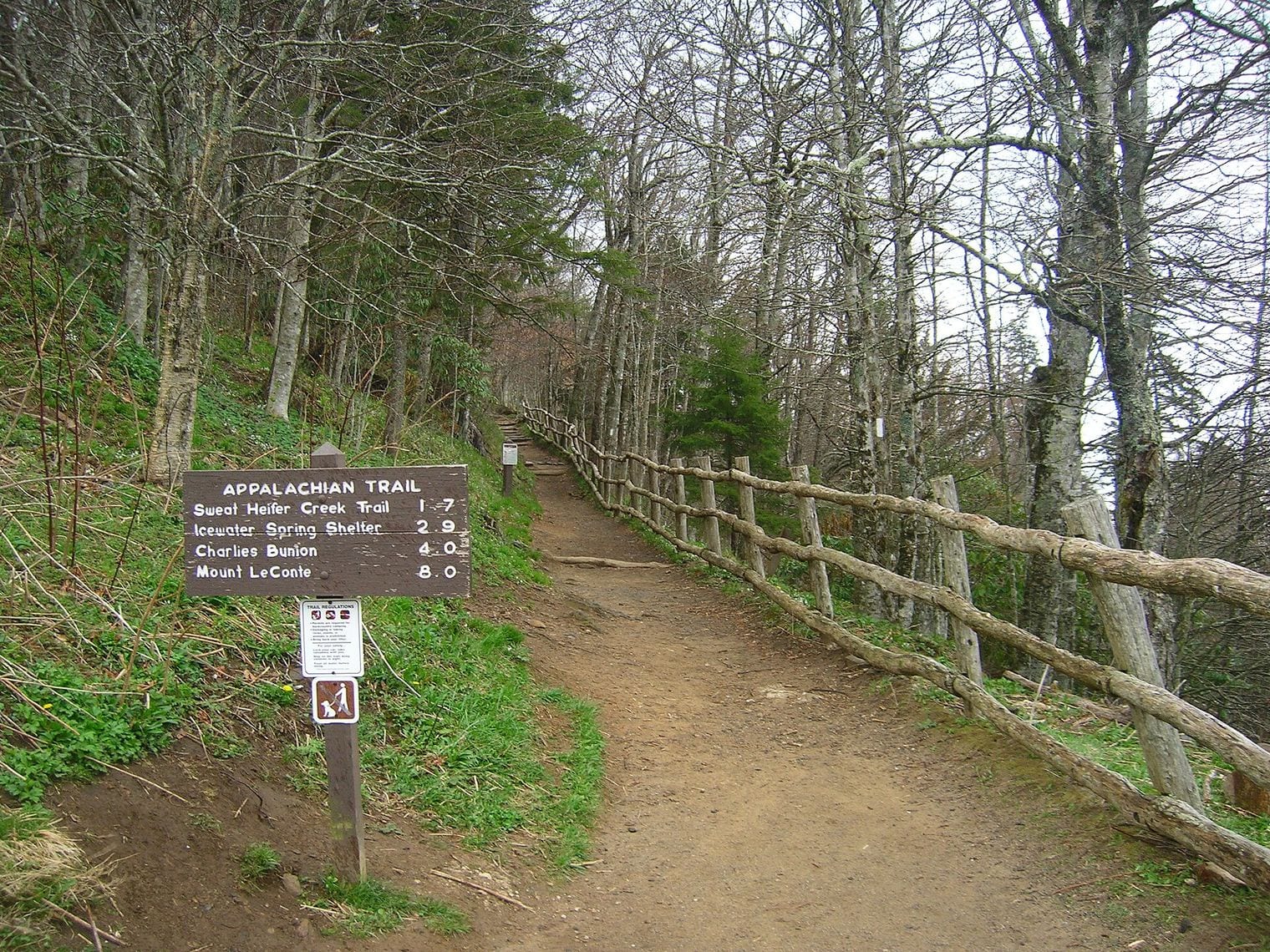
At the gap stands the Rockefeller Memorial, marking the spot where the national park was formally dedicated. The Appalachian Trail crosses the road here, and many visitors step onto it to walk a short stretch, sampling the famous long-distance path and stretching their legs before continuing on through the mountains.
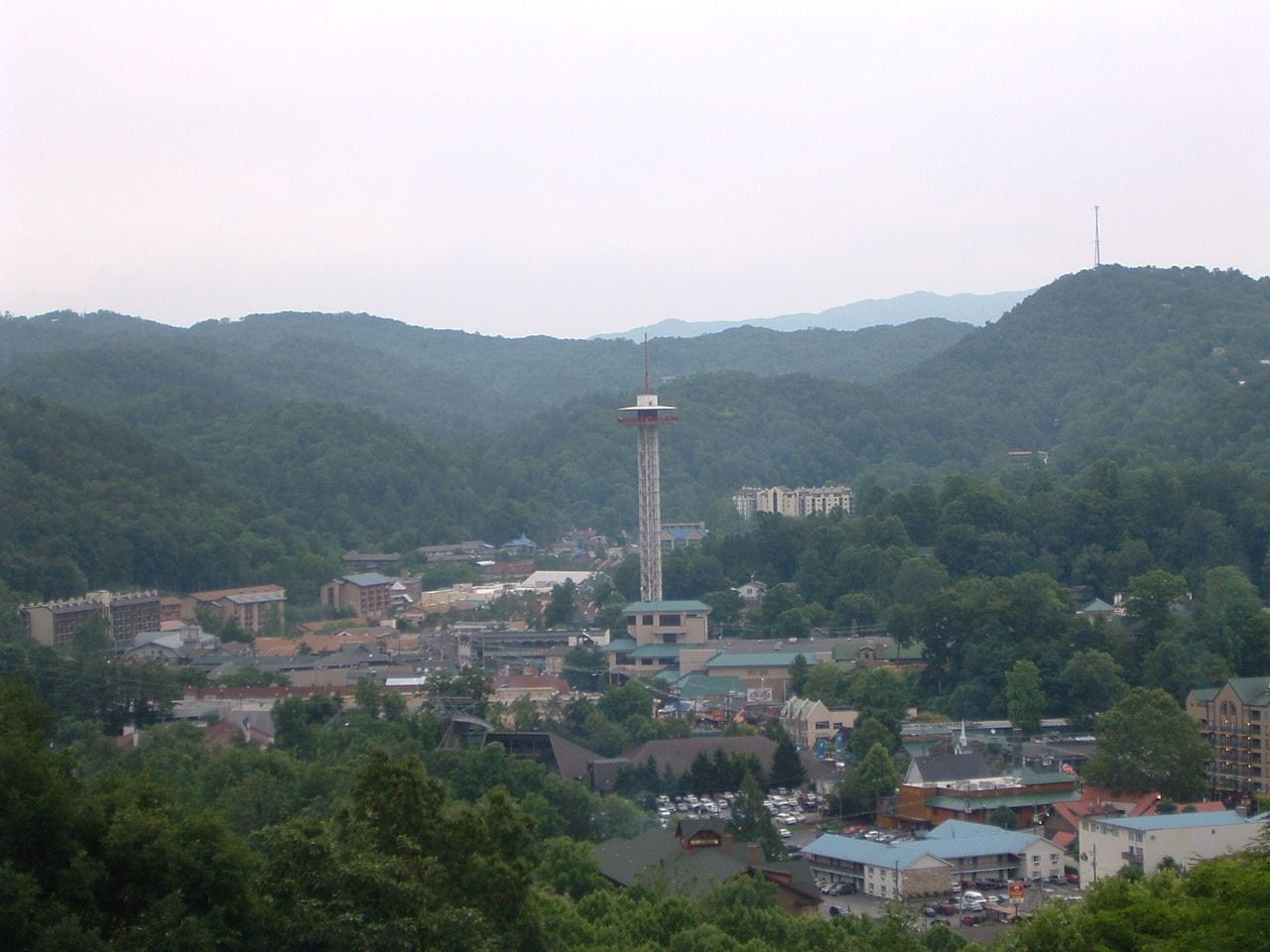
Rising 407 feet above the heart of downtown, the Gatlinburg Space Needle is an observation tower that anchors the Parkway. Glass elevators glide up its length to an open-air deck, where visitors take in sweeping 360-degree views of the town below and the Great Smoky Mountains rolling away toward the horizon.
Back at ground level, the base of the tower houses an arcade to keep the whole family occupied. The deck draws its biggest crowds at sunset and after dark, when the lights of the Parkway spread out in a glittering ribbon beneath your feet, making it one of the most memorable vantage points in town.
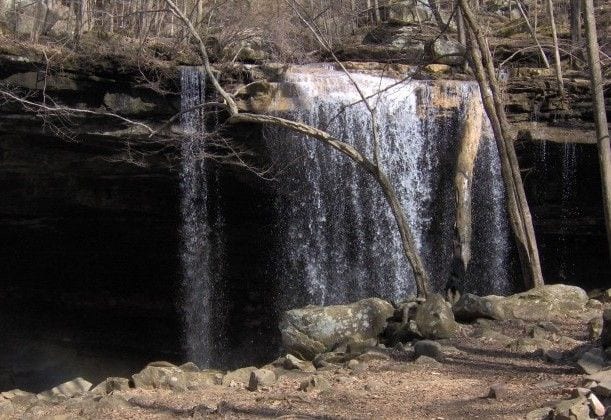
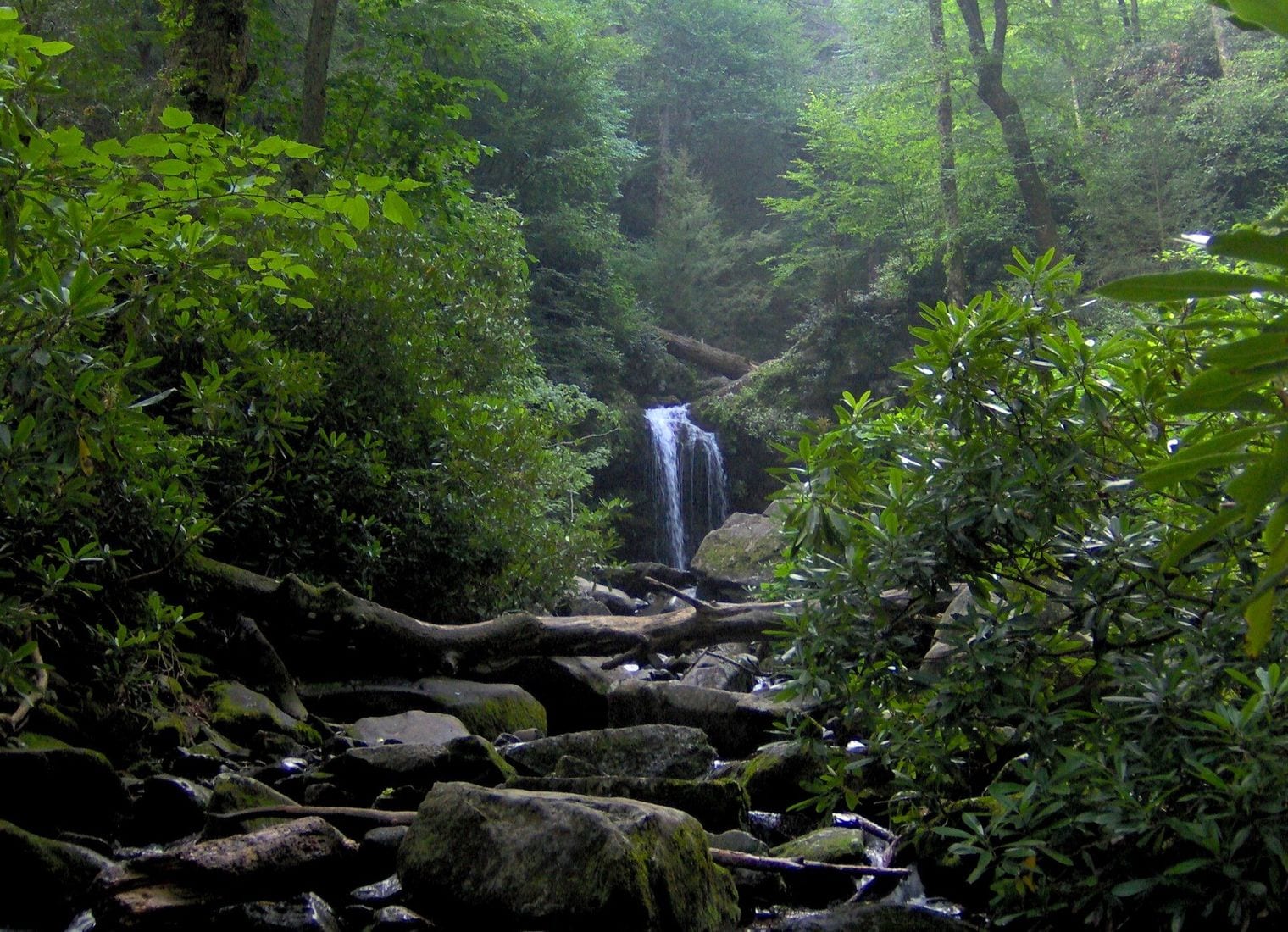
Grotto Falls holds a rare distinction: it is the only waterfall in the park you can actually walk behind, letting you stand in the cool mist as water tumbles 25 feet in front of you. Reaching it means a roughly 2.6-mile round-trip hike along the Trillium Gap Trail, accessed off the Roaring Fork loop.
The shaded path winds through old-growth hemlock forest, keeping the walk pleasant even on a warm day, when that cool spray behind the falls feels especially rewarding. Keep an eye out for an unexpected detail: llamas occasionally travel this same trail, hauling supplies to a backcountry lodge deeper in the mountains.
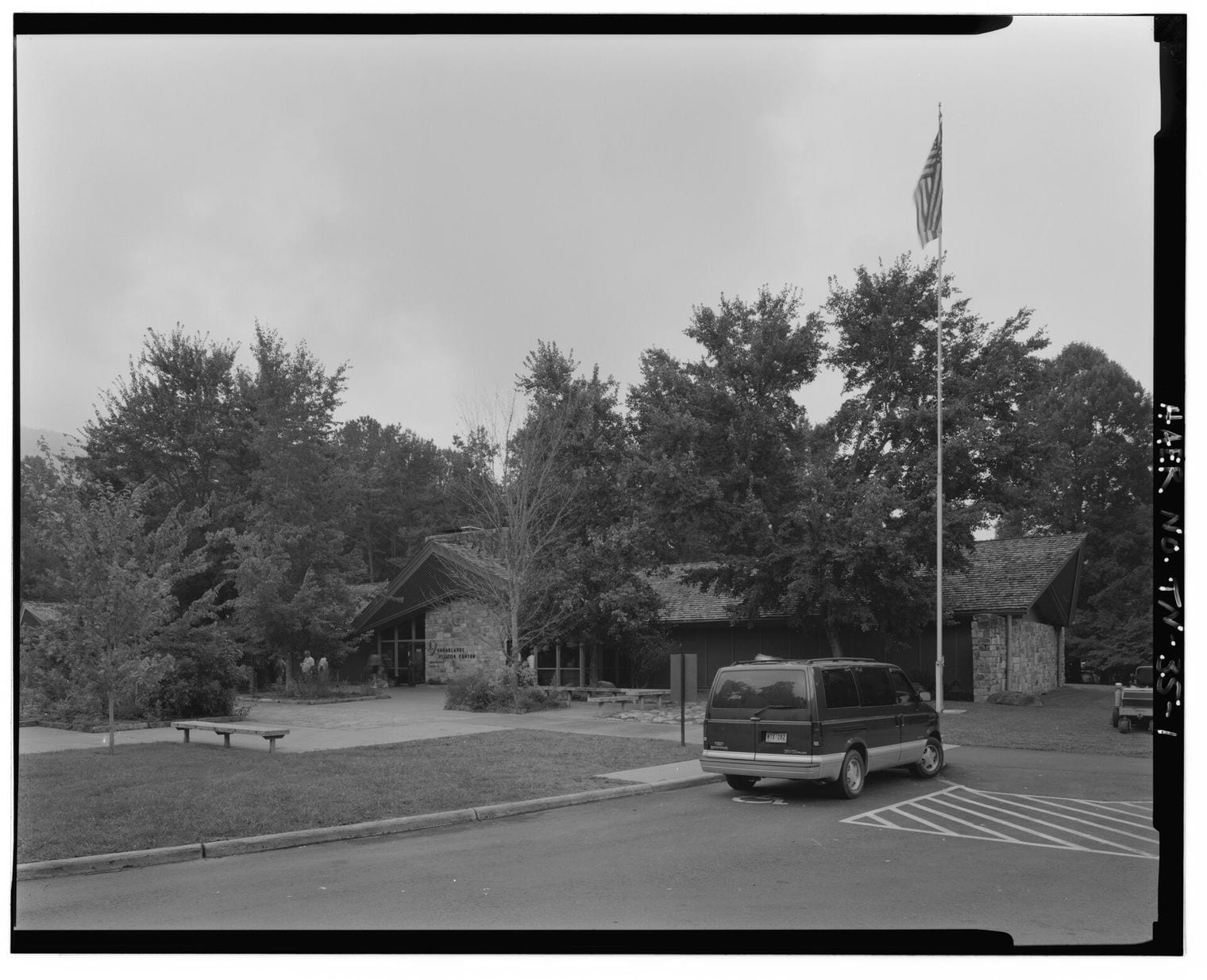
Set just inside the park boundary near Gatlinburg, the Sugarlands Visitor Center serves as the main orientation point for the Tennessee side of the Smokies. Inside, exhibits introduce the park's plants and wildlife, while rangers staff the information desk to advise on trail options and current conditions before you head deeper into the mountains.
A short nature trail begins nearby, making it easy to stretch your legs the moment you arrive and get a first feel for the surrounding forest. For anyone new to the area, this is the logical first stop, a place to gather maps, ask questions, and plan how to spend your time across the wider park.
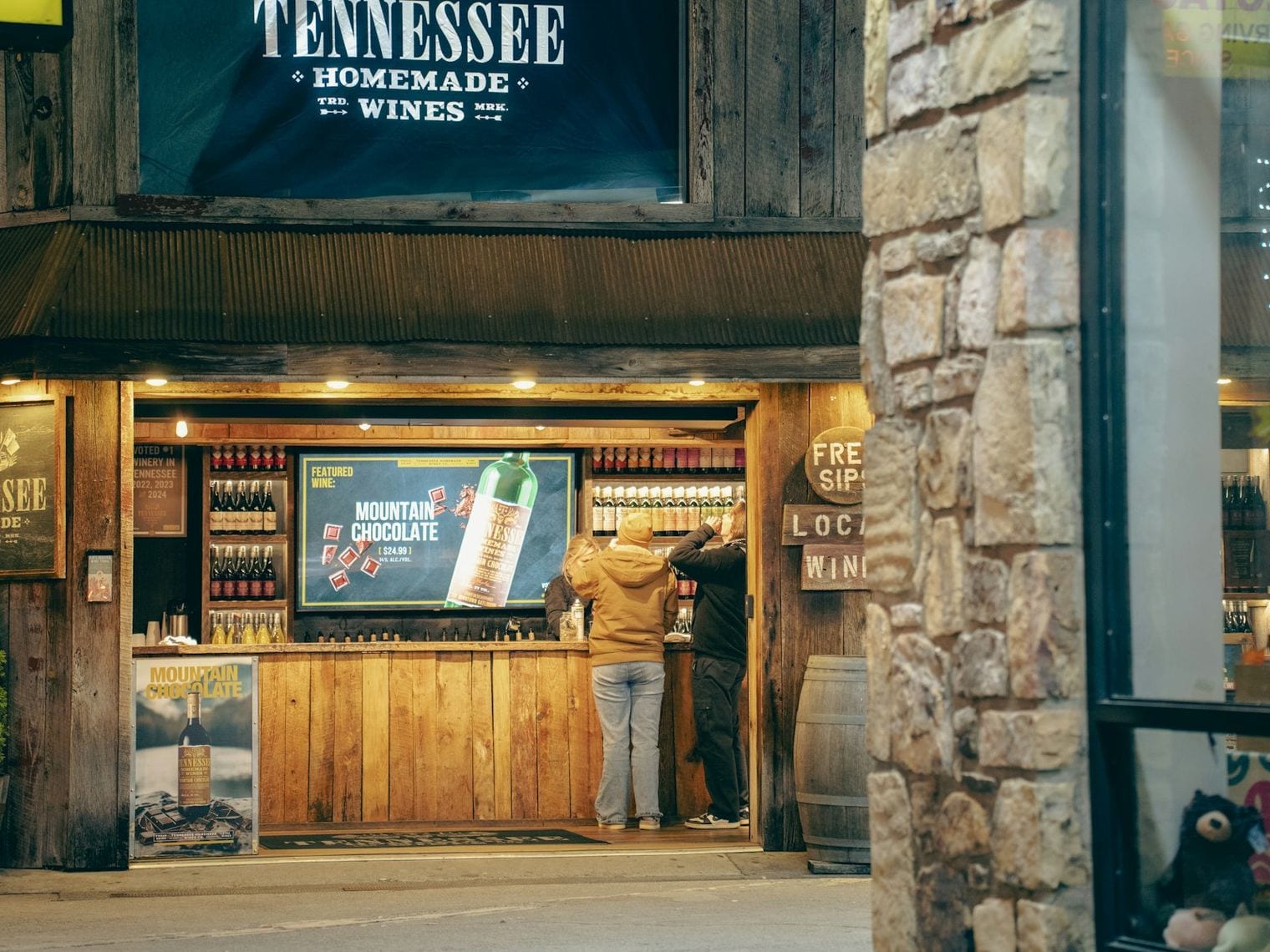
Gatlinburg helped popularize legal moonshine tourism, and today Moonshine and Distillery Tastings anchor a lively stretch of the Parkway. Several distilleries here pour samples of traditional corn whiskey alongside flavored varieties, letting you sip your way through a spirit that was once strictly illegal across these Appalachian hills.
The tasting rooms lean social and unhurried, making them an easy, welcoming stop between other stroll-worthy sights downtown. Many also sell jams, sauces, and other local products, so you leave with a genuine taste of Appalachian tradition, a fuller appreciation of the region's craft, and perhaps a jar or two to carry home.
Gatlinburg and the surrounding area are home to several gravity-driven Mountain Coasters that send riders down winding tracks threaded through the forest. Because these single-rail coasters let you control your own speed, they suit a wide range of ages, from cautious first-timers taking it slow to thrill-seekers who let gravity do its work.
A signature Smokies attraction, they turn the region's steep, wooded terrain into a genuinely fun ride rather than a passive one. Several operate after dark, when the tracks are lit up for an added layer of excitement, so it's worth considering an evening run for a different feel from the daytime forest descent.
The Gatlinburg Trail is one of only a couple of paths inside the national park that welcome both pets and bicycles, making it a rare option for visitors traveling with a dog or wanting to ride rather than walk. It runs about 1.9 miles each way, linking the edge of town with the Sugarlands Visitor Center.
Tracing the Little Pigeon River as it winds through the forest, the route stays easy and flat the whole way, so you can sample the park without committing to a strenuous hike. Because it connects directly to downtown, it works well as a gentle stretch of nature that begins right where the shops and sidewalks end.
A quiet local park set a few blocks off the Parkway, Mynatt Park trades the neon of downtown for picnic tables, a playground, and a shaded stream that draws waders on hot summer days. It is an easy walk from the main strip, yet the setting feels a world away.
Best of all, it is free, making it a welcome breather from the ticketed attractions nearby. The surrounding residential streets invite a calm, unhurried stroll, and the leafy, creekside setting suits families looking to spread out a picnic or simply let restless kids burn off some energy away from the crowds.
Beyond the aquarium, the Ripley's Believe It or Not! brand runs a whole cluster of downtown attractions clustered along the Parkway. The lineup includes an oddities museum stuffed with curiosities, a disorienting mirror maze, a moving theater ride, and a haunted house built to make you jump.
Because these attractions are all indoors and concentrated in one walkable downtown stretch, they make reliable entertainment when weather keeps visitors out of the mountains. They are an especially easy call for families with energetic kids, offering hours of activity and a convenient rainy-day plan close to the rest of the Parkway.
About an hour's drive from Gatlinburg, Cades Cove is a broad valley ringed by mountains and circled by an 11-mile one-way loop road. The scenery alone rewards the trip, but the cove is best known for its abundant wildlife and its cluster of preserved historic buildings tucked among the open fields.
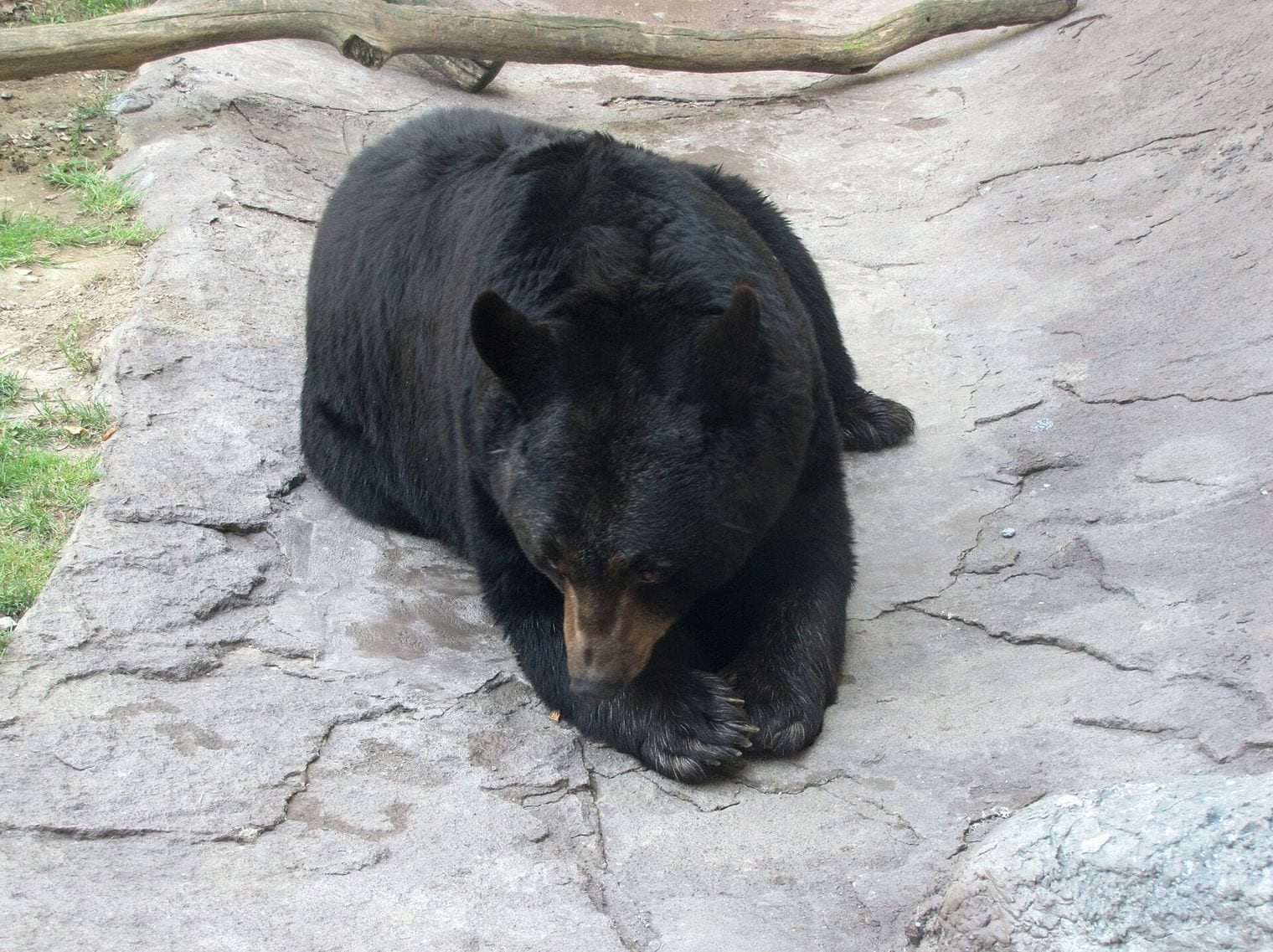
Visitors regularly spot white-tailed deer, wild turkeys, and black bears along the route, so an early start pays off. Preserved churches, log cabins, and a working grist mill trace the valley's settler past, and together they make this one of the most rewarding outings anywhere in the park.
Along Newfound Gap Road, the Chimney Tops area pairs a riverside picnic spot with access to trails through a dramatic section of the park. The streamside setting, cooled by rushing water and shaded by trees, makes it a favorite place to spread out a packed lunch before or after a walk.
The surrounding slopes tell their own story, their forest steadily recovering and greening the hillsides again. That quiet regrowth turns a simple roadside pause into a window on the park's natural history, offering an easy stop for travelers who want scenery and a sense of the landscape's resilience without a demanding hike.
A Gatlinburg institution since 1950, the Ole Smoky Candy Kitchen has anchored a spot on the Parkway for generations of downtown visitors. Its window still draws a crowd, where taffy is stretched and folded on antique pulling machines in full view, turning an ordinary candy shop into a small, sweet piece of local theater.
Inside, a long counter runs with hand-cut fudge and chocolates, the classic reason to duck in while strolling the strip. Watching the candy-making costs nothing, a free bit of nostalgia in the middle of the bustle, and few stops feel more fitting for grabbing a sweet souvenir before you wander on.
The Village Shops is a cobblestoned, European-style cluster of more than two dozen boutiques and eateries tucked just off the Parkway. With its ivy-covered buildings and trickling fountains, the enclave is one of Gatlinburg's most photogenic stops, a pocket of old-world calm set apart from the busy main strip nearby.
Wander the lanes and you'll find shops selling everything from Christmas ornaments to handmade soaps and Scottish goods, each with its own character. When your feet need a rest, the courtyard cafes offer a quieter break from the Parkway's pace, letting you linger over coffee before you dive back into the crowds outside.
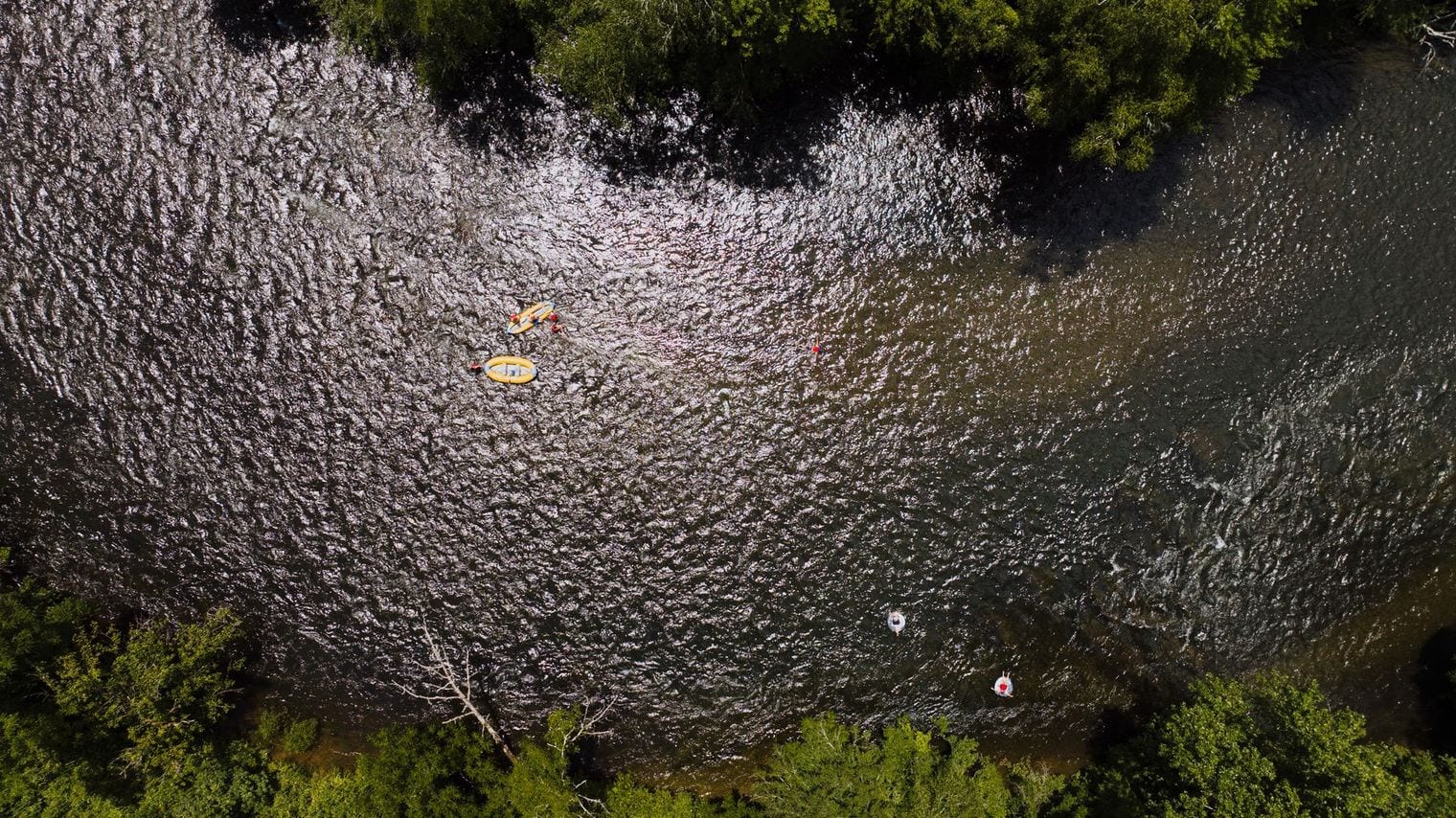
Just a short drive from Gatlinburg, the Pigeon River near Hartford draws visitors looking to trade mountain trails for moving water. Guided whitewater trips run here through much of the warm season, letting you spend a half-day chasing rapids without straying far from your Smoky Mountain base.
The lively upper section serves up a run of rapids for those wanting a thrill, while the calmer lower float suits families and first-timers. Outfitters supply the guides and gear, and dam-released flows keep the water reliable, making this an easy, popular adventure to slot into a trip out of town.
25. Gatlinburg in the Smokies Festivals and Winter Lights
Gatlinburg fills its calendar with seasonal events, but the standout is Winter Magic, whose Winter Lights drape the town in millions of LEDs from late fall through the coldest months. The glow turns an ordinary evening stroll down the Parkway into one of Gatlinburg's signature experiences, the whole main street softened and brightened at once.
The rest of the year keeps its own rhythm, with craft fairs and food events drawing visitors between the marquee light displays. Time your trip around the holiday season and you catch the town at its most atmospheric, the mountain air crisp and the sidewalks aglow, a fitting cap to any day spent in the Smokies.
Best Time to Visit Gatlinburg
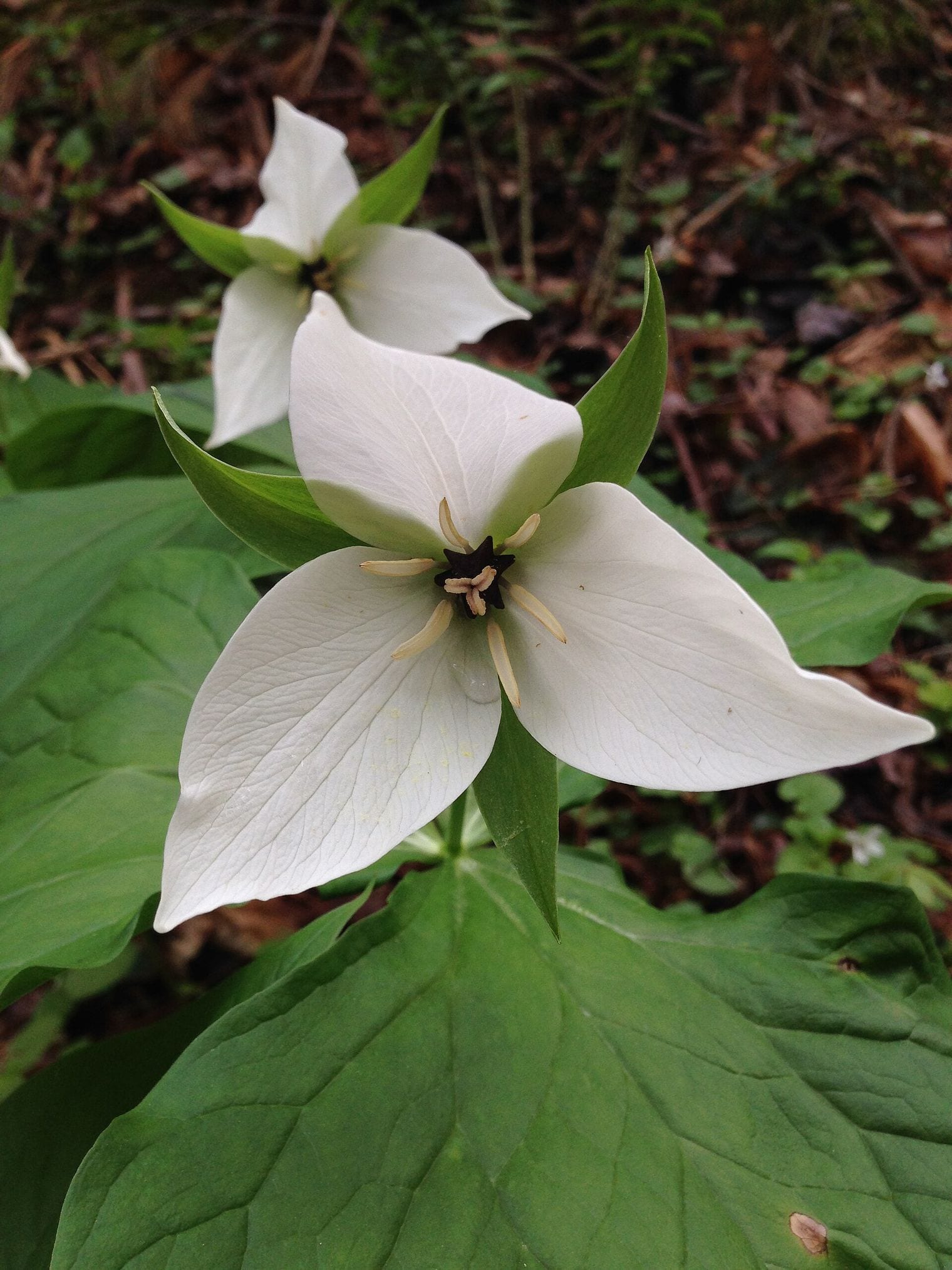
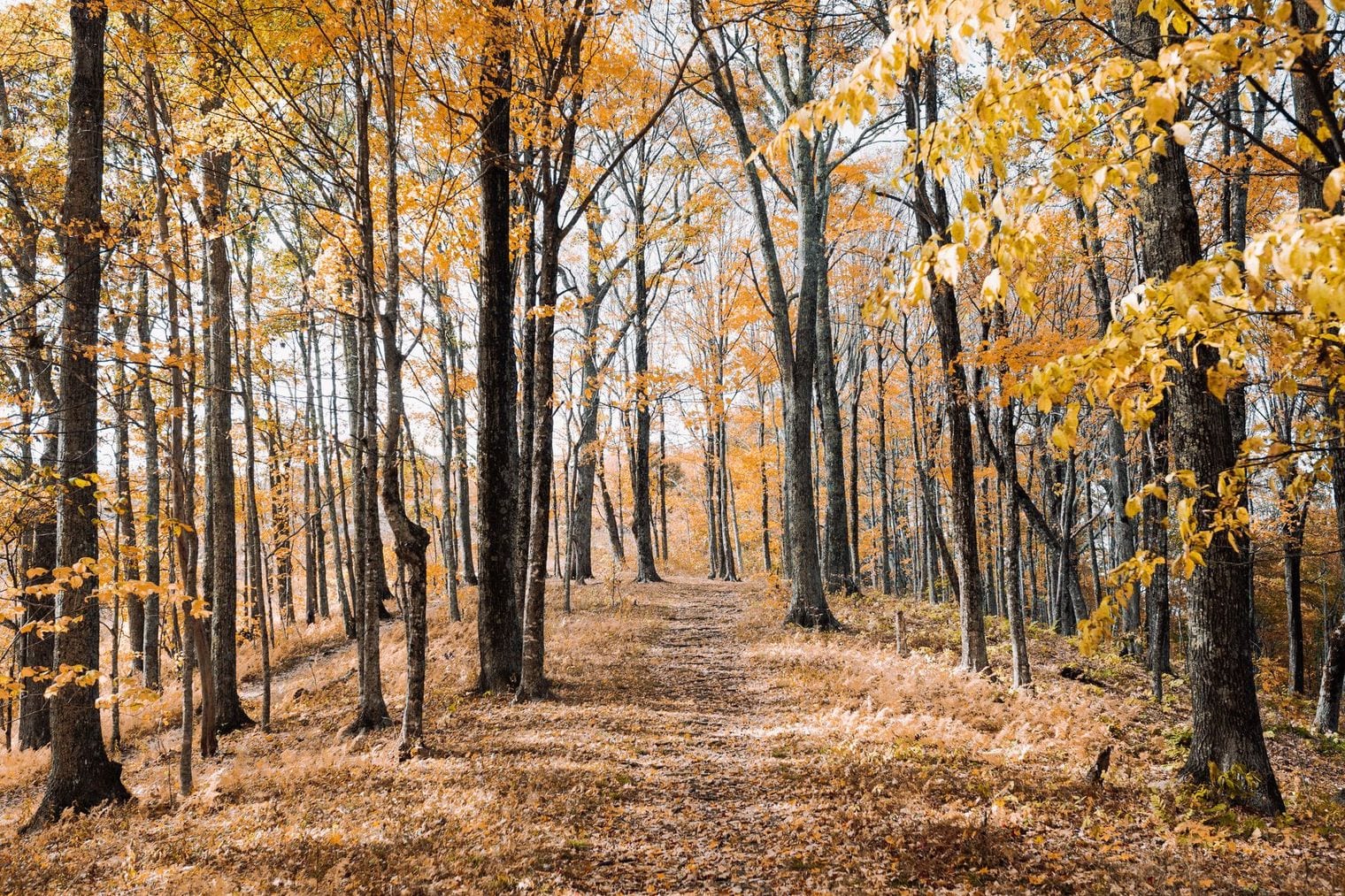
Gatlinburg is a year-round mountain town, and each season delivers a different Smokies. Autumn is the marquee stretch: from higher elevations down into the valleys the hardwood forest turns gold, orange and crimson, and the color show pulls the year's heaviest crowds onto the Parkway and Newfound Gap Road, so weekends fill fast. Spring is gentler and greener, with wildflowers blooming across the national park and dogwood and redbud coloring the foothills; it is one of the best windows for hiking before the summer heat and humidity settle in.
Summer brings lush green ridgelines, tumbling waterfalls running full, and the town at its liveliest and most congested, along with the famous early-summer synchronous firefly display inside the park (a lottery-access event held during the insects' brief natural window). Winter is the quiet season: thinner crowds, cozy cabins, and the town's holiday light displays, with occasional snow dusting the higher elevations even when downtown stays clear. Whichever season you pick, temperatures drop noticeably as you climb toward Newfound Gap, so pack a layer.
Getting to Gatlinburg
Gatlinburg has no commercial airport of its own, so most visitors fly into McGhee Tyson Airport (TYS) near Knoxville, roughly 40 to 45 minutes northwest by car. From the airport the usual route heads south and east and then joins US-441, the Parkway, running down through Sevierville and Pigeon Forge before reaching the edge of town; many drivers coming from farther afield reach the region via Interstate 40 and drop south onto US-441 the same way.
That single corridor funnels nearly all traffic into Gatlinburg, so during peak fall weekends and busy summer days the last stretch through Pigeon Forge can slow to a crawl. Give yourself extra time, and if you are renting a car, plan to pick it up at the airport, since you will want one for reaching the national park and outlying trailheads.
Getting Around Gatlinburg
Downtown Gatlinburg is compact and genuinely walkable: the main Parkway strip packs its shops, restaurants and attractions into a few easy blocks, and most visitors cover it on foot. To go farther without moving your car, the free Gatlinburg Trolley links the downtown core with outlying attractions and the entrance to Great Smoky Mountains National Park, and it connects with the neighboring Pigeon Forge and Sevierville trolley systems, making it easy to skip the traffic for in-town hops.
A car still earns its keep once you leave the strip, especially for driving into the national park, reaching scenic loops, and finding trailheads scattered through the hills. Downtown parking is limited and fills quickly on busy days, so the smart move is to leave the car at your lodging or a park-and-ride lot and ride the trolley in rather than circling for a space.
Where to Stay in Gatlinburg
Where you base yourself shapes the whole trip. Staying downtown along the Parkway puts you within walking distance of the shops, restaurants and trolley stops and closest to the park entrance, ideal if you want to leave the car parked and stroll. For quiet and views, the forested hills rising above town are dotted with cabins and chalets tucked into the trees, trading walkability for seclusion, hot tubs and long ridgeline vistas, though most require some driving on winding mountain roads.
If value and family attractions rank higher, look north along the Pigeon Forge corridor, where lodging tends to run cheaper and you are minutes from Dollywood and the strip's entertainment, with the trolley network linking you back toward Gatlinburg. In short: downtown for walkability, the hills for a secluded cabin retreat, and the Pigeon Forge side for budget rooms and theme-park access.
Where to Eat in Gatlinburg
Gatlinburg's food scene leans hearty, Southern and unabashedly indulgent. A Smokies breakfast tradition is the pancake house, and the town is famous for them, stacks of flapjacks and griddle plates that have fueled park-bound hikers for generations. Around them you will find Appalachian and Southern comfort cooking, think country ham and biscuits, fried chicken, catfish, cornbread and slow-cooked greens, alongside plenty of smoky barbecue, from pulled pork to ribs.
The town is also a hub for East Tennessee moonshine, with tasting rooms pouring flights of the corn-based spirit and its flavored jars, and for sweets: candy shops turn out hand-pulled saltwater taffy, slabs of fudge, caramel apples and roasted nuts that scent the Parkway. Between a pancake breakfast, a barbecue or comfort-food supper, and a bag of fudge for the walk, you will not go hungry.
One Day in Gatlinburg
Gatlinburg rewards a day that starts in the mountains and ends on the Parkway — chase the waterfalls and the mist while the air is cool, then let the town’s neon-and-fudge energy carry you into the evening.
Morning: Begin at the edge of the national park where the crowds haven’t gathered yet. Stop first at Sugarlands Visitor Center to grab a park map and get your bearings, then peel off onto the Roaring Fork Motor Nature Trail, a slow, one-way loop past weathered log cabins, rushing streams, and old-growth forest that feels a world away from downtown just minutes behind you. Lace up for the short but rewarding hike to Grotto Falls, the one Smokies waterfall you can actually walk behind, and you’ll have earned the cooler air off the spray. This is the quiet, open-air heart of the day, and doing it early means the trailheads are yours.
Afternoon: Head back into town and go vertical. Ride up to Anakeesta or cross the swaying deck at Gatlinburg SkyLift Park and SkyBridge for the long view back over the ridgelines you hiked all morning, then come down to earth and simply walk Gatlinburg Parkway and Downtown, where the whole main-street spectacle — taffy pullers, pancake houses, and mountain kitsch — unfolds on foot. If the kids (or you) want one more headliner, Ripley’s Aquarium of the Smokies sits right in the thick of it and makes an easy, air-conditioned break.
Evening: Ease into the night with a tasting flight at one of the town’s Moonshine and Distillery Tastings, a genuinely local ritual, then swing by the Ole Smoky Candy Kitchen to watch taffy stretch in the window and walk out with something sweet for the road. If you have a second day, save it for a proper Smokies immersion — the historic loop through Cades Cove (day trip), with its open meadows, pioneer churches, and grazing wildlife, is worth a slow half-day all on its own.
Gatlinburg makes an easy base for exploring the wider Smokies. Just north up the Parkway, Pigeon Forge and its Dollywood theme park are about 15 to 20 minutes away, and a little farther north, roughly 25 minutes, sits Sevierville. Straight into the national park, the wildlife-rich Cades Cove loop lies to the west, about an hour of driving to reach the loop road, where an eleven-mile one-way circuit passes historic cabins, churches and open meadows.
To the south, US-441 climbs over Newfound Gap and drops down the North Carolina side to Cherokee in about an hour, a spectacular crossing of the park's high spine that also connects to the start of the Blue Ridge Parkway. And to the northwest, Knoxville is roughly 45 minutes away for a dose of city dining, riverfront and campus life. Each is comfortably doable as a half- or full-day outing before returning to Gatlinburg for the night.
FAQ: Visiting Gatlinburg
What is Gatlinburg known for?
Gatlinburg is best known as the main gateway to Great Smoky Mountains National Park, the most-visited national park in the United States, which begins right at the edge of town. It's also famous for its compact, walkable Parkway lined with attractions like the Gatlinburg SkyLift and SkyBridge, Anakeesta, Ripley's Aquarium of the Smokies and Ober Mountain, plus a long-standing Appalachian arts-and-crafts heritage and popular moonshine tastings.
Is Gatlinburg worth visiting?
Yes, Gatlinburg is well worth visiting, especially if you want free, direct access to the Great Smoky Mountains combined with a lively, walkable downtown full of family attractions. The town works best when you balance the commercial Parkway with the natural side of the trip, using it as a basecamp for waterfall hikes, scenic drives and the high peaks of the national park rather than treating the strip as the whole experience.
How many days do you need in Gatlinburg?
Most visitors find three days about right: one for the downtown attractions along the Parkway, and two for the national park, including a scenic drive and a waterfall hike or the trip up to Clingmans Dome. You can cover the highlights in a rushed two-day weekend, while hikers or families who also want to add nearby Pigeon Forge and Dollywood should plan for four to five days or more.
What is the best time to visit Gatlinburg?
Early fall, from September into mid-October, is widely considered the best time to visit, offering cooler, drier weather, thinner crowds than midsummer, and the start of the Smokies' famous fall foliage at higher elevations. Spring brings wildflowers and rushing waterfalls, summer is the busiest and most humid season, and winter is the quietest, with a peaceful downtown and the chance of snow and skiing up at Ober Mountain.
Is Gatlinburg walkable?
Downtown Gatlinburg is very walkable, with sidewalks running along both sides of the main Parkway, frequent crosswalks, and most attractions, restaurants and shops clustered within an easy stroll of one another. A free, year-round trolley connects the downtown core to nearby stops, though you'll still want a car to reach the scenic driving loops and trailheads deeper inside Great Smoky Mountains National Park.
Should I stay in Gatlinburg or Pigeon Forge?
Choose Gatlinburg if you want a compact, walkable mountain town with immediate national-park access and Appalachian character, since it sits right at the park entrance and you can get around much of downtown on foot. Pick neighboring Pigeon Forge, a short drive north, if you're after a wider spread of family attractions and theme-park entertainment like Dollywood; the two towns are close enough that many visitors split their stay and enjoy both.
Is Gatlinburg good for families with kids?
Gatlinburg is an excellent family destination, pairing outdoor adventure in the Great Smoky Mountains with kid-friendly in-town attractions like Ripley's Aquarium of the Smokies, the SkyLift and SkyBridge, Anakeesta and Ober Mountain. Free park access, easy waterfall hikes such as Laurel Falls, and plenty of indoor rainy-day options make it easy to fill a trip for all ages, with Pigeon Forge and Dollywood just a short drive away for even more family fun.