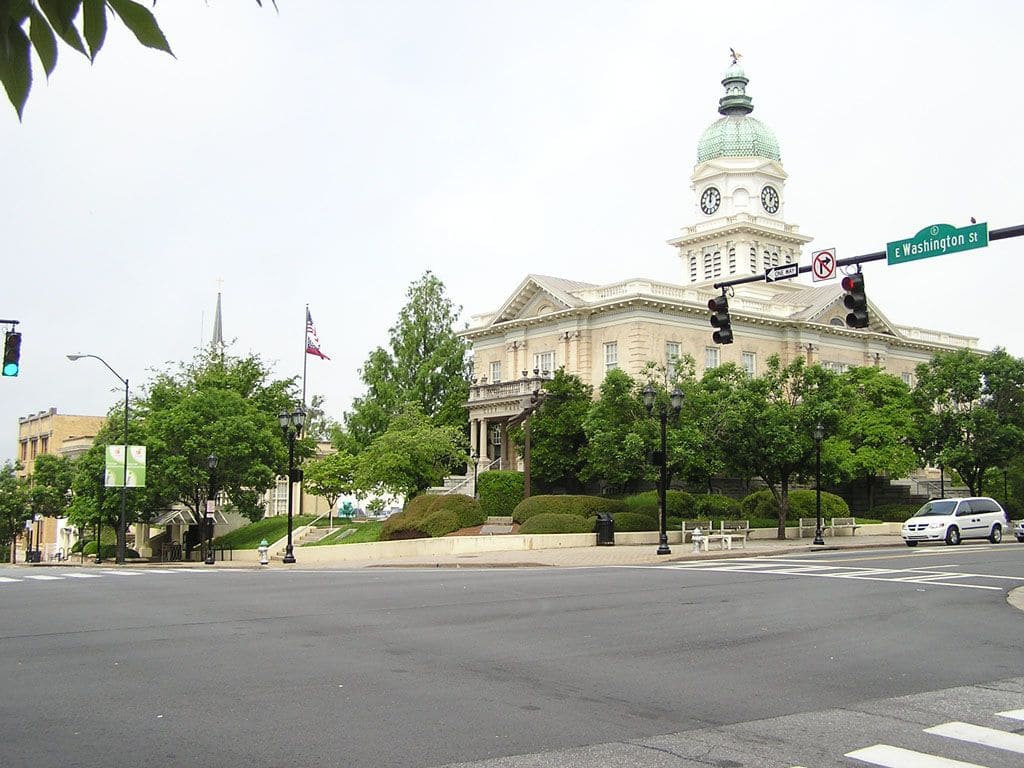
Athens, Georgia is the archetypal Southern college town — a compact, walkable city just under 70 miles northeast of Atlanta that grew up around the state's flagship university. Chartered in 1785, the University of Georgia gives the "Classic City" its youthful energy, deep history and famous cultural life.
Beyond the campus, Athens is celebrated for a music scene that produced R.E.M. and the B-52s, a lively downtown of galleries, breweries and dining, and leafy parks and river trails just minutes away. From Sanford Stadium and world-class museums to historic homes and a quirky self-owning tree, here are the 25 best things to do in Athens.
Fun Facts About Athens, Georgia
The University of Georgia was chartered in 1785, making it the first state-chartered public university in the United States.
Athens is nicknamed the "Classic City" — the town, incorporated in 1806, was named after Athens, the ancient center of Greek culture.
It's a legendary music town: R.E.M., the B-52s and Widespread Panic all got their start on its streets.
Downtown Athens is home to the world's only double-barreled cannon, an ingenious but unworkable Civil War-era weapon cast in the city in 1863.
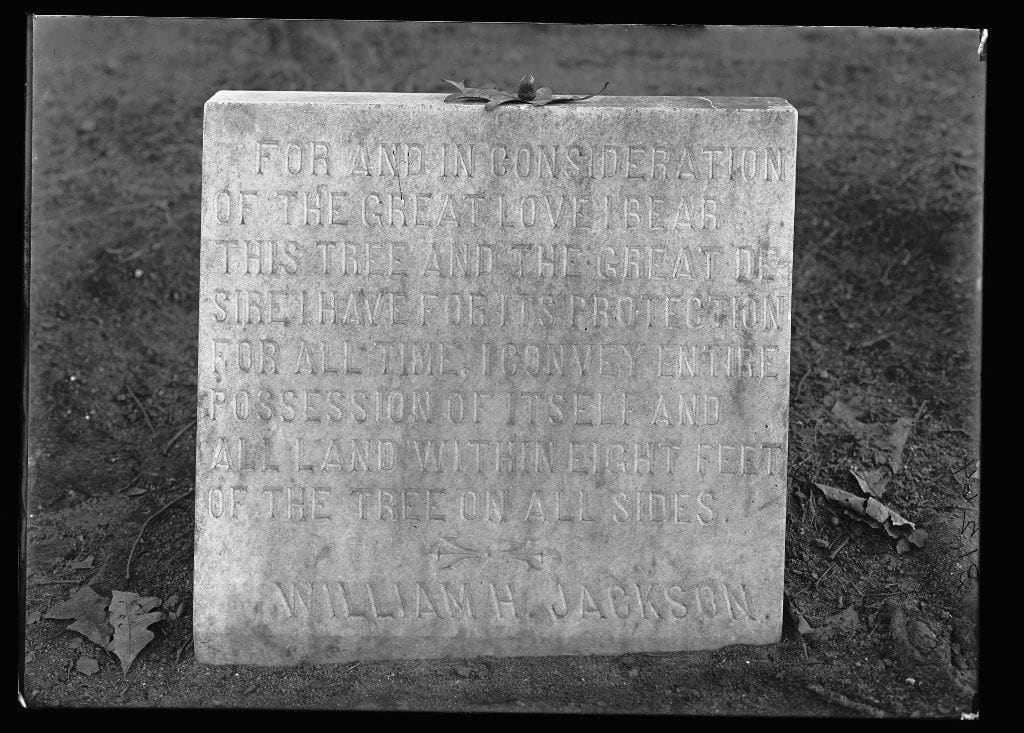
The "Tree That Owns Itself" stands downtown — a white oak legendarily deeded ownership of the land around it; today's tree grew from an acorn of the original.
Athens sits about 70 miles northeast of Atlanta and marks the northern gateway of Georgia's scenic Antebellum Trail.
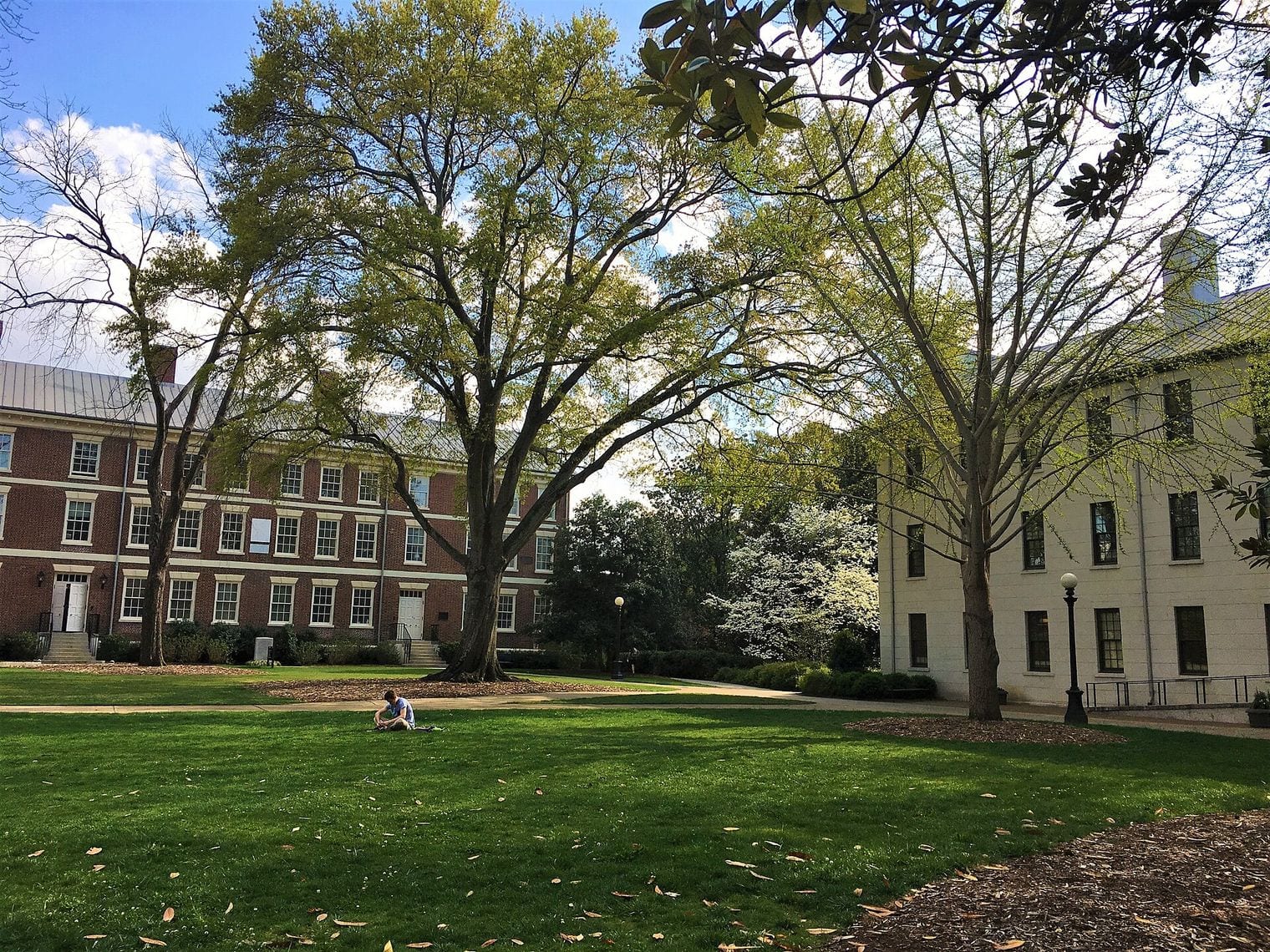
A visit to Athens almost always begins with the University of Georgia, whose leafy main campus spreads across more than 750 acres just south of downtown along the Oconee River. Chartered in 1785 as the first state-chartered public university in the country, it lends the whole city its energy and its "Classic City" character.
The grounds are green enough to be an accredited arboretum, complete with a self-guided walking tour of trees. Wander from the historic North Campus arch to the Performing Arts Center and the Trial Gardens, or step into the Special Collections Library to see rare books and manuscripts. It is an easy, open campus made for strolling.
For many out-of-town visitors, the biggest draw in Athens is Sanford Stadium, home of the Georgia Bulldogs football team. On autumn Saturdays it regularly packs in more than 90,000 roaring fans, and a home game transforms the entire town into a sea of red and black.
The field is famously ringed by hedges of Chinese privet, a barrier that has stood for decades — save for one legendary field-storming after a 2000 win over Tennessee. If you would rather see the place without the crowds, you can arrange a look through the university's visitor center on a quiet weekday.
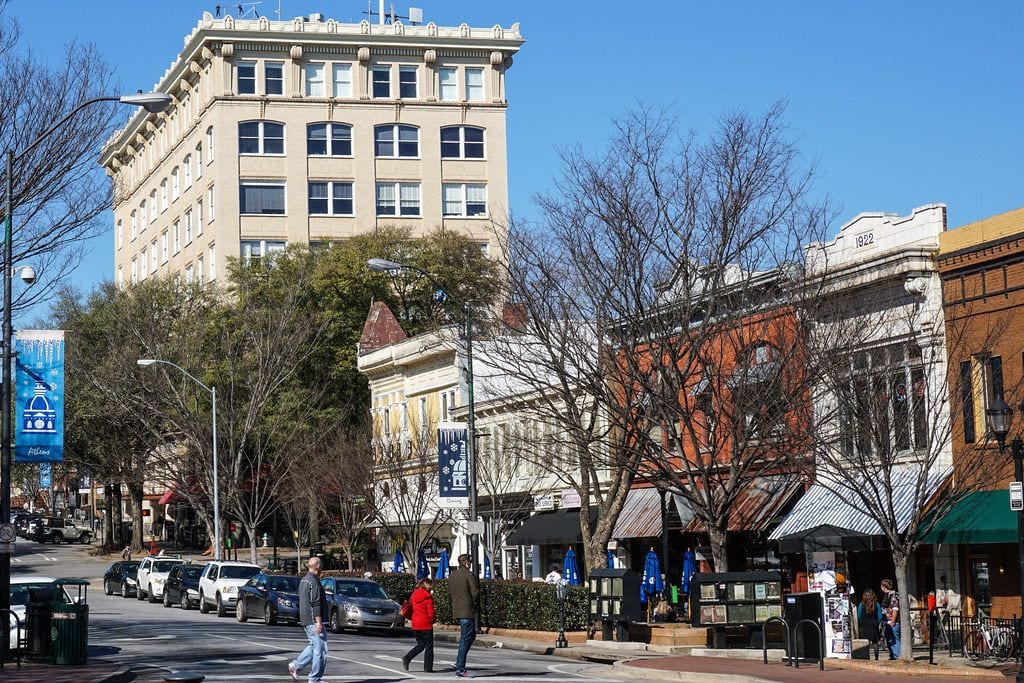
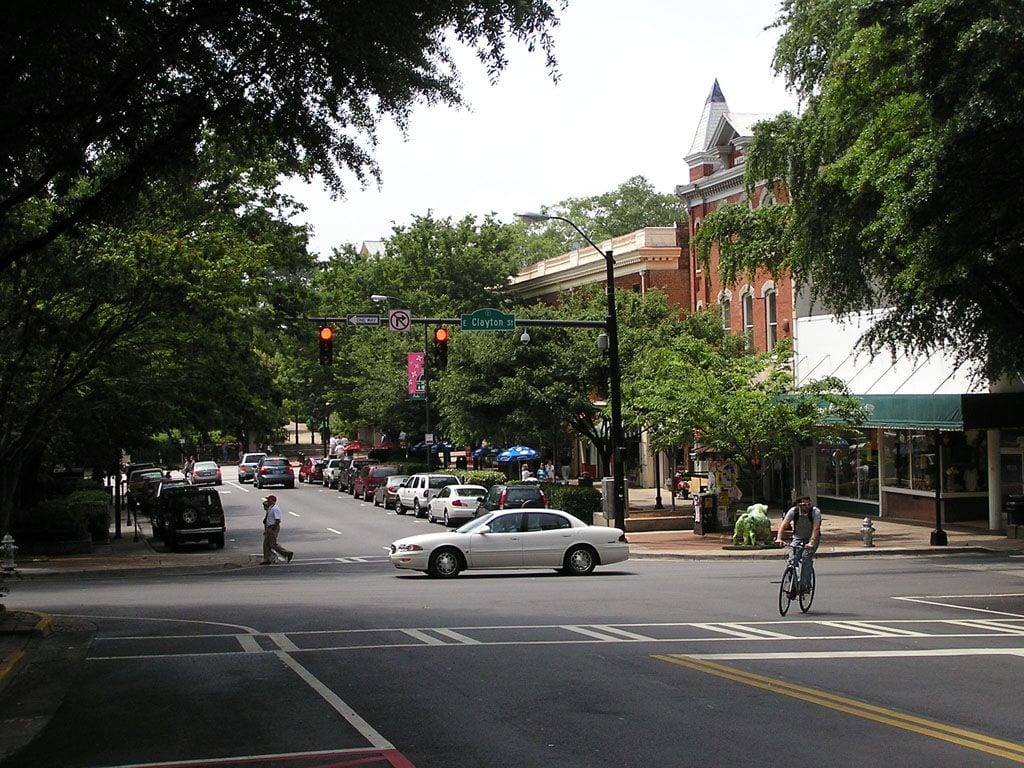
The heart of the city, Downtown Athens rewards visitors with genuine walkability and a lively mix of day and night. Storefronts, galleries and sidewalk cafés line the blocks north of Broad Street, an easy place to browse, shop and people-watch at an unhurried pace.
Music runs deep here: R.E.M., the B-52s and Widespread Panic all got their start on these streets, and the scene still hums with live shows. The downtown blocks are also home to a celebrated craft-beer scene, with several well-known local breweries pouring within a short walk of one another.
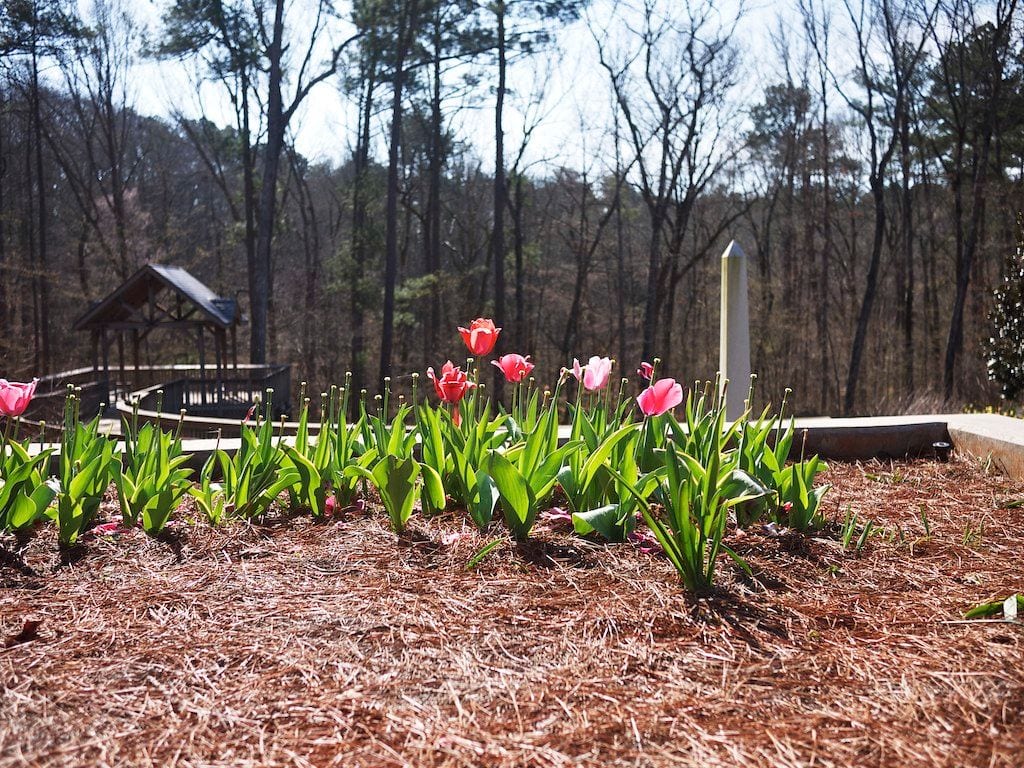
Just beside the university campus, the State Botanical Garden of Georgia sprawls across 313 acres of gardens and trails. Wander the tropical conservatory, the flower and international gardens, and a children's area, or simply find a quiet corner among the plantings to slow down for an hour.
A heritage garden gathers plants with deep ties to Georgia, from peaches and peanuts to tobacco. Beyond the paved paths, leafy woodland trails invite a longer ramble through the trees, and visitors consistently describe the whole place as peaceful, green and quietly beautiful — an easy escape from the college-town bustle.
If Athens was a birthplace of American new-wave music, the 40 Watt Club was its beating heart. The legendary venue grew out of a band member's loft in the early 1980s and helped launch hometown acts like R.E.M. and the B-52s into the wider world.
Over the decades the 40 Watt Club has hosted names as varied as Nirvana, Run-DMC, the Black Crowes and the Killers, and it is still going strong in the thick of this music-mad college town. Expect a sharp lineup of established and up-and-coming bands, a great sound system and a big, easygoing bar.
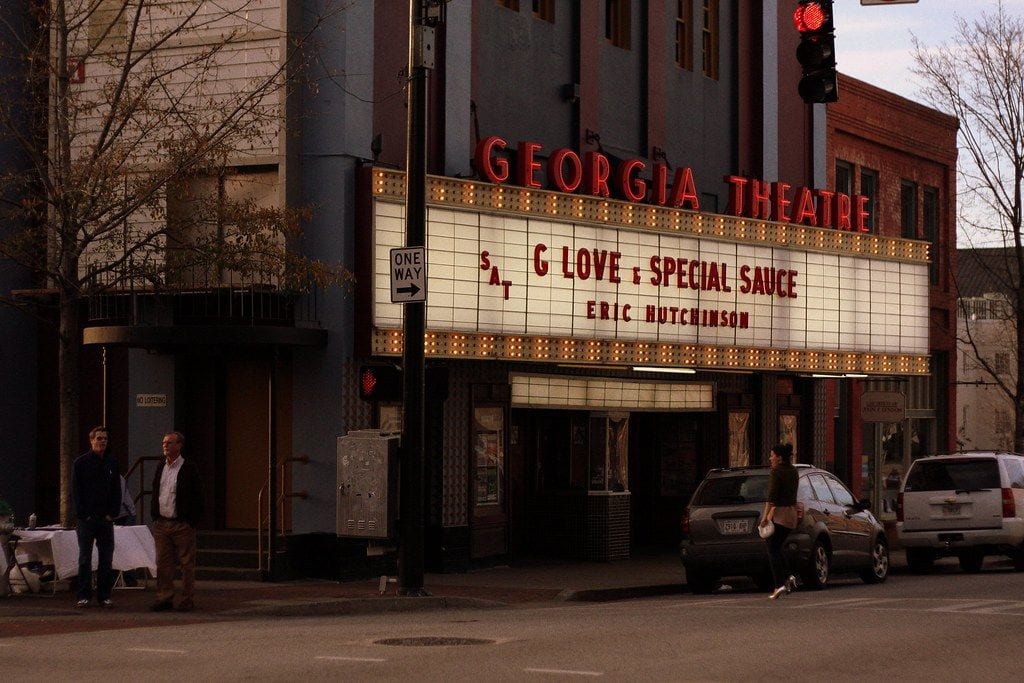
The Georgia Theatre began life as a YMCA in 1889 and spent much of the 20th century as Athens' grandest movie house before reinventing itself as a live-music landmark. Bands like the B-52s, Pylon and R.E.M. have all taken its stage, and the Police played here in 1979 on their first U.S. tour.
Local legends Widespread Panic filmed their "Live at the Georgia Theatre" documentary here in 1991, directed by a young Billy Bob Thornton. Today the restored theatre draws standing-room crowds and even offers a rooftop bar, so it is worth turning up early to claim your spot before the music starts.
Come in early summer and you can catch AthFest, the free downtown music-and-arts festival that has become an Athens institution. Each year fans gather for live concerts on outdoor stages, an artist market and a kids' area, filling the streets with sound and color.
For night owls, the festival's ticketed Club Crawl carries the party into more than a dozen venues around town, and it is common for well over a hundred bands to take part across the weekend. The outdoor stages and market are free to enjoy; a wristband is all you need to join the indoor Club Crawl.
8. House Museums: (The Taylor-Grady House, Ware-Lyndon House…)
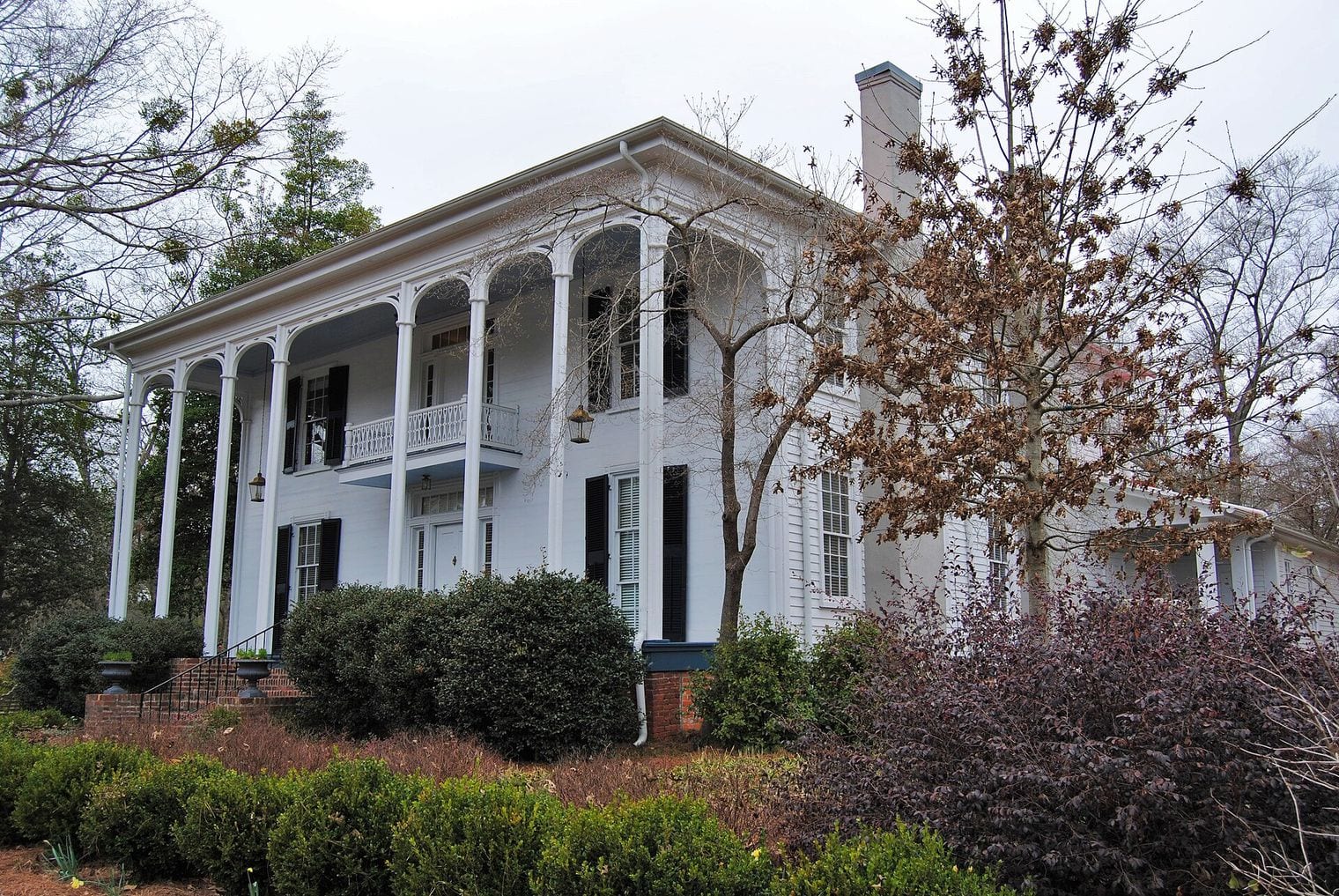
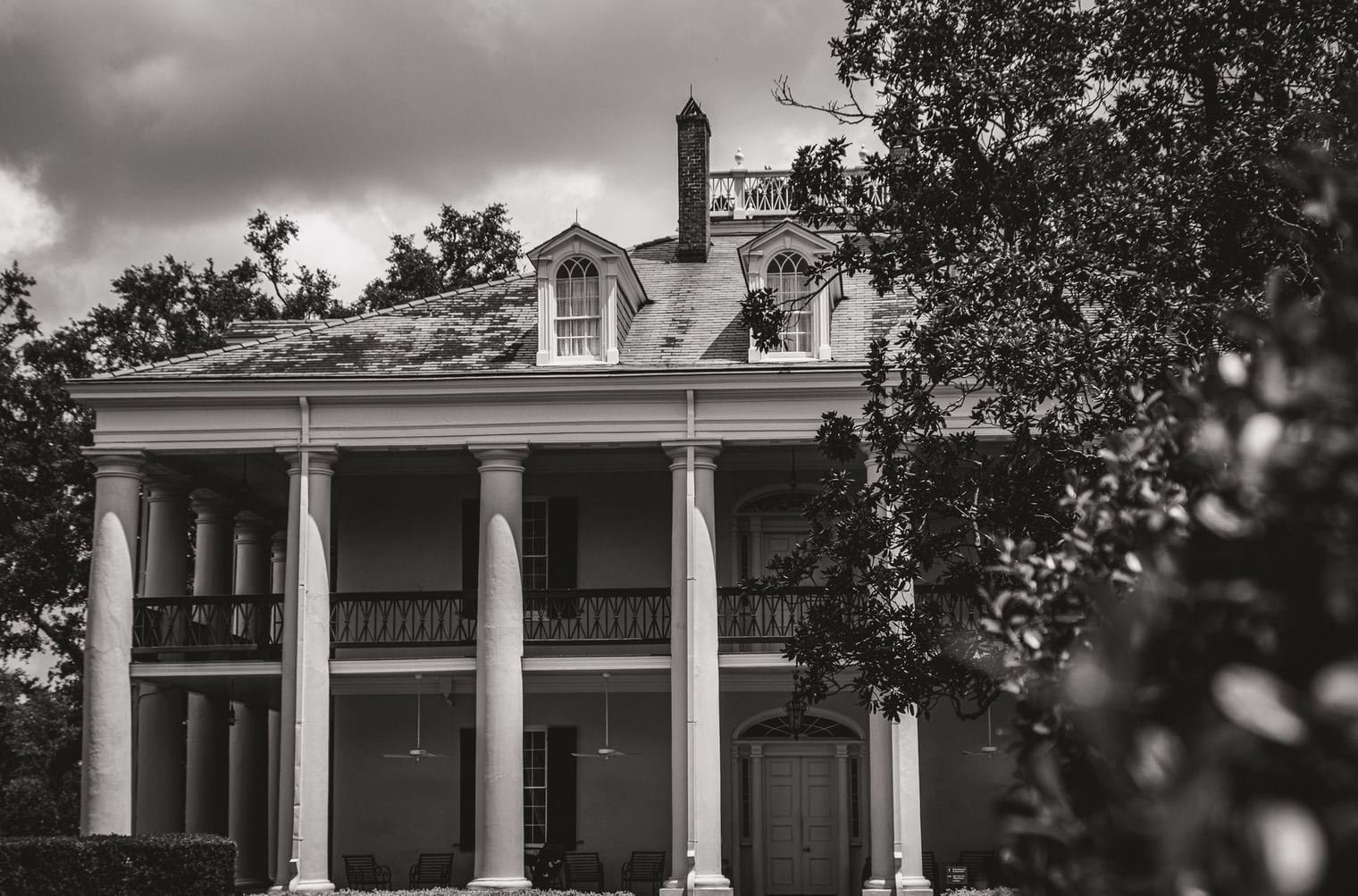
With so many homes dating to its early-1800s origins, Athens is a fine place to tour historic residences. Start at the Church-Waddel-Brumby House, considered the oldest surviving residence in town, restored to its 1820s appearance when it was home to university president Moses Waddel — it now houses the Historic Athens Welcome Center.
From there, other standout house museums are within easy reach, including the Greek Revival Taylor-Grady House on Prince Avenue and the T.R.R. Cobb House. History buffs can keep going: Athens counts dozens of sites on the National Register, many of them clustered within a short walk of downtown.
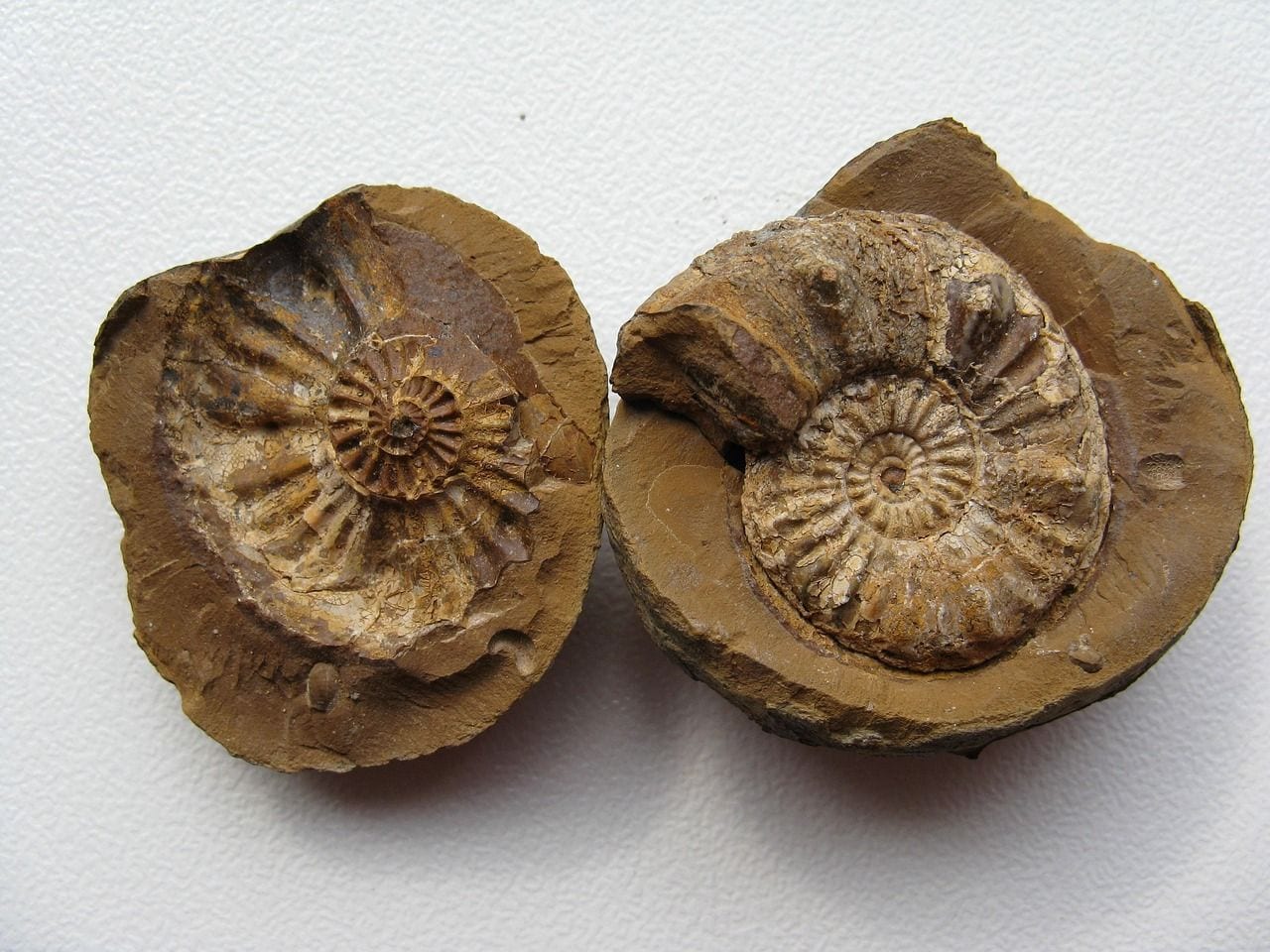
For travelers drawn to the natural world, the Georgia Museum of Natural History holds a remarkable trove — eleven separate collections ranging from arthropods to zooarchaeology, including hundreds of thousands of preserved fish specimens gathered for study.
Because it is a working research center at the university rather than a walk-in attraction, access is limited, but its public exhibition gallery offers an accessible window onto the collections. Those wanting a deeper look can arrange a special tour to go behind the scenes and explore the specimens in more detail.
As the official state art museum, the Georgia Museum of Art anchors the university's cultural offerings. Its permanent collection centers on two centuries of American painting, rounded out by European and Asian works, with more than 10,000 objects filling its galleries.
World-class temporary exhibitions rotate through on a regular basis, so it is worth checking what is on before you go. Admission is free, and visitors consistently praise the strength of the permanent collection and the range of the changing shows — an easy, rewarding stop right beside the campus.
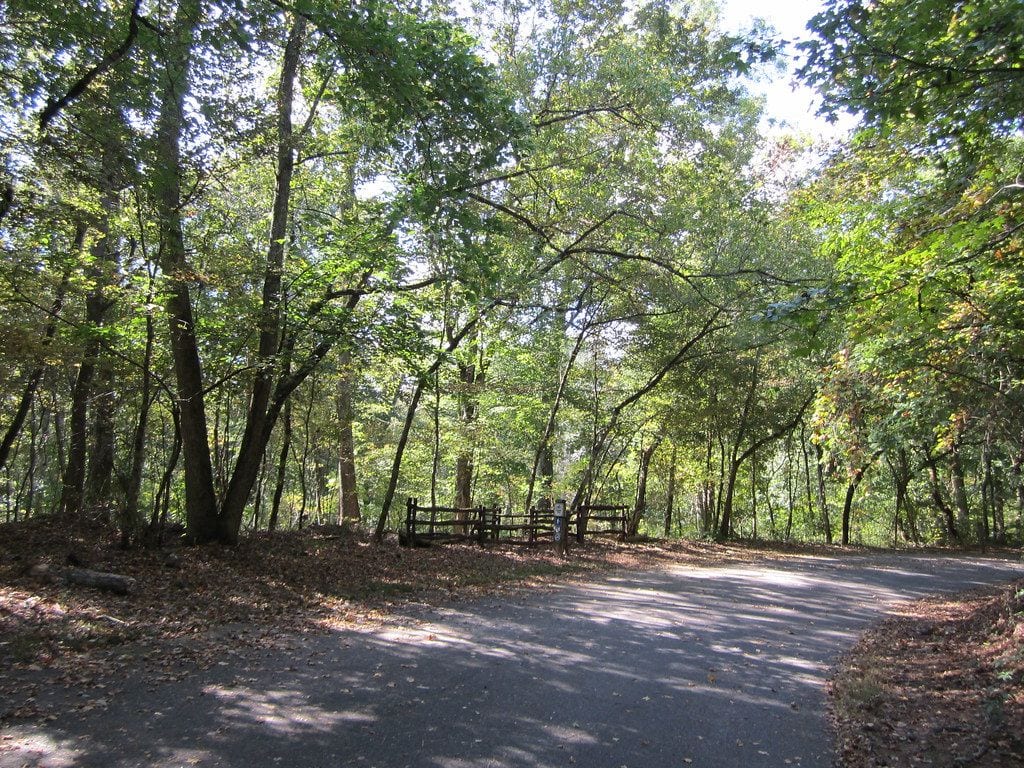
A few miles north of town, Sandy Creek Park spreads across 782 acres around Lake Chapman, making it Athens' premier outdoor playground. The reservoir, created in 1977 by a flood-control dam on the Oconee River, sets the scene for boating, fishing, swimming, disc golf and court sports.
A greenway added in the 1980s links the park to the adjacent Sandy Creek Nature Center, where you can spot native wildlife along the trails and see resident animals up close. Together they make an easy, family-friendly half-day of fresh air just outside the city.
Tucked into a downtown corner, the Jackson Oak carries one of Athens' most charming legends — it is said to be a tree that owns itself. In 1890 local newspapers reported that Colonel William Jackson had deeded the land eight feet around the oak to the tree itself, out of affection for the shade it gave.
The "tree that owns itself" became a lasting point of local pride. The original oak toppled in 1942, but the community loved it so much that they planted a "son" grown from one of its own acorns on the very same spot, where it still stands today for visitors to seek out.
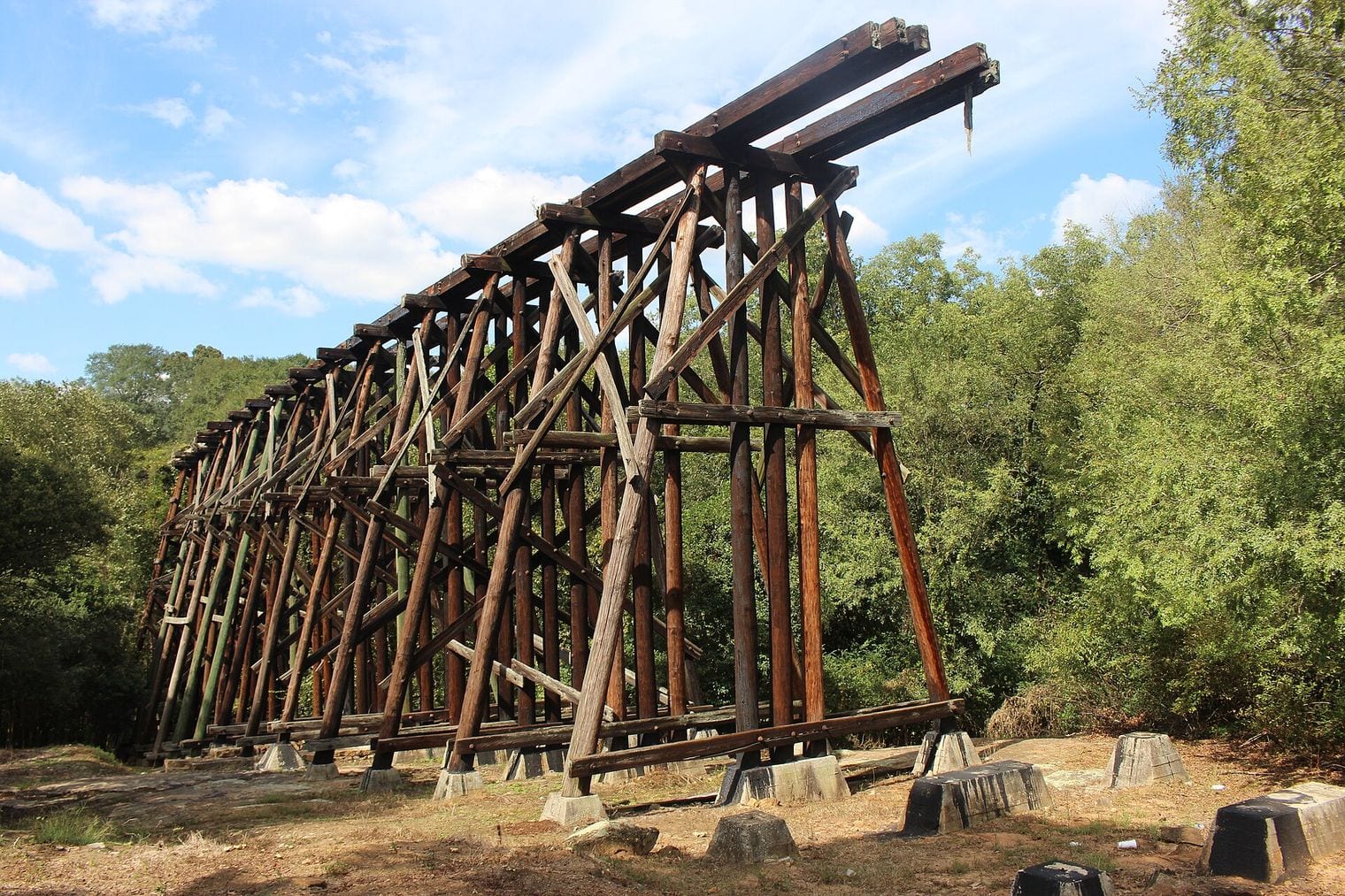
Music pilgrims know the railroad trestle from the cover of R.E.M.'s 1983 debut album "Murmur," once photographed draped in kudzu in Dudley Park. When the original wooden structure was dismantled, fans campaigned for years to honor it in the very place it stood.
That effort paid off: a new Murmur Trestle bridge opened in 2023 along the Firefly Trail, its central span designed to echo the beloved original. Reached by an easy walk in Dudley Park, it offers a tangible link to Athens' musical history and fine views over the Oconee River.
Set in a historic house with courtyard seating beneath the trees, the Five & Ten restaurant has been an Athens fixture since celebrity chef Hugh Acheson opened it in 2000. A "Top Chef" judge originally from Ontario, Acheson made his wife's hometown his culinary home.
The kitchen brings an international sensibility to refined Southern cooking, and diners rave about both the atmosphere and the food. It is a polished choice for a special dinner, with space available for private parties and events — a taste of Athens' celebrated farm-to-table dining scene.
Athens marks the northern gateway of the scenic Antebellum Trail, a route that threads through seven historic towns across north-central Georgia. It makes an easy framework for a day trip: head south to Watkinsville and its Eagle Tavern Museum, a former early-1800s stagecoach stop.
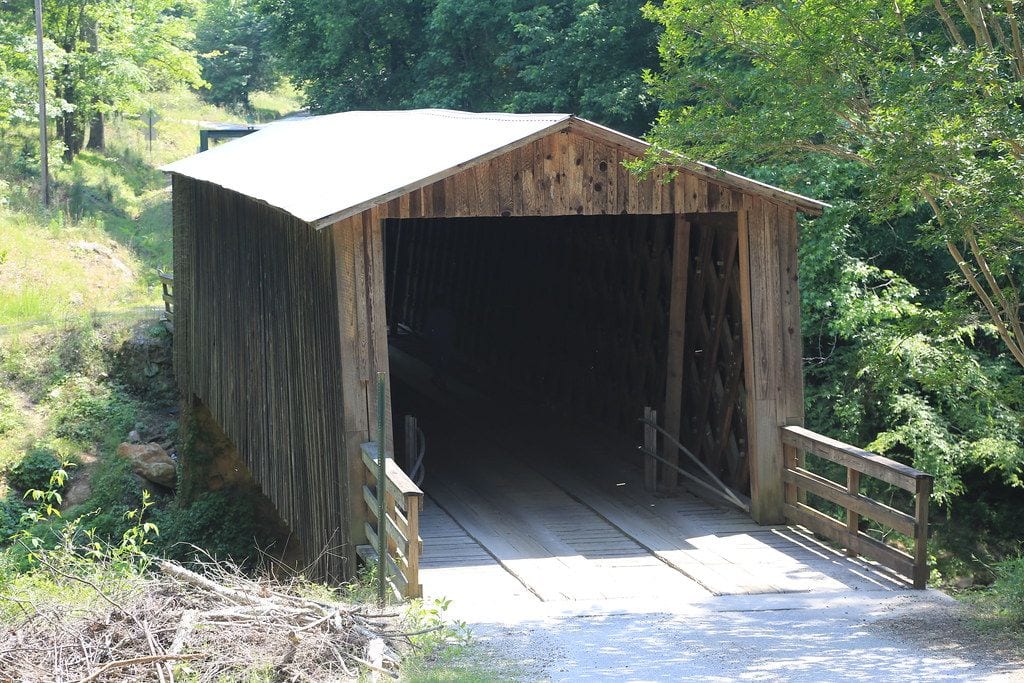
Browse Watkinsville's antique shops and detour to the photogenic Elder Mill Covered Bridge before turning back to Athens for the evening. With more time, keep rolling south to Madison, Eatonton and Milledgeville, the trail's next stops, for a fuller weekend of small-town Georgia history.
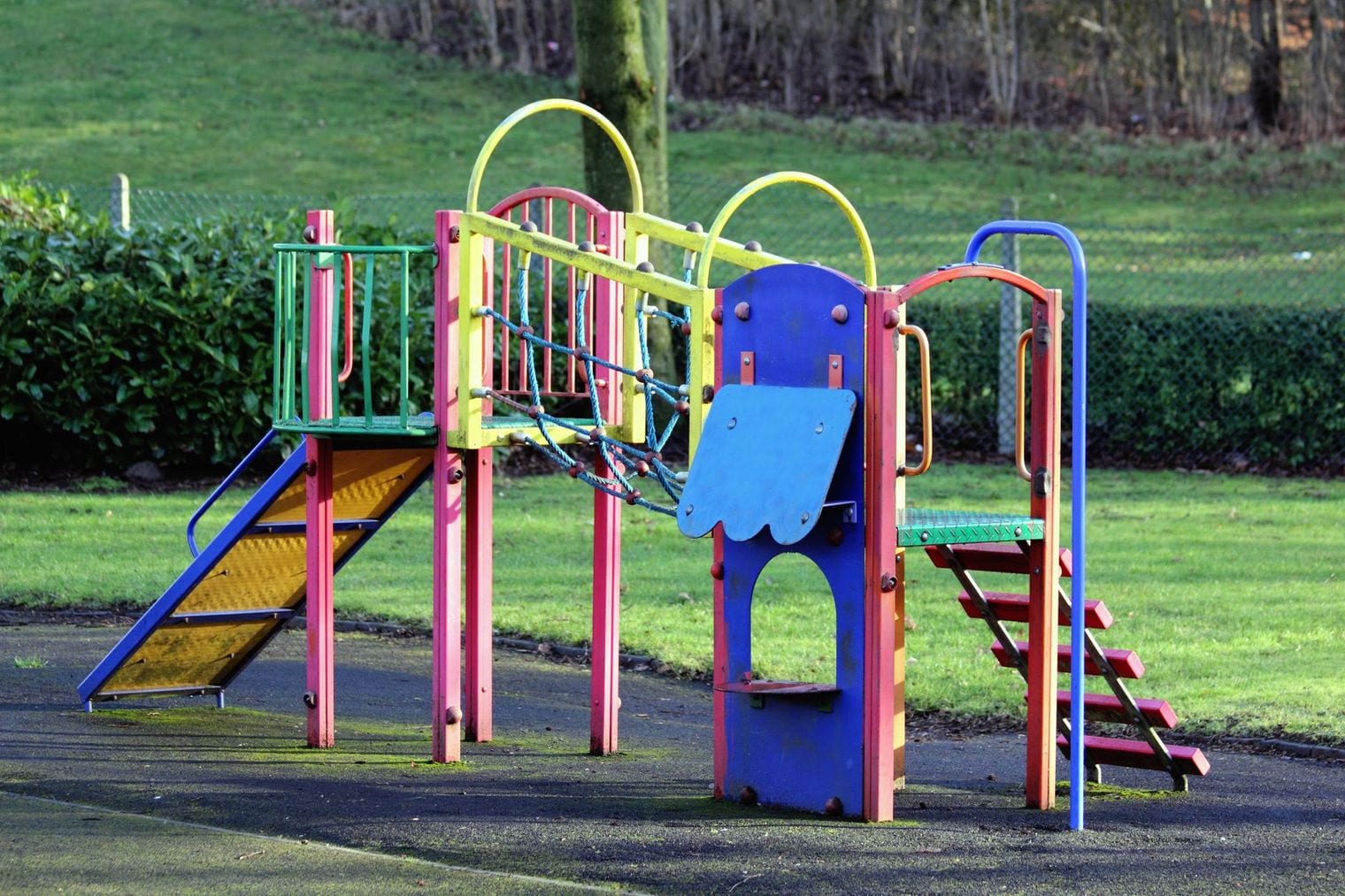
Families with restless kids will find plenty to love at World of Wonder, a sprawling playground set inside the larger Southeast Clarke Park. Its inventive play areas include a climbing wall, a two-story spinner, a three-story slide tower and ten separate slides, plus swings for every age.
A Biba-enabled setup even layers an augmented-reality game over the equipment for a bit of high-tech fun. The surrounding Southeast Clarke Park adds a dog park, skate park, tennis center and walking paths, so there is room for the whole family to spread out and burn off energy.
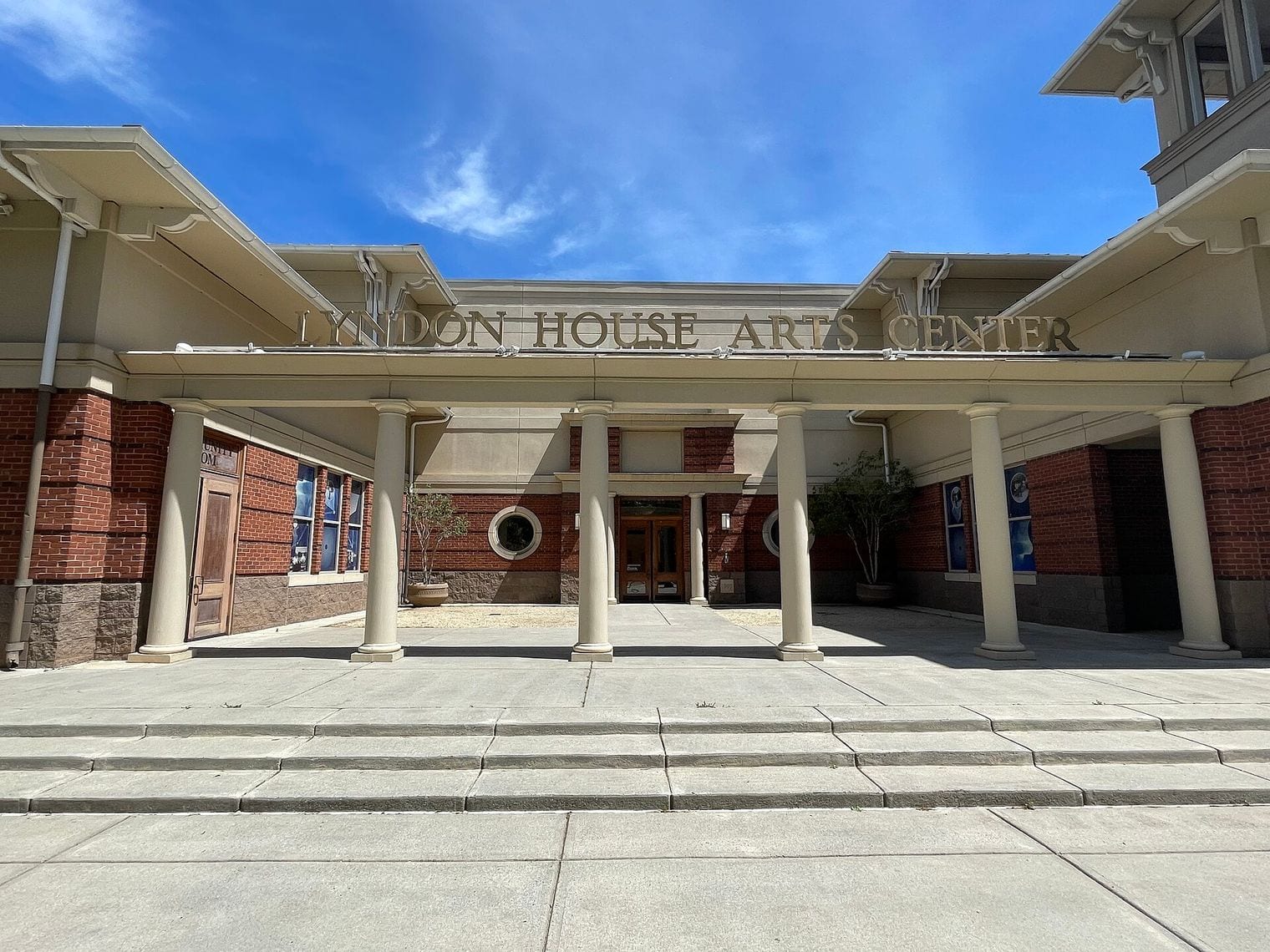
The Lyndon House Arts Center serves the community with rotating exhibitions, classes and events, and it is a welcoming stop for anyone who wants to nurture a creative side. Studio rentals support longer projects, and an on-site gallery shop lets you take a favorite local piece home.
Visitors praise the depth of local art on display and the knowledgeable staff. Attached to the center is the Ware-Lyndon House, an 1840s Greek Revival home preserved with period furnishings, giving your visit a dose of Athens history alongside its contemporary art.
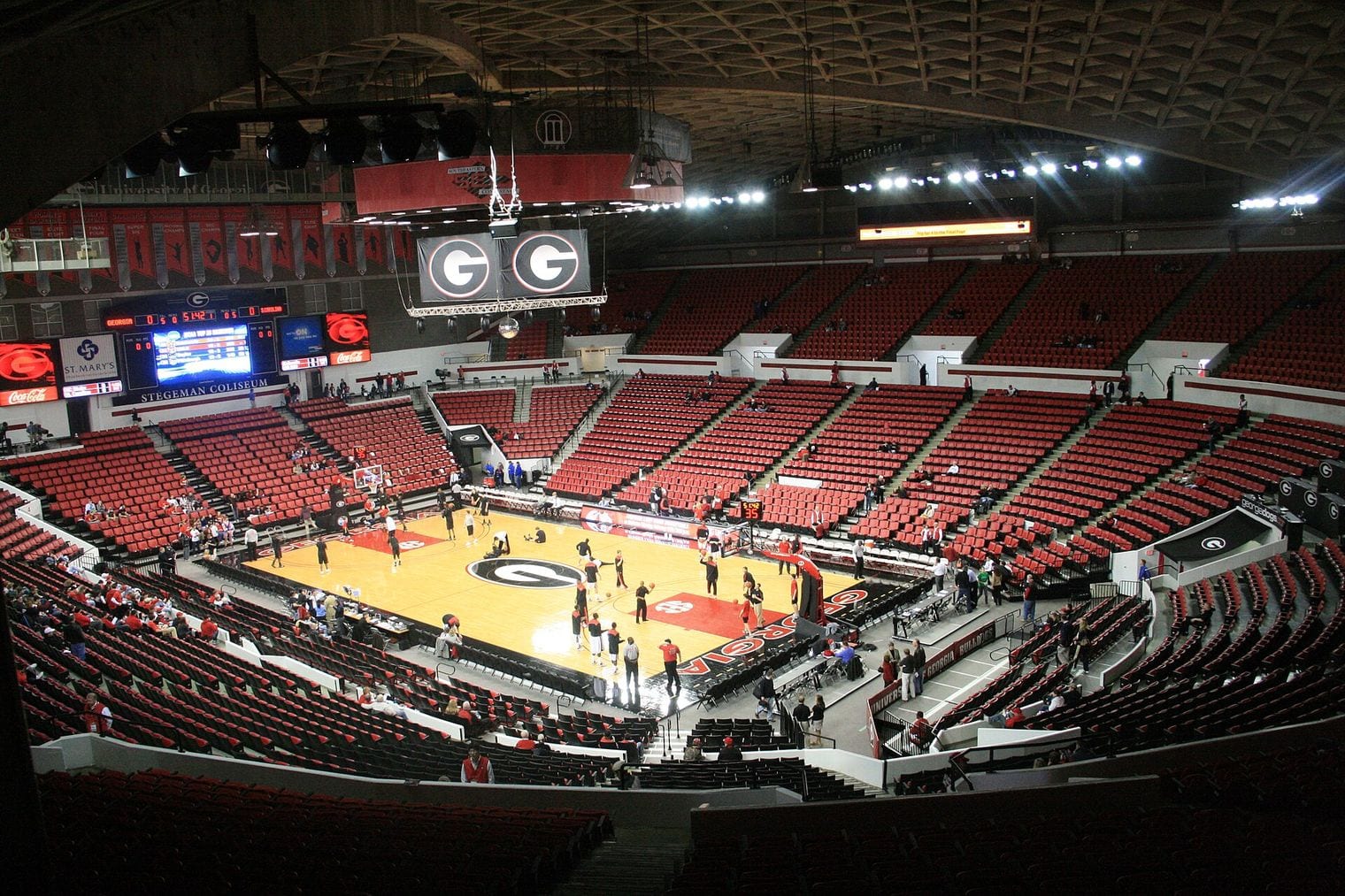
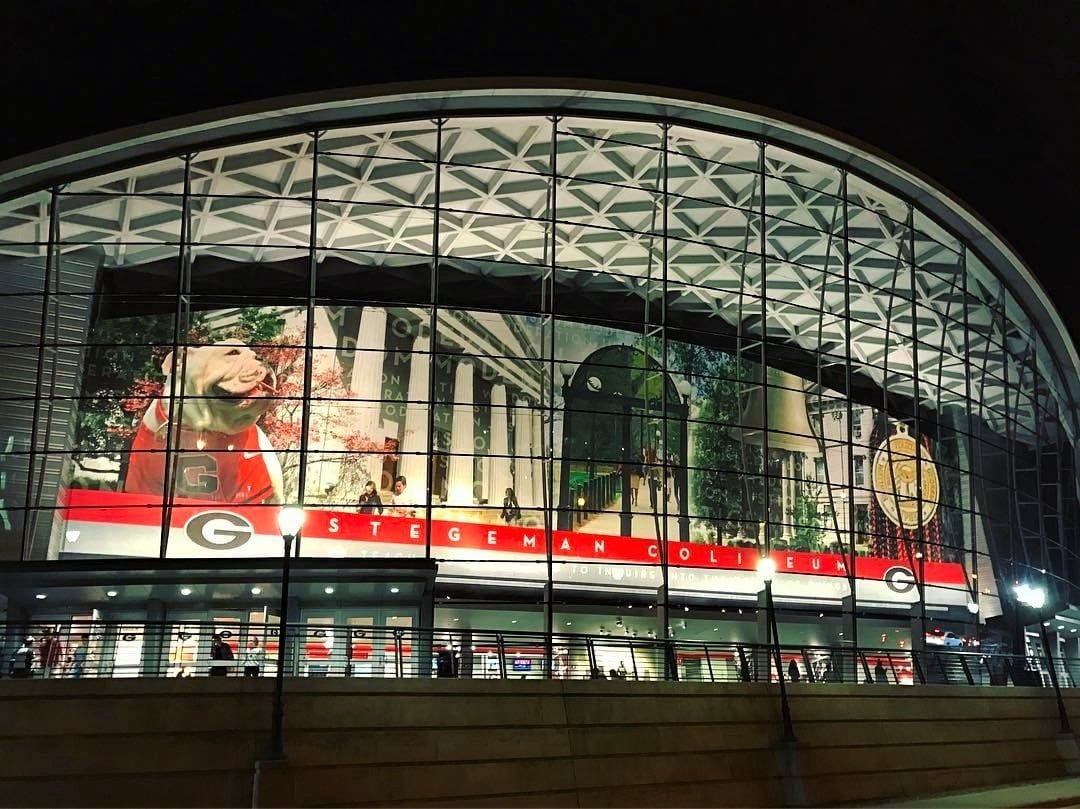
While football rules Athens, the Georgia Bulldogs basketball team commands a devoted following too, and Stegeman Coliseum is their home court. Set in the center of the UGA campus, the arena seats more than 10,000 fans for a game.
Originally built in 1964 and renovated several times since, the coliseum also hosts concerts and other sporting events, and it served as the venue for gymnastics and volleyball during the 1996 Olympic Games. Visiting fans note the convenient parking and consistently well-kept facilities.
For University of Georgia sports fans, Butts-Mehre Heritage Hall is a must. The sprawling complex houses locker rooms, training spaces, coaches' offices and the athletic association headquarters, and though it is built to impress recruits, it is also open to the public.
Built in 1987 and named for two former football coaches, its historic showcases display awards, trophies and memorabilia from the university's storied sports past. Butts-Mehre sits beside the ticketing office and the Georgia Bulldog Club, and free self-guided visits let fans soak up the Bulldog heritage.
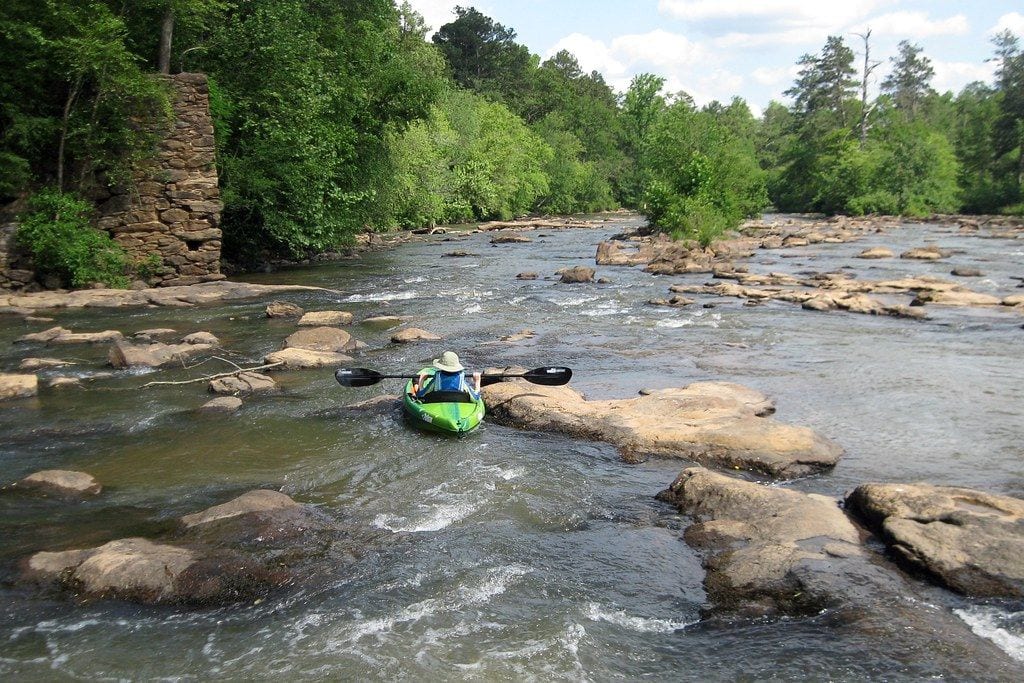
Walkers, runners and cyclists gravitate to the Oconee Rivers Greenway, a network of connected trails threading along the North Oconee River from Sandy Creek down toward downtown Athens. It is an easy, scenic way to get out into nature without leaving the city.
Roughly three miles of natural-surface trail put you close to local flora and fauna, while about eight miles of paved multi-use path carry bikers past the river, the university campus, Pulaski Heights and a historic railway depot. Several trailheads with parking, some with restrooms, make it simple to hop on anywhere.
A short drive from the center of town, Rush Athens Trampoline Park is a reliable pick for burning off energy, especially on a rainy day. The facility packs in a main jumping area, two dodgeball courts, foam pits, a basketball zone and even a ninja course.
You can buy tickets at the door, though the staff recommend booking ahead on busy weekends. Parents who would rather not jump can watch for free from courtside or the lounge, and the park hosts fitness classes and private events too. All ages are welcome to bounce.
Just off the southwest edge of the UGA campus, the walkable Five Points neighborhood blends historic homes with student housing while keeping a strong sense of community. Its intersection of streets gives the district its name and a pleasantly old-fashioned village feel.
Bookshops, bakeries and antique stores line South Milledge and South Lumpkin, perfect for an afternoon of unhurried browsing. Stop by a classic soda-fountain lunch counter for a taste of the past, or sample the local craft-beer scene at one of the neighborhood's beer shops before heading back toward campus.
Named for the State Normal School that once operated there, the Normaltown neighborhood carries a hip, eclectic vibe and plenty of easygoing outdoor space. Prince Avenue is its spine, lined with quirky independent shops worth a slow wander.
A Saturday farmers market brings fresh local produce, and the mix of coffee shops, hardware stores and barbecue joints shows off Normaltown's love of locally owned businesses. On its southern edge, Athens Regional Park gives locals and visitors alike a green place to unwind away from the pavement.
On the west side of town along Atlanta Highway, Georgia Square Mall is the city's traditional enclosed shopping center, open since 1981. Anchored by a Belk department store, it still offers a handful of retailers, a food court and easy, plentiful parking for a low-key shopping stop.
Like many American malls, it is a quieter place than in its heyday, with fewer shops than it once held as online retail has reshaped the way people buy. Even so, it remains a functional, air-conditioned option — handy on a hot Georgia afternoon or a rainy day in Athens.
Locals call Athens the "Classic City," and there is so much to see — the buzzing downtown, the university campus, the graceful historic homes and the parks all around — that some visitors welcome a little guidance. That is exactly where the Historic Athens Welcome Center comes in.
Housed in the c.1820 Church-Waddel-Brumby House, the center runs daily guided walking and shuttle tours and offers a set of free, downloadable self-guided walking and driving tours. They are themed around Athens' musical history, historic homes, the university campus, African American heritage and more, letting you explore at your own pace.
Best Time to Visit Athens
Spring and fall are the most comfortable times to walk the campus and downtown, with mild weather and blooming or turning trees. Autumn, though, is defined by football: on a University of Georgia home-game Saturday between September and November the town swells with tens of thousands of fans, so plan well ahead if you visit then.
Early summer brings the free AthFest music-and-arts festival in late June, a highlight of the calendar, while summers otherwise run hot and humid and winters stay fairly mild. For an easygoing, crowd-free trip, aim for a non-game-day weekend in spring or fall.
Getting to Athens
Athens sits at the meeting point of several highways, including US-441, US-78 and US-29, with the GA-10 Loop (the Athens Perimeter) circling the city and SR-316 running west toward Interstate 85. Coming from Atlanta, most drivers take I-85 north to GA-316 east, covering the roughly 70 miles in about an hour and a half.
The nearest large airport is Hartsfield-Jackson Atlanta International (ATL), about 70 miles and 90 minutes to the southwest; small Athens-Ben Epps Airport handles limited regional service. There is no passenger rail, so a car (or an airport shuttle) is the usual way in.
Getting Around Athens
Downtown Athens and the adjacent university campus are compact and genuinely walkable, so most visitors park once and explore the core on foot. Athens-Clarke County Transit runs fare-free buses across the county, and the university operates its own campus bus system, making a car-free day around the center easy.
A car is handy for outlying stops like Sandy Creek Park, the trampoline park and the Atlanta Highway shopping area. Downtown parking is available in decks and metered spaces, though on football Saturdays it fills fast — arrive early or plan to walk in.
Where to Stay in Athens
For the most walkable base, stay in or near downtown Athens, steps from the campus, nightlife and dining. Travelers arriving by car often prefer the Atlanta Highway and Loop 10 corridor, where chain hotels cluster with easy parking a short drive from the center.
Quieter, more residential options sit around Five Points and Normaltown, handy if you want a calmer neighborhood feel while keeping the university and downtown within easy reach.
Where to Eat in Athens
Athens dining concentrates downtown around Clayton and Broad Streets, in Five Points, and along Prince Avenue in Normaltown, a walkable spread of collegiate-casual spots, farm-to-table kitchens and international flavors. It's an easy area to graze on foot from a coffee stop to a sit-down dinner.
The city is also known for its craft-beer scene, with several celebrated local breweries pouring downtown, and for classic Southern comfort food. Look for shrimp and grits, barbecue and other regional staples alongside the college-town standbys.
Evening: Have dinner downtown, then catch live music at the legendary 40 Watt Club or the historic Georgia Theatre to end the night the way Athens does best.
Free Things to Do in Athens
Plenty of Athens' best experiences are free. Wander the open, arboretum-like University of Georgia campus, browse the free-admission Georgia Museum of Art, and stroll the historic blocks of downtown. Outdoors, the State Botanical Garden of Georgia, the Oconee Rivers Greenway and Sandy Creek's trails all welcome visitors at no charge.
Track down the quirky "Tree That Owns Itself," walk out to the R.E.M. Murmur Trestle on the Firefly Trail in Dudley Park, and take in the AthFest outdoor stages in late June — all without spending a cent.
Day Trips from Athens
Athens makes an easy base for exploring northeast Georgia. Follow the Antebellum Trail south to Watkinsville (about 15 minutes) and on to the historic towns of Madison and Milledgeville, or drive roughly 30 minutes east to Watson Mill Bridge State Park, home to the longest covered bridge in the state.
For a bigger day out, Atlanta is about 90 minutes southwest via GA-316 and I-85, packing world-class museums, dining and attractions. Nearby lakes and state parks round out the options for anyone wanting more time on the water or the trail.
FAQ: Visiting Athens
What is Athens, GA known for?
Athens is best known as the home of the University of Georgia and as a legendary music town — the birthplace of R.E.M. and the B-52s. It's also famous for its walkable downtown, craft-beer scene, historic homes and its nickname, the "Classic City."
Is Athens, GA worth visiting?
Yes. Athens combines a beautiful historic university campus, excellent free museums, a nationally known live-music scene and easy access to parks and river trails, all in a compact, walkable town — a rewarding day trip or weekend from Atlanta.
How many days do you need in Athens?
One full day covers the campus, downtown and a museum or two on foot. Add a second day to fit in the botanical garden, the parks and river trails, historic house museums and a night of live music at a slower pace.
Is Athens, GA walkable?
Very. The downtown core and the adjacent university campus sit within an easy stroll of one another, so most visitors park once and explore on foot. A car is only really needed for outlying parks and shopping areas.
When is the best time to visit Athens?
Spring and fall offer the most comfortable weather for walking. Keep in mind that University of Georgia home-game Saturdays in the fall pack the town with fans, so plan ahead — or choose a non-game weekend for a quieter trip.
How far is Athens from Atlanta?
Athens is about 70 miles northeast of Atlanta, roughly a 90-minute drive via I-85 and GA-316. That makes it an easy day trip or weekend from the city.
What free things can you do in Athens?
Quite a lot: the university campus, the Georgia Museum of Art, the State Botanical Garden, the Oconee Rivers Greenway and Sandy Creek trails are all free, along with landmarks like the Tree That Owns Itself and the R.E.M. Murmur Trestle.