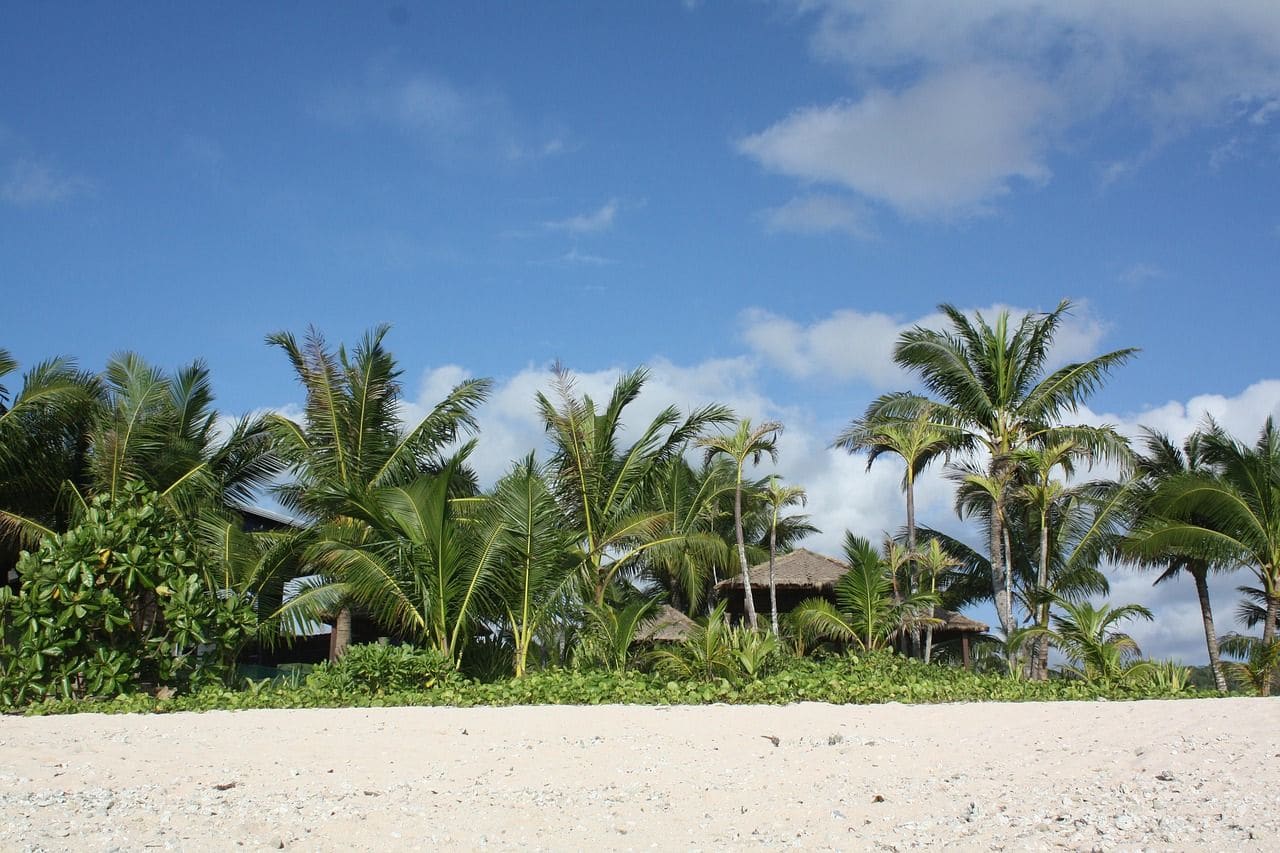
In the heart of the Western Pacific, Guam is the largest island in Micronesia and an unincorporated US territory with a warm, tropical climate year-round. Roughly 30 miles long and up to about 10 miles wide, it is best known for its beaches and reefs, its living Chamorro culture, and layered history spanning ancient Chamorro settlement, Spanish colonization and a pivotal role in World War II. The north is flatter and reef-fringed, the south mountainous and volcanic. Here are 25 of the best things to do in Guam.
Fun Facts About Guam
Guam is the largest island in Micronesia and the largest in the Mariana Islands chain.
It is an unincorporated US territory, so the currency is the US dollar and US citizens need no passport to visit.
Because it sits just west of the International Date Line, Guam bills itself as “Where America’s Day Begins.”
The island’s Indigenous Chamorro (CHamoru) people have a history reaching back roughly 4,000 years.
Guam was a key World War II battleground, and reminders — from forts to national park sites — are found across the island.
Its warm tropical waters and reefs make Guam a renowned scuba diving and snorkeling destination.
In Hagåtña, Guam's capital, Plaza de España marks the former site of the Governor's Palace during Spanish rule. Ruins mingle with restored structures, the Chocolate House and Garden House among them, framing a quiet civic space at the heart of the island's colonial story and one of its most rewarding history stops.
The plaza reads Guam's layered past in stone. Its foundations trace the island's ancient Chamorro roots, a history spanning roughly 4,000 years, through the Spanish era and into the WWII Japanese occupation. Walk the grounds and each fragment tells part of that longer arc, making this a key stop for understanding how Guam came to be.
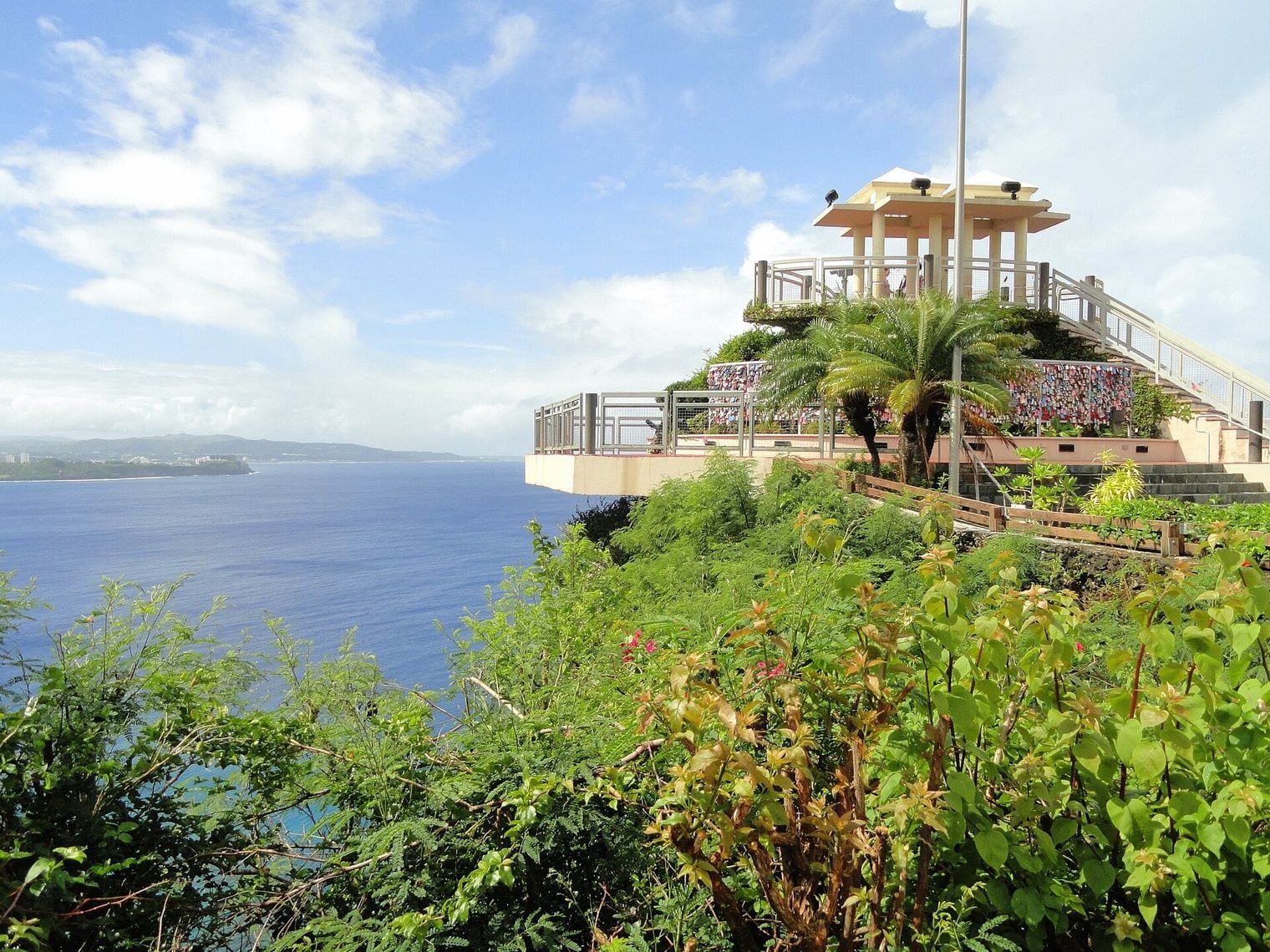
A dramatic clifftop overlook rises high above Tumon Bay, delivering sweeping ocean views that make Two Lovers Point one of Guam's most popular attractions. The site takes its name from a Chamorro legend of two lovers, giving the lofty perch a romance that draws couples and sightseers alike to gaze out over the water far below.
Following a tradition shared by love-lock spots around the world, visitors attach a padlock inscribed with a couple's names to mark their visit. The gesture turns the railings into a mosaic of promises left by those who came before, adding a personal layer to an overlook already celebrated for its Chamorro story and its commanding views of the bay.
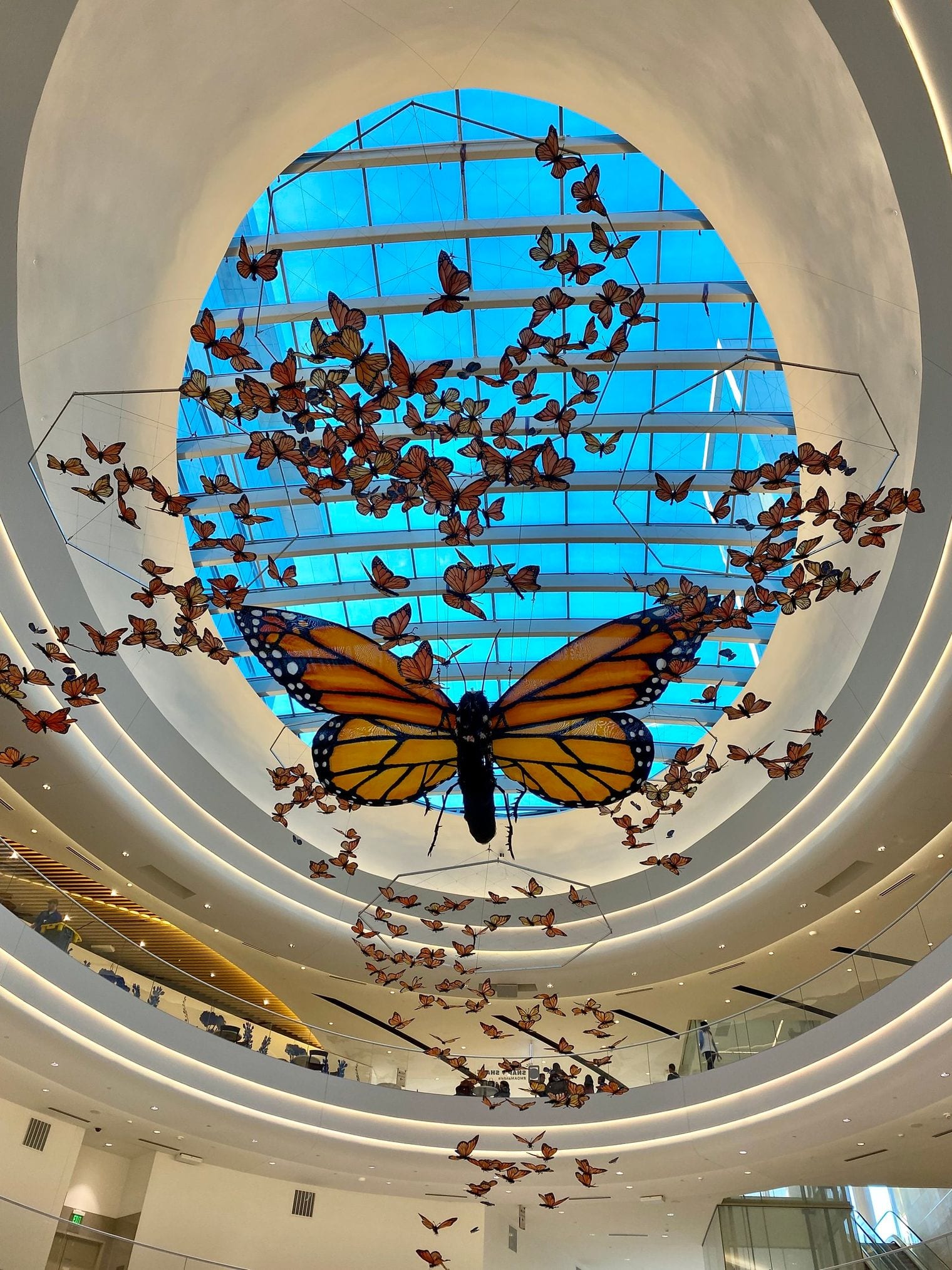
Anchoring the north-island town of Dededo, Micronesia Mall stands as the largest shopping mall in Guam and the largest shopping center in the Western Pacific. More than 130 shops, boutiques and restaurants fill the complex, from major stores like Macy's to bargain-hunter favorite Ross Dress for Less. As a duty-free destination, it pulls in locals and island visitors in equal measure.
Families gravitate to the Funtastic Park entertainment center, while the Fiesta Food Court serves up around 20 dining options and the on-site Micronesia Mall Theaters screens the latest films. Air-conditioned and entirely indoors, the mall doubles as a welcome escape from Guam's tropical heat and a reliable rainy-day stop, all just a short drive from the Tumon hotel district.
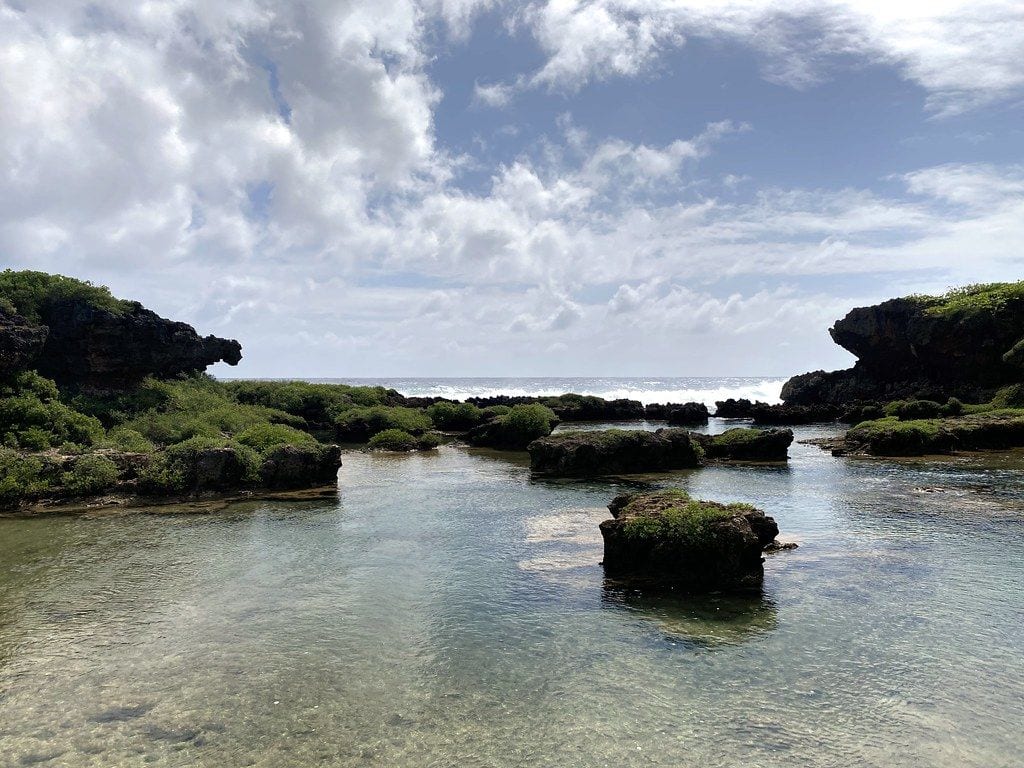
Tucked into the historic southern village of Inarajan, the Inarajan Natural Pool is a set of saltwater swimming pools carved by volcanic rock. A ridge of that rock shields the water from the open ocean, leaving a calm, scenic spot where you can wade and swim while the surf breaks harmlessly just beyond.
The village itself, known in Chamorro as Inalåhan, ranks among Guam's oldest and best-preserved settlements, first established during the Spanish period. That heritage lends the swim a layered feel: you float in ocean-fed pools framed by one of the island's most enduring Spanish-era communities, trading the busier northern beaches for something quieter and rooted.
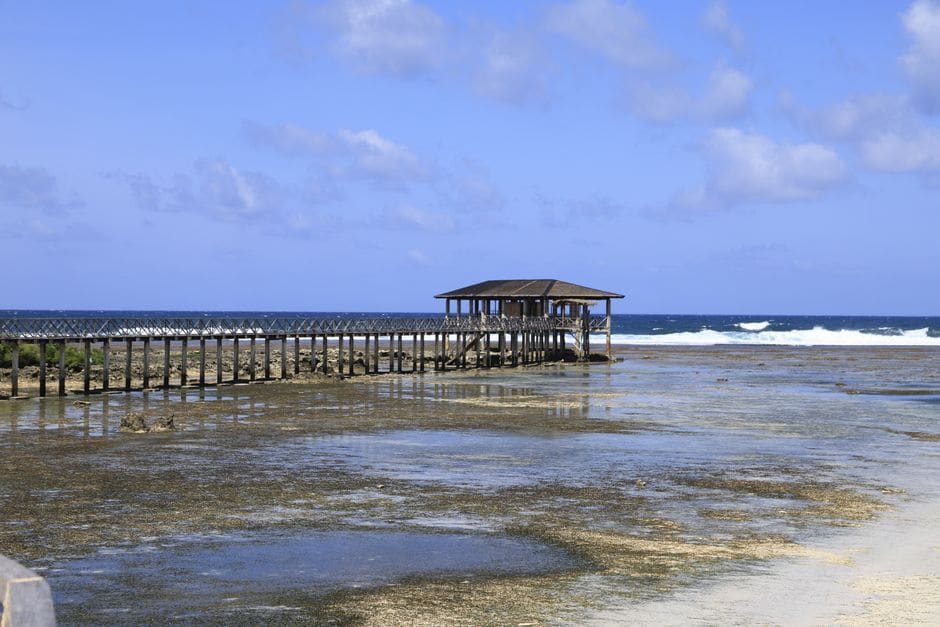
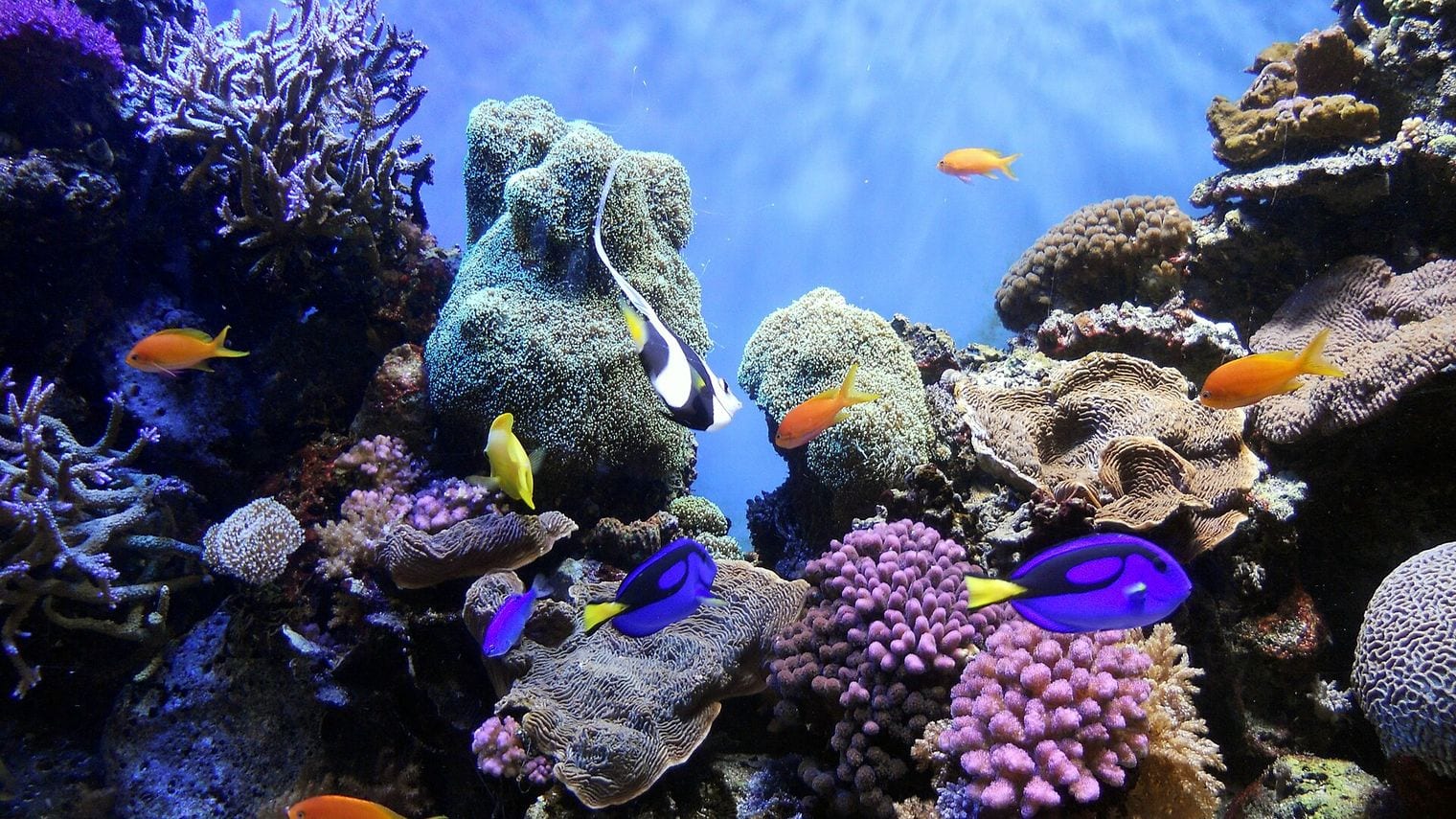
At Piti Bay, Fish Eye Marine Park protects an important marine preserve that serves as a fish nursery, and its centerpiece is an undersea observatory. A long pier carries you out over the water before a spiral staircase descends to a viewing chamber sitting about 30 feet beneath the surface, surrounded by living reef.
This is the only undersea observatory in Micronesia, and its appeal is simple: you watch reef fish drift past the windows without ever getting wet. Non-swimmers and families see the same vivid underwater world that snorkelers do, making it an easy, memorable stop for anyone curious about what thrives just below Guam's waves.
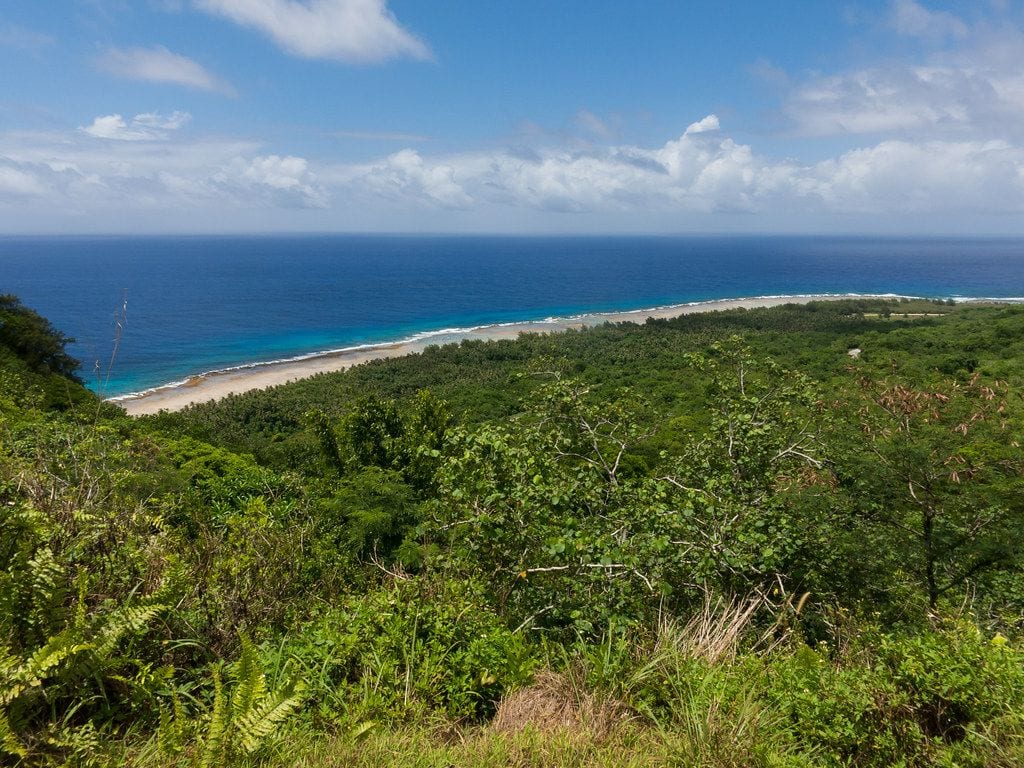
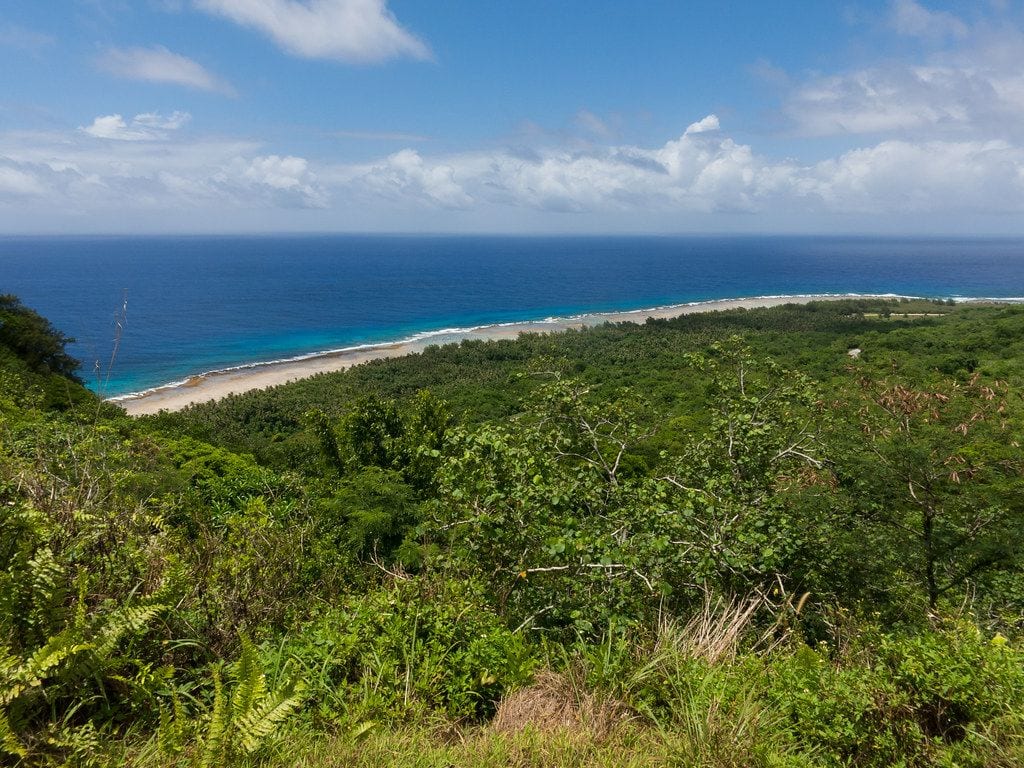
At Guam's far northern tip lies Ritidian Point, a pristine white-sand beach where clear water laps against undeveloped shore. Part of the Guam National Wildlife Refuge, this remote stretch feels untouched by time. Snorkelers drift over reefs in the calm shallows, while the unspoiled scenery rewards anyone willing to make the trip out to the island's edge.
Beyond the beach, the surrounding nature area holds ancient Chamorro cultural sites and caves tucked into the landscape, layering deep history over the quiet coast. Its remoteness keeps crowds thin and the setting serene, so visitors trade convenience for solitude, exceptional snorkeling, and a rare glimpse of Guam as it existed long before development reached these shores.
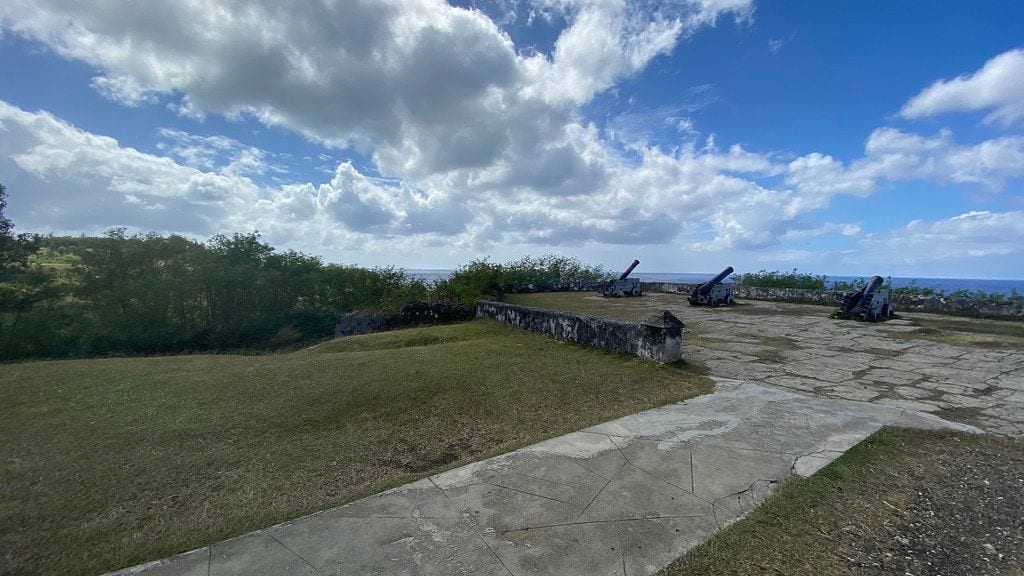
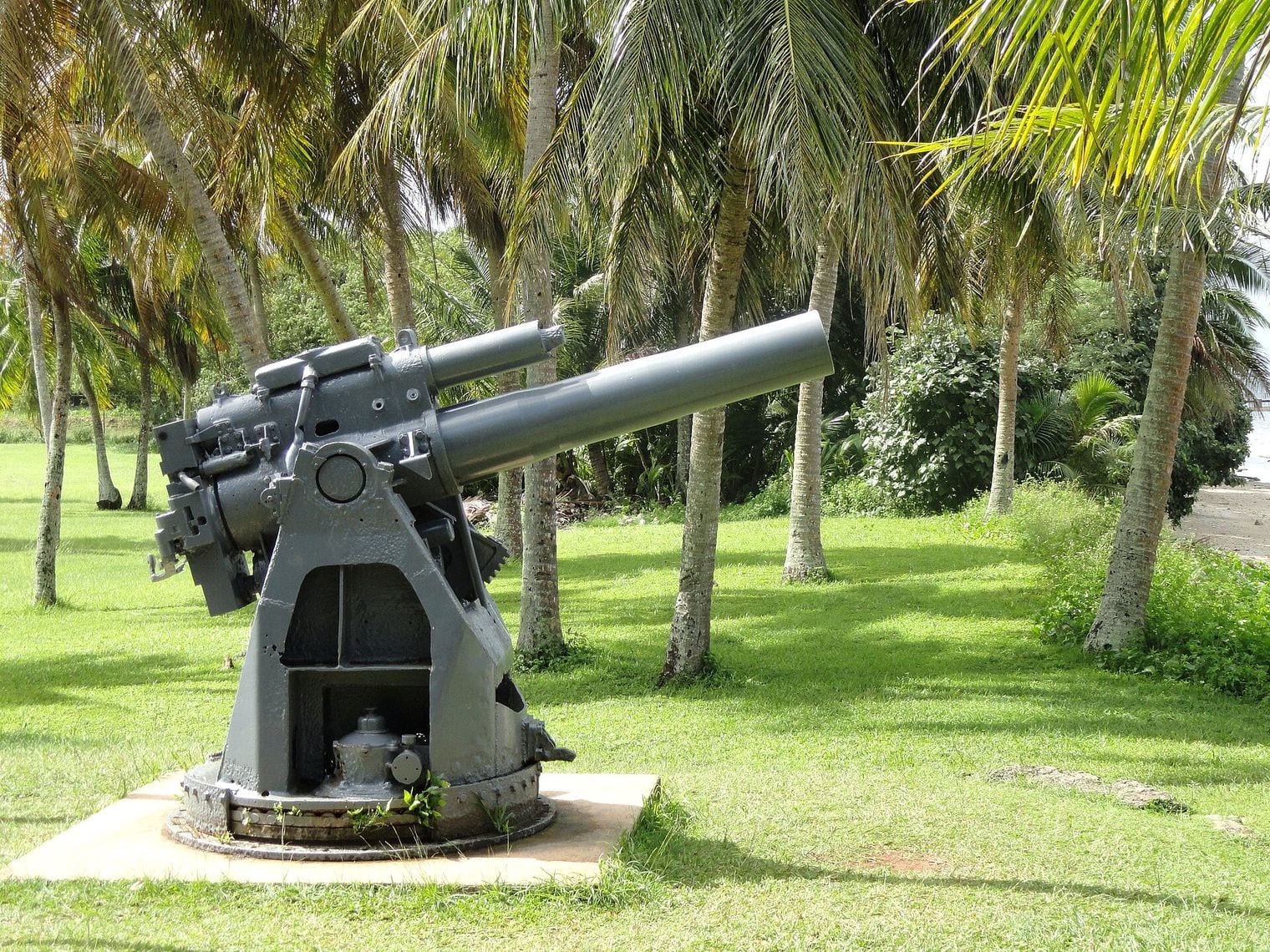
Perched above Umatac Bay in southern Guam, Fort Nuestra Señora de la Soledad is a restored Spanish colonial stronghold built to guard against pirates and defend the lucrative galleon trade. Its cannons still point seaward, and the site offers commanding views over the water and coastline below.
The bay it overlooks carries deep historical weight, traditionally said to be where Magellan landed in 1521. Visitors come for that scenic setting as much as the history, standing where Spanish soldiers once watched for approaching ships and taking in one of the island's most storied stretches of coast.
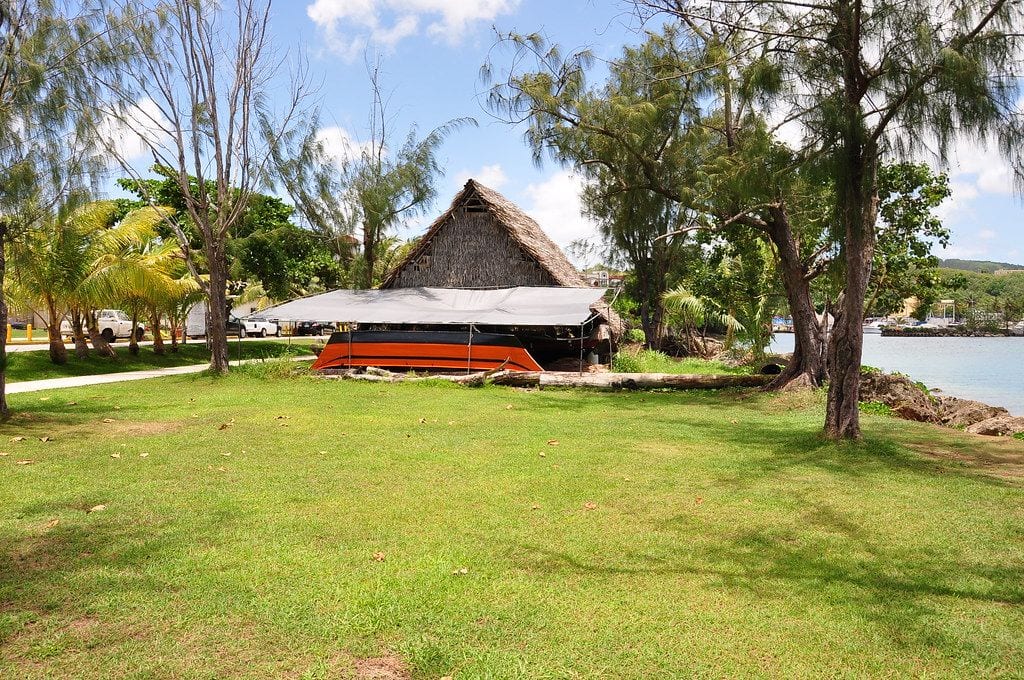
In the southern village of Merizo, also known as Malesso, Merizo Pier Park spreads along the waterfront beside the pier. This is the launch point for boat trips out to Cocos Island, so the pier hums with visitors heading across the water. It is an easy, unhurried place to pause before the crossing.
Beyond the boats, the park rewards those who linger with real village charm and open views across the lagoon. Historic sites sit close at hand, giving the setting a sense of place that outlasts a quick photo stop. Come for the crossing, then stay to soak in the relaxed southern-Guam atmosphere.
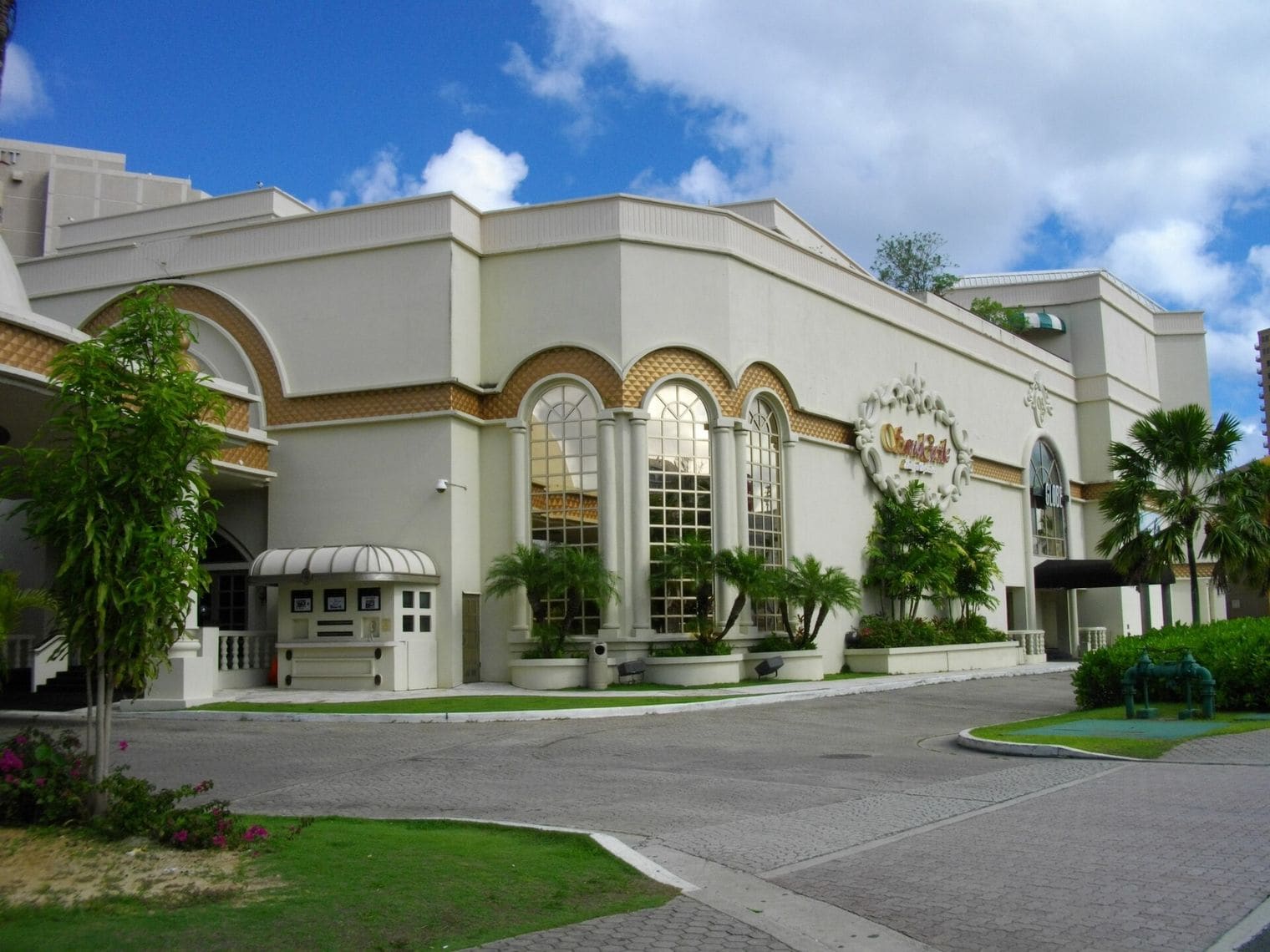
In Tumon, SandCastle Guam stages a Las Vegas-style dinner show inside a grand theater seating several hundred guests. Magic, dance and full-scale spectacle unfold across the stage while dinner is served, turning an ordinary evening into one of the island's signature after-dark experiences and a highlight for visitors seeking polished, high-energy entertainment.
The production leans on illusion, choreography and theatrical scale, pairing a plated meal with the kind of showmanship more often associated with a Vegas stage. It draws travelers looking to cap a day of Tumon beaches and shopping with something dressier, and stands among Guam's most recognizable evening outings for couples, families and groups alike.
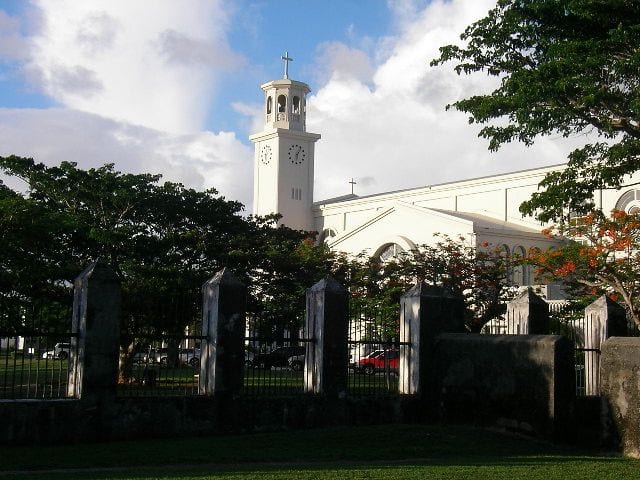
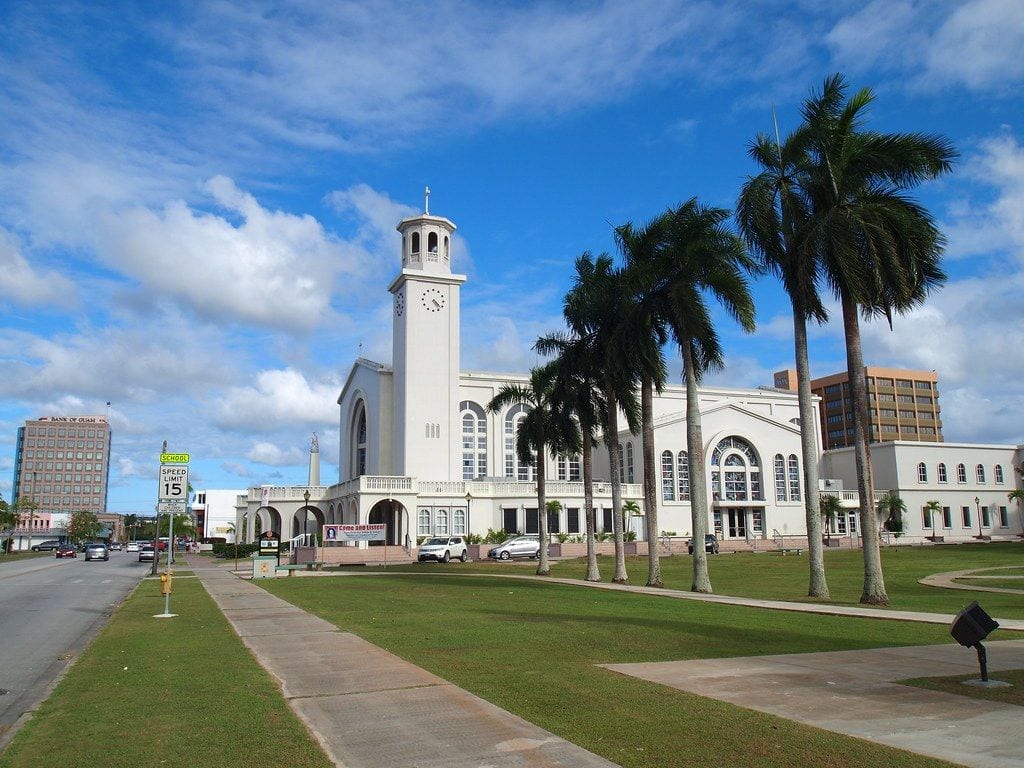
In Hagåtña, the Dulce Nombre de Maria Cathedral Basilica anchors the spiritual life of Guam's Catholic community and stands among the island's most prominent historic sites. Like so many island structures, it was destroyed during World War II and rebuilt afterward, a story of loss and renewal woven deep into the fabric of the capital.
Inside, a revered statue of Santa Marian Kamalen draws pilgrims and the faithful, at the devotional heart of the sanctuary. A small museum and shrine on site let visitors linger over the history behind these walls. Whether you come for the architecture or the quiet, the basilica rewards a thoughtful, unhurried visit.
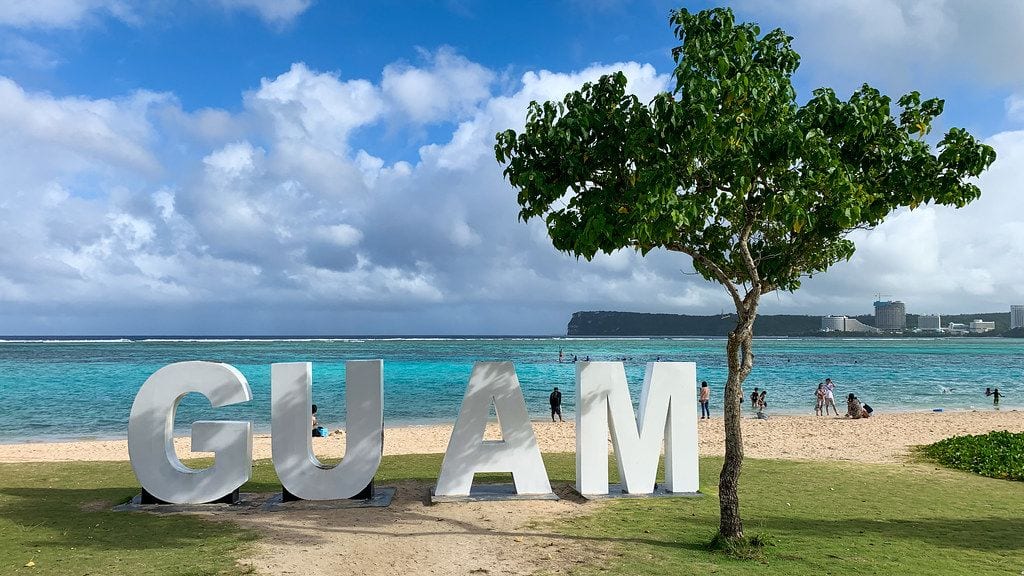
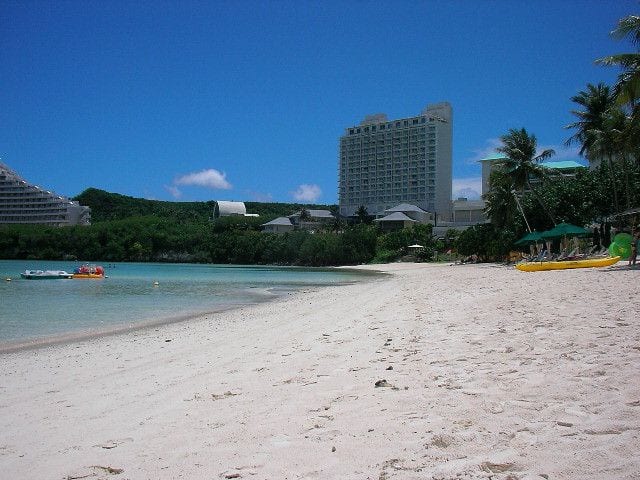
In the heart of Tumon's tourist district, Ypao Beach is a free public park where calm, shallow water sits protected behind a reef. That gentle lagoon makes it a reliable choice for swimming and easy snorkeling, drawing families who want the ocean without the surf. It is the kind of beach you can settle into for hours.
Set within Gov. Joseph Flores Memorial Park, the grounds spread beyond the sand into open lawns and picnic areas, giving groups room to gather between dips. Come evening, the west-facing shore turns toward the sunset, and the mood softens. Family-friendly and central, it earns its place as one of the island's most dependable spots to unwind.
In Tumon, UnderWater World invites visitors into a long acrylic walk-through tunnel that curves beneath the water, surrounding them with gliding sharks, rays and darting reef fish. Opened in 1999, the aquarium turns a simple stroll into an immersive encounter, with marine life circling overhead and on every side as you walk the glassy passage.
Beyond the tunnel, the aquarium offers dining alongside the tanks and dive-with-the-fish experiences for those wanting to get closer to the water. It ranks among Guam's top family attractions and makes an ideal rainy-day escape, drawing curious kids and grown-ups alike into an underwater world without ever getting wet.
At the northern end of the island, the Guam National Wildlife Refuge protects native forest, rugged coastline, and endangered species across a stretch of land that feels wild and undisturbed. Managed by the US Fish and Wildlife Service, it safeguards habitat for native wildlife and plants that thrive nowhere else quite like this.
Visitors come for the beaches and quiet trails, where native plants line the paths and the coast opens onto clear water. The refuge includes the Ritidian Unit, a scenic corner of preserved shoreline and forest. It rewards anyone who values wildlife, native habitat, and a slower, more natural side of Guam away from the crowds.
Tumon Beach is Guam's main resort strand, curving along Tumon Bay where the island concentrates most of its major hotels, oceanview restaurants and easygoing beach bars. It is the natural base for a visit, putting sand, water and a night out within a few steps of one another on one convenient, well-loved shore.
The bay is a protected marine preserve, so the water stays calm and clear and the shallows invite unhurried swimming and floating. That mix of gentle conditions and easy access makes it one of the most beautiful and convenient beaches on the island, equally suited to a lazy afternoon or an early dip before breakfast.
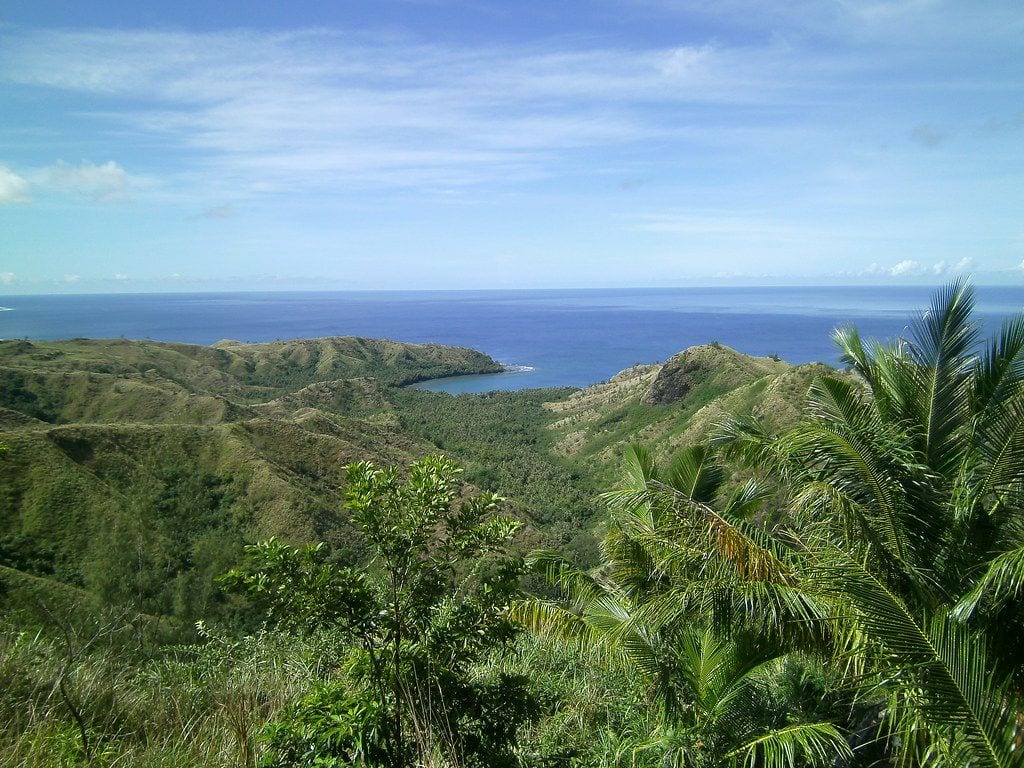
Along Guam's southwestern coast, Sella Bay Overlook rewards the drive with sweeping views over one of the island's most peaceful, undeveloped coves. From this roadside vantage the bay unfurls below, quiet and untouched, a stretch of shoreline that has escaped the development crowding so much of the coast. It is the kind of pull-off that turns a scenic route into a memory.
Look closely and a historic Spanish-era bridge comes into focus down near the water, a weathered reminder of the island's colonial past framed by the cove. For those who want more than the view, a trailhead here sends hikers down toward the shore itself, trading the overlook's panorama for the hush of the bay up close.
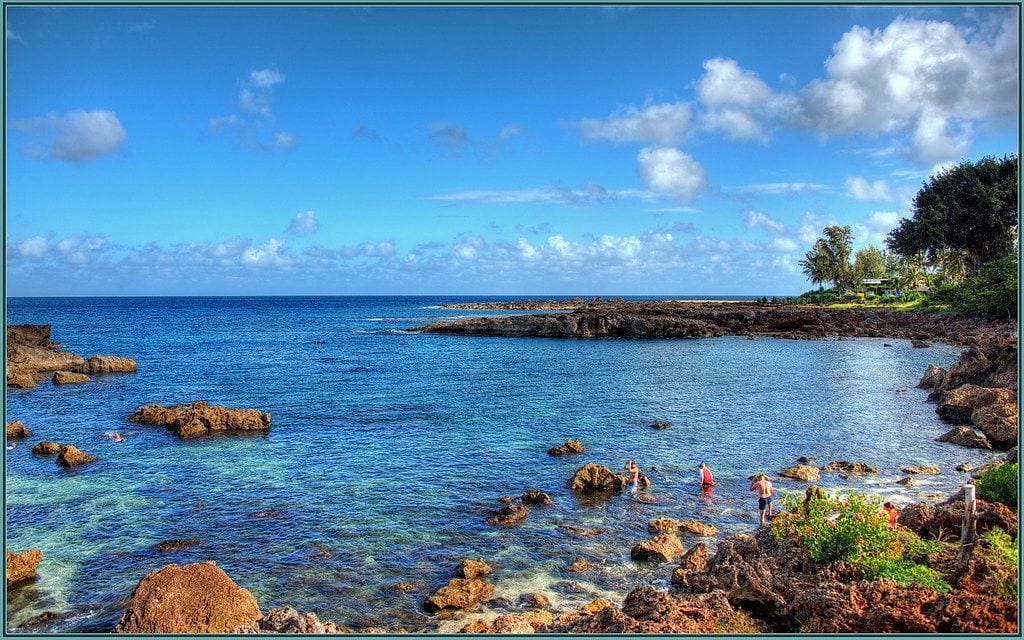
Reaching Sharks Cove takes a little effort, and that is exactly the appeal. Hikers set out from Tanguisson Beach Park and pick their way to a remote pocket of coast where clear water opens over coral. Snorkelers and divers who make the trek find one of Guam's quieter, more adventurous underwater escapes.
Beneath the surface, tropical fish dart through the reef in abundance, and lucky visitors may spot harmless reef sharks gliding past. The cove stays uncrowded, but strong currents make it best suited to experienced swimmers or those exploring with a guide. Come prepared, and the reward is a wild, unspoiled corner of the island.
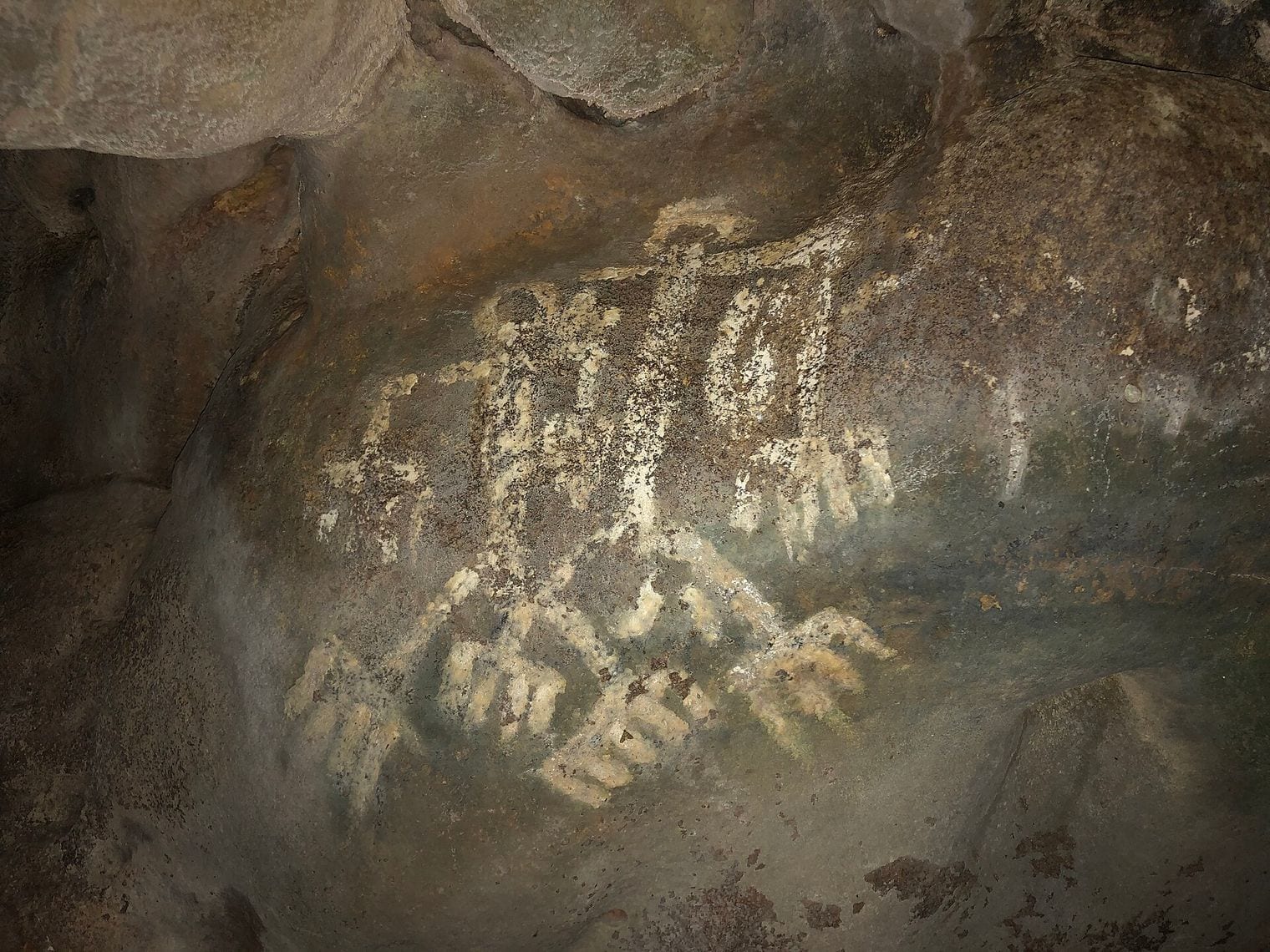
Tucked into the cliffs near Inarajan (Inalåhan) on Guam's southern coast, Gadao's Cave preserves ancient Chamorro pictographs etched across its walls. The sea cave carries the name of the legendary Chief Gadao, and reaching it means a short hike and a scramble down the rocks to where the rock art waits.
Inside, the prehistoric drawings offer a rare and haunting glimpse of Chamorro life long before written record. Few places on the island connect visitors so directly to that deep past, and the effort of the descent only sharpens the reward. Standing before these markings, you sense the weight of the stories they were left to tell.
Just outside Hagåtña, War in the Pacific National Historical Park commemorates the WWII Pacific theater and the 1944 Battle of Guam. Spread across several coastal units, it preserves the island's wartime history against a scenic ocean backdrop, weaving hard memory into some of Guam's most beautiful shoreline scenery.
Explore the park's beaches, weathered gun emplacements and quiet trails, then stop by the visitor center to piece the story together. Each unit reveals another chapter of the 1944 fighting, letting you walk the ground where history unfolded while the surrounding coast keeps the whole experience grounded in Guam's striking natural setting.
Roughly two miles off the southern tip of Guam, Cocos Island stretches about a mile end to end, a slim strip of white sand once known as Dano. Boats run out from Merizo, making the crossing an easy start to a classic day-trip beyond the main island.
The island splits its time between a public recreation area and a resort day-use side, so visitors find both open sand and organized fun. The calm lagoon water invites snorkeling and a range of water sports, while the sheltered shallows reward anyone content to simply wade in and float.
Set in the lush Talofofo River valley of southern Guam, Valley of the Latte Adventure Park is the island's main culture-focused river tour. River boat cruises glide past traditional latte stones and reconstructed village life, weaving history through greenery. It's a hands-on window into Chamorro heritage, framed by the valley's dense, tropical river scenery.
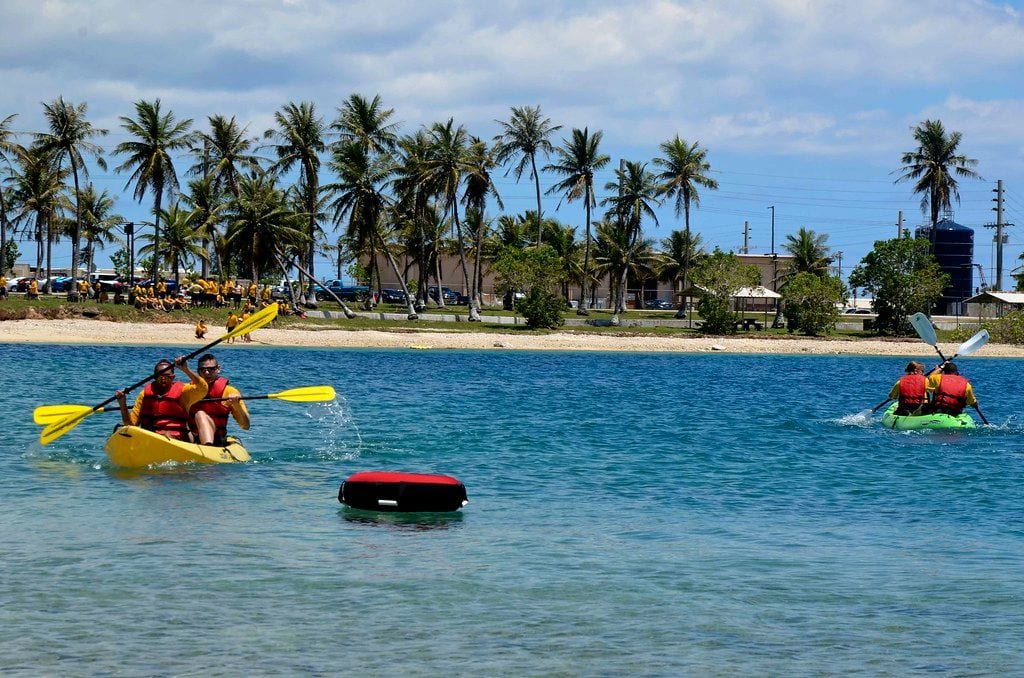
Beyond the boat tours, the park invites you to kayak the calm river and take part in hands-on Chamorro cultural experiences. Guides share the stories behind the latte stones and traditional village ways, so the visit feels less like sightseeing and more like stepping into southern Guam's living past along the water.
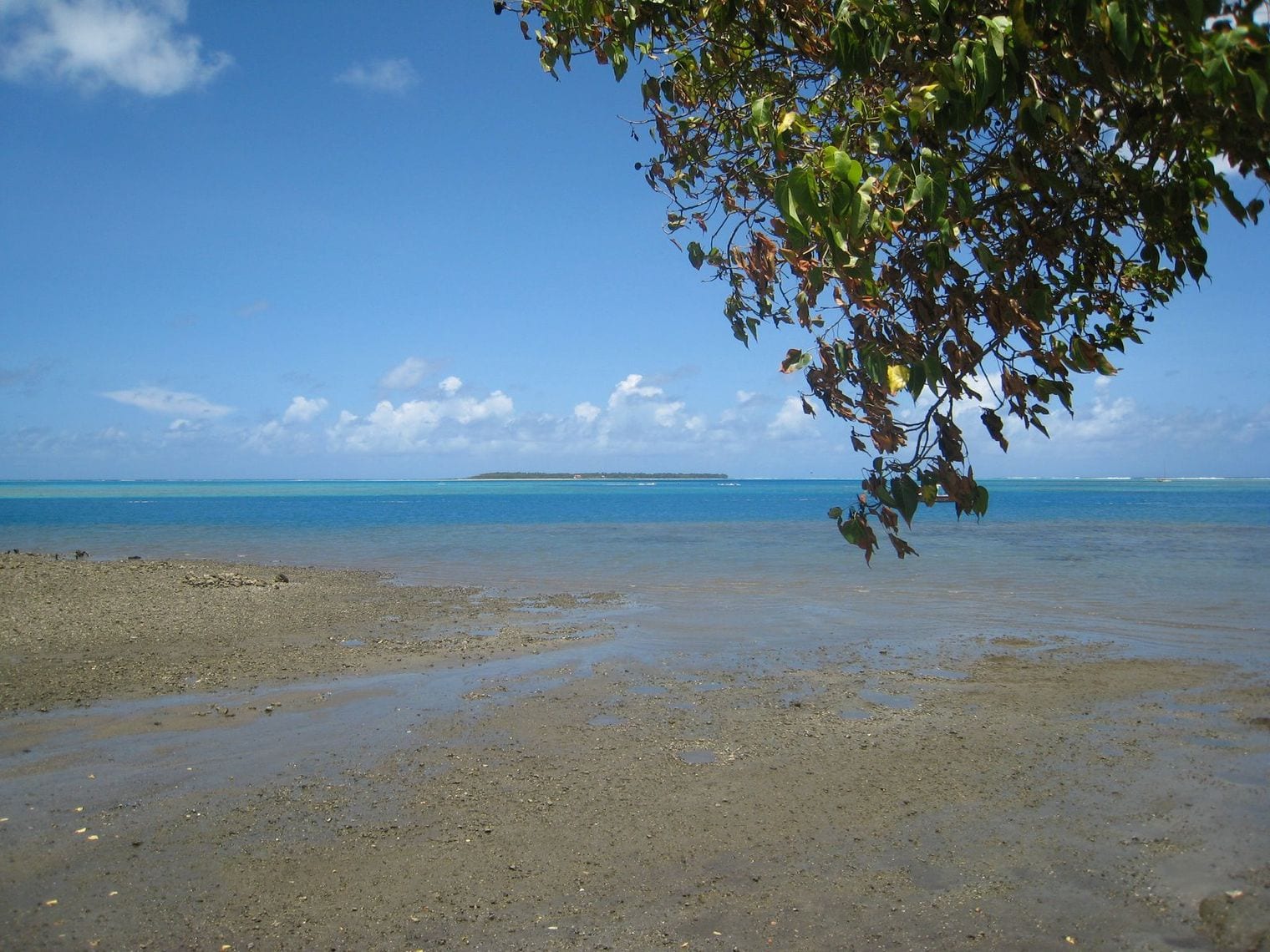
On Guam's southwestern coast, the Cetti Bay Overlook is a roadside stop that rewards drivers with a sweeping panorama over the bay far below. From the pullout, the view stretches across the water to a small offshore islet, with rolling green hills folding down toward the shoreline behind it.
It's an easy, quick pause along the southern coastal drive, and one of the most photogenic on that stretch. Pull over, take in the scene, snap a few frames of the bay and islet, then continue exploring the south. No hiking or planning required, just a scenic panorama waiting a few steps from the road.
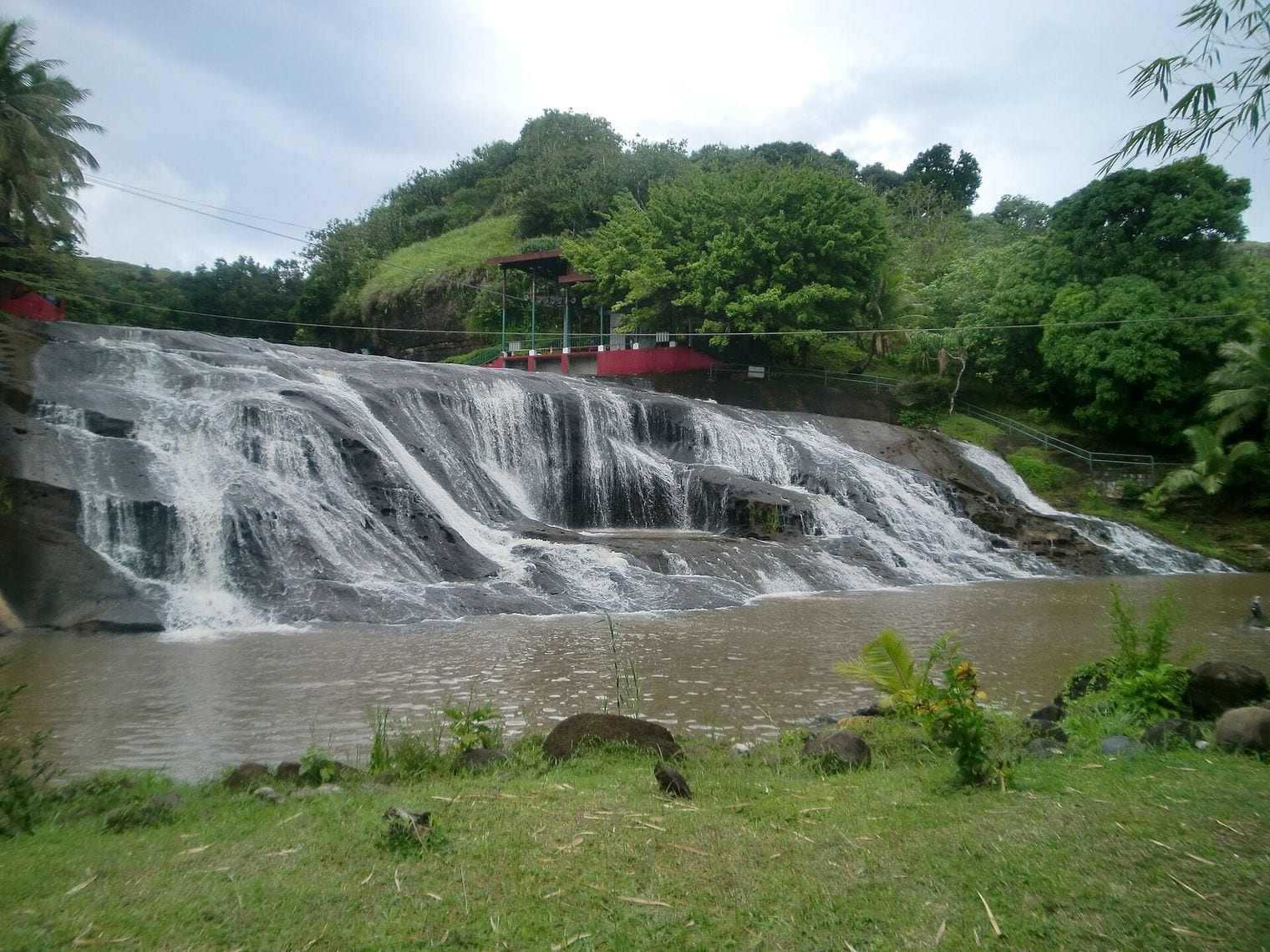
In a river valley in southern Guam, Talofofo Falls drops in two tiers, its cascade set deep within thick jungle. A hillside park delivers you there in style, with a cable car gliding over the treetops and a small museum that fills in the story of the valley and its remote, green surroundings.
The falls carry a strange, gripping history too. This is the jungle where Japanese soldier Shoichi Yokoi hid as a WWII holdout, unaware the war had ended, surviving 28 years before his discovery in 1972. Yokoi's Cave sits nearby, a haunting counterpoint to the greenery and a reminder of one man's astonishing endurance.
In the southern village of Inarajan (Inalåhan), Gef Pa'go keeps pre-modern Chamorro life alive through hands-on demonstration rather than glass display cases. Local guides walk visitors through the island skills their ancestors depended on, turning everyday tradition into something you can watch, touch, and try for yourself along Guam's quieter southern coast.
Guides demonstrate the crafts that once sustained village households: harvesting salt, husking coconuts, weaving, and cooking the old way. Each station rewards curiosity, letting travelers grasp how earlier generations fed, dressed, and provisioned themselves from what the island offered. It is a warm, participatory window into Chamorro heritage and one of southern Guam's most genuinely cultural stops.
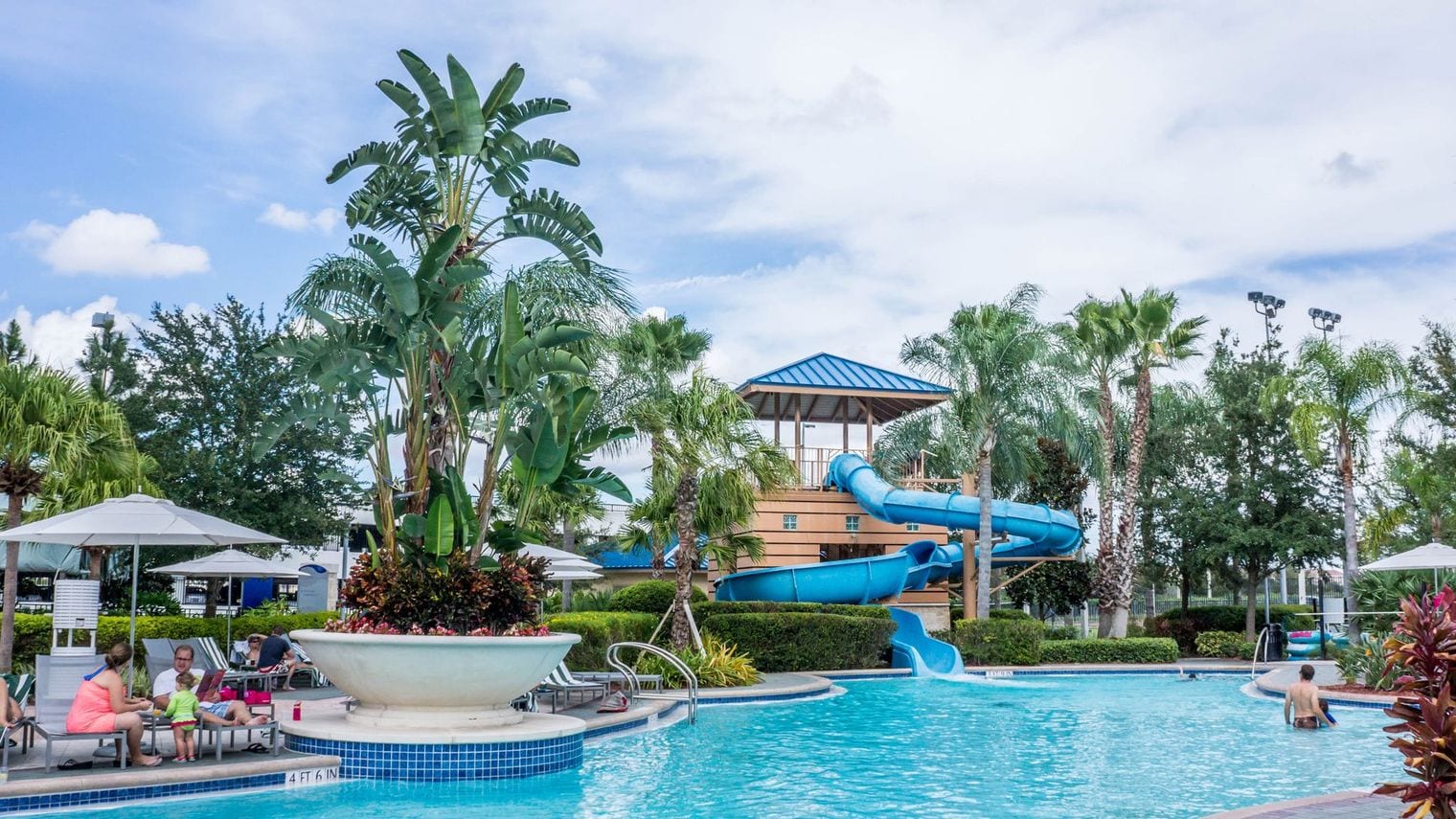
Set at Onward Beach Resort on Agana (Hagåtña) Bay in Tamuning, Resort Onward Waterpark trades sightseeing for slides. Pools, waterslides and lazy-river-style attractions spread across the grounds, giving families a full afternoon of splashing without leaving the resort. It sits conveniently near the Tumon and Tamuning hotel district, so a soaking day out never means a long drive.
The layout is well organized, keeping toddlers, cautious paddlers and thrill-seeking kids all happily occupied in one place. Older visitors can drift the gentle currents while younger ones tackle the slides again and again. Because it anchors a beach resort on the bay, the setting pairs pool time with ocean views, making it an easy, low-stress stop on any Guam itinerary.
Inside the Dusit Thani Guam Resort in Tumon, Alfredo's Steakhouse trades in premium cuts and unhurried fine dining. The room leans elegant rather than showy, the kind of polished setting where a table feels like an occasion in itself. It's a fixture on any list of Guam's best restaurants for good reason.
This is where travelers come to mark the moments that matter, whether an anniversary, a milestone, or simply a night that deserves more than the usual. Premium steaks anchor the menu, plated with the care an upscale kitchen demands. Come dressed for it, settle in, and let the meal stretch across an easy, memorable evening in Tumon.
Best Time to Visit Guam
Guam is warm and tropical all year, but the most comfortable stretch is the dry season, roughly from December through June, when there is more sunshine and less rain. The shoulder months on either side bring pleasant weather with thinner crowds.
The wetter season runs through the second half of the year and overlaps with the western Pacific typhoon season, so downpours are more likely then. Sea temperatures stay warm year-round, keeping the island a reliable destination for swimming, snorkeling and diving whenever you visit.
Getting to Guam
Guam is reached by air through Antonio B. Won Pat International Airport, just outside the Tumon and Hagåtña area, with direct flights from hubs across Asia and the Pacific and connections from the US mainland via Honolulu. As a US territory, entry follows US rules, so US citizens travel without a passport, while visa-waiver visitors typically use a Guam-specific authorization.
Once you land, the main hotel district in Tumon is only a short drive from the airport.
Getting Around Guam
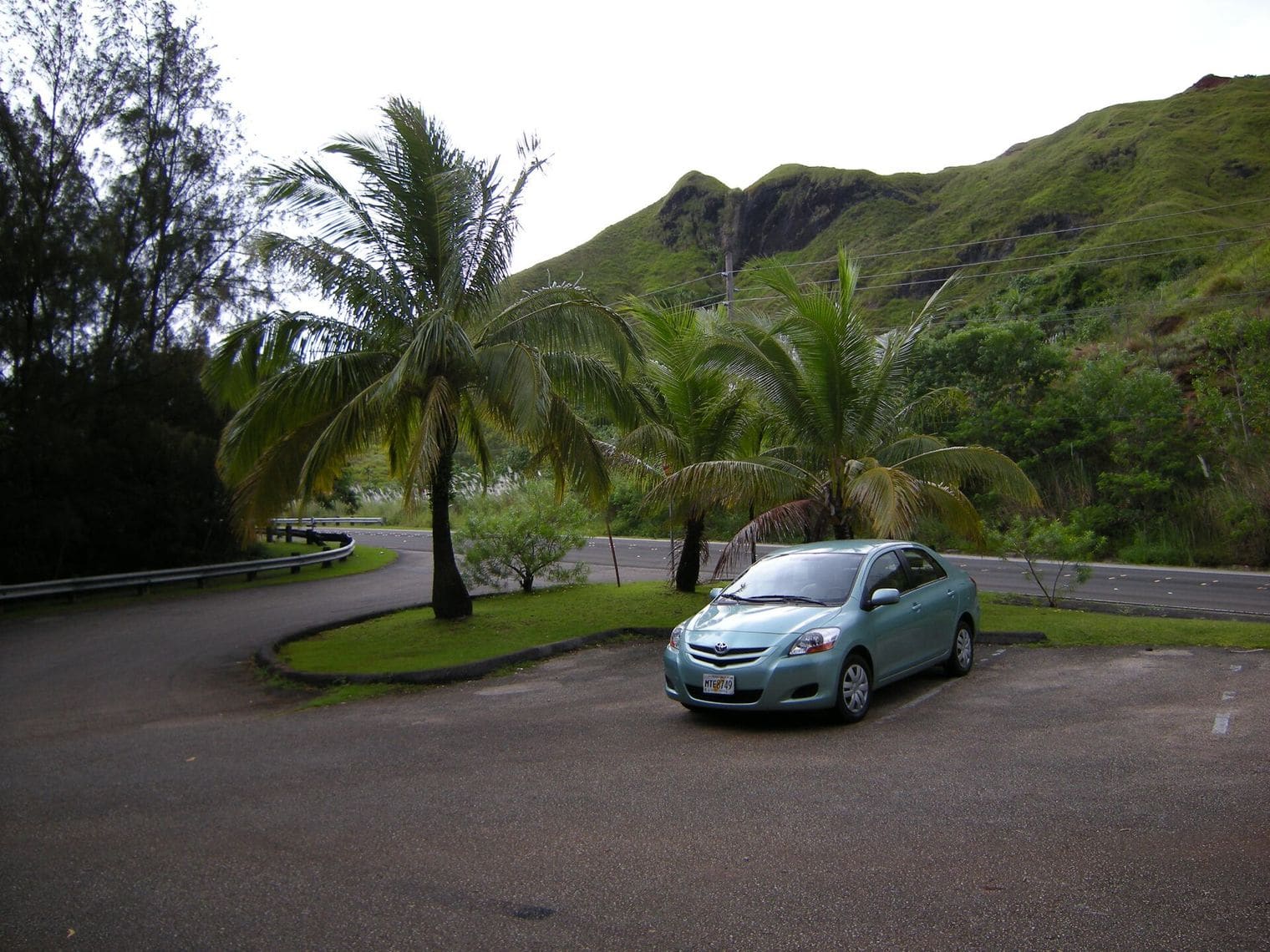
Renting a car is the easiest way to explore Guam, giving you the freedom to reach the beaches, overlooks and southern villages that public transport does not serve well. The island is compact, so most drives between sights are short.
Within the Tumon hotel strip you can walk between many hotels, restaurants and beaches, and a public bus system and taxis link the main tourist areas, but for the scenic southern loop a car is by far the most practical option.
Where to Stay in Guam
Most visitors base themselves in Tumon, the island’s main resort district, where the beachfront hotels, restaurants, shopping and nightlife are concentrated within easy walking distance of Tumon Bay. It is the most convenient area for a first visit.
For a quieter, more local feel, the capital area around Hagåtña puts you near historic sites, while the southern villages offer a slower, more rural stay closer to Guam’s scenery and Chamorro heritage, best paired with a rental car.
Where to Eat in Guam
Guam’s food scene revolves around Chamorro cooking, and the island’s signature dishes are the highlight — smoky barbecue, red rice, chicken kelaguen (a citrusy grilled-chicken dish), and the fiery finadene sauce that accompanies almost everything. Local fiestas and roadside stalls are where the flavours shine.
Tumon holds the densest cluster of restaurants, from international resort dining to casual local spots, while the villages and weekend markets, such as the Chamorro Village night market in Hagåtña, are the place to sample authentic island cooking.
Many of Guam’s highlights cost nothing. Soak up the reef-protected shallows at Ypao Beach and Tumon Beach, take in the legendary clifftop views at Two Lovers Point (grounds), and wander the historic Plaza de España in the capital.
Guam’s best day trips are around the island itself: the historic southern villages of Umatac, Merizo and Inarajan (Inalåhan), with their Spanish forts, natural pools and cultural sites, make an easy full-day loop by car. A boat ride out to Cocos Island off the southern tip is another classic outing.
For a longer adventure, Guam is a gateway to the wider Mariana Islands, with the neighbouring islands of Rota, Tinian and Saipan a short flight away for those wanting to extend their Micronesian trip.
FAQ: Visiting Guam
What is Guam known for?
Guam is best known for its white-sand beaches and coral reefs, world-class scuba diving and snorkeling, living Chamorro culture, and layered history — from ancient Chamorro sites and Spanish colonial forts to significant World War II battlegrounds. As a US territory in the Western Pacific, it blends American and Pacific-island influences.
Do you need a passport to visit Guam?
US citizens do not need a passport to travel to Guam, since it is a US territory, though a government-issued photo ID is required for the flight. International visitors follow US entry rules, and travellers from many visa-waiver countries can use a Guam-specific travel authorization program.
How many days do you need in Guam?
Around four to seven days is ideal for most visitors. That gives you time to enjoy the Tumon beaches and resorts, tour the historic southern villages, dive or snorkel the reefs, and take a day trip to Cocos Island without feeling rushed.
When is the best time to visit Guam?
The dry season from roughly December to June offers the most reliable sunshine and the least rain, making it the best window for beaches and outdoor sightseeing. The later part of the year is wetter and overlaps with the typhoon season, though the ocean stays warm year-round.
Is Guam expensive to visit?
Guam can be moderately priced, especially around the Tumon resort district, but costs vary. Many of its best experiences — beaches, overlooks, historic sites and hiking — are free or inexpensive, and eating at local Chamorro spots and markets is an affordable way to experience the island.
Do you need a car in Guam?
For seeing the whole island, yes. While you can walk between hotels, beaches and restaurants within the Tumon district, a rental car is the most practical way to reach the southern villages, overlooks and remote beaches that public transport does not easily serve.
What language is spoken in Guam?
English is widely spoken and is an official language, so visitors have no trouble getting around. The Indigenous Chamorro (CHamoru) language is also official and remains an important part of the island’s culture, appearing in place names, food and local expressions.