Set on the lush, rainy windward coast of the Big Island, Hilo is the island's largest town and a laid-back base for the east side of Hawaiʻi. Historic downtown streets, art galleries, beaches and a famous farmers market give way quickly to rainforest, waterfalls and the raw volcanic landscape all around.
Best known for its proximity to Hawaiʻi Volcanoes National Park and Mauna Kea, Hilo pairs small-town charm with easy access to some of the island's greatest natural wonders. Here are the 25 best things to do in Hilo.
Fun Facts About Hilo, Hawaii
Largest town on the Big Island: Hilo is the largest settlement on the Island of Hawaiʻi and serves as the county seat of Hawaiʻi County, making it the commercial and governmental hub of the island's east side.
One of the rainiest cities in the US: Sitting on the windward eastern coast, Hilo receives roughly 120 to 130 inches of rain a year, making it one of the wettest cities in the United States and giving the town its famously lush surroundings.
Set on Hilo Bay: The town wraps around crescent-shaped Hilo Bay on the windward side of the island, where moist Pacific trade winds rise against the slopes of Mauna Loa and Mauna Kea and release frequent showers.
Shaped by devastating tsunamis: Hilo's bayfront was struck by catastrophic tsunamis in 1946 and 1960, which reshaped the downtown and inspired the Pacific Tsunami Museum, housed in a historic former bank building downtown.
Birthplace of the loco moco: The loco moco, a Hawaiian comfort dish of rice topped with a hamburger patty, a fried egg and brown gravy, was invented in Hilo in 1949 and remains a local staple.
Home of the Merrie Monarch Festival: Each year in the week after Easter, Hilo hosts the Merrie Monarch Festival, the world's most prestigious hula competition, named for King David Kalākaua, the "Merrie Monarch" who revived Hawaiian hula.
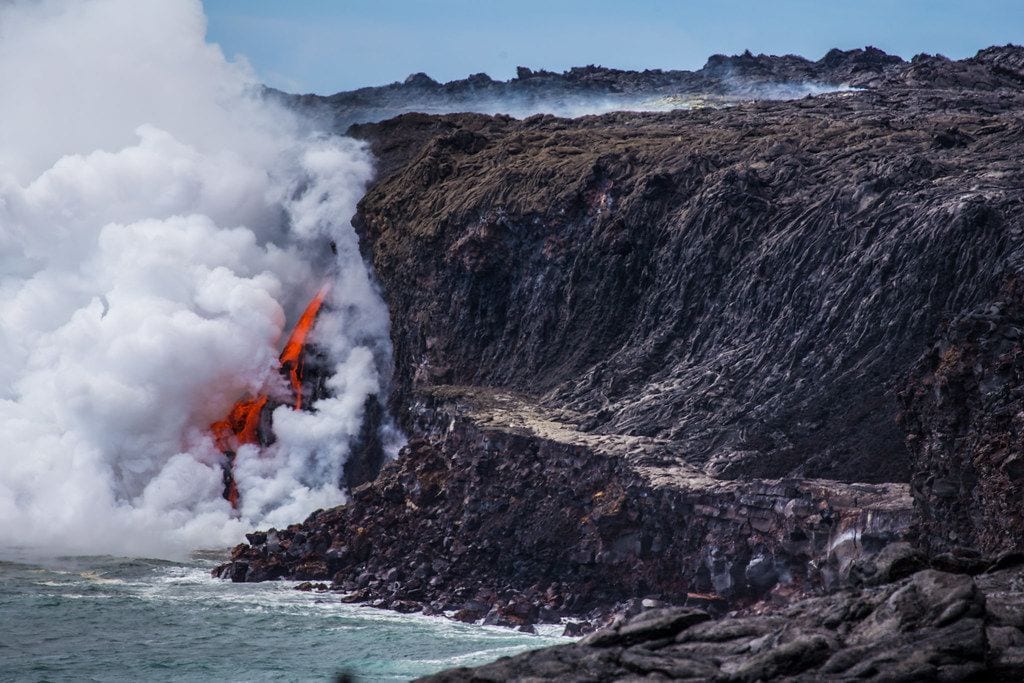
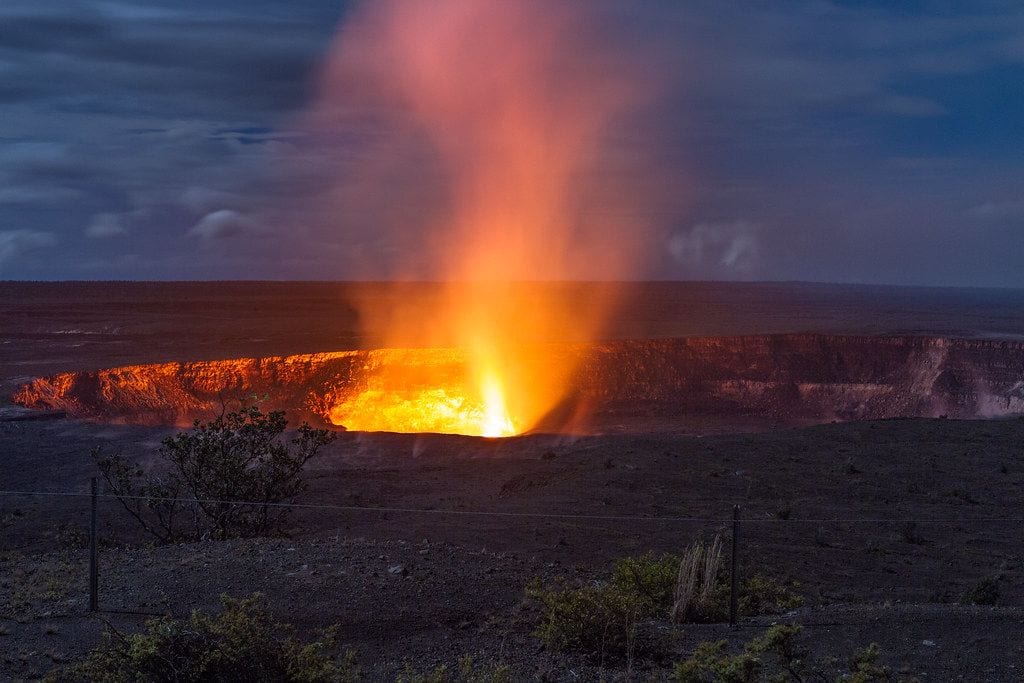
Just 45 minutes south of Hilo, Hawaiʻi Volcanoes National Park is one of the Big Island's unmissable sights. This is home to Kīlauea, one of the world's most active volcanoes, alongside towering Mauna Loa. Even on days when no surface lava is visible, this well-monitored landscape of raw volcanic power stays endlessly fascinating.
Lace up your boots for more than 150 miles of trails that wind through steaming craters, stark deserts and lush tropical forests. Adventurous visitors can also duck into lava tubes carved by long-ago eruptions. Whether you hike for hours or simply drive the loop, the park delivers a close-up look at how these islands were born.
Just off the coast road near Honomu, between Hilo and Waipio, Akaka Falls State Park delivers one of Hawaii's most recognizable and accessible waterfalls with almost no effort. A short paved loop trail, requiring no hiking experience at all, threads through a lush tropical canyon along Kolekole Stream to the towering 442-foot Akaka Falls.
At 442 feet, it is the tallest waterfall on the Big Island, plunging in a single ribbon into the gorge below. As the loop winds back through dense rainforest, keep an eye out for the smaller Kahuna Falls tucked into the greenery. It is a quick, rewarding stop that packs a lot of scenery into a gentle stroll.
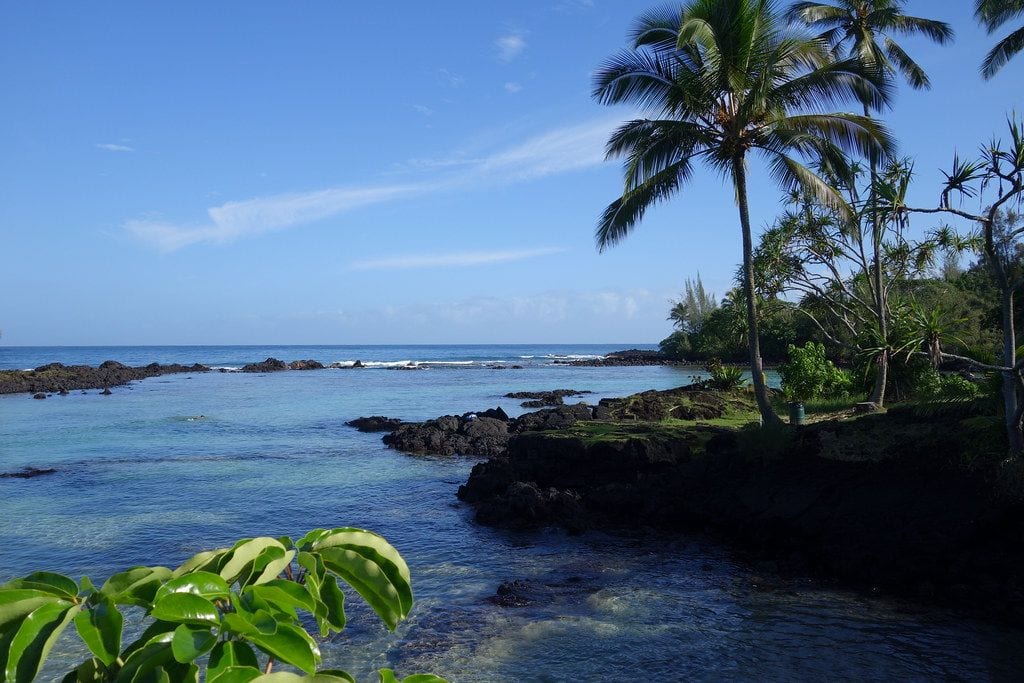
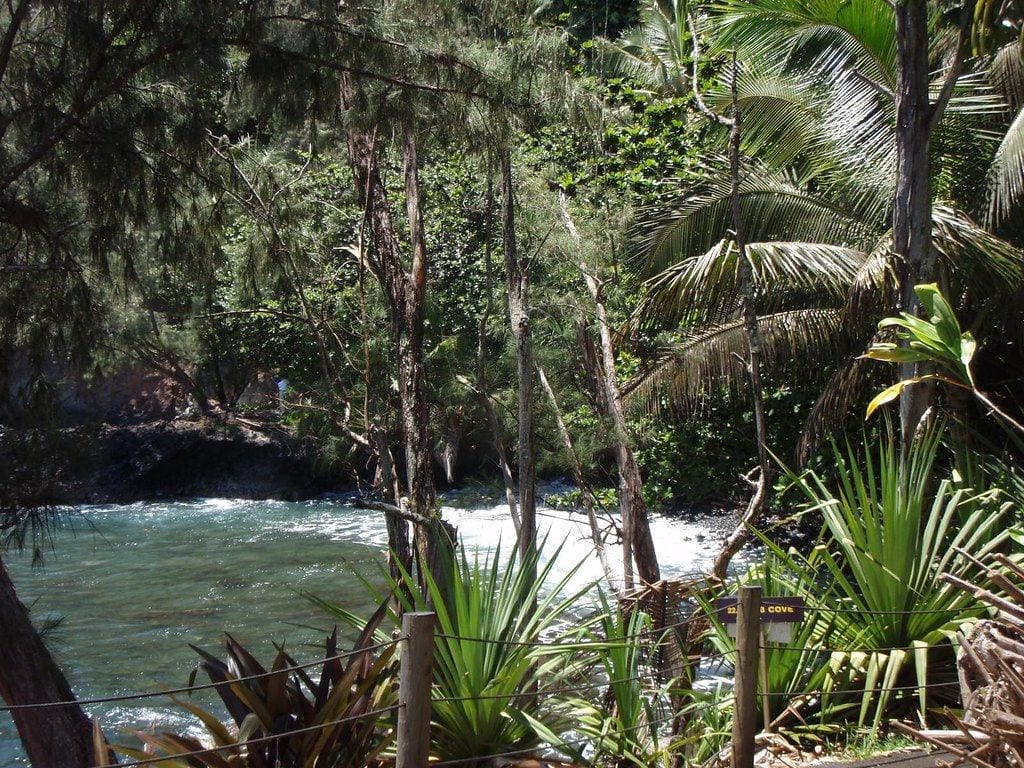
Carlsmith Beach Park is a rare treat on the Big Island's rugged, lava-rock east coast: a beach park with a smooth sandy bottom. Coral reefs shelter the clear coves here, calming the water into inviting swimming and snorkeling spots. Come for an easy dip, and keep an eye out for sea turtles, which are sometimes spotted gliding through the shallows.
Beyond the coves, large lagoons fed by freshwater springs cool the mix, giving the water a refreshing edge. On shore, a grassy, shaded area dotted with trees makes a natural spot to spread a picnic between swims. It's the kind of laid-back place where you can drift between snorkeling, lounging, and simply watching the sea all afternoon.
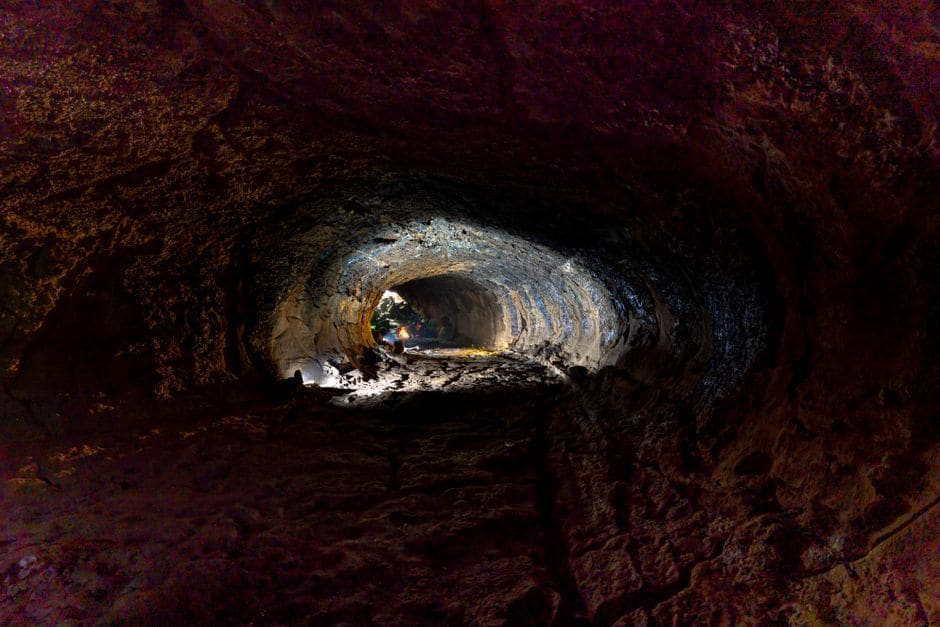
Tucked into the tropical forest of Hawaii Volcanoes National Park, Nāhuku — the Thurston Lava Tube — is a subterranean cave carved by ancient lava. A short paved trail winds through it and back in under thirty minutes, making this historic landmark a gentle, rewarding detour that's accessible to almost everyone who visits.
Stepping inside feels like slipping into another world, with the rainforest closing overhead and the cave stretching cool and quiet around you. In some sections, the passage grows large enough to reach out and touch the smooth lava walls. It's an easy, unforgettable brush with the raw geology that built this island.
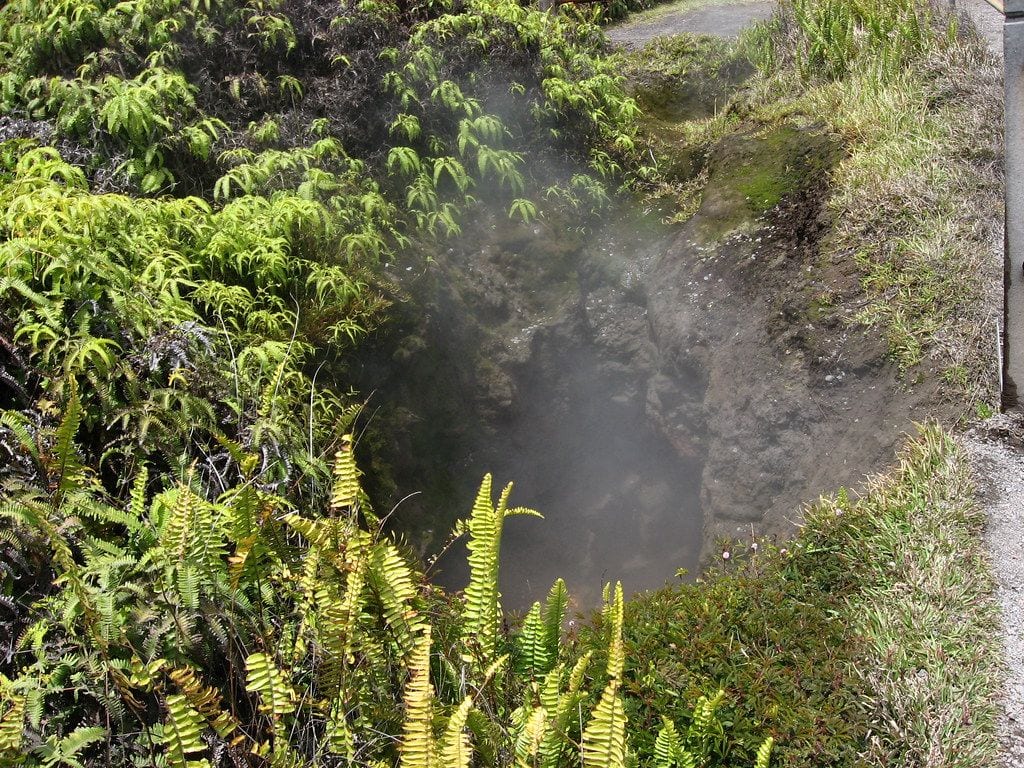
Within Hawaii Volcanoes National Park, the Steam Vents are one of the most quietly mesmerizing stops on the Big Island. Here, groundwater heated deep by the volcano rises and escapes from the ground as drifting clouds of steam, giving you a direct window into the thermal activity still simmering below your feet.
It's a striking reminder that the volcano remains alive now that surface lava flows have moved underground. The area also serves as a starting point for several hikes, including a short walk to the vents themselves and a trail heading toward the crater. Look closely and you'll spot scientific monitoring boxes dotting the landscape.
Trade manicured flowerbeds for something wilder at the Hawaii Tropical Bioreserve & Garden, where more than 1,800 species of tropical plants grow so densely it feels like a rainforest with a boardwalk running through it. Winding nature trails carry you past orchids and banana groves, deep into greenery that seems to close in overhead.
More than a mile of paths follows mountain-fed streams and waterfalls, opening now and then to inspiring views of Onomea Bay along the Hamakua Coast. Give yourself time to wander slowly, camera ready, letting the sound of water and the tangle of jungle set the pace as the trail curves back toward the sea.
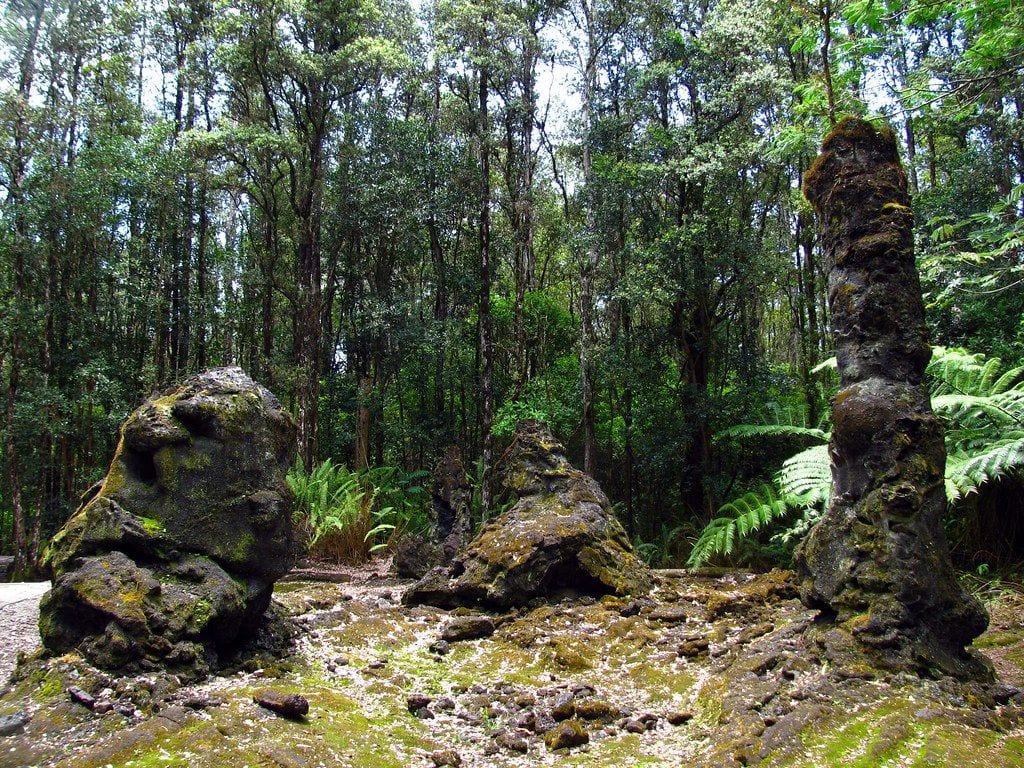
Out in Puna, Lava Tree State Monument preserves one of the island's strangest sights: hollow-cored lava trees left behind after a fast-moving 1790 lava flow swept into a forest. As the molten rock hardened around the tree trunks and the wood burned away, it froze these upright, hollowed casts in place for good.
A short 0.7-mile Lava Trees Loop Trail winds through the grounds, showing off these unusual formations up close as you wander. Watch your step as you go, though, since uprooted trees and cracks in the ground can make the footing tricky. It's an easy, quietly fascinating stop that rewards a slow, curious walk.
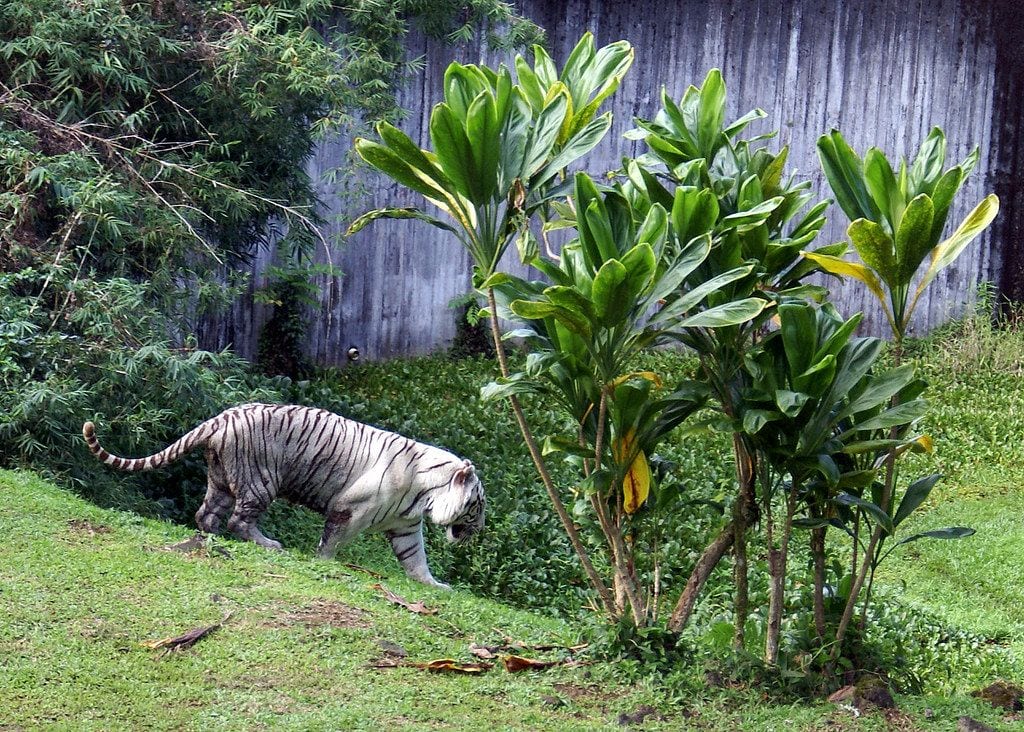
Often called the only natural tropical rainforest zoo in the US, Panaewa Rainforest Zoo makes the setting half the show. More than 80 animal species share the grounds with over 100 varieties of palms, so the lush plants feel every bit as much an attraction as the creatures you've come to see.
It's part zoo, part botanical garden, with a focus on native flora and fauna woven throughout. Manicured paths wind past whimsical animal-themed benches, and a big playground gives kids room to burn off energy. Leafy, unhurried and easy to love, it's a genuinely different way to spend a Hilo morning.
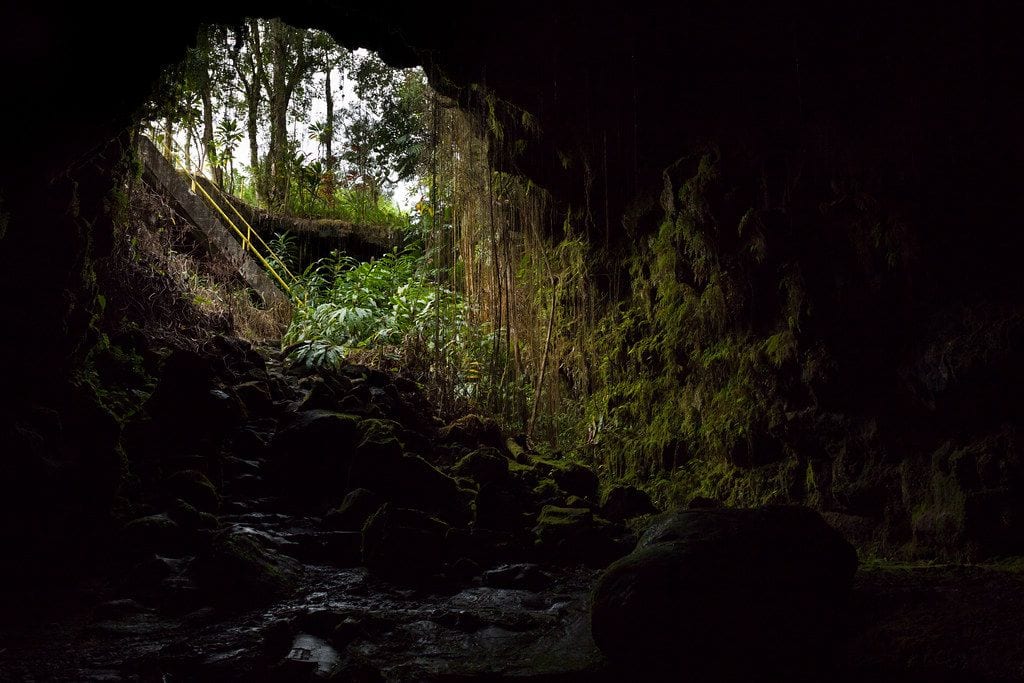
At Kaumana Caves, you descend into a massive lava tube left behind by a Mauna Loa eruption in 1881, when molten rock carved this hidden passage through the earth. Stepping down from the roadside into the cool, green-fringed opening feels like slipping into another world, a raw geological wonder waiting quietly just beyond Hilo.
The short trail runs only about half a mile and takes roughly 20 minutes, but it is steep and narrow, with low spots where you will need to duck your head. Wear sturdy shoes for the uneven footing and bring a flashlight, since the darkness deepens fast. It is an easy, unforgettable underground adventure.
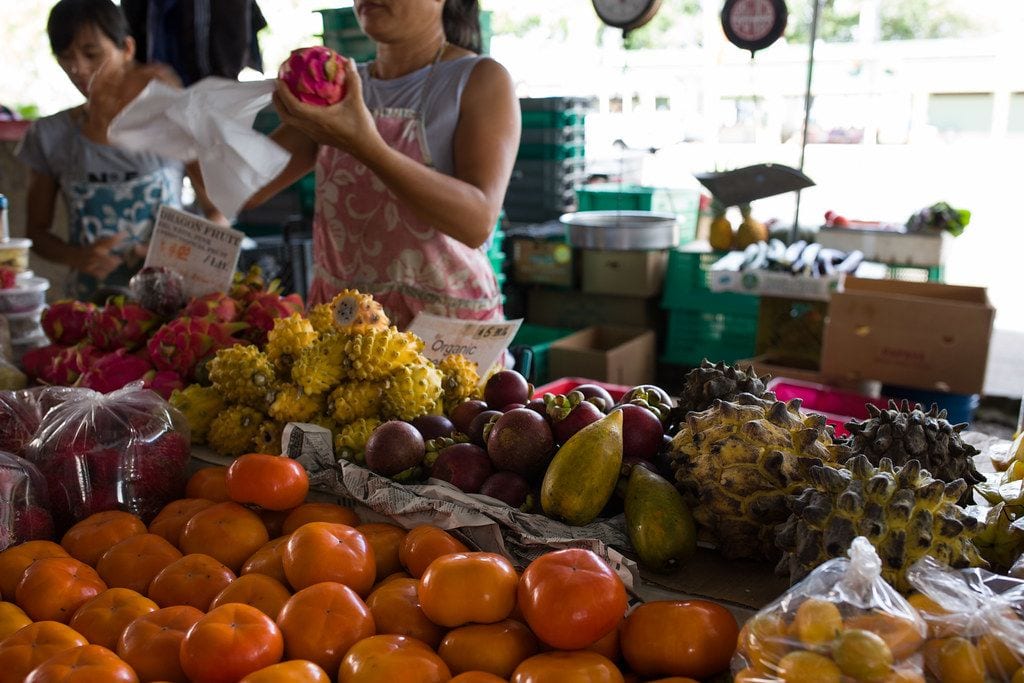
Set aside a leisurely morning for the Hilo Farmers Market, where local artisans lay out fresh fruit and vegetables alongside handmade arts and crafts, clothing, and jewelry. It's the ideal spot to track down a memorable Hilo souvenir, so keep an eye out for a jar of golden island honey to carry a taste of the Big Island home.
Come hungry, too, because an indoor food court and a cluster of food trucks serve up a range of Hawaiian flavors to sample as you browse. Since the stock changes with the seasons, no two visits look quite the same, giving you a fresh reason to wander the stalls each time you swing back through town.
Rising to roughly 13,800 feet, Mauna Kea is the highest point in Hawaii and a dormant volcano crowning the Big Island. What the summit view hides is even more remarkable: measured from its base on the ocean floor, this is the tallest mountain on Earth, taller than Everest, which simply climbs higher above sea level.
Reaching the top takes some planning, and a little respect for the mountain. A 4x4 vehicle is essential for the summit road, and the air up there is thin and the pressure low. Pause to acclimatize at the visitor station, around 9,200 feet, before pressing on. Take it slowly, and the climb rewards you handsomely.
Reached from the end of Lihikai Street, Onekahakaha Beach was once known as Machida Beach and remains a beloved family spot near Hilo. At low tide, its calm, shallow tide pools become a gentle playground where kids can snorkel in search of sea turtles and urchins drifting through the clear, protected water.
A pocket of white sand rounds out the picture, making it easy to spend an unhurried morning here. Just keep an eye on the little ones: beyond the breaking zone, offshore currents run strong. Stay inside the sheltered pools, respect the water, and you have a relaxed, safe corner of the Big Island coast.
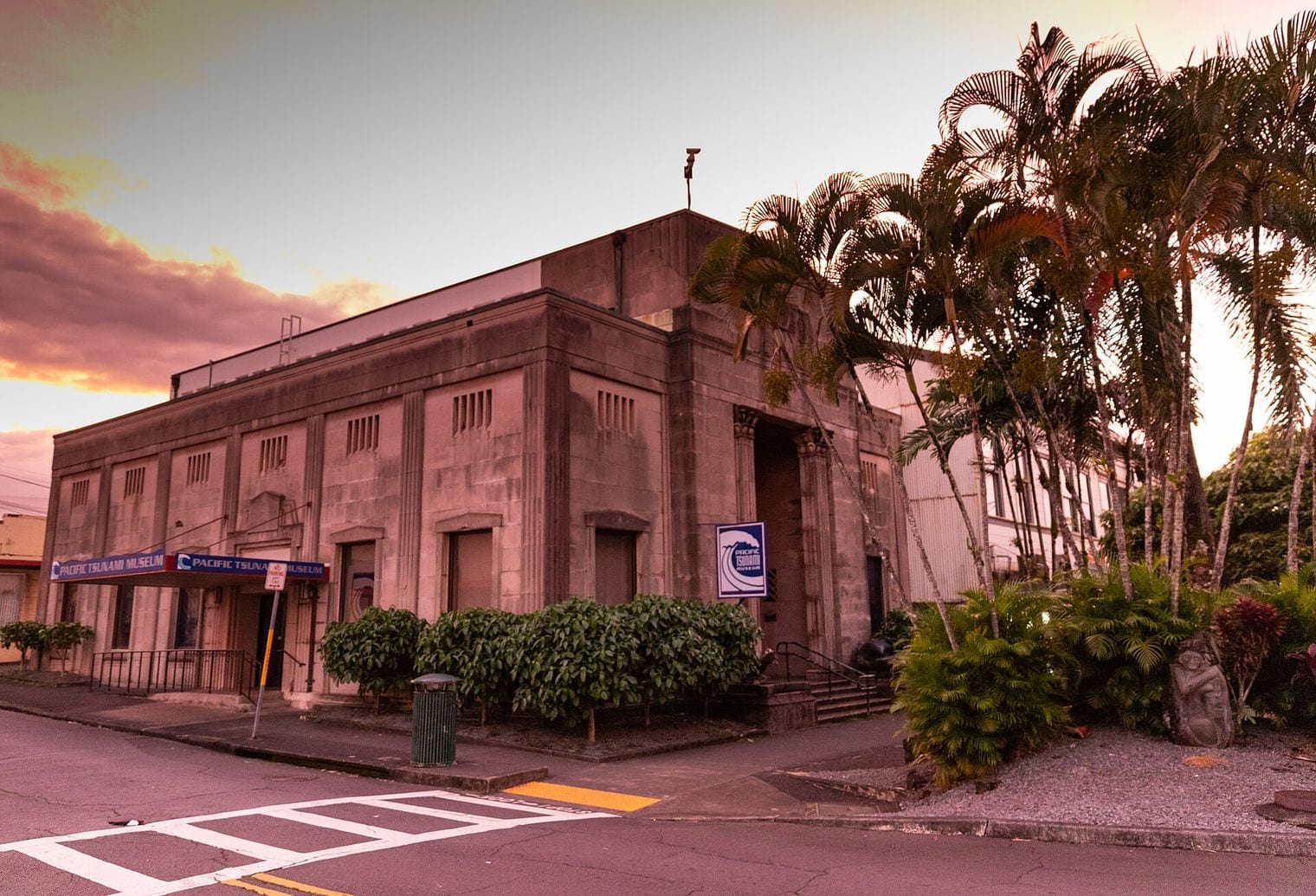
Tucked into a region riding the Pacific Ring of Fire, the Pacific Tsunami Museum tells the history and science of the giant waves that shape island life. It's dedicated especially to the two tsunamis that devastated the Big Island, in 1946 and again in 1960, honoring their memory while explaining exactly how such disasters unfold.
Beyond the local story, exhibits reach across the ocean to cover the 2004 Indian Ocean and 2011 Japan tsunamis, connecting Hilo's experience to a wider global picture. It's a thoughtful, moving stop that blends geology, survival, and community resilience, giving visitors a deeper understanding of the powerful forces at work beneath the sea.
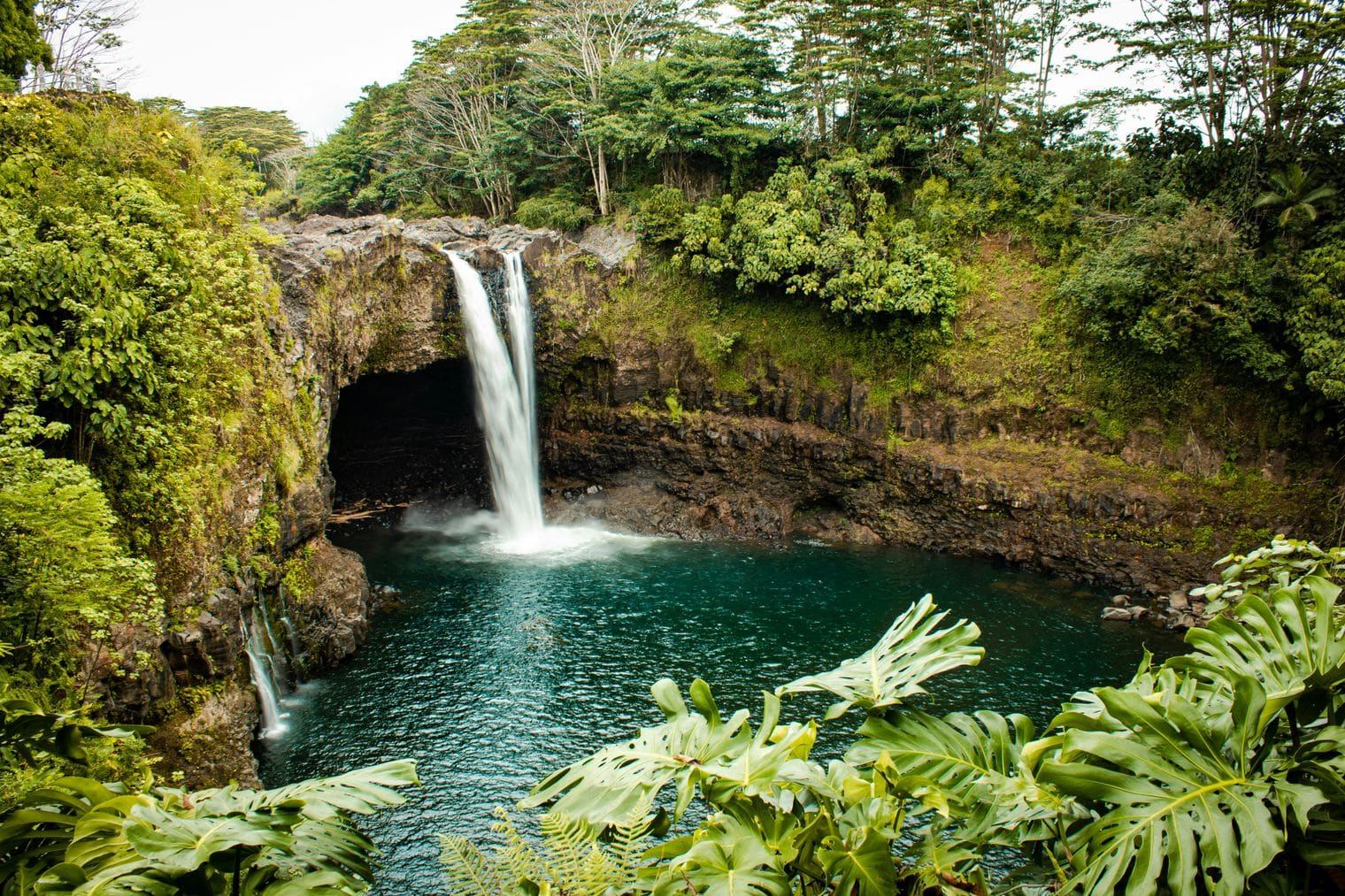
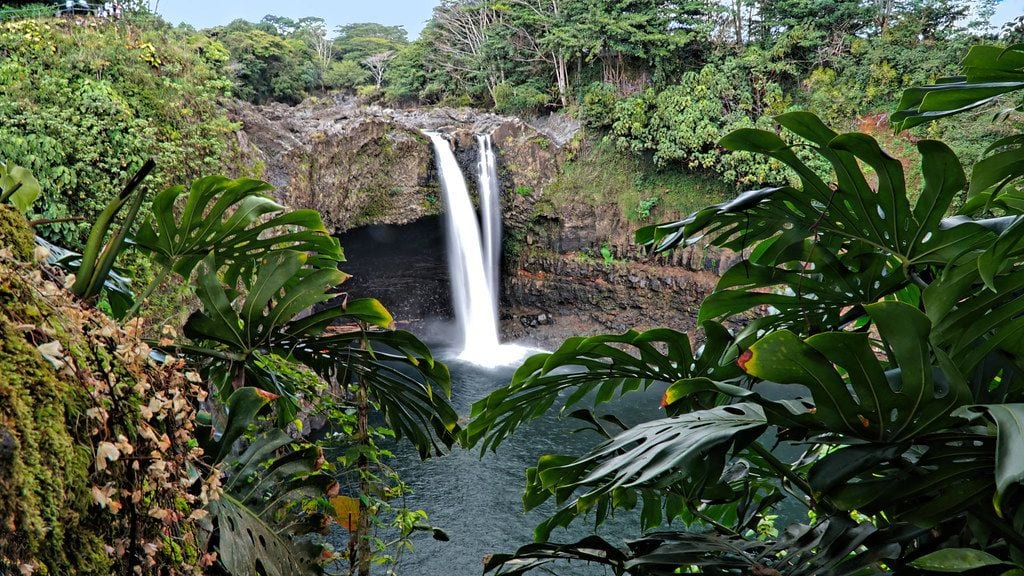
One of Hilo's natural beauties, Rainbow Falls sits inside Wailuku River State Park right near the city center, tucked next to several schools. The roughly 80-foot cascade earns its name not for its height but for the rainbows that shimmer to life in the morning mist, so plan to arrive early.
Getting here is easy: it's a quick drive with clear signage, and the overlook is only steps from the parking area. Come in the morning for your best shot at catching those famous rainbows dancing in the spray. One practical tip before you go, pack some bug repellent, because the lush riverside setting attracts its share of mosquitoes.
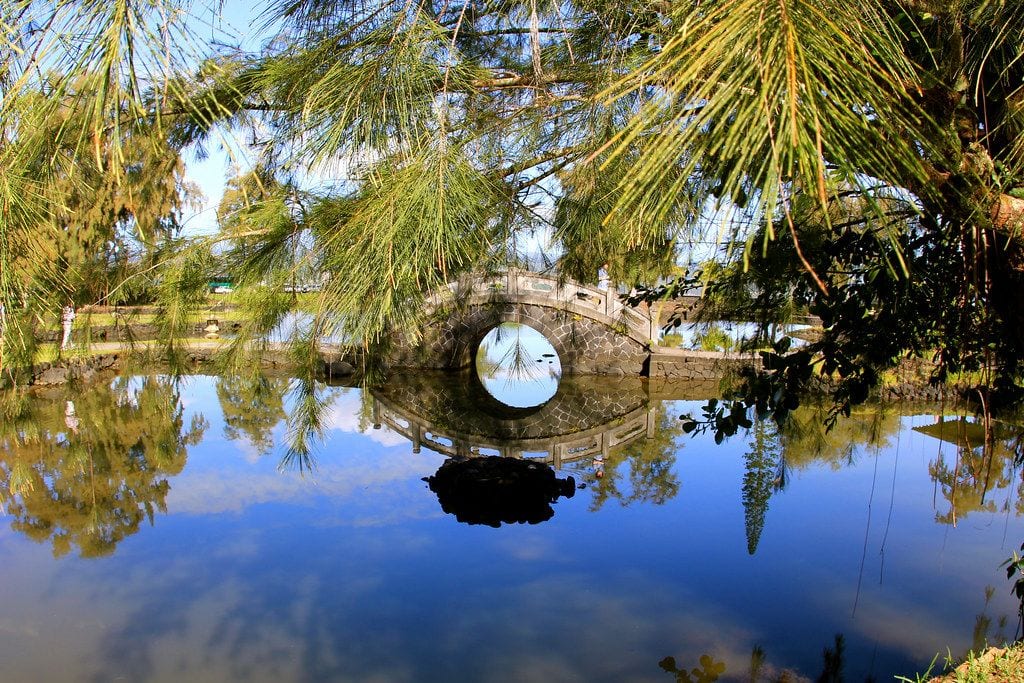
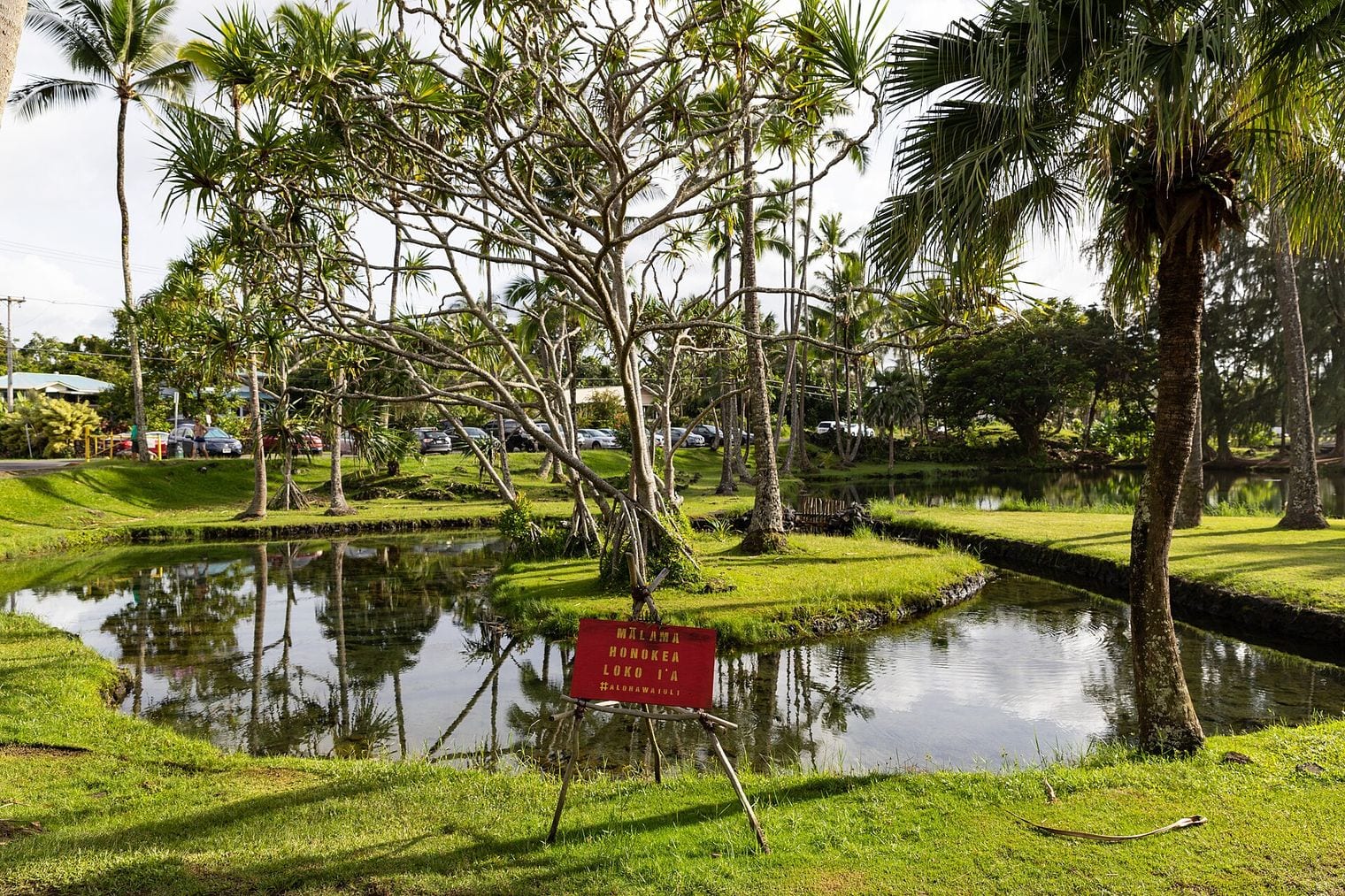
Liliʻuokalani Park and Gardens spreads across roughly 30 acres of Japanese-style grounds on Hilo Bay, established in 1917. Wander past koi ponds, a small bamboo grove, and a Japanese teahouse, with Mauna Kea rising in the distance. It's big yet quiet, a peaceful place to slow down and breathe.
Families come here to fish, jog, picnic, and simply linger under the trees, so it never feels rushed. When you're ready for the water, Coconut Island sits just an easy walk away, an inviting spot for a swim. Together they make an unhurried, warmly local morning or afternoon by the bay.
The closest black-sand beach to Hilo, Richardson Ocean Park makes an easy swap from busy town to warm, calm water. Snorkelers come for the abundant marine life that thrives just offshore, and the sheltered tide pools reward slower exploration. Look closely and you'll spot flecks of green sand mixed into the dark shore.
This is a marine conservation area, so the reef and its residents are protected and easy to enjoy responsibly. Cold freshwater springs feed the warm beach, a quiet natural curiosity beneath the surface. With lifeguards on duty and shaded picnic areas nearby, it's a relaxed, family-friendly spot to swim, snorkel, and linger for the afternoon.
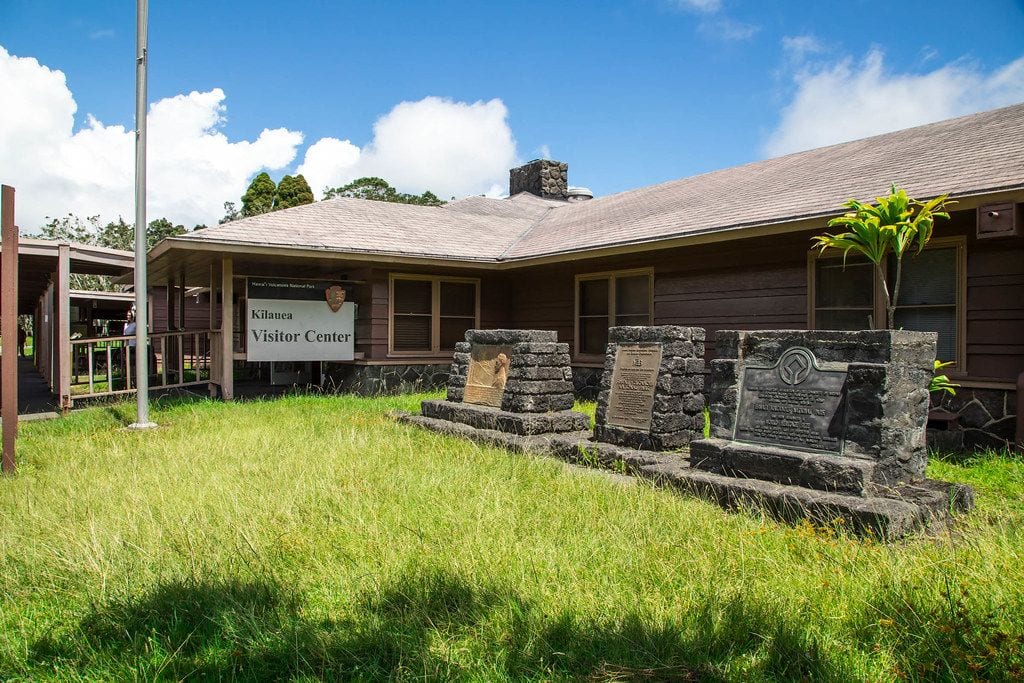
Begin your Hawaii Volcanoes National Park adventure the traditional way, at the Kīlauea Visitor Center. This is where the park comes into focus: knowledgeable rangers on hand to answer questions and orient you to the lava flows, environment, history, and cultural stories that make this landscape so extraordinary.
Before setting off, wander the short trails nearby or cross the street to take in the crater view stretching before you. Step next door to the Volcano Art Center Gallery, too, where local work adds another layer to your visit. It's the perfect grounding stop before you explore deeper into the park.
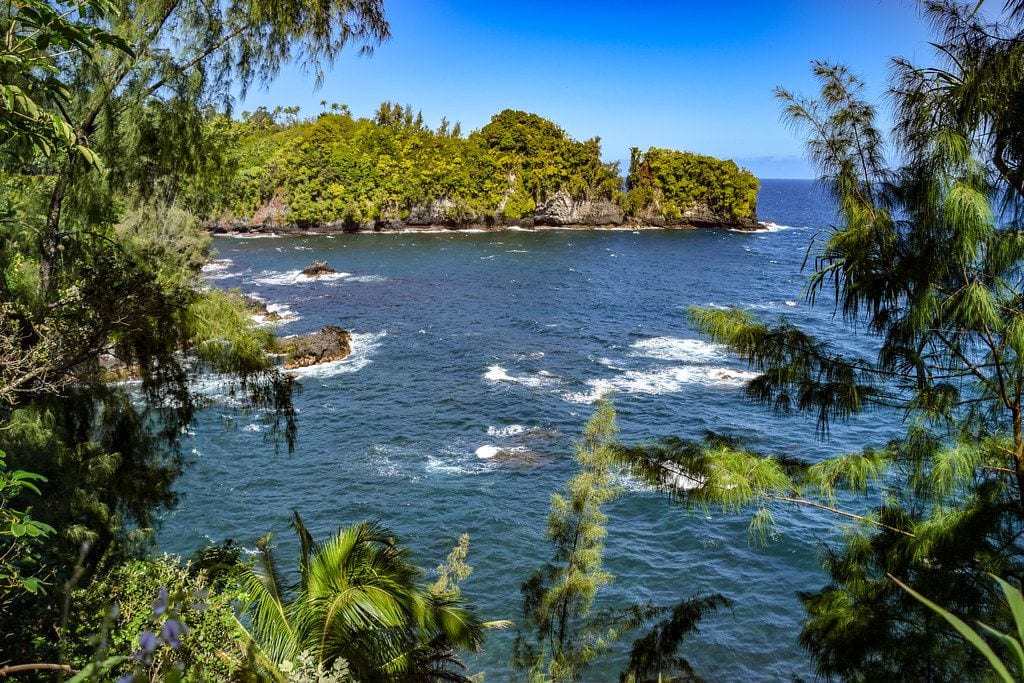
Tucked into a beautiful ravine along the Hamakua Coast, Onomea Bay is a genuine hidden gem, cradling the Hawaii Tropical Botanical Garden along with several waterfalls and streams. It is the kind of lush, green pocket you could easily drive past, yet it rewards anyone who slows down and wanders off the coastal road to explore.
Follow the short, easy Old Donkey Trail, a gentle ~600-foot path that winds through a lush palm forest down to the ocean. At the bottom, red lava rocks meet the water, and hala trees crowd the shore with their unusual exposed roots and pineapple-shaped fruit. It is a warm, unhurried walk that packs a lot of scenery into a small stretch.
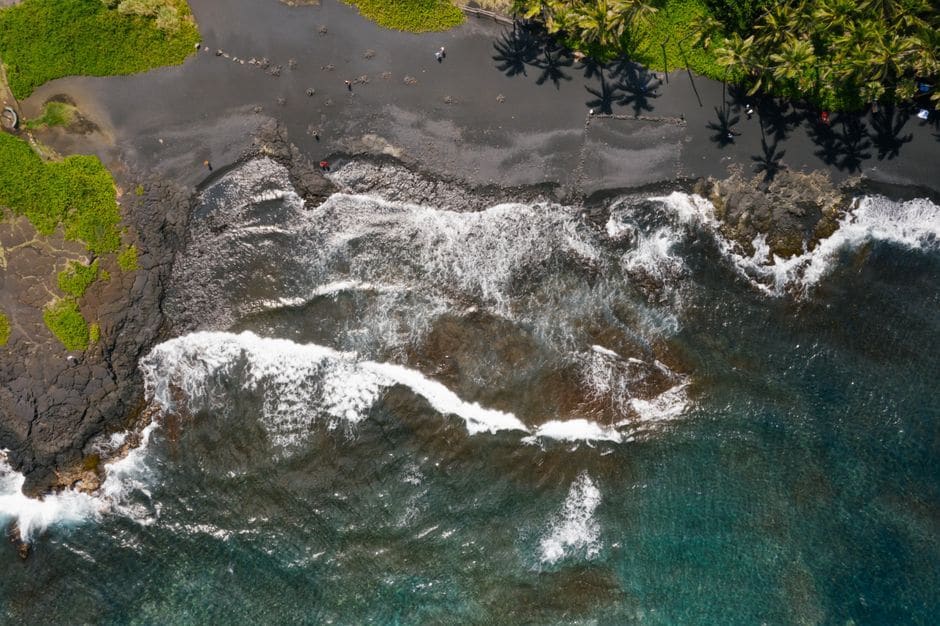
Isaac Hale Park is a Puna-district beach park whose main draw is the black-sand beach created when the 2018 Kīlauea eruption reshaped the coastline. It's a raw, elemental stretch of shore where you can feel the island still remaking itself, and a rewarding stop as you explore the Big Island's east side.
The park is also known for its warm pools, where rainwater sinks down and surfaces over warm volcanic rock, emerging noticeably warmer than the ocean. It's a soothing soak after a day of exploring, but tread carefully: some pools have coral bottoms, so keep your feet off the reef to protect it.
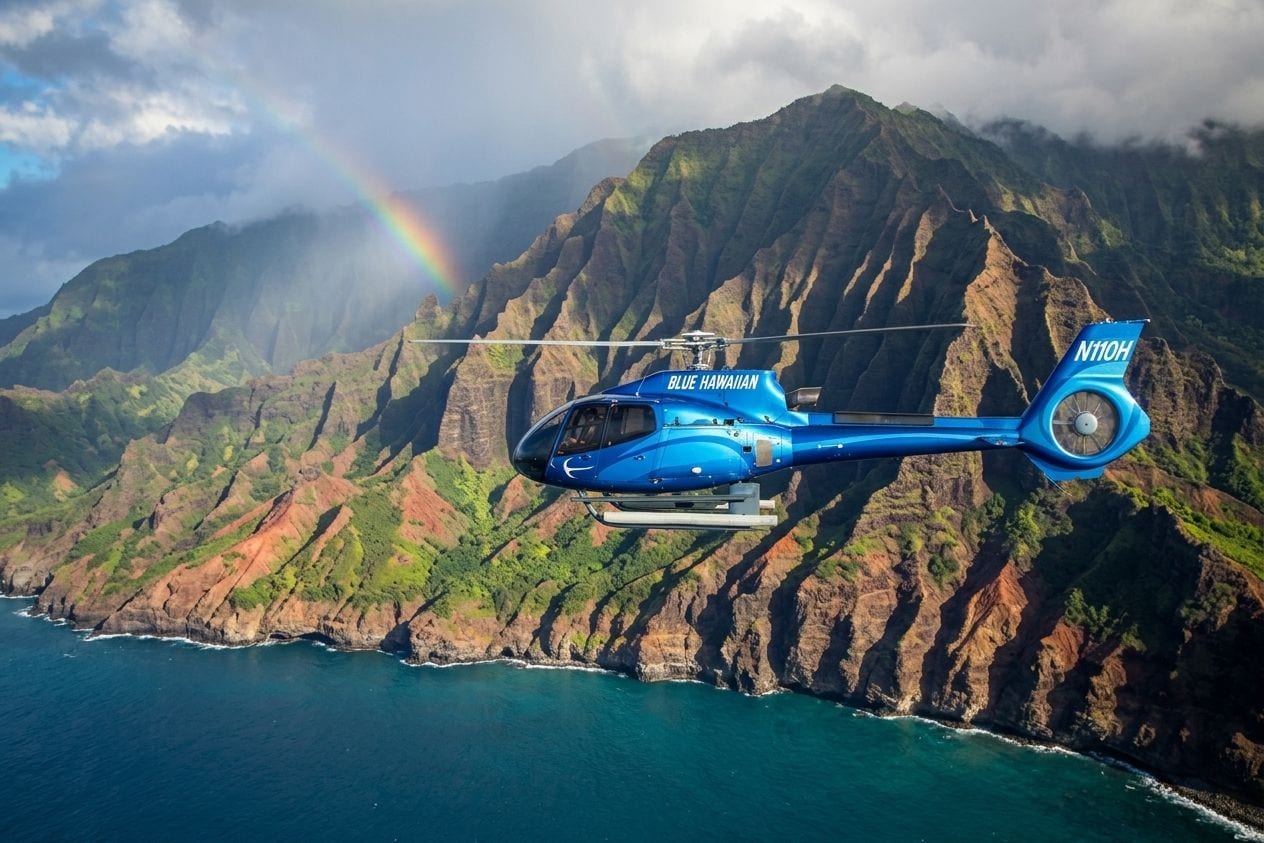
Soar above the Big Island's raw beauty with Blue Hawaiian Helicopters, lifting off from Hilo for an aerial sweep over the smoldering craters of Kīlauea, hardened lava fields, ribbon-like tropical waterfalls and dark stretches of black-sand coastline. It's a jaw-dropping way to grasp the sheer scale and volcanic power of this ever-changing landscape.
Flights range from short scenic hops to longer circle-island routes that trace the coast and interior in one unforgettable loop. Because you're flying over an island where weather shifts quickly, conditions genuinely matter, so keep your plans flexible. On a clear day, the views of volcanoes and cascading falls make every airborne minute count.
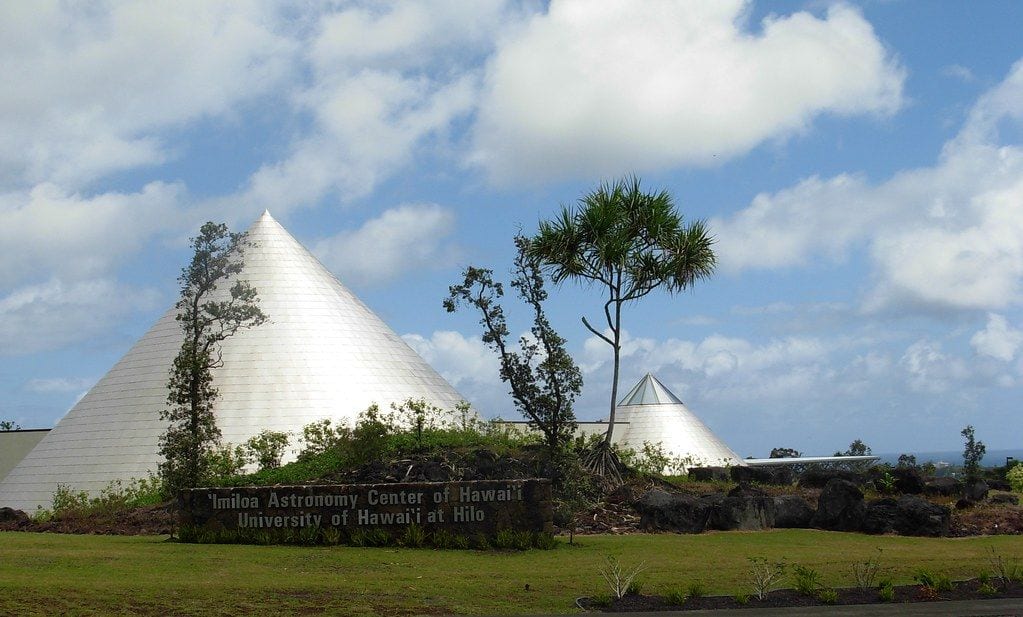
The Imiloa Astronomy Center, part of the University of Hawaiʻi at Hilo, shares the islands' deep legacy of exploration through hands-on exhibits that weave together Hawaiian history and astronomy. It's a thoughtful place to understand how the ancestors read the stars, and how that same spirit of discovery still shapes the science studied here today.
Don't miss the dome planetarium, where modern shows carry you far beyond the Big Island's skies. Outside, the surrounding garden is packed with information and well worth a slow wander. Between the exhibits, the shows, and the grounds, it's easy to lose a full afternoon here without ever glancing at the clock.
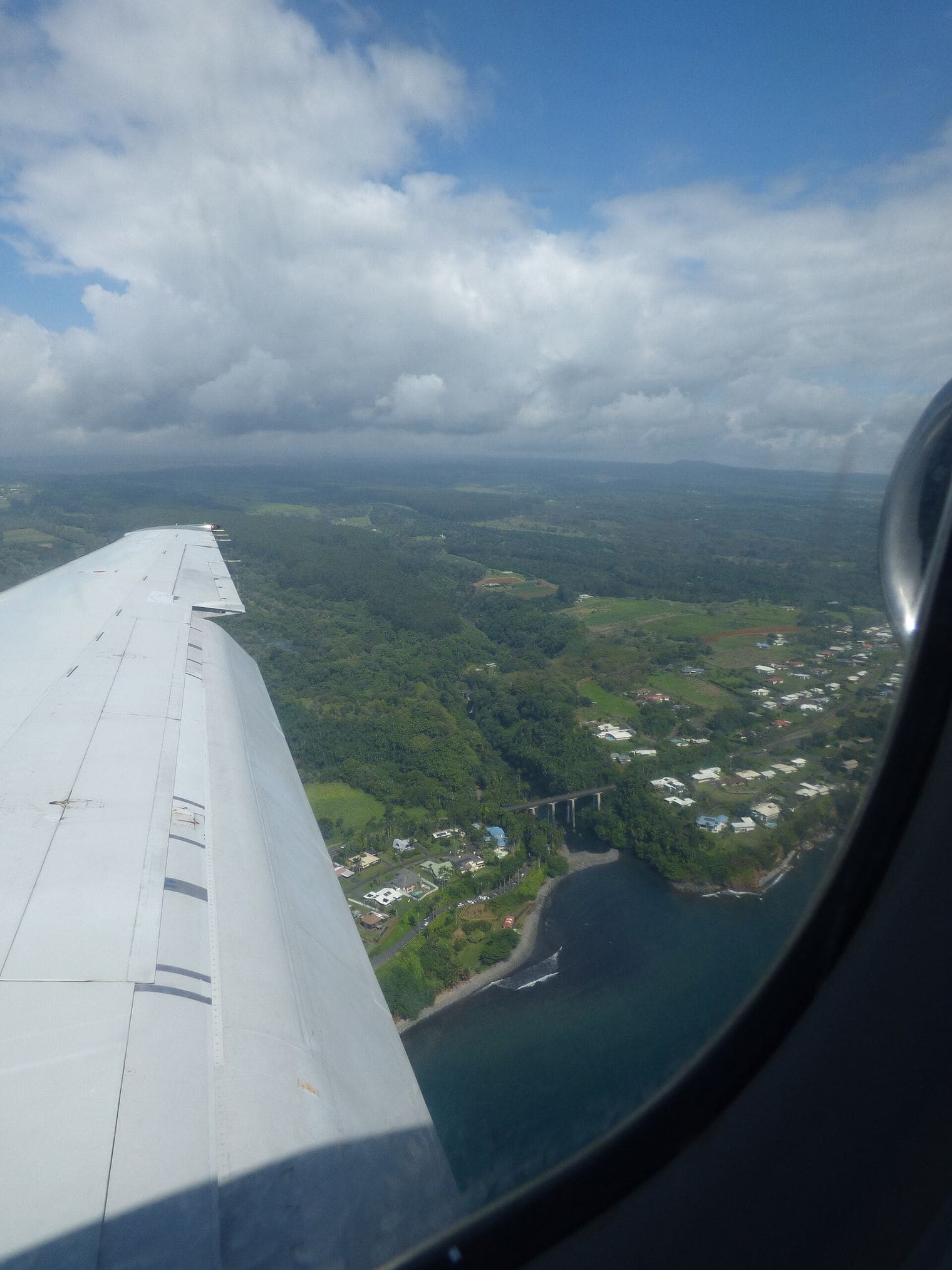
Just north of Hilo, Honoliʻi Beach Park is a rocky little cove and the most popular local surf spot, so it's a wonderful place to settle in and watch surfers work the break. It's also a favorite for hunting sea glass along the stones. Come early, though, because parking can be genuinely hard to find given the crowds.
The setting is half the charm here. The Honoliʻi stream meets the ocean near a picturesque bridge strung with a rope swing, making a great photo backdrop against the water and greenery. Bring your camera, take your time, and let the rhythm of the waves and the swimmers ease you into island pace.
Every week, the parking lot at Uncle Robert's Awa Bar transforms into the Kalapana Night Market, a lively gathering deep in the Puna district. Artisans line the space with local goods, from handmade jewelry to fresh Hawaiian food, while drinks flow and live music sets the tone for a warm, unmistakably local scene.
This is community, not spectacle: neighbors and travelers mingle, and dancing carries the celebration well into the evening. Remarkably, the market endured the 2018 lava flow that reshaped so much of the area, and it still gathers strong today. Come hungry, stay late, and let the rhythm of Kalapana pull you in.
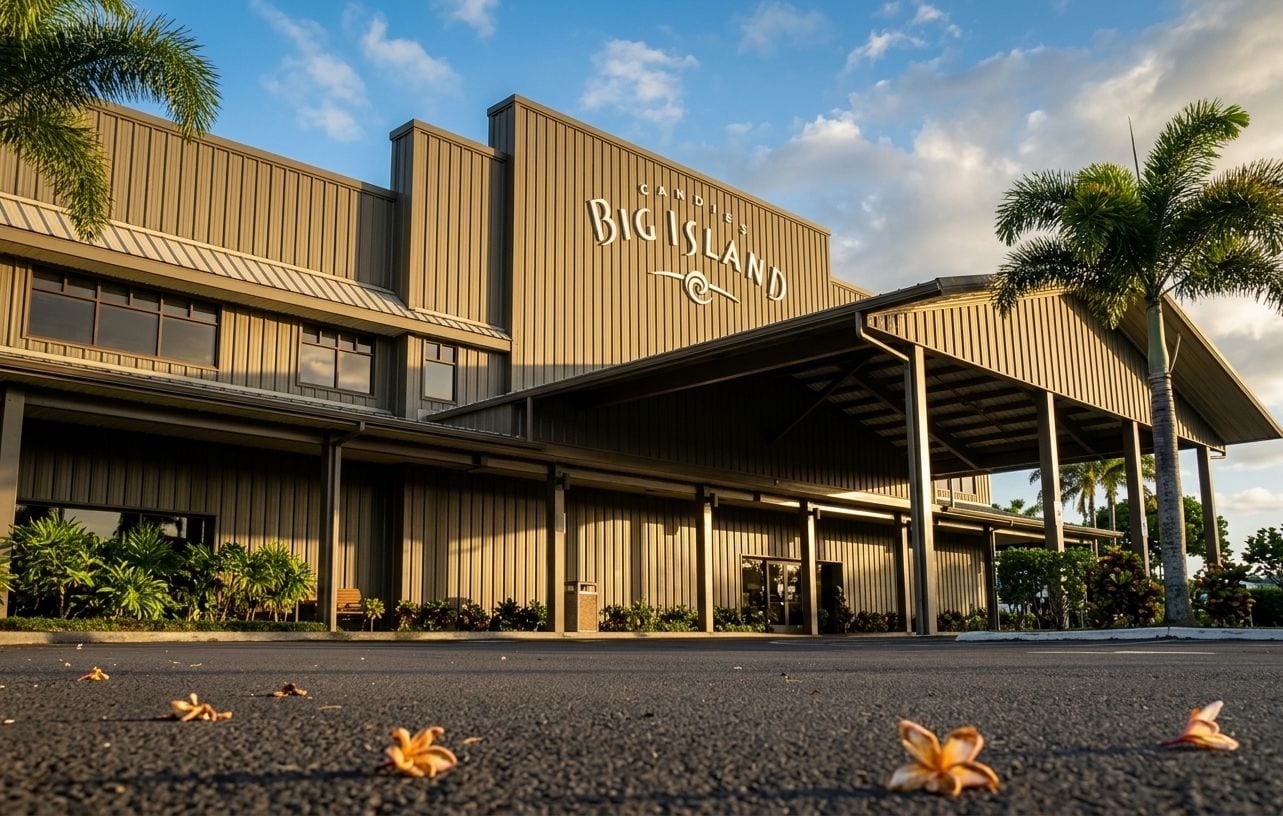
Follow the scent of chocolate to Big Island Candies, one of Hilo's best-known sweets makers and a beloved local institution since 1977. This is the home of Hawaii's famous chocolate-dipped shortbread cookies, alongside buttery macadamia chocolates that have earned admirers well beyond the islands. It's equal parts factory, gift shop, and delicious rite of passage.
Step inside and you're welcomed with free samples and coffee, so you can taste your way through before you buy. A large viewing window lets you watch the confectioners at work, hand-dipping cookies and molding chocolates in real time. Come hungry, browse slowly, and leave with a box or two of treats to carry the flavor of Hilo home.
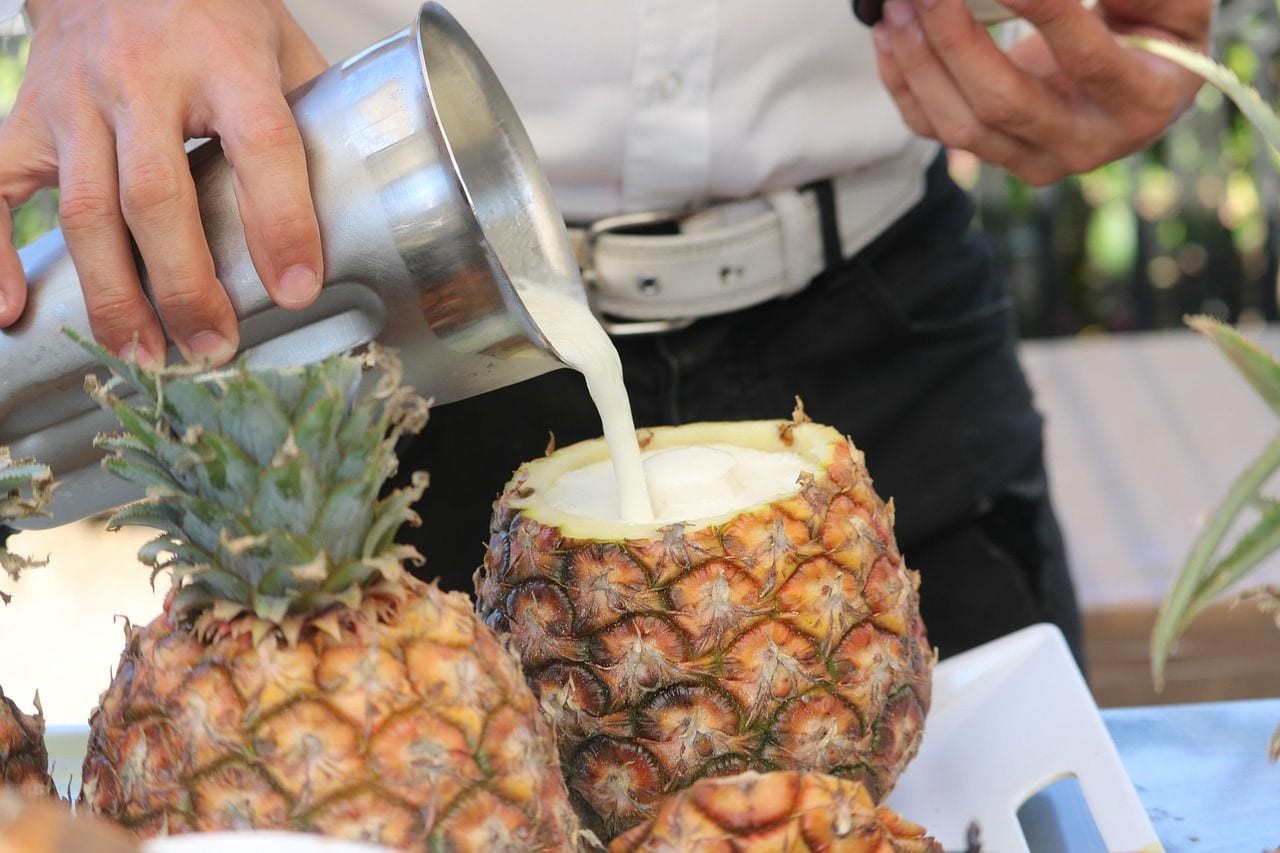
In the heart of Downtown Hilo, Pineapples Restaurant is an open, breezy island-style spot serving New American plates built around fresh local fish and beef, plus cocktails and locally produced beer. The order-defining move is the Pineapple Pow, poured right into a pineapple in both alcoholic and non-alcoholic versions.
Come for dinner and stay for the live music, which brings the airy dining room to life after dark. Beyond the signature drink, the Mai Tais and Pina Coladas draw their own loyal following, making this a warm, laid-back place to settle in, sip something tropical, and taste the island's local flavors.
Best Time to Visit Hilo
Hilo sits on the island's windward side and is warm and rainy year-round, so plan for passing showers in any season rather than expecting dry weather. The drier, slightly sunnier stretch tends to fall in the summer months, while winter is the wettest. Whatever the month, Hilo is far greener and rainier than the sunny Kona side of the island, and showers here often clear within an hour.
Getting to Hilo
Hilo has its own airport, Hilo International Airport (ITO), but its commercial service is limited and mostly inter-island, with frequent flights from Honolulu and Kahului rather than reliable nonstop mainland routes. Many visitors instead fly into the Big Island's busier Kona International Airport (KOA) on the west coast and drive across the island to Hilo, which takes roughly 1.5 to 2 hours via Saddle Road. There is no passenger rail; the Hawaiʻi Belt Road (Highway 11 to the south, Highway 19 to the north) connects Hilo to the rest of the island, so a rental car is essential.
Getting Around Hilo
A rental car is essentially required to explore the Big Island, as attractions are spread far apart and public transit is sparse. Downtown Hilo and the Bayfront are compact and pleasant to explore on foot, so you can walk between the historic shopfronts, the farmers market and the waterfront. The county's Hele-On bus runs routes around the island but is infrequent, and destinations like Hawaiʻi Volcanoes National Park (about 45 minutes away) and Mauna Kea make your own vehicle the only realistic option.
Where to Stay in Hilo
For walkability, base yourself in downtown or Bayfront Hilo, within strolling distance of the historic district, cafes, galleries and the Hilo Farmers Market. The main concentration of hotels lines Banyan Drive on the Waiākea Peninsula, the tree-lined bayfront strip beside Hilo Bay near the airport. The area around the University of Hawaiʻi at Hilo, on the town's south side, offers a quieter, more residential base still close to shops and dining.
Where to Eat in Hilo
Hilo's food scene is proudly local, centered on downtown and the open-air Hilo Farmers Market, where you can sample tropical fruit, Big Island coffee and macadamia nuts. This is the birthplace of the loco moco, a comfort dish of rice topped with a hamburger patty, fried egg and brown gravy, and it remains a must-try alongside Hawaiian staples like poke, plate lunch and Portuguese-style malasadas. Seek out the local mom-and-pop drive-ins, poke counters and bakeries downtown for the most authentic taste of east Hawaiʻi.
One Day in Hilo
Morning: Start with a stroll through historic downtown and the Hilo Farmers Market, then drive up to see the mist and rainbows at Rainbow Falls.
Evening: Circle back toward Hilo Bay for a swim or sunset at Richardson Ocean Park, then finish with island-style plates and live music at Pineapples Restaurant downtown.
Free Things to Do in Hilo
You don’t need to spend much to enjoy the best of Hilo. A few standouts that are free to explore:
Hike the short trail down to the coast on the Onomea Bay trail.
Day Trips from Hilo
Hilo makes an ideal base for exploring the Big Island. A few worthwhile day trips:
Hawaiʻi Volcanoes National Park: About 45 minutes south of Hilo on Highway 11, the island's headline attraction is home to the active Kīlauea volcano, steaming craters, lava tubes and rainforest trails.
Mauna Kea: Roughly an hour west of Hilo, the Mauna Kea Visitor Information Station sits partway up the nearly 13,800-foot summit, a world-renowned spot for stargazing and, for well-prepared visitors, access toward the summit.
Hāmākua Coast and Waipiʻo Valley: Head north from Hilo on Highway 19 for a scenic drive along the waterfall-lined Hāmākua Coast, reaching the dramatic Waipiʻo Valley Lookout in roughly an hour to 90 minutes.
The Kona side: The sunny, drier west coast around Kailua-Kona is about 1.5 to 2 hours away across the island via Saddle Road, offering beaches, snorkeling and Kona coffee country for a contrasting day out.
FAQ: Visiting Hilo
What is Hilo known for?
Hilo is known as the largest town on the Big Island, for its lush rainforest setting and abundant waterfalls fed by heavy rainfall, and as the gateway to Hawaiʻi Volcanoes National Park and Mauna Kea. It is also famous for hosting the Merrie Monarch Festival, the world's premier hula competition.
Is Hilo worth visiting?
Yes, Hilo is well worth visiting for its authentic small-town Hawaiian character, historic downtown, farmers market, and easy access to waterfalls, gardens and Volcanoes National Park. It offers a greener, more local and less resort-driven experience than the Big Island's Kona side.
How many days do you need in Hilo?
Two to three days is a good amount of time to enjoy Hilo itself plus day trips to Hawaiʻi Volcanoes National Park, the Hāmākua Coast waterfalls, and Mauna Kea. If you want to explore the wider Big Island at a relaxed pace, use Hilo as a base for a longer stay.
Is Hilo or Kona better?
It depends on what you want: Hilo, on the rainy windward side, is lush, historic and local-feeling with easy access to volcanoes and waterfalls, while Kona, on the dry leeward side, is sunnier with more beaches and resorts. Many visitors experience both, since they sit on opposite coasts of the same island.
Why is Hilo so rainy?
Hilo sits on the windward eastern coast of the Big Island, where moist Pacific trade winds are pushed up against the towering slopes of Mauna Loa and Mauna Kea. As that air rises and cools, it condenses into frequent showers, giving Hilo well over 120 inches of rain a year.
How far is Hilo from Volcanoes National Park?
Hawaiʻi Volcanoes National Park is about 30 miles south of Hilo along Highway 11, roughly a 45-minute drive. This proximity makes Hilo the most convenient town for visiting the park.
What is there to do in Hilo for free?
Many of Hilo's best experiences are free, including strolling the historic downtown and Bayfront, browsing the Hilo Farmers Market, and visiting waterfalls such as Rainbow Falls. You can also enjoy public gardens, beach parks along the bay, and scenic drives up the Hāmākua Coast at no cost.