Founded in 1904 at the heart of Idaho's Magic Valley, Twin Falls is one of the largest cities in the state and the gateway to the dramatic Snake River Canyon. Most visitors come for thundering Shoshone Falls, the "Niagara of the West," but the city is also a springboard for hiking, hot springs, base jumping and canyon-rim adventure. Curiously, it is home to the world's largest yogurt manufacturing plant (Chobani), and it is where daredevil Evel Knievel made his famous 1974 attempt to rocket across the canyon.
Fun Facts About Twin Falls, Idaho
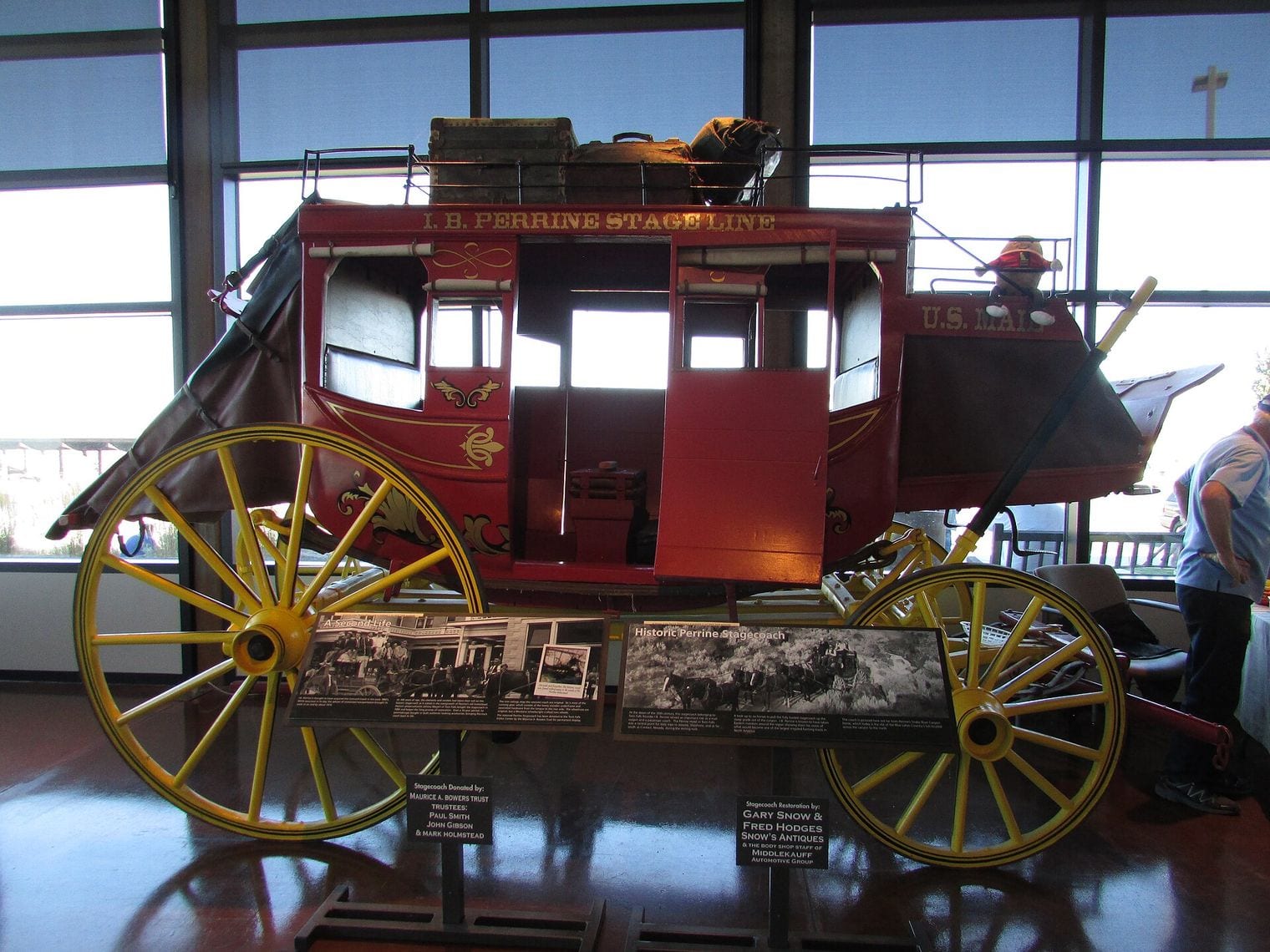
Twin Falls was founded in 1904 by developer I.B. Perrine, whose irrigation canals turned the surrounding high desert into the fertile farmland known today as the Magic Valley.
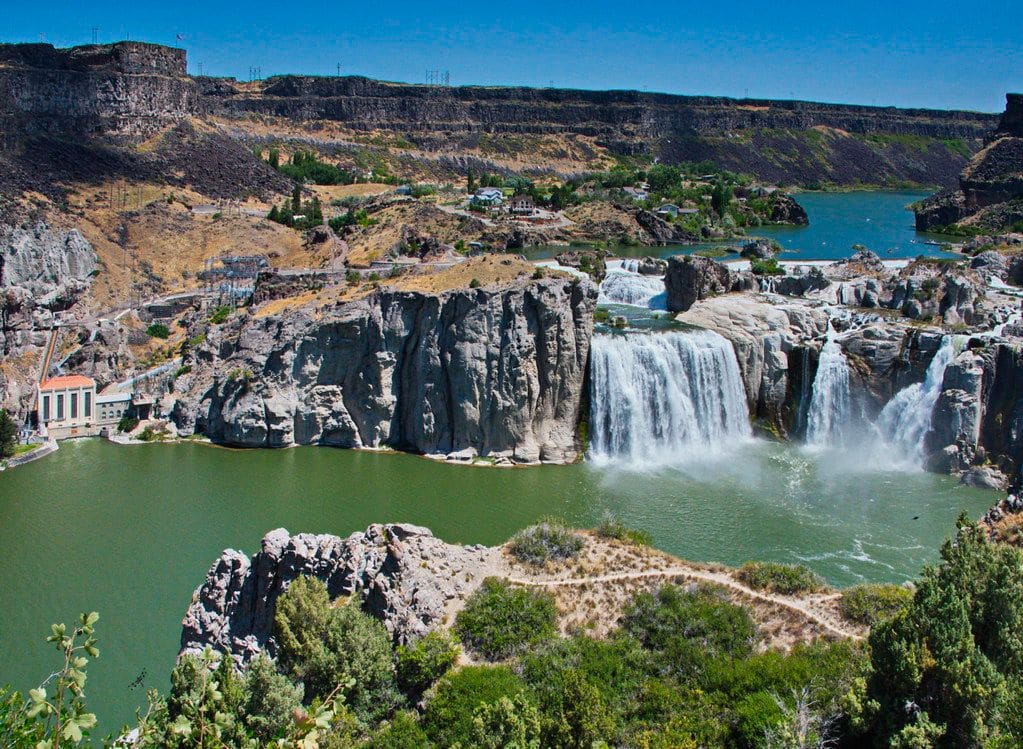
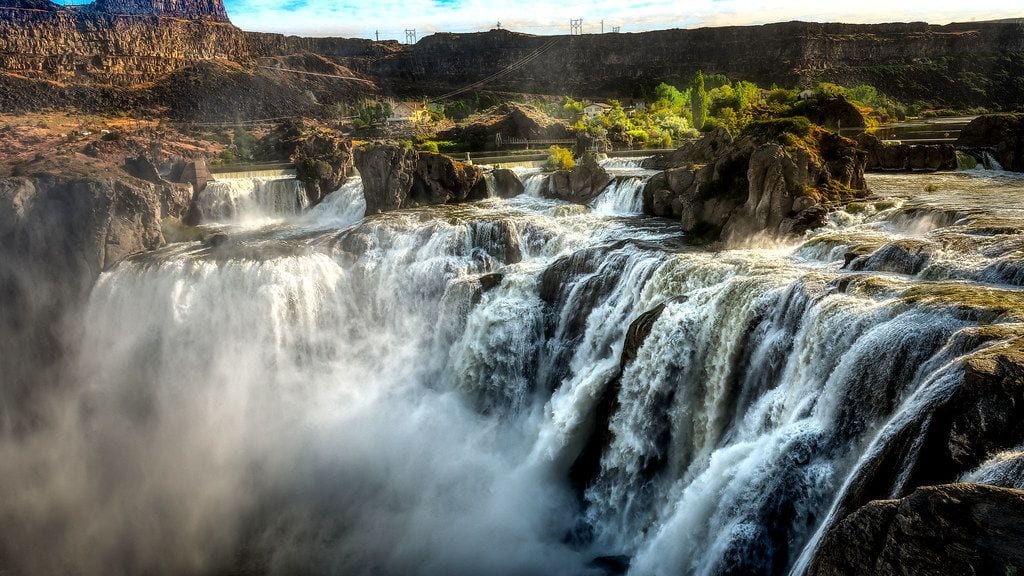
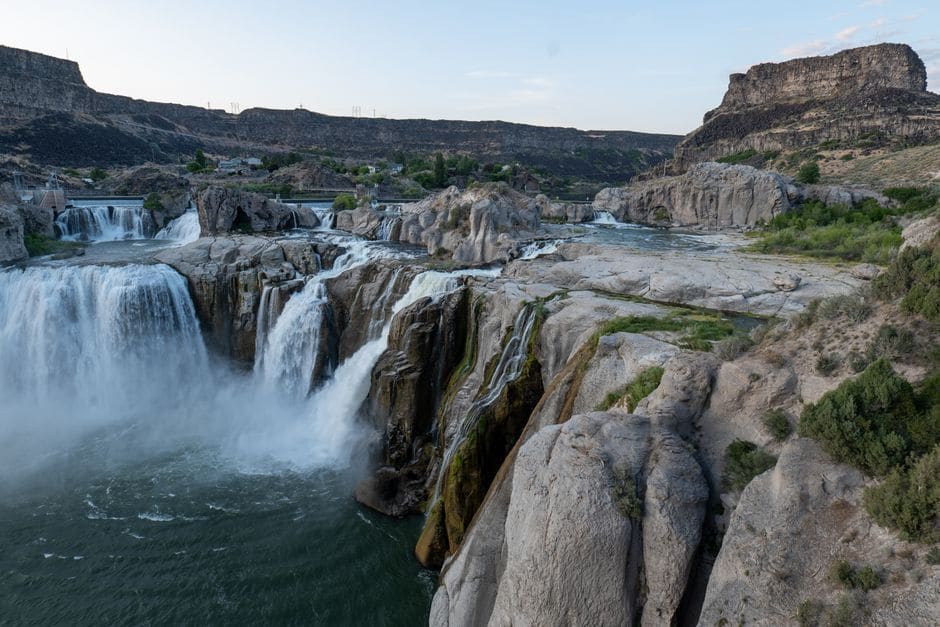
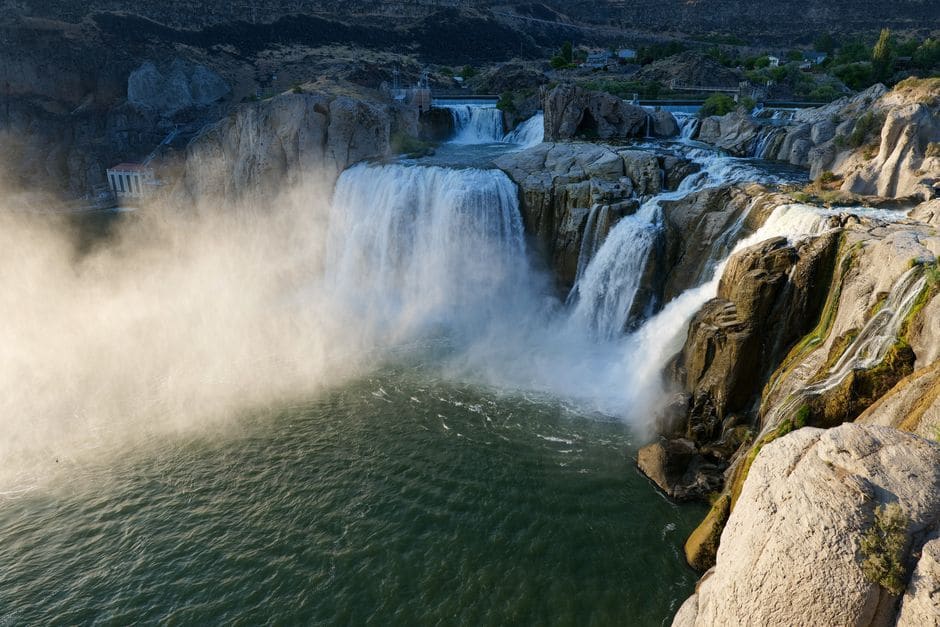
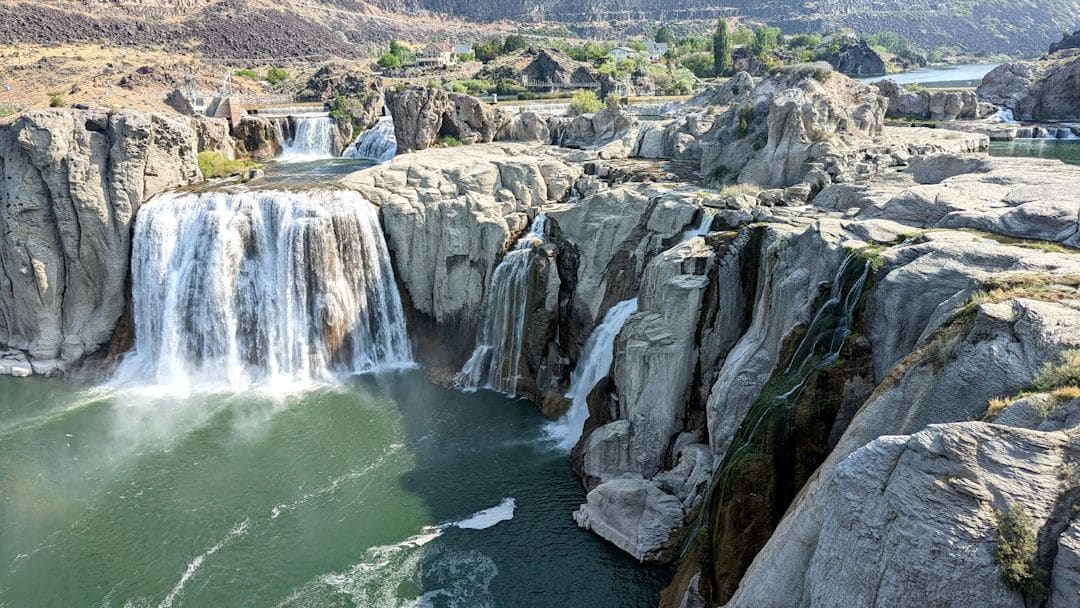
Shoshone Falls plunges about 212 feet — taller than Niagara Falls — earning it the nickname the "Niagara of the West."
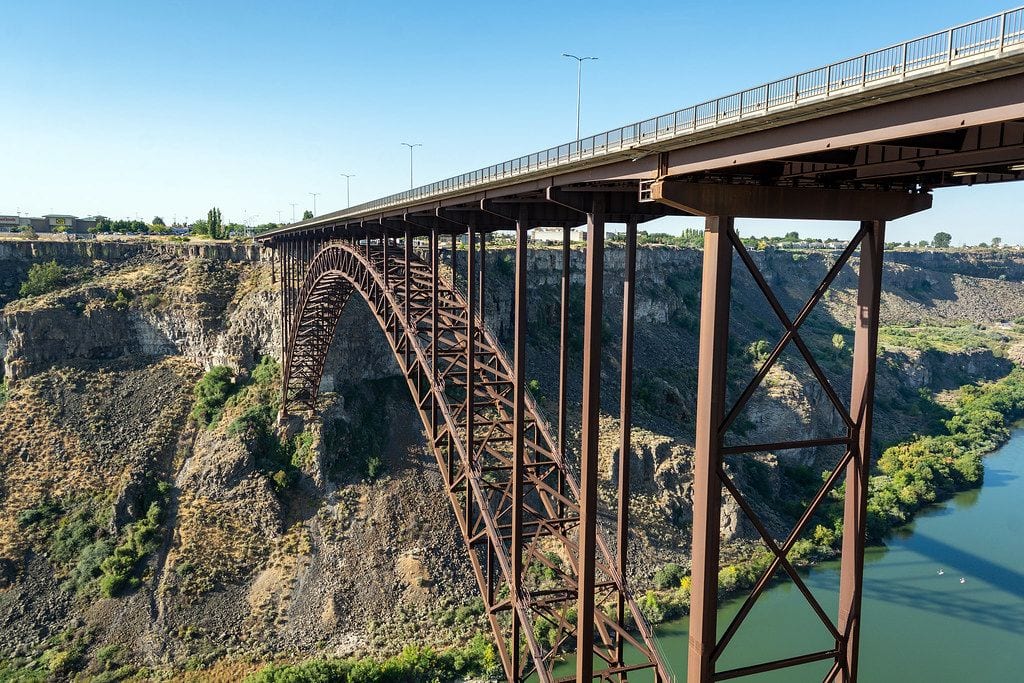
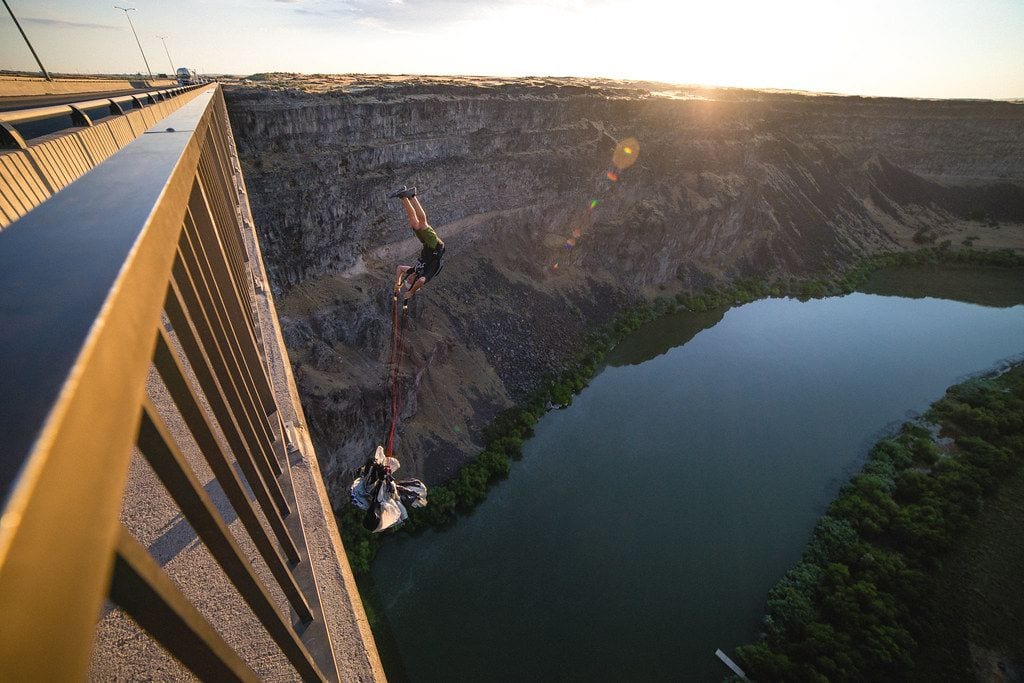
The city's Perrine Memorial Bridge, completed in 1976, soars roughly 486 feet above the Snake River and is one of the very few US bridges where BASE jumping is legal year-round without a permit.
Twin Falls is home to the world's largest yogurt manufacturing plant, built by Chobani, which spans well over a million square feet.
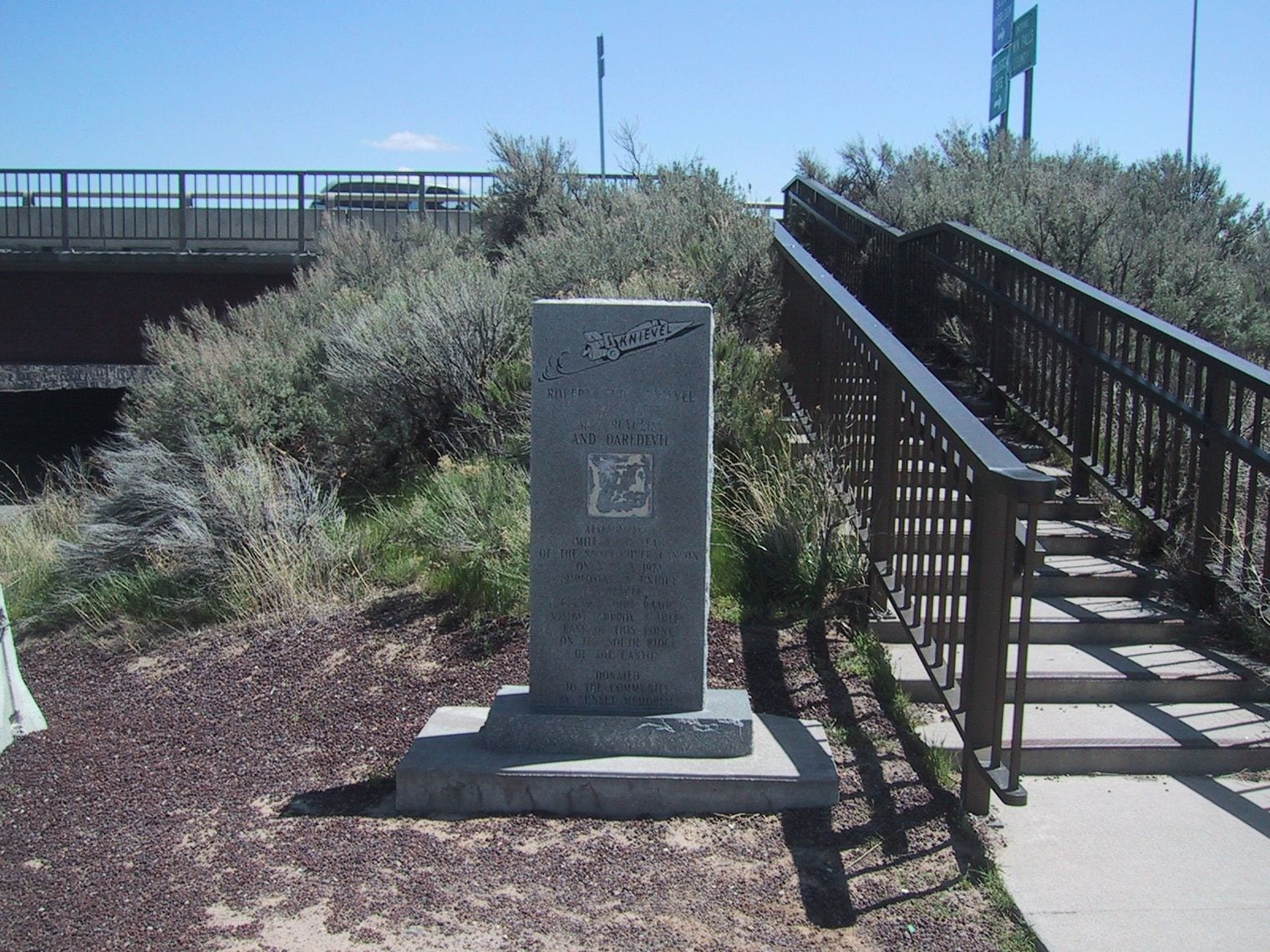
In 1974, daredevil Evel Knievel attempted to jump the Snake River Canyon here on a steam-powered "Skycycle," a stunt still marked by a monument on the south rim.
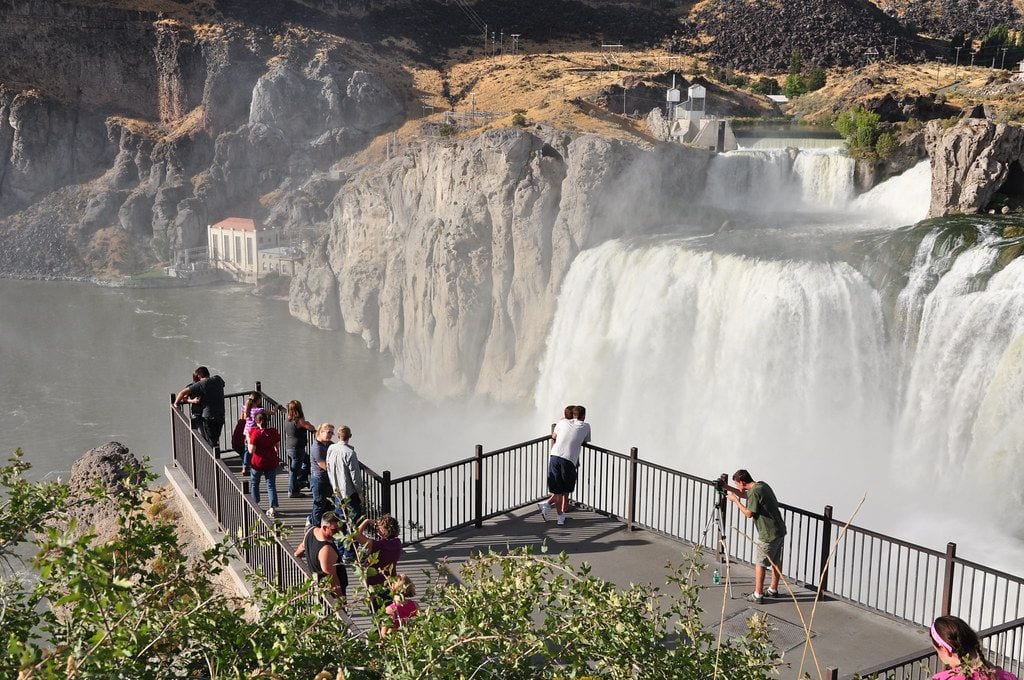
Shoshone Falls Park sits on the Snake River just east of town, a city-run spot with a boat launch, scenic overlook, walking trails, picnic areas and a concession stand. After miles of high desert driving, the falls appear almost without warning, plunging some 212 feet, taller than Niagara and nearly 900 feet wide, earning the nickname "Niagara of the West."
For the best view, don't stop at the entrance observation deck. Follow the path down to the lower overlooks, where you can stand close enough to feel the spray off the canyon wall. If you watch the nearby canyon bridge, you may even spot base jumpers leaping into the gorge below.
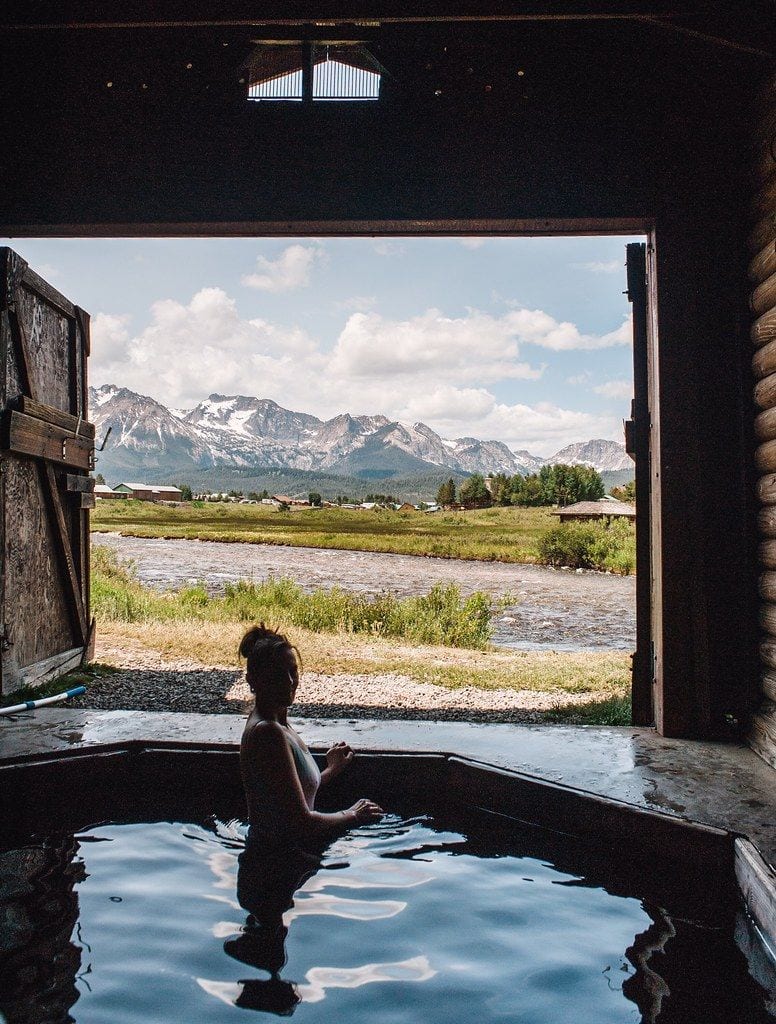
Miracle Hot Springs sits near Buhl, where geothermal spring pools feed a cluster of private mineral soaking tubs, each set to a different temperature. The grounds also hold a tidy campground with clean facilities and dedicated RV and group sites, making it an easy overnight base for anyone chasing a good soak in southern Idaho's high-desert country.
What sets the place apart are the geodesic dome glamping cabins tucked beneath a small orchard of apple trees, a genuinely novel way to sleep on site. Stranger still is the resident alligator, kept in a heated, fenced enclosure beside the pools, warmed by the same geothermal water that draws visitors here in the first place.
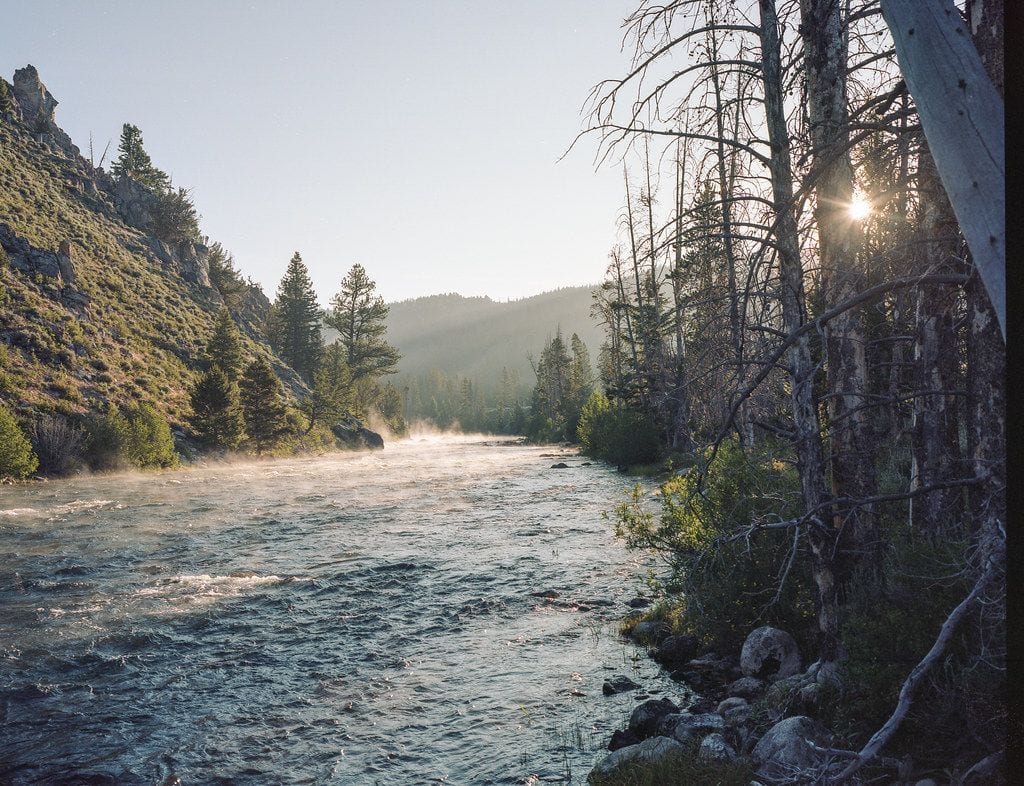
Sawtooth National Forest sprawls across roughly two million acres of scenic byways, campgrounds, and backcountry, threaded with rivers, lakes, and creeks. Families gravitate toward the Elk Creek campsite, an easygoing base for exploring the surrounding wilderness. With trailheads scattered throughout, it rewards anyone willing to lace up their boots and wander.
The signature outing takes the ferry across Redfish Lake, then climbs about four miles up to the Bench Lakes for the finest Sawtooth mountain views around. Beyond that route, trails like Galena, Fox Creek, Adams Gulch, and Forbidden Fruit fan out through the forest, offering a range of terrain for casual strollers and serious hikers alike.
The Perrine Memorial Bridge spans the Snake River Canyon with a spare, minimalist truss-arch design that draws the eye straight to its remarkable height. Pull-outs on both sides let you park and take in the river, canyon and waterfalls, while stairs and short trails lead down toward better vantage points along the canyon rim.
It ranks among the very few bridges in the United States where BASE jumping is legal year-round, so you can often watch jumpers step off the deck and drop into the gorge. Admission is free, making it an easy stop, though the exposed span can get very windy, so hold onto hats and loose gear.
Twin Falls County Fairgrounds sits in nearby Filer, roughly 20 to 30 minutes from Shoshone Falls and Centennial Park, and it hosts the long-running Twin Falls County Fair. The tradition reaches back to the Southern Idaho Fair of 1916, and today the grounds continue to celebrate and preserve the region's deep agricultural heritage.
The fair itself is a warm, family-friendly affair packed with rides and food that draws locals and visitors alike. Beyond the fair, the grounds stay in excellent shape as a versatile venue, hosting all sorts of events throughout the year, so there's a good chance something is happening whenever you pass through.
Snake River Canyon Rim Trail is a roughly 10-mile system of paved paths tracing the canyon edge about 500 feet above the Snake River, delivering dramatic views the whole way. The wide, smooth surface welcomes everyone, whether you're walking the dog, pushing a stroller or wheelchair, biking, skating or skateboarding along the rim.
Start near the Visitor Center, where you can watch base jumpers leap from the bridge into the gorge below. From there, ride the trail down the west canyon wall for spectacular views of Shoshone Falls thundering over the rocks. It's free, scenic and open year-round, making it one of the easiest ways to take in the canyon.
Centennial Waterfront Park sits at the bottom of the canyon on the Snake River, a public green space where the water is the whole draw. Rent a kayak or canoe, join a guided boat tour, or claim a BBQ area while the kids hit the playground. On the water, a life jacket is required.
The river doubles as the hub for paddleboarding, swimming, fishing and boating, so there is always a way to get out on the current. A trail from the park climbs toward the base of Shoshone Falls, though it comes with steep drop-offs and uneven terrain, so watch your footing and wear proper shoes.
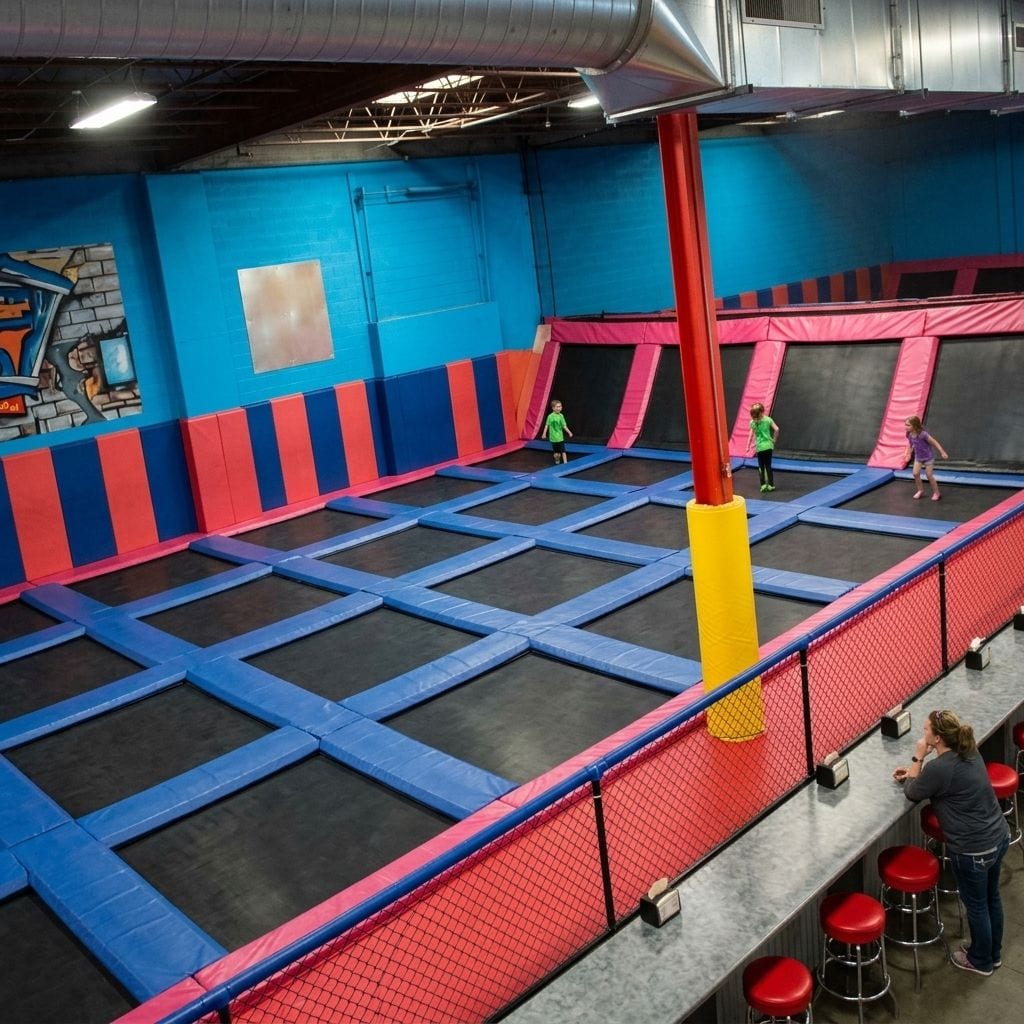
JumpTime Idaho is an indoor trampoline park in Twin Falls that turns a rainy afternoon into hours of energy-burning fun. Bounce off the trampoline wall, launch into the airbag, and test your reflexes in a game of extreme dodgeball or aeroball. Younger kids gravitate toward the inflatables, while the on-site arcade adds another reason to stick around.
It is also one of the easiest birthday-party venues in town to book, with staff handling the details while parents relax on couches nearby and watch the action. When appetites kick in, the small cafe sells snacks, pizza, and cupcakes, making this an affordable, all-weather outing the whole family can enjoy.
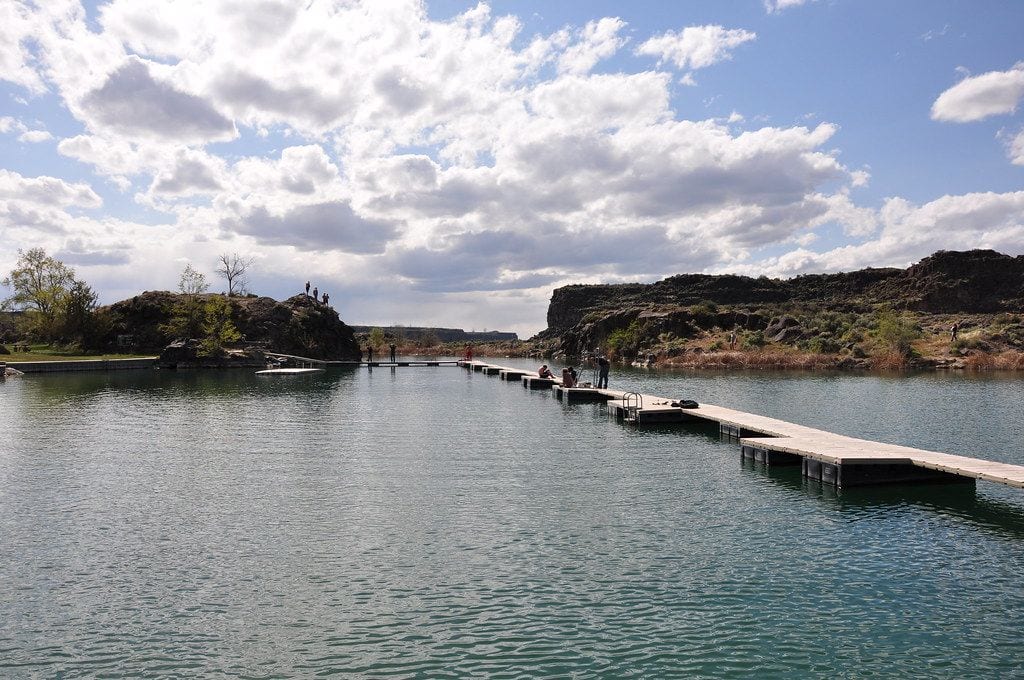
Dierkes Lake Park tucks into the rocky landscape just beyond Shoshone Falls, a charming lakeside retreat where hiking trails wind through the terrain and a volleyball pit invites casual games. The most popular walk is a 1.7-mile unpaved loop that circles the water, offering steady views and easy access to the shoreline throughout.
The lake itself draws swimmers, rock climbers and cliff jumpers, and you can bring non-motorized boats like paddleboards and kayaks out onto the calm water. Two large gazebos and small barbecues make the park a natural fit for group gatherings, from family picnics to reunions with friends beneath the surrounding cliffs.
Nat Soo Pah Hot Springs & Campground sits about 20 minutes from Twin Falls, and it makes an easy family day trip built around year-round mineral hot pools. The spot leans playful rather than sleepy, with water slides and diving boards giving kids plenty to do between soaks in the naturally warm water.
Temperatures are split to suit everyone: the spa tub hovers near the regular pool, while a separate soak pool runs much hotter for adults chasing a proper hot dip. The campground itself stays quiet and shaded, and rentals like towels, lockers and floaties mean you can turn up with next to nothing and stay a while.
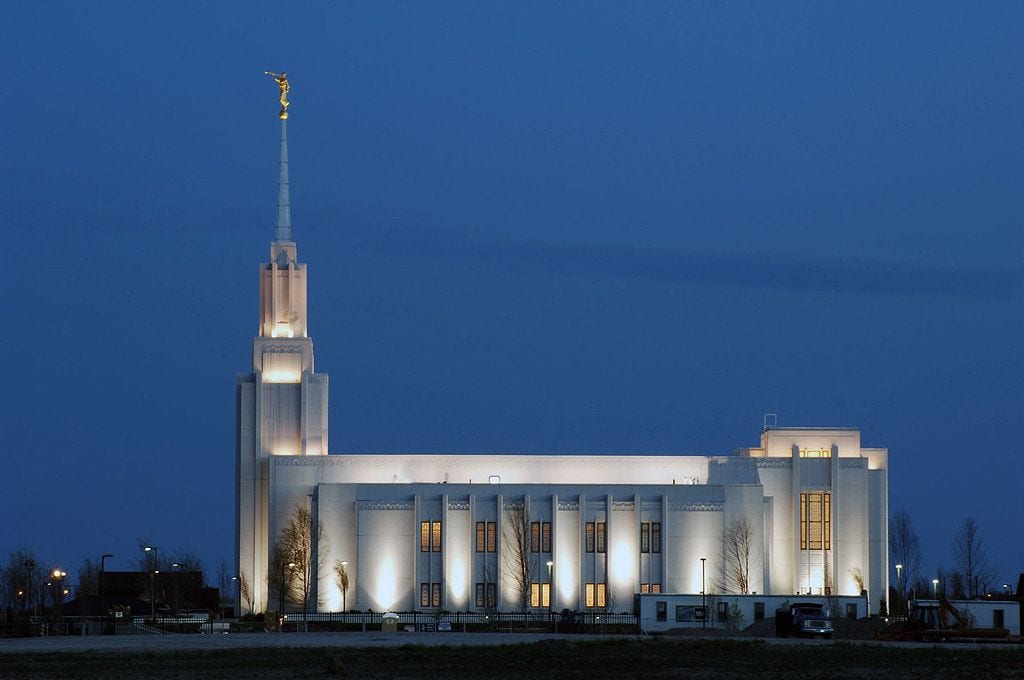
Twin Falls Idaho Temple crowns a bluff on the city's edge, its white spire and single, elegant tower rising above the surrounding neighborhoods. Owned by The Church of Jesus Christ of Latter-day Saints, it serves the local congregation as a place of higher worship, learning and sacred ordinance work rather than ordinary Sunday services.
The temple interior is reserved for members, who present special identification at the entrance, so casual visitors cannot step inside. Everyone else, though, is warmly welcome to stroll the beautifully landscaped grounds, admire the seasonal flower beds and framed views, and take all the photos they like from the manicured lawns and walkways outside.
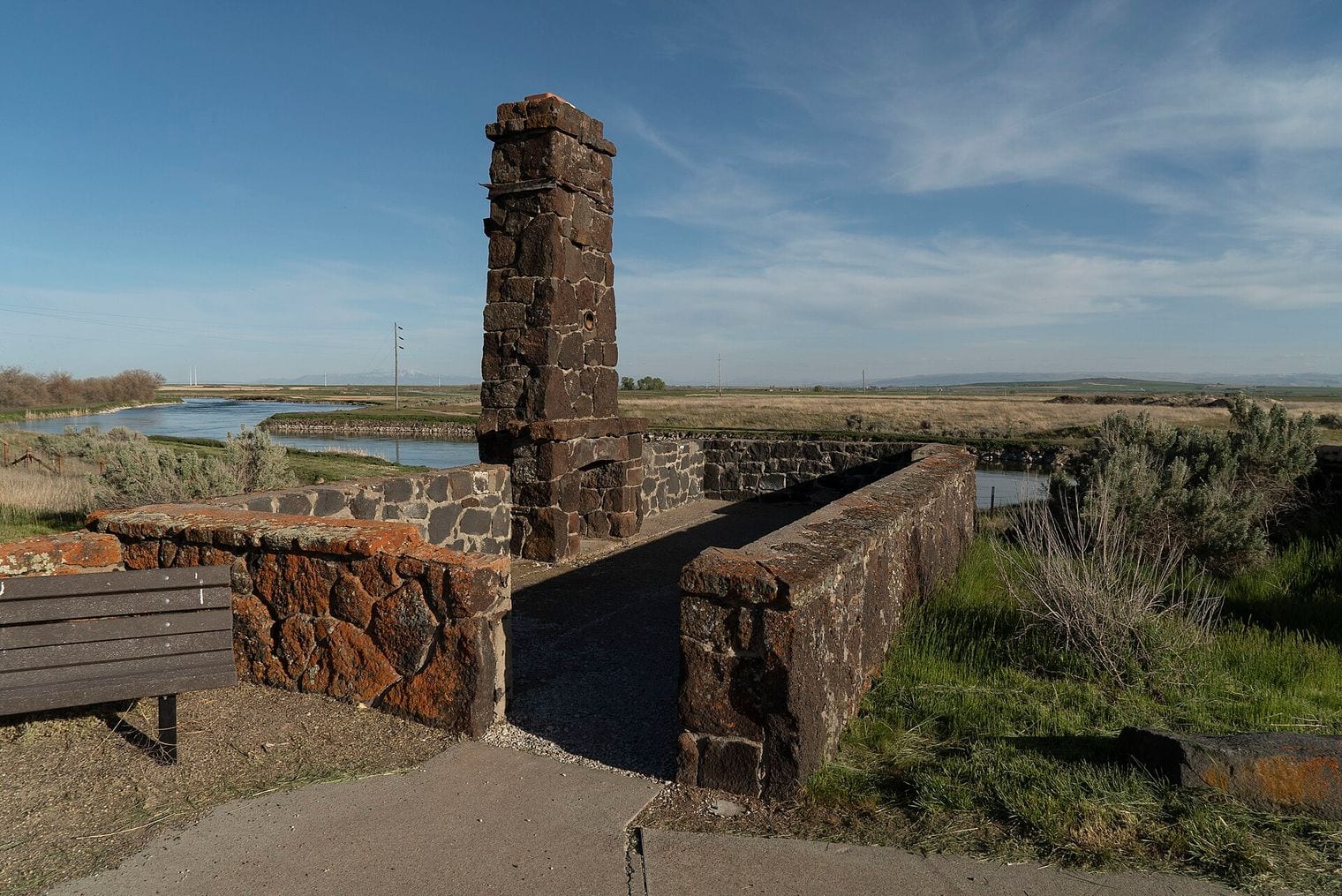
Minidoka National Historic Site, a National Park Service property near Jerome, preserves the remains of a WWII incarceration camp. After the 1941 Pearl Harbor attack, President Franklin D. Roosevelt ordered the forced relocation of roughly 120,000 Japanese Americans into ten isolated centers, and this was one of them, holding over 13,000 people at what was known as Hunt Camp.
Walking the grounds is a quiet, sobering experience that grounds a difficult chapter of American history in the Idaho landscape. Visitors can tour the surviving buildings and watch an orientation film at the Visitor Center, which frames the personal stories behind the incarceration camp and honors the people who endured it.
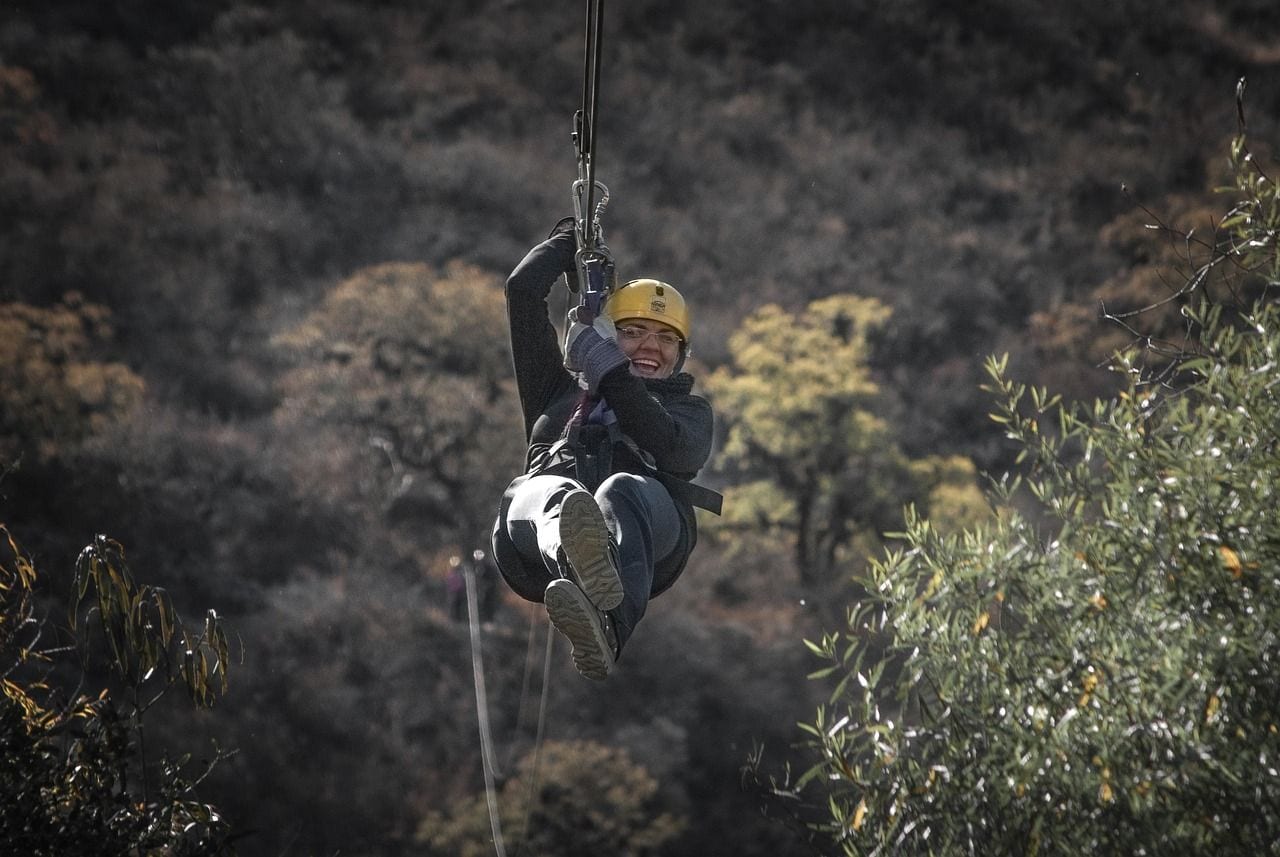
Based at Centennial Waterfront Park and run by AWOL Adventure Sports, Zip the Snake sends you on four zip-line rides straight across the canyon above a manicured golf course. The main line stretches roughly 1,750 feet, carrying you over a waterfall, the Perrine Bridge and the fairways below at speeds nearing 45 mph.
If soaring over the gorge isn't enough, the same crew works the water too. They run boat tours and scuba tours on the Snake River and rent out paddleboards and kayaks, so you can trade the high-wire thrill for an easy paddle beneath the same dramatic canyon walls. Fittingly, the final zip line is longer than the Perrine Bridge itself.
Evel Knievel’s ill-fated 1974 stunt still draws visitors to the south rim of the Snake River Canyon, where the Evel Knievel Jump Monument tells the story of the daredevil who tried to clear the gorge aboard a steam-powered rocket. Set near the Perrine Bridge, the monument comes with an observation platform, parking and information panels that walk you through the legendary attempt.
The site is split across two spots, so it pays to know both. The monument itself sits close to the bridge, while a trail runs roughly 1.5 miles along the south rim from the visitor center out to the earthen berm marking the actual launch and jump site. Best of all, visiting either spot costs nothing.
Niagara Springs State Park sits along the Snake River, where an Idaho Fish and Game hatchery and wildlife area gives you a well-stocked pond for fishing and plenty of rock-hopping when the water is low. It is a fine spot for kids to explore, and the drive down into the canyon toward the springs is genuinely scenic.
The day-use and camping area is well maintained and can host large groups if you reserve ahead, making it an easy choice for a family outing or a bigger gathering. One practical tip before you go: bring mosquito repellent, because the riverside setting that makes the place so pretty also makes it a haven for them.
Canyon Springs Golf Course sits at the bottom of the canyon beside the Snake River, an 18-hole public course that stays flat and walkable as it follows the water. The setting is the draw: sweeping views of the Perrine Bridge frame nearly every hole, and the thirteenth looks straight out over Perrine Coulee Falls.
Widely regarded as one of the best courses in Southern Idaho, it balances a genuine challenge with unhurried scenery and a friendly welcome at the clubhouse. Whether you play a serious round or simply come for the canyon-floor views, the staff make it easy to enjoy an afternoon by the river.
Twin Falls County Museum sits just outside town in nearby Filer, run by the county historical society and housed in the handsome 1914 Union School building. Its well-arranged displays trace the story of Twin Falls and the wider Magic Valley, from ranching roots to how early residents lived, worked, and taught their children on the frontier.
Inside, you will find old farm equipment and a wall of historic Magic Valley photographs documenting the region's growth. Out back, an old Pioneer House and a vintage playground round out the grounds, giving kids something hands-on to enjoy while grown-ups linger over the local and agricultural history on display.
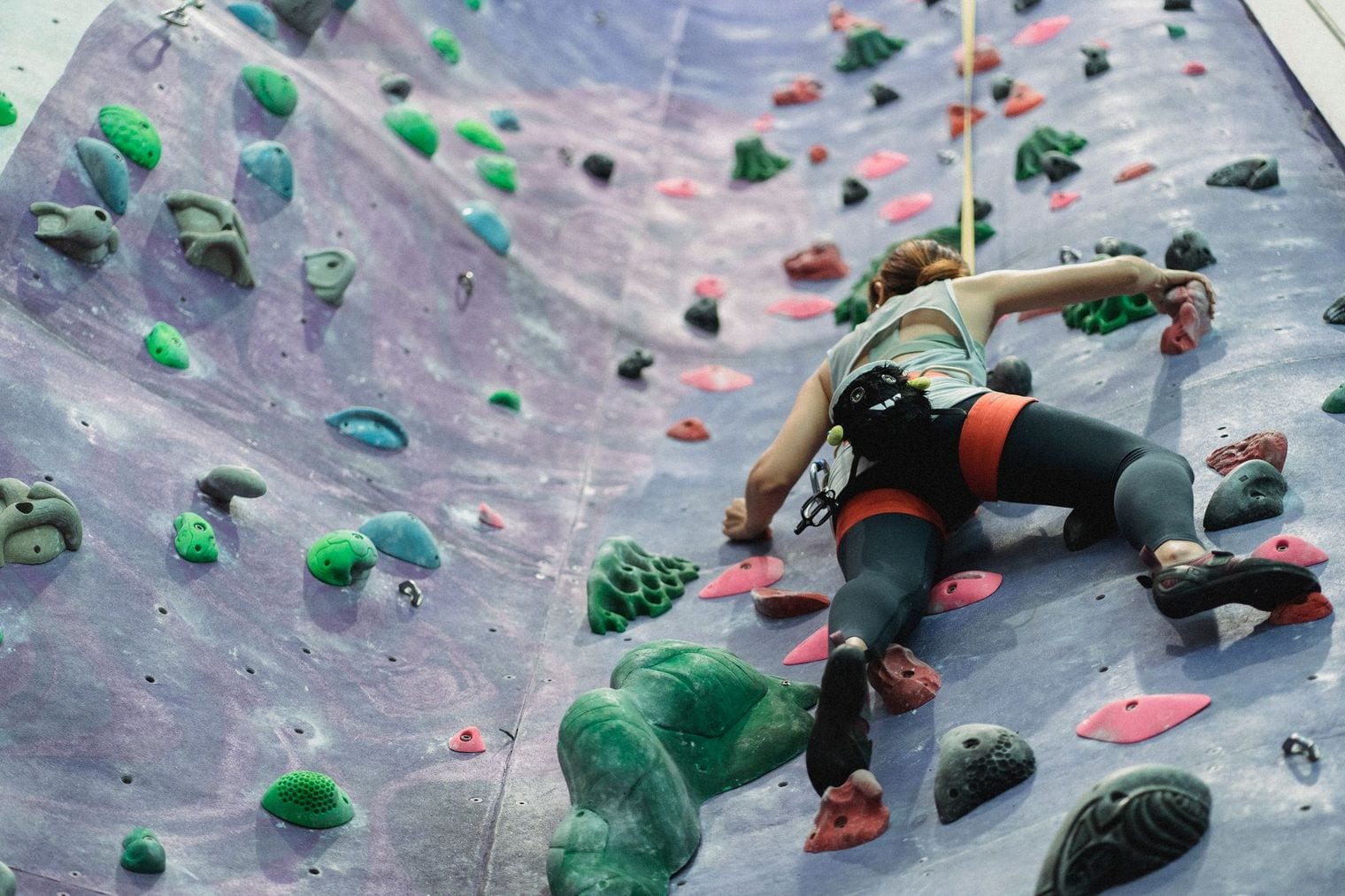
Gemstone Climbing Center dominates downtown Twin Falls as the only indoor rock climbing gym in Southern Idaho, and its tall walls hold a genuinely wide variety of routes. Whether you prefer bouldering, top rope, lead climbing or the convenience of auto belays, there is terrain here to match your grade, and the space rarely feels crowded even when groups are working the walls.
Beyond the climbing, the center rounds out its offering with yoga and fitness classes, making it a solid stop for active travelers who want more than a single workout. Families are welcome too, thanks to a dedicated kids' section and an approachable boulder wall that gives younger climbers a low-stakes place to test their grip and build confidence.
Tandem Base gives you one of the only chances in the country to leap off the Perrine Bridge on a parachute, harnessed to a seasoned instructor with no skydiving experience required. Sean and his crew walk you through every safety step beforehand, so nerves give way to focus before you ever reach the edge.
The result is a genuinely once-in-a-lifetime plunge into the Snake River Canyon, with the ground falling away and the river rushing up to meet you. The team's careful, methodical approach has even made the jump possible for physically disabled guests, proving this thrill is more welcoming than it first appears.
Twin Falls Farmers Market sets up across from the Herrett Center, where welcoming vendors sell fresh produce alongside meats, crafts and local art. It's a friendly, laid-back spot to browse Twin Falls souvenirs and chat with the growers and makers who fill the stalls, all happy to point you toward their favorites.
Keep an eye out for the fun extras that give the market its character. One vendor pops popcorn with multicolored kernels, and Pet Wants stocks healthy treats so the dog in your life doesn't go home empty-pawed. It's an easy, genuinely local stop that captures the small-city warmth of the area.
Herrett Center for Arts and Science, run by the College of Southern Idaho, is a museum of anthropology and natural history with a special focus on the prehistoric Americas. It's built with kids in mind: many exhibits sit at a child's eye-level, and hands-on displays invite young visitors to touch and explore rather than just look.
Its collections range across Native American lifeways and material culture, natural science, paleontology, art, and Mesoamerican history. Cap off the visit at the on-site Faulkner Planetarium, then look through the Norman Herrett telescope at the Centennial Observatory, where the cosmos comes into sharp, memorable focus for stargazers of every age.
Orton Botanical Garden is a haven for anyone who loves succulents, cacti, and Idaho-native plants, gathering a huge variety of desert species into one thoughtfully cultivated space. The focus here is on supporting local pollinators, so every planting does double duty as habitat, making a stroll through the beds feel purposeful as well as beautiful.
The knowledgeable owner is happy to answer questions, turning a simple visit into a real education for curious plant lovers. Benches scattered throughout invite you to slow down and take it all in, and the relaxed, unhurried pace makes this an easy, rewarding walk for families and dedicated gardeners alike.
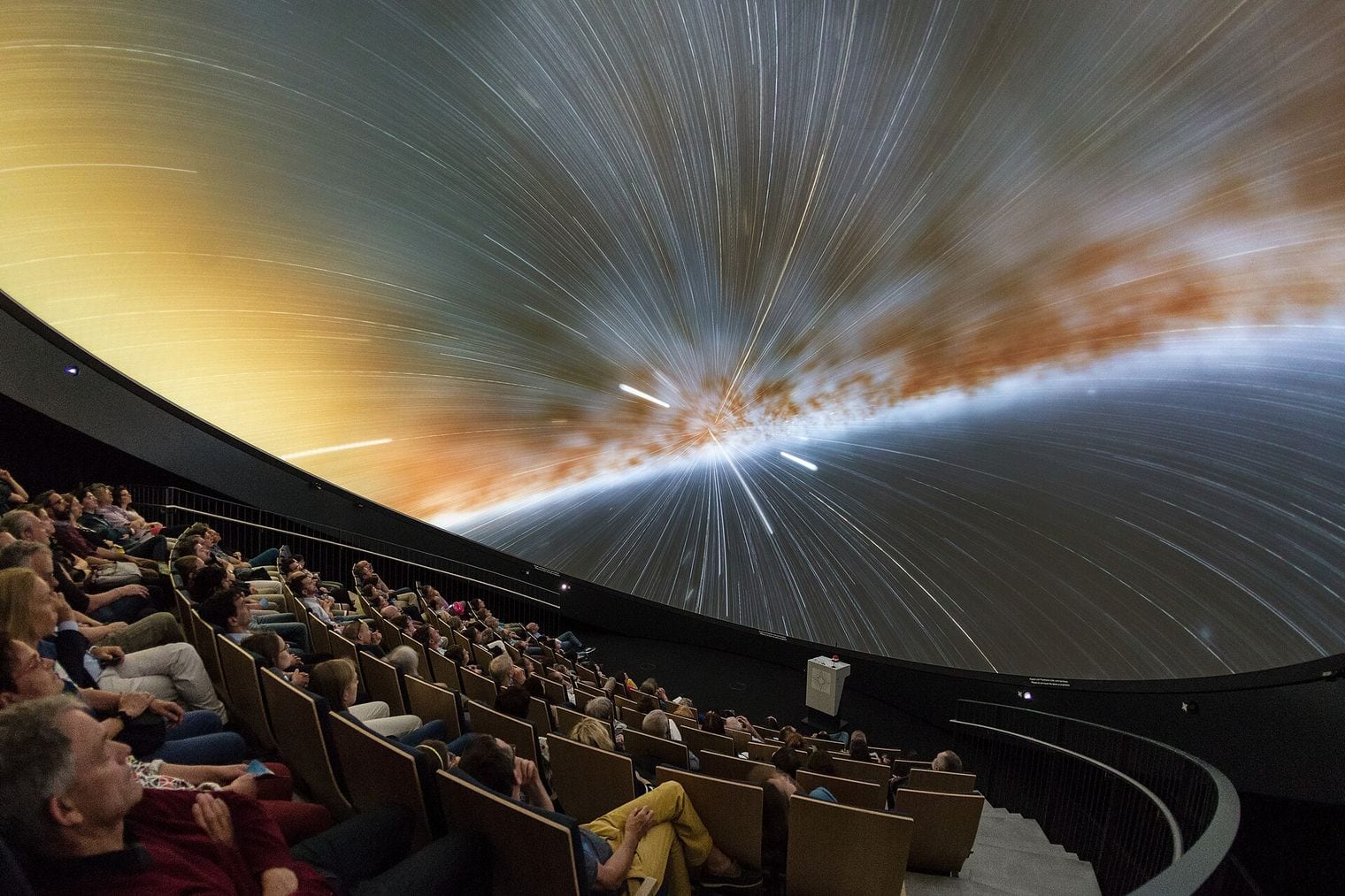
Part of the Herrett Center, the Faulkner Planetarium opened its doors in 1995 and remains the largest and most advanced planetarium in Idaho. Its 50-foot dome seats up to 144 visitors beneath a canopy of stars, immersing you in the night sky without the interference of city lights or clouds getting in the way.
The rotating lineup blends live sky tours with full-dome documentaries, including a feature on the Apollo missions that carries you across space and time. Younger visitors can pair the show with hands-on museum activities, making this an easy pick for families chasing a little wonder on a cloudy afternoon or a hot summer day.
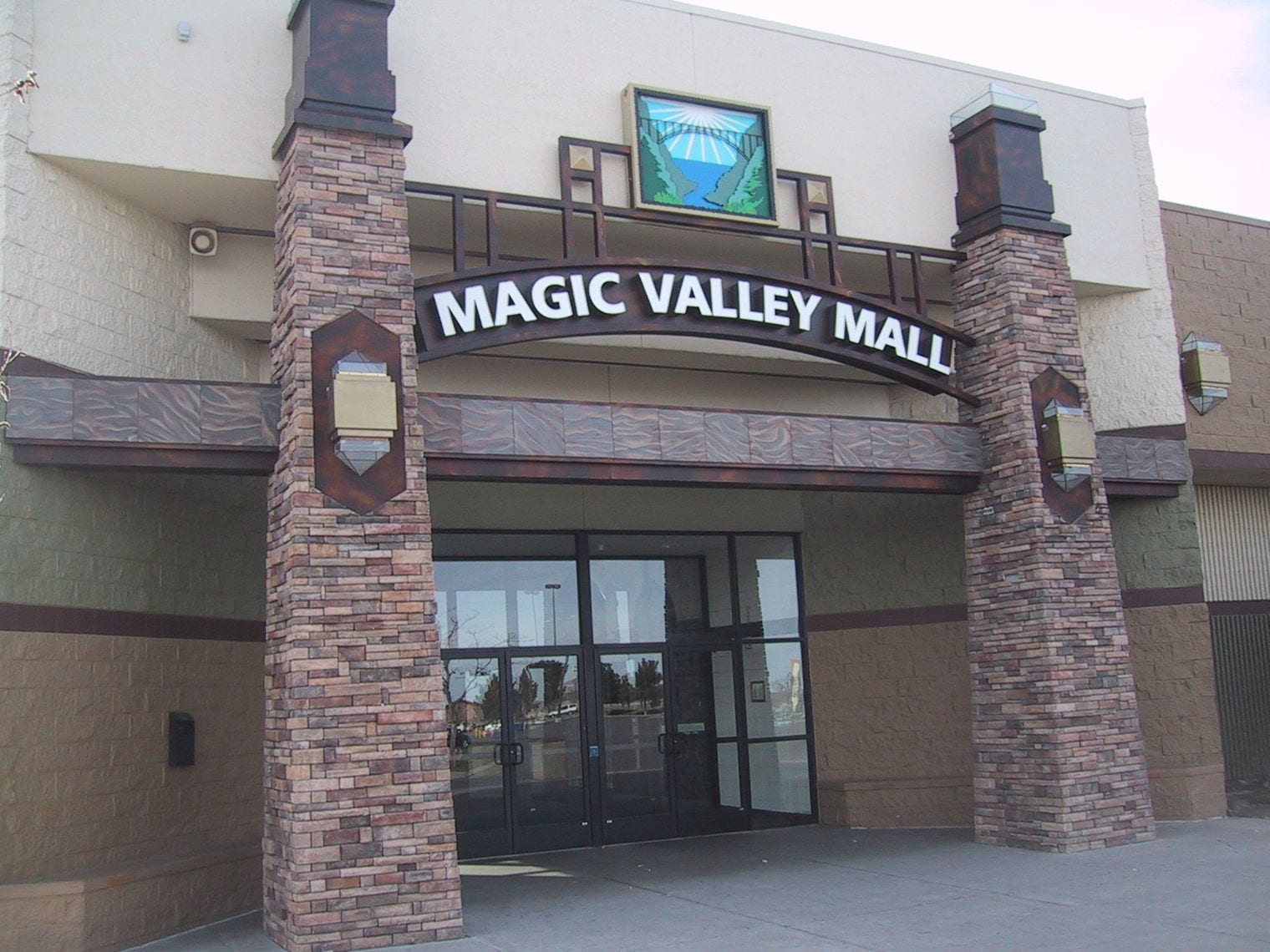
Magic Valley Mall sits on the edge of the Snake River Canyon, and that dramatic setting is part of the appeal, pairing everyday shopping with sweeping canyon views. Inside you will find familiar anchors like JCPenney, Hobby Lobby and Kohl's, along with a mix of smaller shops and eateries that make it an easy place to spend an afternoon.
When you need a break from browsing, Magic Valley Cinema 13 brings a movie theater into the mix, complete with the smell of fresh popcorn. It is a practical, all-under-one-roof stop, whether you are chasing a rainy-day activity, gathering trip supplies, or simply soaking up those wide-open canyon-rim vistas.
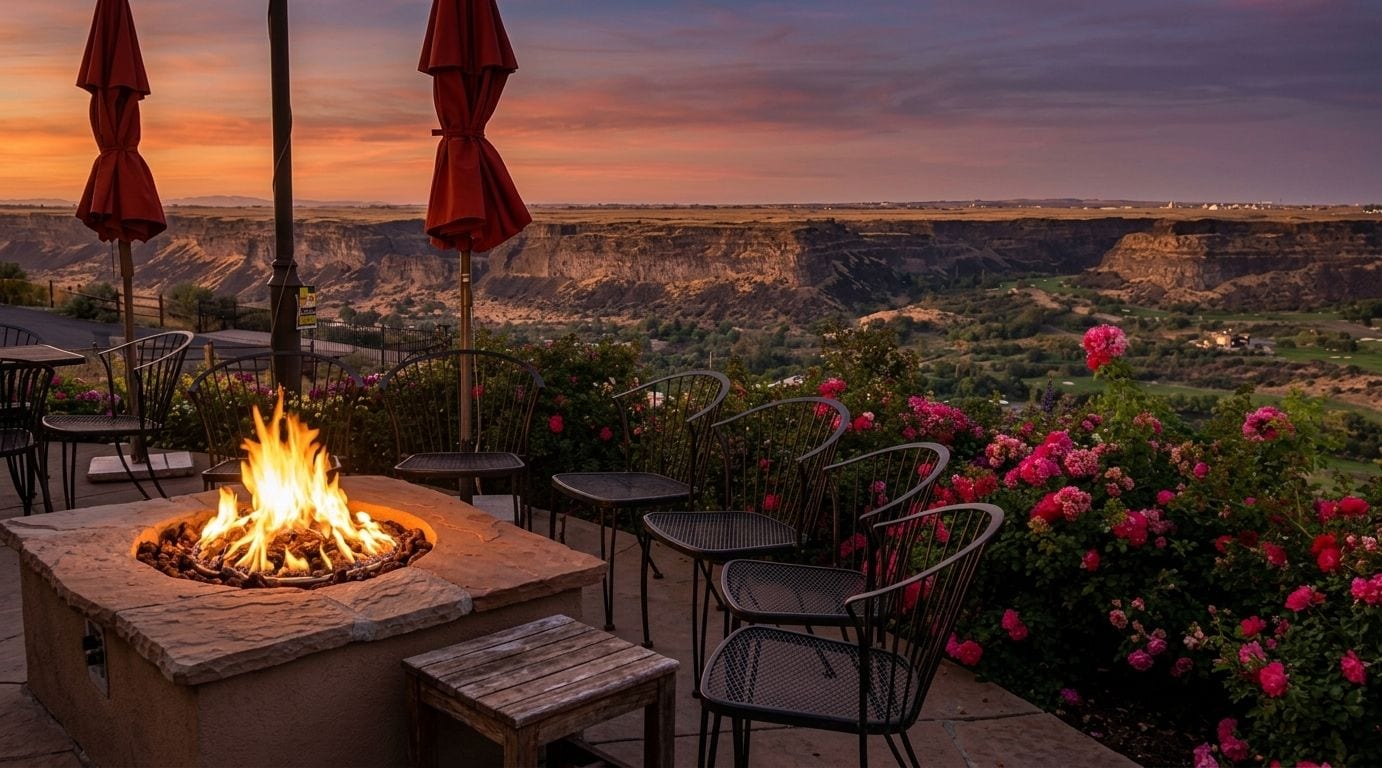
Elevation 486 is an upscale bistro perched 486 feet above the Snake River Canyon, where contemporary Northwestern cuisine meets sweeping views of the Perrine Bridge and the river below. Snag a window-side table or head outside, then settle in with something from the full bar, the diverse wine list or a beer on tap.
The menu leans into refined comfort, with prime rib, silky tomato bisque and red trout among the dishes regulars come back for. Weekend brunch has its own devoted following, thanks in no small part to the bottomless mimosas. Between the canyon-edge setting and the polished plates, it makes for one of Twin Falls' most memorable meals.
Getting to Twin Falls
Twin Falls sits just off Interstate 84, the main east-west route across southern Idaho, with the city reached by heading south from the interstate on U.S. Highway 93, which crosses the Snake River Canyon and runs north-south straight through town. U.S. Highway 30 adds regional connections east and west, so most visitors arrive by car, and the highway grid makes the city an easy stop on a wider Idaho or Intermountain West road trip.
The city has its own small regional airport a few miles from the center for limited commuter service, but many travelers fly into the larger metropolitan hub airport to the northwest and drive the rest of the way, roughly two hours by interstate. There is no passenger rail, but intercity shuttle-bus services link Twin Falls with that northwestern hub, with Salt Lake City to the southeast, and with other Idaho towns, which is useful if you would rather not drive the whole way yourself.
Getting Around Twin Falls
The compact historic downtown is genuinely walkable, with its grid of shops, cafes, and civic buildings easy to cover on foot, and the canyon-rim parks and trails are pleasant to stroll once you have parked. Beyond that core, though, Twin Falls is a spread-out, car-oriented city: the commercial corridors, the falls, the bridge overlook, and the outlying lake and forest areas are far enough apart that a car is by far the most practical way to get between them.
Public transit is limited, so most visitors rely on a rental car or rideshare, with the latter easy to summon around downtown and the main boulevards. Cyclists will find the rim trail and quieter residential streets comfortable, though the busy arterial roads are less so. Parking is rarely a problem here, with free or low-cost street and lot parking common downtown and generous lots at the parks, shopping strips, and highway-adjacent areas.
Where to Stay in Twin Falls
For a walkable base, the historic downtown district puts you within strolling distance of independent shops, coffee houses, and restaurants, and it has an easygoing small-city feel in the evenings. If you want to be close to the scenery, consider basing near the canyon rim and the main boulevard that leads toward the bridge and the falls, which keeps the marquee viewpoints and river-access parks just minutes away.
Travelers passing through or planning early departures often prefer the commercial corridors near the interstate and the main north-south highway, where lodging clusters alongside easy fuel, groceries, and chain dining and you can be back on the highway quickly. For a quieter, more residential feel, the leafy neighborhoods away from the arterials and the area around the local college campus stay calmer while still keeping the parks and downtown a short drive away.
Where to Eat in Twin Falls
Downtown is the heart of the dining scene, with its walkable blocks holding the densest mix of cafes, casual sit-down spots, brewpubs, and bakeries, while the main commercial boulevards north of downtown offer a broader everyday spread of family diners and international eateries. Being in the Magic Valley, one of the country’s most productive farming and dairy regions, Twin Falls leans hard into fresh local produce, ranch-raised beef, and dairy, so expect hearty American plates, thick milkshakes, and generous farm-to-table menus.
Idaho’s signature potato shows up in every form, from loaded baked potatoes to hand-cut fries, and trout pulled from the region’s spring-fed waters is a local staple often served pan-fried or grilled. Ranching country means good steaks and burgers, and the area’s strong Basque and Mexican heritage brings hearty stews, chorizo, marinated meats, and street-style tacos to the table. Save room for local ice cream and cheese, both a point of pride in this dairy-rich valley.
One Day in Twin Falls
Twin Falls rewards a plan that hugs the Snake River Canyon — start at the water in the cool of the morning, work back along the rim through the middle of the day, and finish the evening under a dome downtown.
Morning: Beat the light and the crowds by driving straight to Shoshone Falls Park, where the river drops over a horseshoe wider than Niagara and the overlooks catch the sun head-on early in the day. From there it’s a two-minute hop next door to Dierkes Lake Park, a hidden pocket of basalt coves and short trails tucked into the same canyon shelf — the perfect first stretch of the legs before the day heats up.
Afternoon: Backtrack west along the rim to the town’s signature span, the Perrine Memorial Bridge, where you can watch BASE jumpers step off into the gorge — Tandem Base runs the leaps for anyone brave enough — and read up on the daredevil who put the canyon on the map at the Evel Knievel Jump Monument on the south rim. Lace up for a slice of the Snake River Canyon Rim Trail, then drop down to Centennial Waterfront Park at the canyon floor for lunch and river views, or climb back up to Elevation 486, perched on the edge with the bridge framed in its windows.
Evening: Wind down indoors at the Herrett Center on the college campus, whose galleries hold an unexpectedly deep collection, then take in a show at the adjoining Faulkner Planetarium to end the day beneath a full sky of stars. If you have a second morning to spare, point the car north toward the Sawtooth National Forest — its alpine lakes and jagged peaks are a full day-trip of their own and a fitting sequel to a day spent on the canyon rim.
Free Things to Do in Twin Falls
You can fill a whole day in Twin Falls without spending a dime. The Snake River Canyon Rim Trail runs some 10 miles along the canyon edge, free for walking and cycling, with jaw-dropping views and a front-row seat to base jumpers leaping from the Perrine Bridge. The Perrine Memorial Bridge itself is free to cross and photograph, and the nearby Evel Knievel Jump Monument and its rim trail cost nothing to visit.
Down in the canyon, Centennial Waterfront Park is a free place to picnic, wander and watch the river, while the grounds of the Twin Falls Idaho Temple are open for a stroll among the flower beds. Browsing the Twin Falls Farmers Market is free too, and simply driving out to the overlooks above Shoshone Falls delivers one of Idaho's great views at no charge.
Day Trips from Twin Falls
Twin Falls makes a strong base for exploring south-central Idaho. Head north for about an hour and a half to two hours to reach the mountain resort valley around Ketchum and Sun Valley, a year-round hub for skiing, hiking, and alpine scenery. Northeast, roughly the same distance, lies Craters of the Moon National Monument, an otherworldly landscape of black lava flows, cinder cones, and cave-like tubes. To the south, the granite spires and world-class rock climbing of the City of Rocks reward a scenic drive through high desert and ranch country.
For a longer haul, Provo lies about three and a half hours southeast down the interstate, offering a lively college town at the foot of the Wasatch Mountains with easy access to canyon hiking and lakeside recreation. The drive itself, tracing the Snake River Plain before climbing toward the Wasatch Front, is a rewarding stretch of Intermountain West scenery in its own right.
FAQ: Visiting Twin Falls
What is Twin Falls, Idaho known for?
Twin Falls is best known as the gateway to the Snake River Canyon and thundering Shoshone Falls, the "Niagara of the West." It's also famous for the Perrine Bridge — a year-round BASE-jumping hotspot — Evel Knievel's 1974 canyon jump, and being home to the world's largest yogurt plant.
How many days do you need in Twin Falls?
One full day is enough to see the headline sights — Shoshone Falls, the Perrine Bridge and the Canyon Rim Trail. If you want to kayak to the base of the falls, soak in the hot springs or day-trip to Sawtooth National Forest, plan on two days or more.
What is the best time to visit Twin Falls?
Late spring through early fall is ideal. May, June and September bring warm-but-not-scorching weather, and spring snowmelt makes Shoshone Falls flow at its most dramatic. Summer is the busiest and hottest stretch, while the falls can slow to a trickle by late summer in dry years.
Is Twin Falls worth visiting?
Yes. Few small cities pack in a waterfall taller than Niagara, a mile-wide canyon, legal BASE jumping, hot springs and easy access to national forest. It's an excellent stop on any southern Idaho road trip and a genuine outdoor destination in its own right.
Can you see Shoshone Falls year-round?
The falls are accessible year-round, but water flow varies a lot with the season. Spring snowmelt (typically April to June) produces the biggest, most powerful flows, while irrigation demand can reduce the falls to a fraction of that by late summer.
Is Twin Falls a good place for families?
Very much so. Between the trampoline park, hot-springs campgrounds with slides, the Herrett Center's hands-on exhibits and planetarium, lakeside swimming at Dierkes Lake and the county museum, there's plenty to keep kids of all ages entertained.
How far is Twin Falls from the Perrine Bridge and Shoshone Falls?
Both are right in town. The Perrine Bridge crosses the canyon at the north edge of Twin Falls, just minutes from downtown, and Shoshone Falls is only about a 10-minute drive east along the canyon rim.