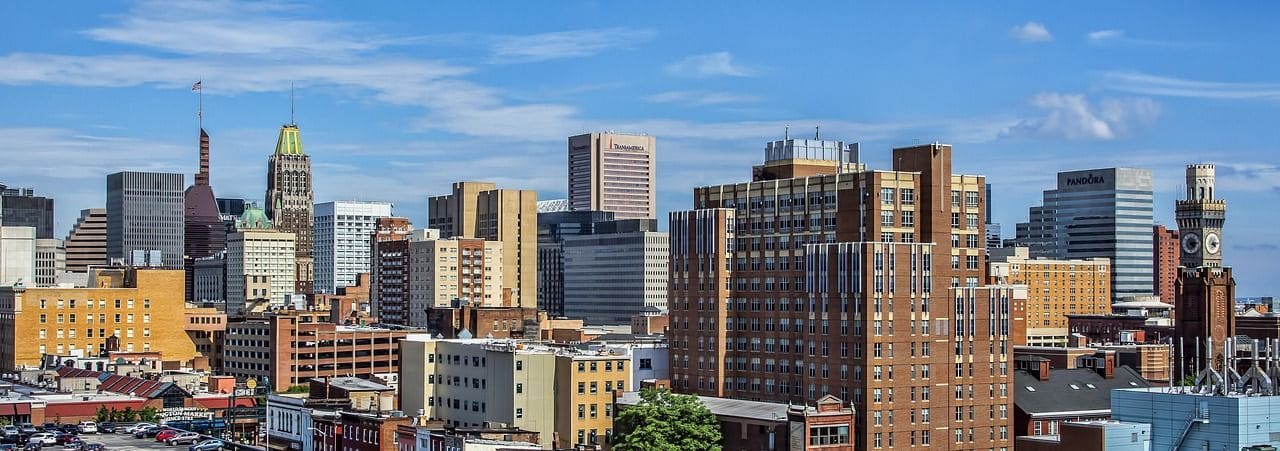
Baltimore is Maryland's largest city, a historic Chesapeake Bay port set on the Patapsco River just north of Washington, DC. Once a major gateway for immigrants and a powerhouse of American industry, it rewards visitors today with a lively Inner Harbor, world-class museums, deep maritime and African American history, and some of the best crab you will ever eat.
Fun Facts About Baltimore, Maryland
Baltimore is the largest independent city in the United States by population, a city that belongs to no county.
It is the birthplace of "The Star-Spangled Banner" — Francis Scott Key wrote the poem after watching the 1814 defense of Fort McHenry, and it later became the U.S. national anthem.
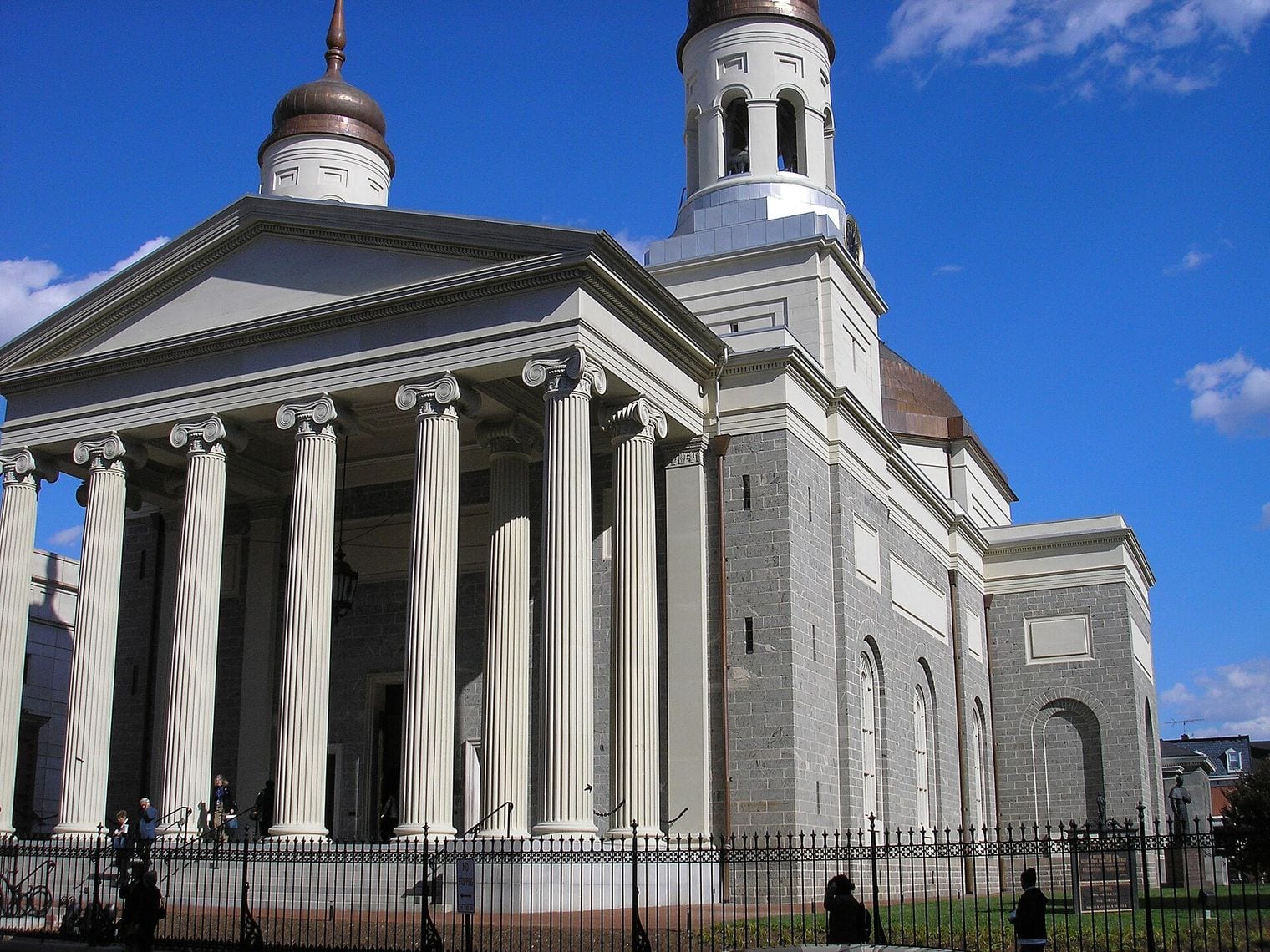
The Baltimore Basilica was the first cathedral built in the United States, and is still known as America’s First Cathedral.
Old Bay seasoning was created in Baltimore in 1939, and Marylanders sprinkle it on everything from crabs to fries.
Nicknamed both "Charm City" and "The Monumental City," Baltimore is also where writer Edgar Allan Poe lived, died and is buried.
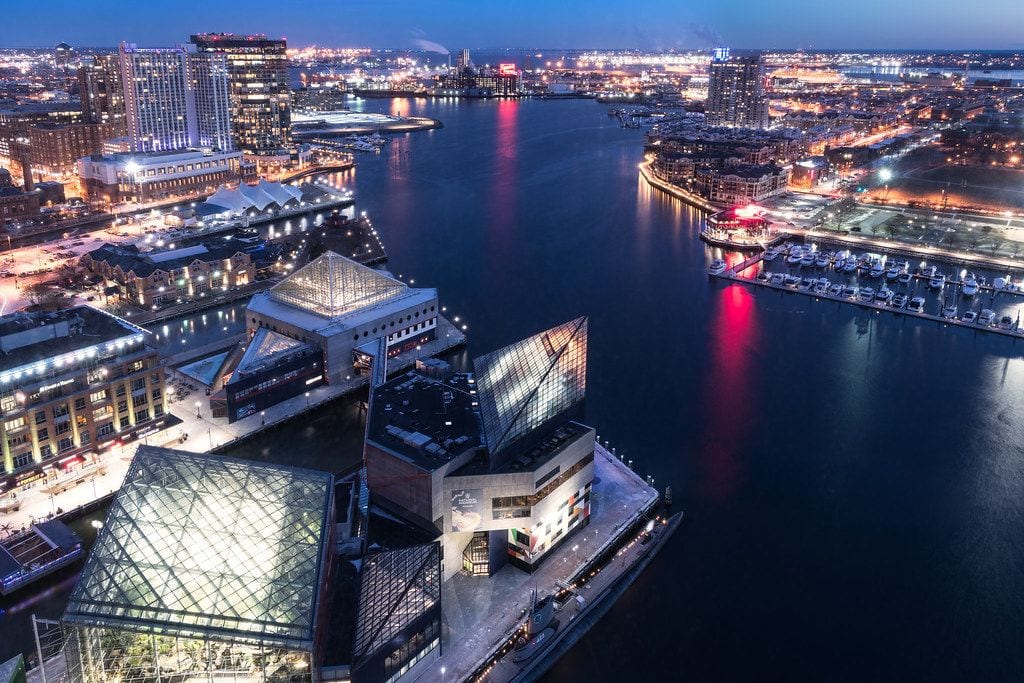
The National Aquarium anchors the Inner Harbor and ranks among the best aquariums in the country. Opened in 1981 during Baltimore's urban-renewal era, it houses thousands of animals across hundreds of species. The multi-story Blue Wonders rainforest tank and the shark exhibits draw crowds, immersing you in habitats that climb from the rainforest canopy down toward open water.
A four-story tank forms the centerpiece, and you descend through it on a spiral ramp that circles past its inhabitants level by level. At the Dolphin Discovery habitat, you can watch and observe the dolphins as they swim and interact. It's an easy half-day that rewards a slow pace, and its harborfront setting makes it a natural first stop.
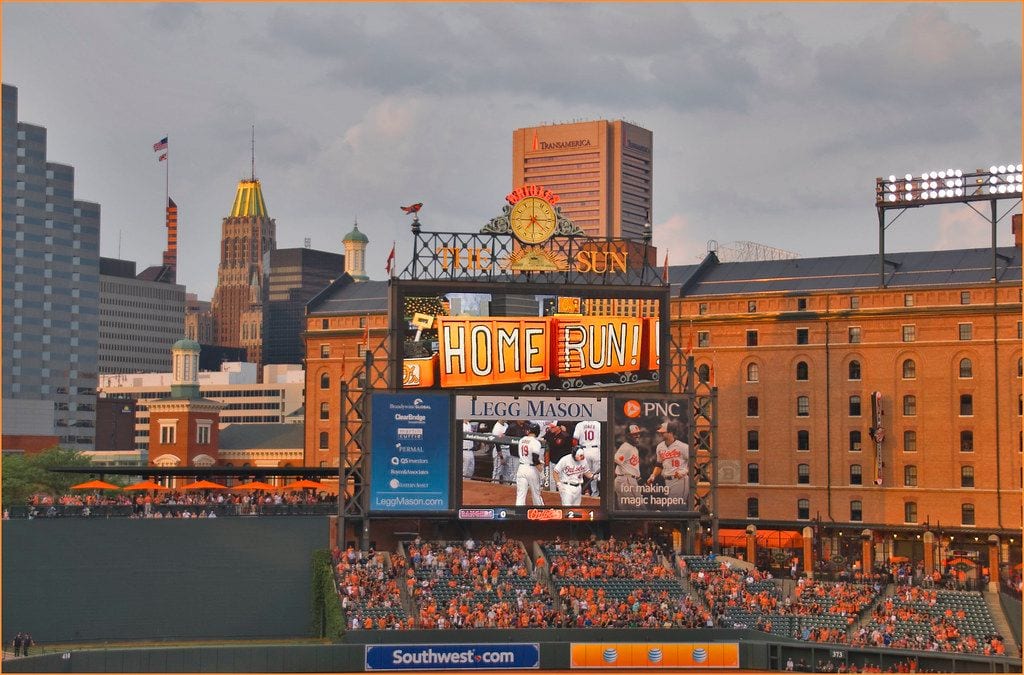
Oriole Park at Camden Yards is the home of the Baltimore Orioles, the city's Major League Baseball team. Built in the early 1990s, this modern ballpark pairs a retro brick design with contemporary comforts, and it launched the retro-stadium era that reshaped how ballparks across the country were imagined and built afterward.
The stadium holds about 45,000 fans, so game day brings a big, lively crowd. When it comes to eating, skip the usual fare and try local favorites like raw oysters alongside traditional hot dogs. If you would rather pack your own snacks, you are welcome to bring your own food into the ballpark.
3. Fort McHenry National Monument and Historic Shrine
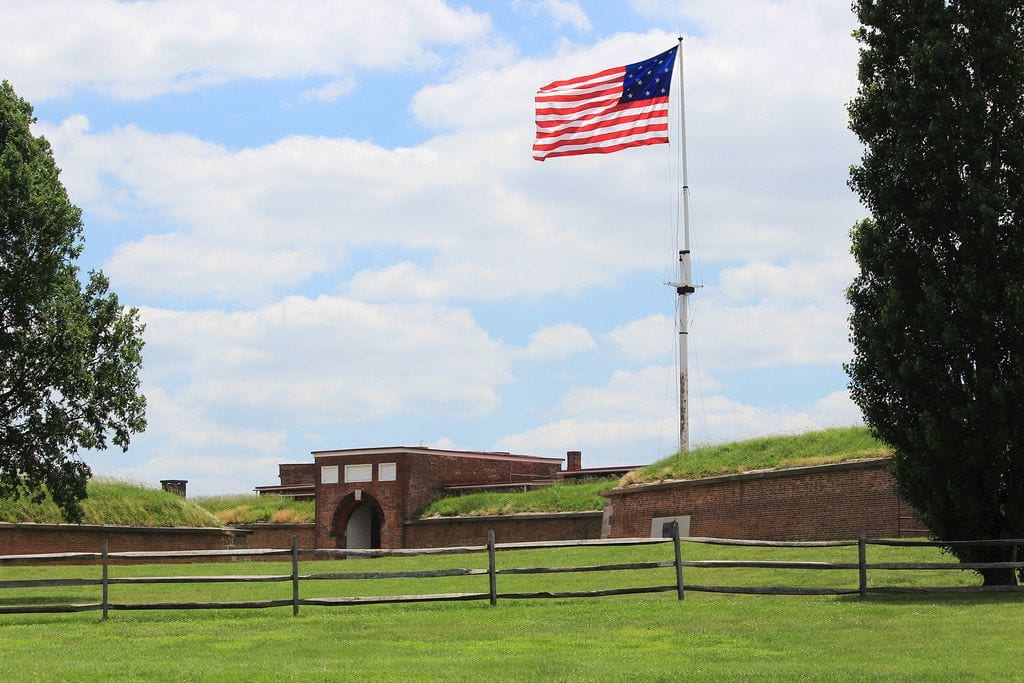
Fort McHenry National Monument and Historic Shrine is a War of 1812 coastal fort near the Inner Harbor. Its defense against the British inspired Francis Scott Key to write "The Star-Spangled Banner," which became the US national anthem. Standing on this waterfront ground, you feel the weight of the moment that gave the country its enduring song.
Start at the visitor center, where a short film covers the Battle of Baltimore and sets the scene before you explore the grounds. A waterfront park and walkway trace the shoreline, offering open harbor views and space to wander. The site is accessible for families and wheelchairs, making it an easy, rewarding stop for every kind of visitor.
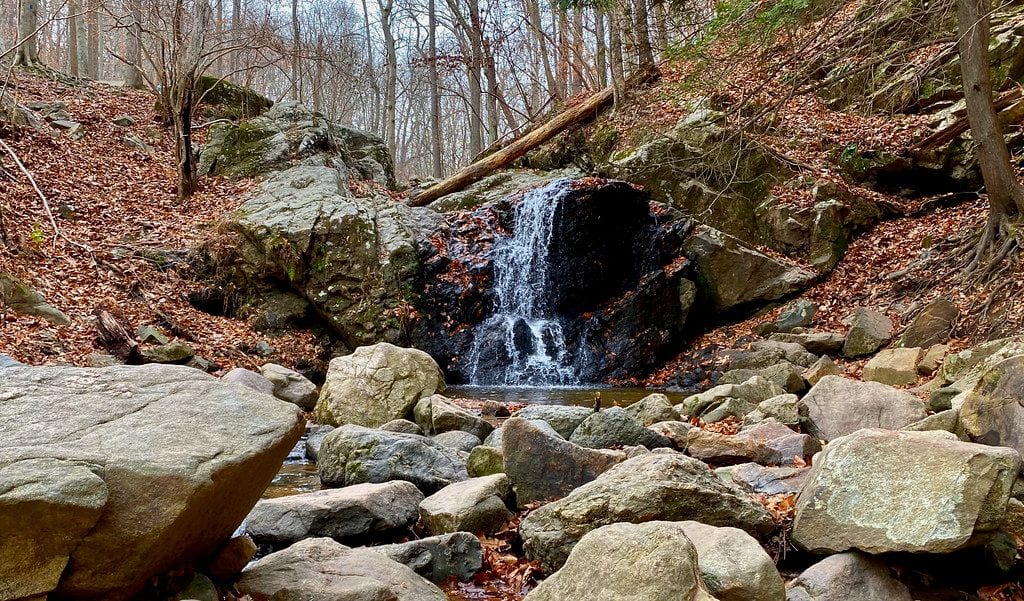
Just outside the city, Patapsco Valley State Park traces about 32 miles of the Patapsco River and dates back to 1907. Its rugged, rocky terrain is laced with over 200 miles of trails, a mix of hiker-only paths and multi-use routes, giving walkers and cyclists plenty of ground to cover across the wooded valley.
Standout spots reward a visit: Cascade Falls tumbles through the trees, while the shallow Avalon area is made for splashing on a warm afternoon. Families gravitate to the Hilton area and its two large playgrounds, and a suspension bridge over the river offers a memorable crossing and a fine view of the water below.
Horseshoe Casino Baltimore ranks among Maryland's largest casinos, packing a sprawling floor with around 2,500 slot machines and more than 100 table games. It also holds the state's only World Series of Poker-branded poker room, giving card players a dedicated space to test their skills against the house and one another.
Beyond the gaming floor, the casino leans into dining and nightlife. Gordon Ramsay Steak anchors the food, while Poe's Nest, a multi-level sports bar and lounge, serves craft cocktails alongside live entertainment. Between the tables, the kitchen, and the bar, it works as much for a night out as for a serious gambler's visit.
Established in 1876, the Maryland Zoo in Baltimore is the third-oldest zoo in the United States, set on the leafy grounds of Druid Hill Park. Its large, well-kept exhibits house more than 1,500 birds, mammals, amphibians and reptiles, giving families and animal lovers plenty to explore across a spacious, historic parkland setting.
Beyond simply watching from the paths, the zoo invites you to get closer to its residents. You can join a penguin encounter, feed the giraffes, sit down for breakfast with the animals, or even groom a goat. These hands-on activities make a visit memorable for children and grown-ups alike, well past a single afternoon.
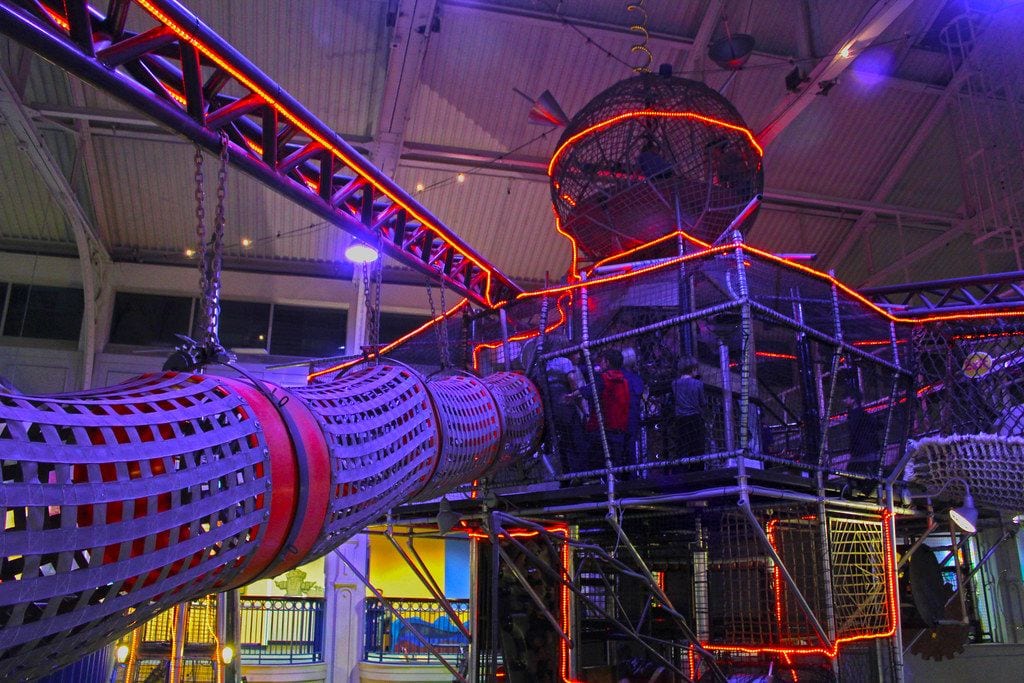
Widely counted among the best children's museums in the United States, Port Discovery packs three floors of educational, interactive attractions into a space built for hands-on play. At its heart is a central climbing structure threaded with tunnels and slides, giving restless kids somewhere to burn energy while they explore, clamber, and discover at their own eager pace.
Themed rooms let little ones role-play their way through a cafe, gas station, supermarket, and farm, while music and dance activities keep the energy moving. Builders gravitate to the Lego room, and the youngest visitors have a separate space with age-specific activities for babies, so every child in the family finds something pitched just right for them.
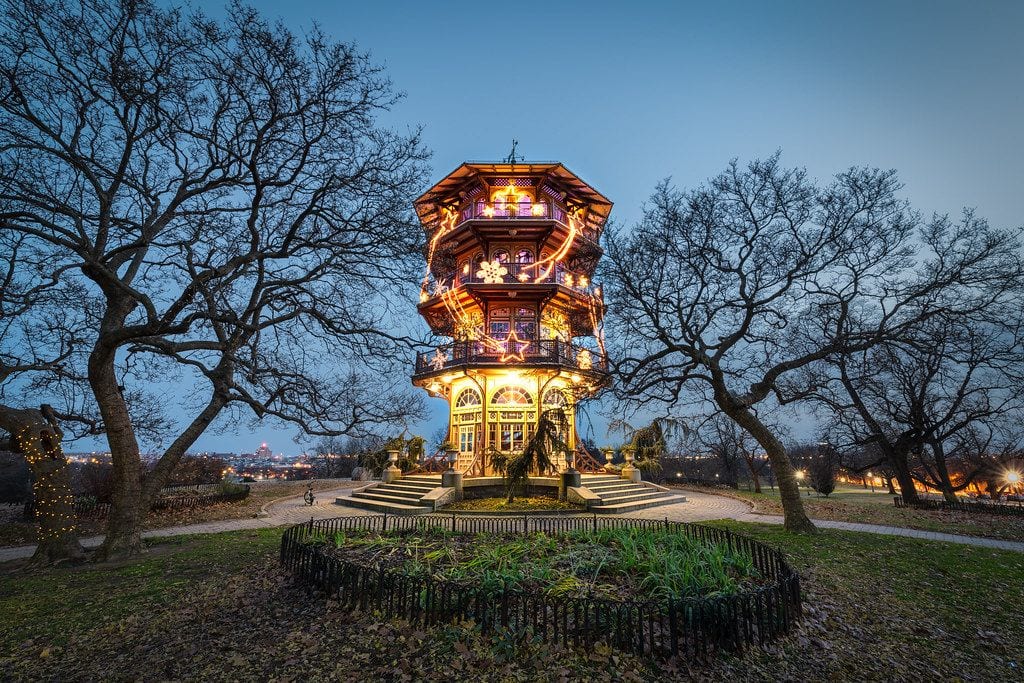
Patterson Park ranks among Baltimore's most heavily used large parks, laid out with a distinctive 19th-century design. Its grounds also carry real history: American troops stood here during the War of 1812, playing a part in the Battle of North Point. The mix of green space and legacy makes it a rewarding stop for locals and visitors alike.
The amenities suit just about anyone. You'll find playgrounds, basketball courts, swimming pools, a dog park and a garden, plus a winter ice rink when the weather turns. The calendar stays busy too, with the Halloween lantern parade, a food-truck festival and LatinoFest drawing crowds throughout the year to this well-loved corner of the city.
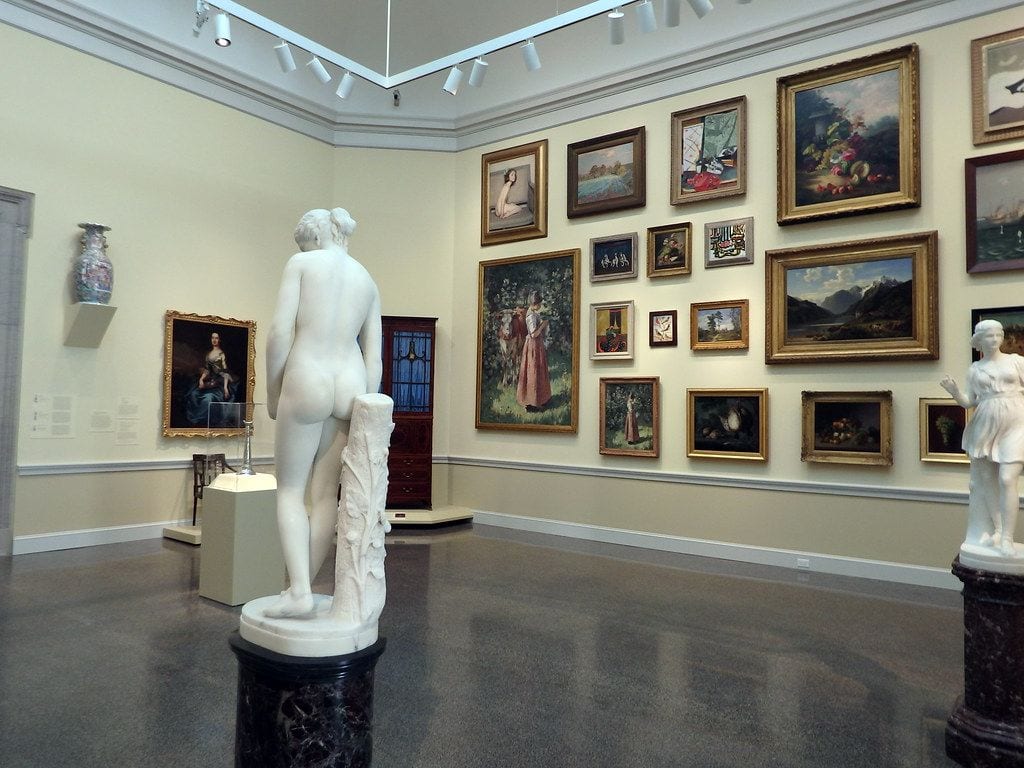
The Baltimore Museum of Art holds the world's largest public collection of works by Henri Matisse, spanning his prints, sculptures, drawings and paintings. That signature strength anchors a much wider trove that also includes works by Picasso, Monet and Michelangelo, plus a deep run of Impressionist art and an inviting outdoor sculpture garden.
Beyond the European highlights, the museum is known for its strong Asian and African collections, giving the galleries real range across cultures and centuries. The eclectic building itself is part of the appeal, and a steady calendar of events keeps things fresh, making it easy to plan a return visit and discover something you missed the first time.
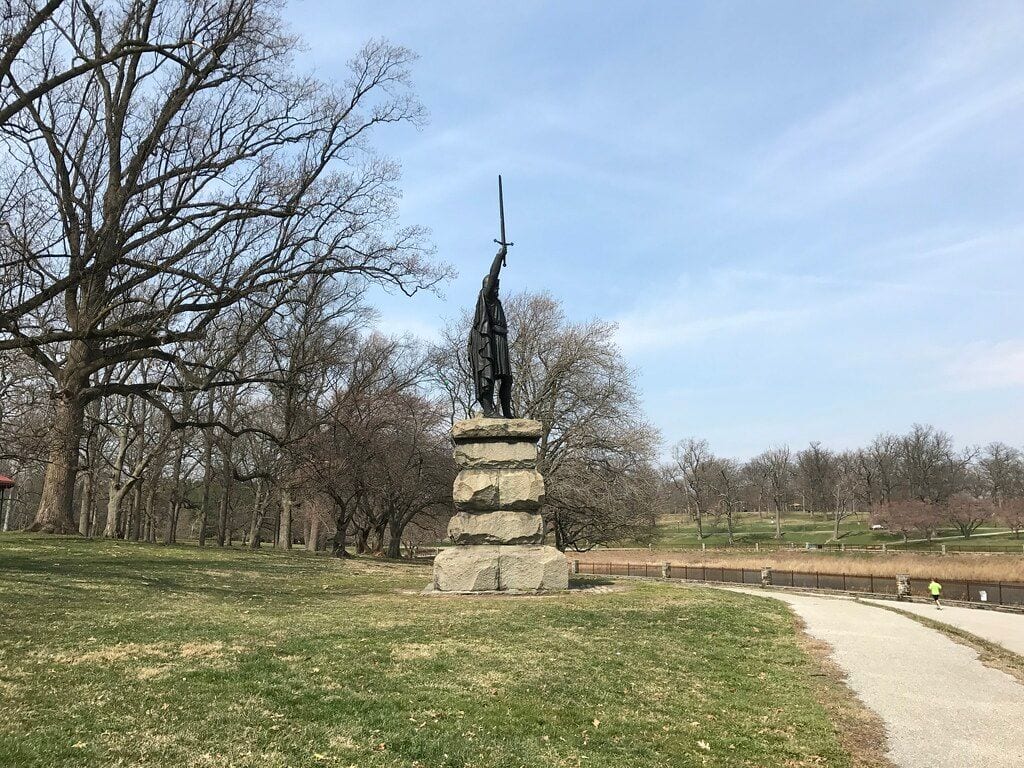
Established in the 1860s, Druid Hill Park is one of the oldest large public parks in the country and a welcome green oasis in Baltimore. It carries historical ties to the War of 1812 and rewards visitors with sweeping city views. Trails wind throughout for walking, biking and running.
The park packs in far more than paths. A conservatory shelters plants, the Maryland Zoo sits within the grounds, and there are swimming pools, tennis and basketball courts, ball fields and disc golf. Rentable pavilions suit gatherings, while a farmers market rounds out a spot that easily fills a full day outdoors.
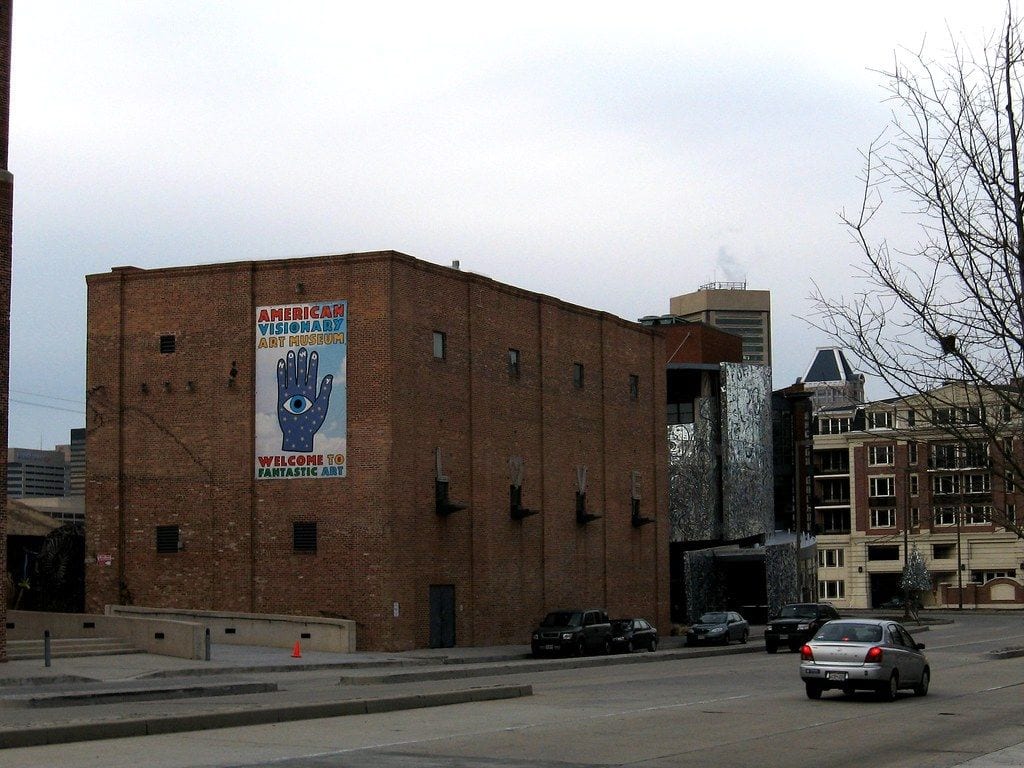
The American Visionary Art Museum showcases unusual, ever-changing exhibits by self-taught visionary and outsider artists. The work here is unconventional, spanning sculpture, embroidery, and oil painting, with pieces that range from the provocative to the simply beautiful. Sitting near the Inner Harbor, it feels unlike any other museum stop in the city.
Short guided tours help you make sense of the offbeat collection and the artists behind it, adding welcome context to work that delights in defying convention. Before you leave, save time for the gift shop, which is notably fun and every bit as playful and surprising as the galleries you just walked through.
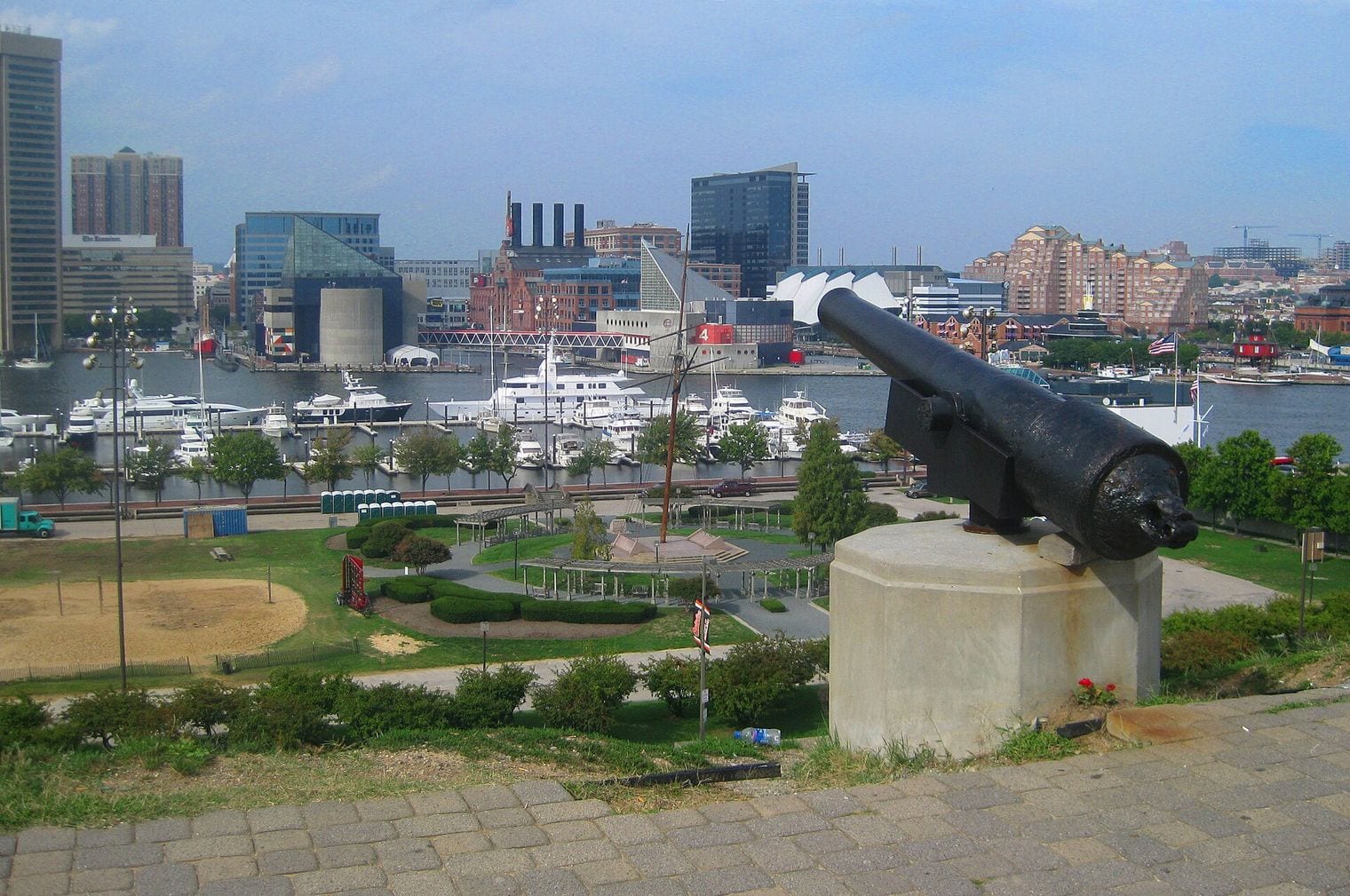
Just south of downtown and reachable by two entrances, Federal Hill Park rewards the short climb with one of the best views in Baltimore. A loop path threads the green space, passing original Civil War cannons and a monument to the Battle of Baltimore. It is an easy stretch of parkland to circle on foot before heading back into the city.
The hill has a working side too, with a gated playground and a basketball court set among the open lawn. Beneath your feet lies its quirkiest layer: a network of tunnels that were once used to store beer kegs back in the 1800s. Come for the skyline overlook, then linger for the history packed into a single grassy rise.
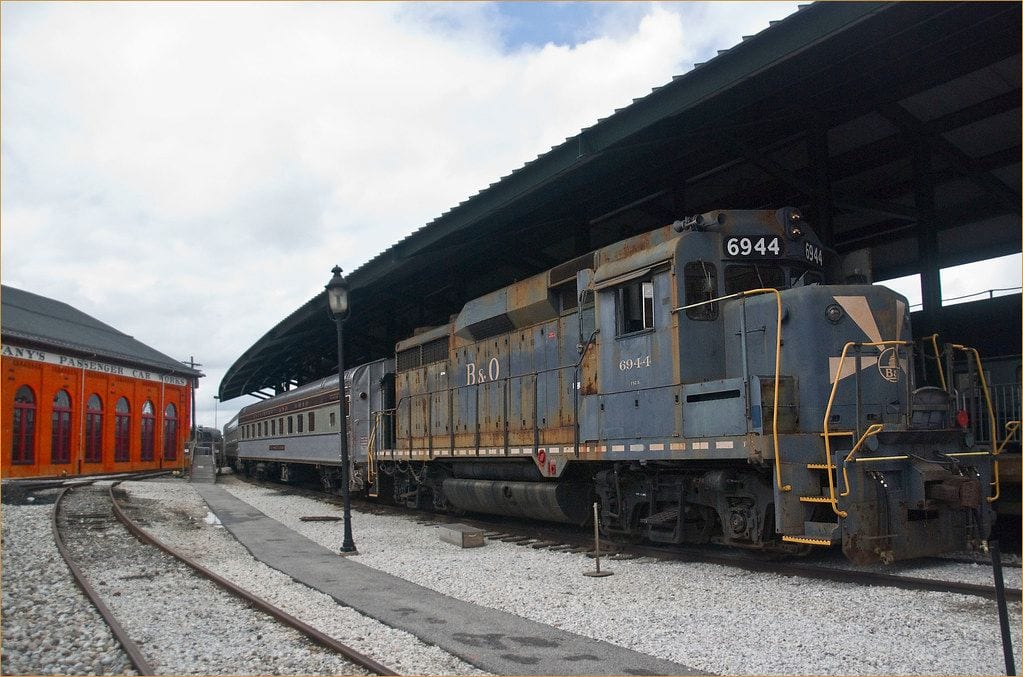
The B&O Railroad Museum is a national historic landmark home to nearly 200 locomotives, among them some of the earliest trains ever built in the United States. Rather than roping the collection off behind glass, the museum lets you get right up close, so you can see, touch, and explore the engines that shaped American rail travel.
Beyond the full-size machines, a detailed model-train display captures the same spirit on a miniature scale, delighting younger visitors and lifelong rail fans alike. When you're ready to feel the tracks for yourself, hop aboard for a short ride on a historic train, a hands-on way to round out a visit built around discovery.
Canton Waterfront Park spreads across eight acres along the harbor, framing views of Fort McHenry across the water. It's a favored vantage for watching the Blue Angels streak overhead during their air show and for spotting tall ships as they glide into the Inner Harbor, making the shoreline a natural gathering point.
The park is home to the Korean War Memorial, which honors the 527 Marylanders who died in the conflict. Beyond the memorial, a boat ramp and fishing pier draw anglers and boaters to the water's edge, while jogging paths and picnic areas give the rest of the grounds an easygoing, everyday rhythm.
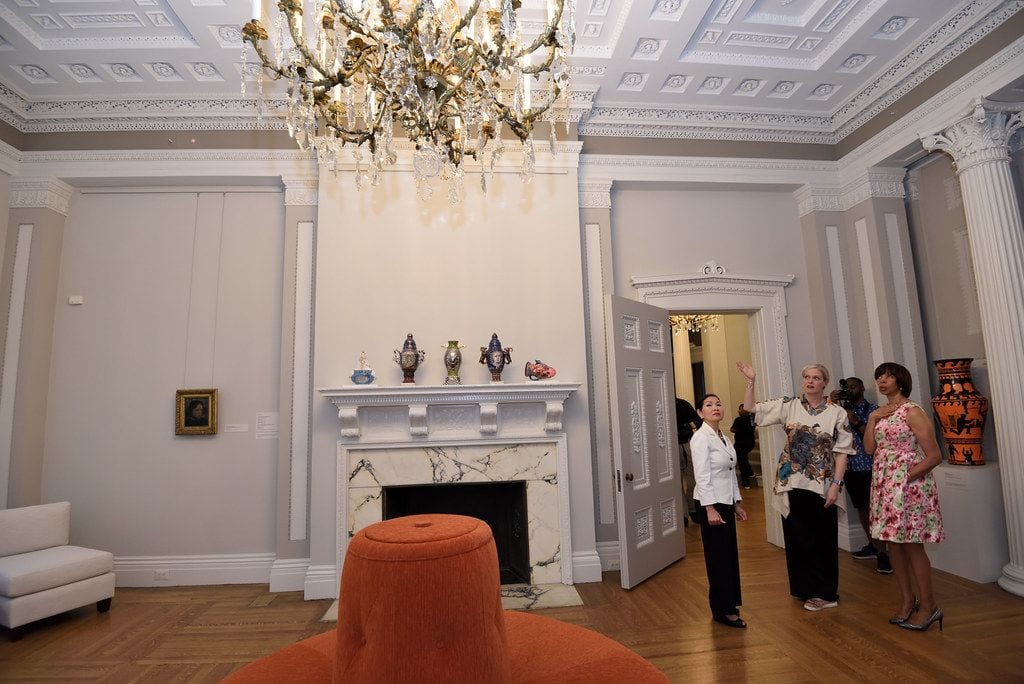
Once the home of an elite Maryland merchant family, the Walters Art Museum is a historic gallery whose collection of roughly 36,000 objects spans millennia. Paintings, artifacts and much more fill the rooms, which are organized by period so you can trace how art and craft evolved across cultures and eras.
Highlights reward a closer look: combat armor, mummies and hieroglyphics sit alongside two Faberge eggs, each a small marvel of workmanship. The room-by-room layout keeps things easy to navigate, and a visit takes about an hour, making it a manageable stop whether you are a devoted art lover or simply curious.
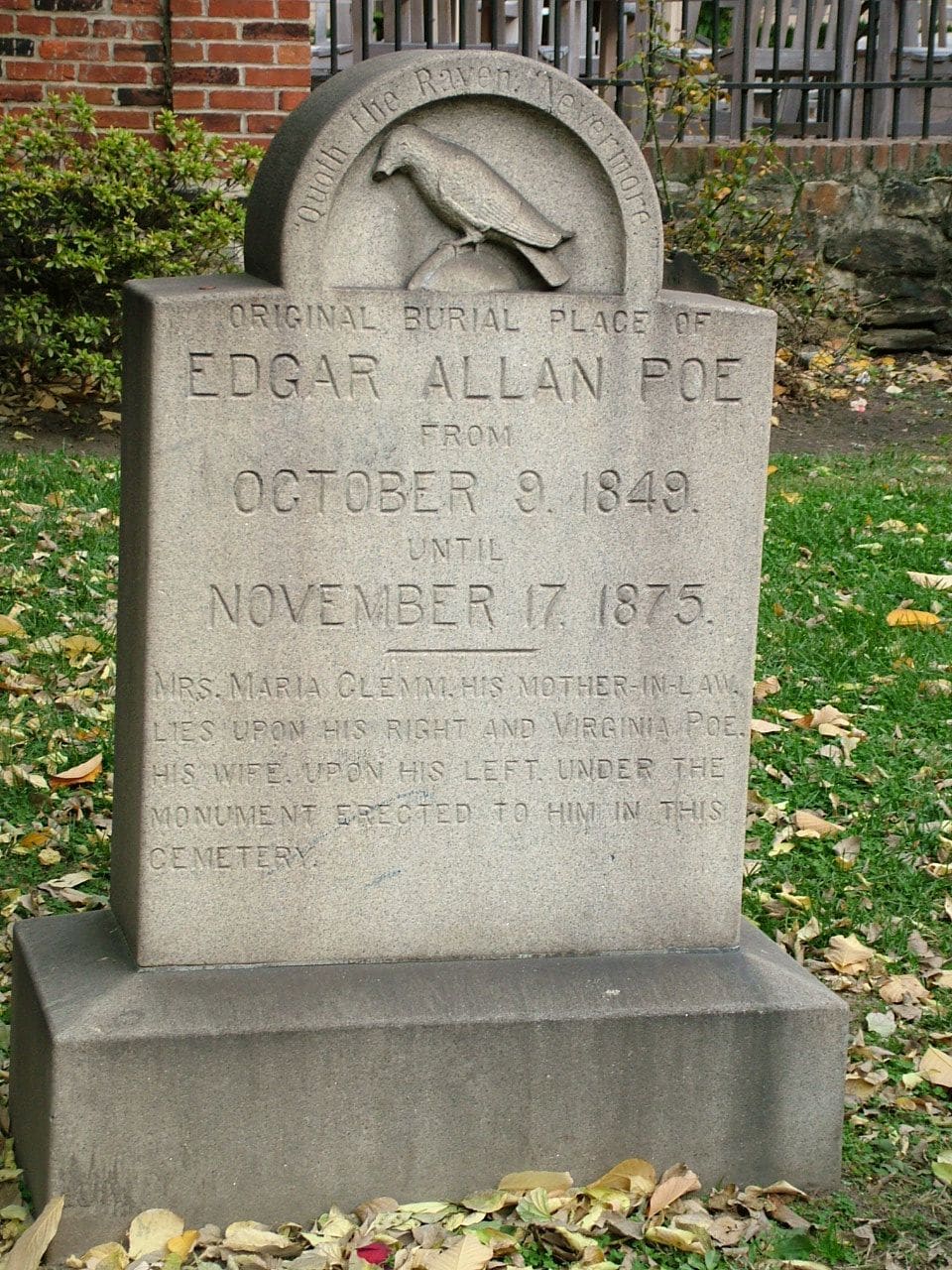
Tucked into Westminster Hall and Burying Ground, Edgar Allan Poe's Grave draws readers who trace the arc of the author of "The Raven." Poe died in Baltimore in 1849 and was first laid in an unmarked grave, but in 1875 a marble-and-granite memorial was dedicated in his honor, giving the writer a fitting monument at last.
Interpretive signs across the grounds cover Poe's life, adding context for first-time visitors. He rests in storied company: Revolutionary War and War of 1812 veterans are buried here too. Look closely and you'll find some burial stones set in unusual spots, including a few beneath the church walkway, a quirk that makes wandering the historic cemetery feel like part discovery.
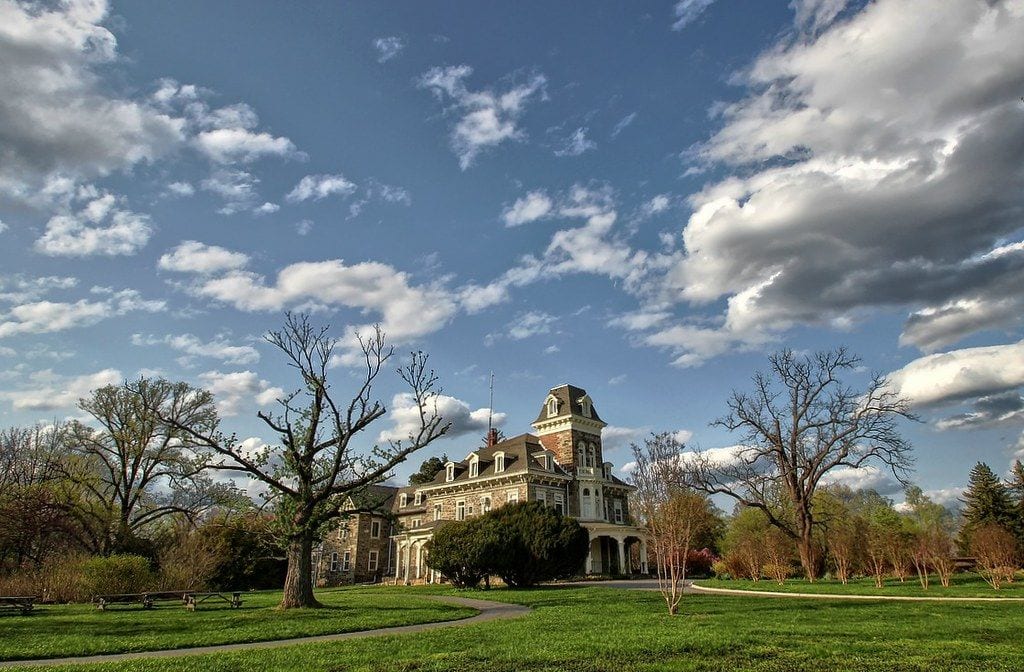
Spread across roughly 200 acres, Cylburn Arboretum functions as a living nature museum, its century-old trees individually labeled for anyone curious about what they're seeing. More than 20 distinct gardens fill the grounds, and loop trails wind through the trees and planted beds, making it easy to wander at your own pace.
At the center sit the Civil War-era Cylburn Mansion, the Vollmer Visitor Center and a greenhouse classroom. Spring brings waves of blooms and the pollinators that follow them, drawing plenty of visitors outdoors. Picnicking is welcome, and leashed dogs can come along, so it works equally well for a quiet walk or an unhurried afternoon outside.
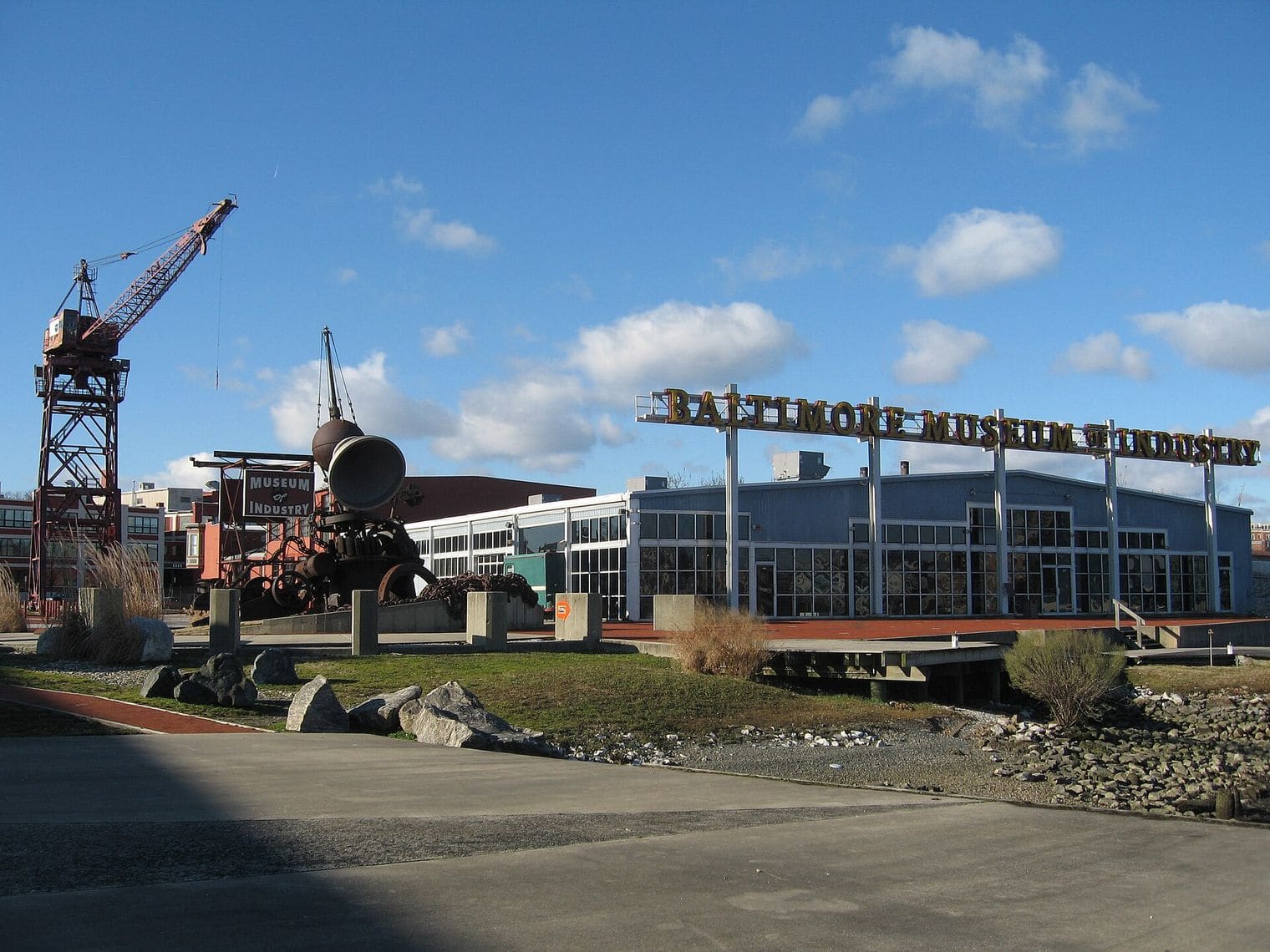
The Baltimore Museum of Industry traces Maryland's industrial past from a waterfront perch, and its hands-on exhibits invite you to step straight into the working world. Explore an 1865 oyster cannery, an old corner store, a garment loft, a print shop and a pharmacy, each recreated so you can see how the region's makers, packers and shopkeepers went about their trades.
Interactive displays keep the museum lively for all ages, letting you handle tools and machinery rather than just read about them. Guided tours add depth and context to the collections, drawing out the stories behind each workspace. When you step outside, a great waterfront view over the boats rewards the visit and rounds out an afternoon along the harbor.
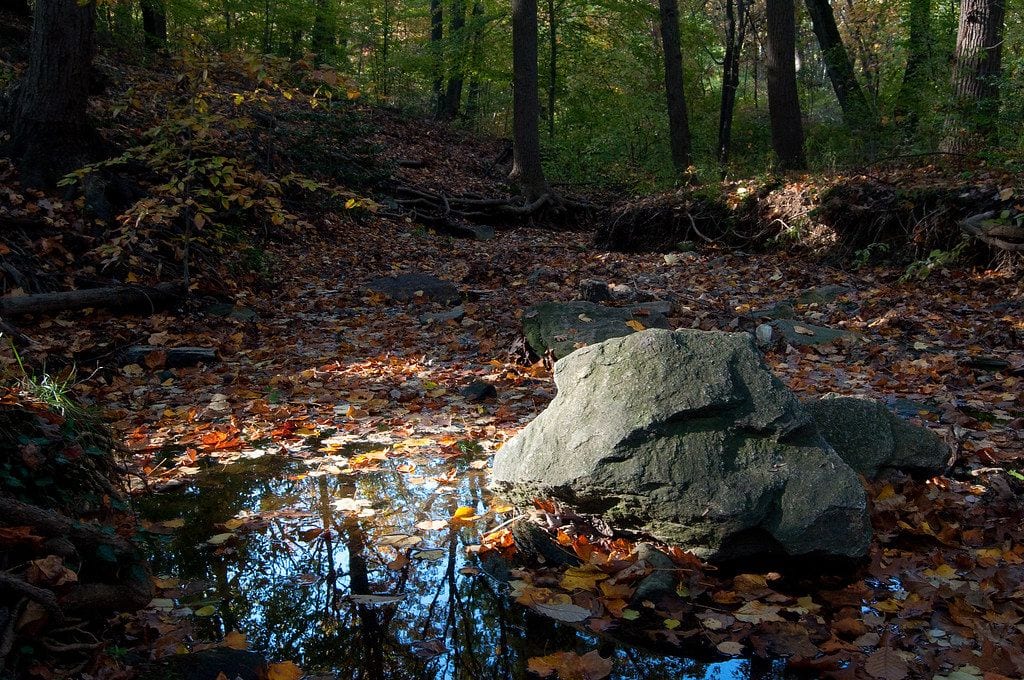
Spread across 102 acres, Double Rock Park sends a stream winding through the trees, and short trails lead you down to the water and to big rocks worth settling onto for a while. It is the kind of green space where you can wander a bit, catch your breath, and let the day slow down.
Beyond the wooded stretches, you'll find athletic fields, ball fields, playgrounds, and an open area made for flying a kite on a breezy afternoon. Wear sturdy shoes, since some unpaved areas hide loose rocks, tree roots, and leaf-covered paths that turn slippery, especially once you leave the tended lawns for the quieter trails.
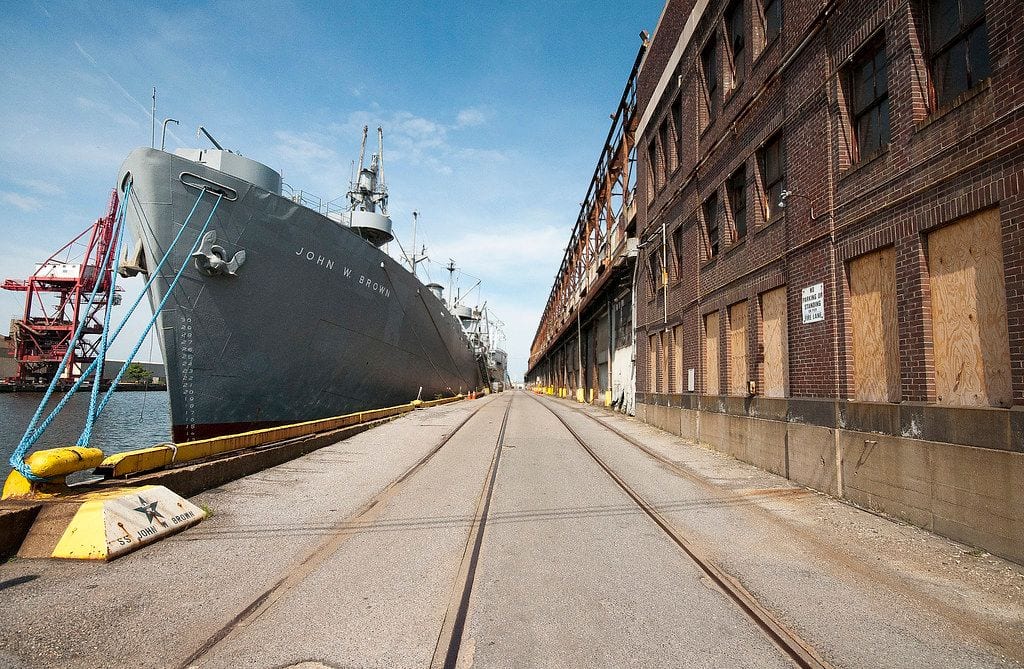
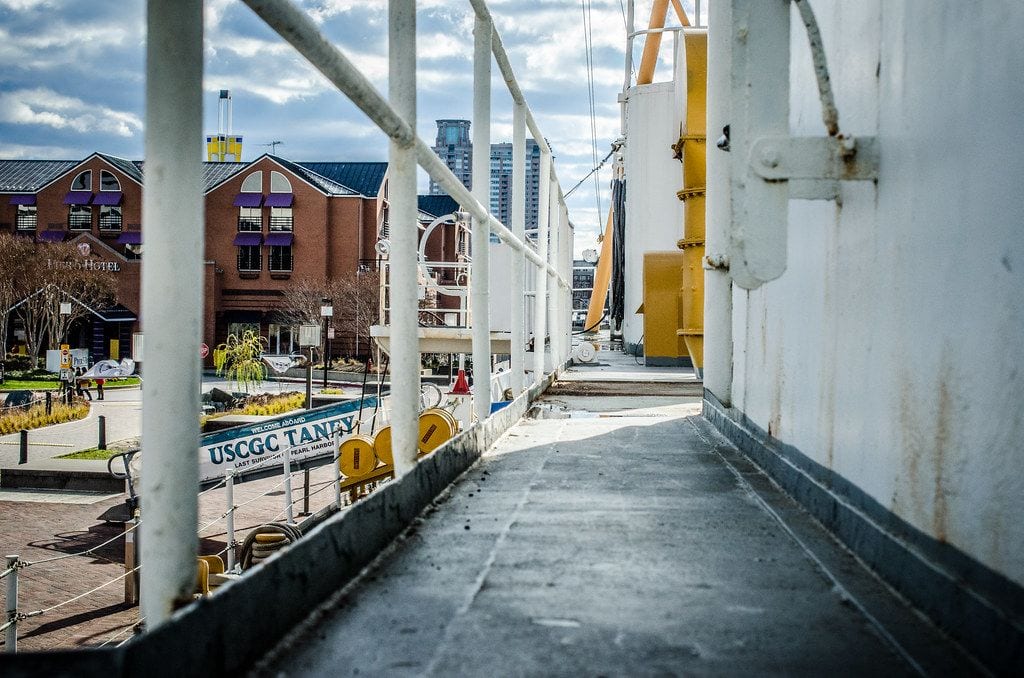
In the Inner Harbor, Historic Ships in Baltimore gathers a collection of American naval vessels, four of them national historic landmarks. You can tour the sloop-of-war USS Constellation, the submarine USS Torsk, the Coast Guard cutter USCGC Taney, and the Chesapeake lightship, spanning craft from the mid-19th century to the 1980s.
The vessels are well preserved and clustered a short walk apart, so you can move from one deck to the next without much effort. Wandering through these ships makes a great family tour, giving everyone a close look at how naval life changed across more than a century of maritime history along the water.
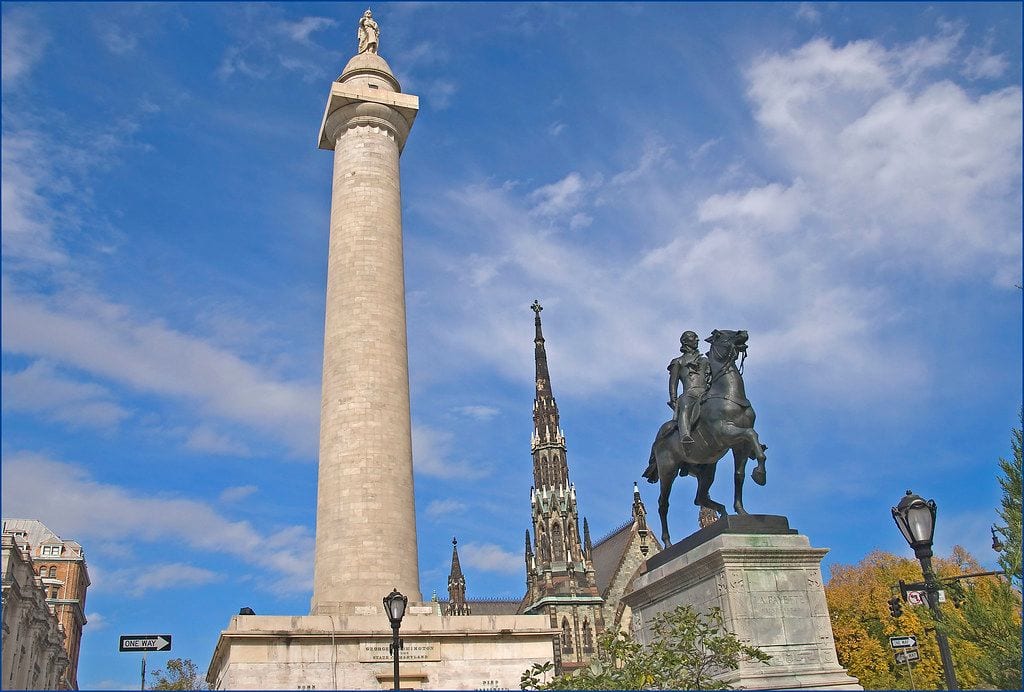
Baltimore's Washington Monument in Mount Vernon Place is a major cultural and historical landmark. The surrounding Mount Vernon neighborhood is full of grand old architecture, statues, fountains and park squares, and the leafy lawns around the monument make a fine spot for an easy walk or a relaxed picnic.
A historic trail winds through the area and explains its past as you wander. You can also climb the monument's interior to a viewpoint at the top for a rewarding look over the city, though the ascent is a genuine workout and not suited to anyone who is unfit or claustrophobic.
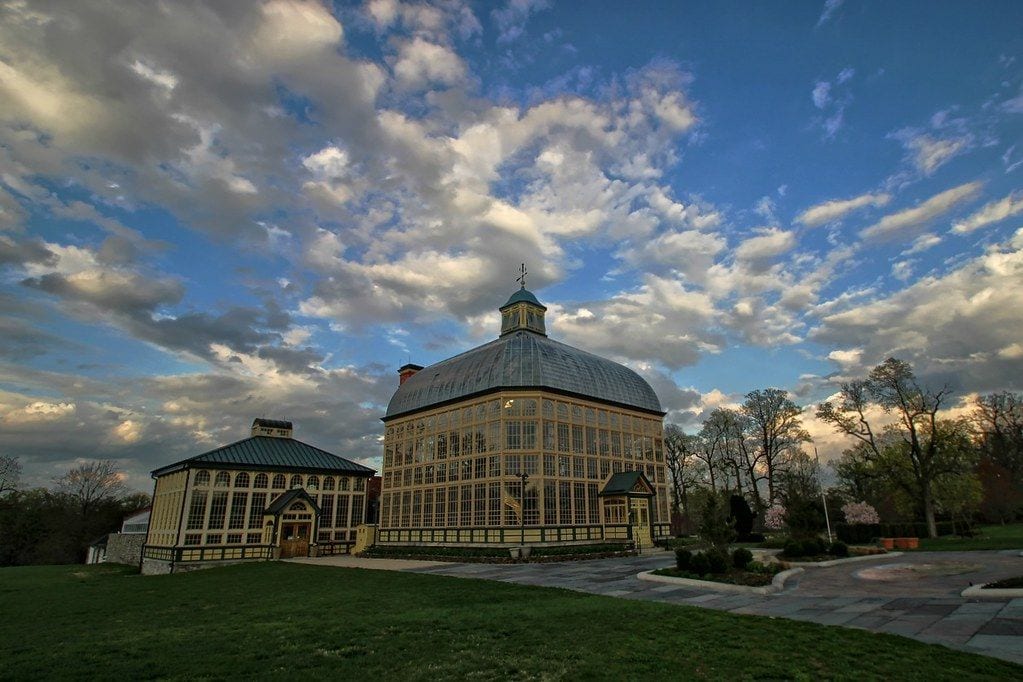
Tucked into Druid Hill Park, the Rawlings Conservatory is Baltimore's botanical garden, packing five greenhouse areas into a half-acre of gardens. Its historic glass Palm House dates to 1888, and its rooms carry you through a full sweep of climates, from arid desert to steamy tropical, with a dedicated orchid house along the way.
The changing scenery makes it easy to lose an hour drifting from one greenhouse to the next. Ponds add another draw, where you can feed the turtles and fish gliding through the water. It is a quiet, green retreat in any season, and a welcome escape when Baltimore's weather turns cold or gray outside.
The Baltimore Basilica, officially the Basilica of the National Shrine of the Assumption of the Blessed Virgin Mary, holds the distinction of being the first cathedral built in the United States. Known as America's First Cathedral, its neoclassical design set an early architectural standard, and the building remains a defining landmark for anyone tracing the country's earliest religious history.
Inside, visitors find a historic organ and notable artworks that reward an unhurried look. The basilica is also known for a uniquely constructed crypt that supports the dome above it, an engineering feat that continues to draw architects who study how it was accomplished. Together these features make the shrine as compelling structurally as it is spiritually.
On the 27th floor of Baltimore's World Trade Center, the Top of the World Observation Level rewards the climb with 360-degree views across the city and its working harbor. A guided tour anchors the panorama, walking you through Baltimore history and the notable firsts that shaped the port town spread out below the windows.
The visit carries weight beyond the sightlines. A memorial here honors the 68 Marylanders killed in the September 11 attacks on the World Trade Center, giving the overlook a reflective note alongside the vistas. It is a rare vantage point that pairs a sweeping look at the harbor with a quiet, grounding tribute worth pausing over.
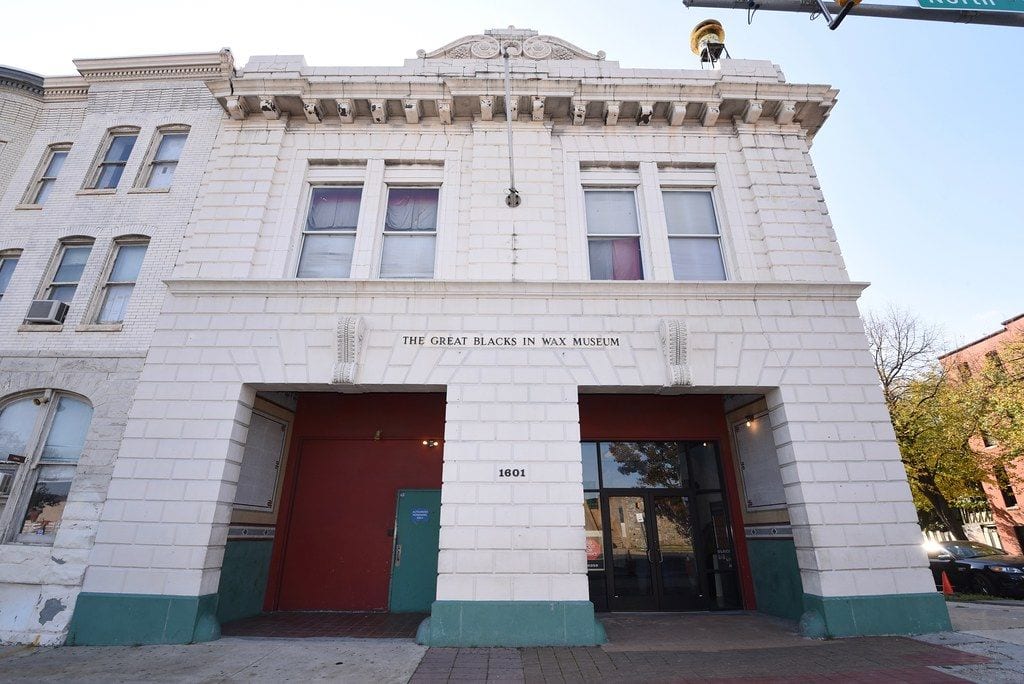
The National Great Blacks in Wax Museum tells the story of African American history and culture through wax figures of notable Black figures, spanning athletes, lawyers, and even rodeo stars. Behind its unassuming facade, the interior is far larger than the exterior suggests, giving these lifelike portraits and their stories room to unfold across a genuinely immersive setting.
The exhibits carry you through pivotal chapters, from the Magnificence of Africa and Islamic Africa to the Colonial Period, the Slavery Era, and Journey to Freedom. Together they trace a sweeping arc across centuries, honoring achievement and endurance alike, making this a moving and thought-provoking stop for anyone wanting a deeper understanding of Black history.
Best Time to Visit Baltimore
Spring and fall bring the most comfortable weather, with mild days ideal for walking the harbor and exploring neighborhoods. Summers are hot, humid and busy but full of festivals, while winters run cold and quiet, a good time to focus on the city's many indoor museums.
Each season has its signature draw. Spring means the Preakness Stakes, the second jewel of horse racing's Triple Crown, run at Pimlico. Summer brings Artscape, one of the country's largest free outdoor arts festivals, and fall fills the waterfront for the Fells Point Fun Festival.
Getting to Baltimore
Baltimore sits on Interstate 95 along the Northeast Corridor, with Interstate 83 running north as the Jones Falls Expressway and Interstate 695, the Baltimore Beltway, looping the city. The Baltimore–Washington Parkway offers an alternate route south toward the capital.
Baltimore/Washington International Thurgood Marshall Airport (BWI) lies about a 20-to-30-minute drive south of downtown. The city is also a major stop on Amtrak's Northeast Corridor, with frequent trains reaching Baltimore Penn Station from Washington, Philadelphia and New York.
Getting Around Baltimore
Baltimore is a walkable city best explored on foot within its neighborhoods, and the free Charm City Circulator buses connect the Inner Harbor, Mount Vernon, Federal Hill and Harbor East. Light rail, a metro subway line and a harbor water taxi fill in the gaps.
For a harbor-focused visit you rarely need a car, though one helps for outlying attractions and day trips. Parking downtown is easiest in garages, and the flat, compact waterfront makes moving between the Inner Harbor, Fells Point and Canton simple on foot or by boat.
Where to Stay in Baltimore
The Inner Harbor and Harbor East are the most convenient bases for first-time visitors, placing you within walking distance of the aquarium, museums and waterfront dining. Both put the city's headline sights right outside the door.
For more character, historic Fells Point offers cobblestone streets and nightlife, Mount Vernon brings grand architecture and a cultural scene, and Federal Hill balances a lively bar district with easy harbor access. Neighborhoods near the Beltway suit road-trippers who want quick highway connections.
Where to Eat in Baltimore
Baltimore is a seafood town, and eating here means Maryland blue crab above all. Look for steamed hard-shell crabs dusted in Old Bay and lump crab cakes with barely any filler, best enjoyed in the waterfront restaurants of Fells Point, Harbor East and Little Italy.
Beyond crab, save room for local staples like pit beef piled on a kaiser roll, a shaved-ice Baltimore snowball, and chocolate-topped Berger cookies. The dining and nightlife districts of Federal Hill, Mount Vernon and Hampden round out the city's easygoing, unpretentious food scene.
One Day in Baltimore
Morning: Begin at the Inner Harbor with the National Aquarium, working through its multi-story tanks before they fill up, then walk the promenade to the Historic Ships in Baltimore to tour the USS Constellation and the submarine Torsk.
Evening: Climb to the Top of the World Observation Level for a sunset panorama of the harbor, then finish with steamed crabs and a stroll through the cobblestone streets and bars of the Fells Point waterfront.
The city's parks are free to enjoy too, from the trails and gardens of Druid Hill Park to the events and playgrounds of Patterson Park. Many neighborhood festivals, from Artscape to the Fells Point Fun Festival, are free and open to all as well.
Day Trips from Baltimore
Baltimore's location makes it a fine base for exploring the region. Washington, DC is about an hour south by car or train, an easy add-on for the Smithsonian museums and monuments, while the sailing capital of Annapolis sits just 40 minutes away on the Chesapeake Bay.
Head northeast on I-95 and you can reach Wilmington, Delaware in roughly an hour and a quarter, and the Eastern Shore towns and beaches make a natural longer outing. Together they turn a Baltimore stay into the anchor of a wider Mid-Atlantic road trip.
FAQ: Visiting Baltimore
What is Baltimore known for?
Baltimore is known for its historic Inner Harbor, the National Aquarium, and Fort McHenry, birthplace of "The Star-Spangled Banner." It's also famous for Maryland blue crab and Old Bay seasoning, its role in early American history, and a rich African American heritage reflected across its museums and monuments.
Is Baltimore worth visiting?
Yes. Baltimore packs world-class museums, a walkable waterfront, deep history and outstanding seafood into a compact, affordable city. Its proximity to Washington, DC also makes it an easy and rewarding add-on to a wider trip through the Mid-Atlantic.
How many days do you need in Baltimore?
Two days is enough to cover the Inner Harbor highlights, Fort McHenry and a museum or two. A third day lets you slow down to explore neighborhoods like Fells Point and Mount Vernon, or take a day trip to Annapolis or Washington, DC.
What is the best time to visit Baltimore?
Spring and fall offer the most pleasant weather and the city's biggest festivals, making them the best times to visit. Summer is hot and humid but lively, while winter is cold and quiet, better suited to Baltimore's many indoor attractions.
Is Baltimore safe for tourists?
The main tourist areas — the Inner Harbor, Fells Point, Federal Hill, Mount Vernon, Harbor East and Canton — are well-traveled and generally safe by day and evening. As in any big city, stay aware of your surroundings, stick to busy streets at night, and you'll be fine.
Is Baltimore walkable and family-friendly?
Very much so. The Inner Harbor and surrounding neighborhoods are compact and walkable, aided by the free Charm City Circulator. Families are well served by the National Aquarium, the Maryland Zoo, Port Discovery Children's Museum and plenty of parks and historic ships to explore.
How far is Baltimore from Washington, DC?
Washington, DC is about 40 miles south of Baltimore, roughly an hour by car via I-95 or the Baltimore–Washington Parkway. Frequent MARC and Amtrak trains also connect the two cities, making DC an easy day trip from Baltimore.