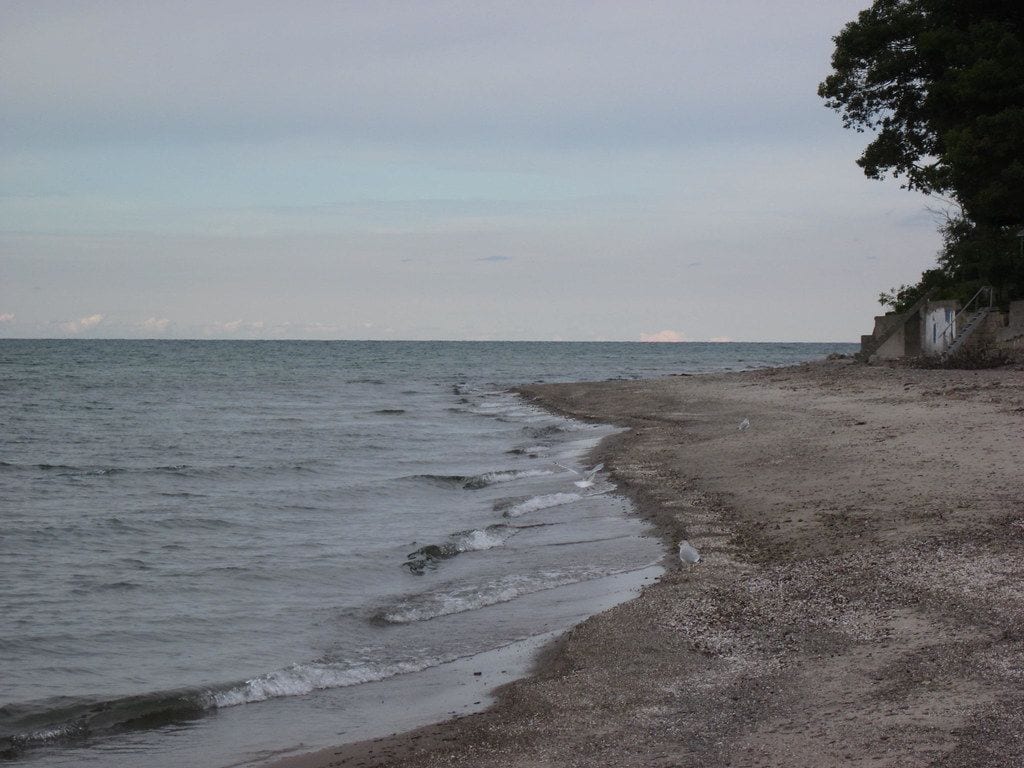
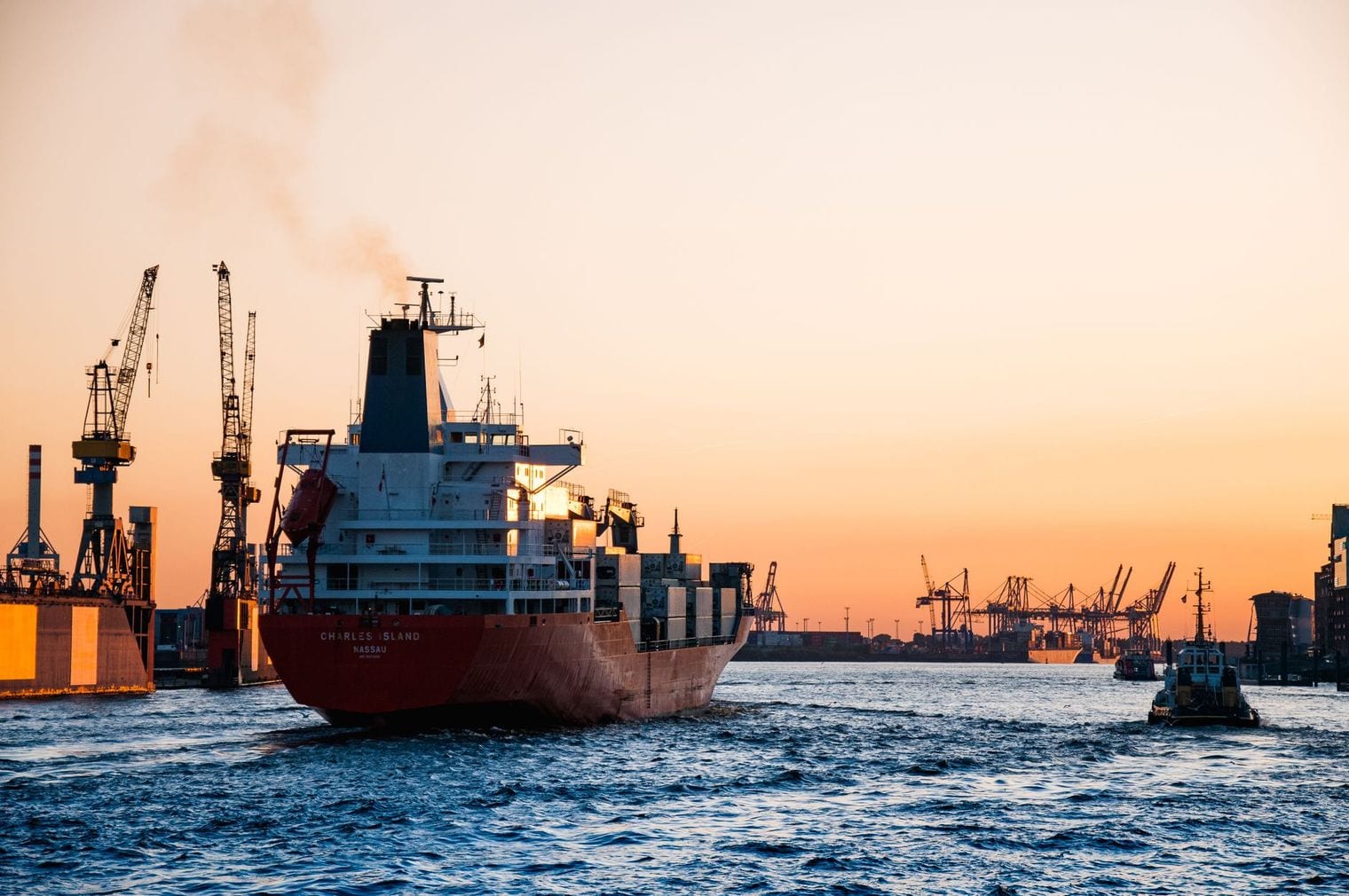
Erie wraps around Pennsylvania’s only harbor on the Great Lakes, a working port city sheltered by the long sandy arm of Presque Isle. Seven miles of lakeside beaches draw swimmers, anglers, and birdwatchers through the warm months, while the bayfront keeps the city’s maritime past close at hand — it was in these shipyards that Oliver Hazard Perry built the fleet that won the Battle of Lake Erie in 1813.
The seasons set the agenda here: summer belongs to the peninsula and the coasters at Waldameer, autumn sends steelhead up the creeks west of town, and Snowbelt winters bury the region in lake-effect snow deep enough to push the fun indoors. The best things to do in Erie run from an 1818 lighthouse to a front yard full of welded auto art.
Fun Facts About Erie, Pennsylvania
Erie wraps around Pennsylvania's only harbor on the Great Lakes, sheltered by the long sandy arm of Presque Isle.
It was in Erie's shipyards that Oliver Hazard Perry built the fleet that won the Battle of Lake Erie in 1813.
The Erie Land Lighthouse was first lit in 1818, among the very first American lighthouses on the Great Lakes.
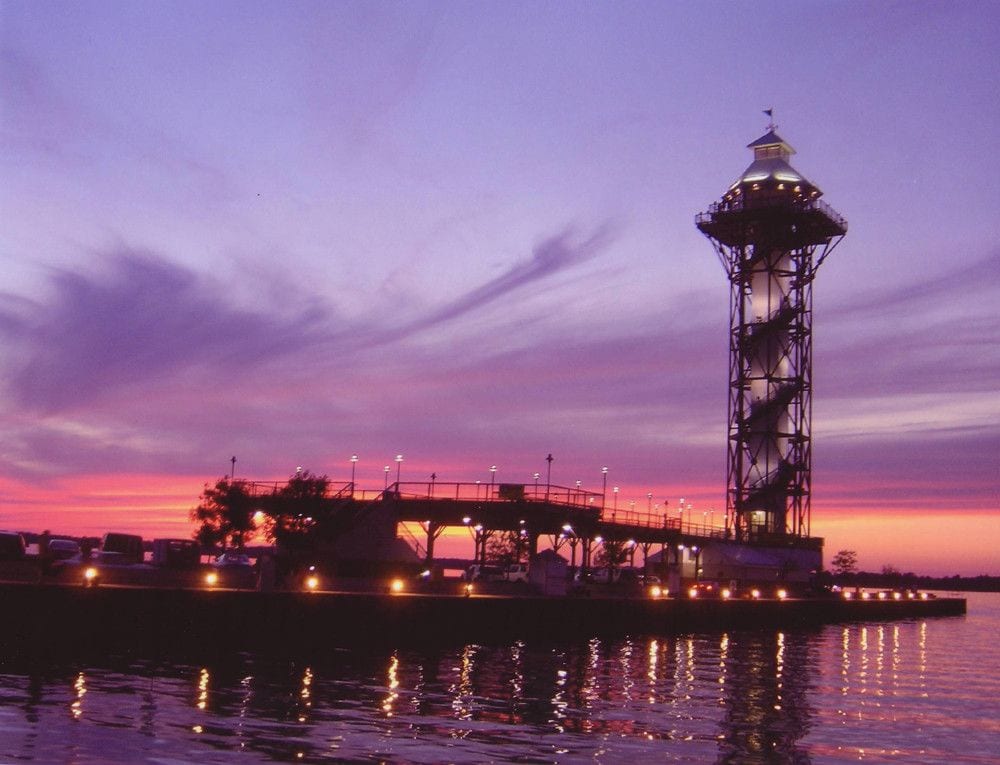
Erie marked its 200th birthday in 1996 by raising the 187-foot Bicentennial Tower at the end of Dobbins Landing.
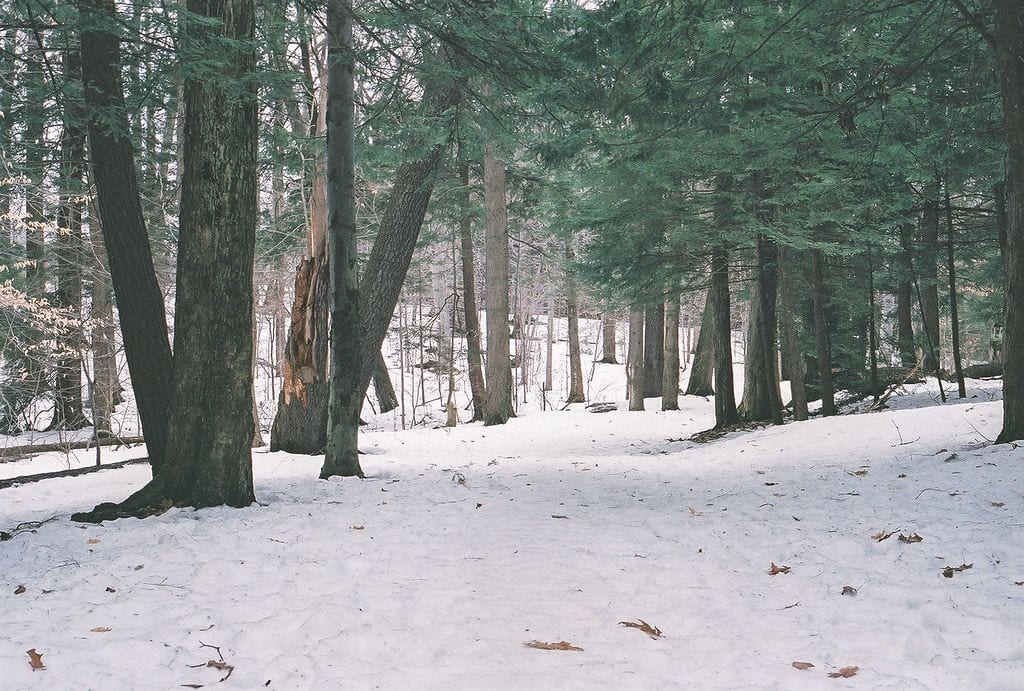
Snowbelt winters bury the region in lake-effect snow deep enough to push much of the local fun indoors.
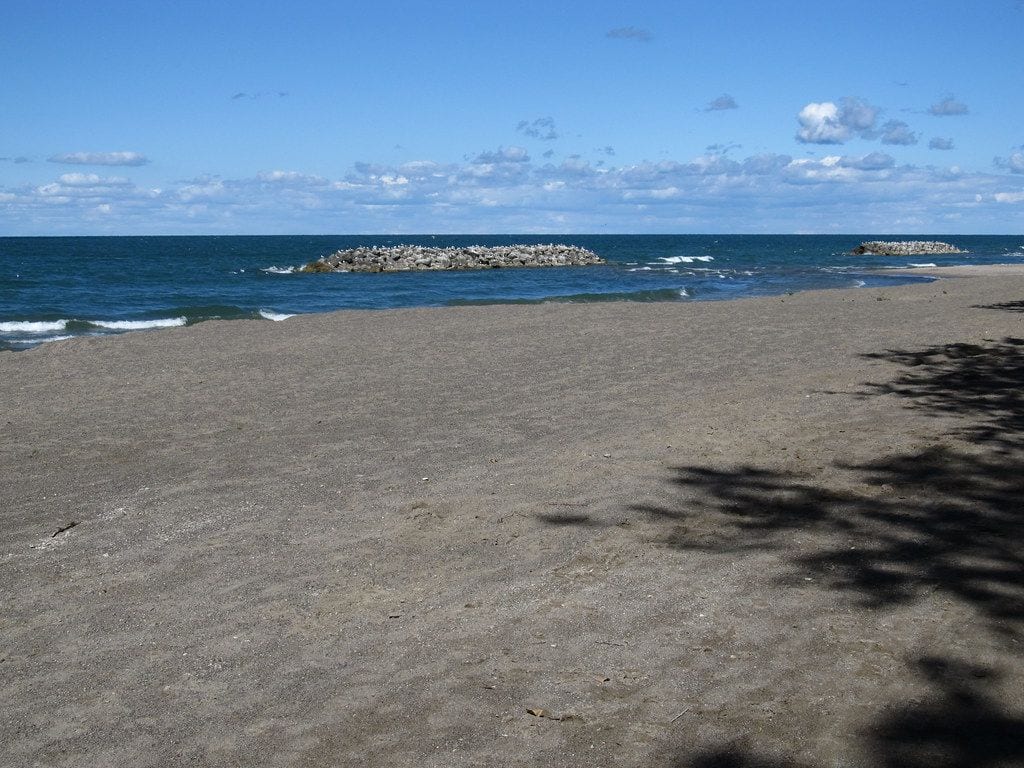
Everything in Erie starts with Presque Isle State Park, the sandy peninsula that hooks off the mainland to shelter the city’s natural harbor. Its nearly 3,200 acres hold swimming beaches, lagoons, and inland forest, and the spit’s status as a National Natural Landmark owes much to the migrating birds that stage here in spring and fall — binoculars are as common as beach towels.
On its sheltered side the peninsula encloses the 5.8-square-mile Presque Isle Bay, calm water for kayaking, scuba diving, and even freshwater surfing when the wind cooperates. Two designated fishing zones serve anglers, and limited duck and goose hunting is permitted in season.
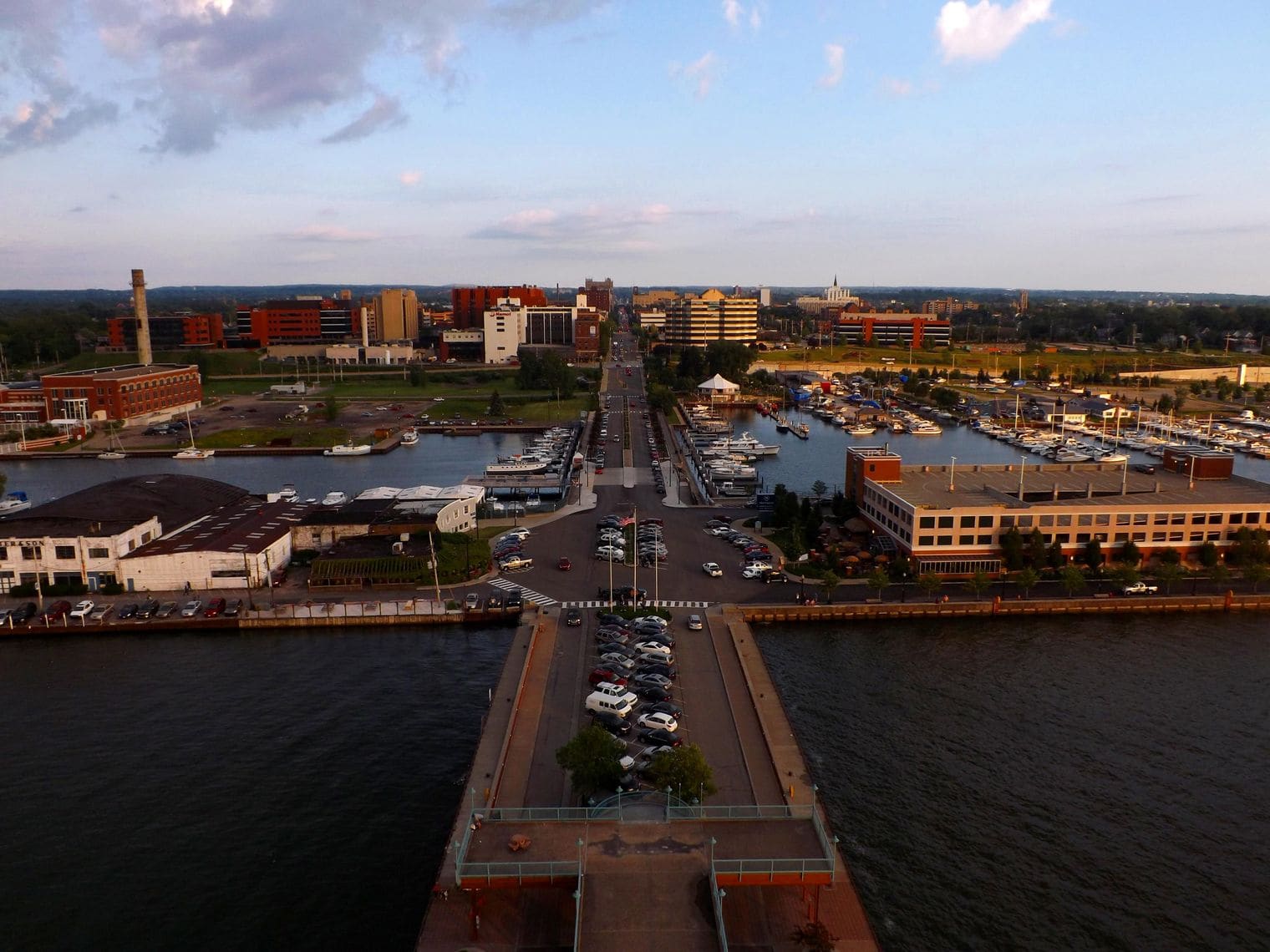
Erie marked its 200th birthday in 1996 by raising the Bicentennial Tower at the end of Dobbins Landing, the public pier at the heart of the bayfront. Two observation decks up the 187-foot tower give the best available panorama of Presque Isle Bay, the peninsula, and the downtown street grid running up from the water.
The landing is named for Daniel Dobbins, the Erie sailing master who helped build Oliver Hazard Perry’s Lake Erie fleet. Restaurants, hotels, and charter boats line the surrounding wharf alongside the Bayfront Convention Center, and a water taxi runs between the pier and Presque Isle State Park.
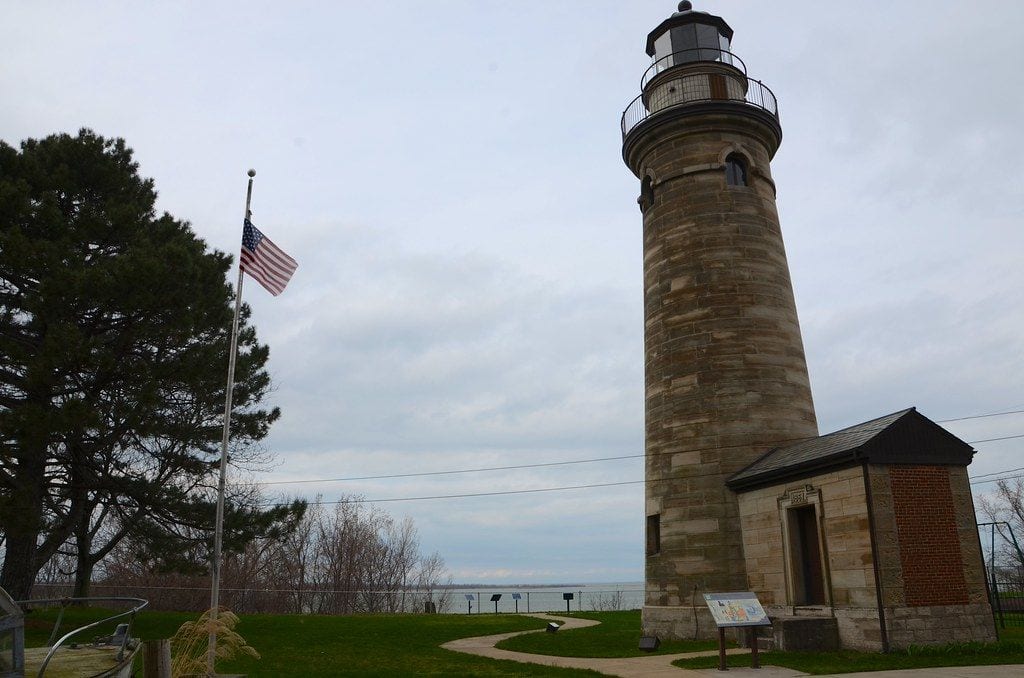
First lit in 1818, the Erie Land Lighthouse was among the very first American lighthouses on the Great Lakes, set to mark the eastern entrance to Presque Isle Bay. The tower standing today is the third on the site: a 49-foot sandstone column completed in 1867, after settling soil undermined the two earlier structures.
The Erie-Western Pennsylvania Port Authority maintains the lighthouse, and its bluff-top lawn east of downtown makes a quiet picnic stop, with long views over the shoreline and the ships working their way into the bay.
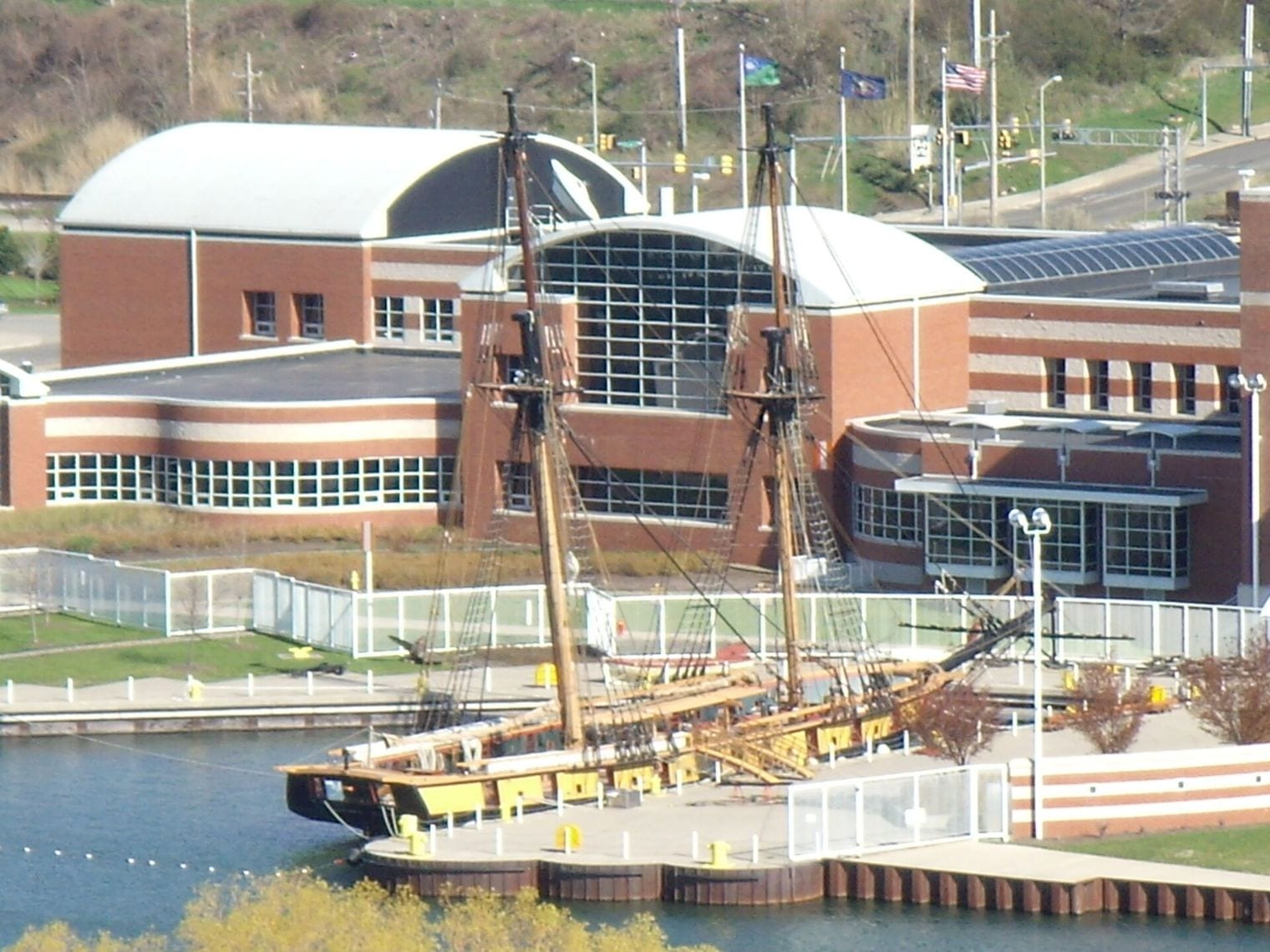
On the bayfront since 1998, the Erie Maritime Museum is the home port of the U.S. Brig Niagara, a sailing reconstruction of Oliver Hazard Perry’s flagship. It was from the Niagara’s decks that Perry flew his “Don’t Give Up the Ship” battle flag while refusing a British demand for surrender during the War of 1812.
Exhibits inside follow the Niagara’s long career and the region’s wider maritime story, and a second major display covers the USS Michigan/Wolverine, the first iron-hulled warship in the U.S. Navy.
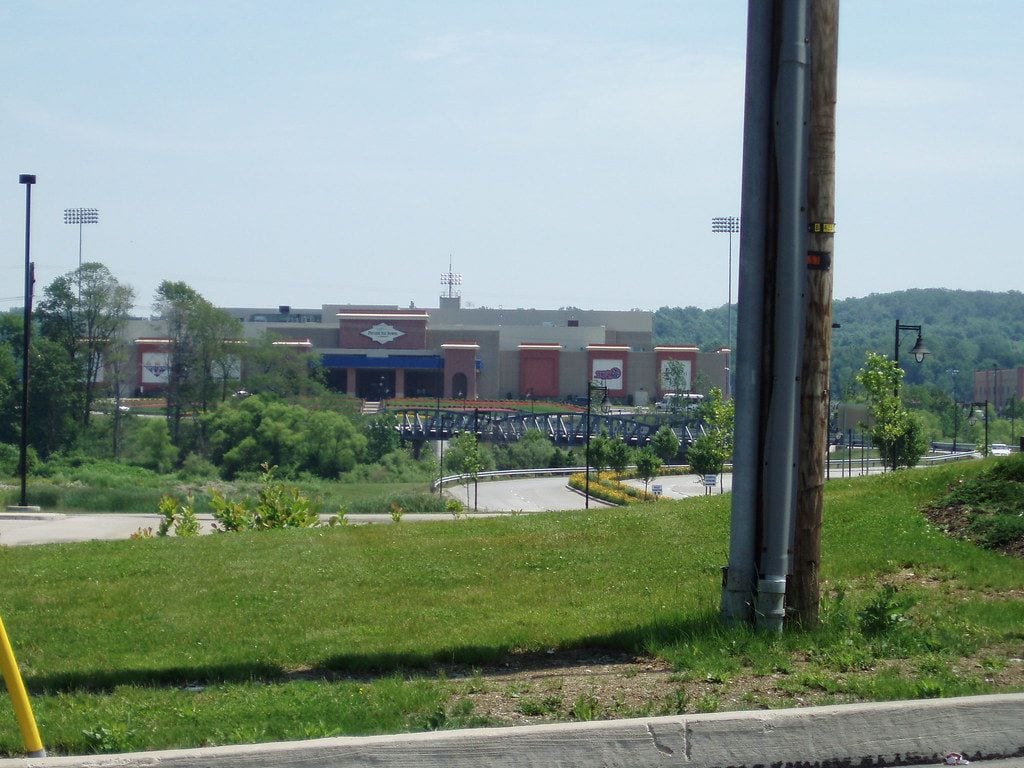
Erie has hosted a full-scale casino since 2007, when Presque Isle Downs and Casino opened south of the city. The floor carries over a thousand slot machines and live table games — craps, blackjack, and roulette among them — with a sportsbook rounding out the gaming options.
The “Downs” half of the name is literal: the property doubles as a working thoroughbred track, and live horse racing is staged on-site through the racing season, an unusual pairing this close to a Great Lakes beach town.
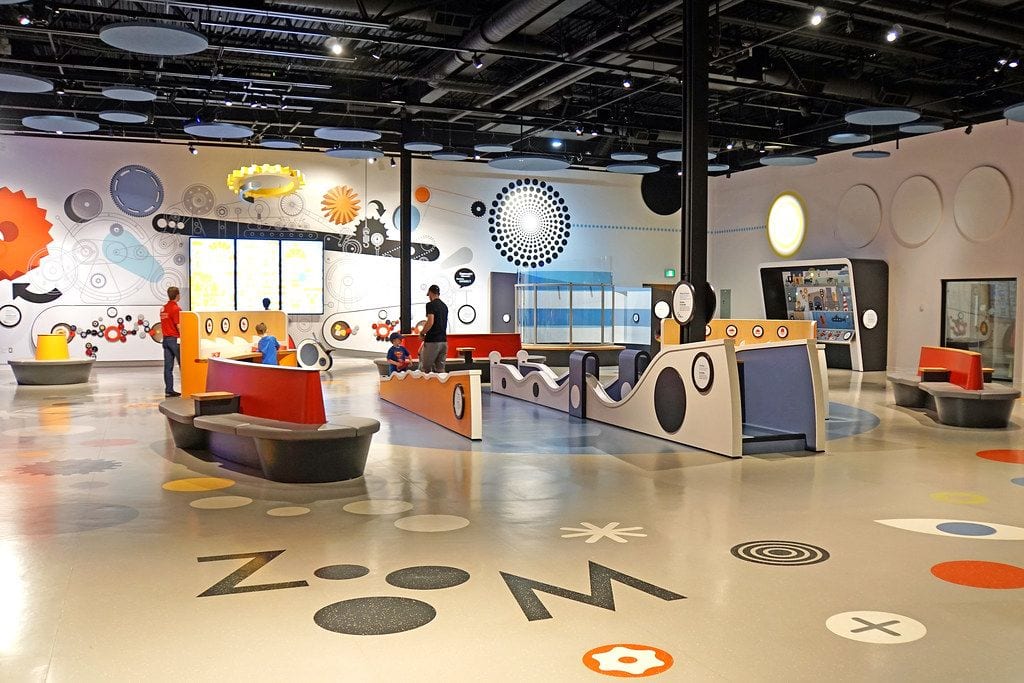
Built for the eight-and-under crowd, expERIEnce Children’s Museum scales the adult world down to kid size, from a miniature grocery store to an interactive town bank where children act out everyday transactions. A walk-in rock cave hides cave drawings and buried artifacts for young archaeologists to find.
Outdoors, the Discovery Corner classroom links open-air learning spaces with pathways and natural materials, keeping the hands-on approach going in fine weather. It is a reliable half-day for families, and an obvious refuge when Lake Erie weather turns.
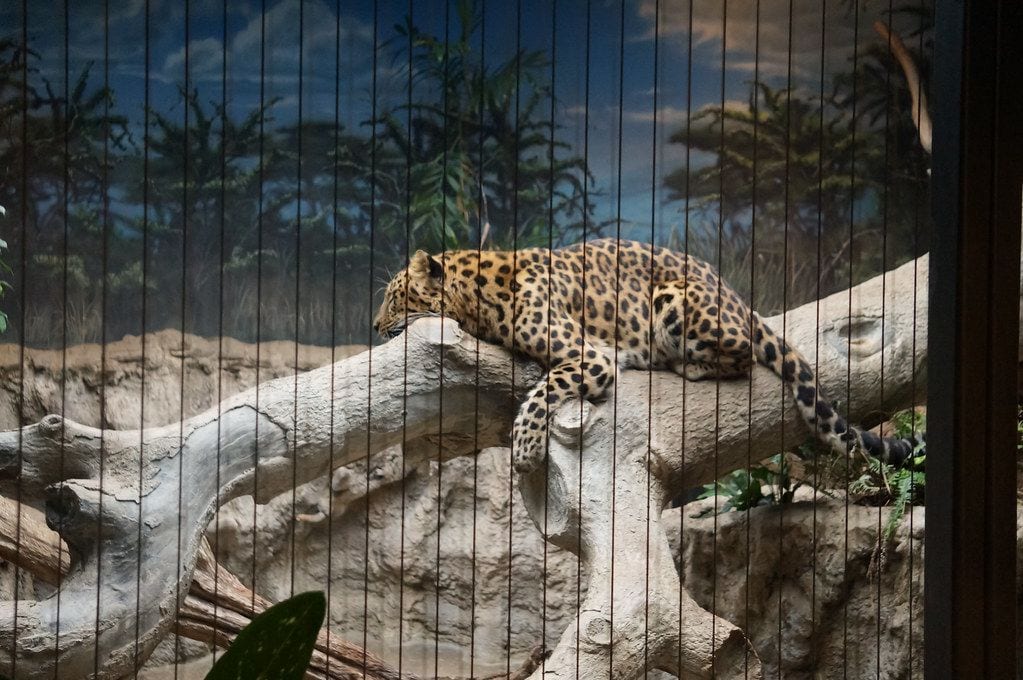
A few blocks south of the heart of the city, the Erie Zoo keeps some 400 animals on a compact, walkable campus. Wild Asia houses Bornean orangutans and red pandas, Safariland fields mouflon sheep and Père David’s deer, and the Kiboka Outpost is home to Amur tigers, Grant’s zebras, and southern white rhinos.
The main building shelters lions, lemurs, spider monkeys, jaguars, and meerkats. Two hours is enough to see the whole of the Erie Zoo — its cozy footprint is the point, especially for families with short legs in tow.
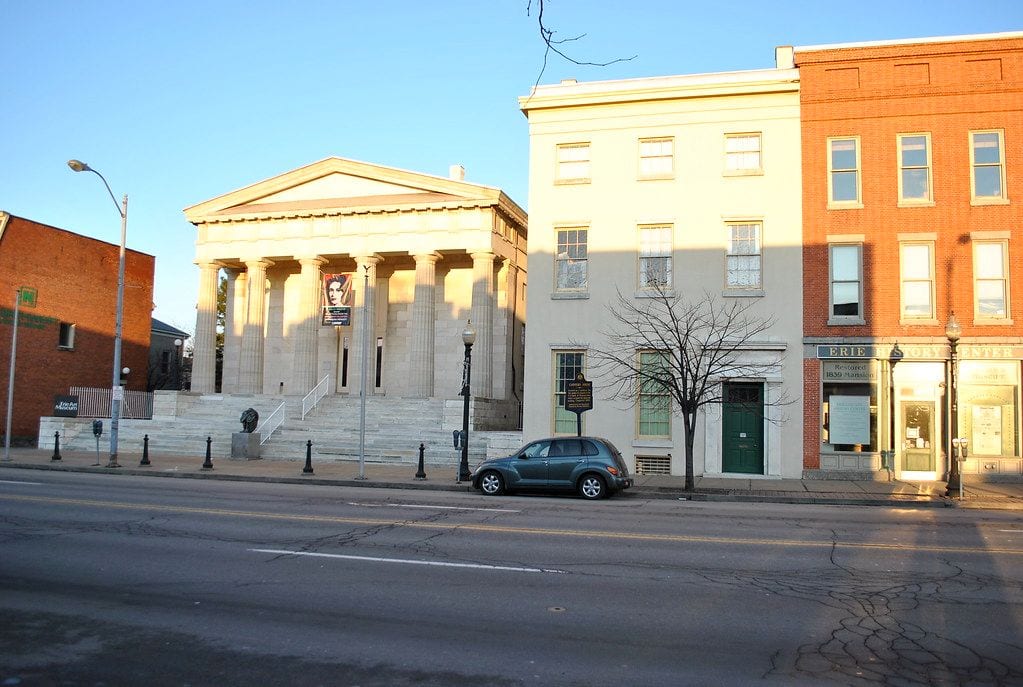
The Erie Art Museum holds a permanent collection of more than 8,000 works, running from American ceramics to Tibetan paintings, with the full catalog published online for anyone who wants to plan a visit around specific pieces.
The building is a draw in its own right: the galleries knit together the Greek Revival Custom House, the Cashiers House, and the Bonnell Block — early nineteenth-century survivors of downtown Erie — with a modern wing added in 2010. Lectures, exhibitions, and community art classes fill the calendar year-round.
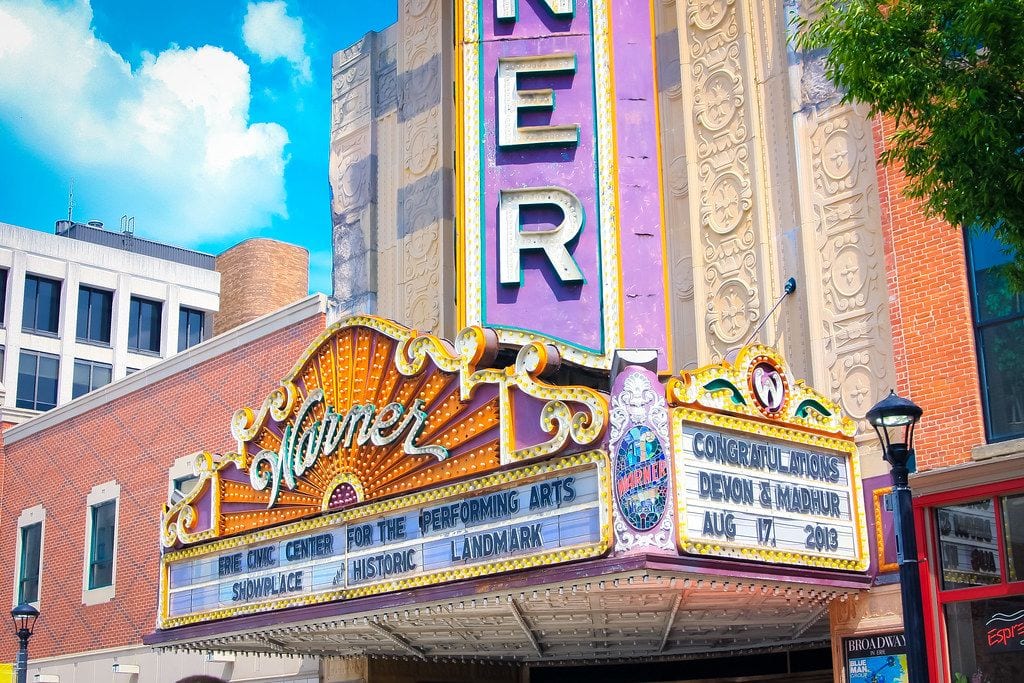
The Warner Theater opened in 1931 as a movie palace for the Warner Bros. film studio, and its gilded Art Deco interior remains the most opulent room in Erie. Converted to a performing arts center in the 1980s, the theater seats over 2,250 and is listed on the National Register of Historic Places.
It now serves as home stage for the Erie Philharmonic, the Lake Erie Ballet, and the city’s touring Broadway series, with more than 150 events in a typical year — a dressed-up counterweight to a day spent on the beaches.
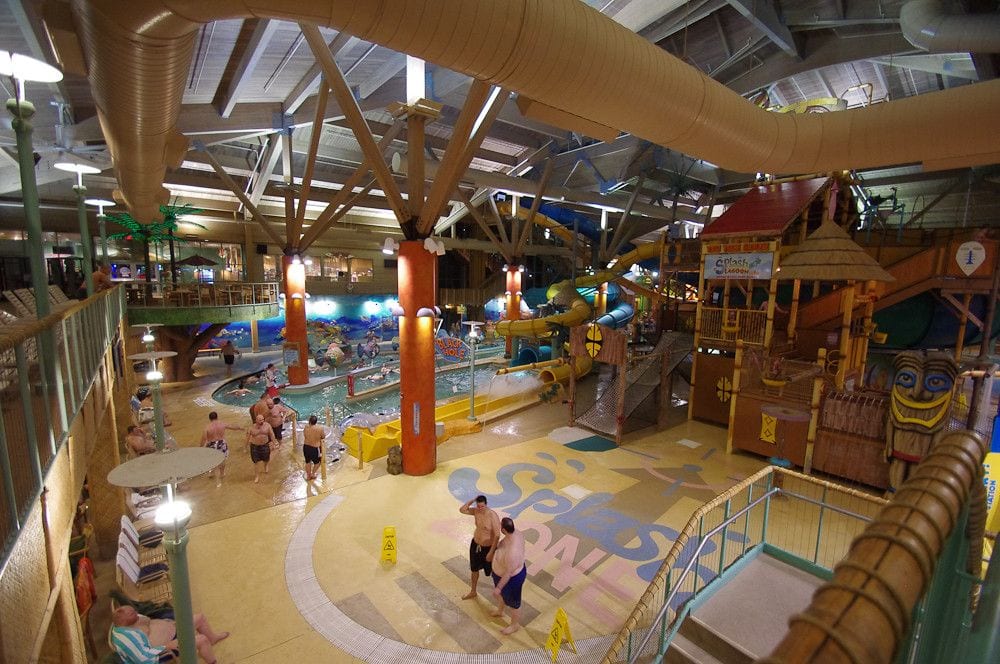
Splash Lagoon packs 80,000 square feet of indoor waterpark under one roof — a sensible arrangement in a Snowbelt city. Seven water slides, a lazy river, and a wave pool anchor the lineup, and a FlowRider surf machine lets visitors ride a standing wave in the middle of January.
Dry-land options include 6,000 square feet of arcade games and Hologate virtual-reality laser tag, while the Monkey Shines Island play area suits the smallest swimmers. As the resort’s slogan has it, inside Splash Lagoon it is “always 84 degrees.”
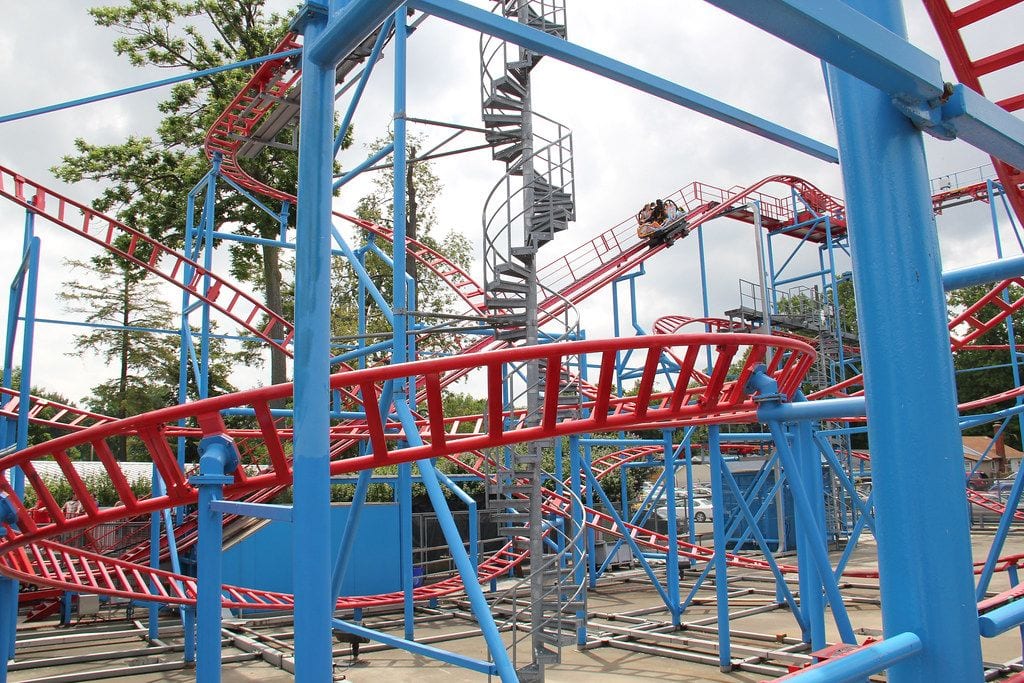
In operation since 1896 at the neck of the Presque Isle peninsula, Waldameer Park is one of the oldest amusement parks in the United States, and it still charges nothing at the gate — visitors walk in free, pay by ride or wristband, and may bring their own picnic.
The headliner is Ravine Flyer II, a wooden coaster whose 120-foot first drop sends trains across an arch bridge spanning four-lane Peninsula Drive — the only coaster in the world to cross a highway that size — and it has ranked among the world’s top wooden coasters since winning the Golden Ticket award for best new ride in 2008. Water World, the attached waterpark, carries the summer months.
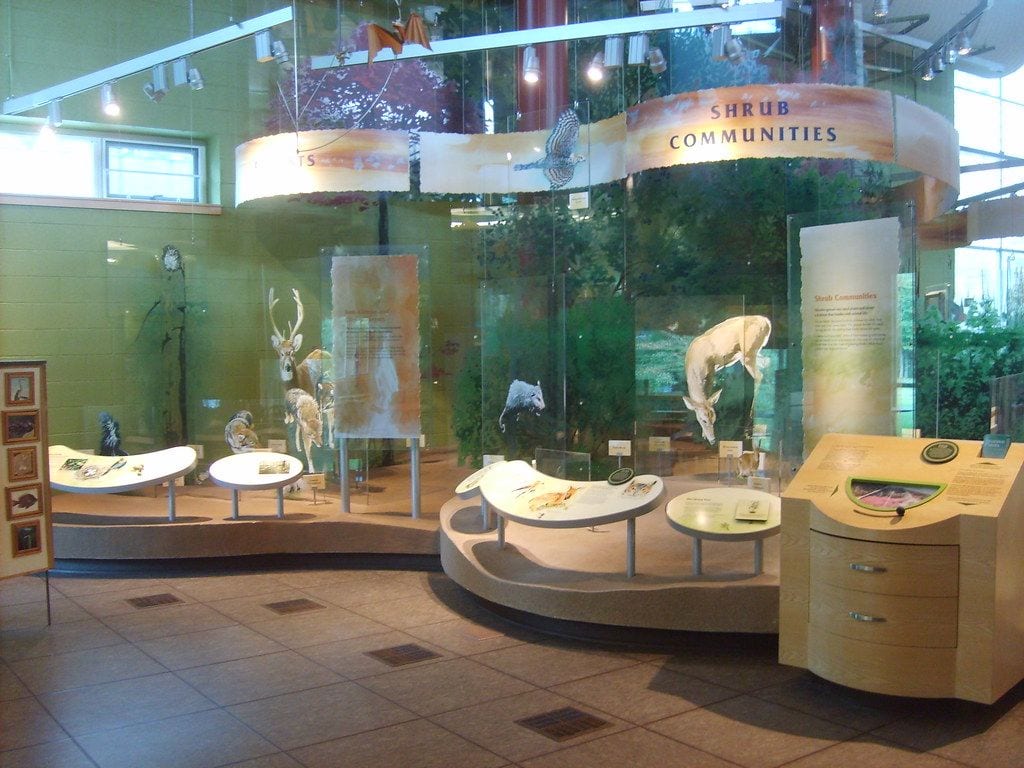
Gatekeeper to Presque Isle, the Tom Ridge Environmental Center opened in 2006 and is named for the former Pennsylvania governor who became the first U.S. Secretary of Homeland Security. The LEED-certified building was conceived as a demonstration of green construction as much as a visitor center.
Inside are 7,000 square feet of exhibits on the peninsula’s ecology, a Nature Shop, and research space devoted to conservation. An observation tower gives a long view down the length of Presque Isle, and the giant-format Big Green Screen theater shows immersive nature films.
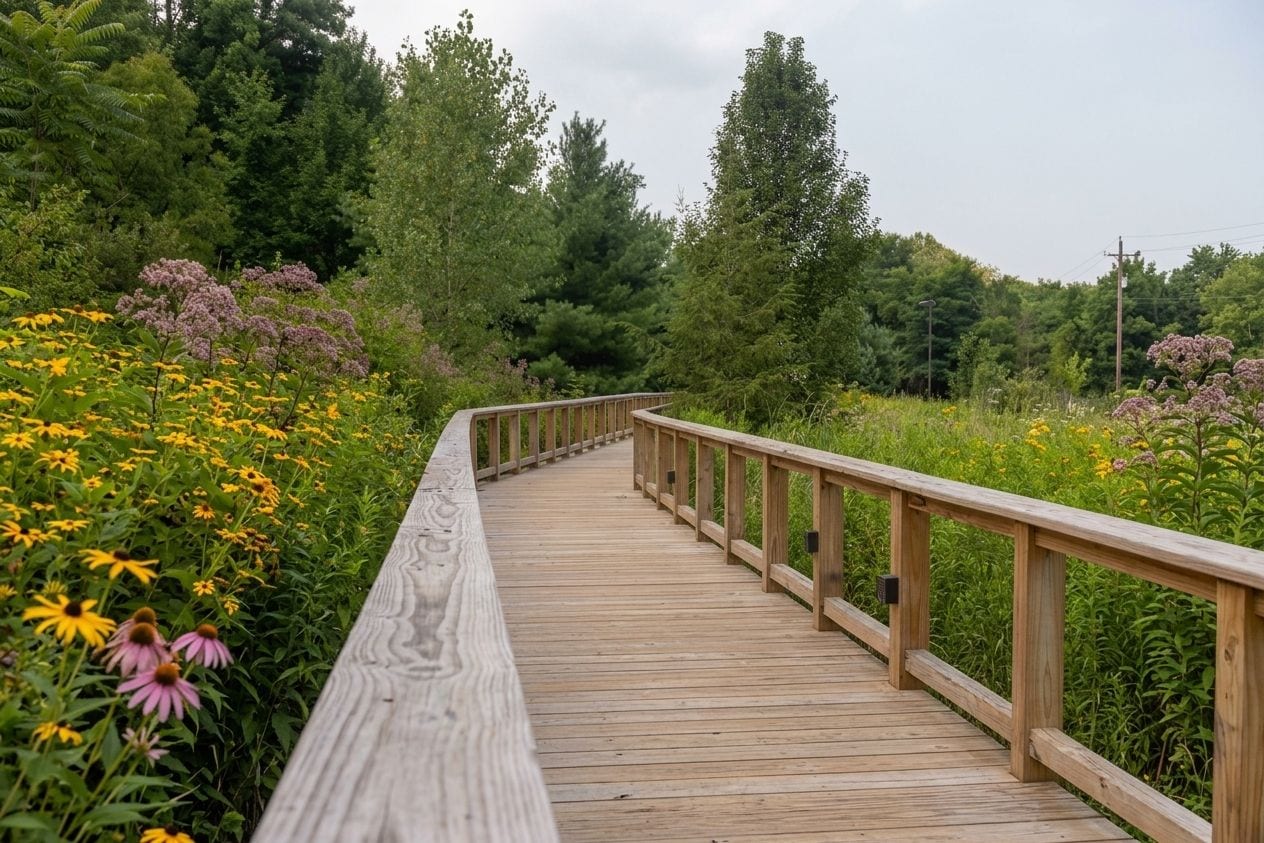
Minutes west of downtown, Asbury Woods preserves 205 acres of old-growth forest threaded with hiking paths and landscaped gardens. An interpretive Nature Center anchors the property with animal exhibits and classroom programs.
The preserve connects to a Greenway Trail for longer outings on foot or by bike, a ropes course waits in the trees for the adventuresome, and self-guided science and nature activities let visitors set their own pace through the woods. Seasonal events run throughout the year.
14. Hagen History Center and Watson-Curtze Mansion
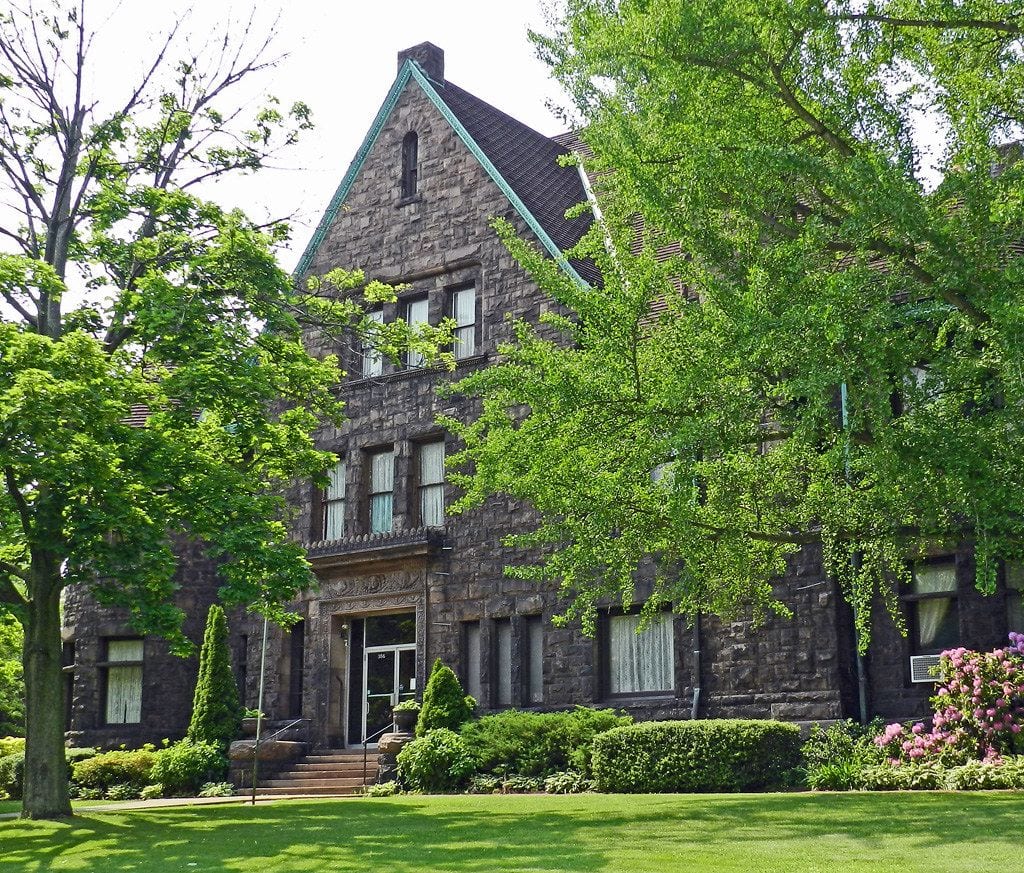
The Hagen History Center occupies the late nineteenth-century Watson-Curtze Mansion, giving the Erie County Historical Society an elegant base for its exhibits and research on northwestern Pennsylvania’s past.
The collection’s showpieces include Commodore Oliver Hazard Perry’s sword and one of the flags that draped President Lincoln’s coffin. Galleries across the mansion range over Native American history, the Civil War, manufacturing, recreation, and military life, and the site offers both guided and self-guided tours.
Professional baseball has been played downtown since 1995, and UPMC Park keeps the game close to the city’s core. Home of the Double-A Erie SeaWolves of the Detroit Tigers system, the roughly 6,000-seat ballpark backs its grandstand up against the downtown skyline.
A nautical-themed scoreboard nods to the working port a few blocks north, and concessions lean local, with ox roast sandwiches and a spread of sausages alongside the usual ballpark fare — an easy summer evening out in the heart of Erie.
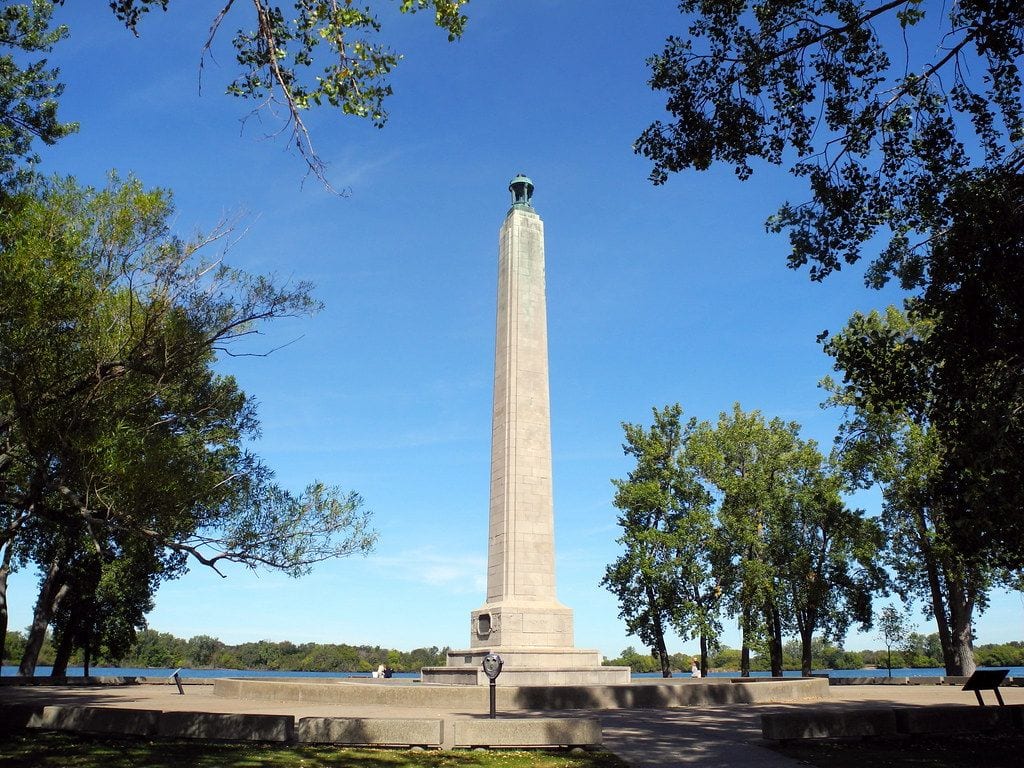
At Crystal Point on Presque Isle, the 101-foot Perry Monument honors Commodore Oliver Hazard Perry, who used the peninsula’s sheltered anchorage to finish the fleet that won the Battle of Lake Erie in 1813. The obelisk was dedicated in 1926, on the 113th anniversary of the battle.
The lawn around the Perry Monument is one of the calmest picnic spots on the peninsula, with geese and swans drifting past and a straight view across the bay to the Erie docks — a natural halfway stop on a loop around Presque Isle.
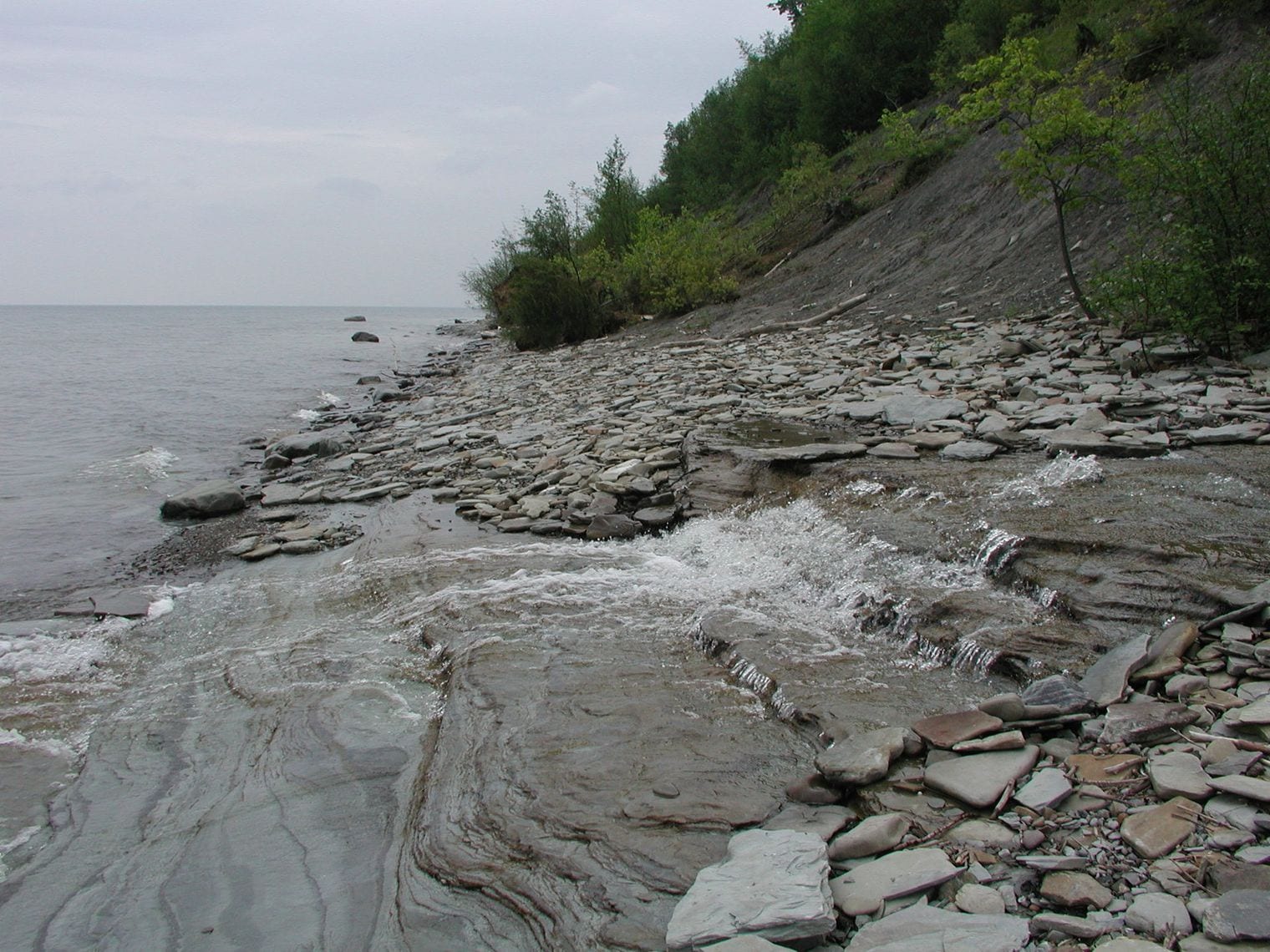
Twelve miles west of the city, Erie Bluffs State Park protects a mile of undeveloped Lake Erie shoreline atop its namesake bluffs. Established in 2004, it is one of Pennsylvania’s youngest state parks, and Elk Creek — a noted steelhead fishery — crosses the property on its way to the lake.
White-tailed deer, gray foxes, bats, and more than 80 bird species live across the park’s 587 acres. Well-marked trails lead through the woods to lake overlooks, hunters may train dogs here, and the park is managed for day use, which keeps it quiet even in high summer.
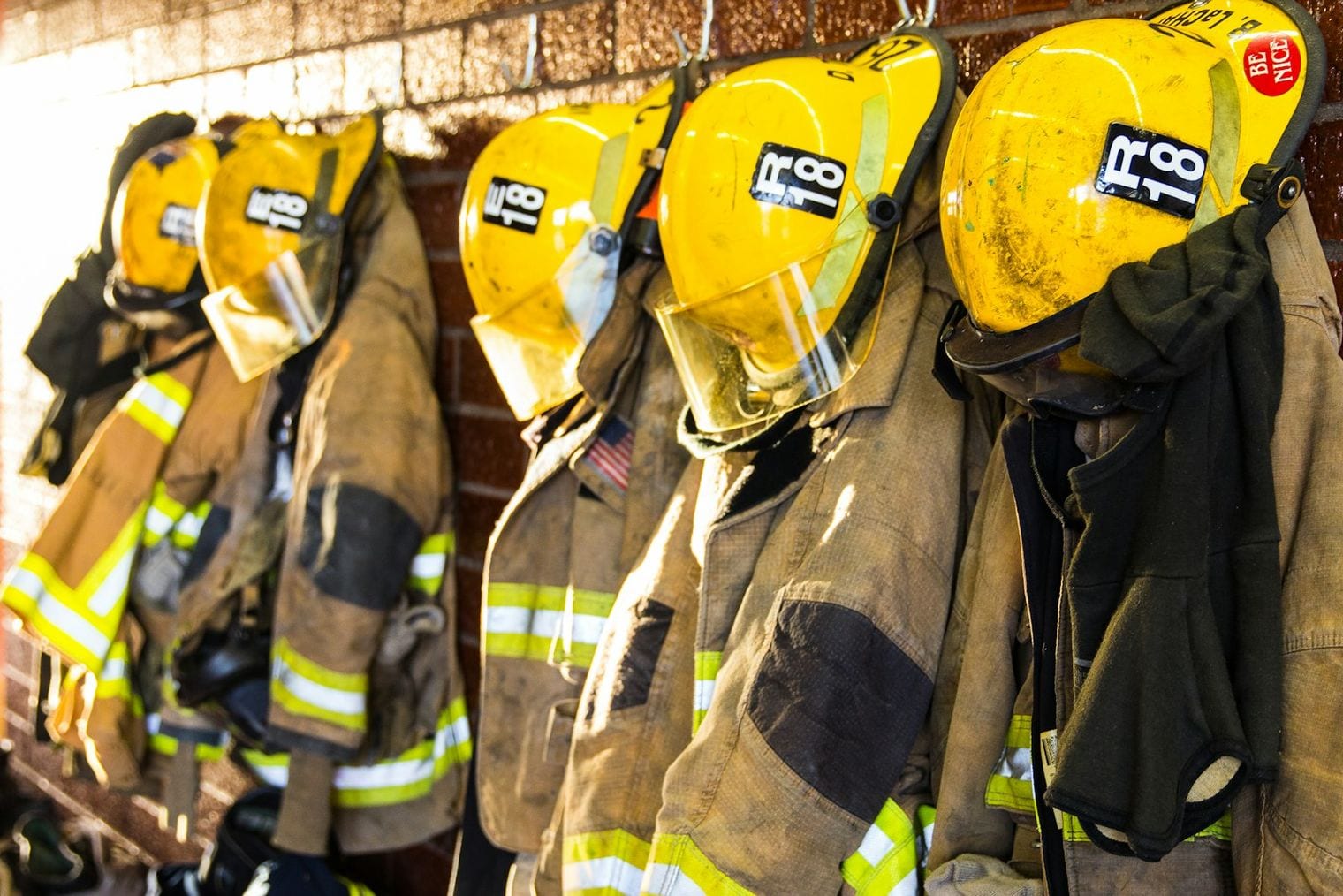
Erie’s former Station #4, a firehouse built in 1903, now houses the Firefighters Historical Museum. Tours walk visitors back to the profession’s early days through personal gear, fire suits, and historic fire engines displayed where working apparatus once parked.
Cases of firefighting badges, alarm hardware, and scale-model fire trucks fill out the collection. It is a single-subject museum told inside the very building where that subject played out, which is exactly why it lands with children and adults alike.
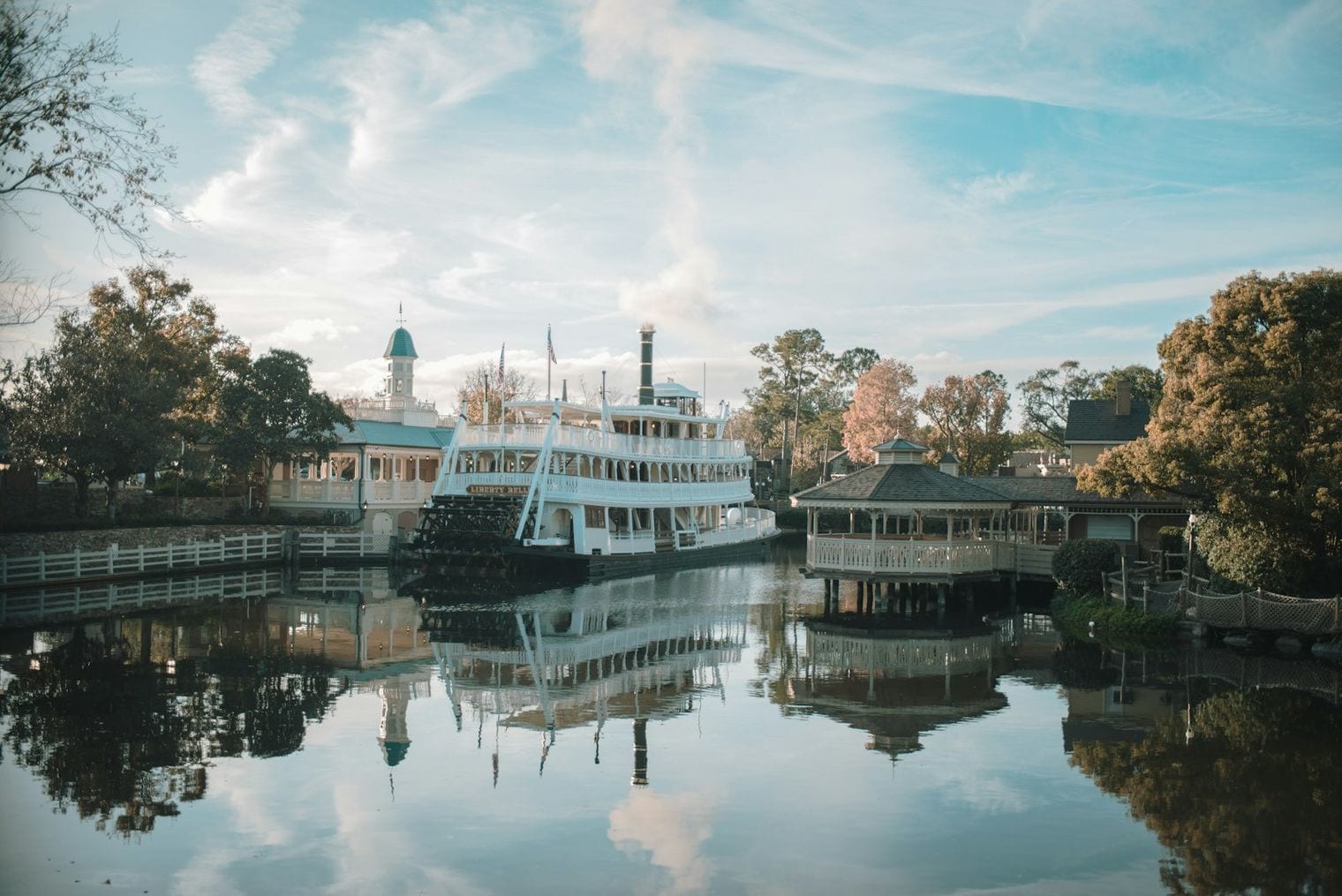
Erie’s only paddle wheeler, the Victorian Princess, has worked Presque Isle Bay since 1998 as a combination tour boat, floating restaurant, and event venue, with buffet dinner cruises as the signature sailing.
Two 14-paddle wheels push the boat around the bay at an unhurried pace, and three decks keep cruises comfortable in most weather. From the water, passengers get the view Erie’s sailors always had: the Bicentennial Tower, the wharves, and the low green line of Presque Isle.
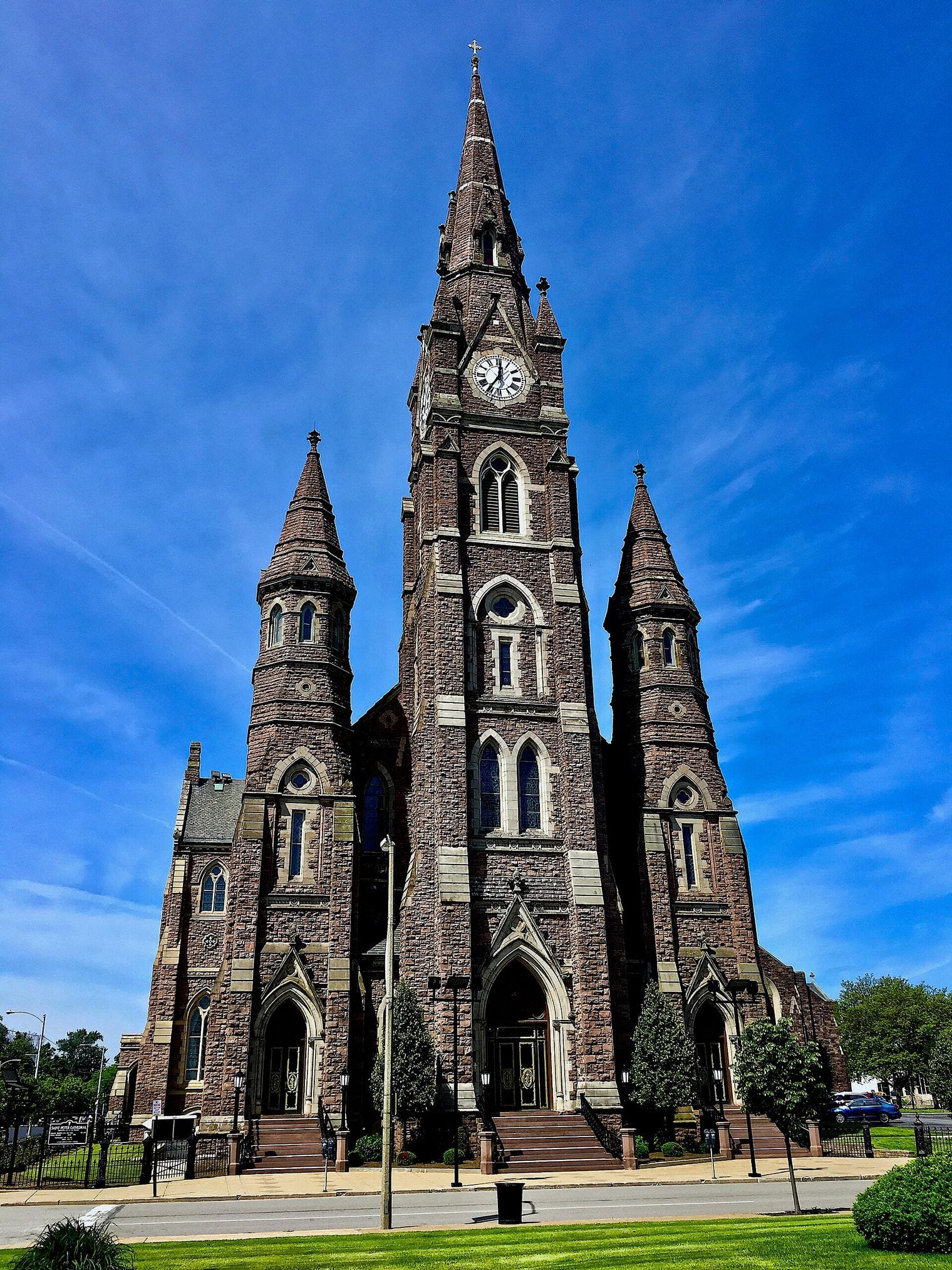
Constructed between 1874 and 1893 with stone from the disassembled Erie Extension Canal, Saint Peter Cathedral is Erie’s most prominent church building. Bishop Tobias Mullen championed the project personally, and the finished cathedral mixes English, French Second Empire, and Victorian Gothic styles.
Its pipe organ was originally built for Chicago’s 1893 Columbian Exposition, and a major restoration completed in 2018 renewed the landmark. Visitors come for the stained glass windows, the stations of the cross, and the sheer scale of the place against Erie’s low skyline.
On the city’s southeastern edge, beside the Penn State Behrend campus, Wintergreen Gorge cuts nearly 4,000 feet long and 250 feet deep into glacial shale. Four Mile Creek carved the canyon and still runs its floor, with small waterfalls and wading pools along the way.
The Wintergreen Gorge Trail covers 1.2 miles each way, tracking the creek before ending at an overlook of the canyon. A steady hiker can finish in under an hour, but the exposed rock layers reward a slower pace.
Escape Game Erie locks teams of friends, family, or co-workers into custom-built escape rooms and gives them the clock to puzzle a way out. Rooms span the range from first-timer friendly to genuinely difficult, so plan on about an hour and a half per session.
The most local scenario is “Escape the Niagara,” which casts players as spies trapped aboard Perry’s flagship — an escape room only Erie would think to build. Other themes have included a prison break and an axe-murder mystery, all designed to reward teamwork over brute force.
Since 1988, Dick Schaefer has been welding retired automobiles into front-yard sculpture at Schaefer’s Auto Art on Hershey Road. The signature piece is a giant spider built from the body of a VW Beetle; a U.S. flag assembled from used license plates, a rocket, a bumblebee, and a two-headed dinosaur keep it company.
The collection earned a place in Ripley’s Believe It Or Not: “Unlock the Weird”, and it has grown into genuine Erie folklore. The sculptures stand in the yard along the road, so the whole gallery can be taken in from the roadside.
Northeast of the city where Eight Mile Creek meets the lake, Harborcreek Township’s Shades Beach Park offers a quieter stretch of Lake Erie shoreline. A boat launch sends boaters and jet skiers straight out onto the lake, and a playground and horseshoe courts sit back from the water.
Two organized picnic facilities each come with a full kitchen, and a large covered pavilion handles bigger gatherings. The shore itself is sharp shale rather than sand — better suited to fishing and watching the water than to swimming.
Erie remains a working Great Lakes harbor, and the Port of Erie’s 471 acres along the bay see steady freighter traffic through a 29-foot-deep entrance channel. Ship-watchers can follow the big vessels in to dock, and the port is home to Donjon Shipbuilding, one of the largest ship construction and repair yards in the country.
The Erie-Western Pennsylvania Port Authority also operates nearby Lampe Marina, whose public launch ramps and 252 boat slips double as a fine vantage point for watching harbor traffic enter the channel.
Getting to Erie
Erie sits at the meeting point of two interstates, which makes it an easy place to reach by car. Interstate 90 runs east-west just south of downtown, carrying traffic along the Lake Erie shore between Ohio and New York, while Interstate 79 comes up from the south and reaches its northern end in the city, making it the natural approach for anyone driving north from the Pittsburgh direction. US Route 20 parallels the lake a little closer to the water and is a pleasant slower alternative for the last stretch into town.
The city has its own commercial airport a few miles southwest of downtown, which handles regional connections, though its schedule is limited. Many travellers instead fly into one of the larger hub airports within easy reach and drive the rest of the way: the metro areas to the west, south and northeast along the lake are all roughly one and a half to two hours away by car. Downtown Erie also has a historic station served by the daily long-distance passenger train that runs the Lake Erie corridor, and intercity buses connect the city to other lake cities and points east.
Getting Around Erie
The compact downtown grid and the bayfront around Dobbins Landing are genuinely walkable, and you can cover the core museums, the theatre district and the waterfront on foot once you have parked. For everything beyond that walkable centre, a car is the practical choice, since the peninsula park, the zoo, the water parks and the casino are spread out across the wider area and are not comfortably reached without one. Local buses cover the main corridors, and rideshare is available for shorter hops around the city.
Parking is refreshingly easy for a city this size: there are municipal lots and garages downtown and generous free lots at the larger attractions and along the peninsula. Cycling is a real pleasure here too, with a flat, dedicated recreational loop out on the sandy peninsula that is one of the most popular ways for both visitors and locals to get around on two wheels.
Where to Stay in Erie
For a first visit, base yourself downtown or along the bayfront so the waterfront, the theatre district and the main museums are within walking distance; this central area puts you closest to the evening dining and the harbour and is the best pick if you would rather not drive to reach the sights. Families and anyone chasing the beach often prefer to stay out near the peninsula and the western lakeshore, closer to the state park and the water parks, where the mood is more relaxed and resort-like.
If your trip is really a stopover or you are travelling on to somewhere else, the districts near the interstate interchanges south of the centre are convenient for a quick in-and-out and tend to be quieter, while the areas near the university on the city’s western side suit visitors with campus business. Wherever you land, the city is small enough that no neighbourhood leaves you far from the lake.
Where to Eat in Erie
Erie’s dining clusters downtown and along the bayfront, where you will find the widest mix of sit-down restaurants, brewpubs and casual spots, plus a lively strip of eateries out toward the peninsula that fills up in beach season. The city’s food identity is rooted in its Great Lakes location and its old immigrant neighbourhoods: look for lake-caught perch and walleye served fried or in a sandwich, a regional style of thick, square-cut pizza sold by the cut, and the Italian-American red-sauce cooking that reflects the city’s heritage.
Beyond the seafood and pizza, keep an eye out for pierogies and other Eastern European comfort dishes, hearty diner breakfasts, and the smoked and grilled fare of the local brewpubs. Chasing down a good sandwich of fresh Lake Erie perch is close to a rite of passage for anyone visiting the waterfront.
One Day in Erie
Erie rewards a plan that hugs the water, so build your day around the peninsula in the morning and the bayfront downtown after lunch — the two are barely fifteen minutes apart.
Morning: Start where the land runs out. Presque Isle State Park is a sandy arm curling into Lake Erie, and it’s at its best before the crowds arrive — walk a stretch of the multi-use trail, watch for herons in the lagoons, and let the light come up over the water. Just inside the park entrance, duck into the Tom Ridge Environmental Center to get your bearings on the region’s dunes and wetlands, then follow the road out toward the tip to the Perry Monument, a tall granite spire honoring the Battle of Lake Erie with one of the finest bay views on the peninsula.
Afternoon: Cross back to the mainland and give the afternoon to the bayfront. Climb the Bicentennial Tower at Dobbins Landing for a sweeping look down the harbor, then walk the pier to the Erie Maritime Museum, home port of the reconstructed brig Niagara and a hands-on lesson in the naval history you glimpsed from the monument. If the water is calling, the Victorian Princess Paddle Boat Cruise leaves from the same landing for an easy loop of Presque Isle Bay. A few blocks inland, the Erie Art Museum makes a cool, quiet counterpoint before dinner.
Evening: Close the day under the gilded ceiling of the Warner Theater, a restored 1930s movie palace that now hosts touring shows, symphony nights, and concerts in the heart of downtown. With more time, save a second day for the east side: Wintergreen Gorge offers a genuinely wild ravine hike only a few miles out, and Shades Beach Park gives you one more quiet stretch of Lake Erie shoreline to end on.
Erie makes a natural base for exploring the Great Lakes corridor, and the interstate along the shore puts several worthwhile destinations within a manageable drive. Head northeast along the lake, roughly two and a half hours, and you reach Rochester, with its waterfalls and museums; swing southwest instead and, in a similar amount of time, you can be in Canton, well known for its football heritage. Both make comfortable full-day outings, while Ann Arbor lies further west and is better treated as a longer haul or an overnight given the distance.
Closer to home, the countryside just outside the city rewards a shorter trip: the lakeshore east and west of town runs through Pennsylvania’s small Great Lakes wine region, with vineyards strung along the water, and to the southeast the vast Allegheny National Forest offers forested hiking, paddling and camping within a couple of hours’ drive. Even a half-day is enough to get out among the vineyards and bluffs that line this stretch of coast.
FAQ: Visiting Erie
What is Erie best known for?
Erie is best known for Presque Isle State Park, the sandy peninsula that gives Pennsylvania its only Great Lakes harbor, and for its War of 1812 heritage — the U.S. Brig Niagara at the Erie Maritime Museum and the Perry Monument both honor Commodore Perry’s 1813 victory on Lake Erie.
Is Erie worth visiting?
Yes. Few small cities pack this much variety: swimming beaches at Presque Isle State Park, a world-ranked wooden coaster at Waldameer Park, panoramic bay views from the Bicentennial Tower, and a 1931 movie palace in the Warner Theater. The bayfront alone can fill a weekend.
How many days do you need in Erie?
Two to three days covers the essentials. Give a full day to Presque Isle State Park and the Tom Ridge Environmental Center, a second to the bayfront — Erie Maritime Museum, Bicentennial Tower, and a Victorian Princess cruise — and a third to Waldameer Park or the downtown museums.
What can you do in Erie for free?
Plenty. Presque Isle State Park charges no entrance fee, and the Perry Monument stands inside it. Erie Bluffs State Park, the Wintergreen Gorge trail, and Shades Beach Park cost nothing either, and the welded sculptures of Schaefer’s Auto Art are visible from the Hershey Road roadside.
When is the best time to visit Erie?
Summer is peak season, when Presque Isle’s beaches and Waldameer Park are in full swing. Spring and fall bring waves of migrating birds to the peninsula, and autumn draws steelhead anglers to Elk Creek at Erie Bluffs. Snowbelt winters are for Splash Lagoon and indoor museums.