Provo is the fourth-largest city in Utah, tucked between the shore of Utah Lake and the Wasatch Mountains south of Salt Lake City. It is best known as the home of Brigham Young University, and campus landmarks like the Museum of Art, the Museum of Paleontology and LaVell Edwards Stadium sit alongside a lively downtown of theaters, bakeries and cafes.
What makes Provo such an easy trip is the mix of city life and the outdoors right on its doorstep. Provo Canyon, Bridal Veil Falls, Utah Lake and a string of nearby parks are all a short drive away, so a single visit can pair museums and downtown dining with waterfalls, hikes and lakeside afternoons. Its spot on Interstate 15 also makes Provo a comfortable base for exploring the rest of Utah, from the Wasatch canyons to the red-rock country further south.
Fun Facts About Provo, Utah
Provo was first settled in 1849 as Fort Utah and renamed the following year for Étienne Provost, a French-Canadian fur trapper who explored the region in the 1820s.
It is home to Brigham Young University, founded in 1875 and one of the largest private universities in the United States.
Provo was long nicknamed the “Garden City” for the fruit orchards and gardens that once filled the valley.
The city hosts the largest Missionary Training Center of The Church of Jesus Christ of Latter-day Saints.
Sitting at roughly 4,550 feet above sea level, Provo is ringed by peaks that climb well past 11,000 feet just east of town.
Thanksgiving Point is a sprawling nonprofit farm, garden, and museum complex about 20 minutes from Provo in Lehi. Explore the 45,000-square-foot Museum of Natural Curiosity, with its Rainforest, Water Works, Kidopolis, and Discovery Garden galleries, or wander the Museum of Ancient Life's vast dinosaur collection.
The Butterfly Biosphere flutters with over 1,000 butterflies alongside tarantulas, while Ashton Gardens showcases one of the largest man-made waterfalls in Utah. Ride the carousel, meet the animals at the working farm, and you'll understand why the complex draws around 2.8 million visitors a year.
The Shops at Riverwoods is an open-air shopping, dining and lifestyle center in north Provo, where a European-style cobblestone walkway winds past mountain views and summer water features. National retailers mix with local Utah boutiques, and restaurants run the range from fine dining to fast food.
A 12-screen movie theater anchors the entertainment, while a local books-and-antiques store adds character all its own, displaying a genuine fragment of the Berlin Wall among its shelves. It is a walkable pocket of the city that rewards browsing, eating and lingering well after the shopping is done.
Covey Center for the Arts is a City-of-Provo performing arts venue on West Center Street in the heart of downtown. It stages theater, concerts, dance, comedy and art exhibits year-round, and is regularly named one of Utah Valley's best live-performance venues, drawing audiences from across the region.
Behind its downtown facade sit a main stage, an intimate black-box theater and dedicated gallery space, making it a hub for both community productions and touring shows. Whether you catch a play, a musical act or an exhibit opening, it captures Provo's creative pulse under one roof.
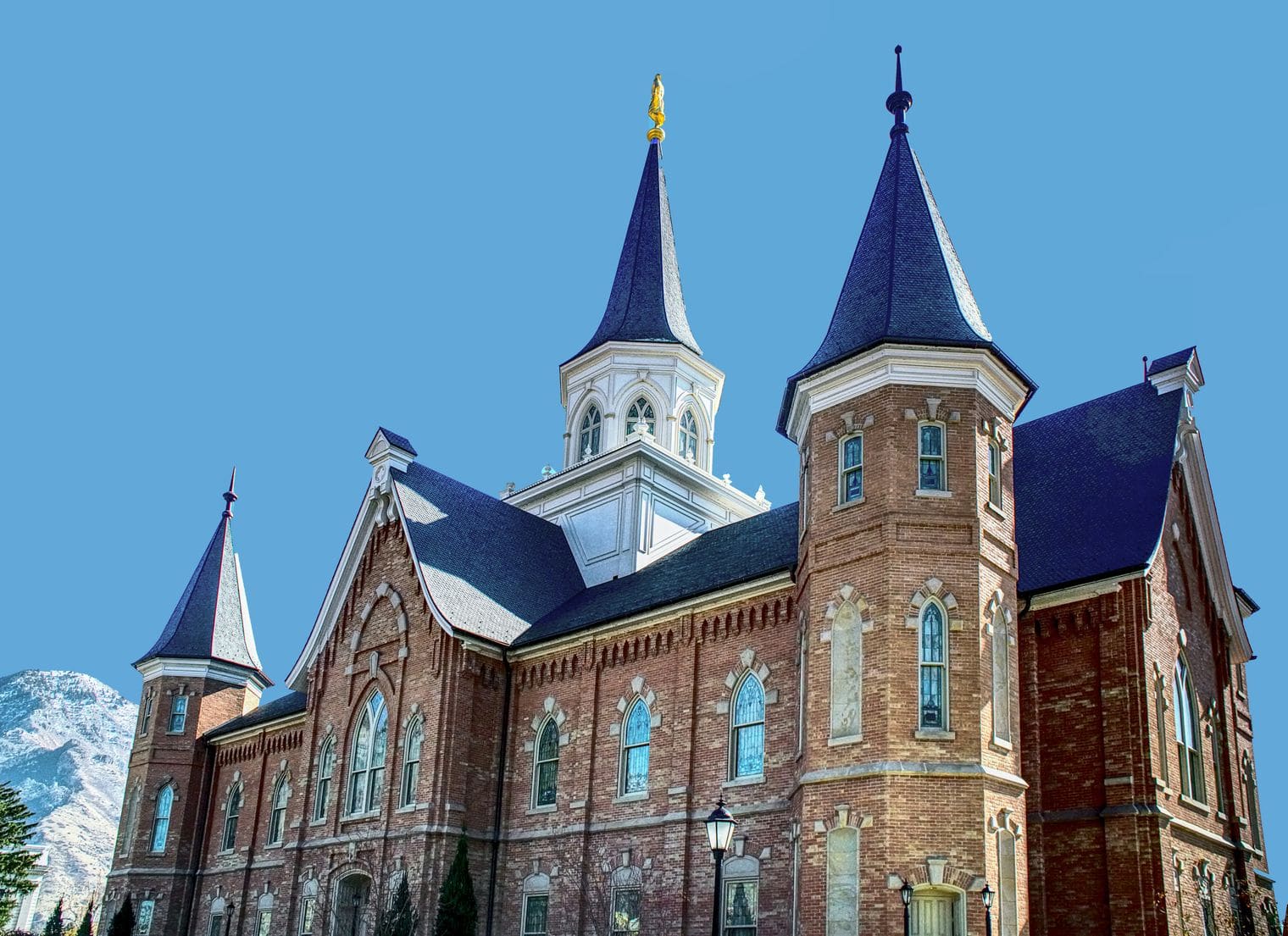
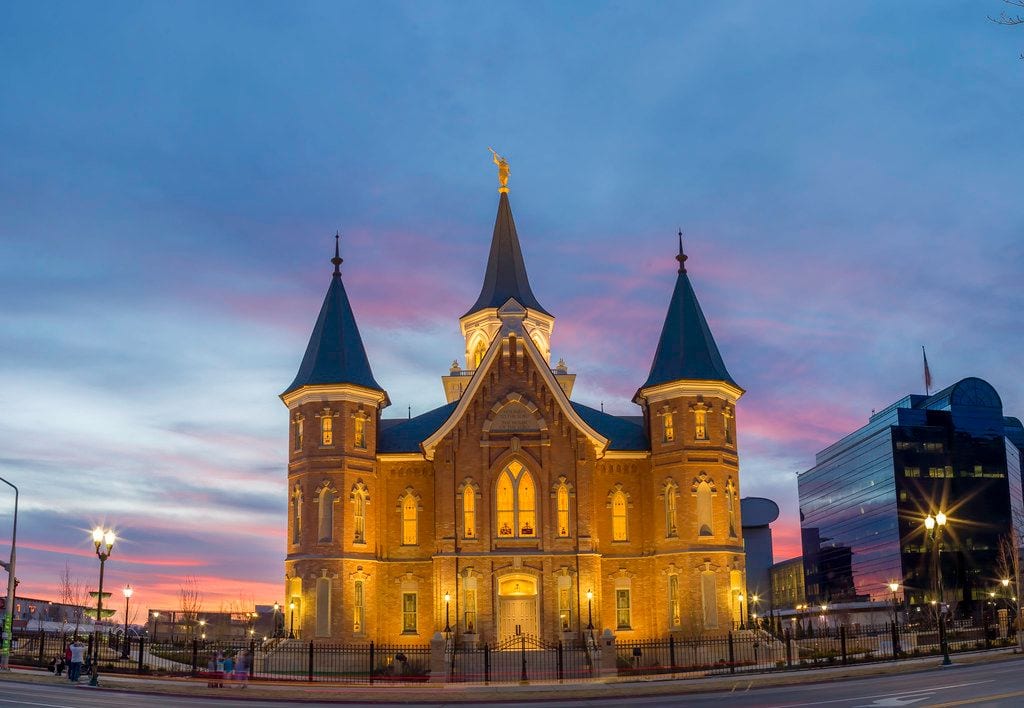
Provo City Center Temple, a temple of The Church of Jesus Christ of Latter-day Saints, was completed in 2016 on the site of the former Provo Tabernacle. The 19th-century tabernacle that once stood here was gutted by fire in 2010, and much of its spirit carries forward into the building that replaced it.
Design elements such as the wood-paneled ceiling and grand staircase deliberately echo the original tabernacle. Surrounded by manicured gardens in downtown Provo, the temple has become a genuine landmark and one of the area's most popular photo spots, drawing admirers to its detailed exterior and carefully tended grounds.
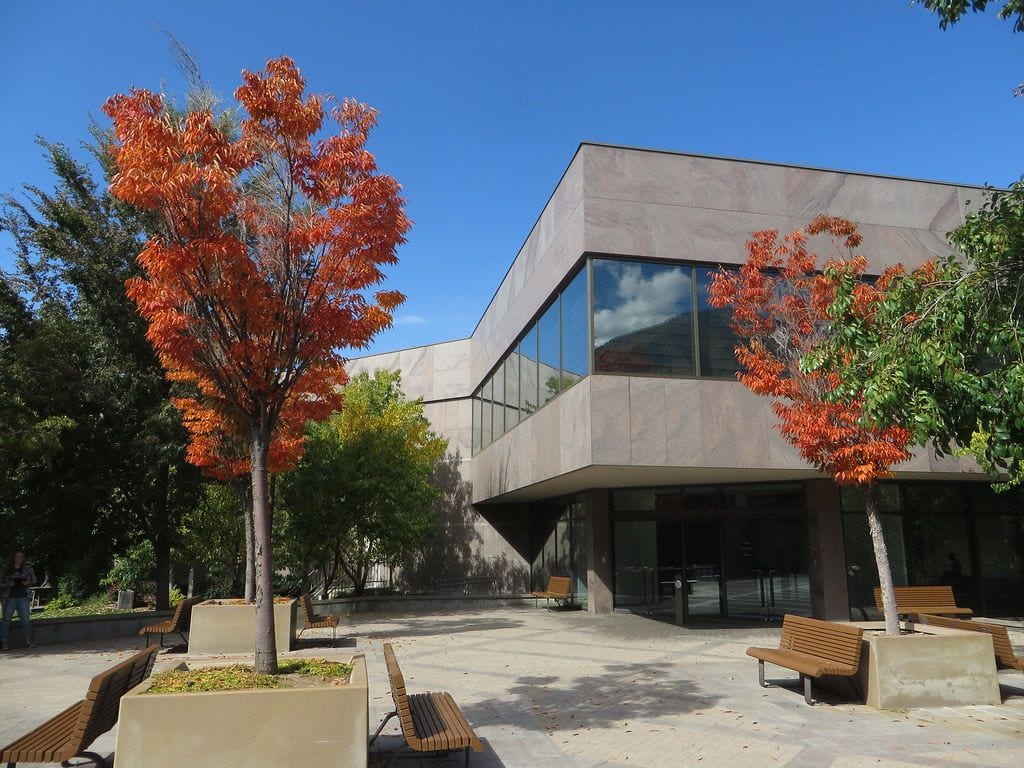
Brigham Young University's most acclaimed cultural venue, the BYU Museum of Art opened in 1993 and ranks among the best-attended campus art museums in the United States. Holding more than 17,000 works, it rotates world-class permanent and changing exhibits, and admission is always free.
The collection grew from the university holdings championed by art professor Wesley M. Burnside, whose vision gave the museum its foundation. Today its strengths lie in 19th-century European and American painting, alongside a lively showcase of local and student work that keeps the galleries rooted in the community.
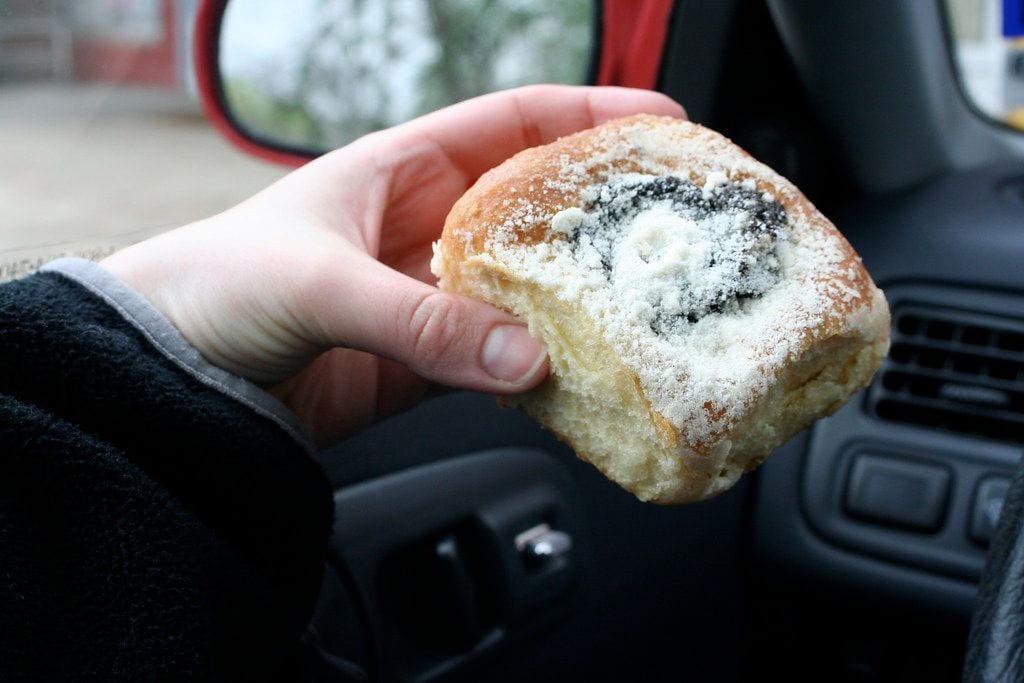
The Kolache Place, a beloved downtown Provo bakery on Center Street, opened in 2014 as Hruska's Kolaches before rebranding under its current name. Ross Hruska founded it using a treasured family recipe passed down from his grandmother, turning a personal tradition into one of Provo's favorite morning stops.
Kolaches are a Czech pastry, baked here in both sweet and savory flavors. They're the whole reason to come, and they often sell out by midday, so arriving early rewards you with the fullest case and the widest choice before the best batches disappear.
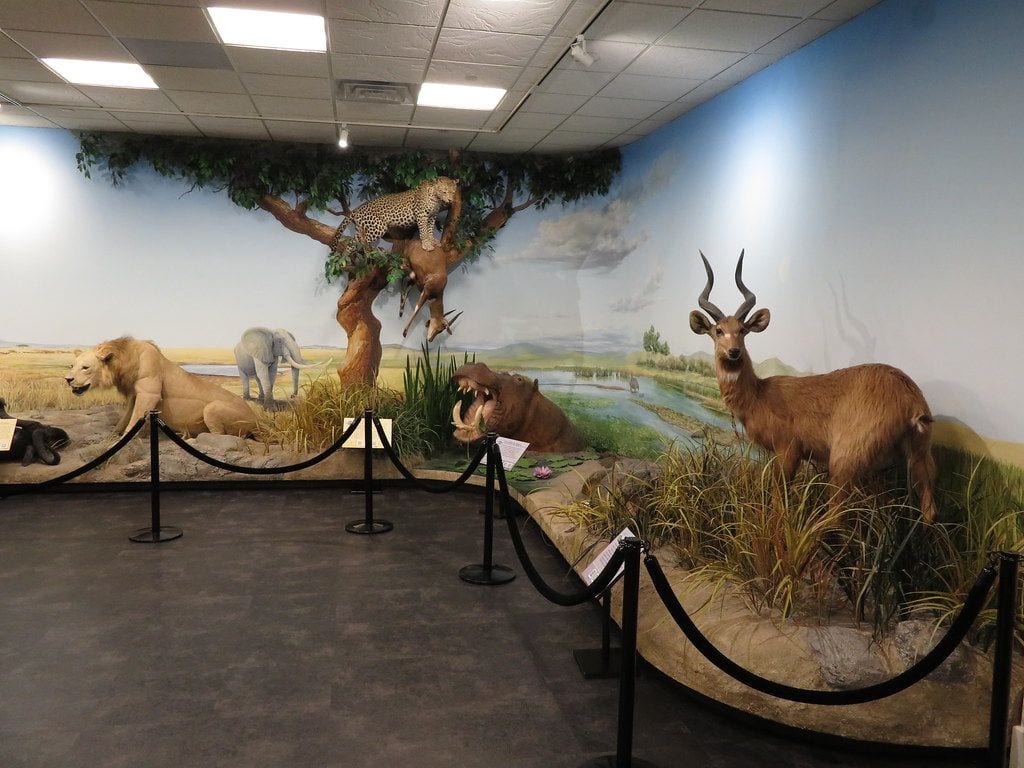
Bean Life Science Museum, a free natural-history museum on the BYU campus, opened in 1978 and takes its name from benefactor Monte Lafayette Bean. It holds a large collection of preserved animals, birds, reptiles and fish, drawing around 100,000 visitors each year to its galleries and displays.
A standout is the large fiberglass globe mapped with NASA satellite imagery, surrounded by detailed wildlife dioramas. Younger visitors gravitate to the hands-on children's discovery area, where a talking owl, a bear cave and a slide turn a lesson in the natural world into pure play.
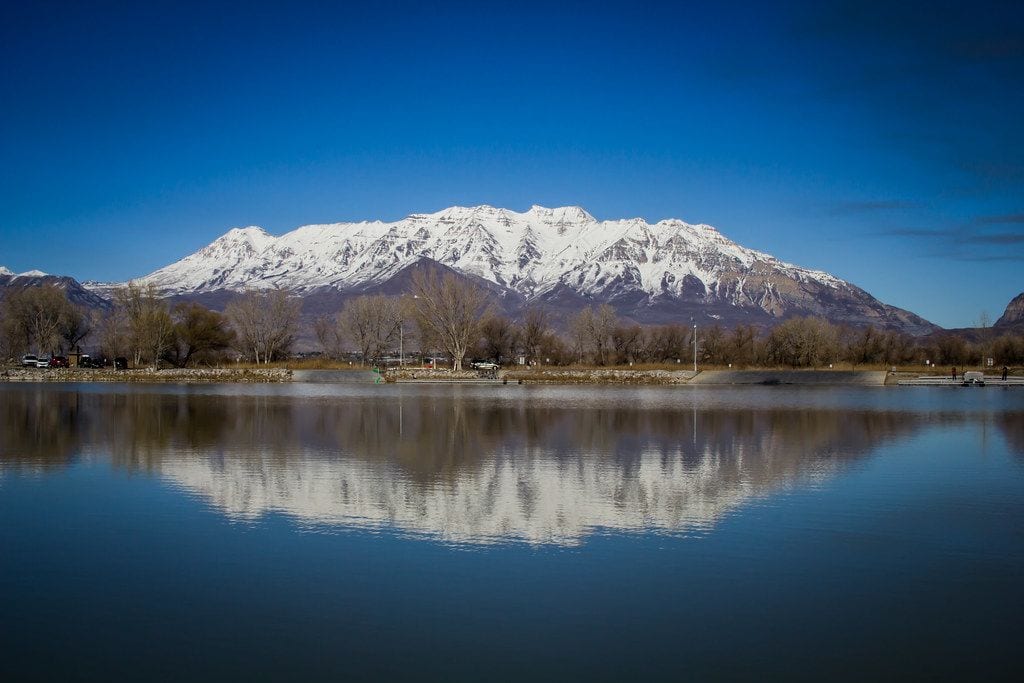
Utah Lake State Park sits at the west end of Center Street on the shore of Utah Lake, the largest freshwater lake in the state. Sprawling across roughly 96,000 shallow acres, the water draws boaters, sailors, canoeists and kayakers, while anglers work the shallows for a reliably productive day on the water.
Campsites accommodate both RVs and tents, each equipped with water, electricity, fire pits and picnic tables for an easy overnight stay. The visitor center rounds out the experience, displaying live fish alongside arrowheads and historical artifacts that trace the lake's long role in the region.
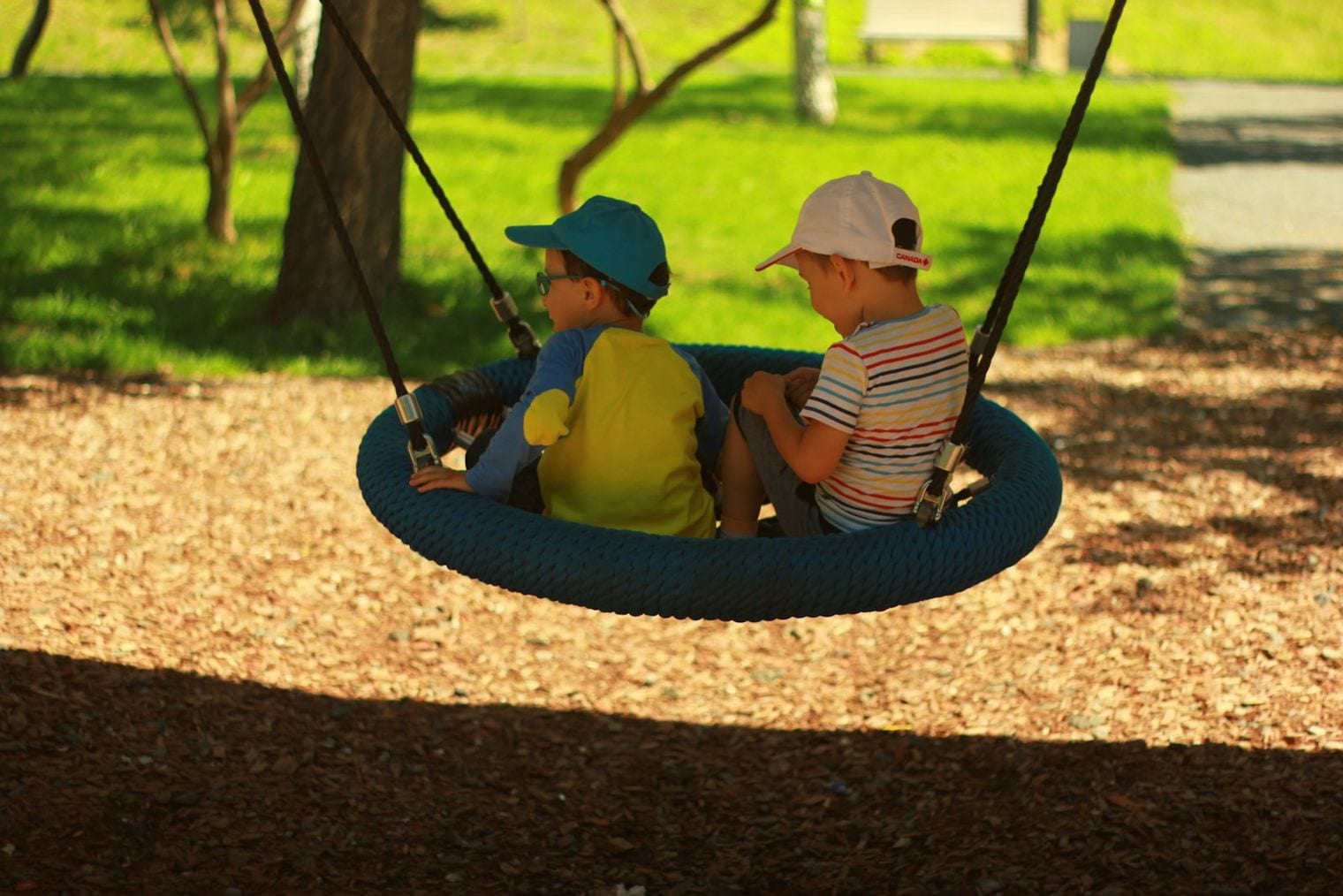
The All-Together Playground brings kids of every ability and age together across 19,000 square feet in Orem's City Center Park, roughly 15 minutes from Provo. As Utah County's first all-abilities playground, it was thoughtfully designed so children who play differently can still play side by side, no one left watching from the sidelines.
The build itself is remarkable: opened in 2016, the entire playground rose in a single week thanks to more than 4,000 volunteers. Kids explore zip lines, a rock-climbing wall, tunnels, swings and slides, with separate zones keeping under-fives and older children each in their element.
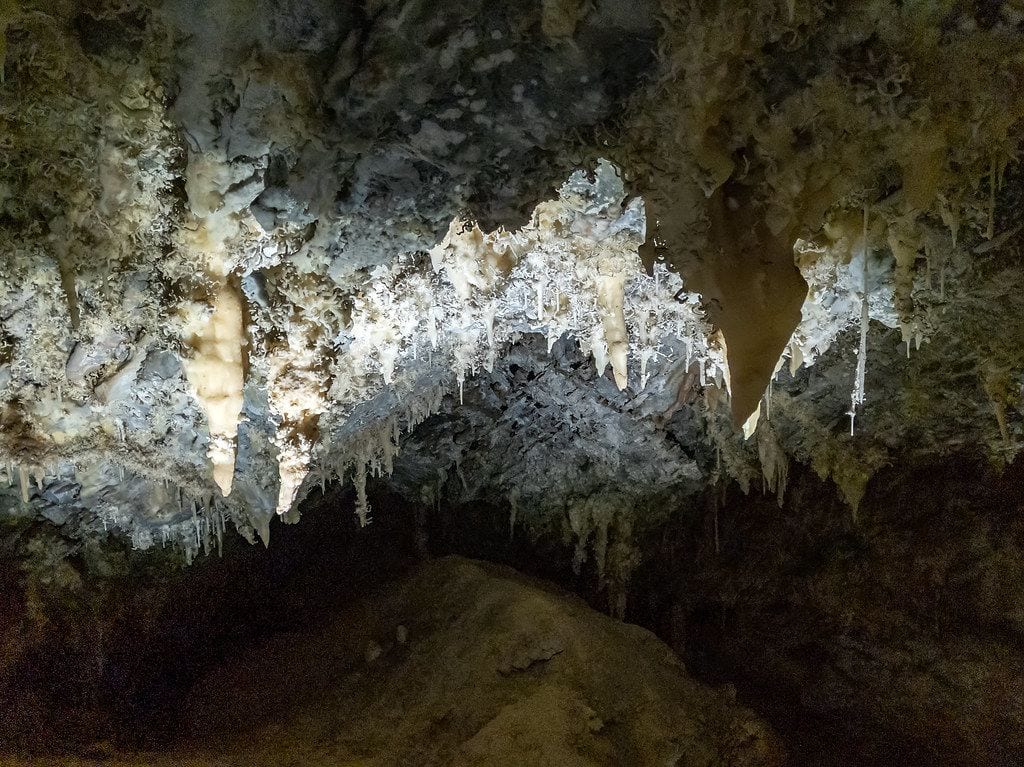
Timpanogos Cave National Monument sits in American Fork Canyon beneath Mount Timpanogos, established in 1922. Reaching it means a steep hike of about 1.5 miles, after which a ranger guides you through on a seasonal tour. There is no shortcut; the climb and the guide are part of the deal.
Three caves make up the system, Timpanogos, Hansen and Middle, joined by man-made tunnels. Inside you will find colorful formations and fossilized shells embedded in the walls, remnants of an ancient shoreline. It stays cool year-round, around 46°F (8°C), so bring a layer for the underground stretch.
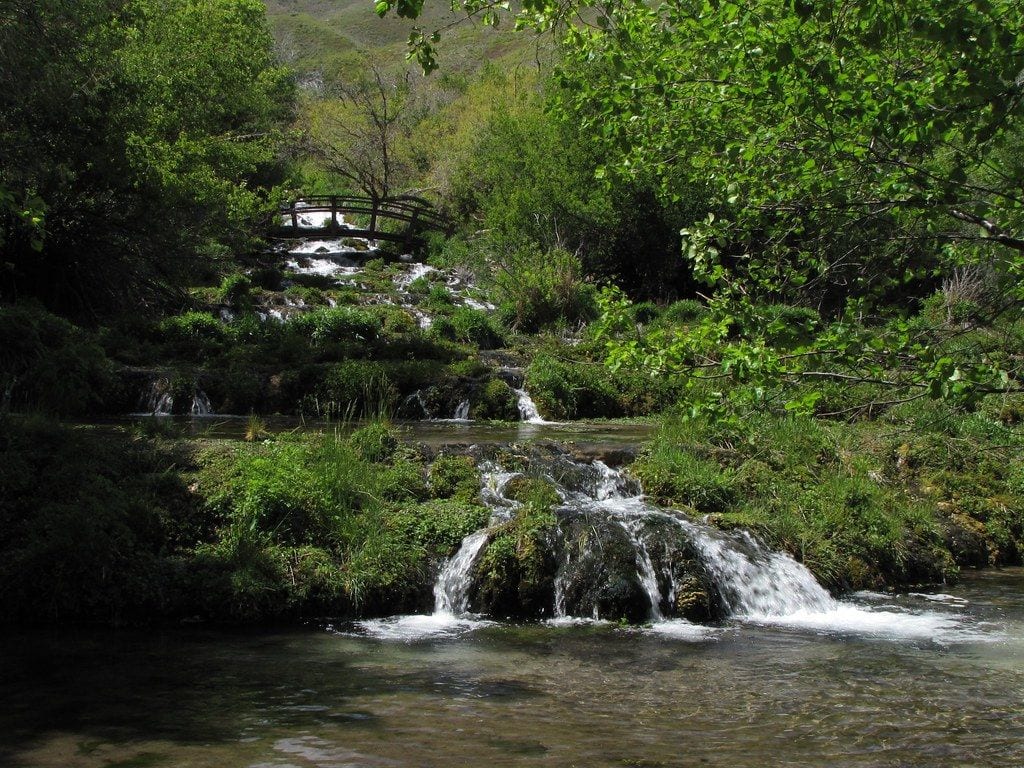
Cascade Springs is an artesian spring along the Alpine Scenic Loop, where water rises to form naturally terraced cascades and clear pools set against the Wasatch mountains. Boardwalks, bridges and benches frame scenic views of the ponds and waterfalls, while three easy loop trails, each about fifteen minutes, circle the whole area.
The shallow, clear ponds are a fine place to spot trout gliding through the water. Wildflowers peak across summer, and the surrounding foliage turns rich colors come fall, making the timing of a visit part of the appeal. The springs are typically accessible from May through October, once the mountain roads open.
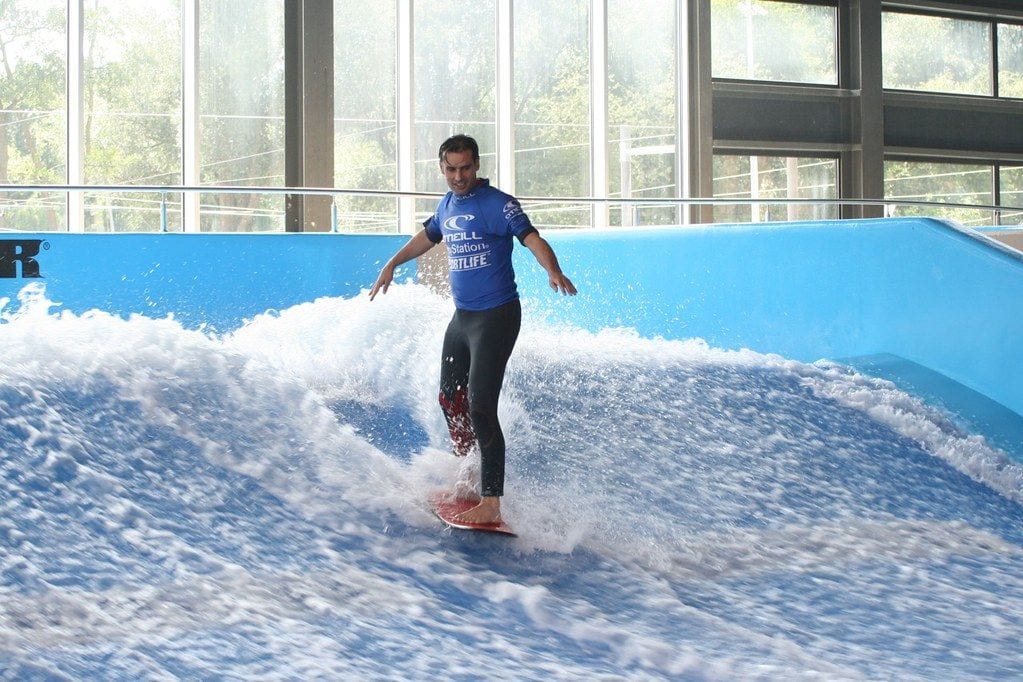
Provo Beach is a 50,000-square-foot, two-level indoor family entertainment center in north Provo. Its signature draw is an indoor FlowRider wave where you can surf year-round, no ocean required. It's a genuine all-weather playground built for restless kids and adults who never quite grew out of the arcade.
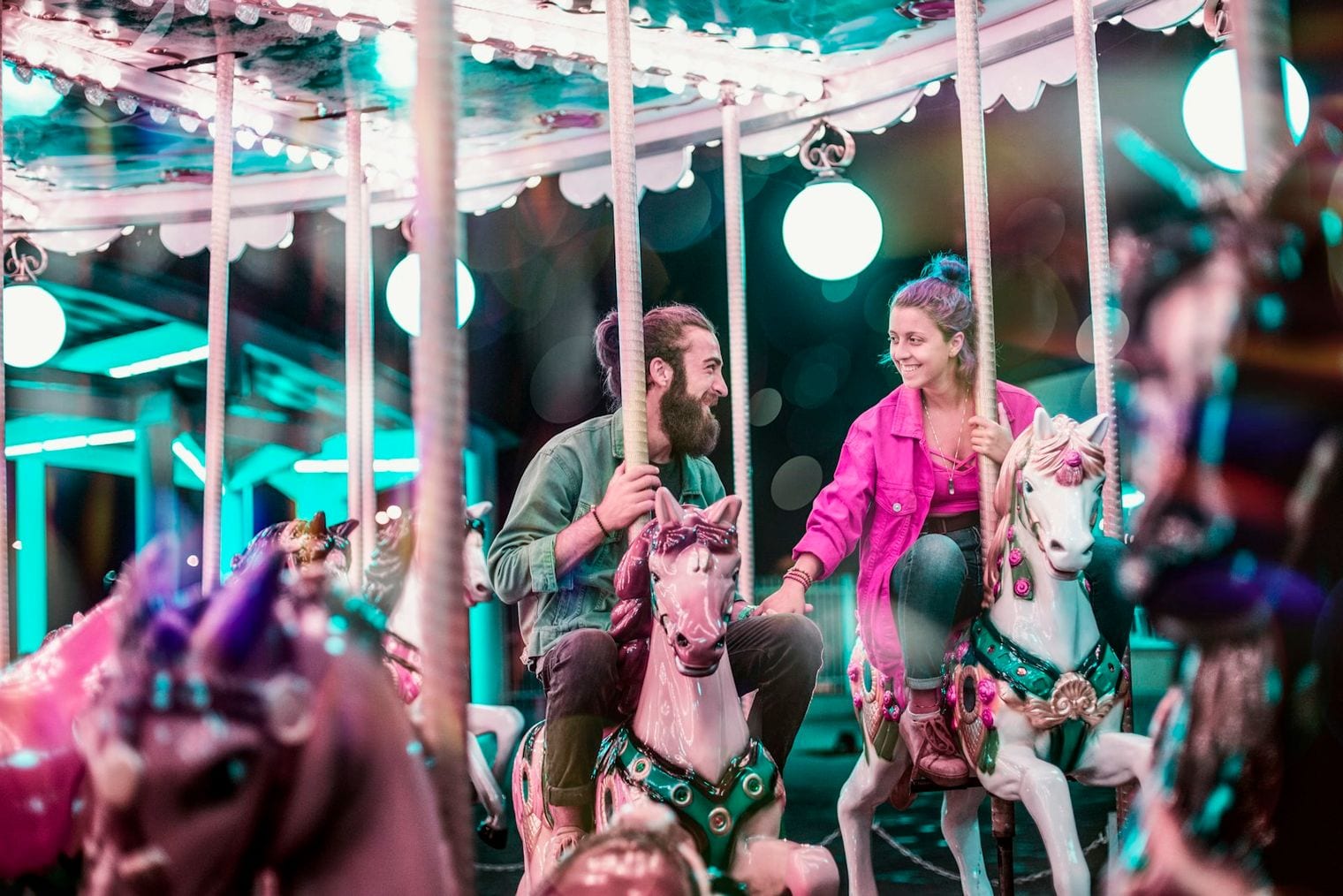
Beyond the wave, you'll find bowling lanes, golf simulators, mini golf, a laser-tag arena, a ropes course and a buzzing arcade. Little ones get a dedicated toddler area and a carousel, and everyone can wind down with a scoop at the old-fashioned ice-cream parlor. One roof, a full day of play.
Waffle Love began as a single hand-painted food truck in 2012, launched by former banker Adam Terry with a simple bet on gourmet Liège waffles. The gamble paid off: a permanent Provo location followed in 2014, and the dense, caramelized Belgian-style waffle has since grown into a beloved multi-state brand.
The menu leans indulgent, from the cinnamon-dusted Churro to a decadent Banana Cream Pie, but savory waffles hold their own too. Build-your-own options let you stack toppings to taste, so whether you crave dessert or something heartier, there is a warm, pressed waffle waiting with your name on it.
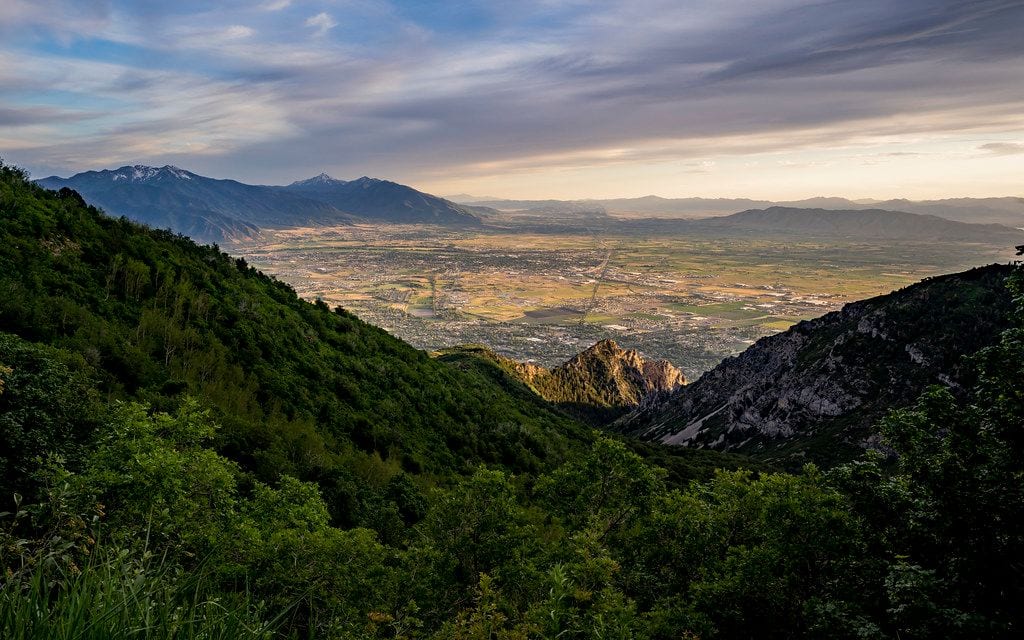
Kyhv Peak Overlook rewards the climb with sweeping views across Utah Valley and the wide silver expanse of Utah Lake. Perched high above Provo Canyon, this scenic vantage point was formerly called Squaw Peak Overlook; the summit was officially renamed Kyhv Peak in 2022, "kyhv" meaning "mountain" in the Ute language.
Reach it on foot via one of the longer canyon trails, or simply drive up to the parking area at the top. Come after dark, when the valley below dissolves into a glittering carpet of city lights. It is a favorite spot for watching Provo glow, whether you hike hard or roll in easy.
Nielsen's Grove Park in Orem, near Provo, is the oldest park in Utah, first established in 1880 by Danish immigrant Jorgen Nielsen. Spread across roughly 21 acres, this city park pairs local heritage with unexpected charm, anchored by European-castle-style gardens that bloom with tulips each spring and a tranquil reflecting pool.
Wander the walking path past a duck pond, or let the kids loose on the playground and carousel swing. Picnic pavilions come with grills for a relaxed afternoon, while Nielsen's Grove Museum tells the story of the Nielsen family and the surrounding area's history. It is a genuinely layered stop for a leisurely visit.
Pioneer Book has anchored West Center Street since Provo native Richard Horsley founded it in 1980. Grown into one of the largest independent used and rare bookstores in Utah, it shelves tens of thousands of titles and keeps a photogenic storefront that has become a downtown landmark in its own right.
Browsers come for the depth: a notable specialty in rare Latter-day Saint books, plus a small new-books section for good measure. The staff bring varied specialties of their own, so a passing question about an obscure author or edition often turns into a genuinely knowledgeable conversation.
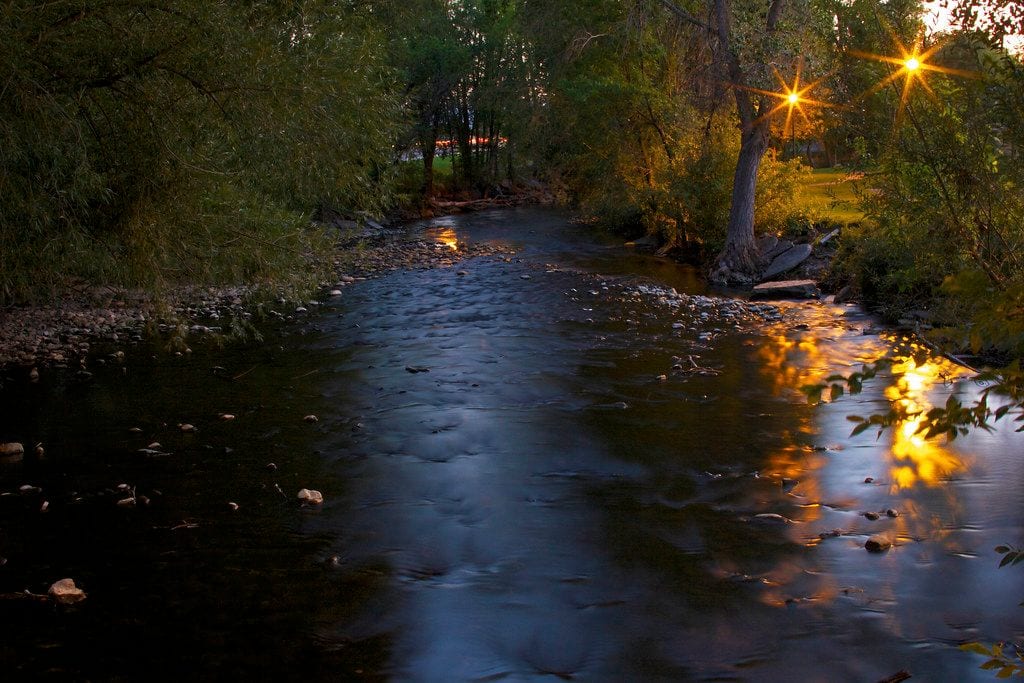
Paul Ream Wilderness Park is a quiet, centrally located Provo escape tucked beside the Provo River, which you cross to reach it. Spanning roughly seven acres, this peaceful green space trades city bustle for wide grassy areas, shady pavilions, and easy calm. It is an inviting place to slow down, spread out, and breathe.
The park is built for unhurried afternoons, with picnic tables and grills set beneath the pavilions for a relaxed cookout. A small duck pond adds a gentle focal point, while a modest playground keeps younger visitors busy. Between the open lawns and riverside quiet, it makes an effortless spot for picnics and easygoing relaxation.
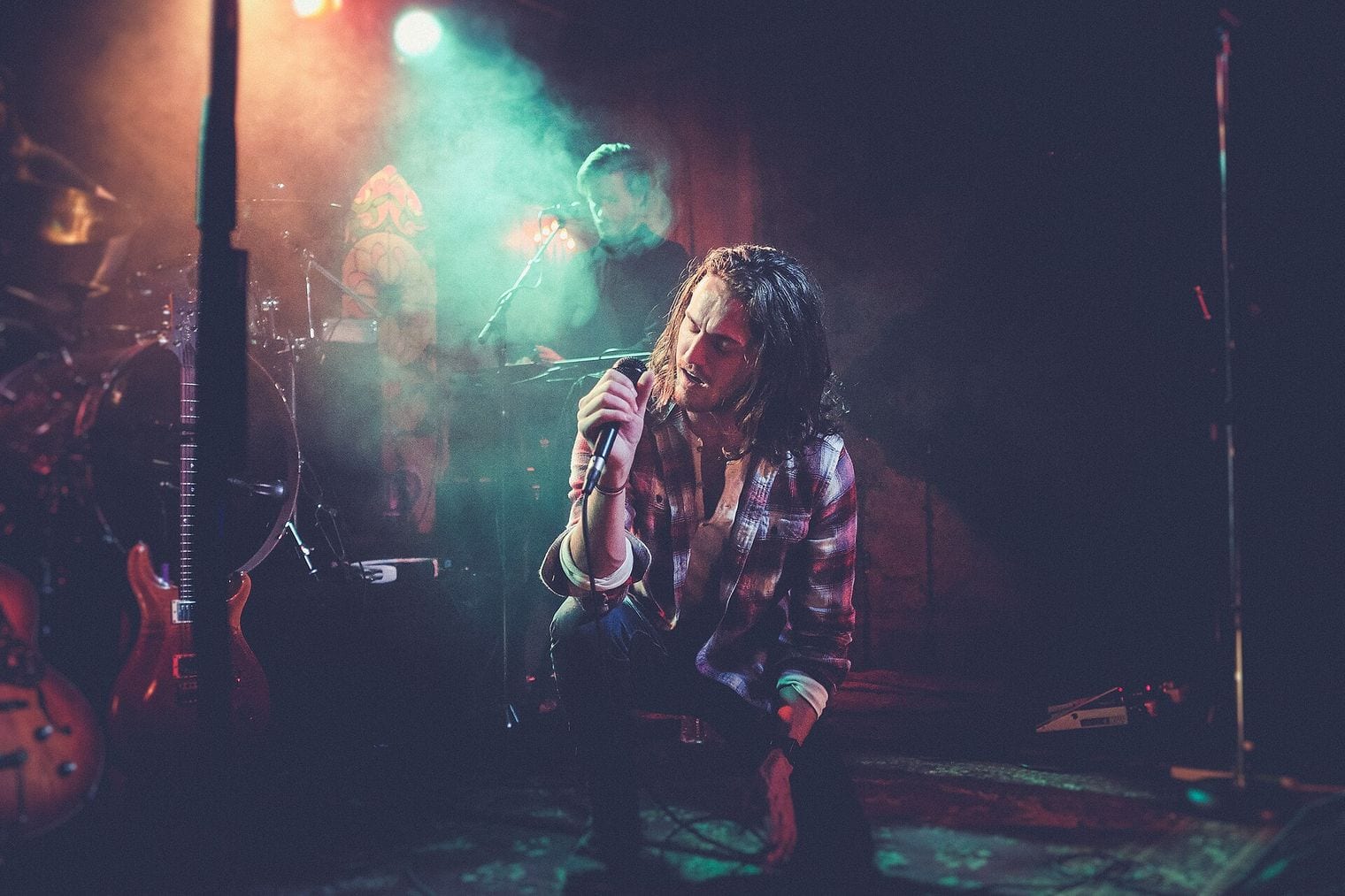
Velour Live Music Gallery is an all-ages, smoke- and alcohol-free venue on University Avenue in downtown Provo. Founded in 2006 by Corey Fox, it built its reputation on artist development and a carefully curated mix of genres, welcoming everyone through the door regardless of age.
That focus turned Velour into a genuine launch pad, sending bands like Imagine Dragons and Neon Trees toward wider audiences. Musicians and crowds alike praise the room for its atmosphere and consistently high-quality performances, making it one of downtown Provo's most beloved cultural fixtures.
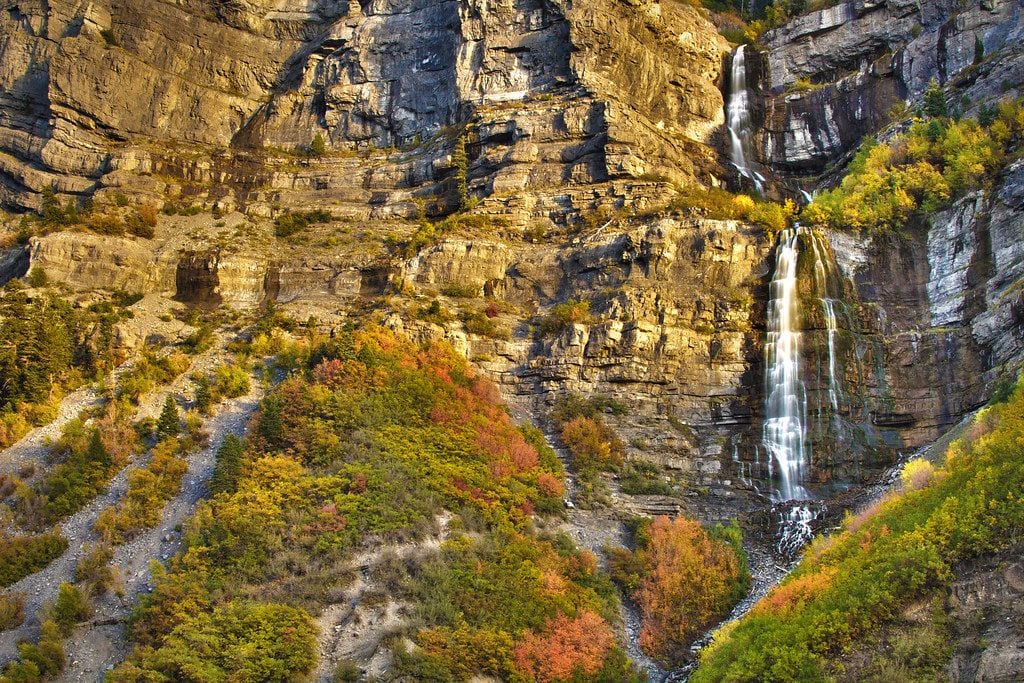
Bridal Veil Falls is one of the tallest waterfalls in Utah, a double cascade dropping more than 600 feet down the cliffs of Provo Canyon. You can take it in from the roadside pullout for an easy look, or lace up for the short walk to the base, roughly 1.5 miles, where the twin ribbons of water thunder overhead.
Come in the morning to beat the crowds and catch the falls at their quietest. Just nearby, the small three-acre Bridal Veil Falls Park makes an easy add-on, with picnic tables, grills and gentle walking paths that turn a quick photo stop into a relaxed afternoon in the canyon.
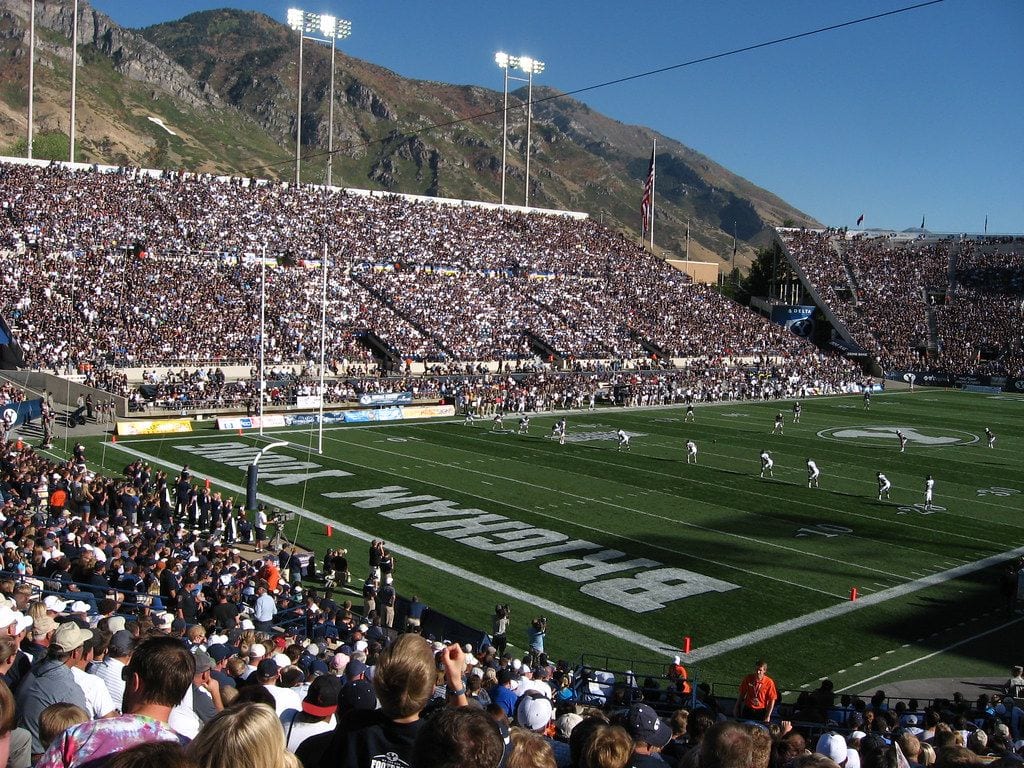
LaVell Edwards Stadium sits on the BYU campus in Provo, an outdoor arena ringed by mountain views and home mainly to Cougars college football. It opened in 1964 as Cougar Stadium, then was renamed in 2000 to honor LaVell Edwards, who served as BYU's head coach for 29 seasons.
Beyond game days, the stadium hosts events like the summer Stadium of Fire celebration. It also draws crowds to a popular seasonal farmers market, where local vendors offer fresh produce, baked goods, handmade crafts and food tastings, making the grounds a lively gathering place well outside football season.
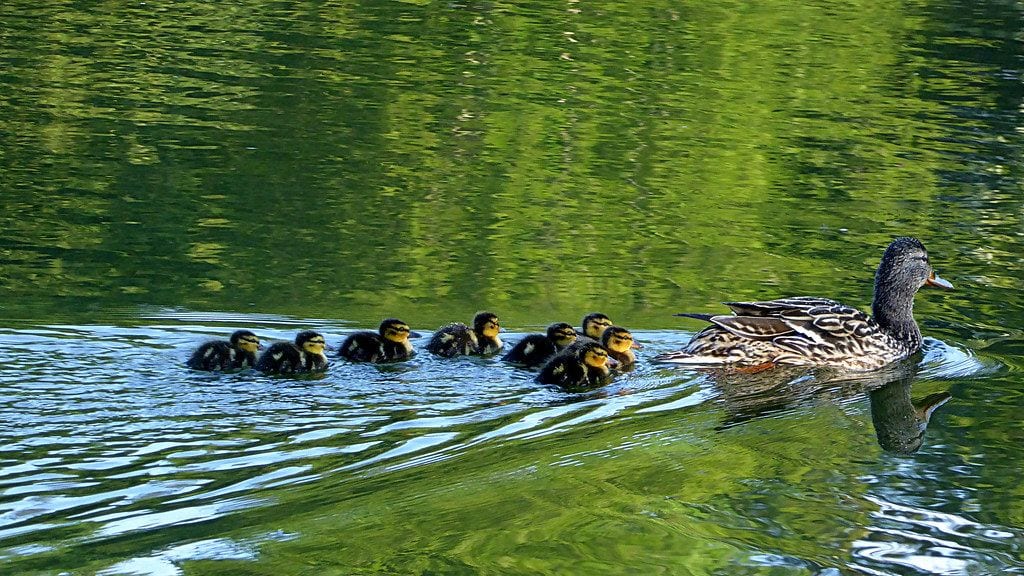
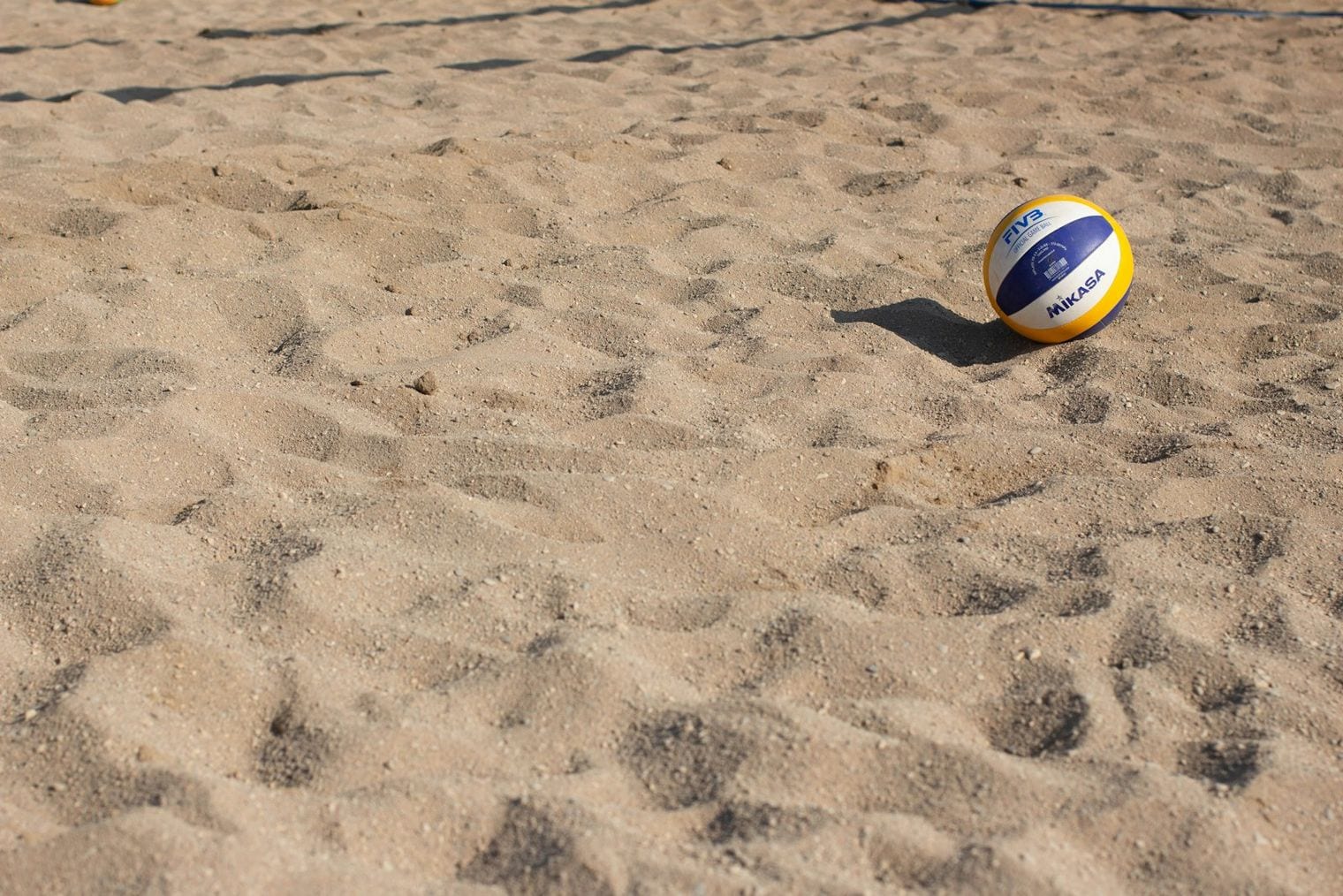
Highland Glen Park sits in Highland, Utah, about half an hour from Provo, and packs a lot into roughly 3.25 acres. It centers on a pond so large it nearly qualifies as a small lake, dotted with ducks and geese. A sandy beach edges the water, there is a beach volleyball court, and swimming is possible when the weather cooperates.
Families spread out across grassy areas and a playground, while a big free-to-use pavilion comes stocked with grills for a cookout. Anglers can drop a line with a permit, and the park connects to the longer Murdock Canal Trail, so a quick visit can easily stretch into a walk or ride beyond the water.
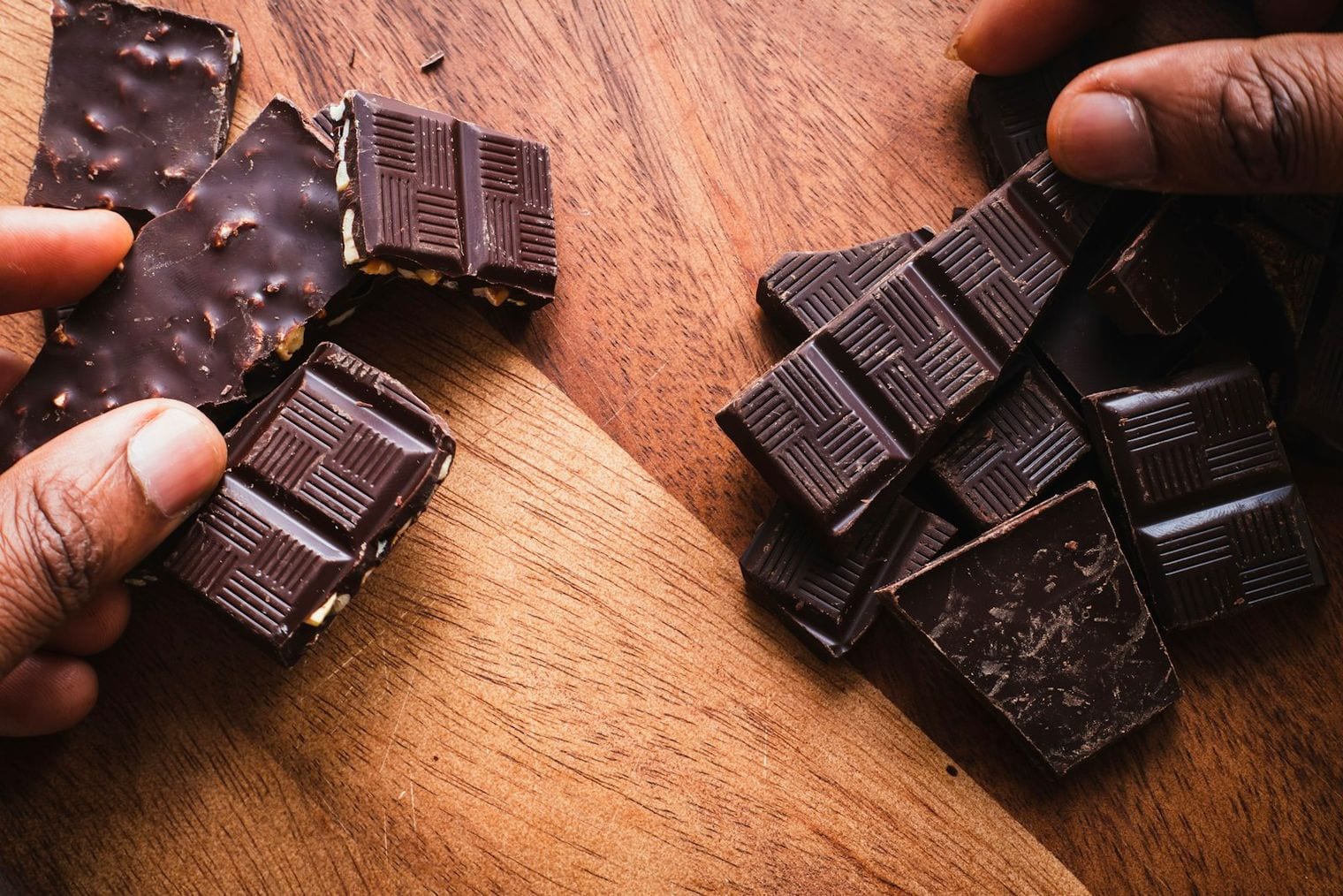
Taste is an artisan chocolate shop, small factory, cafe and tea room rolled into one, sitting on University Avenue in downtown Provo. Watch chocolate being made, join a factory tour, or sign up for a chocolate-making class and tasting. Everything is crafted fresh on site.
If you would rather just eat, order desserts like chocolate lava cake, brownies or frozen hot chocolate. The "Explore" collection spotlights chocolate flavors gathered from around the world, turning a simple sweet stop into a small tour of global cocoa.
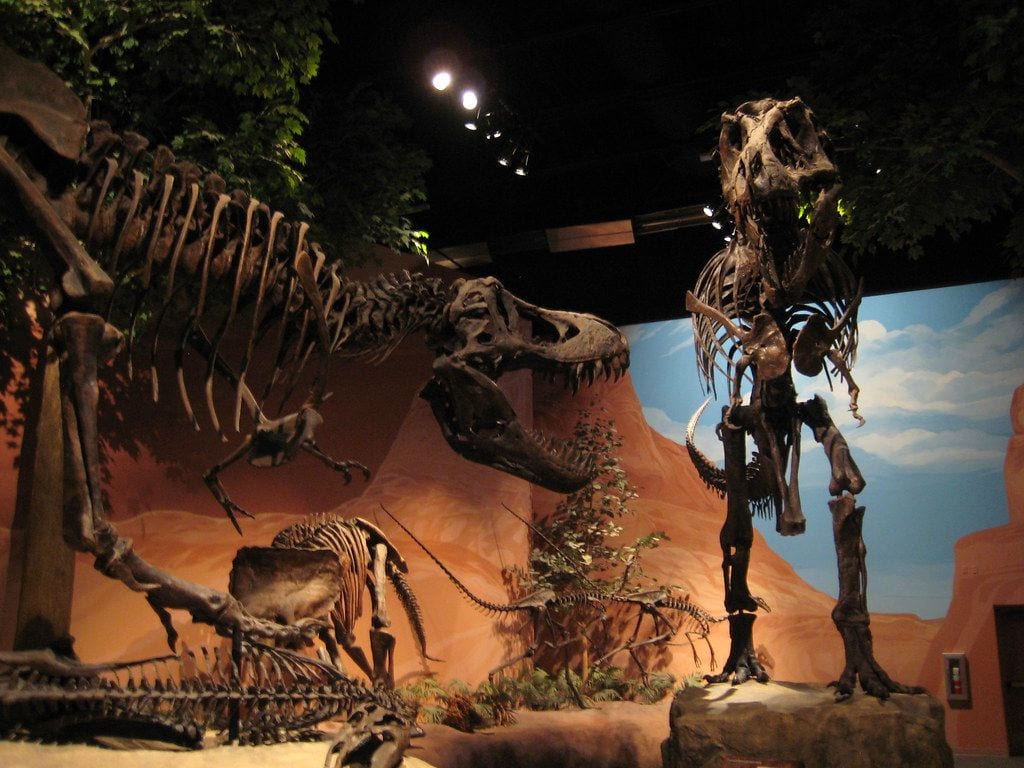
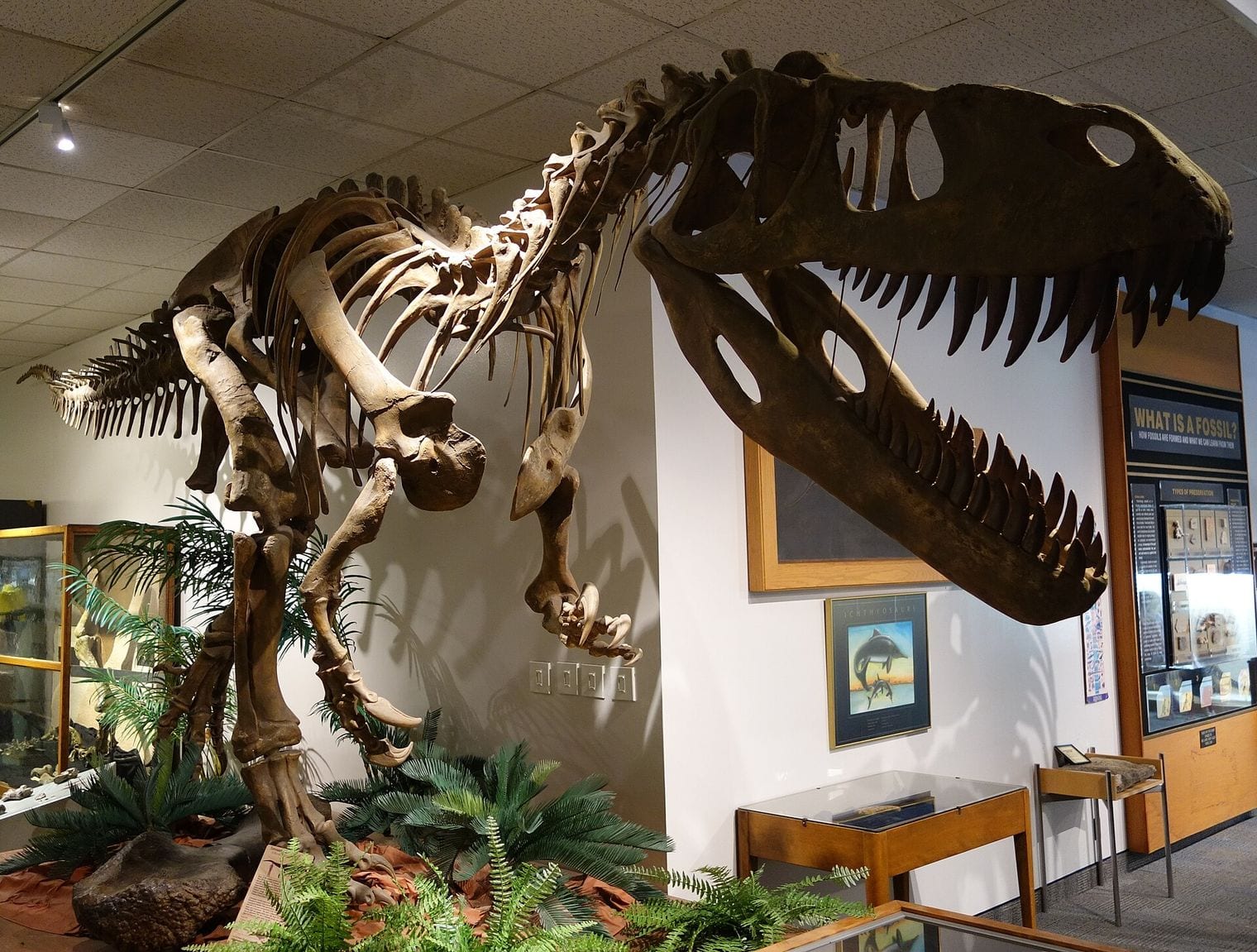
BYU Museum of Paleontology sits just off the BYU campus, a small and free stop that opened in 1976 around a fossil collection donated by paleontologist James A. Jensen, better known as "Dinosaur Jim." Once the BYU Earth Science Museum, it took its current name in 2009 and now draws roughly 25,000 visitors a year.
It holds one of the largest dinosaur collections anywhere, with full-sized displays of towering Jurassic predators and a giant sloth. Because it doubles as a working research center, a viewing window lets you watch paleontologists carefully prepare fossils, turning a quick visit into a look at real science in progress.
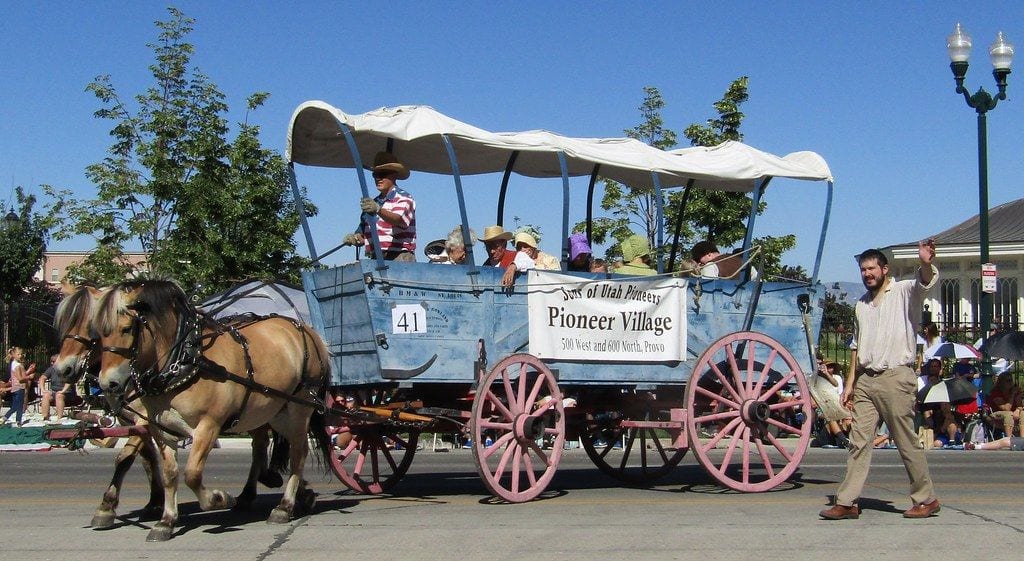
Provo Pioneer Village is an open-air history museum run by the Daughters and Sons of Utah Pioneers, recreating life in Provo during the mid-to-late 1800s. As one of Utah's oldest open-air museums, it gathers period furniture, clothing, tools, guns, art and photographs into a vivid portrait of frontier settlement.
The real draw, though, is the collection of original pioneer buildings: a one-room schoolhouse, a log cabin and a working blacksmith shop, all preserved on site. Admission is free, and the village opens seasonally through the summer, making it an easy, atmospheric stop for anyone curious about Provo's earliest days.
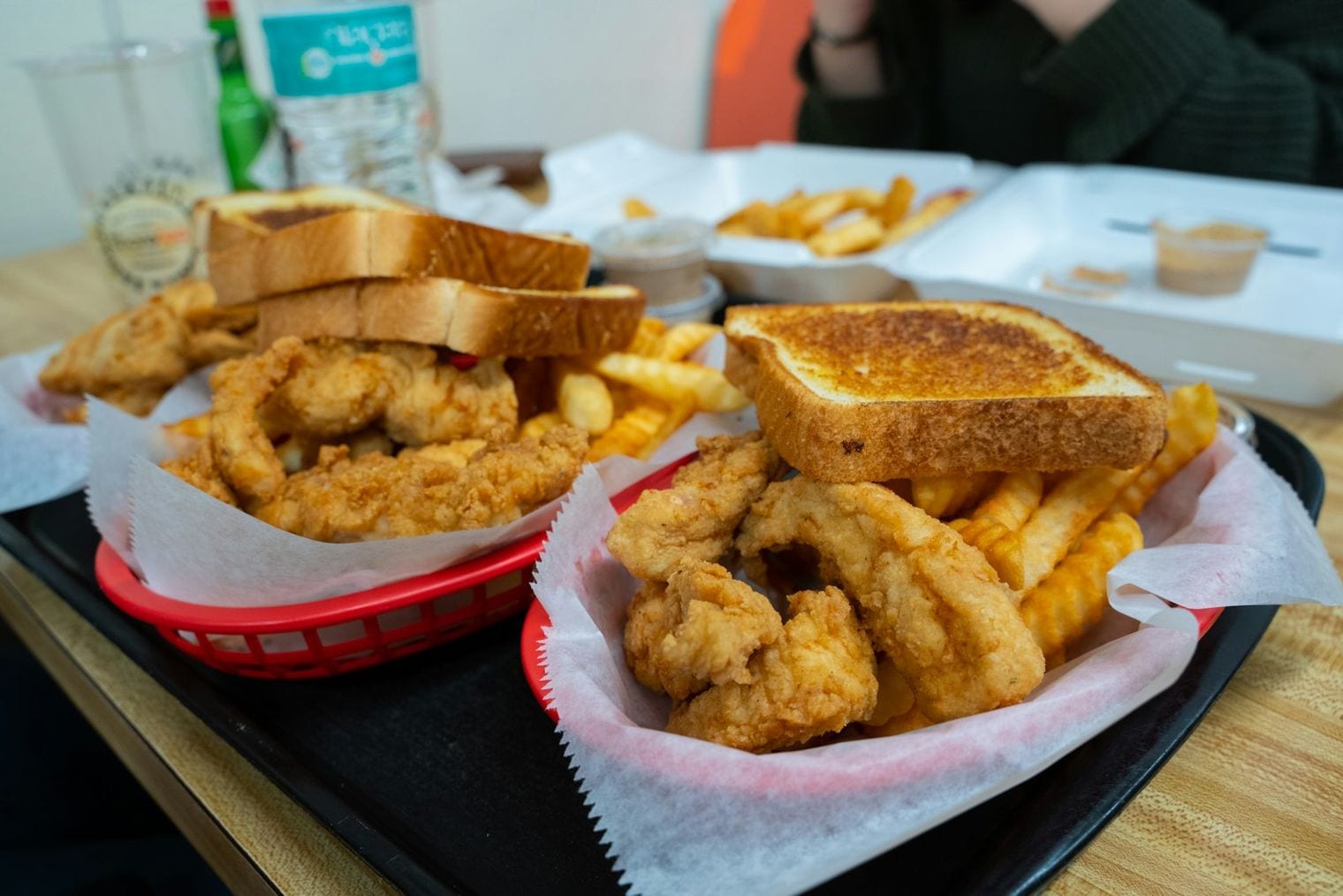
Station 22 sits on Center Street in downtown Provo, a cafe locals and travelers return to for Southern-style comfort food served in generous portions. The kitchen leans into indulgence, turning out crisp fried chicken, the hearty Whiskey burger, bacon mac and cheese, and deep-fried cookie dough that closes a meal on a sweet high.
It stays alcohol-free, but the drinks list is anything but dull. A sprawling menu of specialty sodas anchors the experience, headlined by a signature house root beer poured into oversized mugs. It is the kind of hearty, no-frills spot that rewards a big appetite and a serious sweet tooth.
Getting to Provo
Provo sits directly on Interstate 15, the main north-south freeway of Utah’s Wasatch Front, so most visitors arrive by car straight down the corridor. US-89 threads through town as a parallel surface route, and US-189 branches northeast up Provo Canyon toward the mountains, giving you a scenic back way in from the resort country. From the north the drive down from the state’s largest metro area takes about an hour in normal traffic.
The city has its own small commercial airport for a handful of regional and leisure routes, but the region’s major hub is the international airport up north, roughly an hour away by car on I-15, where you’ll find the widest choice of connections. Provo is also one of the few Utah cities with real rail service: a downtown intermodal station anchors the commuter-rail line up the Wasatch Front, a long-distance transcontinental train stops a block away, and interstate and local buses share the same hub, so you can reach the city without driving at all.
Getting Around Provo
Downtown and the university district are the most walkable parts of Provo, with the campus, Center Street, and the surrounding blocks easy to cover on foot, and a bike does the rest thanks to the flat valley grid. For anything beyond that core, though, plan on a car: the city sprawls along the valley floor and the interesting outdoor sights sit up canyons or across the lake, none of them close together.
Local buses and the commuter-rail station downtown handle trips up and down the Wasatch Front, and rideshare is easy to hail in and around the campus and city center. Parking is rarely a headache away from the university, with plenty of surface lots and street parking around downtown, the shopping districts, and the lakeshore parks; the tightest squeeze is right around campus during term, so basing yourself somewhere with its own lot spares you the hunt.
Where to Stay in Provo
For a first visit, base yourself downtown or in the adjacent university district: you’re within walking distance of Center Street, the Provo City Center Temple, the Covey Center for the Arts, and the Brigham Young University Museum of Art, and you can leave the car parked most of the day. This central zone is the liveliest and most convenient, and it puts the commuter-rail station and bus hub at your doorstep for trips up the valley.
If you’d rather trade walkability for quiet and easy driving, look to the neighborhoods strung along the interstate at the edge of town, which make a painless base for road-trippers and anyone catching an early flight up north. Families and lake-goers often prefer the calmer residential districts out toward Utah Lake State Park and the riverside shopping area, while staying near campus suits anyone visiting the university or the arts venues clustered around it.
Where to Eat in Provo
The densest concentration of places to eat is downtown along and around Center Street, where cafes and restaurants fill the historic storefronts, backed up by the university district’s student-friendly spots and the cluster of sit-down dining at the riverside shopping center. These three districts cover most of what you’ll want, from a quick weekday lunch to a proper dinner out.
Utah’s food leans hearty and comforting, and Provo is a good place to try the local staples: fry sauce with your burger and fries is practically a regional signature, along with Dutch-oven and grilled meats, honey-glazed rolls, and the state’s famous frozen custard and thick fruit shakes. A strong Latin American presence means excellent tacos and other Mexican fare are easy to find, and the university crowd keeps a broad range of international and vegetarian cooking on the menus.
One Day in Provo
Provo hands you the best of two worlds in a single day — a wall of Wasatch canyon country to the east and a walkable college downtown at its feet — so the trick is to chase the open air while the light is fresh, then fold back into the city as the afternoon warms up.
Morning: Start where the mountains do. Drive up into Provo Canyon for Bridal Veil Falls, a double-cascade that drops several hundred feet right beside the road — the paved path to its base is short enough to do before breakfast and dramatic enough to set the tone for everything after. If you’d rather have water at your feet than overhead, swing west instead to Utah Lake State Park, where the marina and shoreline give you that big, flat, mountain-ringed view Utahns take for granted. Either way, reward the early start with a warm bite from The Kolache Place on your way back into town.
Afternoon: Point yourself at the Brigham Young University campus, where three collections sit within an easy walk of one another. The Brigham Young University Museum of Art anchors the visit with real gallery heft, then it’s a short stroll to the taxidermy dioramas of the Bean Life Science Museum and the fossil halls of the BYU Museum of Paleontology — a lot of ground covered without ever getting back in the car. Football fans can detour past the bulk of LaVell Edwards Stadium before heading downtown, where the pale spires of the Provo City Center Temple mark the historic center and the shelves of Pioneer Book reward a slow browse.
Evening: Settle in downtown for the night. Dinner at Station 22 leans into scratch-made comfort food and is the kind of local room that fills up for a reason, and Provo’s small-but-fierce scene keeps the lights on afterward at Velour Live Music Gallery, an all-ages gallery that has launched more than one nationally known act. If you have a second day, save it for the mountains proper — Timpanogos Cave National Monument is a strenuous switchback climb to a genuine cave system and deserves a morning all to itself.
Free Things to Do in Provo
Provo is an easy city to enjoy on a budget, with plenty of no-cost stops mixed in among the ticketed attractions. Several of the area’s best experiences are completely free, so you can fill a day without spending much at all.
Wander the free galleries of the BYU Museum of Art and the Bean Life Science Museum, both open to the public at no charge on the Brigham Young University campus, then walk over to the small, free BYU Museum of Paleontology to watch fossils being prepared. Downtown, admire the exterior and gardens of the Provo City Center Temple and browse the shelves at Pioneer Book. Outdoors, you can view Bridal Veil Falls from the roadside pullout, drive up to Kyhv Peak Overlook for valley views, or spend an afternoon at neighborhood parks like Paul Ream Wilderness Park, Nielsen’s Grove and Highland Glen, all free to enter.
Day Trips from Provo
The easiest escapes are the ones right on Provo’s doorstep. Head up Provo Canyon just northeast of town, past Bridal Veil Falls, and within under an hour you reach a mountain resort valley and, a little farther on via the Alpine Scenic Loop, a national monument famous for its guided cave tours tucked into the Wasatch range. The big metro area an hour north makes an easy urban day out, and the shore of Utah Lake right in town is worth an unhurried afternoon of its own.
For a longer, bucket-list run, point the car southeast toward Moab, roughly three-plus hours away through central Utah’s canyon country; it’s the gateway to some of the state’s most spectacular red-rock parks and a natural overnight if you want to do it justice. The drive itself, threading down out of the mountains into the desert, is half the reward.
FAQ: Visiting Provo
What is Provo known for?
Provo is best known as the home of Brigham Young University and the largest Missionary Training Center of The Church of Jesus Christ of Latter-day Saints. It is also known for its dramatic setting between Utah Lake and the Wasatch Mountains, with Provo Canyon and Bridal Veil Falls just outside town.
Is Provo worth visiting?
Yes. Provo packs a lot into a compact area — free university museums, a walkable downtown of theaters and cafes, and quick access to canyons, waterfalls and Utah Lake. Its central location also makes it a handy base for exploring more of Utah Valley and beyond.
How many days do you need in Provo?
One to two days is enough to see the highlights — the downtown, the BYU campus museums and a canyon outing. If you want to add hiking, Utah Lake, Timpanogos Cave and nearby parks, plan on three days or more.
What is the best time to visit Provo?
Late spring (mid-April to May) and early fall (September to October) offer mild weather and thinner crowds. Summer is warm and busy and best for lake and canyon activities, while some mountain attractions like Timpanogos Cave and Cascade Springs are only open in the warmer months.
Is Provo good for families?
Very much so. Family favorites include Thanksgiving Point, Provo Beach, the All-Together Playground in Orem, and the Bean Life Science Museum, plus easy parks and lakeside spots. Many of the top attractions are geared toward kids and all-ages visitors.
How far is Provo from Salt Lake City?
Provo sits about 45 miles south of Salt Lake City, roughly a 45-minute to one-hour drive up Interstate 15, which makes it an easy day trip in either direction.
Do you need a car to get around Provo?
Downtown Provo and the BYU campus are walkable, but a car is helpful for reaching the canyon, Utah Lake, Timpanogos Cave and the parks in nearby Orem, Highland and Lehi, several of which are a short drive from the city center.