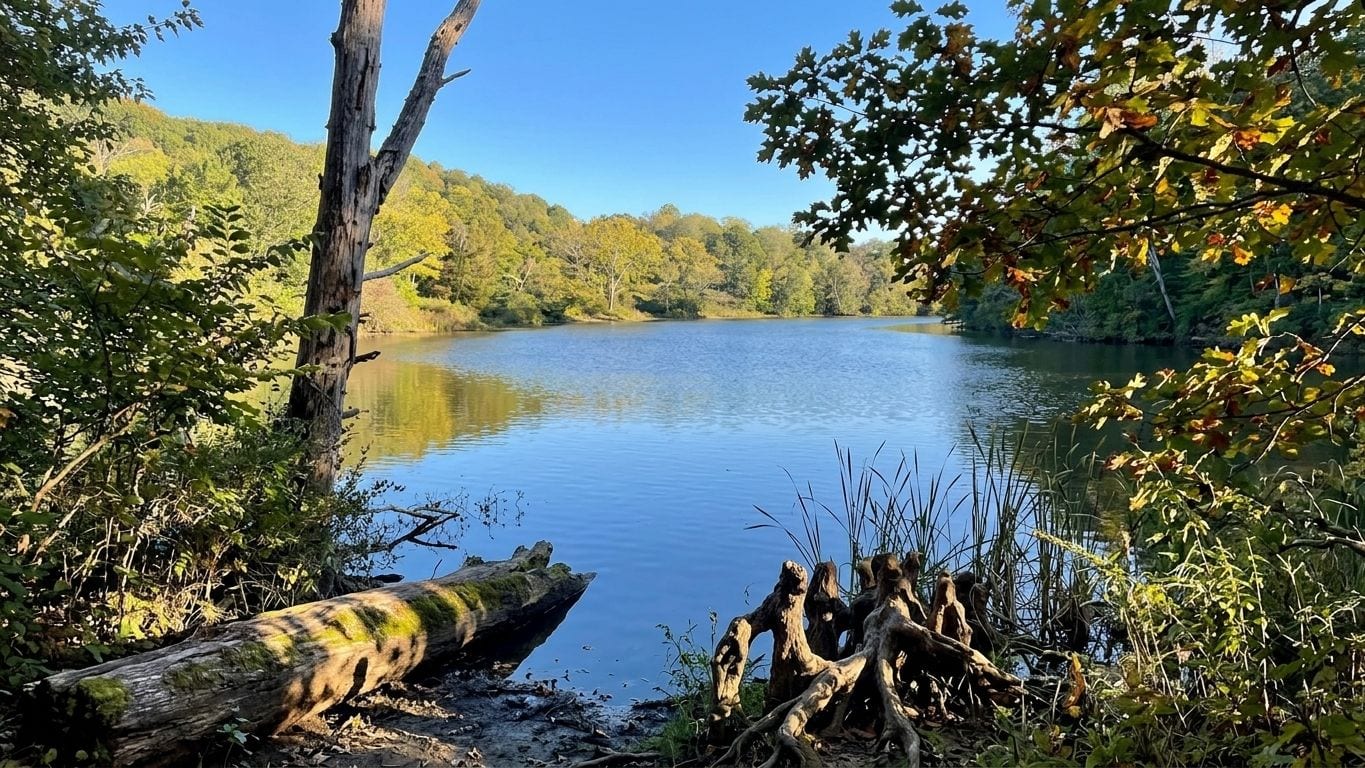
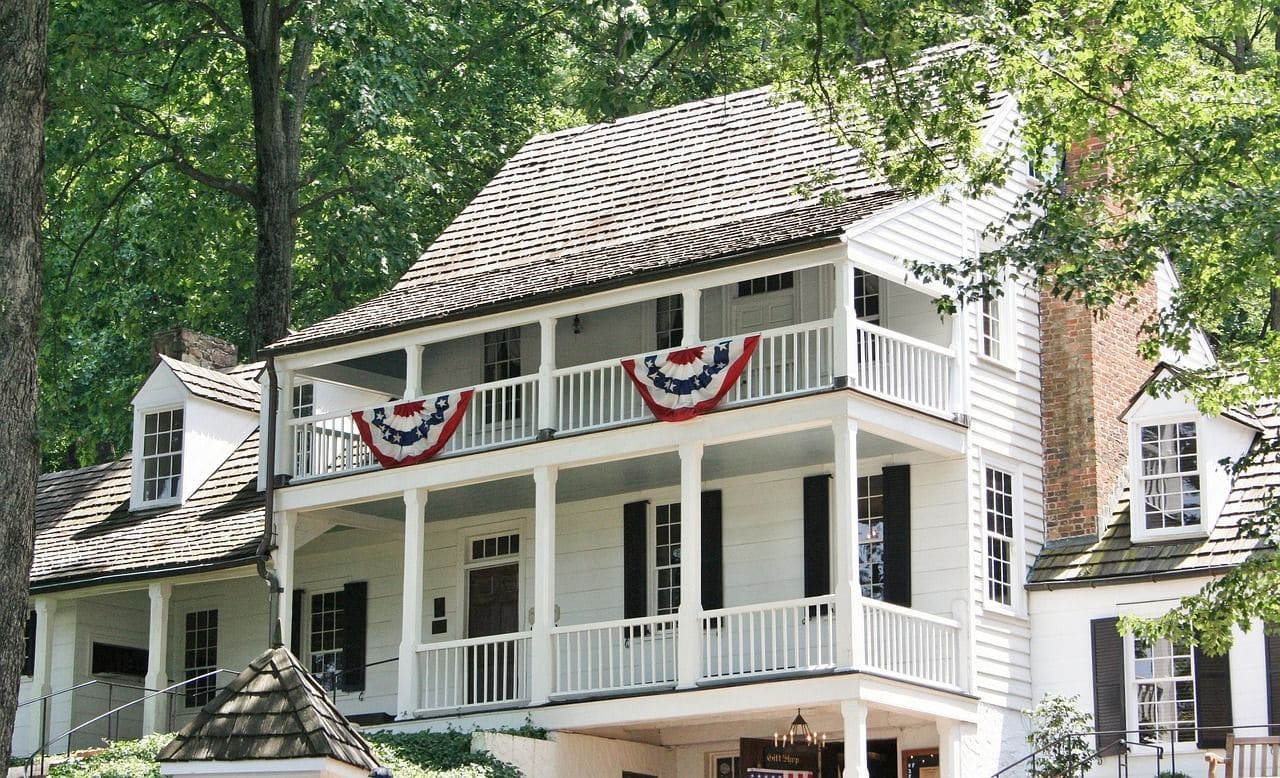
Nestled in the foothills of the Blue Ridge Mountains in central Virginia, Charlottesville is defined by the legacy of Thomas Jefferson, who built Monticello above the town and founded the University of Virginia — both now UNESCO World Heritage Sites. Founded in 1762 and named for Queen Charlotte, the city was home to presidents Jefferson and James Monroe, and today it pairs that founding-era history with one of the country’s longest pedestrian malls, a thriving food and wine scene, and easy access to Shenandoah National Park. Its position in the Blue Ridge foothills also makes it a natural base for a wider Virginia road trip.
Fun Facts About Charlottesville, Virginia
Charlottesville was founded in 1762 and named in honor of Queen Charlotte, the wife of Britain’s King George III.
It is home to two UNESCO World Heritage Sites — Thomas Jefferson’s Monticello and his University of Virginia — a rare distinction for a small American city.
The surrounding Albemarle County was home to three U.S. presidents: Jefferson at Monticello, James Monroe at Highland, and (nearby) James Madison at Montpelier.
Jefferson founded the University of Virginia in 1819, designing its Rotunda and Lawn as an "Academical Village."
The Downtown Mall is one of the longest outdoor pedestrian malls in the country, lined with more than 120 shops and 30-plus restaurants.
Charlottesville anchors the Monticello Wine Trail, with more than 40 wineries in the Blue Ridge foothills around the city.
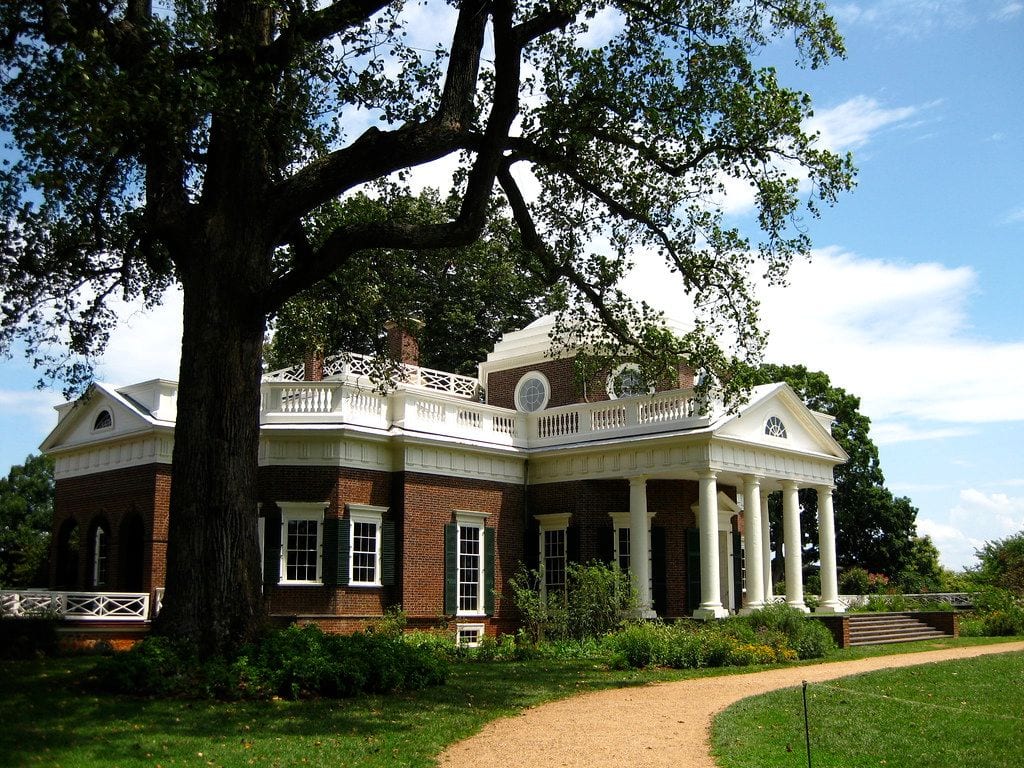
As the home of Thomas Jefferson, Monticello is the top destination for most visitors to Charlottesville. The nation’s third president designed the main house himself, and it underwent decades of renovations as he wove European influences from his travels into the plantation home. Today the estate is a UNESCO World Heritage Site.
Beyond guided and self-led tours, specialized programs cover topics such as slavery at the estate and a Gardens and Grounds tour. Staff recommend advance reservations, with house tours running on a schedule noted on each ticket. Visitors can pay their respects at the African American burial ground and explore the many gardens spread across the grounds.
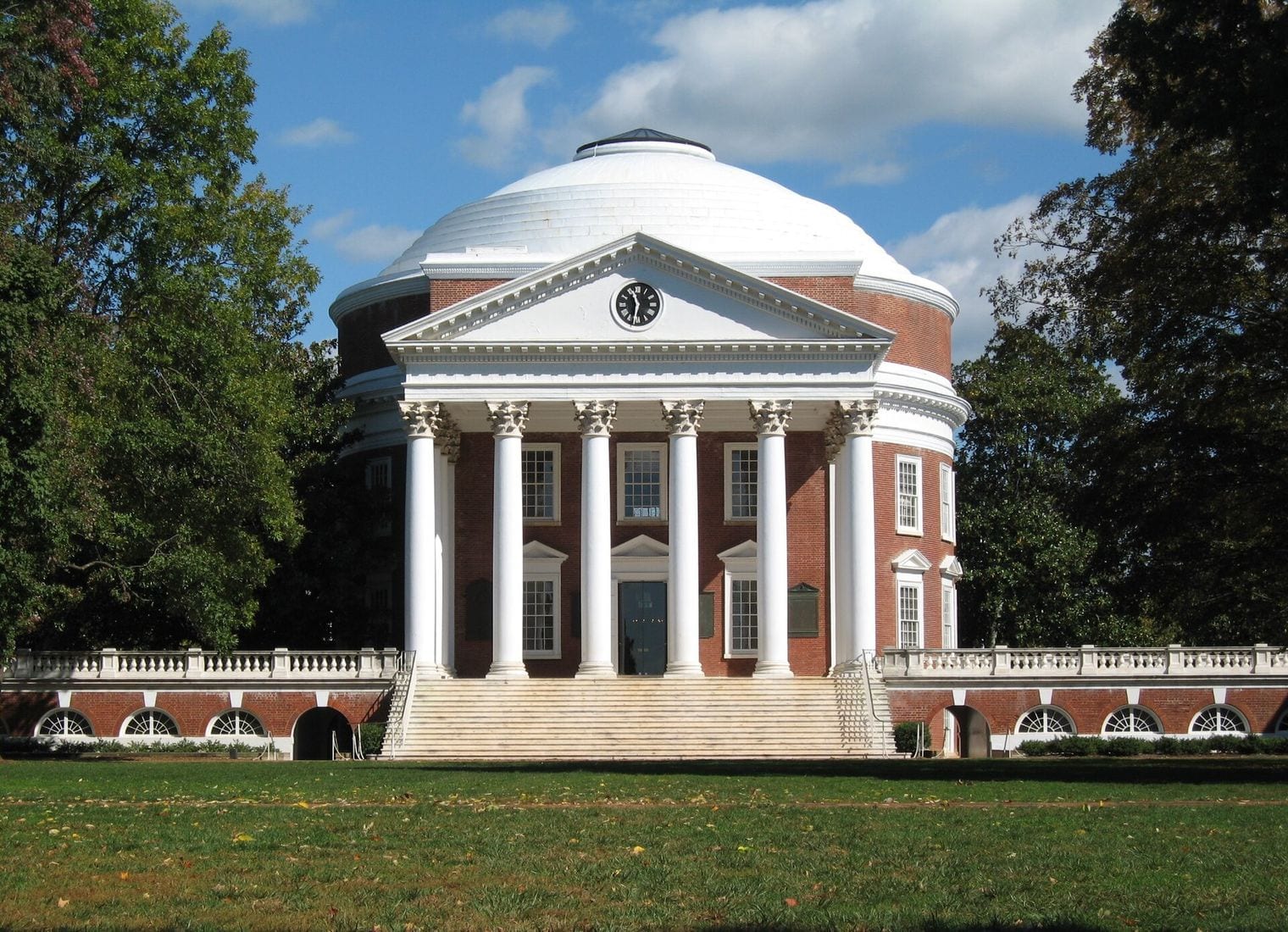
Founded by Thomas Jefferson in 1819, the University of Virginia welcomes visitors to explore its stunning grounds. Its neoclassical Academical Village, designated a UNESCO World Heritage Site along with nearby Monticello in 1987, offers insight into Jefferson’s vision for the new American republic. The campus is often considered the most beautiful public university in the United States.
The grounds are organized around the central Lawn, with the landmark Rotunda library building at its heart, blending elegantly into the surrounding landscape. A memorial is being built to the more than 4,000 enslaved individuals who constructed and maintained the campus, whose labor enabled Jefferson’s design to be realized.
The Virginia Discovery Museum is Charlottesville’s best spot for younger children, and a small entrance façade belies what waits inside. The nonprofit museum packs 6,000 square feet of hands-on learning into its space, giving kids room to explore, experiment, and play their way through a series of immersive exhibits built entirely around curiosity.
Children can slide down from the upper floor of a fire station, try life as a doctor in a mini children’s hospital, or hang out in an eighteenth-century cabin. Programs such as Discovery Detectives blend art with storytelling so kids solve a mystery while expressing their creativity. A working kiddie carousel with painted aluminum horses originally cast in 1910 rounds out the visit.
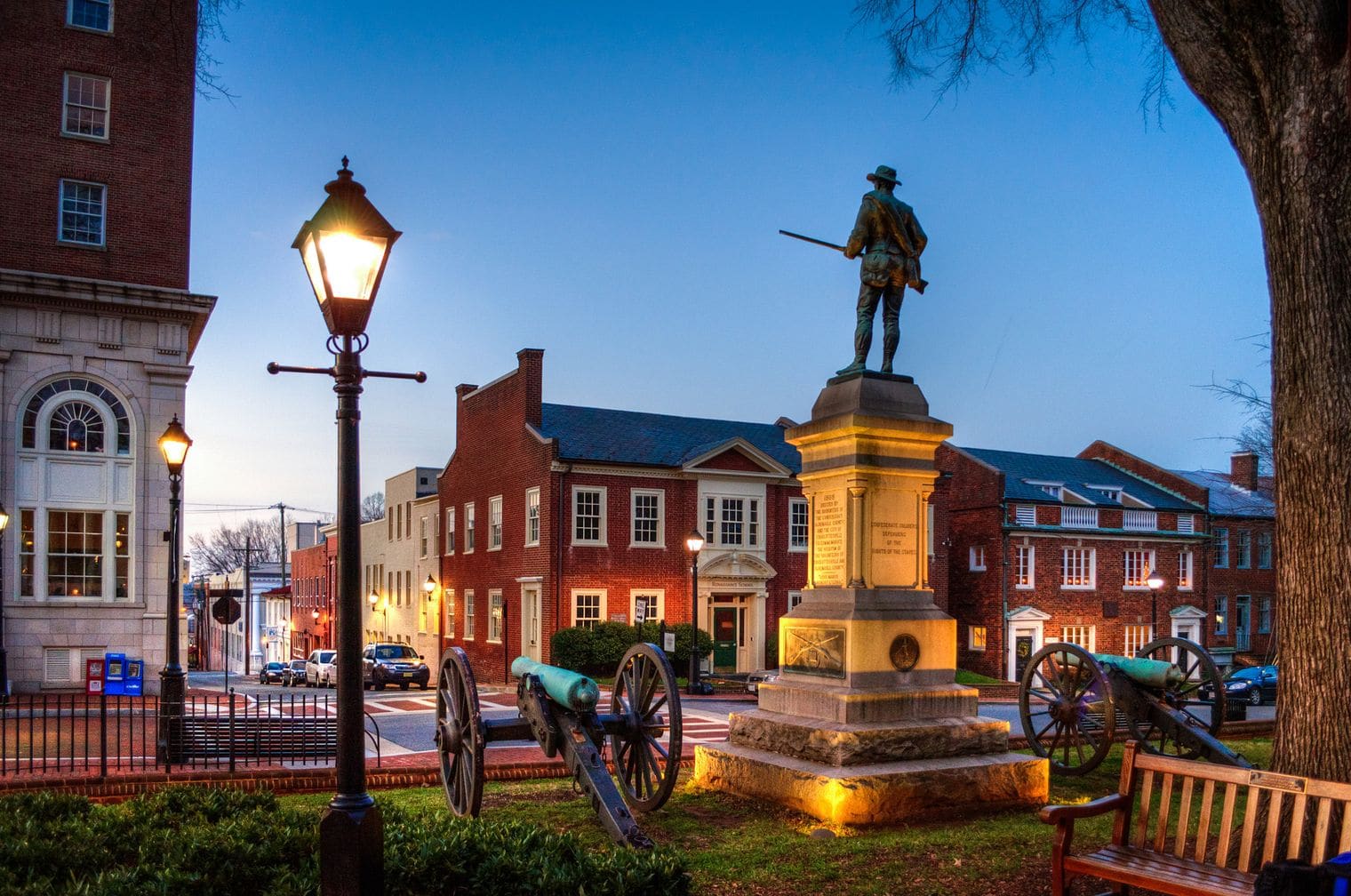
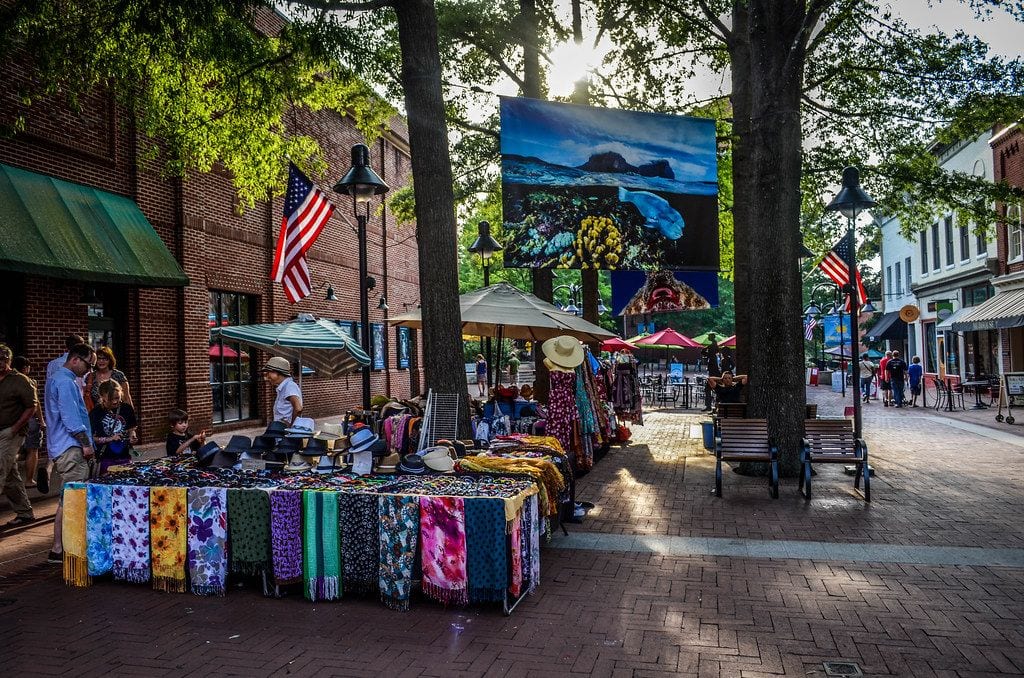
The Charlottesville Downtown Mall stretches across eight pedestrian-only blocks, one of America’s most walkable downtowns. Visitors walk the same ground as Thomas Jefferson, James Madison, and James Monroe while they shop, eat, drink, or catch a live show along the historic heart of the city.
More than thirty restaurants line the Mall, alongside half a dozen art galleries and over a hundred independent shops. It suits both a lively night out and a casual day downtown, and a free trolley service links the Mall directly to the University of Virginia campus for easy exploring on foot.
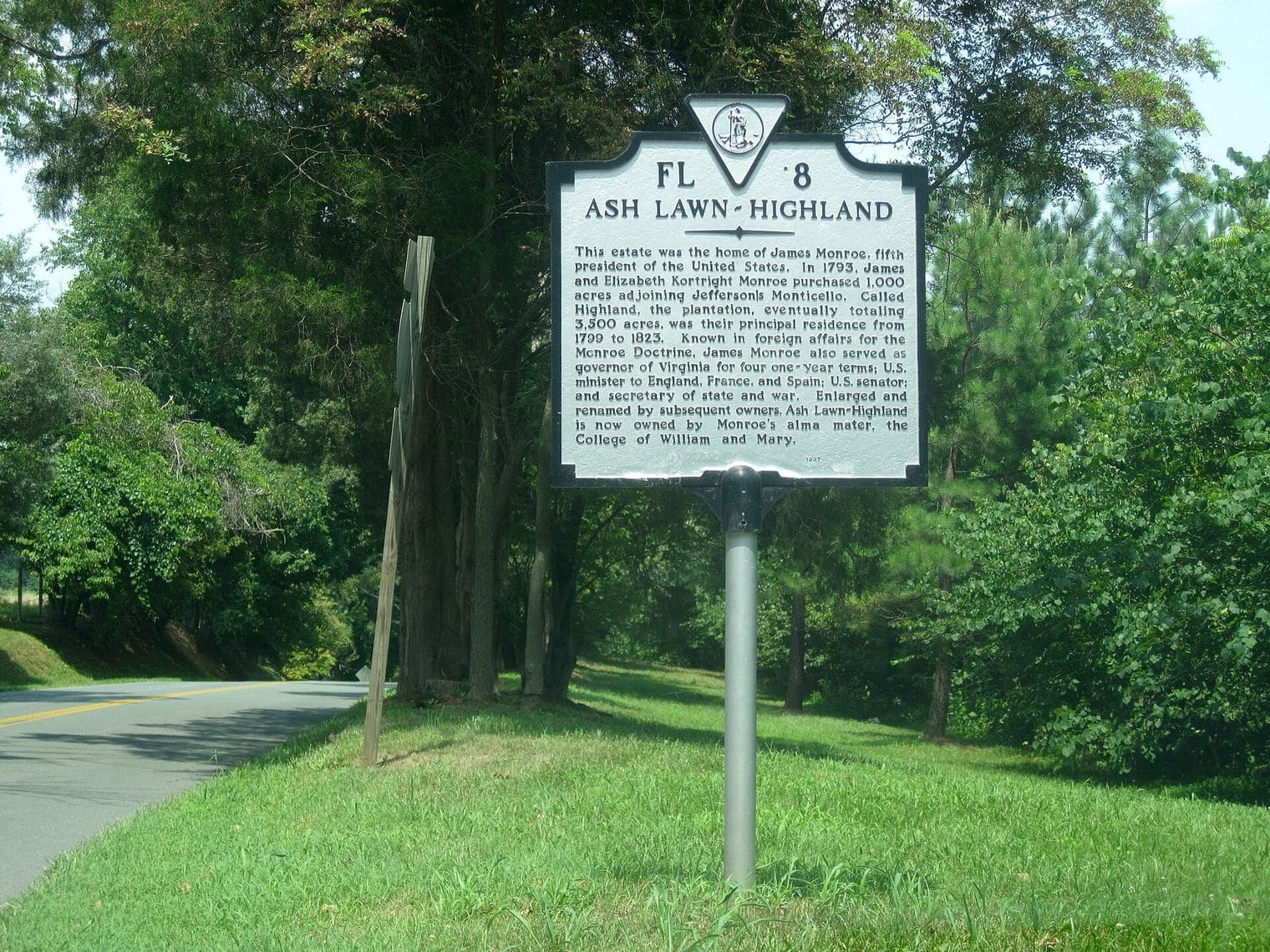
Often overshadowed by neighboring Monticello, James Monroe’s Highland offers a fascinating look into the home life of one of the nation’s early leaders. The estate includes later additions to Monroe’s early nineteenth-century home, yet still provides an in-depth window into his life and times for anyone curious about the era.
Inside the house, visitors can browse Monroe-family artifacts, including a sampler stitched by his eleven-year-old daughter, Maria Hester. Archaeological investigations here are ongoing, turning up new information each year. Highland also traces the estate’s history beyond Monroe’s tenure, with exhibits on its enslaved inhabitants and recreated slave quarters.
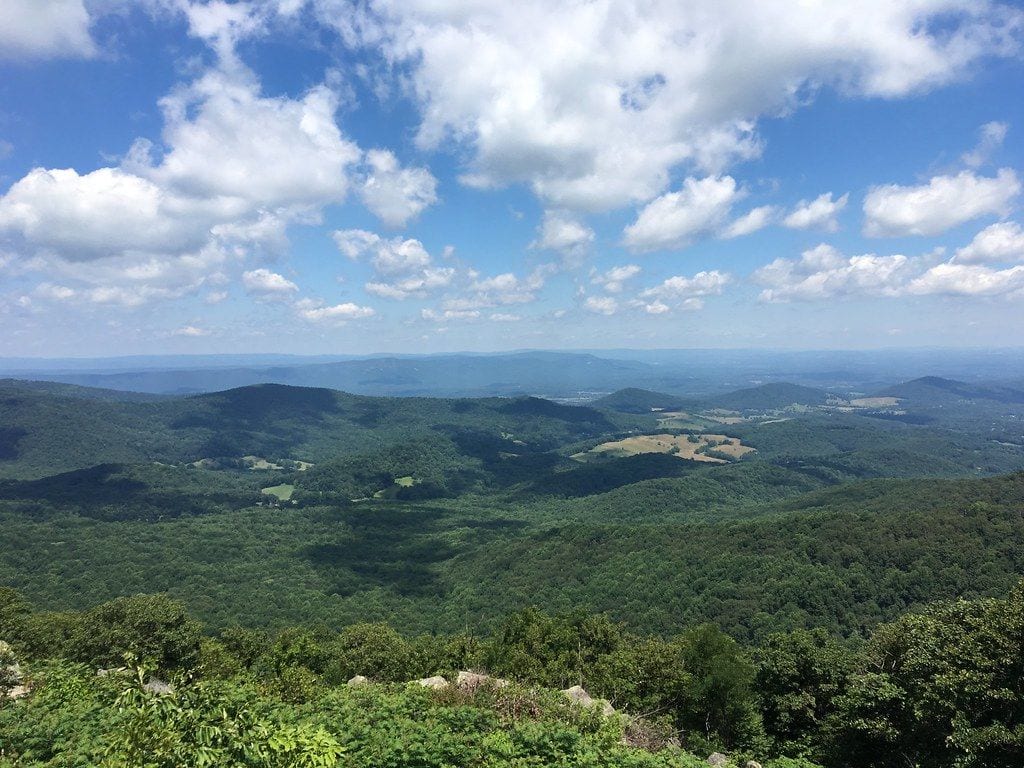
Just half an hour west of downtown Charlottesville, Shenandoah National Park protects a stretch of the Blue Ridge Mountains above the picturesque Shenandoah Valley, which runs northeast from the Charlottesville area to Front Royal, Virginia. Skyline Drive threads through the park, delivering one of the most scenic drives in the United States.
Designated a National Scenic Byway, the road follows the crest of the Blue Ridge Mountains for 105 miles, with outstanding views of the surrounding landscape at every turn. National Park Service visitor centers, hiking trails, restaurants, and scenic overlooks line the route, and travelers should keep an eye out for wildlife along the way.
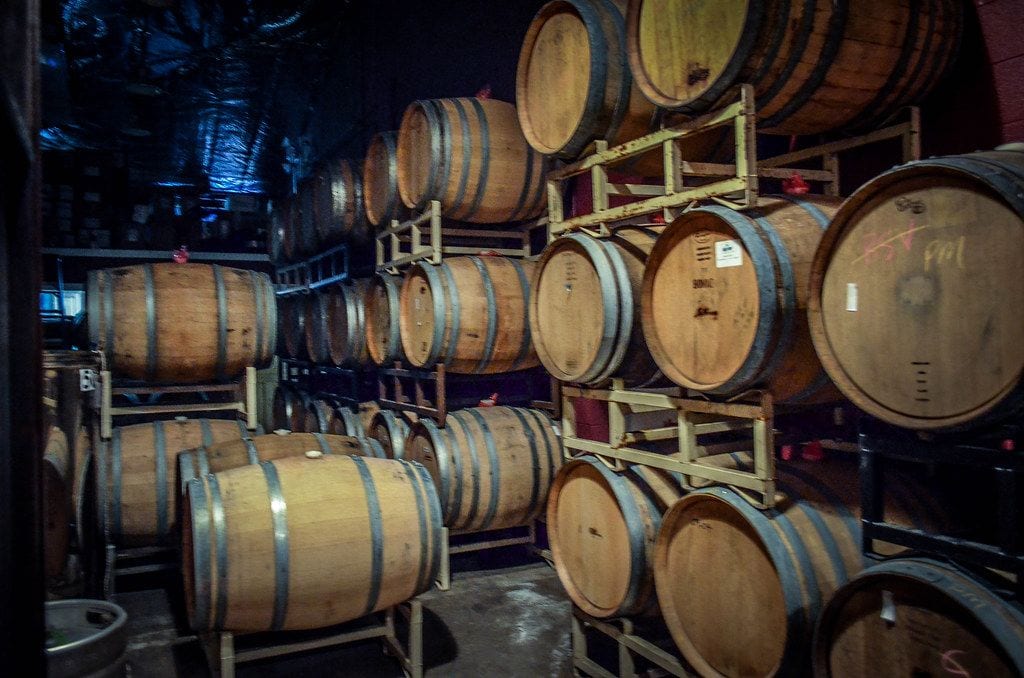
Often called the birthplace of American wine, Jefferson Vineyards sits on land chosen roughly 250 years ago by Philip Mazzei, Thomas Jefferson’s Florentine friend, for a wine-making venture. The Woodward family re-established the vineyard here in 1981, reviving a viticultural ambition rooted in the region’s earliest days.
Shaded seating on the lovely grounds invites guests to relax and soak in the views, and visitors are welcome to bring a picnic to enjoy onsite while learning more about the early days of Jefferson and Mazzei. Private tastings let you sample the award-winning modern vintages produced here today.
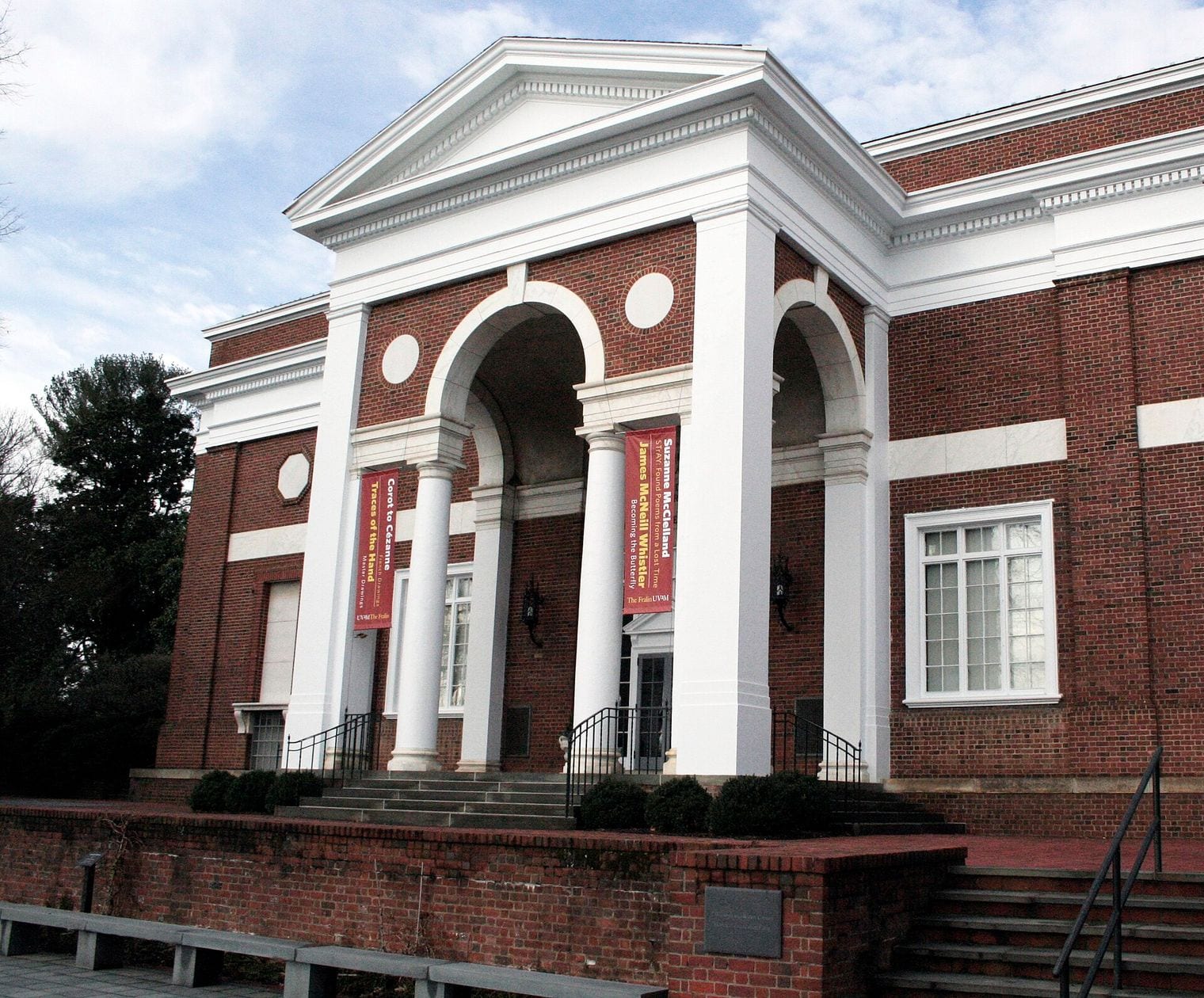
Hidden treasures await at The Fralin Museum of Art, set on the University of Virginia campus two blocks north of the Rotunda. Admission is free, making it an easy and rewarding outing. Its 14,000-piece collection spans European and American masters, including Rodin, Mary Cassatt, John Singer Sargent, and Georgia O’Keeffe.
Beyond those marquee names, the collection holds notable strengths in African and American Indian art. The temporary exhibitions are consistently high in quality and often venture into atypical genres, from aboriginal Australian memorial poles to photographic images of the ancient ruins at Pompeii, giving repeat visitors something fresh to discover each time.
One block north of the Downtown Mall, in Market Street Park, sits the Albemarle Charlottesville Historical Society. Established in 1940 to preserve local history, it has grown a rich collection that holds over 3,000 historical artifacts alongside more than 6,000 documents, maps, and photographs, all kept available to researchers who visit.
The society offers a wealth of services for anyone drawn to the region’s past. It hosts lectures on local history and runs workshops on researching family history, while members arrange walking tours of the city. Together these programs make the archives and their stories accessible to residents, students, and curious visitors alike.
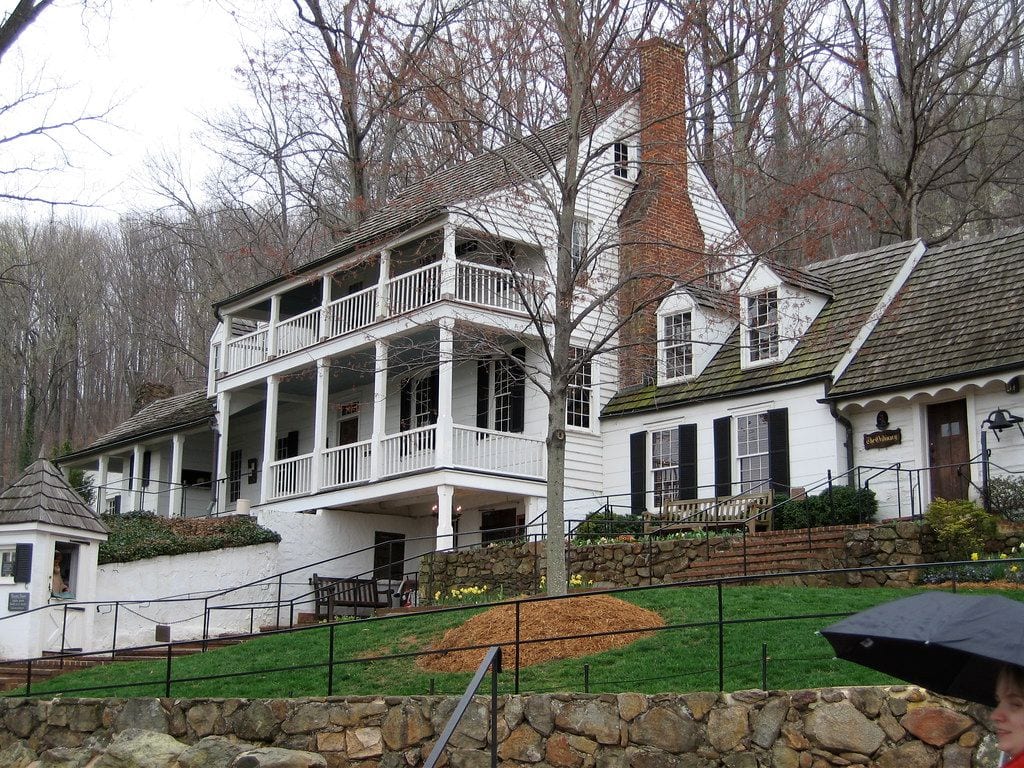
At Michie Tavern, dining doubles as a trip back to the eighteenth century. Set in a historic building the Michie family operated for generations, the tavern serves traditional Southern fare delivered by wait staff in period costume, an immersive sensory experience that lets guests picture the room as it stood two hundred years ago.
Warmed by the hearth amid rustic period décor, visitors trade modern comforts for the atmosphere of an early American public house. First established in 1784, the tavern was relocated to its current site in the early twentieth century, making it a fitting culinary companion for travelers drawn to Charlottesville by its history.
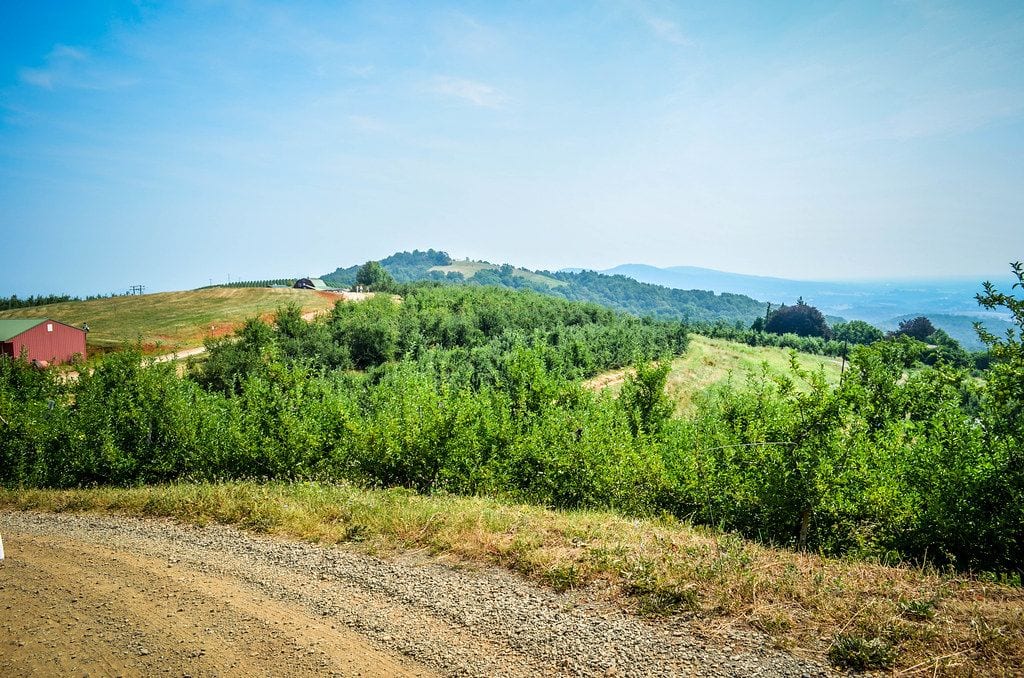
Perched on a hillside south of Charlottesville, near Monticello and Michie Tavern, Carter Mountain Orchard and Country Store rewards the drive up with sweeping views over the surrounding countryside. Sprawling rows of fruit trees and vegetable gardens cover the slopes, and the setting alone draws visitors who consistently praise the lovely landscape spread out below.
There is far more here than the scenery. Guests can pick their own produce, grab a fresh-baked apple pie from the bakery, or explore the country store, ice cream parlor, and on-site winery. The apple cider donuts come especially recommended, making this hilltop orchard a rewarding stop for anyone exploring the area around Charlottesville.
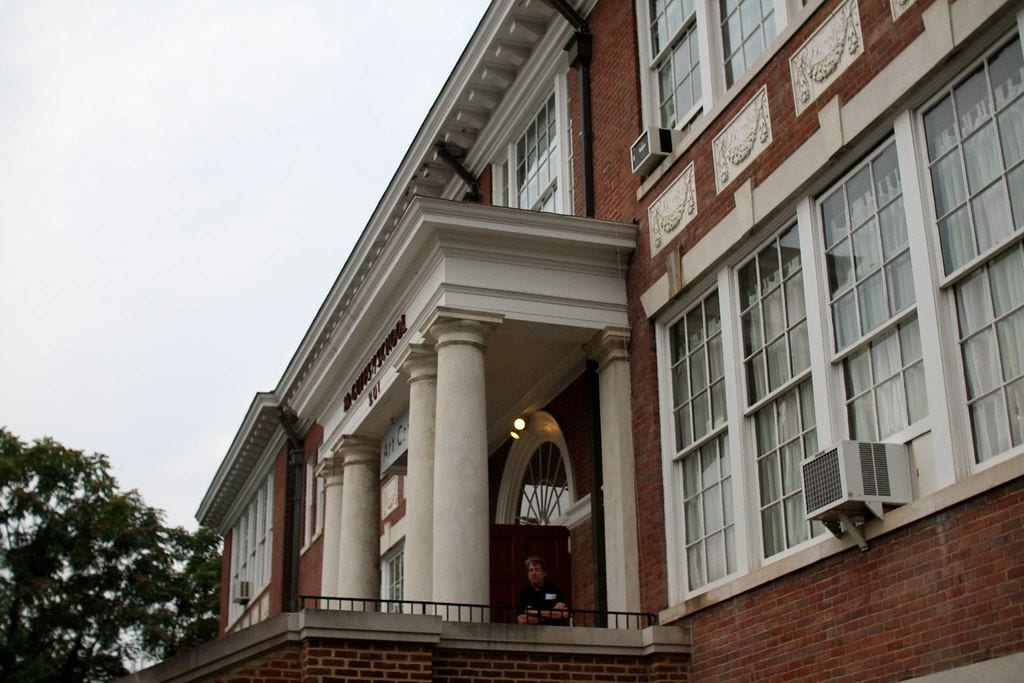
McGuffey Art Center is one of the oldest artist-run cooperatives in the United States, home to dozens of artists working across a wide variety of media. On days when studios are closed to visitors, the artists display finished work in the center’s on-site galleries, offering a window into Charlottesville’s living creative community.
The center is built around public access and hands-on learning. Its artists open their studio spaces to visitors, offer classes and free tours to students, run summer camps, and organize workshops for community members and travelers eager to try a creative endeavor of their own. Event planners can also secure flexible space for group activities.
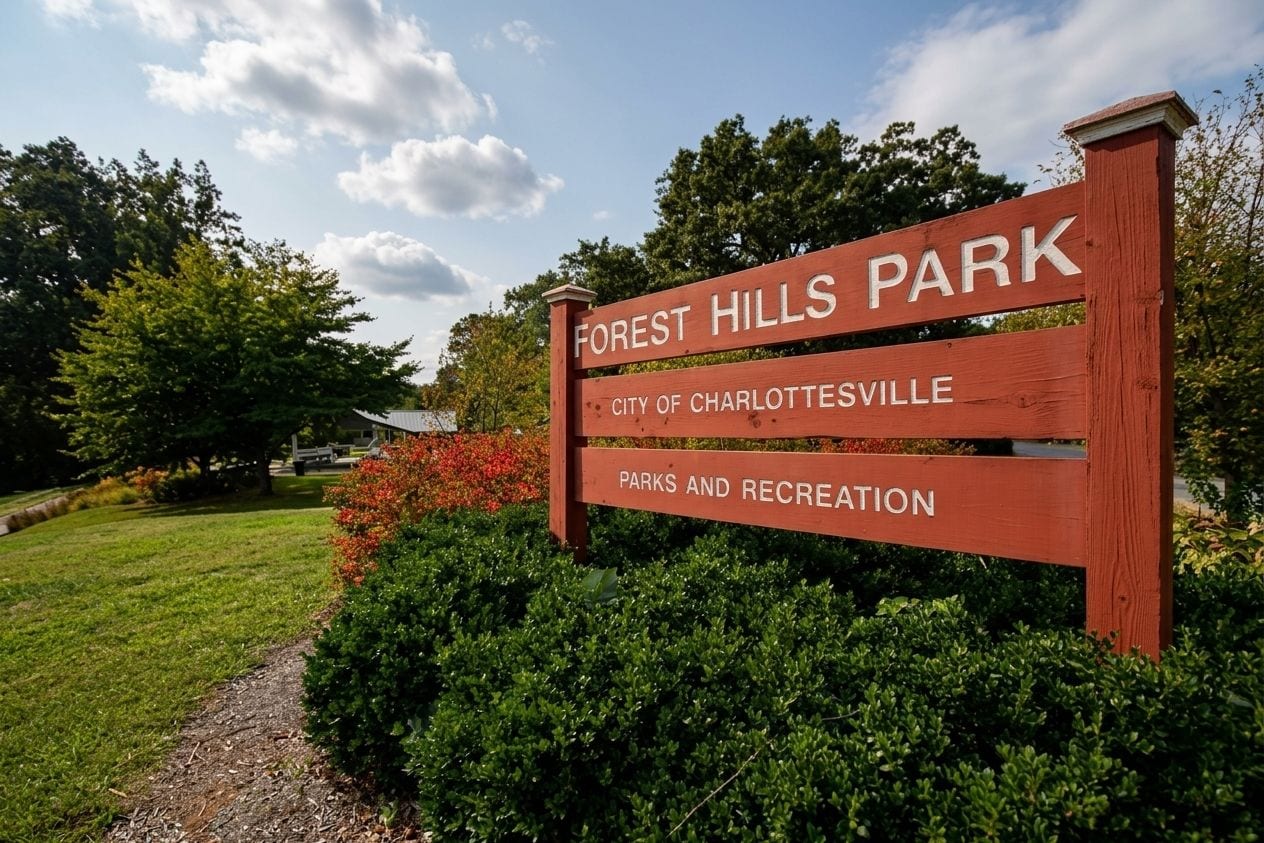
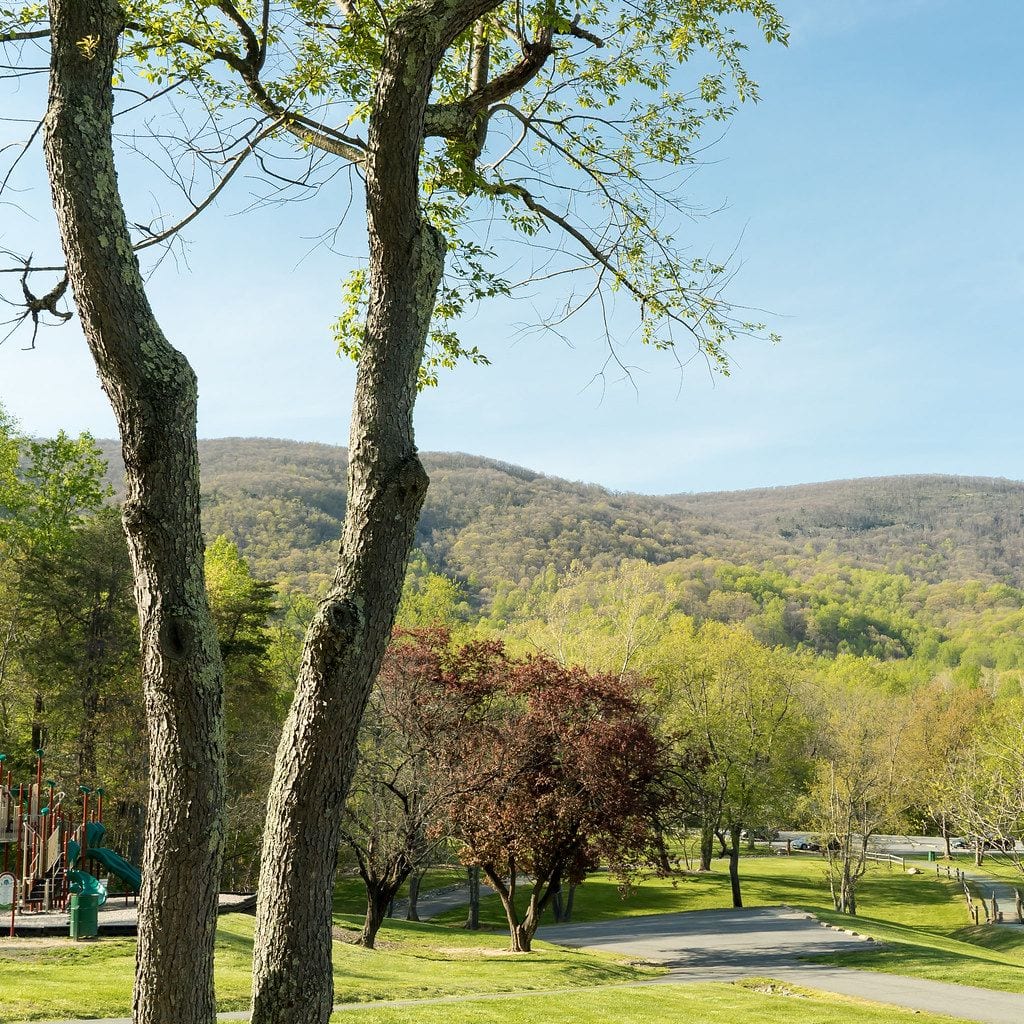
Set among oak trees on the south side of Charlottesville, Forest Hills Park delivers easy-to-reach outdoor recreation for all ages. Younger visitors gravitate to the spray-ground water park and the playground, which features a rare merry-go-round, while athletes make use of the two full basketball courts and the baseball field.
Across its 7.35 acres, the park offers plenty of good spots for a picnic, with two pavilions and scattered individual picnic tables. The surrounding trees cast leafy shade and reinforce the sense of stepping back from the city, giving this compact green space a calmer, more secluded feel than its central location suggests.
At The Glass Palette, you can create your own glass art with no experience, tools, or materials required. Co-owners Maria and Cara DiMassimo teach the basics and help you make your own masterpiece. Walk-ins are welcome, or you can make a reservation to secure your preferred time slot in advance.
Multiple forms of glass work are on offer, from kiln fusing to bead-making, stained glass, and sandblasting. Visitors design their own jewelry, lamps, dishes, and other pieces. If you would rather craft at home, you can order a glass kit to go and work on your project at your own pace.
On the northeastern edge of Charlottesville, McIntire Park is the largest park in town. It draws visitors for hiking, picnics, and sports, with three shelters, baseball and softball fields, playgrounds, and plentiful walking trails that keep it in regular use year-round.
The grounds also host the city’s Annual Dogwood Festival and the Charlottesville Skateboard Park, where concrete pools, ramps, and rails serve beginners and experts alike. The Dogwood Vietnam Memorial sits at the south end. A former nine-hole golf course has closed to make room for the planned McIntire Botanical Garden.
Unlocked History Escape Rooms is Charlottesville’s top-rated escape-room attraction, tucked at 1717 Allied Lane. Groups tackle four 60-minute rooms, each built around a chapter of history and packed with puzzles to crack against the clock. It’s an immersive, cooperative outing that rewards teamwork and quick thinking.
The lineup spans centuries and continents. The British Are Coming drops you into the Revolutionary War, while The Raven channels Edgar Allan Poe. The Allied Spy sends teams behind the lines of WWII and D-Day, and Da Vinci’s Discovery unfolds amid the Renaissance. Each room mixes storytelling and hands-on challenges for an engaging group experience.
Set along 14 acres of leafy hillside on the north side of town, Greenleaf Park is an accessible outdoor space in Charlottesville. Younger kids gravitate to the playgrounds and climbing equipment, plus a spray ground with a mushroom fountain and touch-sensitive features. Older visitors can walk along the creek or join a game on the basketball court.
A pavilion and a charcoal grill are available, and no reservation is necessary to use them. Just next to the park sits the public Crow Recreation Center, which adds an indoor pool, billiards, and air hockey to the mix. Together they make this corner of town an easy stop for a stretch of active outdoor time.
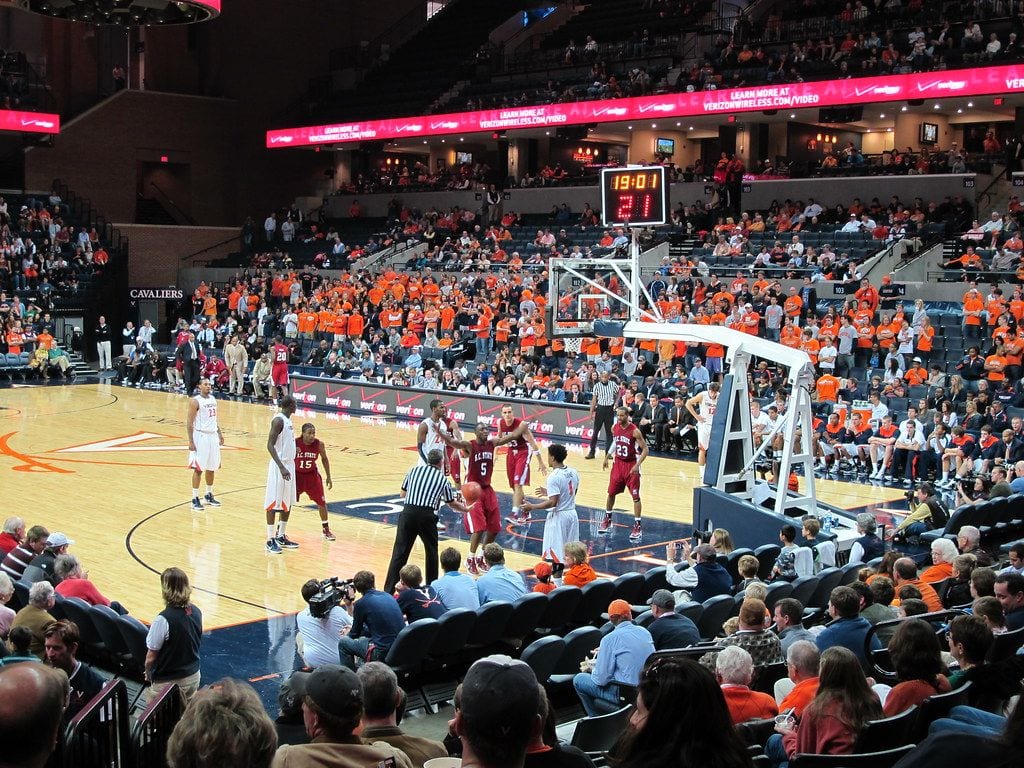
Completed in 2006, John Paul Jones Arena is the home court for the University of Virginia basketball program. The indoor venue is the largest in Virginia and the largest Atlantic Coast Conference arena outside a major city. Its architecture employs Roman pergolas that echo the University of Virginia’s neoclassical style.
Seating nearly 15,000, the arena also hosts major entertainment events in the Charlottesville area, with past acts ranging from Lady Gaga to the WWE. It sits on the north side of the UVA campus, where it is easily accessible and close to ample visitor parking for those arriving by car.
The Saunders-Monticello Trail follows the Thomas Jefferson Parkway from the south side of Charlottesville to Monticello, giving cyclists and pedestrians an alternate route to the estate. Running two miles each way, it passes through Kemper Park before climbing the side of Carter Mountain, where travelers take in vistas of the Blue Ridge Mountains.
With less than a 5% grade along its entire length, the path stays accessible to wheelchair users. It works equally well as a warm-up before touring Monticello or as a destination in its own right for anyone after some refreshing outdoor exercise close to town.
Built in 1912 as a vaudeville house and cinema, the Jefferson Theater once hosted performances by acts like the Three Stooges and Harry Houdini. From the 1970s to the end of the twentieth century, it screened discount films for the Charlottesville community before a major restoration transformed the historic proscenium-style hall.
Completed in 2009, that restoration reopened the venue as Charlottesville’s top spot for live music. Two full-service bars serve the crowd, and an upper balcony can be rented as an exclusive group space. The theater continues to host special events alongside a steady lineup of high-quality musical acts.
At the east end of Charlottesville’s Downtown Mall, Sprint Pavilion stages outdoor concerts beneath a sweeping white canopy. Its Fridays After Five tradition brings the community together for free local music through the summer, and its central setting makes it simple to fold a night of live performance into a wider evening exploring the city.
Groups can upgrade their view in a few ways. A premium box seats a small party and comes with reserved parking and dedicated wait staff, while the VIP Party Porch holds up to 50 guests on the side lawn, complete with a private bar overlooking the stage for a more social take on the show.
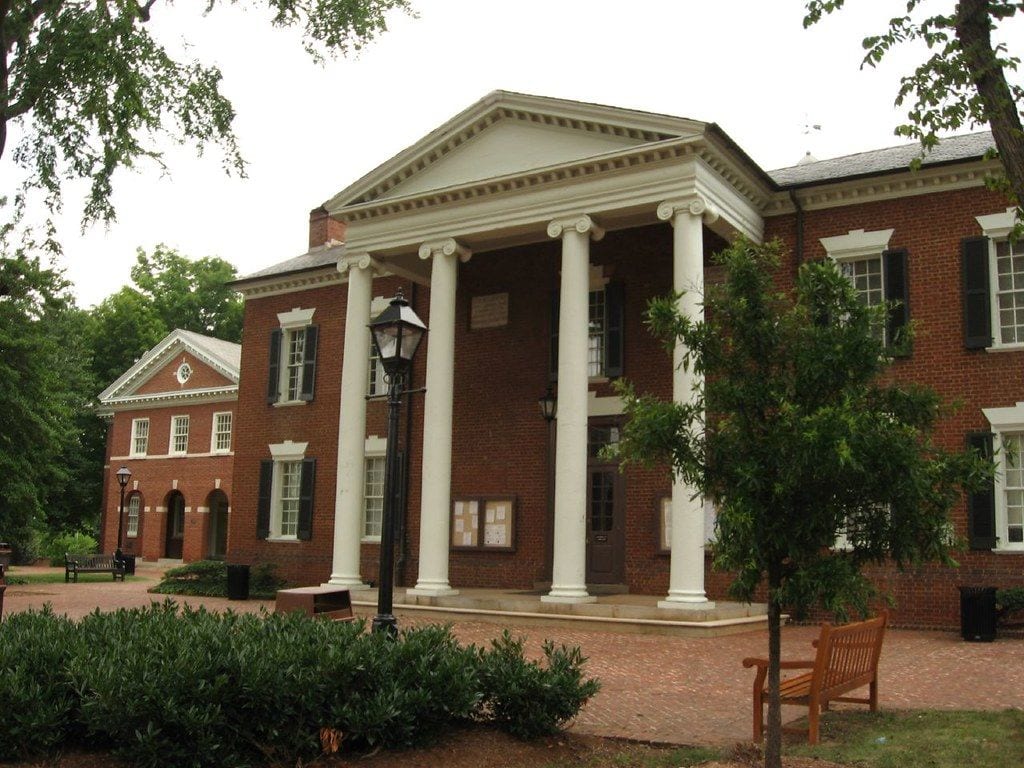
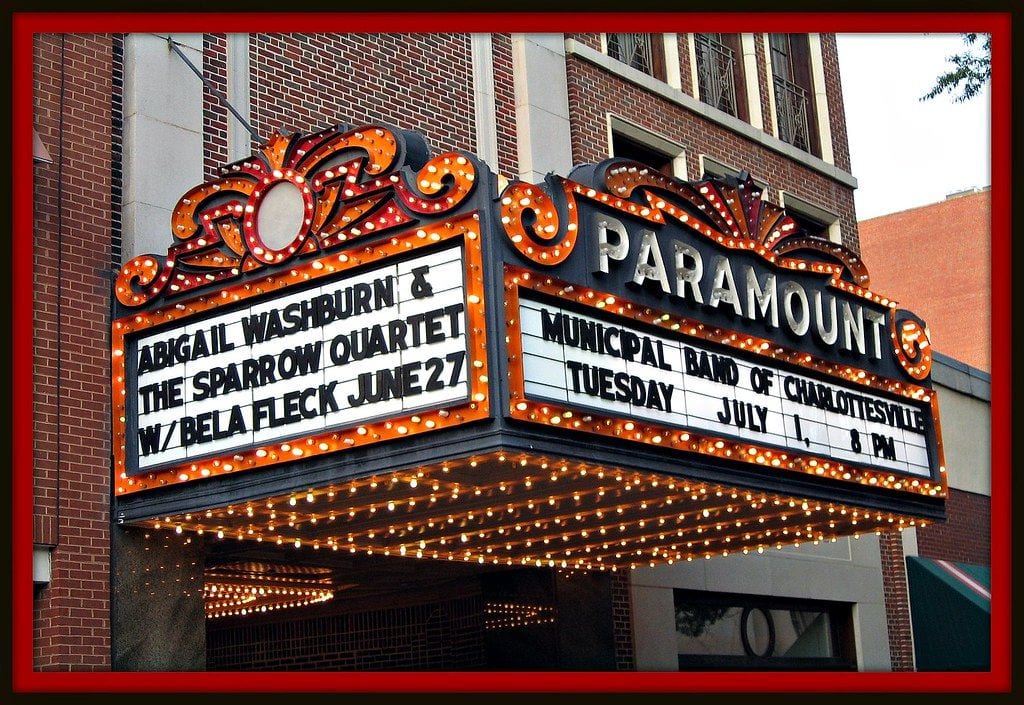
The Paramount Theater opened in 1931 as a segregated movie palace, a role it held until 1964. After the Civil Rights Act opened public spaces to everyone, the theater kept screening films for another decade before shutting its doors for close to twenty years, it falling quiet in the heart of downtown Charlottesville.
In the early 1990s a non-profit organization revived the space, reimagining it as a venue for both live and screen performances. Today it hosts performing arts of many kinds, drawing residents and visitors alike for cultural entertainment. Its neoclassical façade sits comfortably alongside Charlottesville’s historic architecture, a fitting frame for a landmark restored to civic life.
At the center of the Downtown Mall, The Southern Café & Music Hall pairs comfort food with live music under one roof. The café serves traditional Southern fare, with the kitchen open to both concertgoers and walk-ins and cooking before and during performances. The result is a one-stop spot to eat well and catch a show.
The 300-seat music hall books around 150 regional and national artists each year and draws a steady crowd of UVA students, while comedy acts round out the calendar. Beyond performances, the space also hosts weddings, parties, and business meetings. Visitors come for the quality food and the intimate feel of the room.
Once the family farm of a former slave, Ivy Creek Natural Area is now a 219-acre nature reserve where that history is preserved alongside the land. It sits six miles north of Charlottesville along the Rivanna River Reservoir, offering a serene, protected refuge that sets it apart from many other natural areas in the region.
The reserve shelters a wide array of wildlife, including white-tailed deer, numerous songbirds, and even black bear. Hikers can explore eleven trails across the site, while measures to protect the local fauna prohibit dogs, hunting, and camping. That careful approach keeps the grounds quiet and undisturbed for both the animals and the people who visit.
The Lewis & Clark Exploratory Center brings the legendary expedition through the American West to life in Charlottesville. Set in Darden Towe Park on the east side of the city, it welcomes visitors with tours of full-sized replica boats from the expedition, giving families a tangible sense of the journey that carried explorers across the continent.
Hands-on activities let guests try mapmaking, carpentry, and drawing much as the expedition members did. The center sits on land formerly owned by William Clark’s family, along the Rivanna River about thirty minutes upstream from Monticello, tying the site directly to the history it interprets.
Getting to Charlottesville
Charlottesville sits in central Virginia’s Piedmont where Interstate 64 runs east to west just south of town, linking it toward Richmond in one direction and across the Blue Ridge toward the Shenandoah Valley in the other. Two US highways carry most local traffic: US-29 is the main north-south artery, reaching up toward the Washington area and down through the Piedmont, while US-250 shadows the interstate as an east-west route through the city. Between them these roads make Charlottesville an easy drive from the wider mid-Atlantic, and the interchanges south and west of town are the usual way in by car.
The city has its own small commercial airport a few miles north of downtown, handy for connecting flights, but many visitors fly into a larger hub and drive in: the international airport near Richmond is roughly an hour and a half to the southeast, and one of the Washington-area international airports is about two hours to the northeast, both offering far more routes. Charlottesville is also well served without a car, with a downtown rail station on lines running north toward Washington and beyond and south into the Carolinas, plus long-distance and intercity bus coaches that stop in town.
Getting Around Charlottesville
The heart of Charlottesville is genuinely walkable. The downtown pedestrian mall district is car-free and strollable end to end, and the university quarter just west of the centre, with its historic grounds and the student-oriented shopping strip beside them, is compact enough to explore on foot. The two are close together and connected by local buses and short rideshare hops, so for a visit focused on downtown, the university and the restaurants between them you can manage largely without driving.
That said, a car is worth having if you plan to reach the vineyards, the mountain orchards or the countryside estates that ring the city, since those sit beyond the walkable core and are not well served by transit. In town, a local bus network, a growing set of bike lanes and trails, and rideshare all fill the gaps. Parking is easiest in the garages and lots around the downtown mall and near the university rather than on the narrow central streets, and it becomes far more plentiful once you reach the commercial corridors along the main highways on the city’s edges.
Where to Stay in Charlottesville
For first-time visitors the most convenient base is the downtown core around the pedestrian mall, where you can walk to dinner, shops and evening entertainment without moving your car, or the adjacent university quarter, which puts the historic grounds and the student district at your doorstep and is lively and central. These areas suit anyone who wants to leave the car parked and explore on foot.
If you would rather trade walkability for quiet and value, the neighbourhoods and commercial corridors farther out along the main highways offer easier parking, quicker access to the interstate for day trips, and a calmer setting, at the cost of needing to drive into the centre. Travellers here for the surrounding wine country, orchards and mountain scenery often prefer to base in the rural areas and small communities south and west of the city, closer to the vineyards and the Blue Ridge, and to make Charlottesville itself a day-out destination.
Where to Eat in Charlottesville
The densest cluster of dining is the downtown pedestrian mall and the streets branching off it, where an outdoor, walkable strip of eateries covers everything from casual to more ambitious cooking. The corridor beside the university and the main street connecting it to downtown add another concentration of cafes and student-friendly spots, and the neighbourhood commercial blocks just outside the centre hold many of the city’s most interesting independent kitchens.
Charlottesville leans hard into Virginia Piedmont and broader Southern cooking, so look for regional staples such as slow-smoked pork barbecue with vinegar-based sauce, fried chicken and biscuits, shrimp and grits, country ham, and seasonal farm-to-table plates built around local produce. The surrounding hills are serious wine country, and orchard-grown apples turn up as hard cider and in seasonal baking, so pairing a local vintage or a glass of cider with your meal is very much part of the experience.
One Day in Charlottesville
Charlottesville rewards a plan that starts on the historic hills southeast of town and works back into the walkable centre by nightfall — most of the marquee stops sit within a fifteen-minute drive of one another.
Morning: Begin at Monticello, Jefferson’s mountaintop estate and the city’s single must-see; arriving early beats both the heat and the crowds. Just down the mountain, Michie Tavern serves a midday meal in a 1784 building, and the wooded Saunders-Monticello Trail makes an easy pre-lunch leg-stretch back toward the estate.
Some of Charlottesville’s best experiences are free. Strolling the Downtown Mall costs nothing, and you can walk right into the University of Virginia’s Rotunda and Lawn to admire Jefferson’s Academical Village on a self-guided visit. The Fralin Museum of Art on Grounds is free to enter, as is the Ivy Creek Natural Area, open daily from sunrise to sunset with trails through woods and along the reservoir.
The outdoors are easy on the wallet, too. The Saunders-Monticello Trail offers a free, scenic walk toward Jefferson’s mountain, and city parks like McIntire Park and Greenleaf Park welcome visitors at no charge. A free downtown trolley links the Mall to UVA, and Charlottesville’s seasonal farmers markets are a lively, free way to soak up local flavor from spring through fall.
Day Trips from Charlottesville
The obvious escape is straight into the mountains: Shenandoah National Park and its ridgetop scenic drive begin only about an hour northwest of the city, an easy half or full day of overlooks, waterfalls and trails along the Blue Ridge. Closer to home, the wineries, the mountain orchard and the presidential estates that ring Charlottesville make for gentle outings within a short drive of the centre.
For bigger-city day trips, Washington lies roughly two and a half hours to the northeast and pairs its monuments and museums with an easy return the same day, while Baltimore is a little beyond it, around three hours northeast, adding a historic harbour and more galleries. Heading the other way, Greensboro is about three hours south down the US-29 corridor, a straightforward drive into North Carolina’s Piedmont for a change of scene.
FAQ: Visiting Charlottesville
What is Charlottesville, Virginia known for?
Charlottesville is best known as the home of Thomas Jefferson — his mountaintop estate Monticello and the University of Virginia he founded are both UNESCO World Heritage Sites. It is also known for its presidential history, its lively Downtown Mall, and a booming wine scene, with more than 40 wineries on the Monticello Wine Trail in the Blue Ridge foothills.
How many days do you need in Charlottesville?
Two to three days is ideal. That gives you time for Monticello and the University of Virginia, a day exploring the Downtown Mall and museums, and an outing to the wineries, an orchard like Carter Mountain, or a scenic drive on Skyline Drive in nearby Shenandoah National Park.
When is the best time to visit Charlottesville?
Late spring and early fall are the sweet spots. Spring brings wine festivals and mild weather, while autumn delivers spectacular Blue Ridge foliage and the peak of apple season at hillside orchards. Summers are warm and green, and the college-town energy quiets a bit when UVA is on break.
What presidential homes are near Charlottesville?
Three founding-era presidential estates cluster around Charlottesville: Thomas Jefferson’s Monticello and James Monroe’s Highland sit just south of the city, and James Madison’s Montpelier is about a half-hour to the north. Together they make the area one of the richest presidential-history destinations in the country.
Is Charlottesville good for families?
Yes. Families enjoy the hands-on Virginia Discovery Museum on the Downtown Mall, apple picking and views at Carter Mountain Orchard, the Saunders-Monticello Trail, the escape rooms at Unlocked History, and the glass-art studio at The Glass Palette, plus easy hikes at Ivy Creek and in Shenandoah National Park.
How far is Charlottesville from Shenandoah National Park?
The nearest entrances to Shenandoah National Park and its Skyline Drive are about a 30-to-45-minute drive west of Charlottesville. That makes the park an easy day trip for hiking, waterfalls, and one of the most scenic mountain drives in the eastern United States.
Is Charlottesville worth visiting?
Absolutely. Few American cities of its size pack in two UNESCO World Heritage Sites, multiple presidential homes, a walkable arts-filled downtown, and a nationally regarded wine region, all framed by the Blue Ridge Mountains. It rewards history lovers, foodies, and outdoor travelers alike.