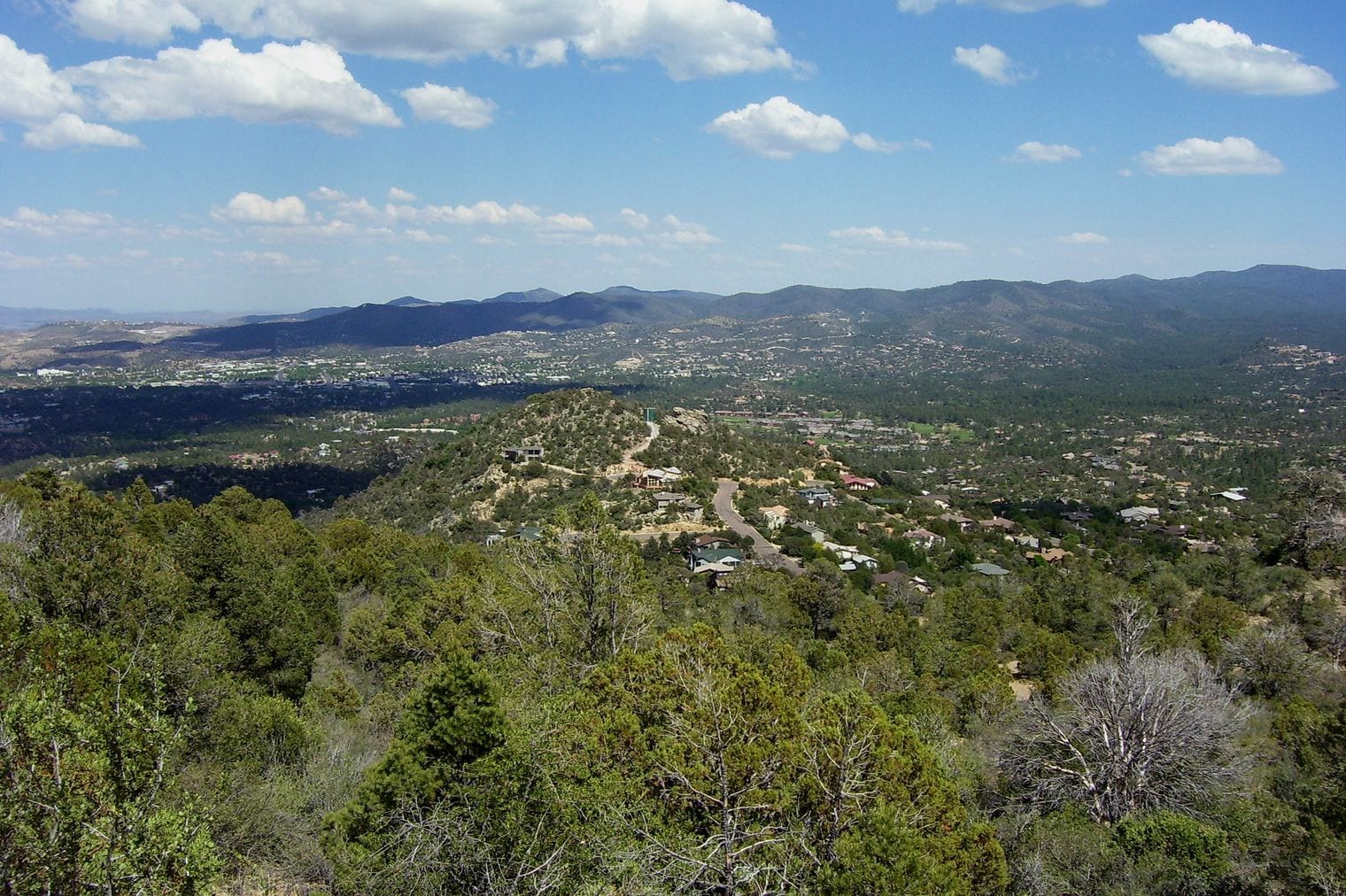
Prescott is a city in the Yavapai Country, in the state of Arizona, US. In the 19th century, the first settlers were brought in the area thanks to gold mining, as Prescott is rich in minerals. Until Phoenix became the capital of Arizona in 1889, Prescott was designed to be the capital city of the state. Cool, walkable, and central, it also makes a natural base for a wider Arizona road trip through the state's high country.
Fun Facts About Prescott, Arizona
Prescott was founded in 1863 and served as Arizona's first territorial capital, a role it held twice before the capital moved permanently to Phoenix.
The city was named after historian William Hickling Prescott, author of "The History of the Conquest of Mexico."
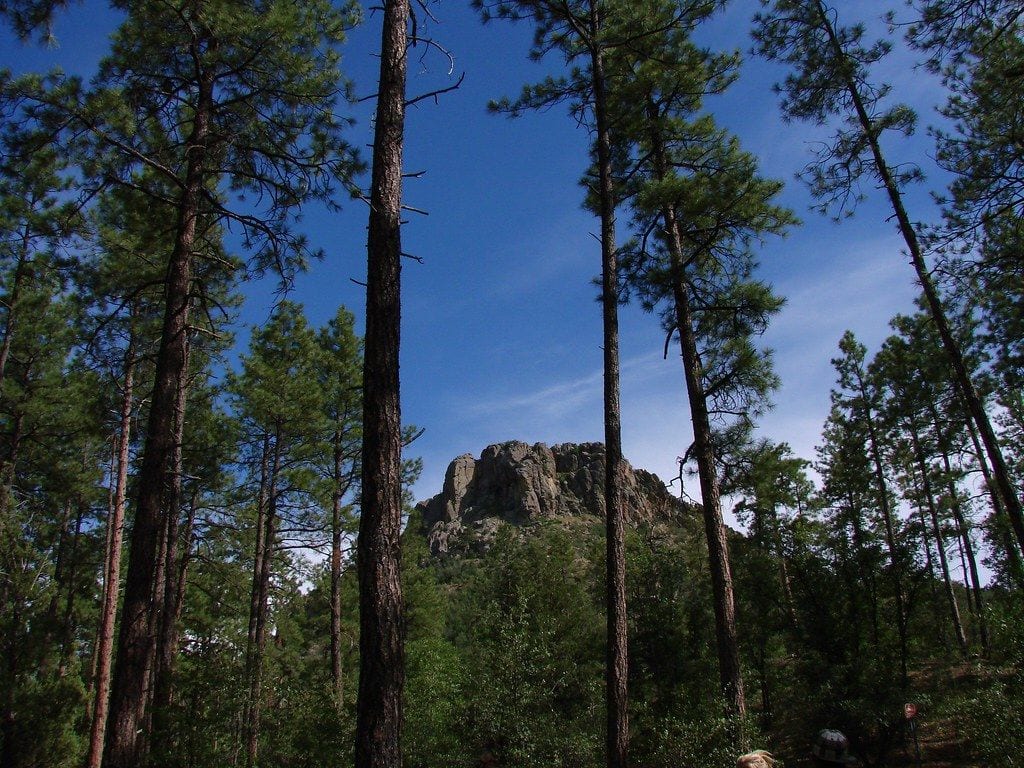
Sitting at roughly 5,300 feet above sea level, Prescott is a mile-high town on the edge of one of the world's largest ponderosa pine forests.
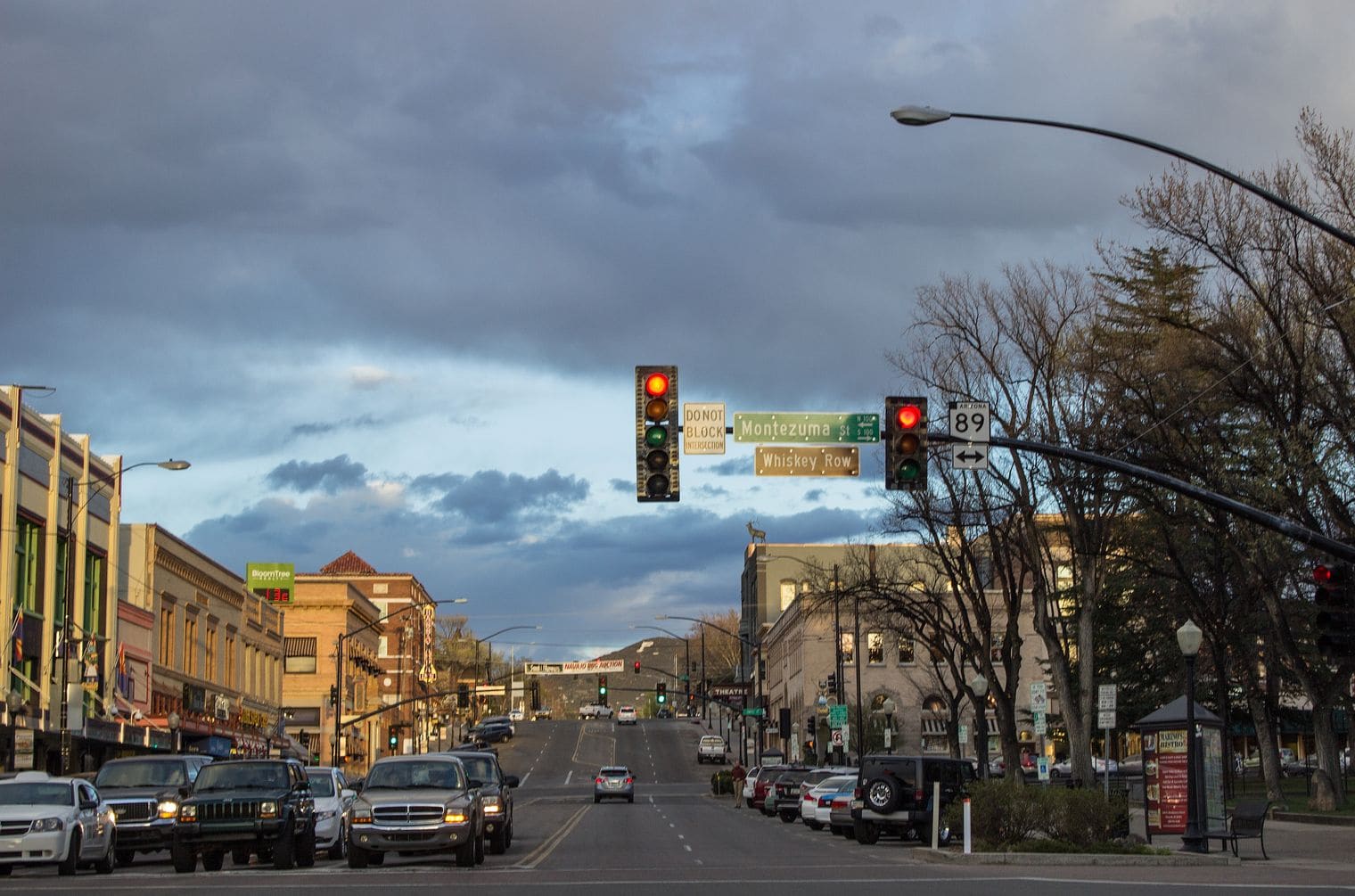
Its famous Whiskey Row is home to the Palace, Arizona's oldest bar and restaurant, and once counted dozens of saloons along a single block.
Old West legends Virgil Earp and Doc Holliday both lived in Prescott before the famous gunfight at the O.K. Corral in nearby Tombstone.
Now it has a population of over 39.000 inhabitants, and it’s located adjacent to the Yavapai-Prescott Indian Tribe reservation. Prescott is located in the Granite Creek watershed, among pine-dotted mountains, and picturesque lakes, that make the city popular for visitors interested in western history, and outdoor activities as well.
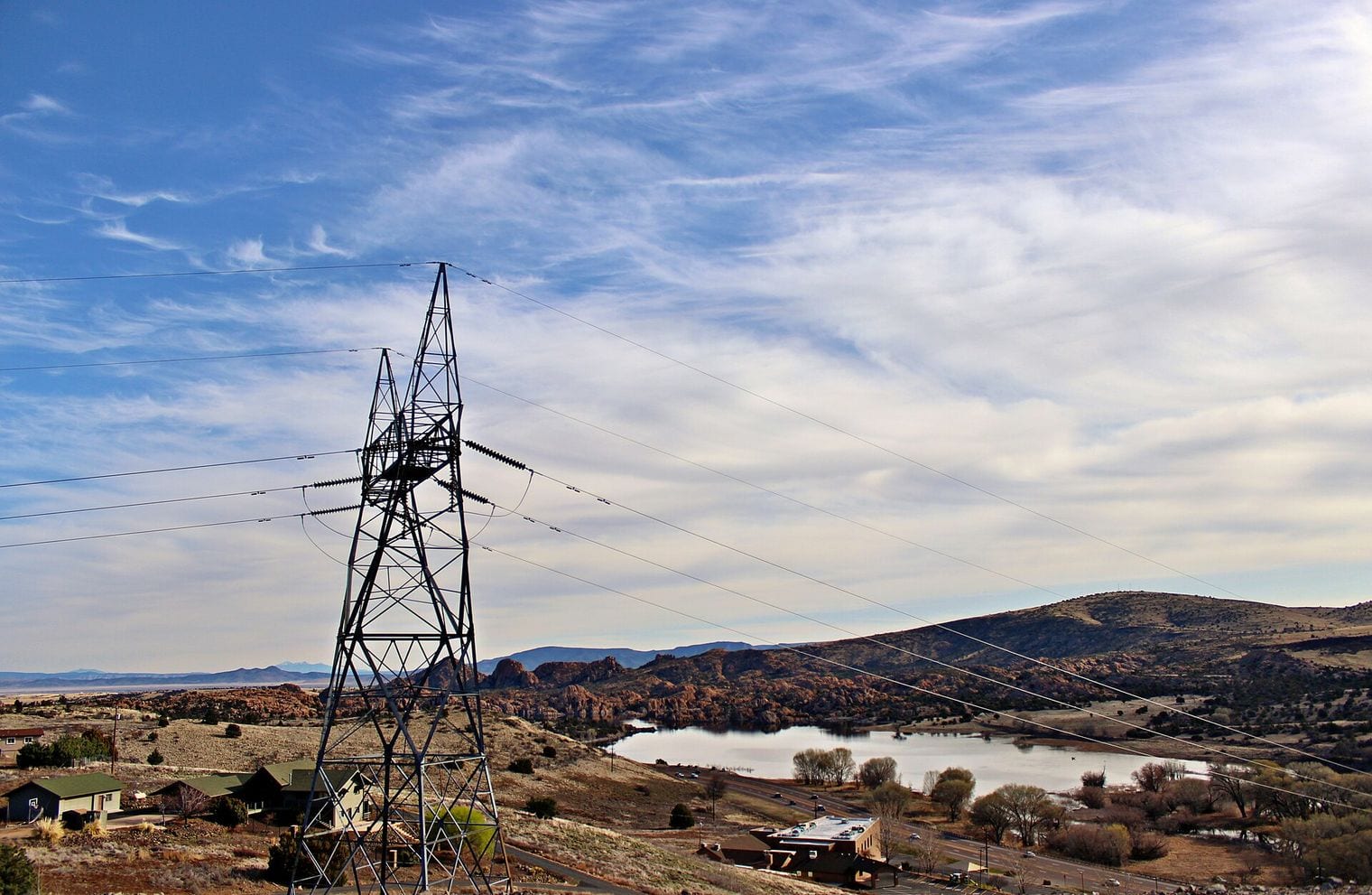
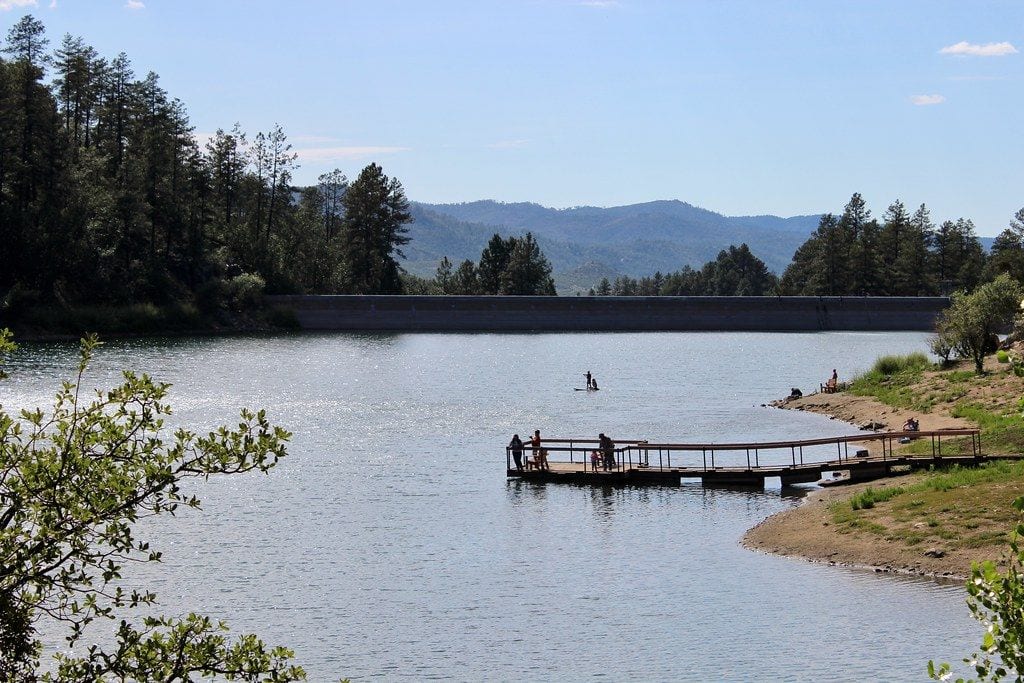
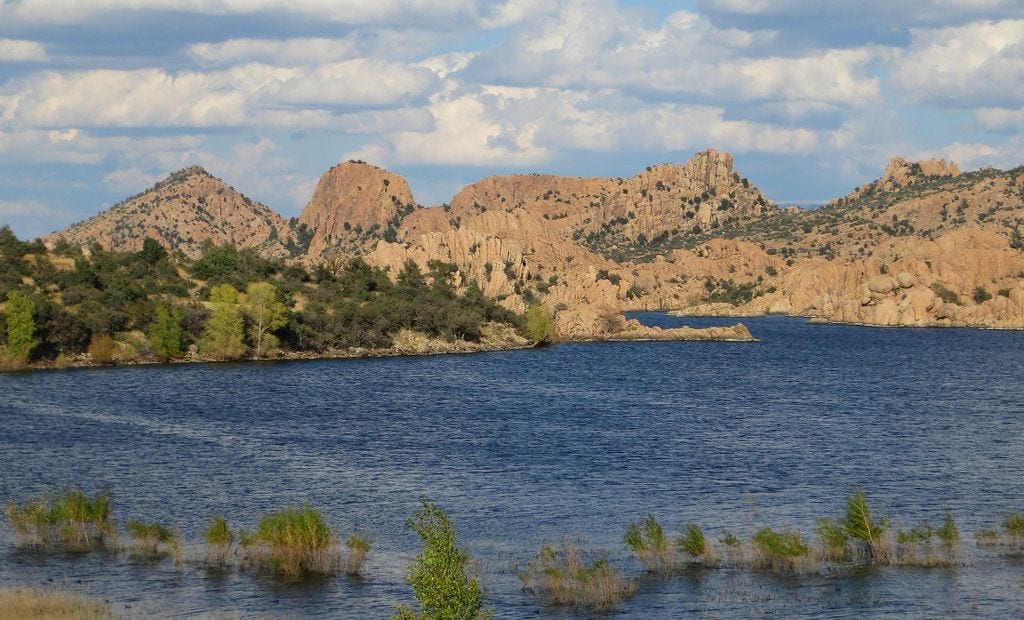
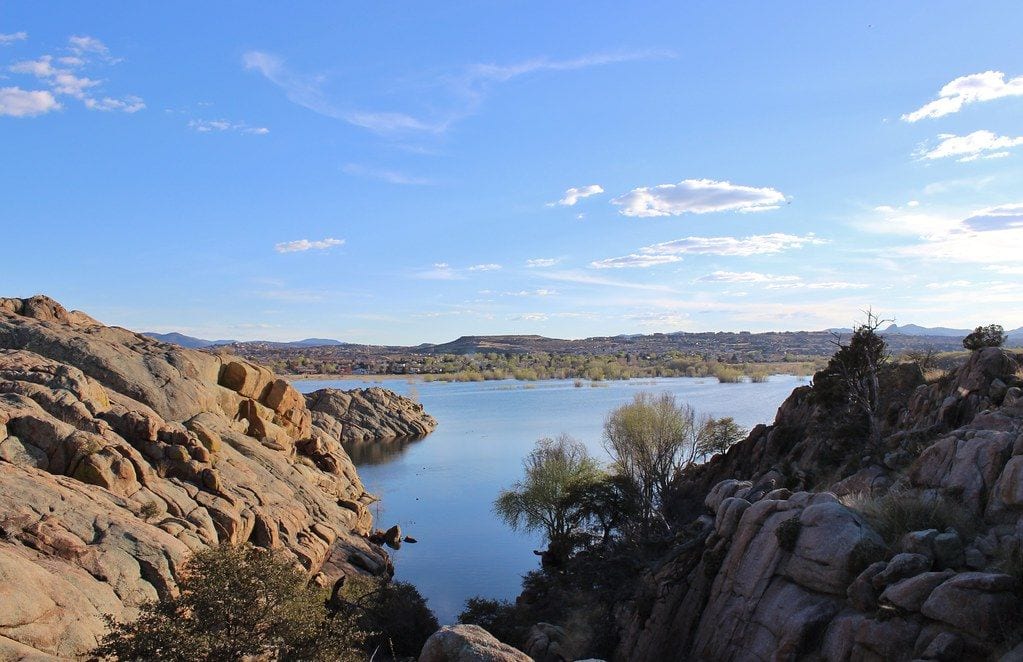
Watson Lake sits about 4 miles from downtown Prescott, reached via Highway 89. It stands out among Arizona's reservoirs for its shoreline of immense granite boulders, some rising from the water to form tiny islands. This picturesque spot draws visitors for boating, kayaking, canoeing, and fishing, with kayak and canoe rentals available on site.
Beyond the water, the surrounding area rewards land-based adventurers. You can go hiking or take on the rock climbing at Prescott Rocks & Rec, then settle in for a night of camping at the lake. From here you can also reach the beautiful Granite Dells, the dramatic boulder formations that give this corner of Prescott its rugged, unmistakable character.
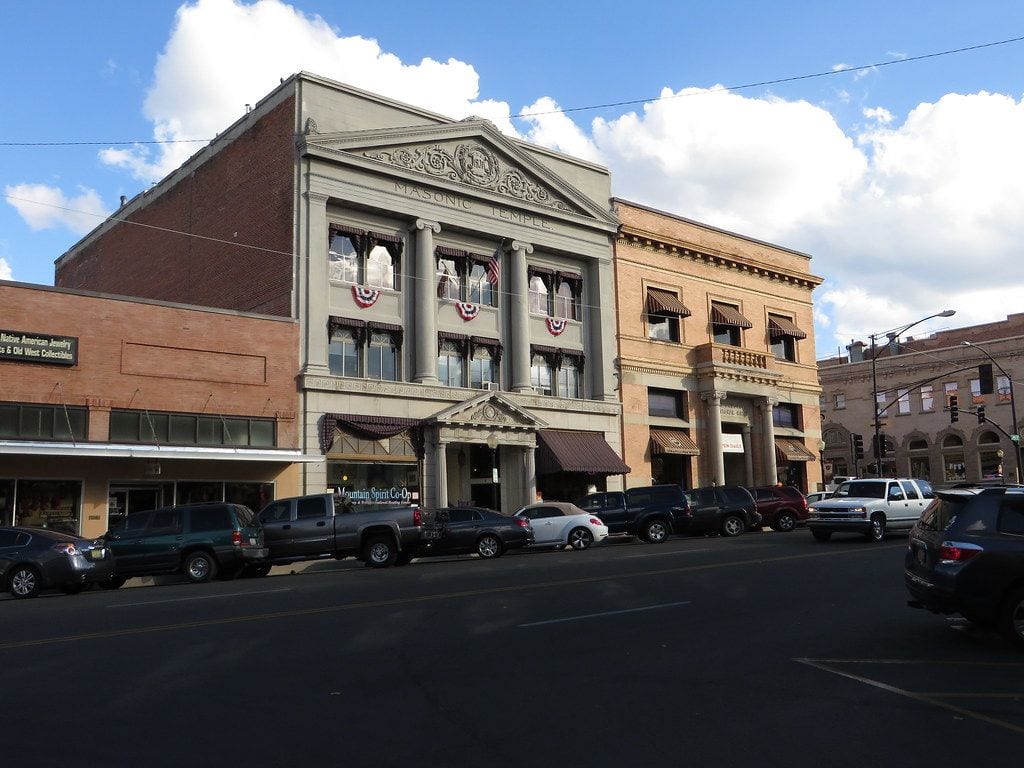
Downtown Prescott is filled with 19th-century buildings listed on the National Register of Historic Places, many still standing intact and in daily use. The Bank of Arizona, the Levy Building, and the St. Michael Hotel are among the beautifully restored landmarks, giving the whole district an authentic feel of old western frontier life.
Hotels, saloons, and restaurants carry the same western theme, so a stroll here can feel like stepping onto an old movie set. The standout is Whiskey Row, the district's most storied stretch and home to the Palace, Arizona's oldest saloon. Together they make the area a lively window into the town's frontier past.
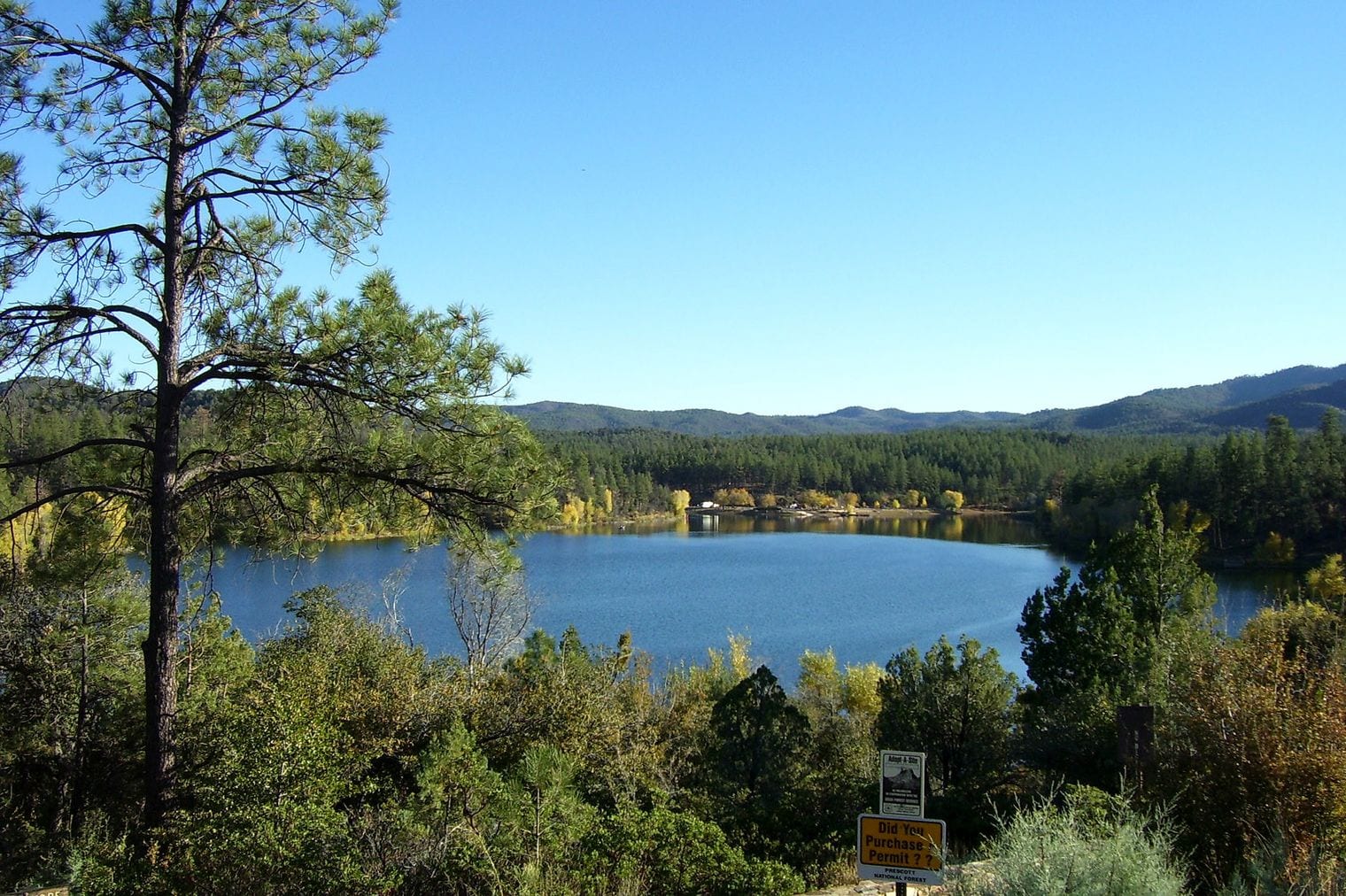
Set in a pine forest just outside town, Lynx Lake Recreation Area packs a lot into one place: mountain biking, fishing, hiking, and camping all radiate from the water. Non-motorized and low-power boats are welcome on the lake, and canoe and paddleboat rentals run seasonally through the summer for anyone who wants to get out on it.
History buffs and hopeful prospectors can try the gold-panning area along Lynx Creek, where recreational panning is permitted. When you want to linger past sunset, the campground offers both tent and RV sites tucked among the trees, making it easy to turn a day trip into an overnight escape in the woods.
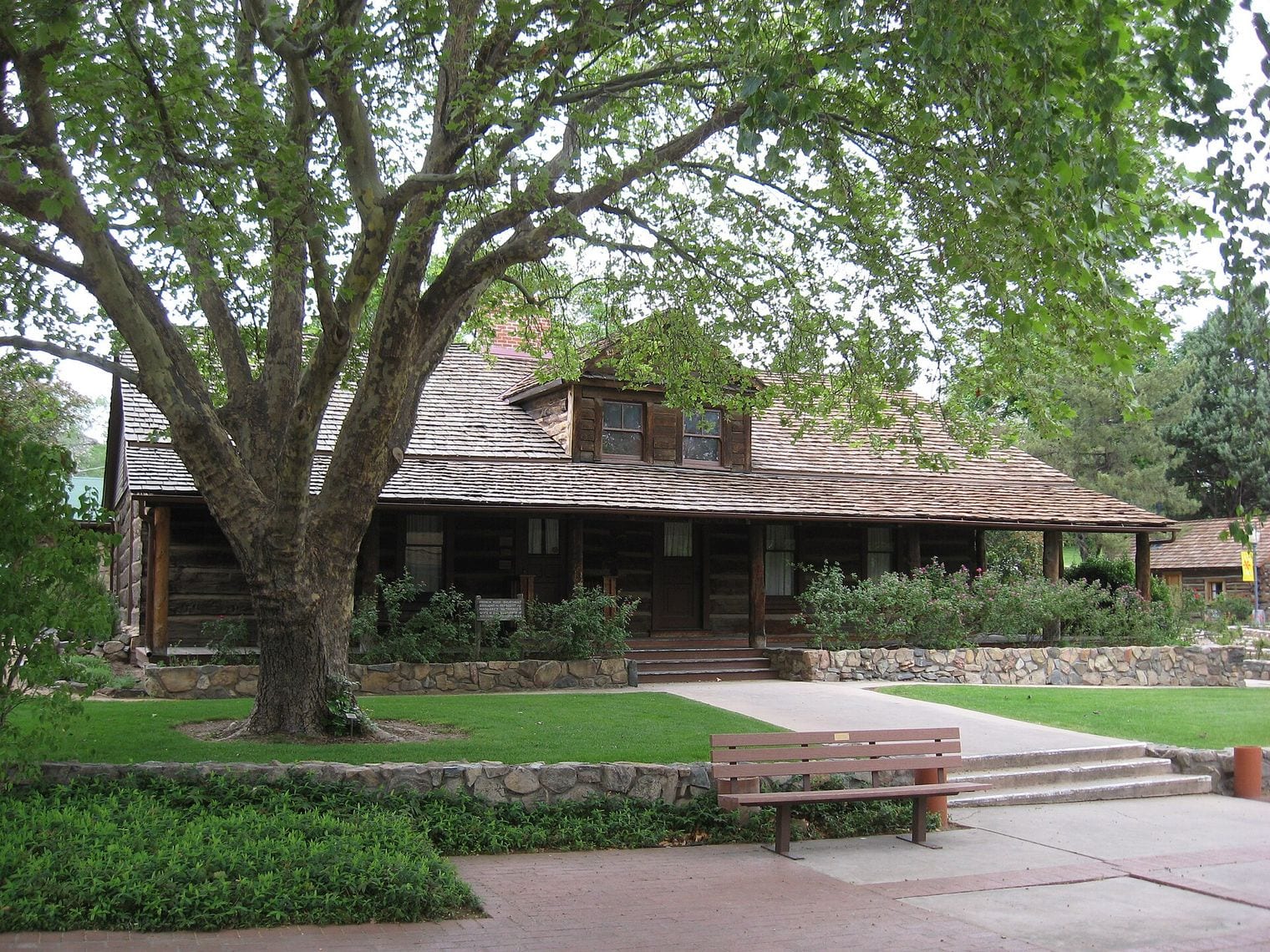
The Sharlot Hall Museum is an open-air museum dedicated to the history and local traditions of Yavapai County. It is named for Sharlot Hall, an educated politician and pioneer woman whose large collection of artifacts and documents she donated in 1927 to form the museum's foundation.
Permanent exhibits explore local history, among them an aerial photo display and a Yavapai-Prescott Indian basket collection. Visitors can join a daily guided tour or wander the grounds on a self-guided tour at any time. The museum store rounds out a visit with several rooms of themed gifts to browse.
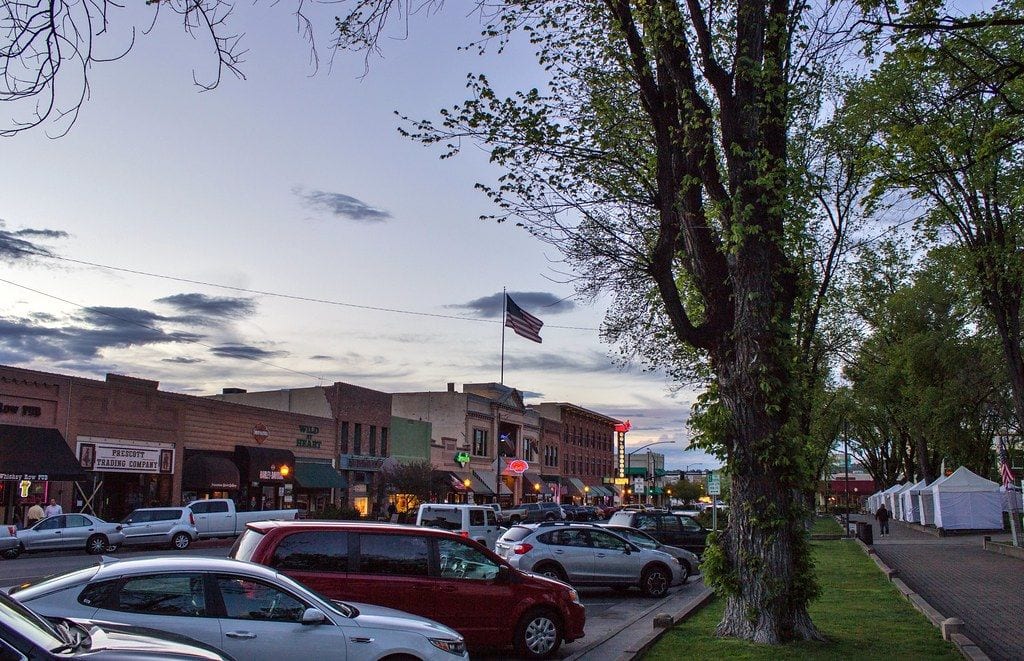
Whiskey Row anchors Prescott's downtown historic district, a block packed with old saloons, historic buildings, and restaurants. The strip was rebuilt after a 1900 fire destroyed an entire city block downtown. So many bars rose during the restoration that the area once counted forty saloons on a single block, a density that spoke to the town's rowdy early clientele.
That crowd arrived with the gold rush, which drew cowboys, prospectors, gamblers, and a fair share of outlaws to the small Arizona town. Today the mix has softened without losing its character, blending art galleries and candy shops among the western saloons that made the row famous in the first place. It remains one of Prescott's liveliest and most storied stretches.
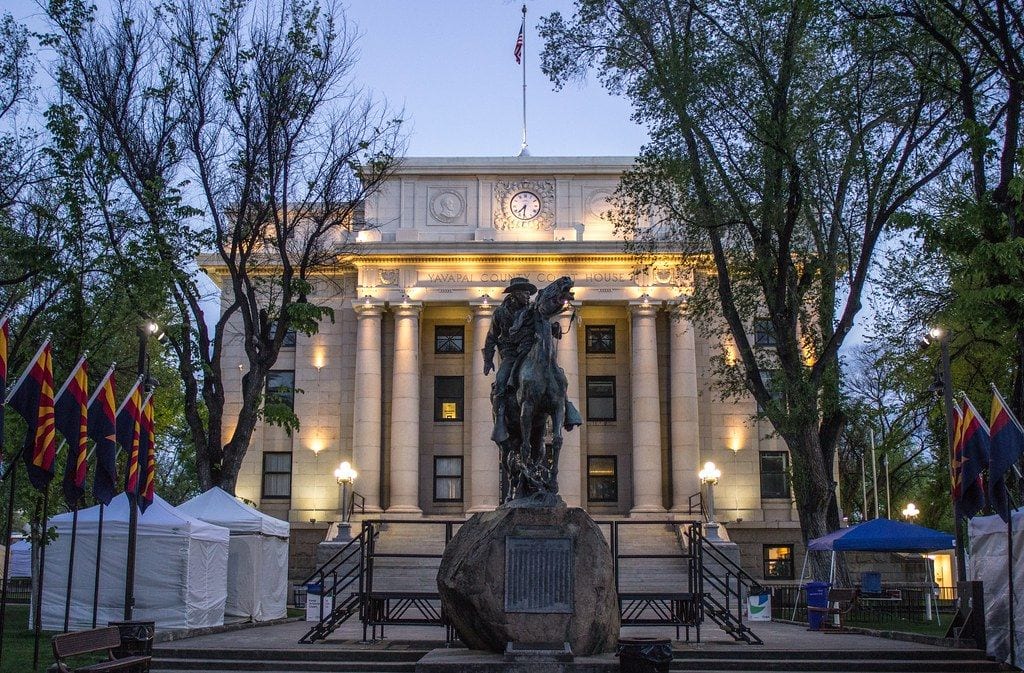
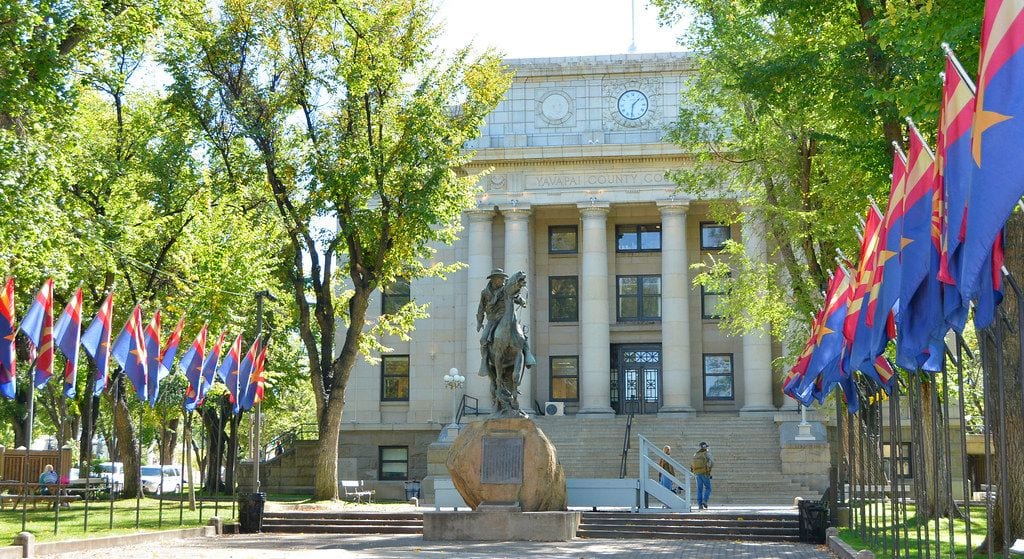
Courthouse Plaza is a historic district in downtown Prescott, listed on the U.S. National Register of Historic Places. Its centerpiece is the 1916 granite Yavapai County Courthouse. After the 1900 fire that engulfed the saloons on Whiskey Row, owners hauled their goods and the massive 24-foot oak bar out of the Palace Saloon and onto the plaza to serve makeshift drinks.
Today the plaza hosts nearly every civic gathering in town, from seasonal celebrations and concerts to art exhibits, craft fairs, and antique shows. Surrounded by shops, cafes, bookstores, and art galleries, it remains the lively heart of the city and one of the best places to feel Prescott's frontier history come alive on an unhurried afternoon stroll.
Goldwater Lake sits just south of Prescott, a 15-acre reservoir formed by a dam on Bannon Creek. Its calm water is ideal for kayaking and canoeing, while the surrounding park packs in plenty to do, from hiking and fishing to volleyball, horseshoes, a picnic area, and a children's playground.
Anglers can cast for largemouth bass, sunfish, catfish, and crappie right from the shore or a boat. An easy trail loops around the water and connects to a wider network of paths, letting you extend a gentle lakeside stroll into a longer hike through the surrounding Prescott National Forest.
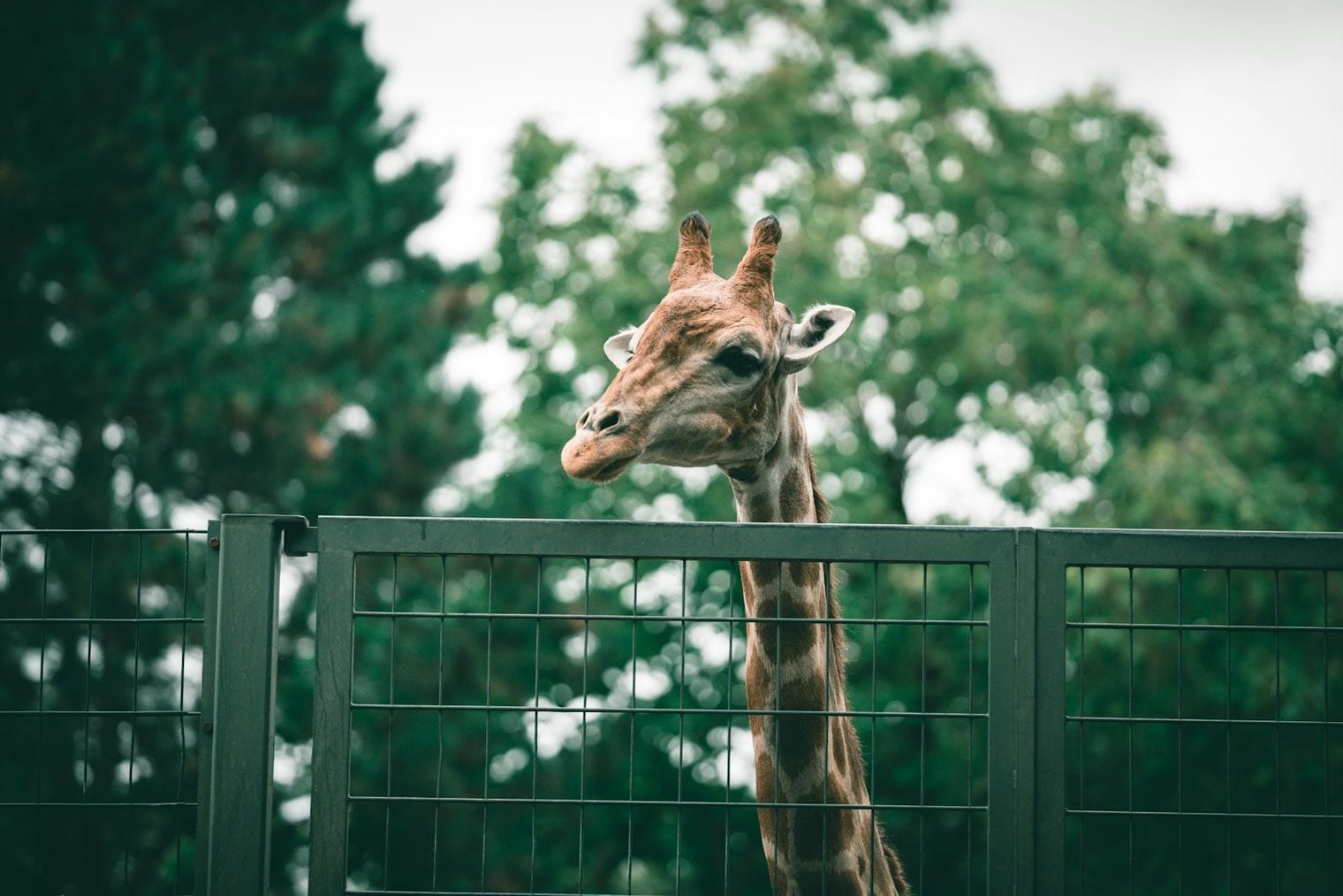
Overlooking Willow Lake on a 10-acre site, Heritage Park Zoo is a non-profit animal sanctuary dedicated to conserving and preserving native and exotic species. It pairs conservation with recreation, hands-on activities, entertainment, and education, giving visitors an engaging day out in a genuinely beautiful natural setting.
The animals here were rescued either from the wild for their own safety or from captivity, and they now live in large, natural habitats across the grounds. You can explore on your own, join a guided tour of the zoo, or take part in the special events staged throughout the year. It's an easy, rewarding stop for families and animal lovers.
Thumb Butte Trail 33 is a popular 2.5-mile loop in the Prescott National Forest. This moderately difficult trail is mostly paved and clearly marked with signs, making it easy to follow. Whether you want a scenic nature walk, a hike, or a road-biking route near Prescott, it's a reliable and rewarding pick.
Open year-round, the trail offers plenty of chances to spot local wildlife, including deer. Because it's a well-loved route, expect it to get busy at peak times. The real reward comes at the top, where a panoramic view opens up over Prescott and the surrounding landscape, making the climb well worth the effort.
The Highlands Center for Natural History teaches visitors about the wonders of nature through demonstration gardens and hands-on, interactive experiences. Programs suit every age, from nature camps for kids and school field trips to art classes and natural history courses for adults. Those wanting to go deeper can take part in expert-led nature study on the grounds.
The center is home to the James Family Discovery Gardens, filled with plants native to Prescott and the wider Central Arizona Highlands region. A three-mile trail winds through the property, linking up with Lynx Creek and opening onto the wider network of Prescott National Forest paths, making it an easy jumping-off point for a longer hike.
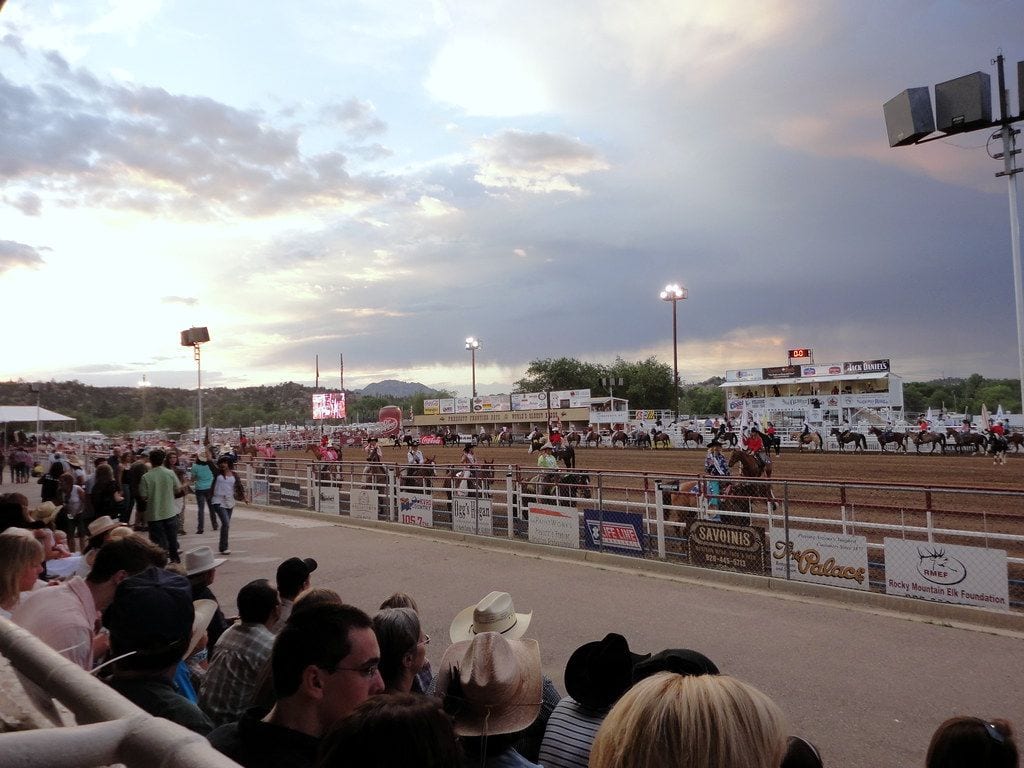
Prescott Frontier Days hosts the World's Oldest Rodeo, running every year since 1888. Across a week each summer, eight rodeo performances fill the arena with classic events: bareback riding, team roping, tie-down roping, wild horse races, steer wrestling, and, of course, bull riding. Well-known musicians perform throughout, making the whole celebration as much a party as a competition.
Beyond the arena, the annual rodeo dance takes over downtown Prescott for several nights during the festival, keeping the western spirit going after dark. Thursdays are family nights, when entire families join the dancing downtown, so visitors of every age can take part. It's a lively, historic tradition that captures Prescott's frontier roots better than almost anything else in town.
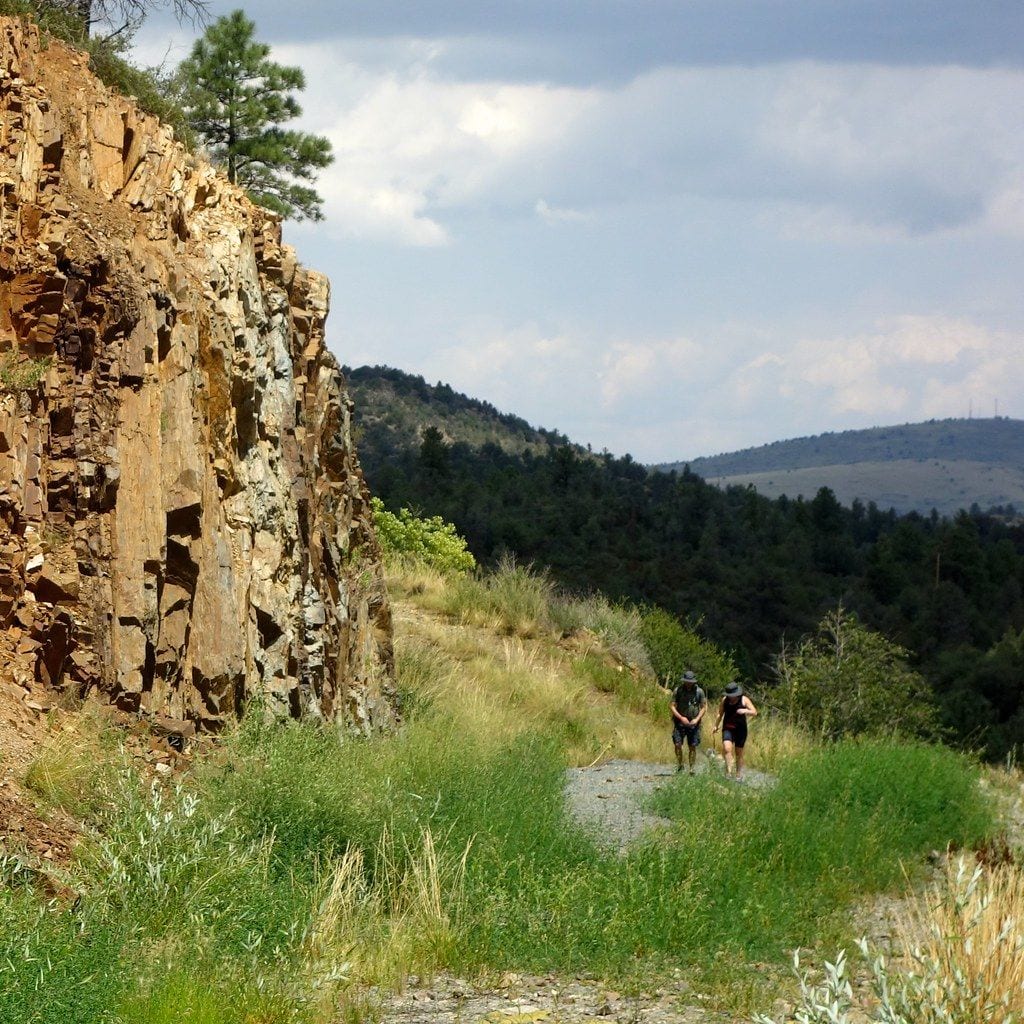
Peavine Trail is a moderately trafficked, roughly 12-mile out-and-back near Prescott with picturesque views of Watson Lake and the Granite Dells, plus chances to spot wildlife. One of the few Rails to Trails projects in Arizona, it connects with the Iron King Trail for another four-mile trek along more old railroad bed.
The six-mile trail follows a route built by the Santa Fe Railway in 1893, beginning just south of Watson Lake at the gravel parking lot by the lush Watson Woods Riparian Preserve. Walk, bike, or ride horseback along the corridor for an easy way to explore this stretch of Arizona's high-country landscape.
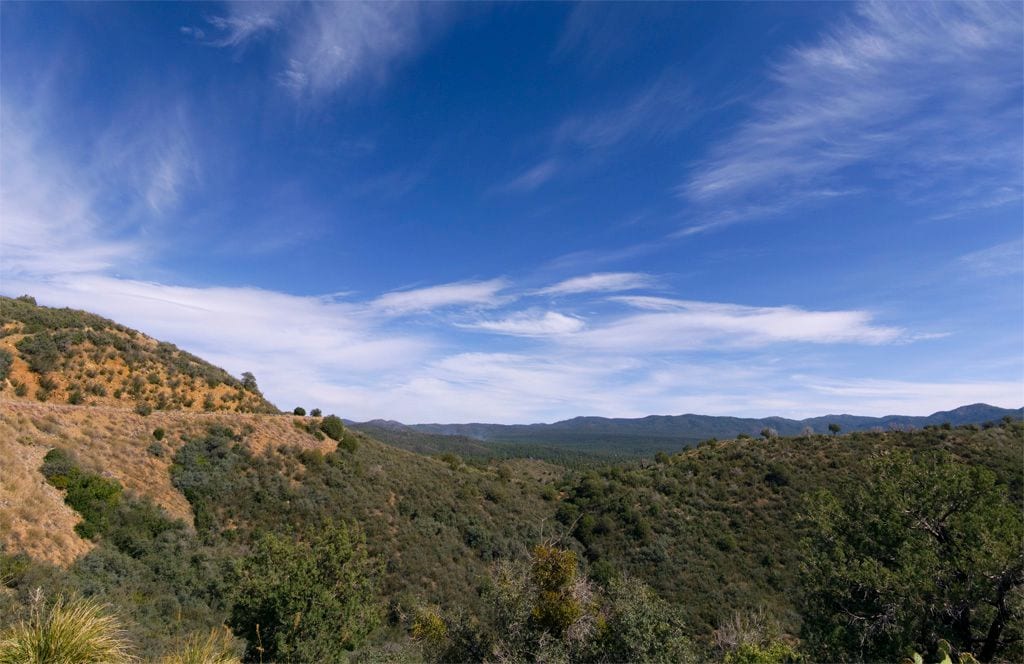
Prescott National Forest spans 1.25 million acres managed by the United States Forest Service and divided into eight designated wilderness areas. Its lakes open the door to fishing, boating, and even panning for gold, while developed campgrounds suit families and undeveloped sites reward experienced outdoor enthusiasts seeking a more rugged stay.
Numerous hiking trails thread the forest, including the Thumb Butte Trail 33, and several are open to horseback riders as well. Whether you come to retreat alone or unwind with family, the surrounding scenery offers a relaxing escape deep in nature, with room to roam across some of Arizona's most varied high-country terrain.
Constellation Trails is a network of loops winding through the Granite Dells. Covering nearly three miles of mostly flat terrain with little elevation gain, the marked routes welcome both hikers and mountain bikers. Easy, family-friendly options make the area approachable for all ages, while the mix of packed dirt and slick rock keeps the footing varied and interesting.
Along the way, striking rock formations rise beside scrub oak passageways and seasonal wildflowers in an ever-changing palette. Because the loops stay accessible year-round, you can lace up whenever the mood strikes and still find a rewarding hike. It's a versatile stretch of trail that pairs beginner ease with the wild scenery Prescott's Granite Dells are known for.
The Phippen Museum is a small fine art museum showcasing Native American and cowboy-themed works and the history of the Old West. Its permanent exhibition features studio replicas, a gallery dedicated to western heritage, and the Arizona Rancher and Cowboy Hall of Fame, presenting artworks, documents, and artifacts in a way that brings frontier history to life.
The museum offers a genuinely distinctive experience, and its collection rewards a closer look. You can attend the annual Phippen Museum Western Art Show along with other events held throughout the year. Explore on a guided tour to learn the stories behind the pieces, or wander at your own pace on a self-guided visit whenever it suits you.
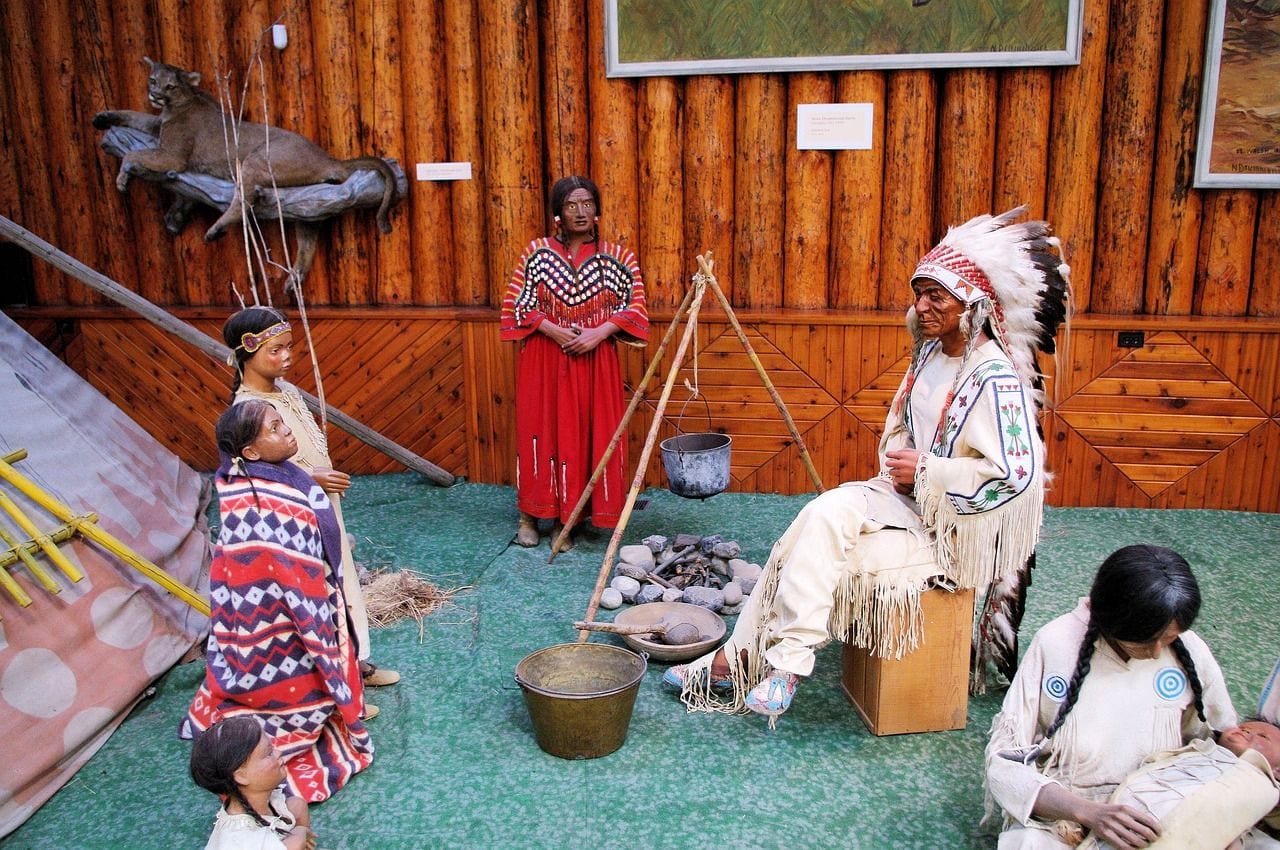
The Museum of Indigenous People, formerly the Smoki Museum, is dedicated to Native American art and artifacts. It was founded by the Smoki people alongside the Civilian Workers Administration, including artist Kate Cory and a University of Arizona professor. Its collection holds a photography album and eight paintings donated by Kate Cory.
Beyond the paintings, the museum safeguards more than 2,000 artifacts, among them baskets, pottery, beadwork, clothing, and other Native American art. Throughout the year it hosts cultural events where popular Native storytellers share folktales over snacks, and its on-site store sells items handmade by Native people, making it easy to take a piece of the culture home.
Willow Lake Park sits just a few miles from downtown Prescott, right beside Watson Lake beneath the striking granite boulders of the Granite Dells. The roughly 400-acre lake is made for kayaking, canoeing, boating, and fishing, and its quieter shores draw fewer crowds than neighboring Watson Lake while offering the same scenic beauty.
Beyond the water, the park rewards hikers, birdwatchers, and picnickers with easygoing trails and wide-open views. If you did not bring your own gear, kayaks and canoes are available to rent on-site. The trails ringing the lake link up along the western shore, connecting to both Watson Lake and neighboring Pioneer Park for a longer day outdoors.
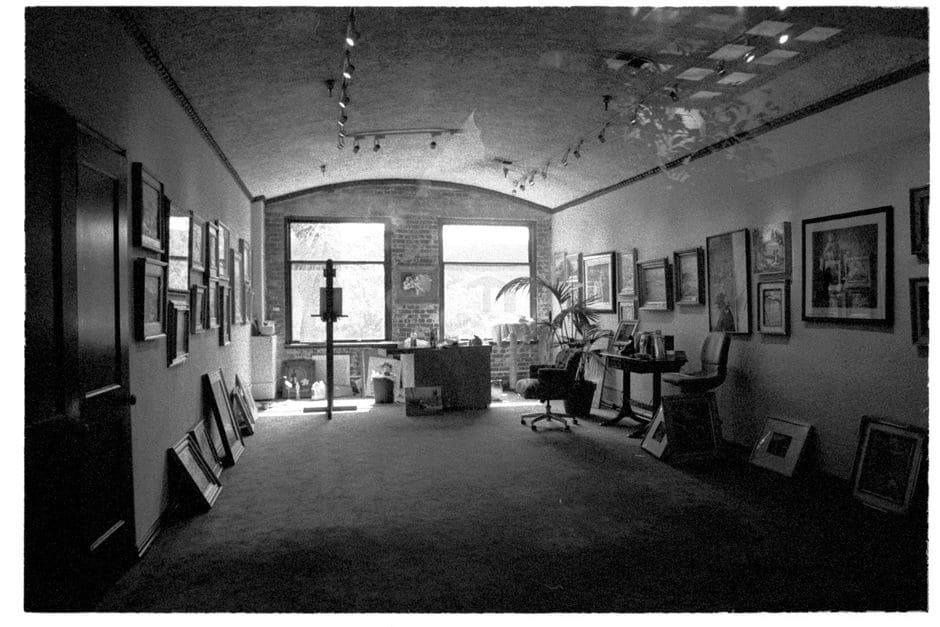
Founded in 1994 and still owned by local artists, Arts Prescott Cooperative Gallery sits right in the middle of Whiskey Row, making it an easy stop while you explore downtown. It showcases a wide range of work created entirely by artists from the Prescott area, so every piece carries a genuine local connection.
Inside, you can expect paintings, photography, weaving, sculpture, pottery, baskets, ceramics, glassworks, and jewelry filling the space. The cooperative also hosts special events throughout the year, including a monthly guest artist reception and the 4th Friday Prescott Art Walk, giving you plenty of reasons to return and meet the makers.
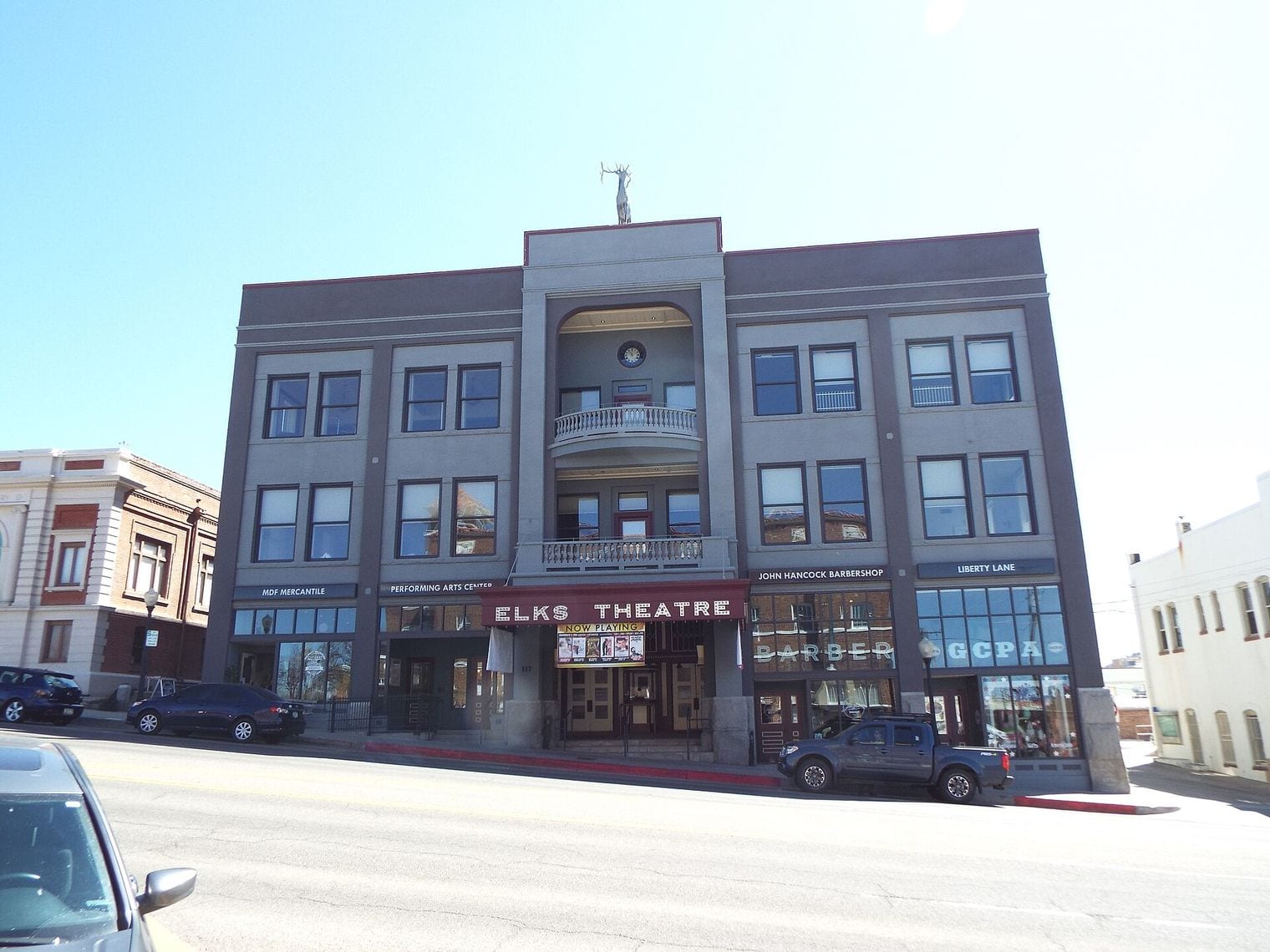
Built in 1905, the Elks Opera House Theatre is a performing arts center and event venue housed in a turn-of-the-20th-century opera house. It was one of many "Elks" opera houses raised across the country, seating more than 500 people. Today it is one of the few of those Elks opera houses still functioning as a theater.
The venue originally hosted minstrel shows, balls, theatrical performances, and plays. Following a restoration of the building, it now stages concerts and events as well, and visitors can join guided tours to explore the historic space and learn about its long run as a working theater.
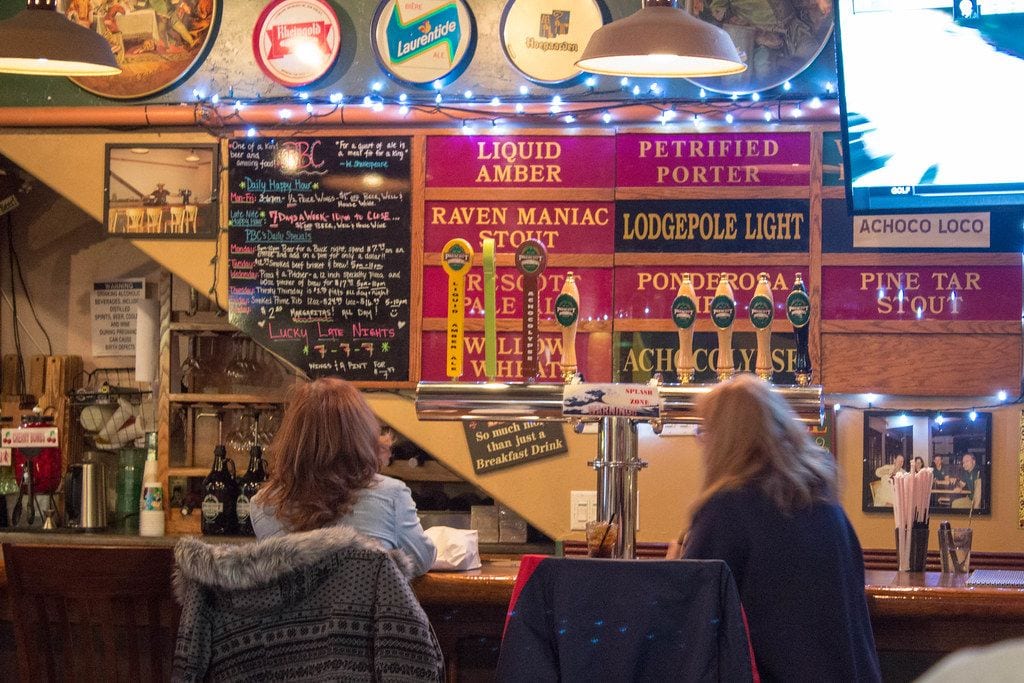
Prescott Brewing Company is a classic tavern pouring house-brewed beers alongside traditional pub food and appetizers. A hometown brewpub that has served Prescott for more than twenty years, it's run by owners who stay deeply involved in community life. The kitchen makes nearly everything from scratch, and the rotating beer selection has something for every taste.
Menu highlights include Dippin' Chicken bites served with buffalo beer cheese and hand-made pizzas built on a spent-grain beer dough crust. The on-site store rounds out a visit with apparel, gift cards, and beer merchandise, making it easy to take a piece of the brewery home after a meal and a pint in the taproom.
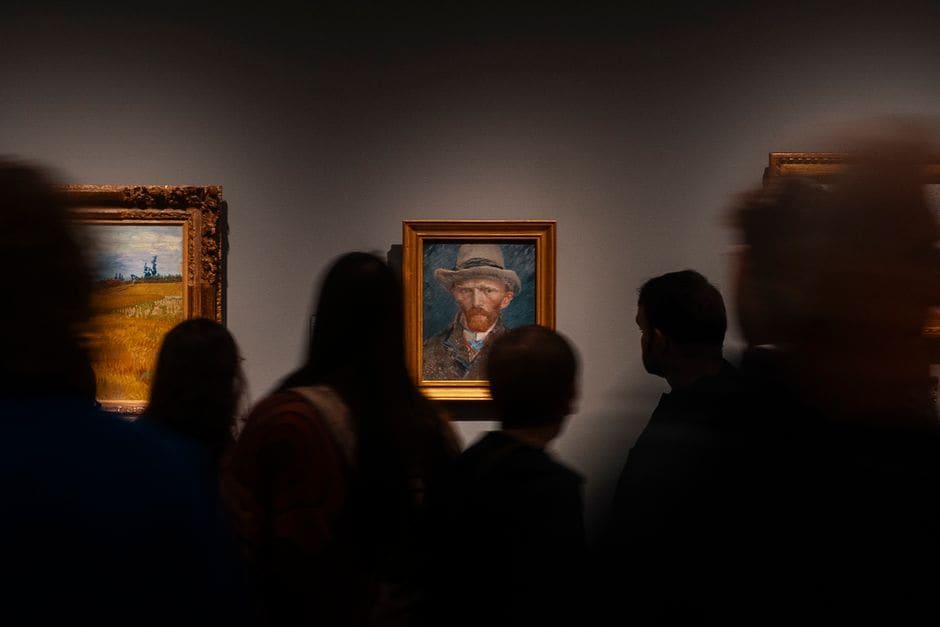
Van Gogh's Ear is a contemporary fine arts and crafts gallery on Whiskey Row in downtown Prescott, showcasing the work of more than 50 local and neighboring artists in an elegant, spacious setting. Across its 3,400 square feet, you can browse a wide range of paintings, crafts, and other original pieces, all of which are available to purchase.
The gallery earned recognition for renovating and setting up its large downtown space itself, thoughtfully respecting the building's historic character in the process. Throughout the year it also hosts a variety of events, giving visitors even more reason to stop in while exploring Prescott and its lively arts scene.
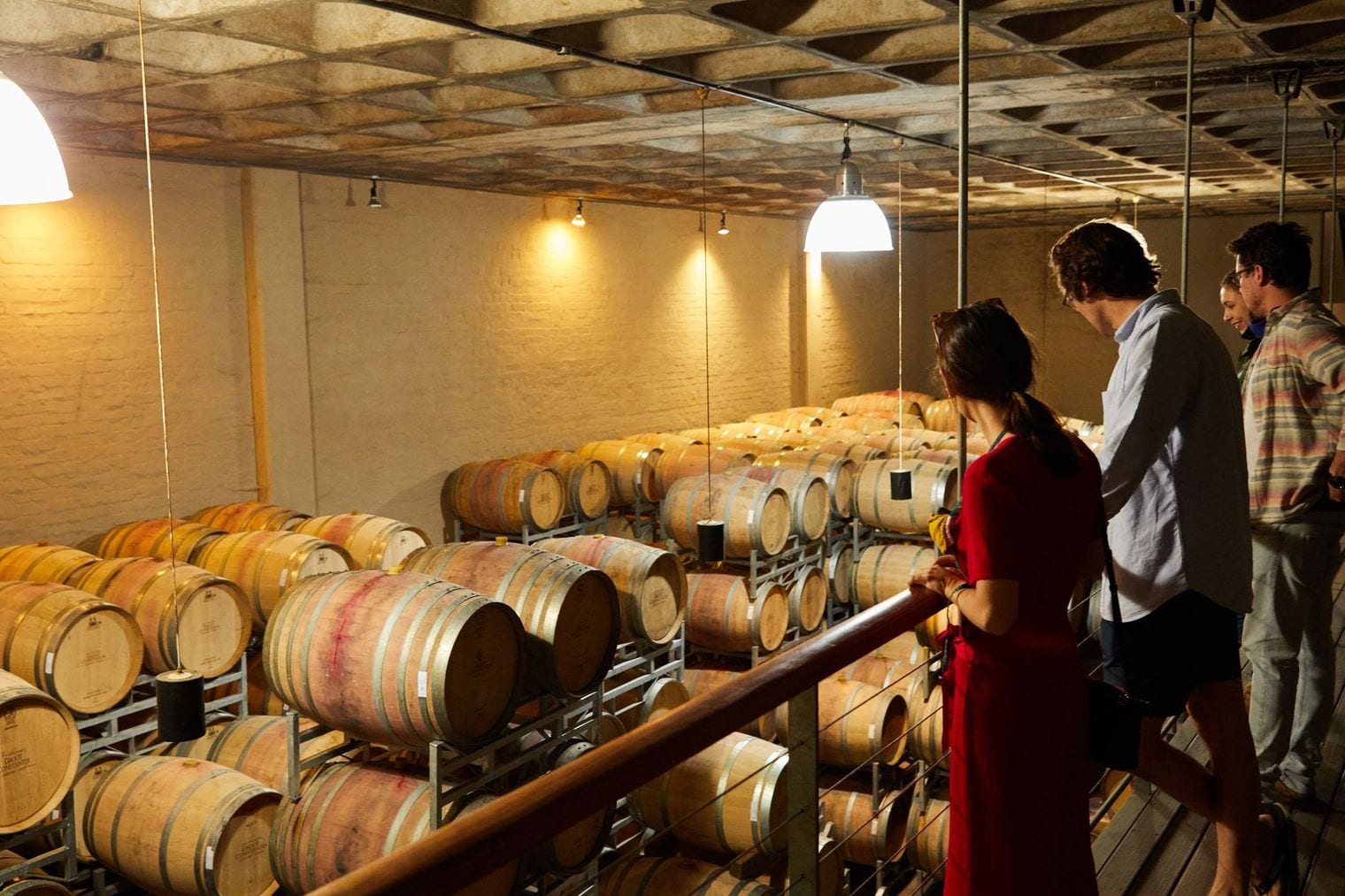
In downtown Prescott, Granite Mountain Distillery makes its small-batch spirits by hand at 400 N. Washington Ave – the address craft-spirits fans in town have long associated with local distilling. The lineup runs from Valkyrie Vodka and Sonoran Gin to Raven Rye and Granite Mountain Bourbon, and it’s a fitting stop for anyone curious about Arizona-made spirits while visiting Prescott.
Those bottles have earned Best-of-Class honours and gold medals at competitions from Denver to Los Angeles, so the tasting flights are worth lingering over. The rustic tasting room leans into its working-distillery setting, and live music on Friday and Saturday evenings – plus Sunday open-mic nights – makes it an easy highlight of a downtown evening.
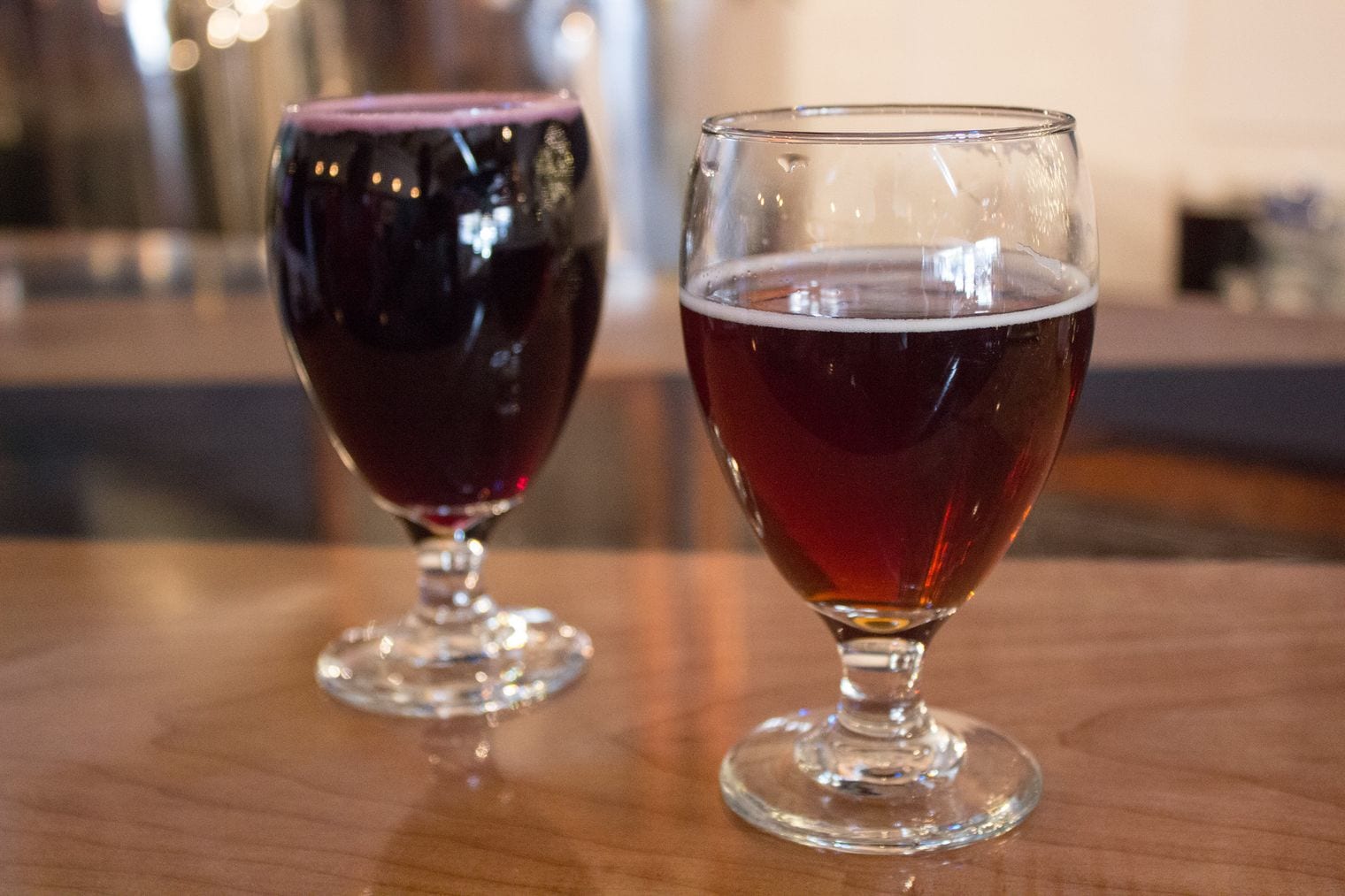
Superstition Meadery pours award-winning mead in the historic Burmister building on Prescott's Courthouse Square. The cozy cellar tasting room serves a rotating lineup of meads and ciders alongside tapas-style small plates, with live local music adding to the atmosphere. It's a distinctive downtown stop for anyone curious about honey wine and Arizona's craft-beverage scene.
This Prescott tasting room is the flagship of one of the most celebrated mead producers in the country, internationally recognized for its honey wines. Whether you're a longtime mead fan or trying it for the first time, the intimate cellar setting makes for a memorable tasting, pairing thoughtfully crafted pours with a relaxed, welcoming atmosphere just steps from the historic square.
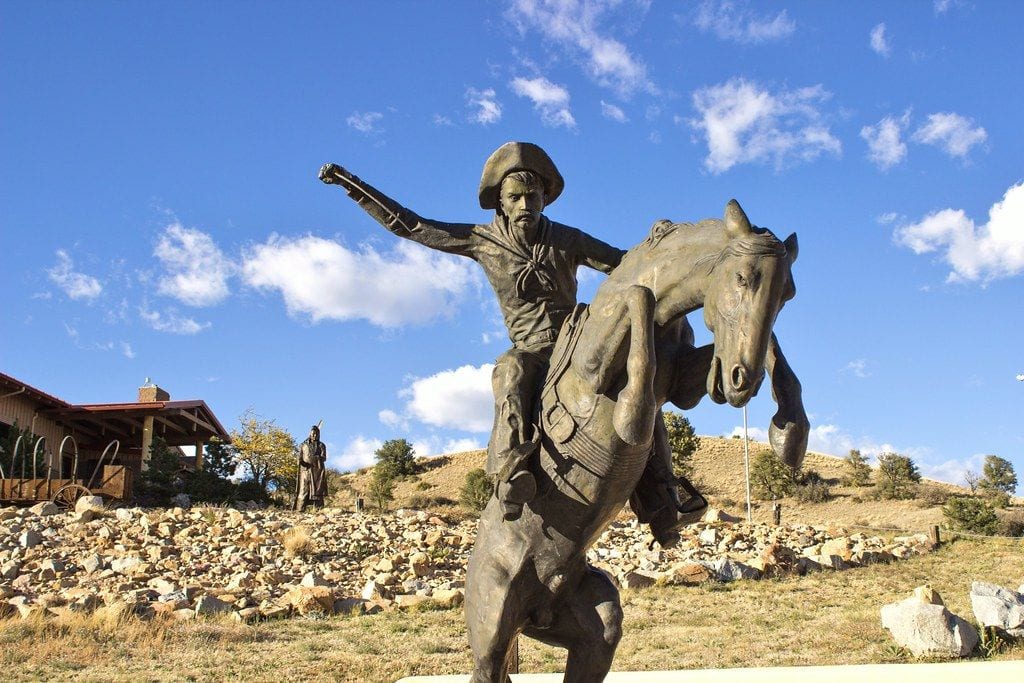
The Bucky O'Neill Monument stands on Courthouse Plaza in Prescott's historic district. Also called the Rough Rider Monument, it was created by sculptor Solon H. Borglum and honors the first US Volunteer Cavalry, better known as Roosevelt's Rough Riders. The bronze equestrian statue is a striking centerpiece of the plaza and one of the town's most recognizable landmarks.
The monument is dedicated to Captain William "Bucky" O'Neill, who became the first volunteer of the Spanish-American War in 1898. He also organized the Rough Riders himself, making his legacy central to the unit's story. Standing at the heart of the historic district, the tribute connects visitors to a defining chapter of Prescott and American military history.
Mount Union is the highest point in the Bradshaw Mountains and Yavapai County, rising almost 8,000 feet. Reach the summit by linking the Dandrea Trail to the Yankee Doodle Trail, where a forest service fire lookout stands on the peak. The 360-degree views from Mount Union Lookout are stunning, stretching more than 100 miles on clear days.
Rated easy to moderate, the trails suit families as well as seasoned hikers. During fire season, you can climb the observation tower itself, though only under supervision. Roads also lead to the peak, and in dry conditions most cars can make the drive to the top. Access grows more difficult in winter, when the roads become harder to travel.
Getting to Prescott
Prescott sits in Arizona’s central highlands, reached most directly from Interstate 17, the main north-south corridor between Phoenix and Flagstaff. From the interstate you turn west onto State Route 69, which runs straight into town; State Routes 89 and 89A offer slower, more scenic mountain approaches from other directions. If you are coming from the Phoenix metro area, the drive south to north is roughly two hours, and Flagstaff sits about an hour and a half to the northeast.
The city has its own small regional airport a few miles outside the centre with a limited slate of commercial flights, which is handy if the schedule happens to line up. Most visitors, though, fly into the far larger international hub down in the Phoenix valley, which offers many more routes, and drive up in about two hours. There is no passenger rail into Prescott itself, but a scheduled shuttle-van service connects the city with that Phoenix airport, and it is the most common way to arrive without a car.
Getting Around Prescott
The heart of Prescott is compact and genuinely walkable: the historic downtown grid around the courthouse square, its surrounding blocks of shops and saloons, and the adjacent old commercial strip are all easy to cover on foot, and you can leave the car parked once you arrive. Metered and time-limited street spaces ring the square, and a multi-storey public garage sits just a block off it, so parking near the centre is rarely a problem.
Beyond the walkable core, though, a car is the practical way to get around, since the lakes, museums, the zoo and the outlying neighbourhoods are spread out and best reached by road. A basic local bus network covers some routes, rideshare is available, and the flatter parts of town are pleasant for cycling, but distances and the hilly terrain mean most travellers rely on their own vehicle for anything outside downtown.
Where to Stay in Prescott
For a first visit, base yourself in or right beside the historic downtown around the courthouse square and the old saloon row: from here the shops, restaurants, museums and evening atmosphere are all on foot, and you never need to move the car to reach the best of the centre. Rooms in this walkable core are the most convenient, if also the liveliest at night.
If you prefer quiet, the residential districts a little further out trade walkability for calm and easier parking while keeping downtown a short drive away. Travellers arriving late or leaving early often pick the approaches along the main highway into town, where lodging clusters near the road for a quick getaway. The campus area on the north side, out toward the lakes, is another option worth considering if you want to be closer to the outdoor attractions than to the square.
Where to Eat in Prescott
The downtown historic core, and especially the old saloon row facing the courthouse square, is the city’s dining and nightlife district, packed with everything from steakhouses and barbecue joints to cafes and bars within a few walkable blocks. This being central Arizona, the strongest regional flavours are Southwestern and Mexican: expect green- and red-chile plates, enchiladas, tacos and carne asada, often alongside mesquite-smoked barbecue and hearty ranch-country steaks.
Away from the square, look for Southwestern-inflected cooking that leans on local produce and chiles, and the family-run Mexican kitchens scattered through the wider town for the most authentic and best-value plates. Craft beer and whiskey, a nod to the town’s Old West saloon heritage, round out the drinks side of almost any evening out here.
One Day in Prescott
Prescott rewards a day built around its two personalities — the granite-and-water country on its northern edge in the cool morning hours, and the walkable Victorian core once the sun climbs. Here’s how to string the best of both into a single dawn-to-dusk plan.
Morning: Start north of town at Watson Lake, where the Granite Dells pile up in rounded orange boulders around the water — the light is best early and the parking fills later, so this is a first-thing stop. Lace up and walk a stretch of the adjoining Prescott Peavine National Recreation Trail, a flat former rail bed that threads right through the Dells and links toward Willow Lake Park if you want to extend the loop. Prefer a climb to a view? Swap in Thumb Butte Trail 33 on the west side, a short but genuinely steep haul to the landmark butte that watches over the whole valley.
Afternoon: Head into the historic center and give the middle of the day to Sharlot Hall Museum, a campus of pioneer buildings and Arizona-territory history that sets up everything you’ll see next. From there it’s a two-block stroll to Courthouse Plaza, the shaded, statue-dotted square at the heart of downtown — pause at the Bucky O’Neill Monument, the Rough Rider on horseback that anchors its lawn. Duck into the Museum of Indigenous People for a deeper read on the region’s first inhabitants, then browse the storefronts and saloons of Whiskey Row along the plaza’s west face.
Evening: Stay downtown as the pace slows. Settle in for dinner and a house-brewed pint at Prescott Brewing Company overlooking the plaza, or trade beer for a flight at Superstition Meadery a few minutes west. Cap the night with whatever’s on the marquee at the Elks Opera House Theatre, the restored 1905 stage just off the square. If you have a second day, point the car at the pines of Prescott National Forest and the high, panoramic finish at Mount Union Lookout, the tallest point in the range — a scenic drive and climb that’s worth a morning all its own.
Free Things to Do in Prescott
Prescott is an easy city to enjoy on a budget, with much of its best sightseeing free of charge.
Wander the historic Courthouse Plaza and stroll Whiskey Row to soak up the town's frontier character, then admire the Bucky O'Neill Monument on the plaza's north side. Lace up for the granite scenery at Watson Lake, hike the well-marked Thumb Butte Trail, or follow the Peavine Trail past the Granite Dells. Many of Prescott's museums and galleries, including the Arts Prescott Cooperative and Van Gogh's Ear, are free to browse.
FAQ: Visiting Prescott, Arizona
What is Prescott known for?
Prescott is known for its Old West history, especially the saloons of Whiskey Row and its granite Courthouse Plaza. As Arizona's first territorial capital, it offers a walkable historic downtown, mile-high pine-forest scenery, several granite lakes, and events like the World's Oldest Rodeo, all set against the Prescott National Forest.
Is Prescott worth visiting?
Absolutely. Prescott pairs frontier history and a lively downtown with easy access to lakes, trails, and pine forest, all at a comfortable mile-high elevation. It makes an excellent weekend escape from Phoenix and a scenic base for exploring central Arizona's high country.
How many days do you need in Prescott?
Two to four days is ideal. A weekend covers the historic downtown, Whiskey Row, and a lake or two, while a longer stay leaves time for more hiking in the Prescott National Forest, additional museums, and day trips to nearby attractions across the region.
When is the best time to visit Prescott?
Spring and fall bring the most pleasant weather, with mild days ideal for hiking and sightseeing. Summers are warm but far cooler than the desert below, making Prescott a popular escape from Phoenix heat. Winters are crisp and occasionally snowy, earning the town its nickname as Arizona's Christmas City.
How high is Prescott, and how does that affect the weather?
Prescott sits at about 5,300 feet, roughly a mile high. That elevation gives it four distinct seasons: warm rather than scorching summers, crisp autumns, occasional winter snow, and mild springs, along with around 277 sunny days a year and clean mountain air.
Is Prescott good for outdoor activities?
Very much so. Surrounded by 1.2 million acres of Prescott National Forest, the area offers abundant hiking, mountain biking, fishing, and boating. Watson Lake, Goldwater Lake, and Lynx Lake provide easy water recreation, while Thumb Butte and the Peavine and Constellation trails deliver scenic hikes close to town.
How far is Prescott from Phoenix?
Prescott is roughly 100 miles north of Phoenix, about a 90-minute to two-hour drive up into the central Arizona highlands. That easy access, combined with its cooler mile-high climate, makes it one of the most popular weekend getaways for Phoenix-area residents.