Established in 1882 on a peninsula between Yaquina Bay and the Pacific, Newport grew from a bayfront oyster-and-fishing settlement into the largest town on Oregon's central coast. It still lands more commercial seafood than almost any port in the state, and that working-harbor identity threads through everything here, from the sea-lion docks of the Historic Bayfront to the 3,500 animals held at the Oregon Coast Aquarium a few minutes across the bridge.
The reasons to visit Newport split cleanly between science and shoreline. Oregon State University's Hatfield Marine Science Center and the Yaquina Head Lighthouse anchor the learning side, while a string of state parks and cobble beaches lines the coast north and south of town. The 25 things to do in Newport below run from tidepools and whale-watching headlands to the beer at Rogue Ales & Spirits and the docks where you buy crab straight off the boat. Central on Oregon's coast, Newport also makes a natural base for a wider Oregon coast road trip.
Fun Facts About Newport, Oregon
Newport was established in 1882 on the peninsula between Yaquina Bay and the Pacific, and grew from an oyster-and-fishing settlement into the largest town on Oregon's central coast.
The city is trademarked as the “Dungeness Crab Capital of the World”, landing more Dungeness crab than any other port on the planet.
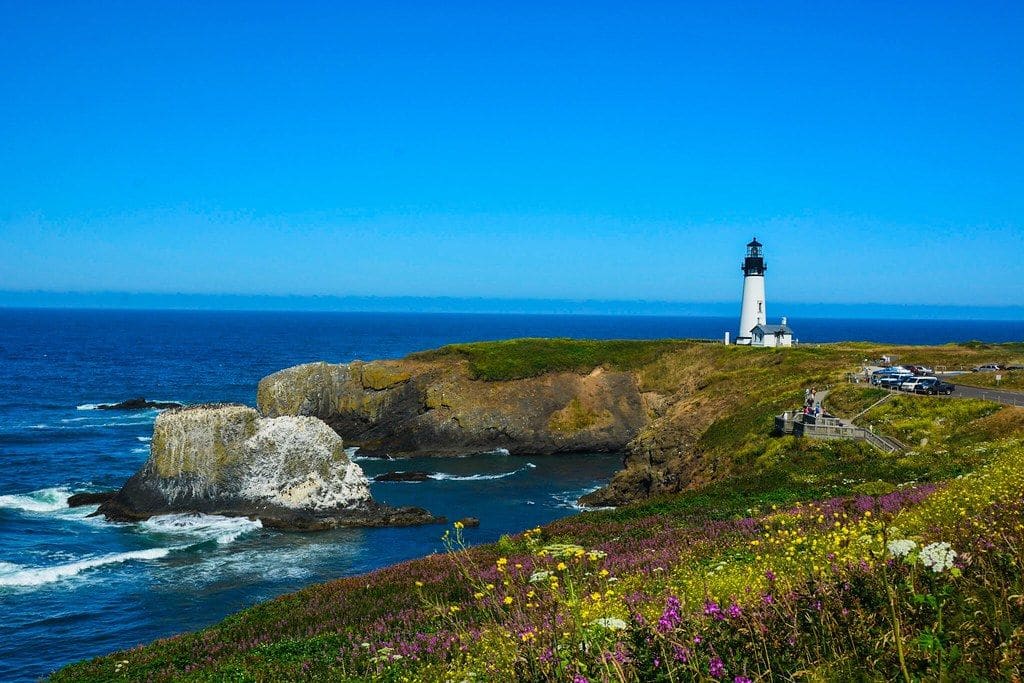
Its Yaquina Head Lighthouse, first lit in 1873 and standing 93 feet tall, is the tallest lighthouse in Oregon.
The Oregon Coast Aquarium was once home to Keiko, the orca that starred in Free Willy, before his eventual release.
Newport is home to NOAA's Marine Operations Center – Pacific, the homeport for the agency's Pacific research-vessel fleet.
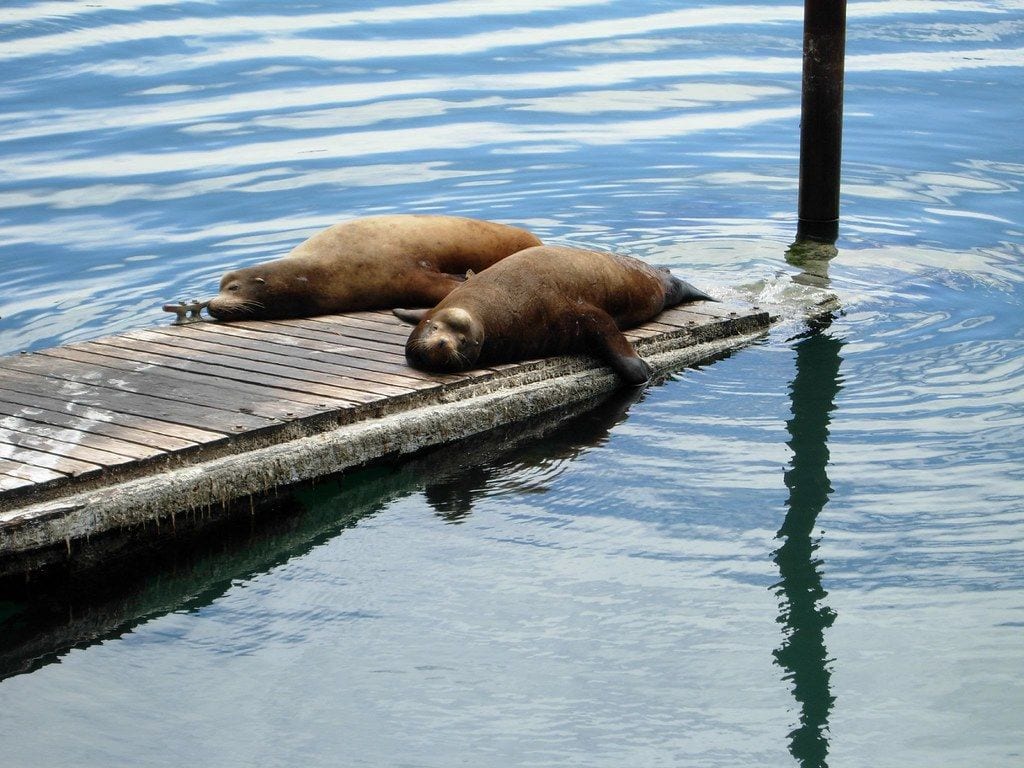
The Historic Bayfront is a working commercial fishing port, home to one of the largest fleets on the Oregon coast and a colony of resident California sea lions.
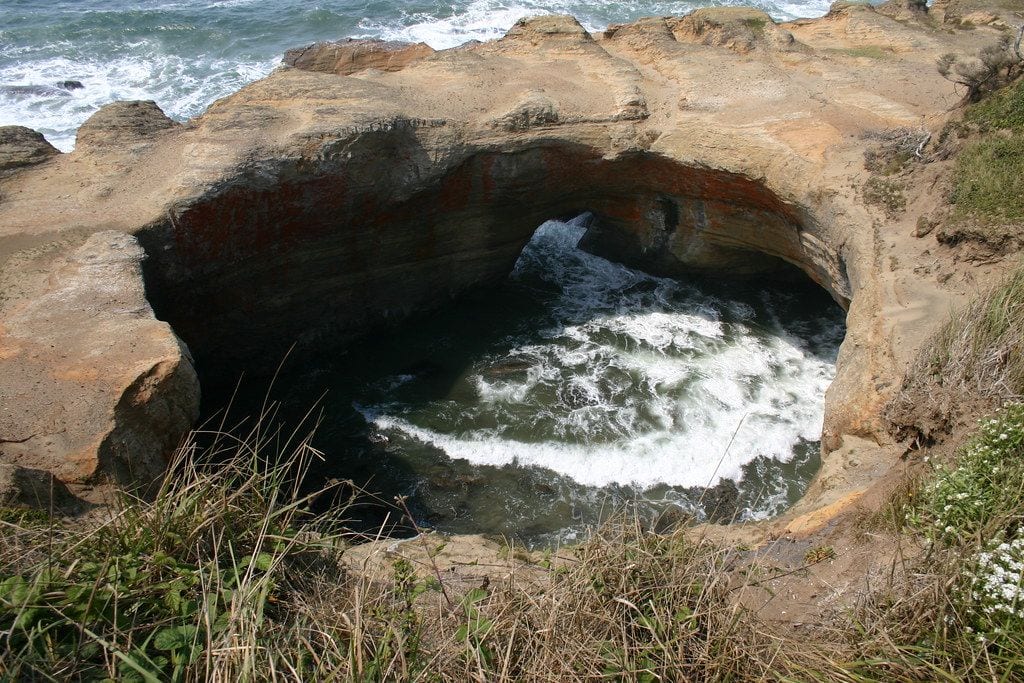
The Devil's Punchbowl State Natural Area sits about eight miles north of Newport at Otter Rock, protecting a hollow sandstone bowl that the surf pours into and churns through a sea-carved arch. Geologists trace the bowl to the collapse of two sea caves; at high tide during winter storms the incoming waves boil inside it, which is where the "punchbowl" name comes from.
Time a visit to Devil's Punchbowl for a low tide and you can climb down to Otter Rock's Marine Garden, a protected tidepool zone of anemones, sea stars and urchins. The clifftop day-use area is a reliable gray-whale lookout during the December-January and March-April migrations, and the original Mo's chowder house stands just up the road at the edge of the bowl.
The Oregon Coast Aquarium opened in 1992 on 23 acres along the south shore of Yaquina Bay and keeps roughly 3,500 animals across its exhibits. It was the longtime home of Keiko, the orca from the film Free Willy, who lived here from 1996 to 1998 before being flown to Iceland, and the aquarium built much of its early reputation on that rehabilitation.
The signature exhibit at the Oregon Coast Aquarium is Passages of the Deep, a walk-through acrylic tunnel where sharks, rays and rockfish swim overhead. Outdoor habitats hold sea otters, harbor seals, sea lions and a seabird aviary, while the Touch Pool lets visitors handle tidepool animals. The aquarium is regularly ranked among the top public aquariums in the United States.
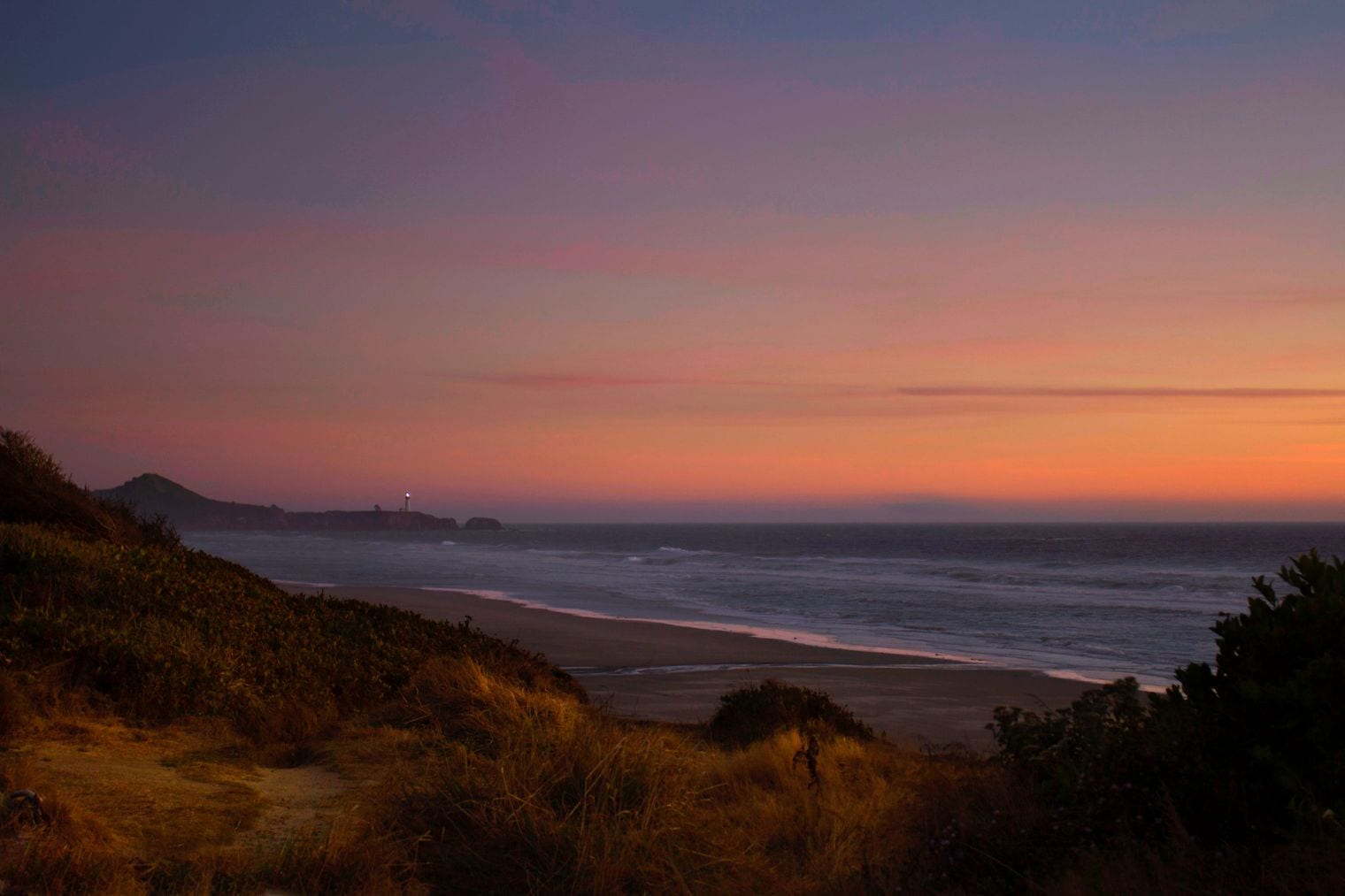
Yaquina Head Outstanding Natural Area is a basalt headland reaching nearly a mile into the Pacific just north of Newport, managed by the Bureau of Land Management. Its centerpiece is the Yaquina Head Lighthouse, which at 93 feet is the tallest on the Oregon coast; first lit in 1873, it still shows its original French-made Fresnel lens.
Below the lighthouse at Yaquina Head, Cobble Beach's round black basalt stones rattle as the tide moves over them, and offshore rocks host one of the coast's largest colonies of nesting common murres alongside cormorants and puffins. The Interpretive Center, opened in 1997, covers the headland's lighthouse and natural history, and the tidepools here rank among the most accessible in the region.
Rogue Ales & Spirits started brewing in Ashland in 1988 and moved its base to Newport's south side the following year, where its bayfront brewery and Brewer's on the Bay pub still sit across the water from the Historic Bayfront. Rogue is one of the few American breweries that grows its own ingredients, farming barley, hops and even honey at Rogue Farms in the Willamette Valley.
Beyond beer, Rogue Ales & Spirits distills spirits and cooperages its own barrels, an unusually vertical operation for a craft producer. The Newport brewery pours flagship beers like Dead Guy Ale alongside its distillery output, and tastings, tours and a bayside deck looking out over the fishing fleet make it a fixture of the town's south-shore visit.
South Beach State Park spreads across the dunes just south of the Yaquina Bay Bridge and runs one of the busiest campgrounds on the Oregon coast, with hundreds of electrical sites, tent spaces and a row of yurts, some of them pet-friendly. Its wide, flat beach fronts miles of open Pacific sand backed by shore pine and beachgrass.
South Beach State Park is a base for on-the-water activity as much as camping: the adjacent South Jetty and Yaquina Bay draw crabbers and anglers, and the park hosts guided kayak tours of the estuary in summer. A network of paved and sandy trails links the campground to the beach, and the South Jetty area is a well-known launch point for surfers and windsurfers.
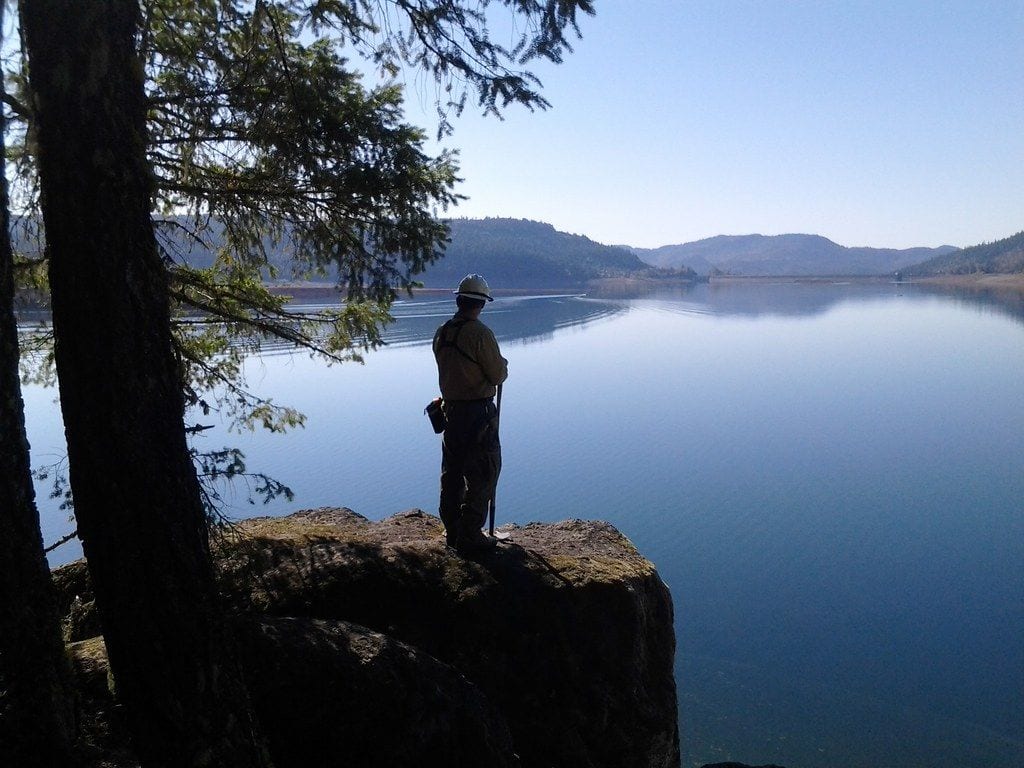
The Siuslaw National Forest begins just south and east of Newport and covers roughly 630,000 acres of the central Coast Range, established in 1908. It is the only national forest to include a stretch of the Oregon Dunes, and its terrain runs from coastal headlands and estuaries up to the summit of Marys Peak, the highest point in the range at 4,097 feet.
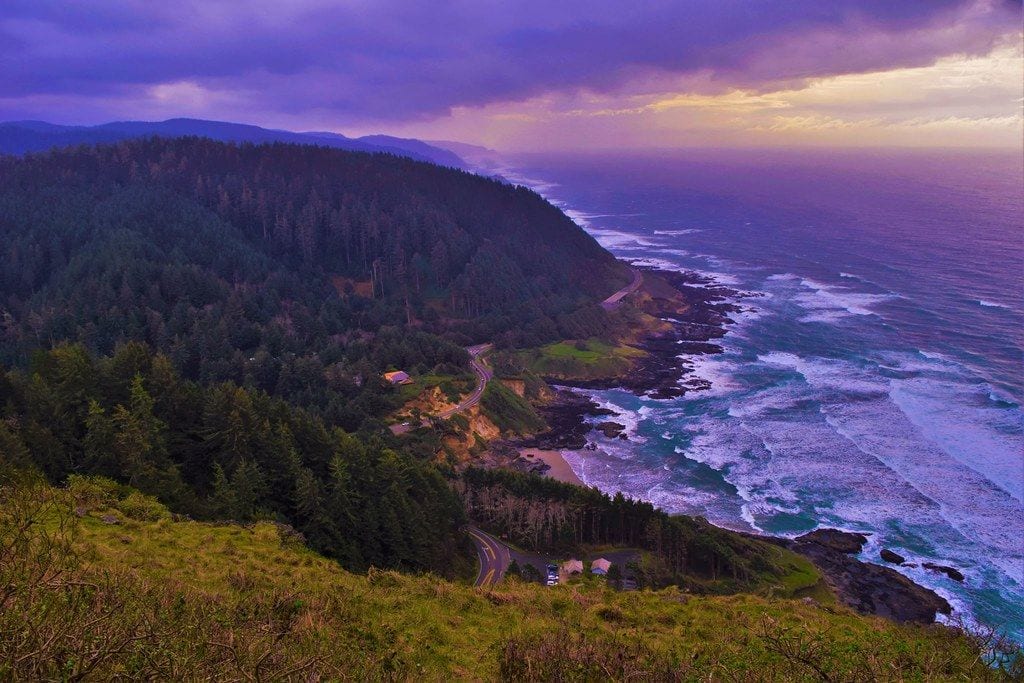
Within reach of Newport, the Siuslaw National Forest offers dense Douglas-fir and Sitka spruce forest laced with hiking trails, fishing streams and campgrounds. The Cape Perpetua Scenic Area to the south adds tidepools, the Thor's Well tidal feature and an old-growth grove, while Marys Peak rewards clear-day hikers with a view spanning the Cascades and the ocean.
Beverly Beach State Park lies about five miles north of Newport between Yaquina Head and Otter Rock, one of the most heavily used campgrounds in Oregon's park system. Spencer Creek runs through the campground and passes under U.S. 101 via the Spencer Creek Bridge, which carries campers on foot down to the open beach.
The beach at Beverly Beach State Park stretches for miles in both directions and is a productive spot for finding agates and, after winter storms, fossils eroding from the bluffs. The campground sits in a sheltered wooded creek bottom with full-hookup sites, tent areas and yurts, and a short interpretive loop trail winds through the streamside forest behind the sites.
Ripley's Believe It or Not! World of Adventure occupies part of the Mariner Square complex on the Historic Bayfront and grew out of the cartoons and collections of Robert Ripley, who from the 1920s onward traveled the world documenting the strange and the extreme. The Newport museum spreads its oddities across a series of themed galleries built around his findings.
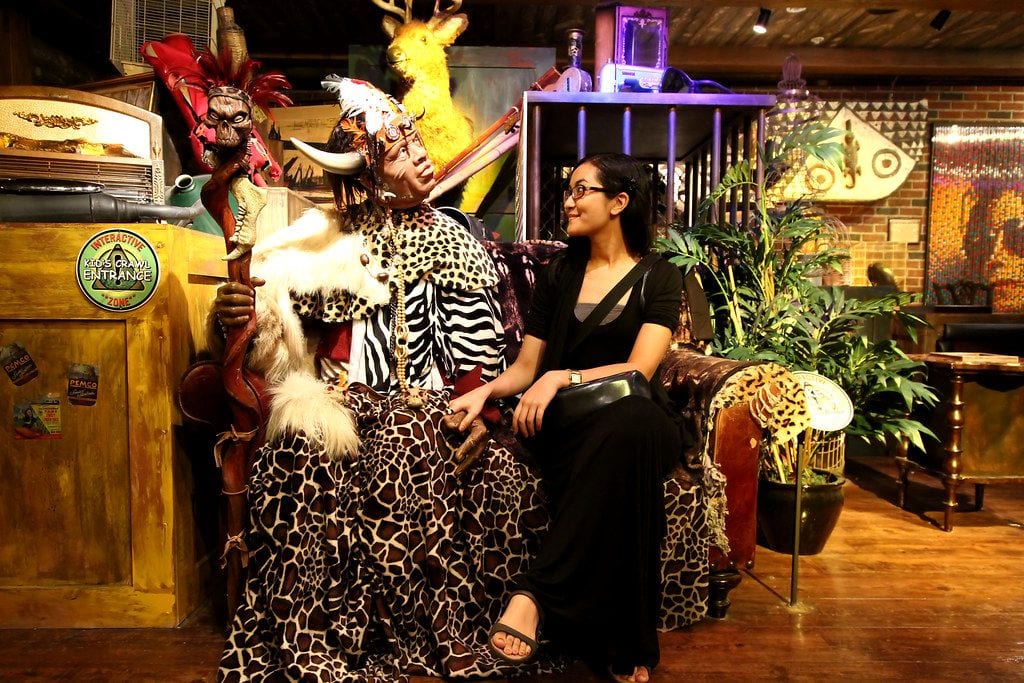
Inside, Ripley's Believe It or Not! World of Adventure mixes genuine artifacts with recreations, from shrunken heads and a section of the Berlin Wall to optical illusions and interactive stations. It shares the Mariner Square building with the Wax Works and an arcade, so the three attractions are usually visited together on a single combination ticket, and the collection skews to the family-friendly and the bizarre.
Yaquina Bay State Recreation Site occupies the bluff on the north side of the bay where it meets the sea, wrapped around the Yaquina Bay Lighthouse. Built in 1871, the wooden lighthouse is the oldest structure in Newport and the only Oregon lighthouse with the keeper's living quarters built into the same building.
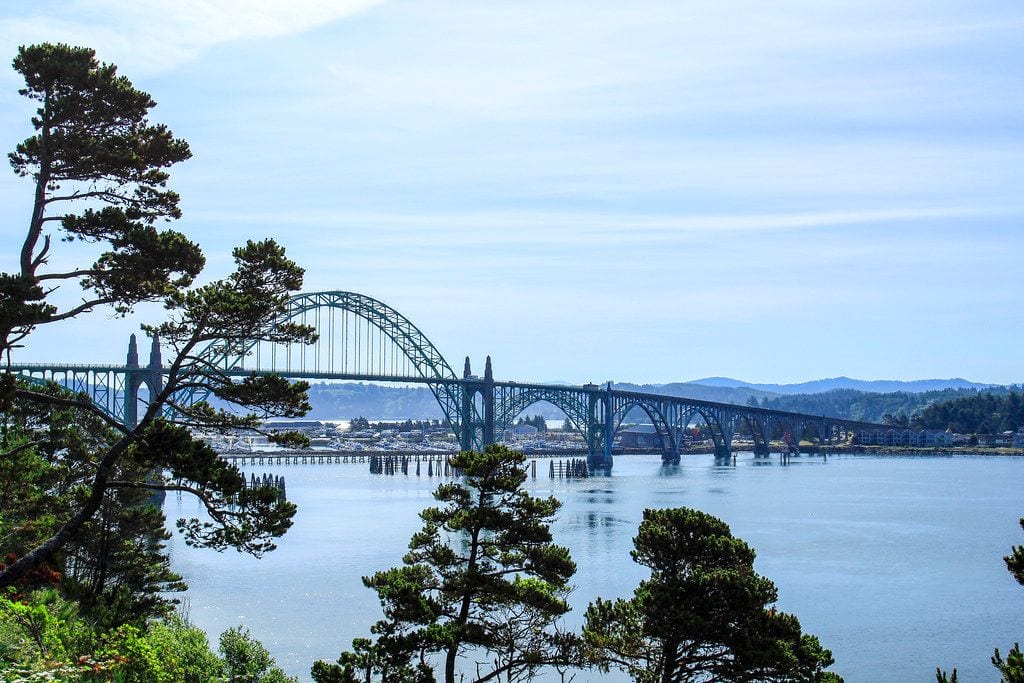
The Yaquina Bay light was retired in 1874, just three years after it was lit, when the taller Yaquina Head Lighthouse made it redundant, and it now operates as a restored museum with a long-standing ghost story attached. From the recreation site's bluff and picnic lawn there is a direct view of the Yaquina Bay Bridge, the 1936 Art Deco span designed by state engineer Conde McCullough.
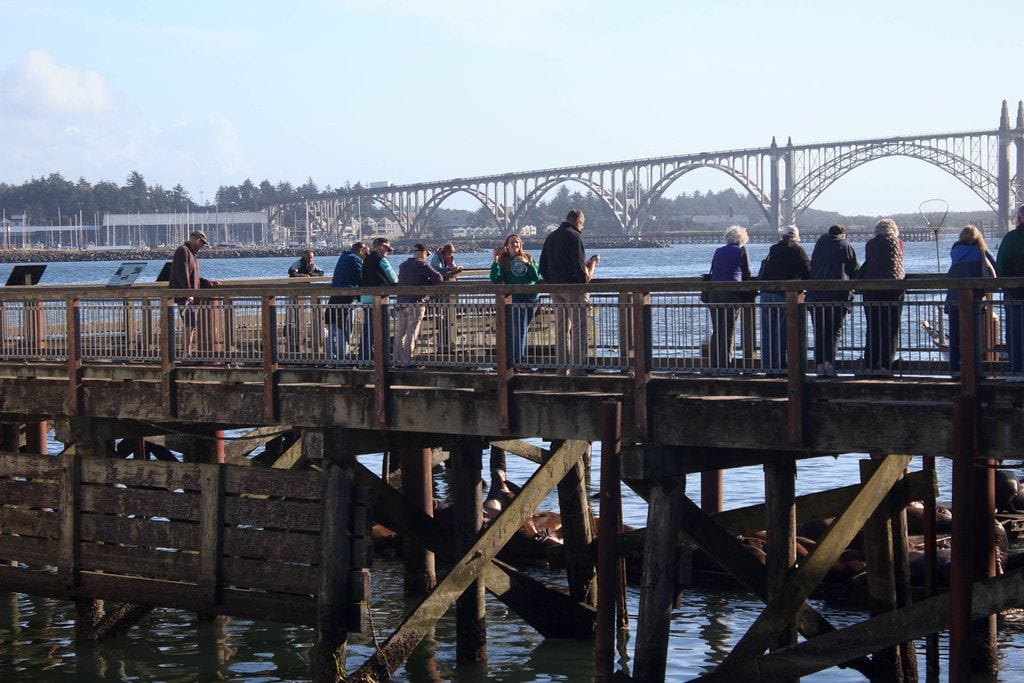
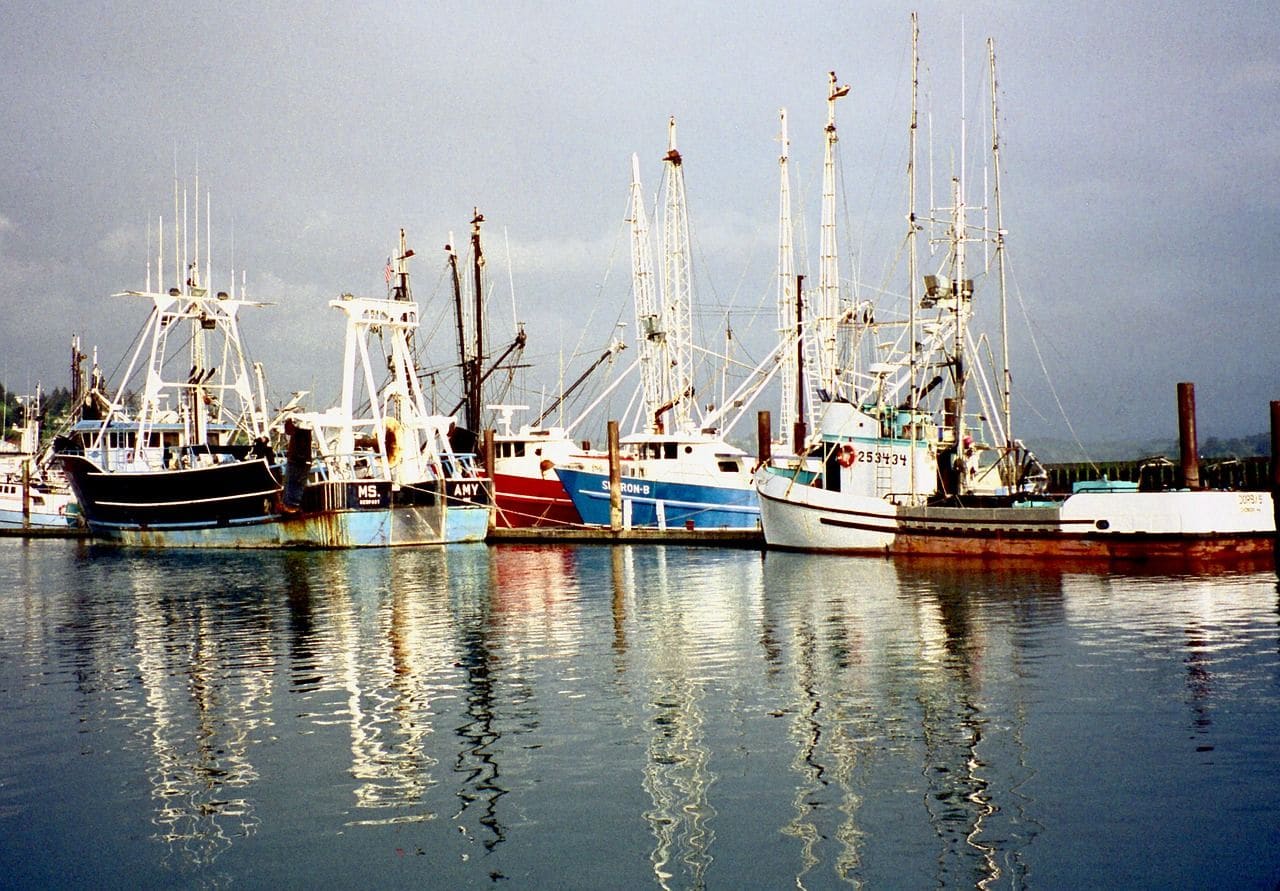
The Newport Historic Bayfront is the old working heart of town, a strip of docks, canneries and storefronts along the north shore of Yaquina Bay. This is still an active commercial fishing port, home to one of the largest fleets in Oregon, and its seafood-processing plants, boat repair yards and fish markets operate alongside the shops and galleries that draw visitors.
Walk the Newport Historic Bayfront and you can buy crab and fish straight off the boats, watch the fleet unload, and hear the resident California sea lions that haul out and bark from the bay's docks and pilings. The district packs in seafood restaurants, taffy makers, art galleries and a few museums, and it links directly to the Rogue-founded south side across the bridge.
Agate Beach State Recreation Site opens onto a broad, flat stretch of sand between Newport and Yaquina Head, named for the semi-precious agates that wash up along its length. It was a favorite of composer Ernest Bloch, who lived above the beach in the 1940s and 50s, and a wayside plaque marks his connection to the spot.
The four-mile sweep at Agate Beach is a good place to hunt agates after winter storms churn them up, and its consistent break makes it one of the more popular surfing beaches around Newport. The sand is wide enough that it rarely feels crowded, dogs are welcome, and Yaquina Head's headland and lighthouse close off the southern end of the view.
The Hatfield Marine Science Center is Oregon State University's coastal research campus, opened in 1965 on the south shore of Yaquina Bay. Named for U.S. Senator Mark Hatfield, it houses working laboratories where scientists study ocean ecosystems, fisheries and tsunamis, with a public Visitor Center that opens that research to the public year-round.
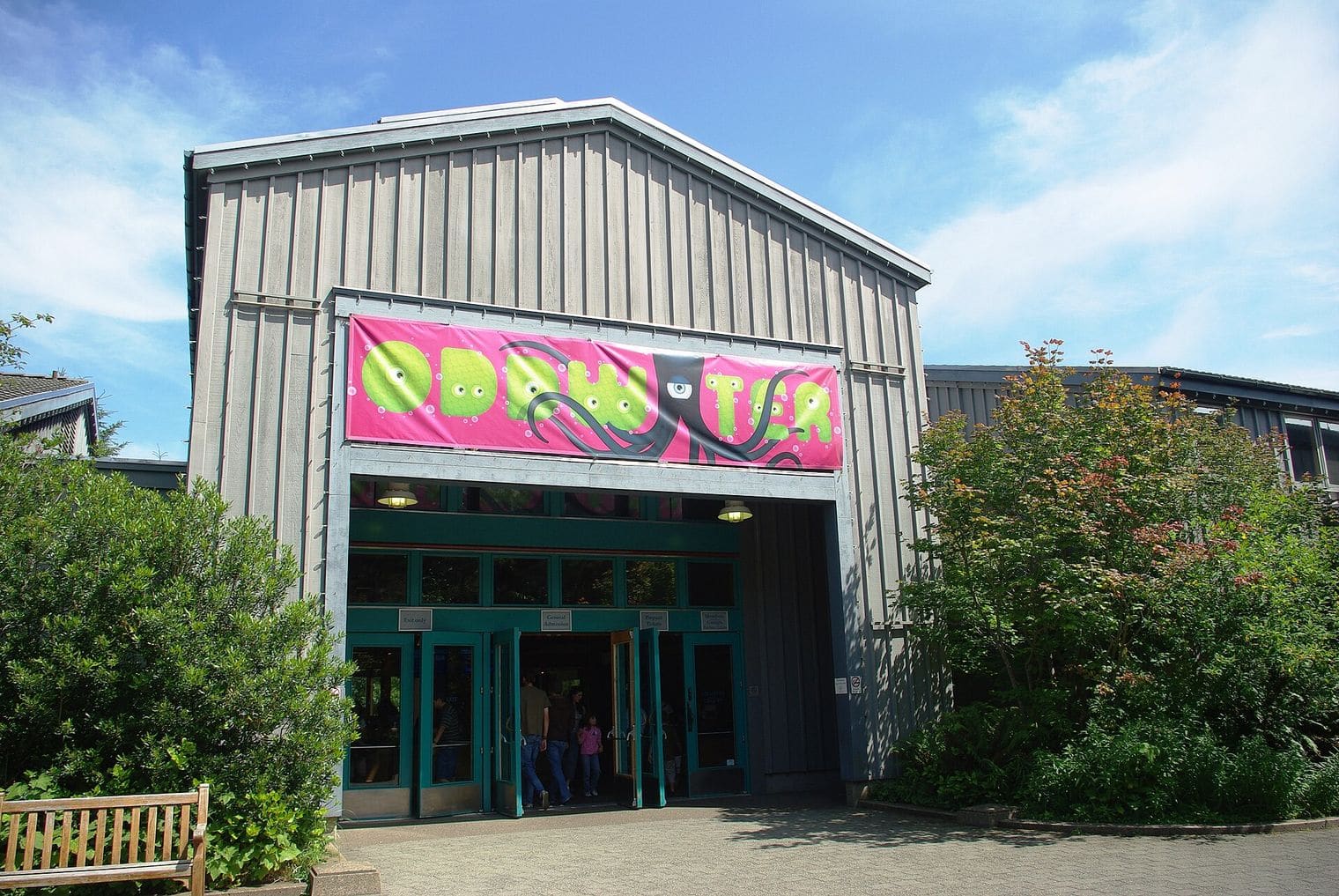
The Visitor Center at the Hatfield Marine Science Center centers on a live octopus tank and touch tanks stocked with local tidepool life, along with a wave tank where visitors can generate their own miniature tsunami. Exhibits explain the seismic risk of the Cascadia Subduction Zone offshore, and the center sits at the edge of the estuary trails and the aquarium, tying the whole south-shore science district together.
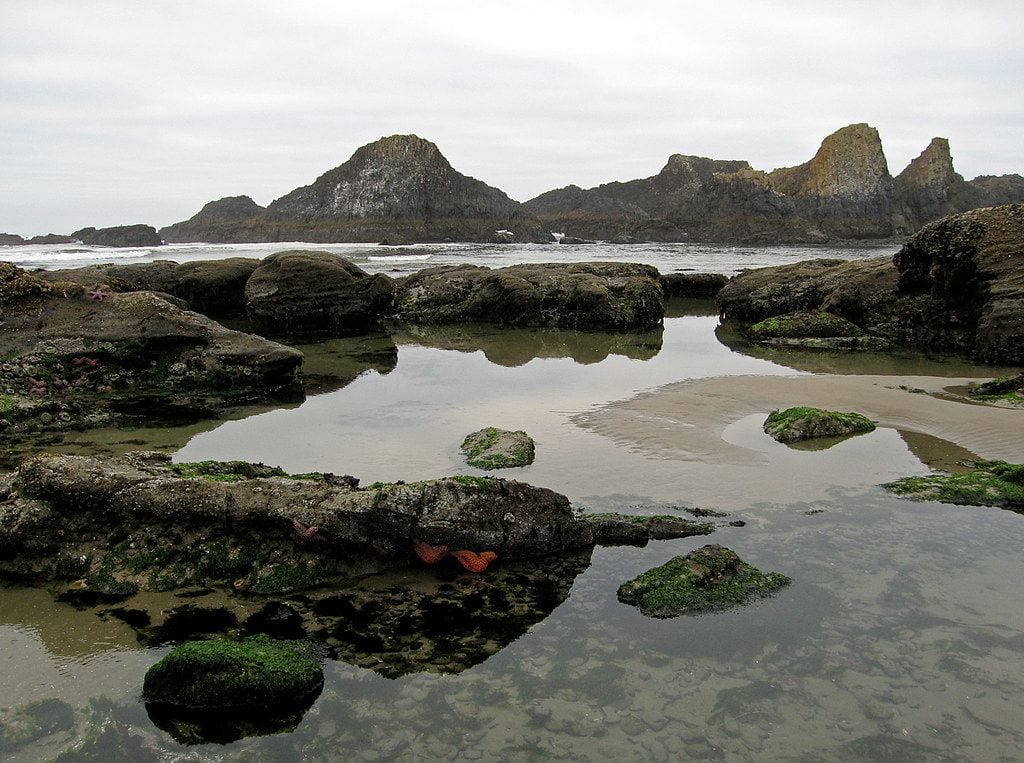
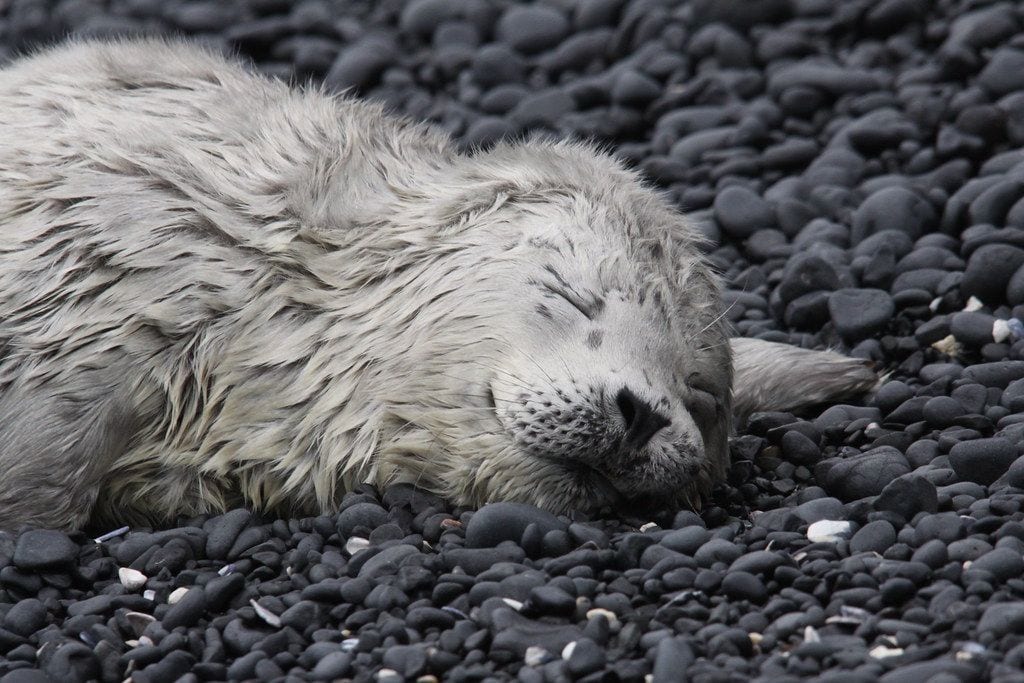
Seal Rock State Recreation Site sits about ten miles south of Newport, named for the offshore rock formations where harbor seals and sea lions haul out to rest. A short trail drops from the day-use area down to a beach hemmed by jagged basalt reefs and sea stacks that shelter some of the coast's richest tidepools.
At low tide the reefs at Seal Rock expose anemones, sea urchins, hermit crabs and starfish in the pools between the rocks, and nesting seabirds work the offshore stacks in season. The small community of Seal Rock above the beach holds a handful of galleries and eateries, and the exposed headland makes the site a dramatic, if wind-blown, stop between Newport and Waldport.
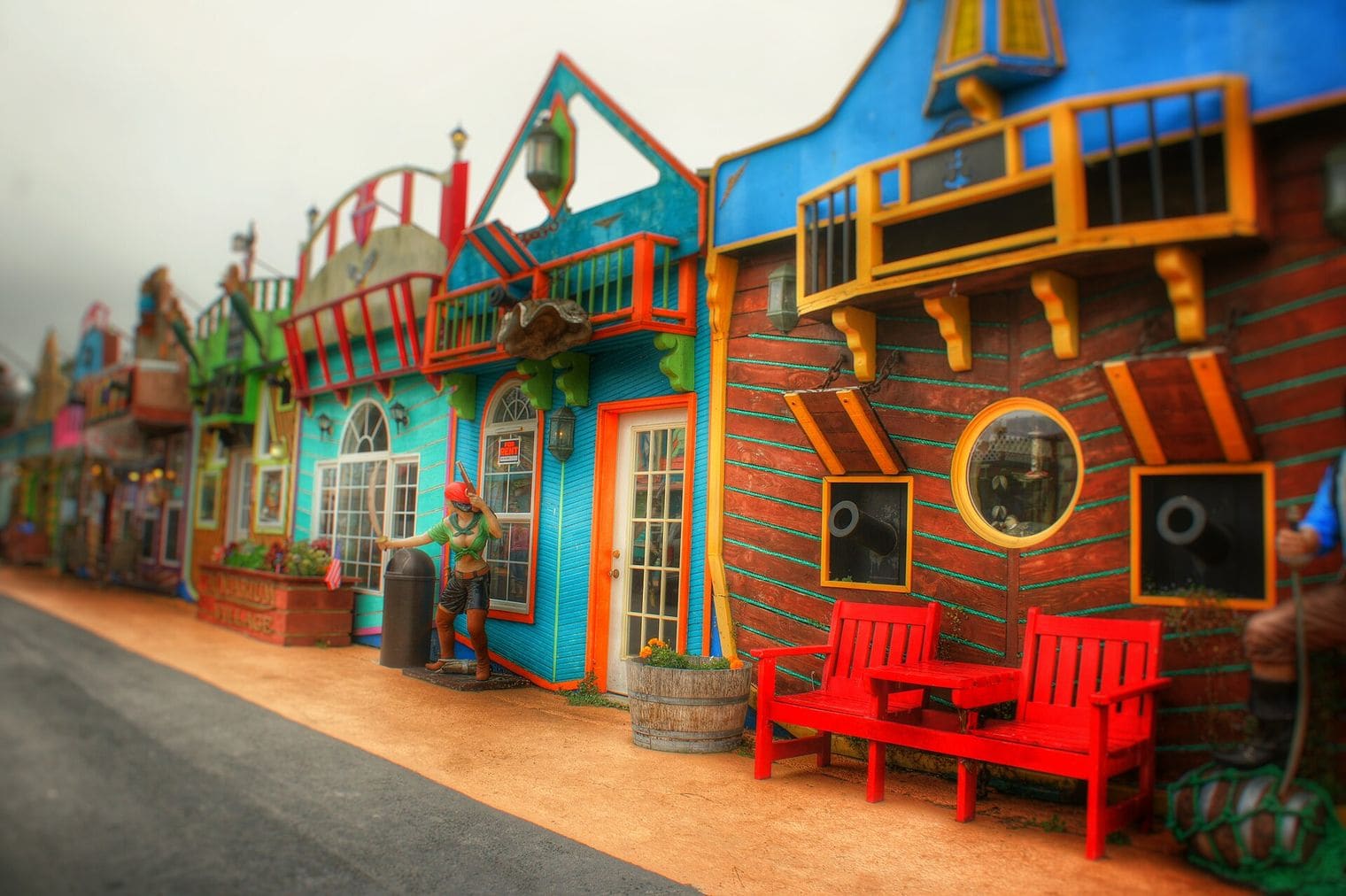
Aquarium Village is a cluster of shops and eateries on Ferry Slip Road at Newport's south end, a short walk from the Oregon Coast Aquarium and the Hatfield Marine Science Center. Built around a covered central boulevard, it collects independent antique dealers, gift shops, galleries and small attractions under one roof.
Aquarium Village is best known as the home of Pirate's Plunder, its sprawling multi-vendor antique mall, and it mixes in family draws like an indoor bounce house and carved marine and pirate figures by local artist Jac Genovese. Its position between the aquarium and the science center makes it a common stop for families already exploring the south-shore attractions.
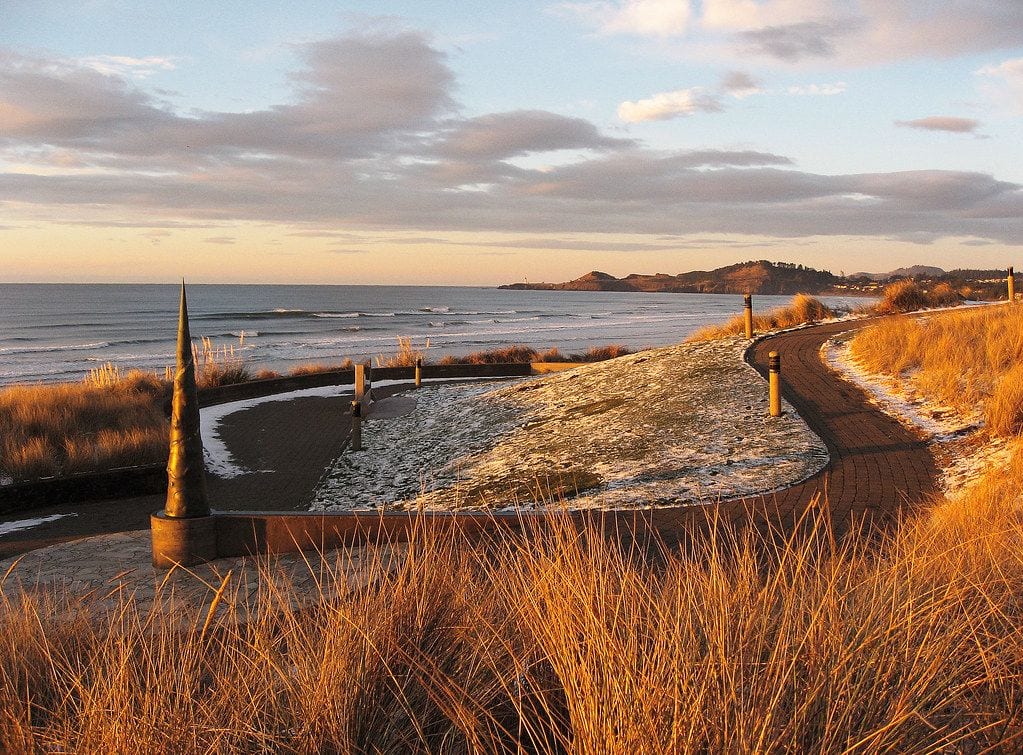
Don Davis Park is a compact two-acre oceanfront park in Newport's Nye Beach district, sitting on the bluff where the streets end at the sea. Its covered pavilion frames a wide, roughly 180-degree view over the Pacific, which makes it one of the easiest whale-watching perches in town during the winter and spring gray-whale migrations.
A path leads down from Don Davis Park to the sand at Nye Beach, passing a whale sculpture and a Vietnam Veterans memorial on the way. The park anchors the north end of the Nye Beach neighborhood, an early-1900s resort quarter of cottages, bookshops, cafes and the Newport Visual Arts Center that locals call "the town within the town."
Pirate's Plunder is an 8,000-square-foot antique and collectibles mall inside Aquarium Village at Newport's south end, where more than a hundred vendors rent booths under one pirate-themed roof. The stalls run to antiques, coastal and nautical decor, jewelry, books and handmade crafts, each dealer staging their own corner of the sprawling space.
The pirate framing at Pirate's Plunder is more than a name: staged photo spots, treasure-chest displays and a small giveaway for visiting children turn the mall into a browse-for-hours attraction rather than a straight shop. It sits alongside the other Aquarium Village tenants, so it pairs naturally with a visit to the nearby aquarium and science center.
Cobble Beach lies directly below the Yaquina Head Lighthouse, reached by a long stairway of roughly two hundred steps down the headland. The beach is not sand but a bank of rounded black basalt cobbles, worn smooth by the surf, and their loose rattle and clatter as each wave draws back gives the beach its distinctive sound.
Because Cobble Beach sits inside the Yaquina Head Outstanding Natural Area, its tidepools are protected and unusually rich, exposing sea stars, anemones and urchins at low tide. Offshore rocks just beyond the cobbles hold a large nesting colony of common murres in summer, and harbor seals often rest on the reefs within easy view of the shore.
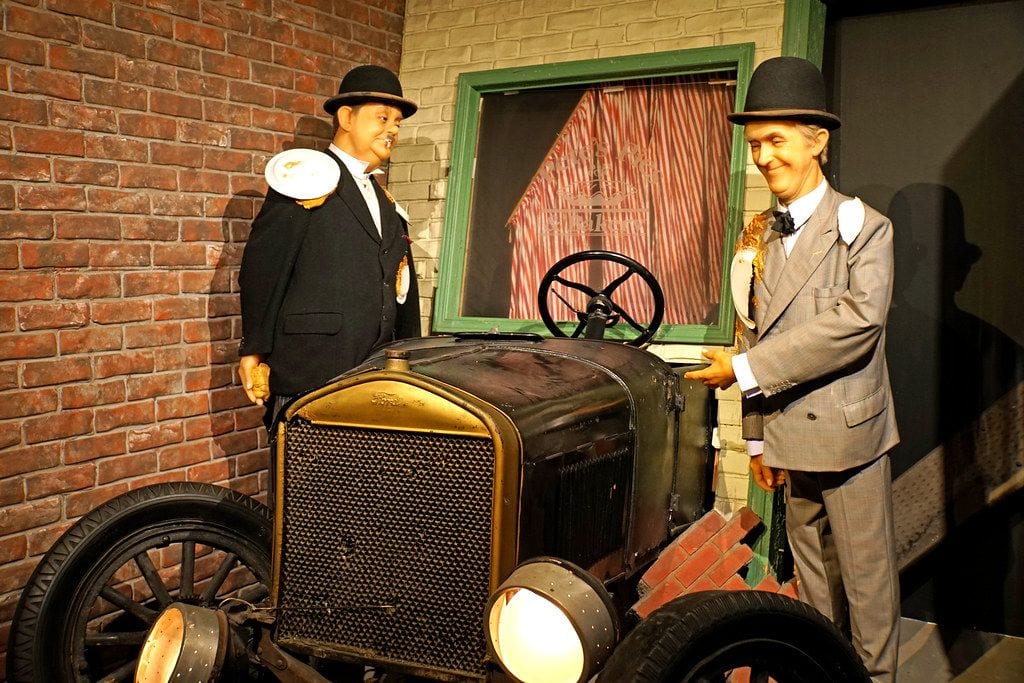
The Wax Works is a Louis Tussaud's wax museum in the Mariner Square building on the Historic Bayfront, connected by an arcade and gift shop to Ripley's Believe It or Not! next door. Its self-guided walk-through leads past full-sized wax figures of film, television and music characters, from horror villains to sci-fi heroes.
Alongside the celebrity likenesses, The Wax Works stages themed tableaux and a chamber-of-horrors section, with some animated figures and plenty of photo opportunities. Because it shares Mariner Square with Ripley's and the arcade, most visitors buy a combination ticket covering all three, making the wax museum a natural part of a rainy-day bayfront circuit.
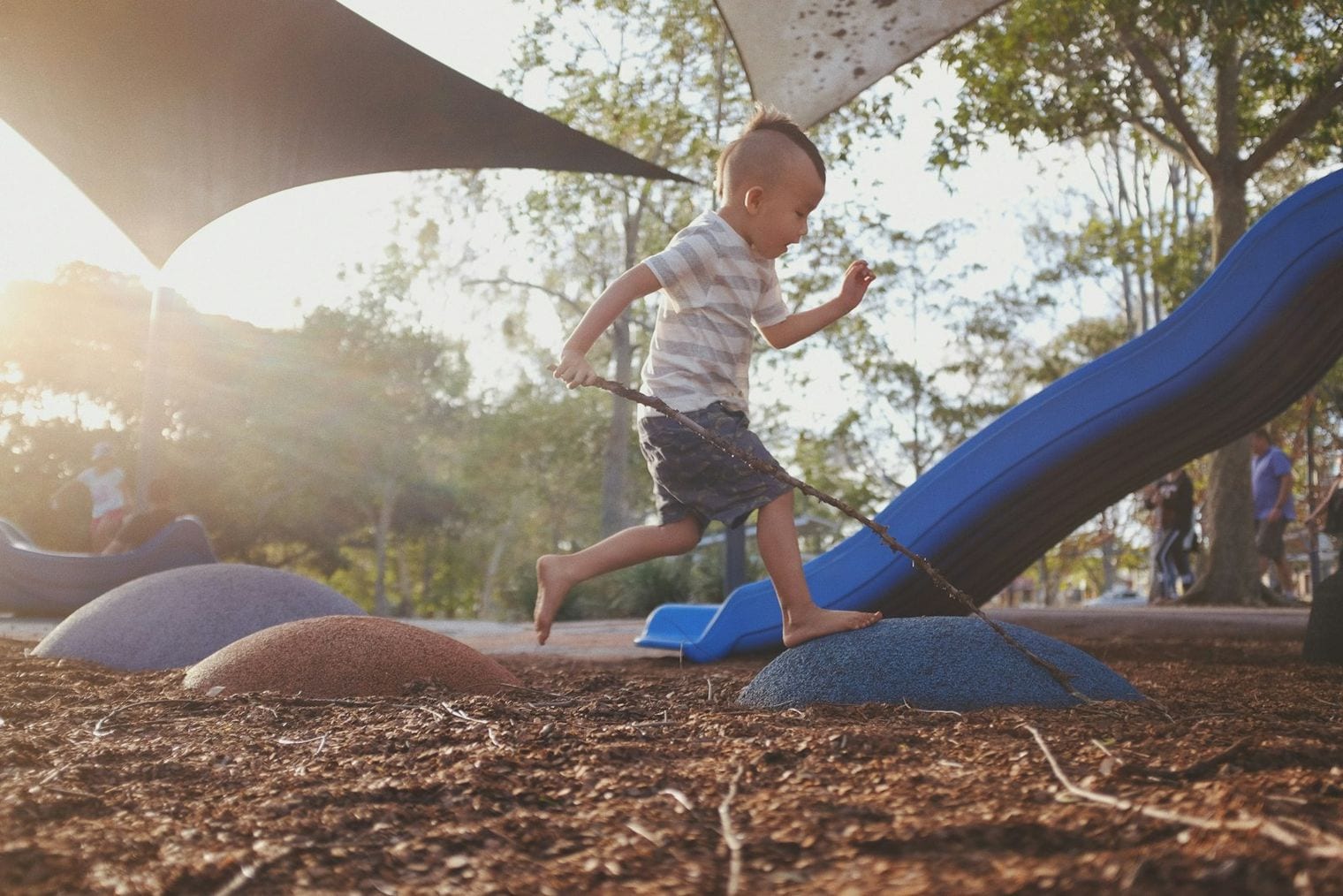
Coast Park is a small neighborhood park in Newport's Nye Beach district, set beside the Newport Visual Arts Center a short walk from the sand. One of the newer parks in town, it pairs a modern playground with a wetland rain garden and a low hill that opens up a view of the beach and the ocean beyond.
The draw at Coast Park is its play equipment: two playgrounds pitched at different ages and a detailed pirate-shipwreck structure with a tube slide running down the hillside. Its location amid the hotels, cafes and shops of the historic Nye Beach quarter makes it an easy stop for families breaking up a day at the beach, with picnic tables for the adults.
The Newport Free Public Crabbing Pier juts into Yaquina Bay on the south shore, between the Rogue Ales brewery and the Yaquina Bay Bridge, giving anyone a free, boat-free way to drop a crab pot into the estuary. The bay's Dungeness and red rock crab move through here, and the pier is a low-cost introduction to a signature Oregon-coast activity.
Crabbing from the Newport Free Public Crabbing Pier needs only a shellfish license, a pot or ring and some bait, all of which nearby bayfront shops rent and sell. Late summer into fall is the prime season, and the pier tends to draw a friendly crowd of regulars happy to show newcomers how to bait, drop and pull their gear.
Lost Creek State Recreation Site sits about seven miles south of Newport, a quieter wayside than the marquee parks, with a spruce forest at its back and open ocean in front. The setting delivers reliably dramatic sunsets, and its lower profile means the beach rarely fills the way the bigger sites do.
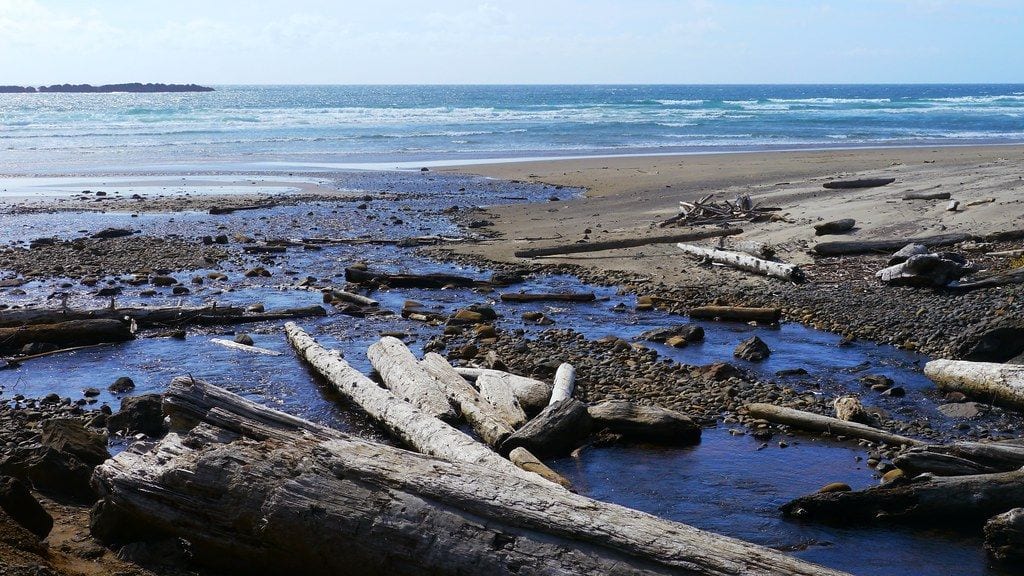
The wide sandy beach at Lost Creek is a good stretch for beachcombing, turning up driftwood, agates and the occasional fossil, and gray whales and brown pelicans pass offshore in season. The day-use area has picnic facilities and is dog-friendly, with the Whalers Rest RV resort next door making it a convenient base for travelers driving Highway 101.
Oregon Coast Glassworks is a glassblowing studio and gallery in Newport that bills itself as the first Native American-owned glassblowing shop in Oregon. Working before a live furnace, the studio produces sea-life sculptures, bowls, plates, floats and jewelry, each piece shaped by hand and one of a kind.
Beyond selling finished work, Oregon Coast Glassworks runs hands-on sessions where visitors gather molten glass and, guided step by step through the gathering, shaping and cooling, blow their own float or ornament to take home. Safety gear and instruction are provided, which makes the studio a distinctive stop for anyone wanting a made-in-Newport souvenir rather than a store-bought one.
The Pacific Maritime Heritage Center opened in 2013 on a hillside above the Historic Bayfront, run by the Lincoln County Historical Society in a building that was once a restaurant and nightclub. Its wall of windows and outdoor deck look straight down over the working harbor and the bay it interprets.
Inside, the Pacific Maritime Heritage Center traces roughly 150 years of Yaquina Bay's fishing, shipping, shipwreck and tourism history through artifacts, most of them donated by local families and organizations. A small theater screens films on the coast and Highway 101, and the center doubles as a venue for community events, giving Newport's maritime story a dedicated home.
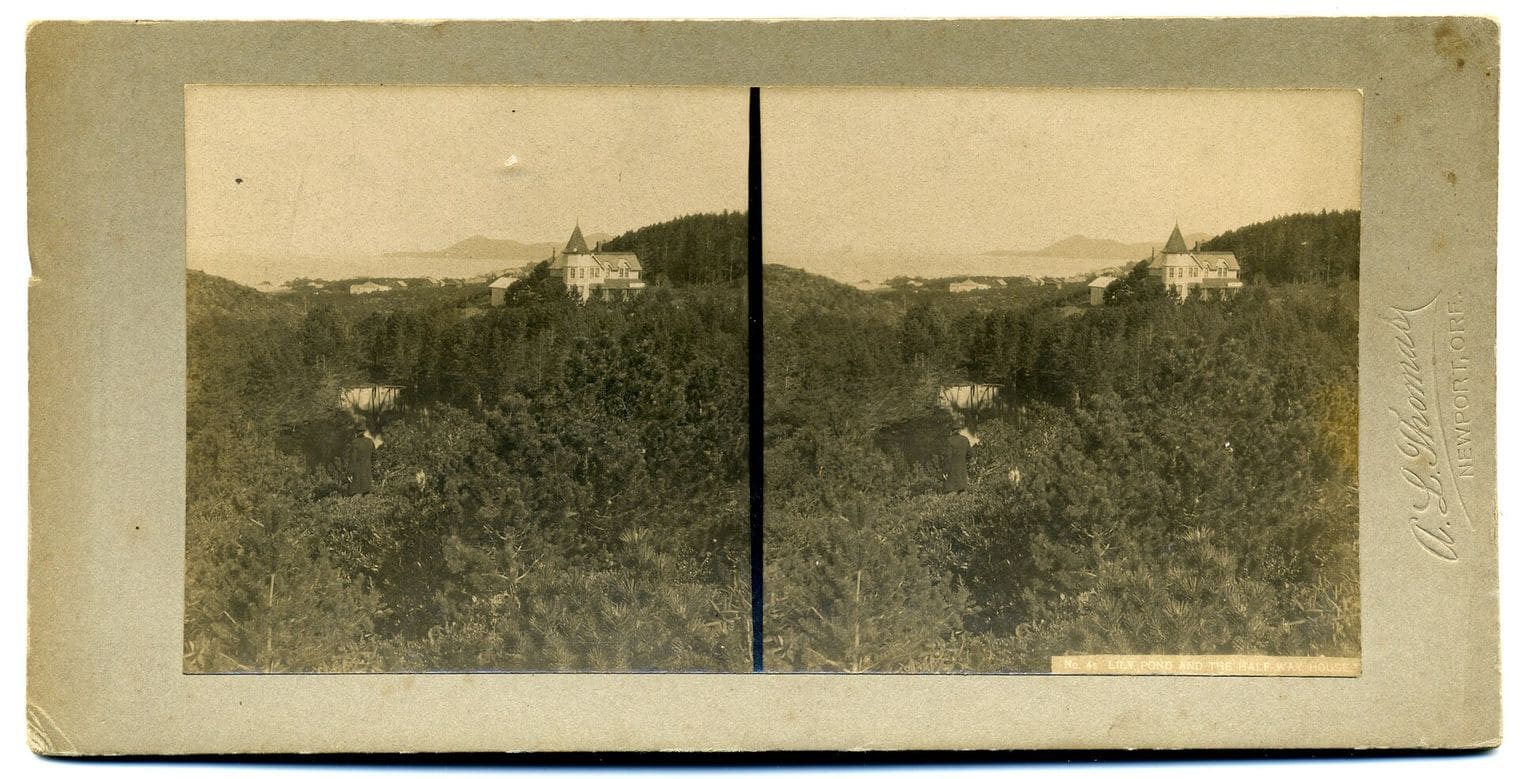
The Burrows House is a Queen Anne Victorian built in 1895 for Susan and John Burrows, standing between the Bayfront and Nye Beach in a position that earned it the old nickname "the halfway house." Over its life it served as a boarding house and later a funeral parlor before the Lincoln County Historical Society turned it into a museum.
The Bank of Newport bought the property in 1976 and donated it to the historical society, and the Burrows House now holds period rooms, pioneer and maritime exhibits, a research library and a preserved historic law office. Staff-led tours walk visitors through Newport's settlement and early tourism history, making it one of the quieter, more local-facing museums in town.
Local Ocean Seafoods is a restaurant and fish market on the Historic Bayfront that buys directly from the boats tied up outside, working with a network of local, small-scale fishermen. The market side labels its catch with the vessel that landed it and the method used, and that traceability is the whole premise of the place.
The bay-facing dining room at Local Ocean Seafoods puts the fishing fleet in full view through big windows, and its short, catch-driven menu changes with what comes in off the docks. It draws long lines in summer, sells prepared "DockBox" meal kits to take home, and has done as much as any single business to give Newport its reputation for fresh Oregon-coast seafood.
Best Time to Visit Newport
Summer, roughly July through September, is Newport's driest and warmest stretch and the peak season for beach days, tidepooling, and boat trips, though the campgrounds, aquarium, and bayfront are at their busiest. Late spring and early fall make excellent shoulder seasons: the crowds thin, lodging eases, and the weather is often clear and mild, ideal for hiking the headlands and walking the beaches.
The Oregon coast is a year-round destination, and Newport's off-season has its own draws. Winter brings dramatic storm-watching along the rocky shore and two of the best gray-whale-watching windows of the year, when thousands of whales pass offshore during their December–January southbound and March–June northbound migrations. Rain is common from late fall into spring, so pack layers and a waterproof shell whenever you come.
Getting to Newport
Newport sits on the central Oregon coast where two highways meet, and no Interstate reaches the town directly. The Oregon Coast Highway runs north-south through the city, crossing the graceful arch of the Yaquina Bay Bridge, and it is the scenic thread that links Newport to every other beach town along the shore. Heading inland, a major east-west US highway begins at its western terminus here and climbs over the Coast Range toward the Willamette Valley, where it connects to the Interstate that runs the length of western Oregon. If you are driving down from the north, plan on a coast-hugging route or a valley run over the mountains, both of which are well signed.
Newport has its own small municipal airport, but it handles general-aviation and charter traffic rather than scheduled passenger flights, so most visitors arrive by car. The closest full-service commercial airport is inland in the mid-Willamette Valley, roughly an hour and a half away over the Coast Range. The larger regional hub, with the widest choice of connections, is the major airport near Oregon’s biggest city to the north; from there it is about a two-and-a-half to three-hour drive to the coast. There is no passenger rail into Newport, but a long-distance shuttle bus links the town with the northern airport, and regional coach connections tie it into the wider valley network.
Getting Around Newport
Newport is a spread-out coastal town rather than a compact walking city, so having a car makes the whole area far easier to explore. That said, two districts reward you on foot. The historic bayfront along the harbor is a tight, strollable strip of working docks, shops, and eateries, and the older commercial core up the hill can be walked once you have parked. Between neighborhoods, though, distances stretch out, and the beaches, headlands, and science campuses sit several miles apart, so a car or rideshare is the practical way to move among them.
Parking is generally easy and mostly free, with lots and street parking near the bayfront, along the beach access points, and at the state park and natural-area trailheads, though the harbor fills up on the busiest summer afternoons. A local transit service links the main districts for those without a car, and cycling is pleasant along the flatter bayfront and beach roads, though the coast highway itself carries steady traffic and the hills inland are a workout. For getting to trailheads and viewpoints outside the center, a vehicle remains the simplest option.
Where to Stay in Newport
Where you base yourself shapes the whole visit. The historic bayfront is the most atmospheric choice, putting you within walking distance of the harbor, the fishing docks, and the cluster of shops and eateries, and it suits travelers who want to leave the car parked for the evening. Just south across the bay, the beach district near the big state park and the marine-science campuses is quieter and more spread out, with easy access to wide sand and dune trails, and it works well for families and anyone who wants the ocean close at hand.
For a calmer, more residential feel, the neighborhoods up on the bluff and along the older commercial core sit a little back from the water and put you near everyday services. If you are arriving late or plan day trips over the Coast Range, staying toward the east side of town near the inland highway junction shortens the morning drive out of the valley. Wherever you land, nothing in Newport is far, so choose by the atmosphere you want rather than by proximity to any single sight.
Where to Eat in Newport
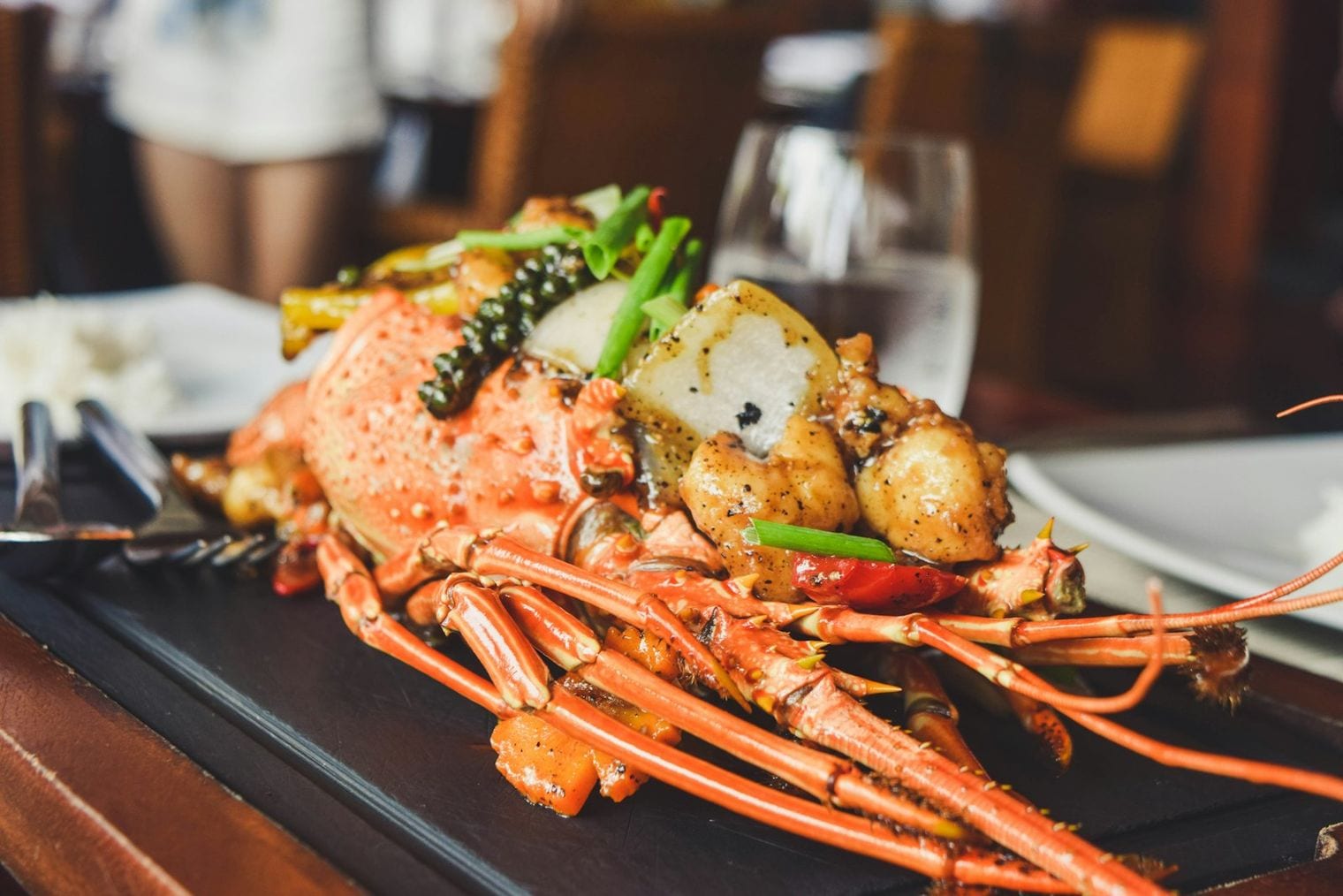
Newport’s dining leans hard on the sea, and the historic bayfront is the heart of it, where boats unload the day’s catch practically at the door. This is Dungeness crab country, so look for it cracked whole, folded into rich crab cakes, or piled into a roll, and the same waters bring in Pacific rockfish and lingcod that turn up in classic fish and chips and in steaming bowls of chowder. Grilled or smoked salmon is a regional staple, and oysters and razor clams from the estuaries and beaches round out the local repertoire.
Beyond the harbor, the older commercial core up the hill holds the everyday restaurants, bakeries, brewpubs, and coffee houses where locals eat, giving you a break from seafood when you want one. The Pacific Northwest kitchen shows up here too, with berry-laden pastries, hazelnuts worked into sweets and savories, and craft beer poured almost everywhere. For the freshest experience, buy shellfish straight off the docks or from a fish market and eat it steps from where it came ashore.
One Day in Newport
Newport rewards a day spent moving north to south with the ocean always on your right & the working harbor at its heart — headlands and tide pools first thing, the old fishing bayfront through the afternoon, and a plate of just-landed seafood as the light goes.
Morning: Start at Yaquina Head Outstanding Natural Area, where the tallest lighthouse on the Oregon coast anchors a basalt headland thick with nesting seabirds and, on the rocks below, harbor seals. Walk down to Cobble Beach, the round-stone shore that clatters as the surf pulls back and hides some of the best tide pools around the bay. From there it’s a short drop south to Agate Beach State Recreation Site, a broad, easy stretch of sand for a slow beachcombing stroll before the town wakes up fully.
Afternoon: Point the car toward the harbor and give the afternoon to Newport Historic Bayfront, where fish plants, galleries & salt-worn storefronts line the waterfront and the sea lions bark from the docks. Duck into the Pacific Maritime Heritage Center for the story behind all those boats, then cross Yaquina Bay Bridge to the South Beach side and lose a couple of hours at the Oregon Coast Aquarium, home to walk-through underwater tunnels and one of the finest seabird aviaries on the coast.
Evening: Head back over the bridge for dinner at Local Ocean Seafoods, a fish-market-meets-restaurant right on the bayfront where the day’s catch is about as fresh as it gets, then finish with a pint at Rogue Ales & Spirits out on the South Beach marina. If you have a second day, drive south into the Siuslaw National Forest, a sprawling coast-range wilderness of dunes and old-growth that easily fills a day on its own.
Newport makes a fine launch point for exploring the coast in both directions, though the best distant destinations are longer hauls rather than quick hops. Drive north up the Oregon Coast Highway and, over roughly three hours, you reach Astoria at the mouth of the Columbia River, a historic port town well worth an overnight if you have the time. Push farther north across the state line, about four and a half hours away, and you can reach Tacoma on Puget Sound. Closer at hand, the string of lighthouses, headlands, and small beach towns immediately north and south of Newport can each be seen in a single easy outing along the shore.
Turn inland instead and the east-west highway climbs over the Coast Range to the Willamette Valley in about an hour, opening up college-town culture, wine country, and the valley’s farm-fed food scene. The forested mountains between the coast and the valley are laced with state parks, waterfalls, and hiking trails, making the drive itself a destination. Whichever direction you choose, keep an eye on coastal weather and mountain-pass conditions, which can turn a scenic run slower in the wetter months.
FAQ: Visiting Newport
What is Newport best known for?
Newport is best known as Oregon's central-coast fishing and marine-science hub. It anchors the Oregon Coast Aquarium, Oregon State University's Hatfield Marine Science Center and the 93-foot Yaquina Head Lighthouse, and its Historic Bayfront remains one of the busiest commercial fishing ports in the state, complete with barking sea lions.
Is Newport worth visiting?
Yes. Few Oregon-coast towns pack this much into one stop: a top-ranked aquarium, two 19th-century lighthouses, tidepool headlands at Yaquina Head and Seal Rock, and the beer at Rogue Ales and Spirits. The mix of world-class marine science and working waterfront gives Newport more depth than a typical beach town.
How many days do you need in Newport?
Two full days suit most visitors. One day covers the south-shore science district, the Oregon Coast Aquarium and Hatfield Marine Science Center, plus Rogue Ales and Spirits. A second day handles Yaquina Head, the Historic Bayfront, Nye Beach and a state park such as Beverly Beach or South Beach State Park.
What can you do for free in Newport?
Plenty. Walking the Historic Bayfront, combing Agate Beach for agates, whale-watching from Don Davis Park, exploring Seal Rock State Recreation Site and playing at Coast Park all cost nothing. Devil's Punchbowl State Natural Area and Lost Creek State Recreation Site are free too, and the Newport Free Public Crabbing Pier is open to all.
When is the best time to visit Newport?
Summer brings the warmest, driest weather and guided kayak tours at South Beach State Park. For whale-watching, target the gray-whale migrations from late December into early January and mid-March into April, when the headlands at Devil's Punchbowl and Yaquina Head are prime lookouts. Winter storms also power the surf at Devil's Punchbowl.